


 购物车
购物车 个人中心
个人中心
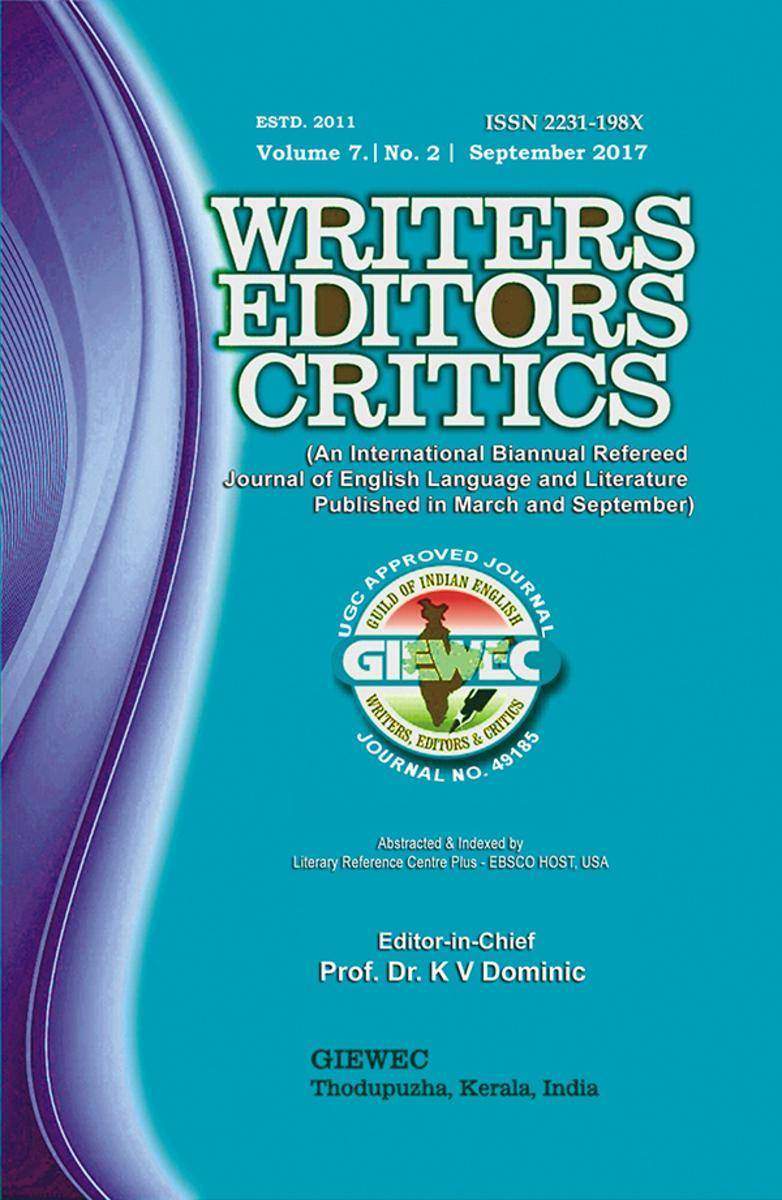
Writers Editors Critics (WEC):Vol. 7, No. 2 (September 2017)
¥48.74
Writers Editors Critics (WEC) An International Biannual Refereed Journal of English Language and Literature Volume 7, Number 2 (September 2017) ISSN: 2231-198X RESEARCH ARTICLES Sharan Speaks: Colours of Resistance and Emancipation on the White Paper - Jaydeep Sarangi Kahlil Gibran's The Prophet: An Appraisal of Life Skills - S. Kumaran Analyzing Intertextuality in Paulo Coelho's Manuscript Found in Accra - Joji John Panicker Multicultural Ideologies in the Select Poems of K. V. Dominic: A Rendition of Poetic Insight - Parthajit Ghosh Confrontation of Democracy and Religion-Centred Politics Intriguing Khushwant Singh's India in The End of India - Sreedevi R and Raichel M. Sylus Pangs of Lacerated Psyche--An Analysis of Ramesh K. Srivastava's My Father's Bad Boy: An Autobiography - Smita Das Poetry and its impact on status quo: The case of poems by Ethiopian students in the 1960s - Tesfaye Dagnew Gebrehiwot Tracing Spirituality in a Feminist Context in Khushwant Singh's I Shall Not Hear the Nightingale - Kanchan Mehta A Study of the Radicalism of Daniel Defoe in the Novel Robinson Crusoe - Iman Abdullah Al Mahdi A Socio-Psychological Analysis of Anita Desai's Baumgartner's Bombay - Atul Rasika Moudgil Conflicts between the Conscious and Unconscious mind in Shashi Deshpande's Strangers to Ourselves - M. Durga Devi Bio-Diversity and Deep Commitment: A Deep-Ecological Study of Bengali Dalit Poetry - Sibasis Jana A Canadian Asset: Mavis Gallant Celebrated For Her Style and Technique - M. Revathi REVIEW ARTICLES T. V. Reddy's Insightful Survey of Indo-English Poetry - Manas Bakshi Effusion of Emotions in Manas Bakshi's Parnassus of Revival - S. Barathi An Economic Perspective of K V Dominic's Short Story "Who is Responsible?" - Mousumi Ghosh Seeing Beyond Seeing: Ecstatic Epiphanies, Uncanny Realizations and Ultimate Transformation in Alexander Raju's And Still Plays The Abyssinian Damsel on her Dulcimer - Kavitha Gopalakrishnan Jacinta: A Pioneer Tribal Poet in Hindi -Fr. Varghese Paul, SJ BOOK REVIEWS O. P. Arora's Heartbeats of Silence: A Collection of Poems - Anisha Ghosh (Paul) Natalia Molebatsi and Tiziana Pers, Elephant Woman Song - Jaydeep Sarangi Jaydeep Sarangi's To Whom I Return Each Day - Patricia Prime SHORT STORIES A Memorable Present - Ramesh K. Srivastava Vanity Fair - T. V. Reddy A Hartal Safari in God's Own Country - K. V. Dominic A Change for the Better - Chandramoni Narayanaswamy As You Sow - Manas Bakshi In the Light of Anamika's Thought - Sabita Chakrabarti Another dawn ... another day... 164 - Molly Joseph POEMS How to Tear away the Self - D. C. Chambial Sitas and Savitris - D. C. Chambial The Chameleon - O. P. Arora I Walked through the Forest - O. P. Arora When I Was Thirteen - O. P. Arora Taking it from Nature - Manas Bakshi Caution - Manas Bakshi In Search of New Hues - Ketaki Datta No Bullets for No Cause - Ketaki Datta Peace Bombed to Doom - Ketaki Datta Poetry - Rajiv Khandelwal Miser - Rajiv Khandelwal Standing Alone - Rajiv Khandelwal A Hymn - Ramesh Chandra Mukhopadhyaya Life Touches - Molly Joseph The Cart - Rita De A Seat - Rita De Learn more at www.ProfKVDominic.com
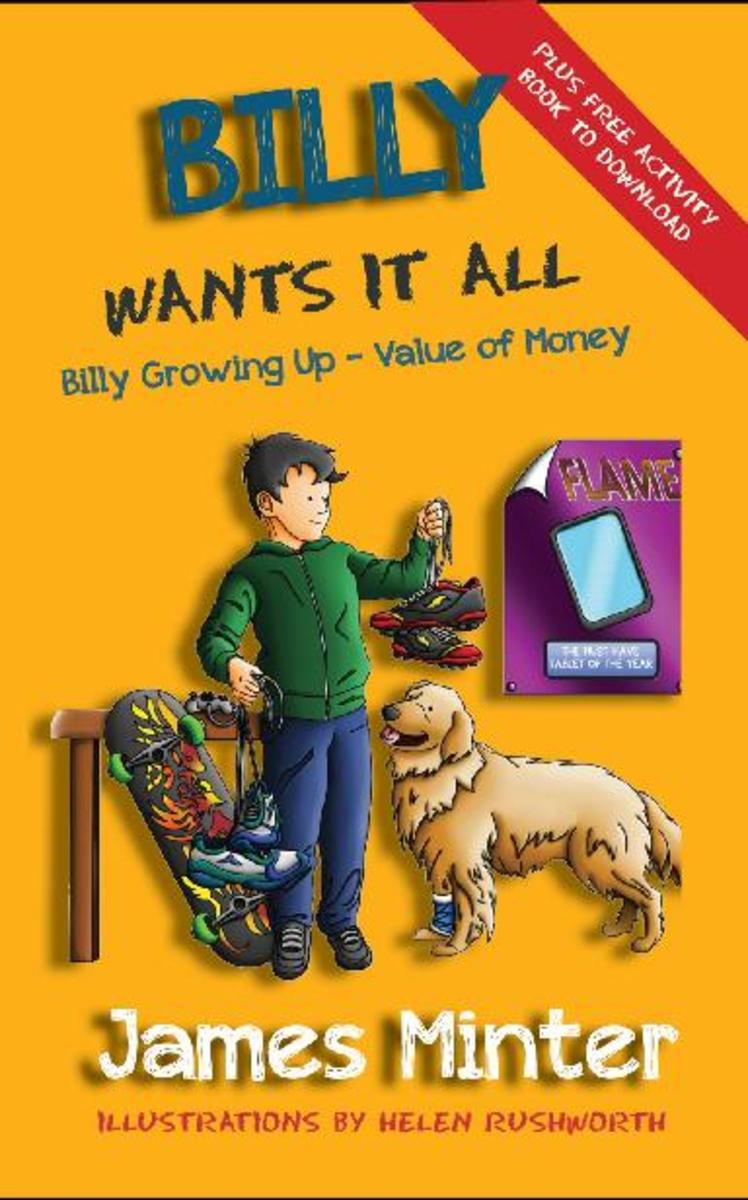
Billy Wants It All: Value of Money
¥36.62
For 7 to 9-year-old boys and girls. Children, usually driven by peer-pressure, want the latest toys, electronics and clothes, but have little understanding of the value of money or where it comes from. This is essential knowledge for later years. Billy wants a new skateboard and games controller, but doesn’t understand why he can’t have them bought for him. He doesn’t pay anything towards other household costs, so why does he have to contribute to a toy? His mum and dad are presented with some large and unexpected household bills, but once Billy understands the challenges his parent’s face, it makes him respect them more, and understand how much they work to invest in their family. Does Billy get a new skateboard? Who pays for it? Can the family afford to keep their pet dog? Billy Wants It All is the seventh title in the Billy Growing Up series. Each book addresses a unique topic—bullying, arrogant pride, jealousy, lying, stealing, lack of self-belief, understanding money, and secrets. Written to help parents, guardians and teachers deal with the issues that challenge pre-teen children; each topic is presented in a gentle way through storytelling. Setting the issues in a meaningful context helps children to understand the challenges, and to see things from a different perspective. The books act as icebreakers allowing for discussions of difficult subjects. Additionally, each title is supported by a free activity book to reinforce the learning, while having fun. Buying this book today will help your child learn about the value of money and where it comes from.
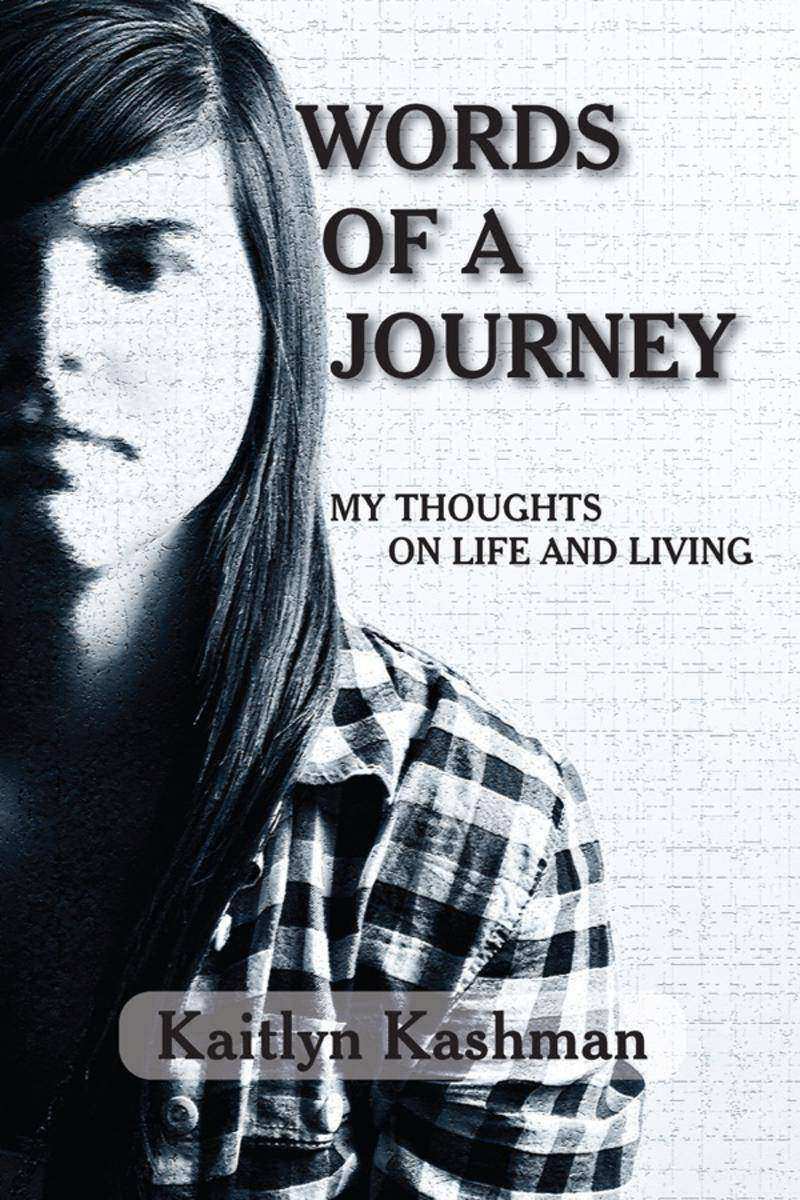
Words of a Journey:My Thoughts on Life and Living
¥56.82
A book by a teenager for teenagers! Words of a Journey is a book for anyone who wants to take a closer look at life's meaning and their experiences. Seventeen-year old Kaitlyn Kashman has designed this book to provide thought-stimulation on various issues and feelings that young adults explore. The book is a potpourri of poetry, with introspective, inspirational questions and observations to stimulate thought in readers so they can come to a clearer understanding of their own feelings and desires. Topics for deeper introspection run the vast range of emotions and situations young adults experience to help readers analyze and clarify their own relationships: ·Understanding unrequited love leads to analysis between what is a want vs. a need. ·The difficulties of first love, learning about oneself, seeking the thrill of love, and knowing when it is best to end. ·Discovering that one cannot change for another person. ·Learning that sometimes we love our own fictional version of a person. ·Nourishing a budding sense of new identity. ·Finding the boundaries between two people, accepting and embracing ourselves. An important book for any teenager or young adult, Words of a Journey will take readers down a path that will lead them back home to find a better version of themselves. Critics Praise for Words of A Journey "In Words of a Journey Kaitlyn gives teenagers permission to think for themselves and a place to express themselves on the pages of the book. A simple thought gives way to self-expression and the opportunity for clarity. Words of a Journey: My Thoughts on Life and Living, serves as a journal that can be used every day. Often, we simply need to see our thoughts in print to make sense out of our struggle and to fully appreciate our joy!" --Judee Ausnow, author of Drama is Optional: A Guide for Teens Learn more at www.KaitlynKashman.com From the World Voices Series at Modern History Press www.ModernHistoryPress.com Look for paperback and eBook editions too! POE011000 POETRY / Canadian
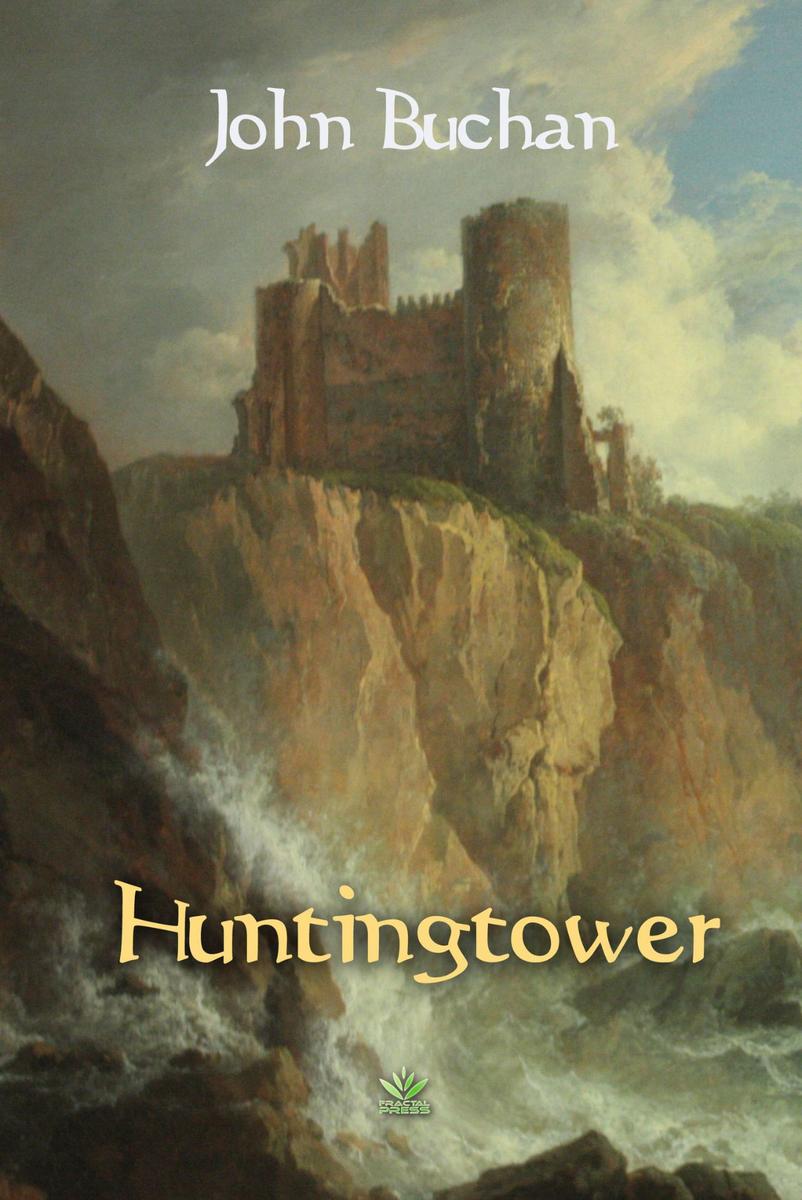
Huntingtower
¥40.79
The Scottish local community mobilises to uncover and thwart the conspiracy against a Russian woman, and to defend the neutrality of Scotland against the Russian Bolshevik agents.
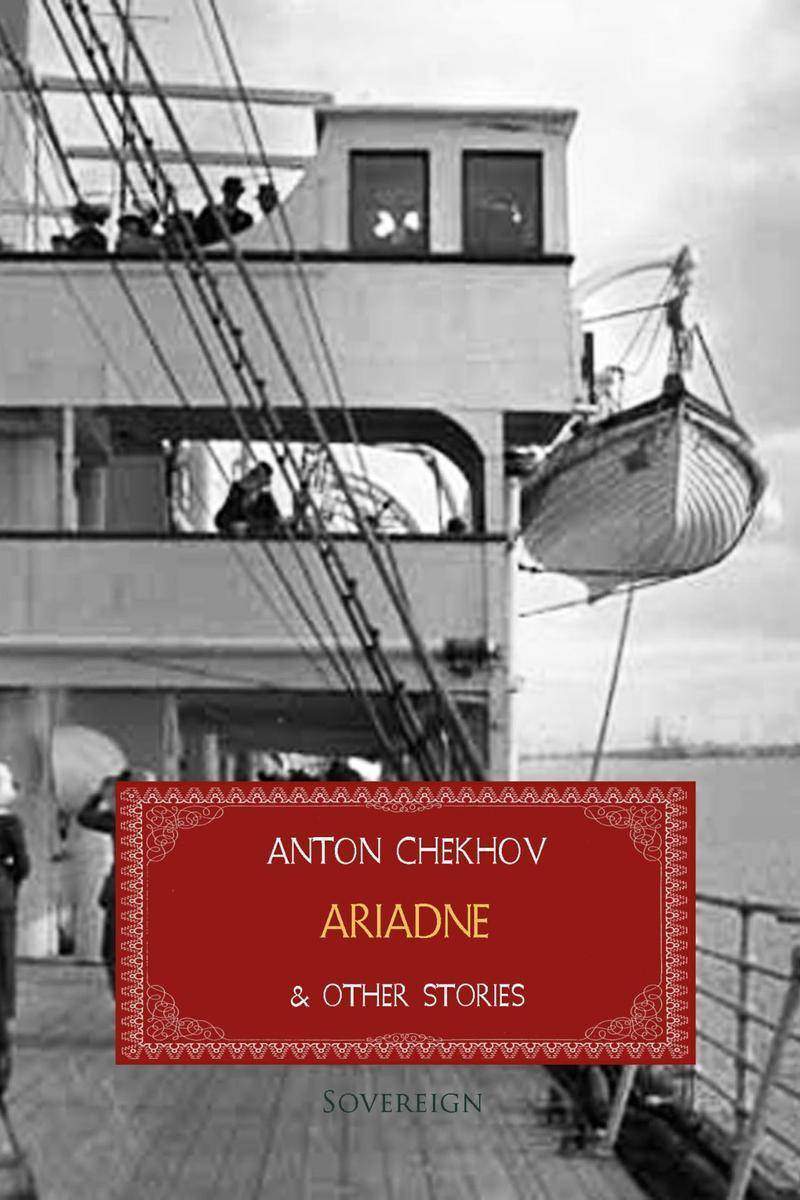
Ariadne and Other Stories
¥40.79
In Ariadne, we meet Ivan Shamokhin on a steamer bound for Sebastopol. Ivan tells the story of his helpless love for Ariadne, a beautiful but cold young woman. Ariadne is selfish, her whole life is style and surface. Ivan becomes her lover, and with his money almost gone and his life destroyed he is still attached to Ariande. Other Stories in this volume include: The Kiss, A Problem, Terror, Anna on the neck, Not Wanted, Typhus, Misfortune, A Trifle from Life.
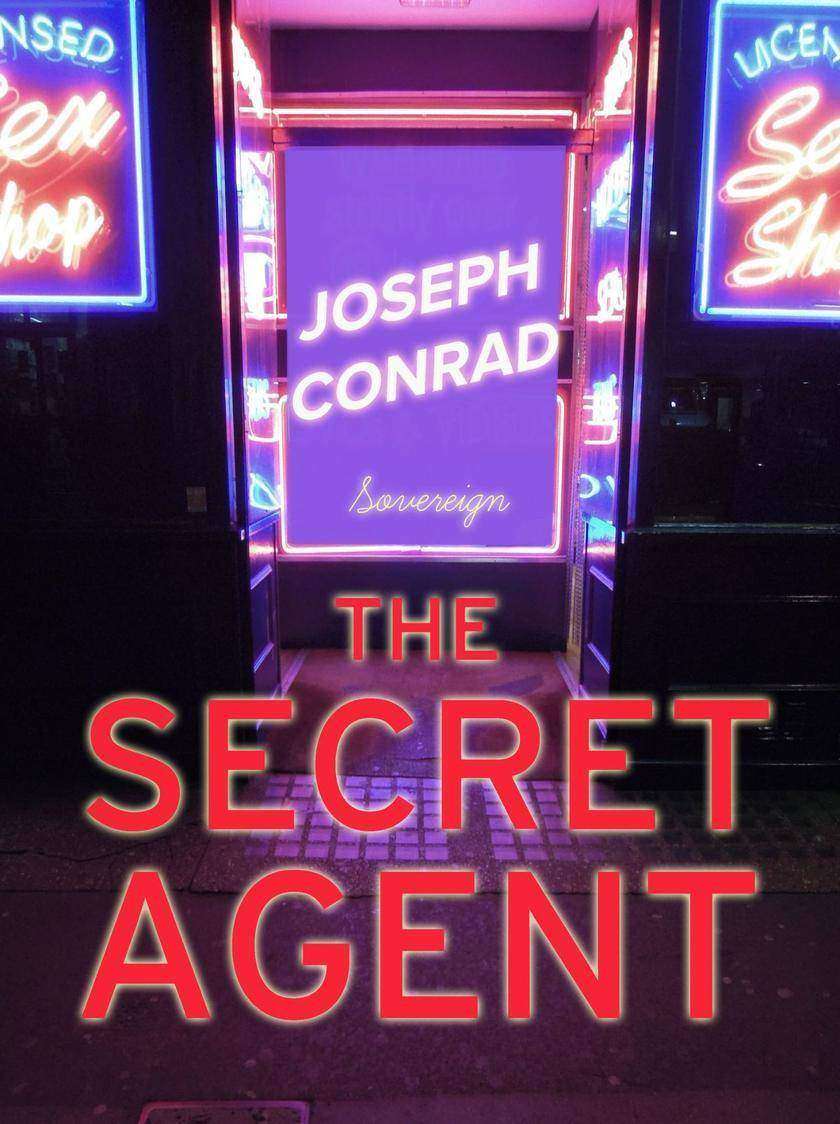
The Secret Agent
¥40.79
A member of an anarchist cell and a secret agent Mr. Verloc is ordered to carry out a terrorist attack on Greenwich Observatory by a bomb explosion. The novel is set in London and follows lives of Verloc, who also owns a sex shop, and his friends, a group of anarchists, largely ineffectual as terrorists, yet well known to the police.
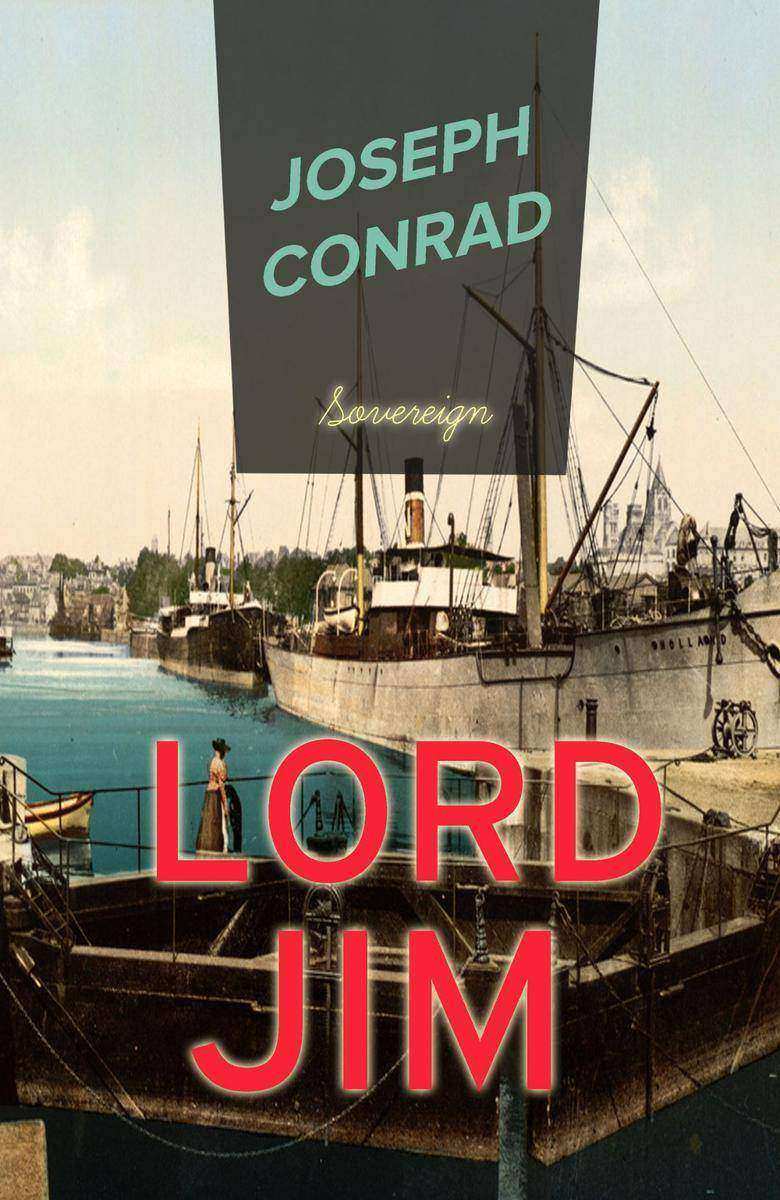
Lord Jim
¥40.79
Jim, a young British seaman, joins his captain and other crew members in abandoning their sinking ship full of passengers. A few days later, they are picked up, and the passengers are later also saved. The reprehensible actions of the crew are exposed. The other participants evade the judicial court of inquiry, leaving Jim to the court alone.
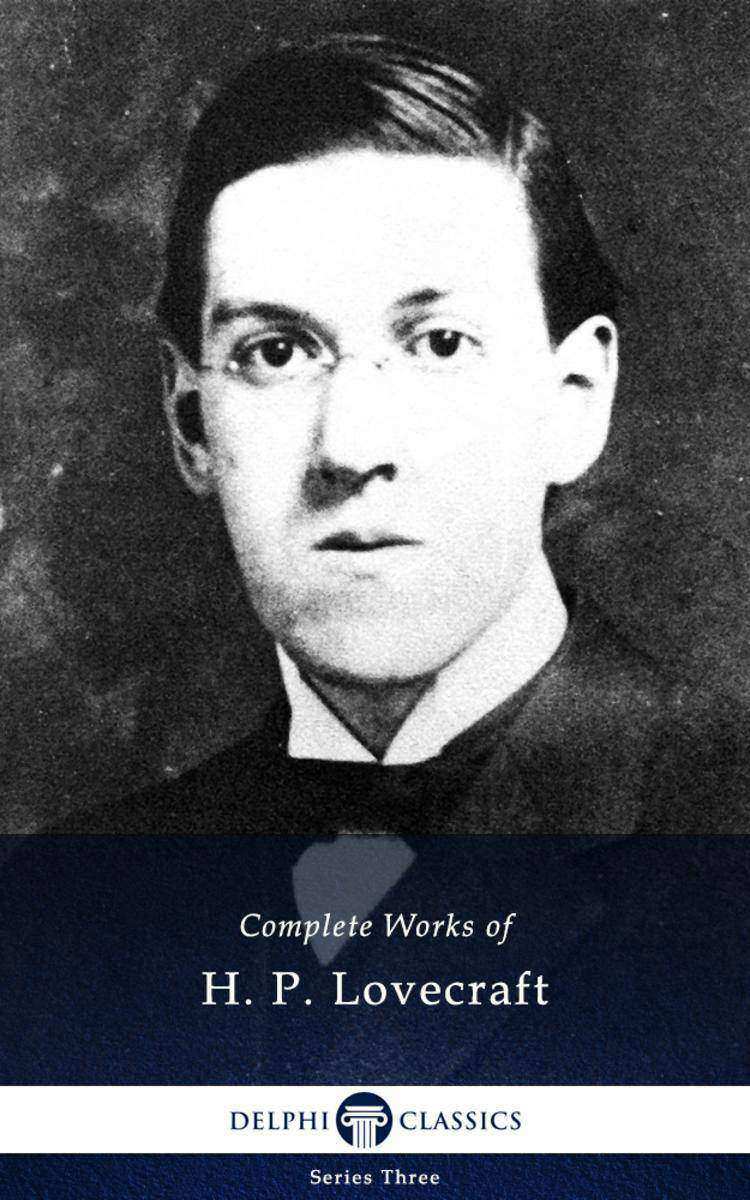
Delphi Complete Works of H. P. Lovecraft (Illustrated)
¥16.27
This eBook presents the complete fictional works of H. P. Lovecraft, with beautiful illustrations, rare texts and the usual Delphi bonus material. (Version 2) * Beautifully illustrated with images relating to Lovecraft's life and works * Brief introduction to master short story writer * Over 100 short stories, including rare collaborations * Excellent formatting of the texts * Special chronological and alphabetical contents tables for the short stories * Easily locate the tales you want to read * A selection of some of Lovecrafts greatest poetry * Includes Lovecraft's memoirs a range of autobiographical writings collected form the authors letters and journals * Scholarly ordering of texts into chronological order and literary genres Please note: due to copyright restrictions, the short stories that Lovecraft wrote with C. M. Eddy, Jr. cannot appear in this collection. Please visit www.delphiclassics.com to browse our range of exciting titles CONTENTS: H. P. Lovecraft: Brief Introduction The Short Stories The Little Glass Bottle The Secret Cave The Mystery of the Grave-Yard The Mysterious Ship The Beast in the Cave The Alchemist The Tomb Dagon A Reminiscence of Dr. Samuel Johnson Sweet Ermengarde Polaris The Green Meadow Beyond the Wall of Sleep Memory Old Bugs The Transition of Juan Romero The White Ship The Doom That Came to Sarnath The Statement of Randolph Carter The Terrible Old Man The Tree The Cats of Ulthar The Temple Facts Concerning the Late Arthur Jermyn and His Family The Street Poetry and the Gods Celepha?s From Beyond Nyarlathotep The Picture in the House The Crawling Chaos Ex Oblivione The Nameless City The Quest of Iranon The Moon-Bog The Outsider The Other Gods The Music of Erich Zann Herbert West Reanimator Hypnos What the Moon Brings Azathoth The Horror at Martins Beach The Hound The Lurking Fear The Rats in the Walls The Unnamable The Festival Under the Pyramids The Shunned House The Horror at Red Hook He In the Vault The Descendant Cool Air The Call of Cthulhu Two Black Bottles Pickmans Model The Silver Key The Strange High House in the Mist The Dream-Quest of Unknown Kadath The Case of Charles Dexter Ward The Colour Out of Space The Very Old Folk The Thing in the Moonlight The Last Test The History of the Necronomicon The Curse of Yig Ibid The Dunwich Horror The Electric Executioner The Mound Medusas Coil The Whisperer in Darkness At the Mountains of Madness The Shadow Over Innsmouth (Draft) The Shadow Over Innsmouth The Trap The Dreams in the Witch House The Man of Stone The Horror in the Museum Through the Gates of the Silver Key Winged Death Out of the Aeons The Thing on the Doorstep The Evil Clergyman The Horror in the Burying-Ground The Hoard of the Wizard-Beast The Slaying of the Monster The Book The Tree on the Hill The Battle that Ended the Century The Shadow out of Time Till A the Seas Collapsing Cosmoses The Challenge from Beyond The Disinterment The Diary of Alonzo Typer The Haunter of the Dark In the Walls of Eryx The Night Ocean LIST OF SHORT STORIES IN CHRONOLOGICAL ORDER LIST OF SHORT STORIES IN ALPHABETICAL ORDER The Poetry LIST OF POEMS IN CHRONOLOGICAL ORDER LIST OF POEMS IN ALPHABETICAL ORDER The Memoirs LIST OF AUTOBIOGRAPHICAL WORKS Please click here to browse our other titles

Can You Forgive Her?
¥40.79
The novel follows three parallel stories of courtship and marriage and the decisions of three strong women: Alice Vavasor, her cousin Glencora Palliser, and her aunt Arabella Greenow. Early on, Alice asks the question: What should a woman do with her life? This theme repeats itself in the dilemmas faced by the other women in the novel. Lady Glencora and her husband Plantagenet Palliser recur in the remainder of the Palliser series.

Love's Labour's Lost
¥40.79
The play follows the King of Navarre and his three companions as they attempt to forswear the company of women for three years of study and fasting, and their subsequent infatuation with the Princess of Aquitaine and her ladies. In an untraditional ending for a comedy, the play closes with the death of the Princess's father, and all weddings are delayed for a year. The play draws on themes of masculine love and desire, reckoning and rationalization, and reality versus fantasy.

Debaixo do Sol:O boiadeiro e a Professora
¥3.11
Um ex jagun?o tenta construir vida nova longe de seu passado em uma pequeno vilarejo do sert?o nordestino. Mas a chegada de um homem misterioso e suas consequências o far?o deixar sua aposentadoria para buscar justi?a. Esse é o início de uma série de livros que resgatam a cultura da literatura pulp para o público de hoje.

Waking the Lion:Inside Writing (1984 to 2017)
¥24.44
American futurist poet and playwright Mark Antony Rossi has selected essays, notes and interviews from the past thirty three years of writing covering poetry, short fiction and drama. A short book of instruction and discovery meant to help fellow writers.
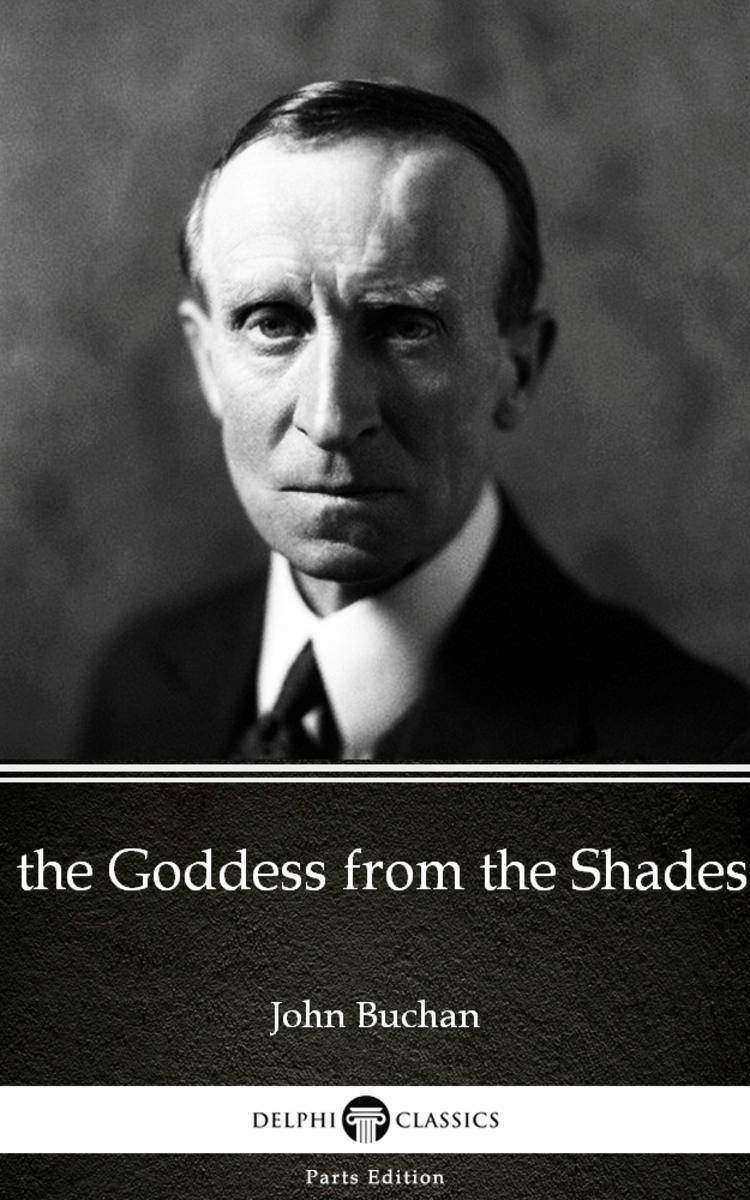
The Goddess from the Shades by John Buchan - Delphi Classics (Illustrated)
¥8.09
This eBook features the unabridged text of ‘ the Goddess from the Shades by John Buchan - Delphi Classics (Illustrated)’ from the bestselling edition of ‘The Complete Works of John Buchan’. Having established their name as the leading publisher of classic literature and art, Delphi Classics produce publications that are individually crafted with superior formatting, while introducing many rare texts for the first time in digital print. The Delphi Classics edition of Buchan includes original annotations and illustrations relating to the life and works of the author, as well as individual tables of contents, allowing you to navigate eBooks quickly and easily. eBook features: * The complete unabridged text of ‘ the Goddess from the Shades by John Buchan - Delphi Classics (Illustrated)’ * Beautifully illustrated with images related to Buchan’s works * Individual contents table, allowing easy navigation around the eBook * Excellent formatting of the textPlease visit www.delphiclassics.com to learn more about our wide range of titles
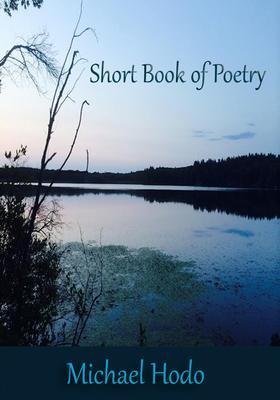
Short Book of Poetry
¥15.40
Poetry covering different topics from love, spiritual, hope, and sorrow. Woodland Hills In Woodland HillsAt evenings blushOn primrose pathsWe spoke till dusk Sharing our most inward desiresOn a night that lit a thousand firesWhile pressed against your cerise cheeksNear saffron flowersIn fields of wheat An unforgettable journey spentIn Woodland HillsWhere we both wentTo be among the dragonfliesAnd share our hearts?Until twilight cries

The Works of Edgar Allan Poe:Volume 1
¥8.09
This Housemartin Classics edition includes the full original text as well as an easy to use interactive table of contents.
Gnedich
¥90.03
Maria Rybakova’s Gnedich captures the reader’s attention in its first stanzas with a striking allusion to Homeric Greece: “The rage that killed so many/the wretched rage of Achilles/who knew that he would perish/ that he would perish young. This is a novel-in-verse about the first Russian translator of the Iliad, the romantic poet and librarian Nikolai Gnedich (1784-1833). Since Gnedich spent almost his entire life translating Homer’s epic poem, Maria Rybakova has chosen verse as the most appropriate stylistic means in recreating his life. To the English-speaking world, this genre of poetic biography is best exemplified by Ruth Padel’s Darwin – A Life in Poems. Like the Iliad itself, the novel consists of twelve Songs or Cantos, and covers the life of Gnedich from his childhood to his death. It depicts the lives of Gnedich and his best friend, the poet Batyushkov, who is slowly losing his sanity, and incorporates motifs from their poetry, from Homer’s epics, and from Greek mythology, as well as magnificent images of imperial Russia and the Homeric world. The space of the novel covers snowy Russian villages, aristocratic St. Petersburg salons, magnificent Italian landscapes, and the austere Greece of Homer’s heroes. Rybakova conjures a fittingly romantic vision of the dramatic lives of Gnedich and his best friend. A major part of the novel is the moving correspondence between the two poets. Philosophical reflections on the fate of the individual are intertwined with poignant stanzas devoted to the great but unhappy love to the tragic actress Ekaterina Semyonova that consumed Gnedich. The novel culminates in Batyushkov’s final breakdown in the lunatic asylum and Gnedich’s ruminations on Russia’s tragic future fate. The poetic language of Gnedich is refined: it combines the clarity of Rybakova’s syllabic verses and the sophistication of her metaphors with distinct, novelistic depictions of certain landscapes, people, and their interactions. The novel is spectacularly designed: Rybakova’s style resembles a movie projection with stop-cards at the key moments in Gnedich’s life, his long conversations with his friend, and particular striking sceneries. It creates a novelistic effect on the tale about Gnedich’s life, spanning over twenty years. The narrative is often interrupted by streams of consciousness and reminiscence by its main heroes. At the same time, it continues the traditions of Russian classic literature with its attention to detail and the psychology of the characters. A significant part of the novel is dedicated to the description of Gnedich’s friendship with Konstantin Batyushkov, a talented poet of the Pushkin epoch. Gnedich, disfigured by a childhood disease, was a librarian at the Imperial Library in St. Petersburg and became famous through his translation of the Illiad. Batyushkov, an officer of the Russian Imperial court who participated in military campaigns, as well as one of the best poets of the beginning of the 19th century, went through deep crisis and mental illness. The friendship between the two becomes one of the themes within the novel. Rybakova builds the novel-in-verse’s plot around Gnedich’s translation of the Illiad into Russian. The narrative progresses from the adult Gnedich’s recollection of his childhood in a small country estate in Ukraine in the first Song, his illness and discovery of the magnificent Greek epic about the siege of the Troy that changed his life forever, to the completion of his work on his translation as a final victory over his life’s circumstances. The titanic work on the translation continued for almost twenty-two years (1807-29).
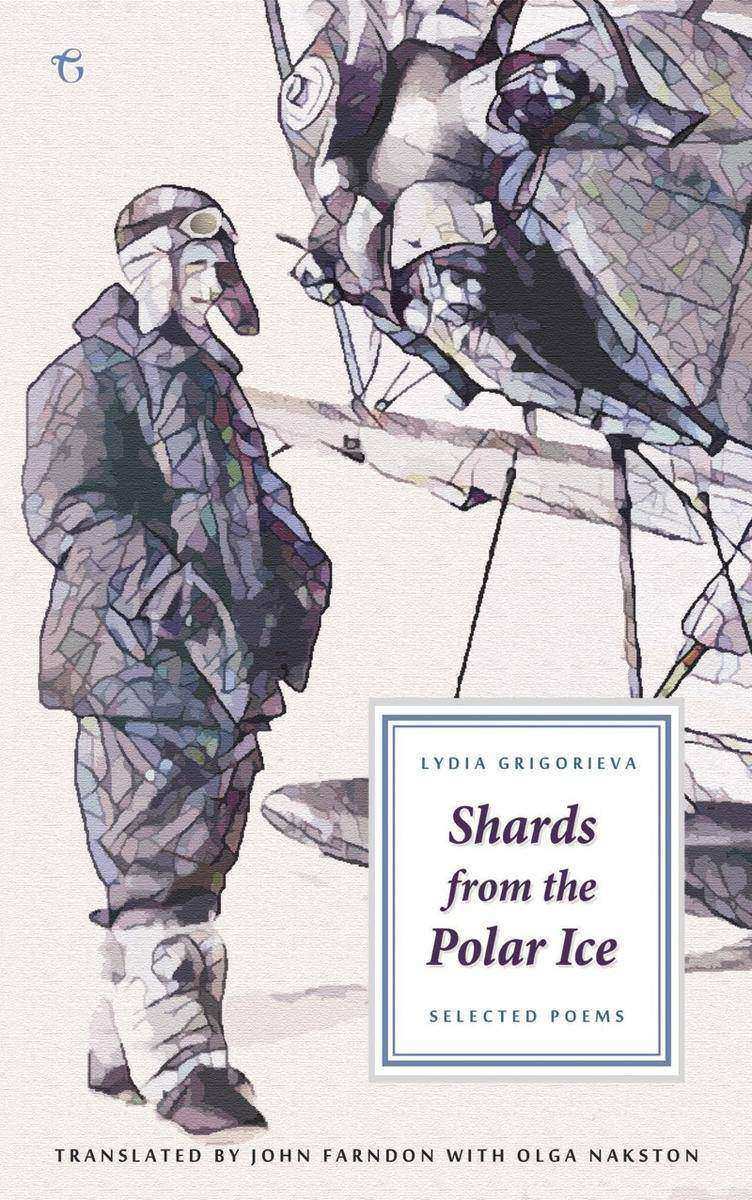
Shards from the Polar Ice:Selected Poems
¥90.03
“It would be hard to imagine Russian poetry in the last half century without Lydia Grigorieva,” writes eminent Russian poet and critic Konstantin Kedrov. Grigorieva is a uniquely individual voice, bucking the trends of modernist poetry to create her own distinctive and beguiling body of poetry. Her work draws on her own remarkable life to create startlingly arresting images and metaphors, full of beauty and power, from her series that emerged from her Arctic childhood, to the troubles that beset Ukraine. Her range of influences is wide, and Beethoven, Freud, Sylvia Plath and Byron all appear in her poems as well as more familiar Russian images. At the heart of Grigorieva’s poetry is what she calls its ‘musicality’ – her firm belief in the power of rhyme and rhythm in creating a poetic experience. In this first major collection of her work in English, English poet John Farndon, working with Grigorieva and co-translator Olga Nakston, has recreated this musicality in English so that English readers might experience for the first time what makes her work so revered in her Russian homeland. Translated by John Farndon with Olga Nakston. Maxim Hodak - Максим Ходак (Publisher), Max Mendor - Макс Мендор (Director), Ksenia Papazova (Managing Editor).

The Raja Yoga: A Series of Lessons
¥40.79
An introduction and a form of initiation into the science of Raja Yoga. The series of lessons designed to enlighten regarding the nature of the real self, and to instruct in the secret knowledge the consciousness and realization of the real self.

Snack Stories: 22 Μικρ?? Ν?στιμε? Ιστορ?ε?
¥52.65
Κ?θε ?νθρωπο? και μ?α σκ?ψη, κ?θε σκ?ψη και μια ιστορ?α. Ρομαντικ??, χιουμοριστικ??, αν?λαφρε? και συγκινητικ??, ?να? ολ?κληρο? κ?σμο? μ?σα στα χ?ρια σα?. ?νθρωποι συνηθισμ?νοι και ασυν?θιστοι μοιρ?ζονται τι? σκ?ψει? του? και τι? στιγμ?? του? μ?σα απ? τι? σελ?δε? 22 μ?νι ιστορι?ν. Ο Λουκ??, η Ροζαλ?α, η μικρ? κυρ?α Λι, πιθαν?ν να ε?ναι κ?ποιοι απ? του? φ?λου? σα? ? του? γε?τονε? σα?. ?σω? ?να alter ego σε ?να παρ?λληλο σ?μπαν. Ευκαιρ?α να του? γνωρ?σετε. Σνακ ιστορ?ε? εμπνευσμ?νε? απ? τι? αλ?θειε?, τι? αναμν?σει? και τα ?νειρ? τη? ζω?? μα?.
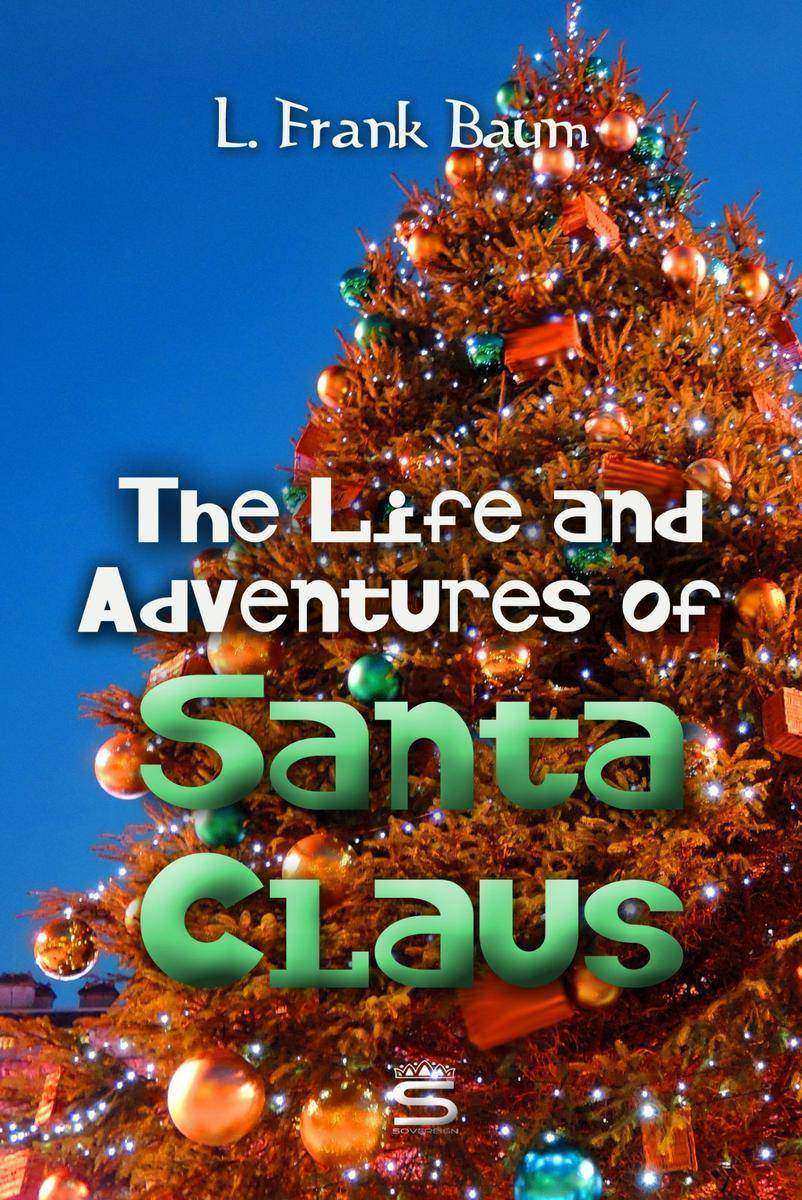
The Life and Adventures of Santa Claus
¥40.79
Santa Claus, as a baby is found in the Forest of Burzee and placed in the care of the lioness Shiegra. The Wood Nymph, Necile, breaks the law of the forest and takes the baby because she desires to raise a child of her own as mortals do. Necile calls him Claus, meaning little one in the old Burzee language.
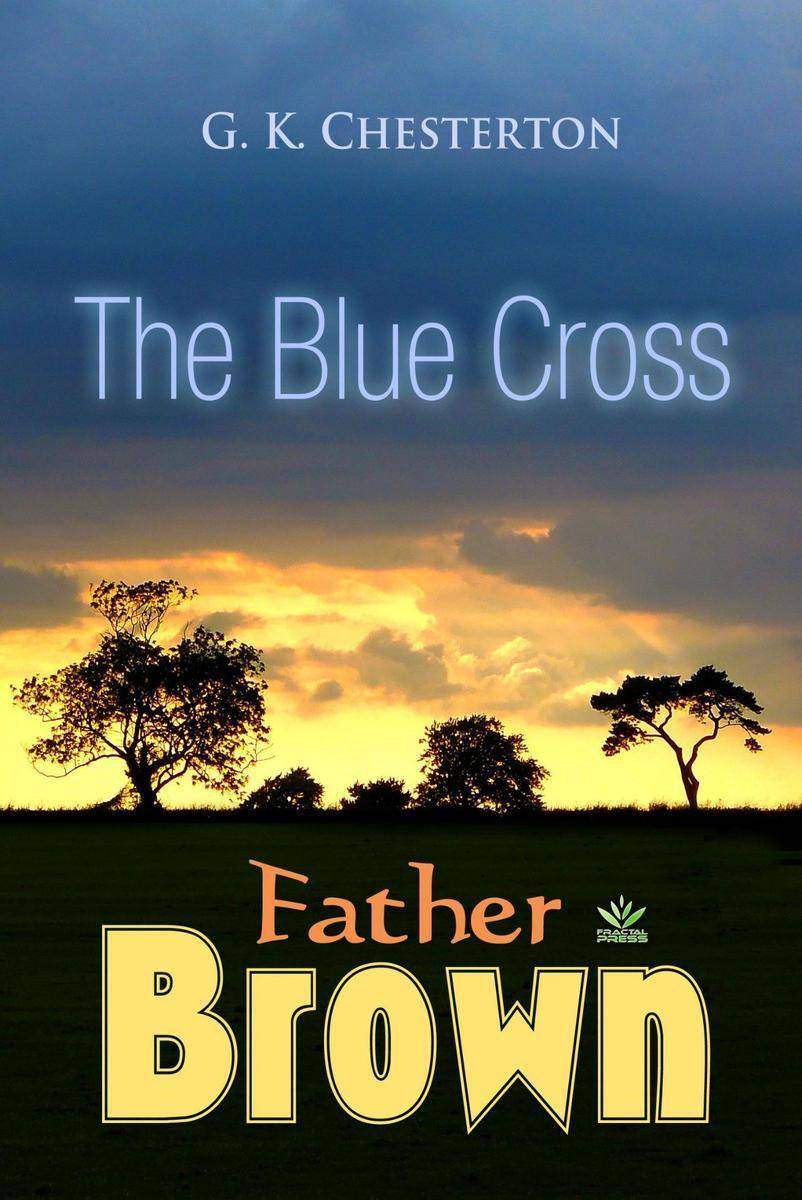
The Blue Cross
¥40.79
Farther Brown may be walking into a trap when he tries to save his soul as his precious Blue Cross is targeted by the notorious criminal Flambeau.


