


 购物车
购物车 个人中心
个人中心
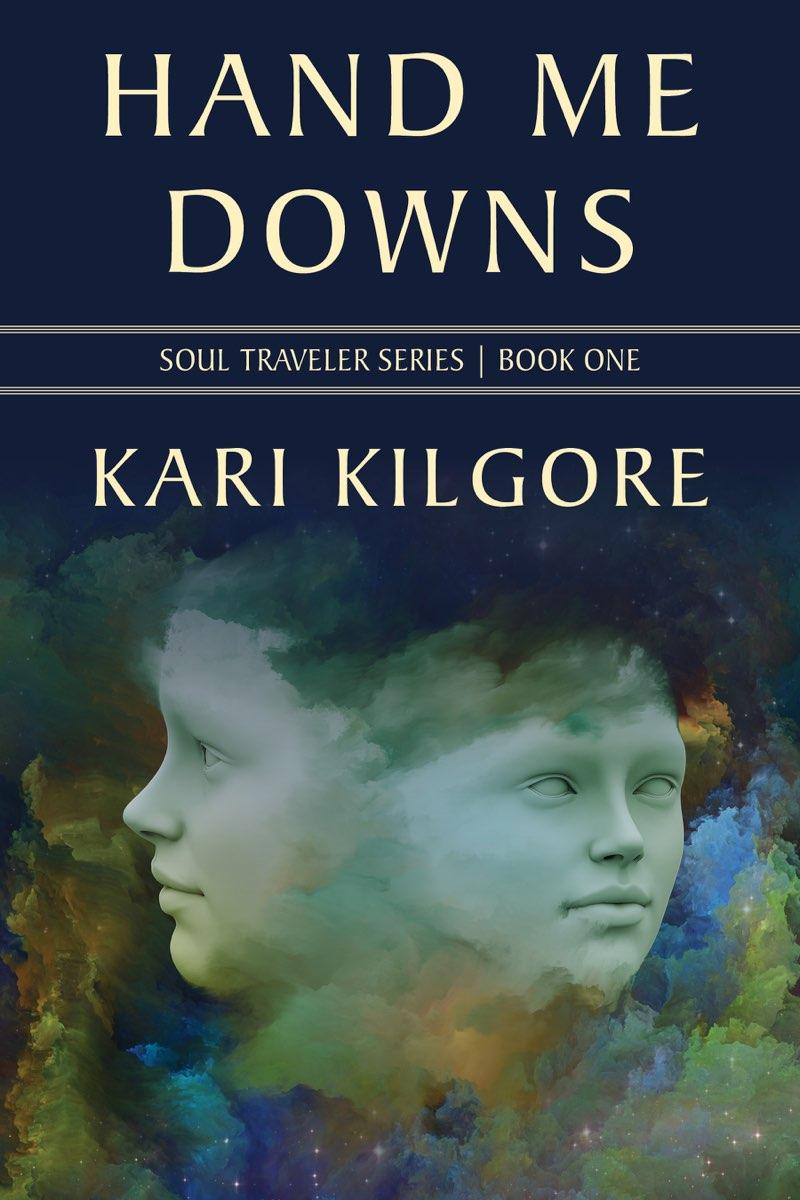
Hand Me Downs
¥43.51
A Haunting Legacy John and Branwen face challenges as a couple—his violent past and her unwanted pregnancy. Just when life threatens to overwhelm them, Branwen receives an offer of help from an unlikely source. Now, John must face his lifelong fears to find the strength to fight an ancient power and save Branwen from her family legacy. But first, John and Branwen must stop hiding things—from each other and from themselves—and learn to face the truth, no matter their fear of the consequences. A haunting fantasy story about the lasting power of family legacy. A page-turning tale of love and sacrifice. An excerpt from Hand Me Downs: John was in the grips of an insistent memory that wouldn’t let him rest. Whenever an upsetting memory caught at him like this, especially from his difficult seventeenth year, John had learned long ago it was best not to resist. Something inside was going to have its way with him. Fighting would only make it worse. This particular memory hadn’t demanded his attention for so long. Until tonight, he’d dared hope he was done with this one. The odd solitude of an overnight flight was preferable to a huge family gathering for this sort of ordeal, and certainly better than the twisted filter of his nightmares. At least while he was awake, he knew the worst night of his life was when he’d at last started to take control and change the course he was on. His dreaming life gave him no such relief.
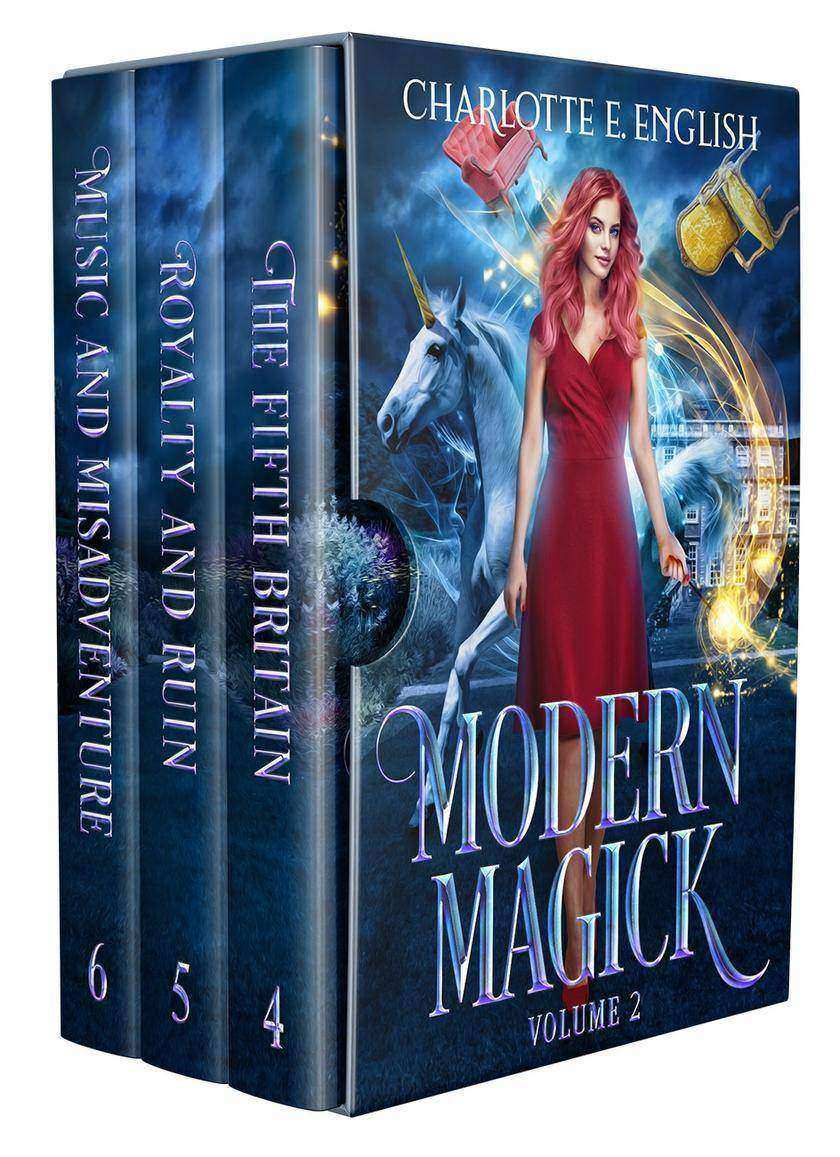
Modern Magick, Volume 2: Books 4-6
¥69.67
The fight to save British magick rages on — and it’s taking the Society’s beleaguered champions away from Home. Far, far away, to worlds long lost; worlds no one could ever have imagined existed. Dangers and mysteries abound, which is way up Ves’s street. Jay isn’t quite so sure. Severed as they are from the Society’s support, will magick’s unlikely heroes make it Home unscathed? It’ll be fine. After all, these lost magickal domains are the Society’s ultimate dream. What could possibly be so bad about that? The Society for Magickal Heritage battles modern decay in three thrilling new Modern Magick adventures: The Fifth Britain, Royalty and Ruin, and Music and Misadventure.
Autism Questions Teachers Ask: Autism Help - Book Two
¥52.23
One in every 59 children has an autism diagnosis. Once thought rare, now every teacher will have an autistic child in their classroom. Maybe not last year, but this coming year.... Our rooms are full of diverse learners. Sadly, most university programs don't prepare teachers for this reality.? With all those bright little faces gazing at you, the needs can seem overwhelming. How can you be everything to each one? This book is for you. It will calm those panicky feelings. You can do this. By learning about autism and the characteristics that affect being in a classroom, you can tailor strategies that will help that learner, you and the other kids who are in your care. You cannot turn your room upside down for one kid but you can use strategies that are doable and will help many of the learners. Dr. Sharon Mitchell gets it. She's been a teacher, counselor, school psychologist, district consultant and autism consultant for decades. She has presented to thousands at conferences and workshops on ways to successfully include kids who learn differently. She teaches university classes to wanna-be-teachers and to school administrators on inclusion strategies and students who learn differently.

Restricted Species
¥34.79
Earth Wars veteran Jim Turhan loves his quiet life on supply planet Mossera 4, teaching young cadets the art and science of xeno-farming. Pollinator drones never sting or bite. They simply do their jobs. Then crops all over Mossera 4 begin to fail. Will Jim discover the cause before starvation, or worse, turns his dream life into a nightmare?

The Clever Teens' Guide to World War One
¥45.34
It lasted over 1,500 days and was without parallel. World War One threw the globe into a war of unprecedented horror, fought with terrifying new weapons, and of death on an industrial magnitude, a war that involved so many nations and reached into the very fabric of society. The war of 1914 – 1918 changed the world and shaped the twentieth century.The Clever Teens’ Guide to World War One covers all the major facts and events giving you a clear and straightforward overview: from the pre-war tensions, the assassination that sparked the war to its bloody conclusion four years later. Read about the huge battles on the Western Front, the Eastern Front, the war at sea and in the air, and the war in Africa and the Middle East. ?Ideal for your “clever teenager”.
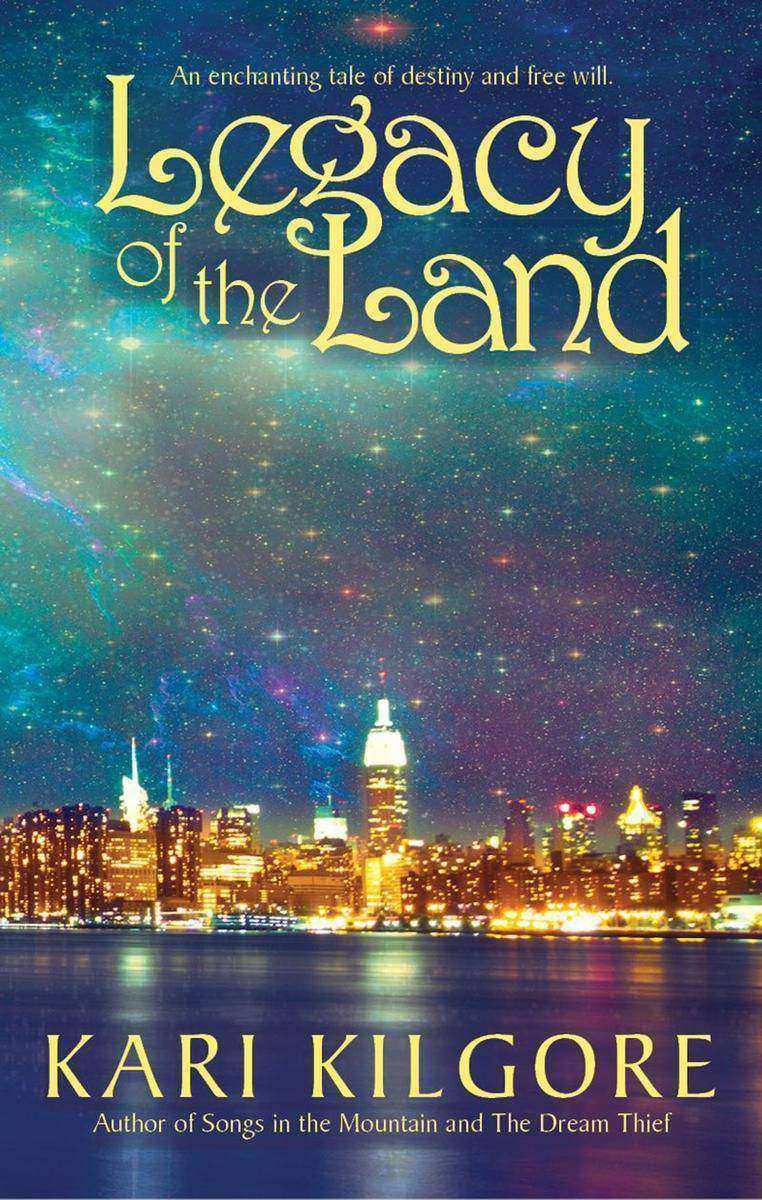
Legacy of the Land
¥34.79
Elenda Murphy needs change like she needs oxygen.Constant motion.Extreme adventure.Anything but standing still.Her heart always as restless as her mind.Then a shattered leg sends Elenda back to the bedrock of family.An enchanting tale of destiny and free will.
The Billionaire Escape Plan: A Billionaire Friends to Lovers Romance
¥34.79
A sweet and sizzling standalone romance from?USA Today?bestselling author Ember Casey.Most girls dream of marrying a billionaire.Me? I’d rather make fun of one. Especially if the billionaire in question is Alexander Grant.Excuse me—Xander?Grant. That’s right—the mega-hot entrepreneur who seems to top every magazine’s “Rich Eligible Bachelors” list these days.To me, he’ll always be Alex—my childhood best friend. The guy who joined me on all sorts of wild teenage misadventures. The only person in our small town who understood me.It’s been four years since I’ve seen Alex. But suddenly he’s back in our town at the exact same time my life is imploding around me.We’ve both changed so much—I mean, the guy used to live in ripped jeans, and now he wears nothing but designer suits—but when I need it most, he offers me exactly the escape I need. A chance to run away from my life, if only for a few days.I only hope my heart is prepared.
Live like a King without Going Broke: A Simple Guide to Financial Victory
¥69.67
Live Like A King Without Going Broke: A Simple Guide To Financial Victory In school, we spent years learning about science, language, math, and social studies from text books, but we spent very little time – if at all – on real life skills like saving, making, and managing money. Somehow, we’re supposed to just “pick up” how to manage our finances, as if innate to us! The truth is, money management is not a skill that we’re all born with – it’s acquired. The good news is that you can easily learn the skill! You’re about to learn how you can save, make, invest and manage your money like a pro! You will gain the wisdom and skills to manage setbacks, struggles, and financial strain today, tomorrow, and beyond! Here Is What You'll Discover From This Book:? Creating and staying with a budget Cutting expenses without sacrificing your lifestyle Saving money every day Getting out of debt Boosting your income Refinancing your mortgage How to boost your credit score Protecting your identity

Retribution
¥87.11
Steve Yarrow returns from war to discover that his hometown is no safer than a war zone. His family is marked for murder and he is the first on the hit list. The only escape lies in identifying the assailant and the motive before it is too late. He is assisted by DetectiveDana Morales. Together they must discover the identity of the assassin and the warped motive that drives hatred against the Yarrow family.
Harkworth Hall
¥26.07
Ask him about his wives. Caroline Daniels must marry, and marry well. But in her remote corner of England eligible suitors are few and far between, and none hold a candle to her closest friend, Diana Fitzroy. When Sir Edward Masterson arrives, he seems the answer to Caroline’s financial worries, though she instinctively dislikes the reticent, older merchant. Soon Sir Edward has set his sights on acquiring both Caroline and the decaying Harkworth Hall. Caroline’s future seems secure, save that Sir Edward’s enigmatic secretary hints at a dark secret, and Sir Edward shows an unusual interest in the nearby bay. To discover Sir Edward’s true purpose, Caroline will have to face the horror beneath Harkworth Hall—and the woman who will change her life.
The Root of Money
¥60.95
Computer programmer and network security specialist, Tecumseh ‘Tek’ Carrier has been delving into matters he has been told do not concern him. Following abandonment by his family, Tek isolates himself in his son’s bedroom to spend long nights breaching his bank’s computer network, compiling money laundering information gathered from their database; enough information, he hopes, to make a difference before it is too late. ? From his estate in Lyons, France, Ahmed Al-Malmasi enjoys the finest vintages of the region and immersing himself in the history and culture of people he detests. Utilizing his great wealth, Al-Malmasi has launched a plot extending from Southeast Asia and the Spanish Riviera to the golden shores of the United States. While Al-Malmasi’s agents hasten to complete their mission, Tek battles bank corruption while struggling to reconnect with his family. ? Instigated by Tek’s revelation, American law enforcement race to identify the threat and prevent a disaster that will materialize directly in the path of Tek and his family.
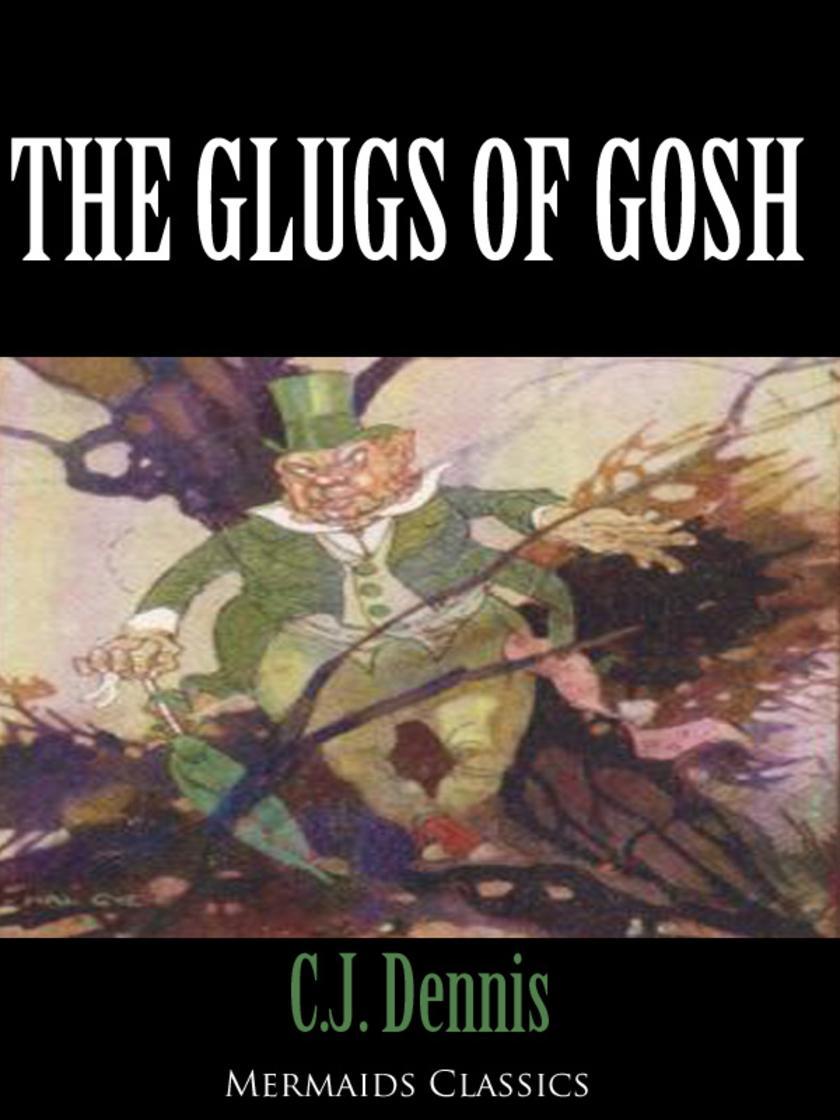
Glugs of Gosh (Mermaids Classics)
¥35.22
The Glugs of Gosh, is a collection of childrens poems written by C.J. Dennis (1876 - 1938) and illustrated by Hal Gye. C.J. Dennis is considered as one of Australias most famous poets of the early 20th century. The book was first published in 1917. This digital edition is beautifully formatted with an active Table of Contents that goes directly to each chapter. Mermaids Classics, an imprint of Mermaids Publishing brings the very best of classic literature to a modern era of digital reading by producing high quality books in ebook format.
Pollyanna (Mermaids Classics)
¥35.22
Pollyanna (1913) by Eleanor H Porter (1868-1920) is a classic childrens novel based on a young orphan named Pollyanna who is sent to live with her strict aunty in New England town. Pollyanna transforms the lives of the people in the town by lifting their spirits by following her game called The Glad Game which her father had taught her one Christmas where she was expecting to receive a doll in a barrel but instead she found crutches. A disappointed Pollyanna quickly absorbed her fathers comment to be glad about the crutches because we didnt need to use them. A cheerful Pollyanna viewed life from this angle and taught the locals how to be grateful and happy with what they have until one day tragedy strikes where Pollyanna loses the use of her legs and she no longer wants to play her game. The entire town gather to help cheer little Pollyanna.Mermaids Classics, an imprint of Mermaids Publishing brings the very best of old classic literature to a modern era of digital reading by producing high quality books in ebook format. All of the Mermaids Classics epublications are reproductions of classic antique books that were originally published in print format, mostly over a century ago and are now republished in digital format as ebooks. Begin to build your collection of digital books by looking for more literary gems from Mermaids Classics.
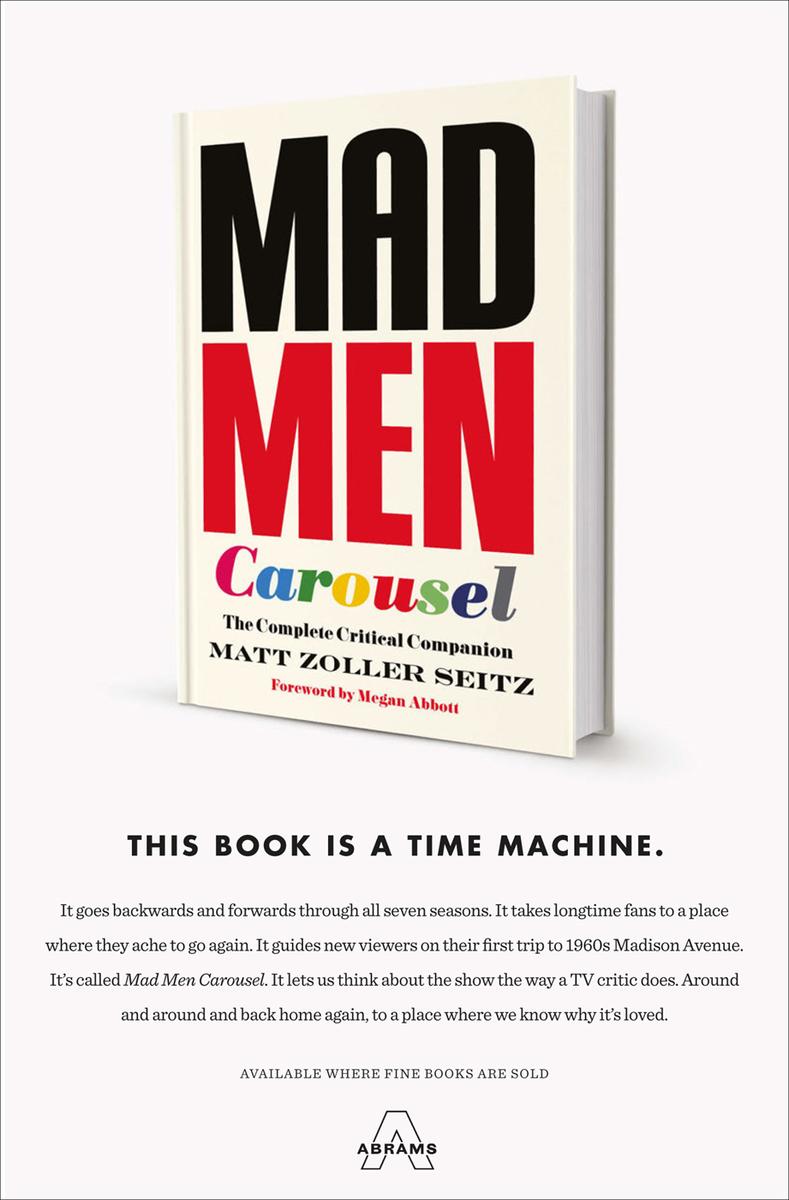
Mad Men Carousel - The Complete Critical Companion
¥138.52
Mad Men Carousel is an episode-by-episode guide to all seven seasons of AMC'sA Mad Men. This book collects TV and movie critic Matt Zoller Seitzs celebrated Mad Men recapsaas featured onA New YorkA magazine'sA VultureA blogafor the first time, including never-before-published essays on the shows first three seasons. Seitzs writing digs deep into the shows themes, performances, and filmmaking, examining complex and sometimes confounding aspects of the series. The complete seriesaall seven seasons and ninety-two episodesais covered. A Each episode review also includes brief explanations of locations, events, consumer products, and scientific advancements that are important to the characters, such as P.J. Clarkes restaurant and the old Penn Station; the inventions of the birth control pill, the Xerox machine, and the Apollo Lunar Module; the release of the Beatles Revolver and the Beach Boys Pet Sounds; and all the wars, protests, assassinations, and murders that cast a bloody pall over a chaotic decade.A A Mad Men Carousel is named after an iconic moment from the shows first-season finale, aThe Wheel,a wherein Don delivers an unforgettable pitch for a new slide projector thats centered on the idea of nostalgia: athe pain from an old wound.a This book will soothe the most ardent Mad Men fans nostalgia for the show. New viewers, who will want to binge-watch their way through one of the most popular TV shows in recent memory, will discover a spoiler-friendly companion to one of the most multilayered and mercurial TV shows of all time.A It's the perfect gift for Mad MenA fans and obsessives. Also available from Matt Zoller Seitz: The Oliver Stone Experience, The Wes Anderson Collection: Bad Dads, The Wes Anderson Collection: The Grand Budapest Hotel, and The Wes Anderson Collection. A
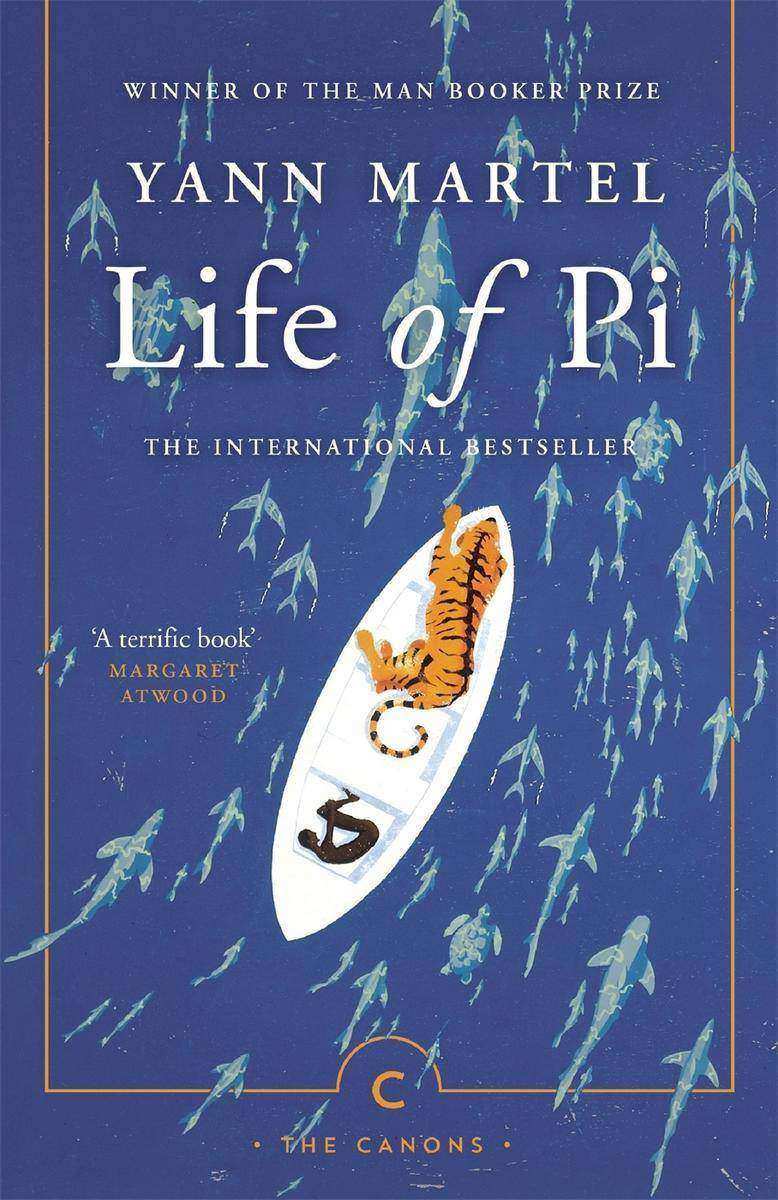
Life Of Pi
¥70.53
One boy, one boat, one tiger . . . After the tragic sinking of a cargo ship, a solitary lifeboat remains bobbing on the wild, blue Pacific. The only survivors from the wreck are a sixteen year-old boy named Pi, a hyena, a zebra (with a broken leg), a female orang-utan -- and a 450-pound Royal Bengal tiger. The scene is set for one of the most extraordinary and best-loved works of fiction in recent years.
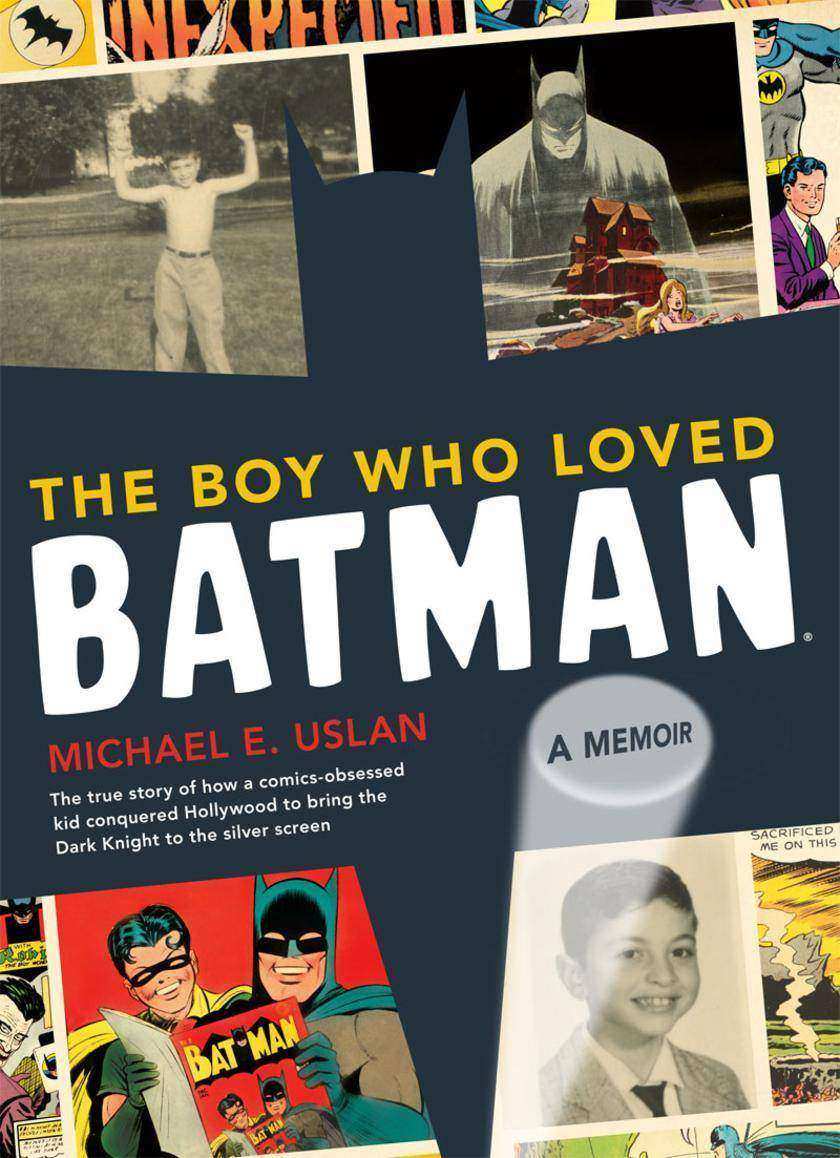
Boy Who Loved Batman - A Memoir
¥200.03
Is any superhero cooler than Batman? He s a crime-fighting vigilante with a tragic past, a lawless attitude, and a seemingly endless supply of high-tech gadgetry. In this fully illustrated memoir, author Michael Uslan recalls his journey from early childhood fandom through to the decades he spent on a caped crusade of his own: to bring Batman to the silver screen as the dark, serious character he was at heart. Uslan's story traces his path from the wilds of New Jersey to the limelight of Hollywood, following his work as Executive Producer on every Batman film from Tim Burton s 1989 re-envisioning to 2012's The Dark Knight Rises. Through it all, he helped to create one of the most successful pop culture franchises of all time.
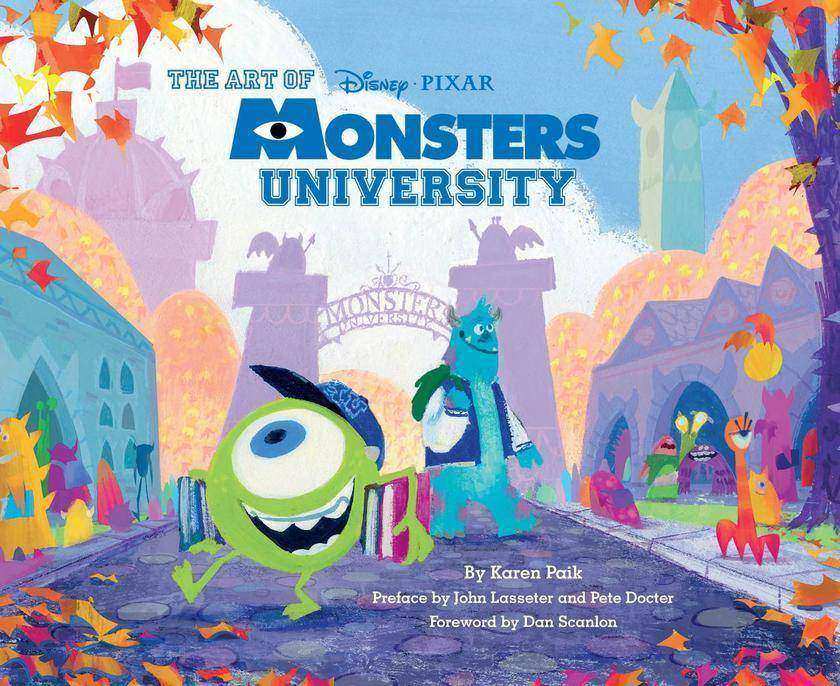
Art of Monsters University
¥305.97
In Monsters, Inc. (2001), Pixar Animation Studios introduced audiences to the #1 scaring team, Mike and Sulley, and the monstrous world behind our bedroom closet doors. In this prequel to the much-loved classic, Mike and Sulley meet for the first time at Monsters Universitywhere they are joined by a few familiar faces and a host of delightful new charactersas they seek to attain degrees in scaring. Author Karen Paik goes behind the scenes to interview the film's many artists for the ultimate inside look at the conception and production of this highly anticipated film. Featuring full-color concept art including character sculpts, color scripts, storyboards, and more, The Art of Monsters University fully explores the process of creating this new and expanded Monsters universe.
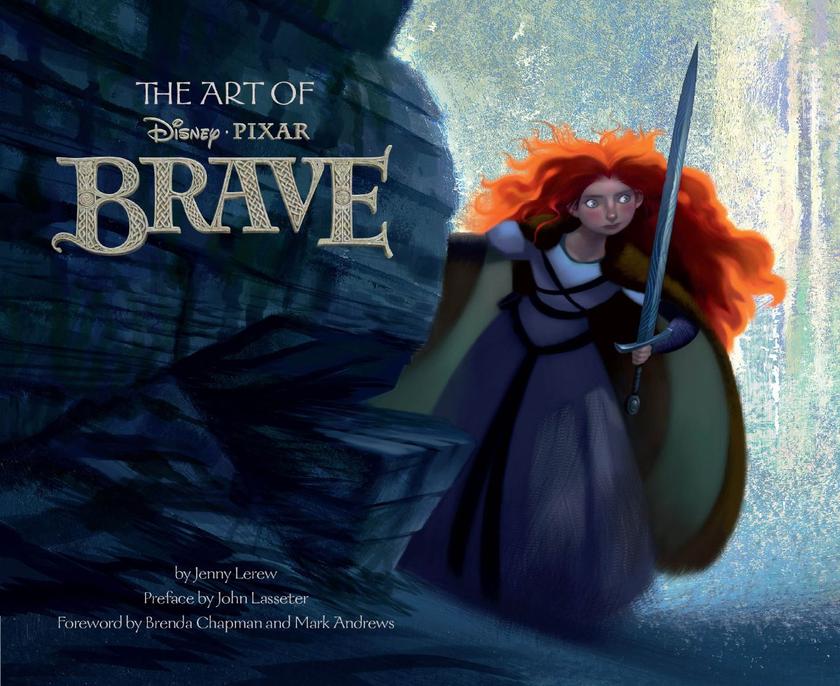
Art of Brave
¥305.97
Brave is Pixar's thirteenth feature film, but it marks two big firsts for the award-winning animation studio. It's Pixar's first feature film driven by a female lead and its first set in an ancient historical period. Against a backdrop of castles, forests, and highlands, Brave follows the fiery Merida as she clashes with the duty of her royal life and embarks on a journey through the rugged landscape of the dark ages of Scotland. At once epic and intimate, the latest Pixar masterpiece weaves a story of magic, danger, and adventure and the fierce bonds of family. Featuring behind-the-scenes interviews with the film's many artists and filmmakers, The Art of Brave showcases the gorgeous concept art that went into the making of this movie, including color scripts, storyboards, character studies, environment art, sculpts, and more. A Foreword by Brenda Chapman and Mark Andrews, the film's directors, and a preface by Chief Creative Officer John Lasseter shed light on the creation of this landmark film.
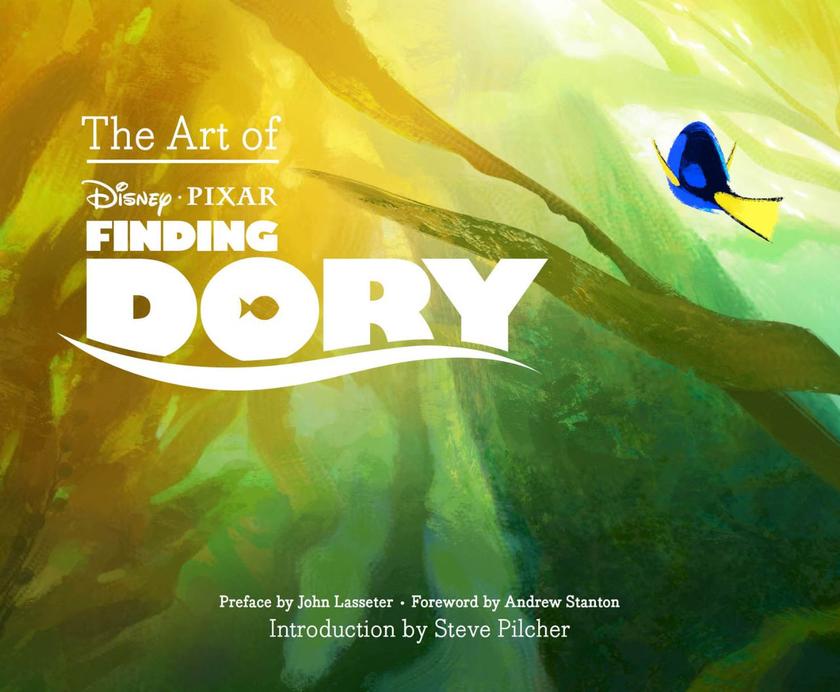
Art of Finding Dory
¥305.97
What can Dory remember? Who are her parents? In Finding Dory, Pixar Animation Studios sets out to answer these questions, to the delight of Finding Nemo fans. The Art of Finding Dory offers a look at the creative process behind the making of this much-anticipated sequel, shining a light on the many inspiring and beautiful layers of creation the artists at the studio explored during years of development.Copyright 2016 Disney Enterprises, Inc. and Pixar. All rights reserved.

Funny! - Twenty-Five Years of Laughter from the Pixar Story Room
¥223.57
From Toy Story to The Good Dinosaur, some of the most iconic and hilarious moments in Pixar's films were first conceived by the artists featured in this book. But there are hundreds of gags that don't make it past the cutting room floor, like Frozone cooling some beers with his breath and Sadness wearing mom jeans. Funny! explores this material in depth, showcasing classic moments from all of Pixar's films to date, plus never-before-published illustrations and doodles from the Pixar archives. With an introduction by veteran story man Jason Katz, this book is a must-have for any Pixar fan.Copyright 2015 Disney Enterprises, Inc. All rights reserved.
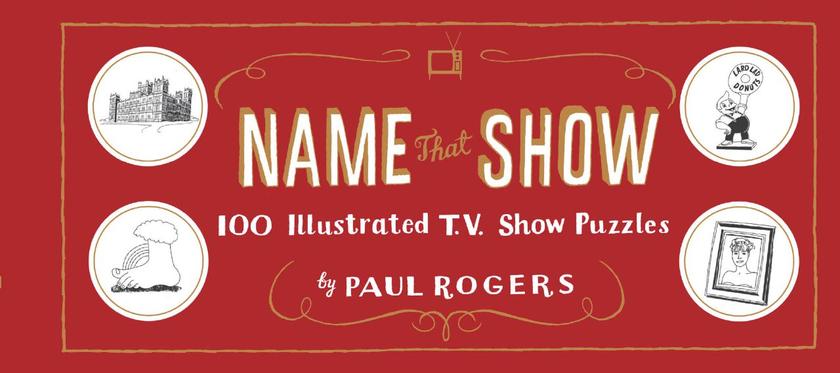
Name That Show - 100 Illustrated T.V. Show Puzzles
¥82.31
It's never been easier to discover and binge on new and classic TV shows, and never before have so many great series been available on screens large and small. This entertaining puzzle book by the author of Name That Movie celebrates the current golden age of television viewership with wit and style. Celebrated illustrator Paul Rogers tests readers' visual knowledge to identify each of 100 series through a sequence of six line drawings depicting places, vehicles, objects, and even fashion details ranging from the obscure to the iconic. Complete with answer key and index, this ebook is as fun to play solo as it is with fellow TV fans.


