


 购物车
购物车 个人中心
个人中心

Confessions of a Trauma Junkie:My Life as a Nurse Paramedic
¥65.99
Ride in the back of the ambulance with Sherry Jones Mayo Share the innermost feelings of emergency services workers as they encounter trauma, tragedy, redemption, and even a little humor. Sherry Jones Mayo has been an Emergency Medical Technician, Emergerncy Room Nurse, and an on-scene critical incident debriefer for Hurricane Katrina. Most people who have observed or experienced physical, mental or emotional crisis have single perspectives. This book allows readers to stand on both sides of the gurney; it details a progression from innocence to enlightened caregiver to burnout, glimpsing into each stage personally and professionally.Emergency Service Professionals Praise Confessions of a Trauma Junkie "A must read for those who choose to subject themselves to life at its best and at its worst. Sherry offers insight in the Emergency Response business that most people cannot imagine." --Maj Gen Richard L. Bowling, former Commanding General, USAF Auxiliary (CAP) "Sherry Mayo shares experiences and unique personal insights of first responders. Told with poetry, sensitivity and a touch of humor at times, all are real, providing views into realities EMTs, Nurses, and other first responders encounter. Recommended reading for anyone working with trauma, crises, critical incidents in any profession." -- George W. Doherty, MS, LPC, President Rocky Mountain Region Disaster Mental Health Institute "Sherry has captured the essence of working with people who have witnessed trauma. It made me cry, it made me laugh, it helped me to understand differently the work of our Emergency Services Personnel. I consider this a 'MUST READ' for all of us who wish to be helpful to those who work in these professions." --Dennis Potter, LMSW, CAAC, FAAETS, ICISF Instructor "Confessions of a Trauma Junkie is an honest, powerful, and moving account of the emotional realities of helping others! Sherry Mayo gives us a privileged look into the healing professions she knows firsthand. The importance of peer support is beautifully illustrated. This book will deepen the readers respect for those who serve." --Victor Welzant, PsyD, Director of Education and Training The International Critical Incident Stress Foundation, Inc Learn more at www.SherryJonesMayo.com From the Reflections of America Series Modern History Press www.ModernHistoryPress.com
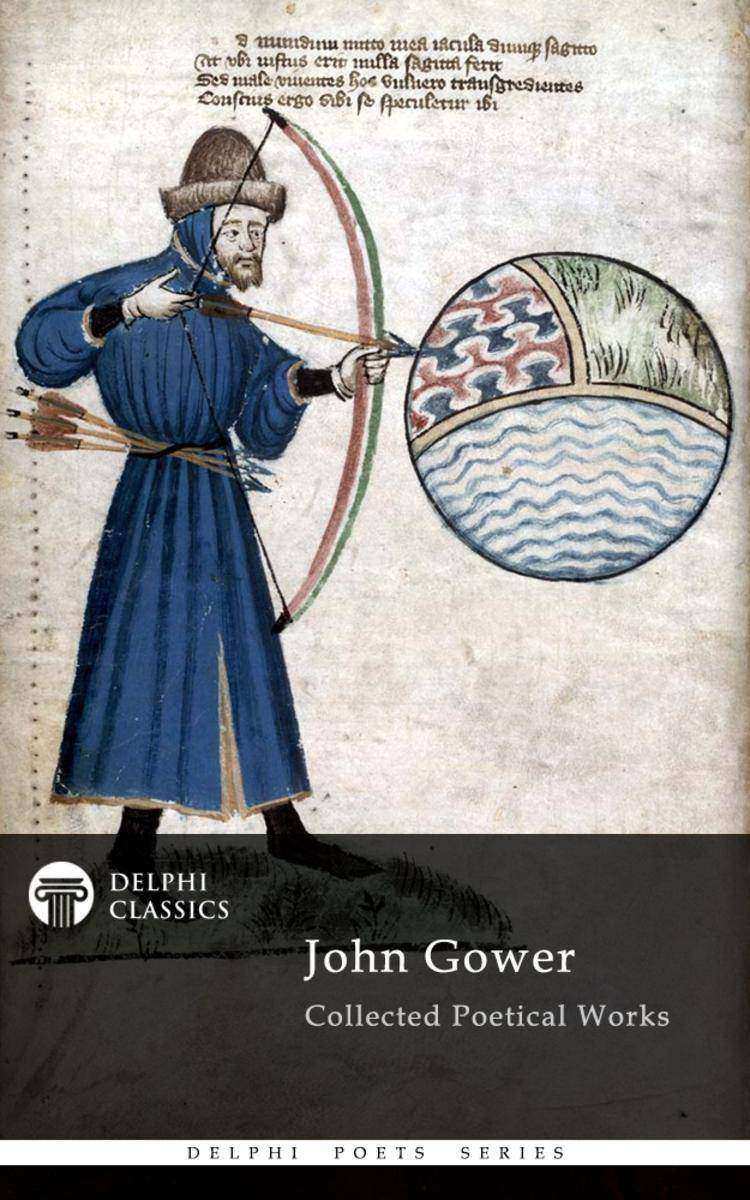
Delphi Collected Poetical Works of John Gower (Illustrated)
¥16.27
The contemporary and personal friend of Geoffrey Chaucer, the English poet John Gower produced works in the tradition of courtly love and moral allegory. ‘Confessio Amantis’, Gower’s greatest English poem, is a collection of exemplary tales of love, whereby Venus’ priest, Genius, instructs the poet, Amans, in the art of both courtly and Christian love. The stories derive from classical and medieval sources and are told with a tender, restrained narrative style. The Delphi Poets Series offers readers the works of literature's finest poets, with superior formatting. This volume presents Gower’s complete English works, with related illustrations and the usual Delphi bonus material. (Version 1) * Beautifully illustrated with images relating to Gower's life and works* Concise introduction to Gower’s life and poetry* Images of how the poetry books were first printed, giving your eReader a taste of the original texts* Excellent formatting of the poems* Easily locate the poems you want to read* Includes G. C. Macaulay’s 1901 text of ‘Confessio Amantis’, with line numbers* Macaulay’s seminal biography - discover Gower's medieval world Please visit www.delphiclassics.com to see our wide range of poet titles CONTENTS: The Life and Poetry of John GowerBrief Introduction: John Gower by Sidney LeeConfessio AmantisTo King Henry IV: In Praise of Piece The BiographyLife of Gower by G. C. Macaulay Please visit www.delphiclassics.com to browse through our range of poetry titles or buy the entire Delphi Poets Series as a Super Set
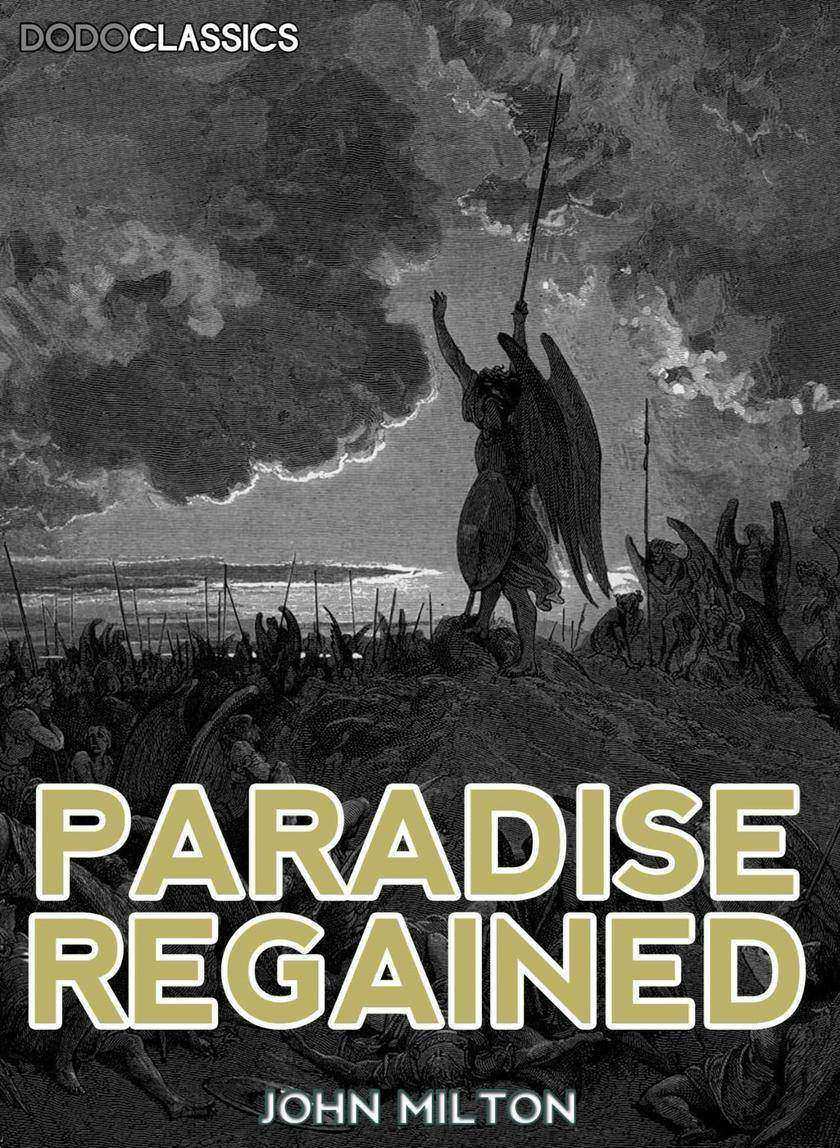
Paradise Regained
¥8.09
Paradise Regained is a poem by English poet John Milton, first published in 1671 by John Macock. The volume in which it appeared also contained the poet's closet drama Samson Agonistes. Paradise Regained is connected by name to his earlier and more famous epic poem Paradise Lost, with which it shares similar theological themes; indeed, its title, its use of blank verse, and its progression through Christian history recall the earlier work. However, this effort deals primarily with the temptation of Christ as recounted in the Gospel of Luke. ? An interesting anecdote recounted by a Quaker named Thomas Ellwood provides some insight into Paradise Regained??'?s development. After studying Latin with Milton and reading the poet's epic Paradise Lost, Ellwood remarked, "Thou hast said much here of Paradise lost, but what hast thou to say of Paradise found?" Hearing this, Milton at first "sat some time in a muse" before changing the subject; however, later on he showed to Ellwood a new manuscript entitled Paradise Regained. Some maintain that although he seemed to express gratitude to Ellwood in a letter, Milton in truth "passed on a friendly if impish fabrication" that made Ellwood feel like the inspiration for the poem. Milton composed Paradise Regained at his cottage in Chalfont St Giles in Buckinghamshire. The poem is four books long, in contrast with Paradise Lost??'?s twelve. As such, Barbara K. Lewalski has labelled the work a "brief epic." ? Whereas Paradise Lost is ornate in style and decorative in its verse, Paradise Regained is carried out in a fairly plain style. Specifically, Milton reduces his use of simile and deploys a simpler syntax in Paradise Regained than he does in Paradise Lost, and this is consistent with Jesus's sublime plainness in his life and teachings (in the epic, he prefers Hebrew psalms to Greek poetry). Modern editors believe the stylistics of Paradise Regained evince Milton's poetic maturity. No longer is the poet out to dazzle his readers with bombastic verse and lengthy epic similes. This is not to say that the poem bears no affinities with Milton's earlier work, but scholars continue to agree with Northrop Frye's suggestion that Paradise Regained is "practically sui generis" in its poetic execution. ? One major concept emphasized throughout Paradise Regained is the idea of reversals. As implied by its title, Milton sets out to reverse the "loss" of Paradise. Thus, antonyms are often found next to each other, reinforcing the idea that everything that was lost in the first epic will be regained by the end of this "brief epic." Additionally, the work focuses on the idea of "hunger", both in a literal and in a spiritual sense. After wandering in the wilderness for forty days, Jesus is starving for food. Satan, too blind to see any non-literal meanings of the term, offers Christ food and various other temptations, but Jesus continually denies him. Although Milton's Jesus is remarkably human, an exclusive focus on this dimension of his character obscures the divine stakes of Jesus’s confrontation with Satan; Jesus emerges victorious, and Satan falls, amazed.

Smoky
¥30.88
When Smoky, a tiny Yorkie Terrier, is miraculously found in a foxhole in the steaming jungles of Papua New Guinea, she has no way of knowing she will become a World War II hero and Hollywood star. Flying with her new owner, Corporal Bill Wynne, on deadly combat missions, she is soon assisting the war effort, entertaining and bringing comfort to the soldiers with her unique tricks and spirited energy. Based on the true events of the American Army’s wartime struggles and Smoky’s subsequent outstanding television career, her moving and uplifting tale is sure to entertain and touch the heart of all who read it. From the author of bestseller Simon Ships Out: How One Brave, Stray Cat Became a Worldwide Hero.
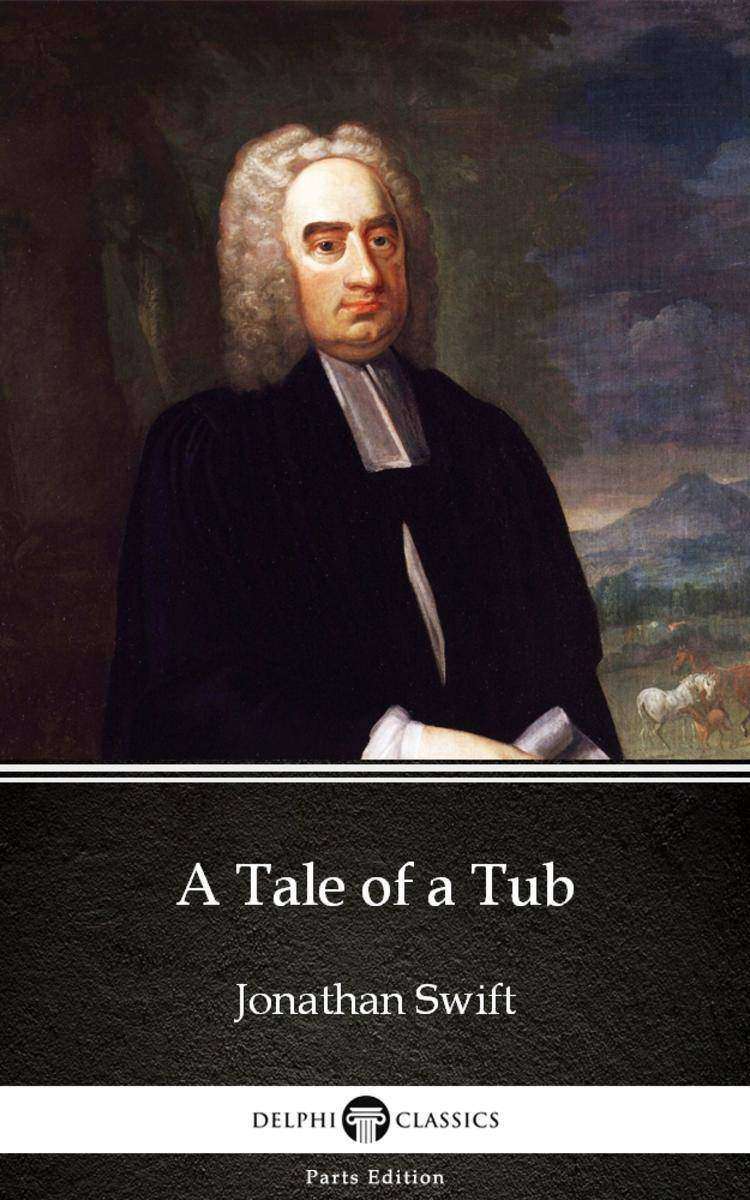
A Tale of a Tub by Jonathan Swift - Delphi Classics (Illustrated)
¥8.09
This eBook features the unabridged text of ‘A Tale of a Tub by Jonathan Swift - Delphi Classics (Illustrated)’ from the bestselling edition of ‘The Complete Works of Jonathan Swift’. Having established their name as the leading publisher of classic literature and art, Delphi Classics produce publications that are individually crafted with superior formatting, while introducing many rare texts for the first time in digital print. The Delphi Classics edition of Swift includes original annotations and illustrations relating to the life and works of the author, as well as individual tables of contents, allowing you to navigate eBooks quickly and easily. eBook features: * The complete unabridged text of ‘A Tale of a Tub by Jonathan Swift - Delphi Classics (Illustrated)’ * Beautifully illustrated with images related to Swift’s works * Individual contents table, allowing easy navigation around the eBook * Excellent formatting of the text Please visit www.delphiclassics.com to learn more about our wide range of titles
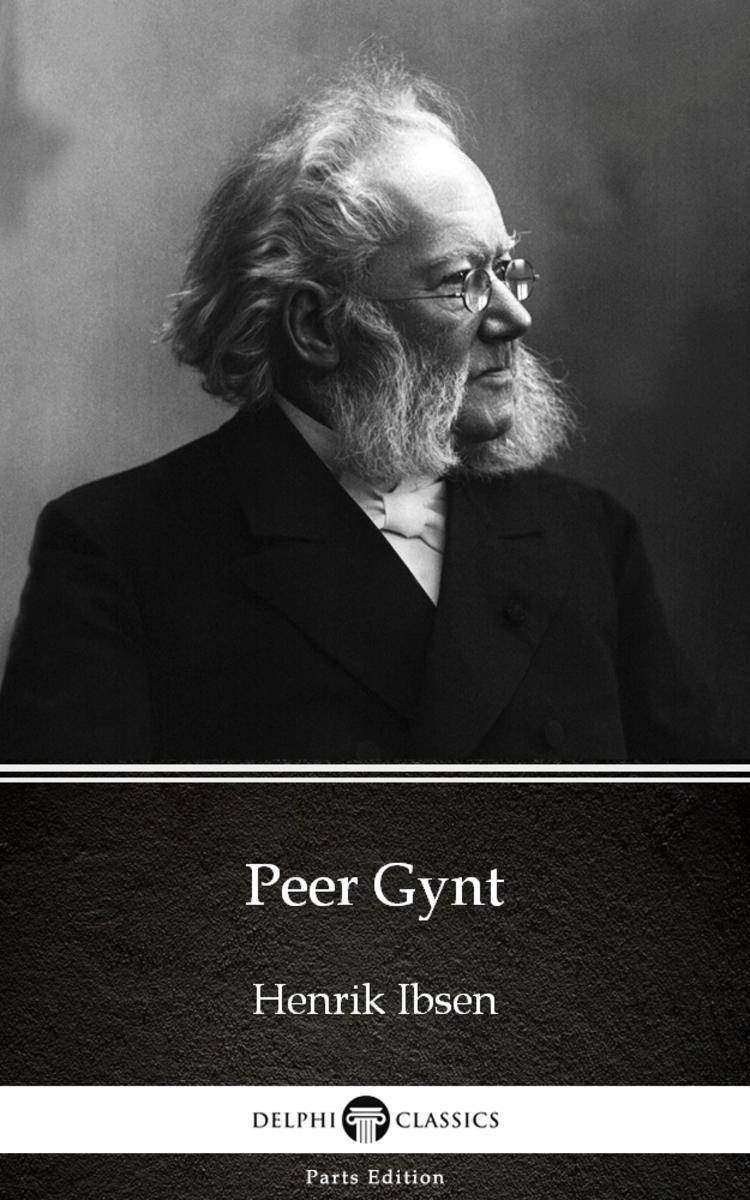
Peer Gynt by Henrik Ibsen - Delphi Classics (Illustrated)
¥8.09
This eBook features the unabridged text of ‘Peer Gynt by Henrik Ibsen - Delphi Classics (Illustrated)’ from the bestselling edition of ‘The Complete Works of Henrik Ibsen’. Having established their name as the leading publisher of classic literature and art, Delphi Classics produce publications that are individually crafted with superior formatting, while introducing many rare texts for the first time in digital print. The Delphi Classics edition of Ibsen includes original annotations and illustrations relating to the life and works of the author, as well as individual tables of contents, allowing you to navigate eBooks quickly and easily. eBook features: * The complete unabridged text of ‘Peer Gynt by Henrik Ibsen - Delphi Classics (Illustrated)’ * Beautifully illustrated with images related to Ibsen’s works * Individual contents table, allowing easy navigation around the eBook * Excellent formatting of the text Please visit www.delphiclassics.com to learn more about our wide range of titles
The Three Sisters: A drama in four acts
¥40.79
One of the four major plays that Chekhov wrote at the end of his life. The play was specifically written for the Moscow Art Theatre and was first directed by the legendary Constantin Stanisklavski. Since its debut, the play remained a perennial favourite of actors and audiences internationally.
The Brothers Karamazov
¥40.79
The Brothers Karamazov is a passionate philosophical novel that enters deeply into the ethical debates of God, free will, and morality. It is a spiritual drama of moral struggles concerning faith, doubt, and reason, set against a modernizing new Russia. Dostoyevsky composed much of the novel in the old Russia, which is also the main setting of the novel. Since its publication, it has been acclaimed all over the world by intellectuals as diverse as Sigmund Freud, Albert Einstein, Ludwig Wittgenstein, Martin Heidegger, Cormac McCarthy and Kurt Vonnegut as one of the supreme achievements in literature.

Bleak House
¥40.79
Bleak House is one of Dickens's finest novels, containing one of the most vast, complex and engaging arrays of minor characters and sub-plots in his entire canon. The story follows long-running litigation in England's Court of Chancery, Jarndyce v Jarndyce, which has far-reaching consequences for all involved. This case revolves around atestator who apparently made several wills.

Vanity Fair
¥40.79
Vanity Fair is one of the most distinguished works written by William Makepeace Thackeray. The novel satirises whole swaths of humanity while retaining a light touch. It also features Thackeray's most memorable character, the engagingly roguish Becky Sharp. The novel is considered a classic of English literature, presenting a panoramic portrait of English society of the time.

The Diary of a Nobody
¥40.79
Charles Pooter and his wife Caroline have just moved to a new home. Mr Pooter is a City of London clerk with Perkupps. The couple have a 20-year-old son, Lupin, who works as a bank clerk in Oldham. From the beginning a pattern is set whereby the small vexations of the Pooters' daily lives are recounted, many of them arising from Pooter's unconscious self-importance and pomposity. Trouble with servants, tradesmen and office juniors, together with minor social embarrassments and humiliations, occur regularly.
Saemtliche Werke von Gotthold Ephraim Lessing (Illustrierte)
¥24.44
Gotthold Ephraim Lessing war ein bedeutender Dichter der deutschen Aufkl?rung. Mit seinen Dramen und seinen theoretischen Schriften, die vor allem dem Toleranzgedanken verpflichtet sind, hat dieser Aufkl?rer der weiteren Entwicklung des Theaters einen wesentlichen Weg gewiesen und die ?ffentliche Wirkung von Literatur nachhaltig beeinflusst. Jetzt genie?en Sie die kompletten Werke von Lessing auf Ihrem E-Reader. Diese enorme Sammlung umfasst auch spezielle Bonustexte. (8MB Version 1) Merkmale: * die vollst?ndige Dramen, mit Inhaltsverzeichnissen * kurze Einführungen in die Dramen und anderen Texte * zahlreiche Bilder mit Bezug zu Lessing, seinem Leben und seinen Werken * die vollst?ndigen lyrischen Werke * alphabetisches Inhaltsverzeichnis der Gedichte * die theoretischen und naturwissenschaftlichen Schriften * Erz?hlprosa, Vortr?ge, Rezensionen und Briefe * Sachbücher * enth?lt eine Bonus-Text-Biografie INHALT: Dramatische Werke DAMON DER JUNGE GELEHRTE DIE ALTE JUNGFER DER MISOGYN DER FREIGEIST DIE JUDEN DER SCHATZ MI? SARA SAMPSON PHILOTAS MINNA VON BARNHELM, ODER DAS SOLDATENGL?CK EMILIA GALOTTI NATHAN DER WEISE SAMUEL HENZI D. FAUST Erz?hlungen FABELN UND ERZ?HLUNGEN, 1771 FABELN. DREI B?CHER FABELN LISTE DER FABELN IN ALPHABETISCHER REIHENFOLGE Gedichte LIEDER ODEN SINNGEDICHTE Lyrik LISTE DER GEDICHTE IN CHRONOLOGISCHER REIHENFOLGE LISTE DER GEDICHTE IN ALPHABETISCHER REIHENFOLGE Sachbücher REZENSIONEN BRIEFE VORREDEN ABHANDLUNGEN VON DEM WEINERLICHEN ODER R?HRENDEN LUSTSPIELE ?BER DAS LUSTSPIEL ?DIE JUDEN? EIN VADE MECUM F?R DEN HRN. SAM GOTTHL. LANGE. PASTOR IN LAUBLINGEN RETTUNGEN DES HORAZ BRIEFWECHSEL ?BER DAS TRAUERSPIEL ABHANDLUNGEN [?BER DIE FABEL] BRIEFE, DIE NEUESTE LITERATUR BETREFFEND LAOKOON HAMBURGISCHE DRAMATURGIE DER REZENSENT BRAUCHT NICHT BESSER MACHEN ZU K?NNEN, WAS ER TADELT WIE DIE ALTEN DEN TOD GEBILDET LEBEN UND LEBEN LASSEN SELBSTBETRACHTUNGEN UND EINF?LLE GEDANKEN ?BER DIE HERRNHUTER DAS CHRISTENTUM DER VERNUNFT POPE EIN METAPHYSIKER! ?BER DIE ENTSTEHUNG DER GEOFFENBARTEN RELIGION ?BER DIE WIRKLICHKEIT DER DINGE AU?ER GOTT DURCH SPINOZA IST LEIBNIZ NUR AUF DIE SPUR DER VORHERBESTIMMTEN HARMONIE GEKOMMEN EINE PARABEL ANTI-GOEZE ERNST UND FALK DA? MEHR ALS F?NF SINNE F?R DEN MENSCHEN SEIN K?NNEN GESPR?CHE ?BER DIE SOLDATEN UND M?NCHE DIE RELIGION CHRISTI DIE ERZIEHUNG DES MENSCHENGESCHLECHTS Biografie GOTTHOLD EPHRAIM LESSING von Carl Christian Redlich
Delphi Complete Poetical Works of Andrew Marvell (Illustrated)
¥16.27
Andrew Marvell was a leading metaphysical poet, whose technical genius and scathing wit firmly establish him as a leading literary figure of the seventeenth century. The Delphi Poets Series offers readers the works of literature's finest poets, with superior formatting. This volume presents Marvell’s complete poetical works, with beautiful illustrations and the usual Delphi bonus material. (Version 1) * Beautifully illustrated with images relating to Marvell's life and works * Concise introduction to the life and poetry of Andrew Marvell * Excellent formatting of the poems * Special chronological and alphabetical contents tables for the poetry * Easily locate the poems you want to read * Includes Marvell's rare Latin and apocryphal poems * Features a bonus biography - discover Marvell's political and literary life * Scholarly ordering of texts into chronological order and literary genres Please visit www.delphiclassics.com to browse through our range of exciting titles CONTENTS: The Poetry of Andrew Marvell BRIEF INTRODUCTION: ANDREW MARVELL The Poems LIST OF POEMS IN CHRONOLOGICAL ORDER LIST OF POEMS IN ALPHABETICAL ORDER The Biography ANDREW MARVELL by Augustine Birrell Please visit www.delphiclassics.com to browse through our range of exciting titles

The Three Hostages by John Buchan - Delphi Classics (Illustrated)
¥8.09
This eBook features the unabridged text of ‘The Three Hostages by John Buchan - Delphi Classics (Illustrated)’ from the bestselling edition of ‘The Complete Works of John Buchan’. Having established their name as the leading publisher of classic literature and art, Delphi Classics produce publications that are individually crafted with superior formatting, while introducing many rare texts for the first time in digital print. The Delphi Classics edition of Buchan includes original annotations and illustrations relating to the life and works of the author, as well as individual tables of contents, allowing you to navigate eBooks quickly and easily. eBook features: * The complete unabridged text of ‘The Three Hostages by John Buchan - Delphi Classics (Illustrated)’ * Beautifully illustrated with images related to Buchan’s works * Individual contents table, allowing easy navigation around the eBook * Excellent formatting of the text Please visit www.delphiclassics.com to learn more about our wide range of titles
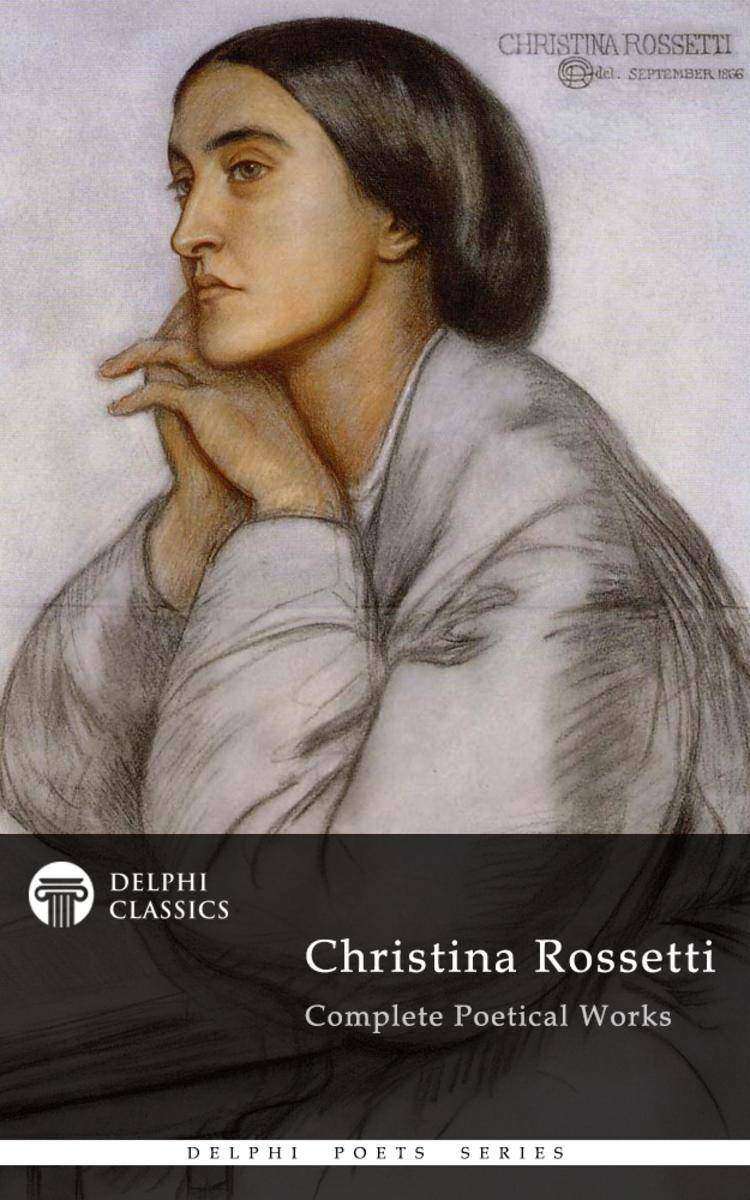
Delphi Complete Works of Christina Rossetti (Illustrated)
¥16.27
Famous for the long poem ‘Goblin Market’ and the classic love poem ‘Remember’, Christina Rossetti created a variety of romantic, devotional and children's poems, as well as an accomplished sample of fiction. The Delphi Poets Series offers readers the works of literature's finest poets, with superior formatting. This volume presents the complete poetical and fictional works of Christina Rossetti, with beautiful illustrations and the usual Delphi bonus material. (Version 1) * Beautifully illustrated with images relating to Rossetti's life and works * Concise introductions to the poetry and other works * Images of how the poetry books were first printed, giving your eReader a taste of the original texts * Excellent formatting of the poems * Features Dante Gabriel Rossetti’s accompanying illustrations to GOBLIN MARKET * Special chronological and alphabetical contents tables for the poetry * Easily locate the poems you want to read * Includes Rossetti's complete short stories and her rare novella MAUDE, appearing for the first time in digital print * Features a bonus biography by the Pre-Raphaelite expert Theodore Watts-Dunton - discover Rossetti's literary life * Scholarly ordering of texts into chronological order and literary genres * Easily skip forward or back to each poem and section using the Kindle's 5-way controller Please visit www.delphiclassics.com to browse through our range of exciting titles CONTENTS: The Poetry Collections VERSES, 1847 GOBLIN MARKET AND OTHER POEMS THE PRINCE’S PROGRESS AND OTHER POEMS SING-SONG: A NURSERY RHYME BOOK A PAGEANT AND OTHER POEMS VERSES, 1893 SOME FEASTS AND FASTS GIFTS AND GRACES THE WORLD: SELF-DESTRUCTION DIVERS WORLDS:TIME AND ETERNITY NEW JERUSALEM AND ITS CITIZENS SONGS FOR STRANGERS AND PILGRIMS PRIVATELY PUBLISHED POEMS UNPUBLISHED POEMS The Poems LIST OF POEMS IN CHRONOLOGICAL ORDER LIST OF POEMS IN ALPHABETICAL ORDER The Fiction COMMONPLACE AND OTHER STORIES MAUDE: A STORY FOR GIRLS The Biography CHRISTINA GEORGINA ROSSETTI by Theodore Watts-Dunton Please visit www.delphiclassics.com to browse through our range of exciting titles
Martin Eden
¥40.79
A semi-autobiographical novel, which Jack London wrote at the age of 33 at the height of his literary career. The story follows life of Marin Eden, an intelligent young man who becomes a writer through an intense and passionate pursuit of self-education in order to gain acceptance and the respectability of his society-girl sweetheart. Ruth spurns Eden when his writing is rejected initially and later tries to win his heart when he achieves fame. Was Eden’s quest for bourgeois respectability hollow?

Sherlock: Complete Novels
¥40.79
Sherlock, one of the greatest detectives of all time. This Fractal Press edition features complete collection of the four Sherlock Holmes novels, including: A Study in Scarlet, The Sign of the Four, The Hound of the Baskervilles, The Valley of Fear.
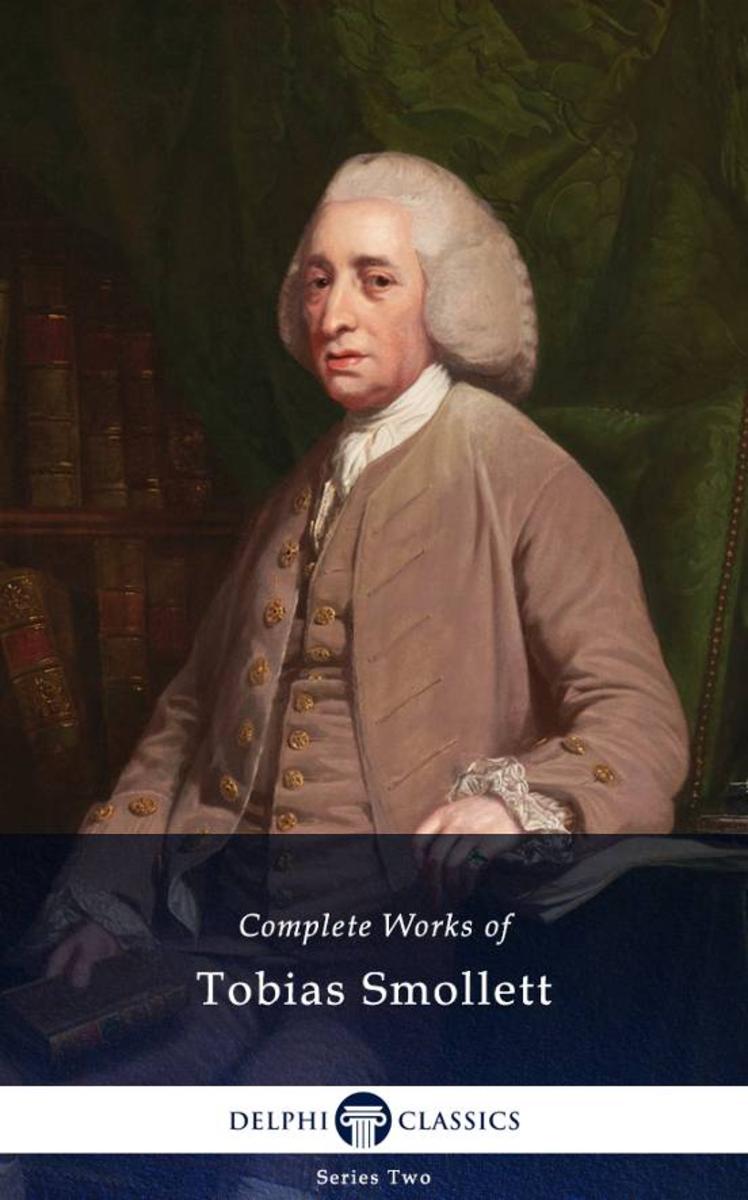
Delphi Complete Works of Tobias Smollett (Illustrated)
¥24.44
Revered by Dickens and Sir Walter Scott, Tobias Smollett is a writer seldom read nowadays, although he is responsible for some of the greatest literary works of the Eighteenth-Century. This comprehensive eBook offers Smollett's complete fictional works, with rare texts, beautiful illustrations, informative introductions and the usual Delphi bonus material. (12MB Version 1) * Beautifully illustrated with images relating to Smollett's life and works * Concise introductions to the novels and other works * Images of how the books were first printed, giving your eReader a taste of the original texts * Excellent formatting of the texts * The complete novels, including rare works like The History and Adventures of an Atom, first time in digital print * All of the major novels are fully illustrated with their original artwork * Includes Smollett's poetry, plays and translations * Features two biographies, including Sir Walter Scott’s seminal biographical study - explore Smollett's literary life! * Almost the complete non-fiction works * Scholarly ordering of texts into chronological order and literary genres Contents: The Novels The Adventures of Roderick Random The Adventures of Peregrine Pickle The Adventures of Ferdinand Count Fathom The Life and Adventures of Sir Launcelot Greaves The History and Adventures of an Atom The Expedition of Humphry Clinker The Translations Gil Blas Candide The Plays The Regicide The Reprisal The Poetry Advice Reproof Minor Poems The Non-Fiction Continuation of a Complete History of England: Volume Ii Travels Through France and Italy Narrative of the Base and Inhuman Arts That Were Lately Practised Upon the Brain of Habbakkuk Hilding The Expedition Against Carthagena Smollett’s Dying Prediction The Biography The Life of Tobias Smollett By George Gillfillan
The Medicinal Foods Book
¥40.79
This book will show you how the simplest foods such as fruits, vegetables, grains and herbs can be used to cure many common illnesses and disorders. This guide also contains strategies for healthy eating, fasting and dieting using simple tested methods and recipes. Discover the important medicinal properties of many simple foods and eat your way to health and happiness.
Dedicatoria:Poemas para los tuyos y los míos
¥15.29
Este libro está dedicado a personas, cosas, ideas, e incluso a entidades difíciles de definir. Cada uno de los poemas aquí comprendidos fueron escritos con alguno de los anteriores en mente. Hay algunos que hasta he olvidado su destinatario y fuente de inspiración; por lo tanto, siéntete libre de asignarlos a cualquier persona, idea, cosa, o entidad de tu preferencia.
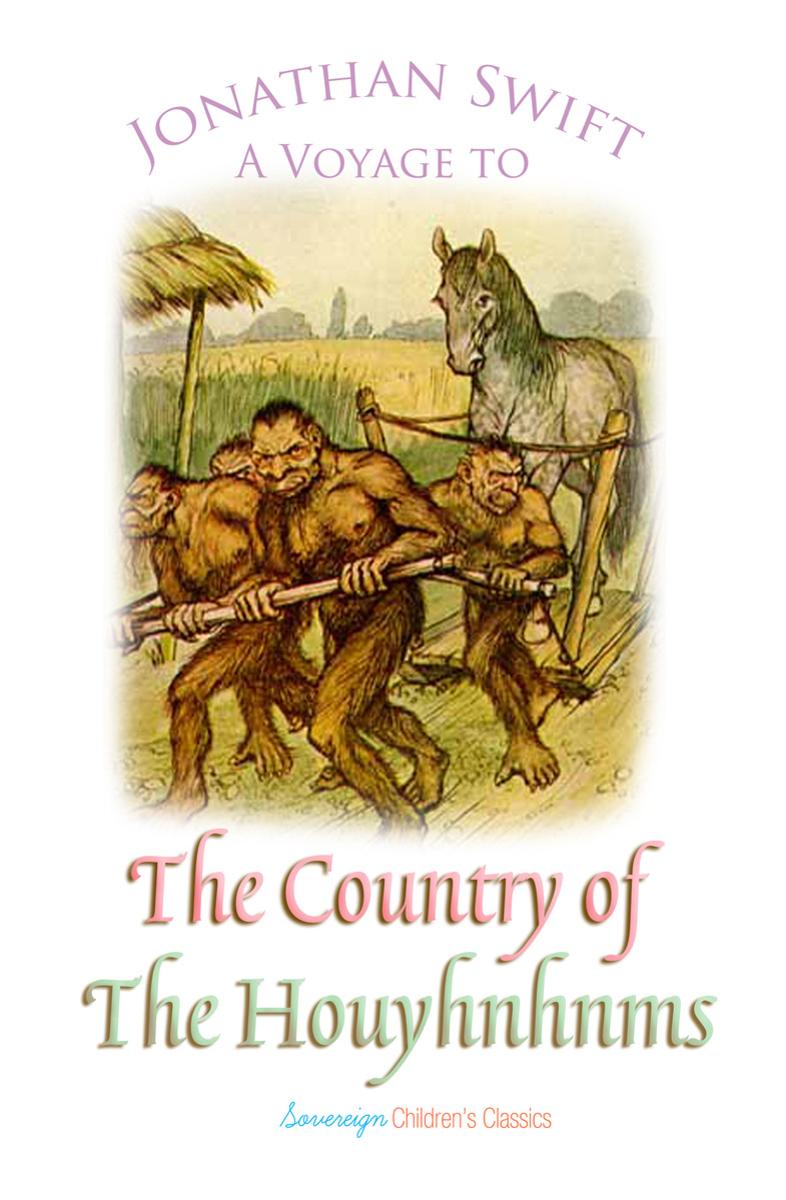
A Voyage to the Country of the Houyhnhnms
¥40.79
Gulliver sets out as captain of a ship, but after the mutiny of his crew and a long confinement in his cabin, he arrives in an unknown land. This land is populated by Houyhnhnms, rational-thinking horses who rule, and by Yahoos, brutish humanlike creatures who serve the Houyhnhnms. Gulliver sets about learning their language, and when he can speak he narrates his voyages to them and explains the constitution of England. He is treated with great courtesy and kindness by the horses and is enlightened by his many conversations with them and by his exposure to their noble culture.


