


 购物车
购物车 个人中心
个人中心

Somebody Else’s Kids
¥63.77
From the author of Sunday Times bestsellers One Child and Ghost Girl comes a heartbreaking story of one teacher's determination to turn a chaotic group of damaged children into a family. They were all just "somebody else's kids" – four problem children placed in Torey Hayden's class because nobody knew what else to do with them. They were a motley group of kids in great pain: a small boy who echoed other people's words and repeated weather forecast; a beautiful seven-year-old girl brain damaged by savage parental beatings; an angry ten-year-old who had watched his stepmother murder his father; a shy twelve-year-old who had been cast out of Catholic school when she became pregnant. But they shared one thing in common: a remarkable teacher who would never stop caring – and who would share with them the love and understanding they had never known to help them become a family.
Sir Alf
¥110.46
Since England's famous 1966 World Cup victory, Alf Ramsey has been regarded as the greatest of all British football managers. By placing Ramsey in an historical context, award-winning author Leo McKinstry provides a thought-provoking insight into the world of professional football and the fabric of British society over the span of his life. Ramsey's life is a romantic story of heroism. Often derided by lesser men, he overcame the prejudice against his social background to reach the summit of world football. The son of a council dustman from Essex, Ramsey had been through a tough upbringing. After army service during the war, he became a professional footballer, enjoying a successful career with Southampton and Tottenham and winning 32 England caps. But it was as manager of Ipswich Town, and then the architect for England's 1966 World Cup triumph, that Ramsey will be most remembered. The tragedy was that his battles with the FA would ultimately lead to his downfall. He was sacked after England failed to qualify for the 1974 World Cup and was subsequently ostracised by the football establishment. He died a broken man in 1999 in the same modest Ipswich semi he'd lived in for most of his life. Drawing on extensive interviews with his closest friends and colleagues in the game, author Leo McKinstry will help unravel the true character of this fascinating and often complex football legend.
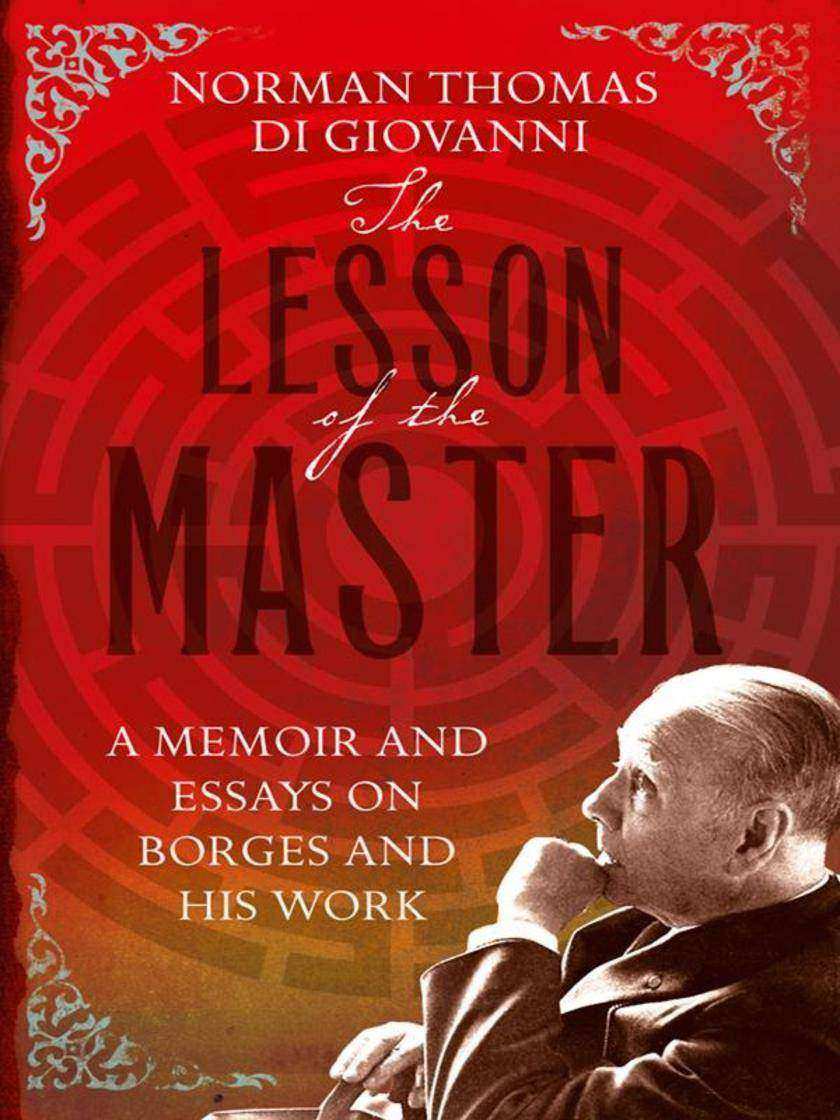
The Lesson of the Master
¥34.14
A collection of essays on Jorge Luis Borges by his long-time friend and collaborator. Jorge Luis Borges - Argentine poet, essayist, and short-story writer - is widely considered one of the giants of 20th-century world literature. Norman Thomas di Giovanni worked alongside Borges for a number of years creating English translations of his work, the only translations personally overseen by Borges himself. In The Lesson of the Master, a memoir and essays, he writes about his time with Borges but also offers us a unique insight on the man and his work. It is an indispensable volume for Borges readers and his growing legion of students and scholars.
The Little Prisoner: How a childhood was stolen and a trust betrayed
¥45.62
An inspirational true story of a 4 year old girl who fell into the power of a man whose evil knew no bounds. She encountered terrifying mental and physical torture from her psychopathic stepfather for a period of 17 years until she managed to break free, her spirit still unbroken Jane Elliott fell into the hands of her sadistic and brutal stepfather when she was 4 years old. Her story is both inspiring and horrifying. Kept a virtual prisoner in a fortress-like house and treated to daily and ritual abuse, Jane nonetheless managed to lose herself in a fantasy world which would keep her spirit alive. Equally as horrifying as the physical abuse Jane suffered, were the mental games her tormentor played – getting his kicks from seeing Jane humiliated, confused, crushed and defeated at every turn. Her family and neighbourhood were all terrified of Jane’s stepfather so no-one held out a rescuing hand. So Jane had to help herself. When she was 21 she ran away with her baby daughter and boyfriend to start a new life in hiding. Several years on she found the courage to go to the police. A court case followed where Jane bravely stood up against the unrepentant aggressor she so feared. He was jailed for 17 years. Jane’s family took his side.
Gilchrist on Blake: The Life of William Blake by Alexander Gilchrist
¥88.39
LIVES THAT NEVER GROW OLD Part of a radical new series – edited by Richard Holmes – that recovers the great classical tradition of English biography. Gilchrist’s ‘The Life of William Blake’ is a biographical masterpiece, still thrilling to read and vividly alive. This was the first biography of William Blake ever written, at a time when the great visionary poet and painter was generally forgotten, ridiculed or dismissed as insane. Wonderfully vivid and outspoken (one chapter is entitled ‘Mad or Not Mad’), it was based on revealing interviews with many of Blake’s surviving friends. Blake conversed with spirits, saw angels in trees, and sunbathed naked with his wife ‘like Adam and Eve’. Gilchrist adds detailed de*ions of Blake’s beliefs and working methods, an account of his trial for high treason and fascinating evocations of the places in London, Kent and Sussex where he lived. The book ultimately transformed and enhanced Blake’s reputation.
C. S. Lewis: A Biography
¥82.01
This acclaimed biography charts the progress of the brilliant, prolific writer, C. S. Lewis. C. S. Lewis was a deeply complex man, capable of inspiring both great devotion and great hostility. This acclaimed biography charts the progress of the clever child from the ‘Little End Room’ of his Ulster childhood and adult life, exploring Lewis’s unwilling conversion to Christianity, the genesis of his writing, and the web of his relationships.
Branson
¥80.25
The sensational critical biography of this phenomenal entrepreneur and his business practices – fully updated to cover Branson’s recent ventures. No British tycoon is more popular, few claim to be richer and none has masterminded a more recognisable brand than Richard Branson. What is behind the success of the buccaneering balloonist, the tabloids’ favourite celebrity nude, the ‘grinning jumper’ and the scourge of corporate goliaths? Helped by eyewitness accounts of more than 250 people with direct experience of Branson, Tom Bower has a uncovered a different tale to the one so eagerly promoted by Virgin’s publicists. Here is the full story of Branson: his businesses, his friendships, his ambition, his law-breaking, his drug-taking, his bullying. From the cockpit of a balloon in the clouds to the centre of Branson’s operations in his Holland Park home this book is an intimate scrutiny of exactly how Richard Branson created himself and sold himself. Tom Bower’s biography reveals Branson to be a single-minded profiteer who, while occasionally generous to others, has a fixed purpose to enhance his family’s wealth in secret off-shore trust funds. Instead of a glittering saint, Branson emerges as a devious actor, proud of plucking for his own profit the good ideas of others. From his quest to acquire the license for the National Lottery to his plans to launch space tourism with Virgin Galactic, this fully updated edition follows Branson’s enterprises and investments up to the recent, failed bid for Northern Rock.

Madness: A Bipolar Life (Text Only)
¥72.30
A searing, unflinching and deeply moving account of Marya Hornbacher’s personal experience of living with bipolar disorder. From the age of six, Marya Hornbacher knew that something was terribly wrong with her, manifesting itself in anorexia and bulimia which she documented in her bestselling memoir ‘Wasted’. But it was only eighteen years later that she learned the true underlying reason for her distress: bipolar disorder. In this new, equally raw and frank account, Marya Hornbacher tells the story of her ongoing battle with this most pervasive and devastating of mental illnesses; how, as she puts it, ‘it crept over me like a vine, sending out tentative shoots in my childhood, taking deeper root in my adolescence, growing stronger in my early adulthood, eventually covering my body and face until I was unrecognizable, trapped, immobilized’. She recounts the soaring highs and obliterating lows of her condition; the savage moodswings and impossible strains it placed on her relationships; the physical danger it has occasionally put her in; the endless cycle of illness and recovery. She also tackles the paradoxical aspects of bipolar disorder – how it has been the drive behind some of her most creative work – and the reality of a life lived in limbo, ‘caught between the world of the mad and the world of the sane’. Yet for all the torment it documents, this is a book about survival, about living day to day with bipolar disorder – the constant round of therapy and medication – and managing it. As well as her own highly personal story, the book includes interviews with family, spouses and friends of sufferers, the people who help their loved ones carry on. Visceral and inspiring, lyrical and sometimes even funny, ‘Madness’ will take its place alongside other classics of the genre such as ‘An Unquiet Mind’ and ‘Girl, Interrupted’.

The Necklace: A true story of 13 women, 1 diamond necklace and a fabulous idea
¥54.25
One day a woman of average means waltzes by a jewellery shop window and spots a ?20,000 diamond necklace. She can't get it out of her head. Eventually she gets the idea of sharing it with friends, persuading them to chip in a grand each to buy the necklace. This is the true story of 13 ordinary women, and one extraordinary adventure. The Necklace is the amazing true story of thirteen women who didn't want to give up on their dreams. They clubbed together to buy a gorgeous diamond necklace, agreeing that each of them would have it for four weeks at a time. They would meet every month to find out what the necklace (now dubbed 'Jewelia') had been up to. The club had some rules: if someone went to Paris, they got the necklace. At least once, everyone had to wear the necklace whilst making love. After two years, the necklace had been loaned out to nieces, grandmas, friends and granddaughters. It had been worn by brides and colleagues and sisters and friends. And when it was their turn for the necklace the women of Jewelia wore it for both the daily routines and special events of their lives, to teach school, to work in the farmer's market, to go fishing and skydiving. It started something. The Necklace is the story of how an object of desire became a catalyst for connection, friendship and more. It's like Calendar Girls, only maybe a bit more glamorous, glitzy and sparkling.
Star of the Morning: The Extraordinary Life of Lady Hester Stanhope (Text Only)
¥192.67
The dramatic story of Lady Hester Stanhope – a wilful beauty turned bohemian adventurer – who left England as a young woman, unashamedly enjoyed a string of lovers and established her own exotic fiefdom in the Lebanese mountains where she died in 1839. Ambitious, daring and uncompromising, Lady Hester Stanhope was never cut out for a conventional life. Born into an illustrious political dynasty, she played society hostess for her uncle, William Pitt the Younger. After his death, she struck out for unchartered territory, setting sail with her lover for the Mediterranean and Constantinople – turning her back on England, as events would transpire, forever. It was in the Middle East, however, that she found her destiny. As the greatest female traveller of her age, she was the first western woman to cross the Syrian desert, where she was hailed by the Bedouin as their ‘Star of the Morning’. From her labyrinthine fortress in the mountains of Lebanon, where she established what amounted to her own fiefdom, she exerted a canny influence over the region's devious politics. Hers was a life of adventure and intrigue – yet in the years following her death her remarkable story has been largely dismissed, reworked by the Victorians into a cautionary tale for young women with wayward tendencies. This captivating biography, drawing on fresh research from three continents, resurrects Hester as the complex, courageous and fearless woman she was, bringing to life her hidden loves, friendships and ambitions. More than a mere traveller, here was a woman whose aspirations led her straight to the heart of the shadowy race for influence between the great powers of the nineteenth century – a world of shifting alliances, double agents, romance, intrigue and murder. Above all, Lady Hester Stanhope was a woman driven by her desire to make a mark on the world, whose search for love and spiritual meaning in a war-torn Middle East provide an illuminating and moving parallel for our time.
Mite. B?l?uca
¥33.03
Alexandru Sf?rlea arat? ?ntr-o recent? recenzie a versiunii tip?rite a c?r?ii 101 poeme: ?[...] S? mai spun c? unii ?i al?ii s-au ?inspirat? din texte ale lui Vasile Poenaru pentru a-?i etala ?prospe?imile? propriilor crea?ii, ?n vreme ce acest excelent poet st?tea ?pitit? sub obrocul impasibilit??ii ?i ignor?rii tenace a criticilor?Pentru c?, ?n via?a noastr? literar?, am ajuns s? cred c? asemenea practici sunt uzitate cu... sistem?, ca s? zic a?a, pentru ca lipsi?ii de har ?i inspira?ie, proteja?ii ?i coteri?tii s?-?i ?edifice? constructele de chirpici lingvistic, cu o jalnic? ?i penibil? non?alan??, cu un tupeu de-a dreptul incalificabil!Se vorbe?te cu asiduitate ?n presa literar? despre c?r?i ale unor a?a-zi?i nou?zeci?ti sau dou?mii?ti lipsite de semnifica?ii, sens ?i substan?ialitate poetic? ?i care pur ?i simplu bat apa-n piu? ?i nu spun nimic dec?t, poate, celor ce nu vor s? aud? nimic, adul?nd – ?ntr-un nefericit paradox – nevolniciile , nonsensurile ?i vacuitatea, ?n timp ce sunt ignorate cu cerbicie c?r?i valoroase ale unor autentici poe?i, precum Vasile Poenaru. Iat? , ?nc? un elocvent fragment poenaristic: ?Mergeam pe str?zi de lung? diminea??/ Cu p?inea mea de poezie sub bra?,/ Mergeam pe str?zi de lung? diminea??/ ?i m? ardeau de foame ochii min?ii/ Mergeam pe str?zi de lung? diminea??/ Tot forfoteau p?rerile sub pietre/ Din loc ?n loc o balt? de adverbe/ Ca p?s?rile clocotitor ardeau/ Spre vie?i izvor?toare-n alte trupuri/ Mergeam pe str?zi de lung? diminea??/ ?i nu se mai cr?pa odat’ de ziu? / ?i m? ardeau de foame ochii min?ii/ ?i-am ?nceput s?-mi rod ?nt?i din unghii/ Apoi din os din inim? din creier/ Mergeam pe str?zi de lung? diminea?? (...)? (R?sfirare). Sau, ?nc?, ni?te versuri de-a dreptul subversive – s? nu uit?m c? volumul din care citez a ap?rut ?n 1984 – care, poate c? fie ?i numai acestea, ar fi trebuit s?-i r?m?n? precum o aur? de zv?cnire iconoclast?, de nu protestatar?, poetului Vasile Poenaru: ?(...) Ora?ul ?n care m-ai ademenit/ E o sonat? a mor?ii/ ?n care doar miezul vie?ii trozne?te,/ Toat? noaptea am s? ard de frig ?n avanscen?/ C-un dirijor mai lent ca o statuie (...)??n fine, ce pot s? mai spun dec?t c? – ?n acest areal literar rom?nesc care seam?n? izbitor cu cel politicesc – poetul Vasile Poenaru este un mare nedrept??it, pe care cititorii one?ti, dac? ar ajunge, sau ar vrea s? ?i citeasc? volumele de poezie, l-ar pre?ui la adev?rata sa valoare...“
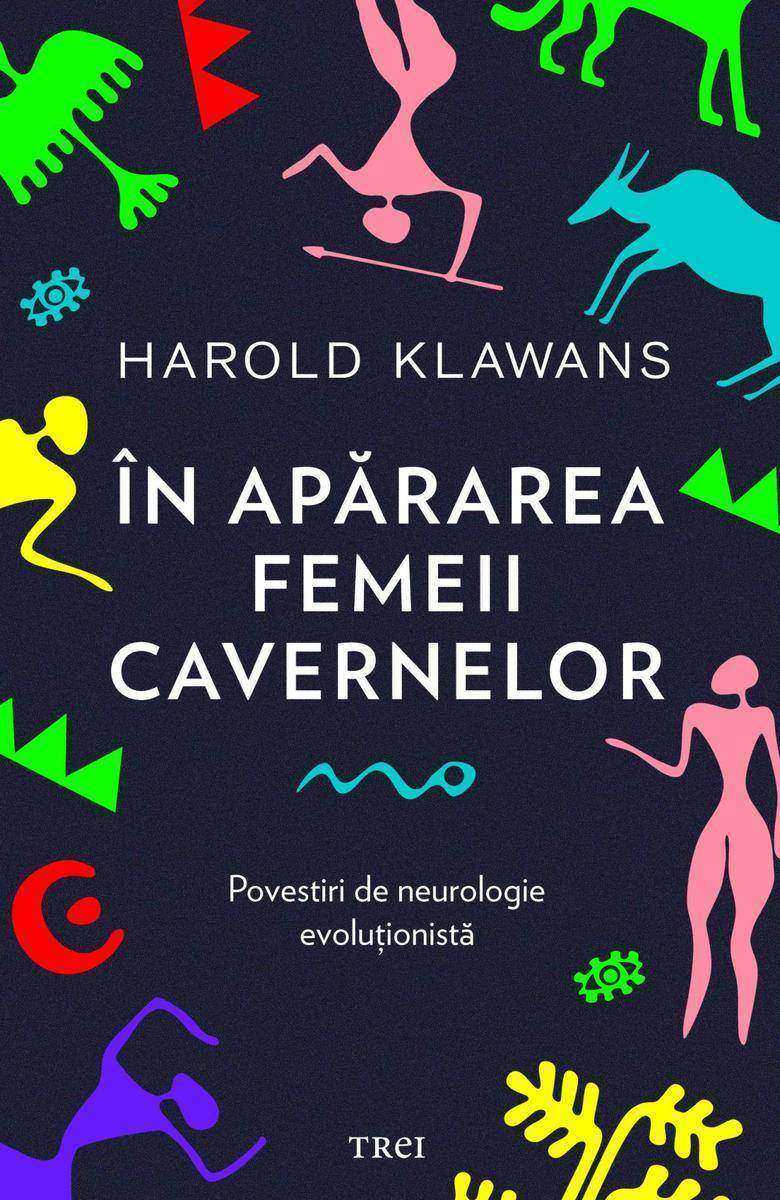
?n ap?rarea femeii cavernelor
¥65.32
Proiectul acestei cri m frmnta de mai muli ani. n ultimul timp am tot cutat motivaii pentru care o asemenea carte merit s fie scris. Iat ce am gsit.n primul rnd, chiar dac printr-o fereastr foarte ngust, ea este o mrturie a ultimilor 20 de ani. Conine o frm din istoria acestor dou decenii, mici instantanee ale devenirii Romniei dup 1989.n al doilea rnd, exist n mintea fiecrui romn – i aici m includ i pe mine – preconcepia c toate afacerile postrevoluionare sunt mnjite, nscute din privatizri dubioase sau dezvoltate la umbra unor reele de influen care-i ntind rdcinile n era comunist. Povestea din aceast carte arta contrariul. S-au putut constitui i iniiative independente i curate, cum sunt convins c mai exist cu miile. Povestea de fa poate fi o contribuie la schimbarea de mentalitate, att de necesar pentru intrarea n normalitate.“ (Mihail Penescu)

Rū?ītis
¥9.32
Cartea e ca o pies? de teatru alc?tuit? din personaje, parantezele autorului, dialoguri, secven?e, scene, acte, cu leg?tura necesar?, intre acestea. ?n treac?t fie spus, critica poate s? ?ntre?in? longevitatea operei, dac? are destul? vigoare ?i dac? opera e de calitate. Sunt vorbe optimiste la vremea Internetului care, deocamdat?, nu de?ine puterea controlului critic ?i nici nu se ?ntrev?d ?anse de aceast? natur?. Tocmai de aceea pericolul dispari?iei c?rt?ii de h?rtie pare anun?area unui cataclism. Noi mai credem ?n ceva. R?m?ne hot?r?t c? interpretarea critic?, pentru a fi c?t mai aproape de text, trebuie s? se asocieze cu "partea estetic?" a demersului, care e scriitura, citatul, descrierea ?i altele. O "conversa?ie", pe c?t posibil neretoric?.

Love Poems
¥15.40
A book of love poems.? I Have Loved You Through the yearsI have loved youSince the painting of the skyEmerald, redStratus cloudsThe horse's maneCreated for you on that beautiful day Let the scroll of the heavens unwrapShowing an approbation for you and I;Let not the rays of the sun obstruct our viewWhen it is displayed Then, I will know the time has comeFor us to marry
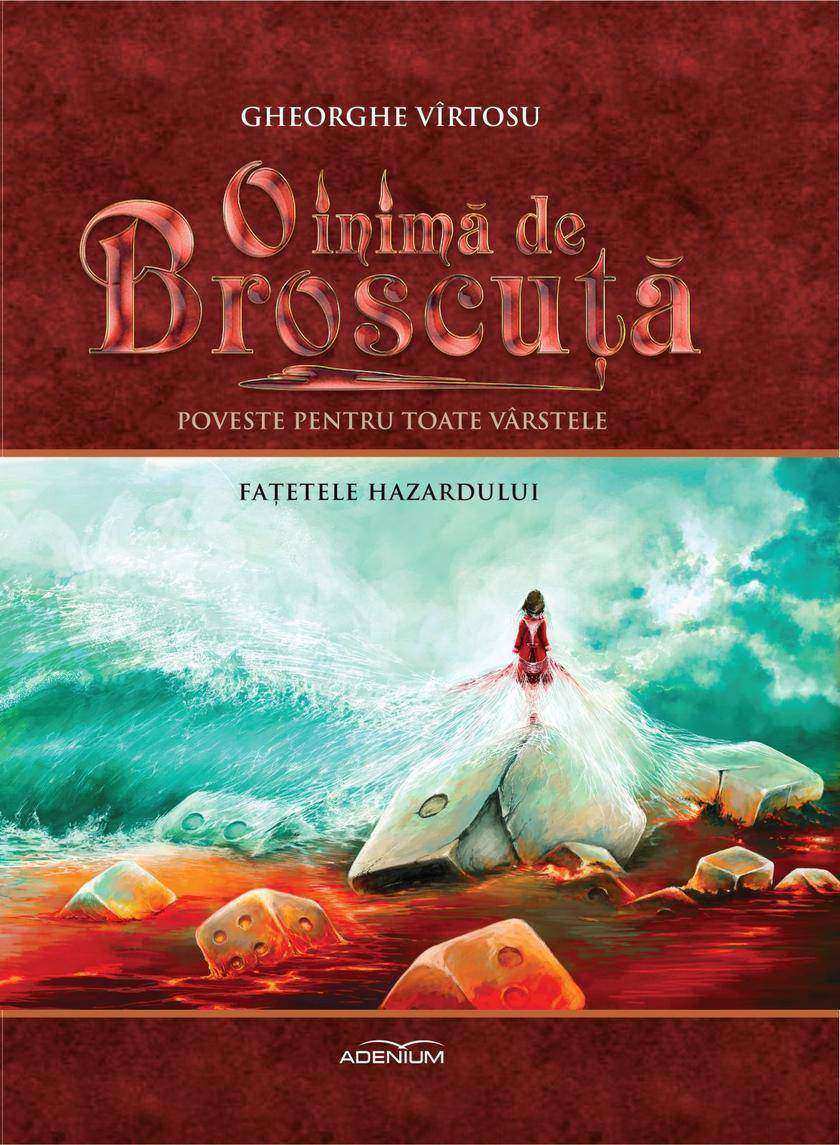
O inim? de Broscu??.Volumul XI.Fa?elele hazardului
¥40.55
Am nceput s scriu pentru c aa am simit chemarea. E la fel ca preoia: devii pstor de suflete pentru c ai trimitere de sus, de la Tata. Aa s-a croit i destinul meu. Probabil c obria mea flticenean e de vin. n acest loc binecuvntat am crescut i am primit educaie. colile, dasclii, istoria literar a oraului – nesat de nume mari i sonore, care au trecut i trit pe aici – mi-au creat creuzetul. Mai departe a trebuit s muncesc singur, ca un rob, pe aceast plantaie plin ochi de litere, cuvinte i fraze. Aa am fost, sunt i voi rmne: un ego ce intersecteaz anii pe orizontal i vertical, aducndu-mi i eu, la rndul meu, contribuia pe care un ora minunat, numit Flticeni, mi-o cere. Mark Twain spunea: Dou zile sunt importante n viaa unui om: ziua n care s-a nscut i ziua n care a aflat de ce. Tu, cititorule, ai aflat” (Romulus Andriescu)

Un Corazón de Ranita. 4° volumen. El bautismo de la madurez
¥48.97
Aproape c? nu a existat epoc?, de la primele texte scrise p?n? azi, ?n care s? nu se vorbeasc? despre o criz? a literaturii. Periodic, fie regimul politic, fie situa?ia economic? ori exuberan?ele filozofarde au f?cut s? fie puse semne de ?ntrebare dup? cuv?ntul ?literatur?“. Timp de cinci ani, o serie de ?nt?lniri organizate ?n spa?ii neconven?ionale la Bucure?ti (?i, de c?teva ori, ?n afara Rom?niei) a ?ncercat s? adune scriitori de toate v?rstele pentru a-i pune fa?? ?n fa?? cu publicul lor. Nici acum, dic?ionarul limbii rom?ne nu include termenul ?performare“, dar, dac? ?n cazul artelor spectacolului traducerea ?interpretare“ poate s? func?ioneze, atunci c?nd este vorba despre literatur?, limba rom?n? nu ofer? dec?t termenul ?lectur?“. Acest cuv?nt nu acoper? complexitatea unei prezent?ri ce implic? ?i publicul ?n calitate de participant activ la ?nt?lnirea cu scriitorul, ?i cu textul acestuia. Ini?iat ca un proiect de promovare a literaturii contemporane pentru un public larg, ?Poeticile cotidianului“ s-a transformat, dup? ani de ?nt?lniri s?pt?m?nale, ?ntr-un eveniment literar cu propria sa concep?ie despre literatur?: poetica rela?ional?.

Podró? marzeń. Brunetka w Australii wyd.II
¥35.32
Pornind de la Ioana Em. Petrescu, studiul propus urm?re?te s? probeze cu arsenalul criticii de descenden?? fenomenologic?, mereu actualizat?, o teorie referitoare la asumarea eminescianismului de c?tre cei mai importan?i poe?i ai secolului trecut. Actualitatea lui Eminescu se dovede?te astfel ?i prin ve?nica recitire ?i asumare a poeziei sale de c?tre poe?i precum Bacovia, Blaga, Barbu, Arghezi, Labi?, Nichita St?nescu. Aceast? prezen?? eminescian?, asumat? teoretic (vezi Blaga) sau topit? ?n profunzimile textelor poetice (vezi Labi? sau Nichita St?nescu), sus?ine valabilitatea canonului eminescian. Eminescu este astfel inactual doar dac? privim o parte ?nsemnat? a poeziei actuale, prea ancorat? ?ntr-o realitate golit? de semnifica?ie, o poezie s?r?cit? de profunzimea transfigurat? a Creatorului. (In)actualitatea lui Eminescu probeaz? astfel doar tragic? noastr? inactualitate./ – Florin Oprescu
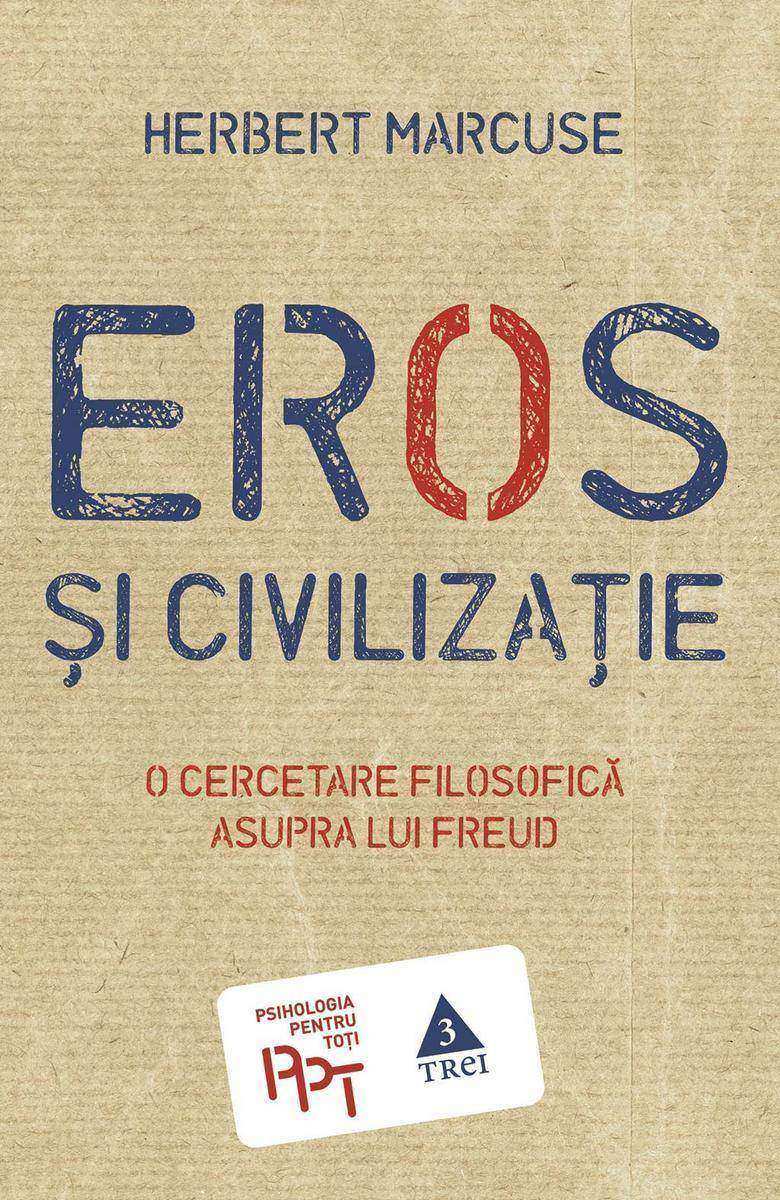
Eros ?i civiliza?ie: O cercetare filosofic? asupra lui Freud
¥48.97
Gabriela Crean scrie poezie cu gnoz dedesubt. Faptul a fost remarcat nc de la prima sa carte, iar modul acesta de a construi a rmas nu constant, ci neschimbat, chiar dac unele accente s-au mai mutat. Gnoza, tradus apocrif, nu e ns dect schela unei viziuni de intensitate paroxistic. Important cu adevrat e suflul imaginativ, dezlnuirea spasmatic a imaginaiei i ritmul frenetic n care sublimele se topesc n grotesc sau imnoidele se revrs n apostrofe. Gabriela Crean vede lumea oximoronic, n coincidene stupefiante i radicale, n care gramatica sacrelor nu se mai poate distinge de cea a infernalelor. Modului ei de a traduce juisarea vizionar n sarcasme i febra celest n repulsii violente i s-ar potrivi conceptul de profanare al lui Giorgio Agamben. Asta dac poezia n-ar face altceva dect filosofia; dar cum face, Gabriela Crean scrie cu o exasperare exuberant i cu o arden vitriolat despre cel mai inconfortabil mod de a fi n lume: sub un imperativ atroce.“ – Al. Cistelecan
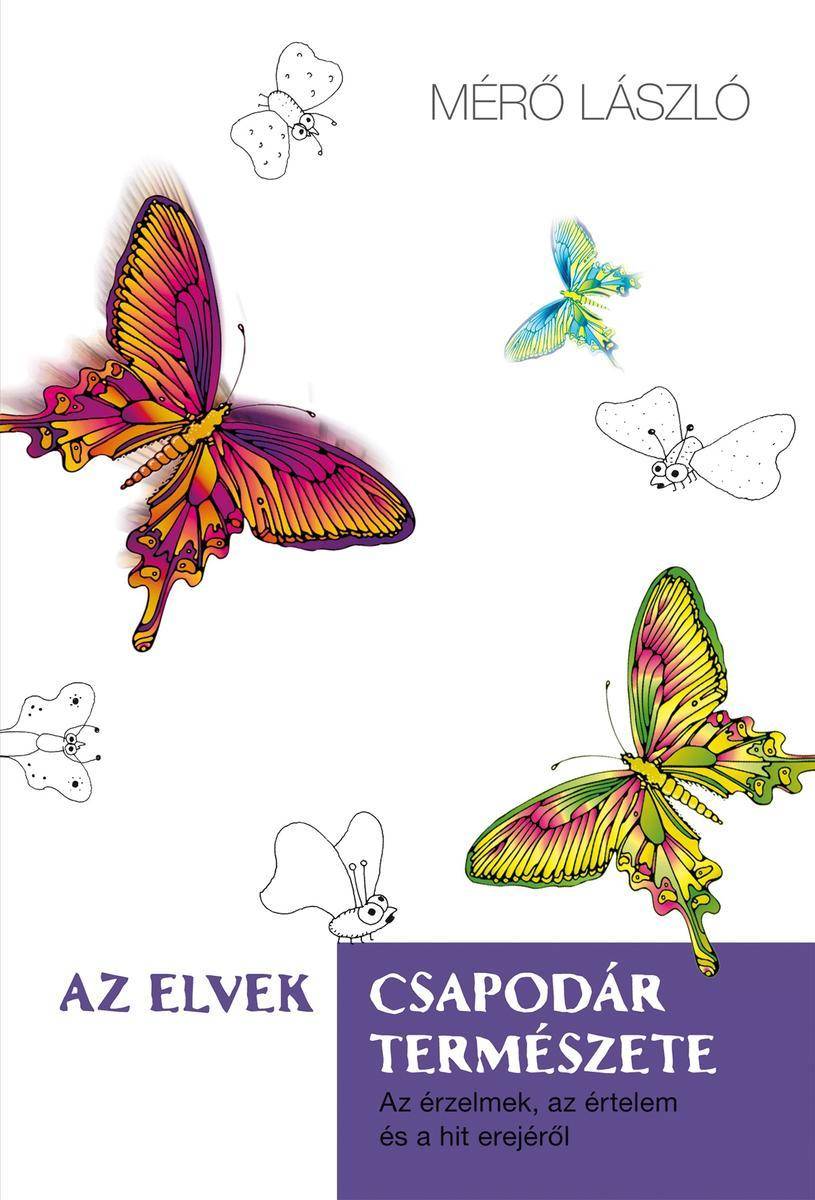
Az elvek csapodár természete
¥61.31
Iat?, ?n cuvintele Aurei Christi, curg?nd abundent, din surse ascunse, fluidul vivifiant al poeziei, s? nu ne temem de retorica majusculelor, al marii Poezii. (Nicolae Balot?) Aura Christi a uimit critica de specialitate prin ample volute metaforice, calde, ?ndr?zne?e, abord?nd, ?n c?teva volume, printr-o splendid? frond?, clasicul sonet poetic ?i dovedind o excelent? st?p?nire a limbii, a mijloacelor specifice, ?ntr-o liric? a medita?iei grave, ad?nci, exprimat? ?n metafore, ?n care modernitatea ?i sensibilitatea secolului se confund?, cu vigoare clar?, de o marcat? originalitate, tumultuos ?i muzical aproape, ?ntr-o subtil? rezonan?? eufonic?, cu trimiteri, accente ?i imagini simbolice, cu marele torent al liricii europene de ?nalt nivel, de la Rimbaud ?i Baudelaire, la Rilke ?i Blaga. ?i, ?nc? odat?, la ?vetaieva ?i Nichita St?nescu. (Nicolae Breban) M? auzi tu, oare, ?nstr?inato? Am citit poeziile tale la ceas de sear?, pe o teras?, av?nd ?n fa?? colinele Ierusalimului. Eu nu sunt un bun comentator de poezie, cei care au scris despre poezia ta te-au ?prins“ foarte bine, ai for??, un sim? rar al tragicului ?i antene pentru transcenden??… (Leon Volovici) Ignor?nd retorica unei poezii postmoderniste intolerante, metonimice – baliz?ndu-se ?n criteriul retoricului, un trop ajunge, iat?, s? impun? un model poetic – Aura Christi continu? s? ofere un osp?? metaforic. Psalmul coexist? cu viziunea aspr?, expresionist?. Universul ?i limbajul au torsiuni tragice, ?n nara?iuni poematice deopotriv? fruste ?i fabuloase, cvasimitice. Moartea e o prezen?? familiar?, ca privirea ?i olfac?ia ?ns??i. Mitul e prezent ca joc automodelator. Calea spre mit ajunge o traversare a suferin?ei. (Marian Victor Buciu) A scrie c?derea apocaliptic? nu e u?or. E un merit al Aurei Christi faptul de a g?si singura solu?ie la aceast? c?dere fatal?, dat? din pornire: cel care o scrie o ?i ?opre?te“, ?incit?nd rigoarea/ celui din urm? frig“. Doar un fel de zeu al poeziei, o divinitate descoperit? cu greu, con?tient? de destr?marea mitului, poate s? impun? din nou mitul: instituirea ?mai viului“ este cu putin?? doar datorit? mor?ii. ?nvierea nu e posibil? dec?t datorit? ei. Sensul celei mai mari dintre taine se dezleag?, astfel, paradoxal, prin r?sturnarea negativit??ii generale a sensului. (...) Descoperirea f?cut? de poet? este c? realul ?nsu?i are origine poetic? (nu real?!), prin c?derea ?n ?emisfera cealalt?“, de parc? Dante ?nsu?i ar fi acum reeditat ?n alt? semantic?: ?Ah, calul e fiu al pega?ilor dintotdeauna“. Fiin?ele existente ??i au ob?r?ia ?n himere, iar realitatea ia fiin?? din metafor?. (...) Alt? ?descoperire“ poetic?: ?ntreg mitul temporal al omenirii poate fi ranversat. (…) Iat?, deci, cum se poate recupera mitul ?ntr-o epoc? ?n care toat? lumea postmodern? a visat la demitizare ?i dez-iluzionare pentru a se apropia de realul ca atare. (?tefania Mincu)

Puterea nev?zut?
¥90.84
Aproxima?ii o carte de critic? literar? ?n care autorul a ?nregistrat cele mai importante apari?ii din literatura rom?n? a ultimilor ani, ?n studii critice, cronici literare ?i eseuri care comenteaz? c?r?i, scriitori sau tendin?e ale momentului actual. Structurat? ?n trei cicluri, cartea lui Iulian Boldea se remarc? prin precizia formul?rilor, obiectivitatea enun?urilor ?i prin metodele critice adecvate valorificate. Tototdata, ea con?ine numeroase puncte de vedere, perspective ?i ipoteze critice meritorii, dup? cum v?de?te o extrem? aten?ie la nuan?ele textului, la relieful s?u subliminal. Demersul critic al autorului se caracterizeaz?, ?nainte de toate, prin rigoarea aser?iunilor ?i relevan?a demonstra?iei. ?ntre autorii comenta?i ?n aceast? carte, pot fi aminti?i Virgil Nemoianu, Al. Paleologu, Nicolae Manolescu, Gabriel Liiceanu, Adrian Marino, Ion Vartic, Marta Petreu, Mircea Muthu, Dan Culcer, ?tefan Borbély, Horia B?descu, Vasile Dan, Eugen Dorcescu, Ion Zuba?cu s.a.

The Night Land
¥16.27
Un b?iat care a tr?it ?n Italia, la Vene?ia, acum ?apte sute de ani. Un adolescent care a c?l?torit ?n China - ?i s-a ?ntors dup? dou?zeci ?i patru de ani. Autorul unei c?r?i de c?l?torii care l-a inspirat pe Cristofor Columb. Iat? o biografie ilustrat? despre Marco Polo ?i lumea ?n care a tr?it!


