


 购物车
购物车 个人中心
个人中心
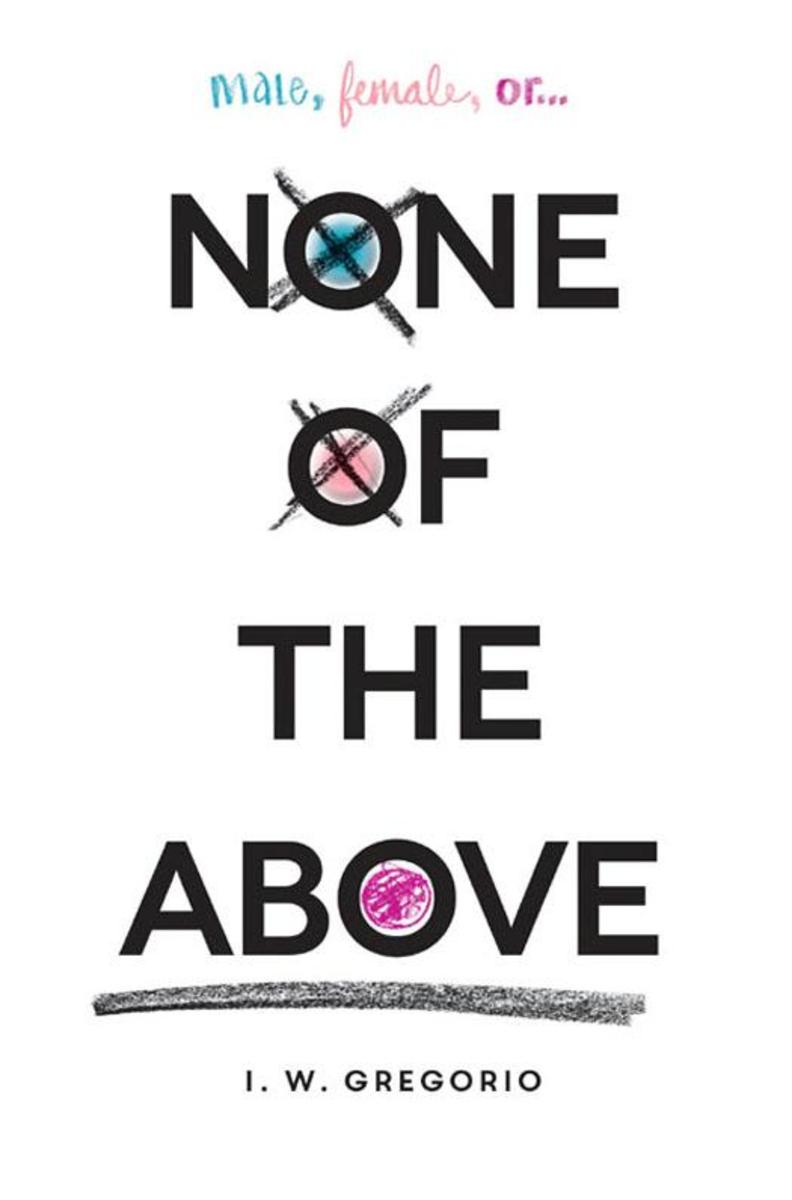
None of the Above
¥55.33
A groundbreaking story about a teenage girl who discovers she's intersex . . . and what happens when her secret is revealed to the entire school. Incredibly compelling and sensitively told, None of the Above is a thought-provoking novel that explores what it means to be a boy, a girl, or something in between.What if everything you knew about yourself changed in an instant?When Kristin Lattimer is voted homecoming queen, it seems like another piece of her ideal life has fallen into place. She's a champion hurdler with a full scholarship to college and she's madly in love with her boyfriend. In fact, she's decided that she's ready to take things to the next level with him.But Kristin's first time isn't the perfect moment she's planned—something is very wrong. A visit to the doctor reveals the truth: Kristin is intersex, which means that though she outwardly looks like a girl, she has male chromosomes, not to mention boy "parts."Dealing with her body is difficult enough, but when her diagnosis is leaked to the whole school, Kristin's entire identity is thrown into question. As her world unravels, can she come to terms with her new self?

The Genius Files 4-Book Collection
¥218.05
With the real-kid humor that has earned Dan Gutman millions of fans around the world, and featuring weird-but-true American tourist destinations, The Genius Files is a one-of-a-kind mix of geography and fun. This collection includes the first four novels in this bestselling series.The Genius Files: Mission Unstoppable: The most exciting road trip in history begins! In this action-packed, New York Times bestselling adventure, twelve-year-old twins Coke and Pepsi McDonald embark on a family vacation you'll have to read to believe. As Coke and Pepsi dodge nefarious villains from the Pez museum in California all the way to the Infinity Room in Wisconsin, black-and-white photographs and maps put young readers right into the action.The Genius Files #2: Never Say Genius: Coke and Pepsi McDonald never asked to be geniuses. They never asked to get lowered into a basket of boiling French fries, either. And they certainly never asked to be frozen in soft-serve ice cream, stampeded in a wild stadium riot, or kidnapped on a high-speed roller coaster. But that's what happens when a red-haired villain named Archie Clone is chasing you across America. This just might be the most dangerous road trip in history—and the most awesome!The Genius Files #3: You Only Die Twice: As the twins continue their family road trip from Washington D.C. through the South, it will take every bit of their genius abilities to outwit their wacky enemies. It doesn't help that their parents remain totally oblivious! When they finally get to Graceland, Elvis's home in Memphis, Tennessee, Coke and Pepsi come to an explosive conclusion you'll have to read to believe!The Genius Files #4: From Texas with Love: After their explosive escape at Graceland, twins Coke and Pepsi are ready to resume their trip across America. They travel through Arkansas and Oklahoma, visiting weird-but-true tourist stops along the way, and finally end up in Texas, home of the Weird Capital of the Country, Austin. The twins' many enemies—the bowler dudes, Mrs. Higgins, and Dr. Warsaw—all swear that they're done chasing Coke and Pepsi for good. But when the twins start receiving more codes and ciphers from a mysterious robotic voice, they know someone's after them. They just have to figure out who before the mystery villain finds them first.
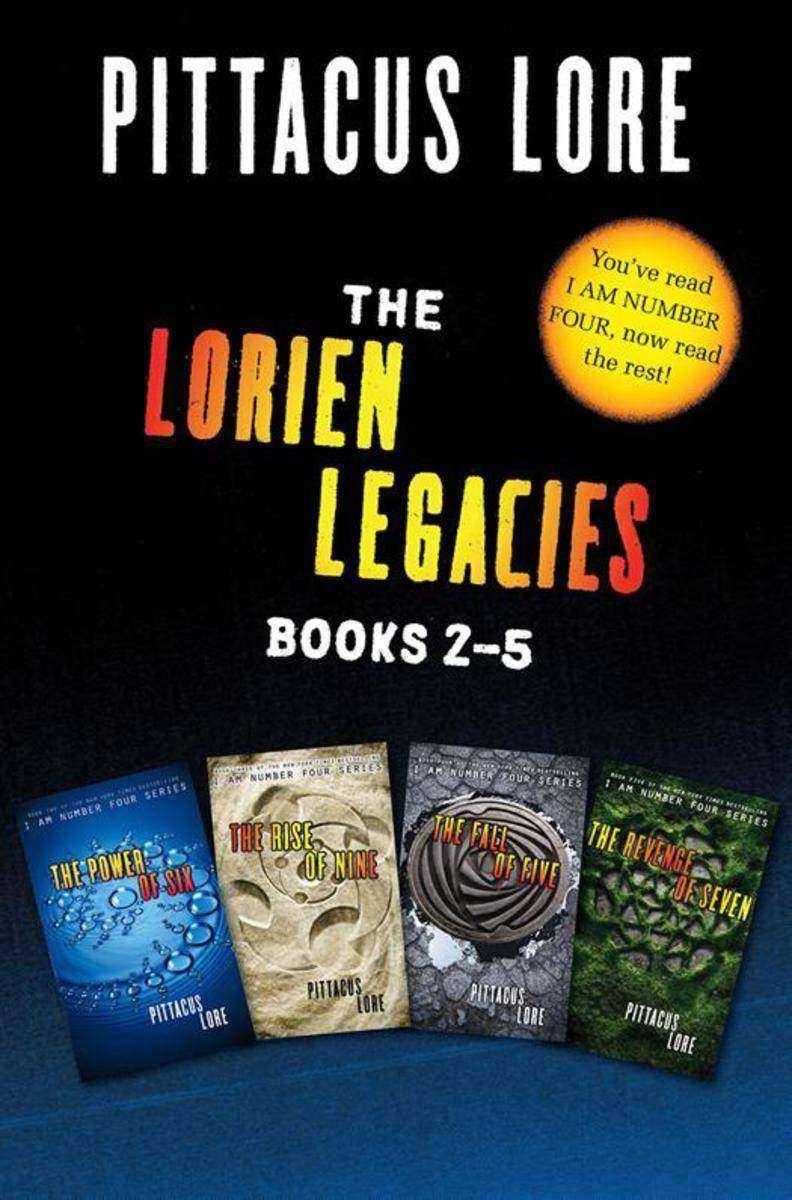
The Lorien Legacies: Books 2-5 Collection
¥381.65
Four thrilling bestselling novels are included in this collection:The Power of Six: I've seen him on the news. Followed the stories about what happened in Ohio. John Smith, out there, on the run. To the world, he's a mystery. But to me . . . he's one of us.There are six of us left. We're hiding, blending in, avoiding contact with one another . . . but our Legacies are developing, and soon we'll be equipped to fight. Is John Number Four, and is his appearance the sign I've been waiting forAnd what about Number Five and SixI am Number Seven. One of six still alive.And I'm ready to fight.The Rise of Nine: The stakes are higher than ever as John, Six, and Seven try desperately to find the rest of the Garde before it's too late. During the dangerous mission at the Mogadorian base in West Virginia, John found and rescued Nine. But even with their combined powers, special abilities known as Legacies, the pair barely escaped with their lives—and they lost Sam in the process. In order to save our world and their own, John and Nine must join forces with Six and Seven who have been battling the Mogadorians in Spain, and who are now trying to locate Number Eight in India.The Fall of Five: To defeat their enemy, the Garde must master their Legacies and learn to work together as a team. When the Garde receive a sign from Number Five—a crop circle in the shape of a Lorien symbol—they know they are close to being reunited. But could it be a trapTime is running out, and the only thing they know for certain is that they have to get to Five before it's too late.The Revenge of Seven: The fifth book in the New York Times bestselling I Am Number Four series! The Garde have suffered an unbearable loss. Number Five has betrayed them. Eight is gone forever. Ella has been kidnapped. The others are now scattered. The Garde are broken and divided once again, but they will not be defeated. As long as one still stands, the battle for Earth's survival is not lost.

Nothing Real Volume 1: A Collection of Stories
¥21.51
The first of three digital-only short story collections from teacher and frequent contributor to the New York Times Claire Needell, about coming of age in contemporary America. These refreshing stories are written with humor, honesty, and without judgment.This outstanding first digital-only collection includes the memorable stories "Nothing Real," "Change Your Life," "The Bubblemen," and "My Name is Adam." Each story is told from a unique perspective and tells of teenagers looking for love—from others, and from themselves.Epic Reads Impulse is a digital imprint with new releases each month.
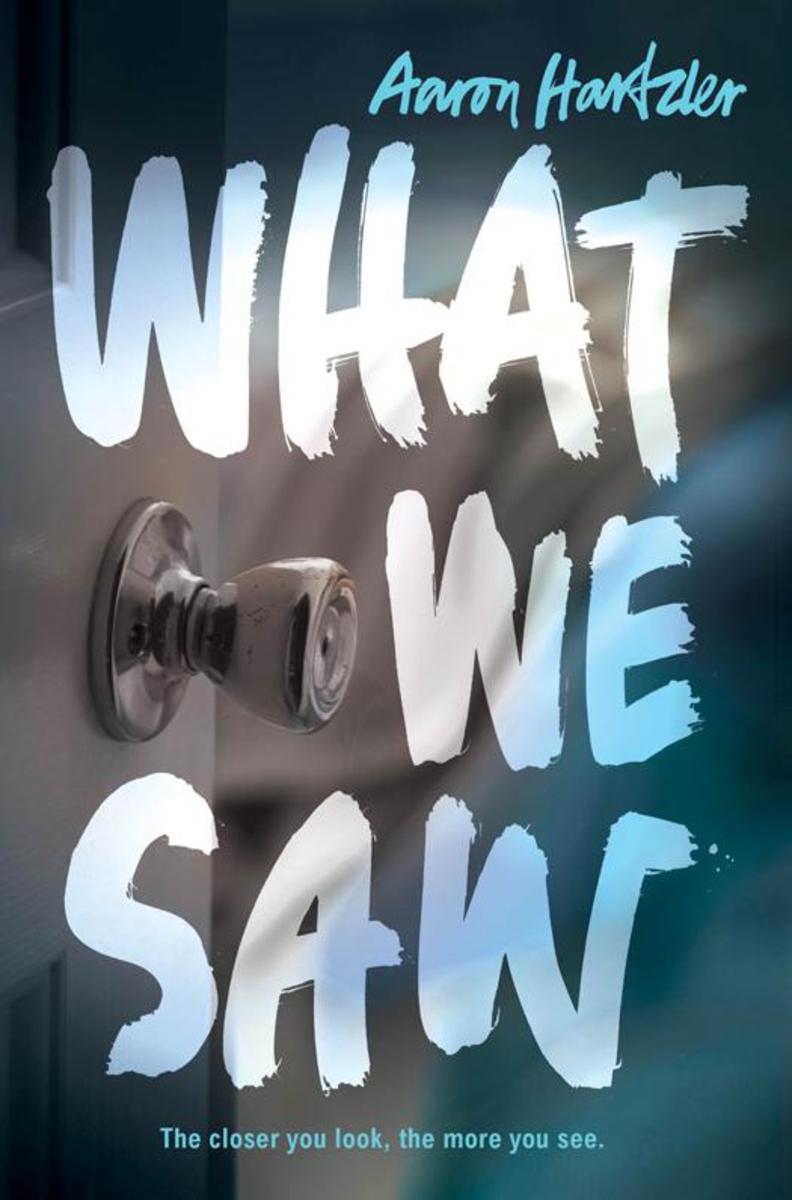
What We Saw
¥101.00
Critically acclaimed memoirist Aaron Hartzler, author of Rapture Practice, takes an unflinching look at what happens to a small town when some of its residents commit a terrible crime. This honest, authentic debut novel—inspired by the events in the Steubenville rape case—will resonate with readers who've ever walked that razor-thin line between guilt and innocence that so often gets blurred, one hundred and forty characters at a time.The party at John Doone's last Saturday night is a bit of a blur. Kate Weston can piece together most of the details: Stacey Stallard handing her shots, Ben Cody taking her keys and getting her home early. . . . But when a picture of Stacey passed out over Deacon Mills's shoulder appears online the next morning, Kate suspects she doesn't have all the details. When Stacey levels charges against four of Kate's classmates, the whole town erupts into controversy. Facts that can't be ignored begin to surface, and every answer Kate finds leads back to the same questions: Who witnessed what happened to StaceyAnd what responsibility do they have to speak up about what they saw?National Book Award finalist Deb Caletti calls What We Saw "a smart, sensitive, and gripping story about the courage it takes to do what's right."
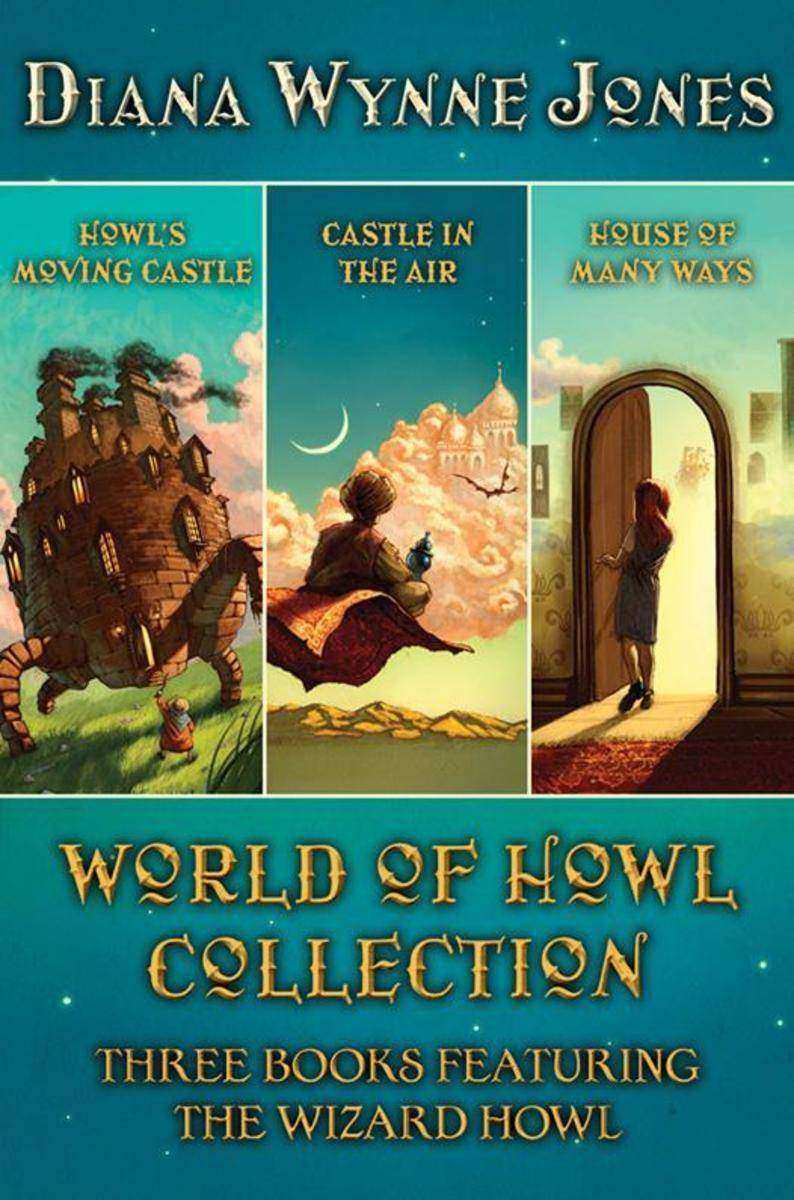
World of Howl Collection
¥261.65
One of the most memorable and irresistible characters in all of literature—the Wizard Howl—is introduced in Diana Wynne Jones's classic fantasy novel Howl's Moving Castle and makes guest appearances in two stand-alone sequel novels, Castle in the Air and House of Many Ways. Howl's Moving Castle was adapted into an acclaimed and Academy Award-nominated film of the same name, produced by Studio Ghibli and directed by Hayao Miyazaki.Sophie Hatter never intended to set out and seek her fortune. The eldest of three sisters, Sophie thought she was destined to fail. That all changed the day the Witch of the Waste turned her into an old woman. In order to lift the spell, Sophie barges into Wizard Howl's moving castle and strikes a bargain with Calcifer, his fire demon. But Howl is outrunning a curse of his own, and soon Sophie realizes that nothing is as it appears. . . . Howl, Sophie, and Calcifer return in both Castle in the Air and The House of Many Ways, two stand-alone sequels full of mayhem, secrets, and magic.

The Familiars 4-Book Collection
¥218.05
The Familiars series is a thrilling tale of magic and adventure perfect for fans of Erin Hunter's Warriors series. A wizard-in-training is nothing without a familiar, so it's lucky that Jack finds Aldwyn, a cat with a past but without a lot of magical experience. They'll have to learn fast and work together to save themselves, their friends, and the entire queendom of Vastia. An Indie New Voices Pick, The Familiars is soon to be a major motion picture directed by Sam Raimi of Spider-Man.Together for the first time, this collection includes:The Familiars The Familiars #2: Secrets of the Crown The Familiars #3: Circle of Heroes The Familiars #4: Palace of Dreams

Jake Ransom Complete Collection
¥119.86
Bestselling novelist James Rollins brings to life the adventures of Jake Ransom, who became an orphan when his archaeologist parents disappeared on a dig three years ago. They left behind tokens—half of an ancient coin for Jake, and the other half for his sister Kady—that fit perfectly into one of their famous discoveries. When everything falls into place, Jake and Kady find themselves in the mysterious, bizarre world of Pangea—home of vicious raptors, bloodthirsty plants, and dark Mayan and Egyptian rituals. And whatever caught their parents is still hungry.The books described as "Indiana Jones for tweens" are perfect for fans of Alex Rider, Percy Jackson, and National Treasure. Includes Jake Ransom and the Skull King's Shadow and Jake Ransom and the Howling Sphinx.
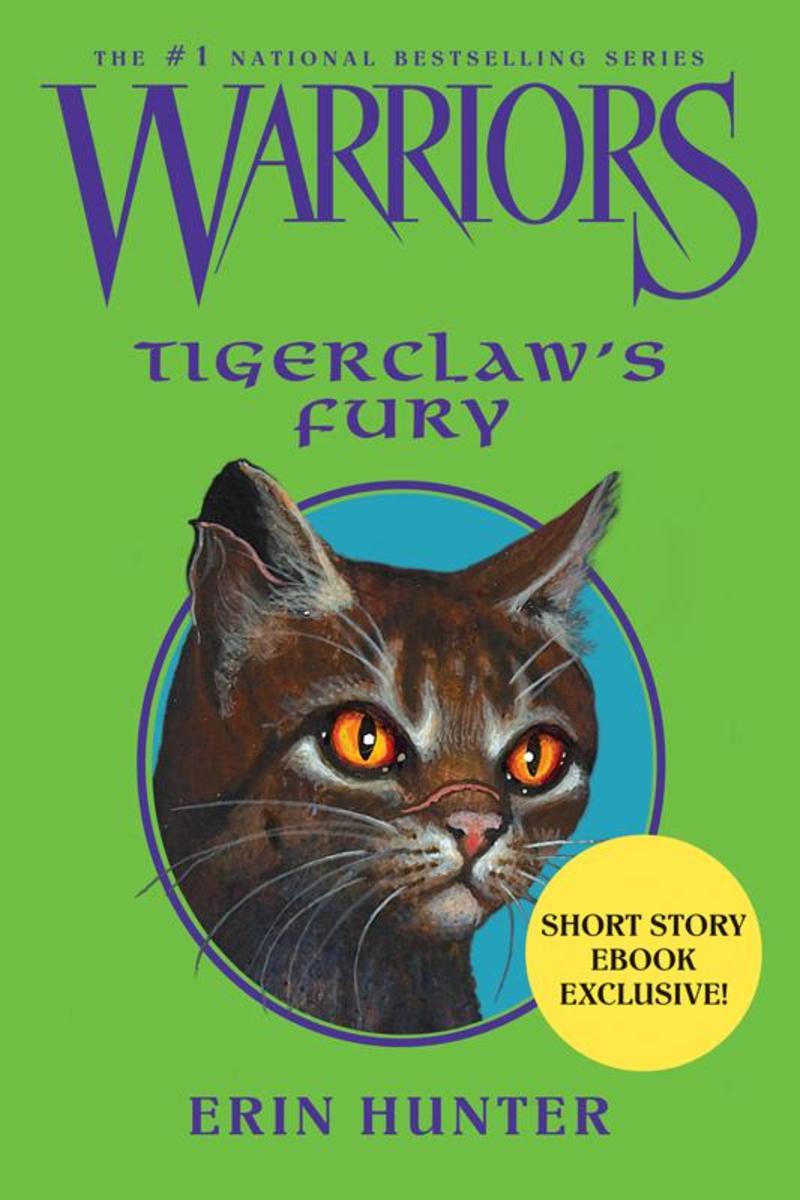
Warriors: Tigerclaw's Fury
¥87.15
In this seventy-five-page novella from the world of Erin Hunter's #1 nationally bestselling Warriors series, discover the story behind Tigerclaw's rise to power as leader of ShadowClan. Cast out of ThunderClan as a traitor, Tigerclaw will not rest until he has his revenge on Bluestar, Fireheart, and the rest of his former Clanmates. But first he must become Tigerstar of ShadowClan. . . .Readers will be thrilled at this look into the ruthless heart of one of the most infamous cats in the Warriors series. Warriors: Tigerclaw's Fury also includes teaser chapters of Warriors: Leafpool's Wish and Dawn of the Clans #1: The Sun Trail.
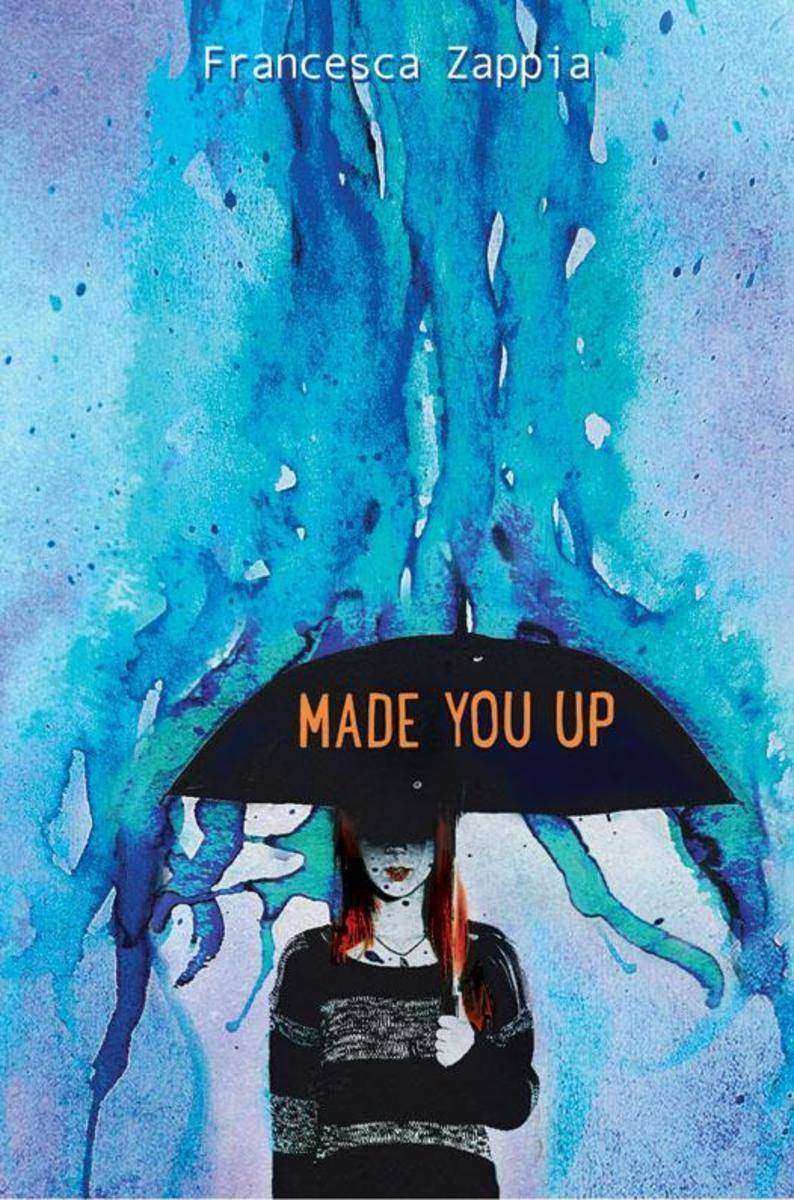
Made You Up
¥56.08
Reality, it turns out, is often not what you perceive it to be—sometimes, there really is someone out to get you. For fans of Silver Linings Playbook and Liar, this thought-provoking debut tells the story of Alex, a high school senior—and the ultimate unreliable narrator—unable to tell the difference between real life and delusion.Alex fights a daily battle to figure out what is real and what is not. Armed with a take-no-prisoners attitude, her camera, a Magic 8 Ball, and her only ally (her little sister), Alex wages a war against her schizophrenia, determined to stay sane long enough to get into college. She's pretty optimistic about her chances until she runs into Miles. Didn't she imagine himBefore she knows it, Alex is making friends, going to parties, falling in love, and experiencing all the usual rites of passage for teenagers. But Alex is used to being crazy. She's not prepared for normal. Can she trust herselfCan we trust her?
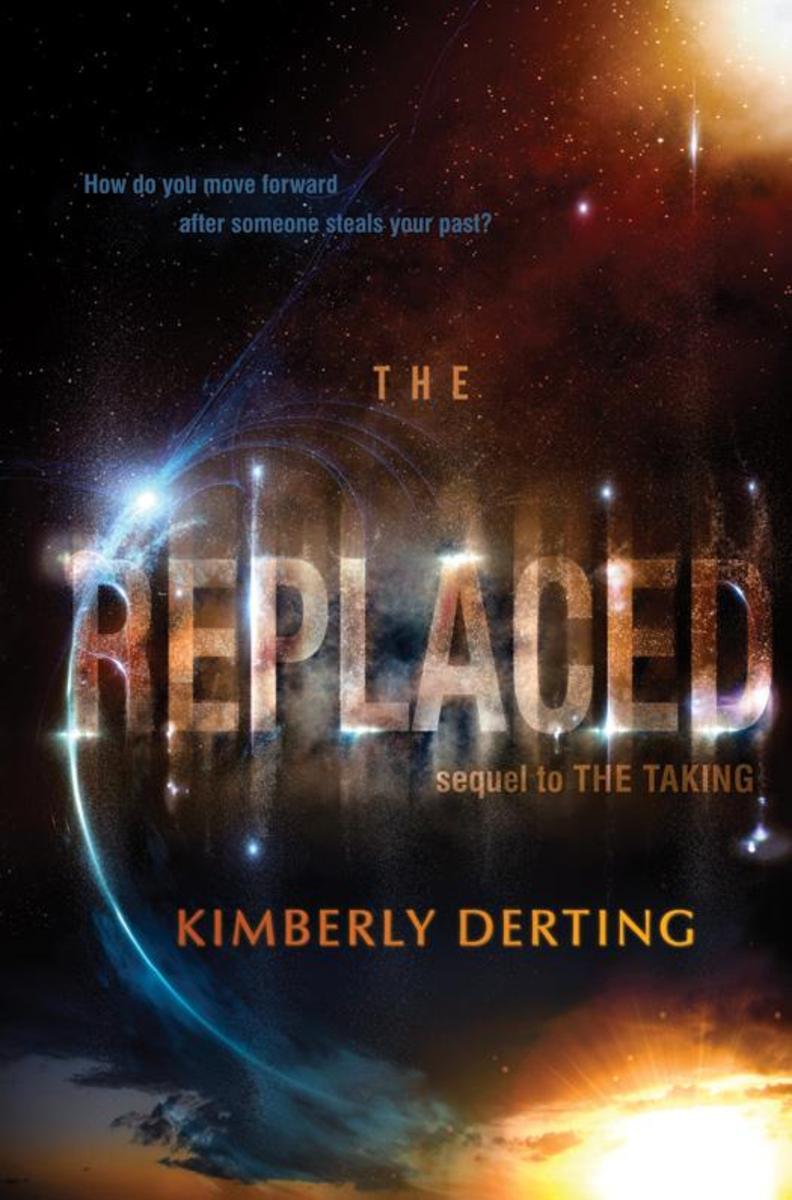
The Replaced
¥55.33
The gripping second installment in the Taking trilogy is perfect for fans of The Fifth Wave and the Body Finder series. Explosive and romantic, with creepy, otherworldly elements and twisty, psychological thrills, The Replaced will have you questioning what exactly it means to be human. Kyra hasn't been the same since she returned from her mysterious five-year disappearance. Now, on the run from the NSA, Kyra is forced to hide out with others who, like her, have been Returned. Yet she is determined to find Tyler, the boy she loves who was also abducted . . . all because of her. When her group intercepts a message that Tyler might still be alive, Kyra risks everything to get him back. But he is being held by a shadowy government organization that experiments on the Returned, and going after him puts the rest of the group in danger. Even if Kyra gets Tyler back, the fight to save him—and the rest of the Returned—is just beginning.
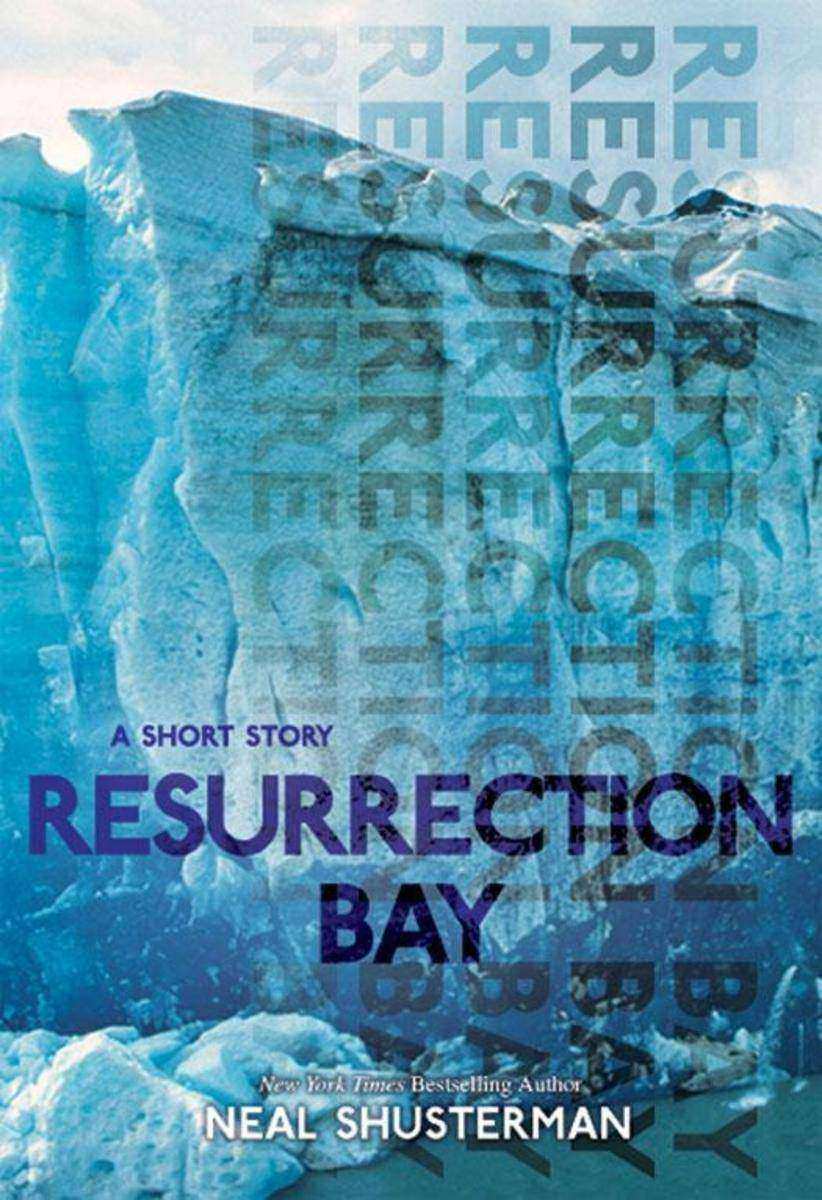
Resurrection Bay
¥32.65
From New York Times bestselling author Neal Shusterman comes a thrilling, spine-tingling 32-page original short story that's perfect for fans of Unwind and UnWholly.Bones. They know the call of the ice.Anika knows the call of the ice, too. Living in an isolated port town in Alaska with her father and younger brother, Anika is practically steps away from the Harding Icefield, and Exit Glacier has always been her favorite place.But after a couple tragically dies there, Exit Glacier seems to come alive and begins moving toward the town with unnatural speed. Anika feels deep in her bones that the ice wants something. . . .After the glacier finally stops in the town's cemetery, Anika and her on-again, off-again boyfriend, Rav, face a sinister truth: The soul of the glacier is looking for bodies to inhabit . . . and where better to find them than the graveyard?This fast-paced, eerie short story is a deft blend of suspense and horror that will leave readers breathless . . . and chilled to the bone.Epic Reads Impulse is a digital imprint with new releases each month.
Everything That Makes You
¥56.08
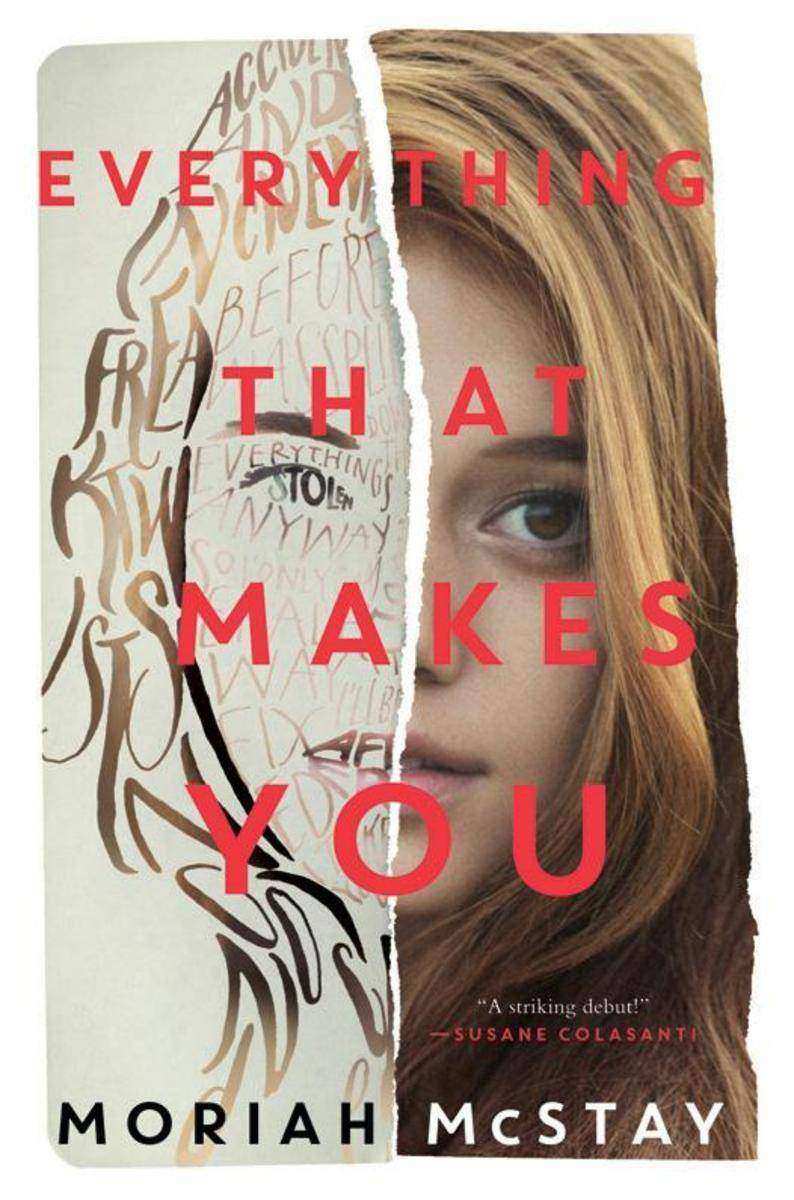
Ever wonder "What if?" Everything That Makes You is a romantic, epic story about one girl—and her two possible lives after an accident changes her fate.Fiona Doyle's face was horribly scarred as a child. She writes about her frustrations and dreams in notebooks, penning song lyrics. But she'd never be brave enough to sing those songs in public. Fi Doyle never had an accident. She's the best lacrosse player in the state and can't be distracted by her friend who wants to be more than that. But then her luck on the field goes south.Alternating chapters between Fiona and Fi tell two stories about the same girl—hopes and dreams and crushes, fears and failures and loss. This beautifully written realistic contemporary novel with a twist is perfect for fans of If I Stay by Gayle Forman and Before I Fall by Lauren Oliver.
Endangered
¥100.71
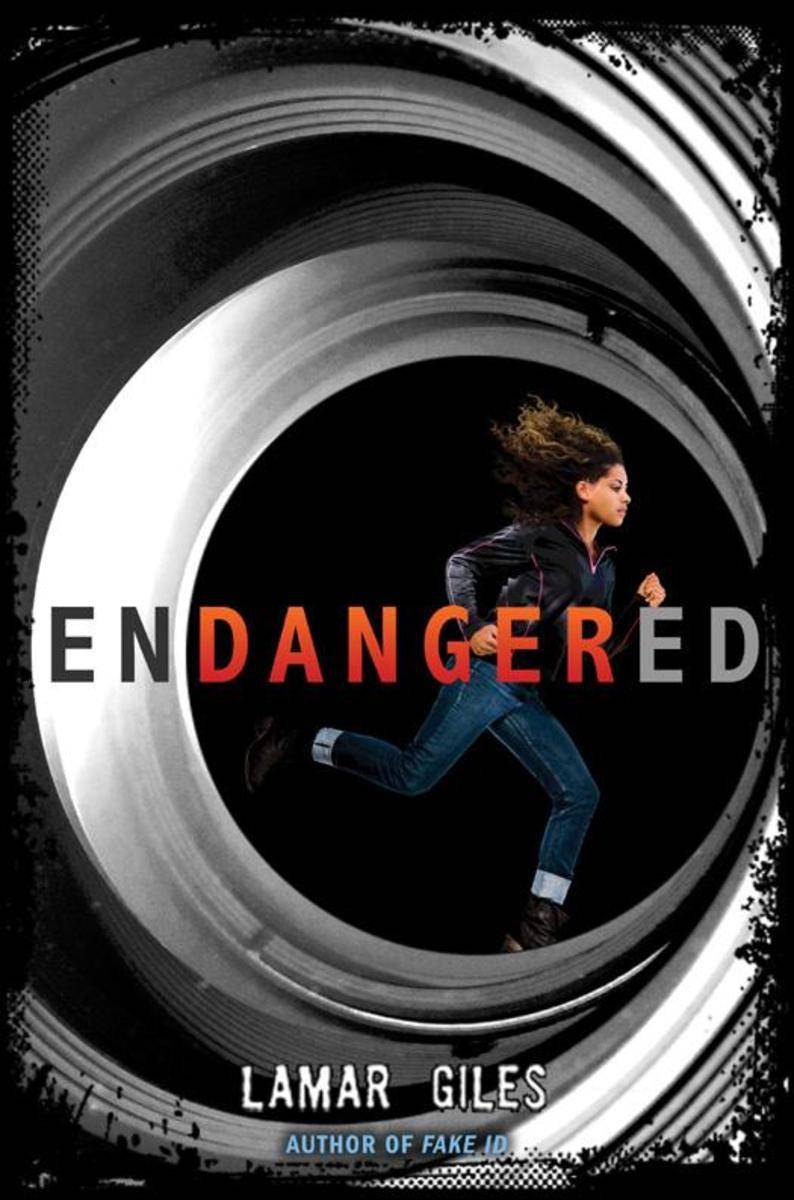
Her name is Lauren, but everyone calls her Panda.What they don't know is that behind their backs, she also goes by Gray. As in Gray Scales, the photoblog that her classmates are addicted to because of the secrets Gray exposes: a jock buying drugs, a teacher in a compromising position, a rich girl shoplifting. But no one knows Panda's the vigilante photographer behind it all. At least, she thinks no one knows—until she gets a note from the Admirer, who's not only caught her red-handed acting as Gray but also threatens to reveal everything unless Panda plays a little game of Dare or . . . Dare.Panda plays along. Anything to keep the secret she's protected for years.But when the game turns deadly, Panda doesn't know what to do. And she might need to step out of the shadows to save herself . . . and everyone else on the Admirer's hit list, including some of the classmates she's loathed and exposed for years.
Things We Know by Heart
¥55.33
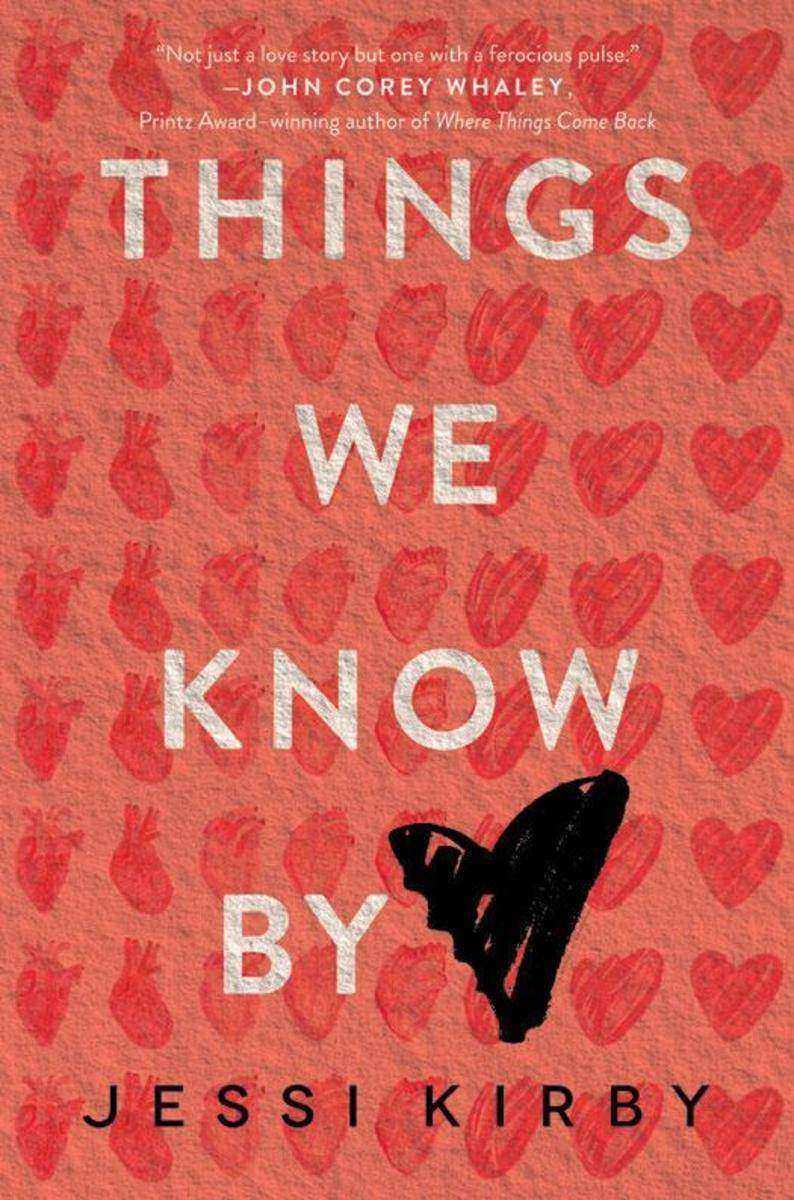
In this unforgettable teen romance that fans of Sarah Dessen and Susane Colasanti will devour, Quinn Sullivan falls for the recipient of her boyfriend's donated heart, forming an unexpected connection that will leave readers utterly breathless.After Quinn's boyfriend, Trent, dies in an accident their junior year, she reaches out to the recipients of his donated organs in hopes of picking up the fragments of her now-unrecognizable life. But whoever received Trent's heart has mysteriously remained silent. The essence of a person, Quinn has always believed, is in the heart. If she finds Trent's, then in a way she still has a piece of him.Risking everything to find peace once and for all, Quinn goes outside the system to track down nineteen-year-old Colton Thomas—a guy whose life has been forever changed by this priceless gift. But what starts as an accidental run-in quickly develops into more, sparking an undeniable attraction. She doesn't want to give in to it—especially since he has no idea how they're connected—but their time together has made Quinn feel alive again. No matter how hard she's falling for Colton, each beat of his heart reminds her of all she's lost . . . and all that remains at stake.

Angus, Thongs and Full-Frontal Snogging
¥60.87
Angus:My mixed-breed cat, half domestic tabby, half Scottish wildcat. The size of a small Labrador, only mad.Thongs:Stupid underwear. What's the point of them, anywayThey just go up your bum, as far as I can tell.Full-Frontal Snogging:Kissing with all the trimmings, lip to lip, open mouth, tongues ... everything.Her dad's got the mentality of a Teletubby (only not so developed). Her cat, Angus, is trying to eat the poodle next door. And her best friend thinks she looks like an alien -- just because she accidentally shaved off her eyebrows. Ergghhhlack. Still, add a little boy-stalking, teacher-baiting, and full-frontal snogging with a Sex God, and Georgia's year just might turn out to be the most fabbitty fab fab ever!

On the Bright Side, I'm Now the Girlfriend of a Sex God
¥55.33
Georgia Nicolson has started dating the Sex God (aka Robbie). So life should be perfect . . . except in Georgia's life, nothing is ever perfect. Her cat, Angus (the size of a small Labrador), is terrorizing the neighborhood. Her sister, Libby (who is slightly mad), hides her pooey knickers at the bottom of Georgia's bed.Then the Sex God breaks it off because she's too young. It's time for a plan. It's time for a Red Herring. It's time for Georgia to become a "heartless boy magnet!"
The Night We Said Yes
¥55.93
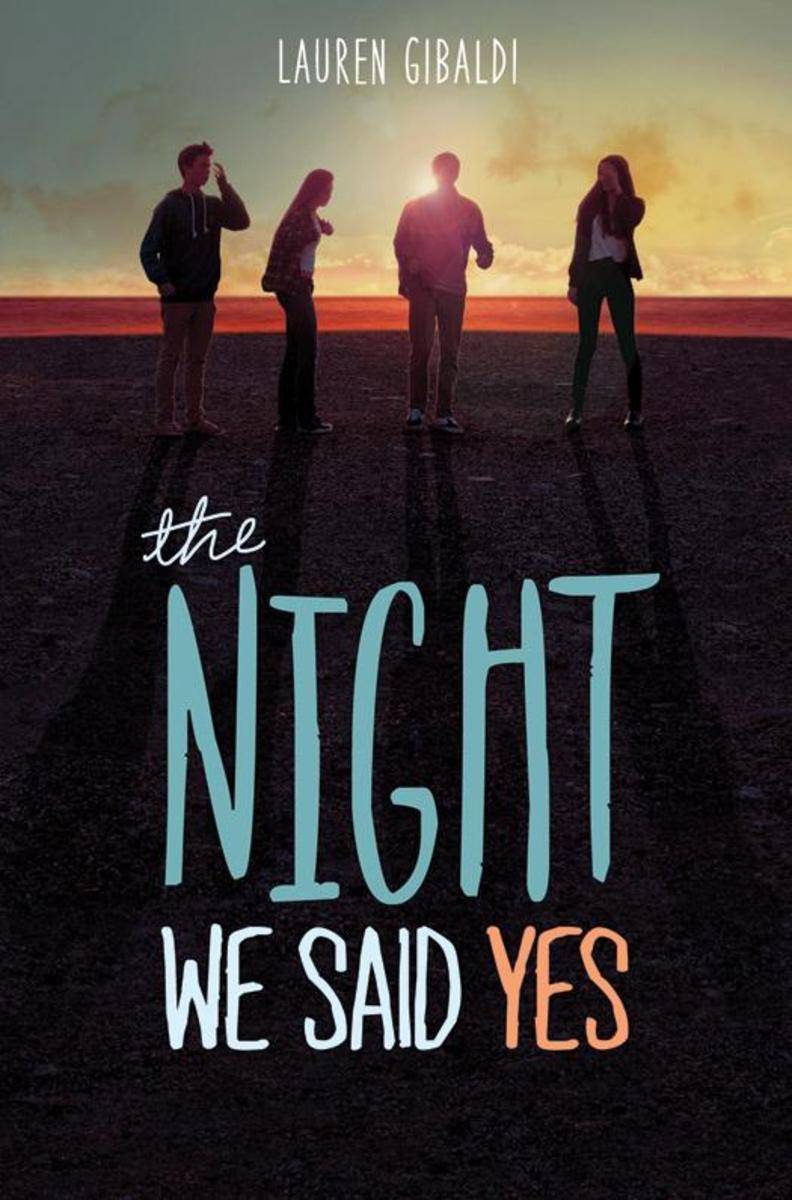
A fun, romantic read, perfect for fans of Sarah Dessen and Susane Colasanti! What happens when Matt and Ella reunite one year after their breakupAre second chances really possible?Before Matt, Ella had a plan. Get over her ex-boyfriend and graduate high school—simple as that. But Matt—the cute, shy, bespectacled bass player—was never part of that plan. And neither was attending a party that was crashed by the cops just minutes after they arrived. Or spending an entire night saying "yes" to every crazy, fun thing they could think of.But then Matt leaves town, breaking Ella's heart. And when he shows up a year later—wanting to relive the night that brought them together—Ella isn't sure whether Matt's worth a second chance. Or if re-creating the past can help them create a different future.

Anatomy of a Misfit
¥55.33
In this Mean Girls meets The Perks of Being a Wallflower tale, narrator Anika Dragomir is the third most popular girl at Pound High School. But inside, she knows she's a freak; she can't stop thinking about former loner Logan McDonough, who showed up on the first day of tenth grade hotter, bolder, and more mysterious than ever. Logan is fascinating, troubled and off-limits. The Pound High queen bee will make Anika's life hell if she's seen with him. So Anika must choose ignore her feelings and keep her social statusOr follow her heart and risk becoming a pariah. Which will she pickAnd what will she think of her choice when an unimaginable tragedy strikes, changing her foreverAn absolutely original new voice in YA in a story that will start important conversations and tear at your heart.
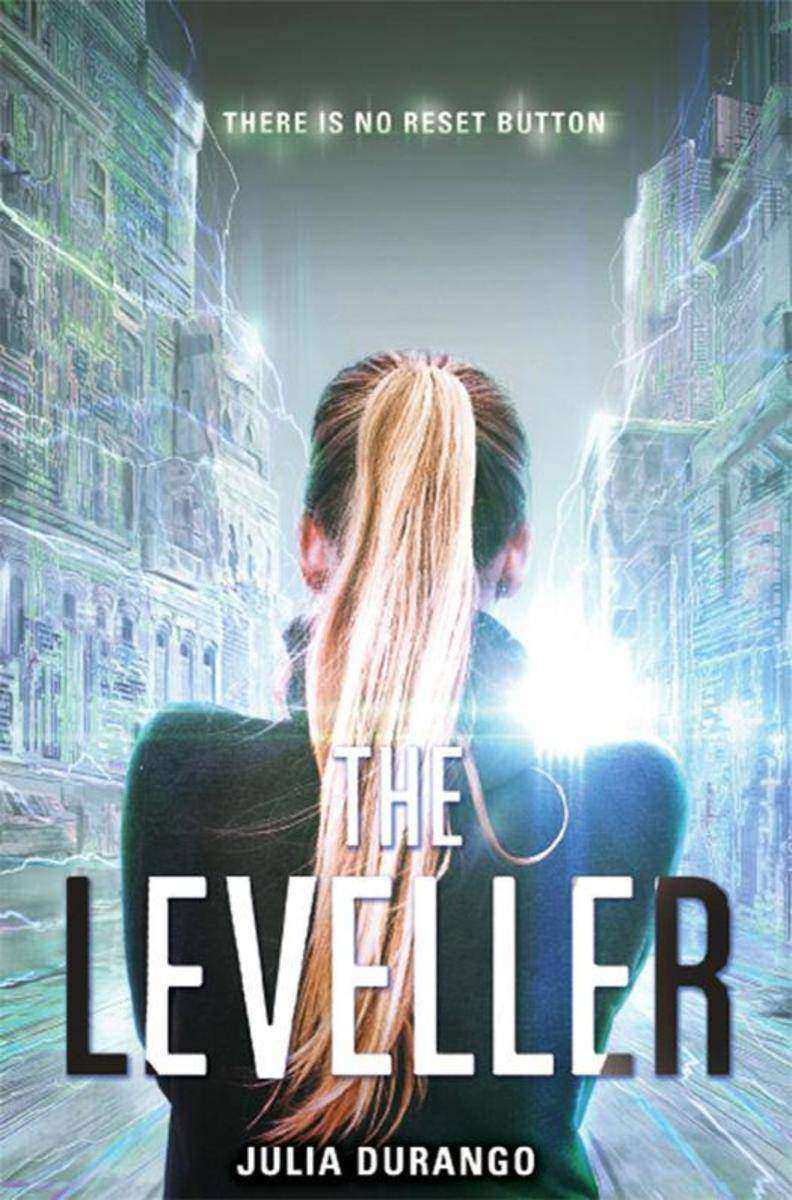
The Leveller
¥55.33
Nixy Bauer, Home in an Hour Nixy Bauer is used to her classmates being very, very unhappy to see her. After all, she's working with the enemy she's on their parents payrolls.Nixy is a bounty hunter in a virtual-reality gaming world. Kids in the MEEP, as they call it, play entirely with their minds, while their bodies languish in a sleeplike state on the couch. Irritated parents, looking to wrench their kids back to reality, hire Nixy to jump into the game and retrieve them. Luckily for Nixy and her wallet, she's the best leveller out there.But when the game's billionaire developer and Nixy's parents boss loses track of his own son in the MEEP, Nixy is in for the biggest challenge of her bounty-hunting career. Wyn Salvador isn't some lazy kid looking to escape his homework, and this is no ordinary levelling job: Wyn does not want to be found. And he's left behind a suicide note.Nixy takes the job but quickly discovers that Wyns not hiding he's being held inside the game against his will. But who is holding him captive, and why?Nixy and Wyn attempt to fight their way out of a mind game unlike any they've encountered. And the battle brings them closer than either could have imagined. But when the whole world is virtual, how can Nixy possibly know what's real?
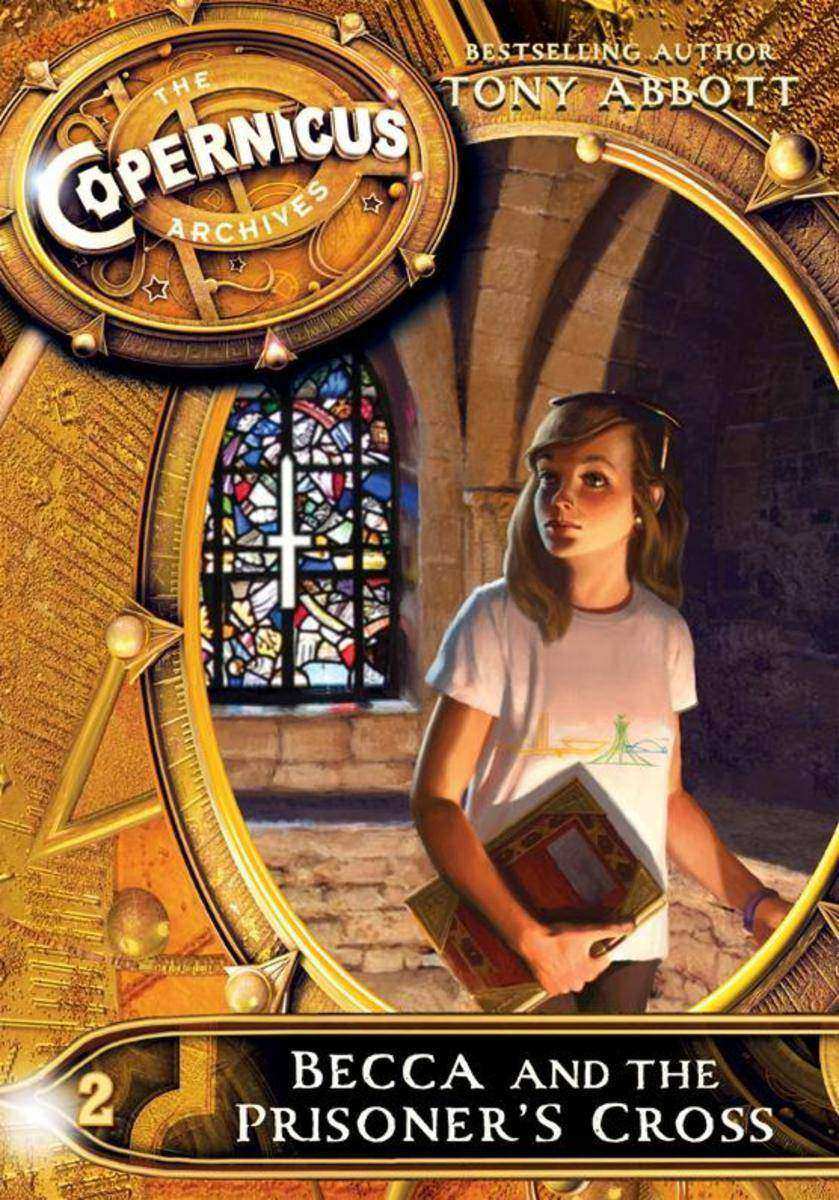
The Copernicus Archives #2: Becca and the Prisoner's Cross
¥22.33
Travel deeper into the mysterious world of the Copernicus Legacy with the Copernicus Archives: exciting, fast-paced novellas that get you close to the characters and the heart of the adventure.The Copernicus Archives #2: Becca and the Prisoner's Cross is studious language expert Becca's thrilling first-person account of the next stop in the Kaplans' perilous journey. As Becca and her family race through London, it's up to Becca to make sense of the strange time blackouts she's experiencing before the evil Teutonic Order beats them to the next relic. Or worse, hurts the people she loves.Perfect for fans of Rick Riordan and Ridley Pearson, Becca and the Prisoner's Cross continues the thrilling Copernicus Legacy quest and brings one of the characters into the spotlight.Correlates to the Common Core State Standards in English Language Arts


