


 购物车
购物车 个人中心
个人中心
Apache
¥57.09
Ed Macy is an elite pilot, one of the few men qualified to fly Apache helicopters, the world’s deadliest fighting machines. This is his account of a fearless mission behind enemy lines in Afghanistan. After a brutal accident forced him out of the Paras, Ed Macy refused to go down quietly. He bent every rule to sign up for the Army’s gruelling Apache helicopter programme and was one of the handful to pass the nightmare selection process. Dispatched to Afghanistan’s notorious Helmand Province in 2006, his squadron were on hand when a marine went MIA behind enemy lines – and they knew they were his only hope. From the cockpit of the mighty Apache helicopter comes this incredible true story of a rescue mission so dangerous they said it couldn’t be done, and of the man who dared to disagree.
Jack London:A Life
¥95.75
A full-blooded, pacy biography of one of the most charismatic writers of the century, whose life and work were to inspire Hemingway, Steinbeck, Kerouac and Mailer. ‘We cannot help but read on’: TLS. ‘The energy, dynamism and sheer bursting life-force of Jack London bowls you over’: Scotsman. ? Jack London’s life story (1876–1916) is as dramatic as any of the fiction he wrote. Born illegitimate in San Francisco, he was (in his teens) an oyster pirate, seal-hunter, hobo, Klondike goldminer – and spectacular drinker. ? On publication of The Call of the Wild in 1903, he became the most highly publicised writer in the world. Subsequent books, including Martin Eden, White Fang, The Iron Heel, The People of the Abyss, John Barleycorn, The Sea Wolf, continue in print as world classics in many languages. ? Apart from writing 50 books, he lectured for the Socialist Party in America; was a war correspondent in Korea and Mexico; introduced surfing to the West Coast; sailed the seven seas in his yacht, the Snark…

The Girls Who Went to War:Heroism, heartache and happiness in the wartime women’
¥58.86
The personal accounts of three young women who joined up in 1940. In the summer of 1940, Britain stood alone against Germany. The British Army stood at just over one and a half million men, while the Germans had three times that many, and a population almost twice the size of ours from which to draw new waves of soldiers. Clearly, in the fight against Hitler, manpower alone wasn’t going to be enough. Eighteen-year-old Jessie Ward defied her mother to join the ATS, Margery Pott signed up for the Women’s Auxiliary Air Force, and nanny Kathleen Skin the WRNS. They left quiet homes for the rigours of training, the camaraderie of the young women who worked together so closely and to face a war that would change their lives for ever. Overall, more than half a million women served in the armed forces during the Second World War. This book tells the story of just three of them – one from the Army, one from the Navy and one from the Air Force. But in their stories are reflected the lives of hundreds of thousands of others like them – ordinary girls who went to war, wearing their uniforms with pride.

Queen Victoria:A Life of Contradictions
¥66.22
A fresh, witty, accessible life of Queen Victoria. Not since Lytton Strachey has the irony, contradictions and influence of this Queen been treated with such flourish or biographical insight. 'Queen Victoria had a very complicated and psychologically fascinating personality and only a very talented biographer could get to the key of her character. Fortunately in Matthew Dennison's pithy, well-researched, beautifully written and very accessible book, she has found one' Andrew Roberts Queen Victoria is Britain’s queen of contradictions. In her combination of deep sentimentality and bombast; cultural imperialism and imperial compassion; fear of intellectualism and excitement at technology; romanticism and prudishness, she became a spirit of the age to which she gave her name. Victoria embraced photography, railway travel and modern art; she resisted compulsory education for the working classes, recommended for a leading women’s rights campaigner ‘a good whipping’ and detested smoking. She may or may not have been amused. Meanwhile she reinvented the monarchy and wrestled with personal reinvention. She lived in the shadow of her mother and then under the tutelage of her husband; finally she embraced self-reliance during her long widowhood. Fresh, witty and accessible, Queen Victoria is a compelling assessment of Victoria’s mercurial character and impact, written with the irony, flourish and insight that this Queen and her rule so richly deserve.
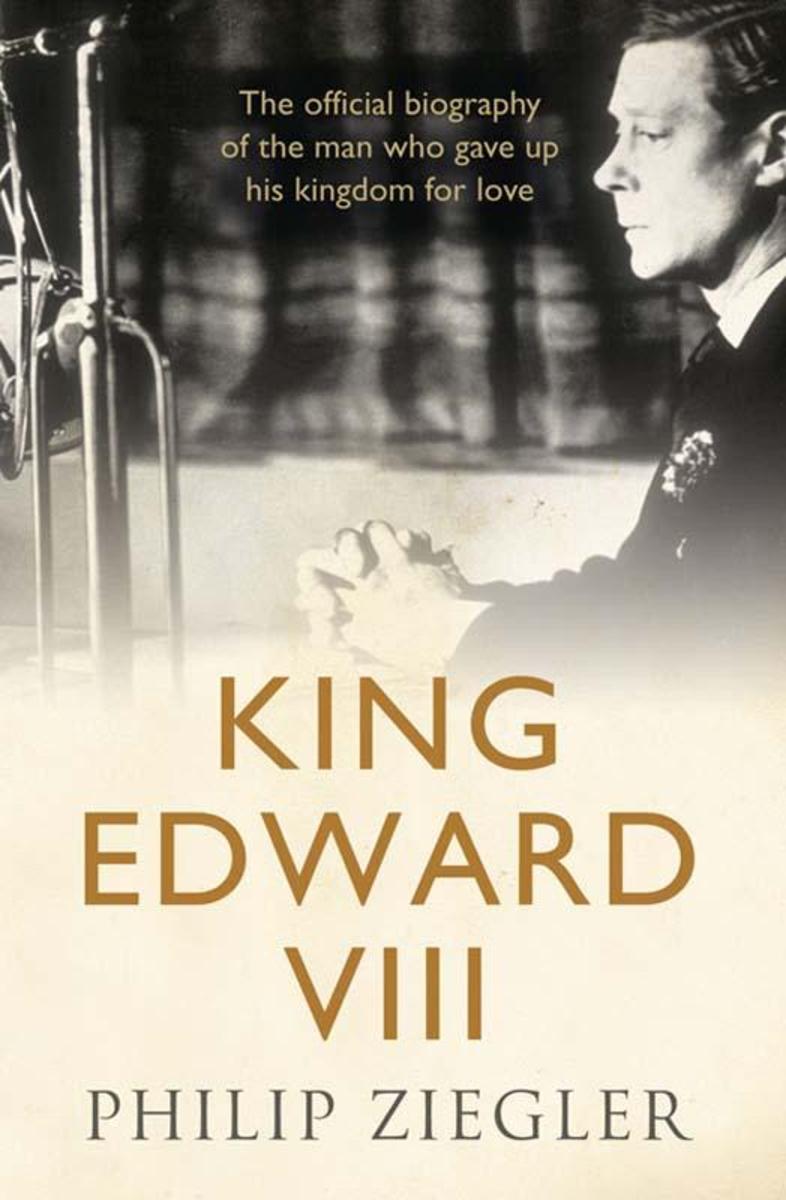
King Edward VIII
¥104.48
The authorised life story of the king who gave up his throne for love, by one of our most distinguished biographers. In this masterly authorized biography, Philip Ziegler reveals the complex personality of Edward VIII, the only British monarch to have voluntarily renounced the throne. With unique access to the Royal Archives, Ziegler overturns many myths about Edward and tells his side of the story – from his glamorous existence as Prince of Wales to his long decline in semi-exile in France. At the heart of the book is an unflinchingly honest examination of Edward’s all-consuming passion for Wallis Simpson, which led to his dramatic abdication. Elegant and devastating, this is the most convincing portrait of Edward ever published.

Lost in France:The Story of England's 1998 World Cup Campaign
¥57.09
An essential fly-on-the-wall account of the biggest World Cup tournament ever staged. 1998 is the year the World Cup comes home. Almost 70 years since Jules Rimet’s dream first came to fruition, France plays host for the first time to the greatest sporting event in the world. And, with a record-breaking 32 nations competing, the 1998 tournament will be the largest and most widely publicised football extravaganza in history. While following the sporting action, Mark Palmer will also travel around France to speak to fans, players, coaches, competition organisers and journalists, to present the inside story of the World Cup as the drama unfolds. With unrivalled access to the English and French FAs, as well as world regulating body FIFA, Palmer will balance the official view of the tournament with fans’ own experiences – all the while comparing the breaking story to how it is being reported back home.
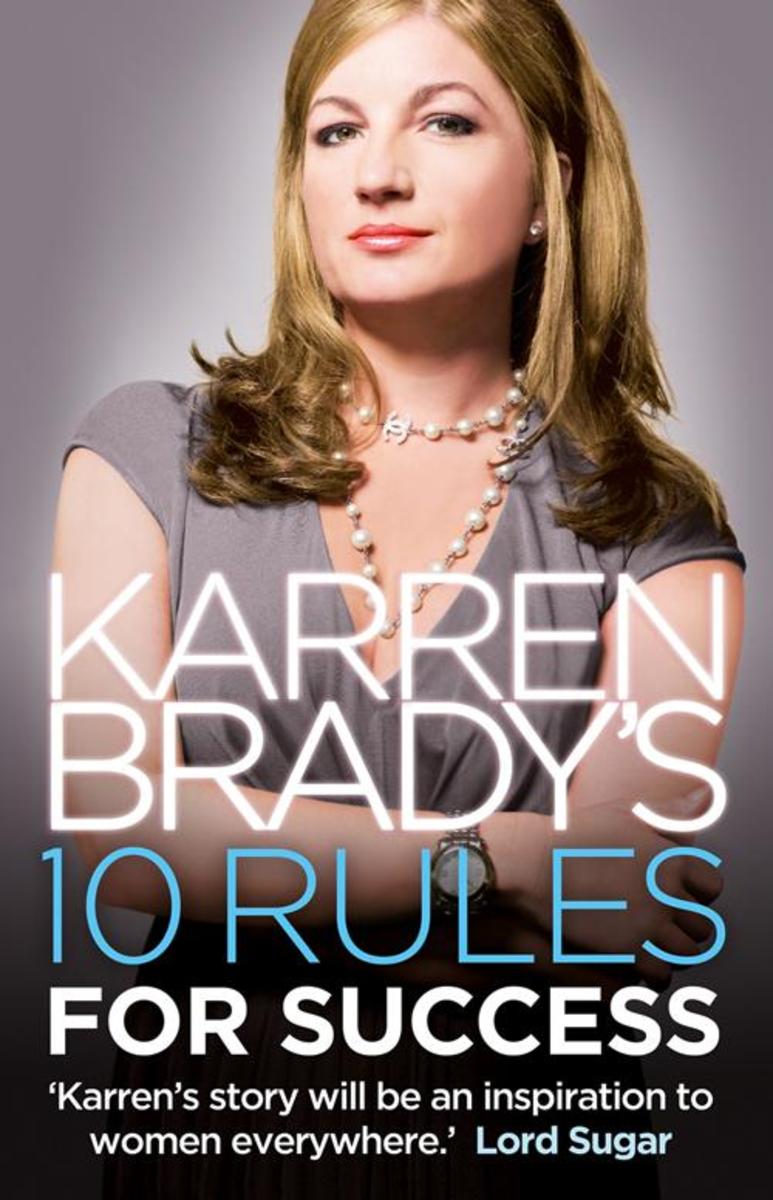
Karren Brady’s 10 Rules for Success
¥9.71
Karren Brady’s 10 Rules for Success are the secret to getting ahead for working women everywhere! Combining advice on how to balance a family and career with tips on how to embrace ambition, this short guide boils down Karren’s advice for women everywhere into a manageable list of ten key rules for work and life that have helped her become successful, independent and Britain’s best-known business woman. These ten rules reflect Karren’s belief that being a successful woman isn’t about aiming for the mythical ‘having it all’, it’s about working what you want, aiming high and digging in your heels. “Over my working life, I have learnt that certain skills, habits and attributes are essential to achieving success. You will not instantly master them all. It will take time and practice. But if you follow these ten rules – and importantly keep trying to follow them – you will get very far along the road to where you want to go. That I can promise you.” Karren Brady Karren Brady’s 10 Rules for Success is an extract from Karren Brady’s business autobiography, Strong Woman.

Choir:Gareth Malone
¥68.67
The hugely popular Gareth Malone recounts the heart-warming stories and transformations behind the award-winning BBC2 series The Choir For the first time, Gareth reveals everything he has learned from working with so many groups of memorable people, including the record-breaking Military Wives and latest series of The Choir being shown this Autumn. Gareth was an unknown Choirmaster when he arrived on British TV screens five years ago. Boyish, irrepressible and determined, Gareth took on a collection of kids from the most unlikely comprehensive and turned them into a talented performing choir. This was the beginning of a national love affair with a bow-tied and undeniably charming young man, and it was also the start of a national rediscovery of the joy to be found in choirs. Since then, each series of The Choir has gone on to even more demanding challenges, taking young offenders to Glyndebourne, regenerating disparate and far from affluent communities, and finally in an extraordinarily emotional journey, Gareth took a group of women whose partners were serving in Afghanistan to a Christmas Number One. This Autumn, in a new four-part series, The Choir: Sing While you Work, Gareth will be challenging four new Choirs to compete against each other. This is his memoir of a period in which he transformed the lives of thousands but also gained a lifetime’s worth of experience in human frailty and strength. Written with real joy, emotion and amusement, the twenty chapters each deal with an individual moment – both break-throughs and disasters – or an individual character that has contributed to this extraordinary adventure. Whether he is explaining the importance of biscuits or the role of the elderly in a community undertaking, remembering the scrappy kid who never quite delivered or the mother who had most to prove this is an incredibly moving journey. It is his adventure… and ours.
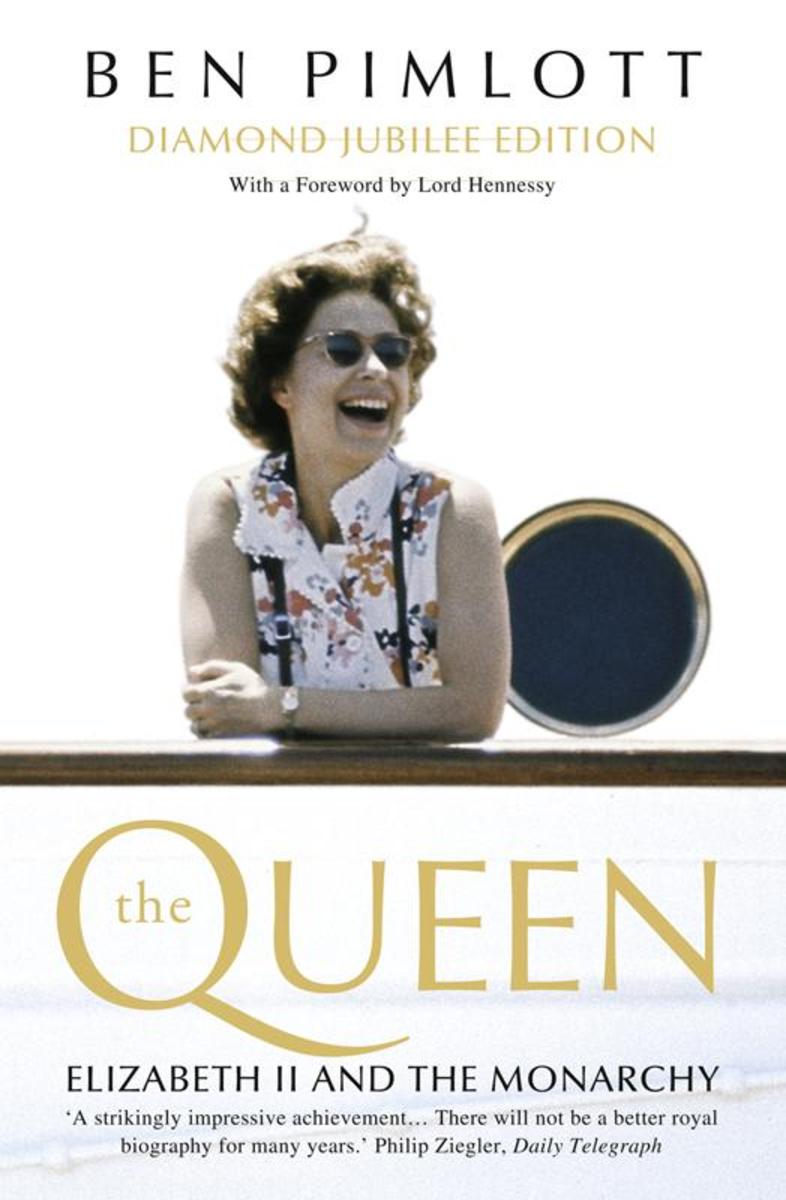
The Queen:Elizabeth II and the Monarchy (Text Only)
¥80.25
An updated edition of Ben Pimlott’s classic biography of the Queen: ‘There is no better biography of Elizabeth II.’ PETER HENNESSY, Independent on Sunday The royal family have been through a tumultuous decade, but with the wedding of Prince William to Kate Middleton, Prince Philip’s 90th birthday and the forthcoming Diamond Jubilee celebrations, there is renewed interest and appreciation of our monarchy. The Queen is an in-depth look at the woman at the centre of it all and is the only biography to take Elizabeth II seriously as the subject of historical biography, or to examine the influences that formed her and the ideas she represents. Ben Pimlott (described by Andrew Marr in the Independent as ‘the best writer of political biography now writing’) treats the Head of State to the rigorous and objective scrutiny he applied to major political personalities, using a wide range of sources, including interviews, diaries and letters, and papers in the Royal Archives. The Queen looks at the social, political and psychological aspects of his subject in detail, as well as at the changing role of Monarchy in the British Constitution. In the process, the book displays all the author’s formidable analytic and narrative skills, and provides a gripping yet sensitive account of one of the most publicised – yet least known – figures of our time. It is vital reading for all those who care about public life in Britain – past, present and to come. Note that it has not been possible to include the same picture content that appeared in the original print version.

Days Like These:A life cut short by cancer, a love that touched the world
¥58.86
When Kristian Anderson received the diagnosis that every devoted husband and father fears, he refused to resign himself silently to fate. He began a brave and candid blog as he underwent treatment for cancer: sharing the joy of each small victory, the devastation in every setback, and the agonising realisation that he wouldn’t always be able to protect and comfort his little boys when they were lonely or afraid, or grow old with his wife and soulmate. His posts full of hope, faith, and breathtaking honesty captured Australian hearts, then swept across the Pacific, gathering followers. A poignant video tribute for his wife Rachel became an internet phenomenon, attracting messages from well-wishers across the globe. After his death, their love inspired Rachel to bring together Kristian’s blog entries combined with her own intimate reflections. Days Like These is a heartbreaking account of her husband’s final battle, his strength and courage, but it is also a story about coming back from grief, and learning how to live again.
Ghost Girl: The true story of a child in desperate peril – and a teacher who sav
¥56.11
A stunning and poignant account of an extraordinary teacher's determination from the author of the #1 Sunday Times bestsellers The Tiger's Child and One Child. Jadie never spoke, never laughed, never cried. She spent every waking hour locked in her own private world of shadows. But nothing in Torey Hayden's experience had prepared her for the nightmare Jadie revealed to her when finally persuaded to break her self-imposed silence. It was a story too painful, too horrific for Hayden's professional colleagues to acknowledge. But Torey Hayden could not close her ears… or her heart. A little girl was trapped in a living hell of unspeakable memories. And it would take every ounce of courage, compassion, and love that one remarkable teacher possessed to rid the "Ghost Girl" of the malevolent spirits that haunted her.

Sir Alf
¥110.46
Since England's famous 1966 World Cup victory, Alf Ramsey has been regarded as the greatest of all British football managers. By placing Ramsey in an historical context, award-winning author Leo McKinstry provides a thought-provoking insight into the world of professional football and the fabric of British society over the span of his life. Ramsey's life is a romantic story of heroism. Often derided by lesser men, he overcame the prejudice against his social background to reach the summit of world football. The son of a council dustman from Essex, Ramsey had been through a tough upbringing. After army service during the war, he became a professional footballer, enjoying a successful career with Southampton and Tottenham and winning 32 England caps. But it was as manager of Ipswich Town, and then the architect for England's 1966 World Cup triumph, that Ramsey will be most remembered. The tragedy was that his battles with the FA would ultimately lead to his downfall. He was sacked after England failed to qualify for the 1974 World Cup and was subsequently ostracised by the football establishment. He died a broken man in 1999 in the same modest Ipswich semi he'd lived in for most of his life. Drawing on extensive interviews with his closest friends and colleagues in the game, author Leo McKinstry will help unravel the true character of this fascinating and often complex football legend.

Elon Musk
¥95.11
South African born Elon Musk is the renowned entrepreneur and innovator behind PayPal, SpaceX, Tesla, and SolarCity. Musk wants to save our planet; he wants to send citizens into space, to form a colony on Mars; he wants to make money while doing these things; and he wants us all to know about it. He is the real-life inspiration for the Iron Man series of films starring Robert Downey Junior. The personal tale of Musk’s life comes with all the trappings one associates with a great, drama-filled story. He was a freakishly bright kid who was bullied brutally at school, and abused by his father. In the midst of these rough conditions, and the violence of apartheid South Africa, Musk still thrived academically and attended the University of Pennsylvania, where he paid his own way through school by turning his house into a club and throwing massive parties. He started a pair of huge dot-com successes, including PayPal, which eBay acquired for $1.5 billion in 2002. Musk was forced out as CEO and so began his lost years in which he decided to go it alone and baffled friends by investing his fortune in rockets and electric cars. Meanwhile Musk’s marriage disintegrated as his technological obsessions took over his life ... Elon Musk is the Steve Jobs of the present and the future, and for the past twelve months, he has been shadowed by tech reporter, Ashlee Vance. Elon Musk: How the Billionaire CEO of Spacex and Tesla is Shaping our Future is an important, exciting and intelligent account of the real-life Iron Man.
The Screwtape Letters: Letters from a Senior to a Junior Devil
¥61.51
The Screwtape Letters is a Christian apologetic novel by C. S. Lewis. It is written in a satirical, epistolary style and while it is fictional in format, the plot and characters are used to address Christian theological issues, primarily those to do with temptation and resistance to it. First published in February 1942, the story takes the form of a series of letters from a senior Demon Screwtape to his nephew Wormwood, a Junior Tempter. The uncle's mentorship pertains to the nephew's responsibility for securing the damnation of a British man known only as "the Patient".
Yours, Jack: The Inspirational Letters of C. S. Lewis
¥95.75
A collection of 365 readings containing the best and most compelling writing culled from more than 4,000 pages of C.S.Lewis‘s famous published letters. Thoughout his life, C.S. Lewis – ‘Jack’ to his friends – spent a good portion of each day writing letters to people for whom he became a spiritual mentor – literally thousands of them. Contained within this vast body of correspondence is wisdom and personal insight as powerful as anything else he ever wrote or had published. Jack’s famous letters, published in their entirety in a collection consisting of three impressive volumes, reveal much about his private life, reflections, friendships and feelings, as well as all of Lewis’s interests: theology, literature, poetry, fantasy, and unknown details about his world-famous Narnia stories and other books. Amongst Jack’s correspondents were J.R.R. Tolkien, Dorothy L. Sayers, Owen Barfield, Arthur C. Clarke, Sheldon Vanauken and Dom Bede Griffiths. Now, this distillation of 365 inspirational readings extracted from the letters offers an easy-to-digest look at this great author’s lifetime of correspondence and drives straight to the heart of this insightful and inspirational thinker.
Collected Letters Volume One: Family Letters 1905–1931
¥104.48
This collection brings together the best of C.S. Lewis’s letters – some published for the first time. Arranged in chronological order, this is the first volume covering Family Letters: 1905-1931. C.S. Lewis was a most prolific letter writer and his personal correspondence reveals much of his private life, reflections, friendships and feelings. This collection, carefully chosen and arranged by Walter Hooper, is the most extensive ever published. In this great and important collection are the letters Lewis wrote to J.R.R. Tolkien, Dorothy L. Sayers, Owen Barfield, Arthur C. Clarke, Sheldon Vanauken and Dom Bede Griffiths. To some particular friends, such as Dorothy L. Sayers, Lewis wrote over fifty letters alone. The letters deal with all of Lewis’s interests: theology, literary criticism, poetry, fantasy, children’s stories as well as revealing his relationships with family members and friends. This first volume of Family Letters: 1905-1931 covers Lewis’s boyhood and early manhood, his army years, undergraduate life at Oxford and his election to a fellowship at Magdalen College. Lewis became an atheist when he was 13 years old and his dislike of Christianity is evident in many of his letters. The volume concludes with a letter describing an evening spent with J.R.R. Tolkien and Hugo Dyson when he came to see that he was wrong to think of Christianity as one of ‘many myths.’ ‘What Dyson and Tolkien showed me was that… the story of Christ is simply a true myth… but with this tremendous difference that it really happened.
Look who it is!: My Story
¥57.09
The brilliantly funny Sunday Times top ten bestseller. Alan Carr tells his life story in his own words, from growing up in a football-mad family in Northampton to his rise as one of Britain’s best-loved comedians. ‘Puberty had been unkind. Whereas it had come in the night and left the other boys with chiselled, stubbly chins and deep masculine voices, I’d been left with a huge pair of knockers and the voice of a pensioner.’ Alan Carr Alan Carr grew up in one of the most boring towns in England – Northampton. A place known for making shoes. It was also known for its football club, Northampton Town FC. Alan’s dad as manager of the club was a local hero. A dream come true for most lads, but not Alan. Alan wore glasses and had man boobs at 14. He did not like P.E. In his very first book, Alan tells his life story, (‘oh and what a life’) with his unique twist of natural, observational humour – ‘I’m not saying I’m a fantasist but there have been times when things that I’ve seen on television when I was younger have tended to seep into my subconscious and blended into my own life. I remember telling my Mum about the time I stopped that woman from having a diamond encrusted necklace stolen and she’d say ‘No Alan, that was Poirot.’ With his tongue-in-cheek, end of pier humour that made him famous, Alan describes an ordinary life in bursts of technicolour. His journey from awkward schoolboy hiding his man-boobs on the pitch, drinking tea with the dinner ladies and working in a call centre, to becoming one of our best-loved comedians likened to the great Frankie Howerd, make his book a guaranteed tickler with a laugh-out-loud gag on every page.
Punished
¥57.09
‘Punished’ is the inspiring true story of an unusual little girl, Vanessa, whose childhood was devastated by torture and abuse at the hands of her sadistic mother. Vanessa was nearly destroyed until she discovered a secret that ultimately saved her life. From the age of 3, Vanessa lived in daily terror of her mother's unpredictable rage. If she was 'naughty', her mother would lash out at her – with beatings, torture, starvation and making Vanessa sleep in their garden's pigsty, tied up like an animal. Her mother said her punishments were God's revenge on her for being the devil's child. Her father lived in denial of her suffering. When she was 6 years old, Vanessa's grandfather began to sexually abuse her – to her despair, aided and abetted by both her mother and grandmother. At eight years old, she then discovered that the 'mother' who hated her so much had adopted her as a baby and would never love her as her own. At the most horrific times of Vanessa's abuse, she nearly lost all hope that she would escape her prison, until mysterious things started to happen to her that allowed her to fight back. This is the story of how Vanessa survived a childhood that nearly destroyed her and how her secret led her out of the horrors of her past.

Two More Sleeps
¥9.71
This is the heart-breaking tale of Angell, a young girl desperately loved but inadequately cared for by her troubled mother Nicki. Abandoned and left barely clothed beneath a park bench on a freezing cold day in winter, the bewildered child is rescued by police and passed into the loving and compassionate care of the Lewis family. But when foster carer Rosie takes Angell into her home and heart, she wonders whether Angell’s mother will ever return for her daughter? Or will Angell be destined to spend the rest of her childhood in care?
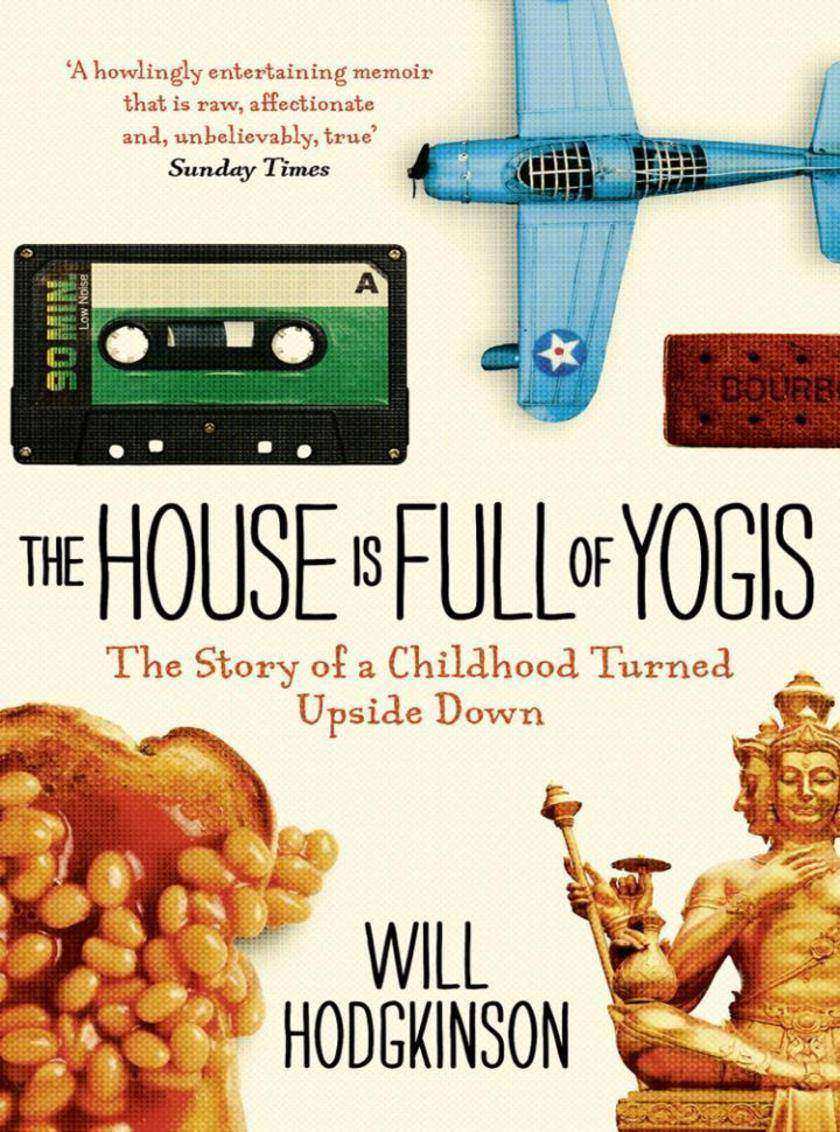
The House is Full of Yogis
¥66.22
A witty memoir about the trials of adolescence, the tribulations of family life and the embarrassment that ensues from having larger-than-life parents Neville and Liz Hodgkinson bought into the Thatcherite dream of home ownership, aspiration and advancement. The first children of their working class parents to go to university and have professional careers, they lived in a semi-detached house in Richmond, sent their sons Tom and Will to private school, and went on holiday to Greece once a year. Neville was an award-winning science writer and Liz was a high-earning tabloid hack. Then a disastrous boat holiday, followed by a life-threatening bout of food poisoning from a contaminated turkey, led to the search for a new way of life. Nev joined the Brahma Kumaris, who believe evolution is a myth, time is circular, and a forthcoming Armageddon will make way for a new Golden Age. Out went drunken dinner parties and Victorian décor schemes; in came large women in saris meditating in the living room and lurid paintings of smiling deities on the walls. Liz took the arrival of the Brahma Kumaris as a chance to wage all-out war on convention, from announcing her newfound celibacy on prime time television to writing books that questioned the value of getting married and raising children. By an unfortunate coincidence, this dramatic and highly public transformation of the self coincided with the onset of Will’s adolescence. This is his story.
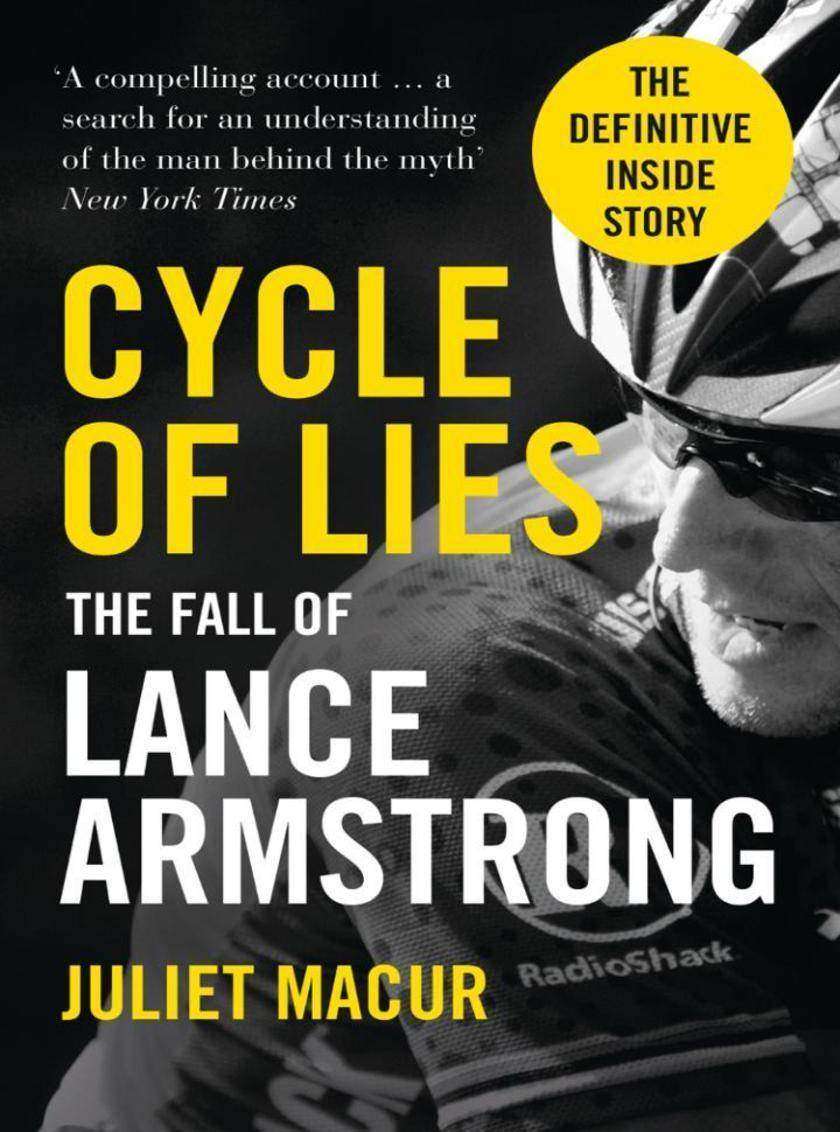
Cycle of Lies: The Fall of Lance Armstrong
¥81.03
A fly-on-the-wall account of the greatest drama in modern sporting history by the New York Times cycling correspondent. As Lance Armstrong’s precipitous fall from grace continues, New York Times sports reporter Juliet Macur takes the reader behind the scenes to bring to life the astonishing twists and turns of the scandal that has rocked the world of cycling. With unprecedented access to the key players in the drama – from Armstrong’s fellow cyclists and top cycling officials to doctors, trainers and wives – Cycle of Lies reveals how Armstrong built a fortress of people around him to protect his image and upend the lives of anybody who stood in his way. As America’s fallen idol faces potential perjury charges, Cycle of Lies widens the focus to expose corruption at all levels of the sport in a thrilling, page-turning work of contemporary narrative history.


