


 购物车
购物车 个人中心
个人中心

HOLLYWOOD SHAPED MY HAIR
¥22.66
A humorous look at the influence of celebrity style, charting the hairdos (and hair don’ts) James King has fashioned over the years. From the classic ‘Rachel from Friends’ to the questionable David Beckham mohawk, most of us, probably unwisely, have tried to emulate our favourite star’s hairstyles at some point. In HOLLYWOOD SHAPED MY HAIR, James King takes us on a hair-history of cinema.
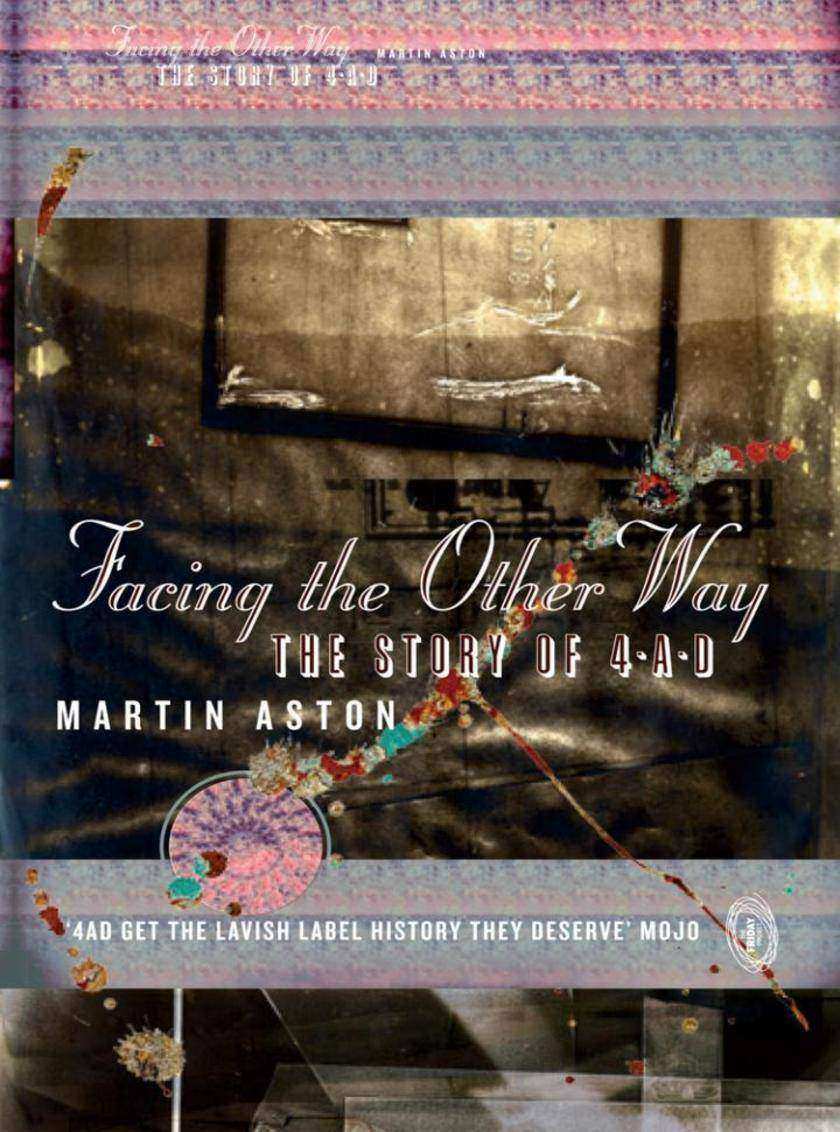
Facing the Other Way: The Story of 4AD
¥103.10
The first official account of the iconic record label. An NME Book of the Year 2013 ? A Rough Trade Book of the Year 2013 ? A Times Literary Supplement Book of the Year 2013 This Mortal Coil, Birthday Party, Bauhaus, Cocteau Twins, Pixies, Throwing Muses, Breeders, Dead Can Dance, Lisa Germano, Kristin Hersh, Belly, Red House Painters. Just a handful of the bands and artists who started out recording for 4AD, a record label founded by Ivo Watts-Russell and Peter Kent in 1979, a label which went on to be one of the most influential of the modern era. Combining the unique tastes of Watts-Russell and the striking design aesthetic of Vaughan Oliver, 4AD records were recognisable by their look as much their sound. In this comprehensive account concentrating on the label’s first two decades (up to the point that Watts-Russell left), music journalist Martin Aston explores the fascinating story with unique access to all the key players and pretty much every artist who released a record on 4AD during that time, and to its notoriously reclusive founder. With a cover designed by Vaughan Oliver this is an essential book for all 4AD fans and anyone who loved the music of that time.

The Rest Is Noise Series: Beethoven Was Wrong
¥11.77
This is a chapter from Alex Ross’s groundbreaking history of twentieth-century classical music, ‘The Rest is Noise’. Further extracts are available as digital shorts, accompanying the London Southbank festival programme. After Paul McCartney listened to the electronic layering and looping of Stockhausen, the Beatles used the same effects on Revolver’s ‘Tomorrow Never Knows’ and put an image of the composer on Sgt. Pepper’s Lonely Hearts Club Band. For a split second during ‘Revolution 9’ the final chords of Sibelius’s Seventh Symphony can be heard. Even the most jaded veteran of twentieth century music must have been startled by the influence of the post-war avant-garde on the psychedelic generation. Now a major festival running throughout 2013 at London’s Southbank, The Rest is Noise is an intricate commentary not just on the sounds that defined the century, but on art’s troublesome dance with politics, social and cultural change. Alex Ross is the New Yorker’s music critic, and the winner of the Guardian First Book Award and the National Book Critics Circle Award for The Rest is Noise, which was also shortlisted for the Samuel Johnson and Pulitzer prizes for non-fiction.
Sven-Goran Eriksson
¥82.01
A major in-depth biography of Sven-Goran Eriksson - the first foreign manager of the England football team - which chronicles his time in the hot seat, from taking over from Kevin Keegan, the story of the 2002 World Cup Finals in Japan and South Korea, through to the 2004 European Championships. Reserved - some would say introvert - by nature, he has so far dismissed as intrusive almost all questions about anything other than the England team. There is a fascinating story to be told about the moderate full-back who failed in his own country, retired from playing at 27, then went on to become one of the best coaches in the world. The son of a truck driver from a small provincial town in Sweden, Eriksson left school early and worked in a social security office. He went to college to study PE and played football as an amateur before being persuaded by an older teammate Tord Grip (now his assistant with England) that his career lay elsewhere in management. Modest success at Roma and Fiorentina was followed by a renewal of Sampdoria's fortunes. It wasn't long before Lazio came knocking - but not before an acrimonious fallout with Blackburn when his surprise about-turn left the Lancashire club without a new manager. He enjoyed phenomenal success in Rome, however, where he led Lazio to the scudetto, and this eventually paved the way to the England manager's job. Since then Eriksson has come under the microscope from the English press, as much for his private affairs as for his team's stuttering performances. Despite his achievements in leading England to the quarter-finals of the World Cup in 2002, his methods, formations and team selections are the subject of fierce debate up and down the country. Joe Lovejoy's book captures the essence of the man and goes some way to explaining his influence behind England. This paperback edition explores his thoughts about his captain playing his football in Spain and documents England's rocky road to the 2004 European Championship finals.

The Bad Mother
¥22.66
A hilariously honest, and rather sweary, book about parenting from the author of The Bad Cook. From play dates to potty training, from weening to whining or whether to have two, or three, or more! Esther Walker focuses her unique humour on the art of parenting. Fans of Esther’s blog and journalism, or her bestselling Bad Cook book, will not be disappointed. This is every bit as funny, sweary and just plain honest as you would expect. Esther offers up her occasional successes and many failures as examples to parents everywhere: look, this is what happens, you’ll just have to deal with it! Harassed mums and dads will read this and smile, as well as sighing with ‘it isn’t just me’ relief.

Transformer: The Complete Lou Reed Story: Free Sampler
¥9.71
‘A triumph’ - Time Out Transformer is the only complete and comprehensive telling of the Lou Reed story. Legendary songwriter and guitarist Lou Reed passed away on the 27th October 2013, but his musical influence is assured. Now discover the true story of the Velvet Underground pioneer in this update of Bockris’s classic biography. Transformer: The Complete Lou Reed Story follows the great songwriter and singer through the series of transformations that define each period of his fifty year career. It opens with the teenage electroshock treatments that dominated his memories of childhood and never stops revealing layer after layer of this complex and often anguished artist and man. Transformer is based on Lou’s collaborations with the hardest and most romantic artists of his times, from John Cale, Andy Warhol, and Nico, through David Bowie, Robert Wilson, Laurie Anderson and the ghost of Edgar Alan Poe. Rippling underneath everything he did are Lou’s relationships with his various muses, from his college sweetheart to his three wives (and one drag queen). Leading Lou Reed biographer, Victor Bockris - who knew Lou throughout the Rachel Years, from Rock ‘n’ Roll Animal to the Bells - updates his original biography in the wake of Lou’s death. Through new interviews and photos, he reveals the many transformations of this larger-than-life character, including his final shift from Rock Monster to the Prince Charming he had always wanted to be in the twenty years he spent with the love of his life, Laurie Anderson . Except with Lou, you could never really know what might happen next… Including previously unseen photographs and contributions from Lou’s innermost circle and collaborators that include similarly esteemed artists such as Andy Warhol and David Bowie, Transformer is as captivating and vivid a read as befits an American master.
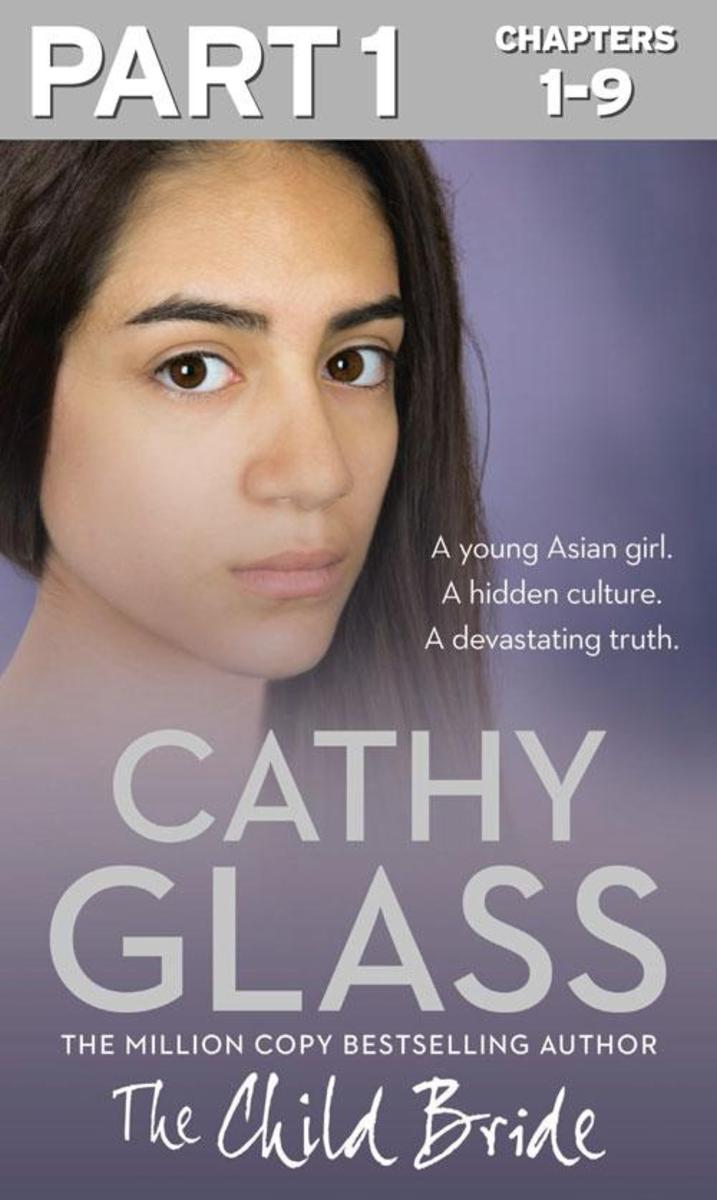
The Child Bride: Part 1 of 3
¥9.71
The Child Bride can either be read as a full-length eBook or in 3 serialised eBook-only parts. This is PART 1 of 3. You can read Part 1 three weeks ahead of release of the full-length eBook and paperback. Cathy Glass, international bestselling author, tells the shocking story of Zeena, a young Asian girl desperate to escape from her family. When 14 -year-old Zeena begs to be taken into care with a non-Asian family, she is clearly petrified. But of what? Placed in the home of experienced foster carer Cathy and her family, Zeena gradually settles into her new life, but misses her little brothers and sisters terribly. Prevented from having any contact with them by her family who insist she has brought shame and dishonour on the whole community, Zeena tries to see them at school. But when her father and uncle find out, they bundle her into a car and threaten to set fire to her if she makes anymore trouble. Zeena is too frightened to press charges against them despite being offered police protection in a safe house. Eventually, Cathy discovers the devastating truth from Zeena, and with devastation she believes there is little she can do to help her.
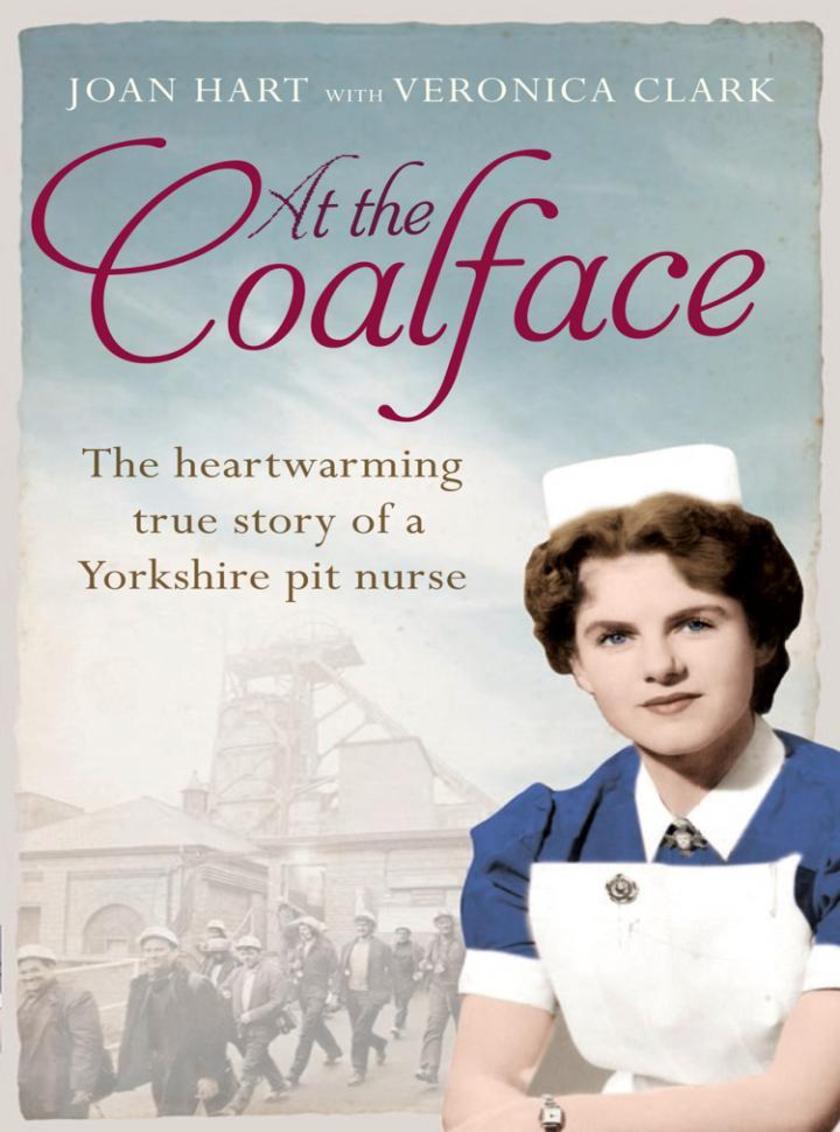
At the Coalface: The memoir of a pit nurse
¥58.86
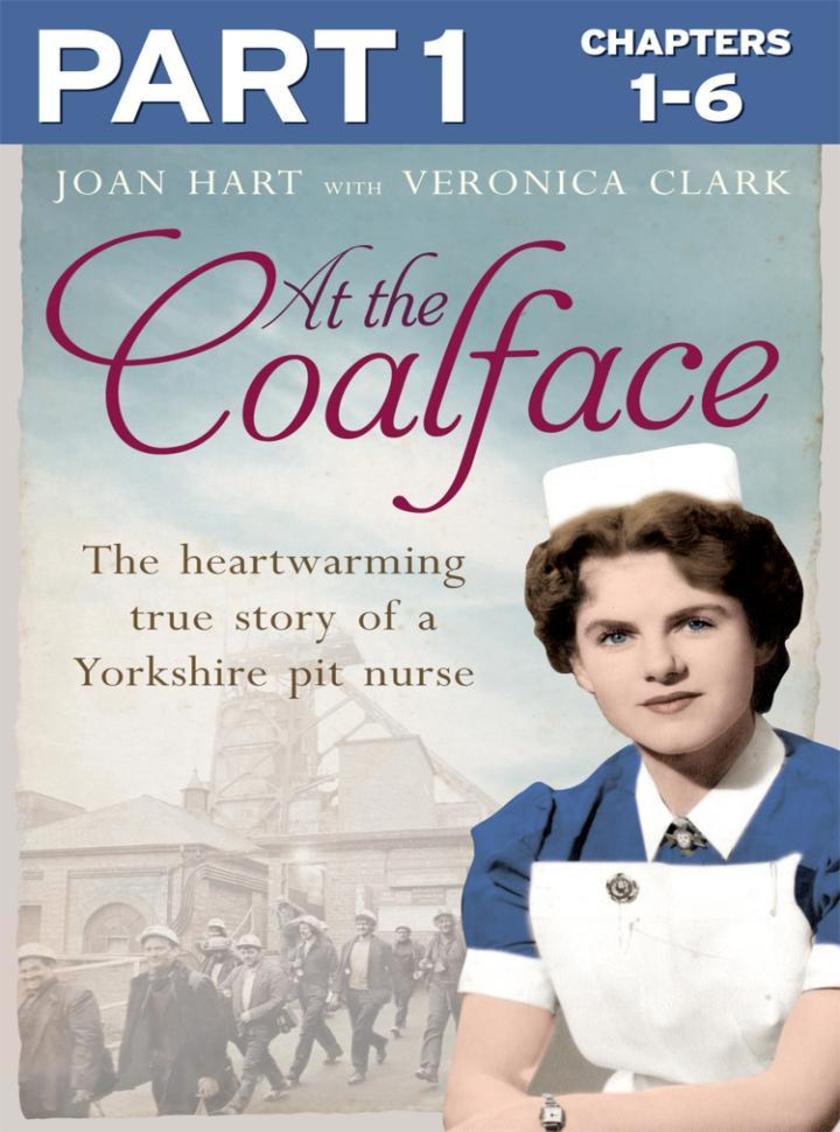
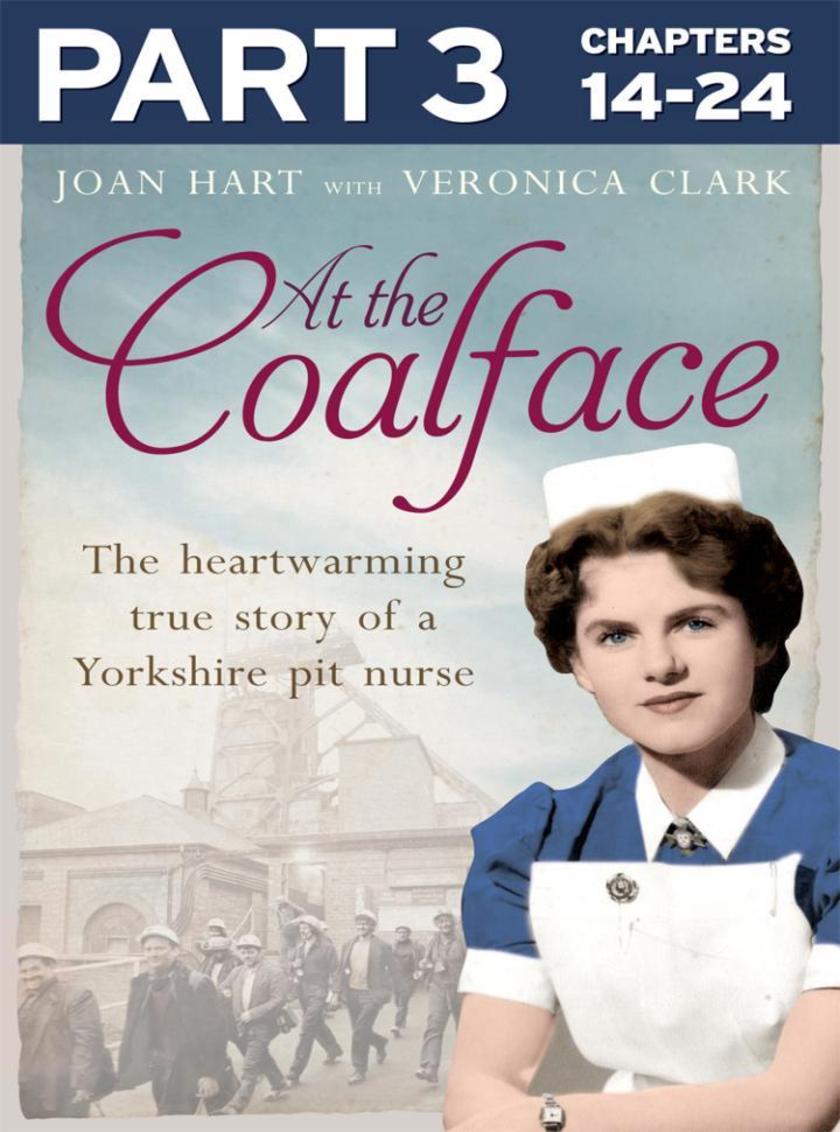
A heart-warming story of a woman who devoted her life to helping others. This is the memoir of Joan, who started nursing in the 1940s and whose experiences took her into the Yorkshire mining pits and through the tumult of the 1984-85 miners’ strike. Joan Hart always knew what she wanted to do with her life. Born in South Yorkshire in 1932, she started her nursing training when she was 16, the youngest age girls could do so at the time. She continued working after she married and her work took her to London and Doncaster, caring for children and miners. When she took a job as a pit nurse in Doncaster in 1974, she found that in order to be accepted by the men under her care, she would have to become one of them. Most of the time rejecting a traditional nurse’s uniform and donning a baggy miner’s suit, pit boots, a hardhat and a headlamp, Joan resolved always to go down to injured miners and bring them out of the pit herself. Over 15 years Joan grew to know the miners not only as a nurse, but as a confidante and friend. She tended to injured miners underground, rescued men trapped in the pits, and provided support for them and their families during the bitter miners’ strike which stretched from March 1984 to 1985. Moving and uplifting, this is a story of one woman’s life, marriage and work; it is guaranteed to make readers laugh, cry, and smile.
At the Coalface: Part 1 of 3: The memoir of a pit nurse
¥33.75
A heart-warming story of a woman who devoted her life to helping others. This is the memoir of Joan, who started nursing in the 1940s and whose experiences took her into the Yorkshire mining pits and through the tumult of the 1984-85 miners’ strike. Joan Hart always knew what she wanted to do with her life. Born in South Yorkshire in 1932, she started her nursing training when she was 16, the youngest age girls could do so at the time. She continued working after she married and her work took her to London and Doncaster, caring for children and miners. When she took a job as a pit nurse in Doncaster in 1974, she found that in order to be accepted by the men under her care, she would have to become one of them. Most of the time rejecting a traditional nurse’s uniform and donning a baggy miner’s suit, pit boots, a hardhat and a headlamp, Joan resolved always to go down to injured miners and bring them out of the pit herself. Over 15 years Joan grew to know the miners not only as a nurse, but as a confidante and friend. She tended to injured miners underground, rescued men trapped in the pits, and provided support for them and their families during the bitter miners’ strike which stretched from March 1984 to 1985. Moving and uplifting, this is a story of one woman’s life, marriage and work; it is guaranteed to make readers laugh, cry, and smile.
At the Coalface: Part 3 of 3: The memoir of a pit nurse
¥41.01
A heart-warming story of a woman who devoted her life to helping others. This is the memoir of Joan, who started nursing in the 1940s and whose experiences took her into the Yorkshire mining pits and through the tumult of the 1984-85 miners’ strike. Joan Hart always knew what she wanted to do with her life. Born in South Yorkshire in 1932, she started her nursing training when she was 16, the youngest age girls could do so at the time. She continued working after she married and her work took her to London and Doncaster, caring for children and miners. When she took a job as a pit nurse in Doncaster in 1974, she found that in order to be accepted by the men under her care, she would have to become one of them. Most of the time rejecting a traditional nurse’s uniform and donning a baggy miner’s suit, pit boots, a hardhat and a headlamp, Joan resolved always to go down to injured miners and bring them out of the pit herself. Over 15 years Joan grew to know the miners not only as a nurse, but as a confidante and friend. She tended to injured miners underground, rescued men trapped in the pits, and provided support for them and their families during the bitter miners’ strike which stretched from March 1984 to 1985. Moving and uplifting, this is a story of one woman’s life, marriage and work; it is guaranteed to make readers laugh, cry, and smile.
The Last Grain Race
¥80.25
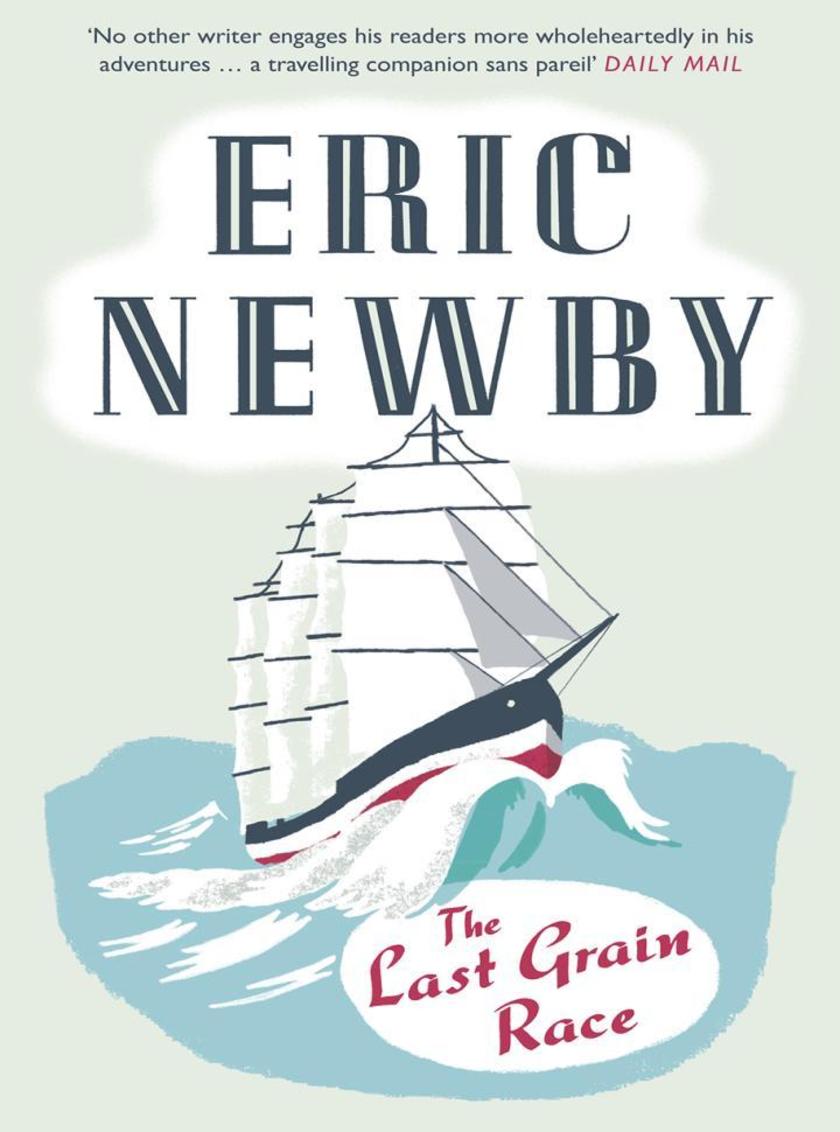
An engaging and informative first-hand account of the last ‘grain race’ of maritime history, from respected travel writer Eric Newby. In 1939, a young Eric Newby – later renowned as a travel writer of exceptional talent – set sail aboard Moshulu, the largest sailing ship still employed in the transportation of grain from Australia to Europe. Every year from 1921 to 1939, the vessels involved in the grain trade would strive to find the shortest, fastest passage home – ‘the grain race’ – in the face of turbulent seas, atrocious weather conditions and hard graft. First published in 1956, ‘The Last Grain Race’, featuring many photographs from the author’s personal collection, celebrates both the spirit of adventure and the thrill of sailing on the high seas. Newby’s first-hand account – engaging and informative, with frequent bursts of humour and witty observations from both above and below deck – chronicles this classic sailing voyage of the Twenties and Thirties, and records the last grain race of maritime history.

David and Me: My path to solo motherhood
¥11.77
“This is the very beginning of the story of my life with my son. In some ways it is an unconventional one; a tale of choosing solo motherhood, with all its painful and joyful twists and turns. But at its heart it simply recounts a mother’s love for her child; a love that has been replicated throughout time all over the world.” The true story of Esther, who, at the age of 42, found herself single yet longing to be a mother. Flying in the face of the advice and scaremongering from the media, she made the brave decision to go it alone. Initially, the path was smooth, and Esther received nothing but encouragement and support from family and friends. But, as she ventured further down the path towards solo motherhood, Esther began to run up against bureaucracy, crushing negativity, obstructions and, occasionally, in amongst the care and compassion of doctors, nurses, embryologists and sonographers, bewildering incompetence. From IUI to IVF, dramatic hormonal fluctuations creating frustration and exhaustion, and a devastating blow, through to the joy of motherhood at last, Esther’s story is both moving and life-affirming.

Laugh or You’ll Cry
¥11.77
For most mothers, keeping up with the washing, the mess and the irrepressible energy of two young boys is a challenge in itself. But when Sue Askin’s eldest son was diagnosed with autism, only to be followed by her own diagnosis of MS the next year, the challenge became ever so slightly harder… Told in her own upbeat words, this is the heart-warming and funny account of one woman’s determination to do the best for her child, whilst learning to cope with her own diagnosis without any fuss. Packed with funny anecdotes and familiar challenges to which all families will relate, you’ll be uplifted and inspired as much as you’ll be smiling.

I Blame The Hormones
¥9.71
I Blame the Hormones follows the story of one woman battling long-term depression, her determination to root out the cause, and her ultimate discovery which freed her from its prison. Caroline Church suffered from a depression so chronic she experienced hallucinations, delusions and even suicidal inclinations. Yet through exploring the correlation between her depressive episodes and the basic elements of female nature, over many years she discovered that what she thought was a mental disorder was actually due to a hormonal imbalance. And the best bit? She learnt what she could do and take to control it. Shocking, vivid, and a must read for women, their partners and healthcare professionals alike, I Blame the Hormones is the uplifting memoir of Caroline’s journey to pull herself through despite all the odds.
In a Dark Wood
¥66.22
A story of love and grief. ‘I became a widower and a father on the same day’ says Joseph Luzzi. His book tells how Dante’s ‘The Divine Comedy’ helped him to endure his grief, raise their infant daughter, and rediscover love. On a cold November morning, Joseph Luzzi, a Dante professor, found himself racing to hospital – his wife, eight-and-a-half months pregnant, had been in a horrible car accident. In one terrible instant, Luzzi became both a widower and a first-time father. Adrift and grieving, Luzzi found himself sharing Dante’s dark wood with an intimacy that years of reading had never shown him: the words became a wise companion through the Inferno of his grief, his healing, and ultimately his rediscovered love.

Notorious: The Maddest and Baddest Sportsmen on the Planet
¥88.39
Straddling humour, trivia and sport, ‘Notorious’ brings together for the first time one hundred of the most potty sportsmen in history. From boxing to cycling, soccer to baseball, and most sports in between, here are the hard-men and the criminals, the psychos and the loonies, that make up the sporting madness hall of shame. Among the prime candidates for sporting lunacy in this book: Prinya Charoenpal, one of the most talented kick-boxers in the sport’s history, who wore make-up and pink nail polish, broke down when asked to strip for the weigh-in, pummelled the opponent who made the mistake of mocking her with a camp embrace, and who fought solely to get the money for a sex-change operation. Jack ‘Hacksaw’ Reynolds, the San Francisco 49-ers linebacker during the 80s, who once got plastered after losing a college game, went out to the car park with a hacksaw, and cut someone’s car in half. The Brazilian football star Edmundo, infamous on the pitch for beating up fans, referees and journalists, and making his name off it by crashing his truck and killing three people, and being arrested for force-feeding beer to a chimpanzee at his son’s birthday party. And there’s more. The rugby league hard-man with a predilection for sticking a rigid digit finger up opponents’ rears on the field of play; the baseball Hall of Famer who wielded his bat to beat up unsuspecting victims; the golfer hospitalised three times for alcohol poisoning, who came through two suicide attempts, three divorces, plus countless hotel room trashings and suspensions; the Irish jockey involved in an air rage incident who copped 110 hours of community service… And closer to home, the likes of Roy Keane, Alex Higgins, Vinnie Jones and Paul Gascoigne are also featured in this wildly captivating, and often shocking, collection of crazed sports celebrities.
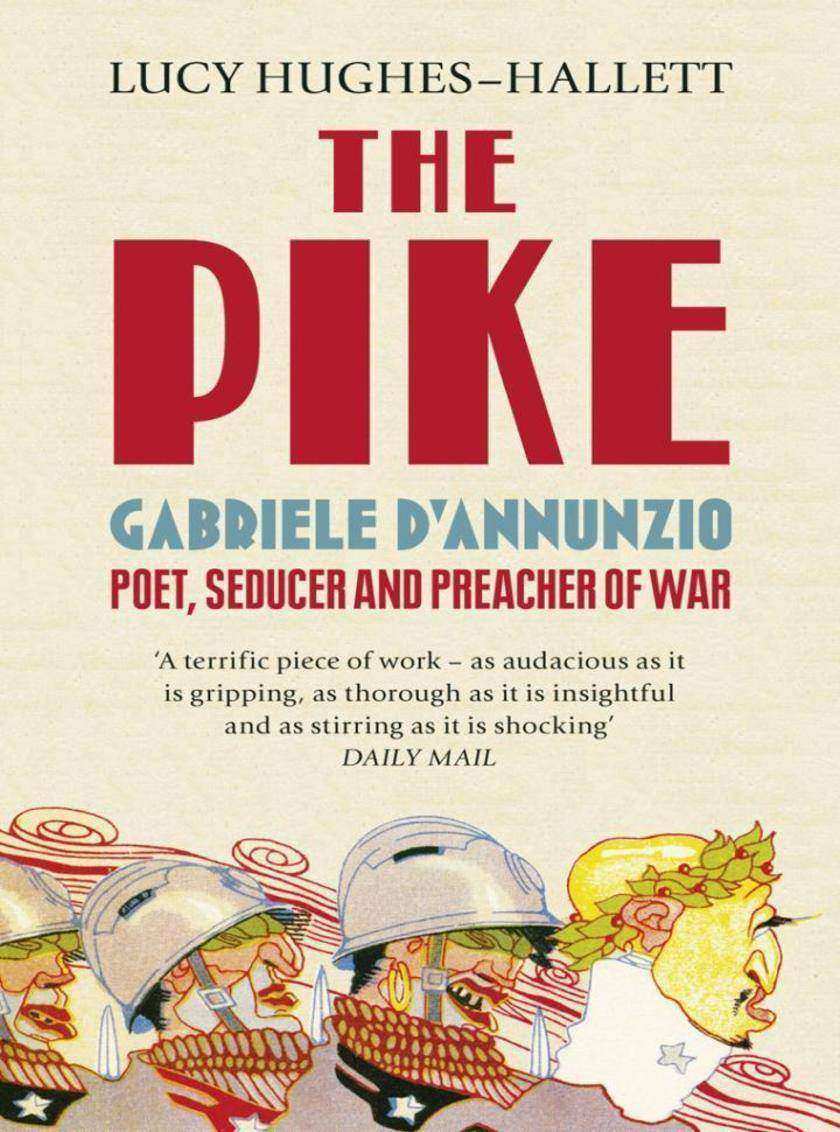
The Pike: Gabriele d’Annunzio, Poet, Seducer and Preacher of War
¥88.39
WINNER OF THE 2013 SAMUEL JOHNSON PRIZE FOR NON-FICTION WINNER OF THE 2013 DUFF COOPER PRIZE WINNER OF THE POLITICAL BOOK AWARDS POLITICAL BIOGRAPHY OF THE YEAR 2014 WINNER OF THE 2013 COSTA BOOK AWARDS BIOGRAPHY OF THE YEAR The story of Gabriele D’Annunzio, poet, daredevil – and Fascist. In September 1919 Gabriele D’Annunzio, successful poet and occasional politician, declared himself Commandante of the city of Fiume in modern day Croatia. His intention – to establish a utopia based on his fascist and artistic ideals. It was the dramatic pinnacle to an outrageous career. Lucy Hughes-Hallett charts the controversial life of D’Annunzio, the debauched artist who became a national hero. His evolution from idealist Romantic to radical right-wing revolutionary is a political parable. Through his ideological journey, culminating in the failure of the Fiume endeavour, we witness the political turbulence of early 20th century Europe and the emergence of fascism. In ‘The Pike’, Hughes-Hallett addresses the cult of nationalism and the origins of political extremism – and at the centre of the book stands the charismatic D’Annunzio: a figure as deplorable as he is fascinating.
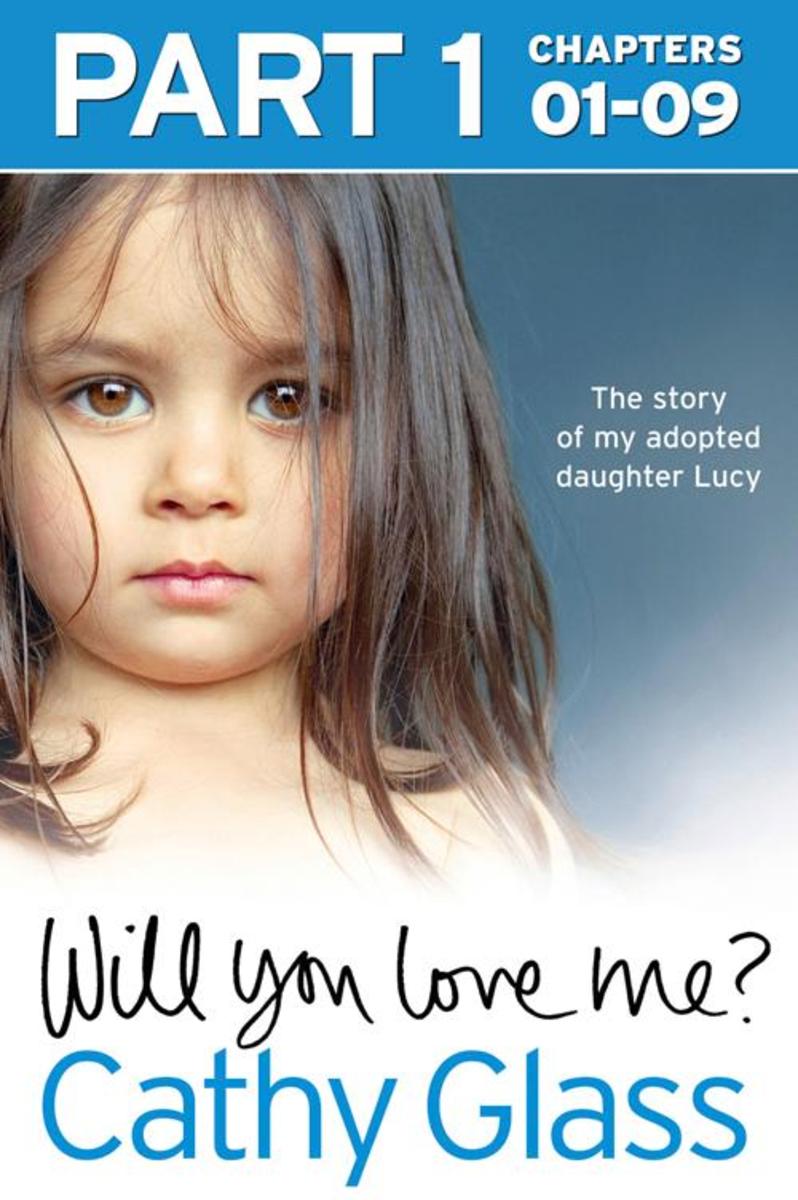
Will You Love Me?: The story of my adopted daughter Lucy: Part 1 of 3
¥12.85
Will You Love Me can either be read as a full-length eBook or in 3 serialised eBook-only parts. This is PART 1 of 3 (Chapters 1-9 of 27). You can read Part 1 two weeks ahead of release of the full-length eBook and paperback. The eleventh memoir and latest title from the internationally bestselling author and foster carer Cathy Glass. This book tells the true story of Cathy’s adopted daughter Lucy. Lucy was born to a single mother who had been abused and neglected for most of her own childhood. Right from the beginning Lucy’s mother couldn’t cope, but it wasn’t until Lucy reached eight years old that she was finally taken into permanent foster care. By the time Lucy is brought to live with Cathy she is eleven years old and severely distressed after being moved from one foster home to another. Withdrawn, refusing to eat and three years behind in her schooling, it is thought that the damage Lucy has suffered is irreversible. But Cathy and her two children bond with Lucy quickly, and break through to Lucy in a way no-one else has been able to, finally showing her the loving home she never believed existed. Cathy and Lucy believe they were always destined to be mother and daughter – it just took them a little while to find each other.
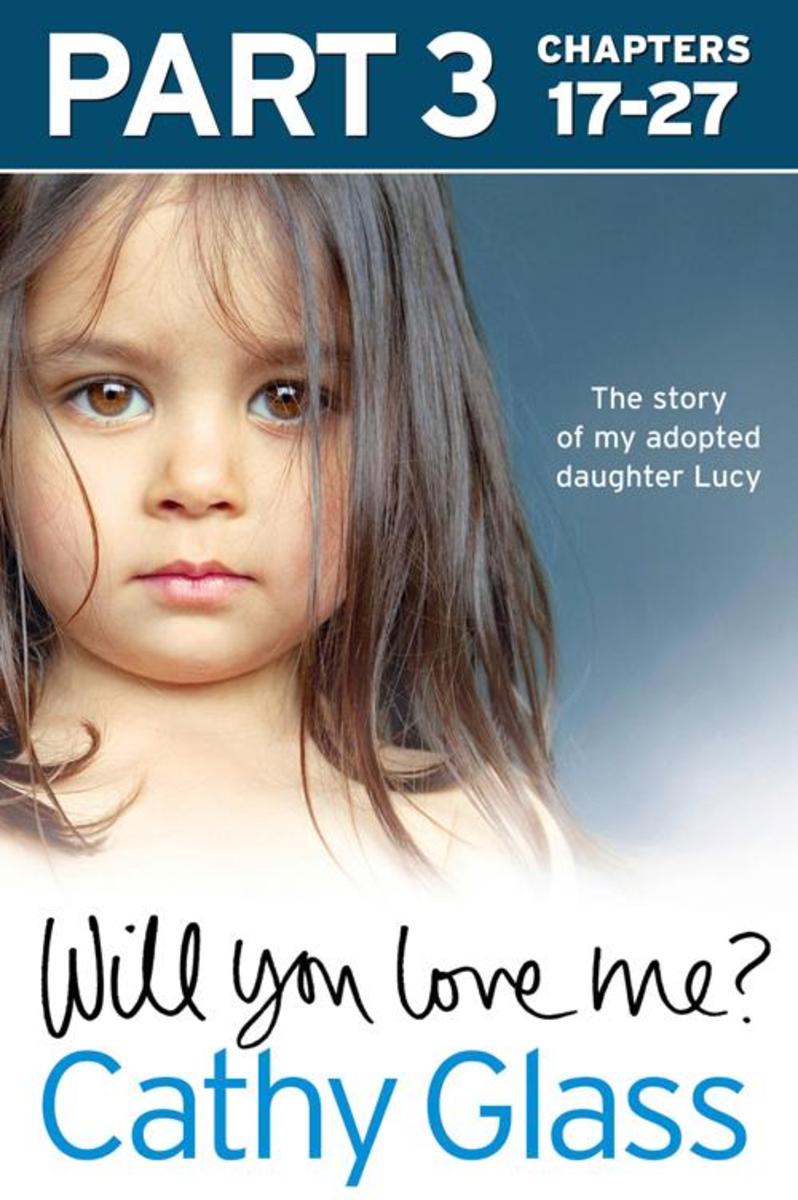
Will You Love Me?: The story of my adopted daughter Lucy: Part 3 of 3
¥47.48
Will You Love Me can either be read as a full-length eBook or in 3 serialised eBook-only parts. This is PART 3 of 3 (Chapters 17-27 of 27). You can read Part 3 on release of the full-length eBook and paperback. The eleventh memoir and latest title from the internationally bestselling author and foster carer Cathy Glass. This book tells the true story of Cathy’s adopted daughter Lucy. Lucy was born to a single mother who had been abused and neglected for most of her own childhood. Right from the beginning Lucy’s mother couldn’t cope, but it wasn’t until Lucy reached eight years old that she was finally taken into permanent foster care. By the time Lucy is brought to live with Cathy she is eleven years old and severely distressed after being moved from one foster home to another. Withdrawn, refusing to eat and three years behind in her schooling, it is thought that the damage Lucy has suffered is irreversible. But Cathy and her two children bond with Lucy quickly, and break through to Lucy in a way no-one else has been able to, finally showing her the loving home she never believed existed. Cathy and Lucy believe they were always destined to be mother and daughter – it just took them a little while to find each other.

The Military Wives: Wherever You Are – Claire’s Story
¥12.95
This is Claire’s story, one of four individual journeys taken from Wherever You Are by The Military Wives. Claire Balneaves never thought she’d end up as a military wife. But when she met a young medical assistant, Dave Balneaves, at a naval hospital, everything changed. Before long Claire and Dave had tied the knot and moved into married quarters – and Claire began to settle into the unique life of a military wife. Moving from house to house, from country to country, often solitary – in many ways Claire lived as a single mother. When family and medical difficulties cast a cloud over her personal life, Claire had no one to turn to. But from the moment she joined a nascent choir of military wives, that changed: wives with similar stories came together to sing, and there they found solace and strength. They found each other. Mere months later, the Military Wives choir would have met Gareth Malone, performed for the Queen, recorded a bestselling album and achieved a Christmas number 1. This is one woman’s true story of heartbreak and hope, and of how the choir changed the course of her life. Sales of this book will benefit the Military Wives Choirs Foundation, a network of choirs that reaches across the military community to provide support, guidance and funding for individual choirs, but first and foremost to bring women closer together through singing. The Foundation is a registered subsidiary charity of SSAFA Forces Help.
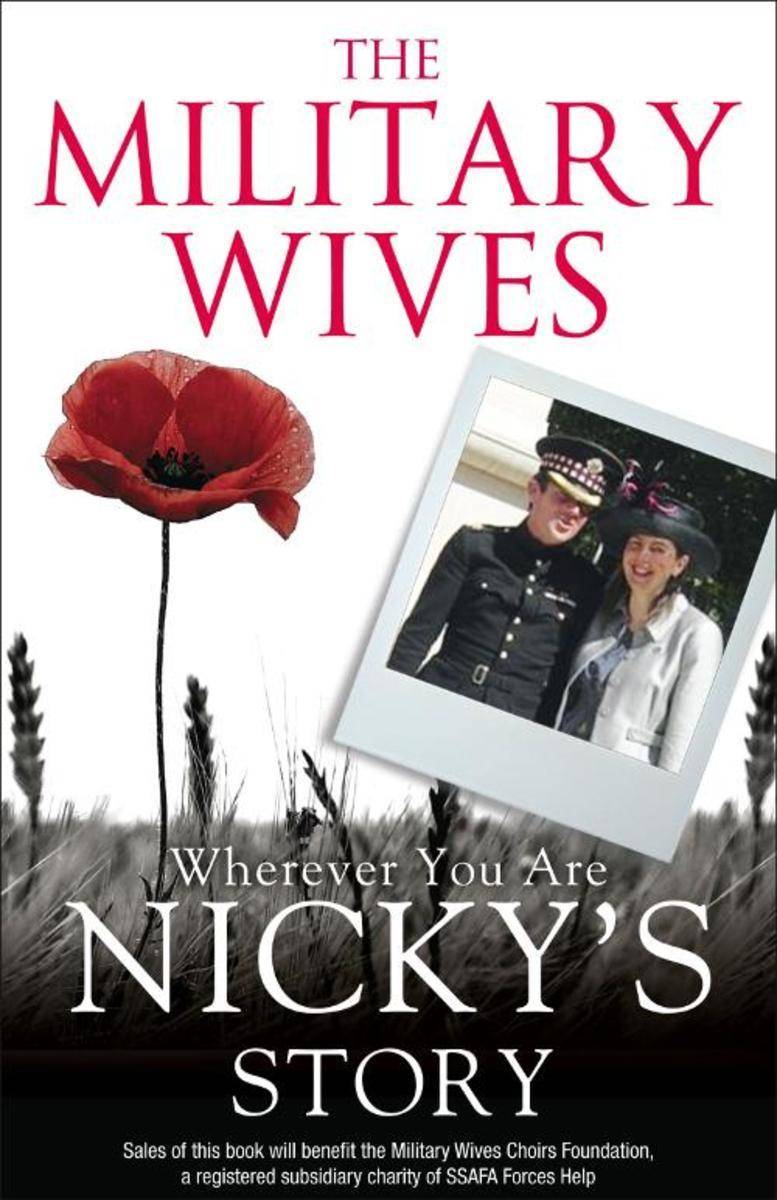
The Military Wives: Wherever You Are – Nicky’s Story
¥12.95
This is Nicky’s story, one of four individual journeys taken from Wherever You Are by The Military Wives. At 33, Nicky Clarke had stopped thinking she would ever fall in love. But they say when you stop looking, love happens – and that was the year she was swept off her feet by Hugo Clarke, a major in the Scots Guards. A year later Hugo and Nicky were married. But life in the military is never calm for long, and the next few years saw Hugo leave for Iraq and Afghanistan for months at a time. In married quarters Nicky met other military wives quickly, but forging friendships proved difficult: the occasional coffee morning just wasn’t enough. Nicky decided that this community needed to be brought together. With the help of a friend and a local choirmistress, Nicky set a time for the local wives to gather and sing. Before she knew it, a family was growing and a support network was formed. The first Military Wives choir was born. Mere months later, the choir would become a nationwide phenomenon. The Wives would go on to perform for the Queen, record a bestselling album and achieve a Christmas number 1. This is one woman’s true story of heartbreak and hope; of how singing changed the course of her life. Sales of this ebook will benefit the Military Wives Choirs Foundation, a network of choirs that reaches across the military community to provide support, guidance and funding for individual choirs, but first and foremost to bring women closer together through singing. The Foundation is a registered subsidiary charity of SSAFA Forces Help.


