


 购物车
购物车 个人中心
个人中心
The Little Prisoner: How a childhood was stolen and a trust betrayed
¥45.62
An inspirational true story of a 4 year old girl who fell into the power of a man whose evil knew no bounds. She encountered terrifying mental and physical torture from her psychopathic stepfather for a period of 17 years until she managed to break free, her spirit still unbroken Jane Elliott fell into the hands of her sadistic and brutal stepfather when she was 4 years old. Her story is both inspiring and horrifying. Kept a virtual prisoner in a fortress-like house and treated to daily and ritual abuse, Jane nonetheless managed to lose herself in a fantasy world which would keep her spirit alive. Equally as horrifying as the physical abuse Jane suffered, were the mental games her tormentor played – getting his kicks from seeing Jane humiliated, confused, crushed and defeated at every turn. Her family and neighbourhood were all terrified of Jane’s stepfather so no-one held out a rescuing hand. So Jane had to help herself. When she was 21 she ran away with her baby daughter and boyfriend to start a new life in hiding. Several years on she found the courage to go to the police. A court case followed where Jane bravely stood up against the unrepentant aggressor she so feared. He was jailed for 17 years. Jane’s family took his side.
Gilchrist on Blake: The Life of William Blake by Alexander Gilchrist
¥88.39
LIVES THAT NEVER GROW OLD Part of a radical new series – edited by Richard Holmes – that recovers the great classical tradition of English biography. Gilchrist’s ‘The Life of William Blake’ is a biographical masterpiece, still thrilling to read and vividly alive. This was the first biography of William Blake ever written, at a time when the great visionary poet and painter was generally forgotten, ridiculed or dismissed as insane. Wonderfully vivid and outspoken (one chapter is entitled ‘Mad or Not Mad’), it was based on revealing interviews with many of Blake’s surviving friends. Blake conversed with spirits, saw angels in trees, and sunbathed naked with his wife ‘like Adam and Eve’. Gilchrist adds detailed de*ions of Blake’s beliefs and working methods, an account of his trial for high treason and fascinating evocations of the places in London, Kent and Sussex where he lived. The book ultimately transformed and enhanced Blake’s reputation.
Peter Jackson: A Film-maker’s Journey
¥110.46
Authorised and fully illustrated insight into the life and career of the award-winning director, from his childhood film projects up to King Kong, together with Jackson's revealing personal account of his six-year quest to film The Lord of the Rings. Once, Peter Jackson was a name unknown to all but a small band of loyal fans and fellow film-makers. Now he is the newest member of Hollywood's elite fellowship, with his name on the most successful movie trilogy of all time. Written with Jackson's full participation, this extensive biography, illustrated with never-before-seen photos from Jackson's personal collection, tells the inside story of how a New Zealander became Hollywood's hottest property – from the early cult classics, through Academy Award?-winning success with Kate Winslet's Heavenly Creatures, the abandoned King Kong remake, and the filming of The Lord of the Rings, a project which was abandoned two years into pre-production, rejected by most of the other studios and then picked up by New Line Cinema in the biggest gamble in film history. Drawing upon interviews with fifty of Peter Jackson's colleagues and contemporaries, author Brian Sibley paints a portrait of a true auteur, a man gifted with single-minded determination and an artist's vision. Jackson himself is both revealing and insightful about his entire film-making life, from his first childhood steps filming in Super 8 to the grand realisation of his life’s dream: King Kong. Together, these joint narratives provide a truly unique and compelling insight into one of the finest cinematic minds at work today.

Wilfred Thesiger: The Life of the Great Explorer
¥80.25
Wilfred Thesiger, the last of the great gentlemen explorer-adventurers, became a legend in his own lifetime. This authorised biography by a longstanding friend and associate delves into his little-known character and motivations, as well as recounting the details of his extraordinary life. Wilfred Thesiger, the great explorer-adventurer and author of ‘Arabian Sands’ and ‘The Marsh Arabs’, and one work of autobiography ‘The Life of my Choice’, became a legend in his own lifetime, but his character and motivations have remained an intriguing enigma. In this authorised biography – written with Thesiger’s support before he died in 2003 and with unique access to the rich Thesiger archive – Alexander Maitland investigates this fascinating figure’s family influences, his wartime experiences, his philosophy as a hunter and conservationist, his writing and photography, his friendships with Arabs and Africans amongst whom he lived, and his now-acknowledged homosexuality.

The Herbalist: Nicholas Culpeper and the Fight for Medical Freedom
¥72.40
From the bestselling author of ‘The Queen’s Conjuror’, comes the story of Nicholas Culpeper – legendary rebel, radical, Puritan, and author of the great ‘Herbal’. This is a powerful history of medicine’s first freedom fighter set in London during Britain’s age of revolution. In the mid-17th century, England was visited by the four horsemen of the apocalypse: a civil war which saw levels of slaughter not matched until the Somme, famine in a succession of failed harvests that reduced peasants to 'anatomies', epidemics to rival the Black Death in their enormity, and infant mortality rates that left childless even women who had borne eight or nine children. In the midst of these terrible times came Nicholas Culpeper’s ‘Herbal’ – one of the most popular and enduring books ever published. Culpeper was a virtual outcast from birth. Rebelling against a tyrannical grandfather and the prospect of a life in the church, he abandoned his university education after a doomed attempt at elopement. Disinherited, he went to London, where he was to find his vocation in instigating revolution. London's medical regime was then in the grip of the College of Physicians, a powerful body personified in the ‘immortal’ William Harvey, anatomist, royal physician and discoverer of the circulation of the blood. Working in the underground world of religious sects, secret printing presses and unlicensed apothecary shops, Culpeper challenged this stronghold at the time it was reaching the very pinnacle of its power – and in the process helped spark the revolution that toppled a monarchy. In a spellbinding narrative of impulse, romance and heroism, Benjamin Woolley vividly recreates these momentous struggles and the roots of today's hopes and fears about the power of medical science, professional institutions and government. ‘The Herbalist’ tells the story of a medical rebel who took on the authorities and paid the price.
Scott of the Antarctic: A Life of Courage and Tragedy in the Extreme South
¥76.91
David Crane has given us a magisterial portrait of one of Britain’s greatest heroes and explorers, acclaimed as the ‘masterpiece’ on the subject. Reissued for the 100th anniversary of Scott’s doomed expedition. ‘It seems a pity, but I do not think I can write more…For God’s sake look after our people.’ These were the final words written in Scott’s diary on 29 March 1912, as he lay dying of exhaustion, starvation and extreme cold, in his tent on his return journey from the South Pole. Since then he has been the subject of many books. Yet in all the pages that have been written about him, the personality behind the legend has been forgotten or distorted beyond all recognition. David Crane’s magisterial biography redresses this completely. By reassessing Scott’s life and his substantial scientific achievements, Crane is able to provide a fresh and exciting perspective on both the Discovery expedition of 1901-4 and the Terra Nova expedition of 1910-12. The courage and tragedy of Scott’s last journey are only one part of the process, for the scientific enquiry that led up to it transformed the whole nature and ambition of Antarctic exploration. Written with the full support of Scott’s surviving relatives, and with access to the voluminous diaries and records of key participants, this definitive biography sets out to reconcile the very private struggles of the man with the very public life of extremes that he led.
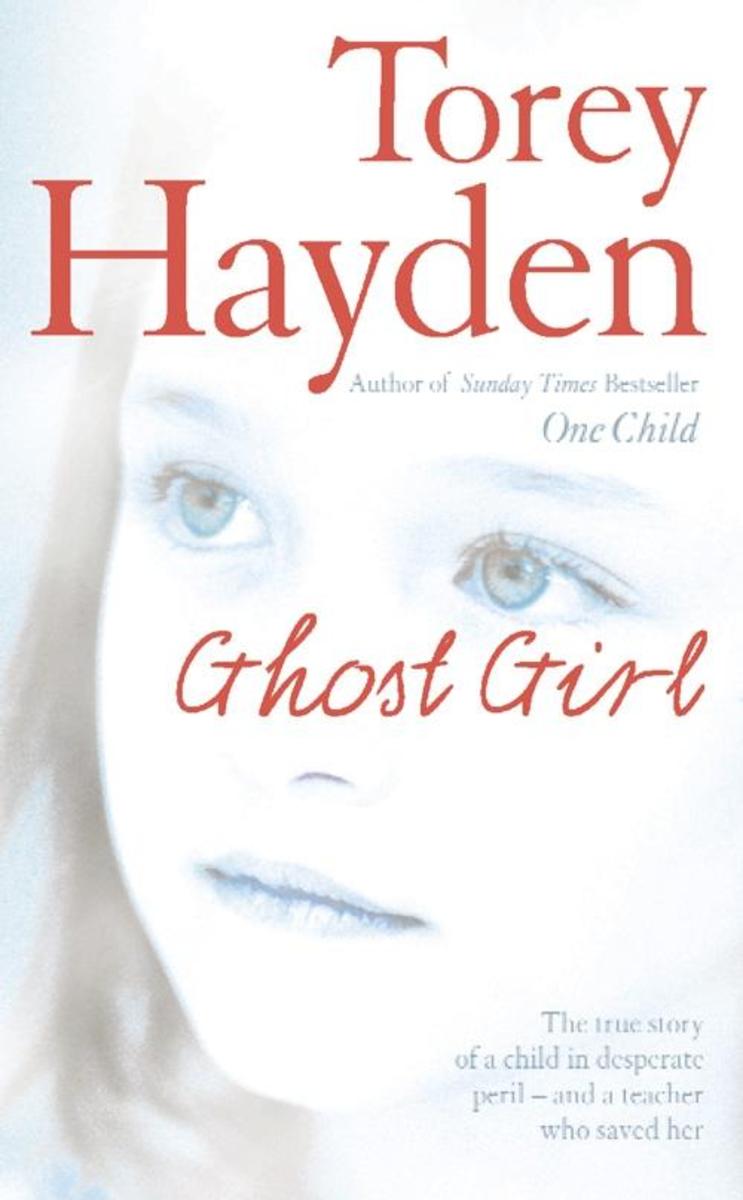
Ghost Girl: The true story of a child in desperate peril – and a teacher who sav
¥56.11
A stunning and poignant account of an extraordinary teacher's determination from the author of the #1 Sunday Times bestsellers The Tiger's Child and One Child. Jadie never spoke, never laughed, never cried. She spent every waking hour locked in her own private world of shadows. But nothing in Torey Hayden's experience had prepared her for the nightmare Jadie revealed to her when finally persuaded to break her self-imposed silence. It was a story too painful, too horrific for Hayden's professional colleagues to acknowledge. But Torey Hayden could not close her ears… or her heart. A little girl was trapped in a living hell of unspeakable memories. And it would take every ounce of courage, compassion, and love that one remarkable teacher possessed to rid the "Ghost Girl" of the malevolent spirits that haunted her.
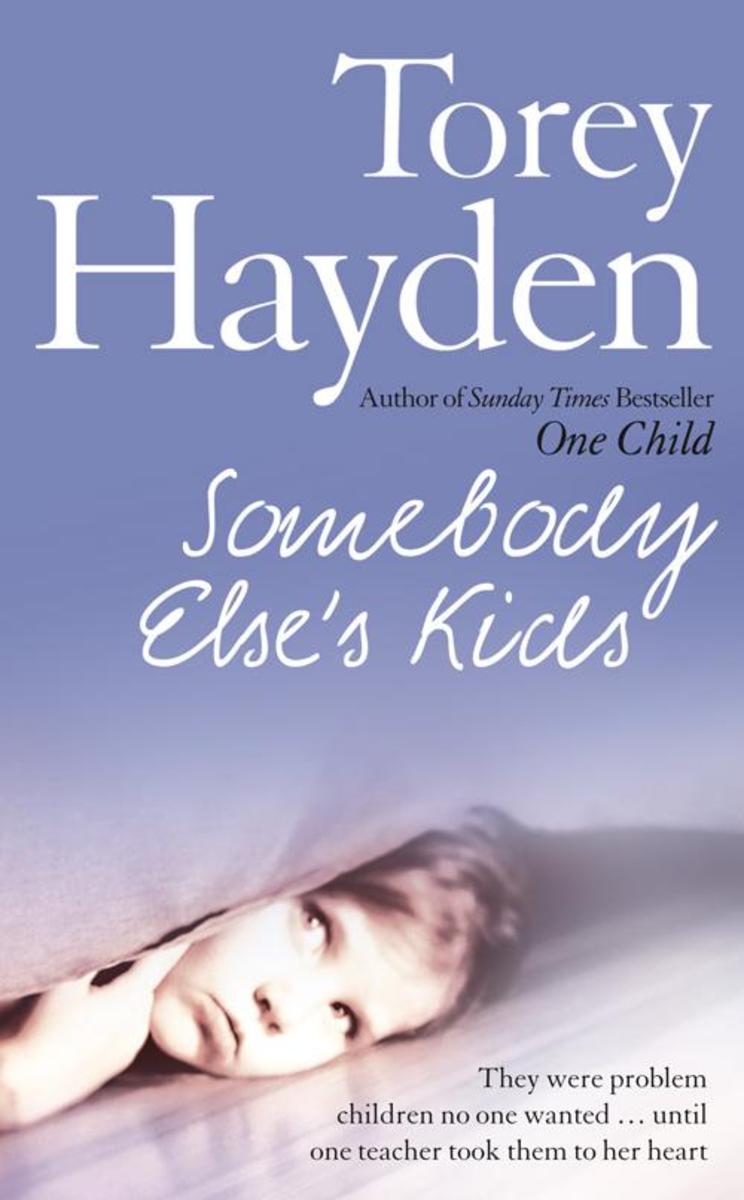
Somebody Else’s Kids
¥63.77
From the author of Sunday Times bestsellers One Child and Ghost Girl comes a heartbreaking story of one teacher's determination to turn a chaotic group of damaged children into a family. They were all just "somebody else's kids" – four problem children placed in Torey Hayden's class because nobody knew what else to do with them. They were a motley group of kids in great pain: a small boy who echoed other people's words and repeated weather forecast; a beautiful seven-year-old girl brain damaged by savage parental beatings; an angry ten-year-old who had watched his stepmother murder his father; a shy twelve-year-old who had been cast out of Catholic school when she became pregnant. But they shared one thing in common: a remarkable teacher who would never stop caring – and who would share with them the love and understanding they had never known to help them become a family.

Sir Alf
¥110.46
Since England's famous 1966 World Cup victory, Alf Ramsey has been regarded as the greatest of all British football managers. By placing Ramsey in an historical context, award-winning author Leo McKinstry provides a thought-provoking insight into the world of professional football and the fabric of British society over the span of his life. Ramsey's life is a romantic story of heroism. Often derided by lesser men, he overcame the prejudice against his social background to reach the summit of world football. The son of a council dustman from Essex, Ramsey had been through a tough upbringing. After army service during the war, he became a professional footballer, enjoying a successful career with Southampton and Tottenham and winning 32 England caps. But it was as manager of Ipswich Town, and then the architect for England's 1966 World Cup triumph, that Ramsey will be most remembered. The tragedy was that his battles with the FA would ultimately lead to his downfall. He was sacked after England failed to qualify for the 1974 World Cup and was subsequently ostracised by the football establishment. He died a broken man in 1999 in the same modest Ipswich semi he'd lived in for most of his life. Drawing on extensive interviews with his closest friends and colleagues in the game, author Leo McKinstry will help unravel the true character of this fascinating and often complex football legend.

The Devious Book for Cats: Cats have nine lives. Shouldn’t they be lived to the
¥56.11
Cats once were proud, shrewd, independent animals who lived life on our own terms. But then came a life of domestication, comfort and free health care. And now cats are in danger of losing our sense of adventure completely. Fluffy and Bonkers say it's time to fight back and regain control of your rightful place as ruler of the roost once again. Cats once ruled the alleys, galleys and the valleys. Rodents trembled in fear. Birds steered clear. Cats took chances. Some lived fast and died young… We were on the prowl. But then came a life of domestication that was simply too good to pass up. Humans gave us everything we desired, from ear massages and shelter from the rain to cuddle sessions and free health care. In return, they were permitted to bask in the majesty of our presence. It seemed like a fair trade. Or was it? Has domesticity really been good for cats? What has become of our sense of adventure, our sense of independence? Did you know that because of boredom and indolence, the average feline today uses up a mere 2-3 of its 9 lives? Fluffy and Bonkers think its time to get out of the comfortable back seat of life and regain control of your destiny. They created this manual to teach discerning cats how to wake up a human when they want to get fed, how to stare like a pro, how to carry yourself in a catfight and - most importantly - how to get away with practically anything. With The Devious Book for Cats you can return to the noble creature you once were and assume your rightful place as the ruler of your household once again.
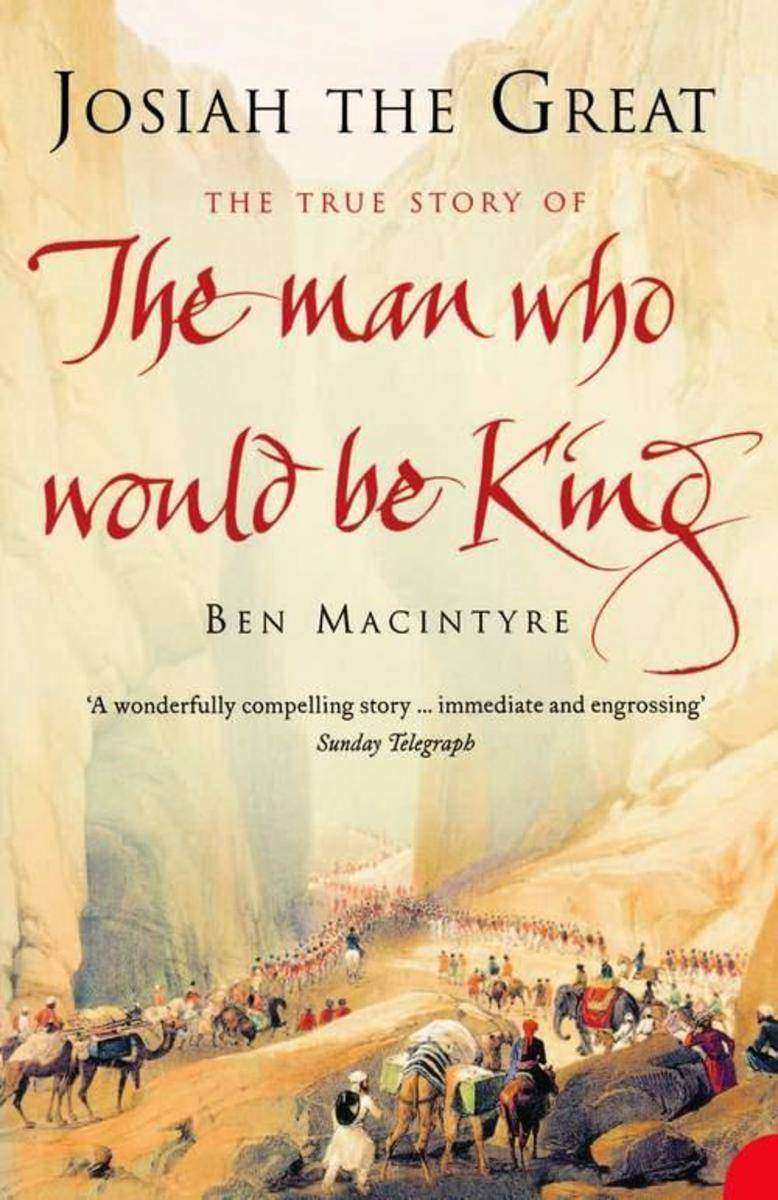
Josiah the Great: The True Story of The Man Who Would Be King
¥68.67
The amazing tale of a resourceful and unscrupulous early-19th-century American adventurer who forges his own kingdom in the wilds of Afghanistan. In the year 1838, a young adventurer, surrounded by his native troops and mounted on an elephant, raised the American flag on the summit of the Hindu Kush and declared himself Prince of Ghor, the heir to Alexander the Great. Josiah Harlan, the first American to set foot in Afghanistan, would become the model for Kipling’s ‘The Man Who Would be King’, but the true story of his life is stranger than fiction. A soldier, spy, doctor, naturalist and writer, Harlan set off into the wilds of Central Asia after a failed love affair in 1820. Following a brief stint as a surgeon in the East India Company’s army, he joined the court of the deposed Afghan monarch Shah Shujah, and then slipped into Kabul disguised as a Muslim priest to foment rebellion. For the next two decades he would play a pivotal role in the bloody politics of the region. Using a trove of newly discovered documents, including Harlan’s long-lost journals, Ben Macintyre has followed Harlan’s footsteps to uncover an astonishing, untold chapter in the history of the Great Game. If you enjoyed William Dalrymple’s ‘Return of a King’, ‘Josiah the Great’ should be on your reading list.

Secretariat
¥45.62
The remarkable true story of ‘Big Red,’ one of America’s finest racehorses. When her beloved Meadow Stables is faced with closure following her father’s illness, housewife and mother Penny Chenery agrees to take over. Despite her lack of horse-racing knowledge she calls in assistance from trainer Lucien Laurin and a host of successful jockeys. Pitted against the Phipps’ racing dynasty, Penny takes the decision to breed her mare Somethingroyal to the Phipps’ Bold Ruler, the nation’s favourite stallion. With the toss of a coin it is agreed that one family will take Somethingroyal’s first foal with the losing stable taking the colt out of Hasty Matelda and Somethingroyal’s second foal. Penny loses the toss, but the wait for the unborn foal proves fortuitous when a bright red chestnut colt is born, Secretariat. Nicknamed “Big Red,” with Laurin’s guidance, Penny manages to navigate the male-dominated business of horse racing, ultimately fostering the first Triple Crown winner in 25 years and what may be the greatest racehorse of all time. Now, more than 30 years after its initial publication, the story of "Big Red" continues to be a classic. Secretariat is the tale of a great racehorse but also a testimony to the dedication of Penny Chenery. Following her triumph with Secretariat she was elected as the first female member of The Jockey Club, changing the face of American horse racing forever.
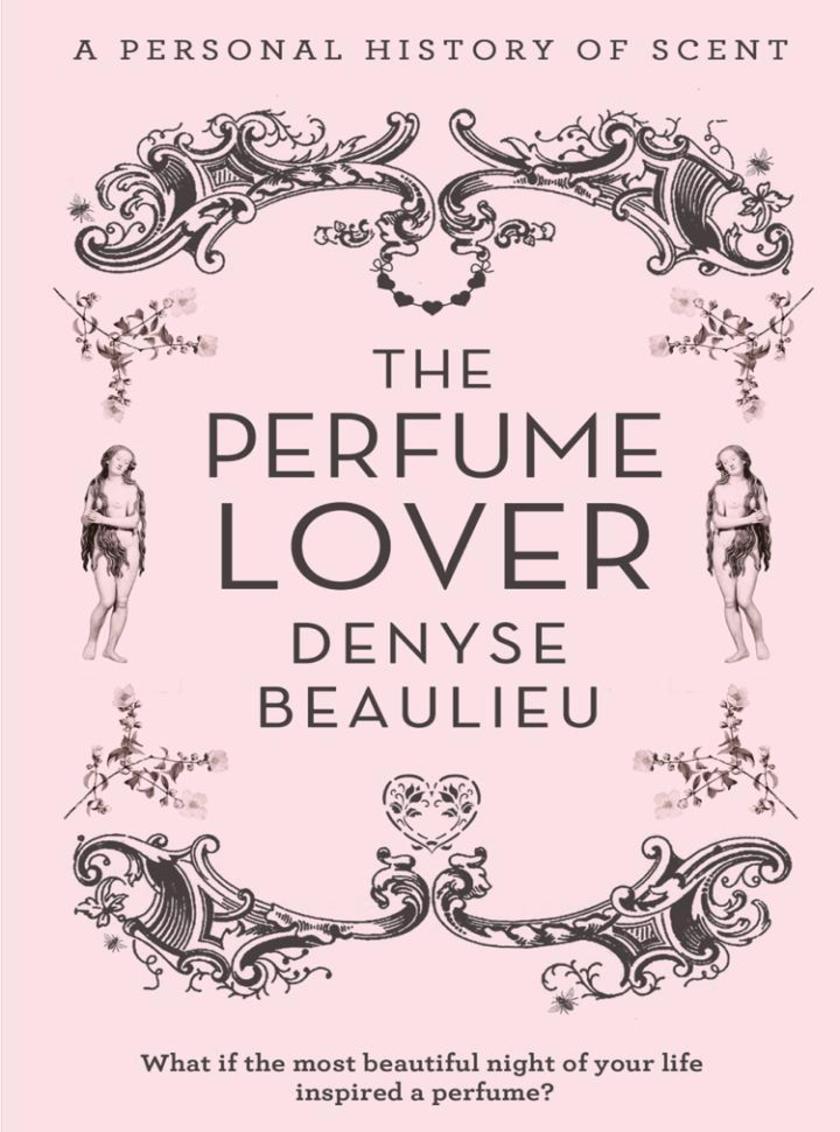
The Perfume Lover: A Personal Story of Scent
¥66.22
‘Why couldn’t I be a perfumer’s muse? I’ve come such a long way in the realm of scent. In fact, I was never really meant to poke my nose into it …’ The Perfume Lover by Denyse Beaulieu is an intimate journey into the mystery of scent. What if the most beautiful night in your life inspired a fragrance? Denyse Beaulieu is a respected fragrance writer; it is her world, her love, her life. When she was growing up, perfume was forbidden in her house, spurring a childhood curiosity that went on to become an intellectual and sensual passion. It is this passion she pursued all the way to Paris, where she now lives, and entered the secretive world of the perfume industry. But little did she know that it would lead her to achieve a fragrance lover’s wildest dream … When Denyse tells a famous perfumer of a sensual night spent in Seville under an orange tree in full blossom, wrapped in the arms of a beautiful young man, the story stirs his imagination and together they create a scent that captures the essence of that night. This is the story of that perfume. As the unique creative collaboration unfolds, the perfume-in-progress conjures intimate memories, leading Beaulieu to make sense of her life through scents. Throughout, she weaves the evocative history of perfumery into her personal journey, in an intensely passionate voice: the masters and the masterpieces; the myths and the myth-busting, down to the molecular mysteries that weld our flesh to flowers… The Perfume Lover is an unprecedented account of the creative process that goes into composing a fragrance, and a uniquely candid insider’s view into the world and history of fragrance. Your world will never smell the same.
The Thing is…
¥61.51
Described as the Irish John Peel, Dave Fanning has been a major player in the Irish and global music scene for over 30 years. In this compelling memoir, RTE Radio 2 DJ Dave Fanning will give the behind-the-scenes story of all the international musicians he has met, including The Rolling Stones, The Beatles, David Bowie, The Who and many, many more. Dave's story starts in the 60s, when he discovered his love for Bob Dylan, Joni Mitchell, Leonard Cohen and of course, The Beatles through the family sub*ion to the NME. This was to be his first glimpse of a world he would soon become an important part of. Graduating from pirate radio and a stint as Editor of Scene magazine, Dave joined RTE radio 2 when it launched in 1973, and quickly became the voice of a generation. Billboard magazine hailed him as the man solely responsible for the growth of Ireland's music industry. Renowned for supporting young, new Irish talent, Dave Fanning will detail the unique story of his role in the launch of U2 and his ongoing friendship with the band, delving into their humble beginnings and rise to fame. Including never-before-seen photographs and images from Dave's huge personal collection, this is an absolute must-have for any music fan and will be a significant contribution to the history of music.

The Puppy Listener
¥73.58
An indispensible guide to raising your new puppy from the author of The Dog Listener. From teething to training, this book follows the development of your puppy from new pet to best friend. In The Puppy Listener Jan Fennell presents a simple-to-follow yet detailed handbook for puppy owners. Whether this is your first pup or you are a seasoned dog-owner, the hints and tips in this concise guide are valuable and well informed. This handy guide follows the life of your puppy from weaning to walking. Jan Fennell covers every aspect of caring for your new best friend – from introducing a puppy into its new home and handling it in public, to dealing with behavioural problems. With detailed sections on everything from exercise to diet, there are problem-solving guides dealing with worries such as biting or anxiety. Once again Jan illustrates her points with entertaining and inspiring real-life cases from her own work with damaged and delinquent dogs. Her love of animals is contagious and she inspires owners to persevere with their pups and show them who is boss. The book contains photographs and plate sections which accompany the text.
My Life As a Medium
¥73.58
The inside story of the ‘reluctant medium’, finally available in a mass-market A-format edition Betty Shine was originally an opera singer, but studied all forms of alternative healing, becoming a vitamin and mineral therapist. Guided by spirit voices from the age of two, she became a world-famous medium. This is the story of how she became the best known medium and healer in the UK. Through her books, tapes and absent healing service, she is in touch with thousands of people worldwide. The hardback publication of her book produced a tremendous response from both the media and the general public and this A-format edition will bring her story to an even wider audience.
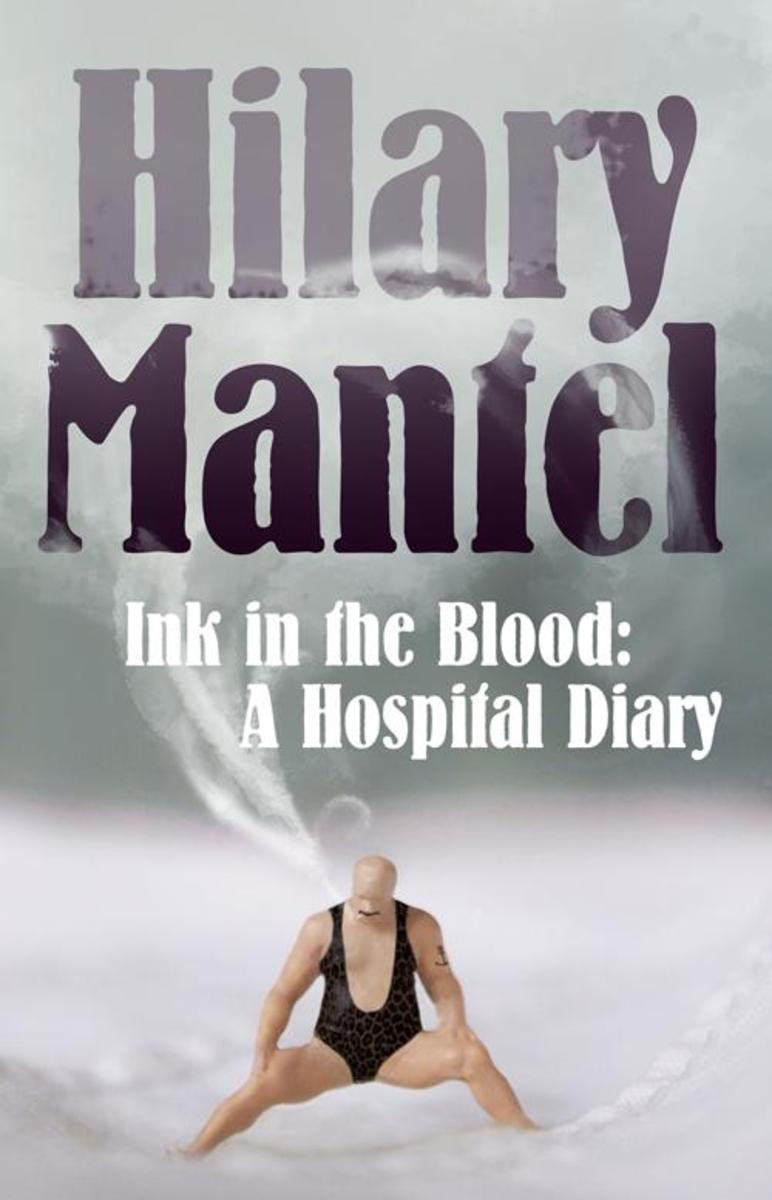
Ink in the Blood: A Hospital Diary
¥19.13
Just after ‘Bring Up the Bodies’ author Hilary Mantel won the Man Booker for ‘Wolf Hall’, she fell gravely ill. This is her remarkable hospital diary. Originally published in the London Review of Books, this diary by the acclaimed author Hilary Mantel explores in forensic detail her loss of dignity, her determination, the concentration of the senses into an animalistic struggle to get through, and the attendant hallucinations she was plagued by during her stay in hospital. With her health now improved, and the acknowledgement of the Man Booker prize-winning follow-up to ‘Wolf Hall’, ‘Bring Up the Bodies’ as one of our greatest works of fiction, ‘Ink in the Blood’ remains a significant testament to the traumas of illness, and one of the most incredible and haunting essays published in a very long time.
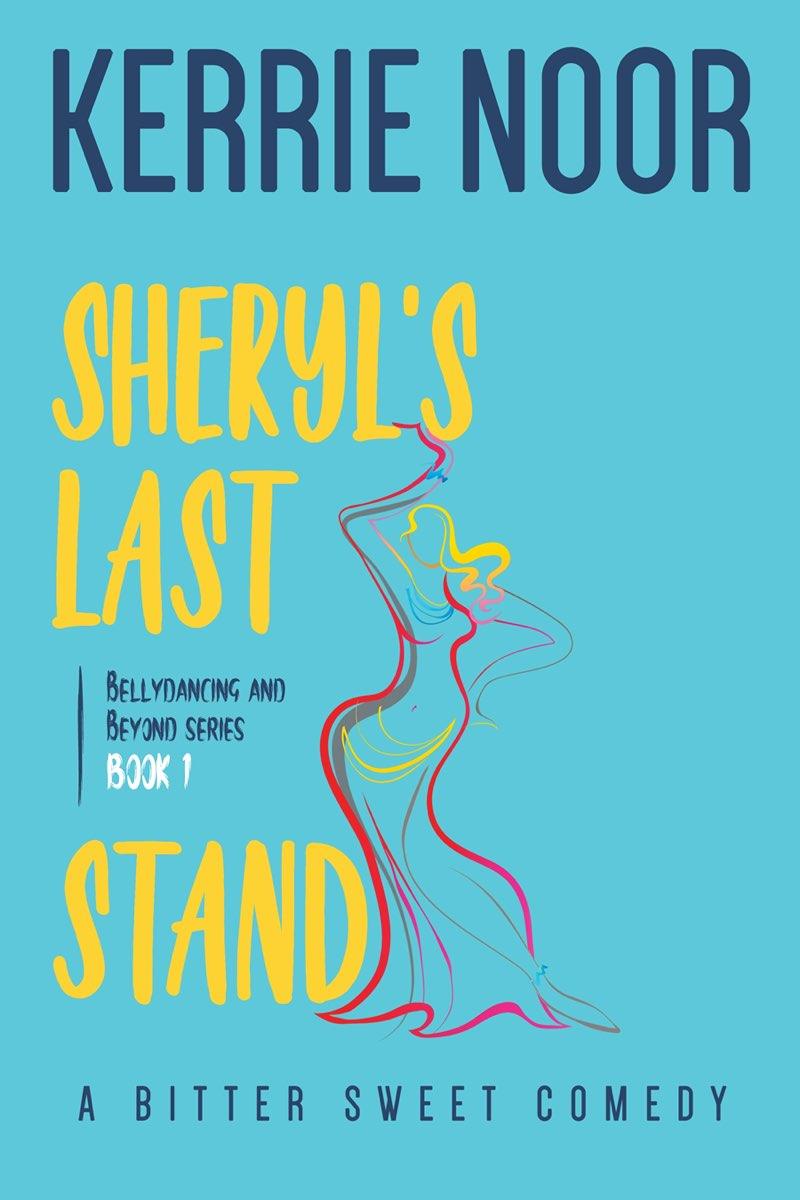
Sheryl's Last Stand: Bitter Sweet Comedy
¥26.07
Thirty Shades of Red Sheryl has lost her mojo Sheryl has seen better days, and now, on the wrong side of thirty-five she has lost it all and must start again. Not alone; but under the watchful eye of her mother. A woman with as much sensitivity as a comedian at a hen do.? Where does she start? With a newly discovered passion for belly dancing, Sheryl sets out to chase her fantasies. But, with a teacher like Nefertiti, and mother like Beatrice chasing your fantasies is easier said than done… Sheryl’s Last Stand is a Bridget Jones type comedy with a heroine we can all relate to and a great read if you’re having one of those "stick your head in the sand-I don’t want to get out of bed" days. Sheryl makes you laugh, cry but most of all not give up. She is the first in the Belly Dancing and Beyond series- laugh out loud stories about a group of women who have at one time or another danced with the great Nefertiti.? Each book is a stand-alone tale jam packed with familiar characters you will grow to love, maybe hate but will definitely want to read about again.? ?

Grey Squirrels London
¥17.35
Born under mysterious circumstances, Grey, Pocket, Roots, Dew, Nuts, and Titch are not your ordinary squirrels. Using a tourist map and led by the charismatic Grey, the teenage squirrels embark on a breathtakingly hilarious adventure as they make their way from London’s Greenwich Park to Hyde Park to meet the Wise Owl.But the squirrels are not alone. As time ticks and darkness beckons, they are being stalked by the dangerous Rat King and his vicious sewer army.What is the secret of their origins? What did the Wise Owl tell them? And, most importantly, will they make it back to Greenwich Park in time to save their families?
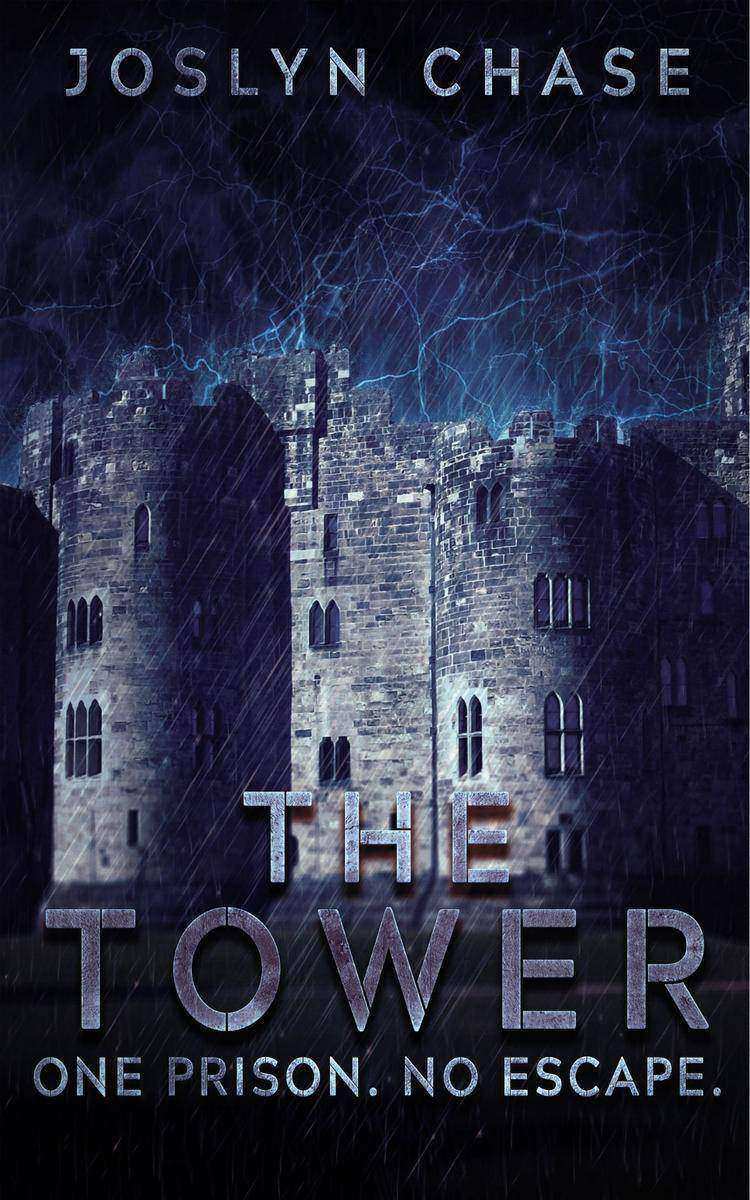
The Tower: One prison. No escape.
¥26.07
In the uneasy aftermath of WWII in Bavaria, Laura Schreiner must choose whether to help her father nurse an American GI back to health.The decision she makes changes the course of her life, drawing her into a web of evil spun by a man who learned from the masters.In the face of his cruel obsession, can she free herself from the entanglement of the tower and embrace a life of love and freedom? If you love suspense steeped in romance, you’ll revel in The Tower. Get your copy today!"Superb with beautiful imagery, and so much tension it hurt to swallow." ~ MC Dalton, author of Epona and Iron Heart"In the movie Field of Dreams, there is a now famous line, “If you build it, they will come."?Apply this sentiment to Joslyn Chase--if she writes it, we will come and read it.? A marvelous journey." ~ William DeProspo, author of Unlikely Outcome"The flow of her writing is a delight to me, elegant and soothing, woven like fine linen." ~ Margherita Crystal Lotus, author of The Color Game

MR. ROBOT: Red Wheelbarrow - (eps1.91_redwheelbarr0w.txt)
¥211.41
The only tie-in book for USA's award-winning series MR. ROBOT, Elliot's journalRed Wheelbarrowis written by show creator Sam Esmail and show writer Courtney Looney. Before and during the events of season two, Elliot recorded his most private thoughts in this journaland now you can hold this piece of the series in your hands. Experience Elliot's battles to gain control of his life and his struggles to survive increasingly dangerous circumstances, in a brand-new story rendered in his own words. The notebook also holds seven removable artifactsa ripped-out page, a newspaper clipping, a mysterious envelope, and morealong with sketches throughout the book. You'll discover the story behind MR. ROBOT season two and hints of what is to come. This book is the ultimate journey into the world of the showand a key to hacking the mind of its main character. MR. ROBOT is a psychological thriller that follows Elliot (Rami Malek, The Pacific), a young programmer, who works as a cyber-security engineer by day and as a vigilante hacker by night. Elliot finds himself at a crossroads when the mysterious leader (Christian Slater, Adderall Diaries) of an underground hacker group recruits him to destroy the firm he is paid to protect.Praise for MR. ROBOT: ';Relentless, sensational, and unabashedly suspenseful' TheNew York Times ';. . . most narratively and visually daring drama series on television . . .' Entertainment Weekly ';Terrific' The New Yorker ';Sam Esmail is one of the most innovative creators to make his mark on television in a long time.' Rolling Stone ';A modern classic' Forbes ';MR. ROBOT has the potential to be one of the defining shows of our age.' TIME ';Brilliant' The Huffington Post Golden Globe Awards for Best Television Series, Drama, and Best Performance by an Actor in a Supporting Role in a Series, Mini-Series or Motion Picture Made for Television (Christian Slater) Critics' Choice(R) Awards for Best Drama Series, Best Actor in a Drama Series (Rami Malek), and Best Supporting Actor in a Drama Series (Christian Slater) Emmy Award(R) for Outstanding Lead Actor in a Drama Series (Rami Malek) Five Emmy(R) nominations, including for Outstanding Drama Series


