


 购物车
 个人中心

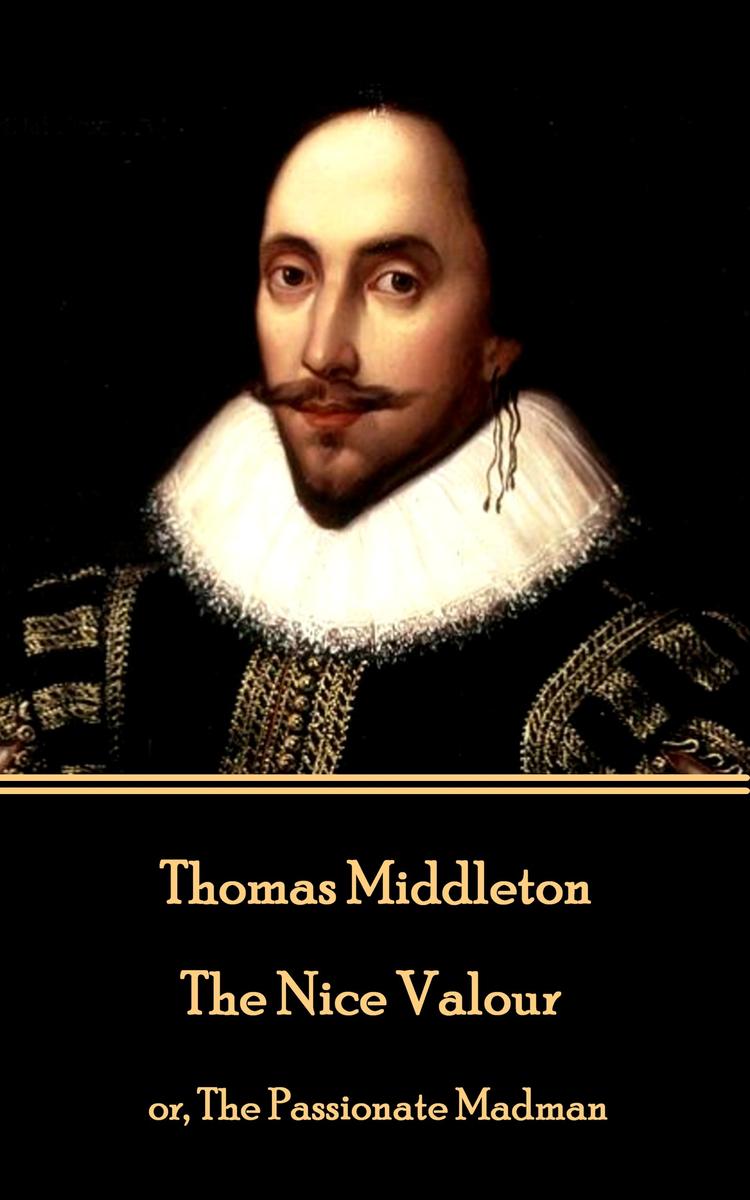
Nice Valour - or, The Passionate Madman
¥23.45
Thomas Middleton was born in London in April 1580 and baptised on 18th April. Middleton was aged only five when his father died. His mother remarried but this unfortunately fell apart into a fifteen year legal dispute regarding the inheritance due Thomas and his younger sister. By the time he left Oxford, at the turn of the Century, Middleton had and published Microcynicon: Six Snarling Satirese which was denounced by the Archbishop of Canterbury and publicly burned. In the early years of the 17th century, Middleton wrote topical pamphlets. One - Penniless Parliament of Threadbare Poets was reprinted several times and the subject of a parliamentary inquiry. These early years writing plays continued to attract controversy. His writing partnership with Thomas Dekker brought him into conflict with Ben Jonson and George Chapman in the so-called War of the Theatres. His finest work with Dekker was undoubtedly The Roaring Girl, a biography of the notorious Mary Frith. In the 1610s, Middleton began another playwriting partnership, this time with the actor William Rowley, producing another slew of plays including Wit at Several Weapons and A Fair Quarrel. The ever adaptable Middleton seemed at ease working with others or by himself. His solo writing credits include the comic masterpiece, A Chaste Maid in Cheapside, in 1613. In 1620 he was officially appointed as chronologer of the City of London, a post he held until his death. The 1620s saw the production of his and Rowley's tragedy, and continual favourite, The Changeling, and of several other tragicomedies. However in 1624, he reached a peak of notoriety when his dramatic allegory A Game at Chess was staged by the King's Men. Though Middleton's approach was strongly patriotic, the Privy Council silenced the play after only nine performances at the Globe theatre, having received a complaint from the Spanish ambassador. What happened next is a mystery. It is the last play recorded as having being written by Middleton. Thomas Middleton died at his home at Newington Butts in Southwark in the summer of 1627, and was buried on July 4th, in St Mary's churchyard which today survives as a public park in Elephant and Castle.
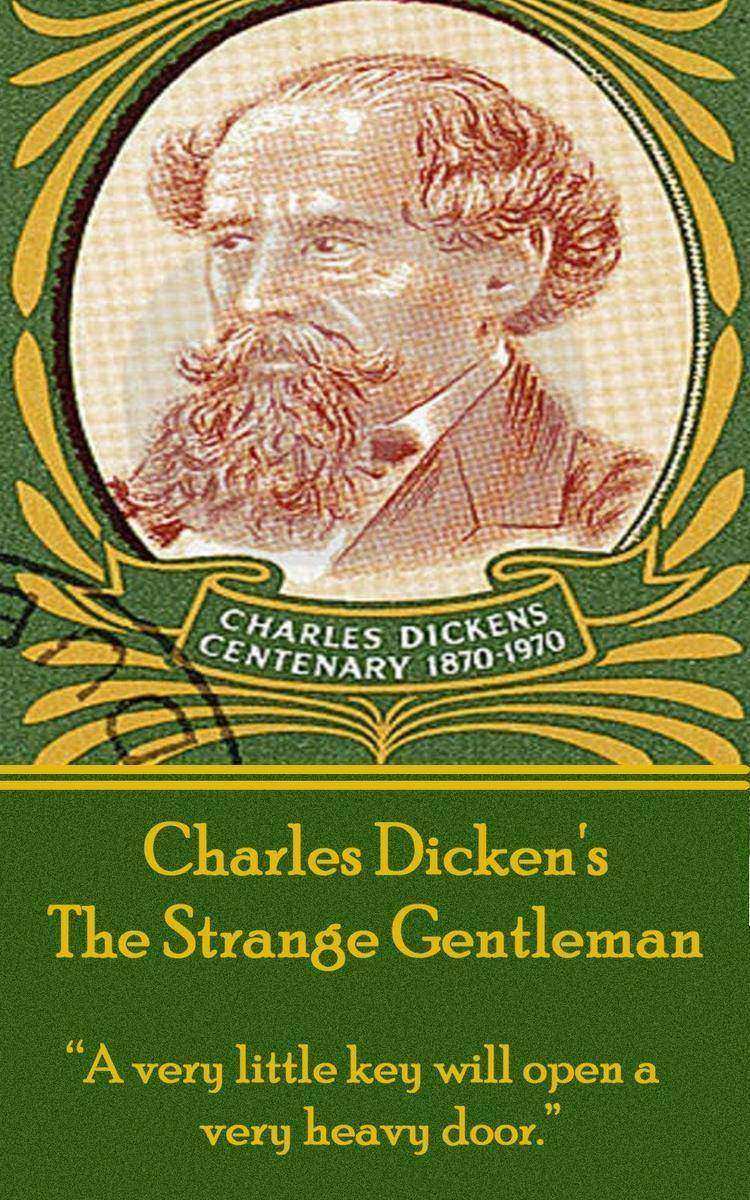
Strange Gentleman - A very little key will open a very heavy door.
¥29.33
Charles Dickens (1812-1870) is regarded by many readers and literary critics to be THE major English novelist of the Victorian Age. He is remembered today as the author of a series of weighty novels which have been translated into many languages and promoted to the rank of World Classics. The latter include, but are not limited to, The Adventures of Oliver Twist, A Tale of Two Cities, David Copperfield, A Christmas Carol, Hard Times, Great Expectations and The Old Curiosity Shop. His talents extended to many other forms including short stories, poetry, letters and his serial magazines. Of course being such a talent he also wrote plays. We are very pleased to present his first of four plays first performed at St. James's Theatre, September 29, 1836: The Strange Gentleman
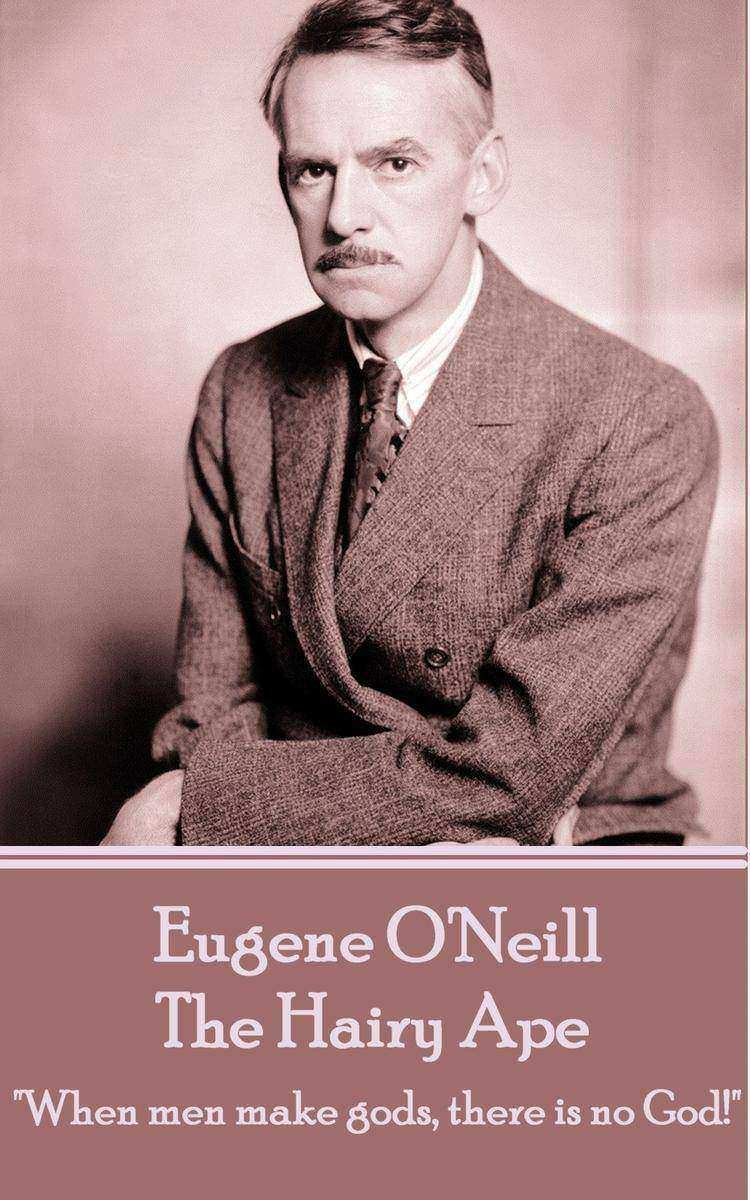
Hairy Ape - When men make gods, there is no God!
¥23.45
Eugene Gladstone O'Neill was born on October 16, 1888 in a hotel bedroom in what is now Times Square, New York. Much of his childhood was spent in the comfort of books at boarding schools whilst his actor father was on the road and his Mother contended with her own demons. He spent only a year at University - Princeton - and various reasons have been given for his departure. However whatever his background and education denied or added to his development it is agreed amongst all that he was a playwright of the first rank and possibly America's greatest. His introduction of realism into American drama was instrumental in its development and paved a path for many talents thereafter. Of course his winning of both the Pulitzer Prize (4 times) and the Nobel Prize are indicative of his status. His more famous and later works do side with the disillusionment and personal tragedy of those on the fringes of society but continue to build upon ideas and structures he incorporated in his early one act plays. Eugene O'Neill suffered from various health problems, mainly depression and alcoholism. In the last decade he also faced a Parkinson's like tremor in his hands which made writing increasingly difficult. But out of such difficulties came plays of the calibre of The Iceman Cometh, Long Day's Journey Into Night, and A Moon for the Misbegotten. Eugene O'Neill died in Room 401 of the Sheraton Hotel on Bay State Road in Boston, on November 27, 1953, at the age of 65. As he was dying, he whispered his last words: "e;I knew it. I knew it. Born in a hotel room and died in a hotel room."e;
101 Amazing Facts about Jack the Ripper
¥19.52
It is 1888 and the foggy streets of Whitechapel, one of the poorest areas of Victorian London, are gripped by fear. Five women thought have been murdered by the same hand, all but one of their corpses terrifyingly mutilated. But who were these women? And who could the murderer be? This fascinating book contains over one hundred facts about the awful crimes of the serial killer we all know as Jack the Ripper. Organised into sections covering each individual victim, clues to the Ripper's identity, possible suspects and more, this is an excellent addition to any classic crime fan's bookshelf.

Lives of the Necromancers
¥19.52
Throughout history people have claimed, or have been claimed, to have magical powers through contacting dead spirits. This is a fascinating look at some of those people, from ancient times to the modern age.

10 Gymnastics Lesson Plans for 5-7 Year Olds
¥29.33
These ten gymnastic lessons are designed to motivate children to develop their fundamental movement skills. They will help them to develop positive attitudes that enable them to become more confident and competent in their agility, balance and co-ordination while working alone or with others. Each lesson includes lesson objectives, a list of resources, a warm-up activity, an introductory floor work activity, suggestions for activities using apparatus and a cool-down activity. There are also ideas for extension activities, assessment cues and ICT opportunities with web links where appropriate.
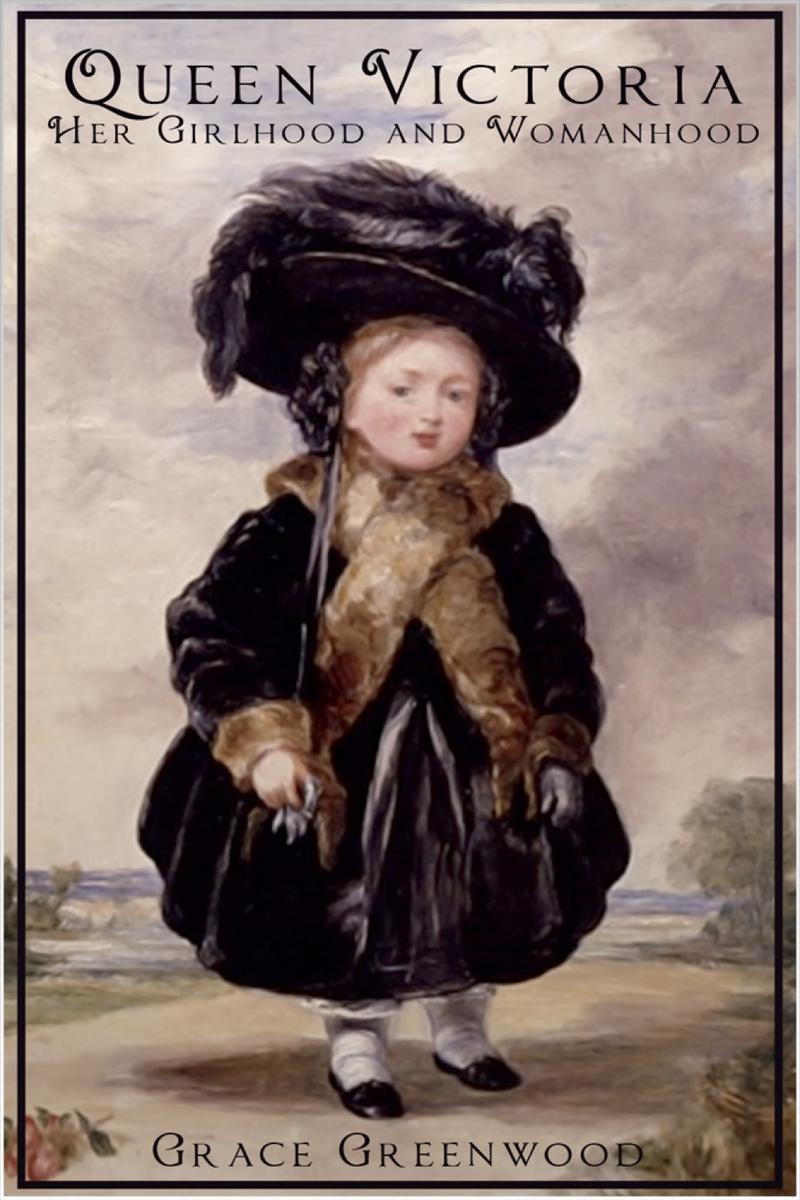
Queen Victoria - Her Girlhood and Womanhood
¥19.52
A fascinating biography of the great Queen Victoria by American author, poet and lecturer Sara Jane Lippincott, better known by her pen-name of Grace Greenwood.
Gaming Table
¥19.52
A fascinating look at the history of gambling and gaming, stretching from the modern age right back to the ancient world.
Carrying the Vision
¥29.33
Using a trajectory of 20th century Anglican approaches to mission in rural Africa, the book tells the story of the development of an educational institution by tracing the faith journey of Eelin Beardall, a woman who dedicated thirty years of her life to the people of Nyamandlovu in Matabeleland region in Zimbabwe. Eelin and her husband Frank played a pioneering role in the development of Nyamandlovu's first secondary school. One of her greatest contributions to humanity was to carry out a vision for education both in the days of guerrilla warfare and in the context of post-independence troubles in rural Matabeleland. Eelin's bravery, resilience and care for African children earned her long-lasting love and respect among educationists and ordinary people alike. Her legacy continues today as an inspiration to those whose lives are dedicated to the service and welfare of others.
Devil Couldn't Break Me
¥39.14
Laura was just eighteen years of age when she fled her family home on the Serbian Kosovo border at the height of the former Yugoslavian conflict. Her father felt she would be safer in Kosovo, free from the rape camps, massacres and ethnic cleansing that took place on their doorstep, the streets of the capital patrolled by US peacekeeping forces. Reluctantly she made the long journey through the mountains and eventually arrived in Pristina. Neither Laura or her father were aware she had entered a city one US delegate described, "e;as one vast crime scene."e; She had no idea what terrors lay ahead, as she crossed the path of 'The Chief', a self professed freedom fighter in the Kosovan Liberation Army. On the face of it The Chief' claimed to be fighting a noble cause. Behind closed doors he was the mastermind of a huge operation dealing in organ harvesting, people trafficking and prostitution and his evil gang raped tortured and killed at will. Laura had stumbled through the gates of hell. Follow her quite unbelievable true story of kidnap, murder, brutality and abuse set against the backdrop of one of Europe's most recent and bloody conflicts and how she encountered some of the most evil men on the planet.This is Laura's story of courage and hope and how some of the most evil men on the planet did not break her spirit.

St James in the Bush
¥39.14
Promoting positive community was something that just came naturally to Francis Boatwright, a pioneer educationalist who worked for many years in Mozambique. His great passion was helping others reach their potential and was also good at bringing healing to people, so they could know themselves as whole persons capable of contributing to human flourishing. Boatwright moved to Zimbabwe, a country of natural beauty, in the middle of the twentieth century with his wife Monica who had an excellent command of the Nguni languages. As they had no house at first, the Boatwrights camped out. But the bush was very thick. It wasn't long before they started getting visits from wild animals and snakes of all kinds...

Blood of Kings
¥68.57
A reflection on life, The Blood of Kings describes in raw emotion and evocative language all aspects of what it is to be a man, a poet, a soldier, a friend. This poetry, with a dark edge, covers the loss of love, death, religion, friendship, war and a philosophical outlook on what they all really mean. Not always easy reading, but with depth and passion, JB Brown describes a passage of rights where the juxtaposition of life, its highs and its accompanying pain are only too real.
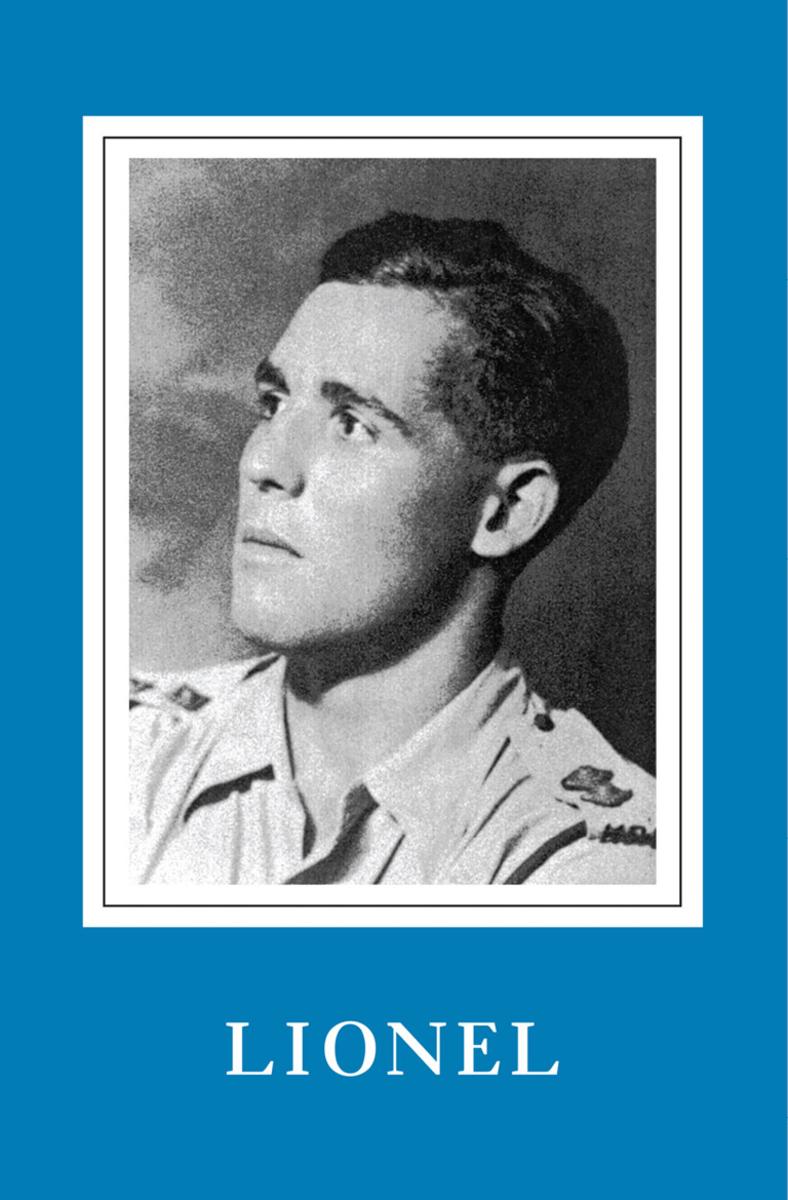
Lionel
¥112.72
The exceptional circumstances of Lionel MosseIri's short but remarkable life and military career are described by his stepfather, Louis Marlio, in the Preface to letters which Lionel wrote home to his family.Highly-intelligent, articulate and revealing a disciplined, philosophical and visionary mind, Lionel's letters are sufficiently thought-provoking and well-written to justify publication. He had received an English public school education and was trained and served in both British and French armies. When he was killed on 25 November, 1944, Lionel MosseIri was leading a French detachment into Masevaux, the first city in Upper Alsace to be freed from the German Occupation. He was just twenty-three years old. Who knows the future there might have been for him in the peacetime Europe for which he fought so hard?This book is dedicated by his step-father and brothers in honour of his memory, and to his fallen comrades who are remembered with him.
Book of Eve
¥24.43
The Book of Eve is neither male nor female, rather a poetic revelation of one's exploration of life. A quest for knowledge, wisdom, truths and understanding, Eve takes us on a heartfelt journey of discoveries, fears, needs and desires. Melanie E. Haggins is a poet, a creative writer and former radio personality. She is strongly influenced by a musical and business background, which later helped her to progress into the world of media as the host of her own popular radio magazine show, where she conducted celebrity interviews with musicians and vocalists alike. An inspirational figure to young people and women of all ages, Melanie has worked for many years as a passionate educator and mentor to young people within her community, championing a number of initiatives on behalf of young people and human rights. With a keen eye for innovation, she draws inspiration from all she encounters for the purpose of improving the lives of those who come into contact with her as she continues to put her visionary ideas and quests for truths into poetic forms.

God, Love and Laughter
¥29.33
In 2004, prolific authoress, Marian Bythell, strayed from her established path of writing holiday journals to produce an excellent volume of verse. Now, following the publication of another travel-based book and a biography of her late mother, she has penned a companion to Poems of Love, Life & Laughter. For this collection, Marian once again offers a clever mix of humour and pathos, but also includes poems and prayers which reflect her deep religious faith.
A Collection of Nightmares
¥40.79
Hold your screams and enter a world of seasonal creatures, dreams of bones, and confessions modeled from open eyes and endless insomnia. Christina Sng’s?A Collection of Nightmares?is a poetic feast of sleeplessness and shadows, an exquisite exhibition of fear and things better left unsaid. Here are ramblings at the end of the world and a path that leads to a thousand paper cuts at the hands of a skin carver. There are crawlspace whispers, and fresh sheets gently washed with sacrifice and poison, and if you’re careful in this ghost month, these poems will call upon the succubus to tend to your flesh wounds and scars.?? ?These nightmares are sweeping fantasies that electrocute the senses as much as they dull the ache of loneliness by showing you what’s hiding under your bed, in the back of your closet, and inside your head. Sng’s poems dissect and flower, her autopsies are delicate blooms dressed with blood and syntax. Her words are charcoal and cotton, safe yet dressed in an executioner’s garb.?? ?Dream carefully.?? ?You’ve already made your bed.?? ?The nightmares you have now will not be kind.?? ?And you have no one to blame but yourself.
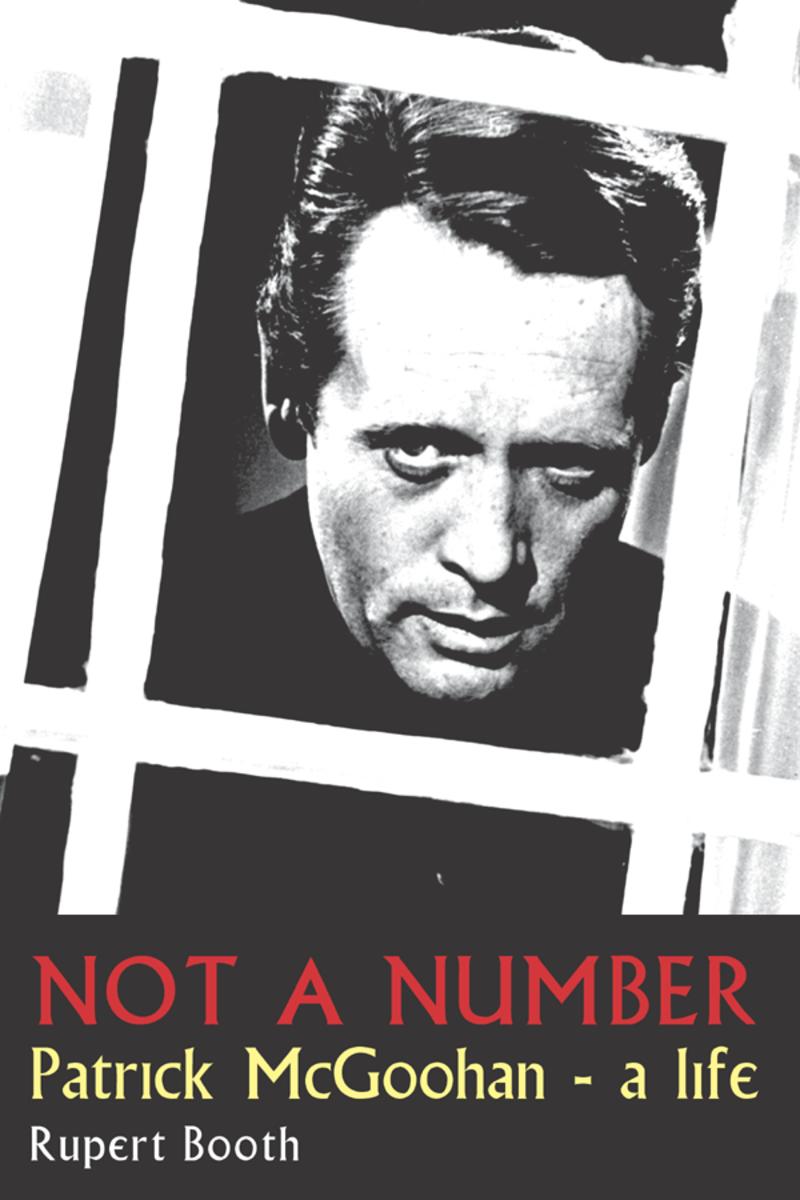
Not A Number: Patrick McGoohan - a life.
¥40.79
When Patrick McGoohan first starred in “Danger Man” in 1960 and as ‘Number 6’ in cult show “The Prisoner”, industry insiders hailed the arrival of an enigmatic genius and Hollywood beckoned. But who was this man who worked as a chicken farmer and bank clerk before becoming a hugely successful actor simply by chance? In this up-to-date biography Rupert Booth reveals the true character of a man whose off-screen behaviour matched his fiery on-screen persona. Why was he so puritanical, refusing even to kiss a woman for any part he played? Why was he so controlling over his work in “The Prisoner” and other productions? A timely exploration of the man whose declaration ‘I will not be pushed, filed, stamped, indexed, briefed, de-briefed or numbered!’ continues to resonate with audiences decades after it was first uttered with such conviction.
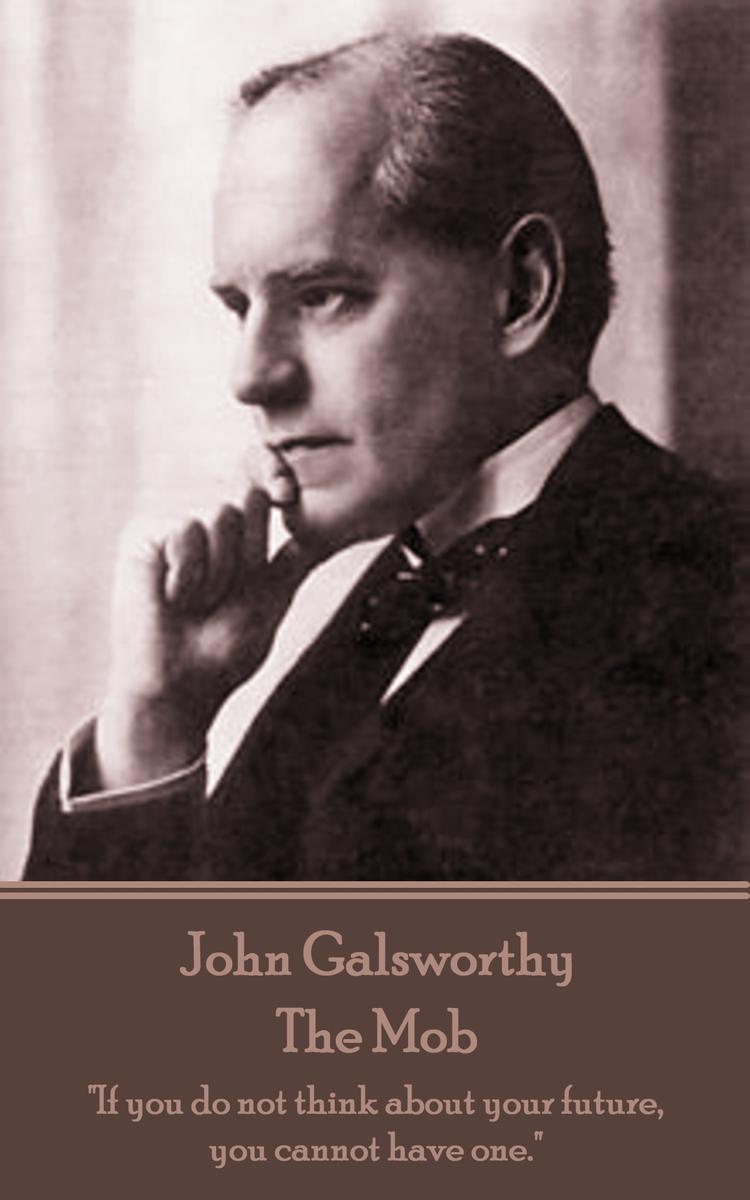
Mob - If you do not think about your future, you cannot have one.
¥21.09
John Galsworthy was born at Kingston Upon Thames in Surrey, England, on August 14th 1867 to a wealthy and well established family. His schooling was at Harrow and New College, Oxford before training as a barrister and being called to the bar in 1890. However, Law was not attractive to him and he travelled abroad becoming great friends with the novelist Joseph Conrad, then a first mate on a sailing ship. In 1895 Galsworthy began an affair with Ada Nemesis Pearson Cooper, the wife of his cousin Major Arthur Galsworthy. The affair was kept a secret for 10 years till she at last divorced and they married on 23rd September 1905. Galsworthy first published in 1897 with a collection of short stories entitled "e;The Four Winds"e;. For the next 7 years he published these and all works under his pen name John Sinjohn. It was only upon the death of his father and the publication of "e;The Island Pharisees"e; in 1904 that he published as John Galsworthy. His first play, The Silver Box in 1906 was a success and was followed by "e;The Man of Property"e; later that same year and was the first in the Forsyte trilogy. Whilst today he is far more well know as a Nobel Prize winning novelist then he was considered a playwright dealing with social issues and the class system. Here we publish Villa Rubein, a very fine story that captures Galsworthy's unique narrative and take on life of the time. He is now far better known for his novels, particularly The Forsyte Saga, his trilogy about the eponymous family of the same name. These books, as with many of his other works, deal with social class, upper-middle class lives in particular. Although always sympathetic to his characters, he reveals their insular, snobbish, and somewhat greedy attitudes and suffocating moral codes. He is now viewed as one of the first from the Edwardian era to challenge some of the ideals of society depicted in the literature of Victorian England. In his writings he campaigns for a variety of causes, including prison reform, women's rights, animal welfare, and the opposition of censorship as well as a recurring theme of an unhappy marriage from the women's side. During World War I he worked in a hospital in France as an orderly after being passed over for military service. He was appointed to the Order of Merit in 1929, after earlier turning down a knighthood, and awarded the Nobel Prize in 1932 though he was too ill to attend. John Galsworthy died from a brain tumour at his London home, Grove Lodge, Hampstead on January 31st 1933. In accordance with his will he was cremated at Woking with his ashes then being scattered over the South Downs from an aeroplane.
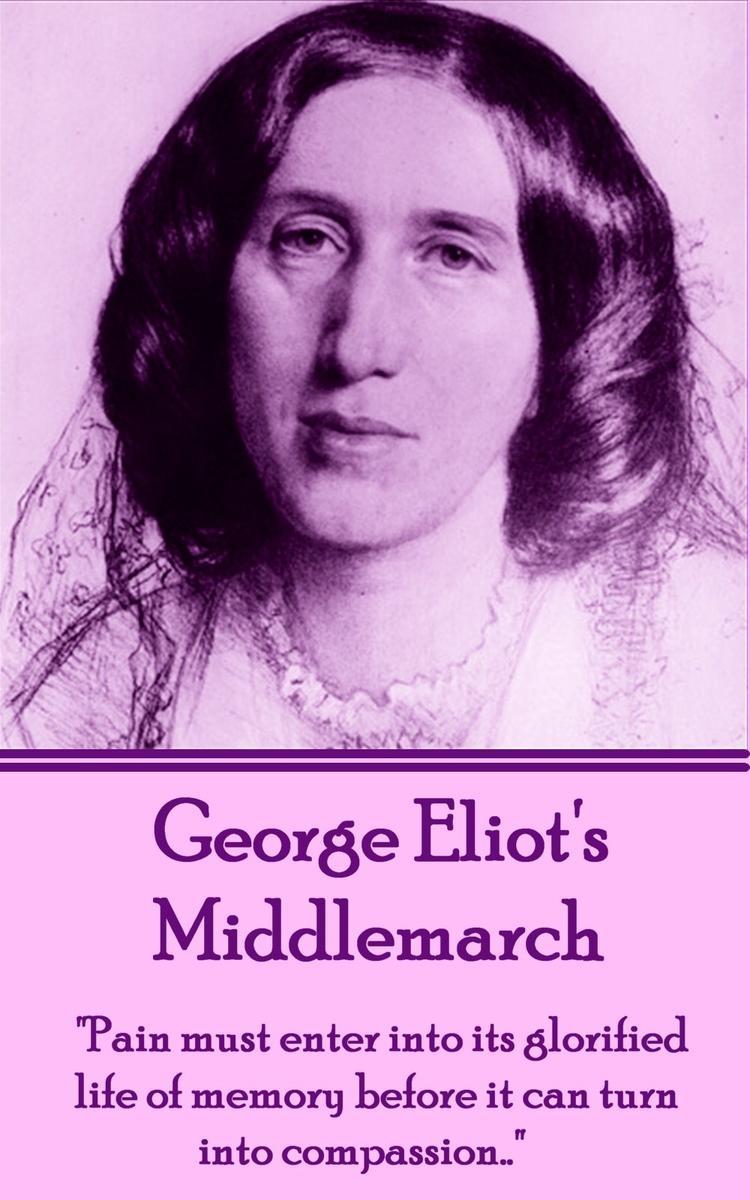
Middlemarch
¥46.99
George Eliot opens her complex study of life in the provincial Midlands with a brilliant portrait of Dorothea Brooke in all her strengths and weaknesses. Dorothea's misguided marriage is only one of the many, at first seemingly quite separate, stories of thwarted ideals, passions and ambitions. In the end the 'web of relationships' comes together as every character meets an appropriate fate. The story links the struggles of the individuals with the problems of society as a whole, as it wrestles with the disturbances that are approaching through industrialisation and a changing social order.

Theft - The function of man is to live, not to exist.
¥38.75
John Griffith "e;Jack"e; London was born John Griffith Chaney on January 12th, 1876 in San Francisco. His father, William Chaney, was living with his mother Flora Wellman when she became pregnant. Chaney insisted she have an abortion. Flora's response was to turn a gun on herself. Although her wounds were not severe the trauma made her temporarily deranged. In late 1876 his mother married John London and the young child was brought to live with them as they moved around the Bay area, eventually settling in Oakland where Jack completed grade school. Jack also worked hard at several jobs, sometimes 12-18 hours a day, but his dream was university. He was lent money for that and after intense studying enrolled in the summer of 1896 at the University of California in Berkeley. In 1897, at 21 , Jack searched out newspaper accounts of his mother's suicide attempt and the name of his biological father. He wrote to William Chaney, then living in Chicago. Chaney said he could not be London's father because he was impotent; and casually asserted that London's mother had relations with other men. Jack, devastated by the response, quit Berkeley and went to the Klondike. Though equally because of his continuing dire finances Jack might have taken that as the excuse he needed to leave. In the Klondike Jack began to gather material for his writing but also accumulated many health problems, including scurvy, hip and leg problems many of which he then carried for life. By the late 1890's Jack was regularly publishing short stories and by the turn of the century full blown novels. By 1904 Jack had married, fathered two children and was now in the process of divorcing. A stint as a reporter on the Russo-Japanese war of 1904 was equal amounts trouble and experience. But that experience was always put to good use in a remarkable output of work. Twelve years later Jack had amassed a wealth of writings many of which remain world classics. He had a reputation as a social activist and a tireless friend of the workers. And yet on November 22nd 1916 Jack London died in a cottage on his ranch at the age of only 40. Here we present Theft.
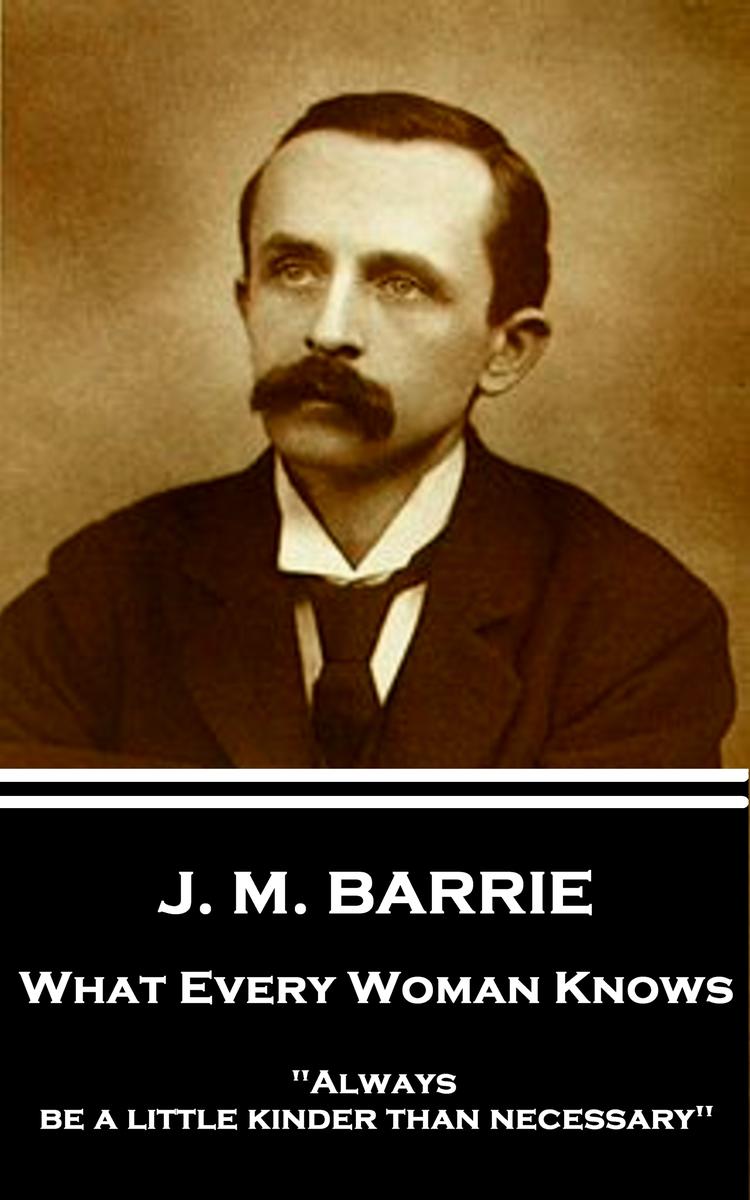
What Every Woman Knows - Always be a little kinder than necessary
¥16.38
Sir James Matthew Barrie, 1st Baronet, OM, was born in Kirriemuir, Angus the ninth of ten children on May 9th, 1860. From early formative experiences, Barrie knew that he wished to follow a career as an author. His family wished otherwise and sought to persuade him to choose a profession, such as the ministry. The compromise was that he would attend university to study literature at the University of Edinburgh. He graduated with an M.A. on April 21st, 1882. His first job was as a staff journalist for the Nottingham Journal. The London editor of the St. James's Gazette "e;liked that Scotch thing"e; in Barrie's short stories about his mother's early life. They also served as the basis for his first novels. Barrie though was increasingly drawn to working in the theatre. His first play, a biography of Richard Savage, was only performed once and critically panned. Undaunted he immediately followed this with Ibsen's Ghost in 1891, a parody of Ibsen's plays Hedda Gabler and Ghosts. Barrie's third play, Walker, London, in 1892 led to an introduction to his future wife, a young actress by the name of Mary Ansell. The two became friends, and she helped his family to care for him when he fell very ill in 1893 and 1894. Barrie proposed and they were married, in Kirriemuir, on July 9th, 1894. By some accounts the relationship was unconsummated and indeed the couple had no children. The story of Peter Pan had begun to formulate when Barrie became acquainted with the Llewelyn Davis family in 1897, meeting George, Jack and baby Peter with their nanny in London's Kensington Gardens. In 1901 and 1902, Barrie had back-to-back theatre successes with Quality Street and The Admirable Crichton. The character of "e;Peter Pan"e; first appeared in The Little White Bird in 1902. This most famous and enduring of his works; Peter Pan, or The Boy Who Wouldn't Grow Up had its first stage performance on December 27th, 1904. Peter Pan would overshadow everything written during his career. He continued to write for the rest of his life contributing many other fine and important works. Sir James Matthew Barrie, 1st Baronet, OM, died of pneumonia on June 19th,1937 and was buried at Kirriemuir next to his parents and two of his siblings.


