


 购物车
购物车 个人中心
个人中心
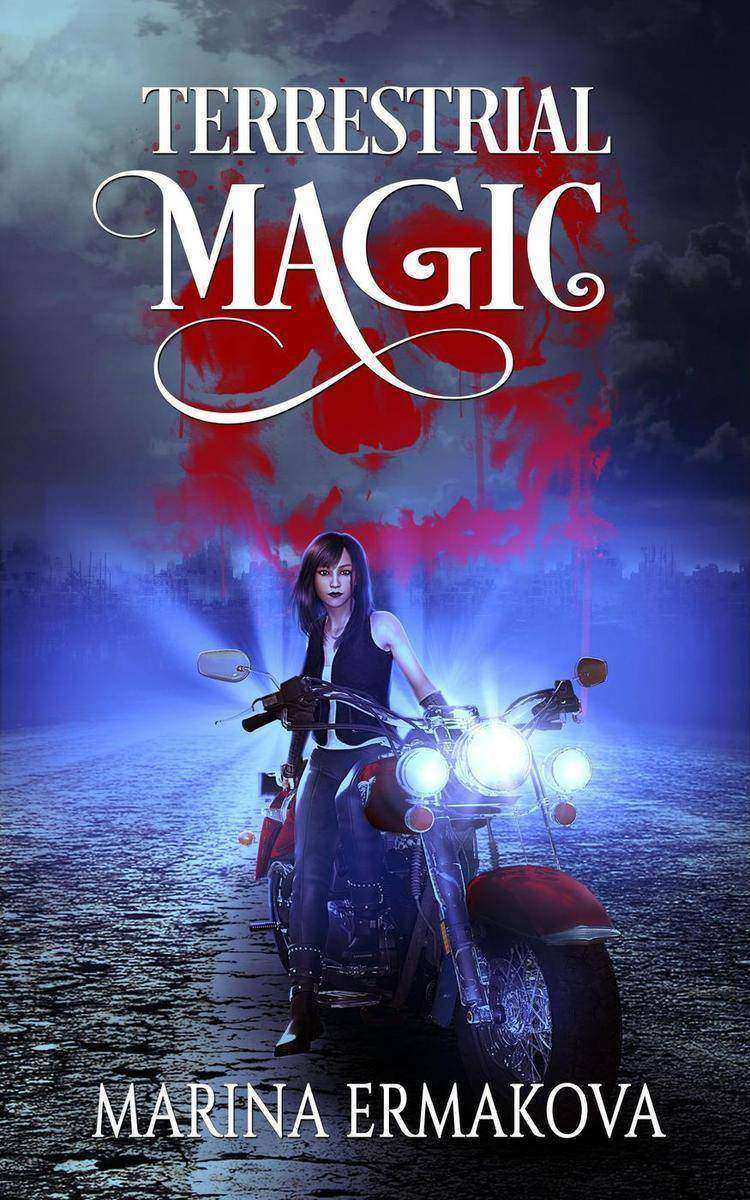
Terrestrial Magic
¥34.79
Most sensible people avoid fire-breathing carnivores that prey on humans. But Jordan has built a career out of studying such legendary animals, creatures thought mythological until their reemergence in the world three decades ago. She and researchers like her believe that knowledge is the key to reclaiming the land they'd lost back then, when humanity retreated into designated safety zones.? But when the humans moved out, the legends moved in. They were the descendants of mythical heroes, inheriting the powers of their ancestors, and they weren't afraid of the monsters. Jordan never expected to run into a legend, but when a field expedition turns into a trap for her team, she realizes that one deliberately tried to kill her. It's a diplomatic nightmare the Roman authorities might happily sweep under the rug. But if Jordan doesn't figure out who attacked her and why, they could try again. Yet even if she does solve the mystery, what could one stubborn scientist possibly do to stop a powerful legend? Almost 7,000 words of bonus content included. Embark on this urban fantasy/post-apocalyptic adventure today!

Autism Questions Parents Ask: Autism Help Series - Book One
¥52.23
Your child has an autism diagnosis. Now what??First, do no harm. Well, that’s a no-brainer, right??When your child receives an autism diagnosis, the research begins. You want to learn all that you can and find the best ways to help him or her.You will receive advice from specialists that makes sense to you - that fits with your life philosophy and with what you know of your child. You will receive advice that does not sit so well with you, the needs of your family and what you believe are the needs of your child.?Trust your instincts. You know your child the best and no one has his well-being at heart as much as you.Whether or not you feel prepared right now, you as the parent will be your child's primary therapist. You spend the most time with him and have the biggest impact on his life.?This book is for you. It's written by a parent who is also a special ed teacher, counselor, school psychologist, district consultant and autism consultant. The language won't require that you sit with a dictionary in your other hand but when you do find something that makes you want to research further, links and provided to help you with your search.Helping your autistic child be the best he can be is doable. It's within your reach and this is the book to guide you.
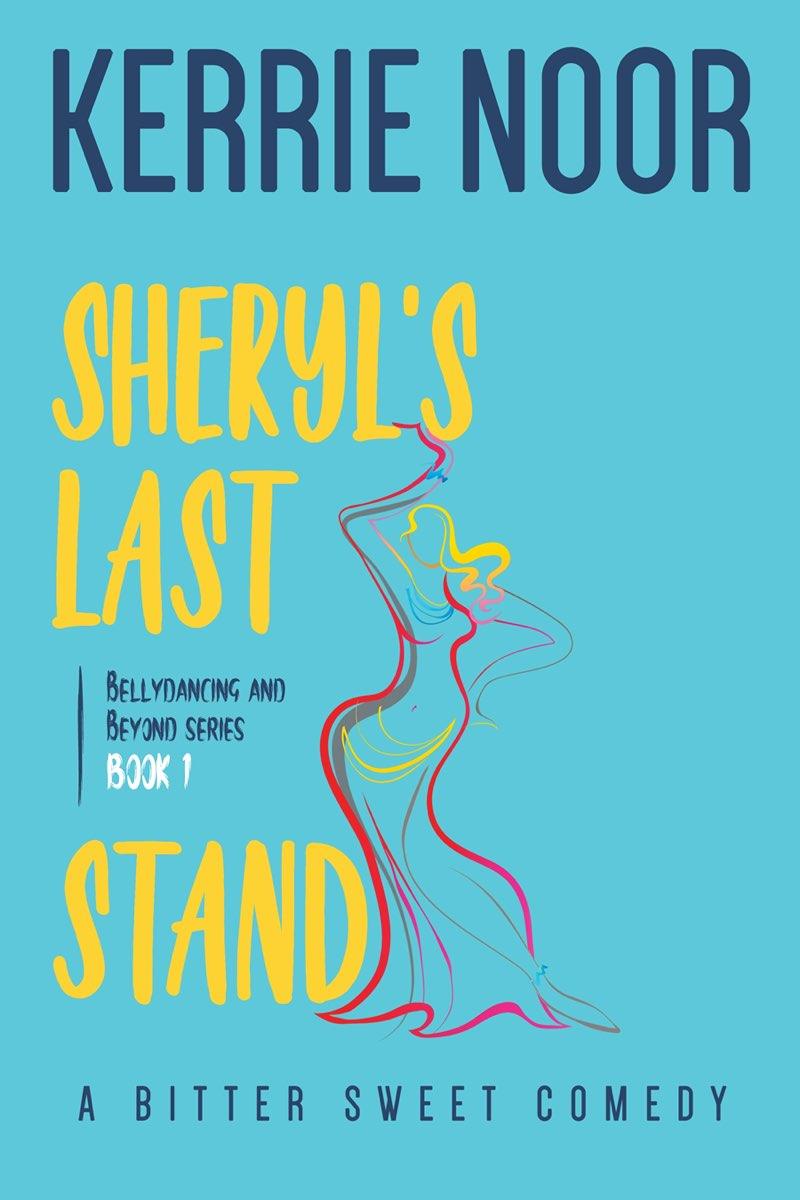
Sheryl's Last Stand: Bitter Sweet Comedy
¥26.07
Thirty Shades of Red Sheryl has lost her mojo Sheryl has seen better days, and now, on the wrong side of thirty-five she has lost it all and must start again. Not alone; but under the watchful eye of her mother. A woman with as much sensitivity as a comedian at a hen do.? Where does she start? With a newly discovered passion for belly dancing, Sheryl sets out to chase her fantasies. But, with a teacher like Nefertiti, and mother like Beatrice chasing your fantasies is easier said than done… Sheryl’s Last Stand is a Bridget Jones type comedy with a heroine we can all relate to and a great read if you’re having one of those "stick your head in the sand-I don’t want to get out of bed" days. Sheryl makes you laugh, cry but most of all not give up. She is the first in the Belly Dancing and Beyond series- laugh out loud stories about a group of women who have at one time or another danced with the great Nefertiti.? Each book is a stand-alone tale jam packed with familiar characters you will grow to love, maybe hate but will definitely want to read about again.? ?
Secrets in the Land
¥34.79
Mark Hersch’s life changed for the better when he met Beth Azen. Except for those long drives from Richmond to Hartstown, Virginia, to see her. Mark jumps at a surprise trip for a routine investigation of a polluted stream, never expecting anything out of the ordinary. But a bizarre secret from before the town’s founding awaits. Can Mark, Beth, and their shared magic solve the deadly mystery before all of Hartstown runs out of time? An excerpt from Secrets in the Land: Sometimes, you need to leave the bad things in the past. Art smiled, but it didn’t get anywhere within a mile of his eyes. “I have to ask if this is something you’re willing to take on, Mark. I’m not fibbing or lying or anything else when I say I’d understand if you’re not. Whatever’s up there half scared the life out of me. You ever feel that way about a place?” This time Mark did shiver, and he didn’t try to hide it. Maybe it was time he admitted at least a bit of what he and Beth (and Clina) had actually gotten into back in December. “Just one time. When we were taking your lost miner’s bones out of that old house pit. I was sure then and I’m more sure now that he dropped the rock that hit Beth on purpose. Thing is, I know in my bones that the rock was really aimed at me.”
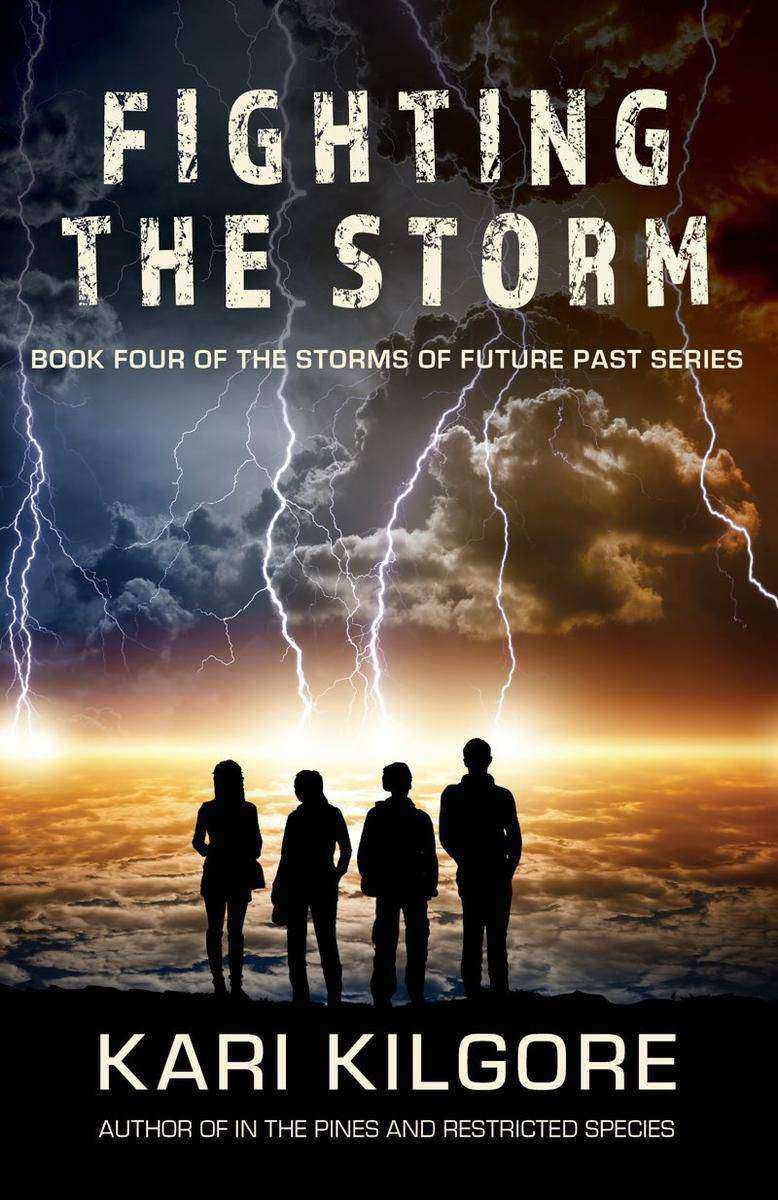
Fighting the Storm
¥43.51
The Storm Breaks Alex Collins and Etan Griffith thought love, hard work, and magic protected them from the end of the world. Until heartbreak struck much closer to home. Picking up the pieces brings new friends and new challenges. Threats unseen and unexpected. Will the power of family bring them all through, together? An excerpt from Fighting the Storm: Etan didn’t have to look at Alex to know he was biting his tongue, dying to say something. He could feel how tense Alex’s leg was against his own, could just about hear?his agitation. “What are you wanting to say, Alex?” “I don’t want to be an asshole, but if we have to set you up as a prophet, that’s what we need to do. I hated what happened in Maple Ridge and everywhere else. But we can’t have gone through so much hell to get here and let everything fall apart again. If people will follow the Great Prophet Etan and that lets us survive, then that’s who you need to be.” Etan did groan then, closing his eyes for a second. Not only because this was what he’d been afraid of. Because the words and the ideas sounded true. They felt?true, no matter how much he might dislike them. “I don’t know if I can agree to that, not right now. I have no idea how to do any?of this, much less create a new religion. I’m scared to death of making a hard situation worse.”
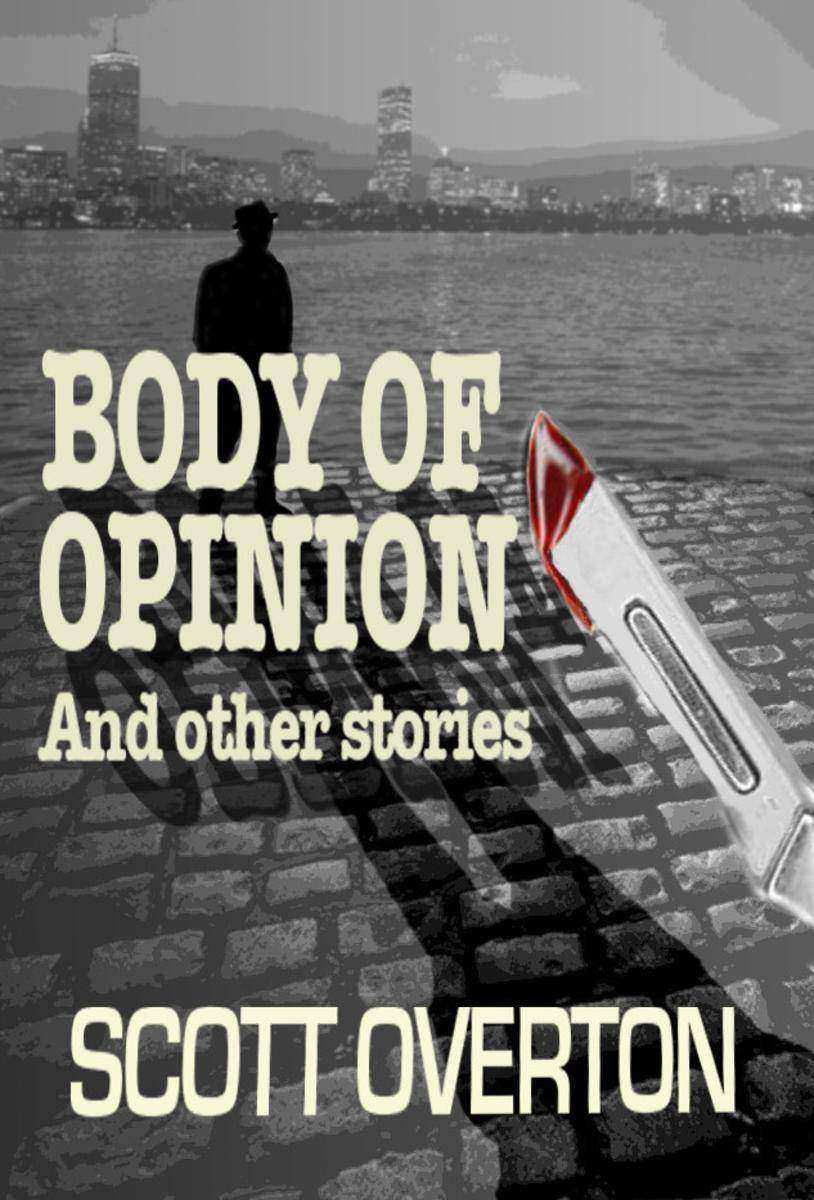
Body Of Opinion and other stories
¥19.88
Looking for a walk on the dark side? These three suspenseful tales of the future might be best read with all of the lights on. No Walls A man discovers that he has the ability to pass through walls, but finds it’s more of a curse than a gift, only useful for petty crime. Then a secret intelligence organization gets its hooks into him, and his troubles have only begun. (First published in “Neo-opsis” Issue #18, 2009.) ? Lockdown In a future society, criminals on parole don’t even dare to think about committing a crime or their bodies could go into complete lockdown. So how does a guy get revenge on those who’ve wronged him? ? Body Of Opinion For a dying man, a replacement body is a godsend. Unless the body turns out to be a used model with some serious glitches. Can the new “tenant” discover what killed its first owner before it fails completely? Praise for Scott Overton: “A storyteller of boundless skill…a writer to watch.” “A gifted wordsmith.”
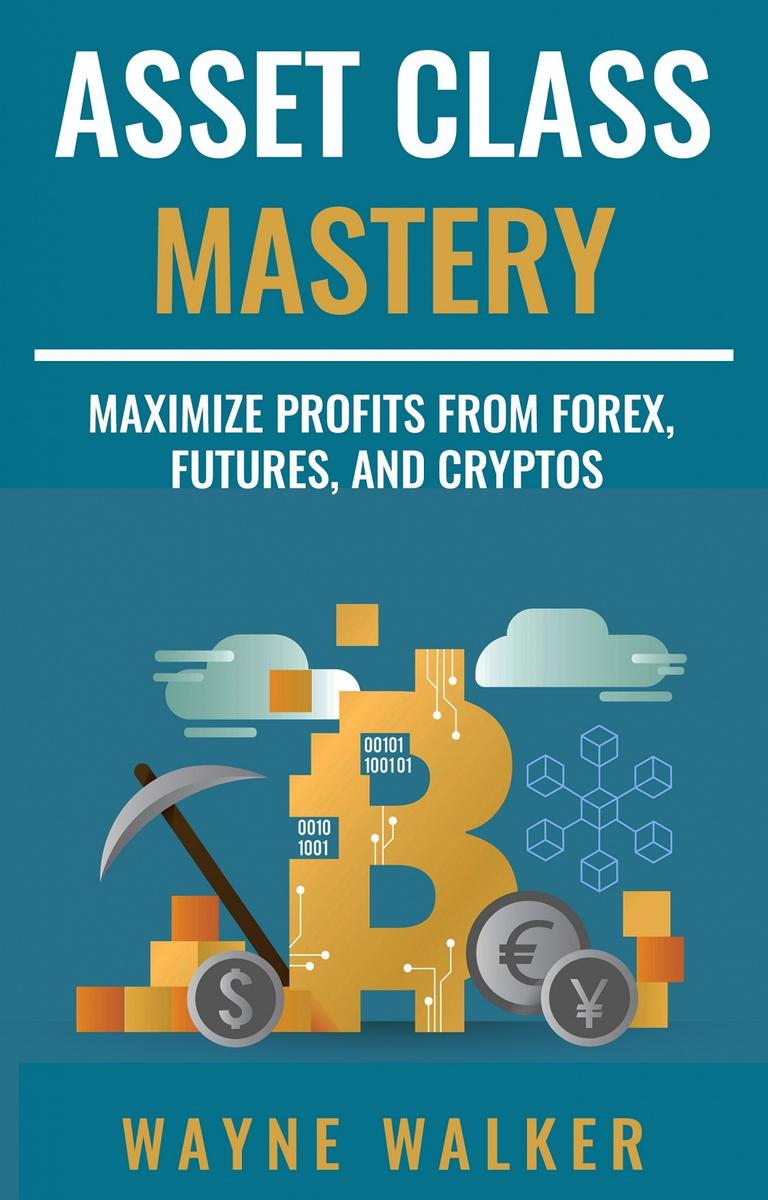
Asset Class Mastery: Maximize Profits From Forex, Futures, and Cryptos
¥34.79
This unique book is an intensive combination of three asset classes, forex, futures, and cryptocurrencies. You begin in the world of currencies, travel to commodities and ending?in cryptocurrencies.?As with all of Wayne's books, the emphasis is on practical applications with a personal touch.?The results from past students and readers confirms their effectiveness. The book includes the following and much more! - Step-by-step guide to understanding from beginner forex into?advanced technical analysis indicators - Strategic trading tactics - Using crops and energy sector seasonality to your advantage - Beginner to advanced commodities trading strategies - Bitcoin and Cryptocurrency Trading Tactics - Trader psychology (bonus chapter) - Using multiple time frames -Selecting the correct trading partner This is a combination of?Wayne's books: Tested Forex Strategies, Futures Trading Strategies, and The Guide To Mastering Bitcoin & Cryptocurrencies.

Grey Squirrels London
¥17.35
Born under mysterious circumstances, Grey, Pocket, Roots, Dew, Nuts, and Titch are not your ordinary squirrels. Using a tourist map and led by the charismatic Grey, the teenage squirrels embark on a breathtakingly hilarious adventure as they make their way from London’s Greenwich Park to Hyde Park to meet the Wise Owl.But the squirrels are not alone. As time ticks and darkness beckons, they are being stalked by the dangerous Rat King and his vicious sewer army.What is the secret of their origins? What did the Wise Owl tell them? And, most importantly, will they make it back to Greenwich Park in time to save their families?
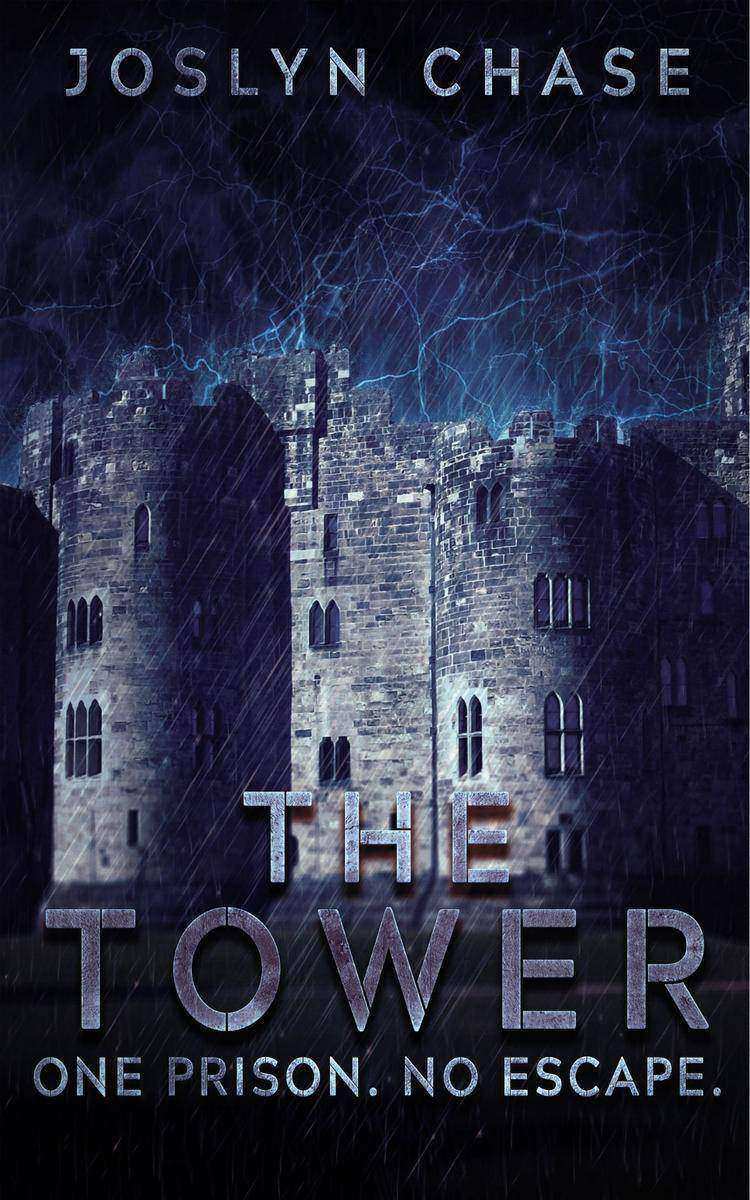
The Tower: One prison. No escape.
¥26.07
In the uneasy aftermath of WWII in Bavaria, Laura Schreiner must choose whether to help her father nurse an American GI back to health.The decision she makes changes the course of her life, drawing her into a web of evil spun by a man who learned from the masters.In the face of his cruel obsession, can she free herself from the entanglement of the tower and embrace a life of love and freedom? If you love suspense steeped in romance, you’ll revel in The Tower. Get your copy today!"Superb with beautiful imagery, and so much tension it hurt to swallow." ~ MC Dalton, author of Epona and Iron Heart"In the movie Field of Dreams, there is a now famous line, “If you build it, they will come."?Apply this sentiment to Joslyn Chase--if she writes it, we will come and read it.? A marvelous journey." ~ William DeProspo, author of Unlikely Outcome"The flow of her writing is a delight to me, elegant and soothing, woven like fine linen." ~ Margherita Crystal Lotus, author of The Color Game
Northanger Abbey
¥11.67
Northanger Abbey by Jane Austen (1775-1817) was published after the authors death in (1818). The main character is Catherine Morland, a young heroine 17 year old who loves to read gothic novels. Whilst staying in Bath, she meets John Thorpe and Henry Tilney and is one day invited by Henrys father to his estate, Northanger Abbey. Catherines love of gothic novels makes her unrealistic towards the world around her by envisioning life through fictional eyes and becomes frightened within the house by believing something dark is occurring within its mysterious rooms which no one has ever been seen to enter. John and Henry both develop a romantic interest towards Catherine but she has only one real love interest and that is towards Henry. This digital edition is beautifully formatted with an active Table of Contents that goes directly to each chapter of the story. Mermaids Classics, an imprint of Mermaids Publishing brings the very best of old book classics to a modern era of digital reading by producing high quality books in ebook format.
Lord Jim (Mermaids Classics)
¥35.22
Lord Jim by Joseph Conrad (1857-1924): ....a young British seaman, becomes first mate on the Patna, a ship full of pilgrims travelling to Mecca for the hajj. When the ship starts rapidly taking on water and disaster seems imminent, Jim joins his captain and other crew members in abandoning the ship and its passengers. A few days later, they are picked up by a British ship. However, the Patna and its passengers are later also saved, and the reprehensible actions of the crew are exposed (Citation from Wikipedia: The free Encyclopaedia)Mermaids Classics, an imprint of Mermaids Publishing brings the very best of old classic literature to a modern era of digital reading by producing high quality books in ebook format. All of the Mermaids Classics epublications are reproductions of classic antique books that were originally published in print format, mostly over a century ago and are now republished in digital format as ebooks. Begin to build your collection of digital books by looking for more literary gems from Mermaids Classics.

Wes Anderson Collection: Bad Dads - Art Inspired by the Films of Wes Anderson
¥211.41
The third volume in the New York Times bestselling Wes Anderson Collection series showcases the best artwork from ';Bad Dads,' an annual exhibition of art inspired by the films of Wes Anderson. Curated by Spoke Art Gallery in San Francisco, ';Bad Dads' has continued to grow and progress as a dynamic group exhibition since its inaugural show in 2011, and has featured work from more than 400 artists from around the world. Those artworks range from paintings to sculptures to limited-edition screen prints and vary greatly in style, making for a diverse and lively show each year. Though each piece is distinct in its own right, the artworks' unifying element is the shared imagery and beloved characters from: Bottle Rocket Rushmore The Royal Tenenbaums The Life Aquatic with Steve Zissou The Darjeeling Limited Fantastic Mr. Fox Moonrise Kingdom The Grand Budapest Hotel The book features an original cover by graphic artist Max Dalton, a foreword by writer and director Wes Anderson himself, and an introduction by TV and movie critic Matt Zoller Seitz, author of the bestselling Wes Anderson Collectionbooks. A visual treasure trove, Bad Dads grants fans of Wes Anderson another creative avenue to explore his inspired worlds and movies. Also available from Matt Zoller Seitz: The Oliver Stone Experience, Mad Men Carousel, The Wes Anderson Collection: The Grand Budapest Hotel, and The Wes Anderson Collection.
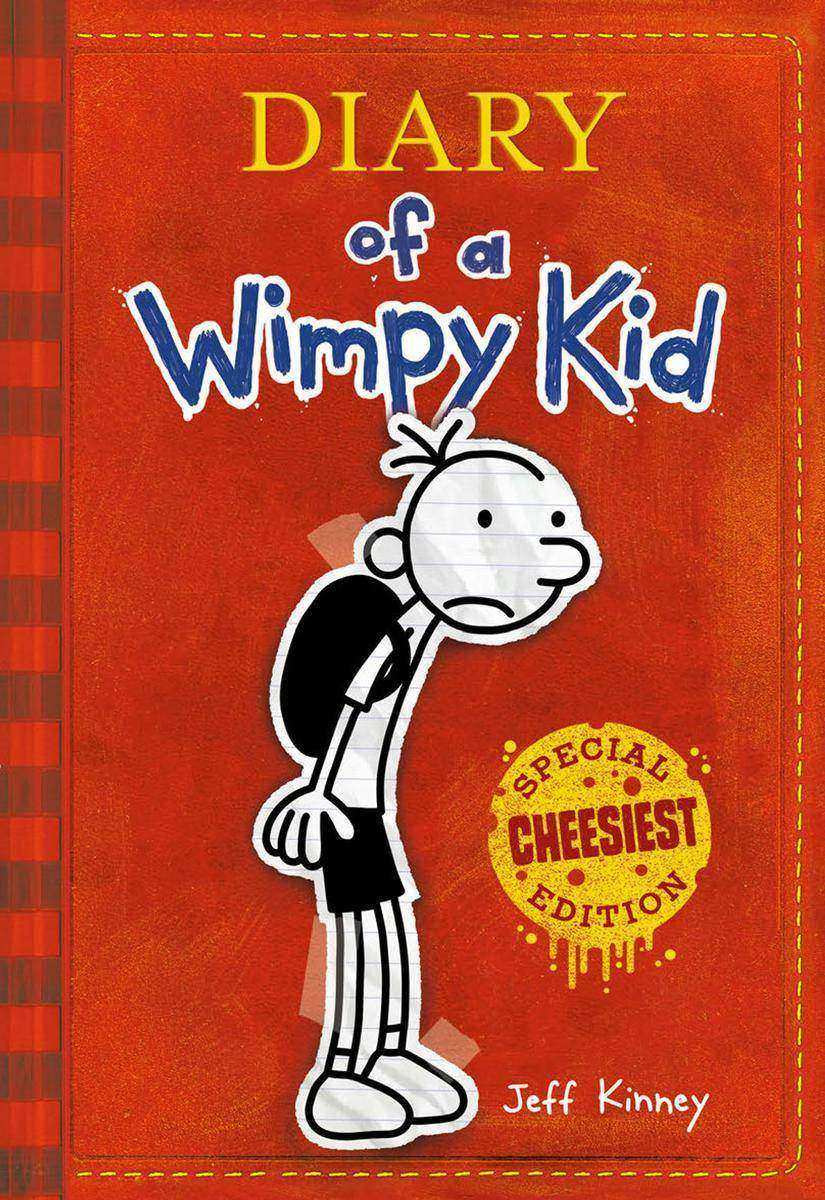
Diary of a Wimpy Kid - Special CHEESIEST Edition
¥138.32
Wimpy Kid Just Got a Lot Cheesier Now you can enjoy the bestselling Diary of a Wimpy Kid series in a whole new way with this Special CHEESIEST Edition! Relive your favorite moments from the book that started it all, with this collectible version printed on premium paper and with a bold new design. You'll never look at Greg, Rowley, Manny, Rodrick, and Fregley the same way again. This Special CHEESIEST Edition is a must-have for longtime fans of the series and new readers alike. But before you open this book, you might want to cross your fingers-you wouldn't want to get the Cheese Touch!
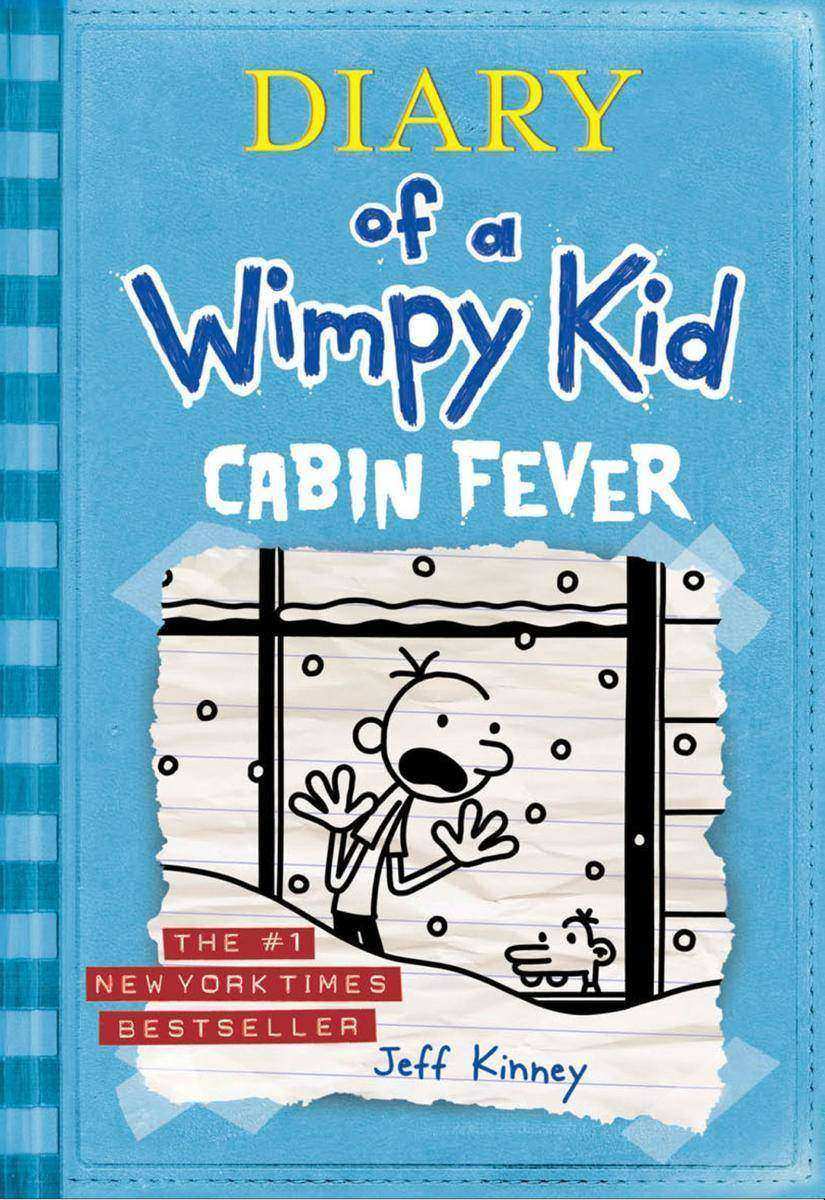
Cabin Fever (Diary of a Wimpy Kid #6)
¥158.82
Greg Heffley is in big trouble. School property has been damaged, and Greg is the prime suspect. But the crazy thing is, he’s innocent. Or at least sort of. The authorities are closing in, but when a surprise blizzard hits, the Heffley family is trapped indoors. Greg knows that when the snow melts he’s going to have to face the music, but could any punishment be worse than being stuck inside with your family for the holidays?
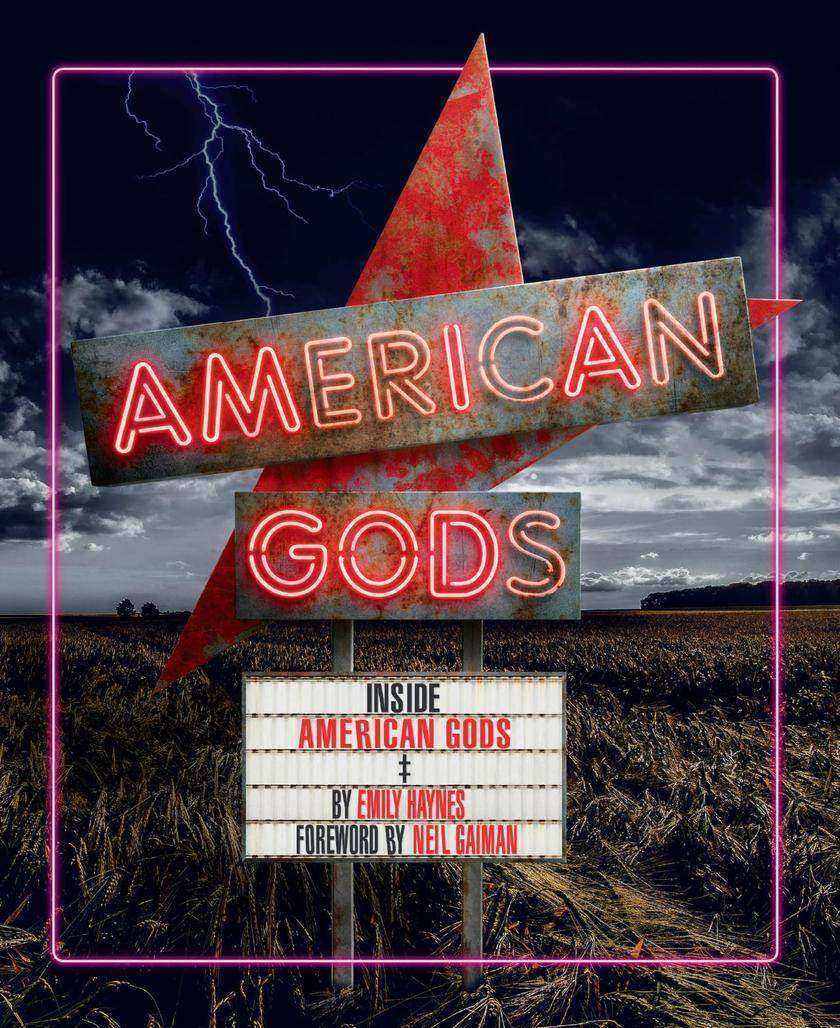
Inside American Gods
¥211.80
Starz American Gods a looking behind the scenesNeil Gaiman's American Gods: The bestselling and most beloved novel, American Gods, is now a critically acclaimed Starz television series. In this official companion to the series, Gaiman fans will see behind the scenes of this compelling, surreal show in which Old Gods and New Gods battle for the hearts and minds of modern-day people. Inside American Gods dives deep into the show's character development and world building. Inside American Gods features interviews with actors Gillian Anderson, Crispin Glover, and Ian McShane, revealing how they brought this cult favorite to the screen.Packed with previously unpublished set photos, concept art, and production designs: Inside American Gods covers Season 1aas well as a teaser of exclusive content for Season 2ain a spectacular hardcover package sure to please fans of the book and the series.Fans of books such as Claimed by Gods, All the Pieces Matter: The Inside Story of the Wire, and Notes from the Upside Down: An Unofficial Guide to Stranger Things will appreciate Emily Hayne's Inside American Gods2018 FremantleMedia. All rights reserved. American Gods and related trademarks are the property of FremantleMedia.
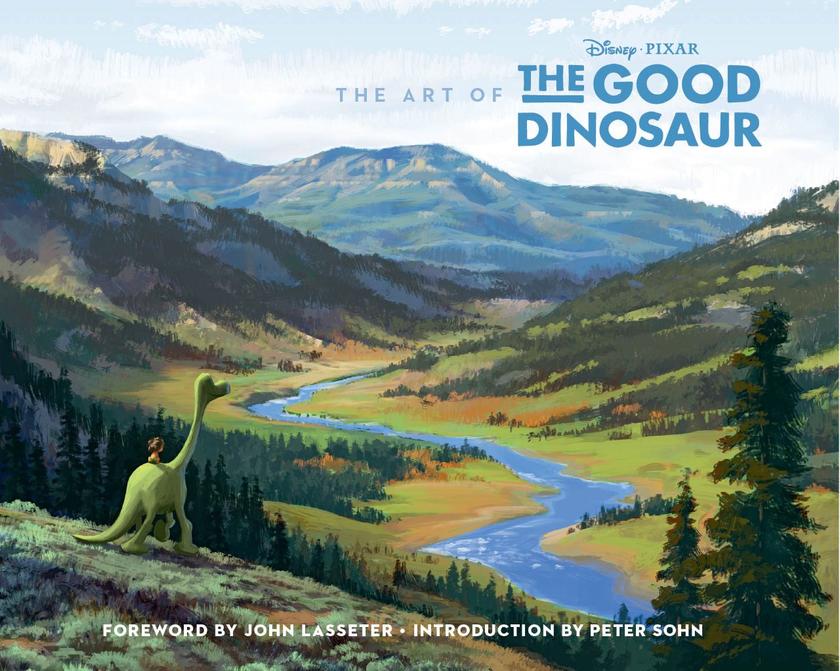
Art of the Good Dinosaur
¥305.97
What if the asteroid that forever changed life on Earth missed the planet completely and dinosaurs never became extinct? The Good Dinosaur expands on that premise in a humorous and exciting original story about Arlo, a lively Apatosaurus with a big heart. Showcasing the stunning artwork from the film's creationincluding sketches, storyboards, maquette sculpts, colorscripts, and much moreThe Art of The Good Dinosaur offers the ultimate behind-the-scenes look at the research and design that went into the making of this innovative film.Copyright 2015 Disney Enterprises, Inc. and Pixar. All rights reserved.
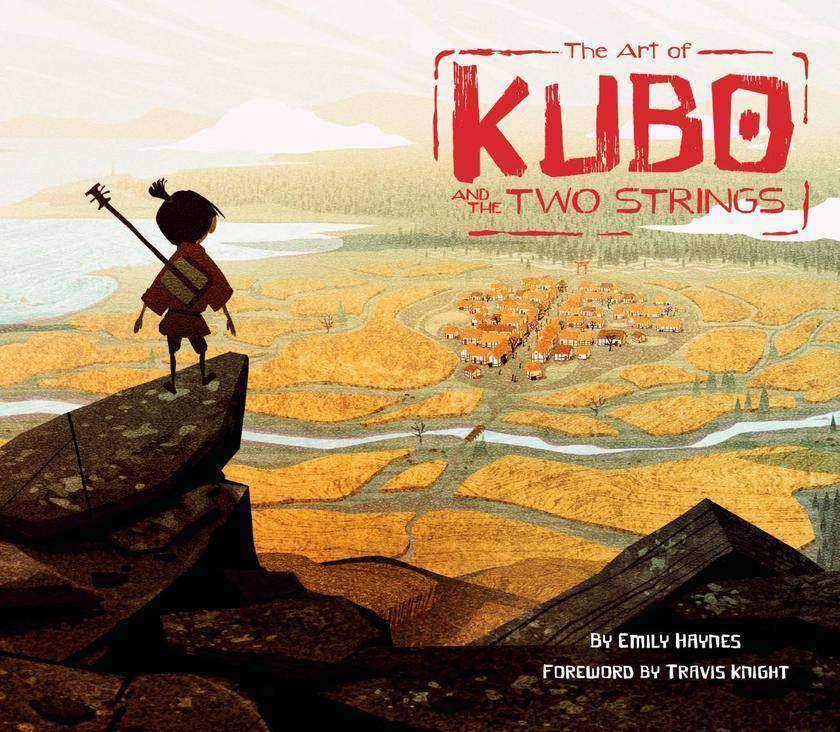
Art of Kubo and the Two Strings
¥247.11
From LAIKA, the Academy Award(R)-nominated studio behind Coraline, ParaNorman, and The Boxtrolls, comes a new adventure set in a mythical ancient Japan. In Kubo and the Two Strings, scruffy, kind-hearted Kubo cares devotedly for his mother while eking out a humble living in their sleepy shoreside village. But when a spirit from the past appears, Kubo suddenly finds himself entwined in a violent struggle against gods and monsters. This fully illustrated book offers a behind-the-scenes view of the amazingly detailed artwork and unique stop-motion animation style involved in the film's creation.
Art of Incredibles 2
¥305.97
From Pixar's upcoming film Incredibles 2, this making-of book is a dive back into the beloved world of the Incredibles. The Art of Incredibles 2 explores Pixar's highly anticipated sequel through colorful artwork, energetic character sketches, intriguing storyboards, and spellbinding colorscripts.Featuring gorgeous production art and interesting details from the production team about the making of the film, The Art of Incredibles 2 overflows with insights into the artistic process behind Pixar's engaging creative vision.Copyright 2018 Disney Enterprises, Inc. and Pixar. All rights reserved.

Darth Vader and Friends
¥94.08
In this funny and sweet new book in the bestselling Darth Vader series, Eisner Awardwinning author Jeffrey Brown offers an intimate look at the friendships between best pals in the Star Wars universe, from Darth Vader and the Emperor to Leia and her Ewok pals, Han and Chewie, C-3PO and R2-D2, the bounty hunters, and other favorite characters. Jealousy, birthday parties, lightsaber battles, sharing, intergalactic rebellion and more all come into play as Brown's charming illustrations and humor irresistibly combine the adventures of our friends in a galaxy far, far away with everyday events closer to home. and TM Lucasfilm Ltd. Used Under Authorization
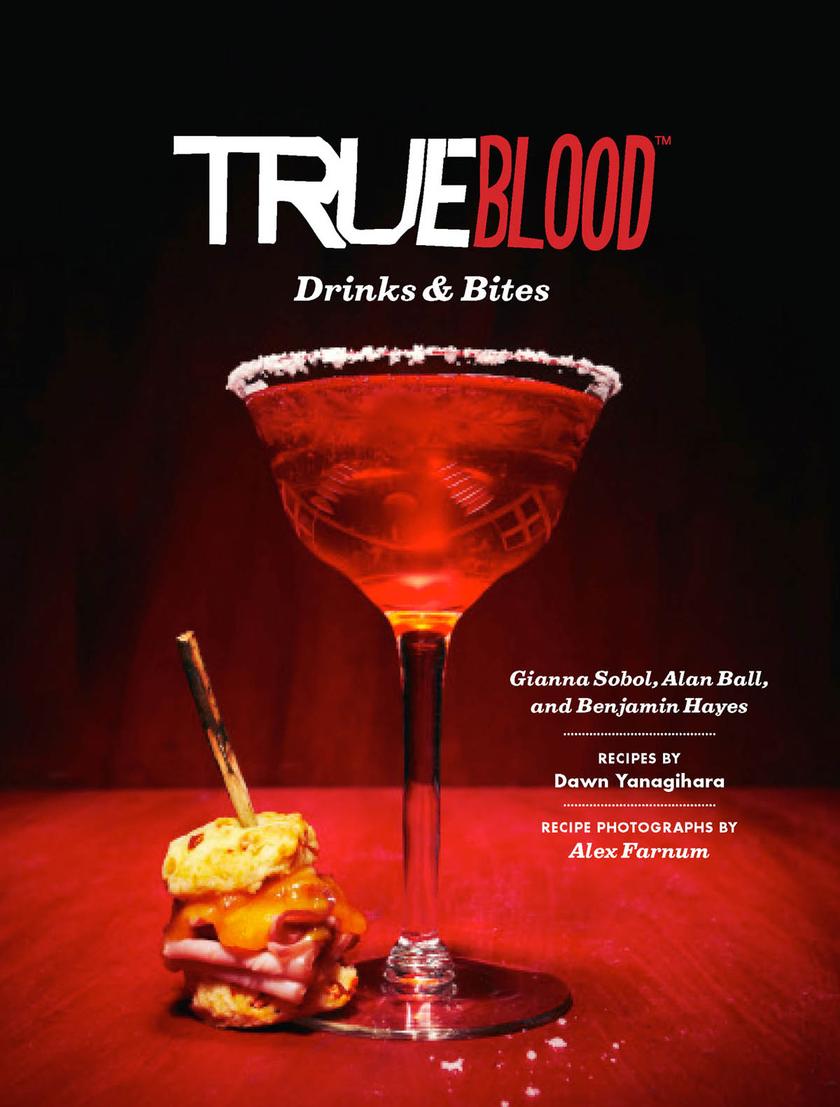
True Blood Drinks & Bites
¥117.62
For the ravenous fanbase of HBO's smash hit series, True Blood Drinks and Bites presents 45 quick and easy recipes for themed gatherings and weekly watch parties, all inspired by the series' most notorious vampires and victims. From the creator of True Blood and his writing team, these are deliciously &quote;in-world&quote; appetizers, cocktails, and nonalcoholic drinks to enjoy as the drama goes down in Bon Temps. Think Scorn Fritters and Hot Dates, washed down with an ice-cold Spirit Lifter. Entertaining and packed with noveltyincluding quotes and commentary from the characters themselves, plus original unpublished photography from seasons 1 through 5True Blood Drinks and Bites brings home a fun and tantalizing taste of the onscreen action.

To Infinity and Beyond! - The Story of Pixar Animation Studios
¥565.96
In 1986, gifted animator John Lasseter, technology guru Ed Catmull, and visionary Steve Jobs founded Pixar Animation Studios. Their goal: create a computer animated feature, despite predictions that it could never be done. An unprecedented catalog of blockbuster films later, the studio is honoring its history in this deluxe volume. From its fledgling days under George Lucas to ten demanding years creating Toy Story to the merger with Disney, each milestone is vibrantly detailed. Interviews with Pixar directors, producers, animators, voice talent, and industry insiders, as well as concept art, storyboards, and snapshots illuminate a history that is both definitive and enthralling.


