


 购物车
 个人中心


中国特色发展经济学:探索与构建(国家社科基金后期资助项目)
¥40.80
以“生产力—生产关系”矛盾运动的唯物史观为方法论,着力研究“生产方式的系统性变迁”,在马克思主义政治经济学发展理论的基础上,积极吸收借鉴西方发展经济学的理论成果,紧密结合中国发展程中交汇融合的两条历史线索,拓展研究视野、更新理论硬核、纳现代方法,探索和构建中国特色发展经济学。

法治建设新天地(“改革开放与新时代”研究丛书)
¥27.00
本书从改革放40年党和国家发展大局的总体高度出发,对改革放40年中国法治建设的理论与实践做了系统的梳理总结和分析探讨。全书共五个部分:一是回顾梳理改革放40年中国法治建设的历史程,二是概括阐述其重大展和辉煌成就,三是总结其基本原则和宝贵经验,四是分析研判其面临的问题和挑战,五是提出今后发展的对策思考。 全书内容系统完备,结构简洁合理。研究方法上,注重纵横结合与史论结合,既立足史料,纵向展现改革放40年中国法治建设的发展历程、成就经验,又重视该领域发展的横向研究,剖析其存在问题的原因,探讨其未来发展。形式上,既有深的理论思考,又有生动的事例(语录、文件语句、数据、图表等);既注重学术性,又兼顾可读性。

山东沂水方言词法特点研究
¥11.99
本书是一部反映山东沂水县方言词的构词法和方言中代词、副词、助词、介词、连词等词法概貌的研究成果。作者对山东沂水全县及沂水周边8个县市的方言行了广泛的田野调查,获得了准确、翔实与全面的语言材料,在此基础上,运用比较的方法,将沂水方言与普通话、周边地区方言及其他北方方言行共时对比,同时从历史语言学的角度探讨这些语言现象的来龙去脉,较好地归纳和呈现了沂水方言的词法面貌。本书特是运用了大量鲜活生动的方言语料,且注重横向与纵向比较,探求了方言现象深层隐藏的规律及某些语言现象的演变轨迹。
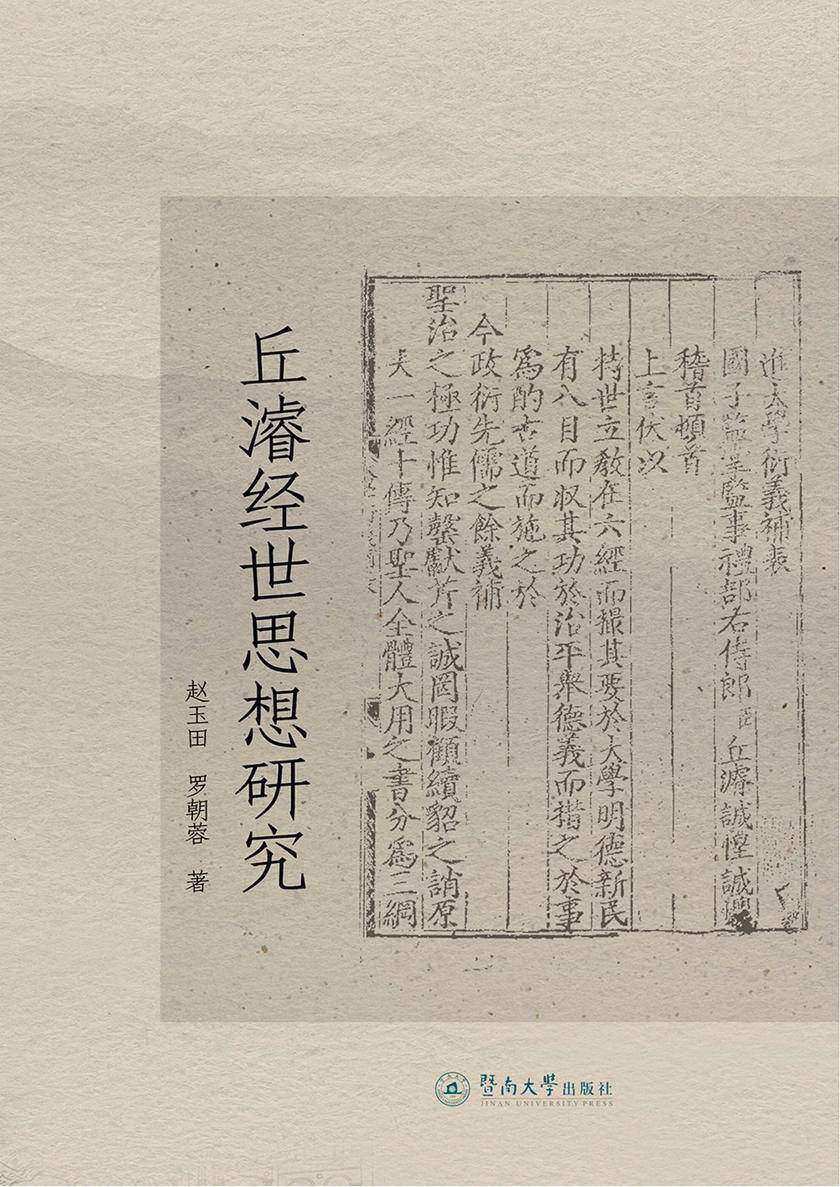
丘濬经世思想研究
¥10.46
明中期以降,传统社会抽绎近代化转型,社会经济商业化萌动,社会失范现象频发,传统农业危机与传统社会危机耦合变异,一并加重明朝统治危机,“成化症候”形成。救时成为时代主题。丘濬作为明代广东籍(今属海南省)中央高官、儒臣,向以经世救时为己任,以“三不可及”为时人称道。“养民”是丘濬经世之根本方略,“为民理财”是其经世主要途径,同时,他还从政治、经济、教育、文化等方面论述了他的其他经世救时主张。总之,丘濬站在时代潮头,重视工商业,重视海外贸易,重视民生,为商品经济与社会商品化鼓与呼。丘濬得经世思想是时代产物,具有时代性与步性。

我们的大学—大学生文化素质发展日志年编(2017)
¥22.99
本书以日志形式记录广州大学2017年在大学生素质教育理念引导下展的素质教育教学和实践活动。稿件来源于广州大学新闻中心、学生处等校级单位与各院级单位,多角度、全方位地展现广州大学2017年各月所展的丰富多彩、形式多样的活动与所取得的成就。全书展现当代大学生健康向上的精神风貌,体现广州大学提高学生文化素质,向具有国际影响力的高水平大学迈的决心与行动力。

教师专业发展学校探索书系·逸怀畅道
¥10.99
本书分为逸趣、雅怀、畅言、问道四个章节,有学校的管理策略,有教育教学的方法总结,有校友的赤子情怀,有校刊校报的序言,有学校的办学亮和办学业绩,也有对生活的一些感悟。它记录和见证着学校的发展,更展现着兴文人“自强不息,志在一流”的精神风貌。

经济与社会研究丛书·非随机化回答模型研究
¥9.99
采用什么样的方法对敏感性问题实施调查,才能做到既保护被调查者隐私,又能获得所需要的真实资料,这是统计调查必须面对和需要解决的问题。随机化回答技术在解决这一问题上取得丰硕研究成果,但也存在许多不足。本书选择去除随机化装置的敏感性问题为研究对象,使随机化回答技术应用于敏感性问题的非现场调查,并改造利用随机化回答技术的经典模型和新提出模型,用无关问题或敏感性问题替代随机化装置,或在问卷中使用独立的非敏感性问题来间获得所需信息,实现了对敏感性问题的调查。

教育心理学新编(第五版)
¥28.99
本书为“十二五”江苏省高等学校重教材,从“教育心理学概论”“人的心理发展与教育”“学习理论”“育智的心理”“育人的心理”“教学心理”六大方面阐述教育心理学理论知识。作者在第四版的基础上行了一系列的修订:①对一些章节结构做了适当增删或调整;②补充了一些新观、新内容、新材料;③对书中一些段落和文字行了调整与润色,使其逻辑更严谨,表述更简洁。第五版教材的内容与时俱,可以让读者更好地把握近年来教育心理学研究所取得的*成就。

Symposium
¥40.79
Of all the works of Plato the Symposium is the most perfect in form, and may be truly thought to contain more than any commentator has ever dreamed of; or, as Goethe said of one of his own writings, more than the author himself knew. For in philosophy as in prophecy glimpses of the future may often be conveyed in words which could hardly have been understood or interpreted at the time when they were uttered.
Euthyphro
¥40.79
In the Meno, Anytus had parted from Socrates with the significant words: 'That in any city, and particularly in the city of Athens, it is easier to do men harm than to do them good;' and Socrates was anticipating another opportunity of talking with him. In the Euthyphro, Socrates is awaiting his trial for impiety. But before the trial begins, Plato would like to put the world on their trial, and convince them of ignorance in that very matter touching which Socrates is accused. An incident which may perhaps really have occurred in the family of Euthyphro, a learned Athenian diviner and soothsayer, furnishes the occasion of the discussion.
Theaetetus
¥40.79
Some dialogues of Plato are of so various a character that their relation to the other dialogues cannot be determined with any degree of certainty. The Theaetetus, like the Parmenides, has points of similarity both with his earlier and his later writings. The perfection of style, the humour, the dramatic interest, the complexity of structure, the fertility of illustration, the shifting of the points of view, are characteristic of his best period of authorship. The vain search, the negative conclusion, the figure of the midwives, the constant profession of ignorance on the part of Socrates, also bear the stamp of the early dialogues, in which the original Socrates is not yet Platonized.

Sophist
¥40.79
There are no descriptions of time, place or persons, in the Sophist and Statesman, but we are plunged at once into philosophical discussions; the poetical charm has disappeared, and those who have no taste for abstruse metaphysics will greatly prefer the earlier dialogues to the later ones. Plato is conscious of the change, and in the Statesman expressly accuses himself of a tediousness in the two dialogues, which he ascribes to his desire of developing the dialectical method.
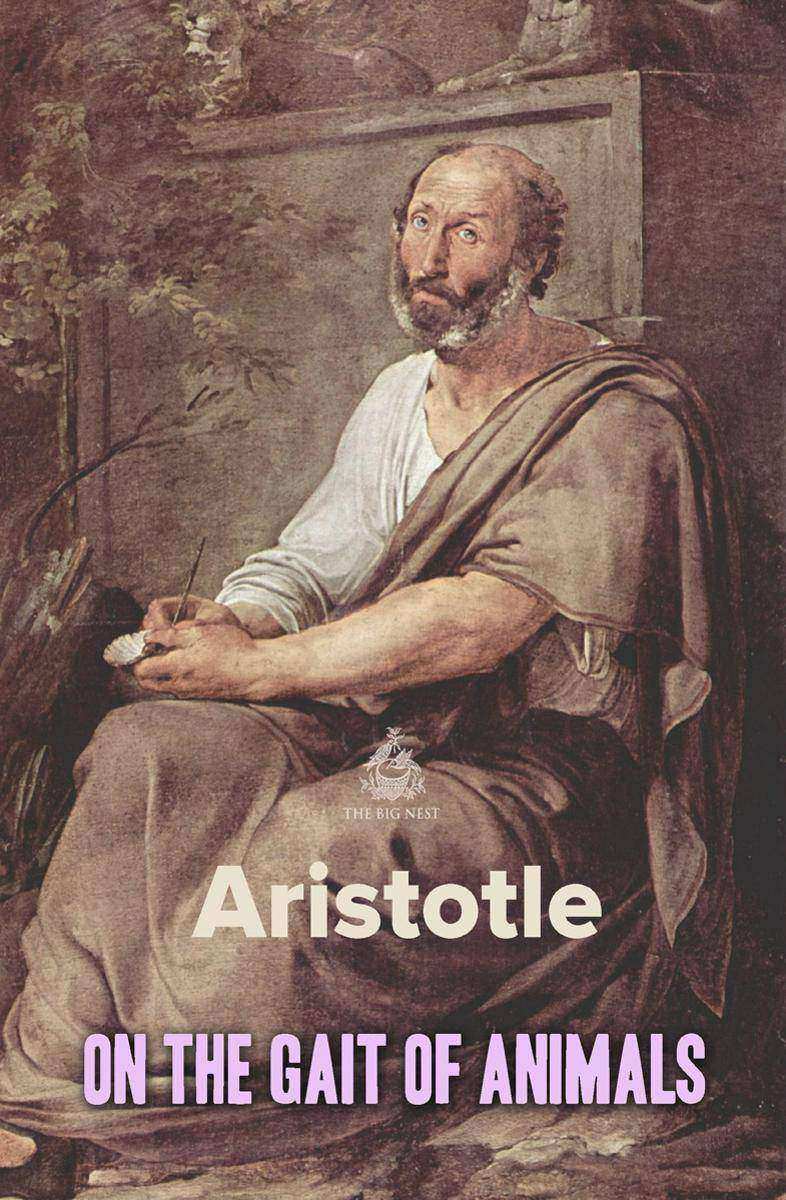
On the Gait of Animals
¥40.79
We have now to consider the parts which are useful to animals for movement in place (locomotion); first, why each part is such as it is and to what end they possess them; and second, the differences between these parts both in one and the same creature, and again by comparison of the parts of creatures of different species with one another. First then let us lay down how many questions we have to consider.

Discourse on Inequality
¥40.79
Rousseau first exposes in this work his conception of a human state of nature, presented as a philosophical fiction, and of human perfectibility, an early idea of progress. He then explains the way, according to him, people may have established civil society, which leads him to present private property as the original source and basis of all inequality.

The Social Contract
¥40.79
A book in which Rousseau theorized about the best way to establish a political community in the face of the problems of commercial society, which he had already identified in his Discourse on Inequality. The Social Contract helped inspire political reforms or revolutions in Europe, especially in France. The Social Contract argued against the idea that monarchs were divinely empowered to legislate. Rousseau asserts that only the people, who are sovereign, have that all-powerful right.
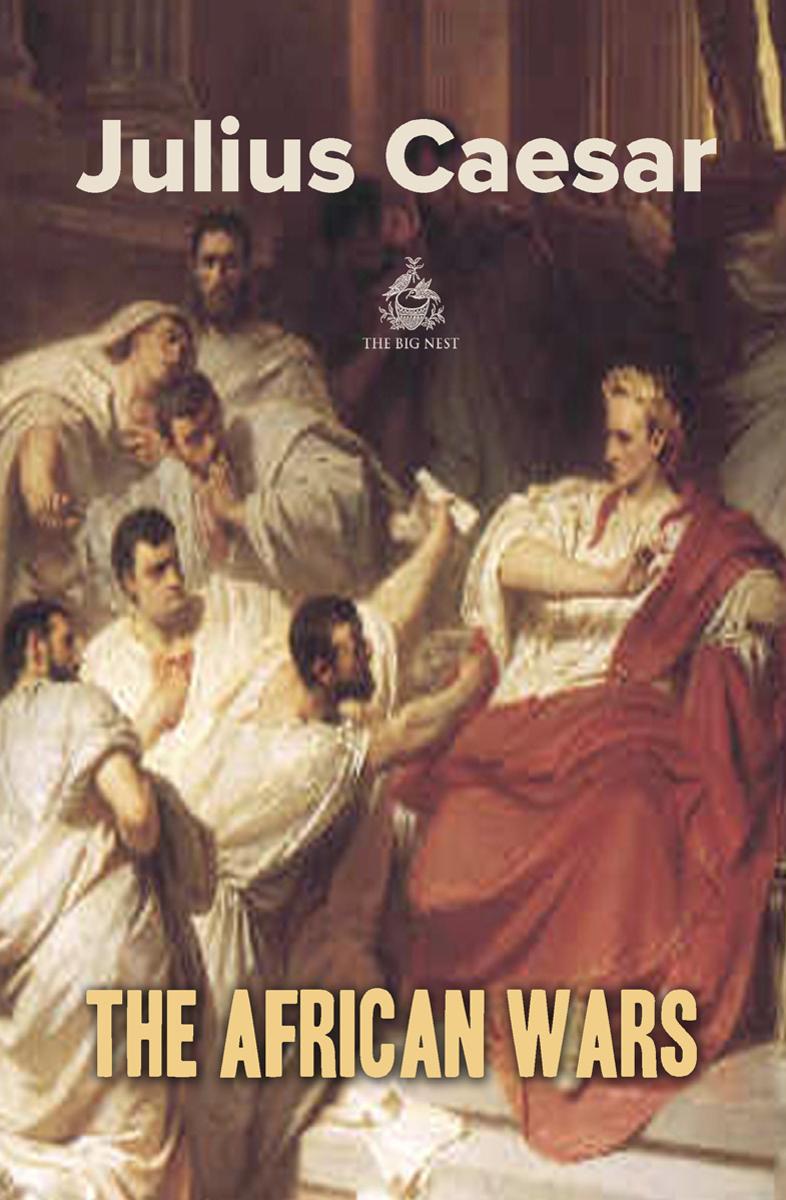
The African Wars
¥40.79
Caesar, advancing by moderate journeys, and continuing his march without intermission, arrived at Lilybaeum, on the 14th day before the calends of January. Designing to embark immediately, though he had only one legion of new levies, and not quite six hundred horse, he ordered his tent to be pitched so near the sea-side that the waves lashed the very foot of it. This he did with a view that none should think he had time to delay, and that his men might be kept in readiness at a day or an hour's warning. Though the wind at that time was contrary, he nevertheless detained the soldiers and mariners on board, that he might lose no opportunity of sailing; the rather, because the forces of the enemy were announced by the inhabitants of the province, to consist of innumberable cavalry not to be numbered; four legions headed by Juba, together with a great body of light-armed troops; ten legions under the command of Scipio; a hundred and twenty elephants, and fleets in abundance. Yet he was not alarmed, nor lost his confident hopes and spirits. Meantime the number of galleys and transports increased daily; the new-levied legions flocked in to him from all parts; among the rest the fifth, a veteran legion, and about two thousand horse.
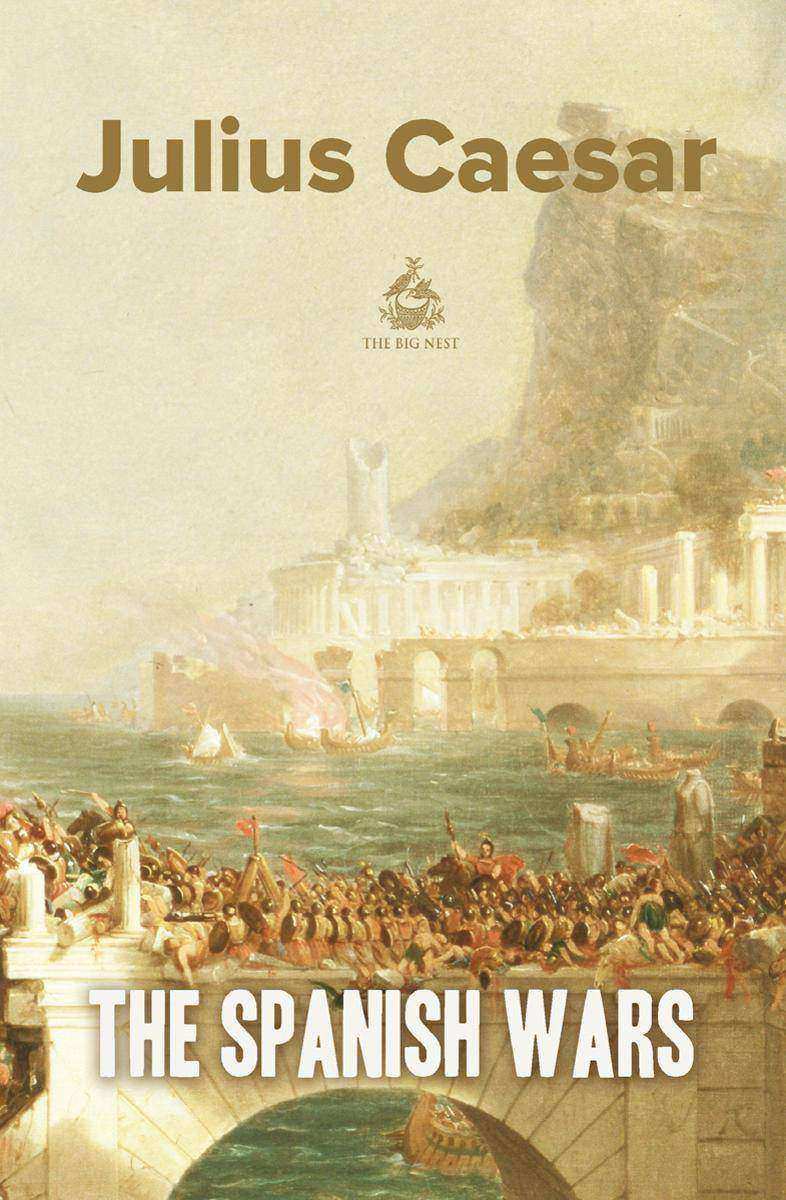
The Spanish Wars: English and Latin Language
¥40.79
On the defeat of Pharnaces and reduction of Africa, those who escaped from those battles fled to young Cn. Pompey, who had taken possession of Further Spain, while Caesar was detained in Italy in exhibiting games. Pompey began to throw himself on the protection of every state, in order the more readily to establish the means of defense against him. Accordingly, with a considerable force which had been collected, partly by entreaty, partly by force, he began to lay waste the province. Under these circumstances some states voluntarily sent him supplies, others shut the gates of their towns against him. If any of these chanced to fall into his hands by assault, although some citizen in it had deserved well of Cn. Pompey (his father), yet some cause was alleged against him on account of the greatness of his wealth, so that, he being dispatched, his fortune might become the reward of the soldiers.

Παιδι? τη? Μεσογε?ου
¥63.19
Ν?ο-ιστορικ?, ρεαλιστικ?, κοινωνικ?-πολιτικ? μυθιστ?ρημα, ιδια?τερα επ?καιρο, μια δυνατ? αναφορ? στην προσφυγικ? κρ?ση, που χτυπ? κυρ?ω? τα παιδι?, τα ασυν?δευτα προσφυγ?πουλα.Το φθιν?πωρο του 2014, η Λητ?, φιλ?λογο?, τοποθετε?ται ω? αναπληρ?τρια καθηγ?τρια σε Γυμν?σιο του νησιο? τη? Κω. Εκε?, συναντ? πρ?σφυγε? που καταφθ?νουν με σαπιοκ?ραβα απ? τι? τουρκικ?? ακτ??. Αποφασ?ζει συνειδητ? να βοηθ?σει του? πρ?σφυγε?, ω? εθελ?ντρια, στο ?Ιπποκρ?τειο? νοσοκομε?ο τη? Κω. Στο θ?λαμο του νοσοκομε?ου συναντ? τρει? Σ?ριου? πρ?σφυγε?, βαρι? τραυματισμ?νου?, τον Ασλ?ν, παλι? γν?ριμο, απ? τι? κοιν?? του? μεταπτυχιακ?? σπουδ?? στη Σκωτ?α, μαζ? με ?λλου? δυο Σ?ριου? φ?λου? του, τον Τζαμ?λ και τον Οσ?μα, που συνοδε?ουν ενν?α μικρ? παιδι?, προσφυγ?πουλα, ορφαν? πολ?μου. Η Λητ? εμπλ?κεται στη ζω? των τρι?ν ανδρ?ν και των ενν?α παιδι?ν. Το προσφυγικ? ζ?τημα γ?νεται δικ? τη? θ?μα, κομμ?τι του ψυχισμο? τη?, πρ?γμα που εκφρ?ζεται ?ντονα στα τραγο?δια που πα?ζει στην κιθ?ρα τη?, στου? μαθητ?? τη? στο σχολε?ο τη? Κω, στη ζω? τη?, στον τρ?πο που αναζητ? τι? θ?σει? τη? Ευρωπα?κ?? ?νωση?, τη? ?πατη? Αρμοστε?α? του ΟΗΕ, των εμπλεκ?μενων κρατ?ν. Στηρ?ζει με ιδια?τερη ευαισθησ?α τα ασυν?δευτα παιδι? - προσφυγ?πουλα, που π?φτουν θ?ματα επικ?νδυνων εγκληματι?ν και χ?νονται κατ? τη δι?ρκεια τη? πορε?α? του? προ? την κεντρικ? και β?ρεια Ευρ?πη, σε βρ?μικα κυκλ?ματα εκμετ?λλευση?, πορνε?α?, παιδεραστ?ν, εμπορ?ου ανθρωπ?νων οργ?νων, ναρκωτικ?ν, κ.?. Ο δυνατ?? ?ρωτ?? τη? για τον Ασλ?ν και η αγ?πη τη? για τα παιδι? την οδηγε? μαζ? του?, στην κεντρικ? Ευρ?πη και στην ενεργ? συμμετοχ? τη? στο προσφυγικ? ζ?τημα καθ?? και στην τοποθ?τησ? τη? με πρακτικ? τρ?πο, σε ?να θ?μα που αφορ? ?λη την Ευρ?πη, την παγκ?σμια κοιν?τητα, τον ΟΗΕ, καθ?? χτυπ?ει β?ναυσα, εδ? και χρ?νια, του? λαο?? τη? Μεσογε?ου και υποθ?λπει κρυφ?, ?νομα, αλλ? και φανερ? συμφ?ροντα.Ε?ναι ?να βιβλ?ο που χτυπ? τον ρατσισμ?, την ξενοφοβ?α, τι? θρησκευτικ?? προκαταλ?ψει?, στηρ?ζει τον ?νθρωπο και τι? πανανθρ?πινε? αξ?ε?, που κουρελι?ζονται απ? πολ?μου?, εμφυλ?ου?, μ?ση, φανατισμο?? και ζητ? αλληλεγγ?η και πιστ? εφαρμογ? των ν?μων και καν?νων του ΟΗΕ, που ?χουν να κ?νουν με τα ανθρ?πινα δικαι?ματα.
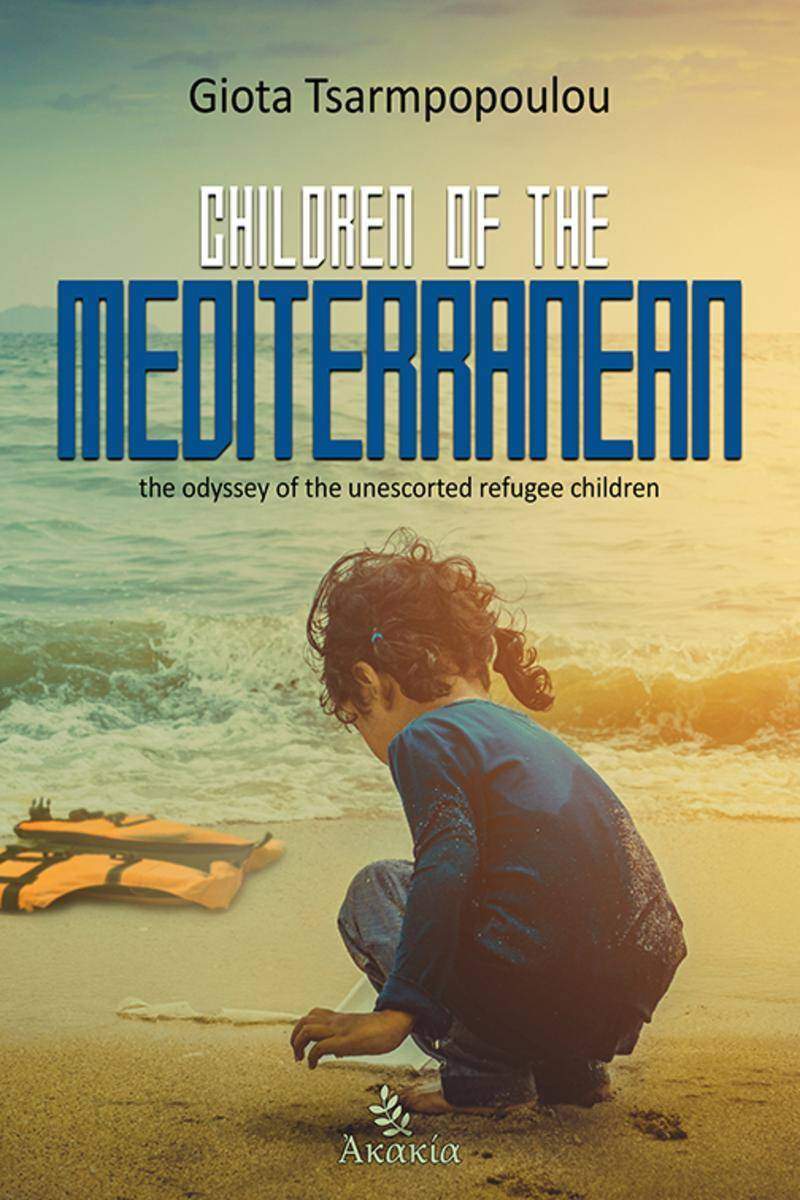
Children of the Mediterranean: The odyssey of the Unescorted Refugee Children
¥63.19
A new-historical, realistic, social-political novel. A current, strong reference to the refugee crisis, which strikes the unescorted innocent refugee children.At the beginning of the autumn of 2014, Leto, a teacher of Greek literature is assigned in a secondary school of Kos, as a contract teacher. There, she meets a lot of refugees from Syria, who arrive on the island, with old and rusty boats, from the Turkish shores. After a big wreck, she consciously decides to help them as a volunteer in “Hippokratio” hospital of Kos. There, she is responsible for three heavily injured men from Syria. One of them is Aslan, a friend from their common post graduate studies in Aberdeen University, Scotland. In the same room, there are two other friends of him, Jamal and Ossama. They all accompany nine refugee children, orphans of the war. Leto is involved in the life of the three injured men and the nine refugee children. The refugee issue becomes her own issue, a part of her, which she wholeheartedly expresses through playing her guitar to her students of Kos throughout her whole life. She challenges the attitudes of European Union and the United Nations High Commissioner for Refugees, as well as all the involved nations. She stands by the unescorted refugee children, sensitively, who become victims of dangerous criminals and they get lost in den of vices of prostitution, pederasty, trafficking in human organs, drugs and so on, on their way to the Central and North Europe. Leto’s strong love for Aslan and her love for children leads her to the Central Europe where she participates energetically to the refugee matter, and she takes position practically, to an item which overconcerns all Europe, the whole world, the United Nations, as it brutally beats all the nations of Mediterranean Sea, pandering hidden and illegal interests, but obvious too.A book which challenges racism, xenophobia and religious prejudice, stands by the human and supports the universal values that are torn up by the war, the civil war, the total hatreds, and fanatics. It is asking for solidarity and faithful implementation of laws and rules of the U.N., which are closely linked to the human rights.

Garten der Sehnsucht
¥52.40
Als Solita, frisch aus Florenz in England angekommen, sich um eine Mitfahrgelegenheit zum Herzog Herzog von Calverleigh bemüht, ahnt sie nicht welche Folgen ihre unschuldige Plapperei in der Kutsche haben wird. Nach Jahren der Vernachl?ssigung m?chte sie sich dem Herzog, ihrem Vormund, in Erinnerung rufen und ihn dazu bewegen, ihr zu helfen, ihren Vater zu r?chen, der von russischen Spionen ermordet wurde. Doch ausgerechnet an diesem Wochenende findet eine Gesellschaft auf dem Schloss statt, die von zwei sehr wichtigen russischen G?sten besucht wird. Wird Solita sich zu übereilten Aktionen hinreiβen lassen? Und welche geheimen Machenschaften verfolgt der Herzog?
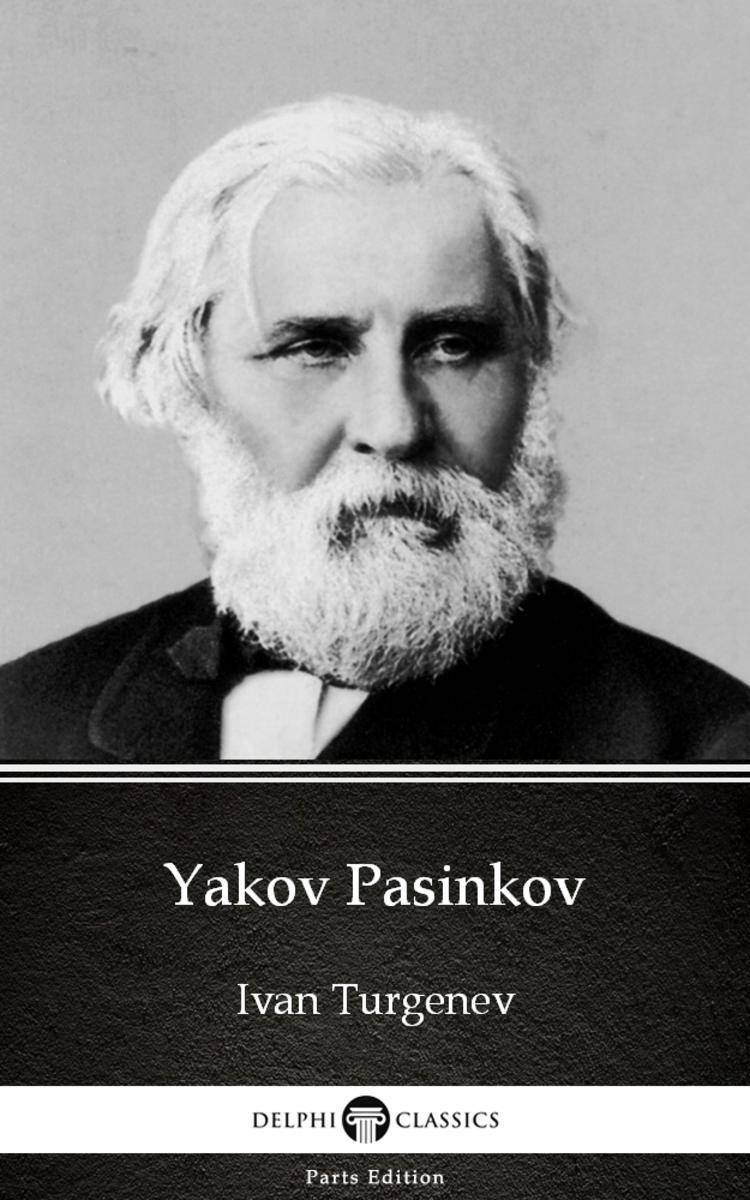
Yakov Pasinkov by Ivan Turgenev - Delphi Classics (Illustrated)
¥8.09
This eBook features the unabridged text of ‘Yakov Pasinkov by Ivan Turgenev - Delphi Classics (Illustrated)’ from the bestselling edition of ‘The Collected Works of Ivan Turgenev’. Having established their name as the leading publisher of classic literature and art, Delphi Classics produce publications that are individually crafted with superior formatting, while introducing many rare texts for the first time in digital print. The Delphi Classics edition of Turgenev includes original annotations and illustrations relating to the life and works of the author, as well as individual tables of contents, allowing you to navigate eBooks quickly and easily. eBook features: * The complete unabridged text of ‘Yakov Pasinkov by Ivan Turgenev - Delphi Classics (Illustrated)’ * Beautifully illustrated with images related to Turgenev’s works * Individual contents table, allowing easy navigation around the eBook * Excellent formatting of the text Please visit www.delphiclassics.com to learn more about our wide range of titles


