


 购物车
购物车 个人中心
个人中心

Rugby Quiz Book
¥73.48
All you have ever wanted to know about Rugby League and Rugby Union but have never dared to ask until now (as the answers are in the back of the book!) Will you get stung by a Wasp or charge through the 1,200 questions and mow down the opposition like a Rhino? You will have to cast your minds back over the last two centuries to recall facts about the game's origins, great players, cup competitions, clubs, stadiums, kit colours, nicknames, nationalities, field positions and much more if you want to be promoted to the Super League rather than face relegation. This is as much a treasure trove of rugby facts and figures as it is a quiz book and is guaranteed to get aficionados and families alike in a competitive scrum.

Global Warming, A Very Peculiar History
¥58.76
Which species of moth was nearly killed off by the fight for cleaner air? How does a cow's bottom contribute to global warming? Could warmer mean colder? All these questions and more are answered in 'Global Warming: A Very Peculiar History'. This book arms you with an introduction to the scientific concepts behind global warming then hits you hard with the bizarre and at times disputed facts that go along with the theory. 'Global Warming, A Very Peculiar History' includes information on the potentially disastrous effects of global warming and what we can do to stop them. It features diagrams and fascinating fact sheets which will boggle the mind. Discover where the theory came from and what we were (or weren't) doing to help protect the Earth in past times. This book looks at both sides of the debate and covers the scientific and historical background of our troubled relationship with the planet on which we live.

Great Britons, A Very Peculiar History
¥58.76
Great Britain can be accused of many things; a proliferation of queuing, a fondness of the demon drink; but it's not without more than its fair share of important historical and modern people. 'Great Britons: A Very Peculiar History' looks at a myriad brillliant Britons and their influence on the world. The book features a short potted history of each person, detailing their acheivements, personalities and lifestyles in a quirky and memorable way. From kings and queens, pirates and politicians, actors and directors to sportsmen, explorers, scientists and inventors, 'Great Britons: A Very Peculiar History' celebrates the men and women who have shaped Great Britain and made it what it is today.

Brighton, A Very Peculiar History
¥58.76
Brighton: that curious master of reinvention - whether it's considered 'London-by-the-Sea' or 'England's San Francisco', it's certainly a city with a reputation for being on the edge. Delve deep into the weird and wonderful history of 'Brighthelmstone', and find out how this dreary fishing village became a dazzling playground for the louche and wealthy: from the fashionable Regency period to the age of DJs, Brighton has always been home to the proudly quirky. But it's not all sun, sea and a fish supper! Be sure to avoid the sleazy world of gang fights and murders as portrayed in Graham Greene's 'Brighton Rock', whilst ducking to miss the bottles hurled between the mods and the rockers during the famous beach battles. Fully exploring the ups and downs of a seaside town, it's 'Brighton - A Very Peculiar History'...with a bit of Hove on the side.

Cricket, A Very Peculiar History
¥58.76
In 'Cricket, A Very Peculiar History' Jim Pipe uniquely explores one of the second biggest spectator sport on the planet. From the hazy bat-and-ball origins of the game to the biggest celebrity players of today, this book is a fascinating insight into the popular sport. Filled to the brim with quirky quotes, fantastic facts and surprising statistics, 'Cricket, A Very Peculiar History' is the perfect book for any fan of the game. You'll discover bizarre cricket lingo, politics and rivalries and even how to make the perfect cricket tea, along with some bizarre but classic tales, without which the game would not be the same.
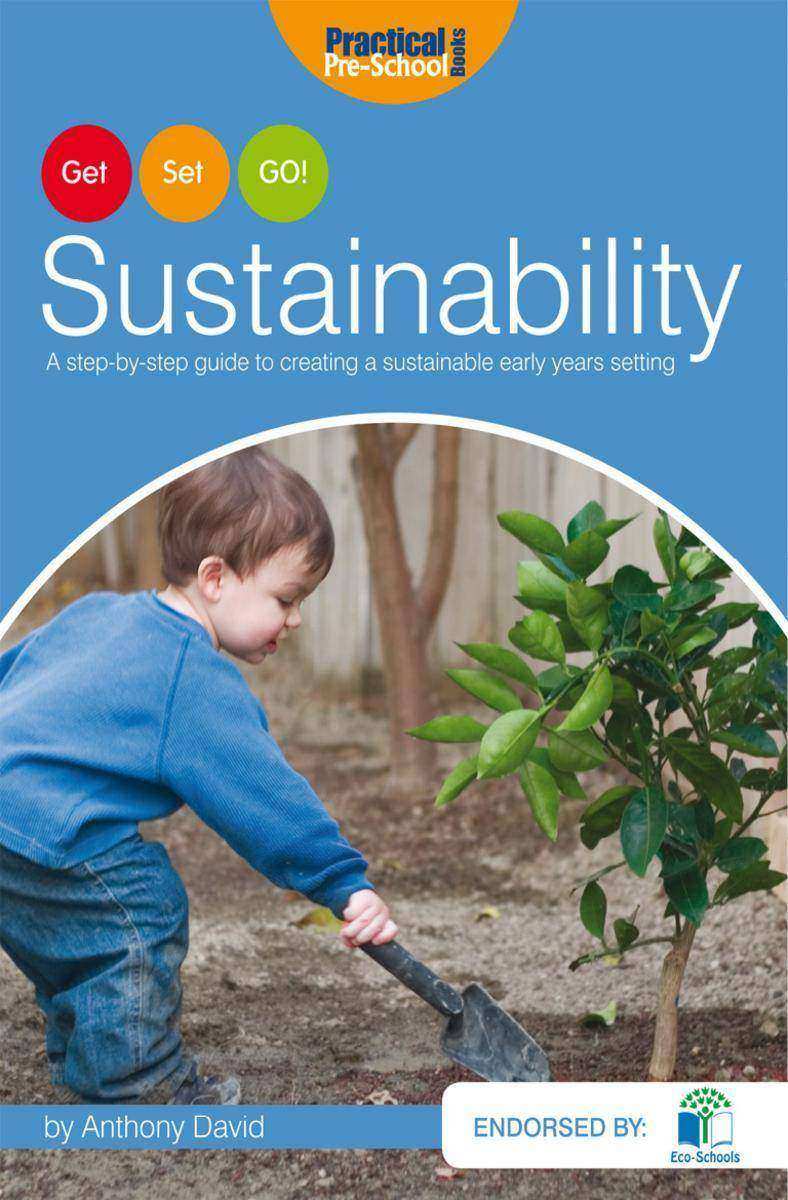
Get, Set, GO! Sustainability
¥112.72
Get Set GO! Sustainability covers a wide range of sustainable options that Children's Centres and early years setting can pick up and start with. Ithis book is aimed at those who are new to sustainability and those who are looking to enhance their sustainable status with some new ideas. Set out in an accessible style, you can dip into the book at any page, as each page is set out in a range of helpful headings to get you going as soon as possible.
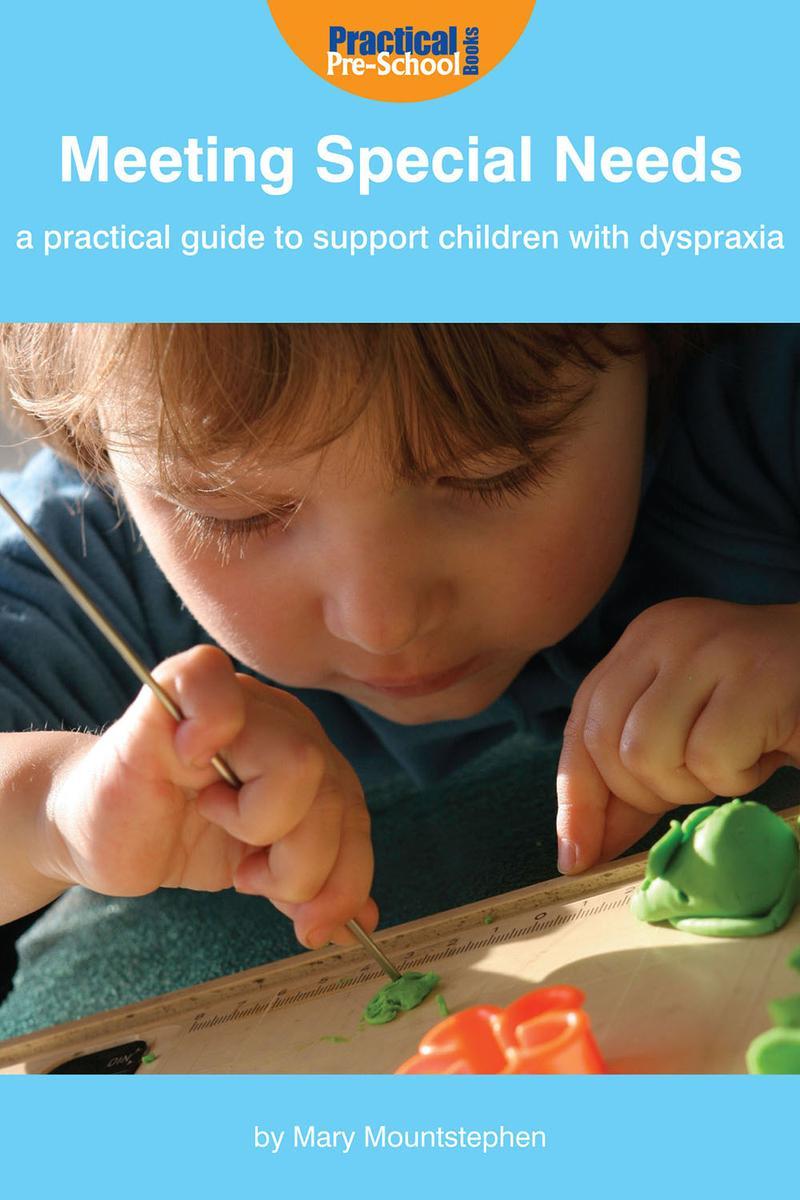
Meeting Special Needs
¥83.29
When working with children whose development is causing concern, it can be difficult to know how best to help. This practical guide to Dyspraxia and Neuro-Developmental Delay has been written to support all early years' professionals, as well as the non-specialist practitioner and parents or carers. The book includes: signs of Dyspraxia and Neuro-Developmental Delay, a guide to what is meant by these terms, practical ways to support and help the child and practical ways to support parents and carers.

Meeting Special Needs
¥83.29
A growing number of children appear to be experiencing delays or difficulties in their speech, language and communication skills. In this book, the author outlines how to identify these children and how to support them effectively. This pracitcal guide to the field of speech, language and communication needs (SLCN) is a timely and practical guide for early years' professionals, as well as the non-specialist pracitioner, and parents or carers.

Planning for Learning through ICT
¥73.48
Planning for Learning through ICT aims to introduce young children to what ICT is, and provides over six weeks worth of activities that explore a range of technologies suitable for children 3-5. The book provides ideas for helping children learn about the different purposes of ICT and explores how to use ICT to create, to find information, to play, to shop. The book focuses in particular on how to use ICT creatively as well as outdoors. Whatever your daily learning, this book aims to show how ICT can be easily and appropriately included in your everyday play and learning.
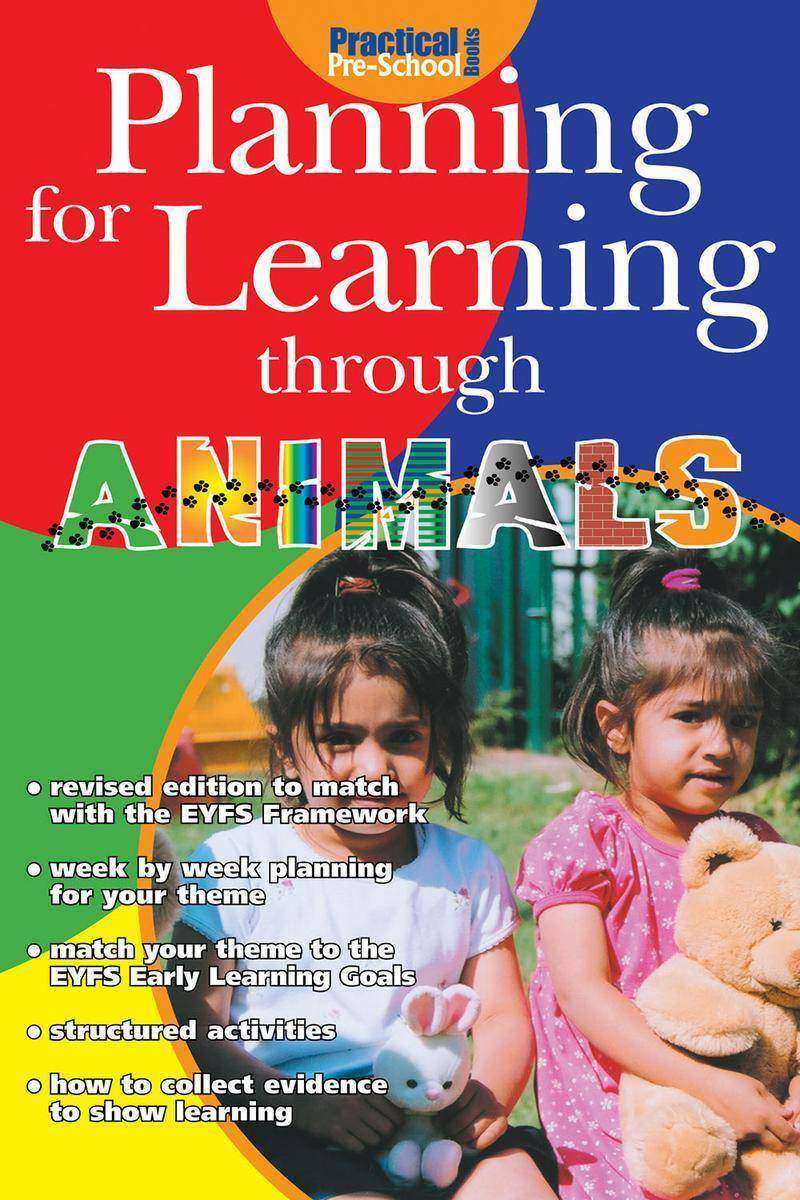
Planning for Learning through Animals
¥73.48
This book takes you through six weeks of activities on the theme of animals. Each activity is linked to a specific Early Learning Goal, and the book contains a skills overview so that practitioners can keep track of which areas of learning and development they are promoting. This book also includes a photocopiable page to give to parents with ideas for them to get involved with their children's topic, as well as ideas for bringing the six weeks of learning together. The weekly themes in this book include: name the animals, hide and seek, where I live, farm animals, pets and animal babies.
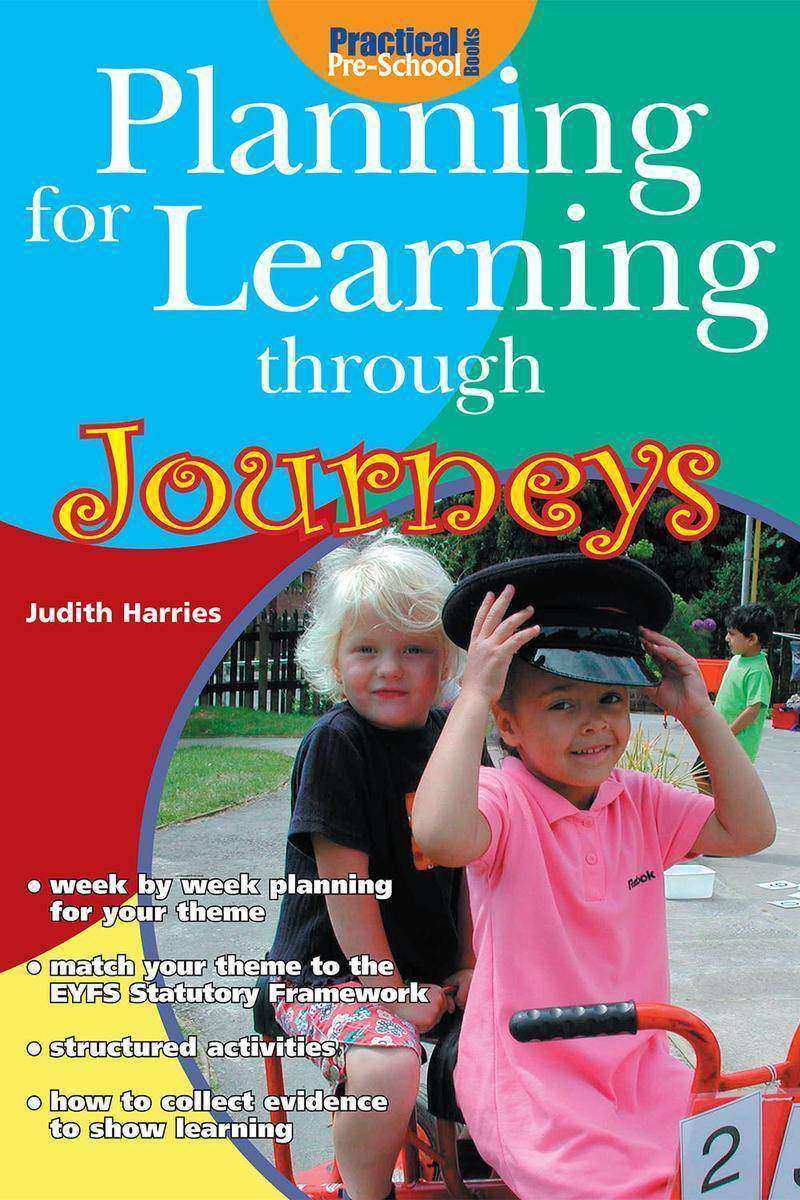
Planning for Learning through Journeys
¥73.48
Plan for six weeks of learning covering all six areas of learning and development of the EYFS through the topic of journeys and transport. The Planning for Learning series is a series of topic books written around the Early Years Foundation Stage designed to make planning easy. This book takes you through six weeks of activities on the theme of journeys and transport. Each activity is linked to a specific Early Learning Goal, and the book contains a skills overview so that practitioners can keep track of which areas of learning and development they are promoting. This book also includes a photocopiable page to give to parents with ideas for them to get involved with their children's topic, as well as ideas for bringing the six weeks of learning together. The weekly themes in this book include: travel on foot, by road, by rail, track and trail, over and under water, through the air, anywhere and everywhere.
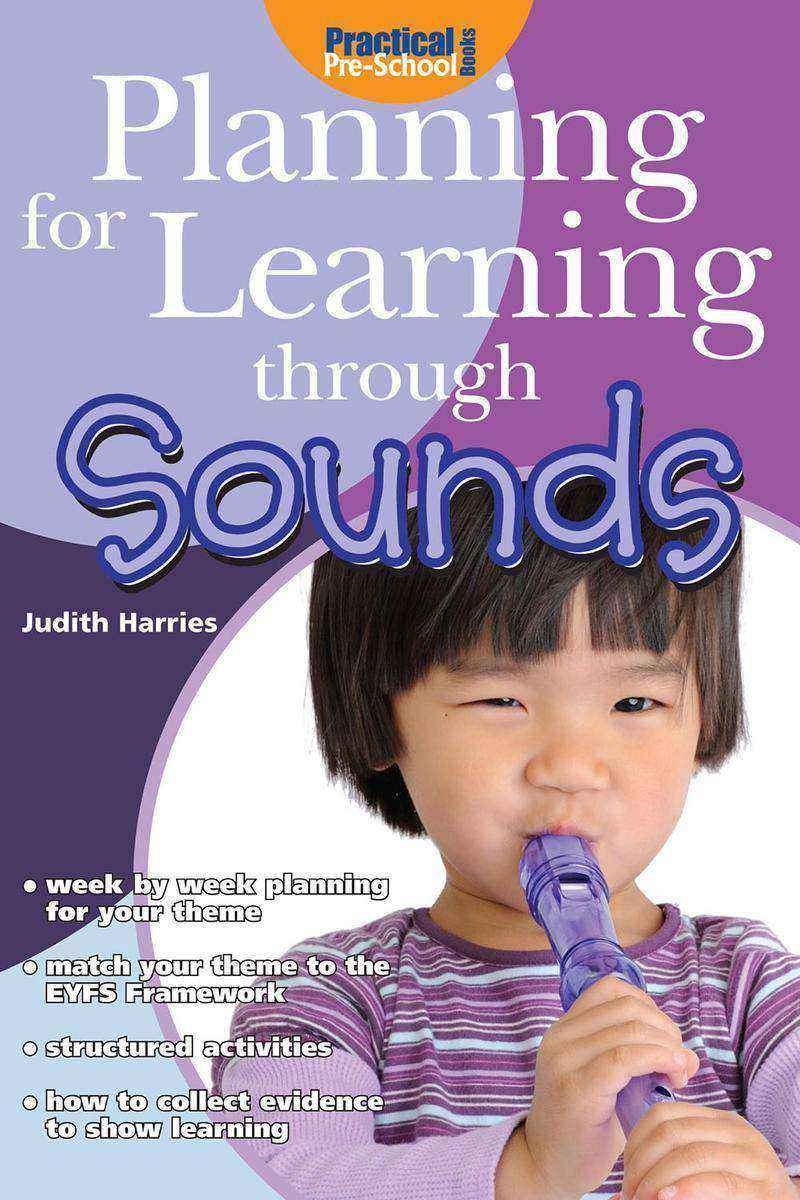
Planning for Learning through Sounds
¥73.48
Plan for six weeks of learning covering all six areas of learning and development of the EYFS through the topic of sounds. The Planning for Learning series is a series of topic books written around the Early Years Foundation Stage designed to make planning easy. This book takes you through six weeks of activities on the theme of sounds. Each activity is linked to a specific Early Learning Goal, and the book contains a skills overview so that practitioners can keep track of which areas of learning and development they are promoting. This book also includes a photocopiable page to give to parents with ideas for them to get involved with their children's topic, as well as ideas for bringing the six weeks of learning together.The weekly themes in this book include: hearing and making sounds, musical sounds, changing sounds, animal sounds and machine sounds.
Jump Into Fame
¥73.48
The ultimate guide for breaking into the music industry. You've heard the songs, you went to the gigs, you bought the t-shirts and you read the biographies, but now it's your turn, right? The music industry is seen by many as a direct path to the ultimate party lifestyle of the rich and famous. But there is more to being a successful recording artist than just standing up in front of a crowd and singing, or spending your cash in the glamorous nightspots of London, New York and LA. As an industry that employs thousands of people in producing, marketing, publishing, and promoting musicians, there's a lot of hard work that goes into making recording artists a success. Take a look inside the world of the music business, see how it works and plot YOUR PATH TO FAME! Break down the barriers by knowing how the business works. Knowledge is power and 'Jump into Fame' will help you prepare. In each of these titles you will find advice on the key aspects of the music industry from an artist's perspective, including song writing, rehearsing and choreography to copyright, royalties and merchandising. This eBook covers a series of topics you will need to understand and address within the music industry. Save yourself a lot of time by preparing professionally and with a clear understanding of what's involved. Learn what to expect from others and also, importantly, what the music industry expects from you. Beyond the traditional image of sex, drugs and rock n' roll there is a whole industry generating tens of billions of dollars worldwide, so what does it take to become a part of it? Read advice from professional musicians and choreographers, and get to grips with the basics of the business side of the music industry. Learn about the mysterious rules of music copyright and find out where exactly your riches will come flooding in from with our section on royalties. Get yourself noticed by making your own music video, and protect your assets by retaining ownership of your material, seeking advice from the Musician's Union on the way. Learn how to put together the professional support team you will need. Many of the decisions you make now will be crucial to your chances of success in the future. With so many pitfalls you need to be aware of how the industry works, what to look out for and how to make yourself stand out from the crowd. If you're serious about making a career from your talent, then jump in and take the first step on the road to fame!
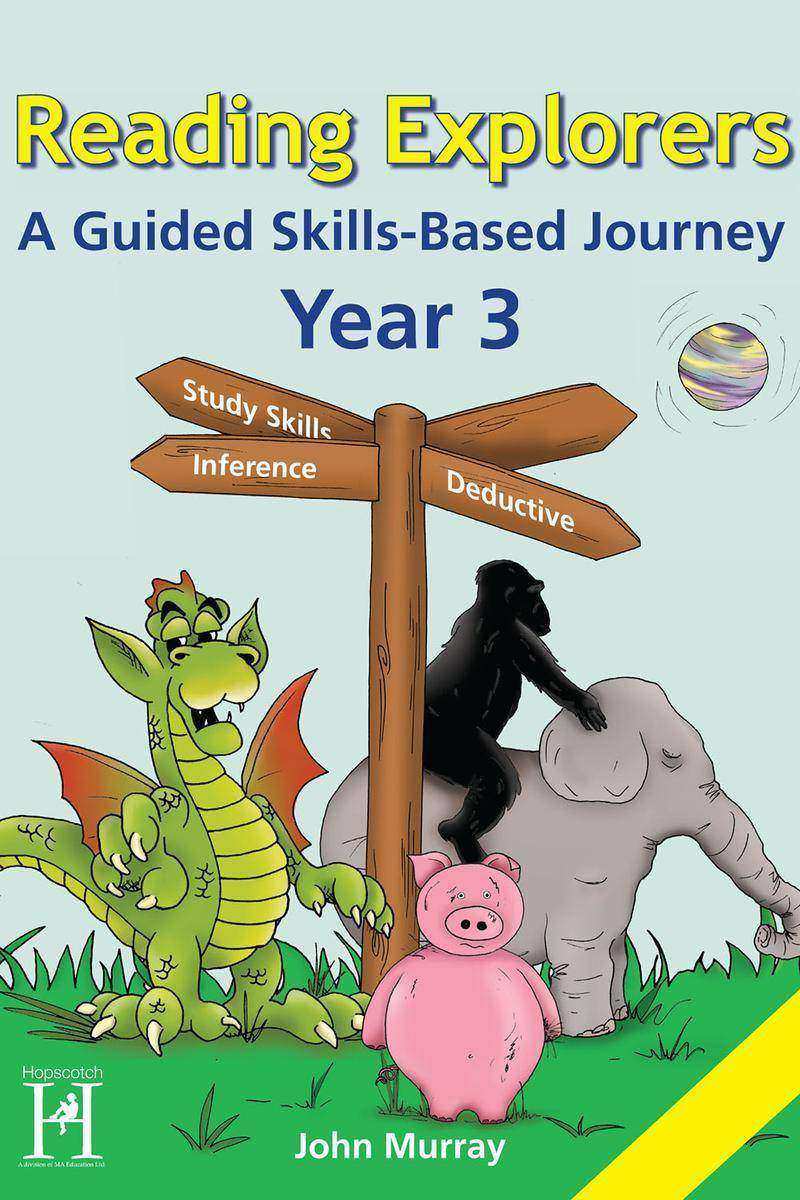
Reading Explorers Year 3
¥215.72
A Guided Skills-Based Journey is a series of books aimed at developing key reading and study skills. This brilliant new series provides teachers with a wide variety of genres, both fiction and non-fiction, which will allow children to access, interpret and understand what they are reading. It increases the child's knowledge and understanding of why certain words are chosen by an author. It gives the reader the chance to speculate on the tone and purpose of the texts, as well as consider both the texts' themes and audience.
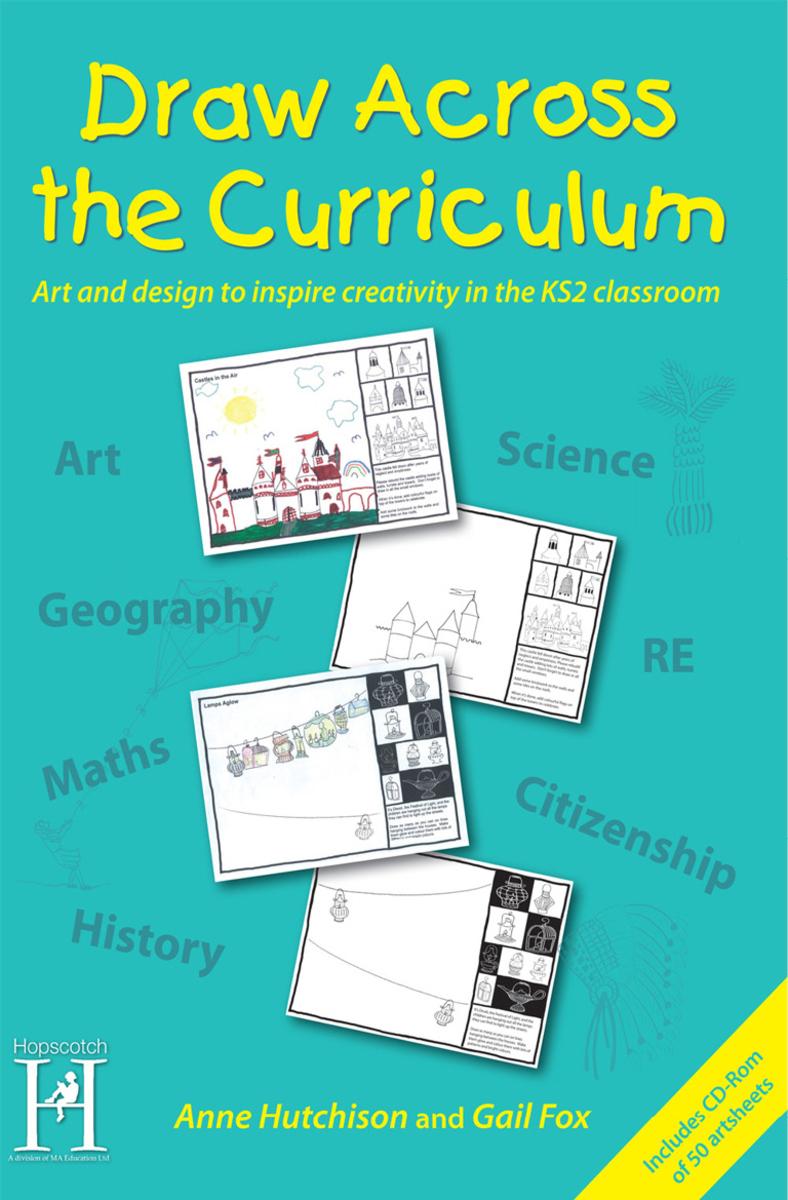
Draw Across the Curriculum
¥147.05
Draw Across the Curriculum is a collection of 50 photocopiable art worksheets, designed to provide a handy cross-curricular drawing resource for the busy primary classroom teacher. Perfect for getting pupils to put pencil to paper, this collection of artsheets is brimming with humorous designs to copy and patterns to make.
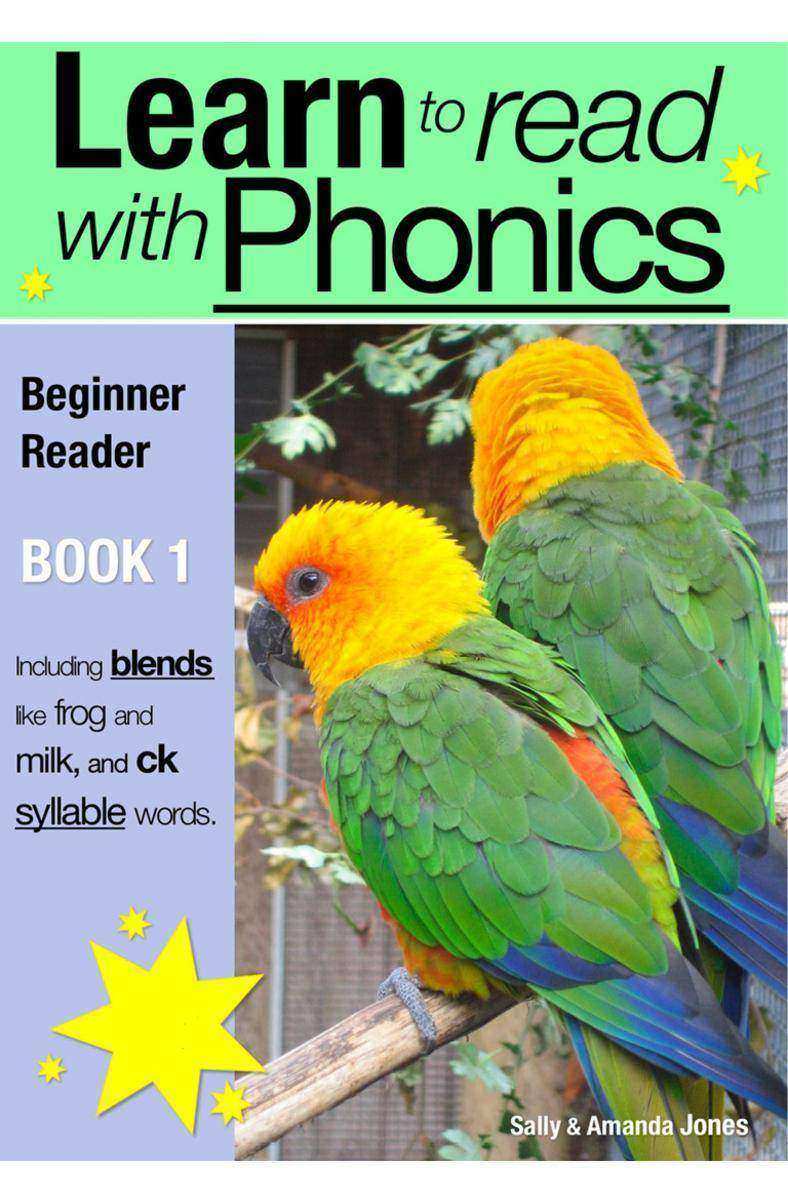
Learn to Read with Phonics - Book 1
¥78.38
A new revolutionary phonic reading scheme. Learn To Read With Phonics teaches reading rapidly, in as little as six months PROVEN! Children love reading about the humorous adventures of Sam and his friends. They hardly realise that within each fun story are disguised phonic sounds. Learning to read with Guinea Pig has never been so easy or so much fun. This exciting scheme has been written by a Surrey teacher and tutor catering for the needs of the children she teaches. The scheme works well with young children starting out on reading. At the same time, it is ideal for older children who have failed to reach targets in literacy, for those who have experienced particular learning difficulties or where English is a second language. This scheme helps the student catch up fast. Beginner Reader Books 1-6 are a structured course that systematically introduces new sounds, each one building on the ones that went before. Book 1 teaches blends like frog and milk and 'ck' syllable words. The child is encouraged to read each sound chapter several times and to learn the words using the matching activities with the help of an adult. When he or she is familiar with the material they can move on.
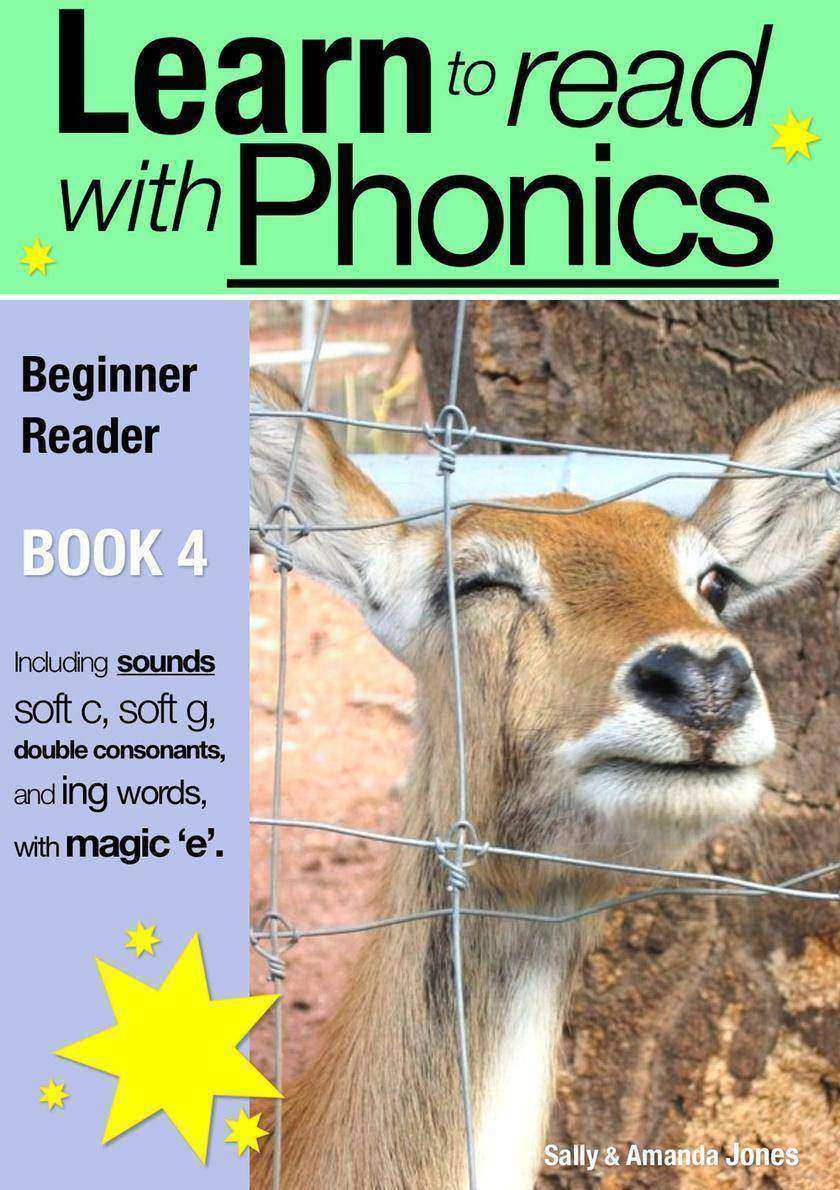
Learn to Read with Phonics - Book 4
¥78.38
A new revolutionary phonic reading scheme. Learn To Read With Phonics teaches reading rapidly, in as little as six months PROVEN! Children love reading about the humorous adventures of Sam and his friends. They hardly realise that within each fun story are disguised phonic sounds. Learning to read with Guinea Pig has never been so easy or so much fun. This exciting scheme has been written by a Surrey teacher and tutor catering for the needs of the children she teaches. The scheme works well with young children starting out on reading. At the same time, it is ideal for older children who have failed to reach targets in literacy, for those who have experienced particular learning difficulties or where English is a second language. This scheme helps the student catch up fast. Beginner Reader Books 1-6 are a structured course that systematically introduces new sounds, each one building on the ones that went before.
Cup Cake
¥58.76
The 'Creative Writing Tutor' scheme provides a lively series of themed booklets that will stimulate your child's imagination and inspire him or her to write in a more interesting way and to achieve better results. The booklets provide 'a tutor' for the child, fun features and stories to read, follow up activities to complete, harder vocabulary to prepare children for more advanced writing and many helpful tips and techniques to improve writing style.Written by an experienced teacher, they are recommended for use at school or at home by children aged 9-13 years, of all abilities. They are excellent for stretching fast workers and able writers or preparing for writing tasks in 11+ examinations. In this book, learn to write about cakes (including how to write a good recipe) and take some great ideas for writing fiction.
Changes
¥58.76
The 'Creative Writing Tutor' scheme provides a lively series of themed booklets that will stimulate your child's imagination and inspire him or her to write in a more interesting way and to achieve better results. The booklets provide 'a tutor' for the child, fun features and stories to read, follow up activities to complete, harder vocabulary to prepare children for more advanced writing and many helpful tips and techniques to improve writing style.Written by an experienced teacher, they are recommended for use at school or at home by children aged 9-13 years, of all abilities. They are excellent for stretching fast workers and able writers or preparing for writing tasks in 11+ examinations.
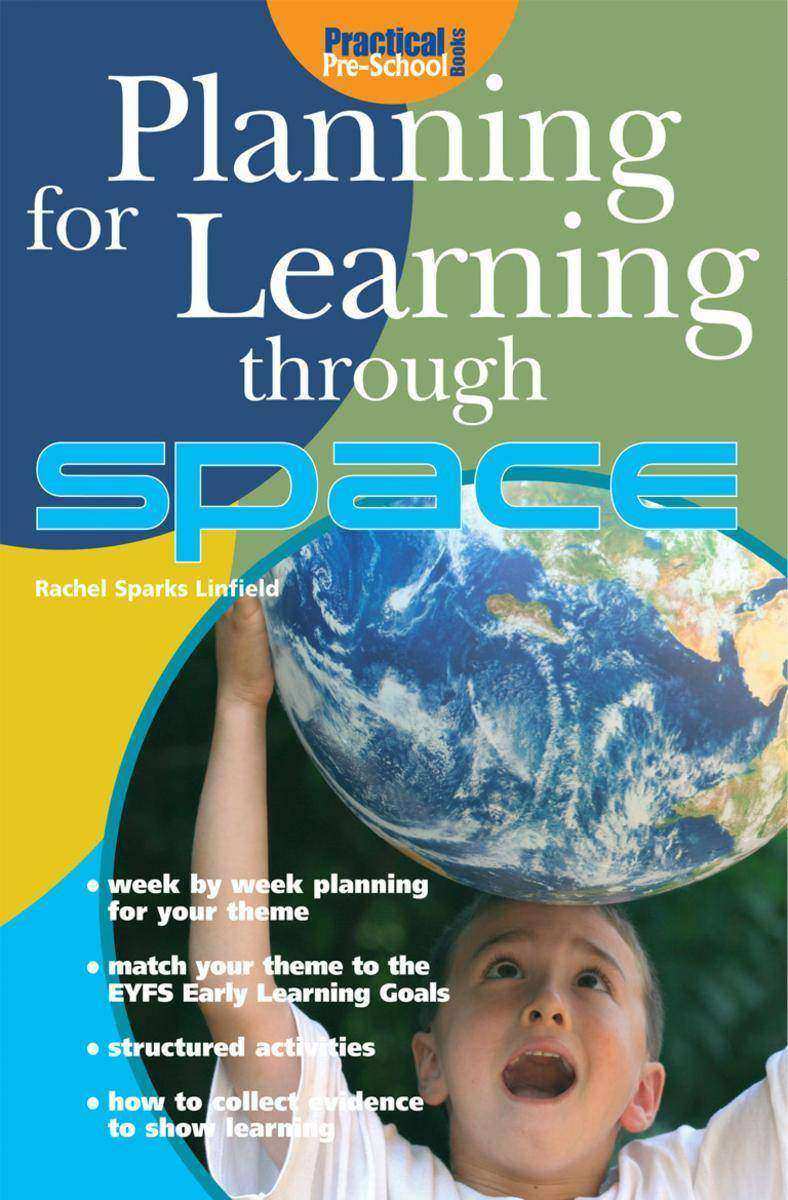
Planning for Learning through Space
¥73.48
Plan for six weeks of learning covering all six areas of learning and development of the EYFS through the topic of space. The Planning for Learning series is a series of topic books written around the Early Years Foundation Stage designed to make planning easy. This book takes you through six weeks of activities on the theme of space. Each activity is linked to a specific Early Learning Goal, and the book contains a skills overview so that practitioners can keep track of which areas of learning and development they are promoting. This book also includes a photocopiable page to give to parents with ideas for them to get involved with their children's topic, as well as ideas for bringing the six weeks of learning together. The weekly themes in this book include: the earth, the sun, other stars, our moon, and journeying into space.
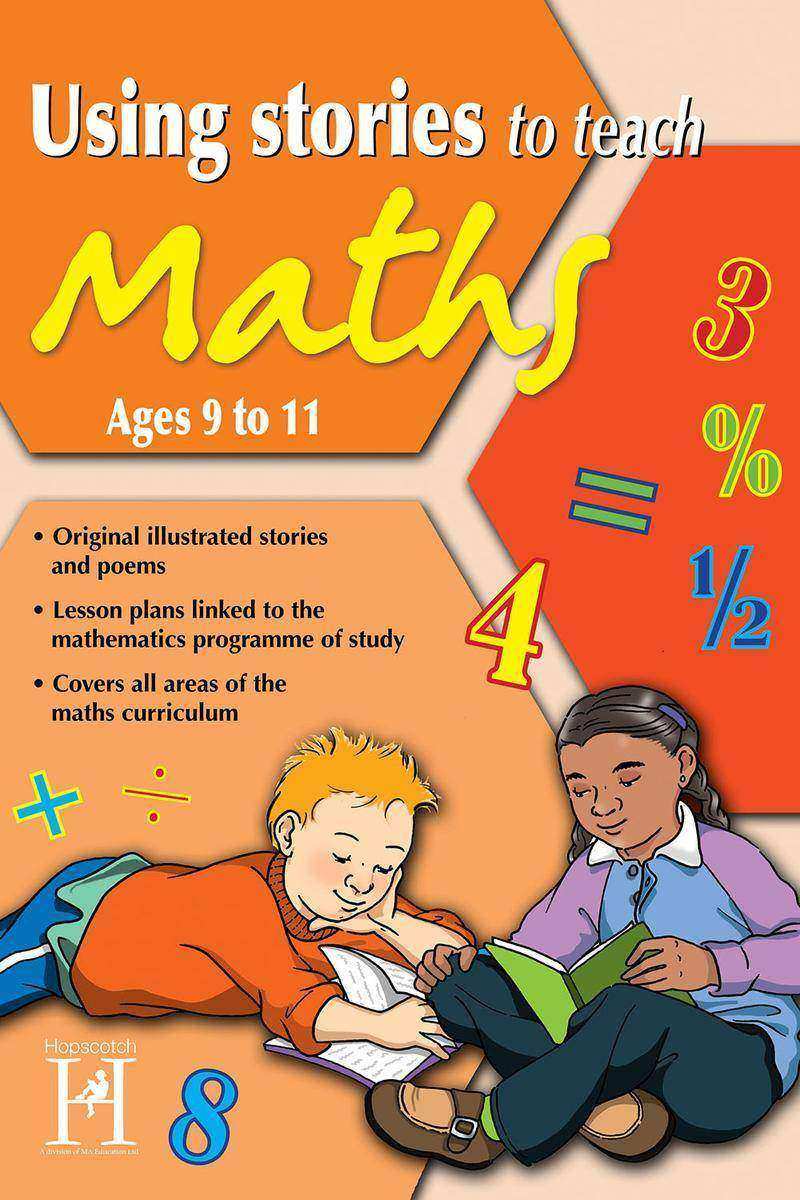
Using Stories to Teach Maths Ages 9 to 11
¥156.86
Make the teaching of Maths a more exciting and creative cross-curricular experience! This new series provides original and fun stories, sketches and poems to use as the basis for teaching objectives from the Mathematics Programme of Study. The stories are supported by differentiated lesson plans and original resources such as card games and suggestions for kinaesthetic activities. Ages 9-11 stories include: Sneaky Circles, Hank Bullman rides into Certain City, Space Chase, Mediaevel Mode, Metric Measures Poem, Ratio Poem. The stories have been road-tested in schools and the children thoroughly enjoyed them!


