


 购物车
购物车 个人中心
个人中心
Clara Militch by Ivan Turgenev - Delphi Classics (Illustrated)
¥8.09
This eBook features the unabridged text of ‘Clara Militch by Ivan Turgenev - Delphi Classics (Illustrated)’ from the bestselling edition of ‘The Collected Works of Ivan Turgenev’. Having established their name as the leading publisher of classic literature and art, Delphi Classics produce publications that are individually crafted with superior formatting, while introducing many rare texts for the first time in digital print. The Delphi Classics edition of Turgenev includes original annotations and illustrations relating to the life and works of the author, as well as individual tables of contents, allowing you to navigate eBooks quickly and easily. eBook features: * The complete unabridged text of ‘Clara Militch by Ivan Turgenev - Delphi Classics (Illustrated)’ * Beautifully illustrated with images related to Turgenev’s works * Individual contents table, allowing easy navigation around the eBook * Excellent formatting of the text Please visit www.delphiclassics.com to learn more about our wide range of titles
Eugenie Grandet
¥40.79
Eugenie's father Felix is a former cooper who has become wealthy through both business ventures and inheritance. However, he is very miserly, and he, his wife, daughter and their servant Nanon live in a run-down old house which he is too miserly to repair. His banker des Grassins wishes Eugenie to marry his son Adolphe, and his lawyer Cruchot wishes Eugenie to marry his nephew President Cruchot des Bonfons, both parties eyeing the inheritance from Felix.
Queen Zixi of Ix by L. Frank Baum - Delphi Classics (Illustrated)
¥8.09
This eBook features the unabridged text of ‘Queen Zixi of Ix by L. Frank Baum - Delphi Classics (Illustrated)’ from the bestselling edition of ‘The Complete Works of L. Frank Baum’. Having established their name as the leading publisher of classic literature and art, Delphi Classics produce publications that are individually crafted with superior formatting, while introducing many rare texts for the first time in digital print. The Delphi Classics edition of Baum includes original annotations and illustrations relating to the life and works of the author, as well as individual tables of contents, allowing you to navigate eBooks quickly and easily. eBook features: * The complete unabridged text of ‘Queen Zixi of Ix by L. Frank Baum - Delphi Classics (Illustrated)’ * Beautifully illustrated with images related to Baum’s works * Individual contents table, allowing easy navigation around the eBook * Excellent formatting of the text Please visit www.delphiclassics.com to learn more about our wide range of titles
The Daring Twins by L. Frank Baum - Delphi Classics (Illustrated)
¥8.09
This eBook features the unabridged text of ‘The Daring Twins by L. Frank Baum - Delphi Classics (Illustrated)’ from the bestselling edition of ‘The Complete Works of L. Frank Baum’. Having established their name as the leading publisher of classic literature and art, Delphi Classics produce publications that are individually crafted with superior formatting, while introducing many rare texts for the first time in digital print. The Delphi Classics edition of Baum includes original annotations and illustrations relating to the life and works of the author, as well as individual tables of contents, allowing you to navigate eBooks quickly and easily. eBook features: * The complete unabridged text of ‘The Daring Twins by L. Frank Baum - Delphi Classics (Illustrated)’ * Beautifully illustrated with images related to Baum’s works * Individual contents table, allowing easy navigation around the eBook * Excellent formatting of the text Please visit www.delphiclassics.com to learn more about our wide range of titles
Acia by Ivan Turgenev - Delphi Classics (Illustrated)
¥8.09
This eBook features the unabridged text of ‘Acia by Ivan Turgenev - Delphi Classics (Illustrated)’ from the bestselling edition of ‘The Collected Works of Ivan Turgenev’. Having established their name as the leading publisher of classic literature and art, Delphi Classics produce publications that are individually crafted with superior formatting, while introducing many rare texts for the first time in digital print. The Delphi Classics edition of Turgenev includes original annotations and illustrations relating to the life and works of the author, as well as individual tables of contents, allowing you to navigate eBooks quickly and easily. eBook features: * The complete unabridged text of ‘Acia by Ivan Turgenev - Delphi Classics (Illustrated)’ * Beautifully illustrated with images related to Turgenev’s works * Individual contents table, allowing easy navigation around the eBook * Excellent formatting of the text Please visit www.delphiclassics.com to learn more about our wide range of titles
Our Landlady by L. Frank Baum - Delphi Classics (Illustrated)
¥8.09
This eBook features the unabridged text of ‘Our Landlady by L. Frank Baum - Delphi Classics (Illustrated)’ from the bestselling edition of ‘The Complete Works of L. Frank Baum’. Having established their name as the leading publisher of classic literature and art, Delphi Classics produce publications that are individually crafted with superior formatting, while introducing many rare texts for the first time in digital print. The Delphi Classics edition of Baum includes original annotations and illustrations relating to the life and works of the author, as well as individual tables of contents, allowing you to navigate eBooks quickly and easily. eBook features: * The complete unabridged text of ‘Our Landlady by L. Frank Baum - Delphi Classics (Illustrated)’ * Beautifully illustrated with images related to Baum’s works * Individual contents table, allowing easy navigation around the eBook * Excellent formatting of the text Please visit www.delphiclassics.com to learn more about our wide range of titles

Symposium
¥40.79
Of all the works of Plato the Symposium is the most perfect in form, and may be truly thought to contain more than any commentator has ever dreamed of; or, as Goethe said of one of his own writings, more than the author himself knew. For in philosophy as in prophecy glimpses of the future may often be conveyed in words which could hardly have been understood or interpreted at the time when they were uttered.
Euthyphro
¥40.79
In the Meno, Anytus had parted from Socrates with the significant words: 'That in any city, and particularly in the city of Athens, it is easier to do men harm than to do them good;' and Socrates was anticipating another opportunity of talking with him. In the Euthyphro, Socrates is awaiting his trial for impiety. But before the trial begins, Plato would like to put the world on their trial, and convince them of ignorance in that very matter touching which Socrates is accused. An incident which may perhaps really have occurred in the family of Euthyphro, a learned Athenian diviner and soothsayer, furnishes the occasion of the discussion.
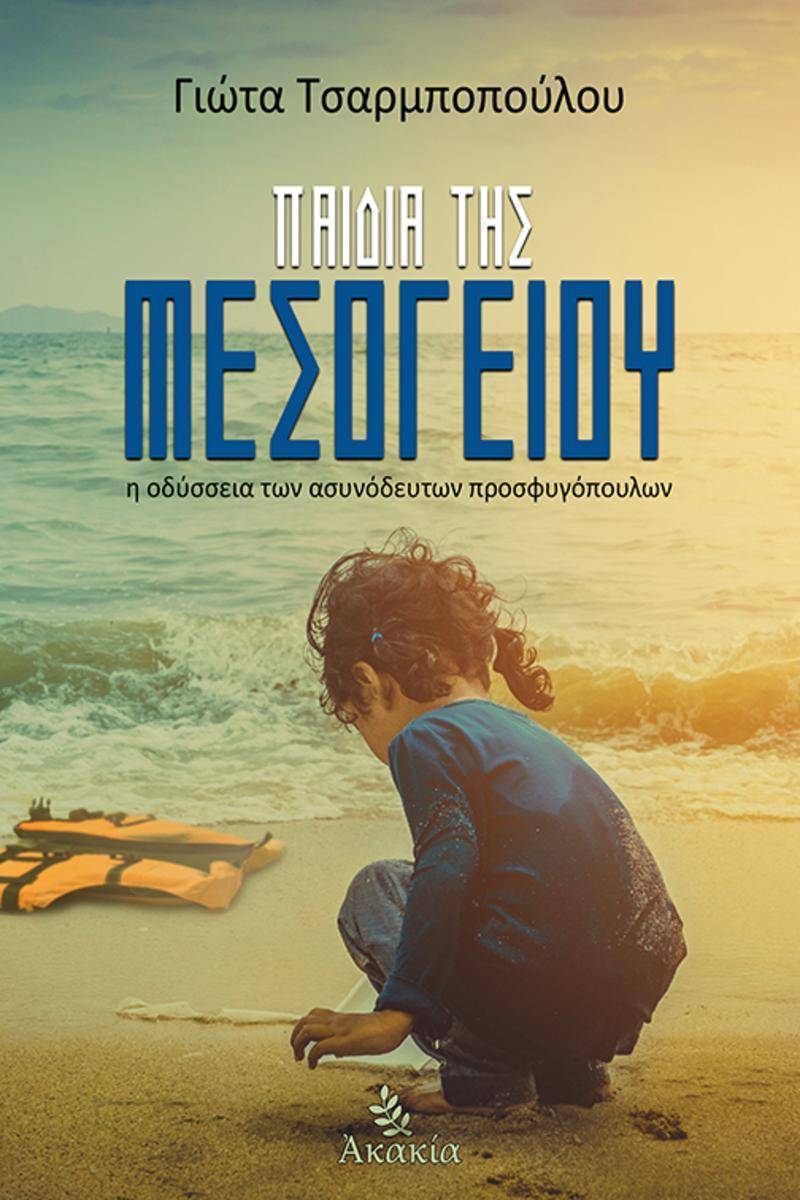
Παιδι? τη? Μεσογε?ου
¥63.19
Ν?ο-ιστορικ?, ρεαλιστικ?, κοινωνικ?-πολιτικ? μυθιστ?ρημα, ιδια?τερα επ?καιρο, μια δυνατ? αναφορ? στην προσφυγικ? κρ?ση, που χτυπ? κυρ?ω? τα παιδι?, τα ασυν?δευτα προσφυγ?πουλα.Το φθιν?πωρο του 2014, η Λητ?, φιλ?λογο?, τοποθετε?ται ω? αναπληρ?τρια καθηγ?τρια σε Γυμν?σιο του νησιο? τη? Κω. Εκε?, συναντ? πρ?σφυγε? που καταφθ?νουν με σαπιοκ?ραβα απ? τι? τουρκικ?? ακτ??. Αποφασ?ζει συνειδητ? να βοηθ?σει του? πρ?σφυγε?, ω? εθελ?ντρια, στο ?Ιπποκρ?τειο? νοσοκομε?ο τη? Κω. Στο θ?λαμο του νοσοκομε?ου συναντ? τρει? Σ?ριου? πρ?σφυγε?, βαρι? τραυματισμ?νου?, τον Ασλ?ν, παλι? γν?ριμο, απ? τι? κοιν?? του? μεταπτυχιακ?? σπουδ?? στη Σκωτ?α, μαζ? με ?λλου? δυο Σ?ριου? φ?λου? του, τον Τζαμ?λ και τον Οσ?μα, που συνοδε?ουν ενν?α μικρ? παιδι?, προσφυγ?πουλα, ορφαν? πολ?μου. Η Λητ? εμπλ?κεται στη ζω? των τρι?ν ανδρ?ν και των ενν?α παιδι?ν. Το προσφυγικ? ζ?τημα γ?νεται δικ? τη? θ?μα, κομμ?τι του ψυχισμο? τη?, πρ?γμα που εκφρ?ζεται ?ντονα στα τραγο?δια που πα?ζει στην κιθ?ρα τη?, στου? μαθητ?? τη? στο σχολε?ο τη? Κω, στη ζω? τη?, στον τρ?πο που αναζητ? τι? θ?σει? τη? Ευρωπα?κ?? ?νωση?, τη? ?πατη? Αρμοστε?α? του ΟΗΕ, των εμπλεκ?μενων κρατ?ν. Στηρ?ζει με ιδια?τερη ευαισθησ?α τα ασυν?δευτα παιδι? - προσφυγ?πουλα, που π?φτουν θ?ματα επικ?νδυνων εγκληματι?ν και χ?νονται κατ? τη δι?ρκεια τη? πορε?α? του? προ? την κεντρικ? και β?ρεια Ευρ?πη, σε βρ?μικα κυκλ?ματα εκμετ?λλευση?, πορνε?α?, παιδεραστ?ν, εμπορ?ου ανθρωπ?νων οργ?νων, ναρκωτικ?ν, κ.?. Ο δυνατ?? ?ρωτ?? τη? για τον Ασλ?ν και η αγ?πη τη? για τα παιδι? την οδηγε? μαζ? του?, στην κεντρικ? Ευρ?πη και στην ενεργ? συμμετοχ? τη? στο προσφυγικ? ζ?τημα καθ?? και στην τοποθ?τησ? τη? με πρακτικ? τρ?πο, σε ?να θ?μα που αφορ? ?λη την Ευρ?πη, την παγκ?σμια κοιν?τητα, τον ΟΗΕ, καθ?? χτυπ?ει β?ναυσα, εδ? και χρ?νια, του? λαο?? τη? Μεσογε?ου και υποθ?λπει κρυφ?, ?νομα, αλλ? και φανερ? συμφ?ροντα.Ε?ναι ?να βιβλ?ο που χτυπ? τον ρατσισμ?, την ξενοφοβ?α, τι? θρησκευτικ?? προκαταλ?ψει?, στηρ?ζει τον ?νθρωπο και τι? πανανθρ?πινε? αξ?ε?, που κουρελι?ζονται απ? πολ?μου?, εμφυλ?ου?, μ?ση, φανατισμο?? και ζητ? αλληλεγγ?η και πιστ? εφαρμογ? των ν?μων και καν?νων του ΟΗΕ, που ?χουν να κ?νουν με τα ανθρ?πινα δικαι?ματα.
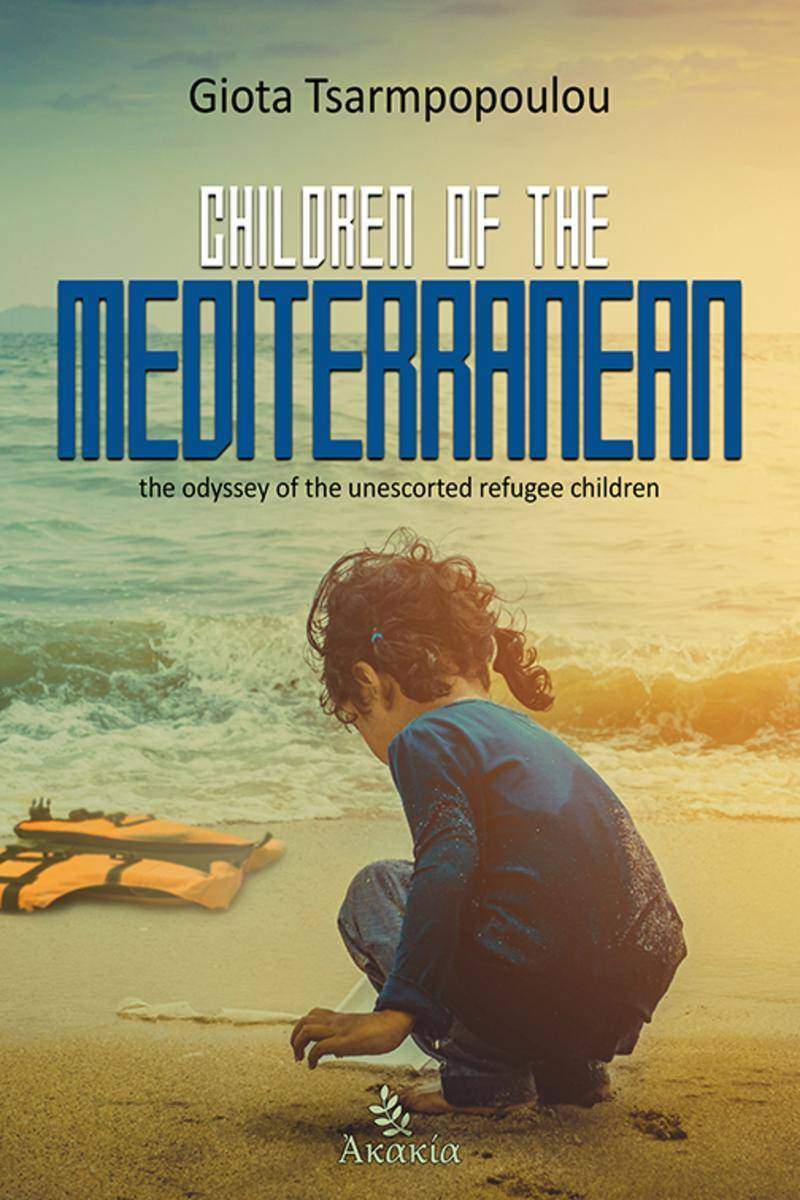
Children of the Mediterranean: The odyssey of the Unescorted Refugee Children
¥63.19
A new-historical, realistic, social-political novel. A current, strong reference to the refugee crisis, which strikes the unescorted innocent refugee children.At the beginning of the autumn of 2014, Leto, a teacher of Greek literature is assigned in a secondary school of Kos, as a contract teacher. There, she meets a lot of refugees from Syria, who arrive on the island, with old and rusty boats, from the Turkish shores. After a big wreck, she consciously decides to help them as a volunteer in “Hippokratio” hospital of Kos. There, she is responsible for three heavily injured men from Syria. One of them is Aslan, a friend from their common post graduate studies in Aberdeen University, Scotland. In the same room, there are two other friends of him, Jamal and Ossama. They all accompany nine refugee children, orphans of the war. Leto is involved in the life of the three injured men and the nine refugee children. The refugee issue becomes her own issue, a part of her, which she wholeheartedly expresses through playing her guitar to her students of Kos throughout her whole life. She challenges the attitudes of European Union and the United Nations High Commissioner for Refugees, as well as all the involved nations. She stands by the unescorted refugee children, sensitively, who become victims of dangerous criminals and they get lost in den of vices of prostitution, pederasty, trafficking in human organs, drugs and so on, on their way to the Central and North Europe. Leto’s strong love for Aslan and her love for children leads her to the Central Europe where she participates energetically to the refugee matter, and she takes position practically, to an item which overconcerns all Europe, the whole world, the United Nations, as it brutally beats all the nations of Mediterranean Sea, pandering hidden and illegal interests, but obvious too.A book which challenges racism, xenophobia and religious prejudice, stands by the human and supports the universal values that are torn up by the war, the civil war, the total hatreds, and fanatics. It is asking for solidarity and faithful implementation of laws and rules of the U.N., which are closely linked to the human rights.
The Wisdom of Father Brown
¥40.79
Two men appeared simultaneously at the two ends of a sort of passage running along the side of the Apollo Theatre in the Adelphi. The evening daylight in the streets was large and luminous, opalescent and empty. The passage was comparatively long and dark, so each man could see the other as a mere black silhouette at the other end. Nevertheless, each man knew the other, even in that inky outline; for they were both men of striking appearance and they hated each other.
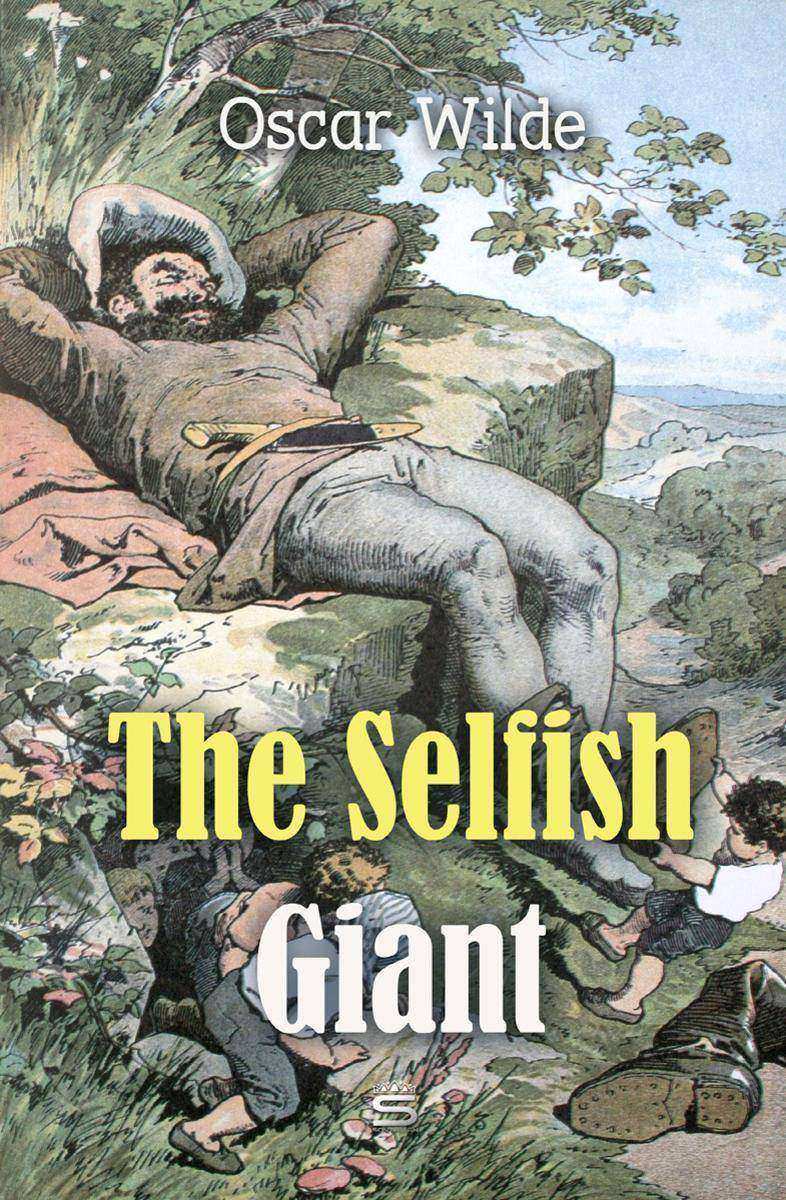
The Selfish Giant
¥40.79
Perpetual winter comes to a beautiful garden of the selfish giant who erected a wall around it to stop children playing in the garden. Unexpected consequences follow. The birds stop singing in this garden and both trees and flowers stop blossoming. One day discovers that spring has returned to the garden, as the children have found a way in through a gap in the wall. He sees the error of his ways, and resolves to destroy the wall.

The Devoted Friend
¥40.79
Little Hans spends most of his time gardening and makes a living from sales of his beautiful flowers. Little Hans always treats his neighbours well and even allows neighbouring rich Miller to pick flowers from his garden. But the Miller rarely invites Hans into his house or responds in kind. The Miller instead develops has his own philosophy of friendship: ‘Lots of people act well but very few people talk well, which shows that talking is much the more difficult thing of the two, and much the finer thing also'.
A Woman of No Importance
¥40.79
The play opens with a party on a terrace in Lady Hunstanton's estate. The upper class guests exchange social gossip and small talk. Lady Caroline Pontrefact patronizes an American visitor, Hester Worsley, and proceeds to give her own opinion on everyone in the room and her surrounding life. Lady Caroline also denounces Hester's enthusiasm for Gerald Arbuthnot until Gerald himself enters to proclaim that Lord Illingworth, a powerful, flirtatious male political figure intends to take him under his wing as secretary.
The Model Millionaire
¥40.79
Hughie Erskine is in love and wants to marry, but the girl's father will not allow it, since Erskine has no money. Erskine's friend Alan Trevor is a painter, and he visits him at his studio one day to find him with a pitiable beggar — the model for his painting. Erskine only has one coin, on which he depends for transportation, but he decides he can walk for a couple of weeks and gives the beggar the coin.
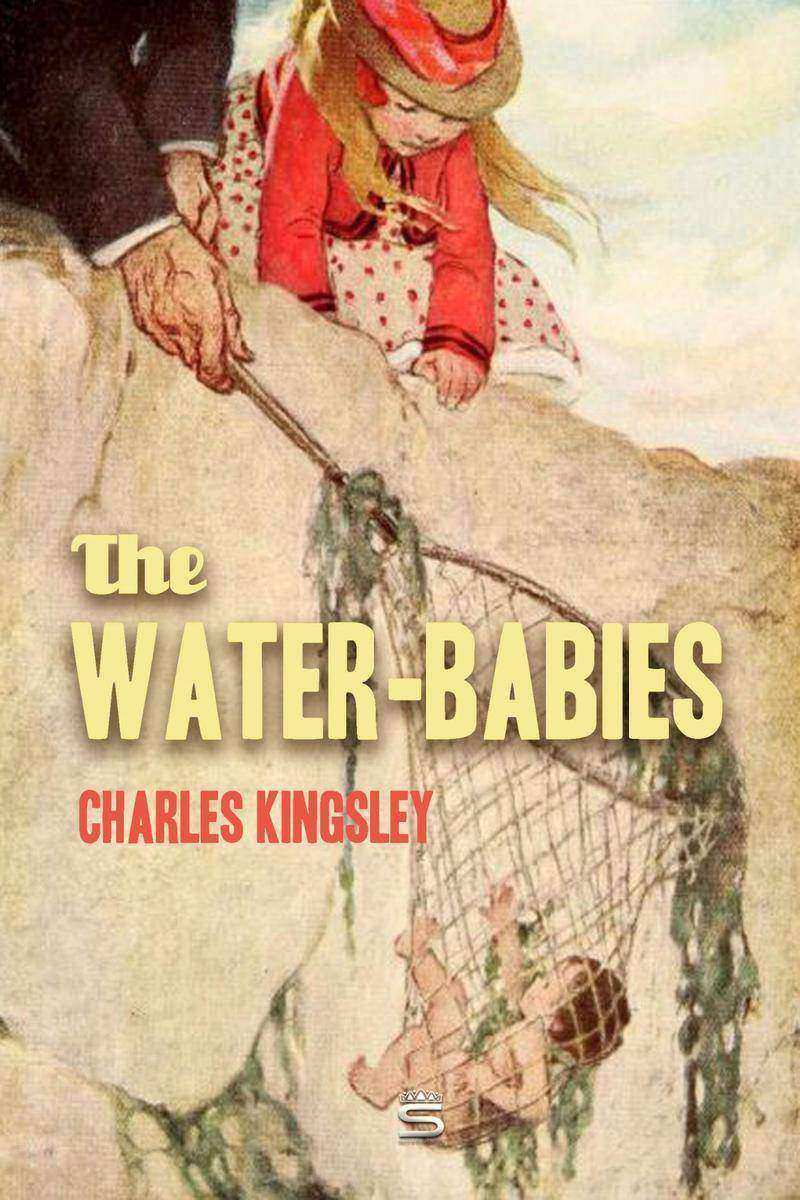
The Water-Babies: A Fairy Tale for a Land-Baby
¥40.79
Tom is a young chimney sweep, who falls into a river after meeting an upper-class girl named Ellie and being chased out of her house. There he drowns and is transformed into a water-baby. Tom embarks on a series of adventures and lessons, and enjoys the community of other water-babies once he proves himself a moral creature.
Tales of Dostoyevsky, Volume 1
¥40.79
Dostoyevsky is the only psychologist from whom I had something to learn', remarked Friedrich Nietzsche. 'He ranks among the most beautiful strokes of fortune in my life'. Discover the universal truths and wisdoms of Dostoyevsky in this volume of Dostoyevsky's tales including: An Honest Thief, The Heavenly Christmas Tree, The Peasant Marey.
The Odd Women
¥40.79
Alice and Virginia Madden move to London and renew their friendship with Rhoda, an unmarried bluestocking. She is living with the also unmarried Mary Barfoot, and together they run an establishment teaching secretarial skills to young middle-class women remaindered in the marriage equation.
Thyrza
¥40.79
Thyrza Trent, a young hat-trimmer, meets and falls in love with Walter Egremont, an Oxford-trained idealist who gives lectures on literature to workers. Trapped by birth and circumstance, Thyrza is attempting to escape her destiny in this tale of ambition, romance, betrayal and disillusionment.
The Secret of the Island
¥40.79
It was now two years and a half since the castaways from the balloon had been thrown on Lincoln Island, and during that period there had been no communication between them and their fellow-creatures. Once the reporter had attempted to communicate with the inhabited world by confiding to a bird a letter which contained the secret of their situation, but that was a chance on which it was impossible to reckon seriously. Ayrton, alone, under the circumstances which have been related, had come to join the little colony.
Plutarch Complete Works – World’s Best Collection
¥8.09
Plutarch Complete Works World's Best Collection This is the world’s best Plutarch collection, including the most complete set of Plutarch’s works available plus many free bonus materials. Plutarch Plutarch is known as the pre-eminent Greek historian, biographer, and essayist, known primarily for his Parallel Lives and Moralia. His works have helped us understand a great deal of ancient history, and his writings contain valuable insights still applicable in today’s political and modern world The ‘Must-Have’ Complete Collection In this irresistible collection you get all Plutarch’s intriguing and fascinating work, with more than 400 works, All his majors works, All his minor works, All his questions, discourses, dialogues and musings, and All his biographies and comparisons. Plus we include a bonus biography so you can experience the life of the man behind the words. Works Included: Life Of Plutarch Plutarch’s Parallel Lives -?Plutarch’s detailed and unputdownable account of the lives of the greatest Greeks and Romans of the ancient period. For even more interesting reading, Plutarch also compares these great men against each other, citing a Roman and Greek life and comparing their relative lives, including among many others: Alexander The Great Julius Caesar, Cato The Younger Demetrius And Antony Dion And Marcus Brutus Nicias And Crassus Agesilaus And Pompey Plutarch’s Morals (Moralia) -?A collection of writings of Plutarch’s on many differing subjects, including among many others: Concerning The Cure Of Anger Concerning Music Concerning The Virtues Of Women How To Know A Flatterer From A Friend Plutarch’s Natural Questions Concerning Such Whom God Is Slow To Punish Get This Collection Right Now This is the best Plutarch collection you can get, so get it now and start delving into his works and writings like never before!


