


 购物车
 个人中心


和狗狗的十二次哲学漫步
¥26.99
12次遛狗,12个哲思时刻。一个喋喋不休的主人,一个听到哲学术语就头疼的狗狗,一场有趣的哲学脱口秀。学哲学就像遛狗,可以选择不同的路线——朝哪边走,走多远,甚至目的都可以不同。 这是一本狗狗也能“听”懂的哲学导读,当然,这本书是写给人的,而不是写给狗的,解决的是人的问题。比如什么是做“对”的事?什么是美好生活?真的有自由存在吗?生命的意义究竟是什么?作者用*生活化的例子讲述身边的哲学,用哲学来理解当下生活。 现在,让我们从“犬儒”始,走哲学的世界吧!读完后,你会发现哲学很简单,生活也是。

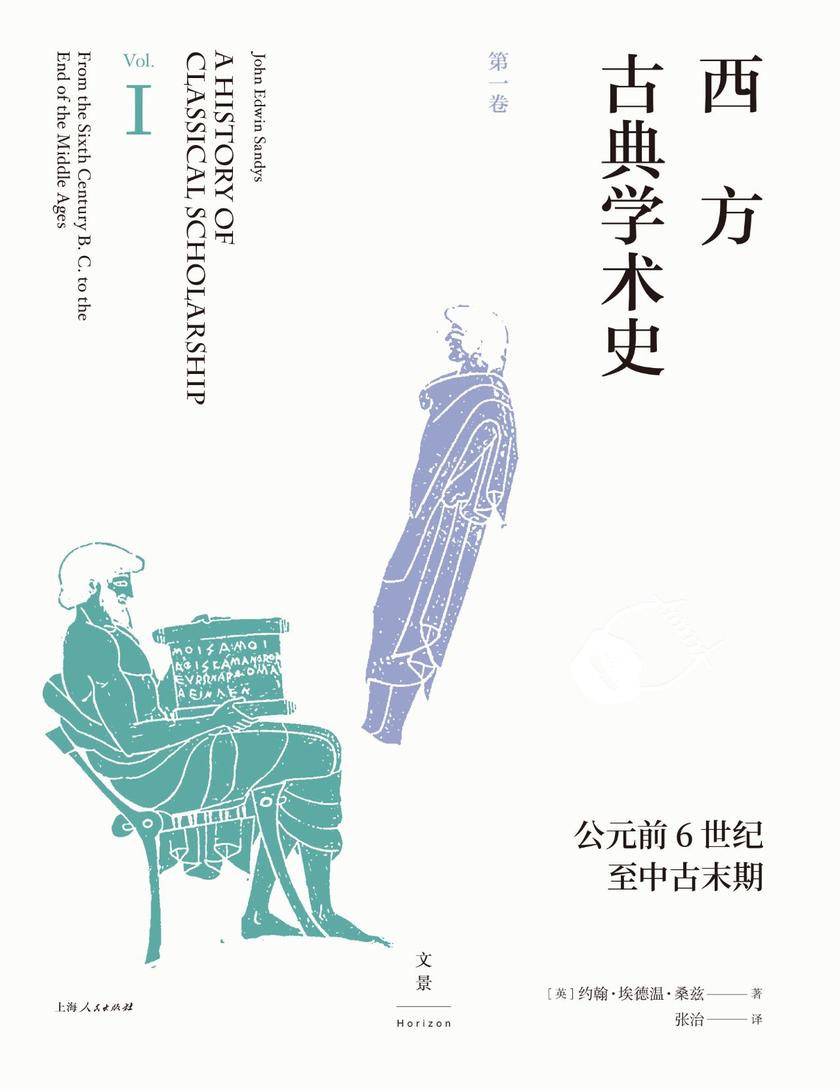
西方古典学术史(第一卷)
¥138.00
《西方古典学术史》是英国古典学者约翰?埃德温?桑兹*重要的著作,全书共三卷,全面系统地阐述了西元前6世纪至19世纪古典学术的发展历程,细数希腊罗马学术发展流变,涉及各时期文学、史学、哲学等领域,尤以文献学、版本学、词源学、语法学见长,著述极为详赡渊博,可看作对以往各个时代古典学术成就的总录。 本书*卷自约西元前600年至约西元1350年,主要讲述希腊拉丁学术的发生、演变以及希腊、拉丁学术在拜占庭时期和西方中古时期的流布与嬗变。全书首先涉及荷马的史诗研究、戏剧及其他诗歌作品的研究、演说术与修辞学、语法学与词源学、亚历山大里亚学派、斯多葛学派、帕伽摩学派、帝国初世纪的文学批评以及古典晚期的希腊、拉丁学术等诸多方面,视野宏远,涵括诸端。在本书后半部分,作者把目光投向君士坦丁堡,对于古代到中世纪之间文献的传承、抄录和校勘行细致整理和深度阐述,对拜占庭学术、9世纪的经典著作、早期经院学者及其经典著作、中古时期的文献考据等情况细细爬梳,使得枝蔓繁多的中古时期的学术发展脉络一目了然。
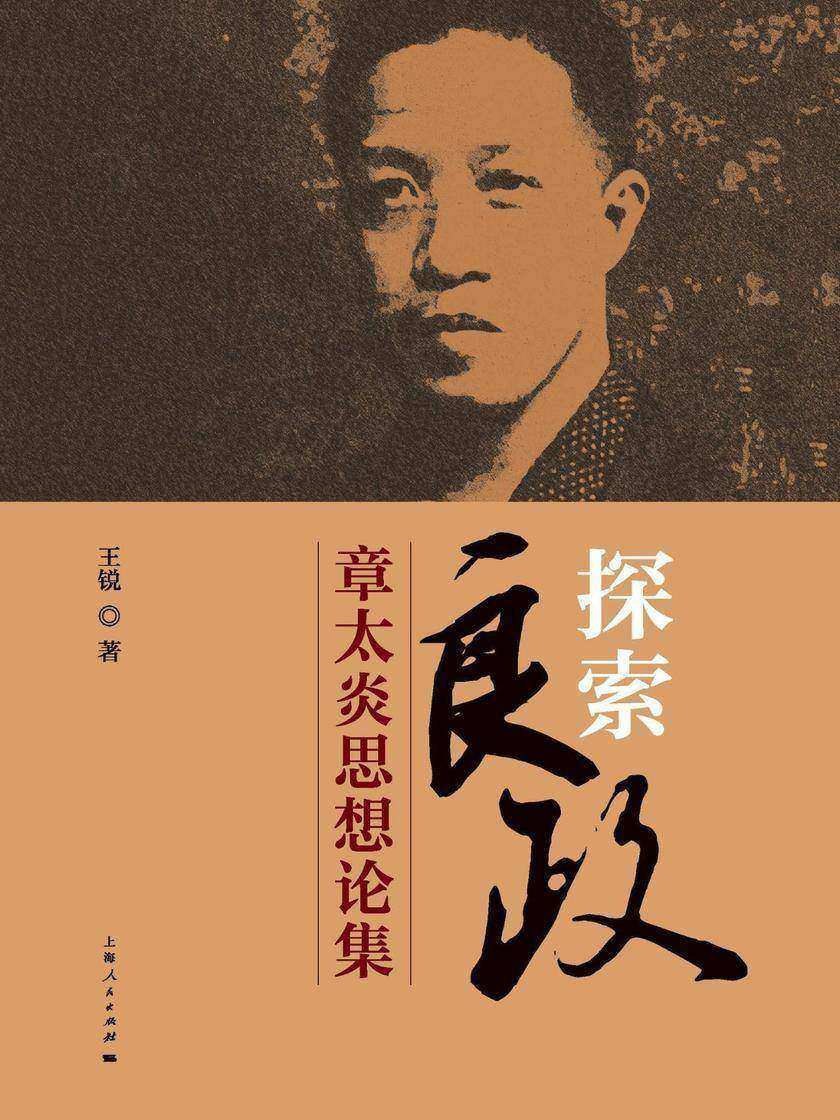
探索“良政”:章太炎思想论集
¥39.99
本书通过解读章太炎在清末撰写的几篇重要的政治文献,深分析他的思想特征。既涉及对于章氏《明独》《代议然否论》《秦政记》《五朝法律索引》《思乡原》等文章的阐释,也有对于章学的其他议题,如章氏对阳明心学的认识和阐释、章氏对民初政局的批评、章氏的辛亥记忆等的探讨。
公共哲学序说——中日关于公私问题的研究(百家廊文丛)
¥34.80
20世纪90年代以来,“公共哲学”问题成为学界的前沿探索之一,出现了一批重要的研究成果。“公共哲学”问题由美国学者李普曼首倡,着出现了哈贝马斯、汉娜?阿伦特等的关于公共性问题的论述。到了20世纪末,日本学界掀起了一场探索公共哲学的学术运动。根据目前学界的基本判断,公共哲学是一门探索公共性问题的学问。公共性问题自然涉及“公”“私”“公共”概念及其关系问题。因此,《公共哲学序说——中日关于公私问题的研究》回顾了李普曼、哈贝马斯、汉娜?阿伦特的相关论说,通过梳理与考察中日学界关于公私问题的研究成果,批判性地分析了“公”“私”的相对性本质以及既往研究的不足,揭示了在哲学意义上探索公私问题对于建构公共哲学的根本性意义,*后阐述了“和而不同”理念对于新时代建构公共哲学的重要思想价值。

体道
¥24.00
本书运用道家经籍阐述道家思想,重在体现道学的思想内涵,让人们认识关于道家论述道的概念。 道家认为:道是宇宙天地自然万物的原动力、原始能量,它虽然无形无象、无色无味、无方无圆、无外无内、虚无空静,但却是无处不在,无所不有。万有都是道的派生物,生而不有、为而不恃。道生之、德蓄之;道无为、德有为,有为又是在无为的基础之上,无为之为,并不是人为之妄为。德的有为在于顺应自然,辅助、协助而无私情私欲。也就是道生长万物而德蓄养万物,虽蓄养而不为己有、即行善而不求名利,助人而不彰显功德,完全是一种博爱、大爱。万物都是道的化生物,道对于他们是齐同的、统一的,顺应他们的本性去体现万物各自的姿态,顺其自然生生化化,无穷无尽。天地有道则风调雨顺,四季有序万物盛长,自然有道则万物繁茂,则人民食物丰厚,社会有道和谐而安宁,国家有道、则民富国强,万国来朝,家庭有道则父慈子孝、万事兴起,自身有道则血脉和顺阴阳有节,身强体键。 道学从研究天地自然的永生不变中,去觉悟到人类社会的变化,缘由,一步认证了他们之间的关系,“人法地、地法天、天法道、道法自然”。顺应根据遵循自然人类社会就可以繁荣昌盛,国家就可以长治久安,家庭就可以和睦相处,自身就可以健康长寿。这与《易经》、《黄帝内经》倡导的天人合一、天人相应、阴阳和谐是同一理念。 人不能脱离与天地自然的和谐统一,人不能离自然而独立存在,也不能离社会家庭而独自生活。人与天地、自然万物的相通相应就说明了,一个人的个体只是万物中的一物而己。庄子说:“我与天地并生、万物与我为一”,强调了万物相齐和谐统一的理念,而道家又是特别的珍爱生命,珍惜健康,一直以来人们都认为道教是尊生贵术的宗教,这是道教继承道家思想的缘由。珍爱生命,看重使人健康长寿的养生方术,倡导身心同治,心性与身体同样重要,是道家几千年来研究道德、以道德的理念指导医药养生的精神本质,也就是医学结合健康长寿的*秘诀。 从人与自然社会、家庭以及人本身的和谐层面,论述道的理念,又从修齐治平的概念去体现道的内涵,目的是使人们返淳返朴,求证生命的本真,“坐忘”以求本、“养真”以合道,回归上古自然无为,清静恬淡,“甘其食、美其服、安其居、乐其俗,邻国相望,鸡犬之声相闻”的原始生活状态。这或许是实现和谐、和平,回归自然的*好方法。

张载关学的历史重构(精) 中华书局出品
¥24.00
关学为宋明理学思潮中由北宋哲学家张载创立的一个重要的独立学派,是宋元明清时代的关中理学。本书是作者对自己研究关学三十余年来积年之思的一次系统总结。作者梳理了20世纪80年代以来的有关张载和关学的论争及研究状况,以及自己的反思与展望。又上溯至明清两代的关学继承与研究,论衡各家得失,明确了关学在明清乃至宋元不同时代的学术定位,从而重构了张载关学传承的历史脉络、道统地位、学统框架及其精神命脉。
第一哲学对话录
¥36.00
如果您曾在大道流行中感受到一丝渺小,会否对命运或是天道作一番思考? 如果有幸可以窥知命运,我们是承天受命,成就自我,还是欲拒还迎,尝试跳出今日之我? 《哲学对话录》是一本因感受命运而起的著作,作者沉潜于占星术多年,不久前因缘际会对天道有所体悟,虽苦于表达之艰,仍借演化占星术为天梯,与读者展开一场对话,通过分析大量长期积累下来的历史人物与事件,邀您重走荣格关于人类“集体无意识”的神秘探险,寻找天王星、海王星与冥王星对于人世的深层意义。 那么何为“哲学”呢?或者只说说思想吧,一般而言,思想更引人如何看世界,哲学的思想也不例外,但那是来自遗忘之泉的暗涌,是划过天际的倚天剑,刺入那遮蔽思想的成见之中,将人们对以往思想的理解置于可疑的境地。而当您领悟何为思想,或许将发现这并无多少意义,终而懂得思想与成见的意义。 读罢此书,您也许会为其中论及的“天人感应”或是“历史重演”感到不安,也可能会由此参透命运的公平与不公。无论如何,本书作者都希望您能在偶尔突然袭来的空虚中找到生命的支点,了解更深层的自己,同时谨记老子的“知止不殆”,过上一种更丰富、更美好的生活!
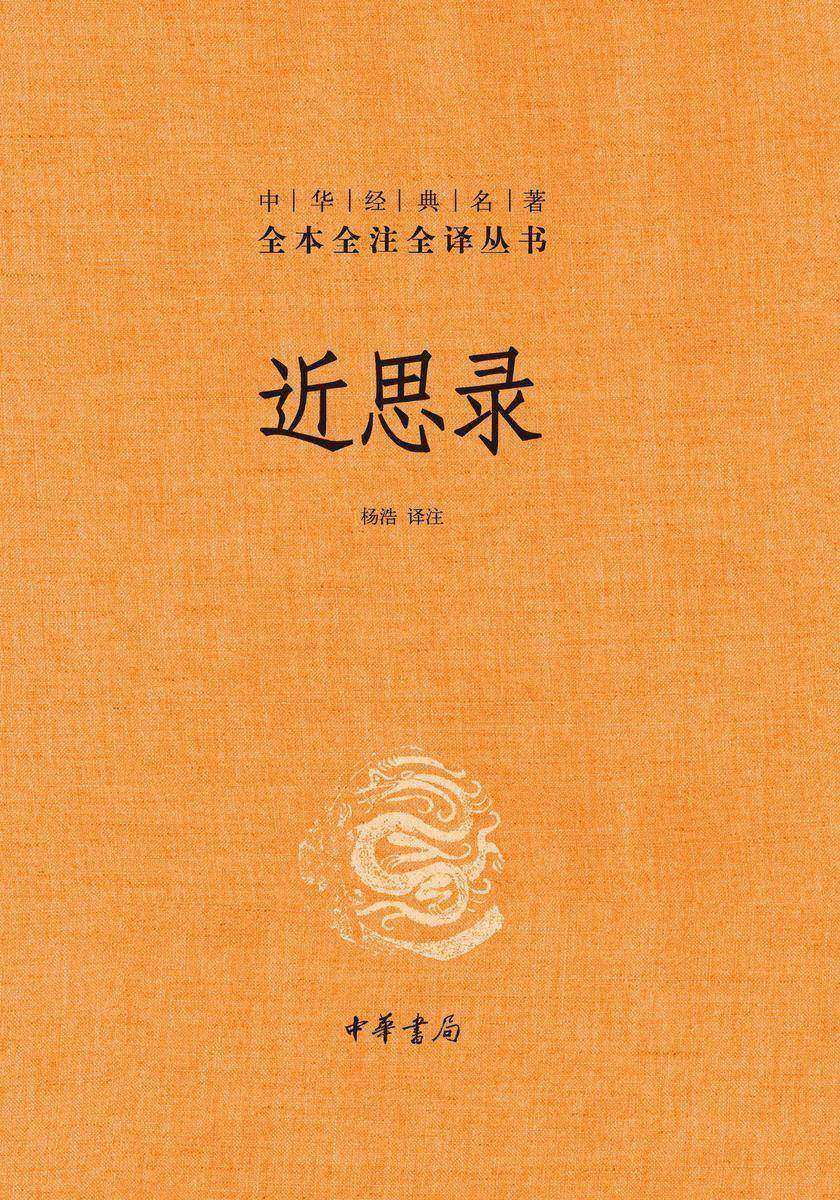
近思录(精)--中华经典名著全本全注全译 中华书局出品
¥28.90
《近思录》是由南宋著名学者朱熹和吕祖谦,分类选辑北宋理学家周敦颐、程颢、程颐、张载四人语录编辑而成,共14卷622条,是一部代表理学思想的著作。“近思”二字取自《论语·子张》:“博学而笃志,切问而近思,仁在其中矣。”? 《近思录》篇幅小而选文精,阐述了理学的宇宙论、本体论与心性论,讨论了太极、阴阳、性命、仁义等理学*核心的内容。指出学习要以圣人之道作为目标,通过仁爱、恭敬、致知等“内圣”工夫,一步实现齐家、处世,并且治国平天下的“外王”理想。对佛教、道教行了批评,对圣贤行了评。 朱熹认为,《近思录》是学习“四书”的阶梯。《近思录》涵盖了周、张、二程的主要著作,各卷内容的编排颇为考究,逻辑丝丝扣,细致又系统地展现了理学的方方面面,对后世产生了极大的影响,被学者们看作是宋明理学的门著作。?

生命伦理学(增订版)(当代中国人文大系)
¥58.80
生命伦理学是20世纪60年代诞生的新颖交叉学科,50多年来一直发展迅速,现已扩展到世界上几乎所有重要国家。生命伦理学目前不仅在学院之内活动,而且已经深实践,走向生活。生命伦理学的发展不仅有助于解决生命科技以及医疗卫生中的伦理问题,也有助于指出人文社会科学理论如何综合科学技术发展应用实际的路。 本书1987年出版,是对当代生命科学技术伦理问题的讨论,这些生命科学技术包括辅助生殖、生育控制、遗传和优生、生命维持、器官移植、行为控制等。本书在对生命科学技术以及医疗卫生中的伦理问题,即应该做什么和应该如何做的问题行探讨的基础上,也提出了对生命科技以及医疗卫生行管理的建议,其中不少建议已经被采纳在法律、法规、条例之中。今天增订再版此书,并附有作者近年来的多篇学术论文,可帮助读者一窥我国生命伦理学发展的历程。
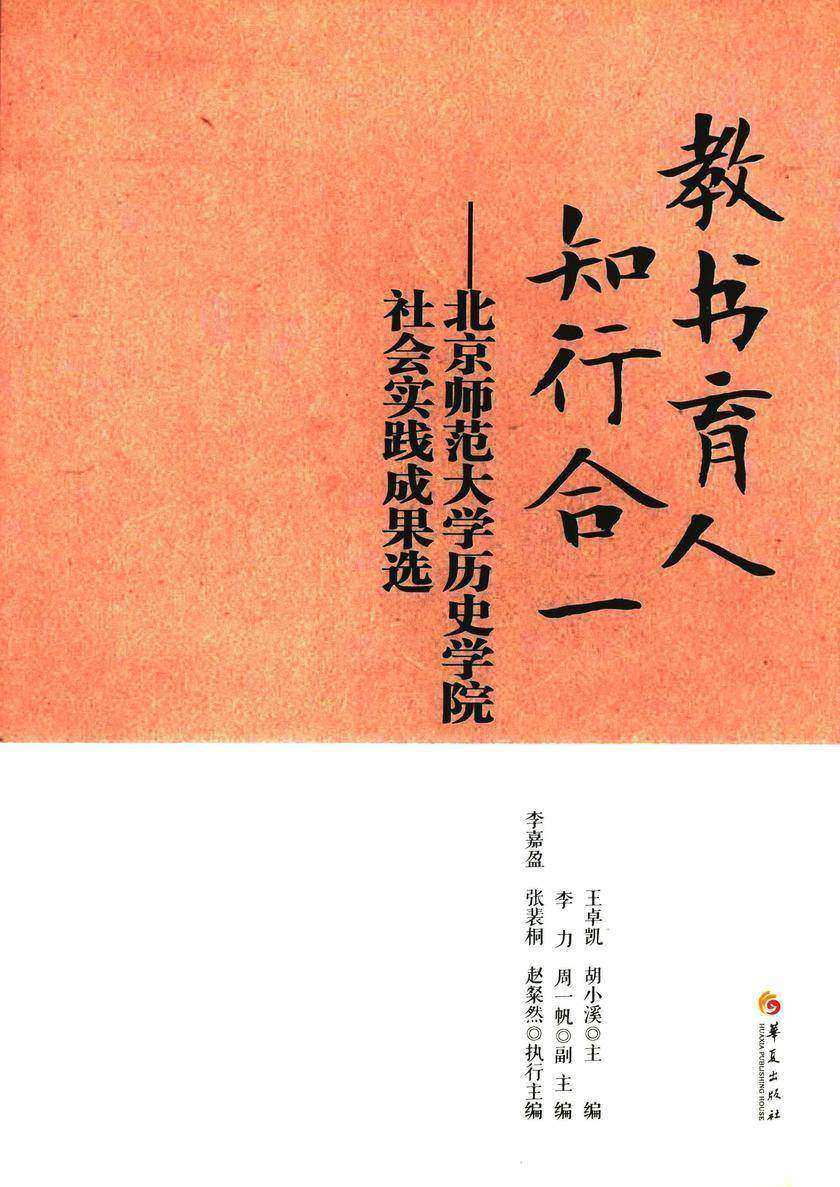
教书育人 知行合一
¥21.66
北京师范大学历史学院积极探索实践育人的有效路径,逐步形成了依托“课余经常性实践、周末重点性实践以及寒暑假集中性实践”三种模式坚持全时段覆盖,注重“与时事知识相结合,与服务社会相结合,与专业学习相结合、与就业能力提升相结合”四个结合体现实用化设计,实现“传播师大正能量,传播中国好声音,传播正确历史观”三个传播的社会影响,努力探索出“343”实践育人新模式。多年来,北京师范大学历史学院的师生广泛进行义务支教、基层调研、境外交流、专业考察、历史类活动等多种社会实践,时间上可谓全时段,空间上足迹遍布祖国各地,甚至涉足海外,在此过程中既涌现出如义务支教、服务家乡受到《光明日报》等媒体关注的的感动师大人物朱启平、主动休学两年远赴贵州为中国而教的刘智彬、十佳志愿者张容荣等个人代表,也有如首都大学生思政实效奖获奖者形势与政策小组、北京师范大学思政实效奖获奖者《春秋人文报》和志愿讲解队等集体。铭记他们的经历,传颂他们的事迹,记录青春足迹,总结经验遗憾,成为北京师范大学历史学院学生工作者的共同期盼。在这样的期盼下,《教书育人知行合一》诞生了。全书共分五章,由不同的实践经历学生分别从社会民生、文化传承、抗战纪念、历史教学实践、外事活动等视角出发,既有记录社会实践的过程,也有对其中部分问题的深入反思。

中国哲学简史(全二册)精--三松堂全集(第三版)
¥99.60
本卷收录冯友兰所著A Short History of Chinese Philosophy及涂又光先生所译中文版《中国哲学简史》。 1946至1947年,冯先生在美国宾夕法尼亚大学任客座教授讲中国哲学史期间,以英文写作了一部较1930年代出版的两卷本《中国哲学史》更为凝练的中国哲学史。后经德克卜德(Derk Bodde)校订,1948年11月由纽约麦克米伦公司出版,即这部A Short History of Chinese Philosophy。1984年,本书由涂又光先生首次译成中文。按,此书*初的中文译名是“中国哲学小史”,但为区别于1934年商务印书馆出版之《中国哲学小史》,涂译本改作“简史”,并沿用至今。 本次出版,英文原本及中文译本两部分,我们分别以1948年麦克米伦公司版与河南人民出版社出版的《三松堂全集》(2001年第二版)版为底本,行校勘。其中,英文原本由卜德先生撰写编定的导言(Editor’s Introduction)和参考文献(Bibliography),以及书后索引(Index),为中译本所省略。考虑到本卷卷末附有包含英、中两部分的《人名索引》与《书篇名索引》,我们删去了英文原本的索引;至于导言和参考文献,则予以保留。

有间文库:厚黑学
¥9.99
《厚黑学》一书的内容涉及到文学、哲学、政治、经济学、心理学、社会学等诸多研究领域,在文学界和思想界产生过轰动效应和重大影响,而且他的著作历七八十年之久,至今仍畅销不衰。 《厚黑学》内容宏博,见解深邃,启迪心智,文笔流畅轻松,语言幽默隽永,既让人增长见识,深受教益,又让人从中获得一种非常特殊的阅读快感与审美享受。

导读尼采《悲剧的诞生》
¥24.50
如果要问,读者(包括一般读者以及对尼采有特殊兴趣的读者)在阅读尼采发表的本著作时,能够得到什么益处,简短的答案将是:这是一本非常吸引人的书,它简明扼要地将19世纪思想的方方面面呈现在读者面前。此书不仅为尼采其他的作品做了铺垫,也为19世纪后发生的文化及思想运动奠定了基础。因此,在第1章和第2章,我们将论述对尼采影响*的几个事件,其他的影响会在本书主体章节(第3章)陆续提到。在第4章,我们会介绍《悲剧的诞生》一书发表后的反响,被读者受的情况,以及它的长远影响。
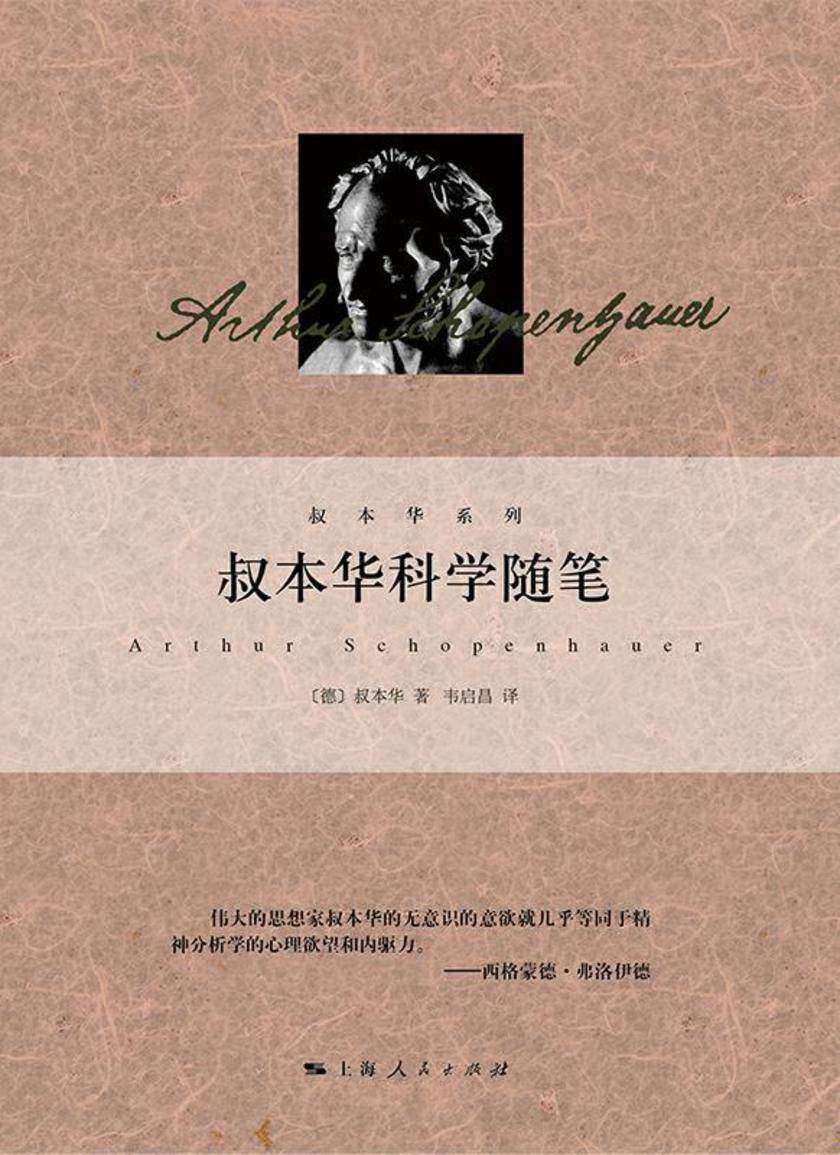
叔本华科学随笔
¥29.99
叔本华是德国哲学家,他创立了意志哲学,*个公反对理性主义哲学并创了非理性主义哲学的先河。他认为生命意志是主宰世界运作的力量,世界的本源是意志,世界只是意志的表象。物理学家埃尔温·薛定谔说过,叔本华是西方*伟大的学者。 本书搞汇集了叔本华有关科学的文章,集中展现了叔本华对大自然和各门具体科学的研究和分析,以此证明意志哲学具有科学性,是解释世界的真理。这些文章选自叔本华的主要著作《作为意欲和表象的世界》第2卷和《附录和补遗》第2卷,部分篇目是初次翻译。
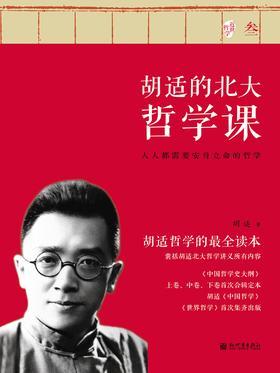
胡适的北大哲学课·叁
¥11.99
1917年7月,胡适受蔡元培之邀就任国立北京大学文科教授,讲授中国古代哲学史、中国名学、英文高等修辞学。胡适一边教学,一边编写教材。顾颉刚曾对同窗傅斯年推荐:“胡先生讲的的确不差,他有眼光、有胆量、有断制,确是一个有能力的哲学史家。” 自1919年至1937年间。胡适多次在北京大学讲授中国哲学史,而且主要是讲中古哲学史和近世哲学史,其中1919年2月出版的《中国哲学史大纲》(卷上)就是在讲义的内容基础上修定而成。胡适是首位采用了西方近代哲学的体系和方法研究中国哲学的人,由于他的出现,中国的思想史才初具规模。他在中国哲学史,甚至在各种专史和通史的研究方面,都是创性的,他觉得是中国哲学思想史的山鼻祖。 《胡适的北大哲学课》以胡适在北京大学的所有哲学讲义为母本,再综合胡适关于中国哲学的其他著作整理而成,力求为读者构建一个*全的胡适哲学体系,让读者*直的感受哲学大师的风采。
Káin
¥8.83
...amikor apaként elmegyek az óvodába, hogy elhozzam a kisfiamat, akkor milyen alapon választom ki, hogy kit viszek haza Talán megkérdezem az óvóntl, hogy melyik gyerek viselkedett a legjobban Vagy krülnézek, hogy melyik klyk a legszebb s ha az óvón azzal fogad, hogy az én gyerekem elpáholta t csoporttársát, és egy pohár kefirt nttt a takarító néni fejére, akkor ott hagyom, és választok egy normális gyereket Nem. Minden krülmények kzt a sajátomat viszem haza. Azért, mert az enyém! Ez a vele való kapcsolatom alapja. s ha ez az alap megvan, hazaviszem t, és otthon elbeszélgetek vele a pohár kefirrl, az ovistársakról, a takarító nénirl és a verekedésrl. Milyen egyszernek és természetesnek tnik mindez, ha a saját gyermekeinkrl van szó, de ha Jézus mondja ugyanezt az Atyáról, akkor zavarba jvünk, mert a szégyen és a félelem által belénk vésdtt kalmárszellem olyan mélyen járja át a lelkünket, hogy el sem tudjuk képzelni, hogy csak úgy, minden feltétel nélkül szeretni való emberek vagyunk...” BOLYKI LSZL 1973-ban született Budapesten. Zenész (Bolyki Brothers, Budapesti Fesztiválzenekar, Erkel Ferenc Kamarazenekar), spirituális szemlélet lelkigondozó, párkapcsolati és nismereti témákra szakosodott tréner, a Milyen zenét szeret Isten cím ktet szerzje. Bolyki László munkája azt tanítja nekünk, hogy a múlt si kultúrájának szimbolikus értékei a mai ember problémáiban is eleven lélektani, spirituális útmutatást tudnak nyújtani.” dr. SLE FERENC, a volt Országos Pszichiátriai és Neurológiai Intézet Valláslélektani Osztályának forvosa A Kegyelem és kalmárszellem nem csak egy knyv a sok kzül; fontos, hogy minél tbb olvasóhoz eljusson! Mindenkinek ajánlom szeretettel.” SZENCZY SNDOR a Baptista Szeretetszolgálat Alapítvány vezetje
Don Quijote de la Mancha
¥8.83
Valamikor a muzsika egyszer volt, szerény és tiszteletreméltó, ma cicomás lett és zrzavaros, méltóságát és értékét veszített, gyalázatos iparrá süllyedt.” Mikor volt a muzsika egyszer, szerény és tiszteletreméltó, és vajon milyen úton-módon veszítette el méltóságát és értékét Meg tudjuk határozni, hogy melyek a zene zrzavaros és cicomás stíluselemei Tudjuk-e, hogy hogyan és miért süllyedt a zene gyalázatos iparrá Végül, de nem utolsósorban fel tudjuk-e mérni annak jelentségét, hogy a fenti idézet a 6. századból származik, a nagy keresztény gondolkodó, Boethiusz tollából E knyv a zene és a kereszténység hagyományosan feszültségektl terhelt kapcsolatát vizsgálja, a valamikor” és a ma” szakrális zenéjének tükrében. A szerz szándéka, hogy a zene a dicséret és magasztalás eszkze, és ne a feszültségek állandó forrása legyen a keresztény egyházak és gyülekezetek életében. BOLYKI LSZL 1994-ben szerezte mvész-tanári diplomáját a budapesti Zeneakadémián. A Bolyki Brothers énekegyüttes, a Budapesti Fesztiválzenekar és az Erkel Ferenc Kamarazenekar tagjaként rendszeresen fllép Európa, Amerika és zsia legjelentsebb zenei kzpontjaiban. Spirituális szemlélet lelkigondozó, párkapcsolati és nismereti témákra szakosodott tréner, a Kegyelem és kalmárszellem cím ktet szerzje.

Mindig is éjjel lesz
¥69.65
Sri Krsna számtalan univerzum vitathatatlan Ura, akit korlátlan er?, gazdagság, hírnév, tudás és lemondás jellemez, ám ezek az ?r?kké diadalmas energiák csupán részben tárják fel ?t. Végtelen dics?ségét csak az ismerheti meg, aki elb?v?l? szépségénél keres menedéket, ?sszes t?bbi fenséges tulajdonsága forrásánál, melynek páratlan transzcendentális teste ad otthont. Szépségének legf?bb jellemz?je az a mindenek f?l?tt álló édes íz, ami t?mény kivonata mindennek, ami édes. Minden édes dolgot túlszárnyal, és nem más, mint az édes íz megízlelésének képessége. Sri Krsna édes természete finom arany sugárzásként ragyog át transzcendentális testén. Govinda páratlanul gy?ny?r? testének legszebb és legédesebb része ragyogó arca. ?des hold-arcán rejtélyes mosolya a legédesebb, az az arcáról ragyogó ezüst holdsugár, ami nektárral árasztja el a világot. Mosolyának sugárzása nélkül keser? lenne a cukor, savanyú a méz, és a nektárnak sem lenne íze. Amikor mosolyának holdsugara elvegyül teste ragyogásával, a kett? együtt a kámfor aromájára emlékeztet. Ez a kámfor aztán ajkán keresztül a fuvolába kerül, ahonnan megfoghatatlan hangvibrációként t?r el?, és er?nek erejével rabul ejti azoknak az elméjét, akik hallják. Ahogy a szavak gondolatok mondanivalóját hordozzák, ahogy a gondolatok a szemben tükr?z?dnek, ahogy egy mosoly a szív érzelmeir?l árulkodik, úgy a fuvola hangja Sri Krsna szépségét viszi a fül?n keresztül a szív templomának oltárára.
A kalózkirály
¥8.67
Euthyphro (Ancient Greek: Euthuphron) is one of Plato's early dialogues, dated to after 399 BC. Taking place during the weeks leading up to Socrates' trial, the dialogue features Socrates and Euthyphro, a religious expert also mentioned at Cratylus 396a and 396d, attempting to define piety or holiness. Background The dialogue is set near the king-archon's court, where the two men encounter each other. They are both there for preliminary hearings before possible trials (2a).Euthyphro has come to lay manslaughter charges against his father, as his father had allowed one of his workers to die exposed to the elements without proper care and attention (3e–4d). This worker had killed a slave belonging to the family estate on the island of Naxos; while Euthyphro's father waited to hear from the expounders of religious law (exegetes cf. Laws 759d) about how to proceed, the worker died bound and gagged in a ditch. Socrates expresses his astonishment at the confidence of a man able to take his own father to court on such a serious charge, even when Athenian Law allows only relatives of the deceased to sue for murder. Euthyphro misses the astonishment, and merely confirms his overconfidence in his own judgment of religious/ethical matters. In an example of "Socratic irony," Socrates states that Euthyphro obviously has a clear understanding of what is pious and impious. Since Socrates himself is facing a charge of impiety, he expresses the hope to learn from Euthyphro, all the better to defend himself in his own trial. Euthyphro claims that what lies behind the charge brought against Socrates by Meletus and the other accusers is Socrates' claim that he is subjected to a daimon or divine sign which warns him of various courses of action (3b). Even more suspicious from the viewpoint of many Athenians, Socrates expresses skeptical views on the main stories about the Greek gods, which the two men briefly discuss before plunging into the main argument. Socrates expresses reservations about such accounts which show up the gods' cruelty and inconsistency. He mentions the castration of the early sky god, Uranus, by his son Cronus, saying he finds such stories very difficult to accept (6a–6c). Euthyphro, after claiming to be able to tell even more amazing such stories, spends little time or effort defending the conventional view of the gods. Instead, he is led straight to the real task at hand, as Socrates forces him to confront his ignorance, ever pressing him for a definition of 'piety'. Yet, with every definition Euthyphro proposes, Socrates very quickly finds a fatal flaw (6d ff.). At the end of the dialogue, Euthyphro is forced to admit that each definition has been a failure, but rather than correct it, he makes the excuse that it is time for him to go, and Socrates ends the dialogue with a classic example of Socratic irony: since Euthyphro has been unable to come up with a definition that will stand on its own two feet, Euthyphro has failed to teach Socrates anything at all about piety, and so he has received no aid for his own defense at his own trial (15c ff.).

Heart of Darkness
¥9.07
The Republic (Greek: Politeia) is a Socratic dialogue, written by Plato around 380 BC, concerning the definition of (justice), the order and character of the just city-state and the just man, reason by which ancient readers used the name On Justice as an alternative title (not to be confused with the spurious dialogue also titled On Justice). The dramatic date of the dialogue has been much debated and though it must take place some time during the Peloponnesian War, "there would be jarring anachronisms if any of the candidate specific dates between 432 and 404 were assigned". It is Plato's best-known work and has proven to be one of the most intellectually and historically influential works of philosophy and political theory. In it, Socrates along with various Athenians and foreigners discuss the meaning of justice and examine whether or not the just man is happier than the unjust man by considering a series of different cities coming into existence "in speech", culminating in a city (Kallipolis) ruled by philosopher-kings; and by examining the nature of existing regimes. The participants also discuss the theory of forms, the immortality of the soul, and the roles of the philosopher and of poetry in society. Short Summary (Epilogue):X.1—X.8. 595a—608b. Rejection of Mimetic ArtX.9—X.11. 608c—612a. Immortality of the SoulX.12. 612a—613e. Rewards of Justice in LifeX.13—X.16. 613e—621d. Judgment of the Dead The paradigm of the city — the idea of the Good, the Agathon — has manifold historical embodiments, undertaken by those who have seen the Agathon, and are ordered via the vision. The centre piece of the Republic, Part II, nos. 2–3, discusses the rule of the philosopher, and the vision of the Agathon with the allegory of the cave, which is clarified in the theory of forms. The centre piece is preceded and followed by the discussion of the means that will secure a well-ordered polis (City). Part II, no. 1, concerns marriage, the community of people and goods for the Guardians, and the restraints on warfare among the Hellenes. It describes a partially communistic polis. Part II, no. 4, deals with the philosophical education of the rulers who will preserve the order and character of the city-state.In Part II, the Embodiment of the Idea, is preceded by the establishment of the economic and social orders of a polis (Part I), followed by an analysis (Part III) of the decline the order must traverse. The three parts compose the main body of the dialogues, with their discussions of the “paradigm”, its embodiment, its genesis, and its decline.The Introduction and the Conclusion are the frame for the body of the Republic. The discussion of right order is occasioned by the questions: “Is Justice better than Injustice?” and “Will an Unjust man fare better than a Just man?” The introductory question is balanced by the concluding answer: “Justice is preferable to Injustice”. In turn, the foregoing are framed with the Prologue (Book I) and the Epilogue (Book X). The prologue is a short dialogue about the common public doxai (opinions) about “Justice”. Based upon faith, and not reason, the Epilogue describes the new arts and the immortality of the soul. ? About Author: Plato (Greek: Platon, " 428/427 or 424/423 BC – 348/347 BC) was a philosopher in Classical Greece. He was also a mathematician, student of Socrates, writer of philosophical dialogues, and founder of the Academy in Athens, the first institution of higher learning in the Western world. Along with his mentor, Socrates, and his most-famous student, Aristotle, Plato helped to lay the foundations of Western philosophy and science. Alfred North Whitehead once noted: "the safest general characterization of the European philosophical tradition is that it consists of a series of footnotes to Plato." Plato's sophistication as a writer is evident in his Socratic dialogues; thirty-six dialogues and thirteen letters have been ascribed to him, although 15–18 of them have been contested. Plato's writings have been published in several fashions; this has led to several conventions regarding the naming and referencing of Plato's texts. Plato's dialogues have been used to teach a range of subjects, including philosophy, logic, ethics, rhetoric, religion and mathematics. Plato is one of the most important founding figures in Western philosophy. His writings related to the Theory of Forms, or Platonic ideals, are basis for Platonism. ? Early lifeThe exact time and place of Plato's birth are not known, but it is certain that he belonged to an aristocratic and influential family. Based on ancient sources, most modern scholars believe that he was born in Athens or Aegina between 429 and 423 BC. His father was Ariston. According to a disputed tradition, reported by Diogenes Laertius, Ariston traced his descent from the king of Athens, Codrus, and the king of Messenia, Melanthus. Plato's mother was Perictione, whose family boasted of a relationship with the famous Athenian lawmaker an
Скоропадський. Спогади 1917-1918
¥22.74
Potere, cortigianeria, dispotismo, libertà, uguaglianza... attuali o inattuali la satira d'Holbach e La Boétie? Cambiano i tempi e i nomi, ma la natura umana nel suo fondo negli ultimi secoli non è mutata. Com'è virtù di tutti i classici, le loro voci continuano a farci sorridere, indignare e riflettere non solo sul passato ma ugualmente sul presente e sul futuro, su quanto in esso ci possa essere di desiderabile o indesiderabile. In Appendice, i testi si possono leggere anche nella loro originaria edizione in francese. SOMMARIO?- Fabrizio Pinna, Una introduzione (in due tempi) e qualche digressione: I. Barone d'Holbach, "Quest'arte sublime dello strisciare"...; II. ?tienne de La Boétie, "Siate determinati di non voler più servire ed eccovi liberi"... . LIBERT? & POTERE: Paul Henri Thiry d'Holbach, Saggio sull'arte di strisciare ad uso dei cortigiani; Paul Henri Thiry d'Holbach, I Cortigiani; Jean le Rond d'Alembert, Cortigiano; ?tienne de La Boétie, La servitù volontaria. APPENDICE I: Libertà Uguaglianza (1799)- Il Cittadino Editore. APPENDICE II: Essai sur l’art de ramper, à l’usage des courtisans (1764) - Paul Henri Thiry d'Holbach; Des Courtisans (1773) - Paul Henri Thiry d'Holbach; Courtisan (1752) / Courtisane (1754) - Jean le Rond d'Alembert; Discours de la servitude volontaire o Contr'un (1549) - ?tienne de La Boétie.?LE COLLANE IN/DEFINIZIONI & CON(TRO)TESTI


