


 购物车
购物车 个人中心
个人中心
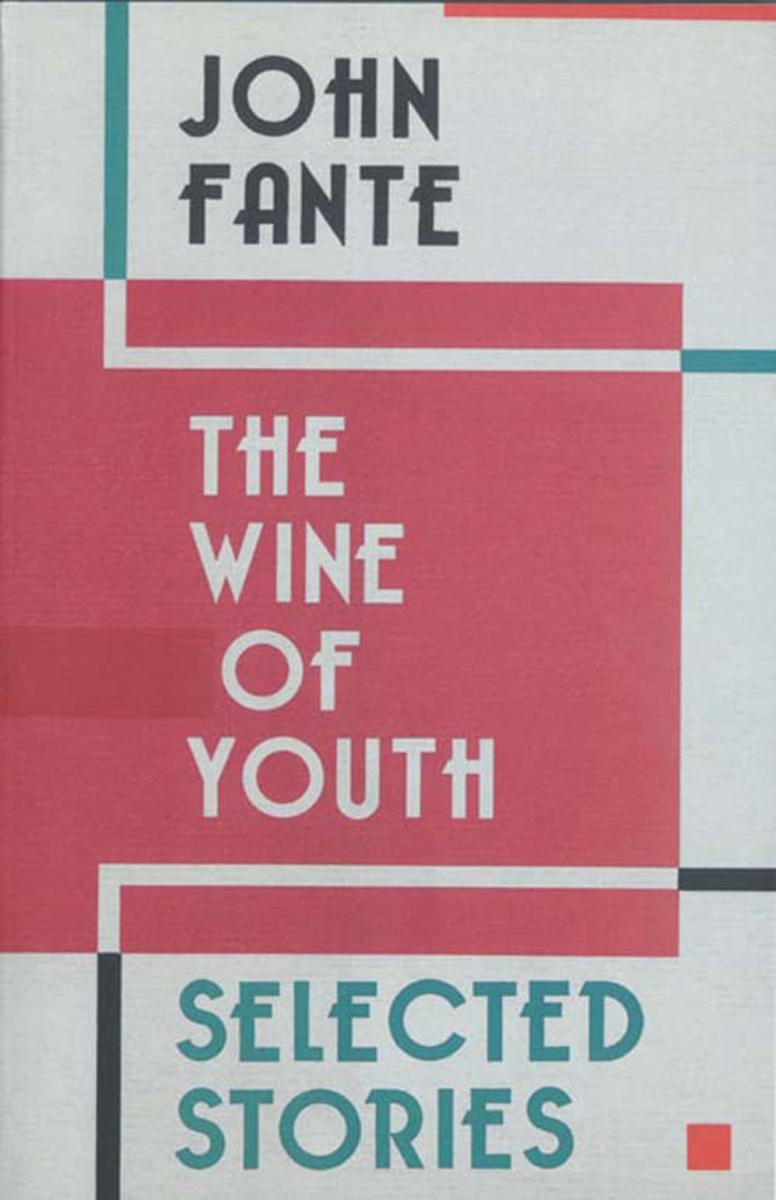
The Wine of Youth
¥94.10
This new edition of the legendary Dago Red, first published in 1940, contains seven new stories, including "A Nun No More" and "My Father’s God."
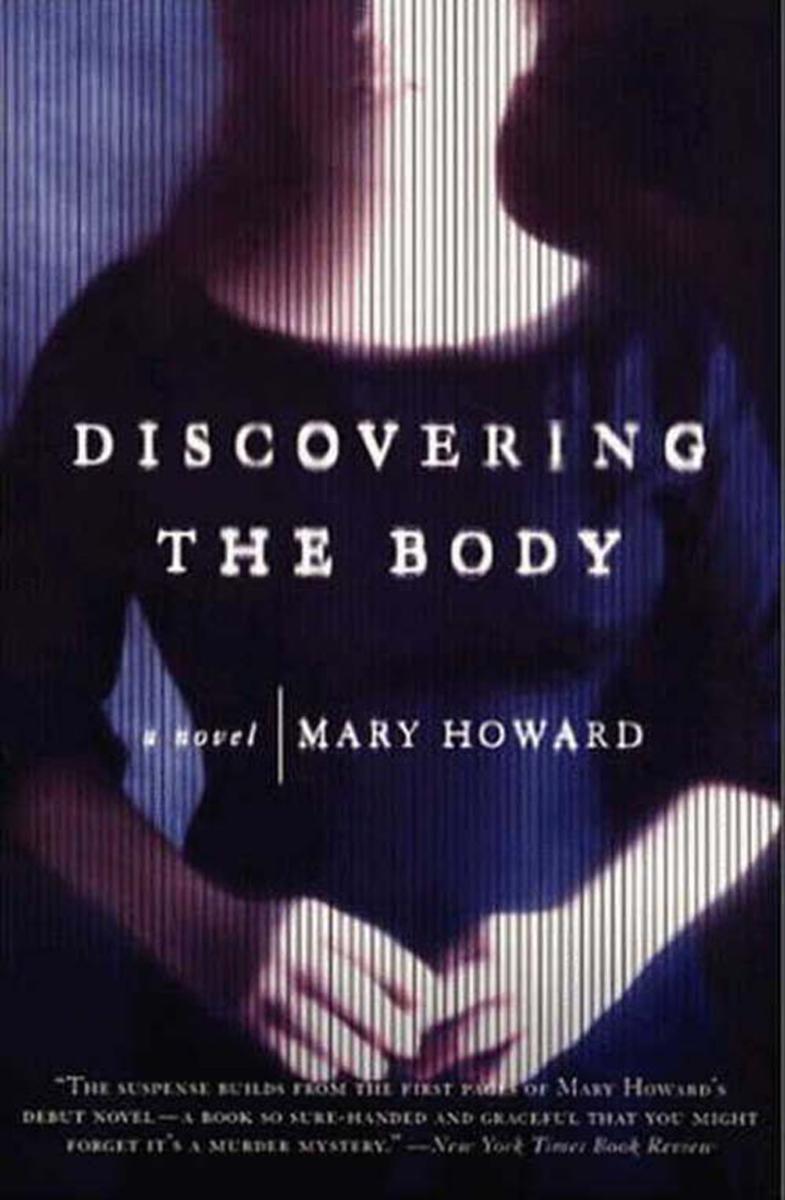
Discovering the Body
¥73.76
Discovering the Body is a gripping novel filled with psychological suspense, sensitivity, and emotional complexity. With this stunning debut, Mary Howard has crafted an electrifying and hauntingly evocative novel of truth and perception, of the ties we tell others-and the lies we tell ourselves.Two years ago Linda Garbo left her graphic design job in Minneapolis to open a printmaking studio in a small town in Iowa with the encouragement of Luci Cole, a weaver and an old friend from art school. Arriving in Linden Grove for good, Linda agrees to stay with Luci and her boyfriend, Charlie, in their old farmhouse outside of town until the renovations to her new studio space are completed. But the following afternoon as she is driving down the long winding road toward Luci's house, Linda sees Luci's neighbor, Peter Garvey, walking out the front door-and when Linda enters the house a few minutes later, she discovers her friend's lifeless body on the kitchen floor.Now, two years later, Peter Garvey has been convicted of Luci's murder. Linda is married to Charlie and living in the very house where Luci died. And she is convinced someone is following her. As she begins to confront her fears-approaching the man she believes is spying on her, visiting Peter Garvey in prison-she finally faces the cause for her frequent panic attacks: she was too traumatized by her discovery of Luci's body to be a reliable witness. And if she's identified the wrong man, the killer may still be close by, ready to react if she admits she might have made a mistake. Compelled to unravel the mystery surrounding Luci's final days, Linda finds that Luci was a master at weaving her true colors into a complex tapestry, preferring involvements that required secrecy.A beautifully crafted tour de force of significant depth, passion, and power, Discovering the Body is a completely beguiling meditation on perception, loss, memory, and redemption whose conclusion proves to be as significantly haunting as it is satisfying.
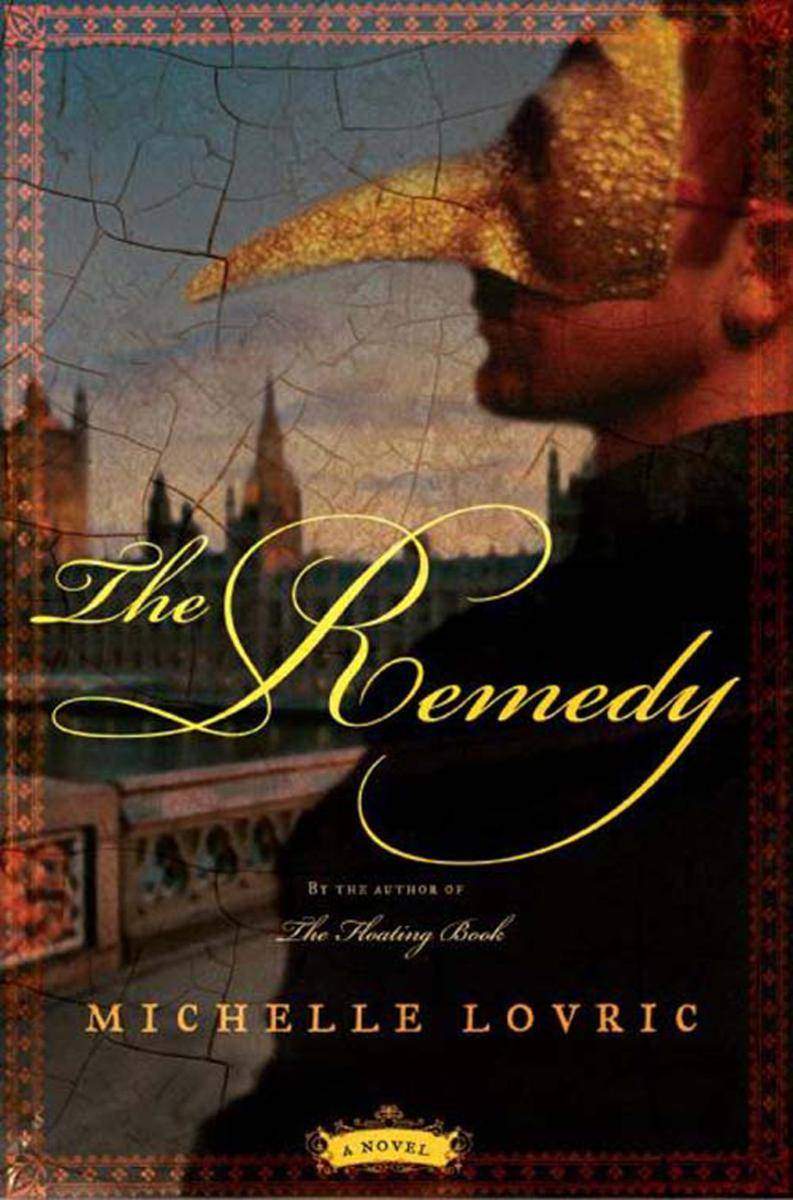
The Remedy
¥95.11
In this darkly beautiful and hauntingly vivid novel, Michelle Lovric, acclaimed author of The Floating Book, embarks on an unforgettable journey through the winding alleys and shadowy streets of eighteenth-century Venice and London. With vibrant prose, she weaves together the stories of three disparate yet intertwined characters who find themselves embroiled in a world of murder and secrets. There is Mimosina Dolcezza, the Venetian actress employed as an agente provocatrice by surreptitious European power brokers. By fortune and circumstance, she begins an affair with the elusive Valentine Greatrakes, a roguish fixture within London's medical underworld. Complicating matters for the pair is the presence of the eccentric and strange child-woman Pevenche, a figure whose fate and identity lie at the heart of the book's mystery.Following this shadowy group from the dark environs of London's Bankside to the lively streets of Venice, The Remedy guides us through playhouses, brothels, and convents with luscious details that breathe intoxicating life into the era. Long-listed for the prestigious Orange Prize for Fiction, The Remedy is a seductive and suspenseful tale that stays with you long after you've turned the final page.

Adam & Eve
¥90.77
What happened to Eden?The New York Times bestselling author of Ahab's Wife, Four Spirits, and Abundance returns with an audacious and provocative novel that envisions a world where science and faith contend for the allegiance of a new Adam & EveHer books have been hailed as "exceptional" (People); "enchanting" (Entertainment Weekly); "of great cultural and historical importance" (New York Times Book Review); and "original and affecting" (Los Angeles Times). One of the most imaginative and inspired writers of our time, Sena Jeter Naslund masterfully uses her craft to lay bare the poignant complexity of humanity—the passion and despair, the ignorance and frailty, the genius and resilience that define us. From Victorian London to civil-rights-era Alabama, from nineteenth-century New England to revolutionary Paris, her novels offer profound insight and startling truths about human experience. Now, with Adam & Eve, she delivers her most ambitious and encompassing tale to date.Hours before his untimely—and highly suspicious—death, world-renowned astrophysicist Thom Bergmann shares his discovery of extraterrestrial life with his wife, Lucy. Feeling that the warring world is not ready to learn of—or accept—proof of life elsewhere in the universe, Thom entrusts Lucy with his computer flash drive, which holds the keys to his secret work.Devastated by Thom's death, Lucy keeps the secret, but Thom's friend, anthropologist Pierre Saad, contacts Lucy with an unusual and dangerous request about another sensitive matter. Pierre needs Lucy to help him smuggle a newly discovered artifact out of Egypt: an ancient codex concerning the human authorship of the Book of Genesis. Offering a reinterpretation of the creation story, the document is sure to threaten the foundation of the Jewish, Christian, and Muslim religions . . . and there are those who will stop at nothing to suppress it. Midway through the daring journey, Lucy's small plane goes down on a slip of verdant land between the Tigris and Euphrates rivers in the Middle East. Burned in the crash landing, she is rescued by Adam, a delusional American soldier whose search for both spiritual and carnal knowledge has led to madness. Blessed with youth, beauty, and an unsettling innocence, Adam gently tends to Lucy's wounds, and in this quiet, solitary paradise, a bond between the unlikely pair grows. Ultimately, Lucy and Adam forsake their half-mythical Eden and make their way back toward civilization, where members of an ultraconservative religious cult are determined to deprive the world of the knowledge Lucy carries.Set against the searing debate between evolutionists and creationists, Adam & Eve expands the definition of a "sacred book," and suggests that true madness lies in wars and violence fueled by all religious literalism and intolerance. A thriller, a romance, an adventure, and an idyll, Adam & Eve is a tour de force by a master contemporary storyteller.
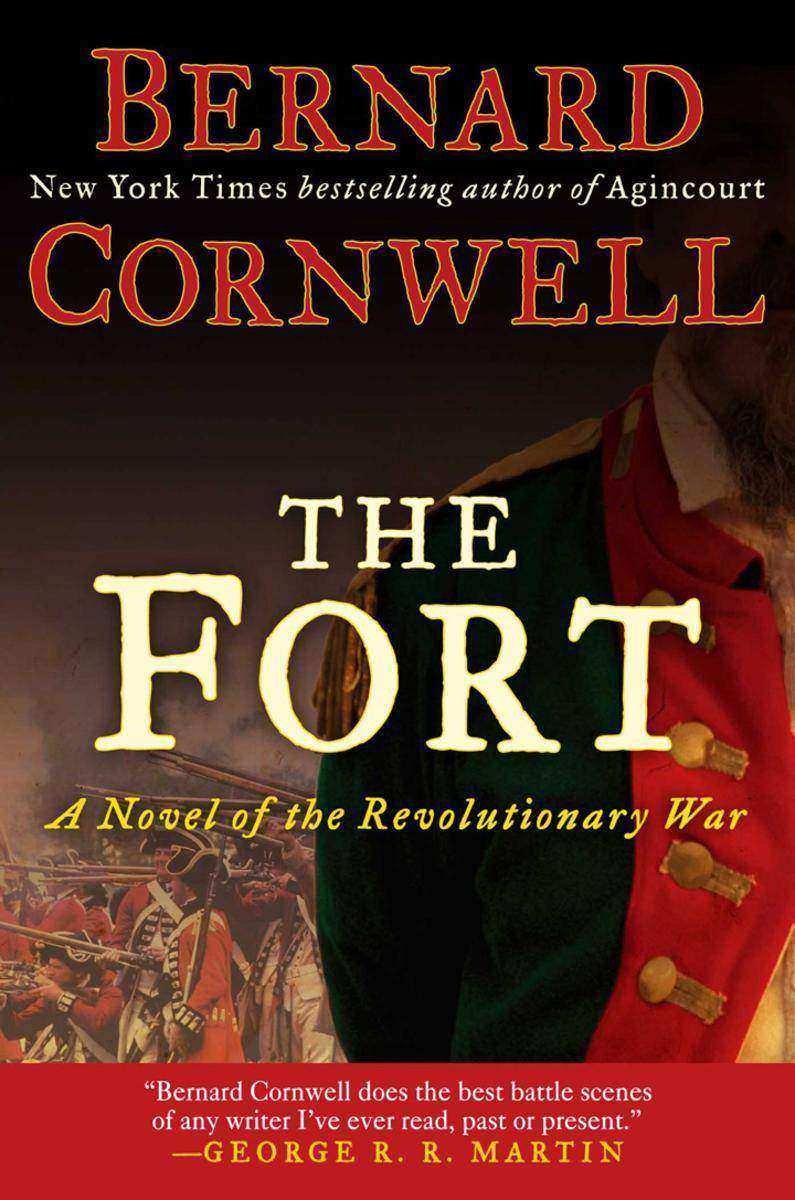
The Fort
¥94.10
While the major fighting of the war moves to the south in the summer of 1779, a British force of fewer than a thousand Scottish infantry, backed by three sloops-of-war, sails to the desolate and fog-bound coast of New England. Establishing a garrison and naval base at Penobscot Bay, in the eastern province of Massachusetts that would become Maine, the Scots—the only British troops between Canada and New York—harry rebel privateers and give shelter to American loyalists. In response, Massachusetts sends a fleet of more than forty vessels and some one thousand infantrymen to “captivate, kill or destroy” the foreign invaders. Second in command is Peleg Wadsworth, a veteran of the battles at Lexington and Long Island, once aide to General Washington, and a man who sees clearly what must be done to expel the invaders. But ineptitude and irresolution lead to a mortifying defeat—and have stunning repercussions for two men on opposite sides: an untested eighteen-year-old Scottish lieutenant named John Moore, who will begin an illustrious military career; and a Boston silversmith and patriot named Paul Revere, who will face court-martial for disobedience and cowardice.Grounded firmly in history, inimitably told in Cornwell's thrilling narrative style, The Fort is the extraordinary novel of this fascinating clash between a superpower and a nation in the making.
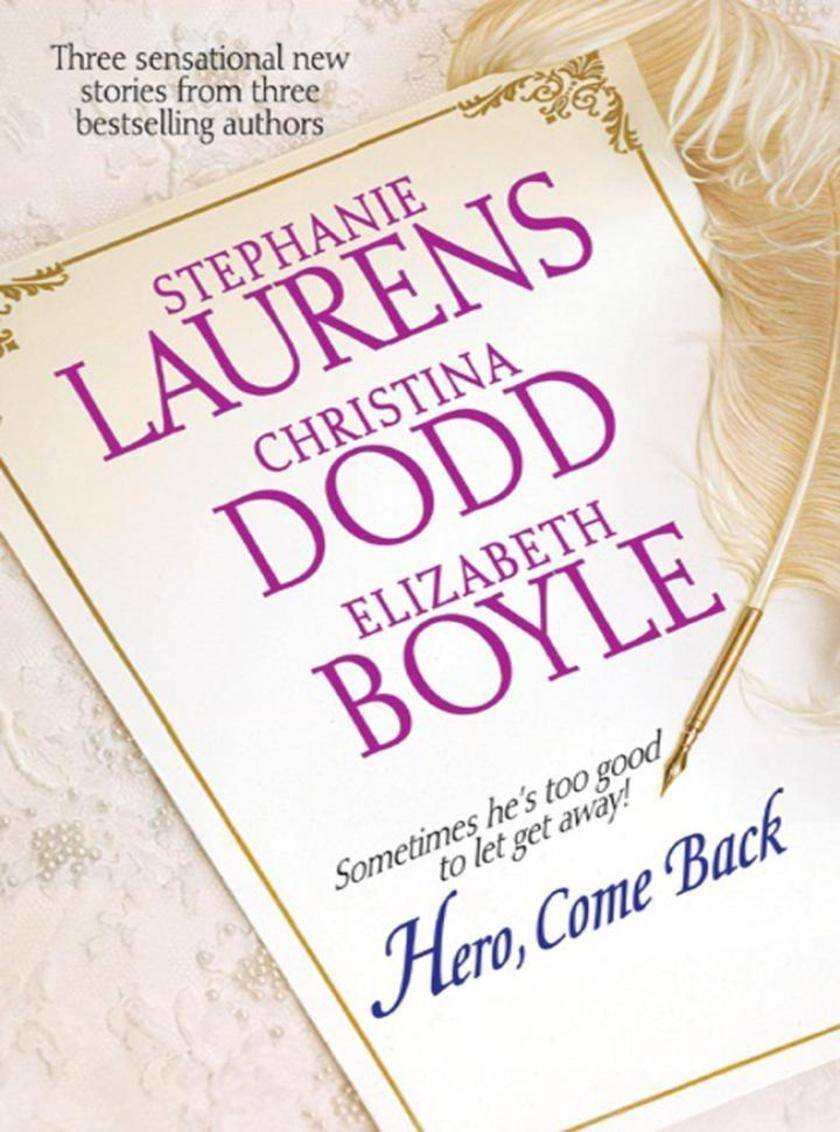
Hero, Come Back
¥49.05
Two superstar New York Times bestsellers, Stephanie Laurens and Christina Dodd, join forces with one exciting rising star, Elizabeth Boyle, to create this sexy anthology with an exciting new theme. In an innovative new twist for anthologies, each author is reintroducing a secondary character from a previous book to star in his own story!
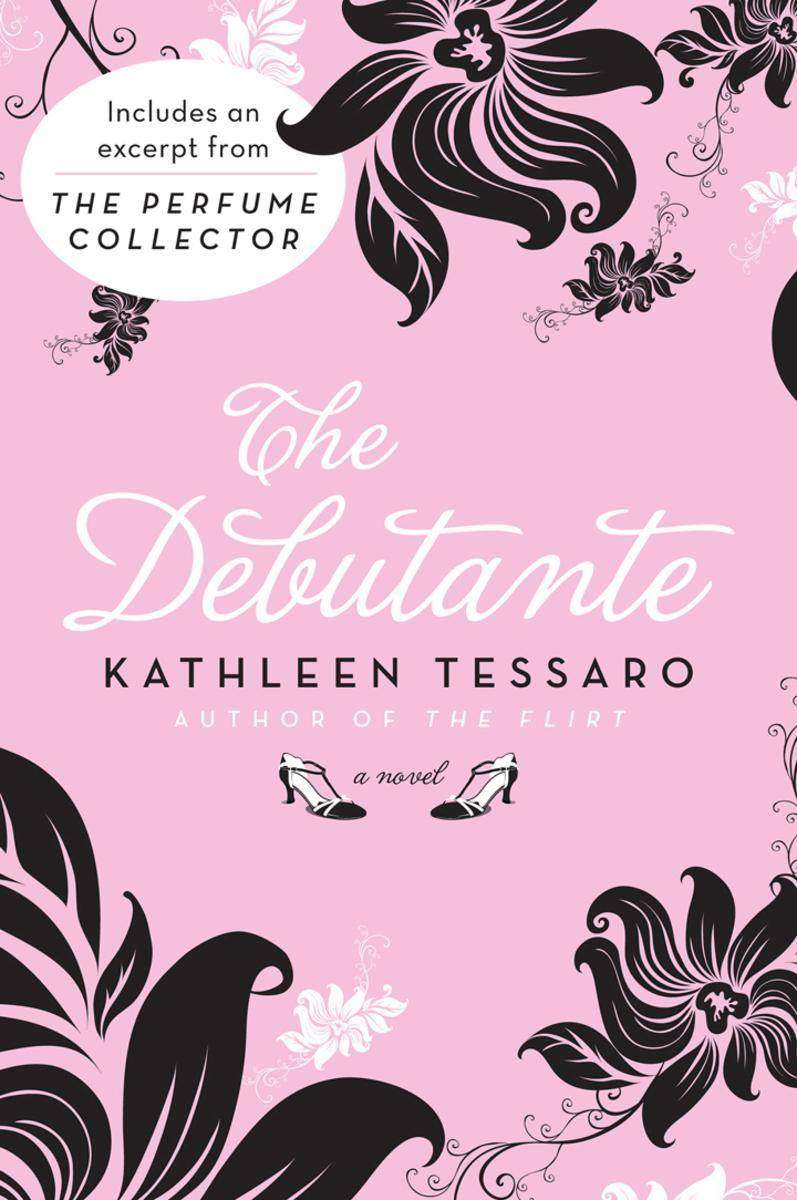
The Debutante
¥90.51
Can the secrets of one woman's past change another woman's future?A gifted artist, Cate has come to London from New York to escape her recent past. Working for her aunt's auction house, she is sent down to Devon to value the contents of Endsleigh House, the once gracious but now crumbling estate of a former socialite. There, hidden in the back of a dusty bookshelf, Cate discovers an old shoebox. Inside is a strange assortment of objects: an exquisite pair of dancing shoes circa 1930; a diamond brooch; a photograph of a young sailor; a dance card; and a pearl and emerald Tiffanys bracelet.Intrigued by her find, Cate sets out to solve the mystery of the box, becoming immersed in the story of its owner, Baby Blythe. Bright, beautiful, and reckless, Baby was the most famous debutante of her generation . . . and the most dangerous. As the clues begin to reveal a shocking tale of destructive, addictive love, Cate finds herself being drawn deeper into Baby's tragic life story—a story that will force Cate to face some dark truths about her own.Includes an excerpt from The Perfume Collector.
Scandalous
¥41.46
Katherine Fleming has lived her life without even a hint of indiscretion. So she is devastated to discover the nobleman she's engaged to has a secret he's kept from her: a wife! Suddenly Katherine's enmeshed in a scandal that has the ton buzzing and forced to accept a most unconventional proposal from the notorious seducer Dominic Mallory, her faithless fiance's brother and precisely the sort of rake she has sworn to avoid! Charming and dangerously sensual, Dominic has desired the stunning beauty from the first moment he spied her. Now, with Katherine's reputation in tatters, it's the ideal opportunity to bed her though it will take wedding vows to do so. But can a rogue be reformed by the unleashed passion of a normally reserved ladyAnd can a marriage made for all the wrong reasons flame into the love match of the season?
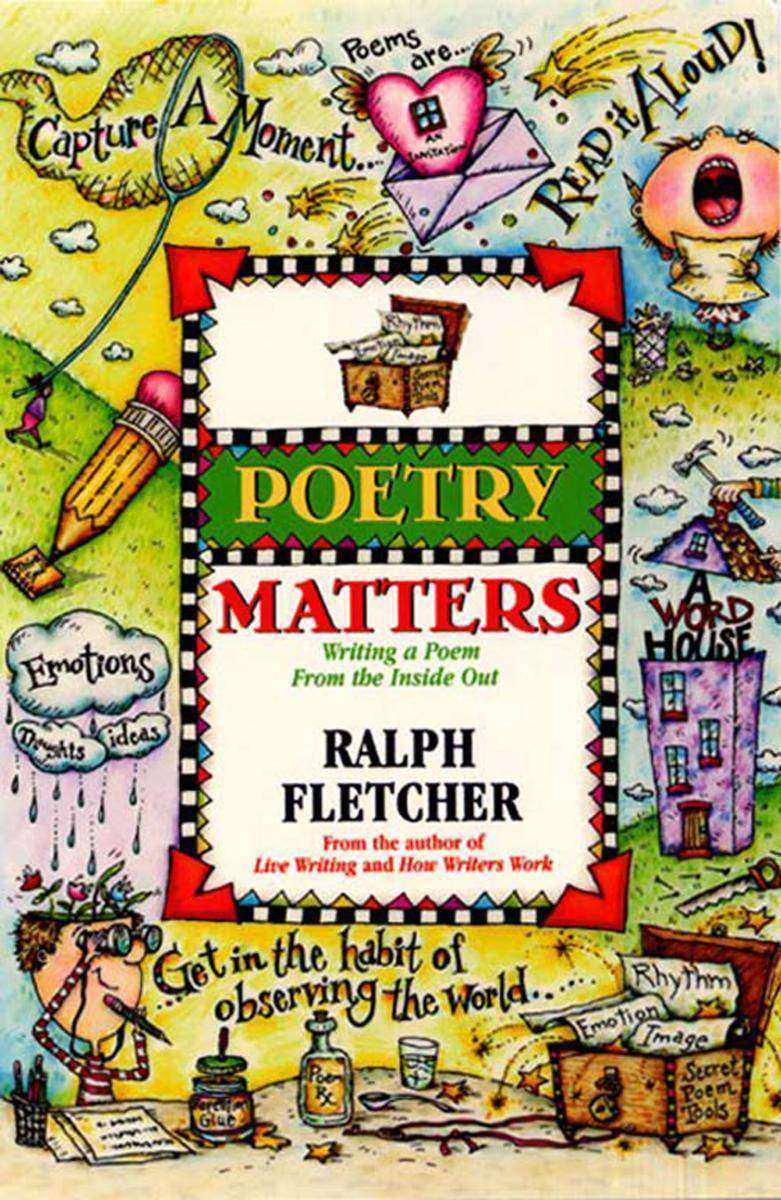
Poetry Matters
¥38.72
Maybe you've heard before that poetry is magic, and it made you roll your eyes, but I believe it's true. Poetry matters. At the most important moments, when everyone else is silent, poetry rises to speak.I wrote this book to help you write poems and to give practical ideas for making your poems sound the way you want them to sound. We're not going to smash poems up into the tiniest pieces. This book is about writing poetry, not analyzing it. I want this book to help you have more wonderful. moments in the poetry you write. I want you to feel the power of poetry. it's my hope that through this book you will discover lots of ways to make your poems shine, sing, soar...-- Ralph Fletcher
A Writer's Notebook
¥39.13
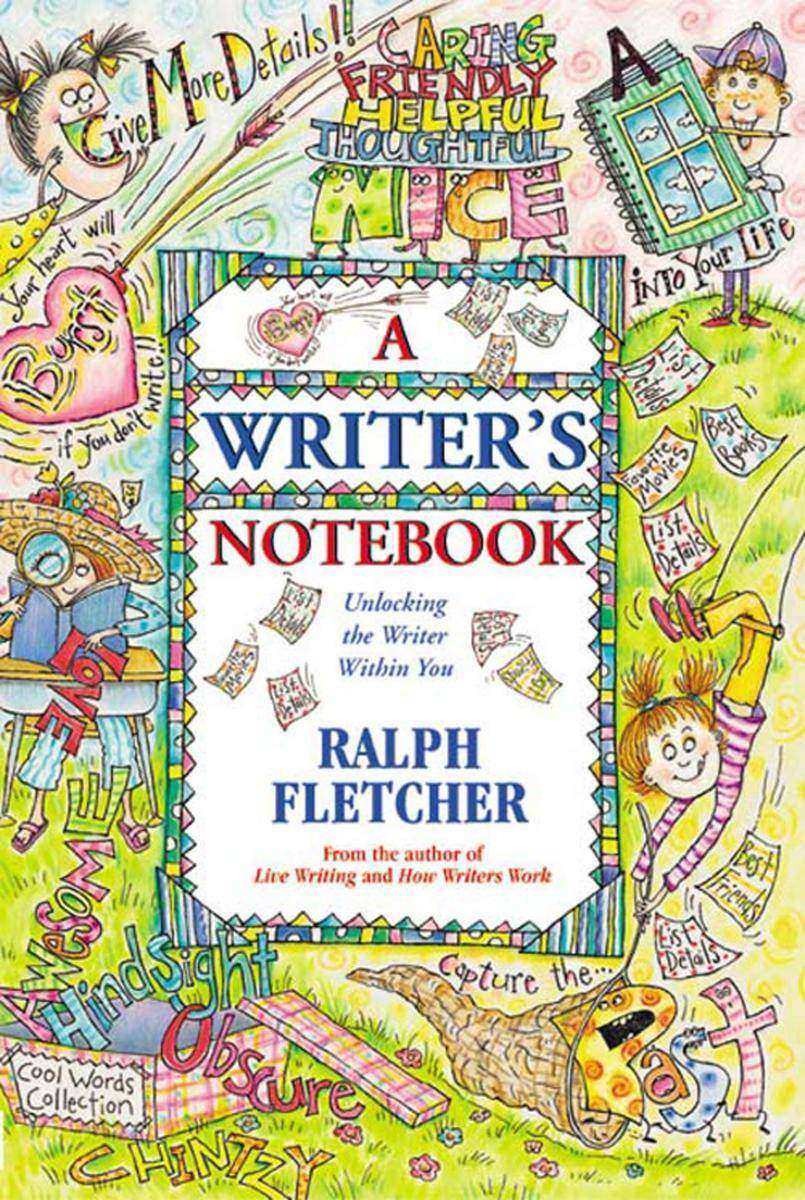
Writers are like other people, except for at least one important difference. Other people have daily thoughts and feelings, notice this sky or that smell, but they don't do much about it. Not writers. Writers react. And writers need a place to record those reactions. That's what a writer's notebook is for. It gives you a place to write down what makes you angry or sad or amazed, to write down what you noticed and don't want to forget . . . .
When Seducing a Spy
¥42.03
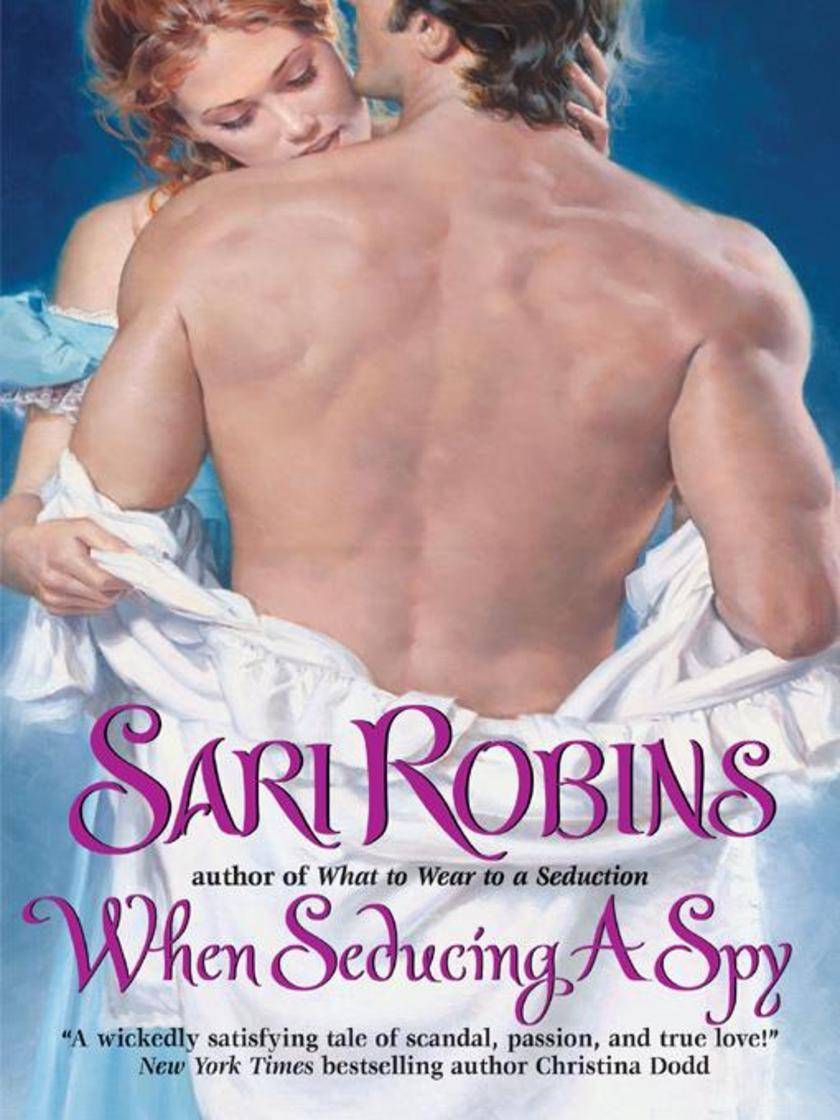
Heath Bartlett doesn't want to believe that his childhood friend had any part in the dastardly crime he's investigating but the bewitching, intoxicating beauty is certainly hiding something. And he will do whatever necessary to uncover the truth.The ton sees her merely as the castoff of a disreputable rake. In truth, Lady Tess Golding is protecting her own secret, so she dares not surrender to Heath's intimate temptations even though, when Heath comes within arm's reach of Tess, passions flare. Despite that the danger to the Crown is too great, and the threat to their vulnerable hearts even greater . . . when a passion this heated is unleashed, sometimes even the strongest must submit.
The More You Ignore Me
¥88.56
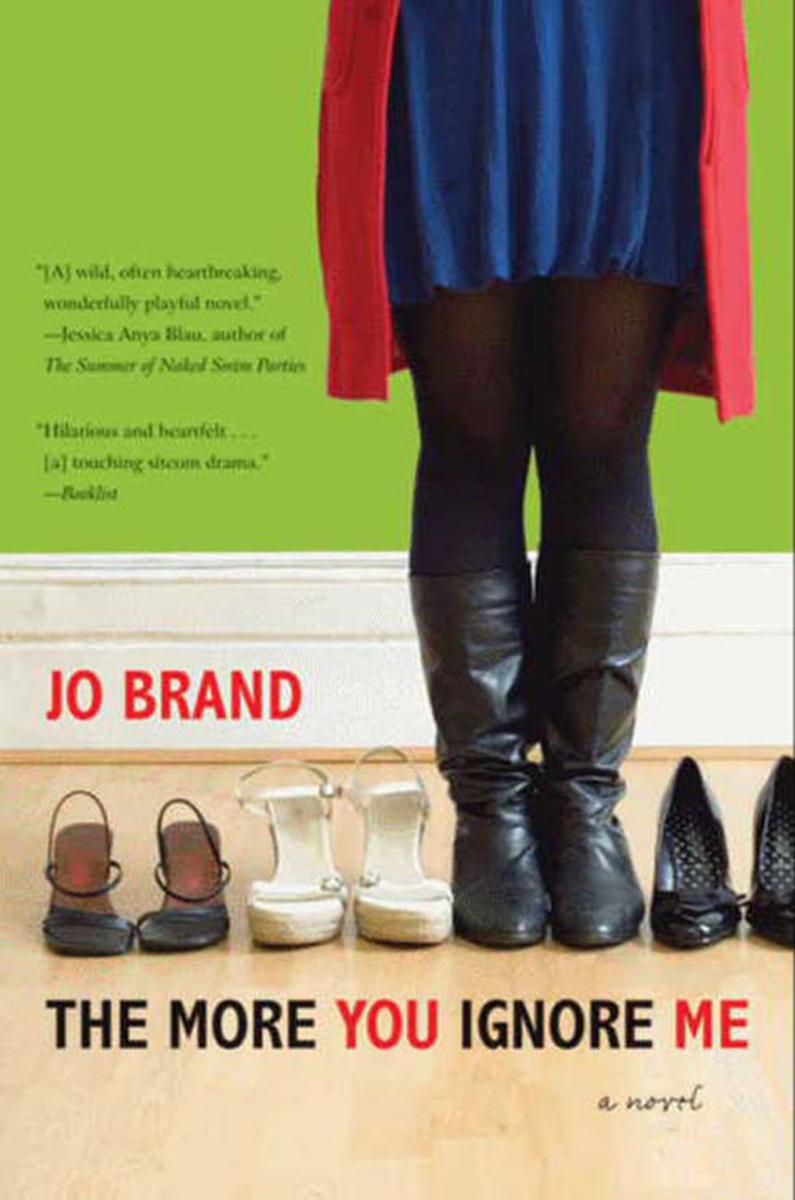
A genuinely funny and original novel about mental illness, growing up, and celebrity obsession from much-loved comedienne Jo Brand.Little Alice's family, tucked away in a cottage in the deepest part of Herefordshire, England, is more than a bit weird. Her mother, Gina, is obsessed with the weatherman on the local news, and when she climbs onto the roof—naked—with her daughter's pet guinea pig in her arms, she is whisked off to the local psychiatric hospital posthaste. Keith, Alice's father, tries to keep calm, but his patience is being severely tested by his in-laws, whose disturbed behavior terrifies the community. Alice is convinced she needs five personalities to cope because a mother-daughter reconciliation seems damned near impossible. And at this point, the stage may be set for even more heartbreak than Alice can imagine.
Rage of Angels
¥106.08
A worldwide bestseller first published in 1980, this novel tells the story of Jennifer Parker, a successful lawyer who is loved by two men, one a politician, the other, a mafia don.

Dragon Keeper with Bonus Material
¥55.91
For a limited time, experience the beginning of the Rain Wilds Chronicles series at a special price, including bonus excerpts from other books in the series.In Dragon Keeper, too much time has passed since the powerful dragon Tintaglia helped the people of the Trader cities stave off an invasion of their enemies. The Traders have forgotten their promises, weary of the labor and expense of tending earthbound dragons who were hatched weak and deformed by a river turned toxic. If neglected, the creatures will rampage—or die—so it is decreed that they must move farther upriver toward Kelsingra, the mythical homeland whose location is locked deep within the dragons' uncertain ancestral memories.Thymara, an unschooled forest girl, and Alise, wife of an unloving and wealthy Trader, are among the disparate group entrusted with escorting the dragons to their new home. And on an extraordinary odyssey with no promise of return, many lessons will be learned—as dragons and tenders alike experience hardships, betrayals . . . and joys beyond their wildest imaginings.
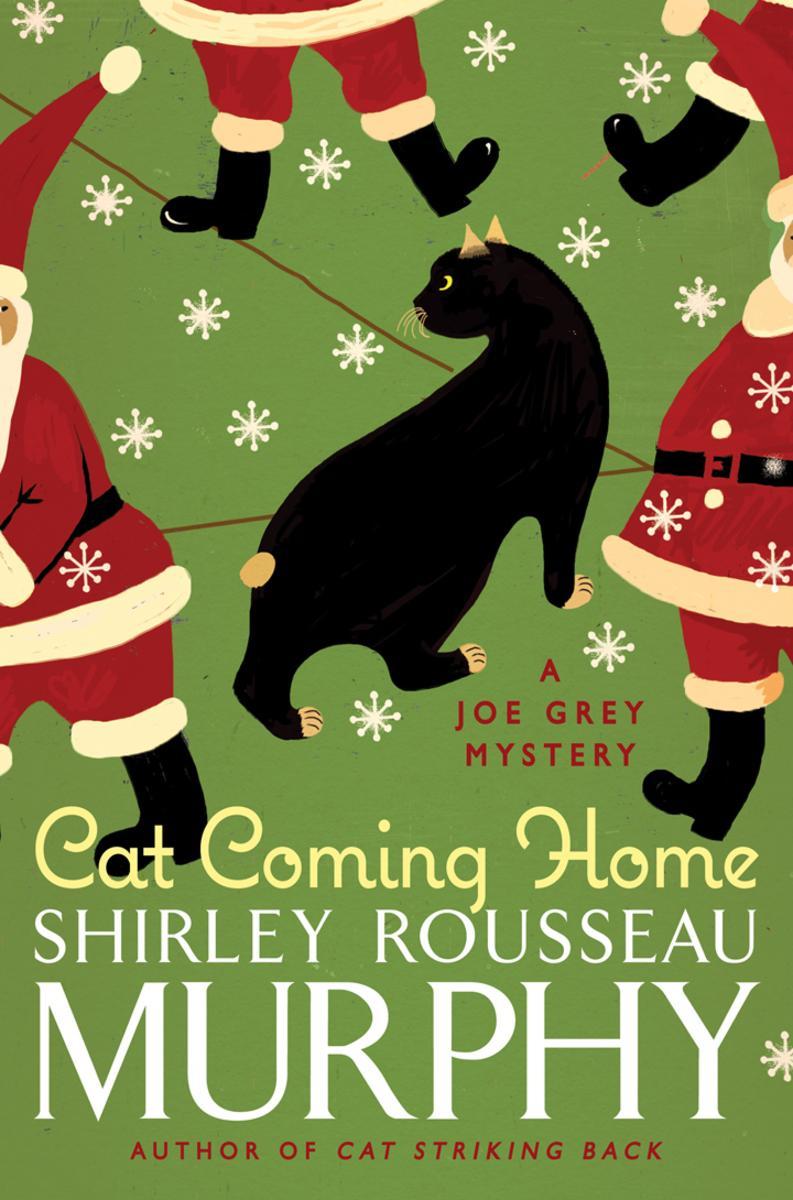
Cat Coming Home
¥55.31
Cats can't come home again . . . or can they?Escaping Los Angeles and the ugly memories of her son's recent murder, Maudie Toola returns to her childhood home of Molena Point, bringing her orphaned grandson, whom she must now raise, with her. Mourning for her son, she's not looking forward to the holidays but feels she must make them positive for the child. But Maudie is unaware that the killer has followed her, nor does she know that the small seaside village is dealing with a series of brutal assaults. A team of criminals is stalking single women, hiding their attacks behind spectacular break-ins to divert the cops. And this time there's not even a phone call from the four-footed snitch to give the cops a lead.Meanwhile, a new tomcat appears on the scene, a wise and elderly wanderer who bears an important message from a state prisoner for the chief of police. But this cat has a personal agenda too—as does Maudie, who harbors her own secret about her son's killer. As the lonely prison cat provides the link between the mysteries, Joe Grey and his pals, in turn, help him find a surprising new home, a safe retreat in time for the holidays.With a story both enchanting and suspenseful, Shirley Rousseau Murphy shows once again why her trio of feline sleuths are so beloved by her fans, and why the Joe Grey mysteries should be at the top of every cat lover's Christmas list.
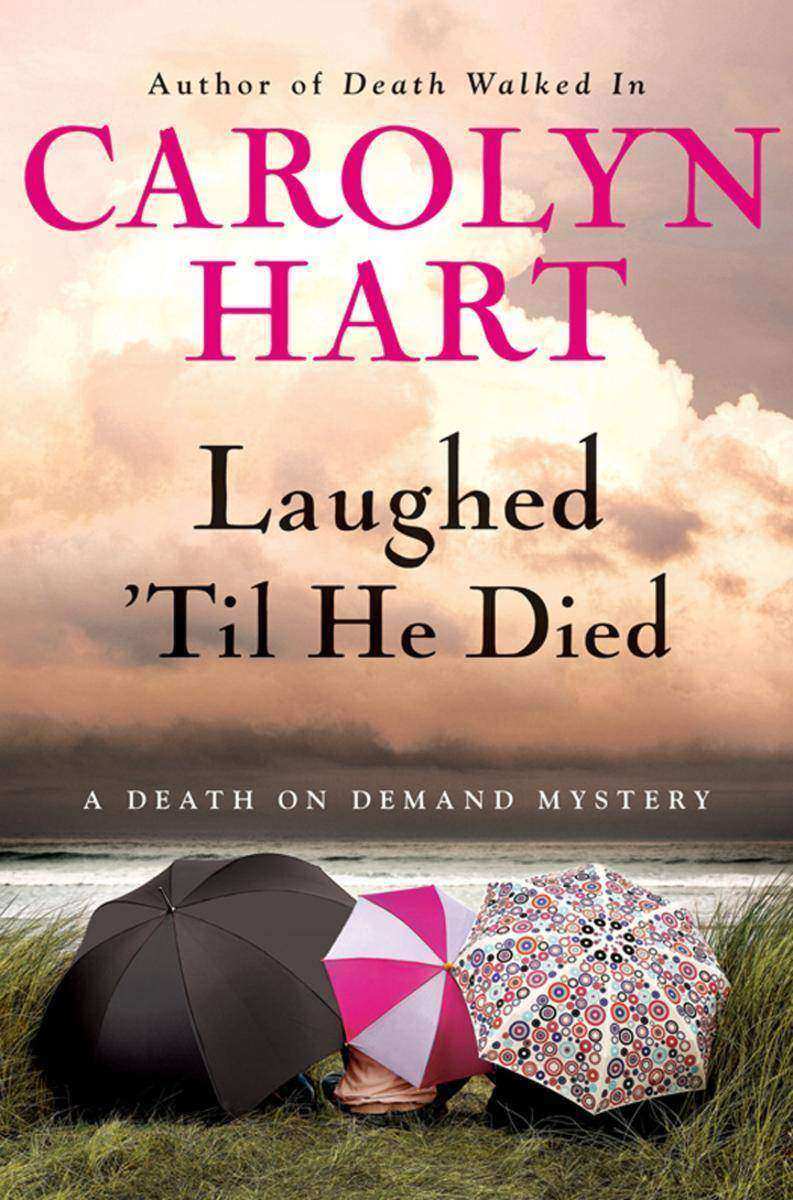
Laughed 'Til He Died
¥55.31
Intrigue and foul play are no strangers to the idyllic South Carolina sea island of Broward's Rock. Mystery bookstore owner Annie Darling and her husband, Max, who specialize in solving problems, plunge into a startling web of danger and deceit when a trio of deaths is linked to the island's youth recreation center.With the evidence mounting against her, the center's director seeks out Max to clear her name. When it comes to intrigue, where Max goes, Annie isn't far behind. To save an innocent woman, the pair scrambles to unravel three complex interlinked puzzles: the mystery of three guns, the pulled-out pant pockets of one victim, and the disappearance of a teenager whose stepfather always had the last laugh—until he died.
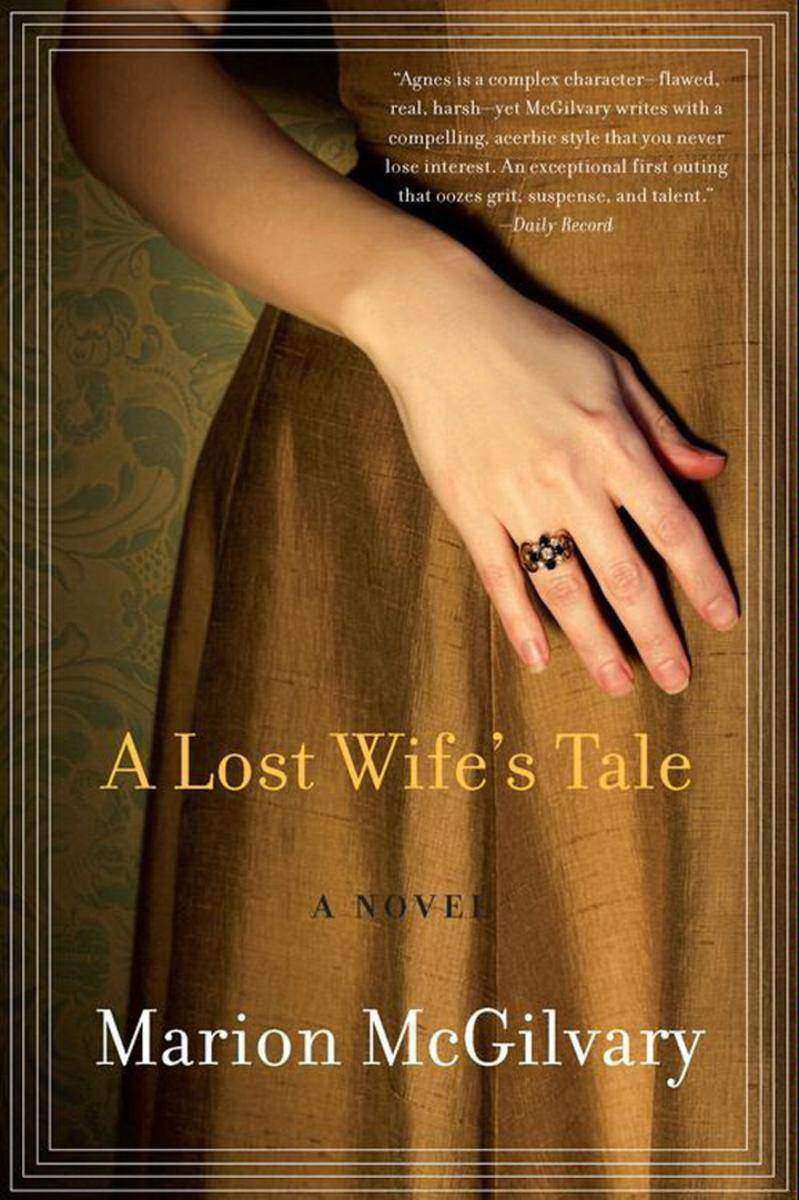
A Lost Wife's Tale
¥90.77
Once Edith Lutz had a life, a husband, and a home. Why did she run?Edith doesn't want to be found, so she's taken on a new look, a new name, and an anonymous new life in New York City. Hoping to escape her past and start over, she's now working as a live-in housekeeper for wealthy, recently divorced publisher Adam. Edith is a breath of fresh air in her lonely employer's empty home, and she soon becomes more than just the woman who cleans the kitchen. But Adam knows nothing of the real woman he's falling in love with—or just how shaky the foundations of their blossoming relationship truly are. And Edith can never be sure that her dark history won't catch up to her. In fact, it's closer than she thinks.
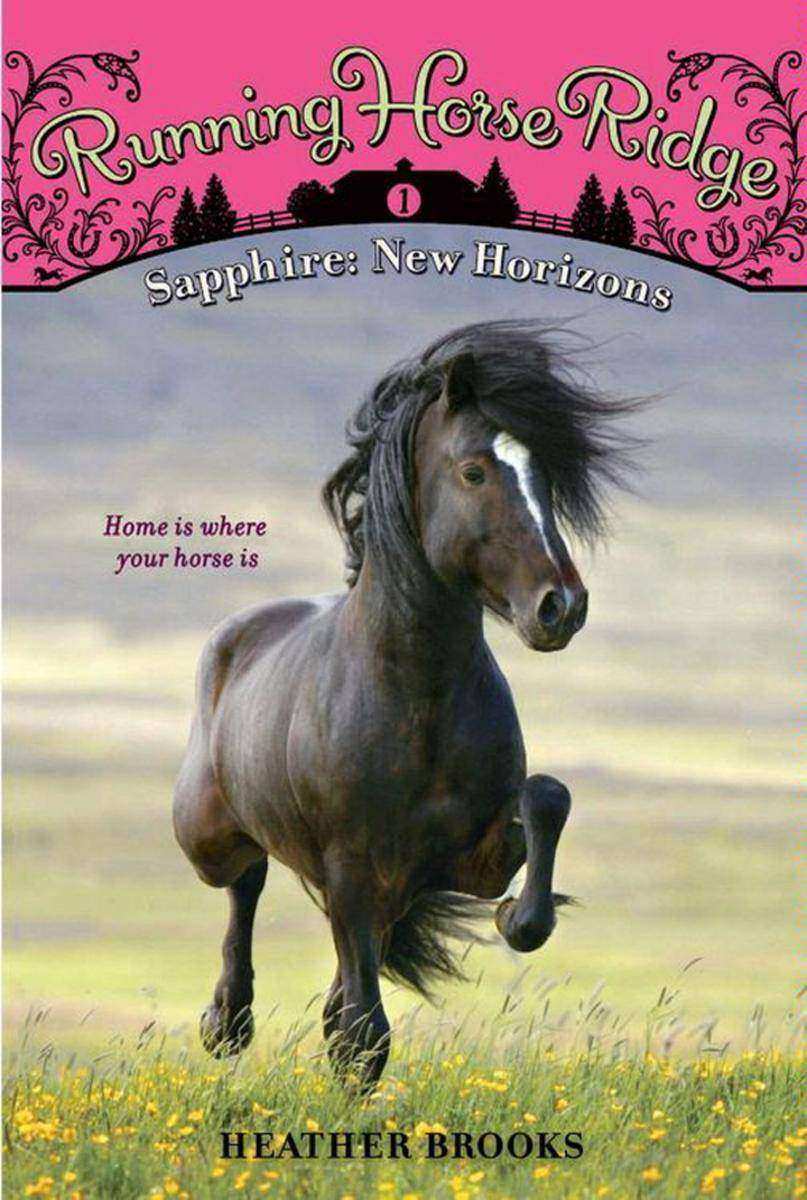
Running Horse Ridge #1: Sapphire: New Horizons
¥28.01
Home is where your horse isEmily Summers does not want to go to Oregon. Why would she want to leave her friends and Rhapsody, her perfect dressage horse, to move to a horse rescue ranch all the way across the countryThen Emily discovers that at Running Horse Ridge, she'll be living her dream of riding and caring for horses 24/7, and after she meets the roguish black stallion named Sapphire, she feels she's found a true friend. There's just one catch: Sapphire is at Running Horse Ridge to be retrained and sold. Has Emily met the horse of her dreams only to lose him?

Serendipity Market
¥50.47
When Toby breathes on Mama Inez's bird-shaped invitations, giving them the power to fly, plans for the Serendipity Market begin. Soon, eleven honored guests travel from afar and make their way to the storytellers' tent to share their stories. Each tale proves what Mama Inez knows—that magic is everywhere. Sometimes it shows itself subtly—a ray of sun glinting on a gold coin, or a girl picking a rose without getting pricked by the thorn—and sometimes it makes itself known with trumpets and fireworks. But when real magic is combined with the magic of storytelling, it can change the world.This is a breathtaking debut novel written with elegance and grace.
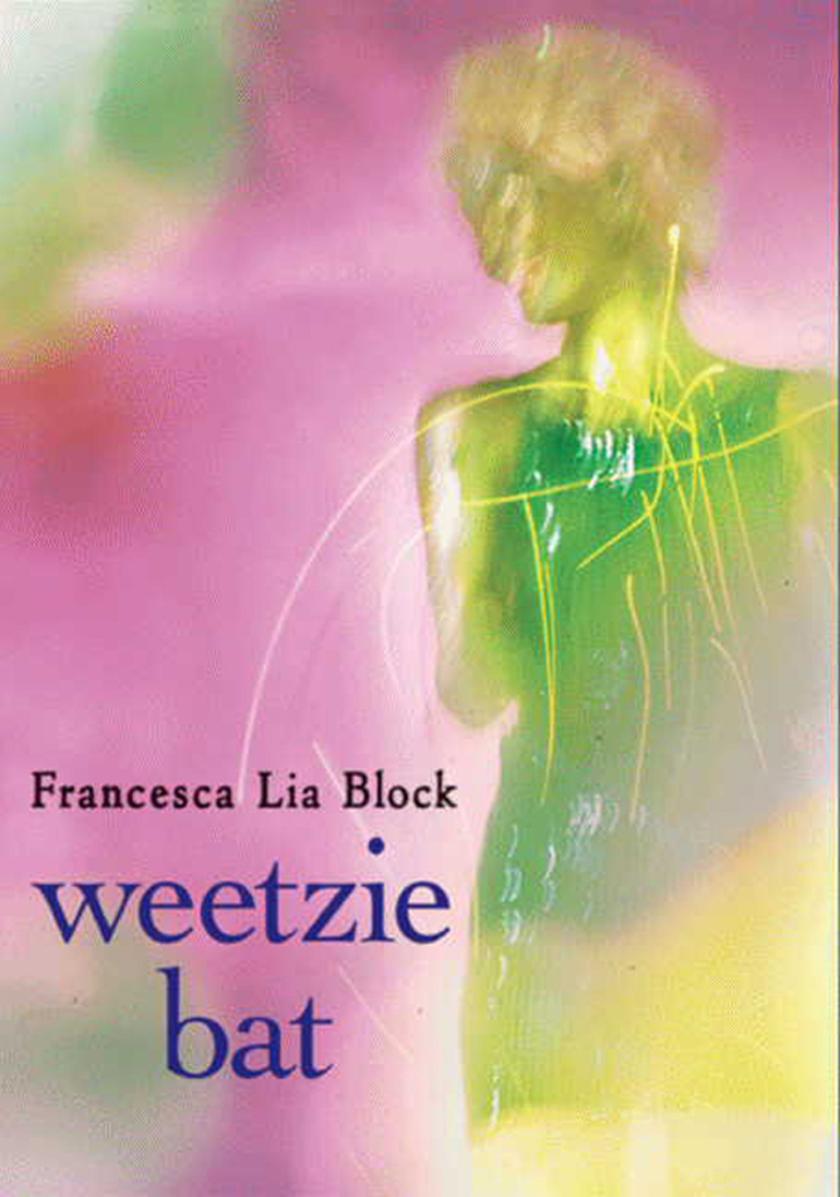
Weetzie Bat
¥56.08
Fifteen years ago Francesca Lia Block made a dazzling entrance into the literary scene with what would become one of the most talked-about books of the decade: Weetzie Bat. This poetic roller coaster swoop has a sleek new design to match its new sister and brother books, Goat Girls and Beautiful Boys. Rediscover the magic of Weetzie Bat, Ms. Blocks sophisticated, slinkster-cool love song to L.A.the book that shattered the standard, captivated readers of all generations, and made Francesca Lia Block one of the most heralded authors of the last decade.

Avalon High
¥55.33
Avalon High seems like a typical high school, attended by typical students: There's Lance, the jock. Jennifer, the cheerleader. And Will, senior class president, quarterback, and all-around good guy.But not everybody at Avalon High is who they appear to be ... not even, as new student Ellie is about to discover, herself. What part does she play in the drama that is unfoldingWhat if the bizarre chain of events and coincidences she has pieced together means -- as with the court of King Arthur -- tragedy is fast approaching Avalon High?Worst of all, what if there's nothing she can do about it?


