


 购物车
购物车 个人中心
个人中心

Holiday: ?leted legszebb nyara
¥77.50
A Fumax Irodalom sorozat szép sikerrel indult tavaly a Tolvajok tele cím? regénnyel. A Fumax Irodalom sorozat második k?tetére, Az elvarázsoltakra még tavaly tavasszal figyeltünk fel, amikor az Amazon legjobb k?nyve lett márciusban. Azóta megnyerte a Prix du premier roman étrangert (külf?ldi els?regény-díj), a jelent?s francia irodalmi díjat és számtalan más díjra is jel?lték, rengeteg év legjobbjai listára került fel, illetve bejutott a Goodreads-en a legjobb 20-ba a fiction kategóriában (ami talán a legjelent?sebb kategória) az év végi olvasói szavazáson. Bekerült az ALA (Amerikai K?nyvtárak Sz?vetsége) Figyelemreméltó K?nyveinek listájára, 2015-?s díjazottként, és esélyesnek tartják az idei Pulitzer-díjra való jel?lésre is. Az elvarázsoltak csodálatos és megváltással teli els? regény, melynek rideg világában találkozik a gonoszság és a mágia, Alice Sebold empátiája és líraisága és Stephen King s?tét képzel?ereje. TARTALOM: "Még a sz?rnyeknek is szükségük van a békére. Még a sz?rnyeknek is szükségük van valakire, aki valóban meg akarja hallgatni - és hallani - ?ket, hogy egy napon megtaláljuk a szavakat, amelyek t?bbek üres dobozoknál. Talán akkor megakadályozhatjuk, hogy a hozzám hasonlók létrej?jjenek." A szigorúan ?rz?tt b?rt?n halálsorán raboskodó fogoly egyedüli menedéke a megálmodott szavakban rejlik, a nyelv hatalmán keresztül megteremtett világban. Nincsen neve, nem tudjuk a b?nét sem. De figyel, megérzi azt is, amire mások képtelenek. Látomásai, melyekben aranysz?r? paripák vágtáznak a b?rt?n alatt, és olvadt fémként csurran hátukról a h?ség, a b?rt?nélet pusztító er?szakosságával ?tv?z?dnek. Két kívülálló lép világába: a bukott pap és a h?lgy, egy nyomozó, aki eltemetett morzsákat kutat a rabok múltjában, amelyek megmenthetik a kivégzésre várókat. Egy York nev? gyilkos múltjába ásva fájdalmas titkokra bukkan, amelyek felülírják a megszokott elképzeléseket áldozatról és b?n?z?r?l, ártatlanságról és b?n?sségr?l, míg végül a h?lgy saját megd?bbent? múltjára is fény derül. ?s a rab várakozik, várja, hogy az ? t?rténetét is meghallgassa valaki. Mert még a sz?rnyeknek is van t?rténetük. Ez a fájdalommal teli, ugyanakkor k?lt?i regény emlékeztet a mindannyiunkat ?sszek?t? emberségre, és arra, hogy még a legsz?rny?bb, rémálomba ill? valóságban is létezhet szépség és szeretet. A k?tetet a neves m?fordító és írón?, Kleinheincz Csilla ültette át magyar nyelvre.
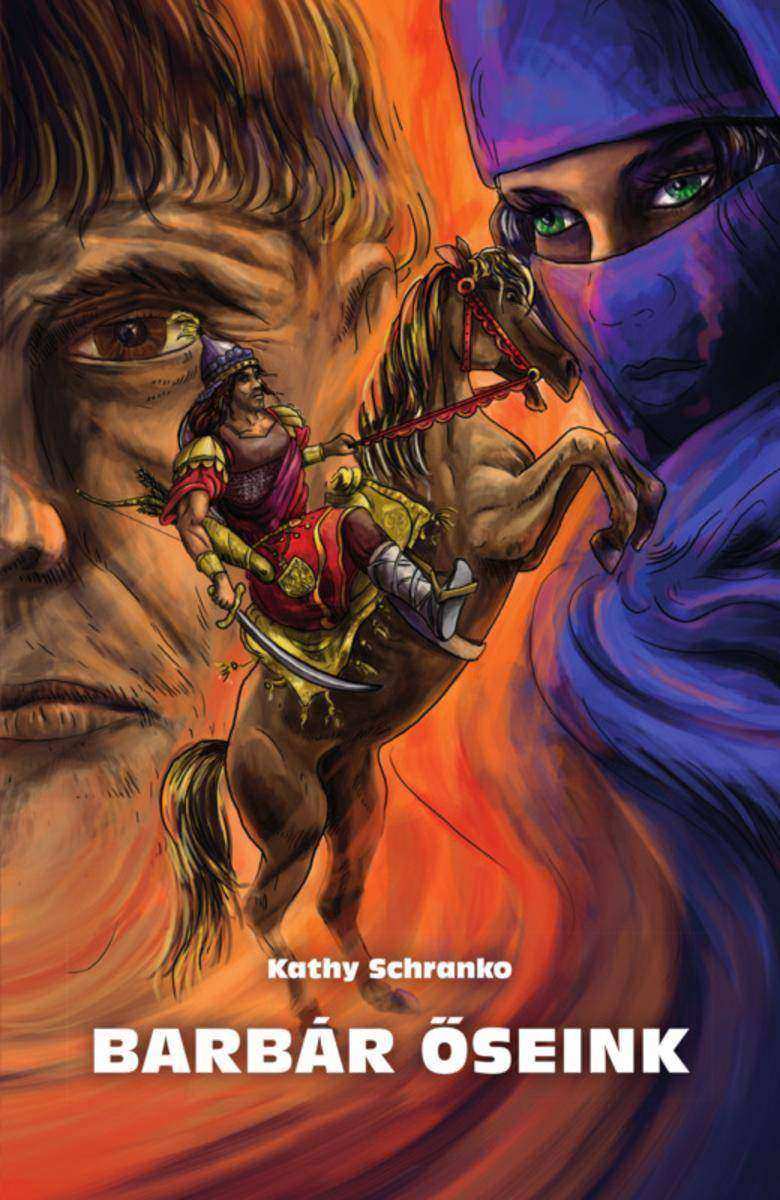
Barbár ?seink
¥57.31
Egy szédít? hollywoodi karrier. Egy mélyen eltemetett titok. A legendás, de teljes visszavonultságban él? világsztár, Evelyn Hugo évtizedek óta el?sz?r hajlandó interjút adni. A d?ntésénél már csak a választása meglep?bb: ragaszkodik egy fiatal, ismeretlen újságírón?h?z, Monique Granthoz. Miért pont neki jut ez az álomlehet?ség? Aztán Evelyn emeli a tétet. Mert a szimpla sztárinterjú helyett sokkal t?bbet ajánl. Mindent. A teljes igazságot csillogóan botrányos életér?l. Semmit sem szépítve és semmit sem elhallgatva. Ahogy elkezd?dik a munka, az újságírón? nemsokára sejteni kezdi: valamilyen módon ?sszefonódik saját sorsa és Evelyn múltja. ?m ennek a titoknak nagy ára van. Szerelmek, végzetek, barátságok és árulások, aztán egy elképeszt? csavar - ez a szenvedély és az életb?lcsesség letehetetlen regénye. ?Kérném a k?vetkez? Taylor Jenkins Reid regényt. El?vételben, most." - Examiner. ?Elvarázsol ... játszi k?nnyedséggel teremt hús-vér szerepl?ket." - Associated Press.

The One for Me
¥105.87
Written for young adults, the Urban Underground series confronts issues that are of great importance to teens, such as friendship, loyalty, drugs, gangs, abuse, urban blight, bullies, and self-esteem to name a few. More than entertainment, these books can be a powerful learning and coping tool when a struggling reader connects with credible characters and a compelling storyline. The highly readable style and mature topics will appeal to young adult readers of both sexes and encourage them to finish each eBook. Harriet Tubman HS Series - Denique thought that if she wasn't so messed up in her head, she'd sort of like Trevor. But it would just end badly. So she focused on school. She wanted to graduate and get a job. College was now out of the question. Her family lived in the projects. Denique had to get a job as soon as possible after high school. With her and her mother bringing in money, the family could move to a better, safer place.

DJing for Beginners
¥81.67
Have you pictured yourself spinning the decks and mixing records? Do you want to create new sounds but are unsure where to start? From hip-hop to trance, DJing for Beginners tells you everything you need to know about the equipment and the techniques behind mixing records and sounds in rap, dance, reggae and other styles. If you’re undecided whether you want to work with vinyl or be a digital DJ, the book shows you the advantages and disadvantages of each. In addition, becoming a DJ involves a great deal of equipment and can be costly, but the book advises on where savings can be made, such as which pieces are best bought second hand and which pieces you won’t need until you’re a lot more advanced. From matching the tempo and keys of songs to scratching, blending intros and outros, drags and looping, the book guides you through the essential steps to becoming a DJ. Each chapter also includes a special feature about a major DJ, from Grandmaster Flash in the 1980s to Paul Oakenfield in the 1990s to deadmau5 and Nina Kraviz today. With clear diagrams, photographs and instructions, DJing for Beginners is the ideal book for the first-time DJ.
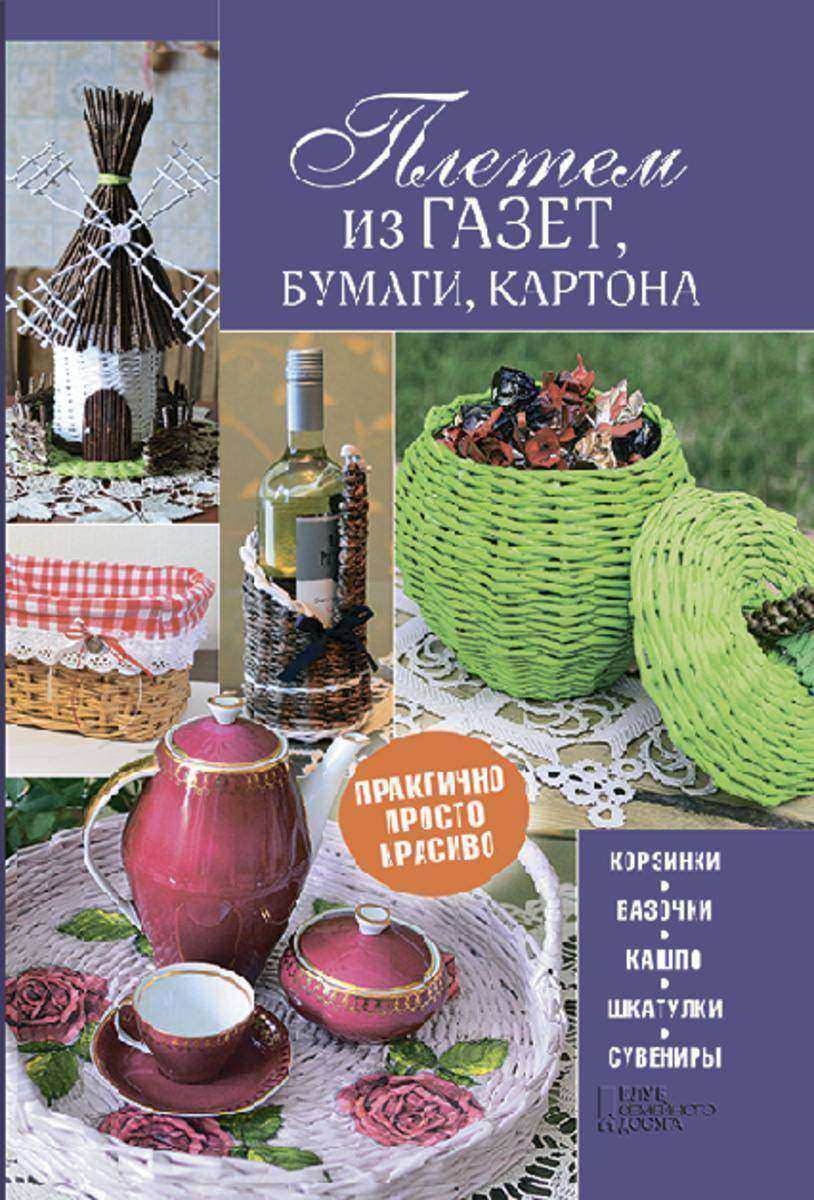
Плетем из газет, бумаги, картона (Pletem iz gazet, bumagi, kartona)
¥17.74
Rū?ītis ?ī skaistā pasaka ir mazā elfa dzīves stāsts. Vi?? mitinājās bagāta tirgotāja mājā un vienmēr bija pārticis.? ?ajā mājā dzīvoja arī kāds trūcīgs students, kur? bie?i cieta badu, jo visu naudu tērēja grāmatām. Kādu dienu Rū?ītis ieskatījās studenta istabi?ā pa atslēgas caurumu. Ko vi?? tur ieraudzīja? Kas notika tālāk? Lasiet pa?i! ?ajā burvju pasakā ir daudzas svarīgas patiesības un morāles vērtības. Tās saturs, noska?a un krāsainās ilustrācijas noteikti iepriecinās visus bērnus

Лечение радикулита и ревматизма народными средствами
¥8.91
Das Buch enth?lt drei wundersch?ne M?rchen. ?Die Hirtin und der Schornsteinfeger“ ist eine fr?hliche Geschichte über Porzellanfiguren, die eine alte Kommode bewohnen. ?Das kleine M?dchen mit den Schwefelh?lzern“ ist eine traurige Erz?hlung über ein M?dchen, das Streichh?lzer am Heiligabend verkaufen muss. “Fünf aus einer Schote“ ist eine rührende Geschichte über ein krankes M?dchen, in dessen Leben unerwartet ein kleines Erbsenkorn auftaucht. Alle Erz?hlungen sind sch?n und farbig illustriert. Die Hirtin und der Schornsteinfeger Die Helden des M?rchens sind Porzellanfiguren: eine Hirtin, ein Schornsteinfeger und ein alter? Chinese, der will, dass die hübsche Hirtin einen geschnitzten Feldwebel heiratet. Das M?dchen ist damit nicht einverstanden, weil sein kleines Herz schon lange für den?? Schornsteinfeger schl?gt. Was passiert weiter?? Das k?nnt ihr hier erfahren. Die Erz?hlung ist sch?n und farbig illustriert. Das kleine M?dchen mit den Schwefelh?lzern Dies ist eines der berühmtesten M?rchen,? das jedes Kind lesen sollte. Es ist eine berührende? Geschichte über? ein armes M?dchen, das? an einem kalten Heiligabend versucht Schwefelh?lzer an die? Passanten zu verkaufen. Was wird mit dem M?dchen weiter geschehen? Ihr k?nnt es hier lesen. Die Erz?hlung ist sch?n und farbig illustriert. Fünf aus einer Schote Es ist eine Erz?hlung über eine kleine Erbse, die durch einen Spalt im Dachgeschoss in eine Wohnung reinf?llt. Dort lebt eine Frau mit ihrer kleinen Tochter, Karolina. Das M?dchen ist? schwer krank und kann seit langem? sein Bett nicht verlassen. Karolina beobachtet mit Neugier die Pflanze, die aus dem Korn w?chst. Was passiert im Leben des M?dchens?? Lest weiter!? Die Erz?hlung ist sch?n und farbig illustriert.?

Улучшаем зрение народными средствами
¥8.91
Die Hirtin und der Schornsteinfeger Die Helden des M?rchens sind Porzellanfiguren: eine Hirtin, ein Schornsteinfeger und ein alter? Chinese, der will, dass die hübsche Hirtin einen geschnitzten Feldwebel heiratet. Das M?dchen ist damit nicht einverstanden, weil sein kleines Herz schon lange für den?? Schornsteinfeger schl?gt. Was passiert weiter?? Das k?nnt ihr hier erfahren. Die Erz?hlung ist sch?n und farbig illustriert.
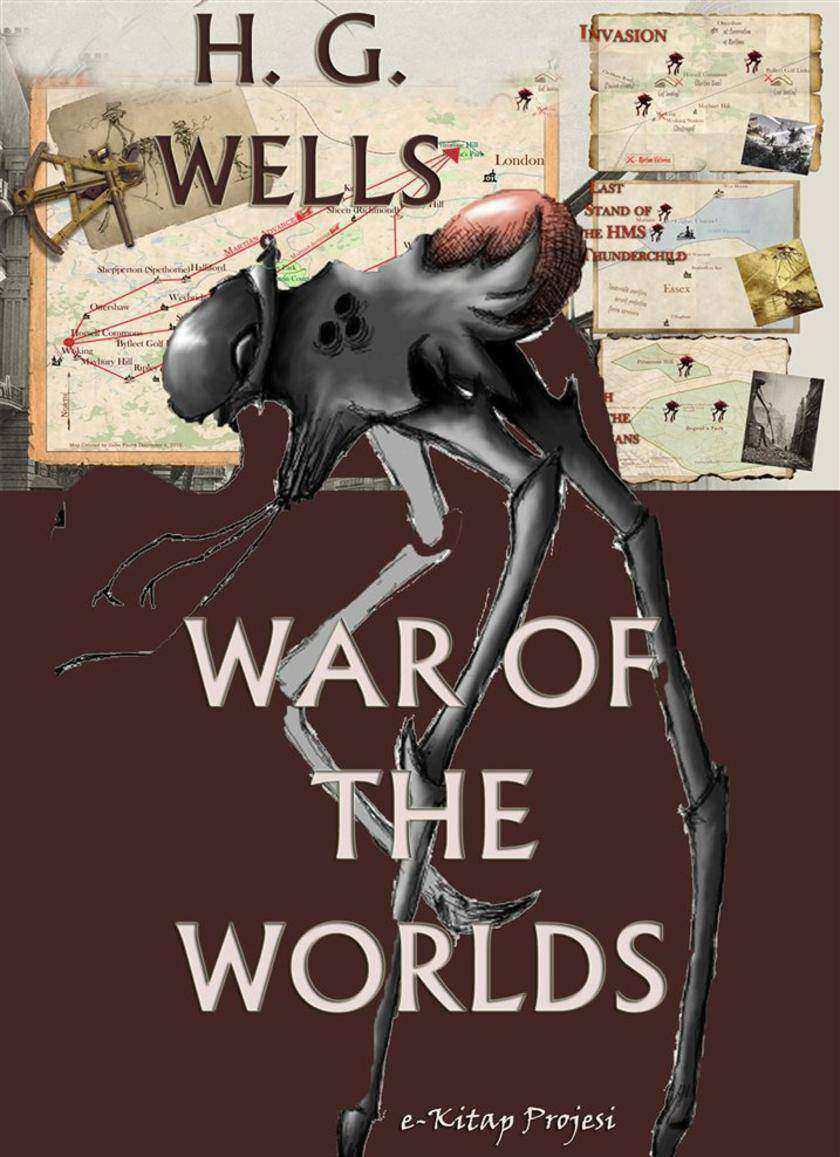
War of the Worlds
¥23.30
The Wizard was written in the year 1896 by Henry Rider Haggard. This book is one of the most popular novels of Henry Rider Haggard, and has been translated into several other languages around the world.This book is published by Booklassic which brings young readers closer to classic literature globally.
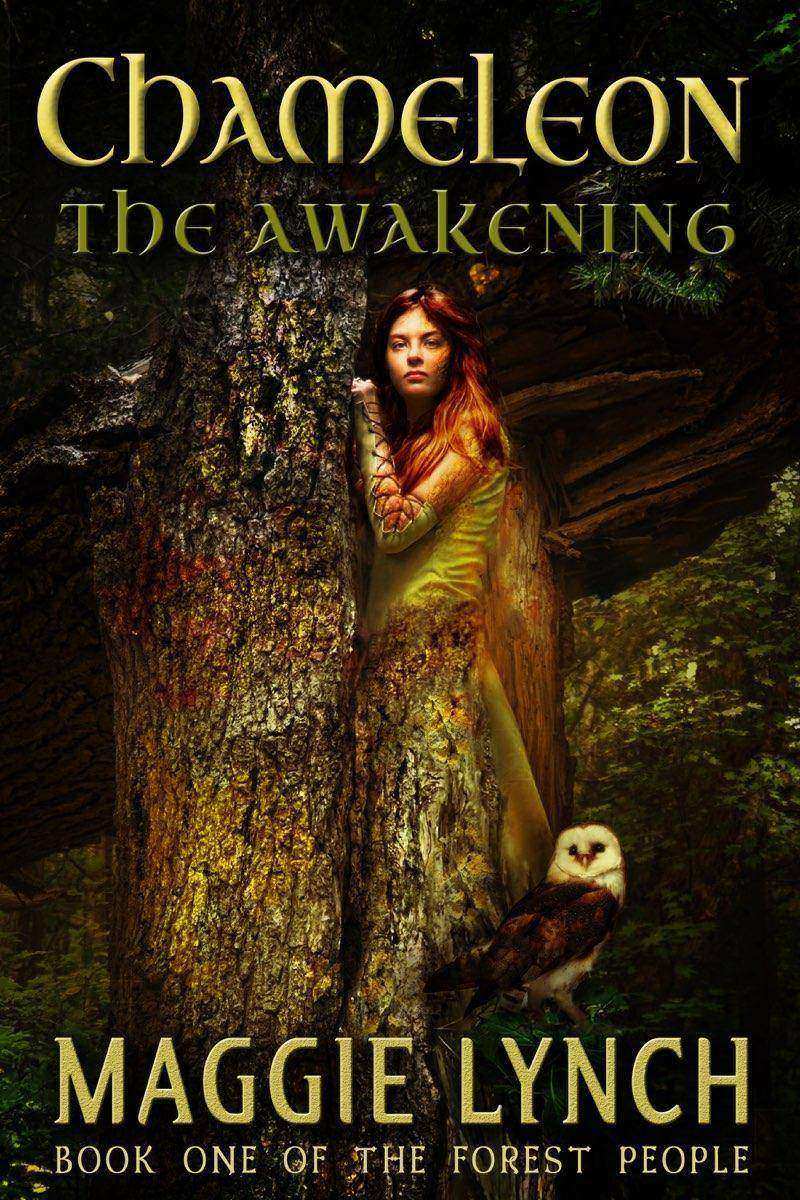
Chameleon: The Awakening
¥32.62
Book 1 of the Forest People Series – The Awakening Camryn Painter is a 16-year-old freak of nature. Or possibly the savior of a civilization that isn’t supposed to exist. She’s a human chameleon… one who transforms into the image of whoever sees. Escaping from a medical research facility, Camryn discovers a magical forest world. Not that she’s welcome. Her new home is filled with faeries and beasts set on destroying her. Striking a tribal alliance between what she once believed were mythical beings is her only chance of survival… if she can just control her power and figure out who to trust.
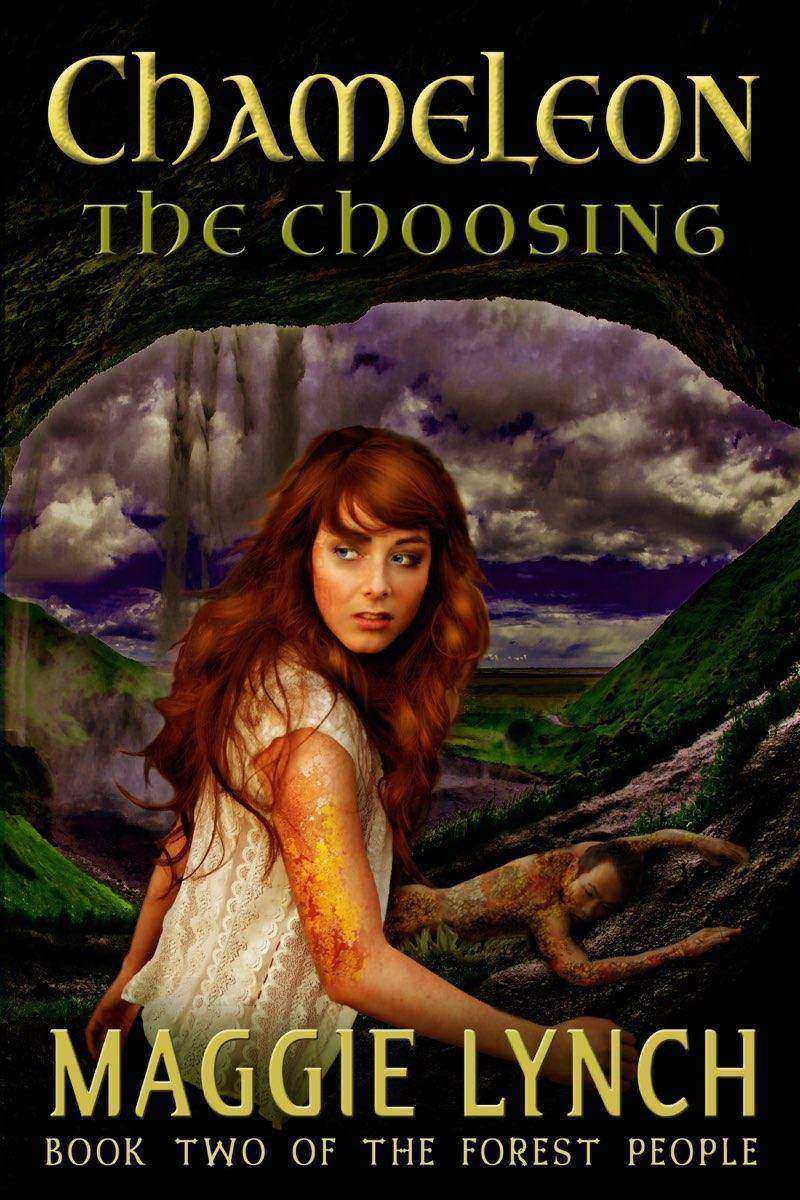
Chameleon: The Choosing
¥32.62
Book 2 of the Forest People Series – The Choosing Camryn Painter’s powers come at a steep price. It’s one thing to master her chameleon abilities in the ancient forest world she now calls home, but another to use her abilities wisely. With the life or death of an entire civilization in her hands, Camryn must bond with a thunder dragon and join a battle she has little chance of winning… unless she can face down her own inner demons without destroying those she loves.
Vulnerable: A Prequel to the Red Dog Conspiracy
¥7.66
In the far future domed city of Dickens, no mercy is given. So when Eleanora Bryce finds her husband dead at his own hand, she finds herself trapped between the truth and his mountain of debt. Eleanora faces debtor’s prison — or worse — unless she can find a way out of Dickens. But can she return to the city which ruined her husband and murdered her son? A 6,000 word short story.

A Sweetwater Canyon Holiday Trio
¥32.62
This holiday trio contains three stories featuring beloved characters from the Sweetwater Canyon series. Thanks for Love – A Thanksgiving Novella Is faith and forgiveness enough to make a family of four survive and thrive? After Sarah’s horrific ordeal with Amanda, all she wanted was to be in Tom’s arms forever. But now she’s not sure she is the best person to bring this family together. When it looks like the wedding is off, Connor and Grady put together a plan to get the family they’ve always wanted. A Thanksgiving Day wedding, with all of Broken Bow in attendance is in jeopardy. Can the boys get the bride to show up? Christmas Courage – A Christmas Novelette A week before Christmas, Kat’s father turns up on their doorstep and wants to be a part of her life. As far as Theresa is concerned, when Doug walked out fifteen years ago, leaving her with a two-year-old child and a mountain of debt, he forfeited all claims to Kat’s life. He does not get to waltz in like Santa Claus and re-claim her. Kat needs more than courage to navigate this Christmas season. She needs a miracle. The Hogmanay Stranger – A New Year’s Novelette The Sweetwater Canyon musicians celebrate Hogmanay in Scotland with Rachel’s father, Gavin Cullen. Since his wife’s death eight years ago, Gavin has never been the same. Running the bed and breakfast inn is what has kept him going. When a young, homeless stranger is given a room in the inn on New Year’s Eve, he’s met with great caution. Clearing the cobwebs of the past in order to begin anew is a tradition at Hogmanay, but can the Cullen family let go?

A Sweetwater Canyon Boxset: Books 1-3
¥65.32
The Sweetwater Canyon romantic women’s fiction boxset contains the first three books in the series: Undertones, Healing Notes, and Heart Strings. Join the all women Americana band as they travel on the road, enhance their careers, and try to find balance between their music, their home, and their hearts desire. Undertones – Michele’s Story Balancing a career and a relationship is never easy, and it’s even harder when you are on the road and everyone wants a piece of you. As a music major who sacrificed everything to become master of the upright bass, the last thing Michele Scott thought she’d be doing is touring with an Americana and Bluegrass band. But to tell the truth, she loves it. Not so much David Blackstone. Even though he’s irresistible, the thought of balancing her career, life on the road, and a long-distance relationship isn’t for her. Her music gives her life, yet her heart yearns for something more. A girl just can’t have it all… or can she? Trusting David is a risk that may give her everything she wants or it will close her heart forever. Healing Notes – Rachel’s Story Forgiving yourself is the first step, but helping others forgive may be just too hard. Each note Rachel Cullen plays on her violin comes straight from the heart. But life isn’t easy. A Scottish immigrant to America, she embraced the Celtic and Bluegrass communities. Unfortunately, divorce, rape and distrust leave her emotionally crippled. Can Noel Karshaw, an English teacher and poet with a young daughter, be the key to help her reconcile who she is, what she wants, and how to get there? It takes both music and words to make a love song. With Noel by her side, Rachel has a chance to be part of the family she’s always wanted—a chance to make love strong. Heart Strings – Sarah’s Story Faith is easy…living is hard. Sarah Cosgrave picked up the guitar at age sixteen as a way to escape her life with an alcoholic father. Sweetwater Canyon gave her a career and the best of friends. Now, called to her dying father’s bedside, Sarah is forced to leave her band–the one thing that saved her. With her music career on hold and her past threatening to silence her, Sarah must make choices she swore she’d never have to face again. Her faith in her path is true; but can she have faith in Tom Pawlak, the man who once betrayed her, in order to find the peace she desperately needs?
A Cruel Reckoning
¥38.62
Alexandra Lansing is looking forward to a vacation from her job as an operative with the Commonwealth’s counterterrorist task force.? She has three blissful weeks off, and plans to spend the entire time in France. After all, everyone needs a break from stress and worry. But when she’s snatched from the Left Bank in Paris she isn’t sure if her kidnapping is a case of being in the wrong place at the wrong time or a direct plot against the task force. When she discovers Praed has also been abducted, the vacation is officially over, and the possibility of an informer at task force headquarters becomes a very real, very frightening possibility. The pair manages to escape, and flees to Praed’s family home where they are forced to defend his brother’s wife and children from armed terrorists determined to recapture the operatives. With no clue as to who is behind the plot, or even a motive to explain why someone wants to take Praed and Alex prisoner, and the identity of the informant at HQ is a complete mystery. While Henry Davison races to eliminate suspects at headquarters, Praed offers himself as bait to draw out the kidnappers, hoping to discover the mastermind behind the plot. ? Alex is in hot pursuit, but will she be able to reach him before his captors extract the information they want and execute him?
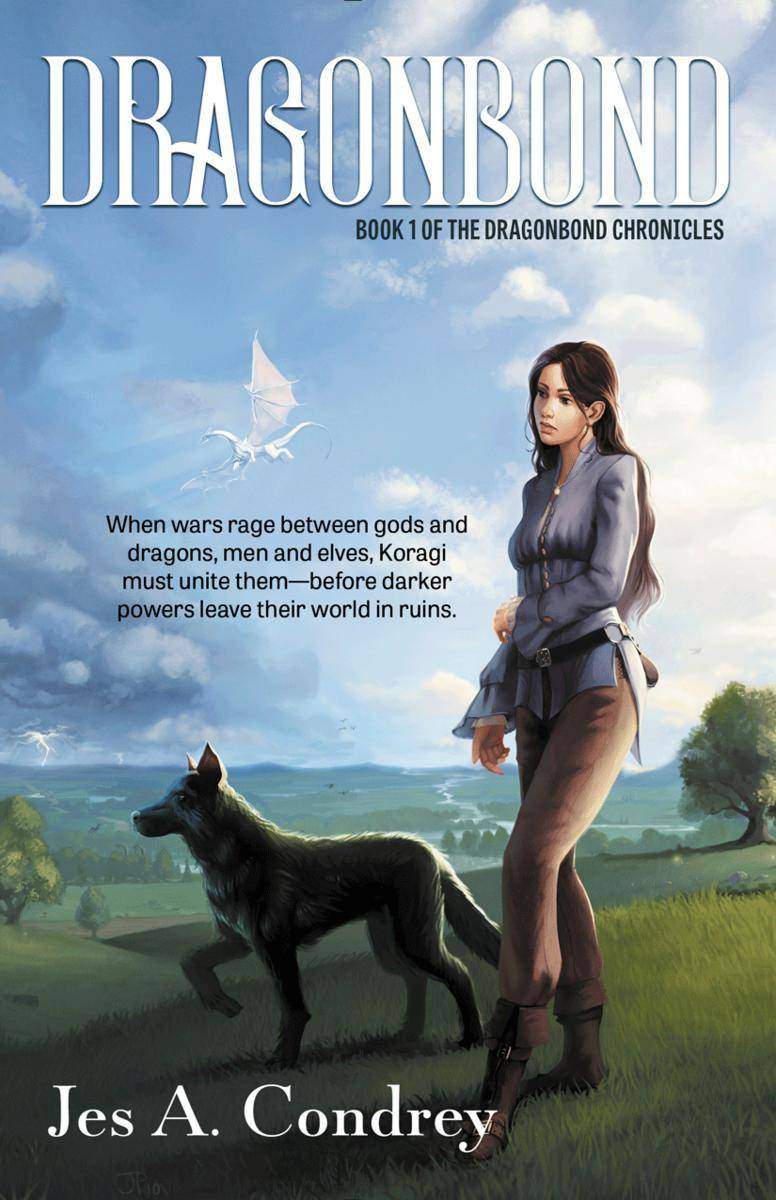
Dragonbond
¥40.79
Koragi is a promising young seamstress who longs to open her own tailoring shop in her home village of Cordak. Like most young girls in the village, she has an eye for Tebanis, the handsome militia captain with a crooked smile and a fierce sword arm. Hooded thugs attack Koragi during the annual harvest festival in the capital city of Eiskre. Tebanis mysteriously takes the form of a black dog to track and rescue her. He takes her away from the city on horseback, but they arrive in Cordak to find the village devastated. A massive golden dragon lies dead in the smoldering ruins. Tebanis reveals that Koragi is born of the gods, and she must cast aside her simple life to seek out three Pearls of Power in order to awaken the full capacity of her birthright. As she grieves the loss of her worldly mother and the deaths of countless villagers, Koragi is compelled to travel with Tebanis to Raitom, the City of Swords, in a desperate search for the strength to take retribution. Alongside Tebanis, Koragi battles agents of the dark goddess Ariana as she embarks on a quest to find her Pearls and gather allies and power enough to stand against the wicked goddess who plagues Camriiole. Facing treachery and the agony of loss, can Koragi overcome her own fears and pain to complete the impossible task which prophecy has placed before her?

T?rékeny vonzer?
¥57.55
S, mint sokk. Alex élete egyetlen pillanat alatt romba d?l, amikor autóbalesetben elveszti a szüleit. A lány ügyvédje ráadásul felkavaró hírrel szolgál: van egy eltitkolt n?vére. O, mint otthon. Dory sosem ismerte a szüleit és ?r?kbefogadó családja másodrend? gyerekként nevelte fel. Amikor a család imádott, vér szerinti gyereke gyilkosság áldozata lesz, a gyanú Dory-ra terel?dik. S, mint sors. Harminc év után Alex és Dory el?sz?r találkozik. Alexnek nemsokára sz?rny? kérdéssel kell szembesülnie: lehet, hogy élete legnagyobb hibája volt, hogy megkereste az eddig eltitkolt n?vérét? Ki akarhat most Alex életére t?rni? ?Az utolsó lapig nem találod ki a megoldást." - Publishers Weekly. ?Sokkolóan fordulatos t?rténet. " - Booklist. Patricia MacDonald amerikai bestsellerszerz? okos, csavaros krimijei egyaránt magával ragadják a pszichothriller és a klasszikus detektívregények rajongóit. Szinte irodalmi min?ség? sztorikat talál ki, viszont - mint egykori televíziós szappanopera-szerkeszt? - lebilincsel?en p?rg?sre, fordulatosra írja meg.
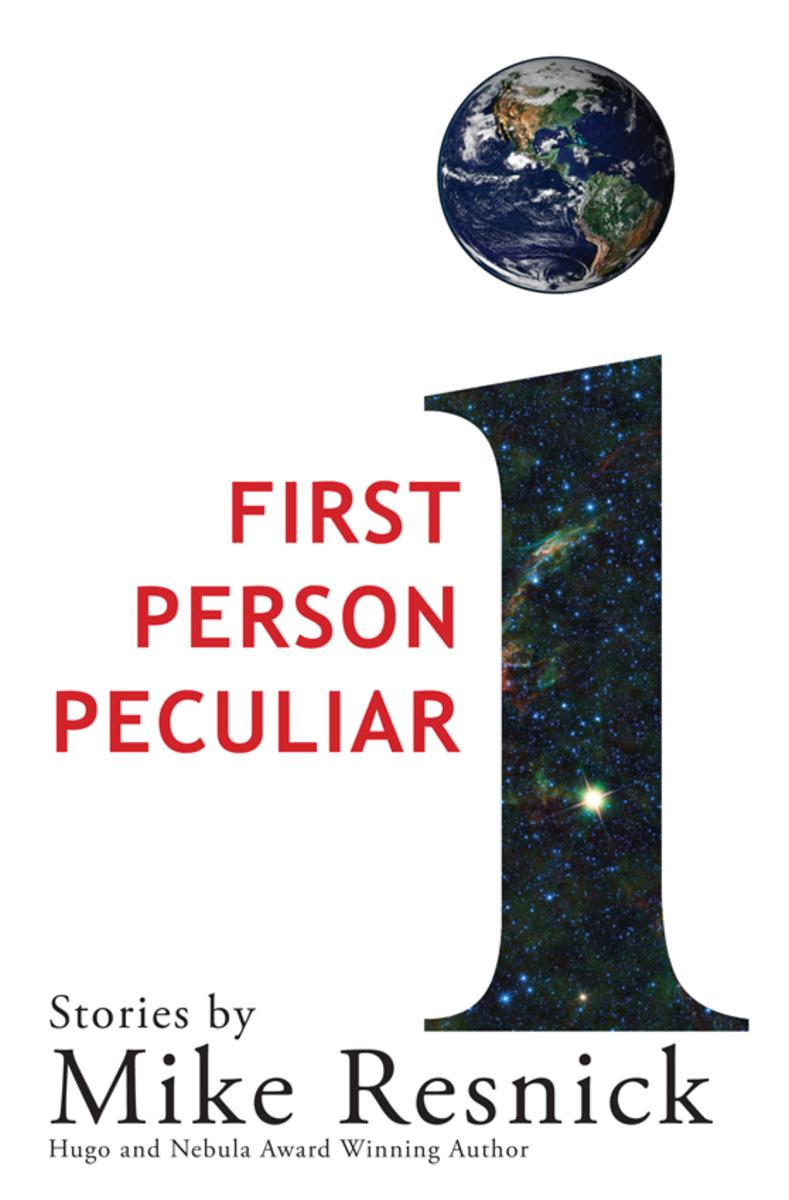
First Person Peculiar
¥40.79
Some writing classes caution their students to avoid first-person stories—too traditional, too dated, too difficult to sell. We’ve convinced 5-time Hugo Award winner Mike Resnick to show you how it’s done with two dozen of his best first-person stories. You want Hugo nominees? We got ’em. Humor? Them, too. Award winners and nominees? Yep. Fantasy? But, of course. Science fiction? Absolutely. Sherlock Holmes? We’ve even got one of them. Mike Resnick is, according to Locus magazine, the all-time leading award winner, living or dead, for short fiction. First Person Peculiar will explain why.
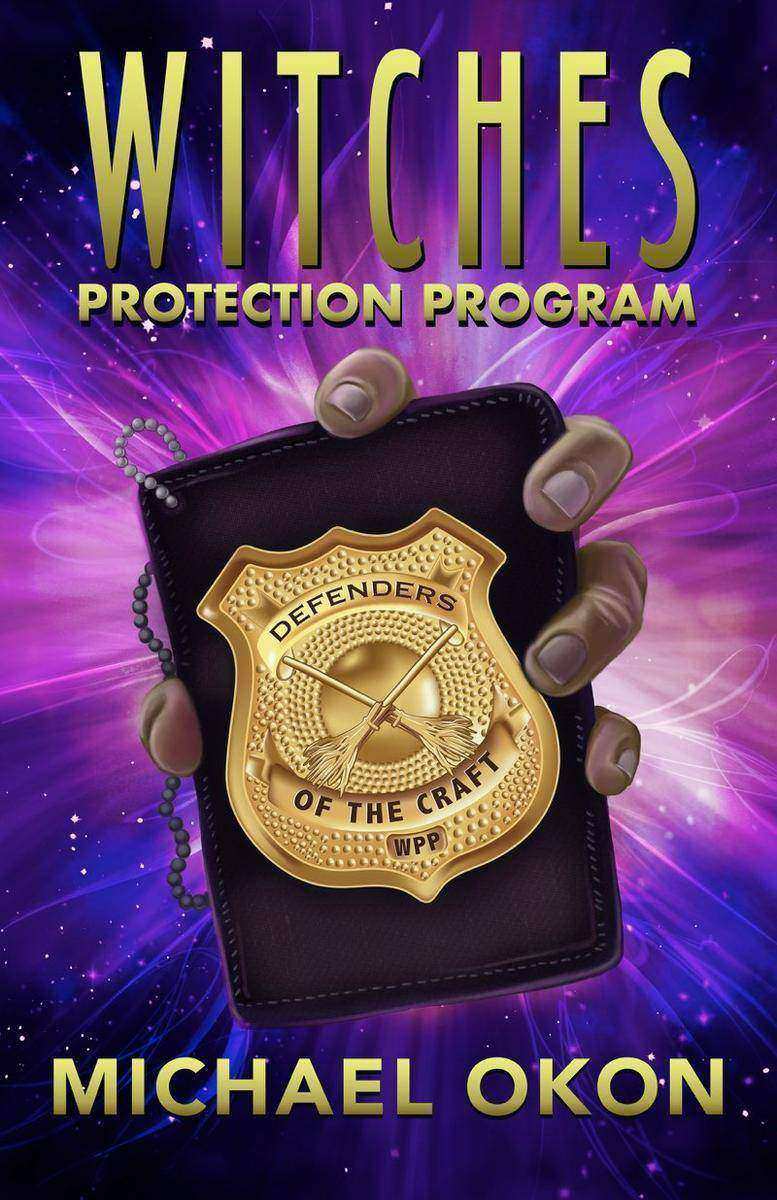
Witches Protection Program
¥40.79
Wes Rockville, a disgraced law-enforcement agent, gets one last chance to prove himself and save his career when he’s reassigned to a 232-year-old secret government organization. The Witches Protection Program. His first assignment: uncover a billion-dollar cosmetics company’s diabolical plan to use witchcraft for global domination, while protecting its heiress Morgan Pendragon from her aunt’s evil deeds. Reluctantly paired with veteran witch protector, Alastair Verne, Wes must learn to believe in witches…and believe in himself. Filled with adventure and suspense, Michael Okon creates a rousing, tongue-in-cheek alternate reality where witches cast spells and wreak havoc in modern-day New York City.
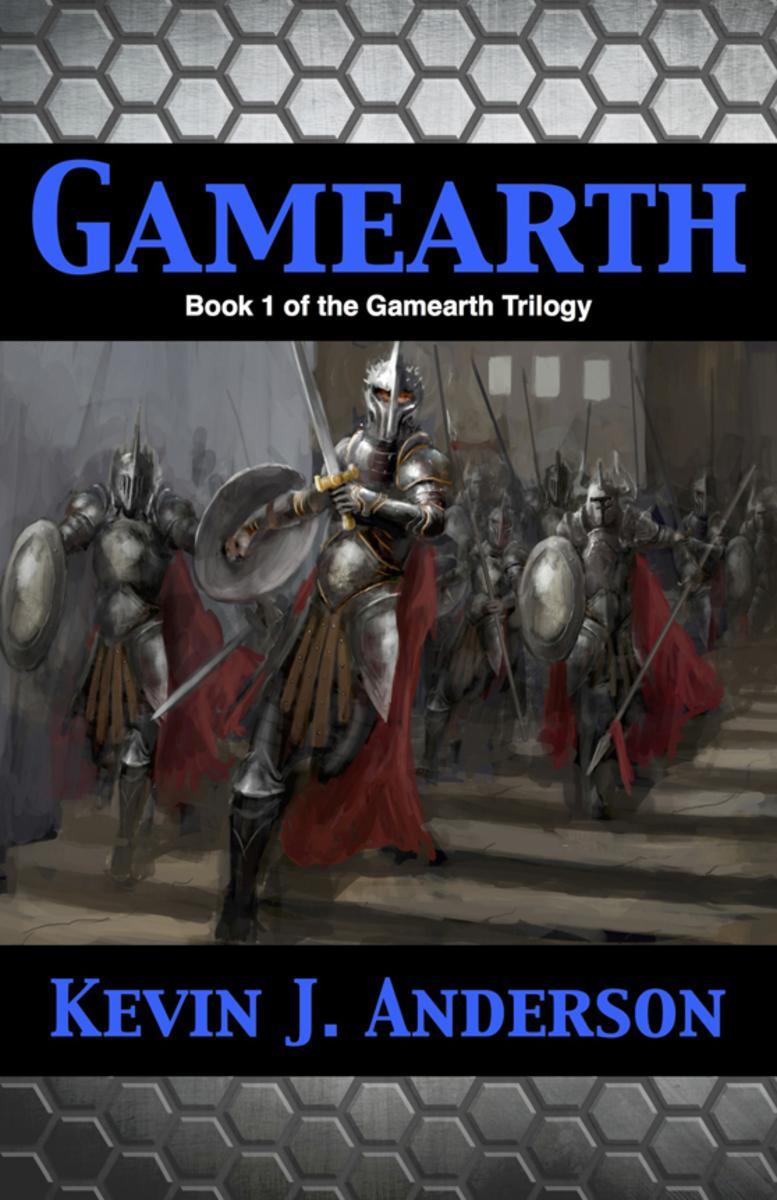
Gamearth: Book 1
¥40.79
Gamearth: It was supposed to be just another Sunday night fantasy role-playing game for David, Tyrone, Scott, and Melanie. But after years of playing, the game had become so real that all their creations—humans, sorcerers, dragons, ogres, panther-folk, Cyclops—now had existences of their own. And when the four outside players decide to end their game, the characters inside the world of Gamearth—warriors, scholars, and the few remaining wielders of magic—band together to keep their land from vanishing. Now they must embark on a desperate quest for their own magic—magic that can twist the Rules enough to save them all from the evil that the players created to destroy their entire world.
Moartea ?ntr-o gaur? neagr? ?i alte dileme cosmice
¥90.84
Tényleg azt hitted, hogy kamasznak lenni k?nny?? Bár a tizen?t éves Pataki Emma élete igen távol áll a t?kéletest?l, hiszen anya nélkül kell feln?nie alkoholista apukája és nagymamája szigorú kontrollja alatt, ? mégis megpróbálja élni a tinik szokásos mindennapjait. Bulizik a barátaival, mindent megbeszél b?lcs barátn?jével és még szerelmes is az elb?v?l? mosolyú osztálytársába. Az eszes kaposvári lány ügyesen lavíroz az ellentmondást nem t?r? apa elvárásai és a barátok napról napra féktelenebbé váló kicsapongásai k?z?tt. Az élet azonban nem t?ri sokáig ezt a t?rékeny egyensúlyt, szemberohan Emmával, hogy minél hamarabb g?rdíthessen elé megoldhatatlannak t?n? nehézségeket. A méretes akadályok k?z?tt botladozó lány mindinkább kétségbeesik, és kérdéses, hogy sikerülhet-e átverekednie magát az ?t elgáncsolni látszó problémákon. Vajon meg tud birkózni Emma az emberfeletti er?t kívánó kihívásokkal? Képes helytállni és feln?ttként viselkedni olyan helyzetekben, amik még sok valódi feln?ttnek is feladnák a leckét? ?s vajon ráj?n, hogy milyen súlyos titkot rejteget el?le a családja? Gombos Tünde a Margó-díjra jel?lt Szerelemtánc után megint egy embert próbáló helyzetbe került fiatal t?rténetét meséli el a t?le már megszokott stílusban, hol humorosan, hol szívhez szólóan.
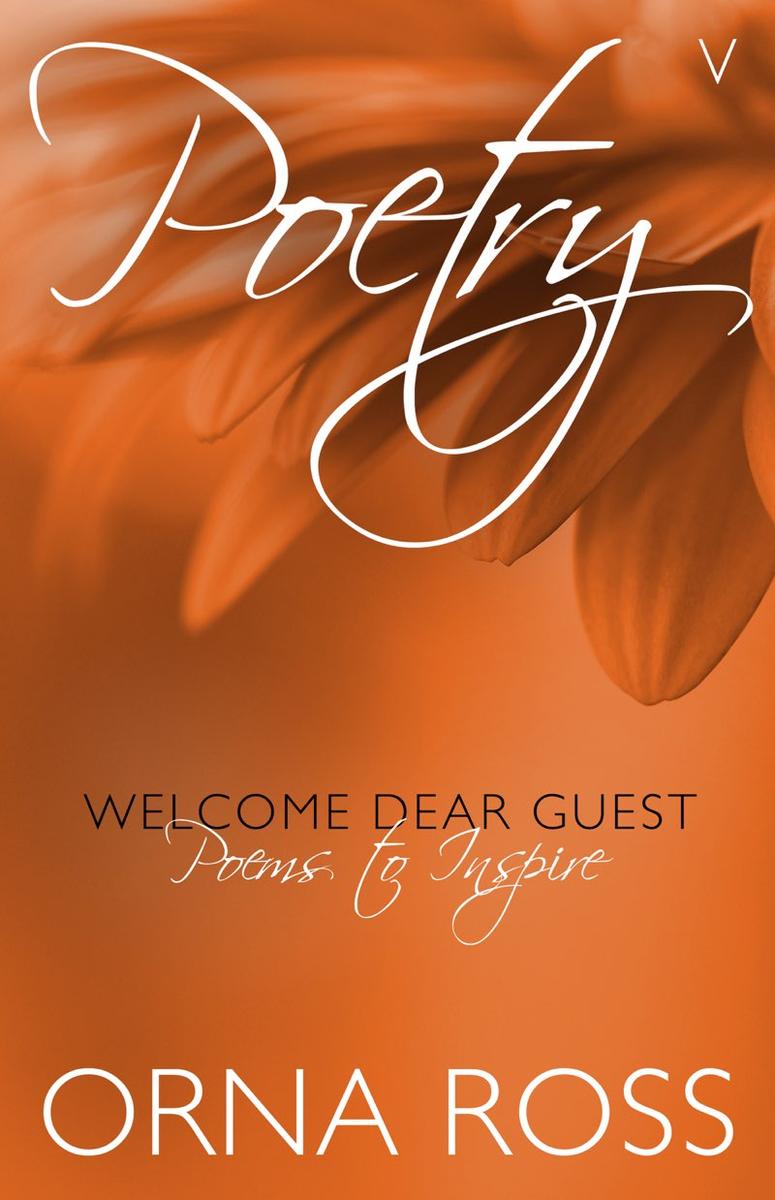
Poetry V: Welcome Dear Guest
¥24.44
Inspirational Poetry. Touches The Places Words Rarely Reach Poetry: there are times in life when nothing else will do. At such times, you need a certain kind of poem, the kind of poems that are contained in Orna Ross's poetry pamphlet series. The kind of poems that tell the truth about life while providing consolation and inspiration. Here are some of the things that are being said about this short book of inspirational poems: - "Reaches into the corners of your soul and pulls out all that is beautiful." - "Masterfully crafted poetry". - "These poems' many beauties are at the service of elusive truths." - "A little book of very big poems." If you never read poetry, this little pamphlet is a great place to start. Without ever straying into superficiality, Orna Ross's poetry is compelling and accessible. If you are a poetry lover, then you're sure to appreciate these poems about love, poems about life. poems about loss, and faith, and redemption — all delivered in simple, yet achingly beautiful, words. Poetry this powerful and profound is rarely so simple and compelling, which is why inspirational quotes from these poems are turning up all over the Internet, people drawn to their wise and uplifting insights.


