


 购物车
购物车 个人中心
个人中心
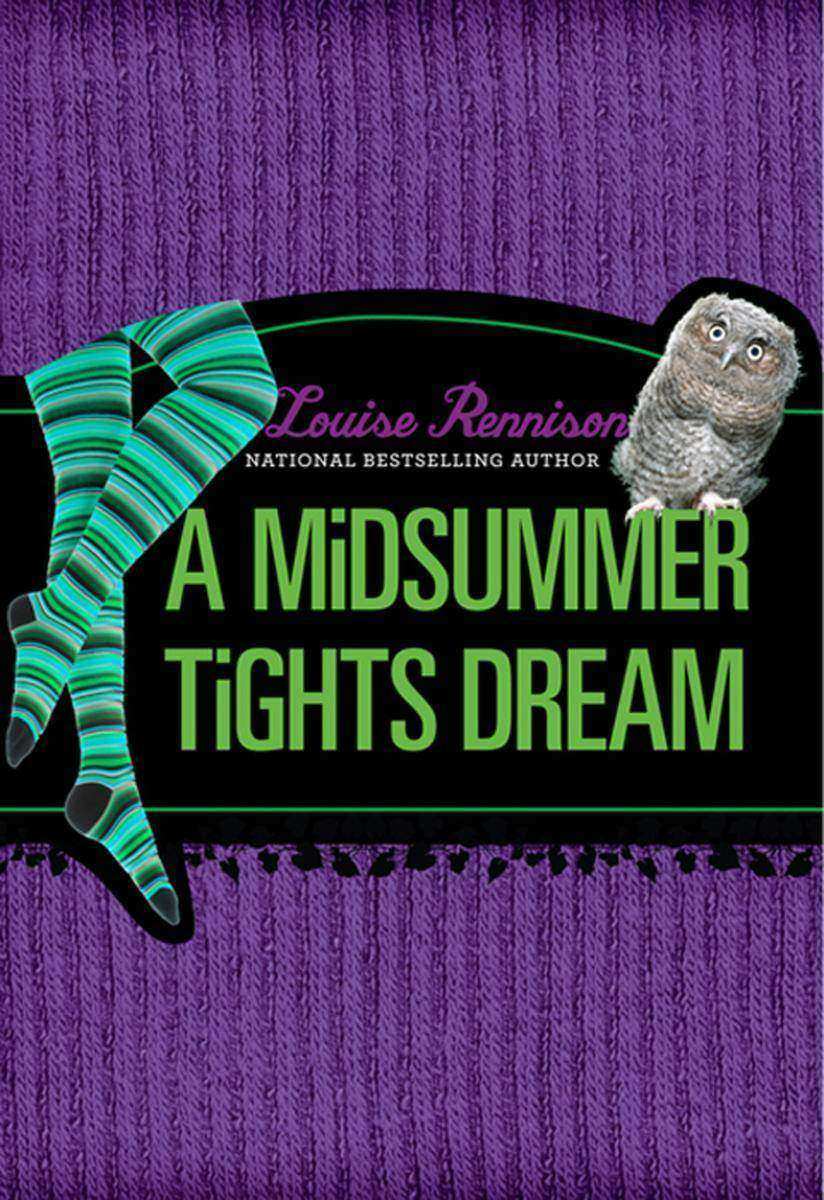
A Midsummer Tights Dream
¥56.08
Louise Rennison, nationally bestselling author of the Confessions of Georgia Nicolson series, returns with another hilarious adventure starring Georgia’s cousin Tallulah Casey.?In A Midsummer Tights Dream, Tallulah’s second great (mis)adventure, things are starting to look up for the budding star. She has been officially admitted to the Dother Hall performing arts program in Yorkshire. Her corkers have done some developing since last term. And she’s picked up some advice on snogging from dear old Georgia. So she’s ready to return to the stage—and face her crushes again.?But Tallulah will have more than boy drama to deal with. This term’s project is Shakespeare’s A Midsummer Night’s Dream, and Tallulah has been cast as Bottom, the fool who spends most of the play with the head of a donkey. Even worse, if the show isn’t a complete success, the school won’t have enough money to stay open for another year.
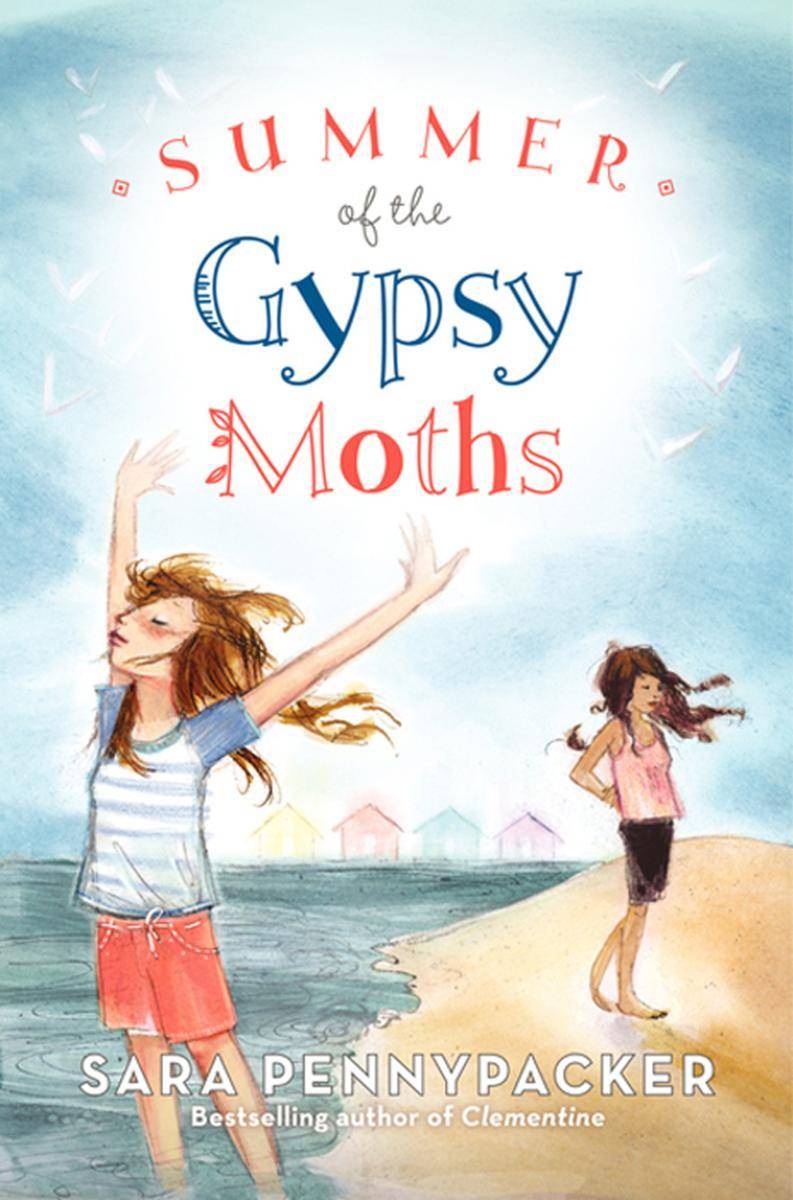
Summer of the Gypsy Moths
¥39.24
From Clementine author Sara Pennypacker, this is a poignant middle-grade novel about two foster children who must find a way to work together in order to survive.Eleven-year-old Stella misses her (unreliable) mom, but she loves it at great-aunt Louise’s house. Louise lives on Cape Cod, where Stella hopes her mom will someday come and settle down. The only problemAngel, the foster kid Louise has taken in. The two girls live together but there’s no way they’ll ever be friends.Then Louise suddenly passes away one morning—and Stella and Angel decide not to tell anyone. Now they have to depend on each other for survival. Now they are forced to trust each other with the biggest secret ever.With great empathy and humor, Sara Pennypacker tells the story of two very different girls who unexpectedly become each other’s true family.

The Mask of Destiny
¥39.24
The life of Australian teen Gerald Wilkins changed forever when he inherited twenty billion pounds and a mystery to solve. In The Mask of Destiny, Gerald believes his enemy Sir Mason Green will be put in prison for murder. Instead, Gerald is accused of murder himself. He’ll have to find the last of three emerald caskets to clear his name. The search takes him, Ruby, Sam, and Mr. Fry to Paris, Rome, Athens, and Delphi. They discover Delphi once held the greatest treasure on earth. It could still be there, waiting to be found by someone good. Or evil…?Anthony Horowitz fans will love the extreme adventure, exotic locals, and illustrations in The Mask of Destiny, the rollicking conclusion to the Archer Legacy trilogy.
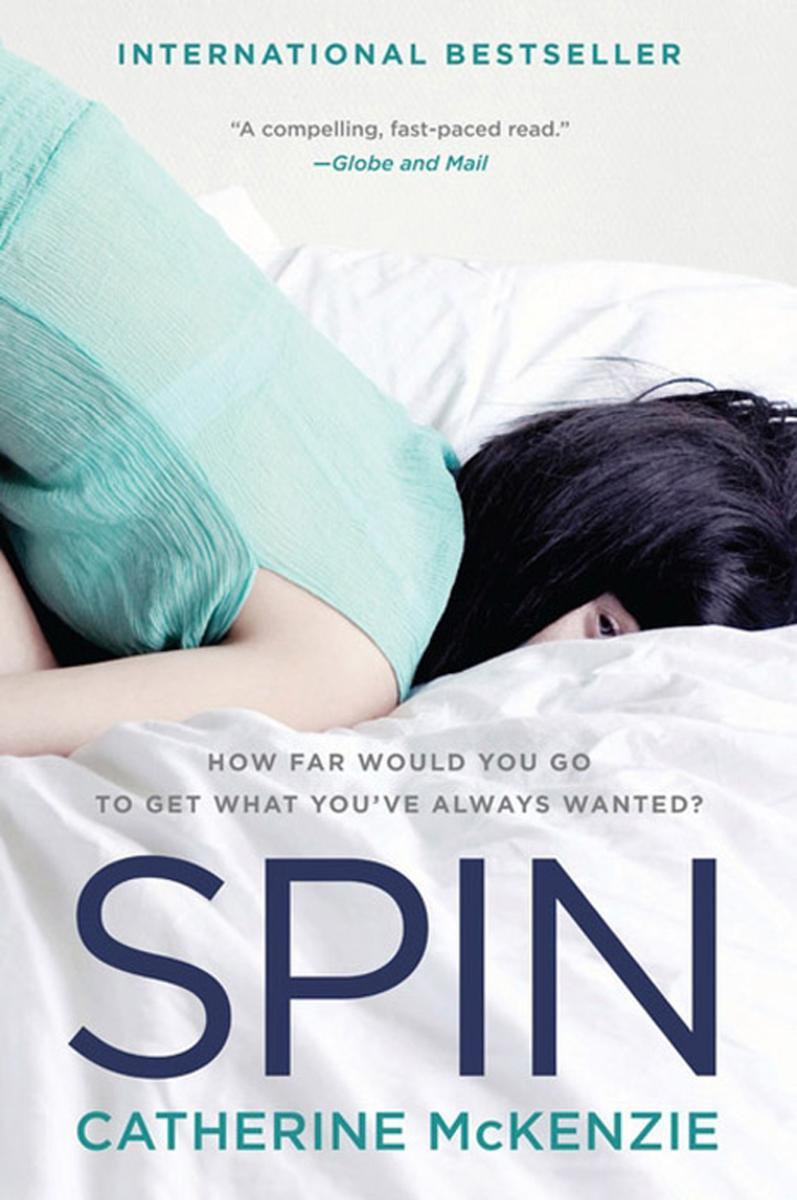
Spin
¥88.56
Kate's To-Do List:Go to rehabBefriend/spy on "It Girl"Write killer exposeLand dream jobPiece of cake!When Kate Sandford lands an interview at her favorite music magazine, The Line, it's the chance of a lifetime. So Kate goes out to celebrate—and shows up still drunk to the interview the next morning. It's no surprise that she doesn't get the job, but her performance has convinced the editors that she'd be perfect for an undercover assignment for their gossip rag. All Kate has to do is follow "It Girl" Amber Sheppard into rehab. If she can get the inside scoop—and complete the thirty-day program—they'll reconsider her for the position at The Line. Kate takes the assignment, but when real friendships start to develop, she has to decide if what she has to gain is worth the price she'll have to pay.

Arranged
¥83.03
Anne Blythe has a great life: a good job, close friends, and a potential book deal for her first novel. When it comes to finding someone to share her life with, however, she just can't seem to get it right. When her latest relationship implodes, and her best friend announces she's engaged, Anne impulsively calls what she thinks is a dating service—only to discover that it's actually an exclusive, and pricey, arranged marriage service. Anne initially rejects the idea, but the more she learns about the service, the more she thinks: Why notAfter all, arranged marriages are the norm for millions of women around the world; maybe it could work for her.A few months later, Anne is traveling to a Mexican resort, where, over the course of a weekend, she meets and then marries Jack. And initially, everything seems to be working out. . . .

A Love Noire
¥72.70
When Noire, a hip, Afro-wearing Ph.D. student, walks into Brown Betty Books, her righteousness kicks in to overdrive amid the self-identified "talented tenth" who wear their double degrees and five-hundred-dollar shoes like badges of honor. And then Innocent, a well-heeled investment banker from C?te d'Ivoire, West Africa, walks in and turns her on her head. Innocent seems interested in her -- but he's one of them.Before meeting him, Noire shunned the "bourgie" world of black-moneyed cosmopolitans like Innocent, opting instead for socially conscious (but economically challenged) artists and urban intellectuals. Their mutual attraction blossoms into lust -- and eventually love -- but it lives in the shifting sands of personal beliefs and professional ambitions that are often at odds.Set in New York City with jaunts to Africa, Europe, and the Caribbean, A Love Noire is the story of an unlikely couple that transcends all they've known to learn the redemptive power of love.
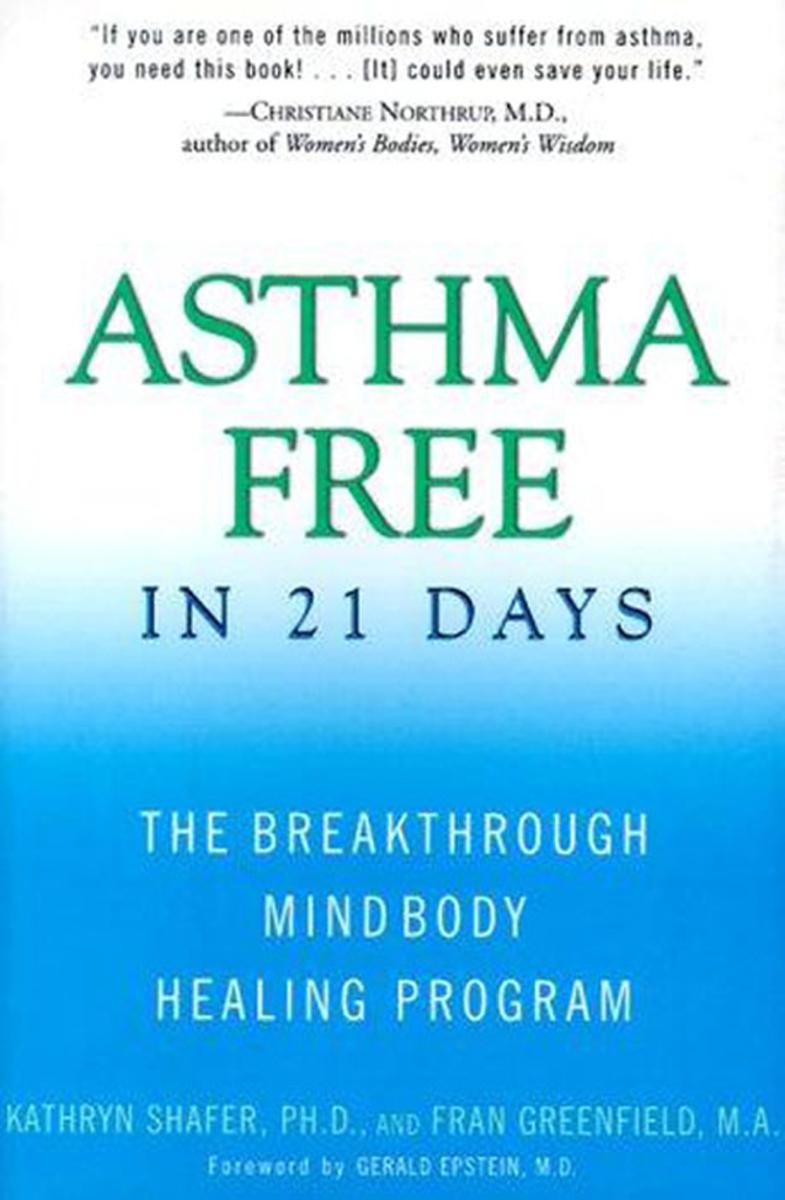
Asthma Free in 21 Days
¥123.51
Is it really possible to reverse the painful, debilitating symptoms of asthma and to reduce your dependence on doctors and medication--in Just 21 days?Conventional medicine offers no real solution to the seventeen million Americans suffering from this disease. But in this remarkable book, Kathryn Shafer, Ph.D., and Fran Greenfield, M.A., share their natural alternative, the FUN program (Focus, Undo, Now Act!), that can help you break the bonds of asthma forever in only minutes a day!Kathryn Shafer's triumph over life-long asthmais a testament to the power of mind body healing. This approach allowed her to successfully run the entirety of the New York City Marathon without medication. Her astounding victory became the seed for the FUN program. Together,Fran Greenfield and Kathryn Shafer reveal the intimate relationship between asthma and personal freedom in this self-guided, breakthrough method, which many of their clients have used with miraculous results.This "masterful, innovative, and successful program for the treatment of asthma" (from the foreword by Gerald Epstein, M.D.) introduces:Over forty exercises, including visualizations, for immediate symptom reliefA blueprint that redefines your relationship with asthmaThree twenty-one-day healing plans that can be tailored to your own needsA unique mind body perspective on exercise-induced asthma, nutrition, and environmentA fun guide developed especially for kids!Along with a wealth of real-life success stories, these strategies can prevent panic, clarify the meaning of symptoms, increase energy levels, and achieve a deeper healing than you ever thought possible. Whether used as a complement to conventional medicine or as a medication reducing alternative, this program empowers people of all ages to live more active, fulfilling lives.

Defiance
¥55.33
Defiance by C. J. Redwine is rich postapocalyptic YA fantasy perfect for fans of Graceling and Tamora Pierce.While the other girls in the walled city-state of Baalboden learn to sew and dance, Rachel Adams learns to track and hunt. While they bend like reeds to the will of their male Protectors, she uses hers for sparring practice.When Rachel's father fails to return from a courier mission and is declared dead, the city's brutal Commander assigns Rachel a new Protector: her father's apprentice, Logan—the boy she declared her love to and who turned her down two years before. Left with nothing but fierce belief in her father's survival, Rachel decides to escape and find him herself.As Rachel and Logan battle their way through the Wasteland, stalked by a monster that can't be killed and an army of assassins out for blood, they discover romance, heartbreak, and a truth that will incite a war decades in the making.
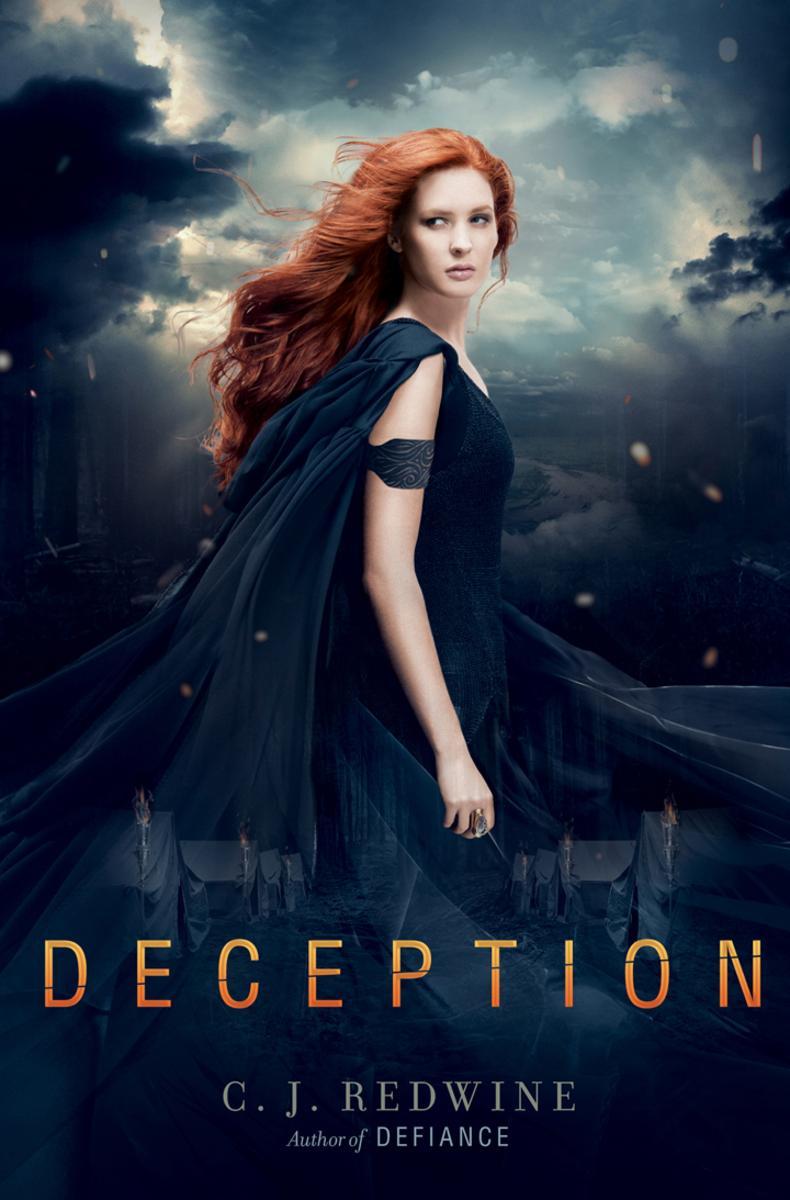
Deception
¥55.33
A rich postapocalyptic YA fantasy perfect for fans of Graceling and Tamora Pierce, this sequel to C. J. Redwine's Defiance continues the story of warrior Rachel Adams and her love, Logan McEntire. With their city-state ravaged, their lives threatened by rival armies, and a band of survivors looking to them for leadership—Rachel and Logan must work to forge a new future for them all. Abandoning the ruins of their home to take their chances in the Wasteland, the group soon realizes their problems have only begun: an unknown killer —possibly inside their ranks—has begun picking off the survivors one by one. And Rachel and Logan must question whether the price of freedom may be too great—and whether they can make it out of the Wasteland alive.
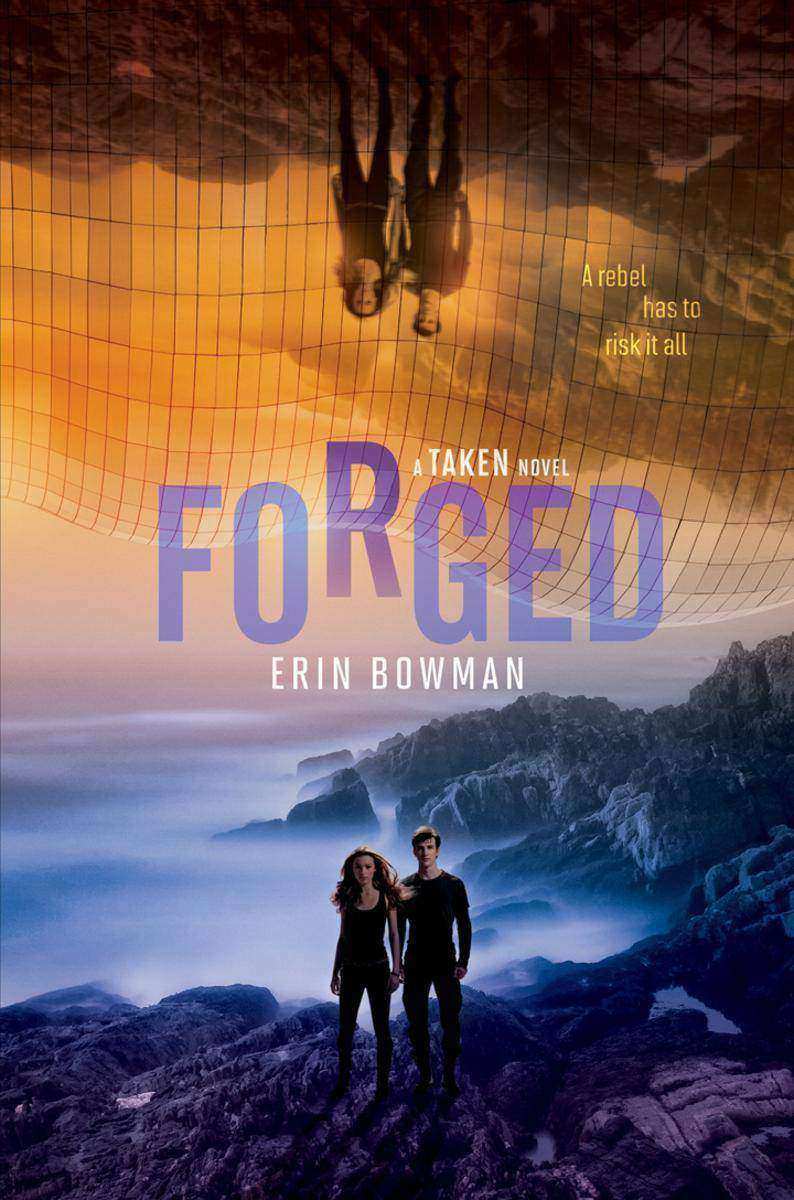
Forged
¥61.52
New York Times bestselling author Marie Lu called Taken, Erin Bowman's debut novel, "an action-packed thrill ride from beginning to end." The action and suspense rise to explosive new heights in Forged, the epic conclusion to the Taken trilogy—and the perfect next read for fans of The Maze Runner and Gone.Gray Weathersby knows the truth about the Laicos Project, the Order, and the Forgeries—and he knows they must be stopped. But each generation of Forgeries is deadlier than the one before, and now even the most familiar faces—including the girl Gray loves—can't be trusted. To make a stand against the Order, Gray will have to risk it all.

Beastly: Lindy's Diary
¥54.42
See the #1 New York Times bestselling story Beastly through Lindy's eyes! This is her diary, kept while living in captivity with the beast. Lindy's Diary captures all the romance and edgy mystery of the original!Diary,I am locked away . . . with no one to confide in but you . . . and him. His fur, those claws—they caught me off guard at first, but now I'm noticing something else about him—something deeper. It's the look in his eye. It tells me he's got a secret to keep. That's okay—I've got one, too. I think I'm falling in love with him. . . .Lindy
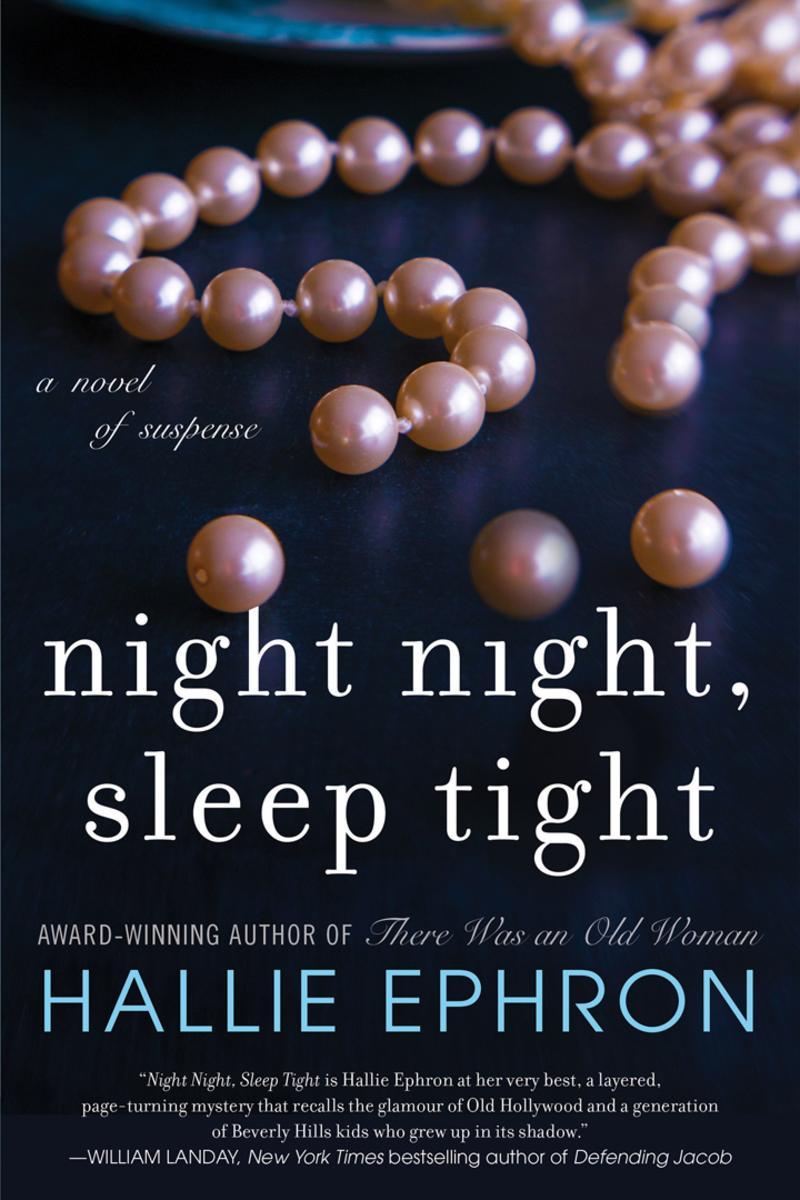
Night Night, Sleep Tight
¥84.16
From the award-winning author of There Was an Old Woman comes a mystery tinged with Hollywood glamour, set in a town where fame and infamy are often interchangeableLos Angeles, 1985. When Deirdre Unger makes the drive from San Diego to Beverly Hills to help her father put his dilapidated house on the market, she's expecting to deal with his usual kvetching and dark moods. But she gets a lot more than she expected. . . . In a cruel Sunset Boulevard–in a twist, Deirdre arrives home to find her father facedown in his too-small swimming pool—dead.At first, Deirdre assumes her father's death was a tragic accident. But the longer she stays in town, the more Deirdre begins to suspect that everything isn't as open-and-closed as she first presumed. The sudden resurfacing of Deirdre's childhood BFF Joelen Nichol—daughter of the famous and infamous Elenor "Bunny" Nichol—seems like more than a coincidence. Back in 1963, Joelen confessed to killing her movie-star mother's boyfriend. Deirdre was at the Nichols' house the night of the murder, which was also the night she suffered her own personal tragedy. Could all these events be connected?As Deirdre digs deeper into the past, she becomes increasingly convinced that her father's death is merely the deadly third act in a story that has long been in development. And if she isn't careful, she might be its final victim.
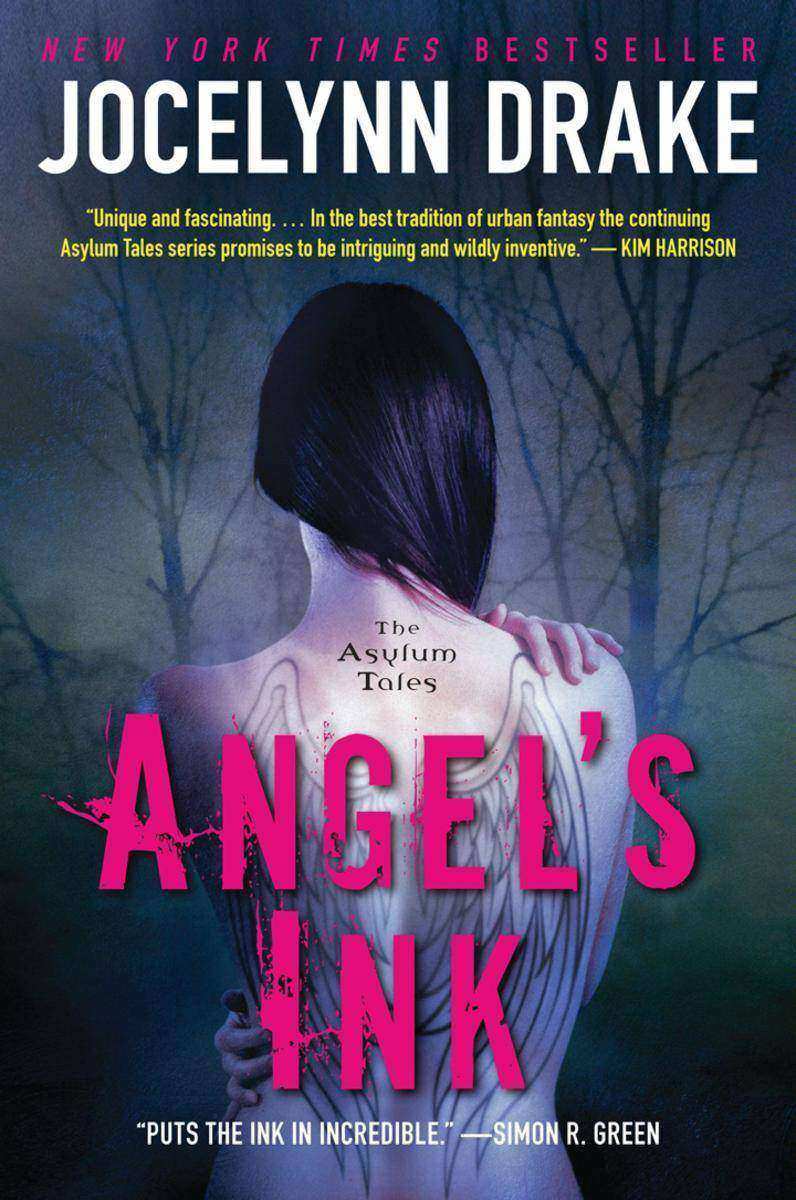
Angel's Ink
¥83.03
Buyer beware . . .Looking for a tattoo—and maybe a little something extra: a burst of good luck, a dollop of true love, or even a hex on an exHead to the quiet and mysterious Gage, the best skin artist in town. Using unique potions—a blend of extraordinary ingredients and special inks—to etch the right symbol, he can fulfill any heart's desire. But in a place like Low Town, where elves, faeries, trolls, werewolves, and vampires happily walk among humanity, everything has its price. No one knows that better than Gage. Turning his back on his own kind, he left the magical Ivory Tower where cruel witches and warlocks rule, a decision that cost him the right to practice magic. And if he disobeys, his punishment—execution—will be swift.Though he's tried to fly under the radar, Gage can't hide from powerful warlocks who want him dead—or the secrets of his own past. But with the help of his friends, Trixie, a gorgeous elf who hides her true identity, and a hulking troll named Bronx, Gage might just make it through this enchanted world alive.

Fig Heaven
¥145.91
They come fresh or dry, in yellow or purple, from California and Mediterranean and Middle Eastern countries. They are in restaurants, supermarkets, fruit stands, backyards, and inside some very famous cookies. What are theyThey're figs -- one of America's favorite fruits.From Mission and Kadota figs to Adriatic and Calimyrna varieties, award-winning cookbook author Marie Simmons leaves no fig or fig leaf unturned in this extraordinary book about this most extraordinary fruit: Fig Heaven.Figs are harvested in late summer and early fall, but, fortunately for us, they are easily dried and packaged, so they're available all year long. Packed with vitamins and antioxidants, plump, fragrant figs are guilt-free indulgences that can be enjoyed in countless ways.Fig Heaven is an inviting, comprehensive cookbook offering 70 recipes for both fresh and dried figs. They range from appetizers, salads, and sandwiches to entrées and desserts.On the savory side, you'll find Open-Faced Dried Fig and Melted Blue Cheese Sandwiches; Fettuccine with Fresh Figs, Lemon, and Rosemary; and Lamb Pilaf with Artichokes and Dried Figs. If your sweet tooth needs some real satisfaction, there's a Fresh Fig and Peach Crumble, Dried Fig and Walnut Biscotti, and Molten Chocolate Roasted Figs with Vanilla Custard Sauce.
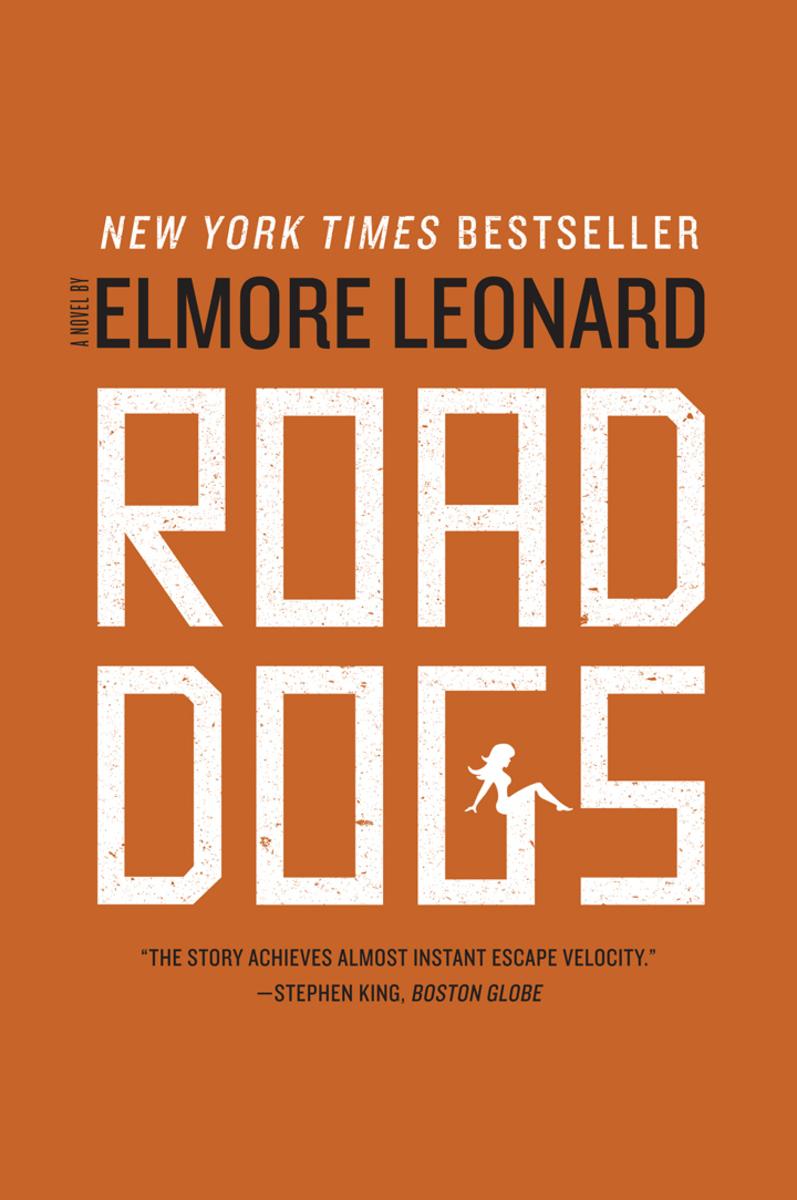
Road Dogs
¥83.03
Legendary New York Times bestselling author Elmore Leonard returns with three of his favorite characters: Jack Foley from Out of Sight, Cundo Rey from LaBrava, and Dawn Navarro from Riding the Rap.Jack Foley, the charming bank robber from Out of Sight, is serving a thirty-year sentence in a Miami penitentiary, but he's made an unlikely friend on the inside who just might be able to do something about that. Fellow inmate Cundo Rey, an extremely wealthy Cuban criminal, arranges for Foley's sentence to be reduced from thirty years to three months, and when Jack is released just two weeks ahead of Cundo, he agrees to wait for him in Venice Beach, California.Also waiting for Cundo is his common-law wife, Dawn Navarro, a professional psychic with a slightly ulterior motive for staying with Cundo: namely, she wants his money. And with the arrival of Jack, she sees the perfect partner in a plan to relieve Cundo of his fortune. Cundo may be Jack's friend, but does that mean he can trust himAnd can either of them trust Dawn?Road Dogs is Elmore Leonard at his best—with his trademark tight plotting and pitch-perfect dialogue—and readers will love seeing Cundo, Jack, and Dawn back in action and working together . . . or are they?
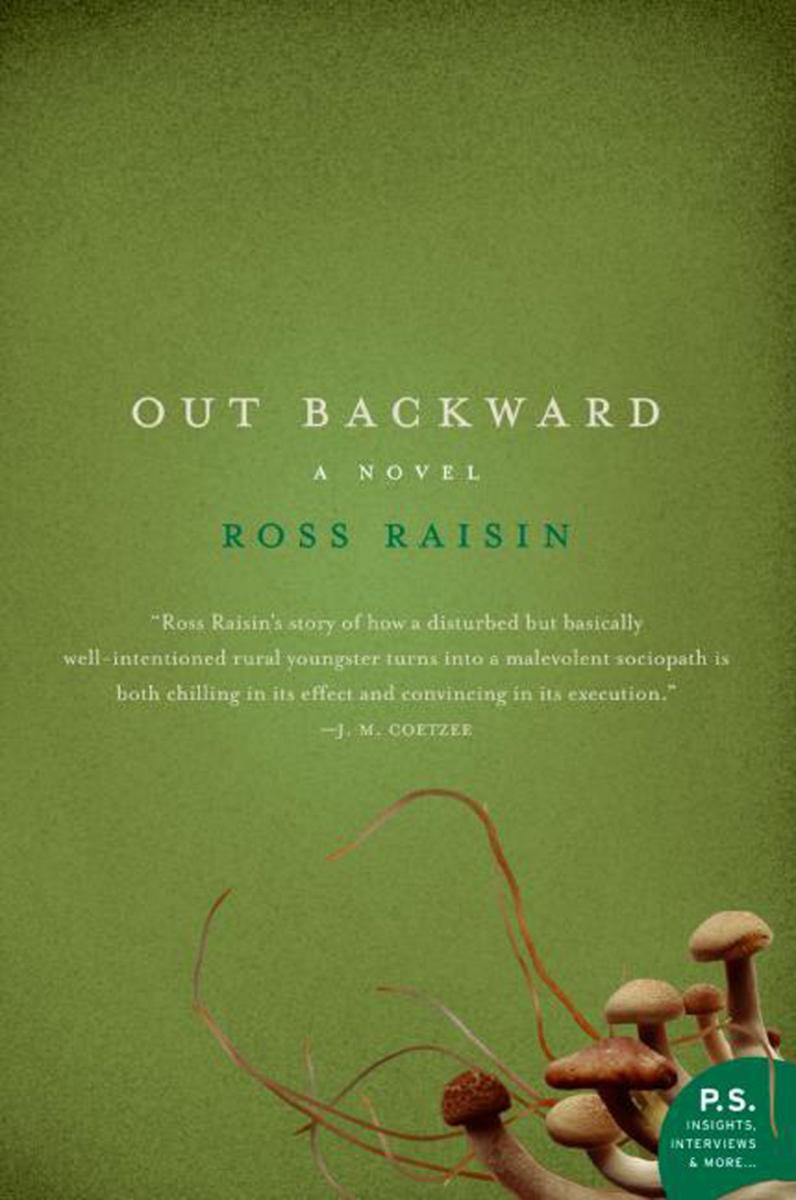
Out Backward
¥84.16
Sam Marsdyke is a lonely young man, dogged by an incident in his past and forced to work his family farm instead of attending school in his Yorkshire village. He methodically fills his life with daily routines and adheres to strict boundaries that keep him at a remove from the townspeople. But one day he spies Josephine, his new neighbor from London. From that moment on, Sam's carefully constructed protections begin to crumble—and what starts off as a harmless friendship between an isolated loner and a defiant teenage girl takes a most disturbing turn.

Puff
¥85.05
Meet John Gullivan, age thirteen, obsessed with the moles that dot most of his body. Meet his brother Gully, who can't stop laughing at them. Now meet the brothers ten years later, in the middle of the most ferocious blizzard anyone can remember. Set in an Irish working-class suburb of Boston in the 1960s and 1970s, Puff centers on a quest as the soon-to-be-orphaned brothers, posing as rescue personnel, attempt to steer their dilapidated van through insurmountable snow, all to score a bag of pot.Trapped in their own ruse and forced to act the part of the saviors they are pretending to be, the brothers run into an endless stream of foes and obstacles: the cops, their childhood priest, a knife-wielding maniac, and the ill all stand in the way of their elusive high. A raucous caper, Puff is as hilarious as it is heartfelt and will resonate with old and young alike.
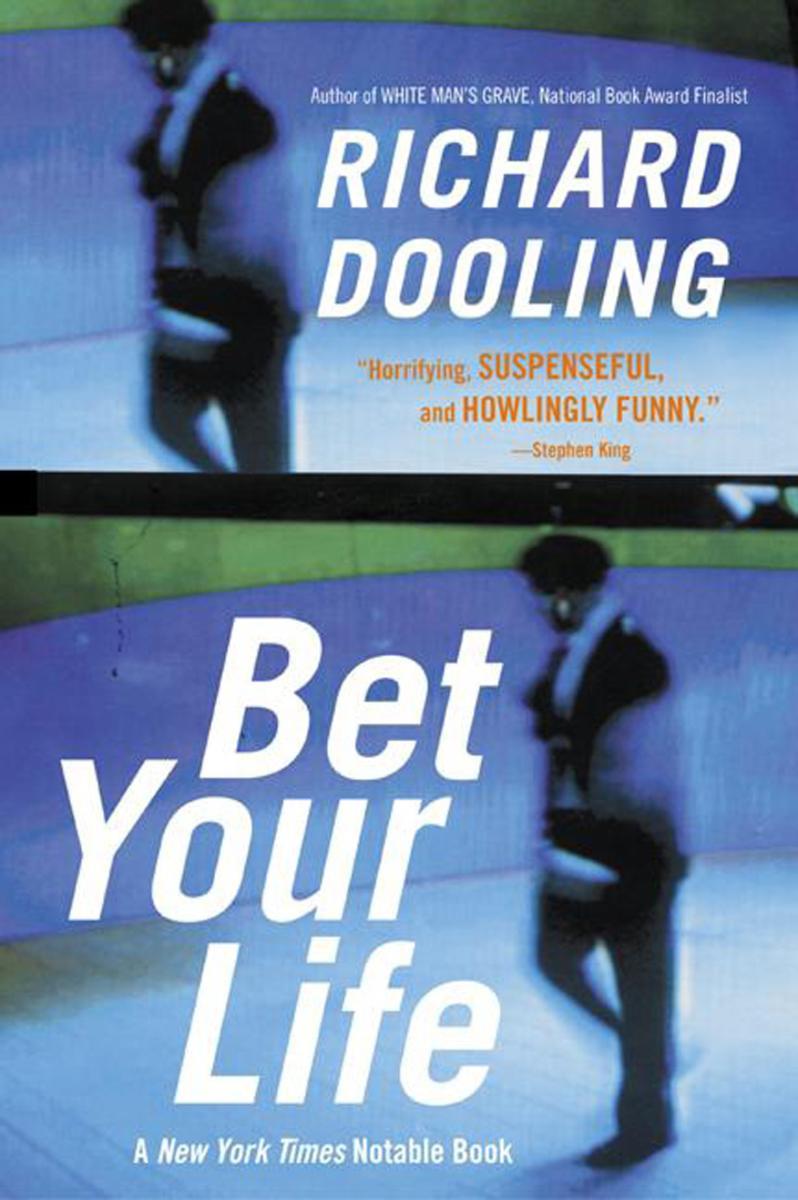
Bet Your Life
¥90.73
A terminally ill man sells his life insurance policy for cheap to an investor who will collect the full amount when the sick man dies.But is the sick man really sickDoes he even existIn the age of AIDS and no-holds-barred capitalism, the business of betting on how much longer sick people will live is thriving. Is this new market in which life insurance policies are bought and sold a legitimate enterprise, or is it an open invitation to fraud and murder?Carver Hartnett, Miranda Pryor, and Leonard Stillmach all work for Reliable Allied Trust, in Omaha, where they investigate insurance fraud. Carver -- the narrator of this edgy and surprising novel -- is frustrated. His company would rather raise premiums than prosecute insurance criminals. Miranda, his seductive coworker, leads him on and then puts him off -- she seems to have something monstrous to hide. When their friend, crazy Lenny, a computer gamer and an expert with drug-and-alcohol cocktails, dies in the middle of playing Delta-Strike online, a strange and disturbing narrative unfolds around a possible murder and massive insurance fraud. Carver is drawn deeper into various hearts of darkness, and in his efforts to discover the truth behind his friend's death, he ends up betting his own life.Filled with memorable characterizations -- Carver's boss, the shrewd Old Man Norton; Dagmar Helveg, Norton's fascist assistant; regional investigator Charlie Becker, a plain-talking, commonsense cop -- Bet Your Life conducts a stealthy philosophical investigation of its own, in which our hero ends up investigating the mysteries of his soul.
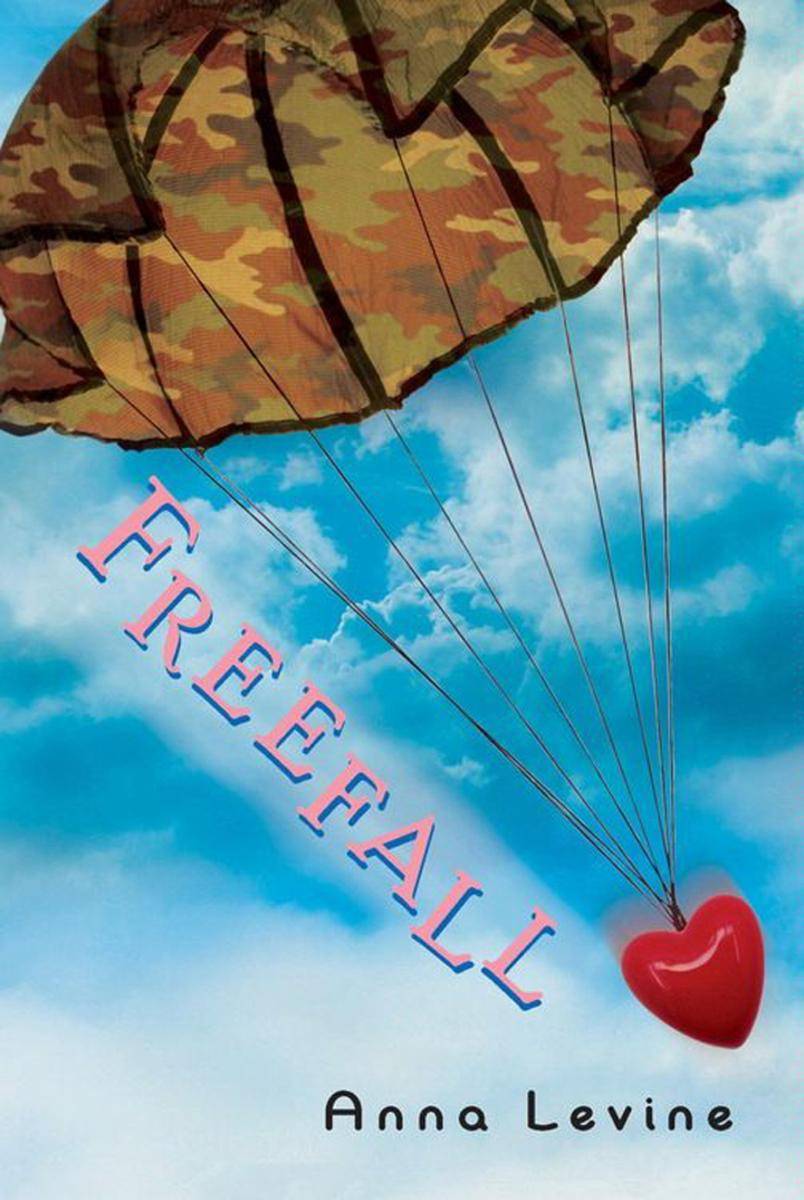
Freefall
¥108.99
What would your life be like if military service was compulsory, not voluntary?Aggie is eighteen and getting ready to do her service for the Israeli Army. She could get a cushy assignment—maybe pushing paper somewhere—or she could just take her chances. Only, Aggie isn't like that. Despite her small size and the fact that she needs to gain weight to even make the grade, and despite the total disbelief of her entire family (except her grandmother, who is an old freedom fighter and don't you forget it), Aggie is trying out for an elite combat unit. Ben—Aggie's crush of the moment—isn't at all convinced that she's making the right choice. Shira, Aggie's best friend forever, is bewildered (and perhaps a bit too interested in Ben). Then there's Noah. And the serendipitous snow. And a good-bye kiss that turns into, well, a real kiss.Luckily for Aggie, her backbreaking, sand-in-mouth, completely-lost-in-the-desert training produces an unlikely dividend: friends. The kind she never imagined she could have. The kind you'd go to war with—and for.
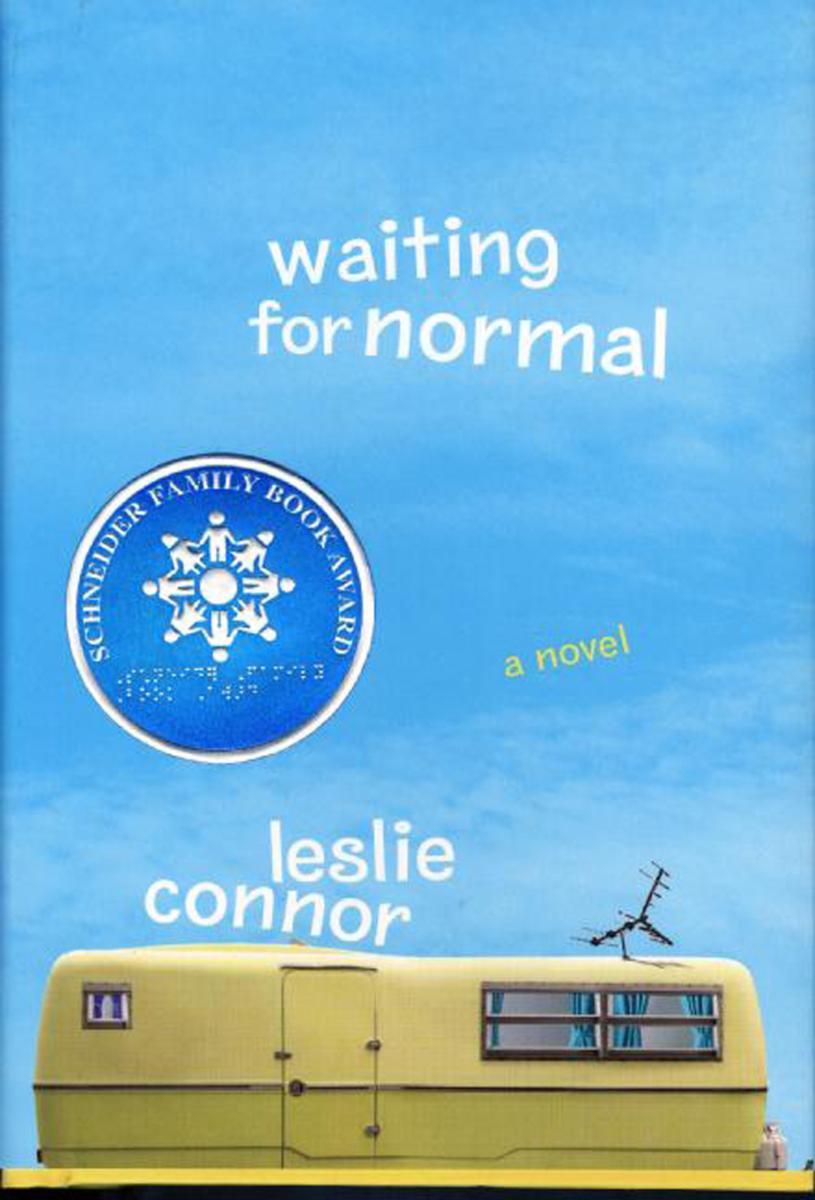
Waiting for Normal
¥44.73
Addie is waiting for normal.But Addie's mom has an all-or-nothing approach to life: a food fiesta or an empty pantry, jubilation or gloom, her way or no way.All or nothing never adds up to normal. All or nothing can't bring you all to home, which is exactly where Addie longs to be, with her half sisters, every day.In spite of life's twists and turns, Addie remains optimistic. Someday, maybe, she'll find normal.Leslie Connor has created an inspiring novel about one girl's giant spirit. waiting for normal is a heartwarming gem.
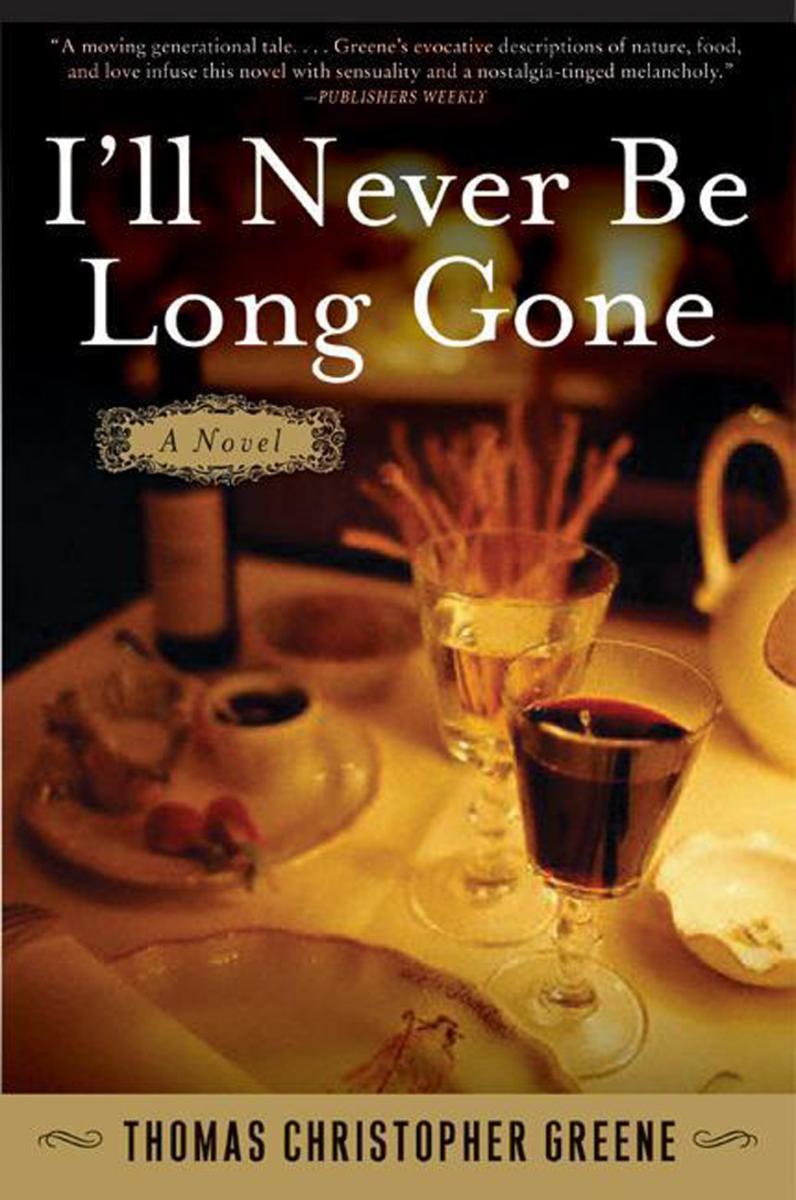
I'll Never Be Long Gone
¥90.77
The lives of brothers Charlie and Owen Bender are changed forever on the night their father walks into the Vermont woods with a death wish and a shotgun. The second shock comes when his suicide note bequeaths the family's restaurant to Charlie alone, while leaving Owen with instructions to follow his own path, wherever it may take him.Years later, the restaurant is a success. The void in Charlie's life, created by his beloved brother's absence, is finally filled when a passionate affair becomes a deeply satisfying marriage. And now prodigal son Owen is returning home, to be welcomed back into the family fold. But the cruel legacy that tore a brotherhood apart created wounds not easily healed . . . and there must be reckoning.


