


 购物车
购物车 个人中心
个人中心

Serverless Web Applications with React and Firebase
¥73.02
Build rich and collaborative applications using client-side code with React, Redux, and Firebase About This Book ? A practical guide covering the full stack for web development with React 16 and Firebase ? Leverage the power of Firebase Cloud Storage, messaging, functions, OAuth, and database security to develop serverless web applications. ? Develop high-performance applications without the hassle of setting up complex web infrastructure. Who This Book Is For This book is for JavaScript developers who have some previous knowledge of React and want to develop serverless, full-stack applications but without the hassle of setting up a complex infrastructure. What You Will Learn ? Install powerful React.js and Firebase tools to make development much more efficient ? Create React components with Firebase to save and retrieve the data in real-time ? Use Firebase Authentication to make your React user interface secure ? Develop React and Firebase applications with Redux integration ? Firebase database security rules ? Firebase Cloud Storage Integration to upload and store data on the cloud ? Create a complete real-time application with React and firebase ? Using Firebase Cloud messaging and Cloud functions with React ? Firebase Cloud Storage integration with React In Detail ReactJS is a wonderful framework for UI development. Firebase as a backend with React is a great choice as it is easy, powerful, and provides great developer experience. It removes a lot of boilerplate code from your app and allows you to focus on your app to get it out quickly to users. Firebase with React is also a good choice for Most Viable Product (MVP) development. This book provides more practical insights rather than just theoretical concepts and includes basic to advanced examples – from hello world to a real-time seat booking app and Helpdesk application This book will cover the essentials of Firebase and React.js and will take you on a fast-paced journey through building real-time applications with Firebase features such as Cloud Storage, Cloud Function, Hosting and the Realtime Database. We will learn how to secure our application by using Firebase authentication and database security rules. We will leverage the power of Redux to organize data in the front-end, since Redux attempts to make state mutations predictable by imposing certain restrictions on how and when updates can happen. Towards the end of the book you will have improved your React skills by realizing the potential of Firebase to create real-time serverless web applications. Style and approach Practical insights rather than just theoretical concepts while including basic to advanced examples – from hello world to a real-time seat booking app and Helpdesk application.

Cloud Analytics with Google Cloud Platform
¥73.02
Combine the power of analytics and cloud computing for faster and efficient insights About This Book ? Master the concept of analytics on the cloud: and how organizations are using it ? Learn the design considerations and while applying a cloud analytics solution ? Design an end-to-end analytics pipeline on the cloud Who This Book Is For This book is targeted at CIOs, CTOs, and even analytics professionals looking for various alternatives to implement their analytics pipeline on the cloud. Data professionals looking to get started with cloud-based analytics will also find this book useful. Some basic exposure to cloud platforms such as GCP will be helpful, but not mandatory. What You Will Learn ? Explore the basics of cloud analytics and the major cloud solutions ? Learn how organizations are using cloud analytics to improve the ROI ? Explore the design considerations while adopting cloud services ? Work with the ingestion and storage tools of GCP such as Cloud Pub/Sub ? Process your data with tools such as Cloud Dataproc, BigQuery, etc ? Over 70 GCP tools to build an analytics engine for cloud analytics ? Implement machine learning and other AI techniques on GCP In Detail With the ongoing data explosion, more and more organizations all over the world are slowly migrating their infrastructure to the cloud. These cloud platforms also provide their distinct analytics services to help you get faster insights from your data. This book will give you an introduction to the concept of analytics on the cloud, and the different cloud services popularly used for processing and analyzing data. If you’re planning to adopt the cloud analytics model for your business, this book will help you understand the design and business considerations to be kept in mind, and choose the best tools and alternatives for analytics, based on your requirements. The chapters in this book will take you through the 70+ services available in Google Cloud Platform and their implementation for practical purposes. From ingestion to processing your data, this book contains best practices on building an end-to-end analytics pipeline on the cloud by leveraging popular concepts such as machine learning and deep learning. By the end of this book, you will have a better understanding of cloud analytics as a concept as well as a practical know-how of its implementation Style and approach Comprehensive guide with a perfect blend of theory, examples, and implementation of real-world use-cases

A Small Nation of People
¥105.17
An incredible treasure trove of more than 150 illustrations detailing a small nation of African Americans prepared to make their mark on America
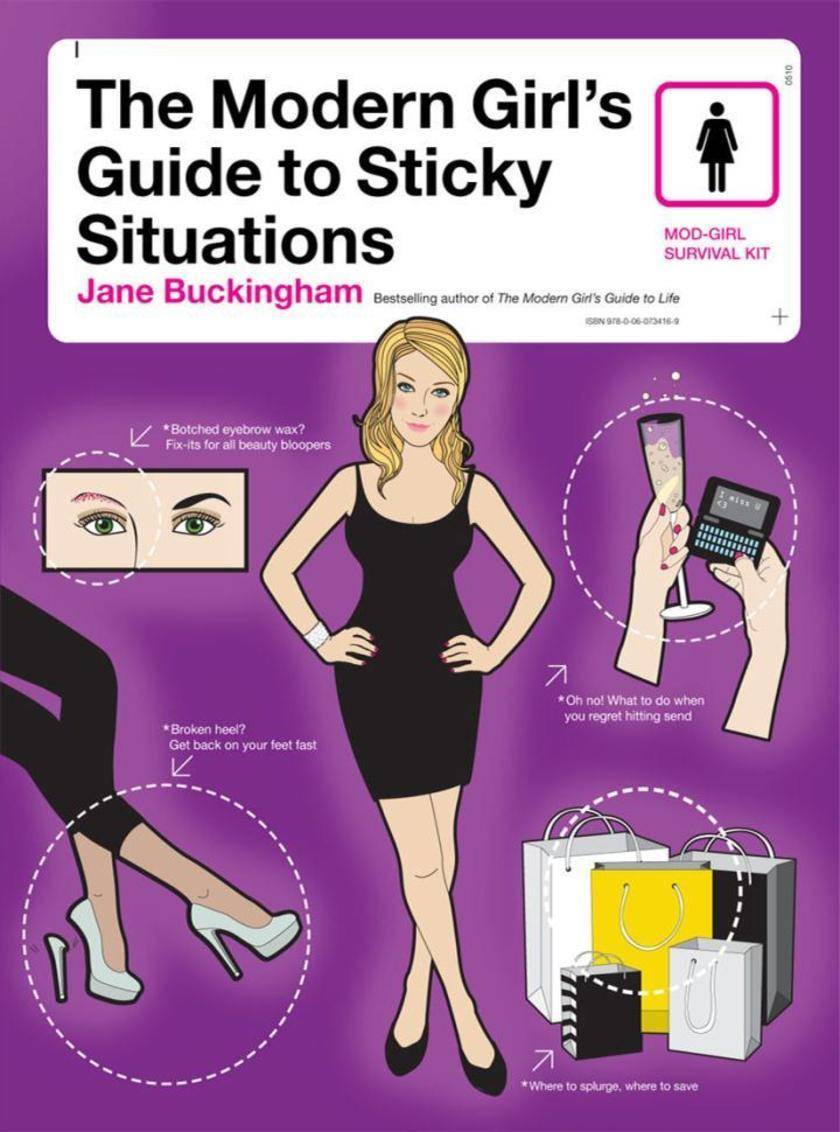
The Modern Girl's Guide to Sticky Situations
¥110.71
This is the book to grab when . . . you're pulling your hair out, screaming like a banshee, blubbering with frustration, or hyperventilating because you just don't know what to do!Jane Buckingham, author of The Modern Girl's Guide to Life, is back with a collection of helpful quick fixes for the deserving gal with the best intentions who gets caught in sticky situations. Here are warm, witty, and eminently wise solutions to those everyday problems that pop up as a result of impulsive actions or just plain bad luck helpful hints on what to do if you: Send an e-mail you instantly regret Botch your self-tan Discover your best friend's husband is cheating on her Break your corkscrew while opening your only bottle of wine Run into your ex and need to look hot, fast! Are expected to name your baby after a family member with an awful name And that's just a small sampling of the scenarios for which Jane Buckingham offers solutions in The Modern Girl's Guide to Sticky Situations. So if you find yourself in a pickle . . . just leave it to Jane!
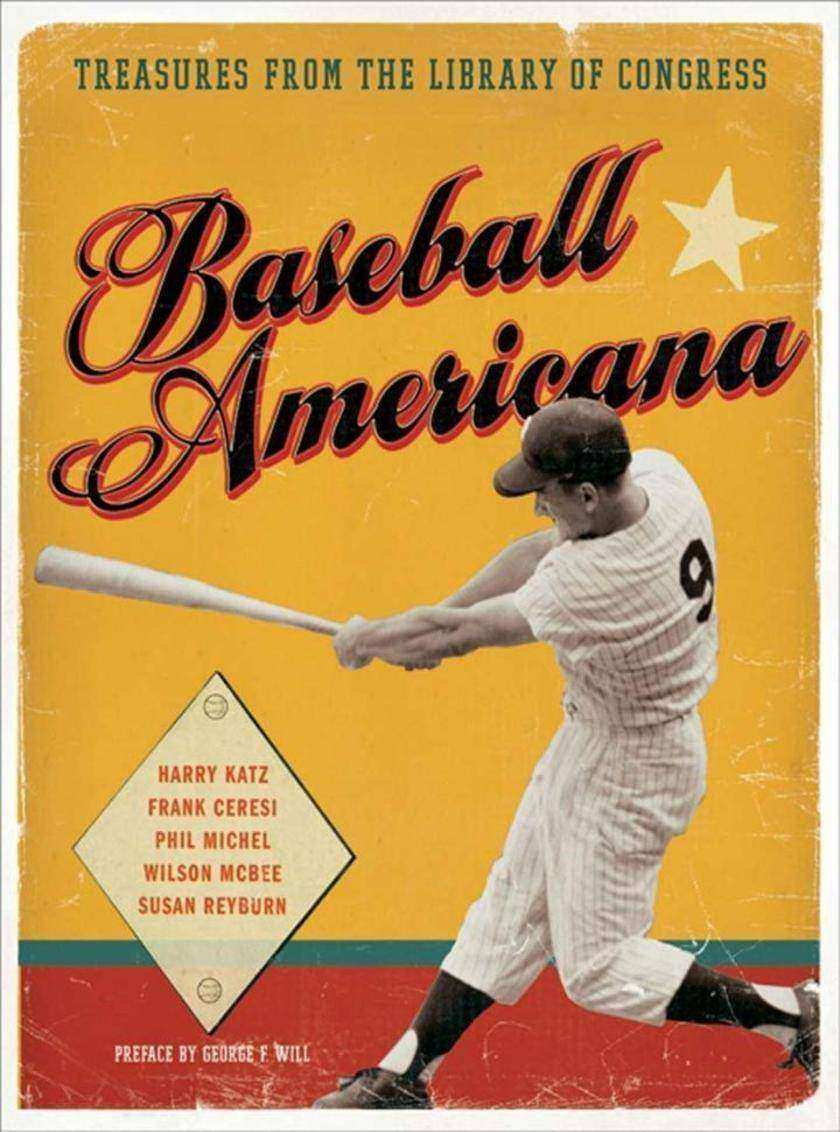
Baseball Americana
¥123.10
A lavishly illustrated history of America's game, from the unparalleled collections of the Library of Congress Baseball, the sport that helped reunify the country in the years after the Civil War, remains the National Pastime. The Library of Congress houses the world's largest baseball collection, documenting the history of the game and providing a unique look at America since the late 1700s. Now Baseball Americana presents the best of the best from that treasure trove. From baseball's biggest stars to street urchins, from its most newsworthy stories to sandlot and Little League games, the book examines baseball's hardscrabble origins, rich cultural heritage, and uniquely American character.The more than 350 fabulous illustrations many never before published featured first-generation, vintage photographic and chromolithographic baseball cards; photographs of famous players and ballparks; and newspaper clippings, cartoons, New Deal photographs, and baseball advertisements. Packed with images that will surprise and thrill even the most expert collector, Baseball Americana is a gift for every baseball fan.

How Shall I Tell the Dog?
¥112.16
In this hilarious and moving book, popular English humorist Miles Kington faces cancer and death with his sparkling trademark wit, musing on everything from board games and yodeling to the prospect of being outlived by his dog.When some people are told they have only a few months to live, they might travel around the world or write their memoirs or put their affairs in order. When it happened at the age of 66 to Miles Kington-one of England's best-loved humorists-he did what he did best, offering sharp, wry, laugh-out-loud observations and ideas about his situation. Following his diagnosis of pancreatic cancer, Kington proposes crazier and crazier ideas for his next book (what he calls "cashing in on cancer") in a series of letters to his literary agent, Gill.And what sort of things capture Kington's attention in his waning monthsThe sudden grimness of those 1,000 Places to See Before You Die books, for example. (What about 100 Things to Do Before You Die, Without Leaving Home?, he suggests. Instead of bungee jumping and whitewater rafting, learn to whistle with two fingers in your mouth, yodel, or steam open envelopes.) The irony that his dog, Berry, will probably outlive him, or the semi-outrageous idea of creating a funeral video:The answer is quite simple.Make a video in advance of my farewell speech, to be shown on a monitor, from the pulpit, or on a screen behind the stage, or wherever the best place would be.I have already visualised the opening shot.It is of me, smiling ruefully, and saying to camera: "Hello. I'm sorry I couldn't be here in person with you today."Mischievous and utterly original, Miles Kington's words in the face of death are memorable and surprisingly uplifting.

I'll Find a Way or Make One
¥117.62
A comprehensive and definitive guide to America's 107 historically black colleges and universities, this commemorative gift book explores the historical, social, and cultural importance of the nation's HBCUs and celebrates their rich legacy.Included in this one-of-a-kind collection are: Detailed profiles of each HBCU Illuminating portraits of distinguished HBCU graduates such as Leontyne Price, Thurgood Marshall, Spike Lee, and Oprah Winfrey Little-known anecdotes about pre-Civil War efforts to educate blacks, such as how a white pastor founded what became Lincoln University after his black prot was excluded from Princeton's Theological Seminary Rare photographs and archival materials featuring the likes of Eleanor Roosevelt addressing students at Howard University Chronicling the history of education in the African American community, I'll Find a Way or Make One is not only an unprecedented salute to historically black colleges and universities, but also an indispensable account of some of the most important events of African Americana and American history.
Understanding Dreams
¥42.03
It has been said that dreams are the windows to the soul -- andnow those windows can be opened wide! The book you hold in your hands is a concise compendium of pre*ive information, an easy-to-use reference guide to the meanings and import of the remarkable visions that visit us while we sleep.Here in one volume are the essential keys to unlocking themysteries of the subconscious -- and to putting the power of dreams at your fingertips! The meaning behind more than 800 dream symbols The history of dream interpretation Lucid, repetitive, and sequential dreams Sleep patterns and the workings of the unconscious mind How to keep a "dream diary"
Rose in Scotland
¥41.91
A delicate flower Lady Caroline Burroughs is desperate. Her unscrupulous guardian is squandering away her inheritance, and now wants to gain complete control over her dwindling wealth by forcing her to wed his aged crony. But Caroline has found a solution to her woes. Though it means surrendering her long-cherished dream of marring for love, she agrees to a preemptive temporary union with a devilishly handsome stranger a brave and noble Scotsman who believes that love is an illusion.A thorny romanceMajor Hugh MacColme has every reason to hate the British since the Crown stole his ancestral castle and sent his father and brother into exile. And he never imagined he would end up marrying one of the enemy. But a year spent in the intimate company of an exquisite English rose seems a small price to pay for recovering his birthright. For tender-hearted Caroline, however, the difficult part will be coping with her unexpected desire for this proud and distant man no use for is the warm and healing love he truly needs.

The Wedding Bargain
¥48.39
Maximillian Wells, the Earl of Trent, couldn't believe his ears-or his eyes. Before him stood beautiful, unattainable Pandora Effington, the town's most scandalous beauty, and the fiery heiress was making him a most tantalizing offer. If he wanted to take Pandora's hand in marriage, he had to play a game of her devising-and he had no intention of losing. Most of London's eligible bachelors left Pandora cold and she longed for a true hero-a man who would do anything in his power to win her love. Maximillian's very touch sent shivers down her spine and made her dream of long nights spent in his arms. But was he willing to risk everything he held dear to prove his love?
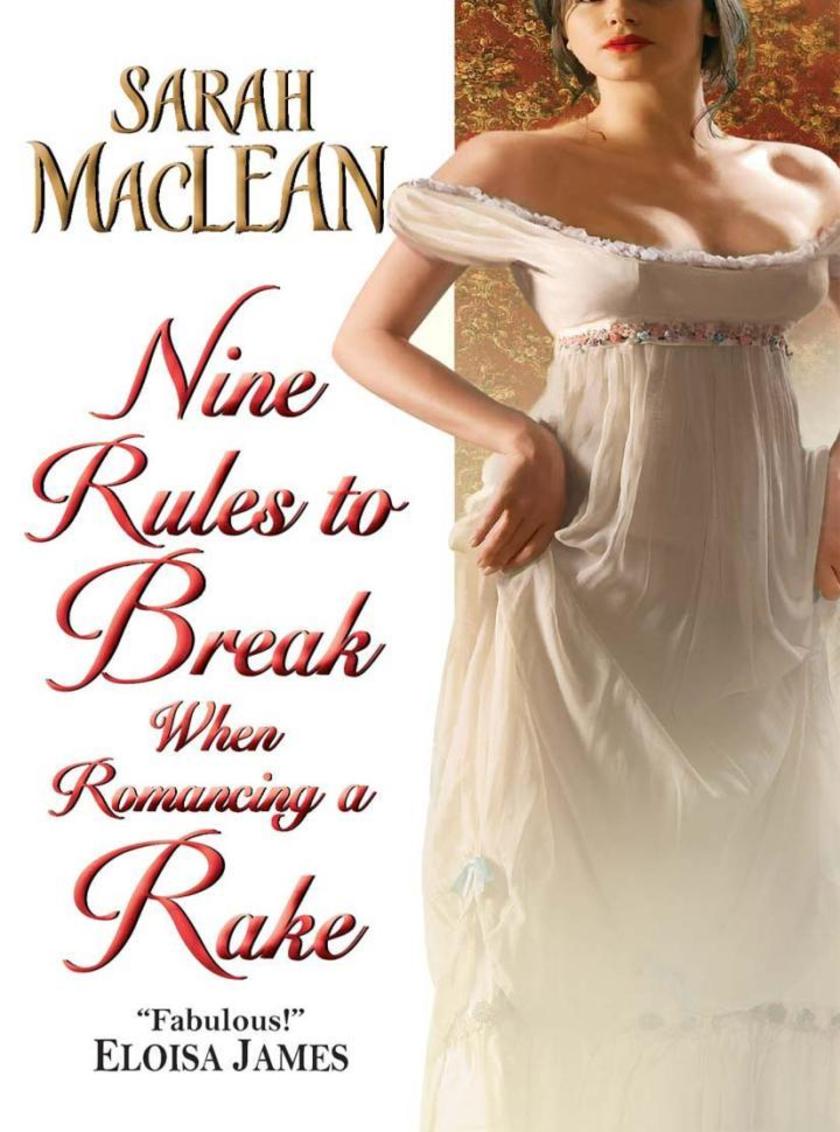
Nine Rules to Break When Romancing a Rake
¥55.91
A lady does not smoke cheroot. She does not ride astride. She does not fence or attend duels. She does not fire a pistol, and she never gambles at a gentlemen's club.Lady Calpurnia Hartwell has always followed the rules, rules that have left her unmarried and more than a little unsatisfied. And so she's vowed to break the rules and live the life of pleasure she's been missing.But to dance every dance, to steal a midnight kiss to do those things, Callie will need a willing partner. Someone who knows everything about rule-breaking. Someone like Gabriel St. John, the Marquess of Ralston charming and devastatingly handsome, his wicked reputation matched only by his sinful smile. If she's not careful, she'll break the most important rule of all the one that says that pleasure-seekers should never fall hopelessly, desperately in love . . .

Wicked in Your Arms
¥62.24
One of the most notoriouslyeligible bachelors in Europe isfinally ready to marry . . .For fiercely independent Grier Hadley,being the illegitimate daughter of one ofLondon's most unsavory charactershas only one advantage: an enormous,ill-gotten dowry. Prince Sevastian Maksimi knows wherehis duty lies: he must find a well-bredyoung lady one with a considerablefortune to her name wed her promptly,and get to the business of producingan heir. The last thing Grier needs is someunattainable prince curling her toeswith his smoldering glances and wickedsuggestions. As far as Sev is concerned, she lacks the breeding to become aprincess. And yet one kiss from thisarresting female is all it takes for himto realize that anyone else in hisarms would be unthinkable . . .

Silk Is For Seduction
¥56.07
From the Design Book of Marcelline Noirot: The allure of the perfect gown should be twofold: ladies would die to wear it . . .and gentlemen would kill to remove it!Brilliant and ambitious dressmaker Marcelline Noirotis London's rising star. And who better to benefitfrom her talent than the worst-dressed lady in the ton,the Duke of Clevedon's intended brideWinning thefuture duchess's patronage means prestige and fortunefor Marcelline and her sisters. To get to the lady,though, Marcelline must win over Clevedon, whosestandards are as high as his morals are . . . not.The prize seems well worth the risk but this timeMarcelline's met her match. Clevedon candesign a seduction as irresistible as her dresses;and what begins as a flicker of desire between twoof the most passionately stubborn charmersin London soon ignites into a delicious inferno . . .and a blazing scandal.And now both their futures hang by anexquisite thread of silk . . .
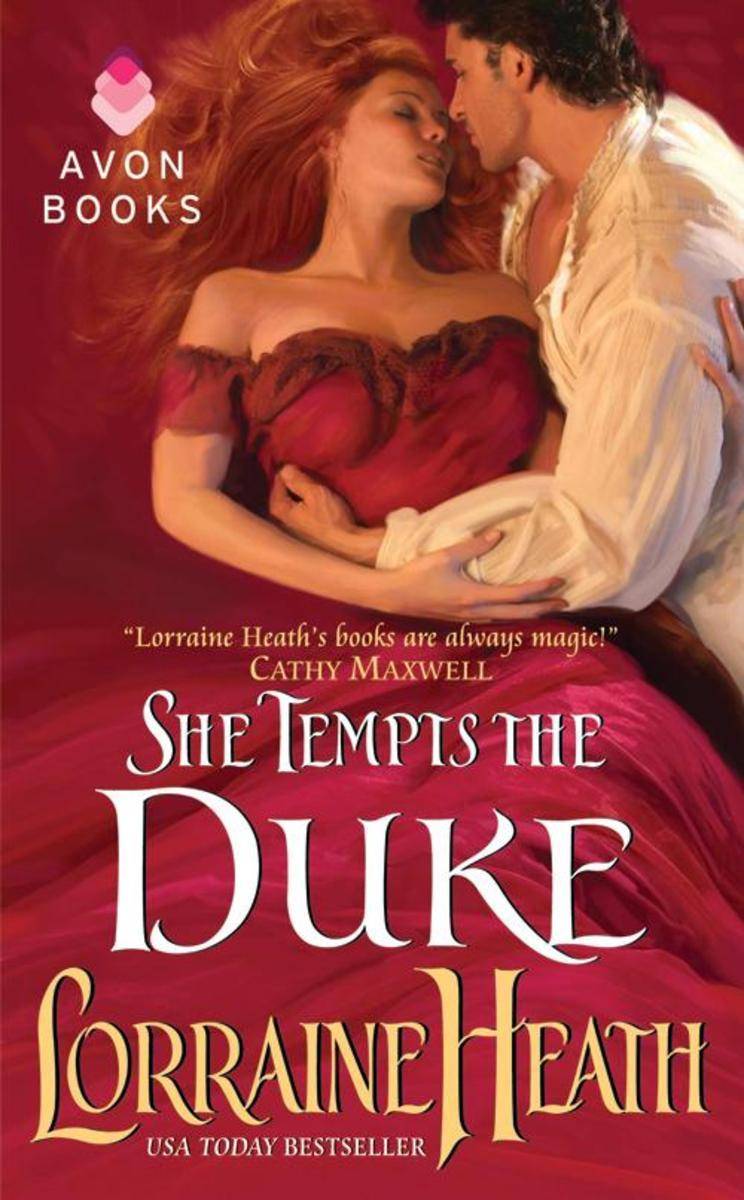
She Tempts the Duke
¥55.31
Three young heirs, imprisoned by an unscrupulous uncle, escaped to the sea, to the streets, to faraway battle awaiting the day when they would return to reclaim their birthright.Sebastian Easton always vowed he would avenge his stolen youth and title. Now back in London, the rightful Duke of Keswick returning from battle a wounded, hardened, changed man cannot forget the brave girl who once rescued him and his brothers from certain death.Lady Mary Wynne-Jones paid dearly for helping the imprisoned young Lords of Pembrook, and she remembers well the promise she made to Sebastian all those years ago: to meet him once more in the abbey ruins where they shared a bold, forbidden kiss. While Mary is now betrothed to another, a friendship forged with dark secrets cannot be ignored. Unexpected passion soon burns dangerously between them, tempting Sebastian to abandon his quest for retribution and fight for a love that could once again set him free.

A Heart So Wild
¥56.07
Courtney Harte is certain her missing father is a alive, lost somewhere deep in Indian territory. But she needs a guide to lead her safely through this dangerous, unfamiliar country, someone as wild and unpredictable as the land itself. And that man is the gunslinger they call Chandos.Courtney fears this enigmatic loner whose dark secrets torture his soul, yet whose eyes, bluer than the frontier sky, enflame the innocent, determined lady with wanton desires. But on the treacherous path they have chosen they have no one to trust but each other--as shared perils to their lives and hearts unleash turbulent, unbridled, passions that only love can tame.

The Warrior Laird
¥56.07
Haunted by horrors of his childhood, Dugan MacMillan has sworn to protect his clan at any cost . . . even if he must search for a rumored treasure and kidnap a beautiful thief to do it.The MacMillan laird has never crossed paths with anyone quite like Lady Maura Duncanson. After he saved her from certain death, the comely vixen had the audacity to disappear with his treasure map, his only key to restoring his clan. Dugan has no qualms about taking Maura hostage, especially when he learns she is to wed a wealthy old baron who will pay him a fortune in ransom . . . a fortune his people desperately need.But, of course, Maura has no intention of returning to her despicable fiance. And the longer Dugan spends in the bewitching hellion's presence, the less willing he is to surrender her to any man . . . at any price.
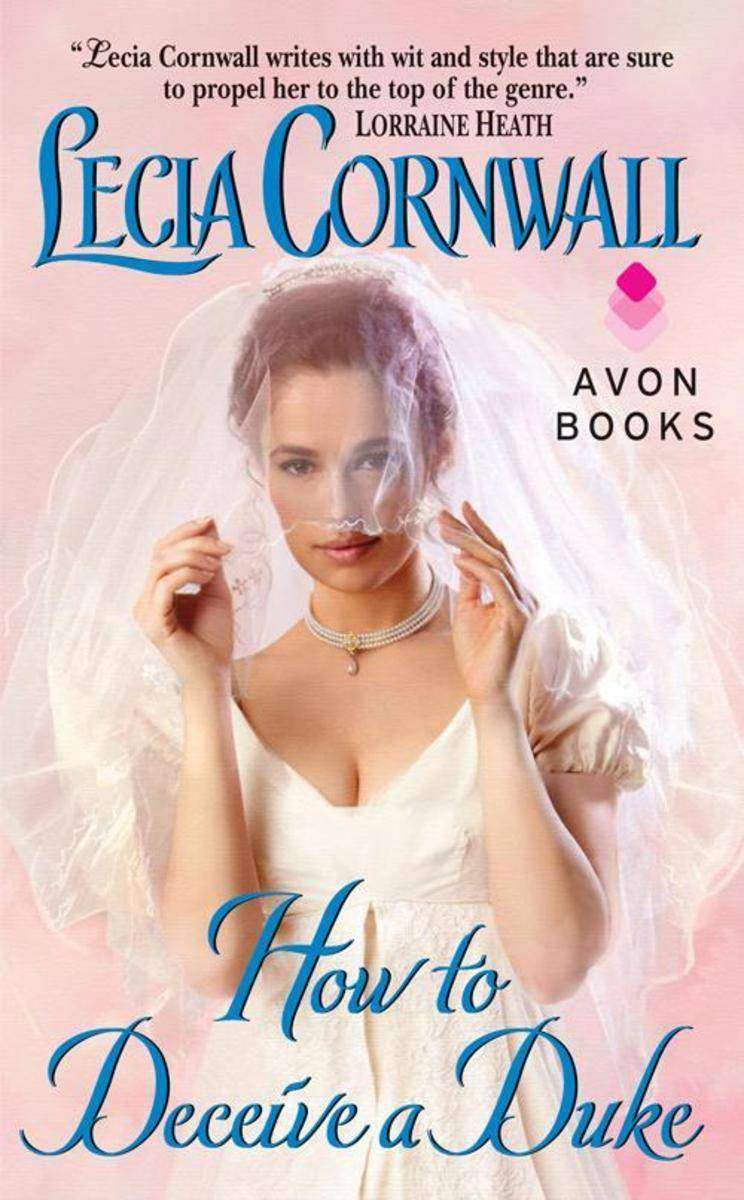
How to Deceive a Duke
¥55.91
When deception leads to desire . . .When her stubborn sister runs off the night before her arranged marriage, Meg Lyntonhardly hesitates before donning the wedding veil and walking down the aisle herself. It's the only way to save her family from sure destitution. By the time her wealthy groom discovers he has married the wrong sister, it will be too late to annul their vows. And too late for Meg to escape her wifely duty to a man reputed to be a devil in battle and the bedroom . . .A bride is the last thing Nicholas Hartley, Duke of Temberlay, wants. Then he sees Meg and realizes that his wedding night will be a great pleasure indeed. But aside from the agreeable business of begetting an heir, Temberlay will never change his wicked ways for a wedding vow until he discovers Meg's deception, and decides to teach the scheming beauty how to be a proper duchess, kiss by devastating kiss . . .

The Outlaw Viking
¥55.31
As tall and striking as the Valkyries of legend, Dr. Rain Jordan is proud of her Norse ancestors despite their warlike ways. But she can't believe her eyes when a blow to her head transports her to a nightmarish battlefield of yore and there standing before her is the barbarian of her dreams.A wild-eyed berserker, Selik can slay a dozen Saxons with a single swing of his deadly sword yet he can't control a saucy wench from the future. In his eyes, Rain is a prisoner and he'd dearly love to avail himself of her medical skills not to mention her considerable knowledge of the male anatomy. But the infuriating woman has ideas of her own. If Selik isn't careful, the stunning siren might very well capture his savage heart and make a warrior of love out of . . . The Outlaw Viking
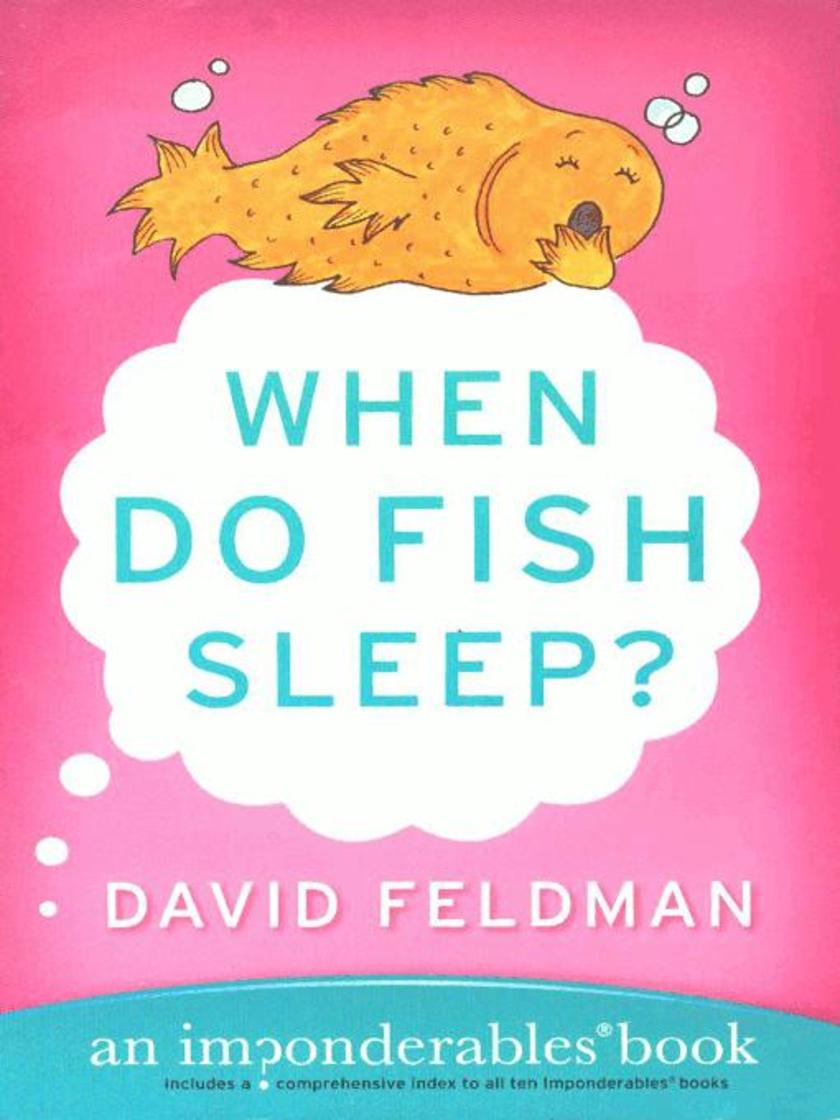
When Do Fish Sleep?
¥72.71
Ponder, if you will ...Why are tennis balls fuzzyHow come birds don't tip over when they sleep on telephone wiresWhat makes yawning contagiousWhy, oh why, do roosters have to crow so early in the morningPop-culture guru David Feldman demystifies these topics and so much more in When Do Fish Sleep-- the unchallenged source of answers to civilization's most baffling questions. Part of the Imponderables series and charmingly illustrated by Kassie Schwan, When Do Fish Sleeparms readers with the knowledge about everyday life that encyclopedias, dictionaries, and almanacs just don't have. And think about it, where else are you going to get to the bottom of why Mickey Mouse has only four fingers?
The Fisher King and the Handless Maiden
¥77.49
In the tradition of Annie Dillard and Natalie Goldberg, this resource for writers and non-writers alike shows the act of writing to be a dynamic means of knowing, healing, and creating the body, mind, and spirit.
My First New York
¥78.55
A book as effervescent and alive as the city itself.My First New York features candid accounts of coming to New York by more than fifty of the most remarkable people who have called the city home. Here are true stories of long nights out and wild nights in, of first dates and lost loves, of memorable meals and miserable jobs, of slow walks up Broadway and fast subway rides downtown.The contributors a mix of actors, artists, comedians, entrepreneurs, musicians, politicians, sports stars, writers, and others reflect an enormous variety of experiences: few have arrived with less than filmmaker Jonas Mekas, a concentration-camp survivor on a UN refugee ship; few have swanned in with more than designer Diane von Furstenberg, a princess. And an extraordinary number managed to land in New York just as something historic was happening the artist Cindy Sherman arrived in the middle of the Summer of Sam; restaurateur Danny Meyer came on the day John Lennon was shot.Arranged chronologically, these moving and memorable stories combine to form an impressionistic history of New York since the Great Depression. They also provide an accidental encyclopedia of New York hotspots through the ages: from the Cedar Tavern and the Gaslight to Lutce and Elaine's, from Max's Kansas City and the Mudd Club to the Odeon and Bungalow 8, they're all here, dots on the unbroken line of the Next Next things.Taken together, My First New York is a collection of fifty-six testaments to a larger revelation, one that new arrivals of all stripes and all eras have experienced again and again in New York, regardless of how the city proceeds to treat them: what the songwriter Rufus Wain-wright calls "having cracked the code of living life to the fullest."


