


 购物车
 个人中心


Powers of Pure Reason
¥453.22
The Critique of Pure Reason-Kant's First Critique-is one of the most studied texts in intellectual history, but as Alfredo Ferrarin points out in this radically original book, most of that study has focused only on very select parts. Likewise, Kant's oeuvre as a whole has been compartmentalized, the three Critiques held in rigid isolation from one another. Working against the standard reading of Kant that such compartmentalization has produced,?The Powers of Pure Reason?explores forgotten parts of the First Critique in order to find an exciting, new, and ultimately central set of concerns by which to read all of Kant's works. ?Ferrarin blows the dust off of two egregiously overlooked sections of the First Critique-the Transcendental Dialectic and the Doctrine of Method. There he discovers what he argues is the Critique's greatest achievement: a conception of the unity of reason and an exploration of the powers it has to reach beyond itself and legislate over the world. With this in mind, Ferrarin dismantles the common vision of Kant as a philosopher writing separately on epistemology, ethics, and aesthetics and natural teleology, showing that the three Critiques are united by this underlying theme: the autonomy and teleology of reason, its power and ends. The result is a refreshing new view of Kant, and of reason itself.
Southern Stalemate
¥447.34
In 1959, Virginia's Prince Edward County closed its public schools rather than obey a court order to desegregate. For five years, black children were left to fend for themselves while the courts decided if the county could continue to deny its citizens public education. Investigating this remarkable and nearly forgotten story of local, state, and federal political confrontation, Christopher Bonastia recounts the test of wills that pitted resolute African Americans against equally steadfast white segregationists in a battle over the future of public education in America.?Beginning in 1951 when black high school students protested unequal facilities and continuing through the return of whites to public schools in the 1970s and 1980s, Bonastia describes the struggle over education during the civil rights era and the human suffering that came with it, as well as the inspiring determination of black residents to see justice served. Artfully exploring the lessons of the Prince Edward saga, Southern Stalemate unearths new insights about the evolution of modern conservatism and the politics of race in America.

Phytomedicines, Herbal Drugs, and Poisons
¥317.84
Plants have been used to treat disease throughout human history. On a clay slab that dates back approximately five thousand years, the Sumerians recorded medicinal recipes that made use of hundreds of plants, including poppy, henbane, and mandrake. During the Middle Ages, monks commonly grew and prescribed plants such as sage, anise, and mint in their monasteries. And as the market for herbal remedies and natural medicine grows, we continue to search the globe for plants and plant compounds to combat our various ailments.?In Phytomedicines, Herbal Drugs, and Poisons, Ben-Erik van Wyk offers a richly illustrated, scientific guide to medicinal and poisonous plants, including those used for their mind-altering effects. Van Wyk covers approximately 350 species-from Aloe vera and Ephedra sinica to Cannabis sativa and Coffea arabica-detailing their botanical, geographical, pharmacological, and toxicological data as well as the chemical structures of the active compounds in each. Readers learn, for example, that Acacia senegal, or gum acacia, is used primarily in Sudan and Ethiopia as a topical ointment to protect the skin and mucosa from bacterial and fungal infections, and that Aconitum napellus, more commonly known as aconite, is used in cough syrups but can be psychedelic when smoked or absorbed through the skin. With 350 full-color photographs featuring the plants and some of their derivative products, Phytomedicines, Herbal Drugs, and Poisons will be an invaluable reference not only for those in the health care field but also for those growing their own medicinal herb gardens, as well as anyone who needs a quick answer to whether a plant is a panacea or a poison.
Frankenstein of 1790 and Other Lost Chapters from Revolutionary France
¥394.36
The French Revolution brings to mind violent mobs, the guillotine, and Madame Defarge, but it was also a publishing revolution: more than 1,200 novels were published between 1789 and 1804, when Napoleon declared the Revolution at an end. In this book, Julia V. Douthwaite explores how the works within this enormous corpus announced the new shapes of literature to come and reveals that vestiges of these stories can be found in novels by the likes of Mary Shelley, E. T. A. Hoffmann, Honore de Balzac, Charles Dickens, Gustave Flaubert, and L. Frank Baum.?Deploying political history, archival research, and textual analysis with eye-opening results, Douthwaite focuses on five major events between 1789 and 1794-first in newspapers, then in fiction-and shows how the symbolic stories generated by Louis XVI, Robespierre, the market women who stormed Versailles, and others were transformed into new tales with ongoing appeal. She uncovers a 1790 story of an automaton-builder named Franknsten, links Baum to the suffrage campaign going back to 1789, and discovers a royalist anthem's power to undo Balzac's Pre Goriot. Bringing to light the missing links between the ancien rgime and modernity, The Frankenstein of 1790 and Other Lost Chapters from Revolutionary France is an ambitious account of a remarkable politico-literary moment and its aftermath.
Nietzsche's Enlightenment
¥394.36
While much attention has been lavished on Friedrich Nietzsche's earlier and later works, those of his so-called middle period have been generally neglected, perhaps because of their aphoristic style or perhaps because they are perceived to be inconsistent with the rest of his thought. With Nietzsche's Enlightenment, Paul Franco gives this crucial section of Nietzsche's oeuvre its due, offering a thoughtful analysis of the three works that make up the philosopher's middle period: Human, All too Human; Daybreak; and The Gay Science.?It is Nietzsche himself who suggests that these works are connected, saying that their "e;common goal is to erect a new image and ideal of the free spirit."e; Franco argues that in their more favorable attitude toward reason, science, and the Enlightenment, these works mark a sharp departure from Nietzsche's earlier, more romantic writings and differ in important ways from his later, more prophetic writings, beginning with Thus Spoke Zarathustra. The Nietzsche these works reveal is radically different from the popular image of him and even from the Nietzsche depicted in much of the secondary literature; they reveal a rational Nietzsche, one who preaches moderation instead of passionate excess and Dionysian frenzy. Franco concludes with a wide-ranging examination of Nietzsche's later works, tracking not only how his outlook changes from the middle period to the later but also how his commitment to reason and intellectual honesty in his middle works continues to inform his final writings.
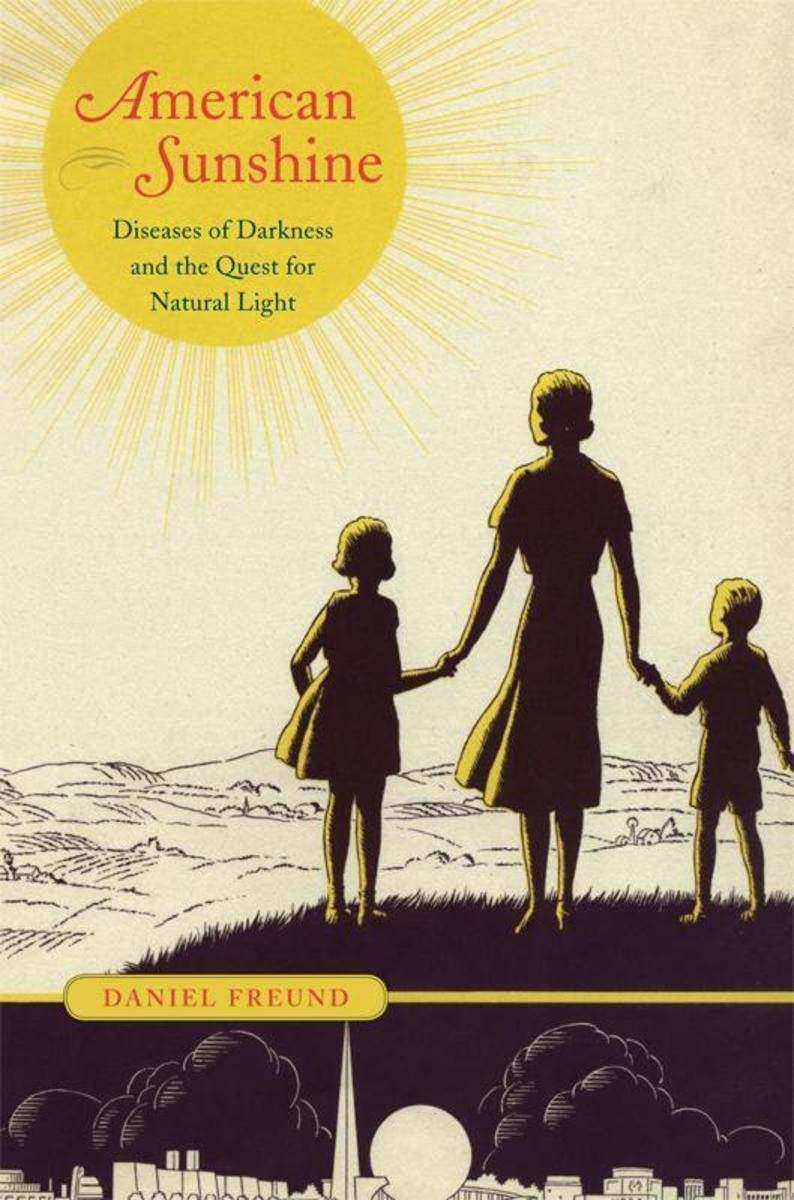
American Sunshine
¥394.36
In the second half of the nineteenth century, American cities began to go dark. Hulking new buildings overspread blocks, pollution obscured the skies, and glass and smog screened out the health-giving rays of the sun. Doctors fed anxities about these new conditions with claims about a rising tide of the "e;diseases of darkness,"e; especially rickets and tuberculosis.In American Sunshine, Daniel Freund ?tracks the obsession with sunlight from those bleak days into the twentieth century. ?Before long, social reformers, medical professionals, scientists, and a growing nudist movement proffered remedies for America's new dark age. Architects, city planners, and politicians made access to sunlight central to public housing and public health. and entrepreneurs, dairymen, and tourism boosters transformed the pursuit of sunlight and its effects into a commodity. Within this historical context, Freund sheds light on important questions about the commodification of health and nature and makes an original contribution to the histories of cities, consumerism, the environment, and medicine.
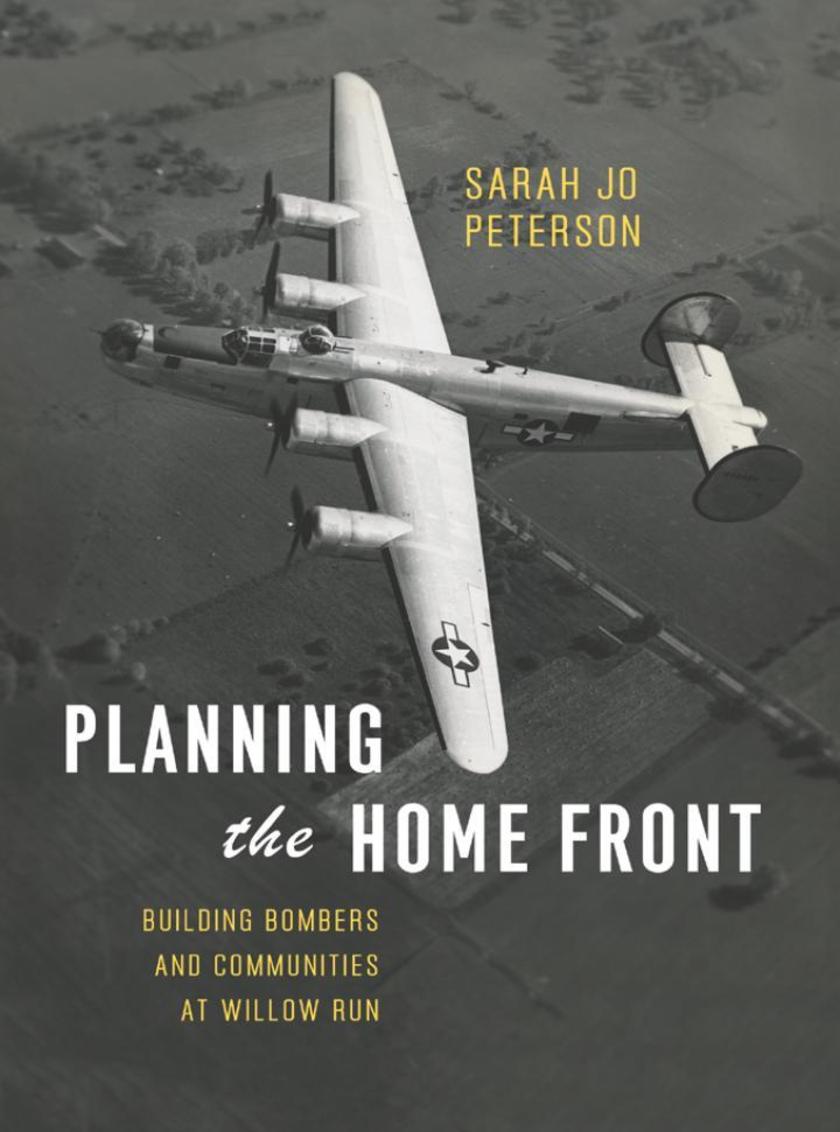
Planning the Home Front
¥370.82
Before Franklin Roosevelt declared December 7 to be a "e;date which will live in infamy"e;; before American soldiers landed on D-Day; before the B-17s, B-24s, and B-29s roared over Europe and Asia, there was Willow Run. Located twenty-five miles west of Detroit, the bomber plant at Willow Run and the community that grew up around it attracted tens of thousands of workers from across the United States during World War II. Together, they helped build the nation's "e;Arsenal of Democracy,"e; but Willow Run also became the site of repeated political conflicts over how to build suburbia while mobilizing for total war.In Planning the Home Front, Sarah Jo Peterson offers readers a portrait of the American people-industrialists and labor leaders, federal officials and municipal leaders, social reformers, industrial workers, and their families-that lays bare the foundations of community, the high costs of racism, and the tangled process of negotiation between New Deal visionaries and wartime planners. By tying the history of suburbanization to that of the home front, Peterson uncovers how the United States planned and built industrial regions in the pursuit of war, setting the stage for the suburban explosion that would change the American landscape when the war was won.
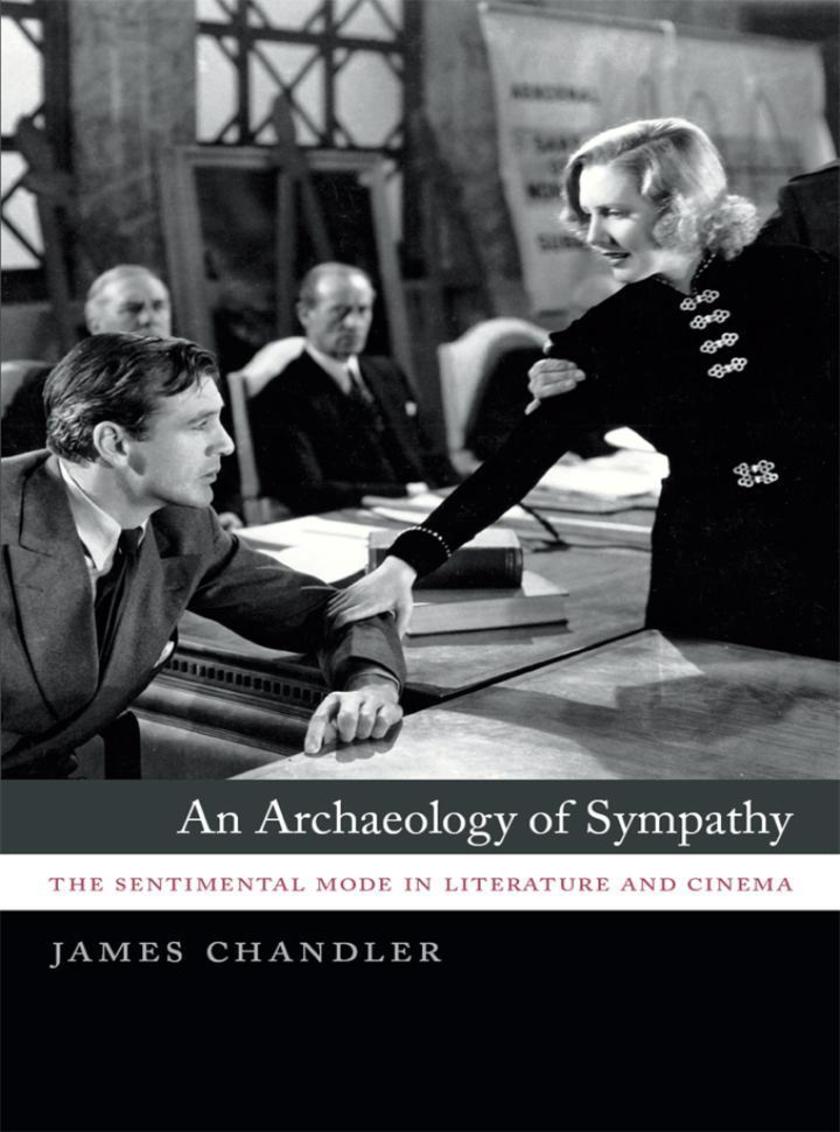
Archaeology of Sympathy
¥370.82
In the middle of the eighteenth century, something new made itself felt in European culture-a tone or style that came to be called the sentimental. The sentimental mode went on to shape not just literature, art, music, and cinema, but people's very structures of feeling, their ways of doing and being.?In what is sure to become a critical classic, An Archaeology of Sympathy challenges Sergei Eisenstein's influential account of Dickens and early American film by tracing the unexpected history and intricate strategies of the sentimental mode and showing how it has been reimagined over the past three centuries. James Chandler begins with a look at Frank Capra and the Capraesque in American public life, then digs back to the eighteenth century to examine the sentimental substratum underlying Dickens and early cinema alike. With this surprising move, he reveals how literary spectatorship in the eighteenth century anticipated classic Hollywood films such as Capra's It Happened One Night, Mr. Deeds Goes to Town, and It's a Wonderful Life. Chandler then moves forward to romanticism and modernism-two cultural movements often seen as defined by their rejection of the sentimental-examining how authors like Mary Shelley, Joseph Conrad, James Joyce, and Virginia Woolf actually engaged with sentimental forms and themes in ways that left a mark on their work.?Reaching from Laurence Sterne to the Coen brothers, An Archaeology of Sympathy casts new light on the long eighteenth century and the novelistic forebears of cinema and our modern world.
Tristan's Shadow
¥370.82
Das Rheingold, Die Walkre, and Siegfried. Parsifal. Tristan und Isolde. Both revered and reviled, Richard Wagner conceived some of the nineteenth century's most influential operas-and created some of the most indelible characters ever to grace the stage. But over the course of his polarizing career, Wagner also composed volumes of essays and pamphlets, some on topics seemingly quite distant from the opera house. His influential concept of Gesamtkunstwerk-the "e;total work of art"e;-famously and controversially offered a way to unify the different media of an opera into a coherent whole. Less well known, however, are Wagner's strange theories on sexuality-like his ideas about erotic acoustics and the metaphysics of sexual difference. Drawing on the discourses of psychoanalysis, evolutionary biology, and other emerging fields of study that informed Wagner's thinking, Adrian Daub traces the dual influence of Gesamtkunstwerk and eroticism from their classic expressions in Tristan und Isolde into the work of the generation of composers that followed, including Zemlinsky, d'Albert, Schreker, and Strauss. For decades after Wagner's death, Daub writes, these composers continued to grapple with his ideas and with his overwhelming legacy, trying in vain to write their way out from Tristan's shadow.

Frontier Seaport
¥370.82
Detroit's industrial health has long been crucial to the American economy. Today's troubles notwithstanding, Detroit has experienced multiple periods of prosperity, particularly in the second half of the eighteenth century, when the city was the center of the thriving fur trade. Its proximity to the West as well as its access to the Great Lakes and the St. Lawrence River positioned this new metropolis at the intersection of the fur-rich frontier and the Atlantic trade routes.In?Frontier Seaport, Catherine Cangany details this seldom-discussed chapter of Detroit's history. She argues that by the time of the American Revolution, Detroit functioned much like a coastal town as a result of the prosperous fur trade, serving as a critical link in a commercial chain that stretched all the way to Russia and China-thus opening Detroit's shores for eastern merchants and other transplants. This influx of newcomers brought its own transatlantic networks and fed residents' desires for popular culture and manufactured merchandise. Detroit began to be both a frontier town and seaport city-a mixed identity, Cangany argues, that hindered it from becoming a thoroughly "e;American"e; metropolis.

Building for the Arts
¥370.82
Over the past two decades, the arts in America have experienced an unprecedented building boom, with more than sixteen billion dollars directed to the building, expansion, and renovation of museums, theaters, symphony halls, opera houses, and centers for the visual and performing arts. Among the projects that emerged from the boom were many brilliant successes. Others, like the striking addition of the Quadracci Pavilion to the Milwaukee Art Museum, brought international renown but also tens of millions of dollars of off-budget debt while offering scarce additional benefit to the arts and embodying the cultural sector's worst fears that the arts themselves were being displaced by the big, status-driven architecture projects built to contain them.?With Building for the Arts, Peter Frumkin and Ana Kolendo explore how artistic vision, funding partnerships, and institutional culture work together-or fail to-throughout the process of major cultural construction projects. Drawing on detailed case studies and in-depth interviews at museums and other cultural institutions varying in size and funding arrangements, including the Art Institute of Chicago, Atlanta Opera, and AT&T Performing Arts Center in Dallas, Frumkin and Kolendo analyze the decision-making considerations and challenges and identify four factors whose alignment characterizes the most successful and sustainable of the projects discussed: institutional requirements, capacity of the institution to manage the project while maintaining ongoing operations, community interest and support, and sufficient sources of funding. How and whether these factors are strategically aligned in the design and execution of a building initiative, the authors argue, can lead an organization to either thrive or fail. The book closes with an analysis of specific tactics that can enhance the chances of a project's success.A practical guide grounded in the latest scholarship on nonprofit strategy and governance, Building for the Arts will be an invaluable resource for professional arts staff and management, trustees of arts organizations, development professionals, and donors, as well as those who study and seek to understand them.

Victorian Scientific Naturalism
¥370.82
Victorian Scientific Naturalism examines the secular creeds of the generation of intellectuals who, in the wake of The Origin of Species, wrested cultural authority from the old Anglican establishment while installing themselves as a new professional scientific elite. These scientific naturalists-led by biologists, physicists, and mathematicians such as William Kingdon Clifford, Joseph Dalton Hooker, Thomas Henry Huxley, and John Tyndall-sought to persuade both the state and the public that scientists, not theologians, should be granted cultural authority, since their expertise gave them special insight into society, politics, and even ethics.?In Victorian Scientific Naturalism, Gowan Dawson and Bernard Lightman bring together new essays by leading historians of science and literary critics that recall these scientific naturalists, in light of recent scholarship that has tended to sideline them, and that reevaluate their place in the broader landscape of nineteenth-century Britain. Ranging in topic from daring climbing expeditions in the Alps to the maintenance of aristocratic protocols of conduct at Kew Gardens, these essays offer a series of new perspectives on Victorian scientific naturalism-as well as its subsequent incarnations in the early twentieth century-that together provide an innovative understanding of the movement centering on the issues of community, identity, and continuity.

City for Children
¥370.82
American cities are constantly being built and rebuilt, resulting in ever-changing skylines and neighborhoods. While the dynamic urban landscapes of New York, Boston, and Chicago have been widely studied, there is much to be gleaned from west coast cities, especially in California, where the migration boom at the end of the nineteenth century permanently changed the urban fabric of these newly diverse, plural metropolises.In?A City for Children, Marta Gutman focuses on the use and adaptive reuse of everyday buildings in Oakland, California, to make the city a better place for children. She introduces us to the women who were determined to mitigate the burdens placed on working-class families by an indifferent industrial capitalist economy. Often without the financial means to build from scratch, women did not tend to conceive of urban land as a blank slate to be wiped clean for development. Instead, Gutman shows how, over and over, women turned private houses in Oakland into orphanages, kindergartens, settlement houses, and day care centers, and in the process built the charitable landscape-a network of places that was critical for the betterment of children, families, and public life.The industrial landscape of Oakland, riddled with the effects of social inequalities and racial prejudices, is not a neutral backdrop in Gutman's story but an active player. Spanning one hundred years of history,?A City for Children?provides a compelling model for building urban institutions and demonstrates that children, women, charity, and incremental construction, renovations, alterations, additions, and repurposed structures are central to the understanding of modern cities.

Church Mother
¥253.10
Imbued with character and independence, strength and articulateness, humor and conviction, abundant biblical knowledge and intense compassion, Katharina Schutz Zell (1498-1562) was an outspoken religious reformer in sixteenth-century Germany who campaigned for the right of clergy to marry and the responsibility of lay people-women as well as men-to proclaim the Gospel. As one of the first and most daring models of the pastor's wife in the Protestant Reformation, Schutz Zell demonstrated that she could be an equal partner in marriage; she was for many years a respected, if unofficial, mother of the established church of Strasbourg in an age when ecclesiastical leadership was dominated by men.Though a commoner, Schtz Zell participated actively in public life and wrote prolifically, including letters of consolation, devotional writings, biblical meditations, catechetical instructions, a sermon, and lengthy polemical exchanges with male theologians. The complete translations of her extant publications, except for her longest, are collected here in Church Mother, offering modern readers a rare opportunity to understand the important work of women in the formation of the early Protestant church.
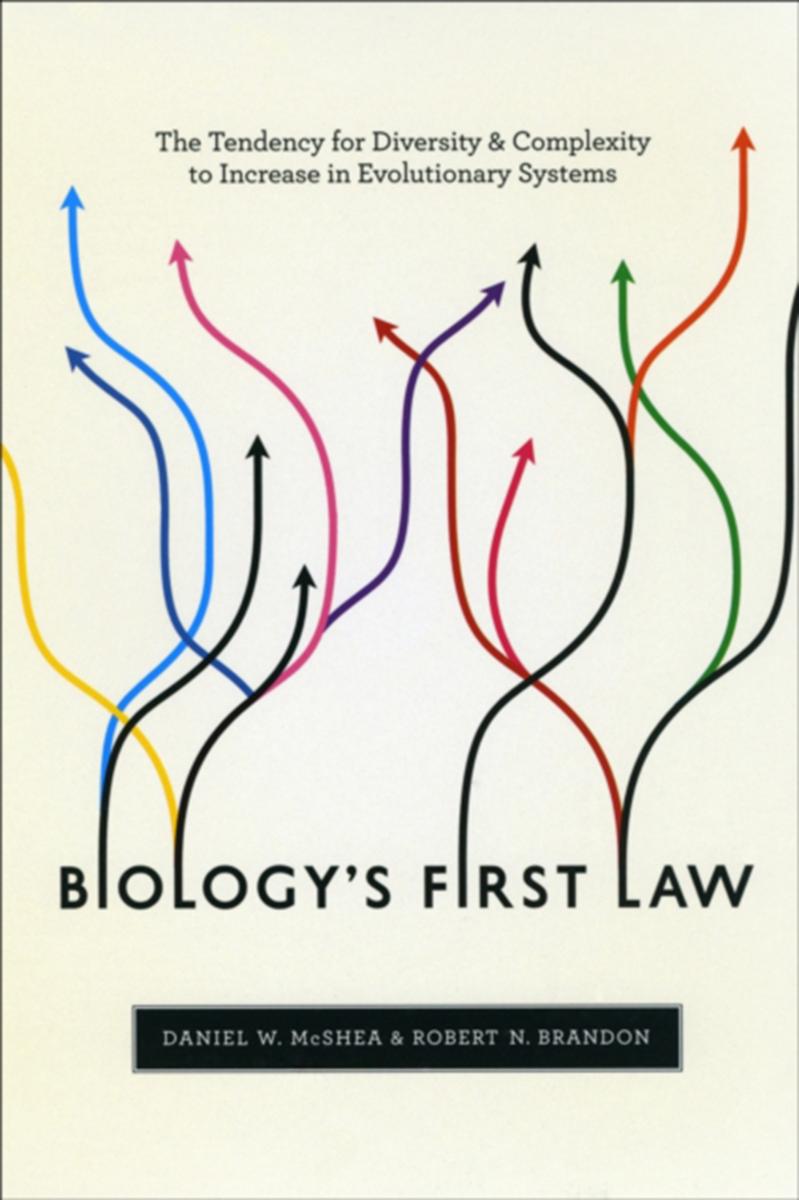
Biology's First Law
¥211.90
So certain is this that we may boldly state that it is absurd for human beings even to attempt it, or to hope that perhaps some day another Newton might arise who would explain to us, in terms of natural laws unordered by intention, how even a mere blade of grass is produced.Kant, Critique of Judgment (1790)
Class War?
¥141.26
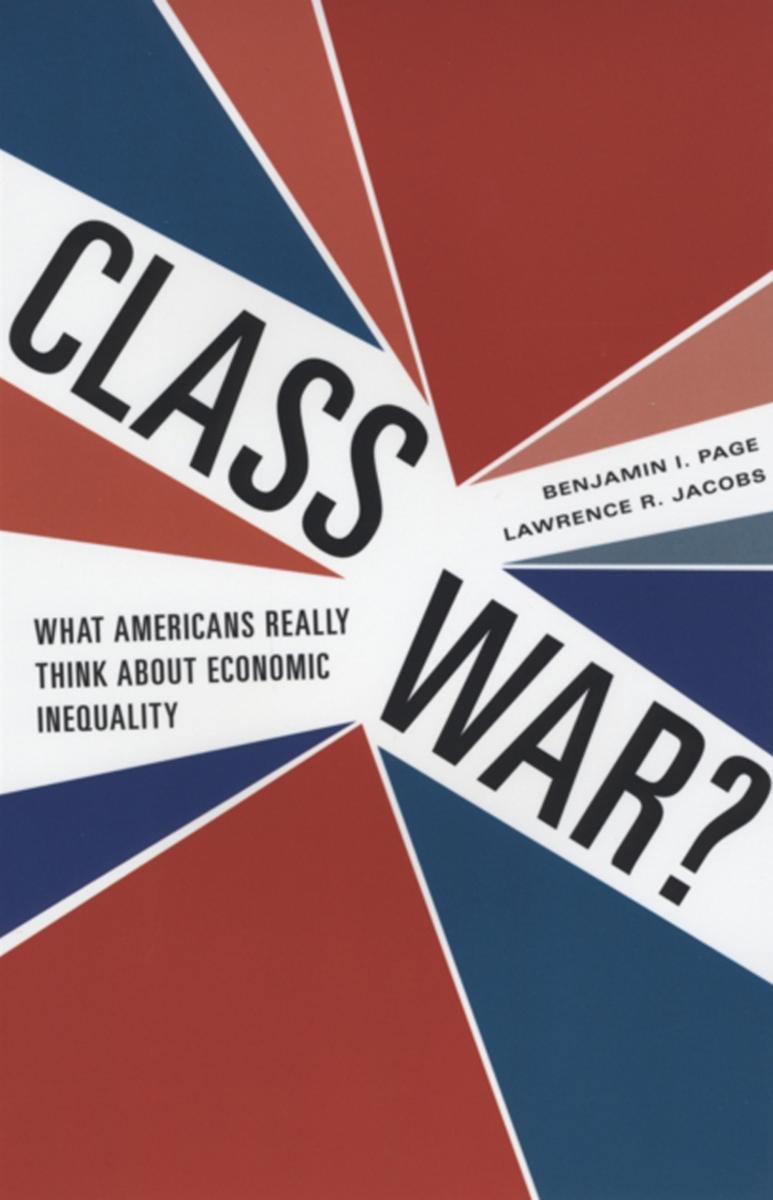
Recent battles in Washington over how to fix America's fiscal failures strengthened the widespread impression that economic issues sharply divide average citizens. Indeed, many commentators split Americans into two opposing groups: uncompromising supporters of unfettered free markets and advocates for government solutions to economic problems. But such dichotomies, Benjamin Page and Lawrence Jacobs contend, ring false. In Class Warthey present compelling evidence that most Americans favor free enterprise and practical government programs to distribute wealth more equitably.At every income level and in both major political parties, majorities embrace conservative egalitarianism-a philosophy that prizes individualism and self-reliance as well as public intervention to help Americans pursue these ideals on a level playing field. Drawing on hundreds of opinion studies spanning more than seventy years, including a new comprehensive survey, Page and Jacobs reveal that this worldview translates to broad support for policies aimed at narrowing the gap between rich and poor and creating genuine opportunity for all. They find, for example, that across economic, geographical, and ideological lines, most Americans support higher minimum wages, improved public education, wider access to universal health insurance coverage, and the use of tax dollars to fund these programs.In this surprising and heartening assessment, Page and Jacobs provide our new administration with a popular mandate to combat the economic inequity that plagues our nation.
Looking Back at the Arkansas Gazette
¥260.75
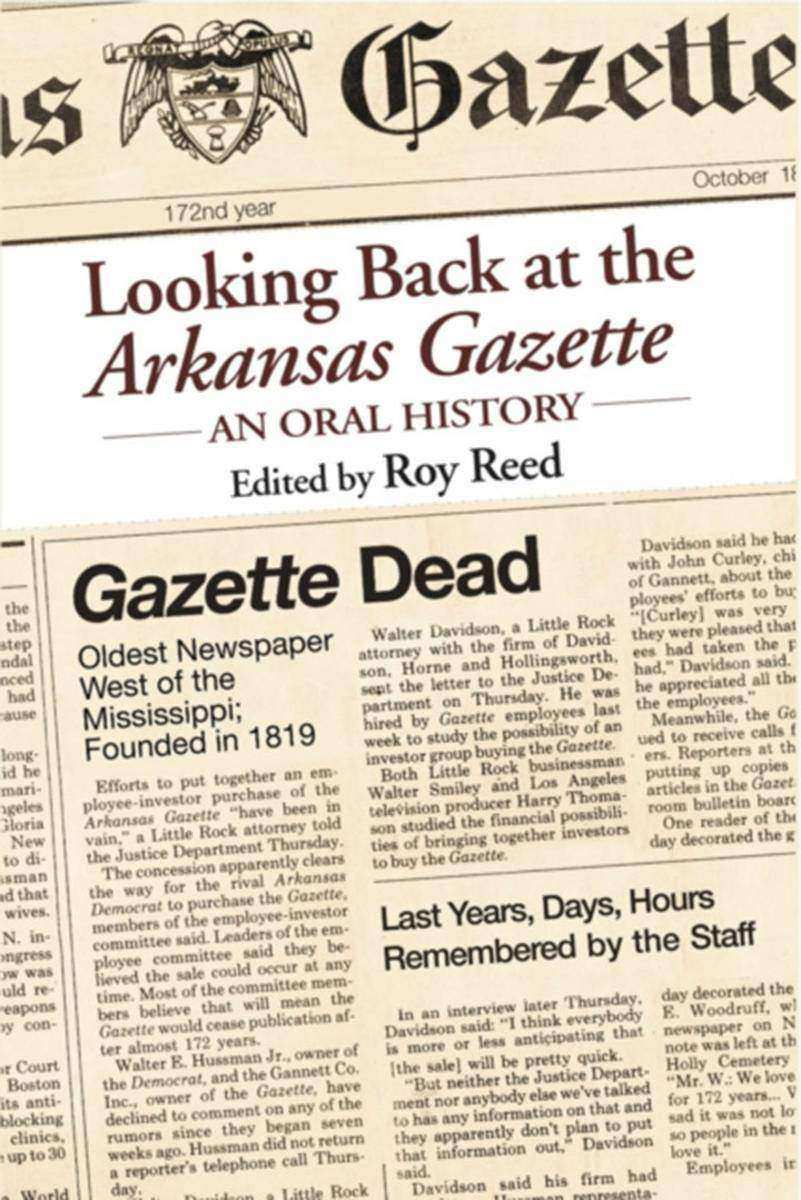
The Arkansas Gazette was born in a log cabin November 20, 1819, on a bank of the Arkansas River. A local establishment donated a barrel of whiskey to celebrate the event. The first issue carried a complaint from a citizen that the town had too many lawyers. When the paper died 167 years later, the problem was not lawyers but corporate executives who had found themselves, to their confusion, in charge of the oldest newspaper west of the Mississippi and not knowing what to do with it.
Martin Faber: The Story of a Criminal
¥260.85
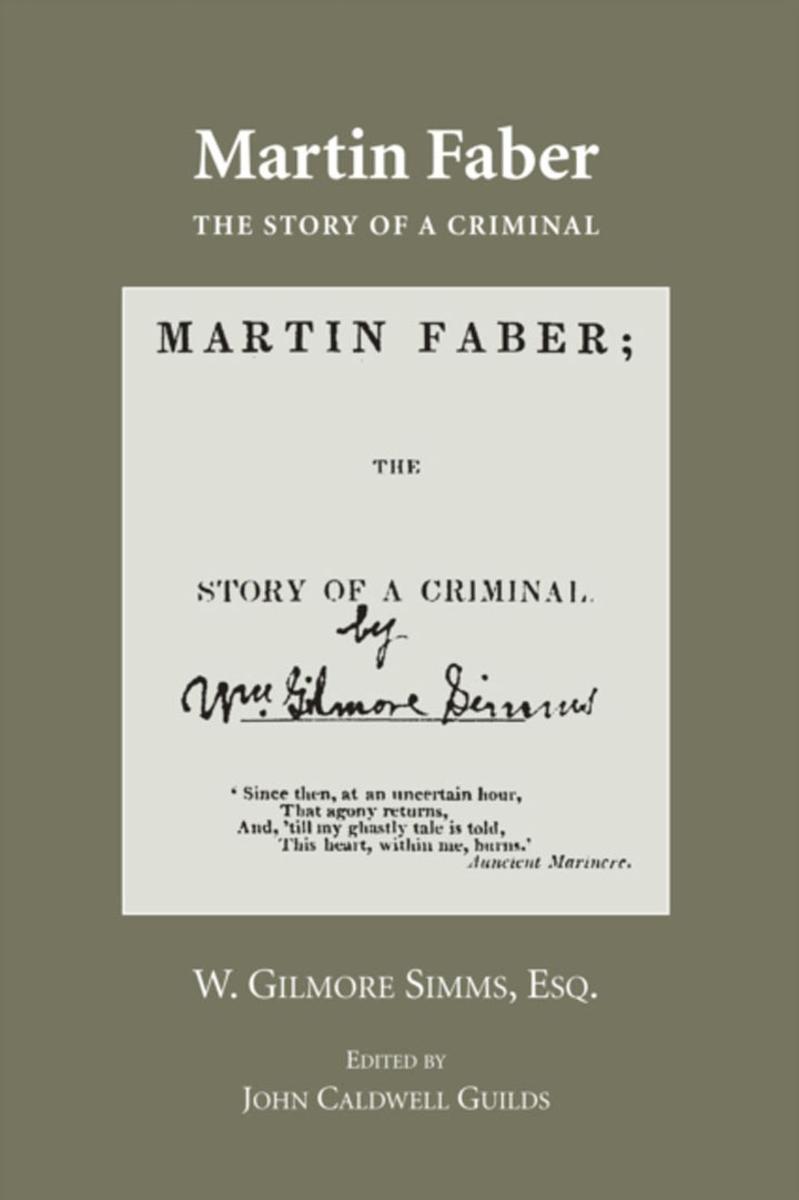
William Gilmore Simms's (1806-1870) body of work, a sweeping fictional portrait of the colonial and antebellum South in all its regional diversity, with its literary and intellectual issues, is probably more comprehensive than any other nineteenth-century southern author. Simms's career began with a short novel, Martin Faber, published in 1833. This Gothic tale is reminiscent of James Hogg's Confessions of a Sinner and was written four years before Edgar Allan Poe's "e;William Wilson."e; Narrated in the first person, it is considered a pioneering examination of criminal psychology. Martin seduces then murders Emily so that he might marry another woman, Constance. Martin confesses to his friend and is killed after attempting to stab Constance when she visits him in jail. The book was immediately successful and was well received by the northern media, thus starting Simms's successful career as a writer, one that would rank him as the only major southern literary figure besides Poe before the Civil War. As with other volumes in the Arkansas Edition of Simms's work, this volume includes a critical introduction by the editor and a Simms chronology, as well as appendices dealing with textual matters. This edition also includes Simms's 1829 story, "e;Confessions of a Murderer,"e; which was the germ for his first book of fiction.

Worthy of the Cause for Which They Fight
¥263.30
Worthy of the Cause for Which They Fight chronicles the experiences of a well-educated and articulate Confederate officer from Arkansas who witnessed the full evolution of the Civil War in the Trans-Mississippi Department and western theater. Daniel Harris Reynolds, a community leader with a thriving law practice in Chicot County, entered service in 1861 as a captain in command of Company A of the First Arkansas Mounted Rifles. Reynolds saw action at Wilson's Creek and Pea Ridge before the regiment was dismounted and transferred to the Army of Tennessee, the primary Confederate force in the western theater. As Reynolds fought through the battles of Chickamauga, Atlanta, Nashville, and Bentonville, he consistently kept a diary in which he described the harsh realities of battle, the shifting fortunes of war, and the personal and political conflicts that characterized and sometimes divided the soldiers. The result is a significant testimonial offering valuable insights into the nature of command from the company to brigade levels, expressed by a committed Southerner coming to grips with the realities of defeat and the ultimate demoralization of surrender.
A Documentary History of Arkansas
¥142.34
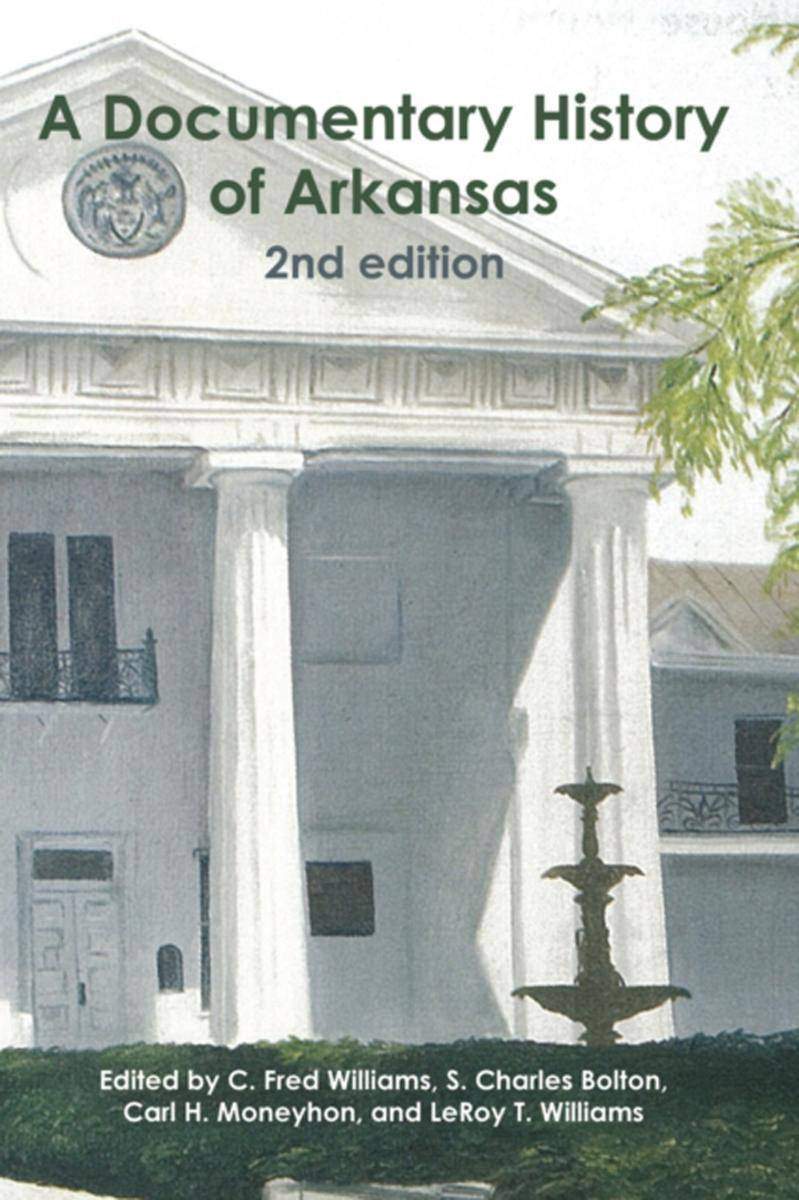
A Documentary History of Arkansas provides a comprehensive look at Arkansas history from the state's earliest events to the present. Here are newspaper articles, government bulletins, legislative acts, broadsides, letters, and speeches that, taken collectively, give a firsthand glimpse at how the twenty-fifth state's history was made. Enhanced by additional documents and brought up to date since its original publication in 1984, this new edition is the standard source for essential primary documents illustrating the state's political, social, economic, educational, and environmental history.
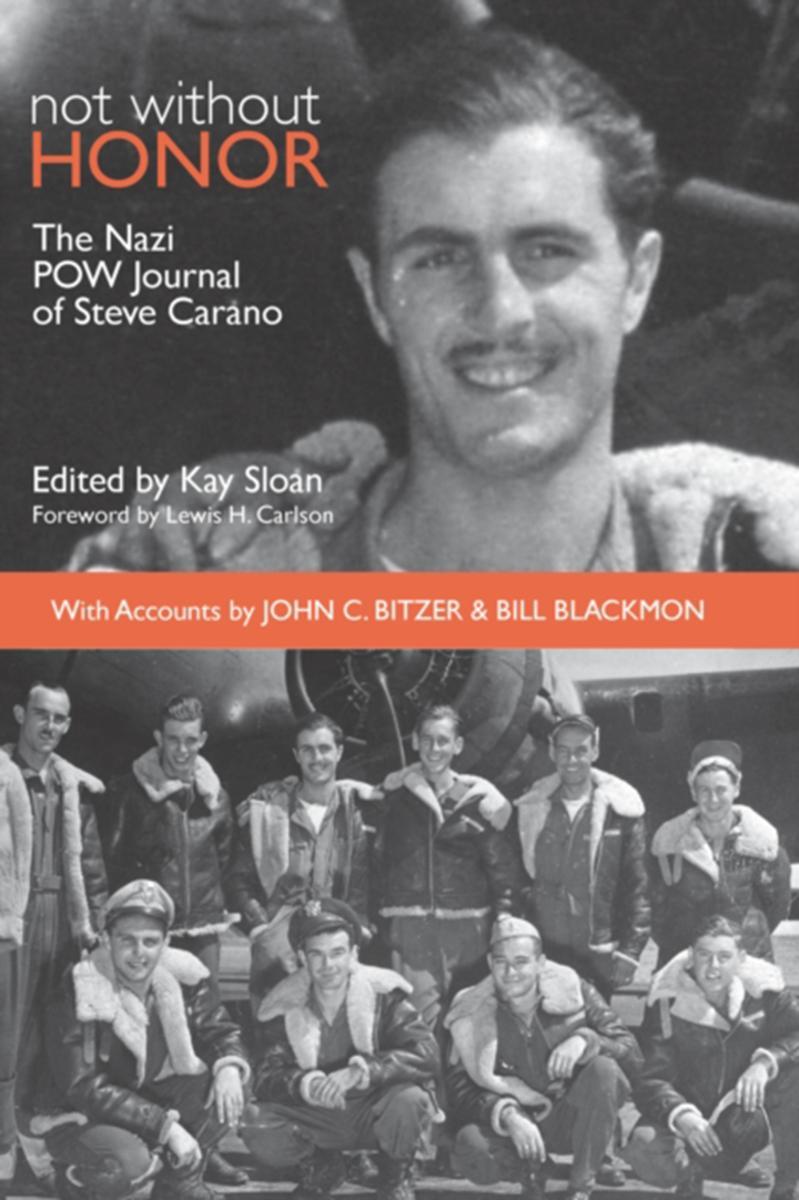
Not Without Honor
¥223.57
Not Without Honor threads together the stories of three American POWs-Carano; his buddy Bill Blackmon, who was also at Stalag 17 b; and John C. Bitzer, who survived the brutal "e;Death March"e; from northern Germany to liberation in April 1945. At times the journal reads like a thriller as he records air battles and escape attempts. Yet in their most gripping accounts, these POWs ruminate on psychological survival. The sense of community they formed was instrumental to their endurance. This compelling book allows the reader to journey with these young men as they bore firsthand witness to the best and worst of human nature.


