


 购物车
购物车 个人中心
个人中心
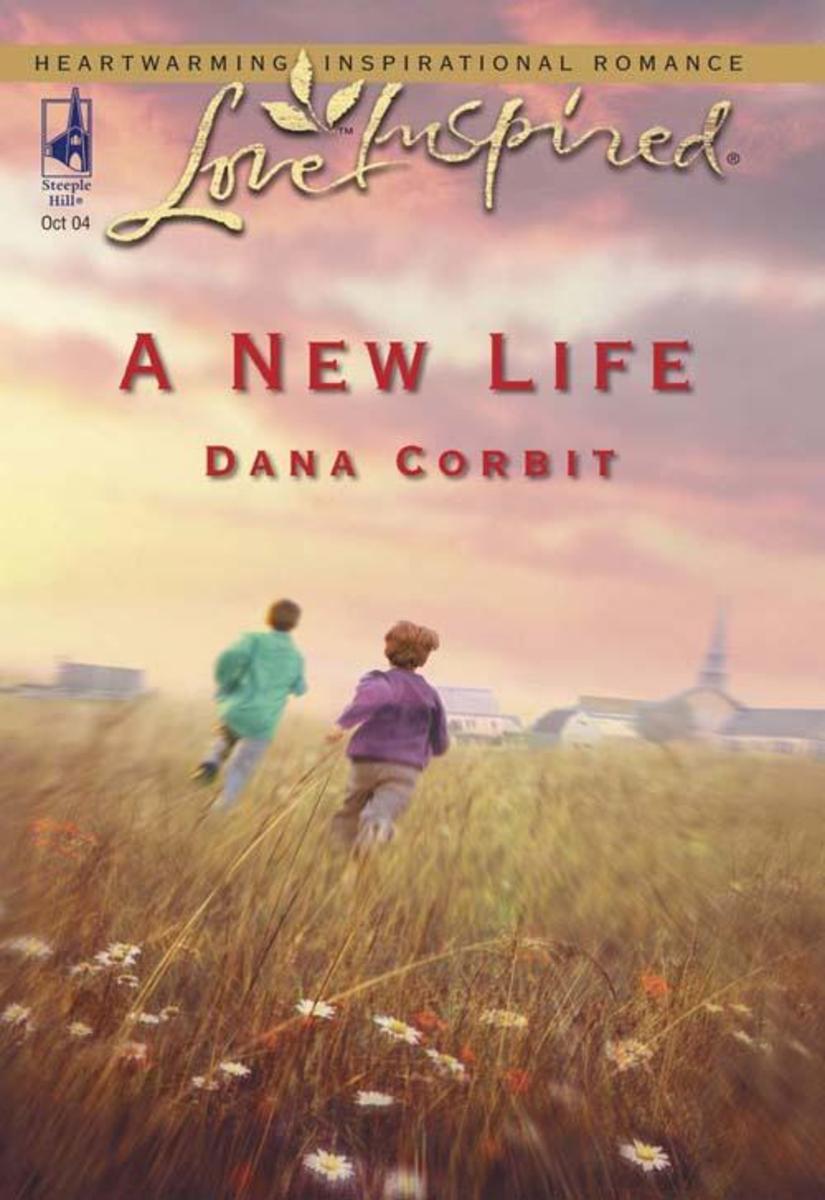
A New Life (Mills & Boon Love Inspired)
¥30.90
Widowed with three young children, Tricia Williams vowed never to get involved with another risk-taking man - ever. Her matchmaking friends thought she needed someone, and the blind dates began. No one could compare with her lost love - until she met Brett Lancaster, the quietly strong, handsome new man in town. Like Tricia's, Brett's emotional scars ran deep, and he too had lost his faith. They shared some quiet evenings, and her children grew to care for him as she did. But their budding relationship became strained once she learned that Brett was a state trooper. Another man with a high-risk job. Could she put her trust in God and find the strength to begin a new life with Brett?

The Heart of a Man (Mills & Boon Love Inspired)
¥30.90
Money wasn't the answer, as far as Dustin Fairfax was concerned - not unless you could use it to help others. Of course, there was the little matter of his trust fund to contend with - who would have thought his late father would demand he be "made over" before he could receive it? It was the biggest challenge of personal-image consultant Isobel Buckley's career - turn a flower shop owner into a polished, urbane man. Image was everything, after all, particularly to this high-strung beauty. Her new client's carefree life was certainly not the "in" thing, but the kind heart beneath his pinstripes might just convince her that love was back in style.

Can You Get Hooked On Lip Balm?
¥51.50
Why does my shampoo stop working? Are my cosmetics poisoning me? What does hypoallergenic mean? Are organic products better? Every day thousands of people turn to the scientists at the popular blog TheBeautyBrains.com for answers to their most pressing beauty questions. In Can You Get Hooked on Lip Balm?* you'll learn how cosmetic products work, what advertising claims actually mean, and how to make smarter buying decisions. You'll discover that: Salon products are not necessarily better than products you can buy in the store. Some of the most expensive cosmetics are made by the same companies that make the less expensive brands, and often the same formulas are used in both. You do not need to spend hundreds of dollars to look and feel good. You'll also find: 4 ways to tell if your cosmetic has expired 5 home beauty gadgets that really work 4 easy tips to longer, stronger nails and much, much more! *You can! See chapter 6. "

A Match Made In Bliss (Mills & Boon Love Inspired) (Bliss Village, Book 1)
¥30.90
Suddenly single and unemployed, corporate attorney Lauren Romey needed a rest, a job and a new squeeze. Her friends took charge of the "rest" part. They booked her a trip to a Bliss Village bed-and-breakfast. And they thought they were going to take care of the "new squeeze" part as well, by setting her up with the innkeepers' son. But when Lauren wound up at the wrong bed-and-breakfast, she found herself the fifth contestant in "Win Daddy's Heart," the unlikely brainchild of widowed owner Garrett Cantrell's teenage daughters. Throw in her ex-fiance, four quirky contestants and some very untimely TV coverage - and it's open season for chaos or love, where she least expected it.
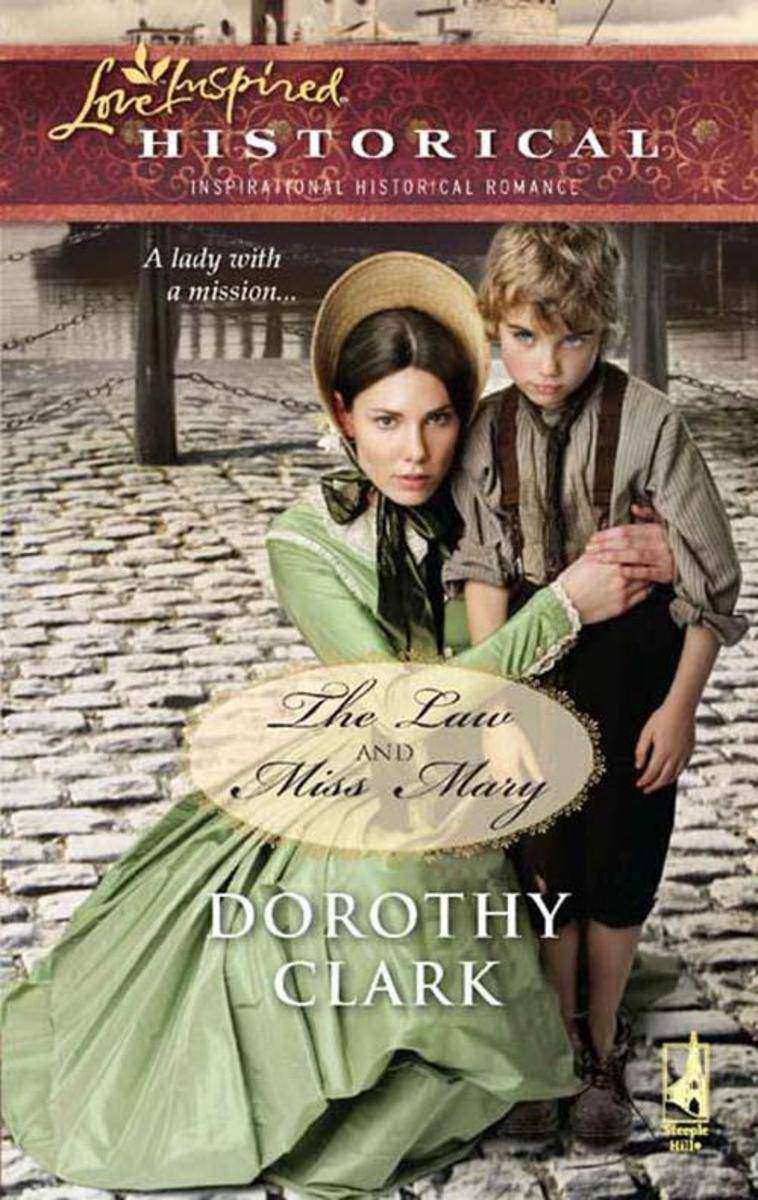
The Law and Miss Mary (Mills & Boon Historical)
¥38.65
Indulge your fantasies of delicious Regency Rakes, fierce Viking warriors and rugged Highlanders. Be swept away into a world of intense passion, lavish settings and romance that burns brightly through the centuries It's disgraceful how St. Louis's orphans are treated. Mary Rolph plans to do something about it. She's lost her faith, but she still has compassion a drive to help innocents in need. If she has to battle with by-the-book police captain Samuel Benton to protect them. . . well, she'll give him a challenge he'll never forget. A poverty-stricken childhood left Sam hungry for the social acceptance now within his reach. All he has to do is follow through with the city fathers' plans. But Miss Rolph's feisty perseverance gives him second thoughts, reigniting his faith– showing him how true love can fulfill all their dreams. . . .
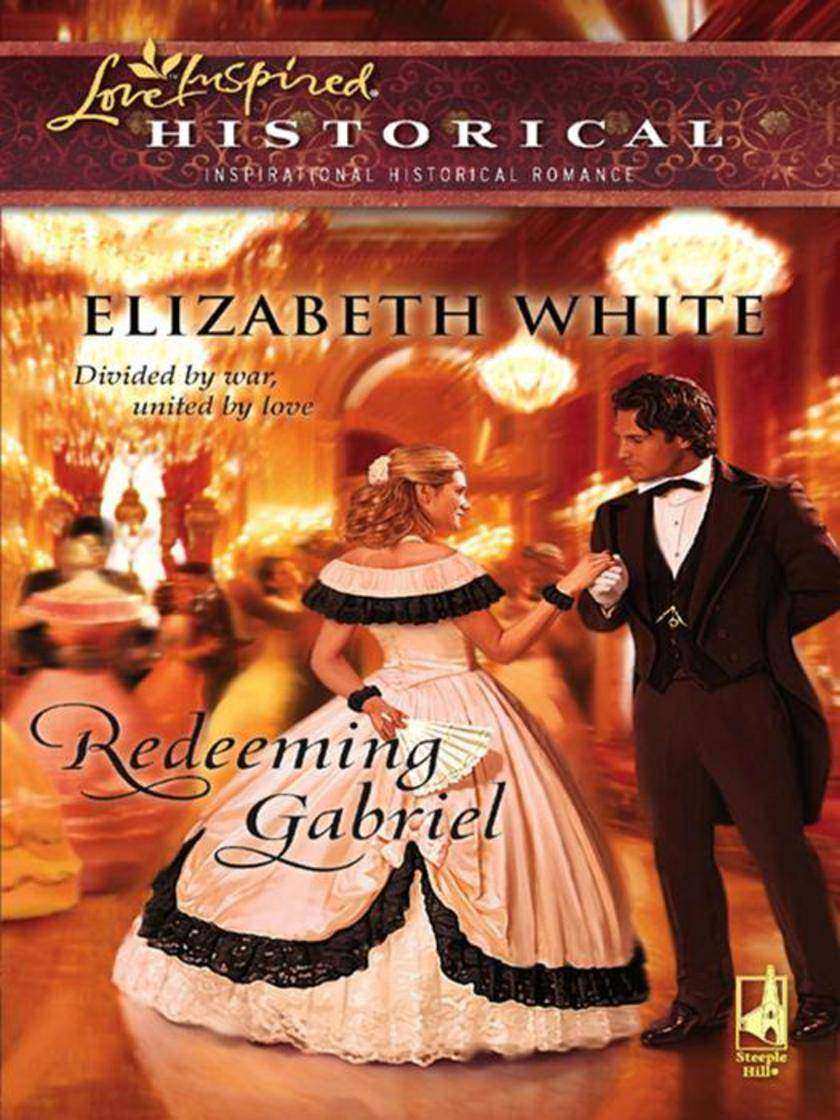
Redeeming Gabriel (Mills & Boon Historical)
¥38.65
Indulge your fantasies of delicious Regency Rakes, fierce Viking warriors and rugged Highlanders. Be swept away into a world of intense passion, lavish settings and romance that burns brightly through the centuries Spying for the Union army has taken a heavy toll on Gabriel Laniere. Though his cause is noble, the constant deception required has eaten away at his soul. never can Gabriel risk getting close to anyone–not even God. Yet Camilla Beaumont, daughter of the Confederacy, just might be the exception. Courageously, unbeknownst to family friends, Camilla works for the Underground Railroad. This dangerous secret rivals Gabriel's own. Perhaps Camilla could underst the sacrifices he has made in the name of duty. the unlikely partnership they forge could be the key Gabriel seeks to a soul-shaking truth larger than any conflict–love.
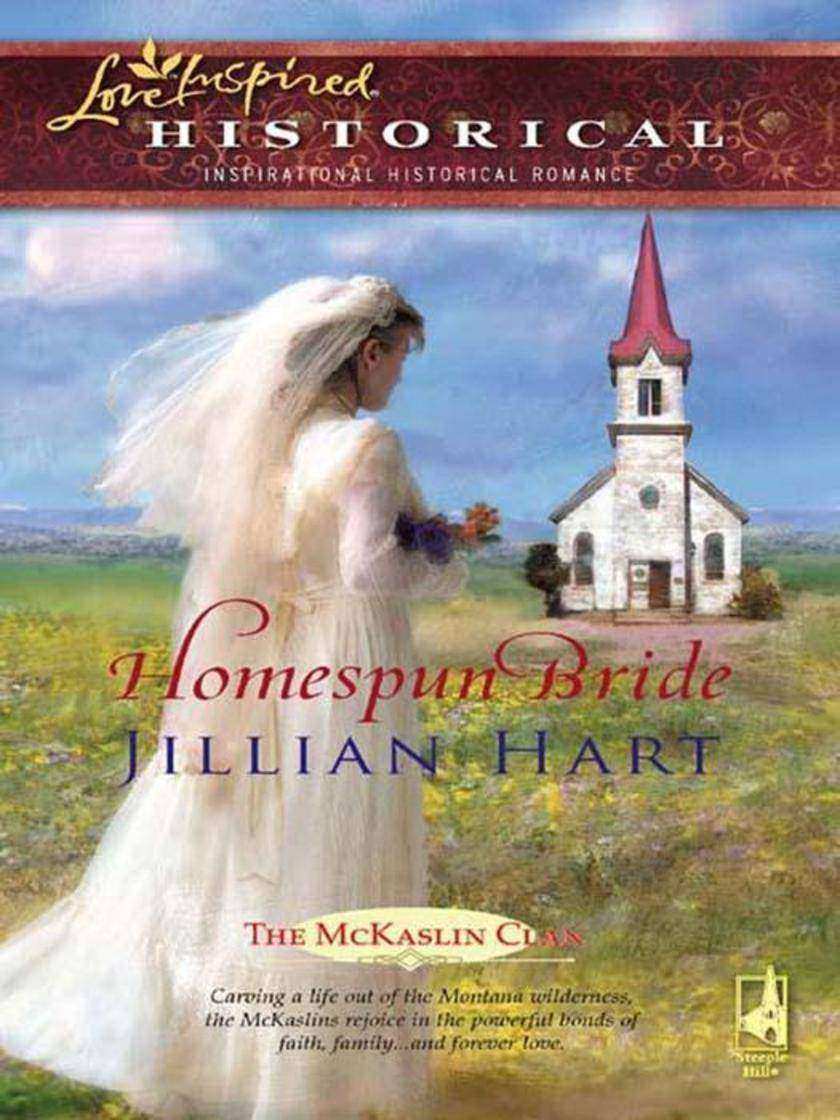
Homespun Bride (Mills & Boon Historical)
¥38.65
Indulge your fantasies of delicious Regency Rakes, fierce Viking warriors and rugged Highlanders. Be swept away into a world of intense passion, lavish settings and romance that burns brightly through the centuries Montana Territory in 1883 was a dangerous place–especially for a blind woman struggling to make her way through an early winter snowstorm. Undaunted, Noelle Kramer fought to remain independent. But then a runaway horse nearly plunged her into a rushing, ice-choked river, before a stranger's strong, sure h saved her from certain death. yet this was no stranger. Though she could not know it, her rescuer was rancher Thad McKaslin, the man who had once loved her more than life itself. Losing her had shaken all his most deeply held beliefs. Now he wondered if the return of this strong woman was a sign that somehow he could find his way home.
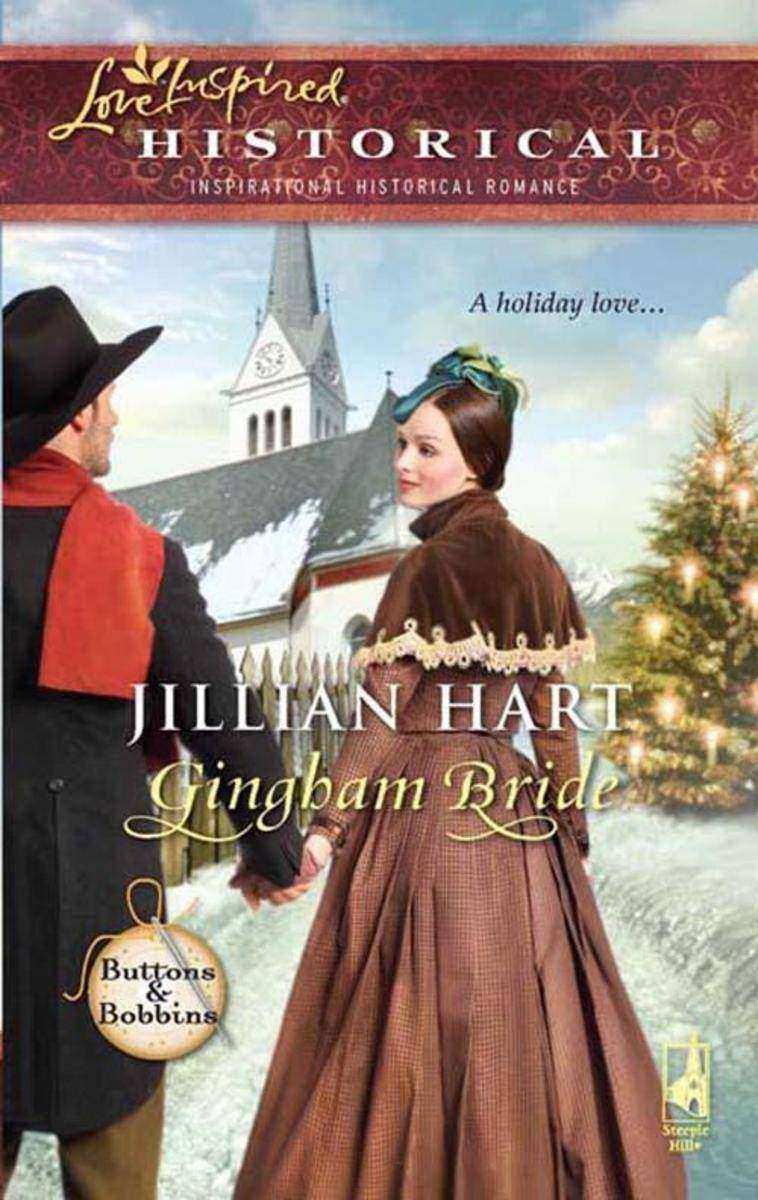
Gingham Bride (Mills & Boon Historical) (Buttons and Bobbins, Book 1)
¥38.65
Indulge your fantasies of delicious Regency Rakes, fierce Viking warriors and rugged Highlanders. Be swept away into a world of intense passion, lavish settings and romance that burns brightly through the centuries Fiona O'Rourke doesn't believe in love– certainly not in a marriage arranged by her cruel father. Even if her unexpected betrothed seems honorable kind, can she trust his motives. . . or the attraction between them? Ian McPherson came to Montana to salvage his family's dwindling fortune, not to take a wife. But he's instantly drawn to Fiona. He wants to protect her–even if that means pretending that they're engaged. In a season of surprises miracles, there's nothing he won't give to show Fiona his love is for always.
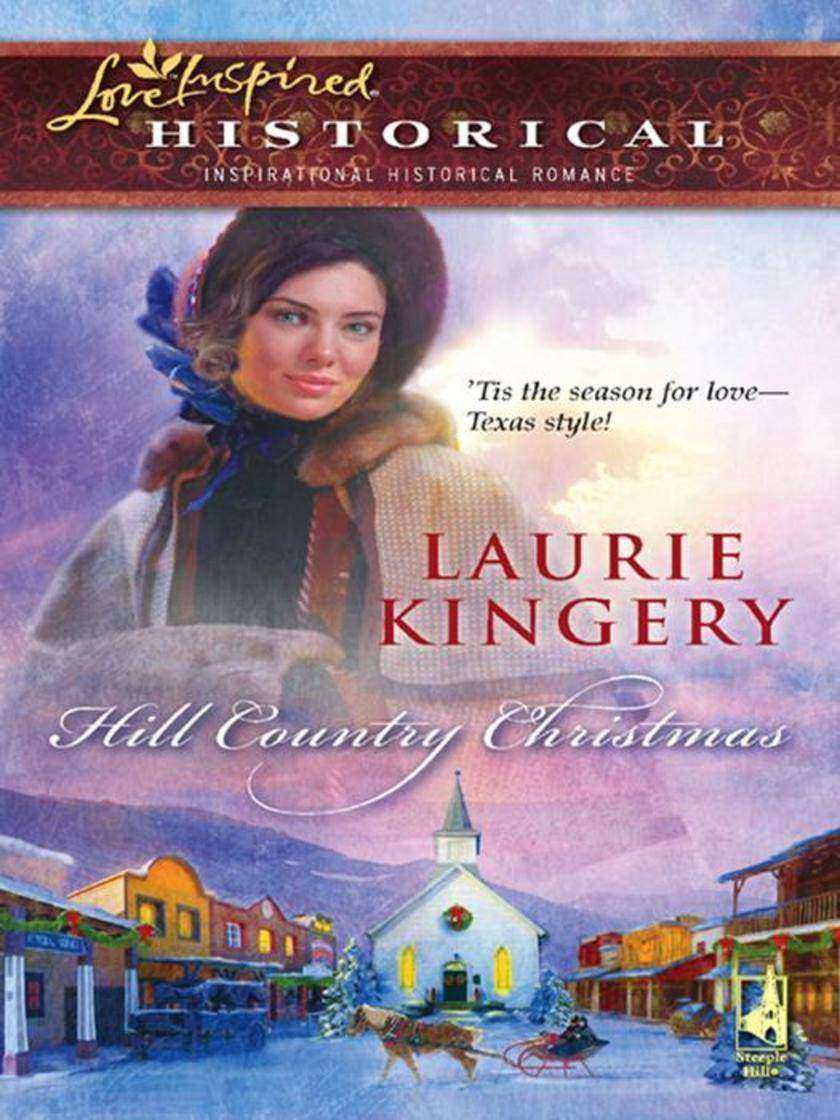
Hill Country Christmas (Mills & Boon Historical)
¥38.65
Indulge your fantasies of delicious Regency Rakes, fierce Viking warriors and rugged Highlanders. Be swept away into a world of intense passion, lavish settings and romance that burns brightly through the centuries Overnight, Delia Keller went from penniless preacher's grdaughter to rich young heiress. She's determined to use her money to find the security she's always lacked. building herself a new house by Christmas is her first priority. But hsome Jude Tucker is challenging her plans her heart. . . . The former Civil War chaplain hasn't felt peace in a very long time, he has a hard time letting go of his past. But as Jude gets to know the spirited Delia, he longs to show her what true Christmas joy means. In the rugged Texas Hill Country, he'll reach for a miracle to restore his faith. . . give Delia his love for all seasons.
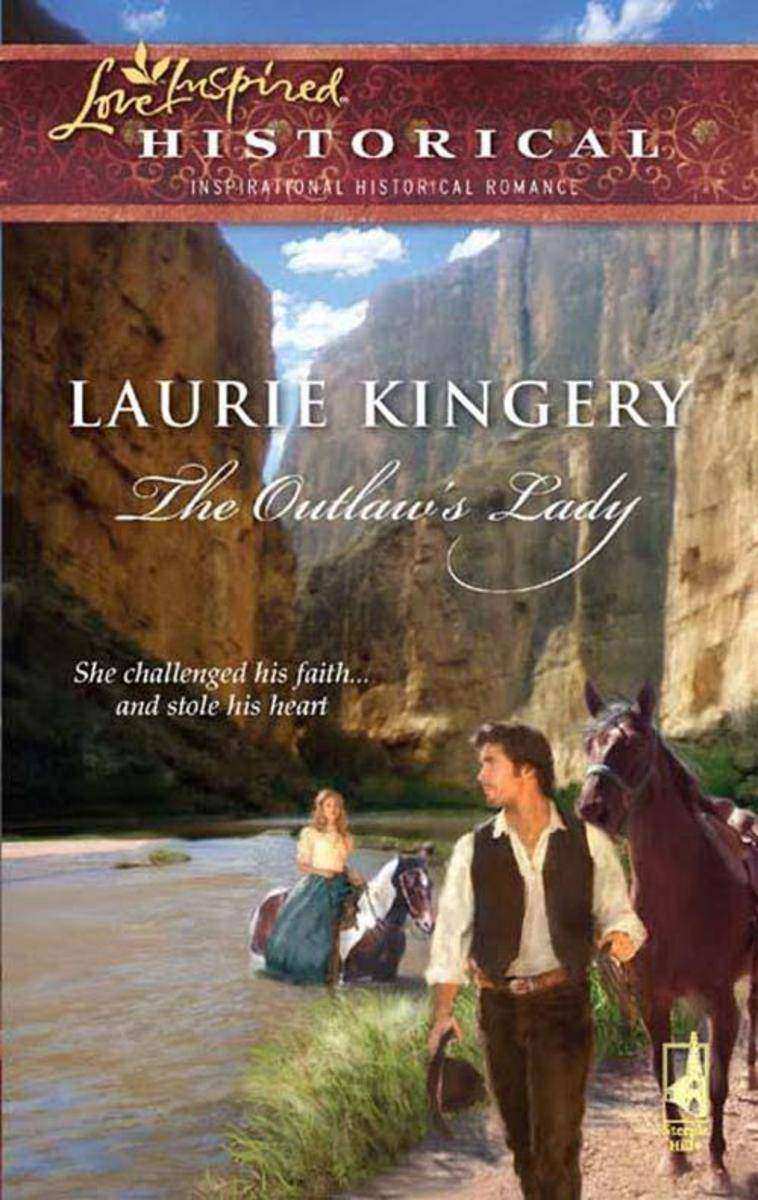
The Outlaw's Lady (Mills & Boon Historical)
¥38.65
Indulge your fantasies of delicious Regency Rakes, fierce Viking warriors and rugged Highlanders. Be swept away into a world of intense passion, lavish settings and romance that burns brightly through the centuries Rebellious rancher's daughter Tess Hennessy seeks adventure– that's what she gets when she's abducted to chronicle the Delgado gang's exploits! Yet her kidnapper, gang member Soval Parrish, isn't what she expected. There's more to the mysterious outlaw than he shows–signs of gentleness devotion that soften Tess's heart. Soval has one goal: retribution for the sister Delgado ruined. He hasn't the time to fall for the stubborn, beautiful photographer whose pictures he needs as evidence. But what can Soval do when his plan puts Tess in danger? Torn between the drive for revenge a newfound love, Soval will need his renewed faith to resolve the past. . . claim his future.

The Marshal Takes a Bride (Mills & Boon Historical) (Charity House, Book 1)
¥38.65
Indulge your fantasies of delicious Regency Rakes, fierce Viking warriors and rugged Highlanders. Be swept away into a world of intense passion, lavish settings and romance that burns brightly through the centuries U. S. Marshal Trey Scott is fixin' to walk down the aisle just as soon as his stubborn bride-to-be agrees to say "I do. " Katherine Taylor's five-year-old sister and an orphanage full of children are depending on her. So why won't the pretty schoolteacher marry him to save her tarnished reputation? Granted, Trey isn't willing to abandon his quest to avenge his first wife's murder. His name alone will protect Katherine until he returns, but she thinks he should leave vengeance to a higher power. Will the sacrifice demanded by the woman he loves be too great to bear. . . or will it be Trey's ultimate redemption?

Legacy of Secrets (Mills & Boon Historical)
¥38.65
Indulge your fantasies of delicious Regency Rakes, fierce Viking warriors and rugged Highlanders. Be swept away into a world of intense passion, lavish settings and romance that burns brightly through the centuries Amid the splendors and miseries of the Gilded Age, Neala Shaw suddenly found herself entirely alone. The innocent young heiress–penniless now–had no choice but to face her family's fatal legacy of secrets and lies. And as she fled from a ruthless killer, nothing stood between her and certain death but a man unlike any she had ever known. . . . Grayson Faulkner's years as a detective and bounty hunter had marked him forever, leading him far from his once-strong values. But as he sought to protect this very special young woman–masquerading as her suitor, to save her reputation and her very life–he began to wonder if her selfless love and limitless faith could somehow guide even him home. . . .

The Widow's Secret (Mills & Boon Historical)
¥38.65
Indulge your fantasies of delicious Regency Rakes, fierce Viking warriors and rugged Highlanders. Be swept away into a world of intense passion, lavish settings and romance that burns brightly through the centuries When Jocelyn Tremayne saved her husband's reputation, she lost everything–including her faith in God. The idealistic bride once had a future all New York society envied. Now the young widow is suspected of an unthinkable crime. And to clear her name, she must uncover a conspiracy. . . and endanger her disillusioned heart. Although Secret Service agent Micah MacKenzie needs Jocelyn's aid to infiltrate the city's most privileged circles, he's determined to keep her at arm's length. But the more she risks to help him find the truth, the more he sees the wrongly judged woman she truly is. Now he will do whatever it takes to win her trust, rekindle her belief–and prove his love.

Wilderness Courtship (Mills & Boon Historical)
¥38.65
Indulge your fantasies of delicious Regency Rakes, fierce Viking warriors and rugged Highlanders. Be swept away into a world of intense passion, lavish settings and romance that burns brightly through the centuries After surviving an unhappy marriage, Charity Beal avoids men.
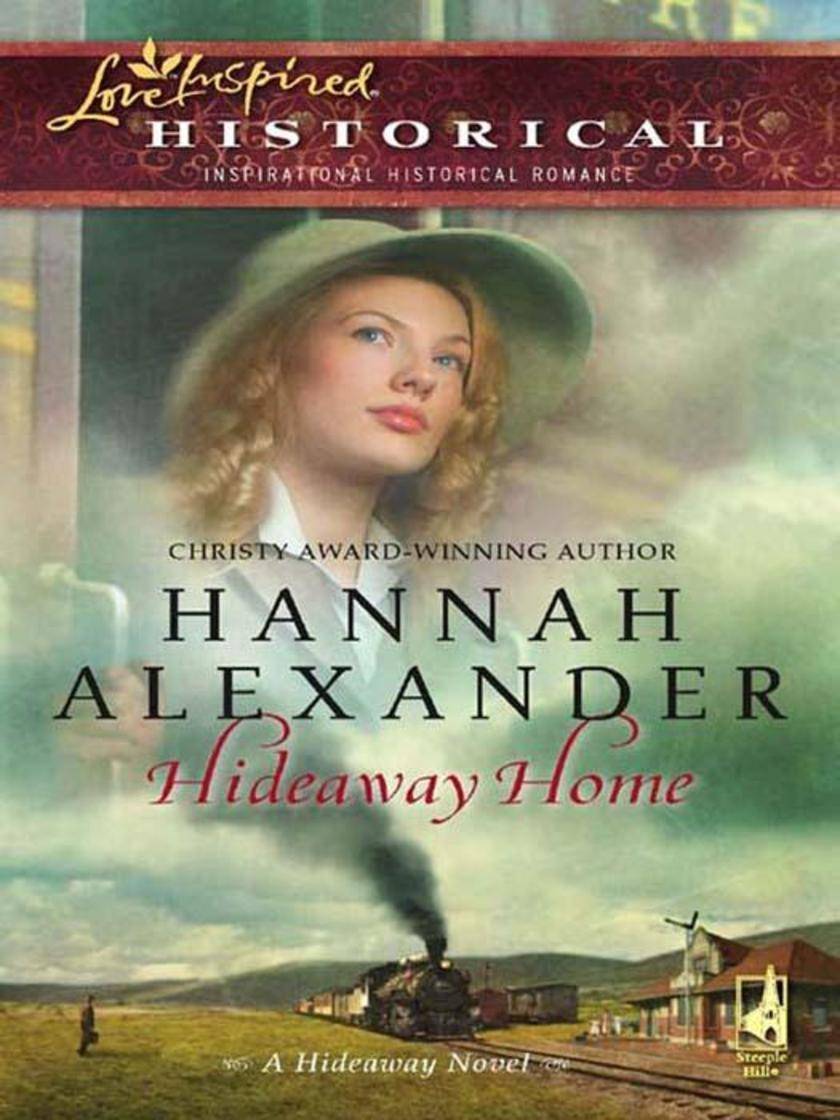
Hideaway Home (Mills & Boon Historical)
¥38.65
Indulge your fantasies of delicious Regency Rakes, fierce Viking warriors and rugged Highlanders. Be swept away into a world of intense passion, lavish settings and romance that burns brightly through the centuries Soldier Red Meyers had looked forward to the day he could return to Hideaway, Missouri, to his sweetheart, Bertie Moennig. But his dreams were shattered when he was wounded in the last stages of World War II in Europe. Bertie was beautiful inside out–she deserved a whole man. Red was determined to keep his distance. But a tragedy on the home front brought the couple face-to-face for the first time in years, now a dangerous mystery threatened both their lives. As they fought for survival in their tiny Ozark town, Red had to summon the faith courage to protect the woman he'd never stopped loving.
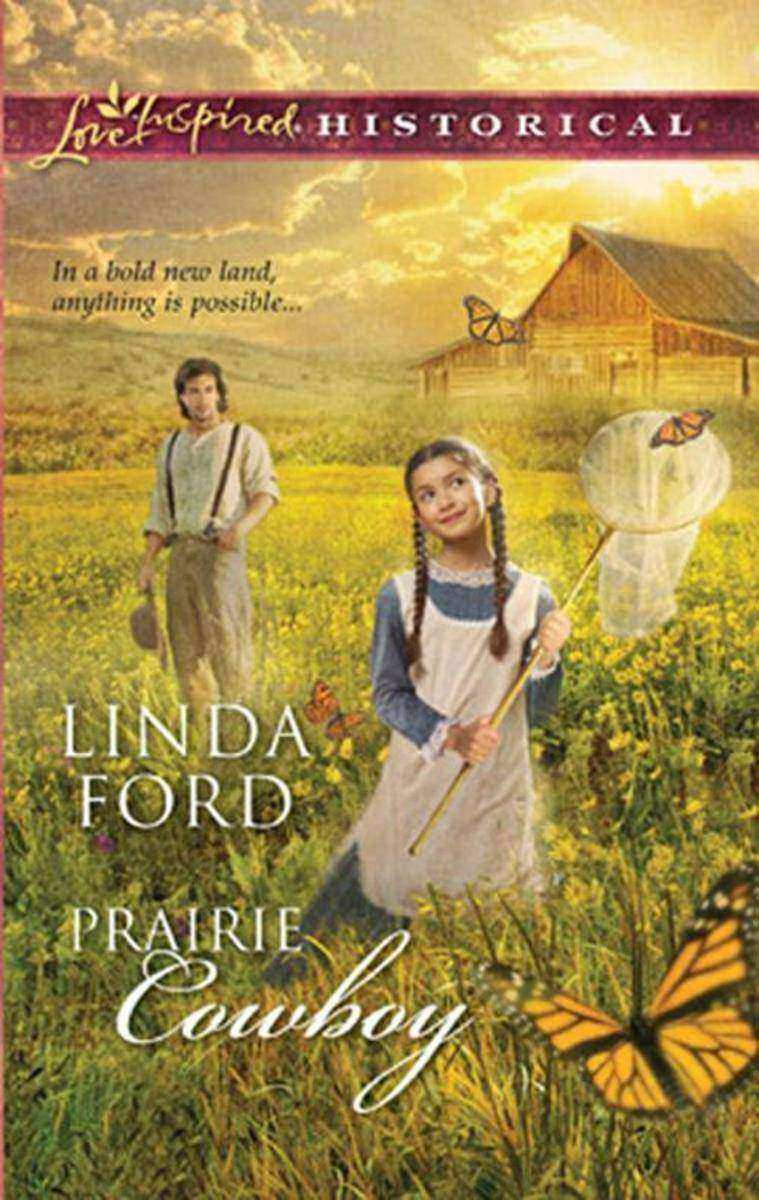
Prairie Cowboy (Mills & Boon Historical)
¥38.65
Indulge your fantasies of delicious Regency Rakes, fierce Viking warriors and rugged Highlanders. Be swept away into a world of intense passion, lavish settings and romance that burns brightly through the centuries Linda Ford grew up devouring books and making up stories in her head often late at night when she couldn't sleep. But she hadn't planned to write. Instead, she dreamed of running an orphanage. In a way, that dream came true. She married, had four homemade children, adopted ten and lived (at times, endured) the dream. During one of those times when the dream seemed more like a nightmare, when several of the kids were teens and acting out in weird and awful ways, she discovered the wonderfully controllable world of writing. Writing first took her to non-fiction human-interest articles for newspapers and eventually a non-fiction book about tuberculosis set in the 1930s and 1940s (Touched By The White Plague). But romance had always been her first love and she turned to writing love stories. She is multi-published in the CBA market. She lives on a small ranch in Alberta where she can see the mountains every day. She and her husband continue to enjoy their children and grandchildren. Linda also provides care for a paraplegic, double-amputee man. She still finds a great deal of enjoyment and satisfaction in creating imaginary worlds, only now she does it on paper or rather, at the computer.
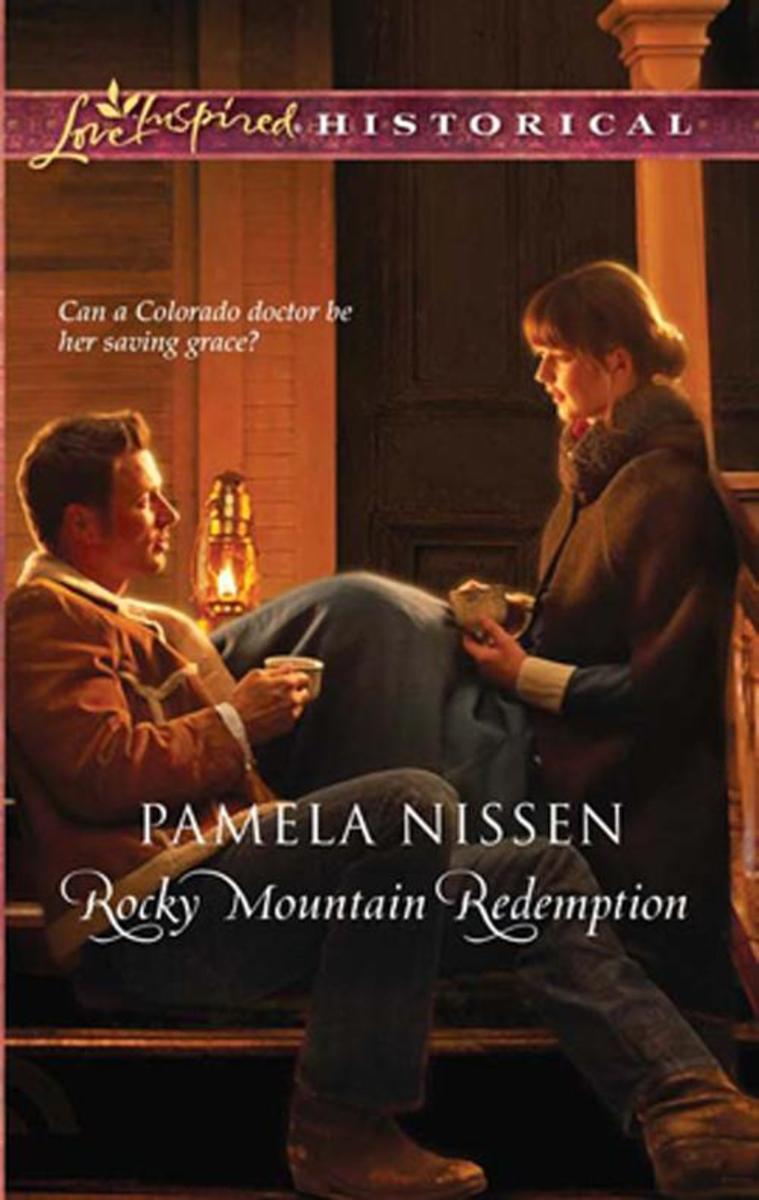
Rocky Mountain Redemption (Mills & Boon Historical)
¥38.65
Indulge your fantasies of delicious Regency Rakes, fierce Viking warriors and rugged Highlanders. Be swept away into a world of intense passion, lavish settings and romance that burns brightly through the centuries Pamela Nissen is an award-winning author with a love for creating. Whether characters, cooking, scrapbooking or other artistic endeavors, she delights in putting things together for others to enjoy. While homeschooling her children in 2000, she started handwriting her first novel, and after finally stepping into the computer age, she won first place in the 2007 Heart of the Rockies Inspirational Romance category. Since then she hasn't looked back. Pamela lives in the woods in Iowa with her husband, two boys, her Newfoundland dog, cats and one churlish bunny. She loves watching her children pursue their dreams and can be found cheering on the sidelines at her boys' games or being moved to tears as she watches her grown daughter perform on stage. If she's not writing or serving lattes at the local Starbucks, she enjoys scrapbooking weekends with her sister, coffee and conversation with friends and running in the rain. Having glimpsed the dark and light of life, she is passionate about writing "real" people with "real" issues and "real" responses.
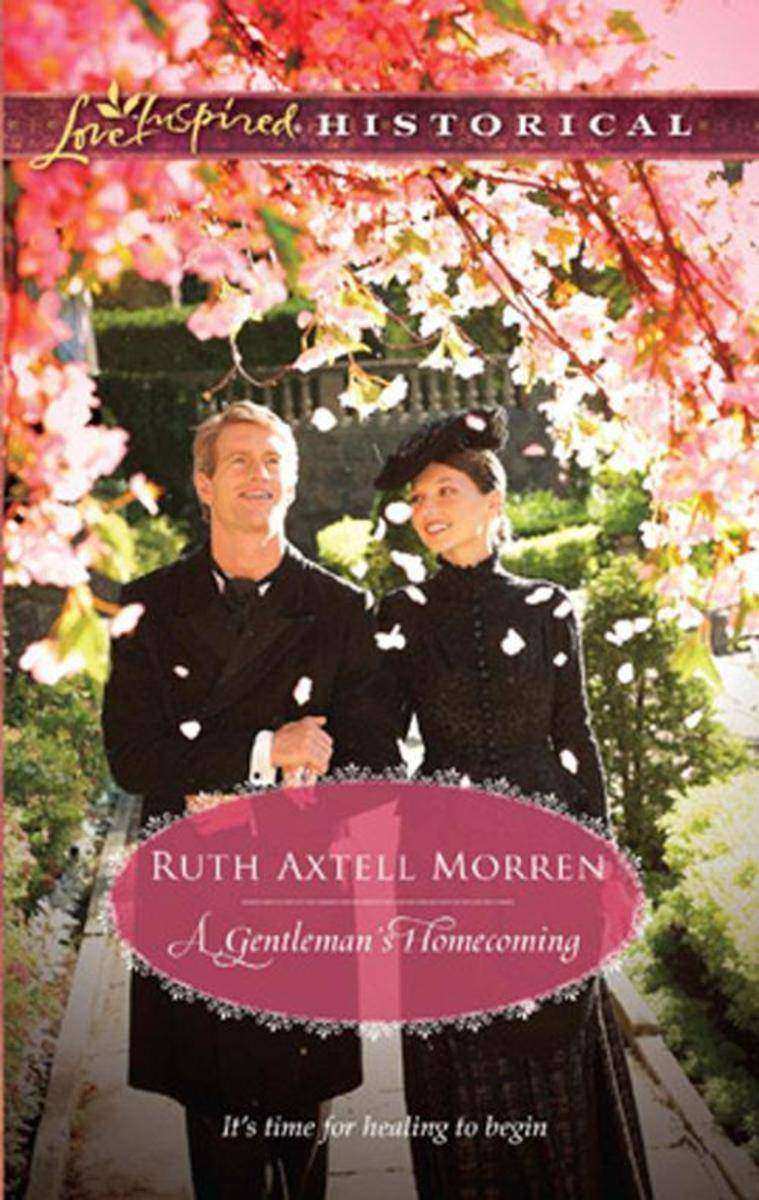
A Gentleman's Homecoming (Mills & Boon Historical)
¥31.78
Indulge your fantasies of delicious Regency Rakes, fierce Viking warriors and rugged Highlanders. Be swept away into a world of intense passion, lavish settings and romance that burns brightly through the centuries Ruth Axtell Morren wrote her first story when she was 12–a spy thriller–and knew she wanted to be a writer.
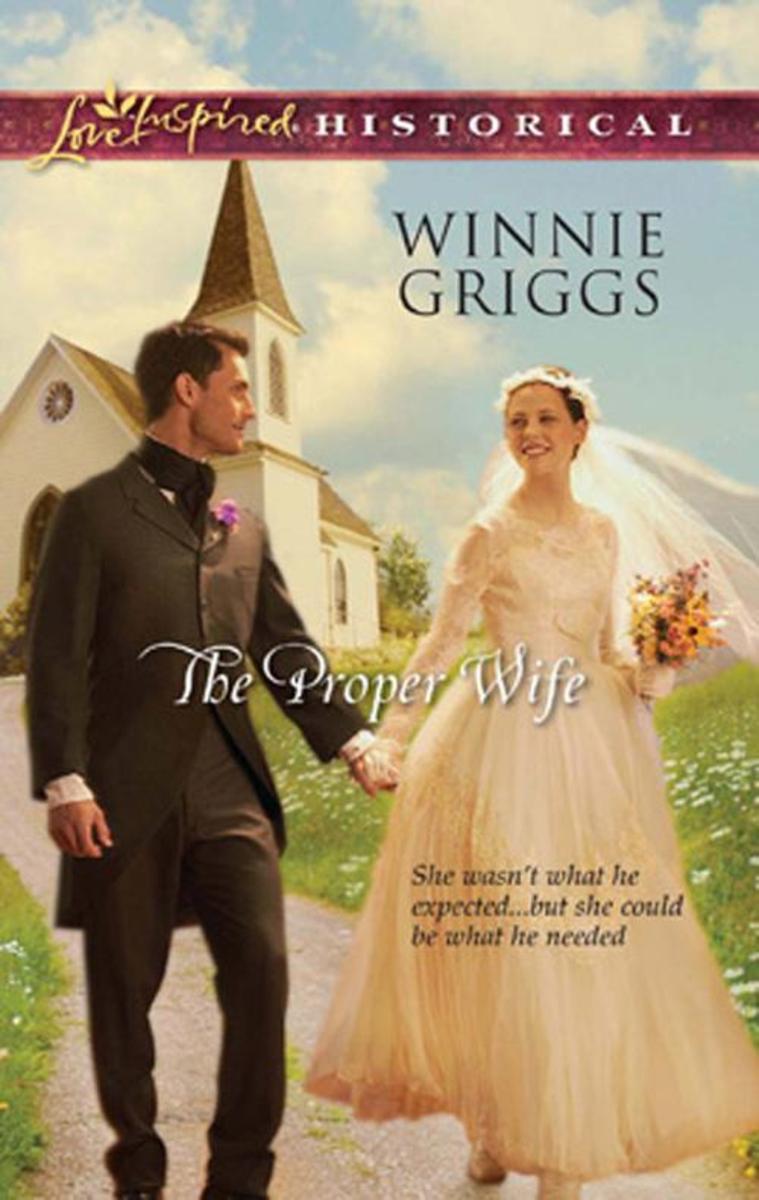
The Proper Wife (Mills & Boon Historical)
¥38.65
Indulge your fantasies of delicious Regency Rakes, fierce Viking warriors and rugged Highlanders. Be swept away into a world of intense passion, lavish settings and romance that burns brightly through the centuries Sensible, Settled, Steady. . . And not Sadie Lassiter.
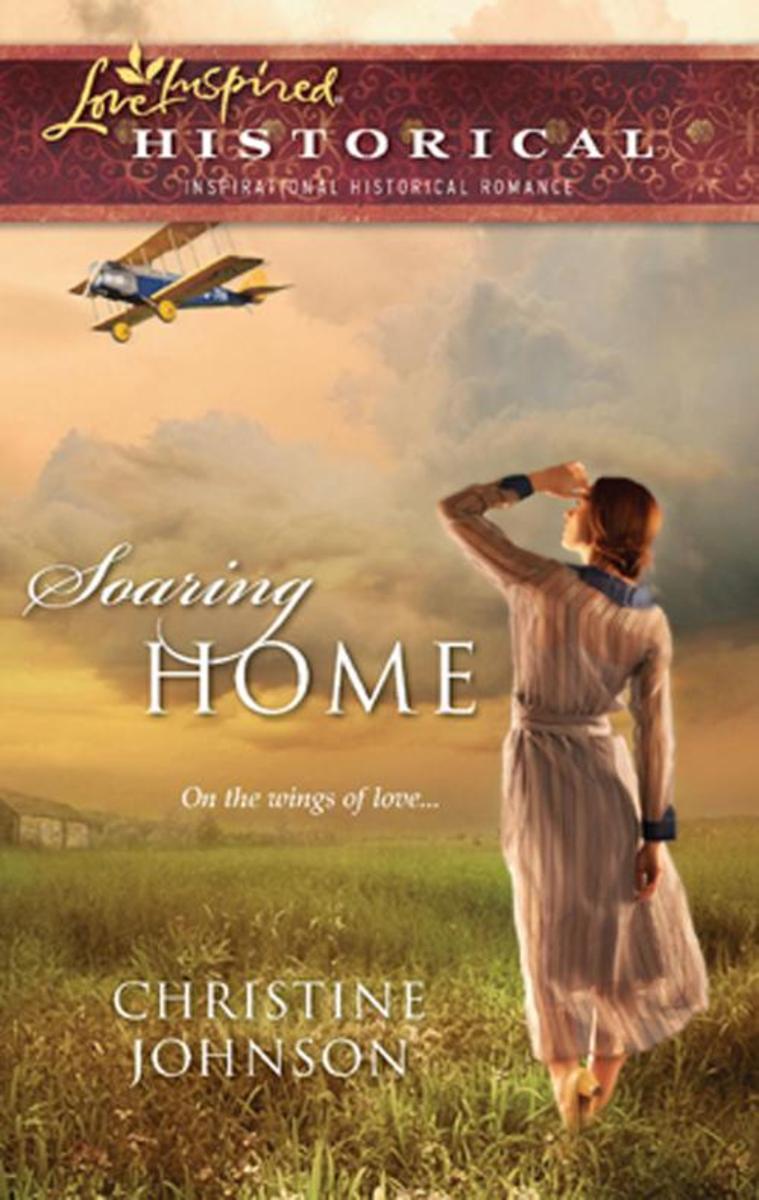
Soaring Home (Mills & Boon Historical)
¥38.65
Indulge your fantasies of delicious Regency Rakes, fierce Viking warriors and rugged Highlanders. Be swept away into a world of intense passion, lavish settings and romance that burns brightly through the centuries Small-town girl Darcy Shea aspires to be the first woman to fly across the Atlantic Ocean.
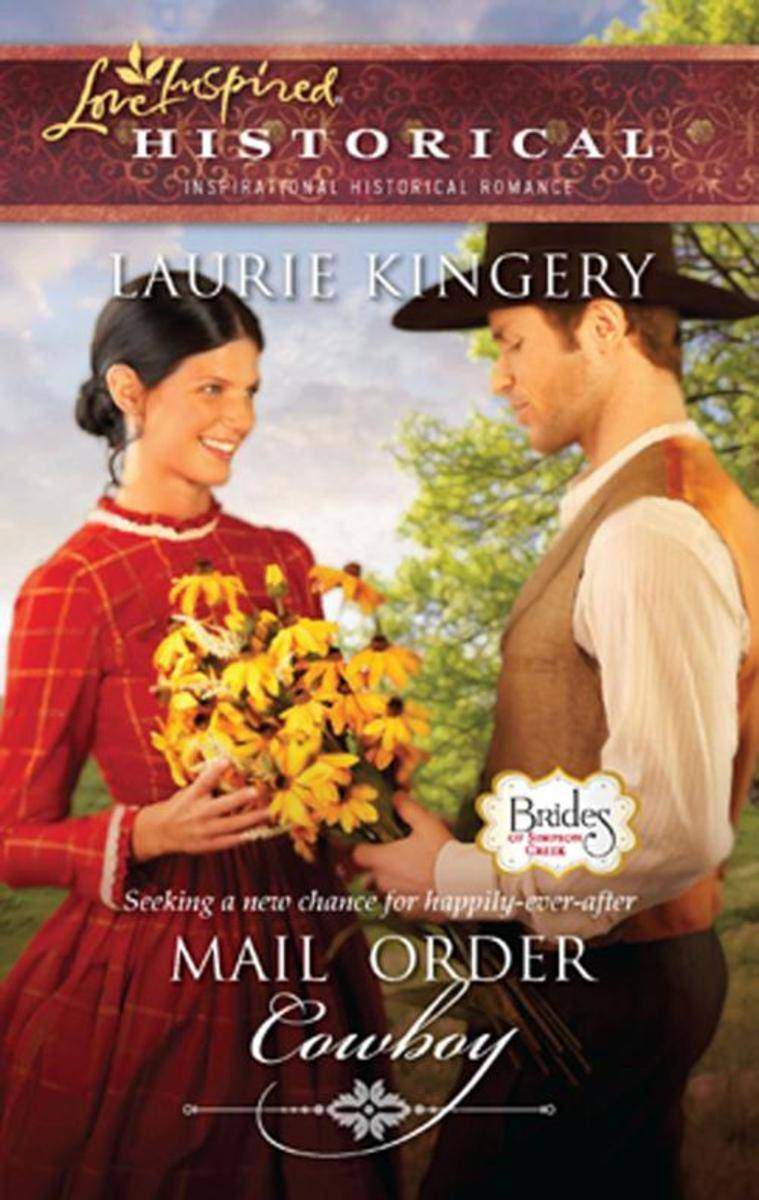
Mail Order Cowboy (Mills & Boon Historical) (Brides of Simpson Creek, Book 1)
¥38.65
Indulge your fantasies of delicious Regency Rakes, fierce Viking warriors and rugged Highlanders. Be swept away into a world of intense passion, lavish settings and romance that burns brightly through the centuries Laurie Kingery makes her home in central Ohio where she is a "Texan-in-exile. "


