


 购物车
购物车 个人中心
个人中心

The Adventures of a Beekeeper
¥48.83
My preoccupation with apiculture brought me face-to-face with many multifarious experiences. Specifically, during my first years as a new apiarist, I lived through various facetious moments that moved me and remained engraved on my mind. I have decided, therefore, to put down some of these memories on paper and convey them to the readership. Moreover, through these self-contained stories in this book, you will get a glimpse of the laborious work that an apiarist must put in to get in a good quantity of honey as well as the risks he is called occasionally to take. It is also worth noting that considerable effort has been made to present pictorially the beautiful world of bees through my experience of these unique moments.

Heart of Darkness
¥40.79
In this symbolic story we follow Charles Marlow as he recounts his adventure to a group of men aboard a ship anchored in the Thames Estuary from dusk through to late night. The passage of time and the darkening sky during Marlow's narrative parallels the atmosphere of the events he narrates.

Auld Licht Idylls by J. M. Barrie - Delphi Classics (Illustrated)
¥8.09
This eBook features the unabridged text of ‘Auld Licht Idylls by J. M. Barrie - Delphi Classics (Illustrated)’ from the bestselling edition of ‘The Complete Works of J. M. Barrie’. Having established their name as the leading publisher of classic literature and art, Delphi Classics produce publications that are individually crafted with superior formatting, while introducing many rare texts for the first time in digital print. The Delphi Classics edition of Barrie includes original annotations and illustrations relating to the life and works of the author, as well as individual tables of contents, allowing you to navigate eBooks quickly and easily. eBook features: * The complete unabridged text of ‘Auld Licht Idylls by J. M. Barrie - Delphi Classics (Illustrated)’ * Beautifully illustrated with images related to Barrie’s works * Individual contents table, allowing easy navigation around the eBook * Excellent formatting of the text Please visit www.delphiclassics.com to learn more about our wide range of titles

A Window in Thrums by J. M. Barrie - Delphi Classics (Illustrated)
¥8.09
This eBook features the unabridged text of ‘A Window in Thrums by J. M. Barrie - Delphi Classics (Illustrated)’ from the bestselling edition of ‘The Complete Works of J. M. Barrie’. Having established their name as the leading publisher of classic literature and art, Delphi Classics produce publications that are individually crafted with superior formatting, while introducing many rare texts for the first time in digital print. The Delphi Classics edition of Barrie includes original annotations and illustrations relating to the life and works of the author, as well as individual tables of contents, allowing you to navigate eBooks quickly and easily. eBook features: * The complete unabridged text of ‘A Window in Thrums by J. M. Barrie - Delphi Classics (Illustrated)’ * Beautifully illustrated with images related to Barrie’s works * Individual contents table, allowing easy navigation around the eBook * Excellent formatting of the text Please visit www.delphiclassics.com to learn more about our wide range of titles
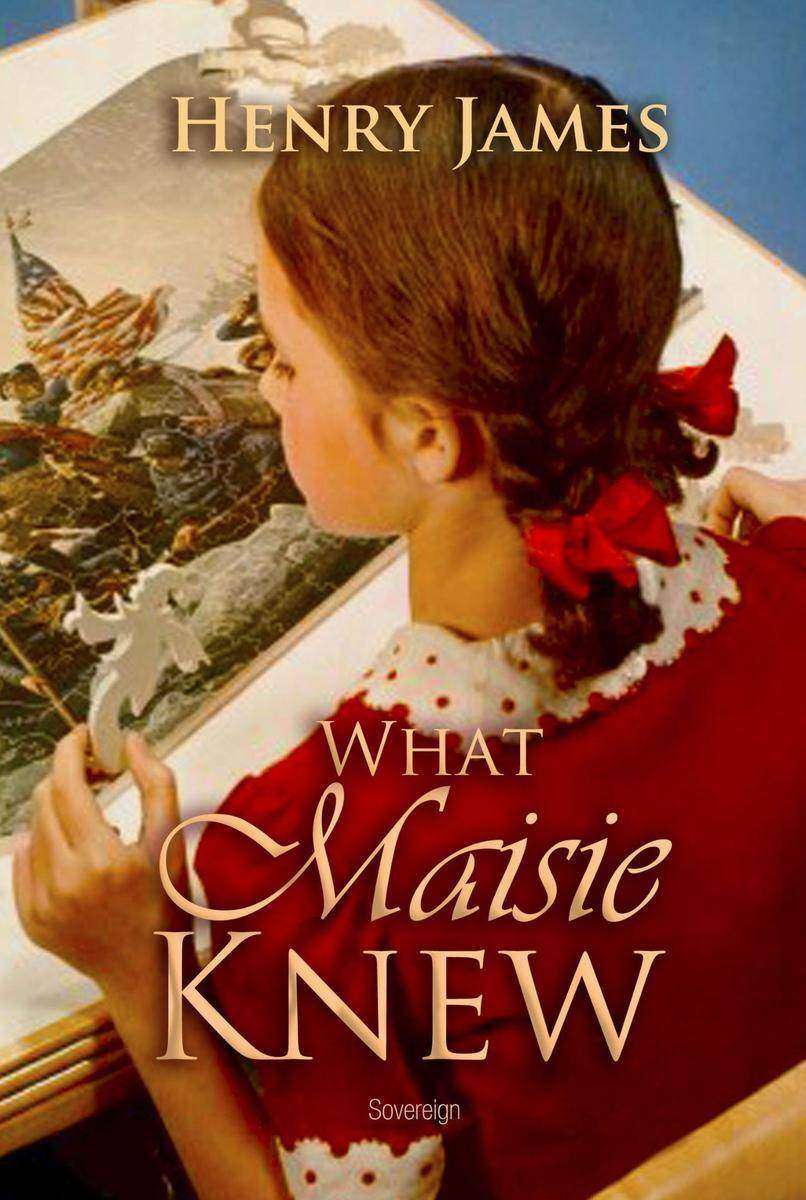
What Maisie Knew
¥40.79
When Beale and Ida Farange are divorced, the court decrees that their only child, the very young Maisie, will shuttle back and forth between them, spending six months of the year with each. The parents are immoral and frivolous, and they use Maisie to intensify their hatred of each other.

The Ambassadors
¥40.79
The Ambassadors is a dark comedy, one of the masterpieces of James's final period. It follows the trip of protagonist Lewis Lambert Strether to Europe in pursuit of Chad, his widowed fiancee's supposedly wayward son; he is to bring the young man back to the family business, but he encounters unexpected complications.

The Hill of Dreams by Arthur Machen - Delphi Classics (Illustrated)
¥8.09
This eBook features the unabridged text of ‘The Hill of Dreams by Arthur Machen - Delphi Classics (Illustrated)’ from the bestselling edition of ‘The Complete Works of Arthur Machen’. Having established their name as the leading publisher of classic literature and art, Delphi Classics produce publications that are individually crafted with superior formatting, while introducing many rare texts for the first time in digital print. The Delphi Classics edition of Machen includes original annotations and illustrations relating to the life and works of the author, as well as individual tables of contents, allowing you to navigate eBooks quickly and easily. eBook features: * The complete unabridged text of ‘The Hill of Dreams by Arthur Machen - Delphi Classics (Illustrated)’ * Beautifully illustrated with images related to Machen’s works * Individual contents table, allowing easy navigation around the eBook * Excellent formatting of the textPlease visit www.delphiclassics.com to learn more about our wide range of titles
The Golden Bowl
¥40.79
The Golden Bowl is a complex, intense study of marriage and adultery. It xplores the tangle of interrelationships between a father and daughter and their respective spouses. We follow prince Amerigo, an impoverished but charismatic Italian nobleman, is in London for his marriage to Maggie Verver, only child of the widower Adam Verver, the fabulously wealthy American financier and art collector. While there, he re-encounters Charlotte Stant, another young American and a former mistress from his days in Rome.

The Green Round by Arthur Machen - Delphi Classics (Illustrated)
¥8.09
This eBook features the unabridged text of ‘The Green Round by Arthur Machen - Delphi Classics (Illustrated)’ from the bestselling edition of ‘The Complete Works of Arthur Machen’. Having established their name as the leading publisher of classic literature and art, Delphi Classics produce publications that are individually crafted with superior formatting, while introducing many rare texts for the first time in digital print. The Delphi Classics edition of Machen includes original annotations and illustrations relating to the life and works of the author, as well as individual tables of contents, allowing you to navigate eBooks quickly and easily. eBook features: * The complete unabridged text of ‘The Green Round by Arthur Machen - Delphi Classics (Illustrated)’ * Beautifully illustrated with images related to Machen’s works * Individual contents table, allowing easy navigation around the eBook * Excellent formatting of the textPlease visit www.delphiclassics.com to learn more about our wide range of titles
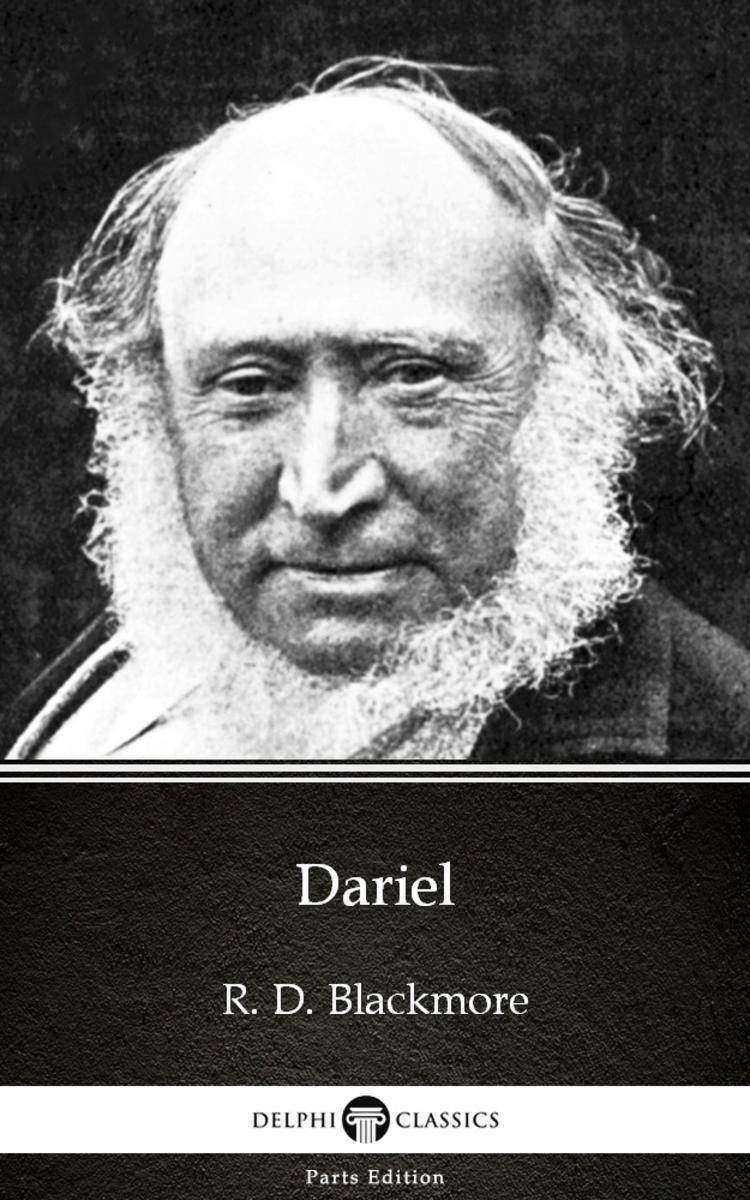
Dariel by R. D. Blackmore - Delphi Classics (Illustrated)
¥8.09
This eBook features the unabridged text of ‘Dariel by R. D. Blackmore - Delphi Classics (Illustrated)’ from the bestselling edition of ‘The Complete Works of R. D. Blackmore’. Having established their name as the leading publisher of classic literature and art, Delphi Classics produce publications that are individually crafted with superior formatting, while introducing many rare texts for the first time in digital print. The Delphi Classics edition of Blackmore includes original annotations and illustrations relating to the life and works of the author, as well as individual tables of contents, allowing you to navigate eBooks quickly and easily. eBook features: * The complete unabridged text of ‘Dariel by R. D. Blackmore - Delphi Classics (Illustrated)’ * Beautifully illustrated with images related to Blackmore’s works * Individual contents table, allowing easy navigation around the eBook * Excellent formatting of the text Please visit www.delphiclassics.com to learn more about our wide range of titles

Heidi by Johanna Spyri - Delphi Classics (Illustrated)
¥8.09
This eBook features the unabridged text of ‘Heidi Marian Edwardes Translation, 1910 by Johanna Spyri - Delphi Classics (Illustrated)’ from the bestselling edition of ‘The Collected Works of Johanna Spyri’. Having established their name as the leading publisher of classic literature and art, Delphi Classics produce publications that are individually crafted with superior formatting, while introducing many rare texts for the first time in digital print. The Delphi Classics edition of Spyri includes original annotations and illustrations relating to the life and works of the author, as well as individual tables of contents, allowing you to navigate eBooks quickly and easily. eBook features: * The complete unabridged text of ‘Heidi Marian Edwardes Translation, 1910 by Johanna Spyri - Delphi Classics (Illustrated)’ * Beautifully illustrated with images related to Spyri’s works * Individual contents table, allowing easy navigation around the eBook * Excellent formatting of the textPlease visit www.delphiclassics.com to learn more about our wide range of titles

Heidi by Johanna Spyri - Delphi Classics (Illustrated)
¥8.09
This eBook features the unabridged text of ‘Heidi Elisabeth P. Stork Translation, 1915 by Johanna Spyri - Delphi Classics (Illustrated)’ from the bestselling edition of ‘The Collected Works of Johanna Spyri’. Having established their name as the leading publisher of classic literature and art, Delphi Classics produce publications that are individually crafted with superior formatting, while introducing many rare texts for the first time in digital print. The Delphi Classics edition of Spyri includes original annotations and illustrations relating to the life and works of the author, as well as individual tables of contents, allowing you to navigate eBooks quickly and easily. eBook features: * The complete unabridged text of ‘Heidi Elisabeth P. Stork Translation, 1915 by Johanna Spyri - Delphi Classics (Illustrated)’ * Beautifully illustrated with images related to Spyri’s works * Individual contents table, allowing easy navigation around the eBook * Excellent formatting of the textPlease visit www.delphiclassics.com to learn more about our wide range of titles

This Side of Paradise
¥40.79
A debut novel of F. Scott Fitzgerald, taking its title from a line of the Rupert Brooke poem Tiare Tahiti. This Side of Paradise follows life of Amory Blaine, an attractive Princeton University student who dabbles in literature and formulates his own philosophy of romantic egoism. The novel explores post war uncertainties, the theme of love, greed and status-seeking.

The Raja Yoga: A Series of Lessons
¥40.79
An introduction and a form of initiation into the science of Raja Yoga. The series of lessons designed to enlighten regarding the nature of the real self, and to instruct in the secret knowledge the consciousness and realization of the real self.
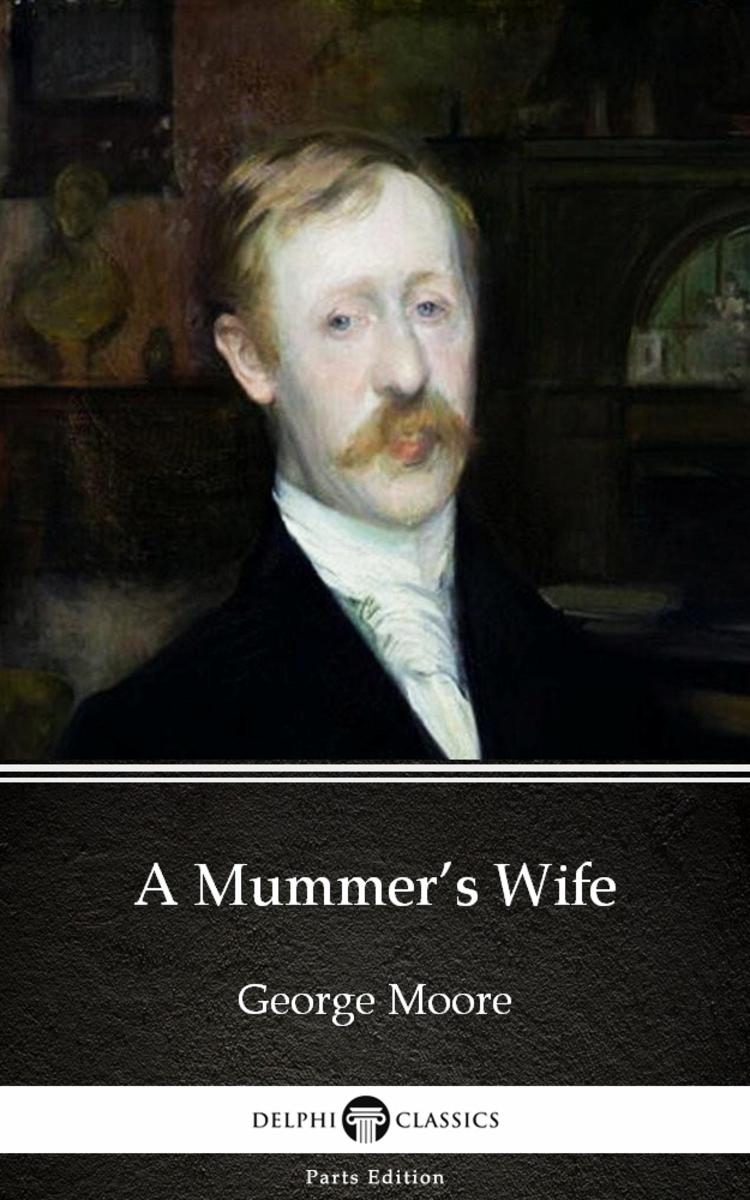
A Mummer’s Wife by George Moore - Delphi Classics (Illustrated)
¥8.09
This eBook features the unabridged text of ‘A Mummer’s Wife by George Moore - Delphi Classics (Illustrated)’ from the bestselling edition of ‘The Complete Works of George Moore’. Having established their name as the leading publisher of classic literature and art, Delphi Classics produce publications that are individually crafted with superior formatting, while introducing many rare texts for the first time in digital print. The Delphi Classics edition of Moore includes original annotations and illustrations relating to the life and works of the author, as well as individual tables of contents, allowing you to navigate eBooks quickly and easily. eBook features: * The complete unabridged text of ‘A Mummer’s Wife by George Moore - Delphi Classics (Illustrated)’ * Beautifully illustrated with images related to Moore’s works * Individual contents table, allowing easy navigation around the eBook * Excellent formatting of the textPlease visit www.delphiclassics.com to learn more about our wide range of titles

The Brook Kerith by George Moore - Delphi Classics (Illustrated)
¥8.09
This eBook features the unabridged text of ‘The Brook Kerith by George Moore - Delphi Classics (Illustrated)’ from the bestselling edition of ‘The Complete Works of George Moore’. Having established their name as the leading publisher of classic literature and art, Delphi Classics produce publications that are individually crafted with superior formatting, while introducing many rare texts for the first time in digital print. The Delphi Classics edition of Moore includes original annotations and illustrations relating to the life and works of the author, as well as individual tables of contents, allowing you to navigate eBooks quickly and easily. eBook features: * The complete unabridged text of ‘The Brook Kerith by George Moore - Delphi Classics (Illustrated)’ * Beautifully illustrated with images related to Moore’s works * Individual contents table, allowing easy navigation around the eBook * Excellent formatting of the textPlease visit www.delphiclassics.com to learn more about our wide range of titles
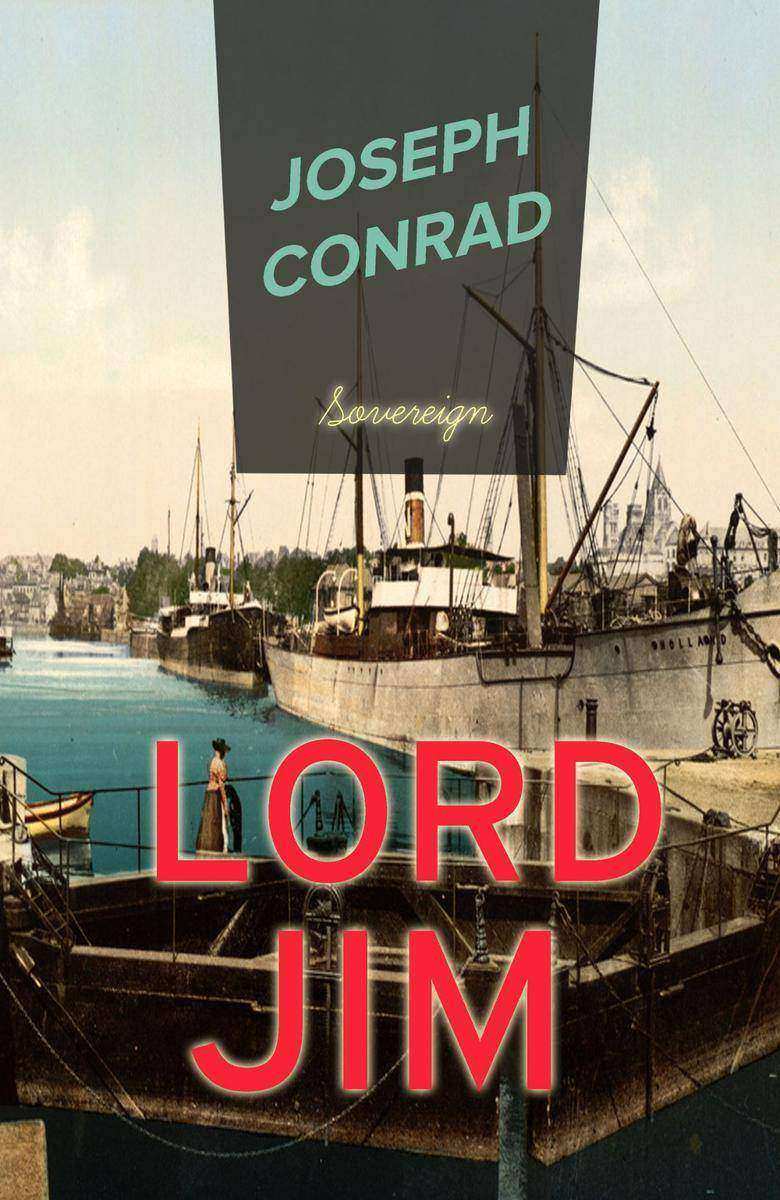
Lord Jim
¥40.79
Jim, a young British seaman, joins his captain and other crew members in abandoning their sinking ship full of passengers. A few days later, they are picked up, and the passengers are later also saved. The reprehensible actions of the crew are exposed. The other participants evade the judicial court of inquiry, leaving Jim to the court alone.
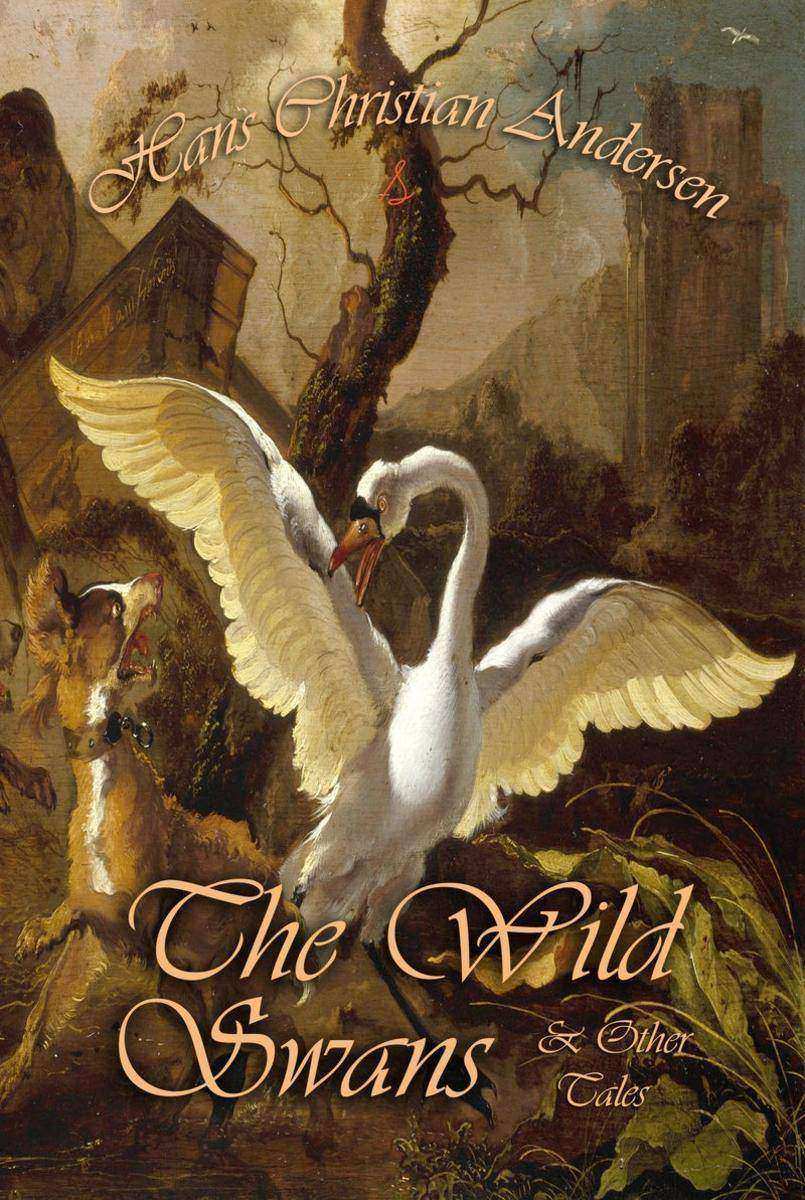
The Wild Swans and Other Tales
¥40.79
The Wild Swans is one of the eighteen stories featured in this timeless collection of fairy tales by Hans Christian Andersen. The story tells of a faraway kingdom where lives a widowed King with his twelve children: eleven princes and one princess. One day, he decides to remarry. He marries a wicked queen who was a witch. Out of spite, the queen turns her eleven stepsons into swans and forces them to fly away. The queen then tries to bewitch their 15-year old sister Elisa.

Ladies Whose Bright Eyes by Ford Madox Ford - Delphi Classics (Illustrated)
¥8.09
This eBook features the unabridged text of ‘Ladies Whose Bright Eyes by Ford Madox Ford - Delphi Classics (Illustrated)’ from the bestselling edition of ‘The Complete Works of Ford Madox Ford’. Having established their name as the leading publisher of classic literature and art, Delphi Classics produce publications that are individually crafted with superior formatting, while introducing many rare texts for the first time in digital print. The Delphi Classics edition of Ford includes original annotations and illustrations relating to the life and works of the author, as well as individual tables of contents, allowing you to navigate eBooks quickly and easily. eBook features: * The complete unabridged text of ‘Ladies Whose Bright Eyes by Ford Madox Ford - Delphi Classics (Illustrated)’ * Beautifully illustrated with images related to Ford’s works * Individual contents table, allowing easy navigation around the eBook * Excellent formatting of the text Please visit www.delphiclassics.com to learn more about our wide range of titles

Alice’s Dérives in Devonshire
¥93.60
"I'm bursting to say how beautiful, bewildering and breathtaking this book is. I don't want it to end...maybe it never does..." - 5-star reader's review This is a book for urban explorers, imaginative walkers, ambulant youngsters, difficult drifters, artists of the path less travelled, mythogeographers, psychogeographers, situationists and all the restless. Phil Smith author of ' Mythogeography ', ' On Walking ' and the ' Counter-Tourism ' books, member of Exeter-based Wrights & Sites, well-known as Crabman, drifter and walker/performer and prolific playwright has written an extraordinary first novel – a mythogeographic novel. In ' Alice’s Dérives in Devonshire ', he embodies in a modern fairy tale his preoccupations with the inner and outer worlds of psychogeography - bringing them together to describe the possibilities that offer themselves up to us when we live and walk and dream without our usual blinkers. "Can a city fall to bits one day and put itself back together the next? I think so, but I am crazy. So why should you believe me? Dad says it's OK to be mad. Bad is the problem. And the city is bad. I saw its badness. For one day its glass was everywhere like broken teeth after a fight between lions and sharks. Big buildings leaning on each other like drunk dinosaurs. The new shopping centre was a cave full of smoke. And everyone was frightened of each other. But I wasn't frightened. I could see that between the pieces of glass were shining gaps. And in the biggest building were passageways and tunnels and I could see that that was the good city. The city of holes and caves. Between the bad was the good, but only if you knew that before you looked." Readers' reviews: “This is a funny, sad, touching, horrifying, hopeful and riveting read about a child walking mythogeographical terrain to find their Dad. You may well find reflections of your selves in these pages, because this is a book about Everything.” “I just finished reading Alice's Dérives in Devonshire - what a great story! I spent several lovely hours in the disappeared world, invisible, 'being marked on a different map'. Thanks so much!”

The Young Lovell by Ford Madox Ford - Delphi Classics (Illustrated)
¥8.09
This eBook features the unabridged text of ‘The Young Lovell by Ford Madox Ford - Delphi Classics (Illustrated)’ from the bestselling edition of ‘The Complete Works of Ford Madox Ford’. Having established their name as the leading publisher of classic literature and art, Delphi Classics produce publications that are individually crafted with superior formatting, while introducing many rare texts for the first time in digital print. The Delphi Classics edition of Ford includes original annotations and illustrations relating to the life and works of the author, as well as individual tables of contents, allowing you to navigate eBooks quickly and easily. eBook features: * The complete unabridged text of ‘The Young Lovell by Ford Madox Ford - Delphi Classics (Illustrated)’ * Beautifully illustrated with images related to Ford’s works * Individual contents table, allowing easy navigation around the eBook * Excellent formatting of the text Please visit www.delphiclassics.com to learn more about our wide range of titles


