


 购物车
购物车 个人中心
个人中心
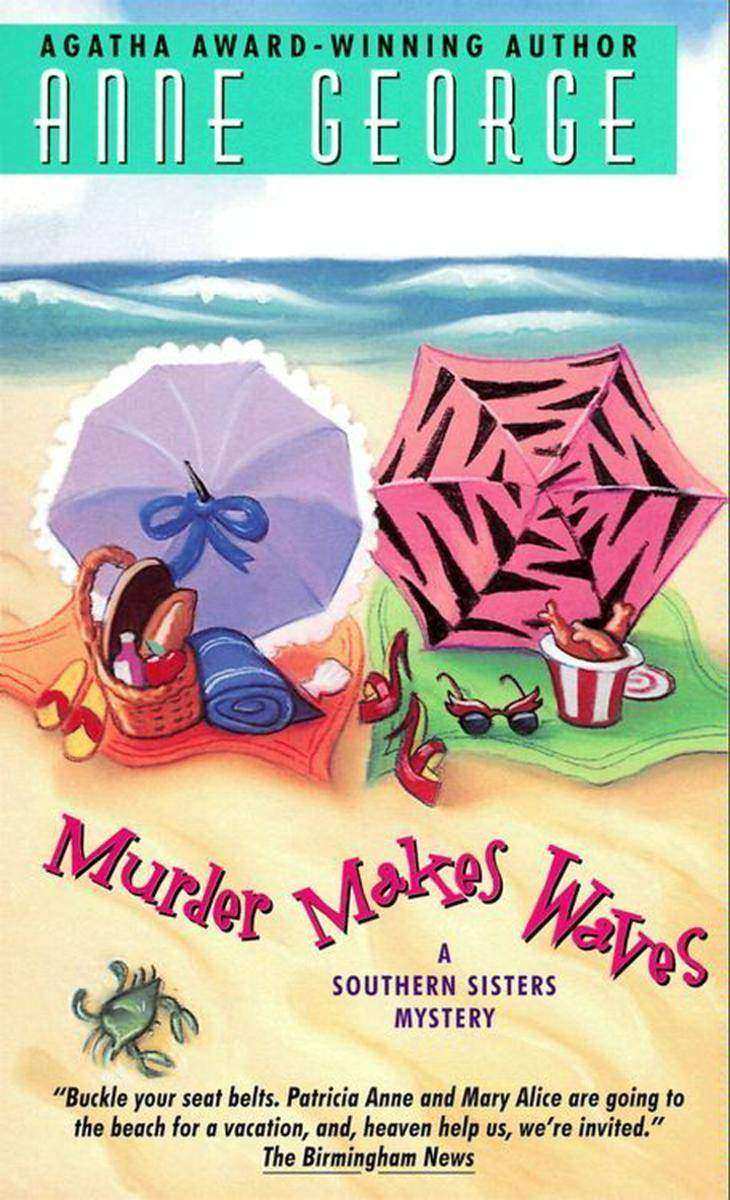
Murder Makes Waves
¥55.31
Those hilarious southern sisters, who prove that sibling rivalry never ends, are heading for a vacation at the beach. Mary Alice's flamboyant behavior aside, serious, sensible Patricia Anne looks forward to relaxing at her sister's beachfront condo in Destin, Florida, so she kisses her ever-loving spouse Fred god-bye, reminds him to water the plants and feed the dog, and the girls head south for some fin in the sun. Mary Alice loses no time in making the acquaintance of just about everyone in sight, so watching the sun go down on the beautiful shores of the Gulf of Mexico is a welcome respite as far as Patricia Anne is concerned. . .until a dead body washes up in the waves and the victim turns out to be one of Mary Alice's newfound friends. With no witnesses t the crime except a few great blue herons, the sisters have no choice but to bypass the clueless police and follow their own instinct to find the killer. Before long they_re on a murky trail of dirty real-estate deals, giant turtle habitats, and a sea of evidence pointing to a mammoth motive for murderer.
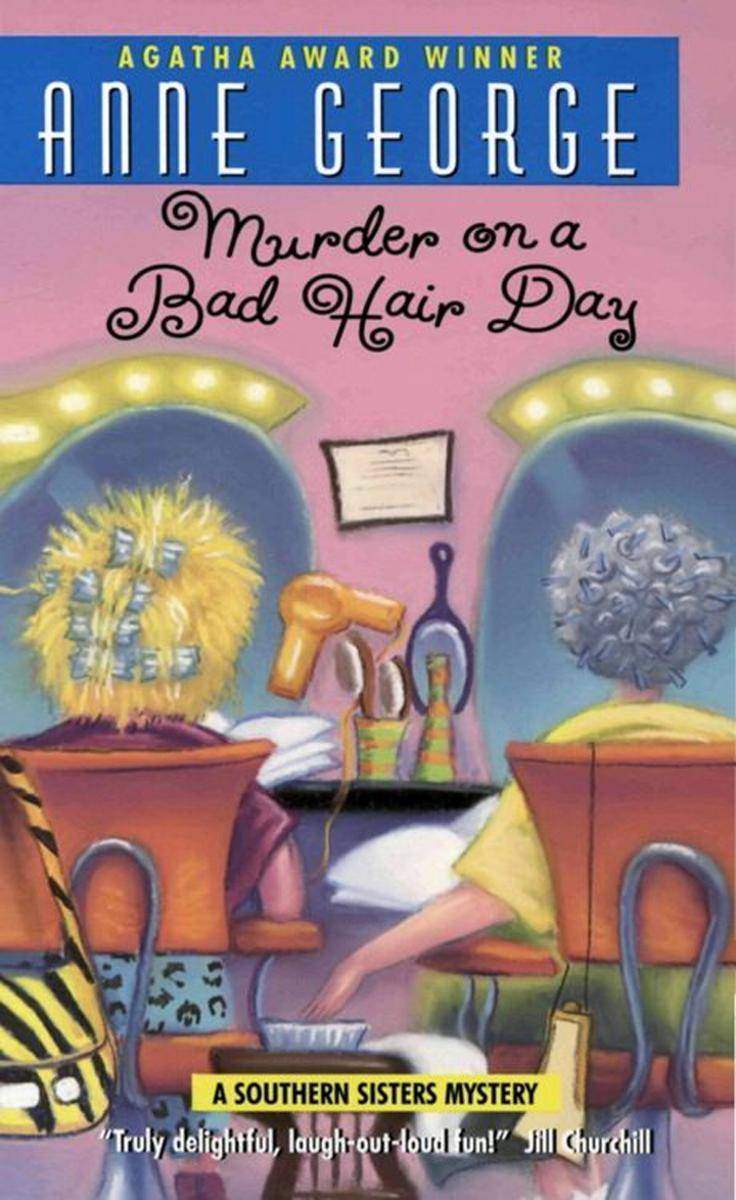
Murder on a Bad Hair Day
¥55.91
Murder on a Bad Hair DayIt's hard to believe practical, petite ex-schoolteacher Patricia Anne and amiable, ample-bodied, and outrageous Mary Alice are sisters, yet sibling rivalry has survived decades of good-natured disagreement about everything from husbands to hair color. No sooner do the Southern sisters discover a common interest in some local art, when they're arguing the artistic merits of some well-coiffured heads at a gallery opening. A few hours later, one of those pretty ladies ends up dead -- with not a hair out of place. The other shows up on Patricia Anne's doorstep dazed, disheveled, and telling a wild tale of a narrow escape from some deadly cuts. Now the sisters are once again combing for clues to catch a killer with a bizarre style in art -- and murder.
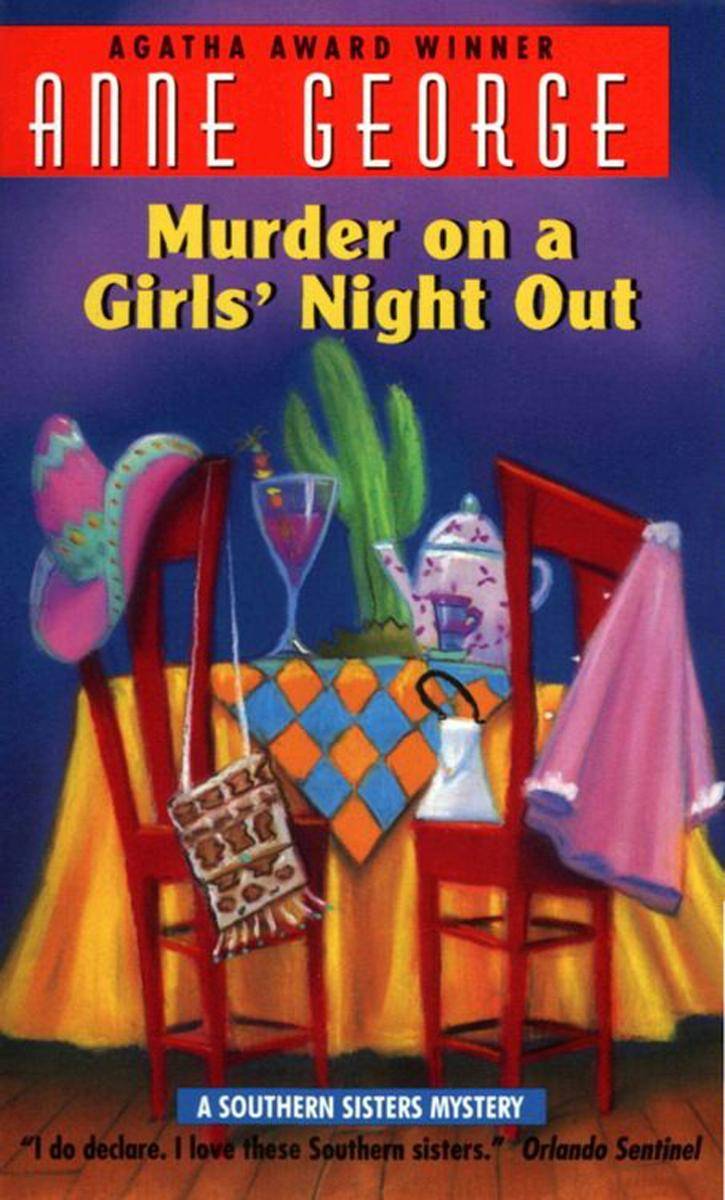
Murder on a Girls' Night Out
¥55.91
A Different Kind of Sister ActPatricia Anne -- "Mouse" -- is respectful, respectable, and demure, a perfect example of genteel Southern womanhood. Mary Alice -- "Sister" -- is big, brassy, flamboyant, and bold. Together they have a knack for finding themselves in the center of some of Birmingham's most unfortunate unpleasantness.Country Western is red hot these days, so overimpulsive Mary Alice thinks it makes perfect sense to buy the Skoot 'n' Boot bar -- since that's where the many-times-divorced "Sister" and her boyfriend du jour like to hang out anyway. Sensible retired schoolteacher Patricia Anne is inclined to disagree -- especially when they find a strangled and stabbed dead body dangling in the pub's wishing well. The sheriff has some questions for Mouse and her sister Sister, who were the last people, besides the murderer, of course, to see the ill-fated victim alive. And they had better come up with some answers soon -- because a killer with unfinished business has begun sending them some mighty threatening messages...
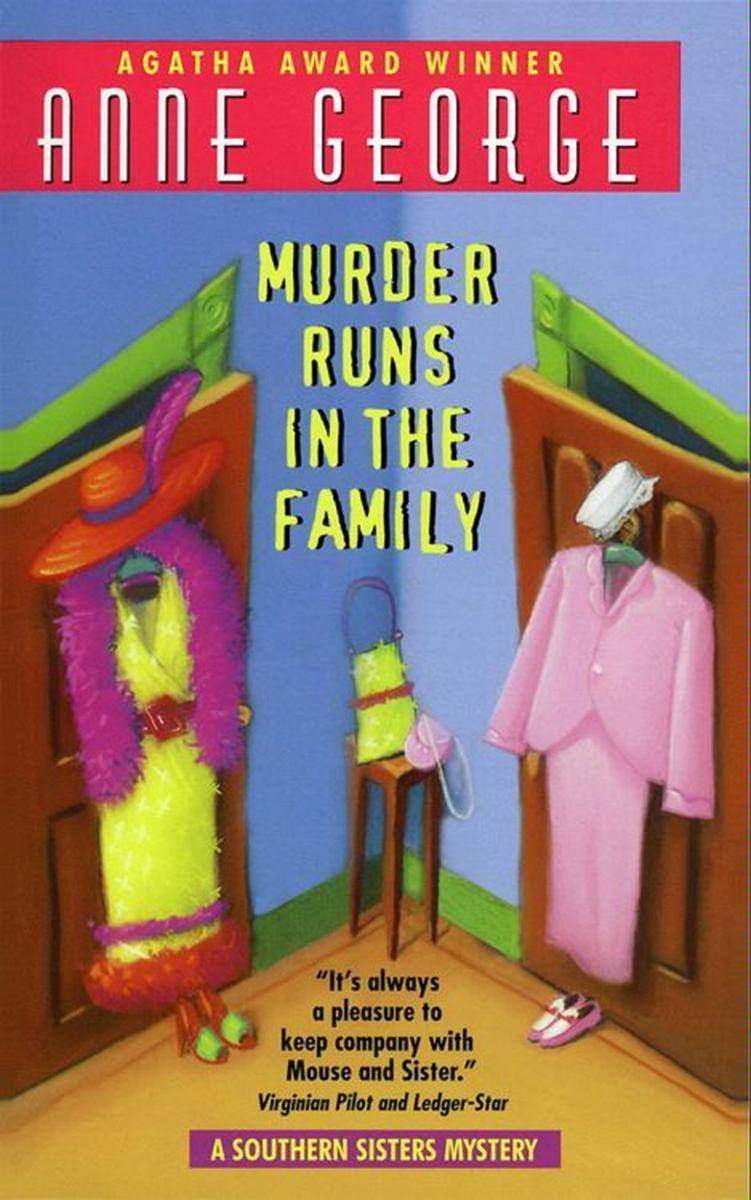
Murder Runs in the Family
¥55.91
Mary Alice has spared nothing for her only daughter's wedding -- from seventy-five yards of bridal train to gourmet food for over three hundred guests and enough glittering elegance to make Mary Alice think about finding herself a fourth rich husband to pay for it all. Practical Patricia Anne has put away her aunt-of-the-bride blue chiffon and settled back into domesticity when fun-loving Mary Alice calls to say they have a post-wedding date with a genealogist from the groom's side of the family. Lunch is a fascinating lesson on the hazards of finding dirty linens in ancestral boudoirs that ends abruptly when their guest scurries off with the local judge, leaving the sisters with their mouths open -- and finishing their luncheon companion's cheesecake -- when the police arrive. Their mysterious guest has taken a plunge from the ninth floor of the courthouse building -- an apparent suicide. But given the scandals a nosy genealogist might have uncovered, the sisters are betting that some proud Southern family is making sure their shameful secrets stay buried. . .along with anyone who tries to dig them up.
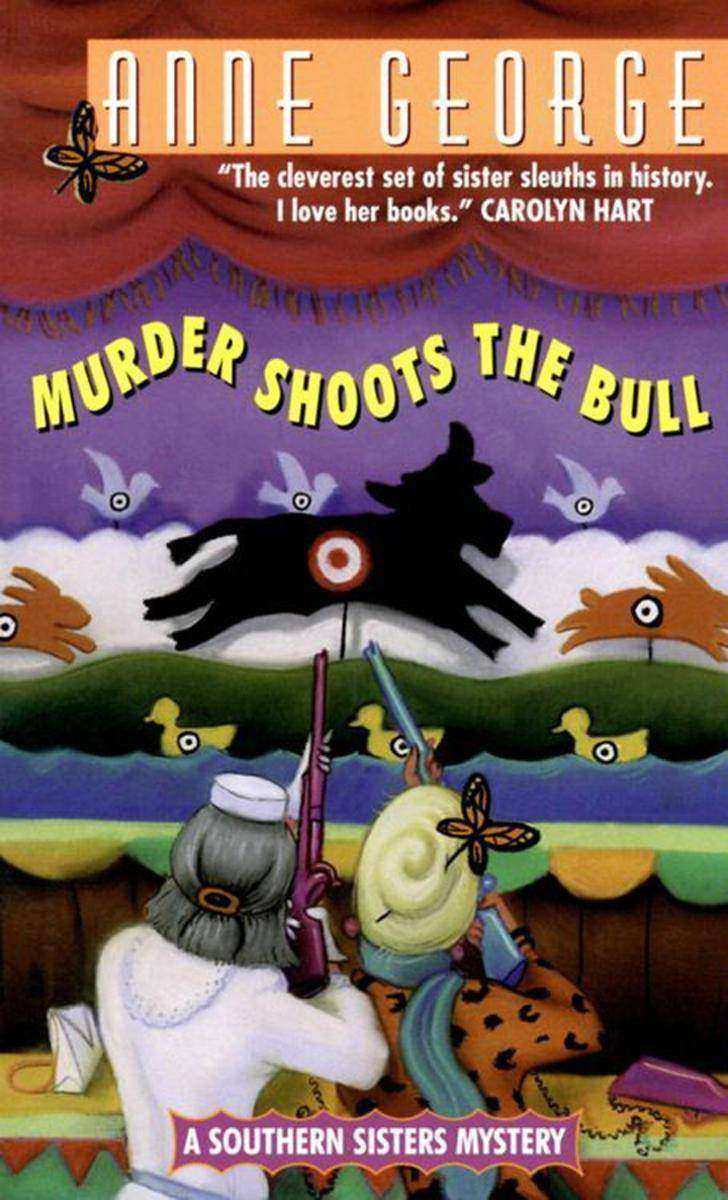
Murder Shoots the Bull
¥55.91
Patricia Anne would swear that either she or her sister Mary Alice were switched at birth, except they were both born at home.Flashy, flirtatious Mary Alice is one foot taller, twice the body weight of Patricia Anne, and three times as likely to do something completely off the wall. But now Mary Alice's impulsive behavior has land them both in the Birmingham jail!It all begins with a call from their good friend Mitzi Phizer, who's starting an investment club -- kind of a Beardstown Ladies group. Patricia Anne is willing to make a small, conservative investment in a thriving chain of HMOs; Mary Alice is hot to trot to put her money on Viagra. But before the club idea gets off the ground, the sisters spot Mitzi's supposedly faithful husband in a chummy little huddle with a redhead -- and the next thing they know, Arthur is accused of murdering the mystery woman. Nothing about the whole sordid story fits the kind, gently Arthur, and Patricia Anne is doing her best to console her good friends. But when their house catches on fire, and Arthur is shot in a place that won't allow him to even sit down at his own murder trial, the sisters know they have to stand up for the poor fellow. And that means checking out everyone -- from low-down cads to highbrow bank presidents -- to find a no good gun-toting arsonist who believes big money is to kill for.

Molly Moon's Incredible Book of Hypnotism
¥44.73
Welcome to the Wonderful World of Hypnotism Molly Moon is no ordinary orphan. When she finds a mysterious old book on hypnotism, she discovers she can make people do whatever she wants. But a sinister stranger is watching her every move and he'll do anything to steal her hypnotic secret...
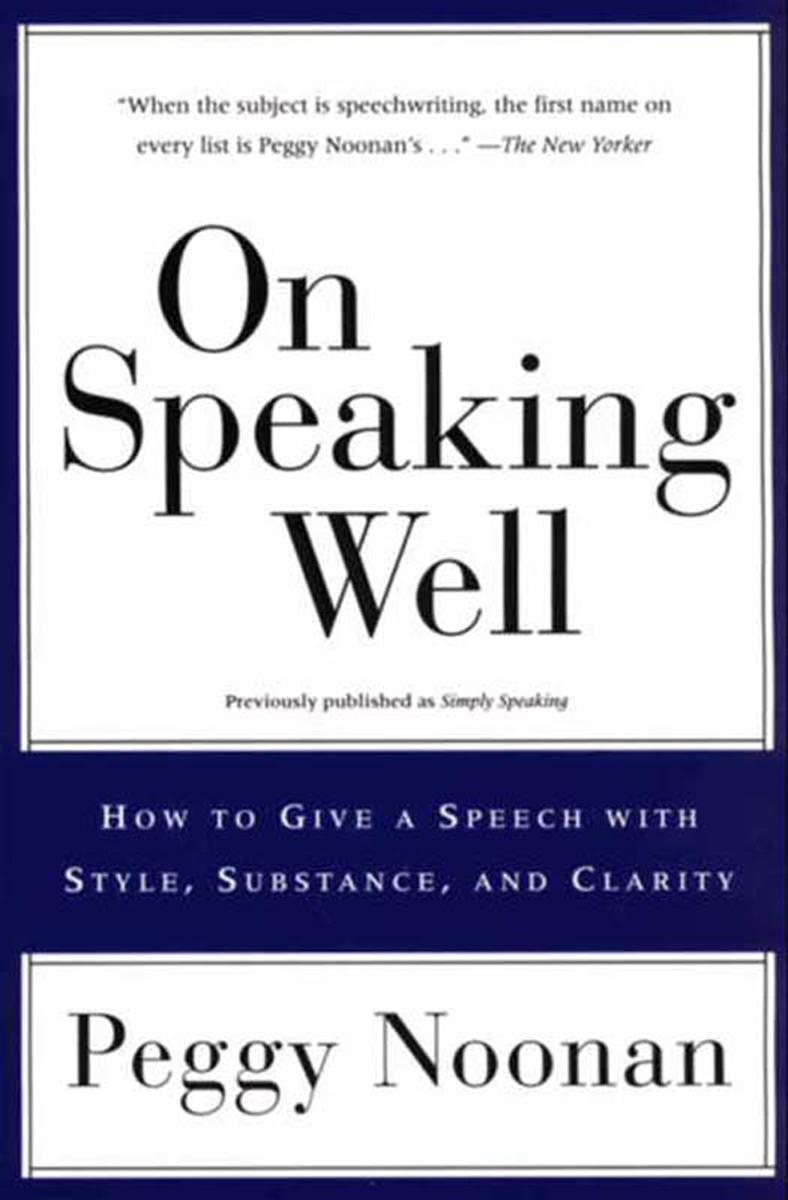
On Speaking Well
¥88.56
For anyone who fears the thought of writing and giving a speech--be it to business associates, or at a wedding--help is at hand. Acclaimed presidential speechwriter Peggy Noonan shares her secrets to becoming a confidence, persuasive speaker demystifying topics including: Finding you own authentic voice Developing a text that interest you Acing the all-important first paragraph Using logic to move your audience Creating, developing, and reinventing the "core speech" for diverse audiences Strengthening your speech with a vital element: humor Winnowing your thought down to the essentials Handling professional jargon, clich s, and the sound bite syndrome Presenting your speech in the best way Collecting intellectual income--conversing your speech treasures Breaking all the rules and still succeeding Reading for inspiration--how to use the excellence of others Complete with lessons, tips and memorable examples, On Speaking Well shows us how to create forceful, persuasive, relevant speeches that will resonate with our audiences. Engaging, informative, and always entertaining, this is undoubtedly the authoritative how-to guide for anyone writing or giving a speech
A Deep Dark Secret
¥77.49
The New York Times bestselling author returns with the moving story of a family who learns to overcome betrayal and secrets with courage and love On the outside, twelve-year-old Jillian Maxwell is the perfect child. She's helpful with chores around the house, gets straight As in school, has plans for college, and stays out of trouble. She seems to have everything a girl could want: a big, beautiful new home, an adoring little sister, a mother who cares about her, and an attentive stepfather. But inside, Jillian harbors a terrible secret.Too frightened to tell, convinced that her friends and loved ones, especially her mother, won't understand—and worse, will blame her—Jillian endures her pain in silence, believing that things will get better. However, as time passes and her dilemma intensifies, the bright, hardworking girl becomes sullen and disinterested in her studies. Then, just when it seems she's on the verge of losing everything, Jillian discovers she has more strength than she ever imagined…and the power to change her fate. With sensitivity and grace, Kimberla Lawson Roby addresses a very real and serious issue, while delivering the inspiring tale of one family's mission to shed light into the darkest corner of their lives.

Friendly Fire
¥84.16
Alaa Al Aswany has won resounding critical acclaim for his deft and moving portrayals of the lives of contemporary Egyptians who constantly examine their relationship with Egypt's history, religion, class, and gender distinctions. In Friendly Fire he once again demonstrates an extraordinary empathy for lost and searching souls as he focuses on the exquisite emotions of everyday life.In "The Kitchen Boy" and "Dearest Sister Makarim," Al Aswany explores the hypocrisy of the class divide. The brief and tender "Izzat Amin Iskandar" is a heartrending view of youthful hope. And in the unforgettable novella "The Isam Abd el-Ati Papers," the narrator carries us along a troubling journey through his painful relationships with his artist father and his self-centered mother, en route to a devastating collision of temptation and morality.Here are stories of generational conflict, love, repression, and the clash of Western and Arab ideals, all beautifully rendered by a true modern master.

Get Cooking
¥138.41
Do you want to eat really well—not just once in a while, but all the time—but you don't know where to begin?Are you tired of pizza—as much as you like it—and broke from buying takeout?Do you love good food—the straightforward, homemade kind—but feel challenged to set up a kitchen, shop for decent equipment and groceries, and tap into a few basic skills that can put a simple roast chicken or vegetarian entrée on your dinner table?If you answer "yes" to these questions, then Get Cooking is for you. Get Cooking is the first book from bestselling cookbook author Mollie Katzen designed specifically for beginners, whether you are just starting to cook for yourself or trying to kick the restaurant habit. Unlike most cookbooks, the goal of Get Cooking is to get you in the kitchen, no matter what your experience level might be. Illustrated throughout with color photographs of each dish, Get Cooking gives you clear, step-by-step instructions for making everything from classic mashed potatoes to Broccoli–Cheddar Cheese Calzones to Hot Fudge Sundaes (with homemade hot fudge!). With this book, anyone—you included—can make delicious, fresh food, with a lot less expense (and a lot more satisfaction) than ordering in.You may know Mollie Katzen as the author of such famous cookbooks as Moosewood Cookbook or The Enchanted Broccoli Forest; Get Cooking has all of the accessibility and personal warmth of those beloved books, but it is Mollie's first cookbook for vegetarians and omnivores alike. You will learn how to make North African Red Lentil Soup, Linguine with Spinach and Peas, and Chickpea and Mango Curry—and also Homemade Chicken Noodle Soup, Spinach Lasagna, and Steak Fajitas. With Get Cooking in hand, you'll be serving everything from salads (such as Wilted Spinach Salad with Hazelnuts, Goat Cheese, and Golden Raisins) to desserts (try the Cheesecake Bars), with stops along the way for party snacks, a full array of side dishes, and a brilliant assortment of handcrafted burgers (bean, tofu, and mushroom—as well as beef, turkey, and tuna). Here at last is the cookbook that will make a cook out of everyone.
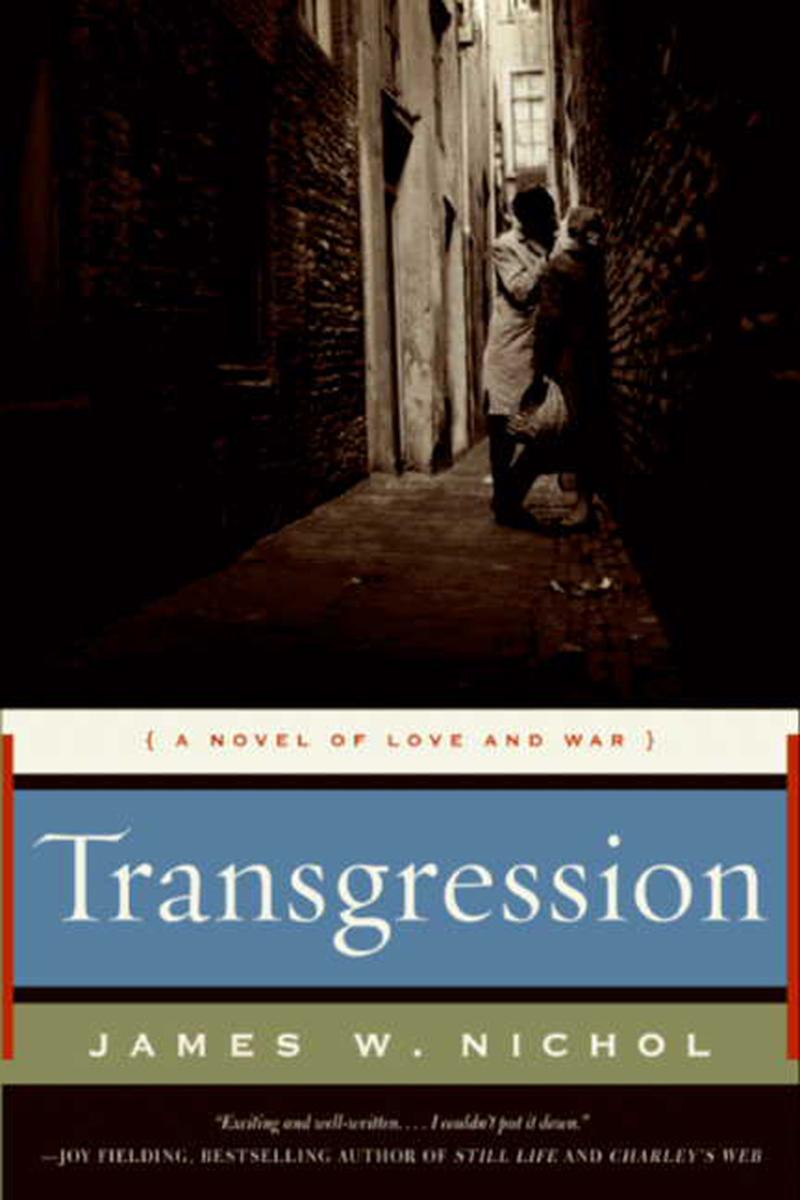
Transgression
¥79.38
How can love survive a brutal timeIn 1946 in North America, a child makes a grisly find in a deserted field—a discovery that opens a shuttered window on a secret dating back to the beginning of the turbulent decade.In 1941 in occupied France, Adele Georges's fruitless attempts to learn the whereabouts of her father, captured by the Nazis, lead her to a lonely young German soldier far from home. A spark between them becomes a fire—and a dangerous love affair blooms across enemy lines, dooming Adele to a grim postwar existence as a despised outcast, one of the infamous "horizontal collaborators." Ostracized, tortured, tormented, she chooses a desperate escape, accompanying a war-damaged yet optimistic Allied soldier across an ocean to a new land. But there is no refuge from the past, as Adele's broken heart and shameful secret drive her deeper into despair...and toward a shocking outcome.Part mystery and part love story—an unforgettable and beautifully written novel of secrets, passions, and consequences—Transgression is an exceptional work of power and strange beauty.
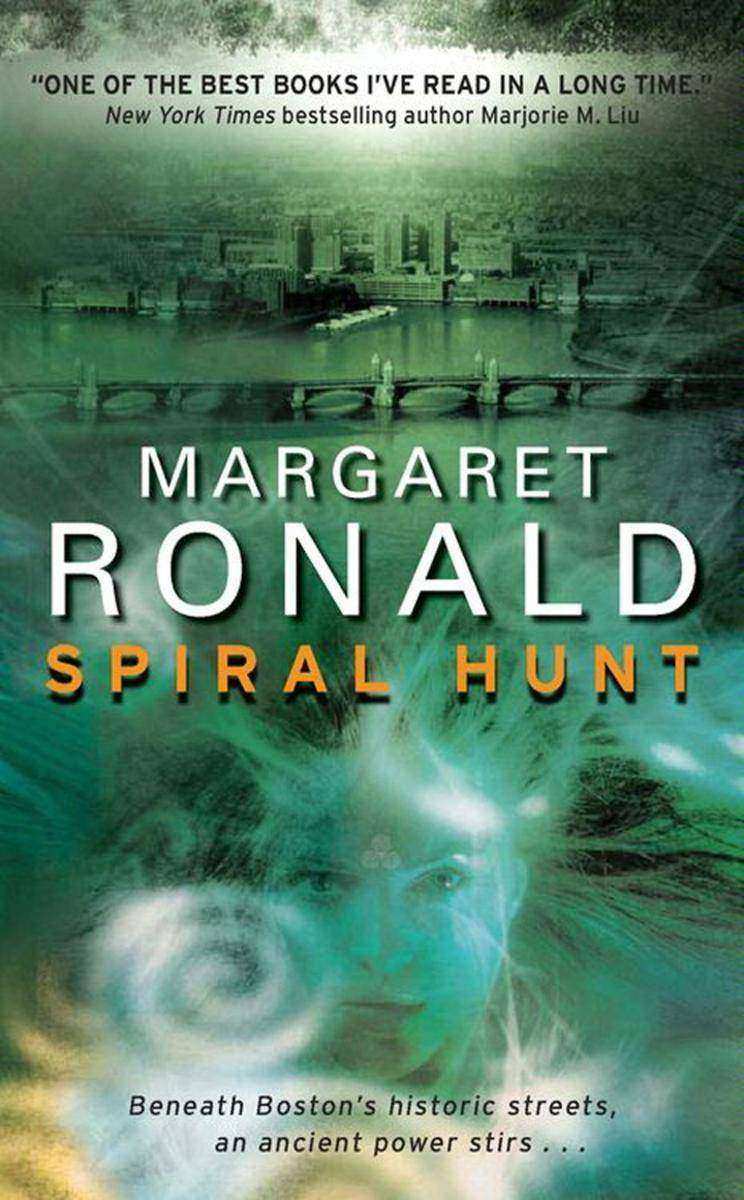
Spiral Hunt
¥55.91
Some people have the Sight. Genevieve Scelan has the Scent.They call her "Hound," and with her unique supernatural sense Evie can track nearly anything—lost keys, vanished family heirlooms . . . even missing people. And though she knows to stay out of the magical undercurrent that runs beneath Boston's historic streets, a midnight phone call from a long-vanished lover will destroy the careful boundaries she has drawn. Now, to pay a years-old debt, Evie must venture into the shadowy world that lies between myth and reality, where she will find betrayal, conspiracies, and revelations that will shatter all she believes about herself and the city she claims as home.When the Hunt is on, the Hound must run . . .

The Girls' Almanac
¥85.05
The Girls' Almanac chronicles the lives of Jenna and Lucy—two thirty-something women who desperately long for a true friend—as well as the lives of the women and men who have touched them: friends, lovers, parents, and neighbors. Set across the Northeast—through suburban neighborhoods, preppy camps, island resorts, and Ivy League colleges—as well as far flung locales like Ecuador and Iceland, The Girls' Almanac traces the friendships of women willing to risk both self-consciousness and intimacy, loss and betrayal, in pursuit of a proper best friend. Exploring the fascinating closeness and distance that female friendships encompass, The Girls' Almanac reveals the map of Jenna and Lucy's interconnected lives, and ultimately their pathways to each other.
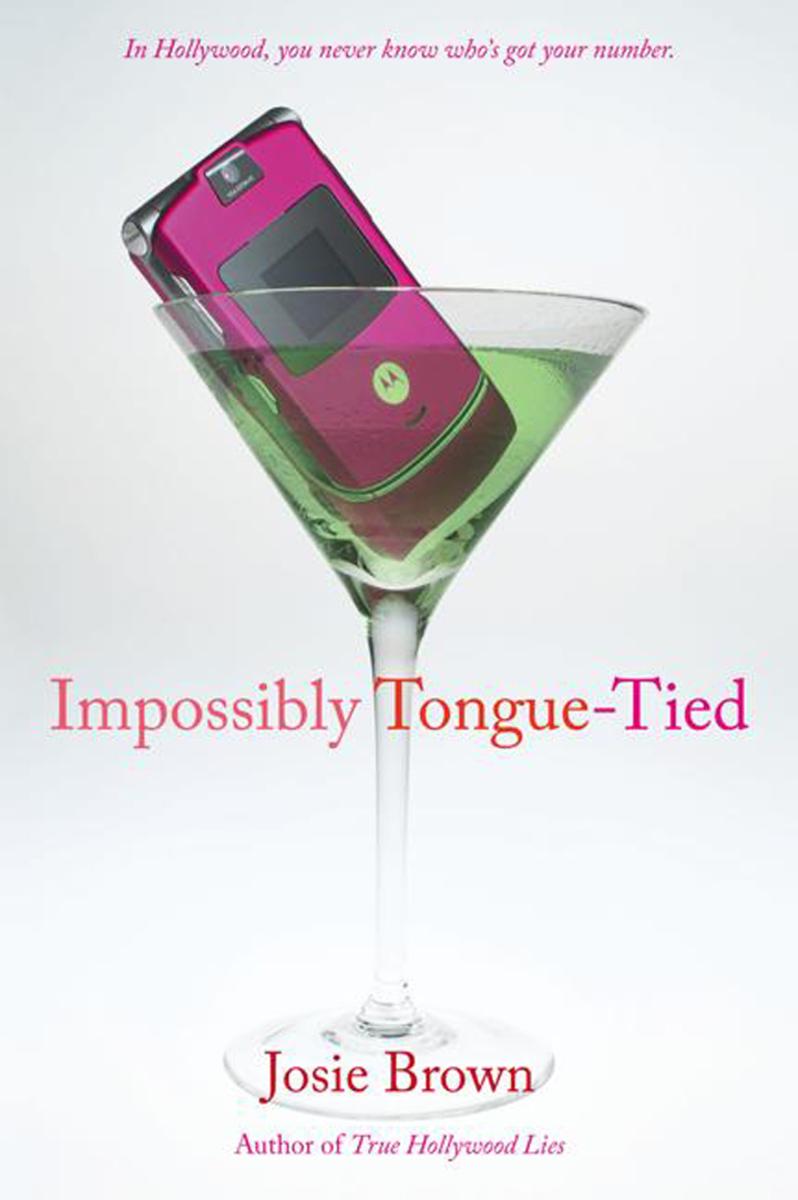
Impossibly Tongue-Tied
¥84.16
All over Hollywood, men are dialing O—for orgasms. Her steamy naughty talk fills them with lust and longing, and helps them perform like the studs they claim to be.In truth, the industry's favorite "erotic phone operatrix" is Nina Harte, a struggling actress who has put her career on hold so that her husband, Nathan, can pursue his own dreams of stardom. When Nathan's career takes off, so does he, leaving Nina and their four-year-old son, Jake, for his diva costar, Katerina McPherson. Then "Kat 'n' Nat" are crowned the media's newest celebrity sweethearts, and Kat labels Nina an unfit mother in order to win custody of Jake, just so that she can have that highly-coveted celebrity accessory—an adorable child—sans any unsightly stretch marks. The one person who does care about Nina is Nathan's agent, Sam Godwin. In fact, he's in love with her. And because he has both a heart and a conscience, Sam feels guilty for having put Nat in Kat's path in the first place . . . Then again, how will he feel when he learns that Nina and O are one and the same?
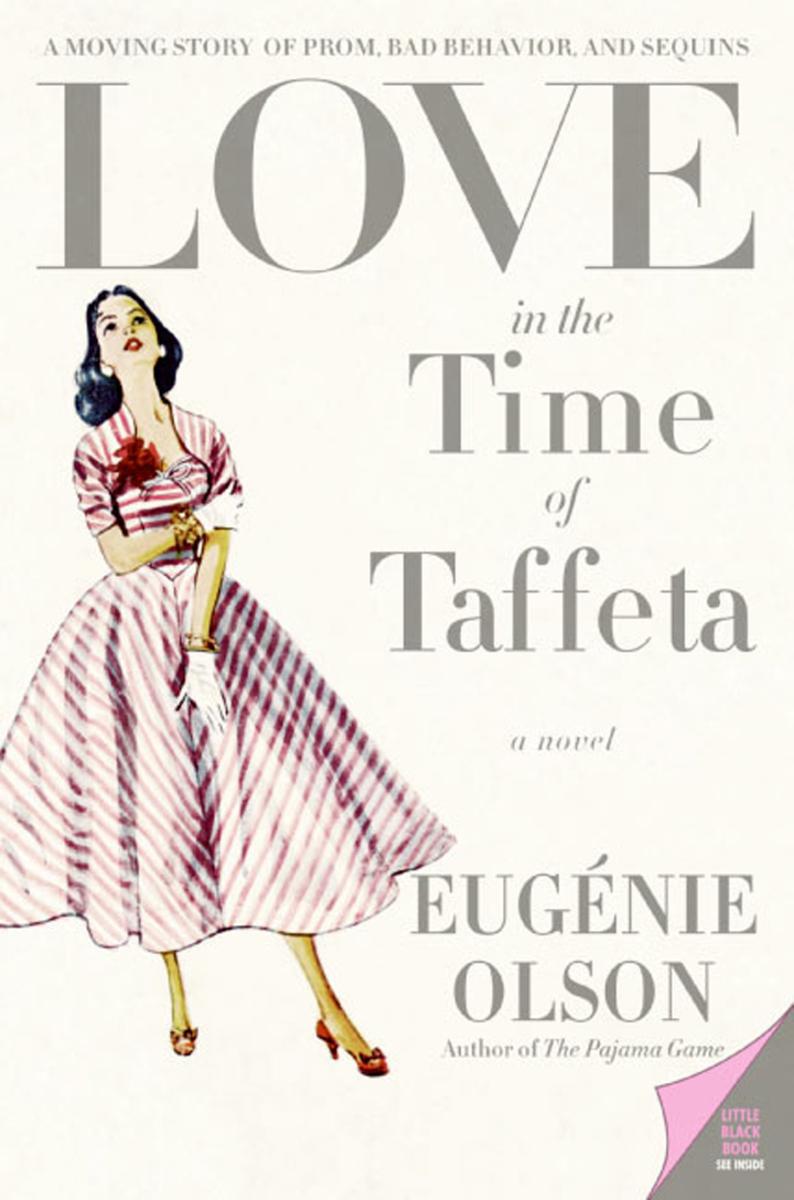
Love in the Time of Taffeta
¥84.16
At age 30, Iley Gilbert is thoroughly sick of trying to make it in the photo biz, and disenchanted after putting in stints at a Boston-area newspaper, a photography gallery, and even a pathetic frame shop. When she abruptly quits the frame shop, she's ready to give up for good, until she spots a compelling ad in the paper. A photographer who shoots high school prom photos is looking for an assistant. Not only that, He's willing to pay top dollar to someone who would give up Friday and Saturday nights to help take pre-prom pictures of high-school kids dressed in their finery and candid shots during the dance. William Jasper, Prom Photographer, is not the brand of aging, greasy wedding photographer she was expecting. Rather, He's 35, strikingly handsome, and sharp-witted. Iley is instantly attracted to him and gets the sense the feeling is mutual. But William isn't everything He's made himself out to be that is, he's not single. He's got a permanently out-of town wife-he doesn't need a girlfriend. But Iley has lost her way, and she-ll need her friends and her photos and a lot of bad proms before she can find her way back on track, away from the sleezeball, and into a life that-s a little more picture-perfect.
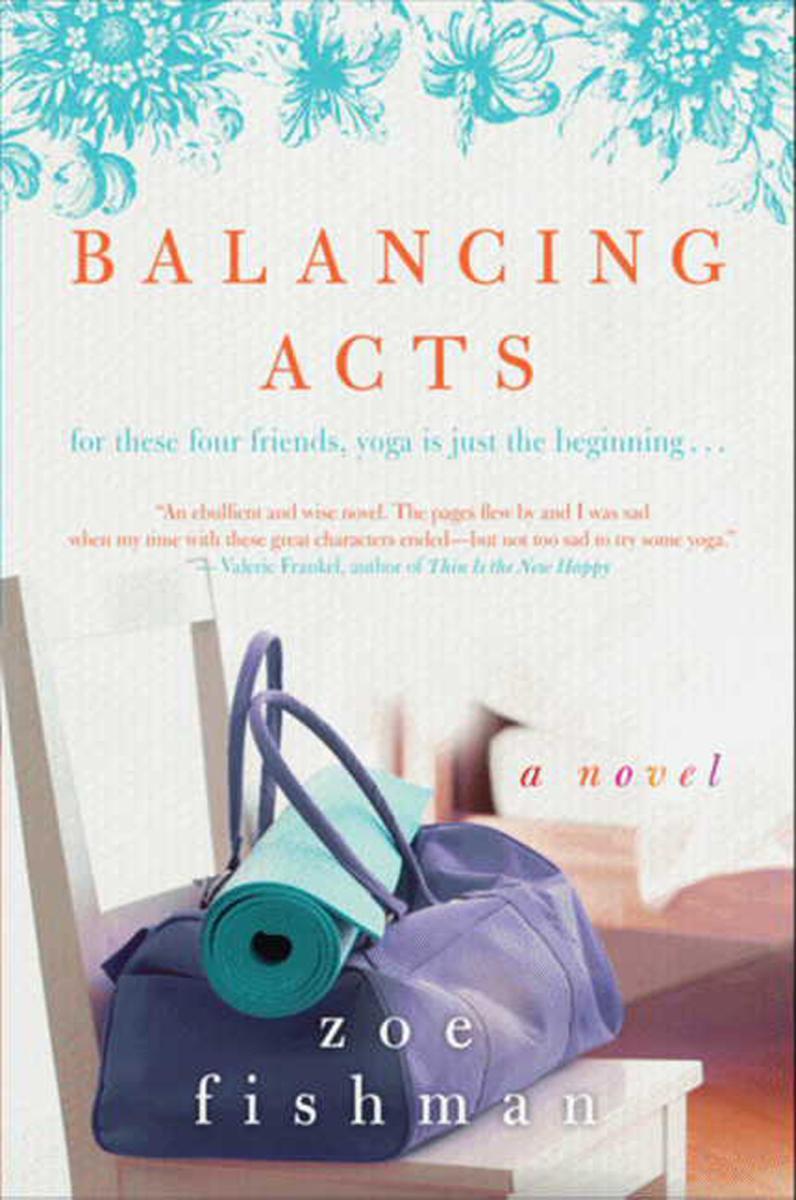
Balancing Acts
¥88.56
A poignant debut novel about the transformative powers of yoga and friendship for four women on the verge of realizing their dreamsWith beauty, brains, and a high-paying Wall Street position, Charlie was a woman who seemed to have it all—until she turned thirty and took stock of her life, or lack thereof. She left it all behind to pursue yoga, and now, two years later, she's looking to drum up business for her fledgling studio in Brooklyn. Attending her college's alumni night with fliers in tow, she reconnects with three former classmates whose post-graduation lives, like hers, haven't turned out like they'd hoped.Romance book editor Sabine still longs to write the novel that's bottled up inside her. Once an up-and-coming photographer and Upper East Side social darling, Naomi is now a single mom who hasn't picked up her camera in years. And Bess, who dreamed of being a serious investigative journalist a la Christiane Amanpour, is stuck in a rut, writing snarky captions for a gossip mag. But at a weekly yoga class at Charlie's studio, the four friends, reunited ten years after college, will forge new bonds and take new chances—as they start over, fall in love, change their lives...and come face-to-face with haunting realities.
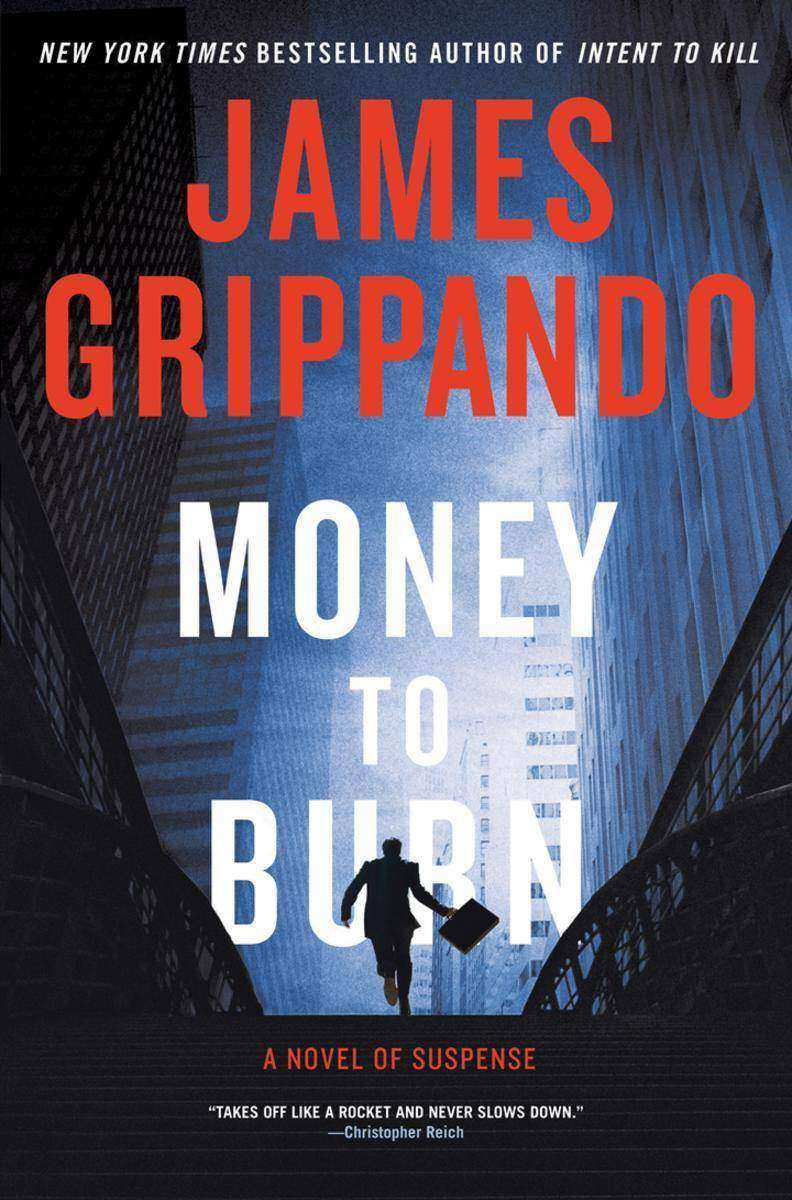
Money to Burn
¥69.16
In this timely stand-alone thriller ripped from the headlines, New York Times bestselling author James Grippando, whom the Wall Street Journal calls "a writer to watch," explores a world in which the destruction of financial institutions and the people who run them can occur in a matter of hours—perhaps even minutes.At thirty-one, Michael Cantella is a rising star at Wall Street's premier investment bank, Saxton Silvers. Everything is going according to plan until Ivy Layton, the love of his life, vanishes on their honeymoon in the Bahamas.Fast-forward four years. It's the eve of his thirty-fifth birthday, and Michael is still on track: successful career, beautiful new wife, piles of money. Reveling in his good fortune, Michael logs in to his computer, enters his password, and pulls up his biggest investment account: Zero balance. He tries another, and another. All of them zero. Someone has wiped him out. His only clue is a new e-mail message: Just as planned. xo xo.With these three words Michael's life as he knows it is liquidated, along with his investment portfolio. Saxton Silvers is suddenly on the brink of bankruptcy, and he's the leading suspect in its ruin. Michael is left alone, framed, and facing divorce, with undercover FBI agents afoot, spyware on his computer, and mysterious e-mails from a "JBU." Embroiled in corporate espionage, he's desperate to clear his name and realizes that several signs point to his first wife, Ivy, as a key player. But what if Ivy has come back from the dead, only to visit on Michael a fate worse than deathWith echoes of The Firm, James Grippando's newest thriller takes readers to the inner circle of Wall Street, illustrating the very real dangers of what Warren Buffett called "financial weapons of mass destruction."
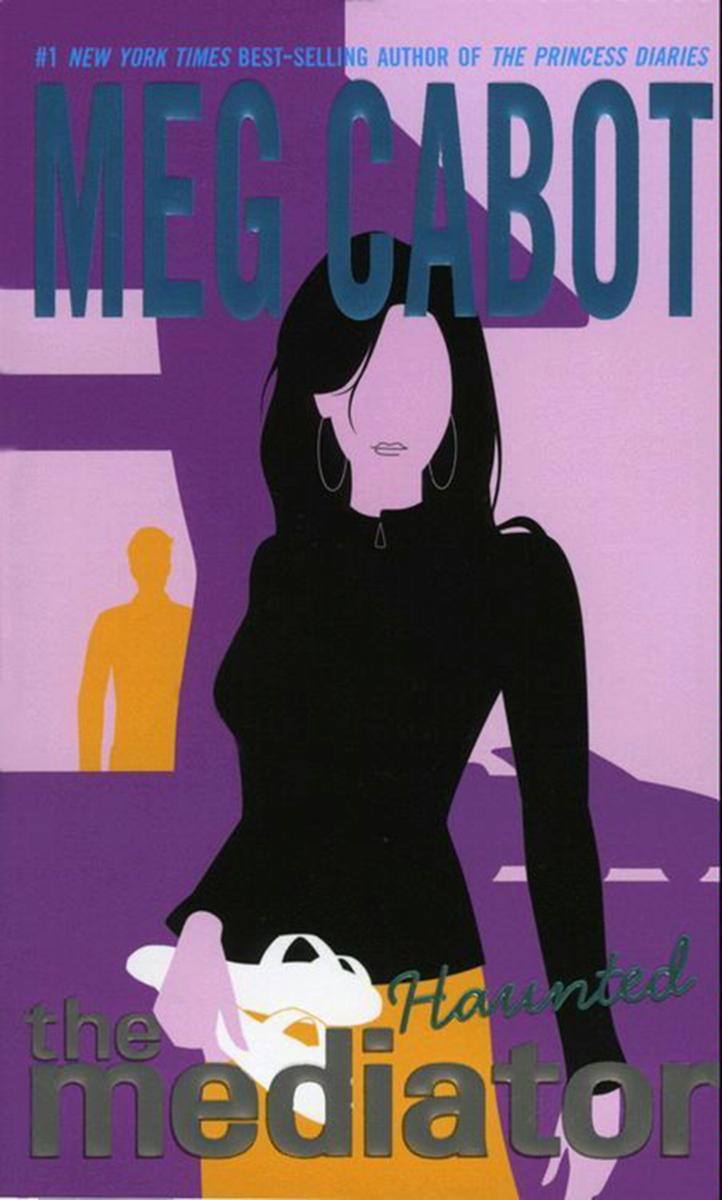
Mediator #5: Haunted
¥49.79
Suze is used to trouble, but this time she's in deep: Ghostly Jesse has her heart, but Paul Slater, a real flesh—and—blood guy, is warm for her form. And mediator Paul knows how to send Jesse to the Great Beyond. For good. Paul claims he won't do anything to Jesse as long as Suze will go out with him. Fearing she'll lose Jesse forever, Suze agrees. But even if Suze can get Jesse to admit his true feelings for her, what kind of future can she have with a guy who's already dead?
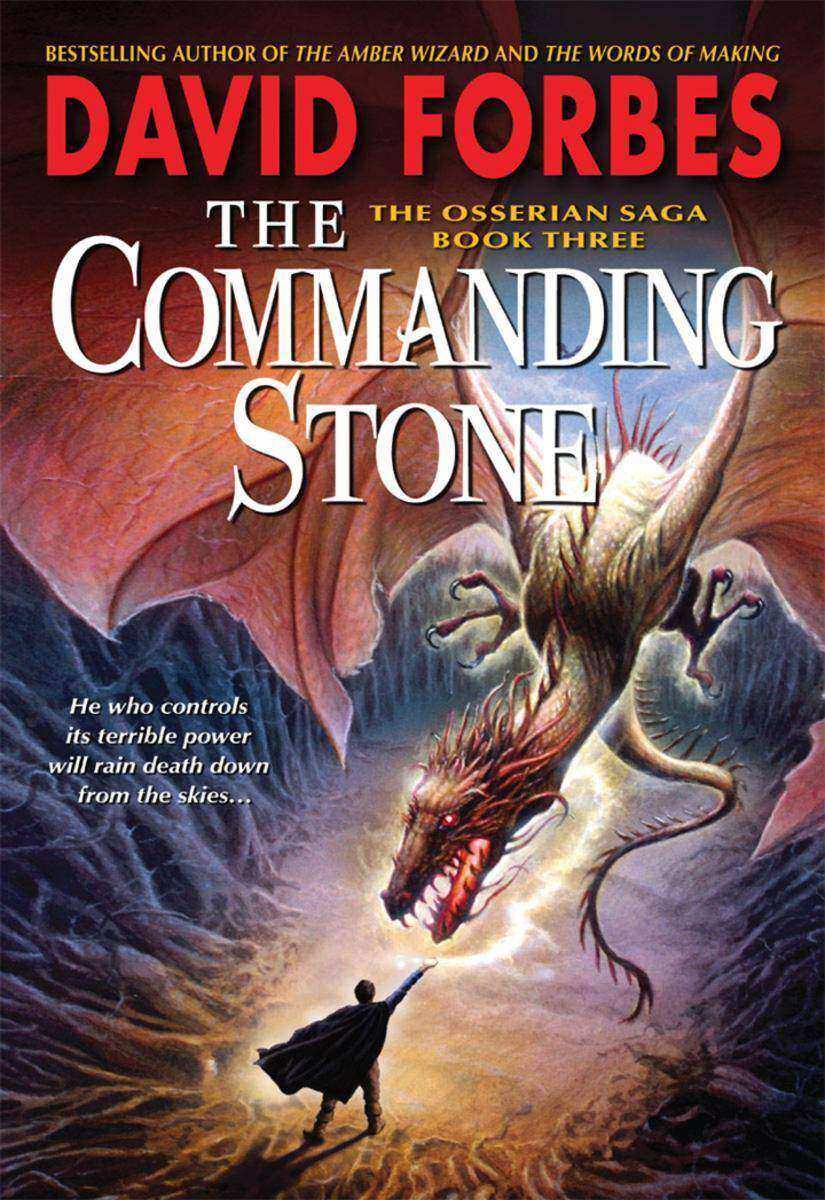
The Commanding Stone
¥56.67
Gerin, King of Khedesh, has long since accepted the mantle of Amber Wizard—the first in a millennium—with all the terrible responsibility that accompanies it. He has prevented the dread wizard-king, Asankaru, from attaining the all-powerful Words of Making, but the enemy grows stronger by the day. And now Gerin must be resolute and pursue the secret of the Words at any and all cost. For a new foe has emerged in a furious race toward a magical artifact that can awaken and command monsters long thought dead. And nothing will survive the devastation wrought by dragon fire.

Correcting the Landscape
¥85.05
The editor of a small weekly newspaper in Fairbanks, Alaska, Gus Traynor is an independent spirit whose idealism has survived numerous tests. When big business interests threaten the breathtaking wilderness he cherishes, he joins forces with his best friend—an often self-serving developer—to take on the forces of progress. Soon, in his determination to preserve the dignity and heritage of his community, Gus is learning more than he has ever imagined about the region's colorful mix of opportunists, dreamers, and artists. But his mission is complicated by the discovery of a young woman's body floating in the river . . . and by the blossoming of an unexpected love.
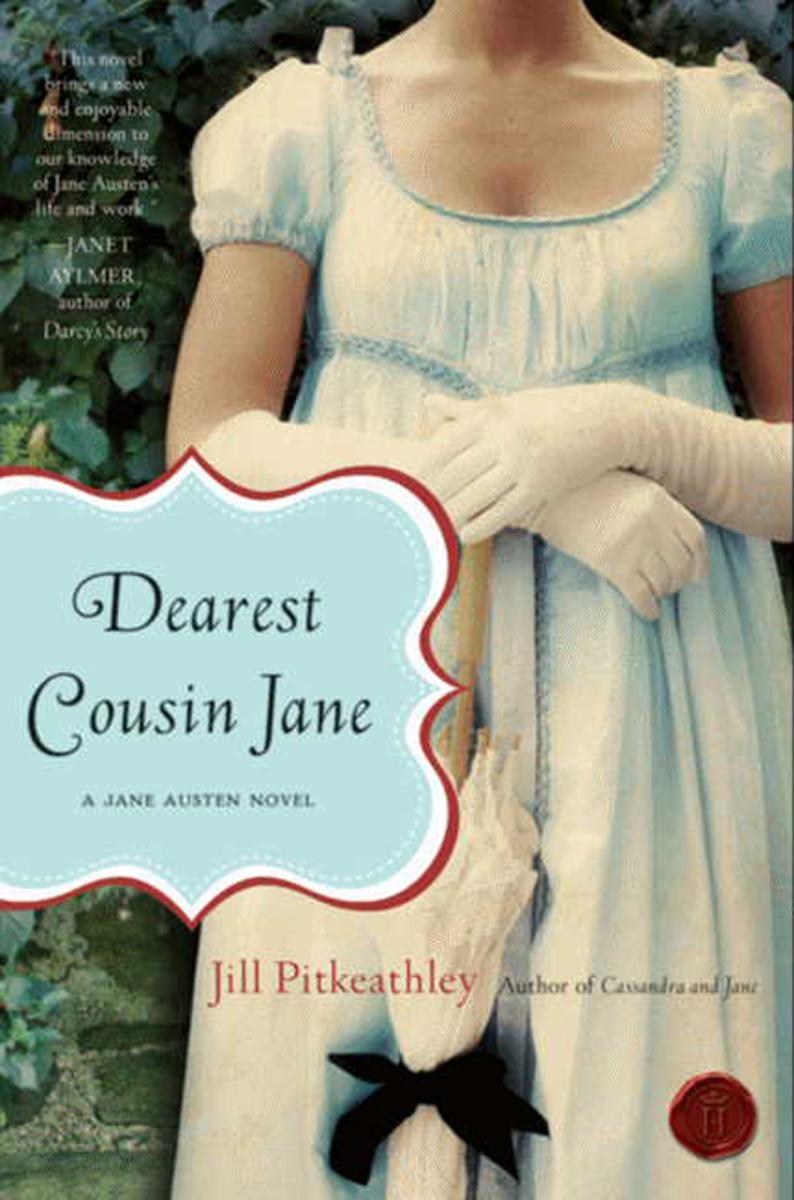
Dearest Cousin Jane
¥78.55
In Dearest Cousin Jane, an enchanting new novel that draws on historical fact, Jill Pitkeathley paints a luminous portrait of the true-life cousin of a literary legend—from her flirtatious younger years to her profound influence on one of the world's most beloved authors.Free-spirited and seductive—outrageous, precocious, and a well-known flirt—Countess Eliza de Feuillide has an unquenchable thirst for life and a glamorous air that captivates everyone around her. Rumored to have been born of a mad love affair between her mother and the great Warren Hastings of the East India Company, Eliza sees the world as her playground—filled with grand galas, theater, and romance—and she will let nothing hold her down. Even tragedy cannot dim her enthusiasm. Losing her only child at an early age and widowed when her husband—the dashing French count Jean de Feuillide—is claimed by Madame la Guillotine during the dark days of the Reign of Terror, Eliza is determined to remain indomitable, unpredictable, and unfettered. And it is this passionate spirit that she brings to a simple English country parsonage to influence the life, the work, and the world of her unsuspecting cousin . . . a quiet and unassuming young writer named Jane Austen.


