


 购物车
购物车 个人中心
个人中心
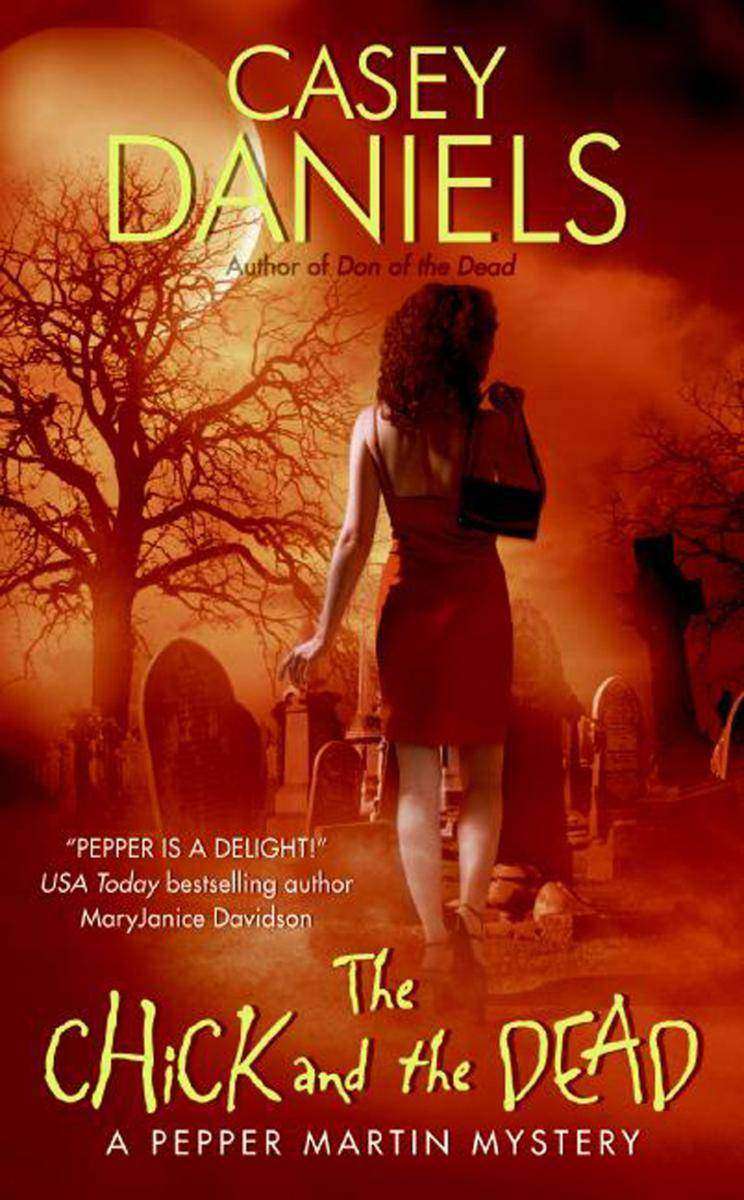
The Chick and the Dead
¥55.91
Ever since the former rich girl-turned-Cleveland cemetery tour guide banged her head on a headstone, she sees dead people. Worse still, she hears them—and they won't shut up! Now it's Didi Bowman, a poodle-skirted relic from the Great Beyond, who's bending Pepper's ear, complaining that her famous author sister, Merilee, has done her wrong. Trouble is, if Pepper proves it, she'll break the hearts of millions of Merilee's fans. And if she doesn't, Didi's ghost may never go away.Pepper needs peace and quiet (and rent money), so the cash-strapped ex-heiress agrees to take a job as Merilee's secretary and dig around the family tree. But when she unearths more than she bargained for—like an illegitimate daughter, a bunch of illicit love affairs, and a possible murder—suddenly a very poisoned pen is all set to write Pepper out of the story permanently.
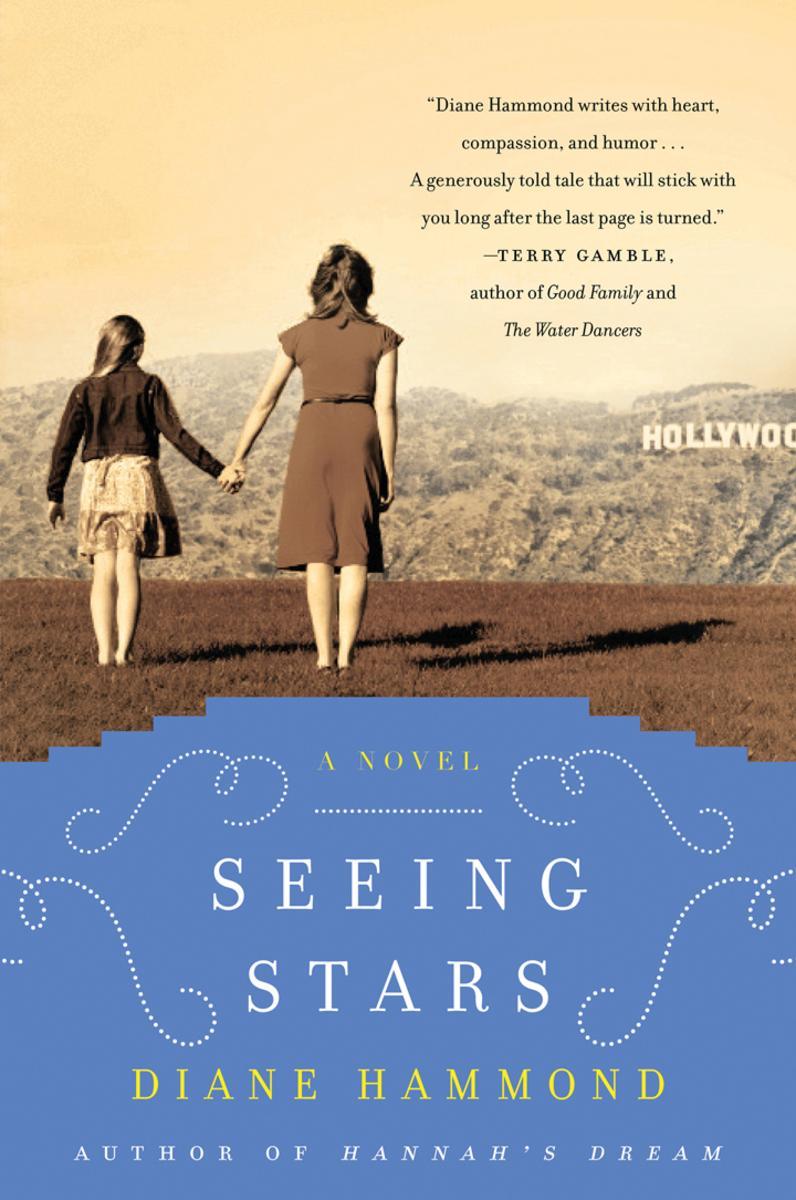
Seeing Stars
¥78.55
Ruth Rabinowitz believes. She believes that her daughter, Bethany, is a terrific little actress, so they have come to Hollywood, where dreams come true. Ruth’s husband and Bethany’s father, who thinks their quest for stardom is delusional, has been left behind in Seattle.Joining Bethany Rabinowitz in Hollywood’s often toxic waters are fellow child actors Quinn Reilly, who has been cast adrift by his family and excels only on Hollywood sets; beautiful Allison Addison, who is misled by her powerful need for love; and Laurel Buehl, who brings a desperate secret to LA that makes the stakes impossibly high. As talent managers, agents, coaches, directors, and teachers nurture—and feed on—their ambitions, stars will be made, hearts will be broken, children will grow up, and dreams will both be realized and die.

Crime Zero
¥49.57
What if the plague of violent crime could be eradicated fron the earth forever?What if the cure was more lethal than the diseaseThe death penalty is no deterrent. Prison reform has proven useless. With violent crime on a steady rise, a powerful cabal of scientists, politicians, and law-enforcement officials is looking to Project Conscience as a solution.A criminal psychologist with the FBI, Luke Decker is disgusted by his superiors' decision to embrace the controversial venture while ignoring its Possibly dangerous consequences. But shocking revelations whispered to him by a condemned killer on death row have plunged Decker into the terrifying intricacies of a monstrous conspiracy. Now his only ally is brilliant geneticist Dr. Kathy Kerronce Decker's lover, more recently his ideological adversary -- the brains behind the original Project Conscience. What they face is a potential catastrophe so vast and formidable, it threatens to alter forever the course of human evolution -- as the dream of peace and security morphs horribly into the nightmare of. . .

The Pilgrimage
¥88.56
Here Paulo Coelho details his journey across Spain along the legendaryroad of San Tiago, which pilgrims have travelled since Middle Ages. On this contemporary quest, he encounters a Chaucerian variety of mysterious guides and devilish opponents and learns to understand the nature of truth through the simplicity of life. The Pilgrimage holds an important place in Paulo Coelho's literary canon. His first book, it not only paved the way for his phenomenal novel The Alchemist , but it also fully expresses his humanist philosophy and the depth of his unique search for meaning.

Prayers for The Dead
¥69.90
The brutal murder of Dr. Azor Sparks in an alley behind a restaurant is greeted with public outrage and a demand for swift, sure justice. But the investigation into the well-known surgeon's death is raising too many questions and providing too few answers for homicide detective Lieutenant Peter Decker.Why, for example, would the family of a man so beloved respond to his slaying with more surprise than griefAnd what linked a celebrated doctor with strict fundamentalist beliefs to a gang of outlaw bikersBut the most unsettling connection of all is the one that ties the tormented Sparks family to Peter Decker's own -- and the secrets shared by a renegade Catholic priest...and Decker's wife, Rina Lazarus.
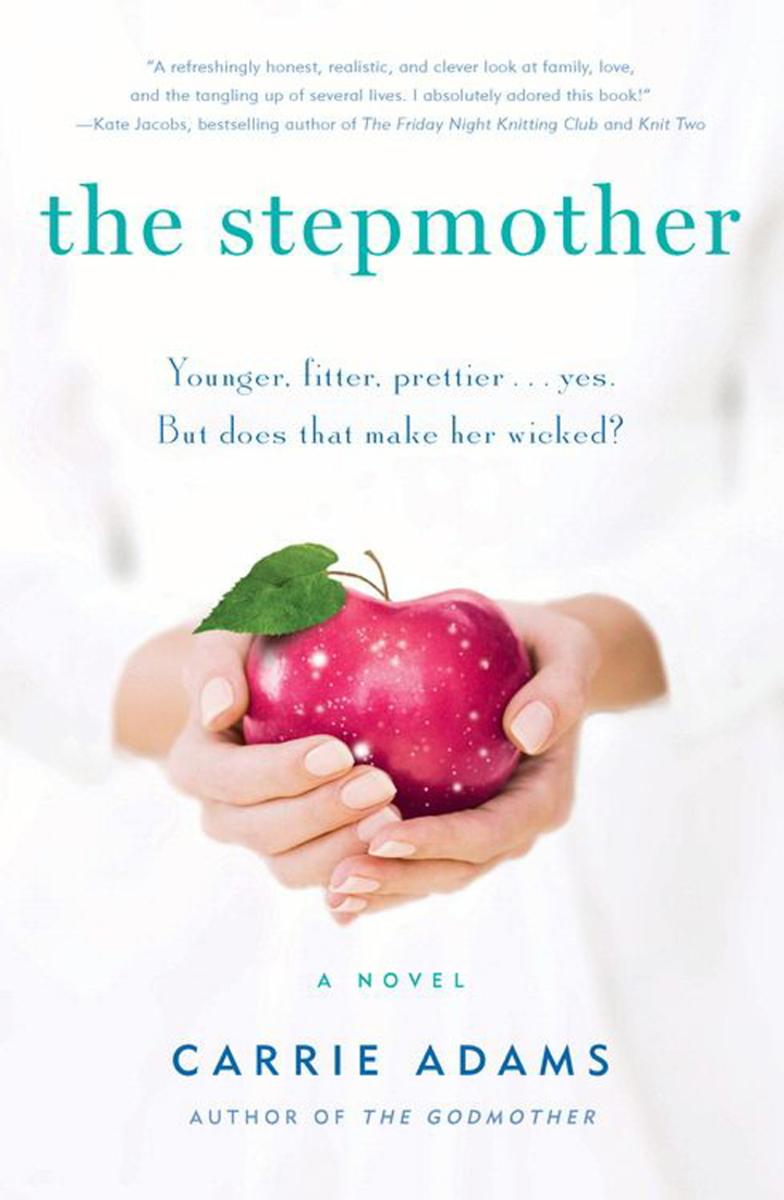
The Stepmother
¥84.16
Bea Frazier hoped she'd rediscover her incredible self after divorcing Jimmy. But being home alone with three daughters brings her demons back with a vengeance. The only solution is to reunite her family. The trouble is, her ex is about to marry someone else. Tessa King has finally found true love, but her knight in shining armor comes with three sullen daughters and an ex who doesn't seem nearly "ex" enough. After years of singledom, what does Tessa have to do to finally live happily ever afterAs the two women negotiate carpools, puberty, and family loyalties, each finds it almost impossible not to fall into the old cliché of the bitter first wife and the wicked stepmother. But if Bea and Tessa are brave enough, they just may find a friend where they once saw an enemy. . . . Absorbing and touching, humorous and honest, The Stepmother reminds us that there is always another side to the story.
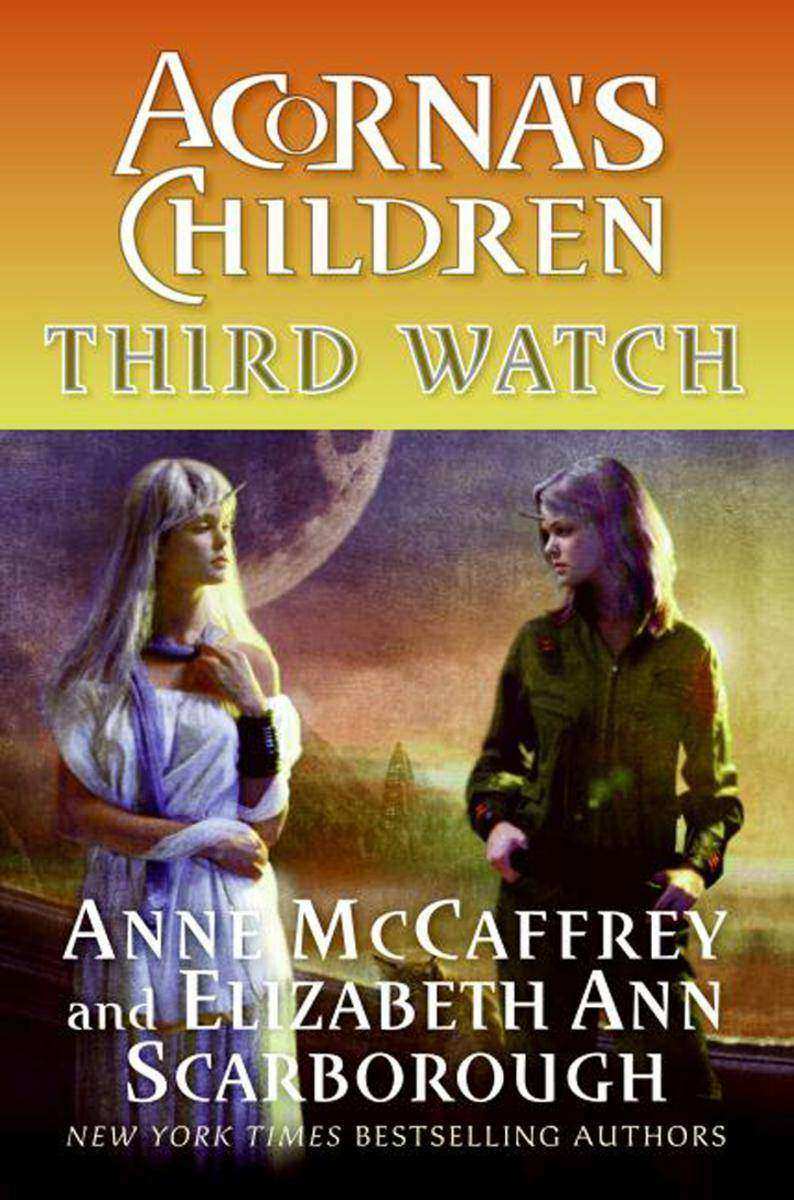
Third Watch
¥55.91
The dramatic conclusion to the breathtaking saga of the children of Acorna and Aari.Khorii, the rebellious daughter of Acorna, the near-mythic heroine of her people, has tried to follow in her mother's footsteps in this time of plague and terror. But the pressure on the courageous young woman to succeed is tremendous, and the legacy she is expected to fulfill is overwhelming.The insidious enemy that has ravaged countless known worlds has left Khorii's illustrious parents too weak to oppose it. Now, as the deadly foe prepares to launch its devastating final assault, it falls to Acorna's children—Khorii and her newly discovered sister, Ariin—to halt the brutal attack once and for all. But victory may prove too difficult, elusive, and ultimately fragile—and even time itself may be conspiring against the daughters in their desperate battle to save their family . . . and their universe.
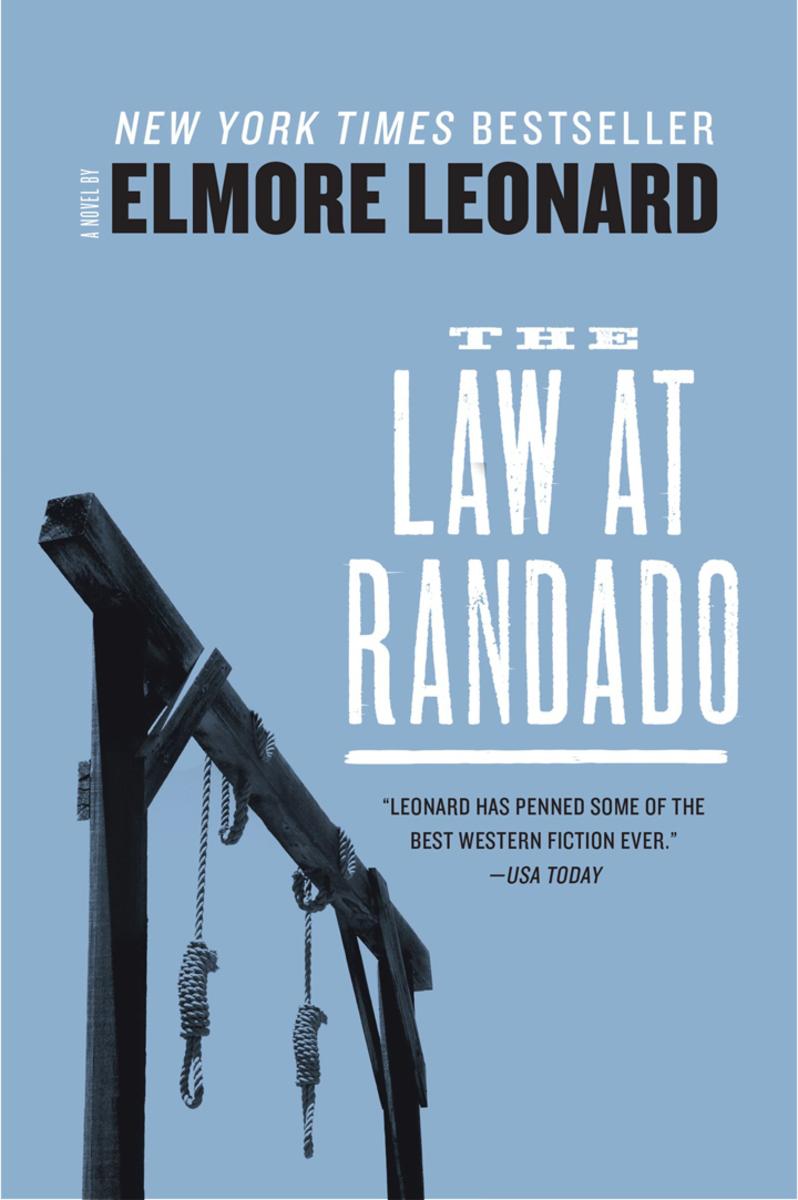
The Law at Randado
¥42.03
Phil Sundeen thinks Deputy Sheriff Kirby Frye is just a green local kid with a tin badge. And when the wealthy cattle baron's men drag two prisoners from Frye's jail and hang them from a high tree, there's nothing the untried young lawman can do about it. But Kirby's got more grit than Sundeen and his hired muscles bargained for. They can beat the boy and humilate him, but they can't make him forget the jog he has sworn to do. The cattleman has money, fear, and guns on his side, but Kirby Frye's the law in this godforsaken corner of the Arizona Territories. And he'll drag Sundeen and his killers straight to hell himself to prove it.
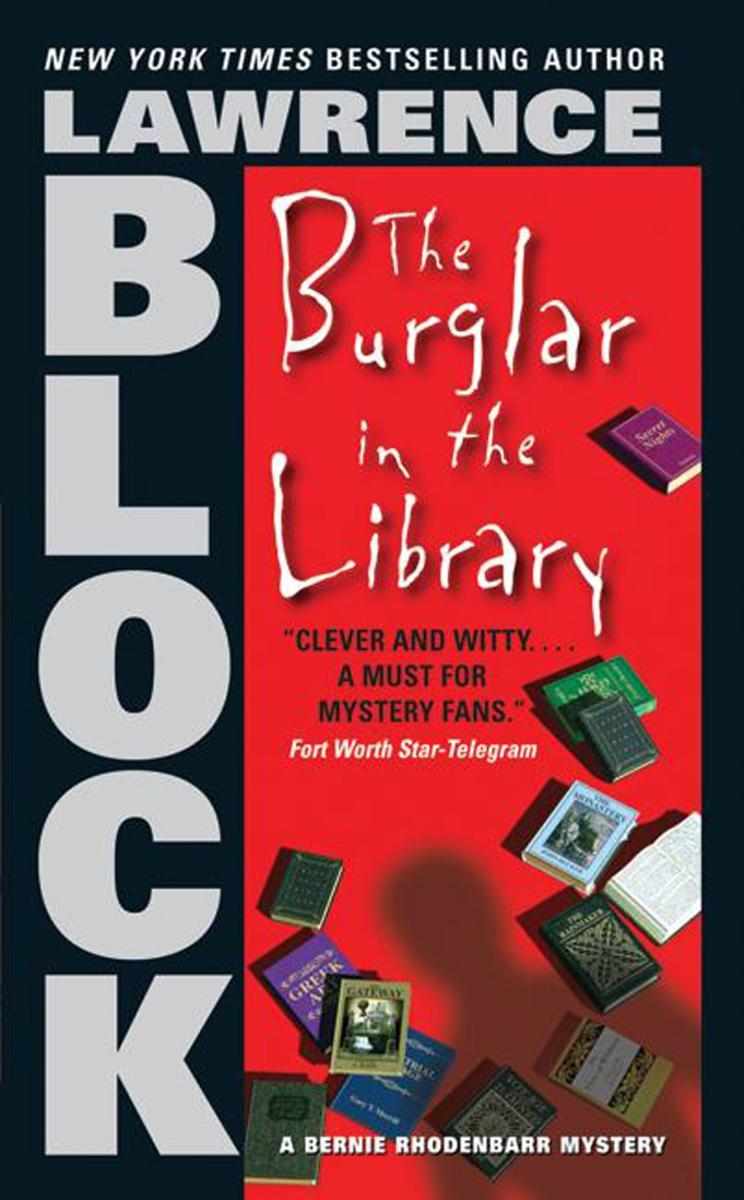
The Burglar in the Library
¥55.31
Bookseller and New-Yorker-to-the-bone, Bernie Rhodenbarr rarely ventures out of Manhattan, but he's excited about the romantic getaway he has planned for himself and current lady love Lettice at the Cuttleford House, a remote upstate b&b. Unfortunately, Lettice has a prior engagement—she's getting married . . . and not to Bernie—so he decides to take best buddy Carolyn instead. A restful respite from the big city's bustle would be too good to waste. Besides, there's a very valuable first edition shelved in the Cuttleford's library that Bernie's just itching to get his hands on. Did we neglect to mention that Bernie's a burglar?But first he's got to get around a very dead body on the library floor. The plot's thickened by an isolating snowstorm, downed phone lines, the surprise arrival of Lettice and her reprehensible new hubby, and a steadily increasing corpse count. And it's Bernie who'll have to figure out whodunit . . . or die.

Jim Thorpe
¥21.73
A biography of the American Indian known as one of the best all-round athletes in history for his accomplishments as an Olympic medal winner and as an outstanding professional football and baseball player.
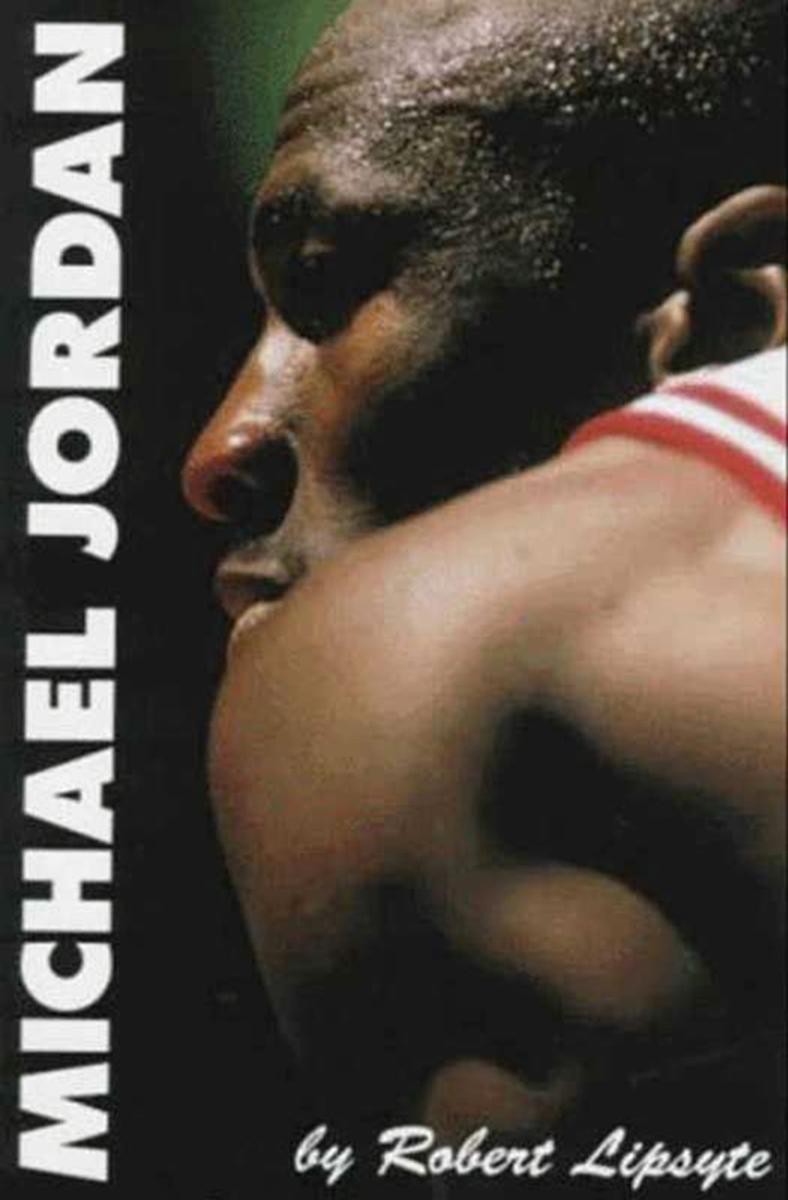
HarperCollins
¥108.99
Michael Jordan was a late bloomer.Cut from the Varsity basketball team in high school when he first tried out, Michael nonetheless became the best basketball player that ever lived—Rare Air Jordan.The true story of how Michael Jordan achieved this amazing level of success as a basketball player—and as the high king of commercial endorsements—underscores one of the new roles of athletes in our society today.Here's a fascinating look at both the evolution of basketball and Michael Jordan's stunning climb to the peak of his sport, and his season in minor league baseball.
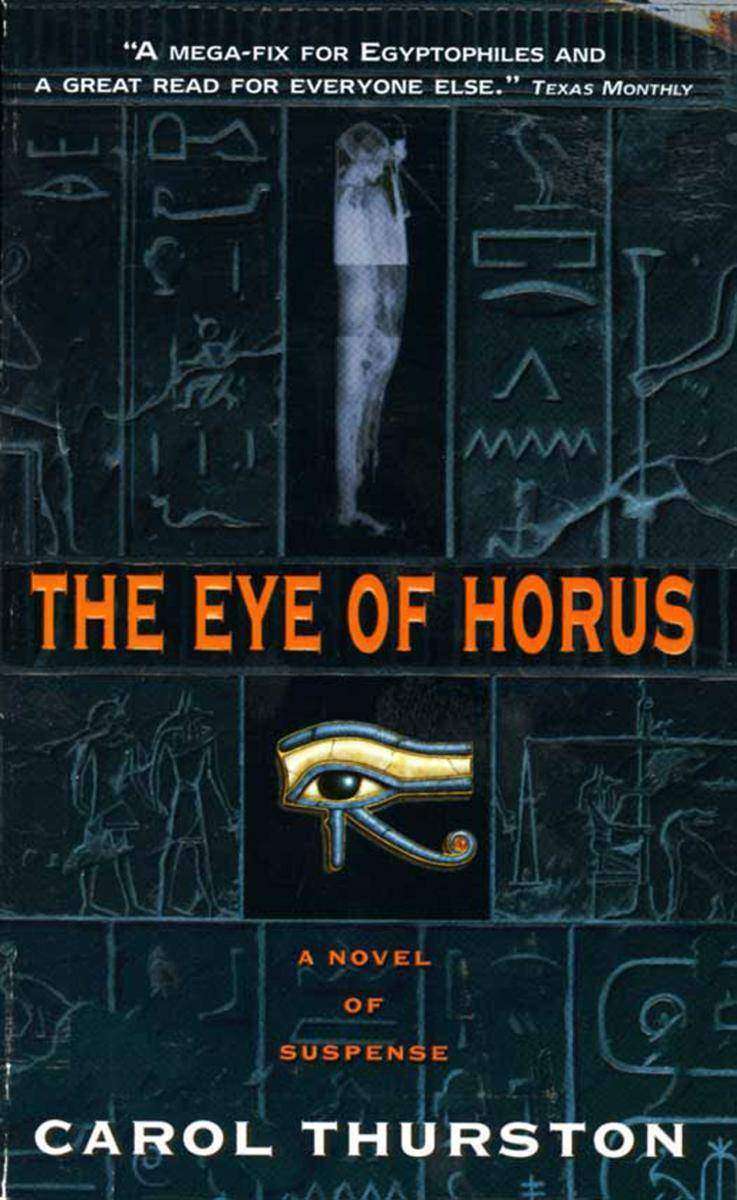
The Eye Of Horus
¥48.39
Hired by the Egyptology department of a Denver museum to create displays for an exhibit, medical illustrator Kate McKinnon encounters an intriguing enigma: the mummy of a young woman who lived thirty-three centuries ago, her ribs broken, one hand shattered, and a man's skull between her legs.With the aid of radiologist Max Cavanaugh, employing the latest forensic and medical imaging techniques, Kate starts to unravel the millennia-old puzzle. And as the mummy's remarkable secrets come to light, a parallel story begins to unfold of a young girl born into a nest of vipers in an age when godlike pharaohs reigned in unimaginable splendor. Suddenly Kate finds herself on a twisting path leading her deeper into the shadows of anciet Kemet...and ever closer to the shocking revelations of a crime so staggering its horrific power remains undimished by the relentless passage of time.
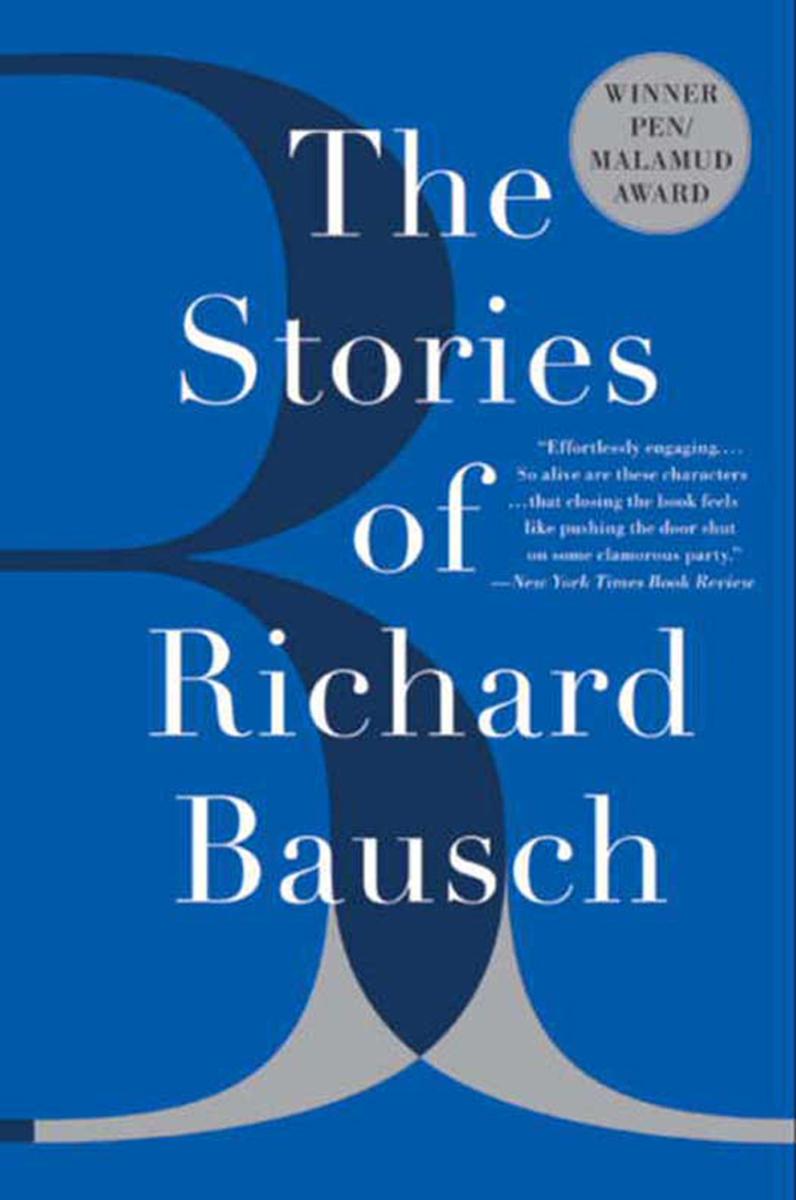
The Stories of Richard Bausch
¥94.10
A 2004 PEN/Malamud Award winner, this collection celebrates the work of American artist Richard Bausch -- a writer the New York Times calls "a master of the short story." By turns tender, raw, heartbreaking, and riotously funny, the many voices of this definitive forty-two-story collection (seven of which appear here for the first time) defy expectation, attest to Bausch's remarkable range and versatility, and affirm his place alongside such acclaimed story writers as John Cheever, Flannery O'Connor, Raymond Carver, and Grace Paley.
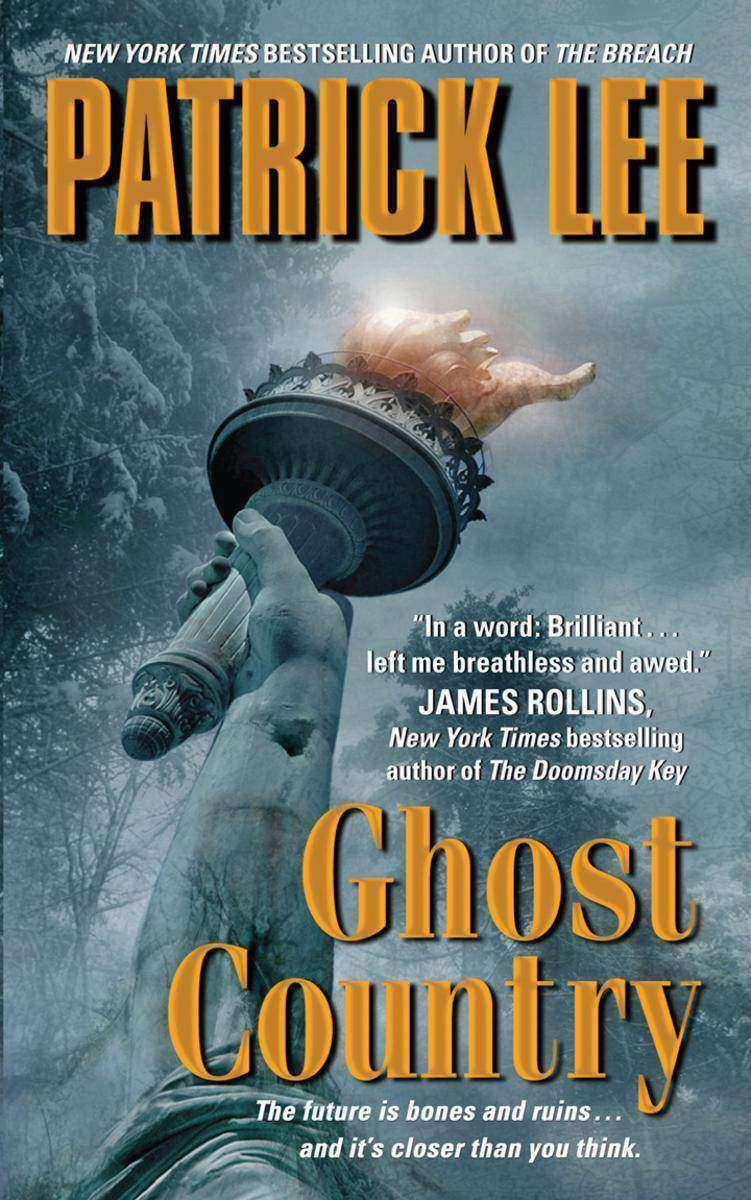
Ghost Country
¥55.31
For decades, inexplicable technology has passed into our world through the top secret anomaly called the Breach. The latest device can punch a hole into the future . . .What Paige Campbell saw when she opened a door into seventy years from now scared the hell out of her. She and her Tangent colleagues brought their terrible discovery to the President—and were met with a hail of automatic gunfire after leaving the White House. Only Paige survived.Fearing a terrifying personal destiny revealed to him from the other side of the Breach, Travis Chase abandoned Tangent . . . and Paige Campbell. Now he must rescue her—because Paige knows tomorrow’s world is desolate and dead, a ghost country scattered with the bones of billions. And Doomsday will dawn in just four short months . . . unless they can find the answers buried in the ruins to come.But once they cross the nightmare border into Ghost Country, they might never find their way back . . .

Collecting Himself
¥112.00
James Thurber spent most of his career at the New Yorker magazine, drawing cartoons and writing essays and stories. Collecting Himself is a one-of-a-kind compilation of James Thurber's vintage writings, featuring previously unanthologized articles, essays, interviews, reviews, cartoons, parodies, as well as Thurber's reflections on his work in theater and at the New Yorker. An eclectic body of work that offers a glimpse into Thurber the man, the philosopher, and the critic.

Simple Vegetarian Pleasures
¥112.23
Jeanne Lemlin is keenly aware that we're all vegetarians some of the time and that what we crave is delicious food, quick and simple to prepare. In Simple Vegetarian Pleasures,she provides 200 tempting recipes to fulfill your every wish. With her tips for keeping your pantry and refrigerator stocked to simplify meal preparation and her vibrantly flavored recipes, you have the keys to a terrific meal.Pressed for timeBecause you'll already have onions, eggs and cheese on hand, a Caramelized Onion Omelet is a fast and delicious supper. Always skipping breakfastA pan of Blueberry Oat Muffins will provide you with several days' worth of breakfasts on the run. Expecting guestsStart with an African-inspired Peanut Soup, followed by Potato, Spinach and Feta Cheese Gratin, a main dish that's both hearty and elegant. Finish with a Nantucket Cranberry Cake that you assembled in minutes and baked during dinner; it's easy, fast and fabulous.Jeanne's many fans already know that the flexibility and range of her recipes encourage you to take advantage of seasonal fruits and vegetables. Her menu suggestions let frazzled cooks move serenely from soup to nuts without that pressed-for-time anxiety. Whether you're vegetarian all the time or only three days a week, a crossover vegetarian, or even a carnivore who enjoys meatless dishes, Jeanne Lemlin has your food right here -- simply delicious and deliciously simple.

Chicken on the Grill
¥140.08
The aroma should be irresistible. The outside should be crisp, the inside juicy. We're talking about one of America's most popular foods -- grilled chicken. But how many times does the outside look perfect while the inside is perfectly rawOr you're simply left with a smoldering, charred mess?Award-winning cookbook authors and America's outdoor grilling experts, Cheryl and Bill Jamison come to the rescue in Chicken on the Grill. The Jamisons identify the most common mistakes in grilling chicken and, most important, teach you how to correct them. Learn how to tend to the fire, how to time the grilling process, and how to check for doneness. Their advice and expertise make it easy to enjoy perfectly tender, juicy chicken that is bursting with true flavor only grilling over a fire can impart.With more than 50 color photographs throughout, Chicken on the Grill is as much a feast for the eyes as it is for the table. The 100-plus recipes include everything from classic Grill-Roasted Chicken and Grilled Chicken Caesar on a Skewer to exotic new dishes like Tequila-Lime Chicken Tacos with Charred Limes and Curried Chicken Roti. There are 50 inspiring ideas for boneless, skinless breasts, plus recipes for wings, sandwiches, and satays. Since man can't really live by chicken alone, there are recipes for sides and sweets such as Rockin' Guac, Grilled Asparagus with Orange Zest, and Frozen Margarita Pie.Chicken is economical, rich in protein and nutrients, and can be prepared in a wide variety of ways to suit a wide variety of tastes. From everyday family meals to entertaining a crowd, you can't beat a great grilled chicken. And you can't beat Chicken on the Grill for showing you just how to do it.

In the Hands of A Chef
¥196.21
How do great chefs make their food taste betterIs it the ingredients they useTheir cooking techniques and equipmentThat's part of the answer. But the real secret is that truly great chefs follow their instincts -- the kitchens in their heads. Now, in her first cookbook, Jody Adams, the award-winning chef/co-owner of Boston's Rialto, teaches you how to follow your own instincts and make the transition from passionate eater to passionate cook.In the Hands of a Chef shares Jody's favorite dishes, those she prepares for family and friends in her home kitchen. By teaching the basics of artisanal cooking, or making good food from scratch, she gives cooks a solid foundation for cooking like a chef. She tells readers what to look for when buying ingredients, what equipment is essential, and how a dish should look and taste while being prepared.Above all, Jody encourages readers to trust their instincts and follow them to create a cooking style that feels right, using recipes as the building blocks for their own creations.From starters, seasonal soups, salads, and main courses to desserts, Jody reinvents Mediterranean foods using unconventional ingredients, many from New England. For a boost of summer flavor, grilled tomatoes add depth to gazpacho. To vary the flavor of simple salads -- from a Minted Romaine Salad with Grapes, Ricotta Salata, and Toasted Almonds to Arugula and Portobella Mushroom Salad-one or two seasonal ingredients are added to the usual recipes. Drawing inspiration from Italian tradition, Jody offers up innovative pasta and grains dishes. Ravioli, pappardelle, gnocchi, and linguine are served up with Mediterranean flavors and ingredients -- tomatoes, olives, figs, chestnuts, fresh greens, wild mushrooms, Parmesan cheese -- for home-style meals any time of the year. Yet much of Jody's cooking is pure American in flavor. Dessert classics are reinvented with new twists, such as Super-Creamy Rice Pudding with Passion Fruit Sauce and Heather's Cranberry Chocolate Pecan Tart. Here, too, are Jody's signature dishes, including Roasted Marinated Long Island Duck with Green Olive and Balsamic Vinegar Sauce and Soupe de Poisson, which Jacques Pépin calls the best version outside of France.Intended to make you wish you had more time to spend in the kitchen, In the Hands of a Chef is an inspiration as well as an essential resource for every cook. Why be just a good cook when you can be a great onePut yourself in the hands of Jody Adams with In the Hands of a Chef.
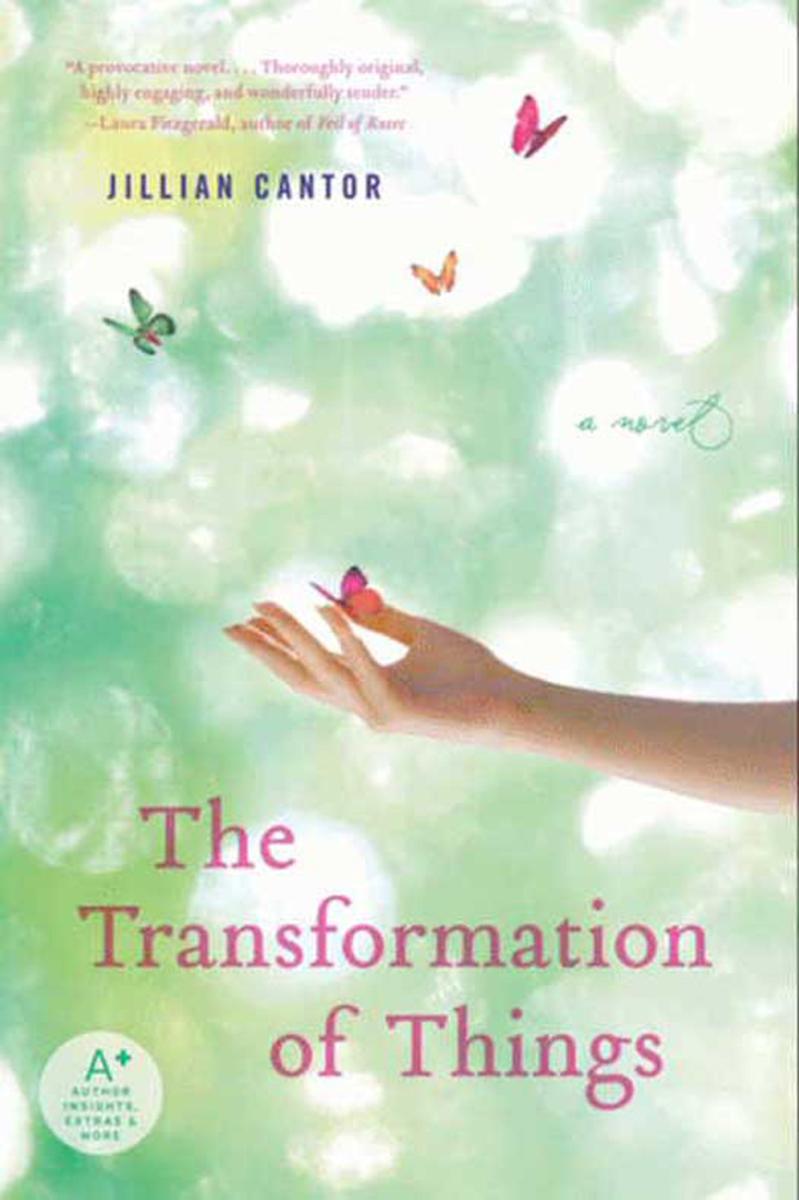
The Transformation of Things
¥78.32
What if the reality you thought you knew was nothing but a fantasyJennifer Levenworth has a great big pounding headache. It could be because her husband, a judge, is indicted on bribery charges, leaving her unsure about everything in her marriage. Or it could be caused by the media, who are relentlessly covering the story. Or because the friends Jennifer thought she knew and trusted have turned their backs on her in her greatest hour of need.And then the dreams begin. . . . And while Jennifer sleeps, she swears she can see—and hear—her friends' and family's most private moments. Soon Jennifer realizes she is actually learning the truth about their lives, which is also leading her to question everything she thought she knew about herself. But when the dreams start to reveal a startling reality, can Jennifer find the strength to ultimately transform her life?
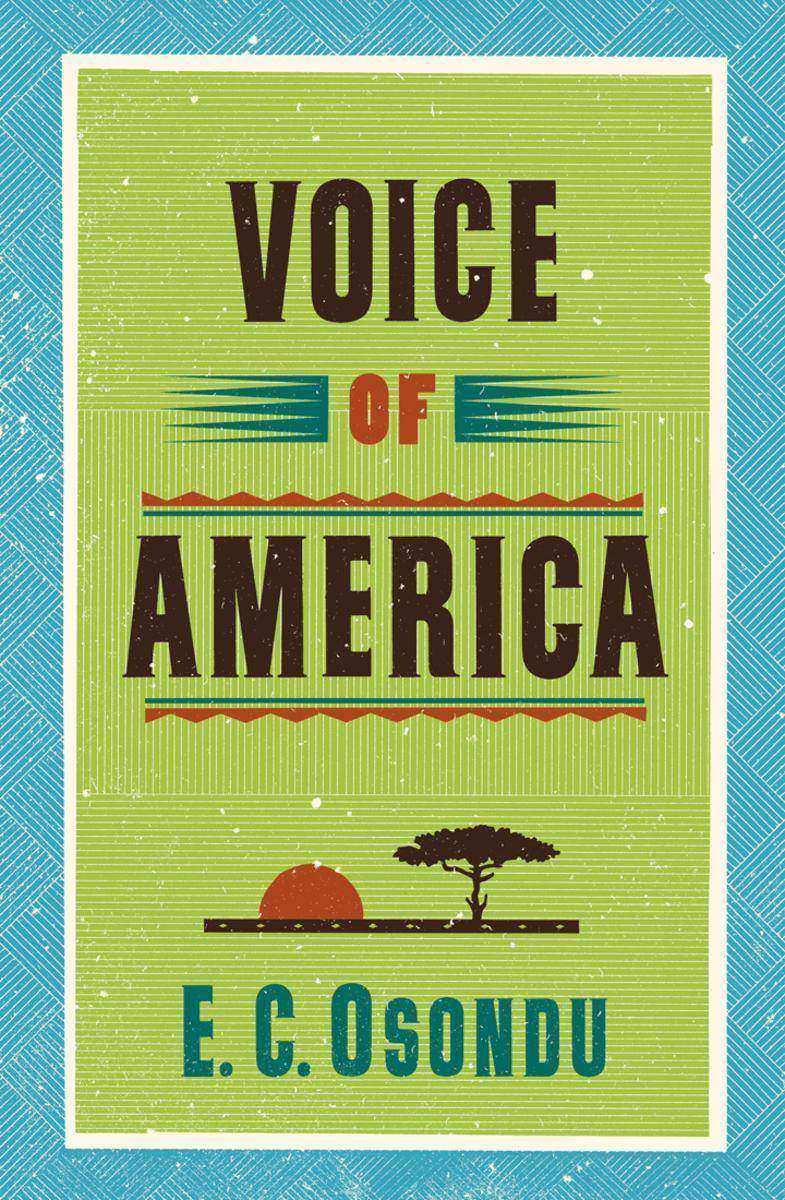
Voice of America
¥83.92
An electrifying debut from a winner of the Caine Prize for African WritingE. C. Osondu is a fearless and passionate new writer, whose stories echo the joys and struggles of a cruel, beautiful world. His characters burst from the page—they fight, beg, love, grieve, but ultimately they are dreamers. Set in Nigeria and the United States, Voice of America moves from the fears and dreams of boys and girls in villages and refugee camps to the disillusionment and confusion of young married couples living in America, and then back to bustling Lagos. In "Waiting," two young refugees make their way through another day, fighting for meals and hoping for a miracle that will carry them out of the camp; in "A Simple Case," the boyfriend of a prostitute is rounded up by the local police and must charm his fellow prisoners for protection and survival; and in "Miracle Baby," the trials of pregnancy and mothers-in-law are laid bare in a woman’s return to her homeland. Each of the eighteen stories here possesses a voice at once striking and elegant, capturing the dramatic lives of an unforgettable cast of characters.Written with exhilarating energy and warmth, the stories of Voice of America are full of humor, pathos, and wisdom, marking the debut of an extraordinary new talent.

Anne of Avonlea Complete Text
¥10.83
Rediscover L.M. Montgomery's classic novel and the irrepressible Anne in this delightful edition of Anne of Green Gables, the heartwarming story of a talkative redheaded, freckle-faced orphan named Anne Shirley.


