


 购物车
购物车 个人中心
个人中心
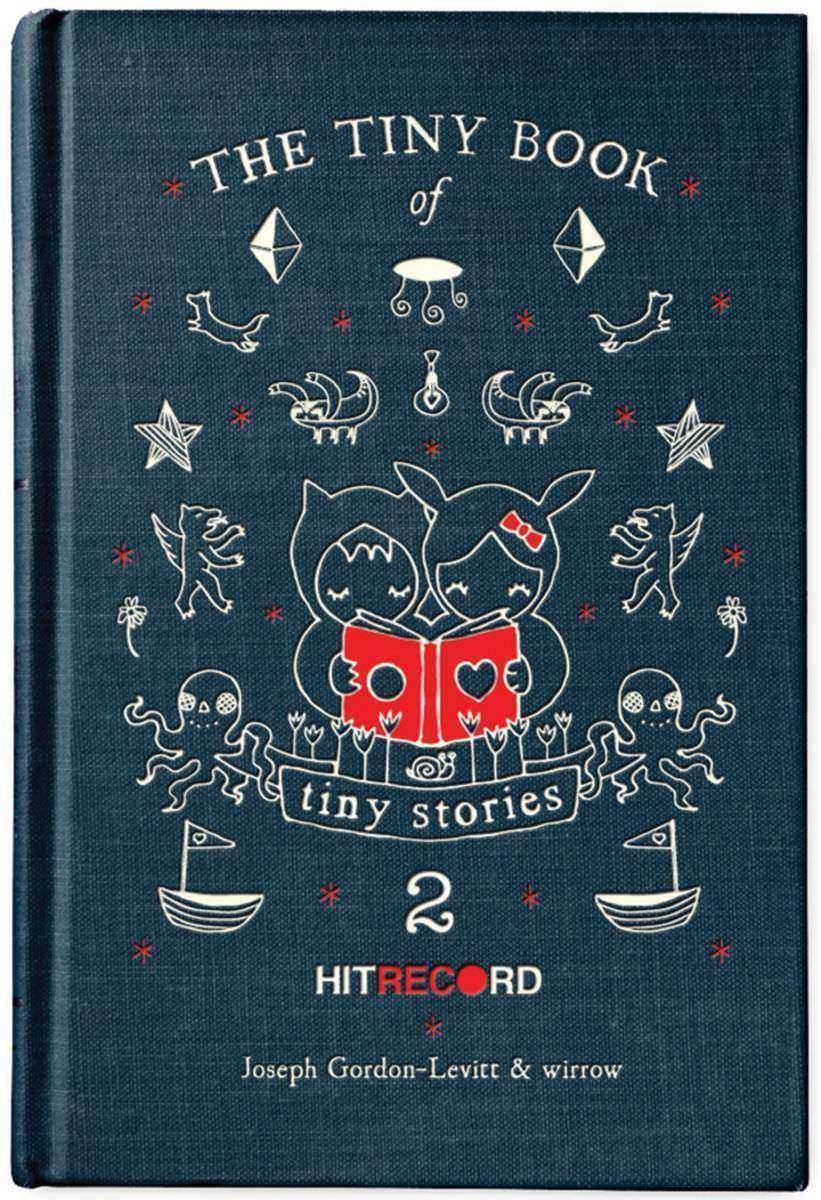
The Tiny Book of Tiny Stories: Volume 2
¥94.10
The universe is not made of atoms; it made of tiny stories. Featuring 62 contributors from the 14,946 contributions to the Tiny Stories collaboration on HITRECORD.ORG
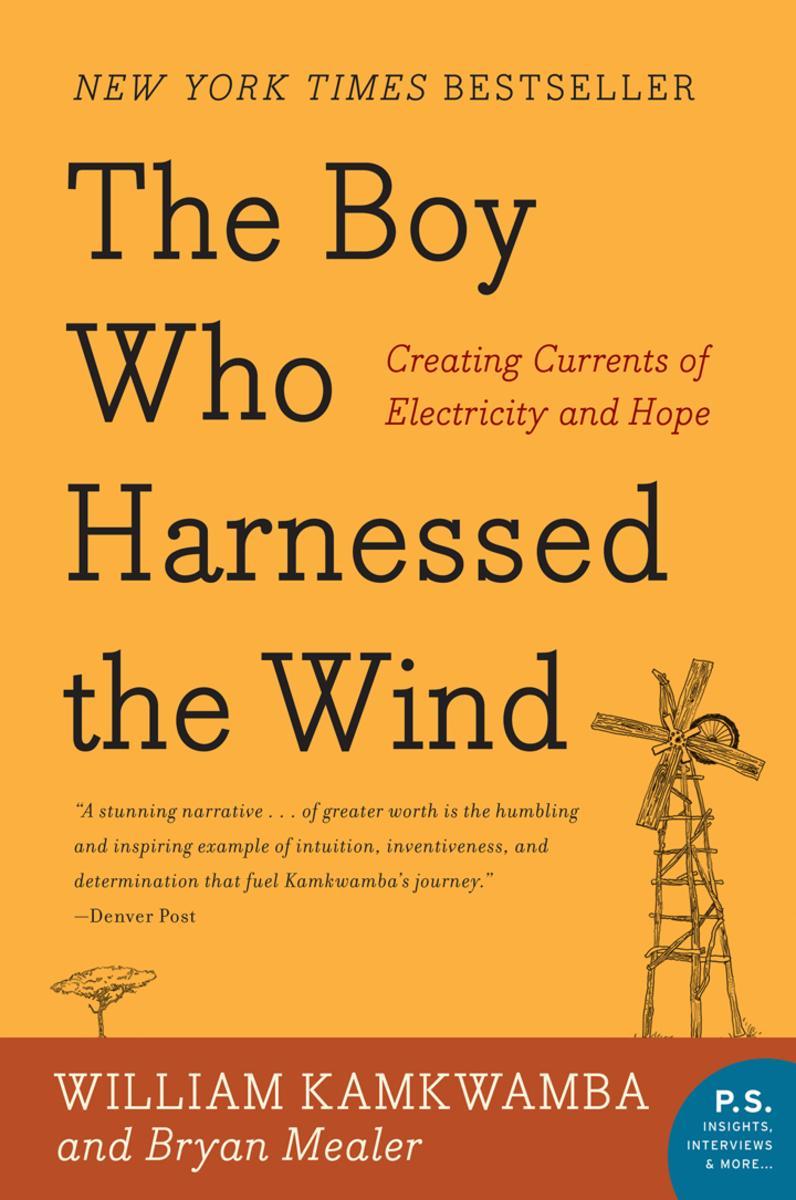
The Boy Who Harnessed the Wind
¥90.51
William Kamkwamba was born in Malawi, a country where magic ruled and modern science was mystery. It was also a land withered by drought and hunger, and a place where hope and opportunity were hard to find. But William had read about windmills in a book called Using Energy, and he dreamed of building one that would bring electricity and water to his village and change his life and the lives of those around him. His neighbors may have mocked him and called him misala crazy but William was determined to show them what a little grit and ingenuity could do. Enchanted by the workings of electricity as a boy, William had a goal to study science in Malawi's top boarding schools. But in 2002, his country was stricken with a famine that left his family's farm devastated and his parents destitute. Unable to pay the eighty-dollar-a-year tuition for his education, William was forced to drop out and help his family forage for food as thousands across the country starved and died. Yet William refused to let go of his dreams. With nothing more than a fistful of cornmeal in his stomach, a small pile of once-forgotten science textbooks, and an armory of curiosity and determination, he embarked on a daring plan to bring his family a set of luxuries that only two percent of Malawians could afford and what the West considers a necessity electricity and running water. Using scrap metal, tractor parts, and bicycle halves, William forged a crude yet operable windmill, an unlikely contraption and small miracle that eventually powered four lights, complete with homemade switches and a circuit breaker made from nails and wire. A second machine turned a water pump that could battle the drought and famine that loomed with every season. Soon, news of William's magetsi a mphepo his "electric wind" spread beyond the borders of his home, and the boy who was once called crazy became an inspiration to those around the world. Here is the remarkable story about human inventiveness and its power to overcome crippling adversity. The Boy Who Harnessed the Wind will inspire anyone who doubts the power of one individual's ability to change his community and better the lives of those around him.
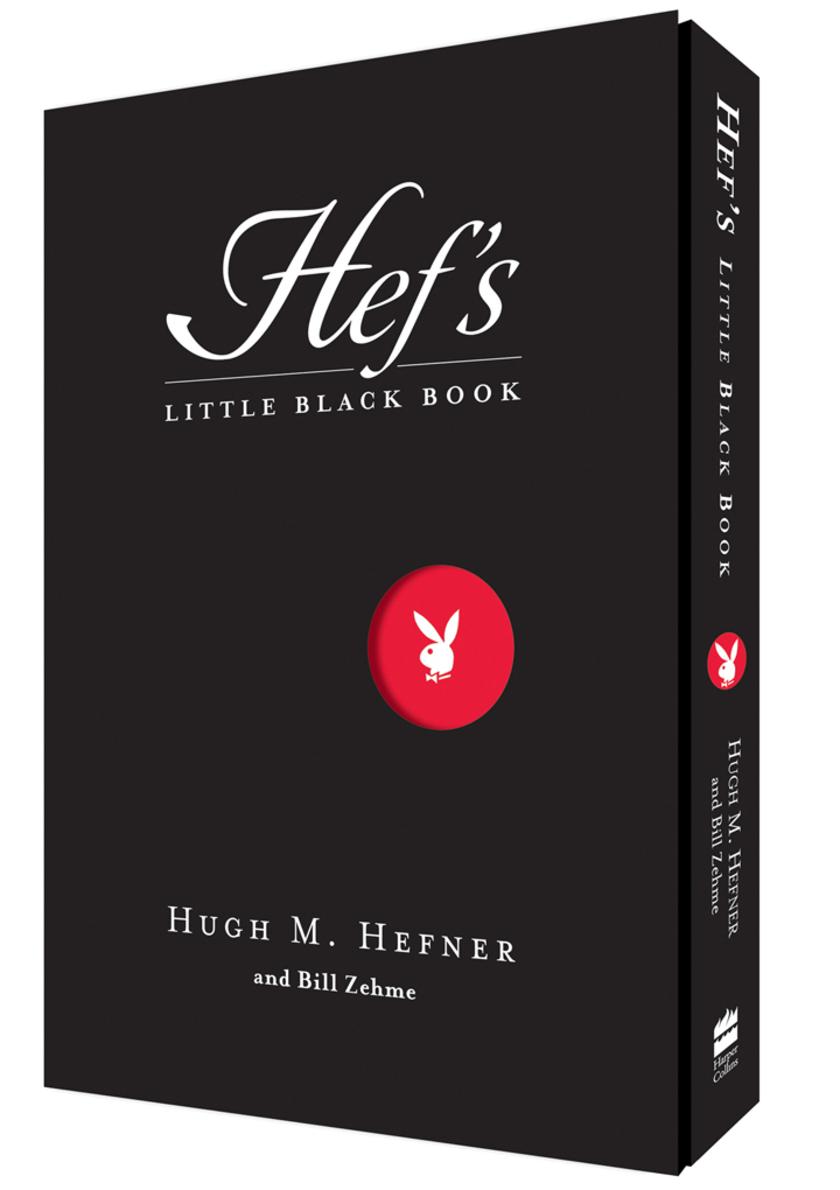
Hef's Little Black Book
¥83.03
Nearly six decades ago, Hugh Marston Hefner created Playboy magazine, which effectively ignited America sexual revolution. The greatest living symbol of the Good Life, Hef created a world for himself that most men have yearned to inhabit, if only briefly, just to know what it like to be him. In Hef Little Black Book , this universally envied international icon offers a treasury of his often wry and heartfelt wisdom as it applies to the realms of romance, hedonism, ambition, business and, of course, sex. Accompanied by tantalizing never-before-seen photographs from his vast private archive, Hef Little Black Book is the gateway to Hugh Hefner irresistibly beguiling world. If you don’t swing, don’t ring lingerie and pajamas optional.

Marcus Aurelius: The Dialogues
¥24.44
‘In this delightful and well written book, Alan Stedall … has done an enormous service in making some of Marcus Aurelius’s reflections very accessible to the modern reader’ Faith & Freedom ‘The Dialogues are eminently readable and immediate …in places it is irresistible’ The Philosopher ‘I was drawn deeper and deeper into the simple solid reasoning …Stedall’s imagined dialogue had me fully in the present’ Midwest Book Review ‘I knew within a few lines this was going to be a treasure... Stedall is a word master... Bravo!’ The Smoking Poet Marcus Aurelius, one of the greatest Roman emperors, is remembered less for his military exploits than for his private reflections. His Meditations, as they became known, have been a major influence on Western thought and behaviour down the centuries the pen is mightier than the sword. Seeking an alternative to faith based religion, Alan Stedall came across the book and found rational answers to questions about the meaning and purpose of life that had been troubling him. Here too were answers to his concern that, in the absence of moral beliefs based on religion, we risk creating a world where relativism, the rejection of any sense of absolute right or wrong, prevails. In such a society any moral position is considered subjective and amoral behaviour is unchallengeable. Because the Meditations were jotted down in spare moments during a busy life ruling and defending a huge empire, they lack order and sequence. Inspired by the wisdom of Marcus Aurelius, Stedall has sought to present the contents in a more contemporary and digestible way. To achieve this, he employed the Greek philosophical technique of dialogue to create a fictional conversation between five historical figures who actually met at Aquileia on the Adriatic coast in AD 168. Apart from Marcus, they were his brother and coemperor, Lucius, the famous Hellenic surgeon of antiquity, Galen, an Egyptian high priest of Isis, Harnouphis, and Bassaeus Rufus, Prefect of the Praetorian Guard. The Dialogues afford Marcus and his guests the opportunity to express their views on such topics as the brevity of life and the need to seek meaning; the pursuit of purpose; the supreme good and the pursuit of a virtuous life – issues as relevant today as they were in antiquity. By a gentle process of question and answer, Marcus shows up the weakness of his guests’ arguments and reveals how a virtuous life may be lived without the threat of eternal damnation or promise of salvation to enforce compliance. Virtue is its own reward.

Shakespeare and Platonic Beauty
¥24.44
John Vyvyan’s third Shakespearean study was originally published by Chatto & Windus in 1961, but has long been out of print. Looking at some of the comedies, he reveals how the Platonic ideas of beauty and love, as developed by Plotinus, Ficino, Castiglione and Spenser, add an extra dimension to the plays. In A Midsummer Night’s Dream, As You Like It and All’s Well That Ends Well, the heroines bring to life the idea of love as the force that is awakened in the world by beauty which then leads the soul to perfection. Vyvyan believes that for Shake-speare love was pre-eminent over human ideas of justice, that self-discovery was a supreme human experience and that breaking faith with the ideal ‘ as Agamemnon, Cressida and Hector all do in Troilus and Cressida ‘ sowed the seeds of tragedy. The author’s recognition of Shakespeare’s use of allegory enables him to make sense of certain developments in these plays which seem weak or absurd from the psychological standpoint ‘ the ‘tidy’ marriage of Celia and Oliver in As You Like It, the ignoble behaviour of Bertram in All’s Well That Ends Well, or the constancy of Julia’s love for the fickle Proteus in The Two Gentlemen of Verona. John Vyvyan’s work is extraordinarily perceptive, compelling us to think again about the underlying philosophy in Shakespeare’s plays, and to see their action from a fresh point of view. It is not often that one finds combined in one critical book so much learning, insight and modesty. ‘If a clearly conceived philosophy is implicit [in Shakespeare's work]‘, Vyvyan writes, ‘then it is by parable and allegory that it is expressed; and the recognition of this ‘I think’ immensely enhances our enjoyment of the plays: it gives them a new dimension and a richness that has yet to be explored; it is a stimulating challenge to acting and production; and to the audience it reveals a drama beyond the theatre, written, as Coleridge so finely said, for the stage of the universal mind.’

Hyam The Cat Who Talked Too Much
¥24.44
This is a tale of a cat called Hyam a very special cat. In fact he is a theatrical cat, a fastidious cat, a funny cat, but most of all an adored cat.Most famous for talking himself out of a part at an audition for a West End production for he is an actor. Here he tells his own story in a series of delightfully readable poems a pleasure for all age groups. Follow his adventures as he takes us on his travels through the ups and downs of theatre life and his many escapades as a sophisticated actor, a country puss and a muchloved family pet. Irresistibly combining both a sense of humour and an abounding love of its Feline Subject, with the Author’s delightful illustrations throughout ‘ Hyam The Cat who Talked To Much‘ will capture your imagination and steal your heart.The perfect gift book for all the family ages 9 – 90. Comes with a special offer to buy the Hyam the Cat gift.

If Only Politicians Had Brains
¥24.44
Hopefully you are old enough to remember‘Yes Minister.’Does government really work like thatIf it does, you really need a sense of humour to examine not only its workings but also its nonworkings. That is exactly what’ If Only Politicians Had Brains’ does , examine government workings with a sense of humour. Ten years ago BSE was going to destroy mankind (if mankind ate beef ). So far less than 150 people have died – over a twelve year period. ‘If Only Politicians Had Brains ’takes an, often times , humorous look– with serious intents– at the politically manufactured creations designed to divert public attention away from the real issues. Why do so many people“ fall for “the smoke and mirrors trap that makes“ Hustle ” the successful programme that it isTerenceO?Halloran has a thirty (plus) year experience of dealing with government through British Chambers of Commerce and the Federation of Small Businesses at local and central government level . This is a chance to share his insight into the real “ smoke and mirror ” minds of a group of people that will do anything to prove that they, and only they ,know how they should run your life..
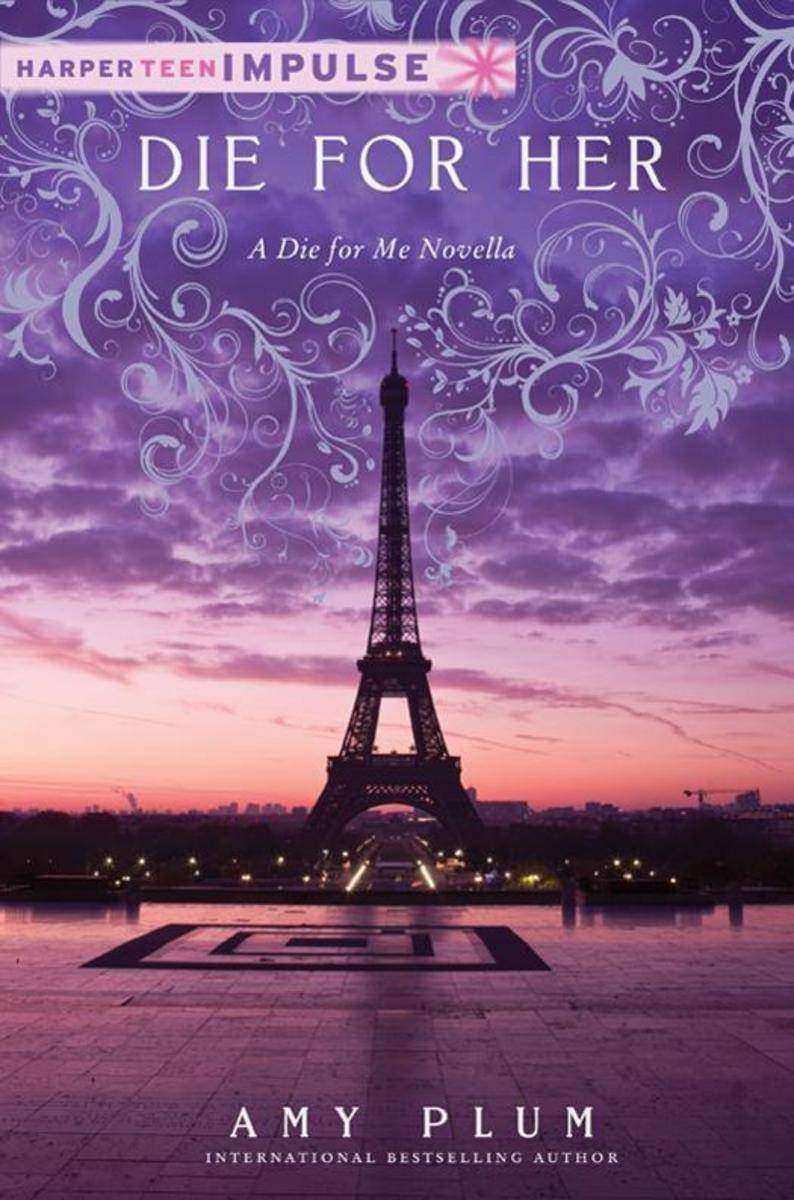
Die for Her
¥53.85
Set in the romantic and death-defying world of the international bestselling Die for Me trilogy, this digital original novella follows Jules, a brooding, immortal French artist who has fallen in love with his best friend's girlfriend.Jules Marchenoir is a revenant—an undead being whose fate forces him to sacrifice himself over and over again to save human lives. He's spent the better part of the last century flirting his way through Paris, but when he met Kate Mercier, the heroine from Amy Plum's Die for Me trilogy, he knew his afterlife had changed forever and he had found the love of his life. Until Kate fell for his best friend, Vincent. Now Jules is faced with an impossible decision: choosing between his loyal friend and a love truly worth dying for.Epic Reads Impulse is a digital imprint with new releases each month.

Undone
¥54.42
Riveting and romantic, Undone: An Unraveling Novella contains three short stories set in the world of Unraveling, the first book in the gripping sci-fi duology by Elizabeth Norris.Before Ben Michaels saved Janelle Tenner's life, Janelle saved Ben when he stumbled through an interuniverse portal into a completely new world. That day, he fell in love with the girl of his dreams. And he never forgot her.Through three stories told from Ben's point of view, learn how Ben and his friends discovered their ability to travel between worlds, how Ben first met Janelle, and how he pined for her for years before he actually got the chance to meet her, save her life, and capture her heart. And find out what happens to Ben between the cliff-hanger conclusion of Elizabeth Norris's Unraveling and the beginning of its heart-stopping sequel, Unbreakable.Epic Reads Impulse is a digital imprint with new releases each month.
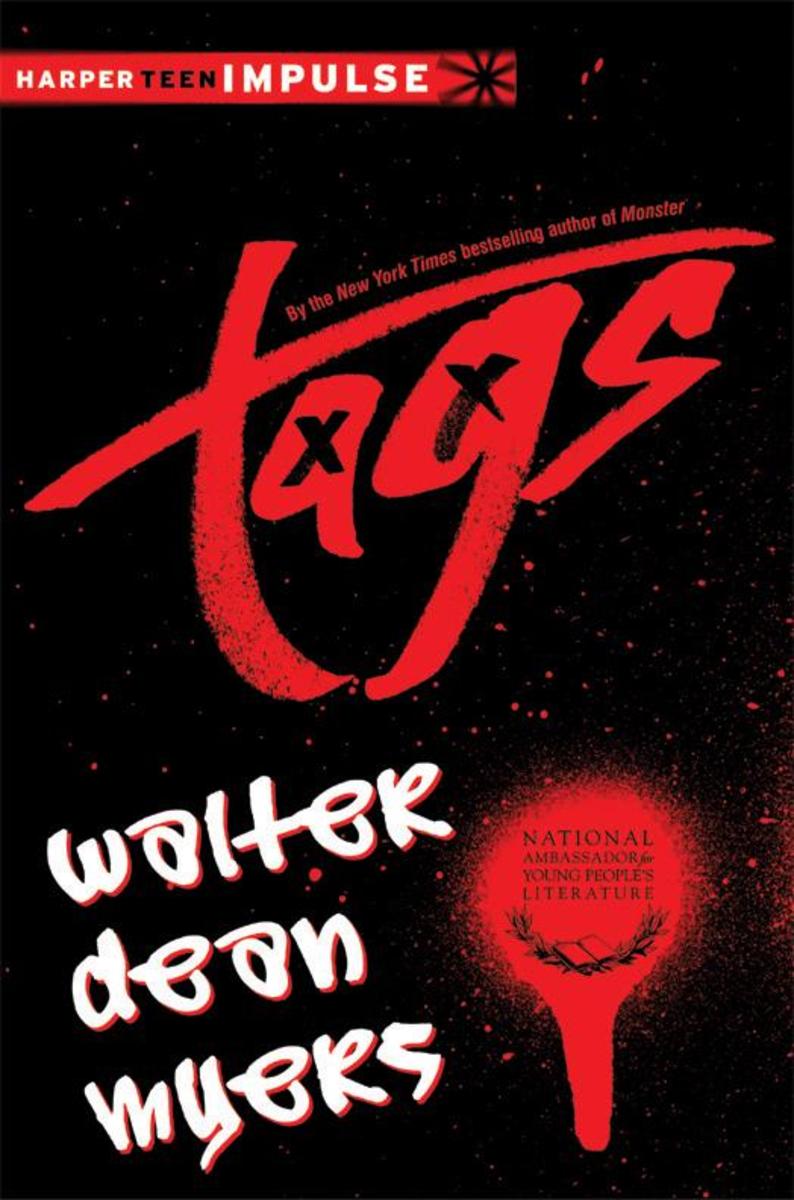
Tags
¥21.51
From Walter Dean Myers, the New York Times bestselling author of Monster, comes this 20-page one-act play. Tags is a look at life and death in New York City, complete with a shocking end.Four New York City teens are shot down in the prime of life. They move through limbo, re-creating their distinctive tags in a Harlem walk-up so that they can "live" forever. But what's the pointHow can you think of living forever if you're already dead?Walter Dean Myers was the New York Times bestselling author of Monster, the winner of the first Michael L. Printz Award; a former National Ambassador for Young People's Literature; and an inaugural NYC Literary Honoree. Myers received every single major award in the field of children's literature. He was the author of two Newbery Honor Books and six Coretta Scott King Awardees. He was the recipient of the Margaret A. Edwards Award for lifetime achievement in writing for young adults, a three-time National Book Award Finalist, as well as the first-ever recipient of the Coretta Scott King–Virginia Hamilton Award for Lifetime Achievement.Epic Reads Impulse is a digital imprint with new releases each month.
Proxy
¥10.71
Proxy is an action-packed introduction to a world like nothing readers have seen before, and it sets a spark to the powder keg that will explode in Mindee Arnett's sci-fi thriller Avalon.If you need something stolen from any star system in the Confederation, you need look no further than the Shades. Jeth Seagrave and his band of teenage mercenaries have been making a name for themselves for being able to steal anything—and for disappearing before anyone is the wiser. Their latest job, a jewel heist on Grakkus, should be no different. But when Jeth's boss replaces a key member of his crew just before takeoff, and Jeth discovers a betrayal within his own ranks, he begins to suspect that not everyone is going to be coming back from his job alive.Epic Reads Impulse is a digital imprint with new releases each month.
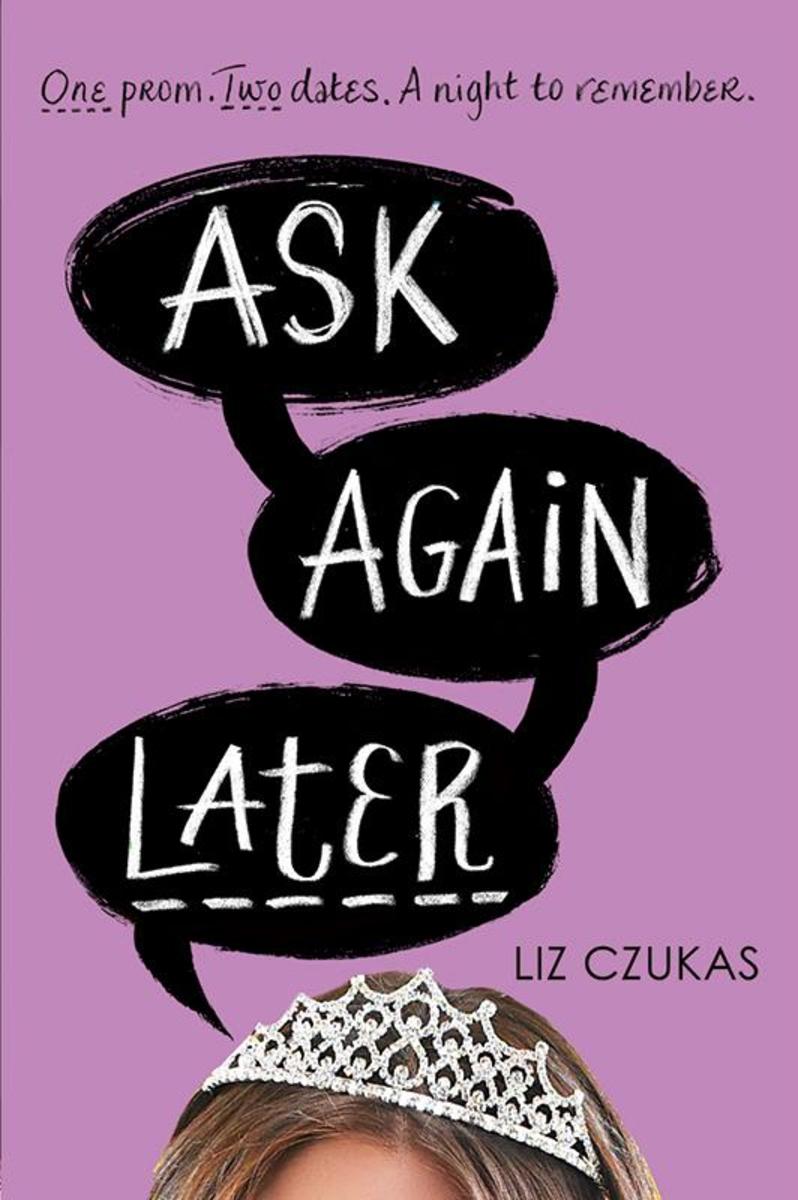
Ask Again Later
¥55.33
Sixteen Candles meets Sliding Doors in this hilariously charming and irreverent YA debut. Fans of realistic teen fiction like Lauren Barnholdt's Two-Way Street and Sarah Mlynowski's Ten Things We Did (And Probably Shouldn't Have) will love Ask Again Later's pitch-perfect tale of prom night drama—with a twist.Heart LaCoeur has zero interest in a messy high-school romance, no matter what her name suggests. That's why she's decided to avoid prom angst by going with a group of single friends. And that's why, when two surprise prom invites derail her brilliant plan, Heart takes the only foolproof, drama-free solution: a coin flip—that somehow gives her the chance to live out both prom nights. Heads or tails, where they both end up might be the most surprising thing of all. . . .
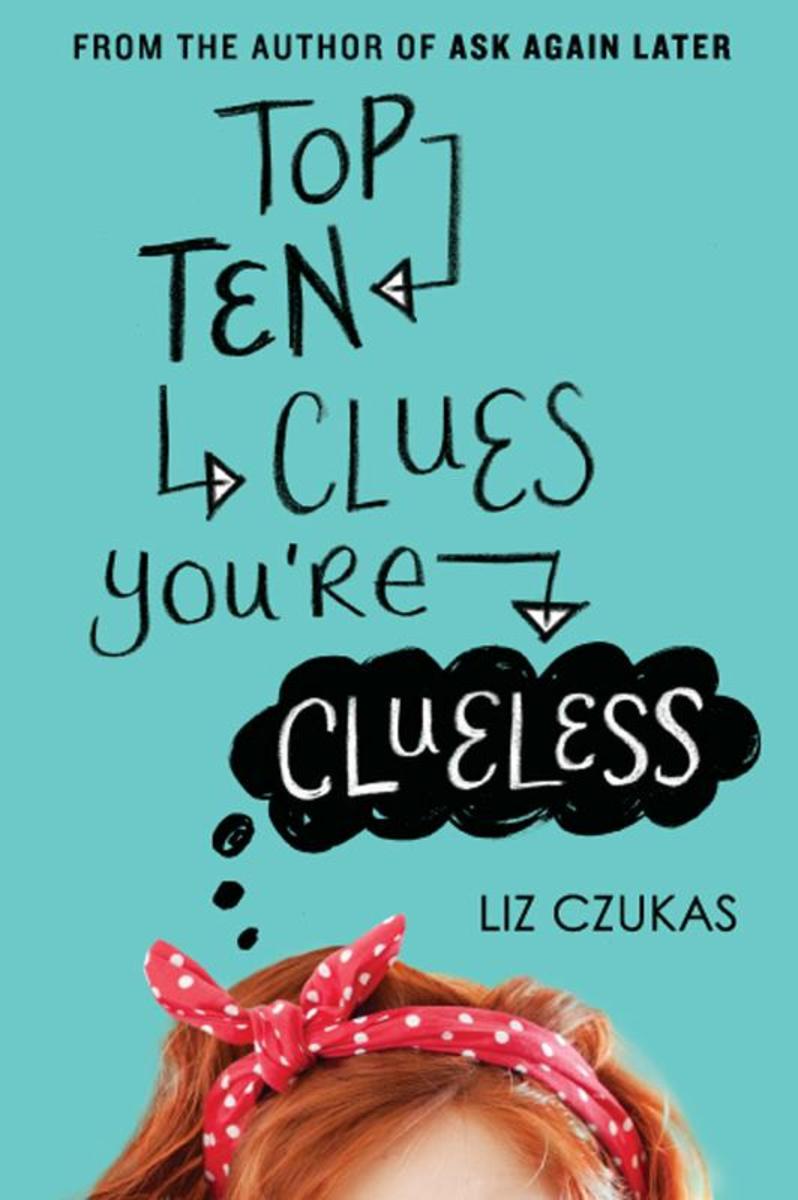
Top Ten Clues You're Clueless
¥55.33
Top Five Things That Are Ruining Chloe's Day5) Working the 6:30 a.m. shift at GoodFoods Market4) Crashing a cart into a customer's car right in front of her snarky coworker Sammi3) Trying to rock the "drowned rat" look after being caught in a snowstorm2) Making zero progress with her crush, Tyson (see #3)1) Being accused—along with her fellow teenage employees— of stealing upwards of $10,000Chloe would rather be anywhere than locked in work jail (aka the break room) with five of her coworkers . . . even if one of them is Tyson. But if they can band together to clear their names, what looks like a total disaster might just make Chloe's list of Top Ten Best Moments.
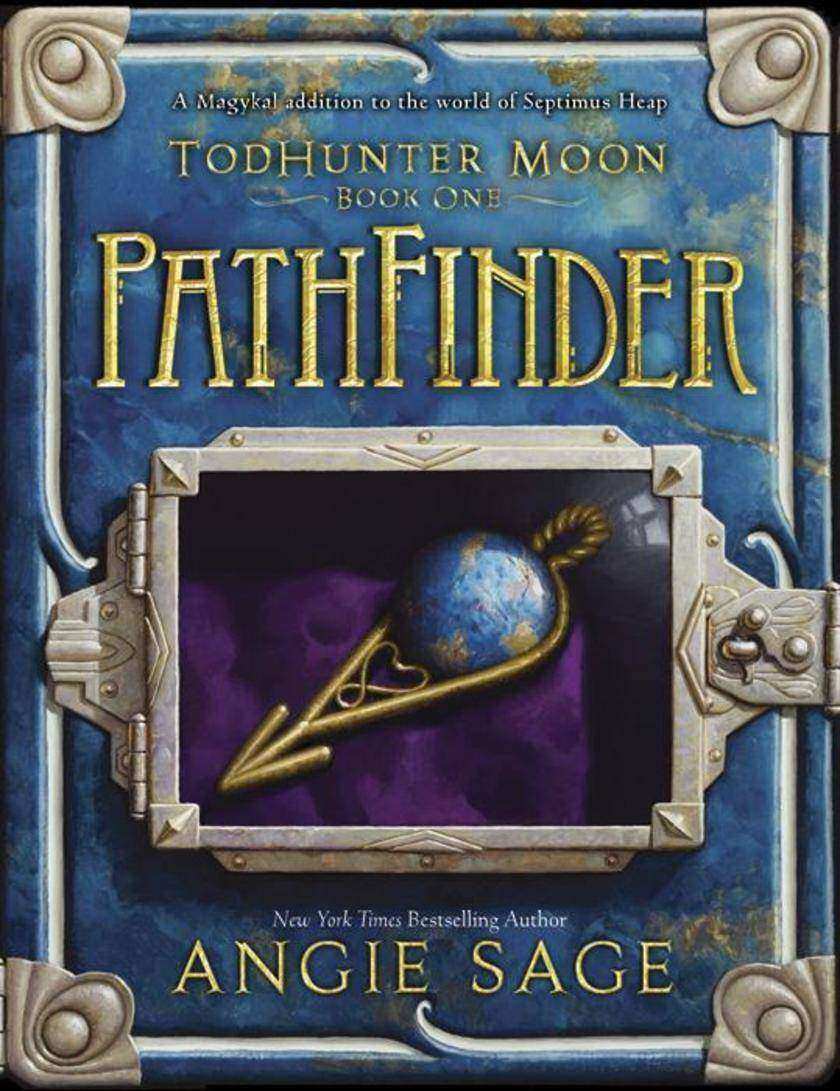
TodHunter Moon, Book One: PathFinder
¥44.25
Introducing Alice TodHunter Moon, a Magykal addition to the world of Septimus Heap! Perfect for both established fans of the Septimus Heap series and readers coming to the world of Septimus Heap for the first time, PathFinder is the first book in the Septimus Heap spin-off series, TodHunter Moon.Taking place seven years after the events of the original Septimus Heap series, PathFinder tells the story of Alice TodHunter Moon, a young PathFinder who leaves her seaside village in search of her friend Ferdie. Rumor has it that Ferdie has been taken by mysterious creatures called Garmin under orders from the malevolent Lady.Full of Angie Sage's characteristic humor and heart, PathFinder introduces a new cast of young characters—and a new kind of Magyk. All the beloved characters from Septimus Heap are here, too—Tod receives help from ExtraOrdinary Wizard Septimus Heap, ex–ExtraOrdinary Wizard Marcia Overstrand, and Alchemist Simon Heap. A great addition to any fantasy reader's library!
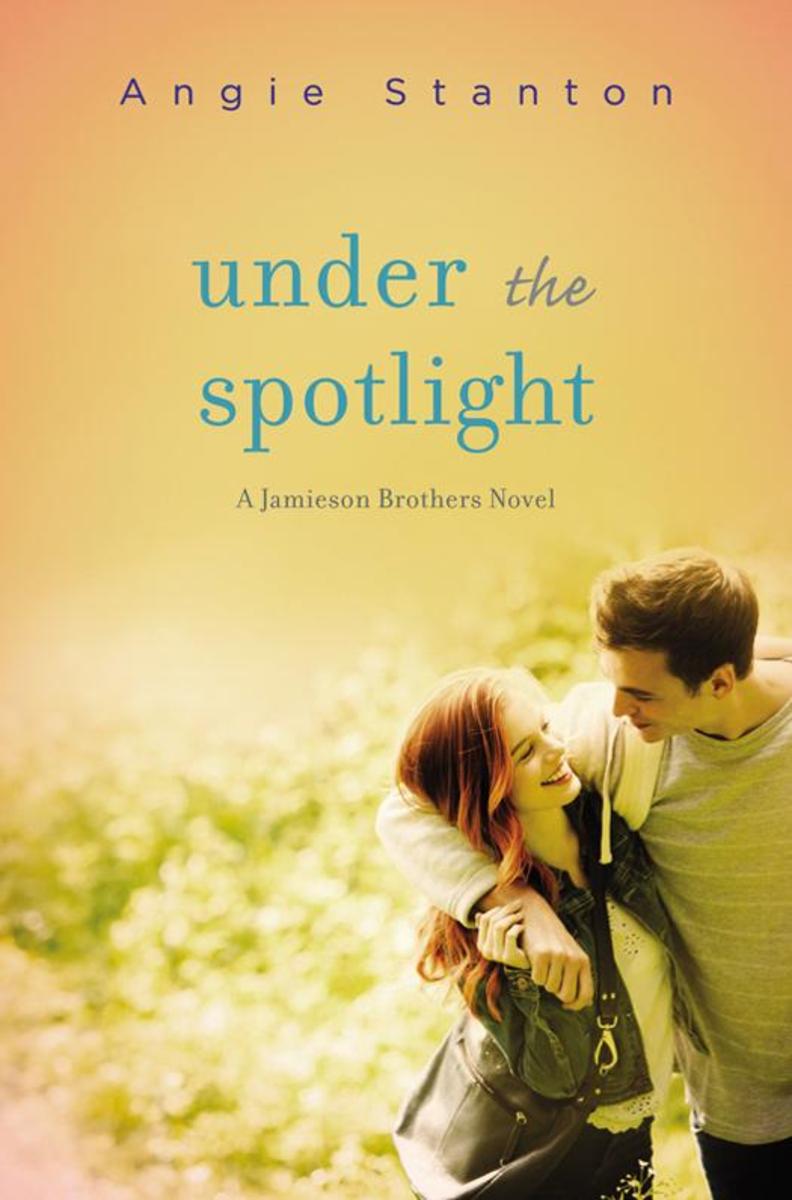
Under the Spotlight
¥56.08
After an embarrassing stint on a reality-TV music competition years ago, Riley vowed never to sing again. Now she's behind the scenes, working at the prestigious Sound Sync recording studio, and life is looking up. But then Garrett Jamieson, the oldest brother in the famous Jamieson brothers band, crashes into her world.Garrett has hit rock bottom, and he is desperate to reinvent himself. After calling in a few favors, he ends up working at Sound Sync to learn the ropes of record producing from the industry's best. And he can't believe his luck when he discovers that Riley has been keeping a secret—she is an amazing singer. By producing her album, he's sure to top the record charts again. But Garrett is forced to use every trick in his arsenal to persuade the sassy girl to record.Riley refuses to sing—or even entertain the thought of it—and sparks fly as Garrett finally meets his match. But in the heat of the moment, one stolen kiss changes everything. Will Riley be the first person to finally rein Garrett in, or will Garrett succeed in getting Riley back under the spotlight?
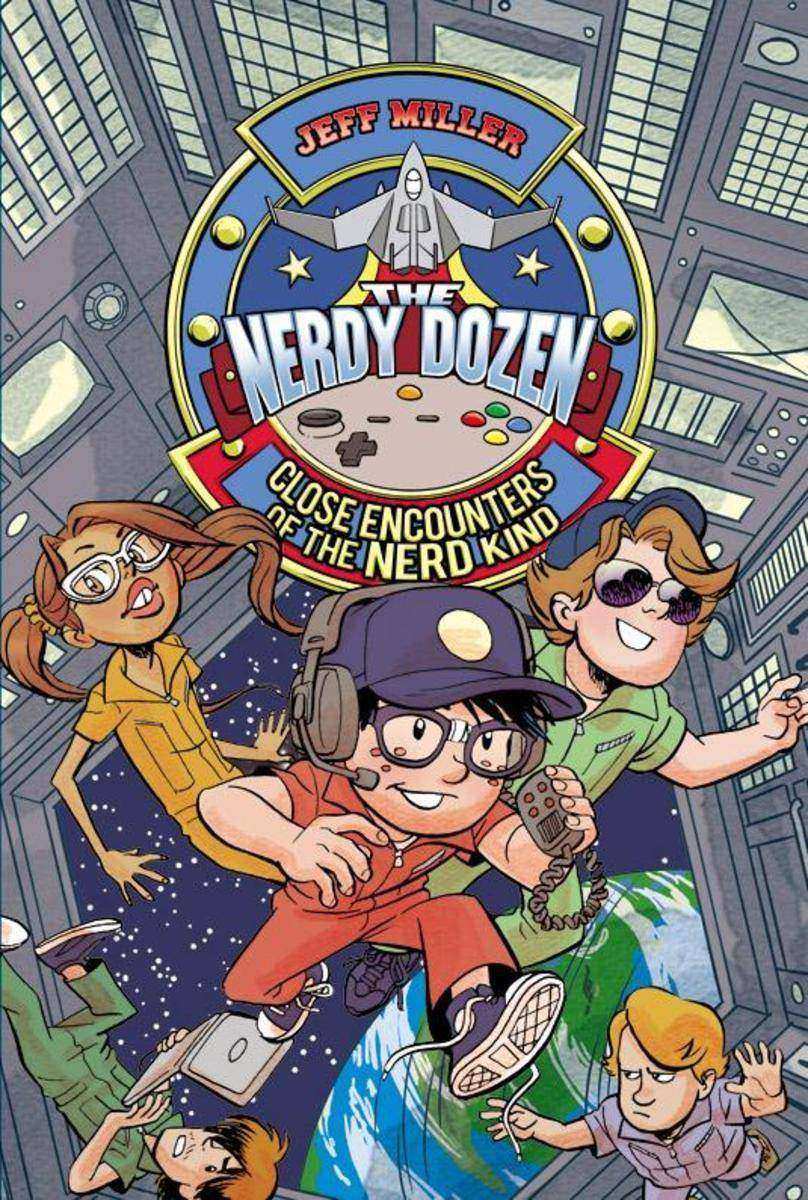
The Nerdy Dozen #2: Close Encounters of the Nerd Kind
¥39.24
In this exciting sequel to The Nerdy Dozen, Neil Andertol and his gang of dorky gamers are once again called on to fly a top-secret mission—one that is literally out of this world. This time, rescuing mankind means heading into outer space. A top-secret spacecraft has been stolen, and NASA needs the best pilots in the universe to get it back—the Nerdy Dozen. It's a race against time to stop an earth-shattering disaster. Can the twelve geeks save the day again—or will it be game over?

Monstrous
¥44.25
Reminiscent of Frankenstein and tales by the Brothers Grimm, this debut novel stands out as a compelling, original story that has the feel of a classic.The city of Bryre suffers under the magic of an evil wizard. Because of his curse, girls sicken and disappear without a trace, and all live in fear. No one is allowed outside after dark. Night is when Kymera comes to the city, with a cloak disguising her wings, the bolts in her neck, and her spiky tail. Her mission is to rescue the girls of Bryre. Despite Kym's caution in going secretively, a boy named Ren sees and befriends her . . . but what he knows will change her world forever.

The Shattered Mountain
¥54.42
A powerful 50-page digital-only novella set in the world of Rae Carson's acclaimed and epic fantasy The Girl of Fire and Thorns. A teenage girl must fight to survive when her village is destroyed by enemy sorcerers.While Princess Elisa was being forced across the desert by a band of rebel kidnappers, her future handmaiden—and best friend—Mara, was fighting for survival as enemy sorcerers destroyed the countryside. This is Mara's story.Mara is finally going to escape. She is in love. And even her harsh, controlling, volatile father cannot keep her from running off with the boy who makes her feel beautiful. But on the day she and Julio plan to leave their desert village, the enemy sorcerers attack, burning it to the ground. The only survivors are a handful of children, and seventeen-year-old Mara has no choice but to lead them. She must make it through the mountains to the rumored rebel camp and protect the children following her. She might lose everything—and everyone—she's ever loved, but what she finds will lead her down a path that will change the world. Told from Mara's point-of-view, The Shattered Mountain is an alternate perspective of the beginning of the acclaimed The Girl of Fire and Thorns.
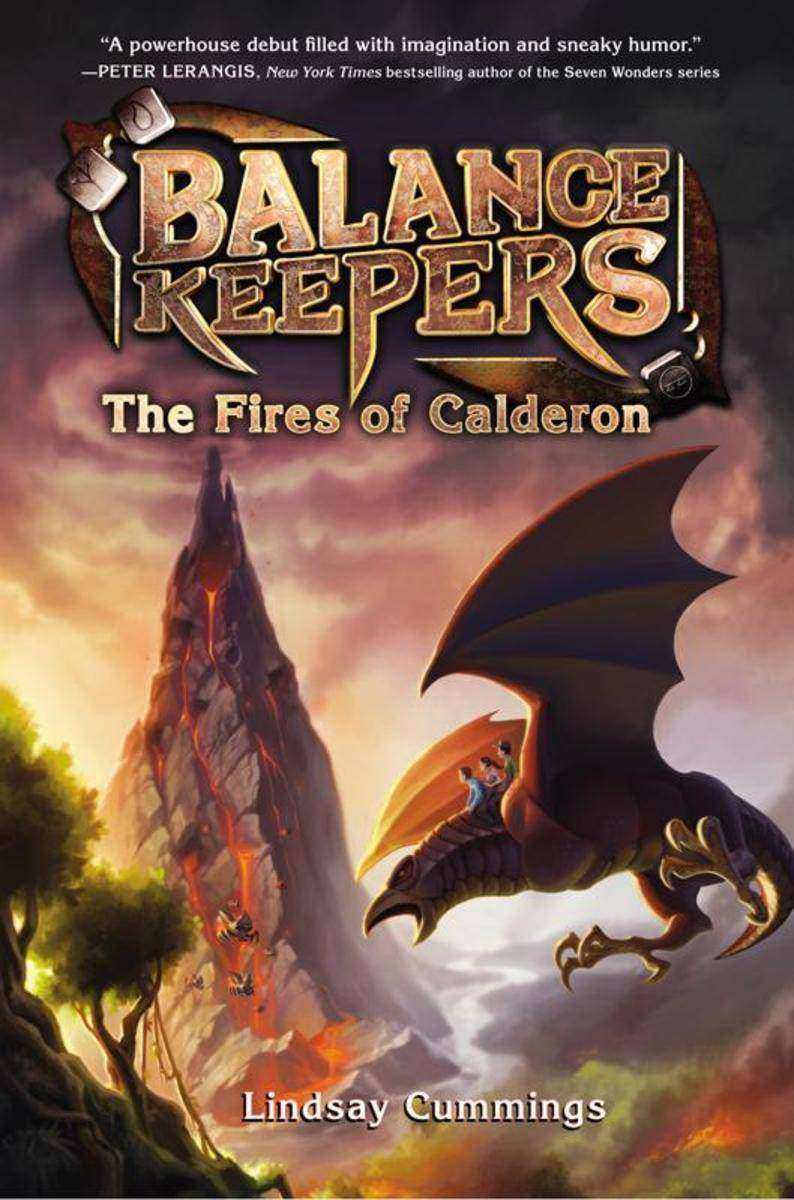
Balance Keepers, Book 1: The Fires of Calderon
¥39.24
The Fires of Calderon?is Book One in Lindsay Cummings’s epic Balance Keepers series. These exciting fantasy-adventure books are full of magic, mystery, friendship, and humor, and are perfect for fans of books like Brandon Mull’s?The Candy Shop War?or the Unwanteds series by Lisa McMann.Bestselling author of the Skeleton Creek series Patrick Carman describes?The Fires of Calderon?as “fast paced and packed with adventure,” and Peter Lerangis, bestselling author of the Seven Wonders series, says, “Wow!”With themes of friendship, self-discovery, and courage; both boy and girl main characters; fierce creatures to battle; a mystery to solve; and a boarding school that could be described as Hogwarts Underground, there’s something for every reader to enjoy in this contemporary—and fantastically imaginative—spin on the classic?A Journey to the Centre of the Earth.When eleven-year-old Albert Flynn follows a mysterious map deep into the woods, and then?under?the woods, he discovers he’s a Balance Keeper—someone with special magical skills for keeping harmony in fantastical underground worlds. Together with his teammates Leroy and Birdie, Albert must master his magical talents in time to stop the fires in the Calderon Realm from destroying New York City above.
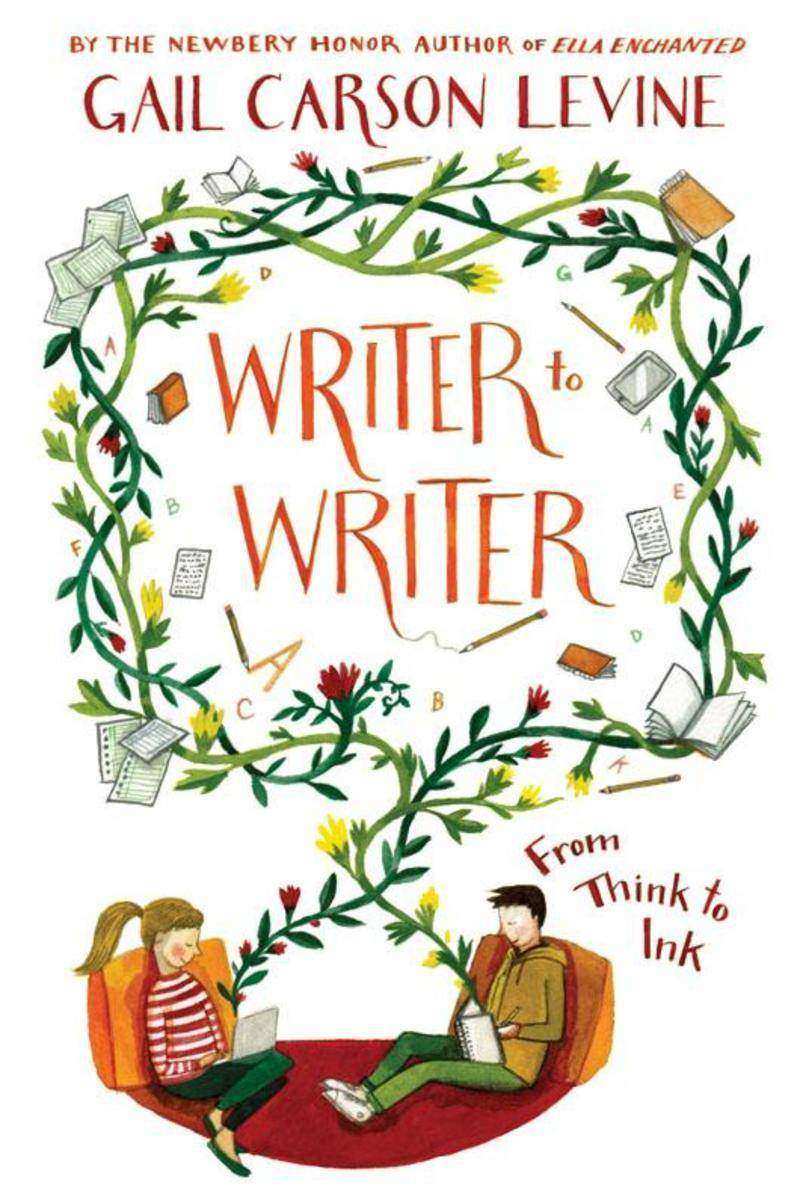
Writer to Writer
¥44.73
Bestselling author of Ella Enchanted and fairy-tale master Gail Carson Levine shares her secrets of great writing in this companion to the popular Writing Magic.Have you ever wanted to captivate readers with a great opening, create spectacular and fantastical creatures, make up an entire country, realize a dastardly villain, write an epic love story, or make your characters leap off the pageIf you answered yes to any of these questions, Gail Carson Levine can help you achieve your goals.Newbery Honor author Gail Carson Levine offers a behind-the-scenes take on writing and teaches you how to become a world-class author. Drawing from her popular blog, Gail answers readers' fiction- and poetry-writing questions and dives into how to make a story come alive. If you're interested in writing prose and poetry or just want to be a better and more rounded writer, this book will help you on your creative journey.With her trademark humor and vast writing knowledge, Gail Carson Levine reveals the tricks of her trade, writer to writer.Supports the Common Core State Standards
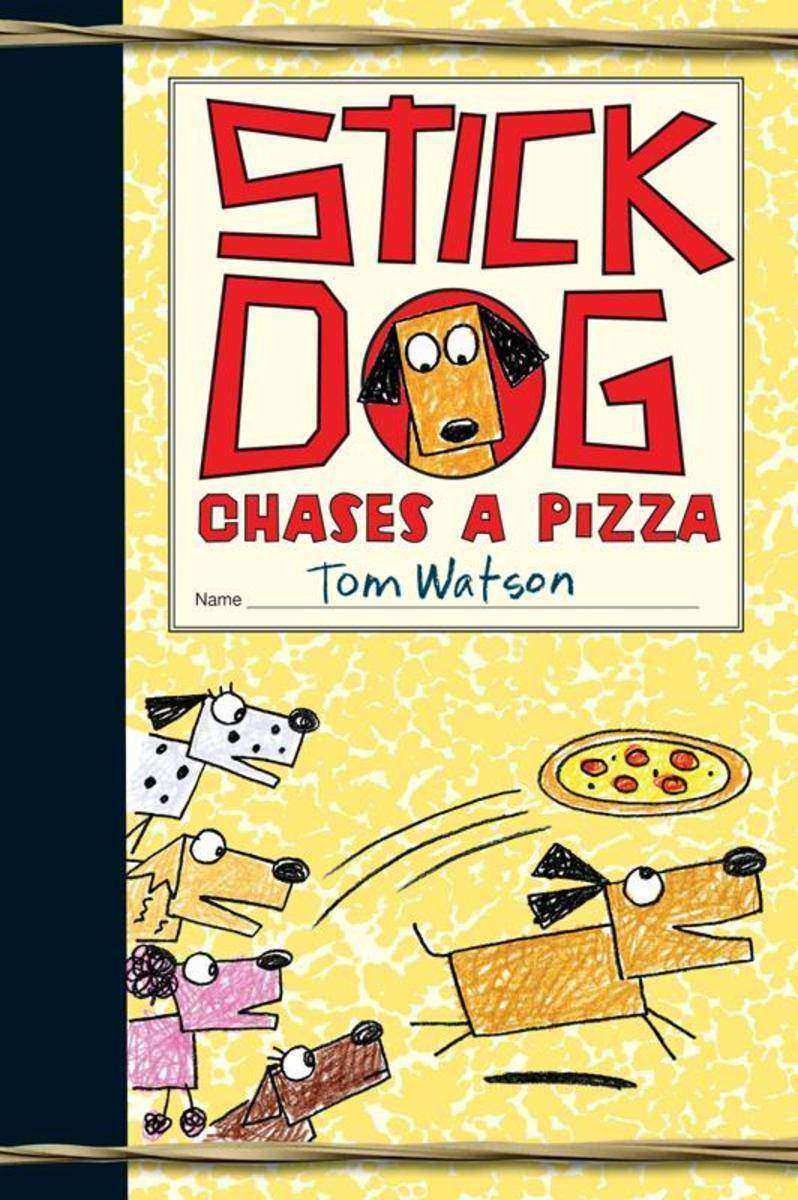
Stick Dog Chases a Pizza
¥72.71
In Stick Dog Chases a Pizza, Tom Watson's hilarious follow-up to Stick Dog and Stick Dog Wants a Hot Dog, Stick Dog returns with the same crazy crew. This time these canine friends have discovered a newfangled flavor—and it's even more delicious than hamburgers and hot dogs. It's pizza! And they won't be satisfied until they get some slices of their own. But it won't be that easy. There's a kitten to rescue, a plan to make, and the messiest—and most dangerous—game of catch they've ever played. Pizza is on the menu, but only if their mission succeeds. Perfect for fans of Big Nate, Diary of a Wimpy Kid, and the previous Stick Dog books.


