


 购物车
 个人中心


Modern Magick, Volume 1: Books 1-3
¥43.51
Can British magick survive? As the pace of modern life accelerates, the old ways wither and die. But to the Society for Magickal Heritage, that just isn’t good enough. The Witch: Friend to the unicorns, lover of pancakes, and wielder of potent artefacts, star agent Cordelia “Ves” Vesper will stop at nothing — okay, very little — to drag ancient magicks back out of the grave. The Waymaster: New recruit Jay Patel has some rare and powerful arts at his disposal. With a penchant for old books and motorbikes in near equal measure, he’s a force to be reckoned with. The Necromancer: Prankster Zareen Dalir may be high-spirited but she’s got a darker side. A much, much darker side. Head of the Toil and Trouble division, Zar’s the best kind of bad news. The Baron: Is Baron Alban the handsomest troll alive or... forget it, yes. Yes, he is. But he’s not just a pretty face. With the powerful Troll Court at his back and a smile to slay an army, Alban’s a staunch ally. Join these four champions, the enigmatic “Milady” of the Society, and the sentient house they call Home as they fight to keep magick alive! This compendium brings you the first three wild adventures all in one: The Road to Farringale, Toil and Trouble, and The Striding Spire.? Praise for the Modern Magick series: 'Charming, quirky, and funny.' 'Enjoyable and imaginative fantasy series with whimsical overtones... A fresh magical world.' 'This is an incredibly entertaining story... help, I'm running out of superlatives.' 'The writing is excellent and fun... a rousing, gripping adventure. ' '...delightfully fun, whimsical and engaging, with great characters and settings.' 'If you like Jodi Taylor's St Mary's books, this is for you.' '...quirky and fun and I couldn't ask for more... Her usual unique charm.' ''...characters that are easy to love, an invisible boss and a house that seems to have a mind of it's own. I devoured the book in one sitting.' 'Written with charm and intelligence, this series is a delight to read!' '...the pages just seem to fly by! Can't wait to read the next one.' '...the entire quirky cast is fun and endearing... our heroine is a delightful companion for adventure.'
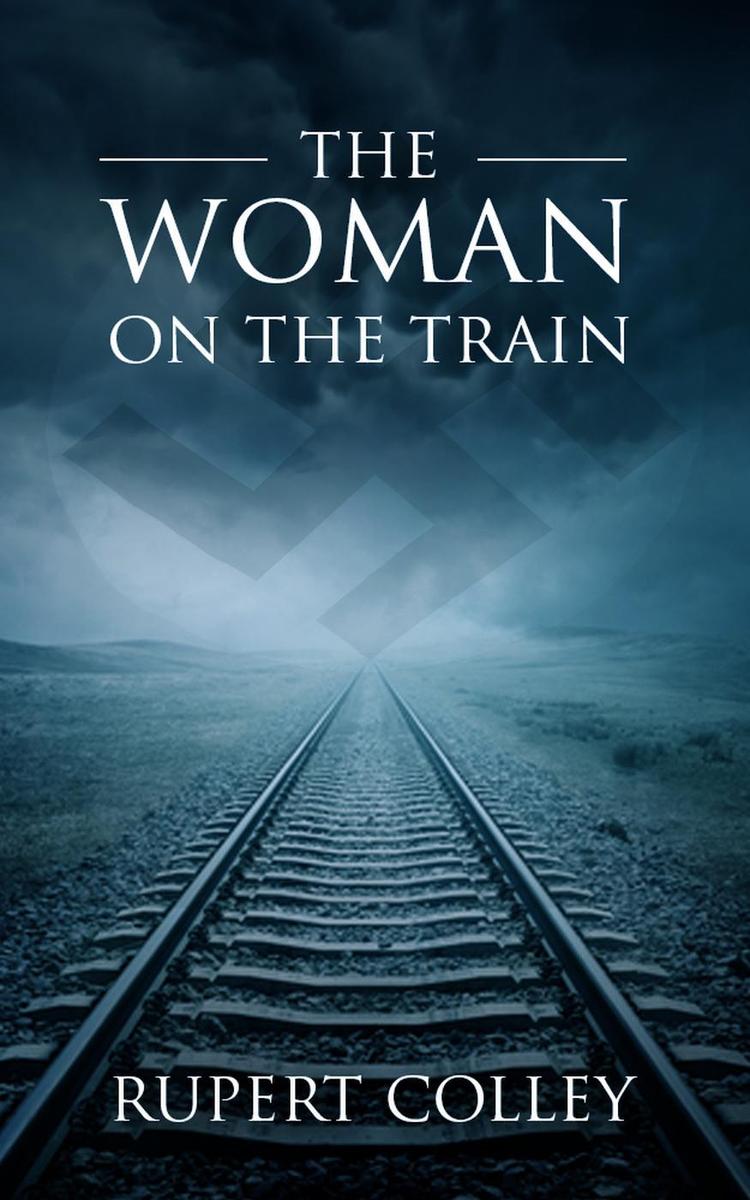
The Woman on the Train
¥54.76
Someone saves your life. Now you wish they hadn't. World War Two, summer, 1942, Nazi-occupied France. A nervous young resistance fighter sits on a train. The Gestapo demand his papers. An older woman, sitting opposite, intervenes.Paris, 1968. The young man is now the most successful music conductor in France. Yet, 26 years on, he still wonders why the woman on the train saved him that fateful day? He knows he owes her everything. Unexpectedly, he receives a letter from her, begging him to come to her aid. Honour-bound, he gladly offers to return the favour.? But the woman hides a dark and terrible secret, which, if exposed, threatens to destroy them both. Torn between those he loves and his sense of honour, his life rapidly spirals out of control.?Who exactly was The Woman on the Train?Historical fiction with heart and drama.Part of?The Love and War Series, novels set during the 20th century's darkest years.Also included,?The Last Act of War, a heart-rending short story.?
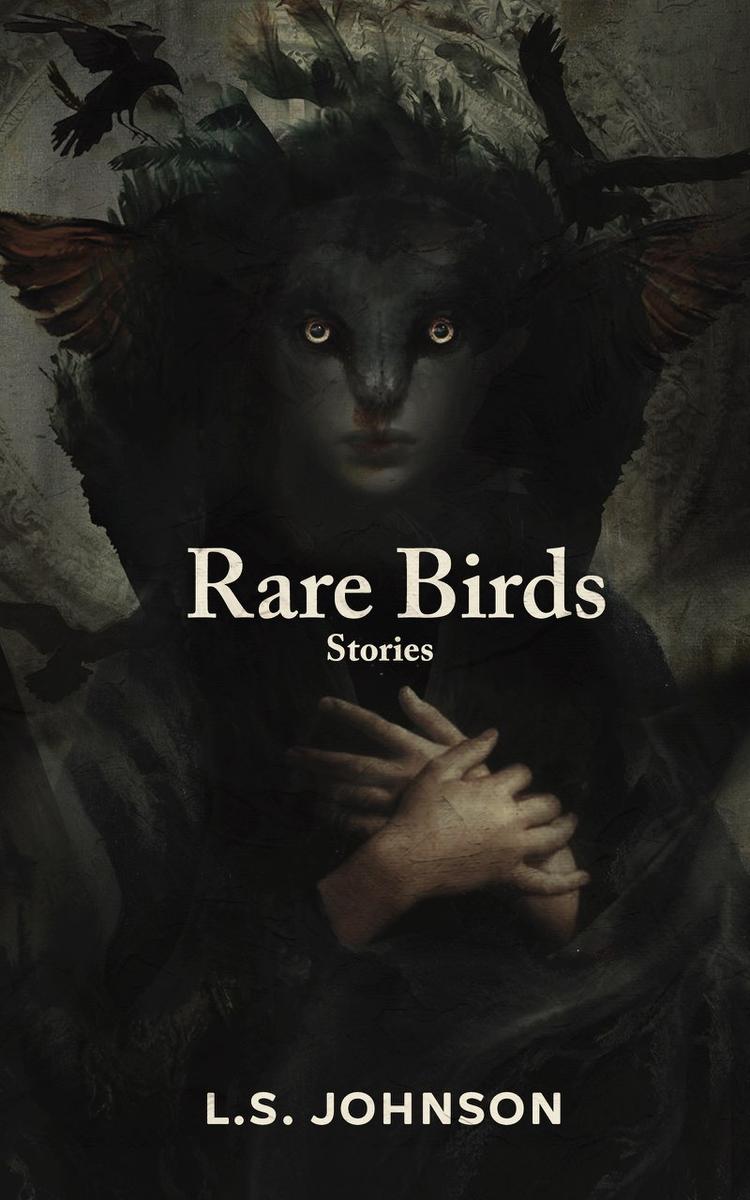
Rare Birds: Stories
¥34.79
The eight short stories in this collection look at the ties that bind and the transformations they provoke. Whether bound by love, blood, or violent circumstance, the characters in these tales are fundamentally altered by those closest to them … and not always for the better. ? Two mothers become entwined in revenge against a violent man, with unexpected consequences. A roving gang of sirens finds themselves challenged from without and within. In a last, desperate act of love, a young surgeon goes under the knife. And in a distant territory, a mother and daughter struggle to survive—but the aid they summon is far more dangerous. ? At turns brutal and tender, subtle and shocking, these stories blend realism, fantasy, and horror to create an unsettling—and unforgettable—experience.
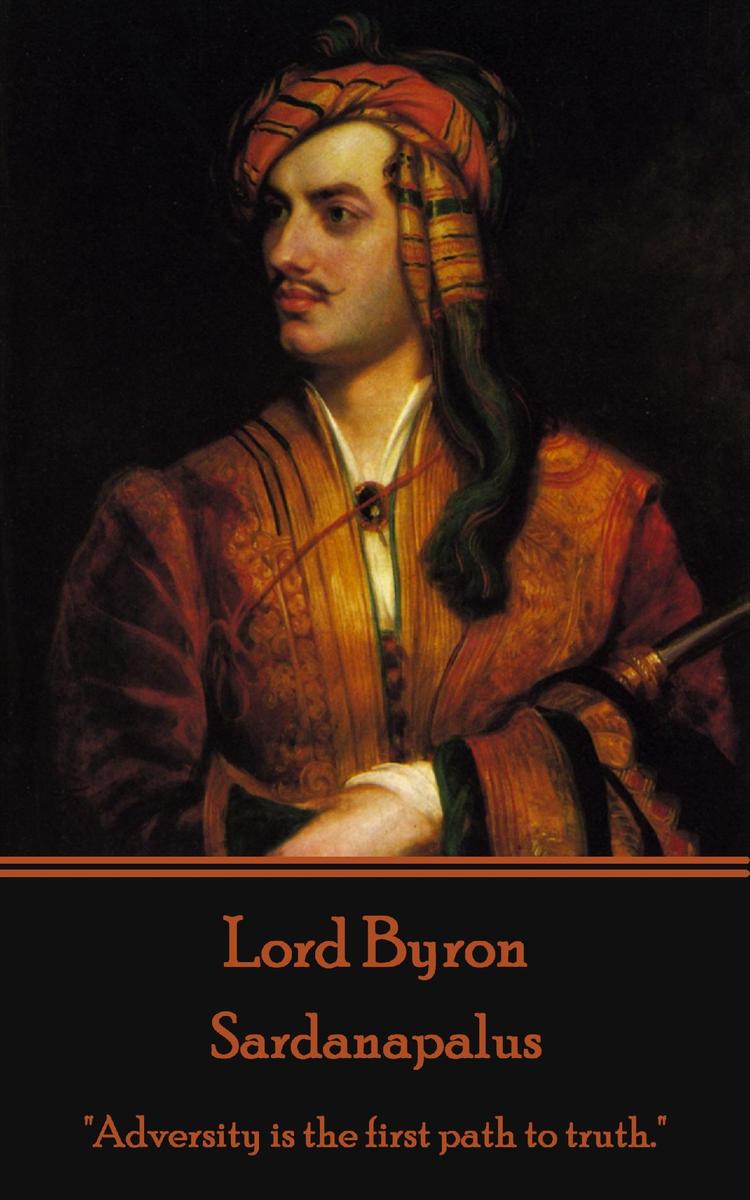
Sardanapalus - Adversity is the first path to truth.
¥26.98
George Gordon Byron, 6th Baron Byron, but more commonly known as just Byron was a leading English poet in the Romantic Movement along with Keats and Shelley. Byron was born on January 22nd, 1788. He was a great traveller across Europe, spending many years in Italy and much time in Greece. With his aristocratic indulgences, flamboyant style along with his debts, and a string of lovers he was the constant talk of society. In 1823 he joined the Greeks in their war of Independence against the Ottoman Empire, both helping to fund and advise on the war's conduct. It was an extraordinary adventure, even by his own standards. But, for us, it is his poetry for which he is mainly remembered even though it is difficult to see where he had time to write his works of immense beauty. But write them he did. He died on April 19th 1824 after having contracted a cold which, on the advice of his doctors, was treated with blood-letting. This cause complications and a violent fever set in. Byron died like his fellow romantics, tragically young and on some foreign field.
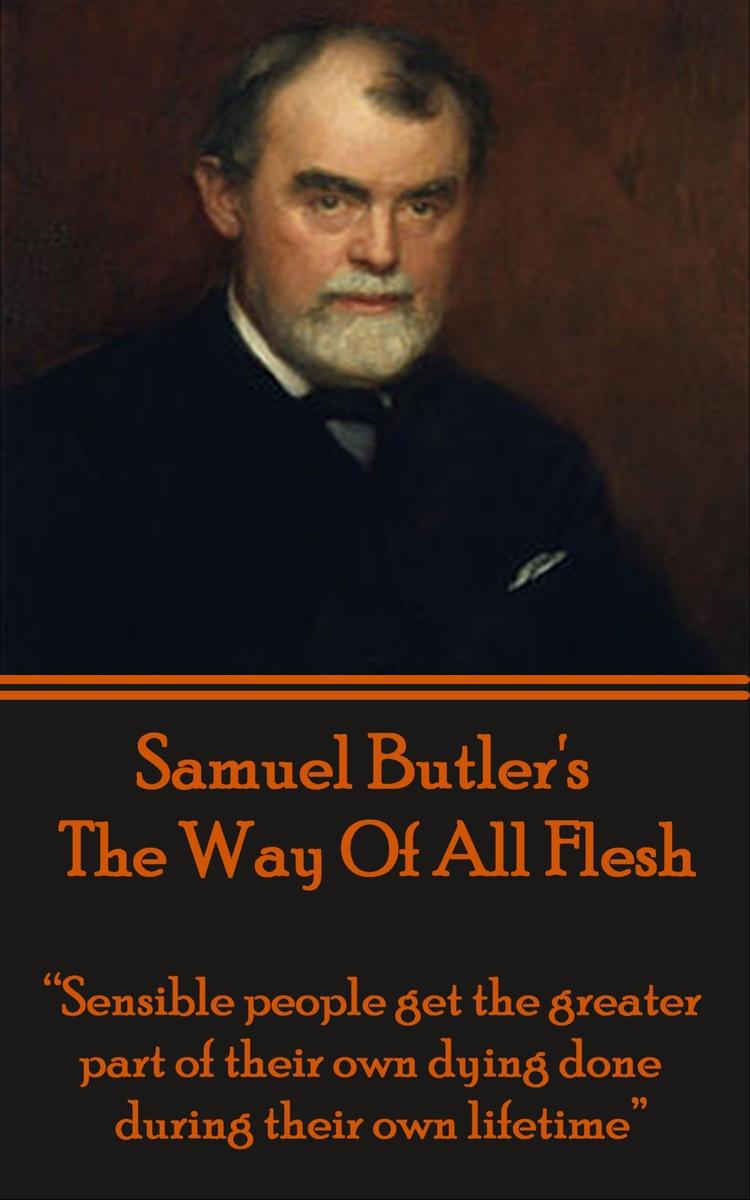
Way Of All Flesh
¥11.67
Samuel Butler (4th December 1835 - 18th June 1902) had both a father and grandfather in the church and was being groomed by his father to be a priest. However, after a first at Cambridge, he decided he wanted to be an artist. His father could not and would not consider such a thing and by mutual consent Samuel went to New Zealand to be a sheep farmer. Here he started writing which he continued on his return to London as well as taking up painting. Whilst he did have several paintings exhibited at the Royal Academy, his talent undoubtably was in his writing but the extent of which was only really apparent after his death. This was due entirely to his great work, "e;The Way of All Flesh"e; published the year after he died to tumultuous acclaim which is well illustrated by George Bernard Shaw describing it as "e;one of the summits of human achievement."e; "e;The Way of All Flesh"e; is a thinly disguised autobiographical account of his own harsh Christian upbringing as it traces the life and loves of Ernest Pontifex and his family. Along the way, it satires Victorian values and beliefs and with brilliant wit and irony offers a powerful indictment of most 19th-century institutions in England. Each generation has found that despite the book savaging Victorian hypocrisy, it still speaks to every era as ultimately the theme of young people growing up wanting a greater degree of personal freedom than their parents is very much alive and kicking in most families around the world.
Henry VIII - Men's evil manners live in brass; their virtues we write in water.
¥11.67
The life of William Shakespeare, arguably the most significant figure in the Western literary canon, is relatively unknown. Shakespeare was born in Stratford-upon-Avon in 1565, possibly on the 23rd April, St. George's Day, and baptised there on 26th April. Little is known of his education and the first firm facts to his life relate to his marriage, aged 18, to Anne Hathaway, who was 26 and from the nearby village of Shottery. Anne gave birth to their first son six months later. Shakespeare's first play, The Comedy of Errors began a procession of real heavyweights that were to emanate from his pen in a career of just over twenty years in which 37 plays were written and his reputation forever established. This early skill was recognised by many and by 1594 the Lord Chamberlain's Men were performing his works. With the advantage of Shakespeare's progressive writing they rapidly became London's leading company of players, affording him more exposure and, following the death of Queen Elizabeth in 1603, a royal patent by the new king, James I, at which point they changed their name to the King's Men. By 1598, and despite efforts to pirate his work, Shakespeare's name was well known and had become a selling point in its own right on title pages. No plays are attributed to Shakespeare after 1613, and the last few plays he wrote before this time were in collaboration with other writers, one of whom is likely to be John Fletcher who succeeded him as the house playwright for the King's Men. William Shakespeare died two months later on April 23rd, 1616, survived by his wife, two daughters and a legacy of writing that none have since yet eclipsed.
Warnings - To hell with the truth! As the history of the world proves
¥14.03
Eugene Gladstone O'Neill was born on October 16, 1888 in a hotel bedroom in what is now Times Square, New York. Much of his childhood was spent in the comfort of books at boarding schools whilst his actor father was on the road and his Mother contended with her own demons. He spent only a year at University - Princeton - and various reasons have been given for his departure. However whatever his background and education denied or added to his development it is agreed amongst all that he was a playwright of the first rank and possibly America's greatest. His introduction of realism into American drama was instrumental in its development and paved a path for many talents thereafter. Of course his winning of both the Pulitzer Prize (4 times) and the Nobel Prize are indicative of his status. His more famous and later works do side with the disillusionment and personal tragedy of those on the fringes of society but continue to build upon ideas and structures he incorporated in his early one act plays. Eugene O'Neill suffered from various health problems, mainly depression and alcoholism. In the last decade he also faced a Parkinson's like tremor in his hands which made writing increasingly difficult. But out of such difficulties came plays of the calibre of The Iceman Cometh, Long Day's Journey Into Night, and A Moon for the Misbegotten. Eugene O'Neill died in Room 401 of the Sheraton Hotel on Bay State Road in Boston, on November 27, 1953, at the age of 65. As he was dying, he whispered his last words: "e;I knew it. I knew it. Born in a hotel room and died in a hotel room."e;

Love Of Life & Other Stories - You can't wait for inspiration. You have to go af
¥23.45
John Griffith &quote;Jack&quote; London was born John Griffith Chaney on January 12th, 1876 in San Francisco. His father, William Chaney, was living with his mother Flora Wellman when she became pregnant. Chaney insisted she have an abortion. Flora's response was to turn a gun on herself. Although her wounds were not severe the trauma made her temporarily deranged. In late 1876 his mother married John London and the young child was brought to live with them as they moved around the Bay area, eventually settling in Oakland where Jack completed grade school. Jack also worked hard at several jobs, sometimes 12-18 hours a day, but his dream was university. He was lent money for that and after intense studying enrolled in the summer of 1896 at the University of California in Berkeley. In 1897, at 21 , Jack searched out newspaper accounts of his mother's suicide attempt and the name of his biological father. He wrote to William Chaney, then living in Chicago. Chaney said he could not be London's father because he was impotent; and casually asserted that London's mother had relations with other men. Jack, devastated by the response, quit Berkeley and went to the Klondike. Though equally because of his continuing dire finances Jack might have taken that as the excuse he needed to leave. In the Klondike Jack began to gather material for his writing but also accumulated many health problems, including scurvy, hip and leg problems many of which he then carried for life. By the late 1890's Jack was regularly publishing short stories and by the turn of the century full blown novels. By 1904 Jack had married, fathered two children and was now in the process of divorcing. A stint as a reporter on the Russo-Japanese war of 1904 was equal amounts trouble and experience. But that experience was always put to good use in a remarkable output of work. Twelve years later Jack had amassed a wealth of writings many of which remain world classics. He had a reputation as a social activist and a tireless friend of the workers. And yet on November 22nd 1916 Jack London died in a cottage on his ranch at the age of only 40. Here we present Love Of Life & Other Stories.
Emma - Better be without sense than misapply it as you do.
¥23.45
Jane Austen's Emma (1815) explores the life of women in Regency England, combining romance with some aspects of the comedy of manners. The story centers around the eponymous character who, unlike Austen's other popular heroines, is an upper middle-class young woman with no pecuniary concerns. Emma Woodhouse is rather a strong-headed, beautiful young woman who lives with her father and who has resolved not to marry. Yet, she spends considerable time and energy trying to make matches for the other people around her and tends to draw amusement and satisfaction from such practice. After one successful experience, Emma tries to match her friend Harriet to a man named Mr. Elton. Her earnest and honest friend George Knightley warns her of Mr. Elton's snobbish nature. Nonetheless, Emma starts by making her friend Harriet reject a marriage proposal. Surprisingly, while she believes Mr. Elton's attention is drawn towards Harriet, the man ends up declaring his love for the match-maker herself. When Emma informs Mr. Elton of her intention to match him to her friend, he feels insulted, considering Harriet's inferior social class. He leaves the town while Emma keeps on trying to find a husband for Harriet. By the end of the novel, Emma marries Mr. Knightley to finally give up her favorite hobby while Harriet marries Robert Martin. We've also included a concise and informative biography of Jane's works and life at the end of the book. We hope it helps to give a little context and colour about how her life interacted with her art.

Gibson Upright
¥29.33
Booth Tarkington was born on July 29, 1869 in Indianapolis, Indiana. He is one of only three novelists to win the Pulitzer Prize more than once. When you look through the quality of his work it is easy to understand why. The Magnificent Ambersons, Alice Adams, Penrod, Penrod And Sam - all classics. The Penrod novels depict a typical upper-middle class American boy of 1910 vintage, revealing a fine, bookish sense of American humor. At one time, his Penrod series was as well known andregarded as Twain's Huckleberry Finn. Much of Tarkington's work consists of satirical and closely observed studies of the American class system and its foibles. Coming as he did from a patrician Midwestern family that lost much of its wealth after the Panic of 1873 the foundations for that outlook are clear. Today, he is best known for his novel The Magnificent Ambersons which contrasted the decline of the "e;old money"e; Amberson dynasty with the rise of "e;new money"e; industrial tycoons in the years between the American Civil War and World War I. In this volume you have an opportunity to read one his plays, The Gibson Upright
Miser - Wine is a turncoat; first a friend and then an enemy
¥14.03
Henry Fielding was born at Sharpham Park, near Glastonbury, in Somerset on April 22nd 1707. His early years were spent on his parents' farm in Dorset before being educated at Eton.An early romance ended disastrously and with it his removal to London and the beginnings of a glittering literary career; he published his first play, at age 21, in 1728.He was prolific, sometimes writing six plays a year, but he did like to poke fun at the authorities. His plays were thought to be the final straw for the authorities in their attempts to bring in a new law. In 1737 The Theatrical Licensing Act was passed. At a stroke political satire was almost impossible. Fielding was rendered mute. Any playwright who was viewed with suspicion by the Government now found an audience difficult to find and therefore Theatre owners now toed the Government line.Fielding was practical with the circumstances and ironically stopped writing to once again take up his career in the practice of law and became a barrister after studying at Middle Temple. By this time he had married Charlotte Craddock, his first wife, and they would go on to have five children. Charlotte died in 1744 but was immortalised as the heroine in both Tom Jones and Amelia.Fielding was put out by the success of Samuel Richardson's Pamela, or Virtue Rewarded. His reaction was to spur him into writing a novel. In 1741 his first novel was published; the successful Shamela, an anonymous parody of Richardson's novel.Undoubtedly the masterpiece of Fielding's career was the novel Tom Jones, published in 1749. It is a wonderfully and carefully constructed picaresque novel following the convoluted and hilarious tale of how a foundling came into a fortune.Fielding was a consistent anti-Jacobite and a keen supporter of the Church of England. This led to him now being richly rewarded with the position of London's Chief Magistrate. Fielding continued to write and his career both literary and professional continued to climb.In 1749 he joined with his younger half-brother John, to help found what was the nascent forerunner to a London police force, the Bow Street Runners. Fielding's ardent commitment to the cause of justice in the 1750s unfortunately coincided with a rapid deterioration in his health. Such was his decline that in the summer of 1754 he travelled, with Mary and his daughter, to Portugal in search of a cure. Gout, asthma, dropsy and other afflictions forced him to use crutches. His health continued to fail alarmingly.Henry Fielding died in Lisbon two months later on October 8th, 1754.
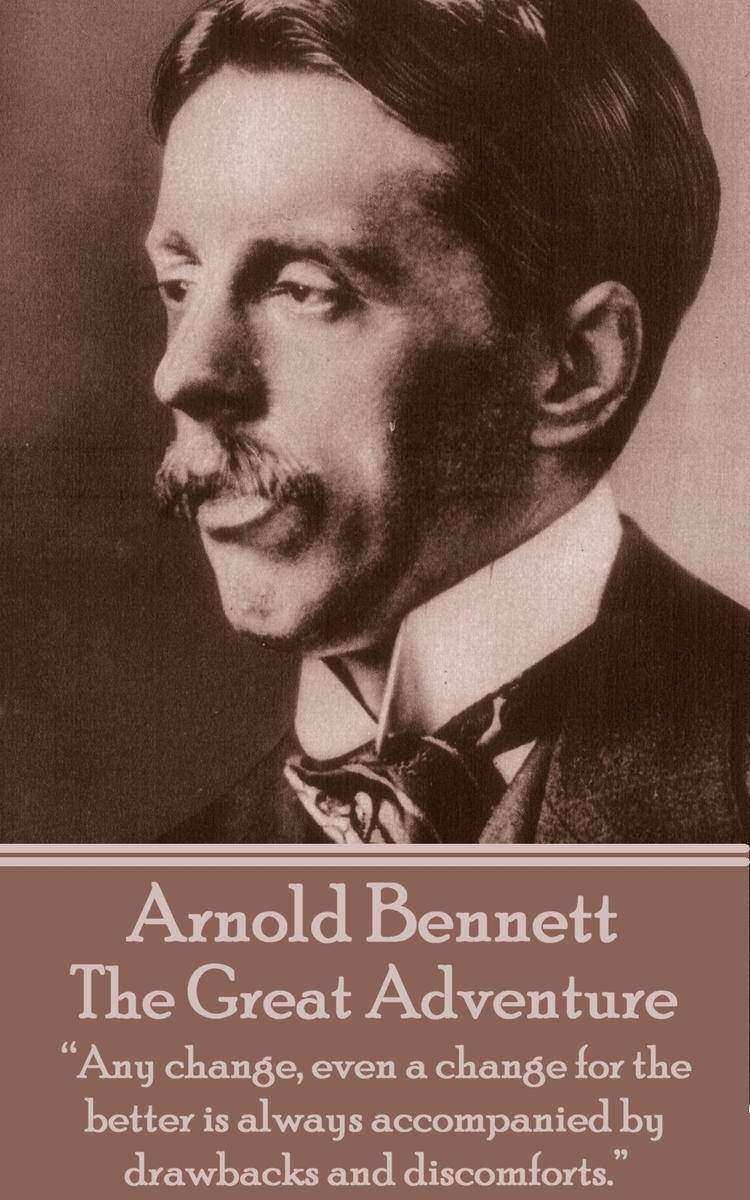
Great Adventure - Any change
¥29.33
Arnold Bennett was born in 1867 in Hanley, one of the six towns that formed the Potteries that later joined together to become Stoke-on-Trent - the area in which most of his works are located. For a short time he worked for his solicitor father before realising that to advance his life he would need to become his own man. Moving to London at 21, he obtained work as a solicitor's clerk and gradually moved into a career of Journalism. At the turn of the century he turned full time to writing and shortly thereafter, in 1903, he moved to Paris. In 1908 Bennett published The Old Wives' Tale, to great acclaim. With this, his reputation was set. Clayhanger and The Old Wives' Tale are perhaps his greatest and most lauded novels. But standing next to these are many fine short stories. Bennett bathes us in vignettes of life, replete with characters that are easy to immerse ourselves in, whatever their ambitions may be. Here we publish his play 'The Great Adventure'. As with anything written by Bennett it's a fabulous showcase for his literary talents.

Love's Pilgrimage - No ground but this to argue on? no swords left Nor friends t
¥38.75
The English dramatists Francis Beaumont and John Fletcher, collaborated in their writing during the reign of James I of England (James VI of Scotland, 1567-1625; in England he reigned from 1603).Beaumont & Fletcher began to collaborate as writers soon after they met. After notable failures of their solo works their first joint effort, Philaster, was a success and tragicomedy was the genre they explored and built upon. There would be many further successes to follow.There is an account that at the time the two men shared everything. They lived together in a house on the Bankside in Southwark, "e;they also lived together in Bankside, sharing clothes and having one wench in the house between them."e; Or as another account puts it "e;sharing everything in the closest intimacy."e;Whatever the truth of this they were now recognised as perhaps the best writing team of their generation, so much so, that their joint names was applied to all the works in which either, or both, had a pen including those with Philip Massinger, James Shirley and Nathan Field.The first Beaumont and Fletcher folio of 1647 contained 35 plays; 53 plays were included in the second folio in 1679. Other works bring the total plays in the canon to about 55. However there appears here to have been some duplicity on the account of the publishers who seemed to attribute so many to the team. It is now thought that the work between solely by Beaumont and Fletcher amounts to approximately 15 plays, though of course further works by them were re-worked by others and the originals lost.After Beaumont's early death in 1616 Fletcher continued to write and, at his height was, by many standards, the equal of Shakespeare in popularity until his own death in 1625.
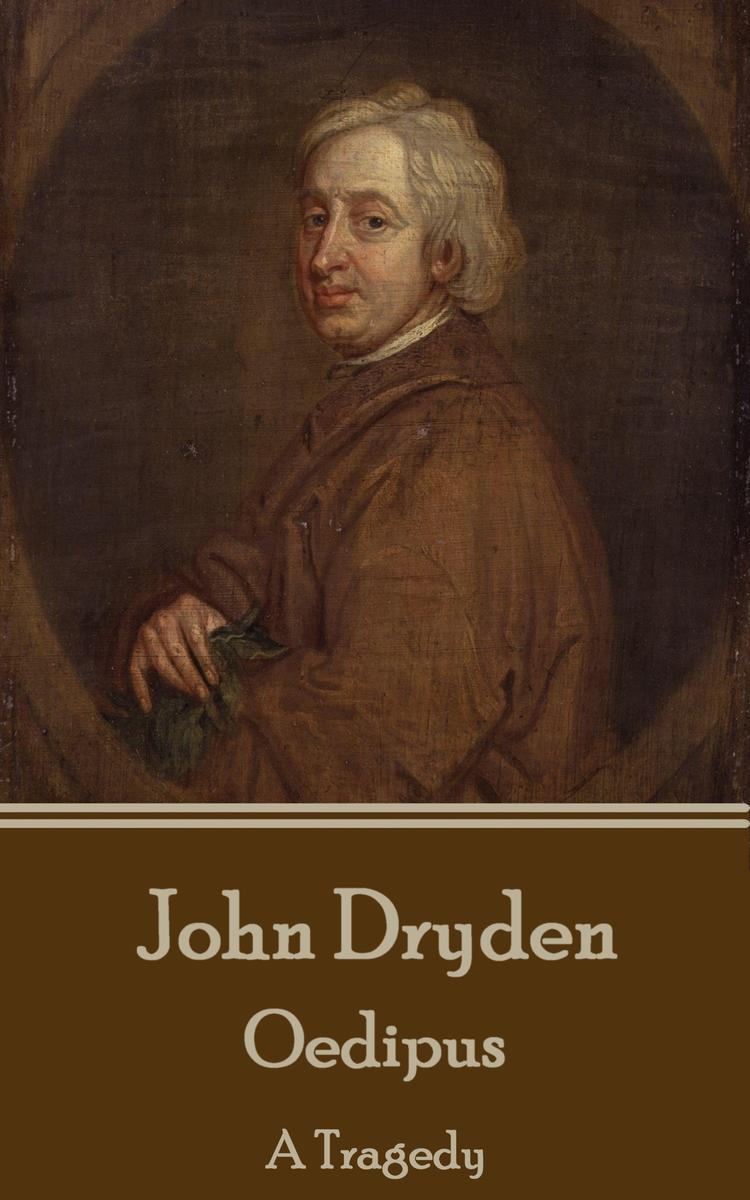
Oedipus - A Tragedy
¥21.09
John Dryden was born on August 9th, 1631 in the village rectory of Aldwincle near Thrapston in Northamptonshire. As a boy Dryden lived in the nearby village of Titchmarsh, Northamptonshire. In 1644 he was sent to Westminster School as a King's Scholar. Dryden obtained his BA in 1654, graduating top of the list for Trinity College, Cambridge that year. Returning to London during The Protectorate, Dryden now obtained work with Cromwell's Secretary of State, John Thurloe. At Cromwell's funeral on 23 November 1658 Dryden was in the company of the Puritan poets John Milton and Andrew Marvell. The setting was to be a sea change in English history. From Republic to Monarchy and from one set of lauded poets to what would soon become the Age of Dryden. The start began later that year when Dryden published the first of his great poems, Heroic Stanzas (1658), a eulogy on Cromwell's death. With the Restoration of the Monarchy in 1660 Dryden celebrated in verse with Astraea Redux, an authentic royalist panegyric. With the re-opening of the theatres after the Puritan ban, Dryden began to also write plays. His first play, The Wild Gallant, appeared in 1663 but was not successful. From 1668 on he was contracted to produce three plays a year for the King's Company, in which he became a shareholder. During the 1660s and '70s, theatrical writing was his main source of income. In 1667, he published Annus Mirabilis, a lengthy historical poem which described the English defeat of the Dutch naval fleet and the Great Fire of London in 1666. It established him as the pre-eminent poet of his generation, and was crucial in his attaining the posts of Poet Laureate (1668) and then historiographer royal (1670). This was truly the Age of Dryden, he was the foremost English Literary figure in Poetry, Plays, translations and other forms. In 1694 he began work on what would be his most ambitious and defining work as translator, The Works of Virgil (1697), which was published by subscription. It was a national event. John Dryden died on May 12th, 1700, and was initially buried in St. Anne's cemetery in Soho, before being exhumed and reburied in Westminster Abbey ten days later.
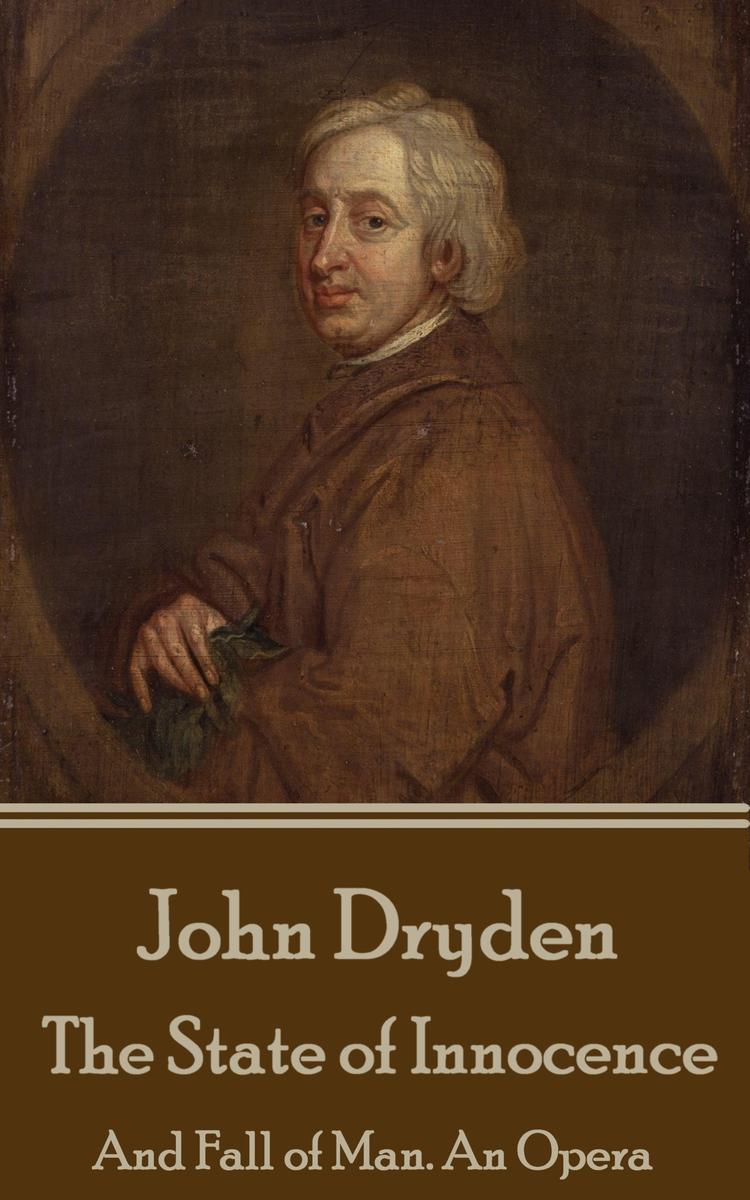
State of Innocence - And Fall of Man. An Opera
¥15.21
John Dryden was born on August 9th, 1631 in the village rectory of Aldwincle near Thrapston in Northamptonshire. As a boy Dryden lived in the nearby village of Titchmarsh, Northamptonshire. In 1644 he was sent to Westminster School as a King's Scholar. Dryden obtained his BA in 1654, graduating top of the list for Trinity College, Cambridge that year. Returning to London during The Protectorate, Dryden now obtained work with Cromwell's Secretary of State, John Thurloe. At Cromwell's funeral on 23 November 1658 Dryden was in the company of the Puritan poets John Milton and Andrew Marvell. The setting was to be a sea change in English history. From Republic to Monarchy and from one set of lauded poets to what would soon become the Age of Dryden. The start began later that year when Dryden published the first of his great poems, Heroic Stanzas (1658), a eulogy on Cromwell's death. With the Restoration of the Monarchy in 1660 Dryden celebrated in verse with Astraea Redux, an authentic royalist panegyric. With the re-opening of the theatres after the Puritan ban, Dryden began to also write plays. His first play, The Wild Gallant, appeared in 1663 but was not successful. From 1668 on he was contracted to produce three plays a year for the King's Company, in which he became a shareholder. During the 1660s and '70s, theatrical writing was his main source of income. In 1667, he published Annus Mirabilis, a lengthy historical poem which described the English defeat of the Dutch naval fleet and the Great Fire of London in 1666. It established him as the pre-eminent poet of his generation, and was crucial in his attaining the posts of Poet Laureate (1668) and then historiographer royal (1670). This was truly the Age of Dryden, he was the foremost English Literary figure in Poetry, Plays, translations and other forms. In 1694 he began work on what would be his most ambitious and defining work as translator, The Works of Virgil (1697), which was published by subscription. It was a national event. John Dryden died on May 12th, 1700, and was initially buried in St. Anne's cemetery in Soho, before being exhumed and reburied in Westminster Abbey ten days later.
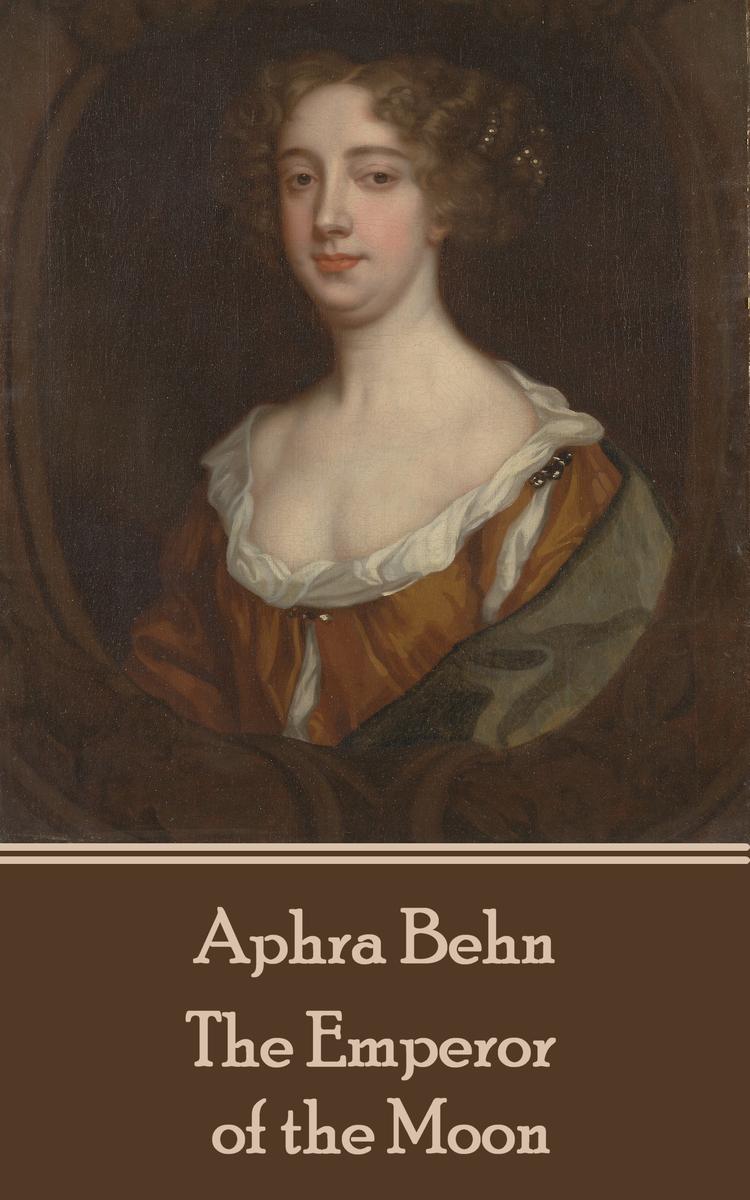
Emperor of the Moon
¥23.45
Aphra Behn was a prolific and well established writer but facts about her remain scant and difficult to confirm. What can safely be said though is that Aphra Behn is now regarded as a key English playwright and a major figure in Restoration theatre. Aphra was born into the rising tensions to the English Civil War. Obviously a time of much division and difficulty as the King and Parliament, and their respective forces, came ever closer to conflict. There are claims she was a spy, that she travelled abroad, possibly as far as Surinam. By 1664 her marriage was over (though by death or separation is not known but presumably the former as it occurred in the year of their marriage) and she now used Mrs Behn as her professional name. Aphra now moved towards pursuing a more sustainable and substantial career and began work for the King's Company and the Duke's Company players as a scribe. Previously her only writing had been poetry but now she would become a playwright. Her first, "e;The Forc'd Marriage"e;, was staged in 1670, followed by "e;The Amorous Prince"e; (1671). After her third play, "e;The Dutch Lover"e;, Aphra had a three year lull in her writing career. Again it is speculated that she went travelling again, possibly once again as a spy. After this sojourn her writing moves towards comic works, which prove commercially more successful. Her most popular works included "e;The Rover"e; and "e;Love-Letters Between a Nobleman and His Sister"e; (1684-87). With her growing reputation Aphra became friends with many of the most notable writers of the day. This is The Age of Dryden and his literary dominance. From the mid 1680's Aphra's health began to decline. This was exacerbated by her continual state of debt and descent into poverty. Aphra Behn died on April 16th 1689, and is buried in the East Cloister of Westminster Abbey. The inscription on her tombstone reads: "e;Here lies a Proof that Wit can never be Defence enough against Mortality."e; She was quoted as stating that she had led a "e;life dedicated to pleasure and poetry."e;
Professor (Mermaids Classics)
¥35.22
The Professor by Charlotte Bronte (1816-1855) is a classic novel first published in 1857. It follows the story of the young educated and religious man named William Crimsworth who becomes a professor at an all-girls school and later marries one of his female students.Mermaids Classics, an imprint of Mermaids Publishing brings the very best of old classic literature to a modern era of digital reading by producing high quality books in ebook format. All of the Mermaids Classics epublications are reproductions of classic antique books that were originally published in print format, mostly over a century ago and are now republished in digital format as ebooks. Begin to build your collection of digital books by looking for more literary gems from Mermaids Classics.
Wuthering Heights (Mermaids Classics)
¥35.22
Wuthering Heights (1847) by Emily Bronte (1818 -1848) is a classic novel initially published under the pen name Ellis Bell. The story is about the love between Catherine Earnshaw and Heathcliff who is her fathers adopted son and the controversies that arise as a result. Mermaids Classics, an imprint of Mermaids Publishing brings the very best of old classic literature to a modern era of digital reading by producing high quality books in ebook format. All of the Mermaids Classics epublications are reproductions of classic antique books that were originally published in print format, mostly over a century ago and are now republished in digital format as ebooks. Begin to build your collection of digital books by looking for more literary gems from Mermaids Classics.

Electra - Friends show their love in times of trouble, not in happiness
¥14.03
Euripides is rightly lauded as one of the great dramatists of all time. In his lifetime, he wrote over 90 plays and although only 18 have survived they reveal the scope and reach of his genius. Euripides is identified with many theatrical innovations that have influenced drama all the way down to modern times, especially in the representation of traditional, mythical heroes as ordinary people in extraordinary circumstances. As would be expected from a life lived 2,500 years ago, details of it are few and far between. Accounts of his life, written down the ages, do exist but whether much is reliable or surmised is open to debate. Most accounts agree that he was born on Salamis Island around 480 BC, to mother Cleito and father Mnesarchus, a retailer who lived in a village near Athens. Upon the receipt of an oracle saying that his son was fated to win "e;crowns of victory"e;, Mnesarchus insisted that the boy should train for a career in athletics. However, what is clear is that athletics was not to be the way to win crowns of victory. Euripides had been lucky enough to have been born in the era as the other two masters of Greek Tragedy; Sophocles and schylus. It was in their footsteps that he was destined to follow. His first play was performed some thirteen years after the first of Socrates plays and a mere three years after schylus had written his classic The Oristria. Theatre was becoming a very important part of the Greek culture. The Dionysia, held annually, was the most important festival of theatre and second only to the fore-runner of the Olympic games, the Panathenia, held every four years, in appeal. Euripides first competed in the City Dionysia, in 455 BC, one year after the death of schylus, and, incredibly, it was not until 441 BC that he won first prize. His final competition in Athens was in 408 BC. The Bacchae and Iphigenia in Aulis were performed after his death in 405 BC and first prize was awarded posthumously. Altogether his plays won first prize only five times. Euripides was also a great lyric poet. In Medea, for example, he composed for his city, Athens, "e;the noblest of her songs of praise"e;. His lyric skills however are not just confined to individual poems: "e;A play of Euripides is a musical whole....one song echoes motifs from the preceding song, while introducing new ones."e; Much of his life and his whole career coincided with the struggle between Athens and Sparta for hegemony in Greece but he didn't live to see the final defeat of his city. Euripides fell out of favour with his fellow Athenian citizens and retired to the court of Archelaus, king of Macedon, who treated him with consideration and affection. At his death, in around 406BC, he was mourned by the king, who, refusing the request of the Athenians that his remains be carried back to the Greek city, buried him with much splendor within his own dominions. His tomb was placed at the confluence of two streams, near Arethusa in Macedonia, and a cenotaph was built to his memory on the road from Athens towards the Piraeus.
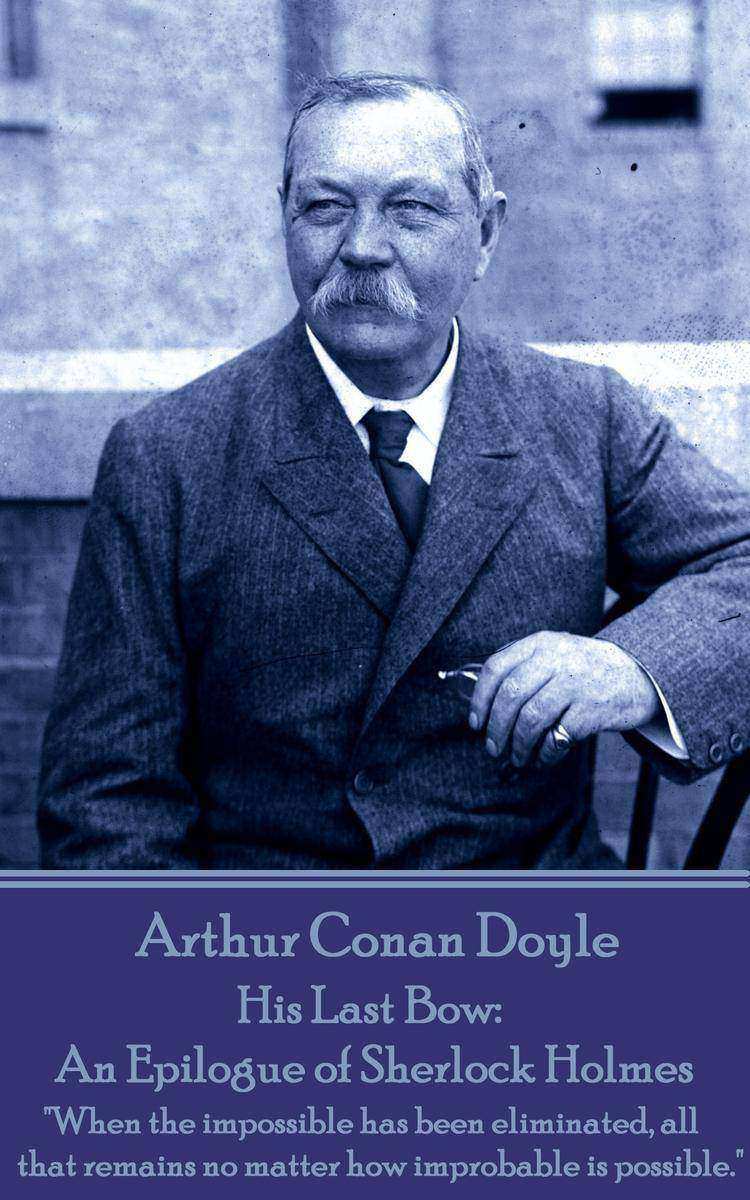
His Last Bow: An Epilogue of Sherlock Holmes
¥14.03
If ever a writer needed an introduction Arthur Conan Doyle would not be considered that man. After all, Sherlock Holmes is perhaps the foremost literary detective of any age. Add to this canon his stories of science fiction and his poems, his historical novels, his plays, his political campaigning, his efforts in establishing a Court of Appeal and there is little room for anything else. Except he was also an exceptional writer of short stories of the horrific and macabre. Something very different from what you might expect. Born in Arthur Conan Doyle was born on 22 May 1859 at 11 Picardy Place, Edinburgh, Scotland. From 1876 - 1881 he studied medicine at the University of Edinburgh following which he was employed as a doctor on the Greenland whaler Hope of Peterhead in 1880 and, after his graduation, as a ship's surgeon on the SS Mayumba during a voyage to the West African coast in 1881. Arriving in Portsmouth in June of that year with less than GBP10 (GBP700 today) to his name, he set up a medical practice at 1 Bush Villas in Elm Grove, Southsea. The practice was initially not very successful. While waiting for patients, Conan Doyle again began writing stories and composed his first novel The Mystery of Cloomber. Although he continued to study and practice medicine his career was now firmly set as a writer. And thereafter great works continued to pour out of him.
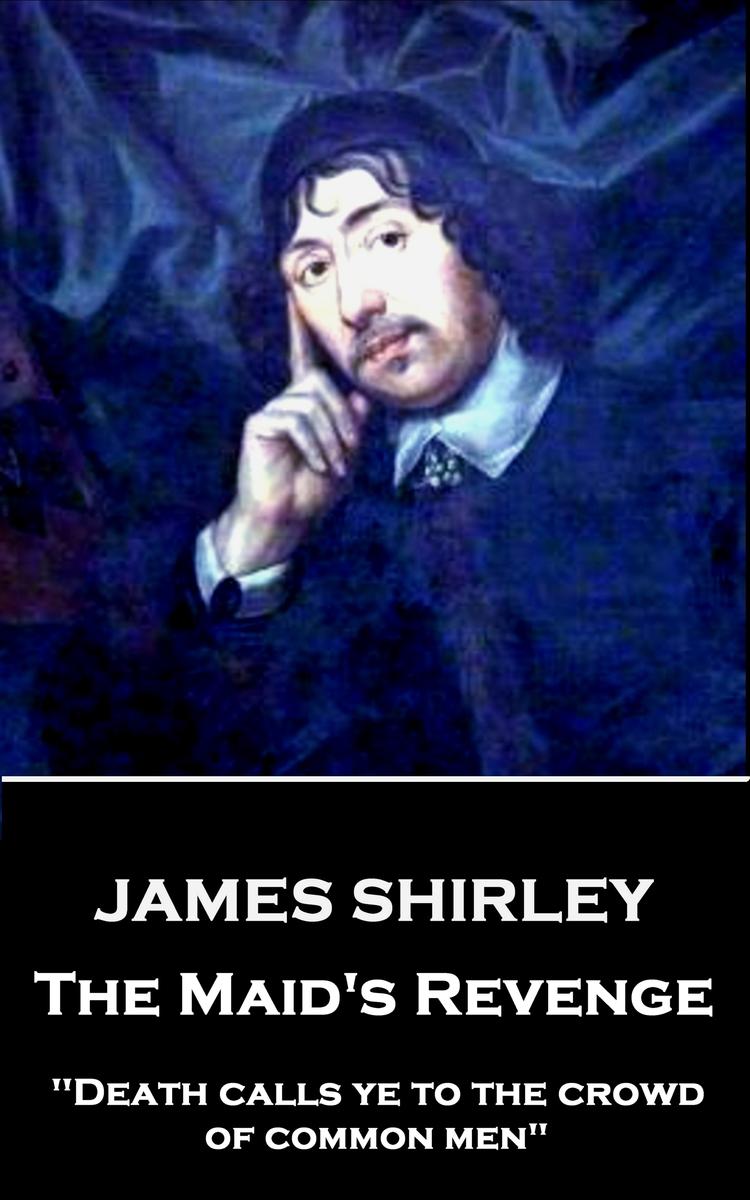
Maid's Revenge - Death calls ye to the crowd of common men
¥25.80
James Shirley was born in London in September 1596. His education was through a collection of England's finest establishments: Merchant Taylors' School, London, St John's College, Oxford, and St Catharine's College, Cambridge, where he took his B.A. degree in approximately 1618. He first published in 1618, a poem entitled Echo, or the Unfortunate Lovers. As with many artists of this period full details of his life and career are not recorded. Sources say that after graduating he became "e;a minister of God's word in or near St Albans."e; A conversion to the Catholic faith enabled him to become master of St Albans School from 1623-25. He wrote his first play, Love Tricks, or the School of Complement, which was licensed on February 10th, 1625. From the given date it would seem he wrote this whilst at St Albans but, after its production, he moved to London and to live in Gray's Inn. For the next two decades, he would write prolifically and with great quality, across a spectrum of thirty plays; through tragedies and comedies to tragicomedies as well as several books of poetry. Unfortunately, his talents were left to wither when Parliament passed the Puritan edict in 1642, forbidding all stage plays and closing the theatres. Most of his early plays were performed by Queen Henrietta's Men, the acting company for which Shirley was engaged as house dramatist. Shirley's sympathies lay with the King in battles with Parliament and he received marks of special favor from the Queen. He made a bitter attack on William Prynne, who had attacked the stage in Histriomastix, and, when in 1634 a special masque was presented at Whitehall by the gentlemen of the Inns of Court as a practical reply to Prynne, Shirley wrote the text-The Triumph of Peace. Shirley spent the years 1636 to 1640 in Ireland, under the patronage of the Earl of Kildare. Several of his plays were produced by his friend John Ogilby in Dublin in the first ever constructed Irish theatre; The Werburgh Street Theatre. During his years in Dublin he wrote The Doubtful Heir, The Royal Master, The Constant Maid, and St. Patrick for Ireland. In his absence from London, Queen Henrietta's Men sold off a dozen of his plays to the stationers, who naturally, enough published them. When Shirley returned to London in 1640, he finished with the Queen Henrietta's company and his final plays in London were acted by the King's Men. On the outbreak of the English Civil War Shirley served with the Earl of Newcastle. However when the King's fortunes began to decline he returned to London. There his friend Thomas Stanley gave him help and thereafter Shirley supported himself in the main by teaching and publishing some educational works under the Commonwealth. In addition to these he published during the period of dramatic eclipse four small volumes of poems and plays, in 1646, 1653, 1655, and 1659. It is said that he was "e;a drudge"e; for John Ogilby in his translations of Homer's Iliad and the Odyssey, and survived into the reign of Charles II, but, though some of his comedies were revived, his days as a playwright were over. His death, at age seventy, along with that of his wife, in 1666, is described as one of fright and exposure due to the Great Fire of London which had raged through parts of London from September 2nd to the 5th. He was buried at St Giles in the Fields, in London, on October 29th, 1666.


