


 购物车
购物车 个人中心
个人中心

General Cytology
¥247.21
A Textbook of Cellular Structure and Function for Students of Biology and Medicine
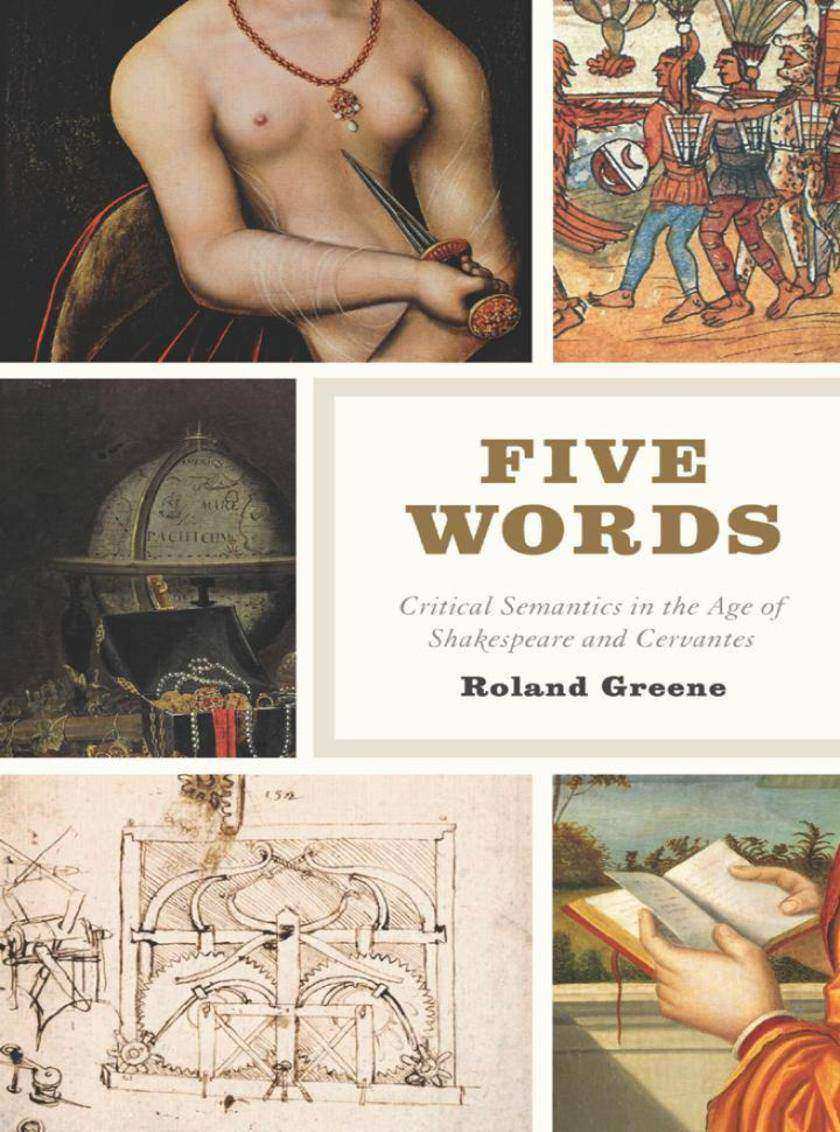
Five Words
¥288.41
Blood. Invention. Language. Resistance. World. Five ordinary words that do a great deal of conceptual work in everyday life and literature. In this original experiment in critical semantics, Roland Greene considers how these five words changed over the course of the sixteenth century and what their changes indicate about broader forces in science, politics, and other disciplines.?Greene discusses a broad swath of Renaissance and transatlantic literature-including Shakespeare, Cervantes, Cames, and Milton-in terms of the development of these words rather than works, careers, or histories. He creates a method for describing and understanding the semantic changes that occur, extending his argument to other words that operate in the same manner. Aiming to shift the conversation around Renaissance literature from current approaches to riskier enterprises, Greene also challenges semantic-historicist scholars, proposing a method that takes advantage of digital resources like full-text databases but still depends on the interpreter to fashion ideas out of ordinary language. Five Words is an innovative and accessible book that points the field of literary studies in an exciting new direction.
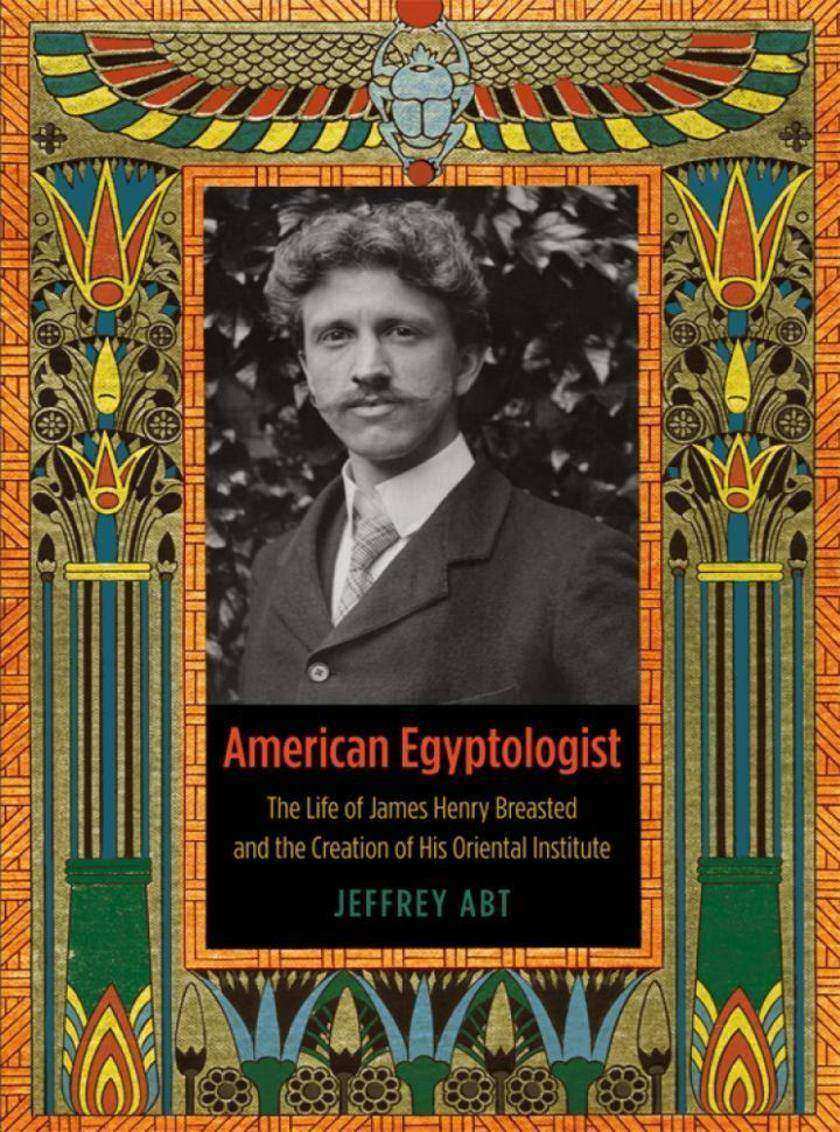
American Egyptologist
¥247.21
James Henry Breasted (1865-1935) had a career that epitomizes our popular image of the archaeologist. Daring, handsome, and charismatic, he traveled on expeditions to remote and politically unstable corners of the Middle East, helped identify the tomb of King Tut, and was on the cover of Time magazine. But Breasted was more than an Indiana Jones-he was an accomplished scholar, academic entrepreneur, and talented author who brought ancient history to life not just for students but for such notables as Teddy Roosevelt and Sigmund Freud.In American Egyptologist, Jeffrey Abt weaves together the disparate strands of Breasted's life, from his small-town origins following the Civil War to his evolution into the father of American Egyptology and the founder of the Oriental Institute in the early years of the University of Chicago. Abt explores the scholarly, philanthropic, diplomatic, and religious contexts of his ideas and projects, providing insight into the origins of America's most prominent center for Near Eastern archaeology.?An illuminating portrait of the nearly forgotten man who demystified ancient Egypt for the general public, American Egyptologist restores James Henry Breasted to the world and puts forward a brilliant case for his place as one of the most important scholars of modern times.
More Important Than the Music
¥370.82
Today, jazz is considered high art, America's national music, and the catalog of its recordings-its discography-is often taken for granted. But behind jazz discography is a fraught and highly colorful history of research, fanaticism, and the intense desire to know who played what, where, and when. This history gets its first full-length treatment in Bruce D. Epperson's More Important Than the Music. Following the dedicated few who sought to keep jazz's legacy organized, Epperson tells a fascinating story of archival pursuit in the face of negligence and deception, a tale that saw curses and threats regularly employed, with fisticuffs and lawsuits only slightly rarer.Epperson examines the documentation of recorded jazz from its casual origins as a novelty in the 1920s and '30s, through the overwhelming deluge of 12-inch vinyl records in the middle of the twentieth century, to the use of computers by today's discographers. Though he focuses much of his attention on comprehensive discographies, he also examines the development of a variety of related listings, such as buyer's guides and library catalogs, and he closes with a look toward discography's future. From the little black book to the full-featured online database, More Important Than the Music offers a history not just of jazz discography but of the profoundly human desire to preserve history itself.
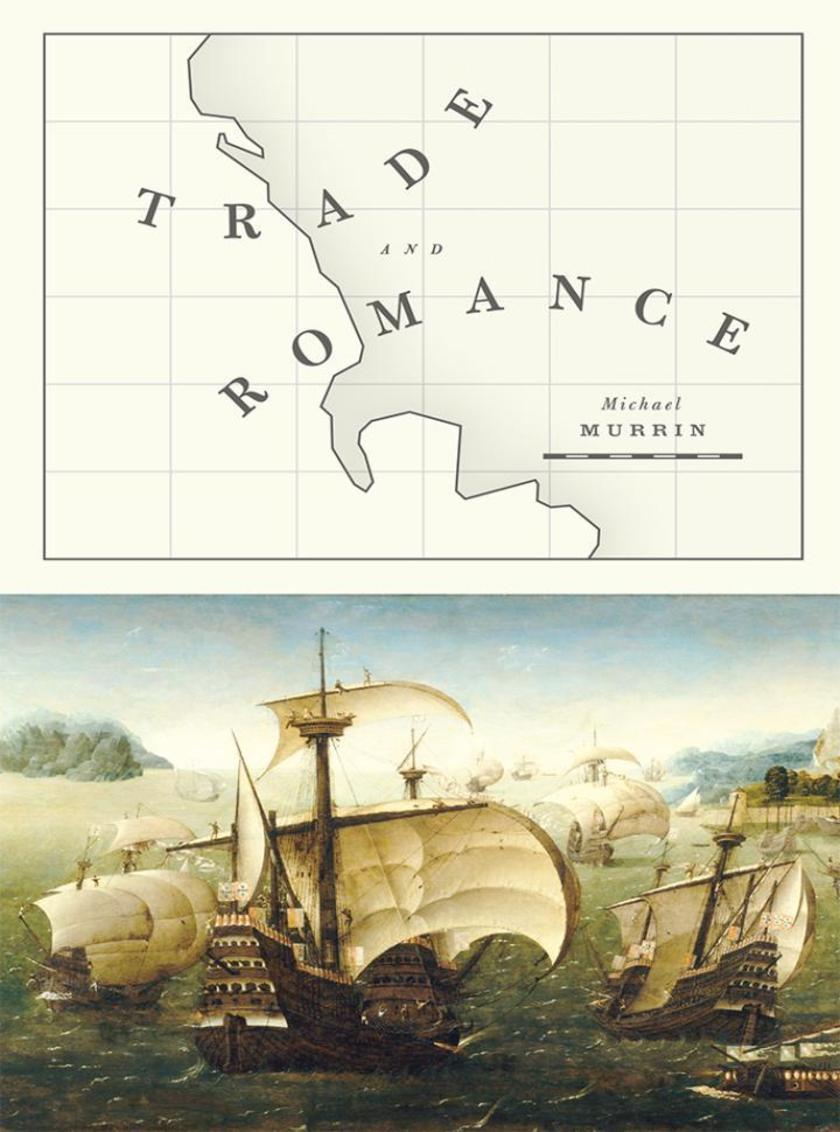
Trade and Romance
¥370.82
In Trade and Romance, Michael Murrin examines the complex relations between the expansion of trade in Asia and the production of heroic romance in Europe from the second half of the thirteenth century through the late seventeenth century. He shows how these tales of romance, ostensibly meant for the aristocracy, were important to the growing mercantile class as a way to gauge their own experiences in traveling to and trading in these exotic locales. Murrin also looks at the role that growing knowledge of geography played in the writing of the creative literature of the period, tracking how accurate, or inaccurate, these writers were in depicting far-flung destinations, from Iran and the Caspian Sea all the way to the Pacific.?With reference to an impressive range of major works in several languages-including the works of Marco Polo, Geoffrey Chaucer, Matteo Maria Boiardo, Lus de Cames, Ferno Mendes Pinto, Edmund Spenser, John Milton, and more-Murrin tracks numerous accounts by traders and merchants through the literature, first on the Silk Road, beginning in the mid-thirteenth century; then on the water route to India, Japan, and China via the Cape of Good Hope; and, finally, the overland route through Siberia to Beijing. All of these routes, originally used to exchange commodities, quickly became paths to knowledge as well, enabling information to pass, if sometimes vaguely and intermittently, between Europe and the Far East. These new tales of distant shores fired the imagination of Europe and made their way, with surprising accuracy, as Murrin shows, into the poetry of the period.
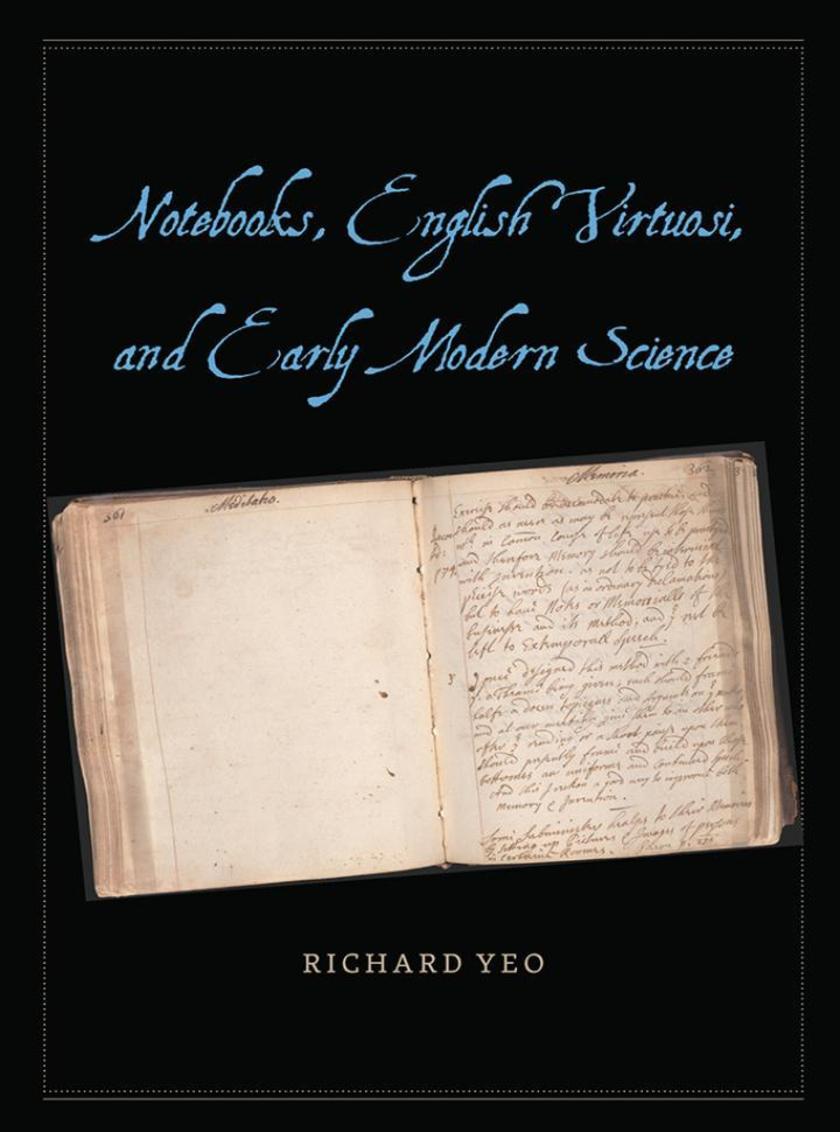
Notebooks, English Virtuosi, and Early Modern Science
¥370.82
In Notebooks, English Virtuosi, and Early Modern Science, Richard Yeo interprets a relatively unexplored set of primary archival sources: the notes and notebooks of some of the leading figures of the Scientific Revolution. Notebooks were important to several key members of the Royal Society of London, including Robert Boyle, John Evelyn, Robert Hooke, John Locke, and others, who drew on Renaissance humanist techniques of excerpting from texts to build storehouses of proverbs, maxims, quotations, and other material in personal notebooks, or commonplace books. Yeo shows that these men appreciated the value of their own notes both as powerful tools for personal recollection, and, following Francis Bacon, as a system of precise record keeping from which they could retrieve large quantities of detailed information for collaboration.?The virtuosi of the seventeenth century were also able to reach beyond Bacon and the humanists, drawing inspiration from the ancient Hippocratic medical tradition and its emphasis on the gradual accumulation of information over time. By reflecting on the interaction of memory, notebooks, and other records, Yeo argues, the English virtuosi shaped an ethos of long-term empirical scientific inquiry.
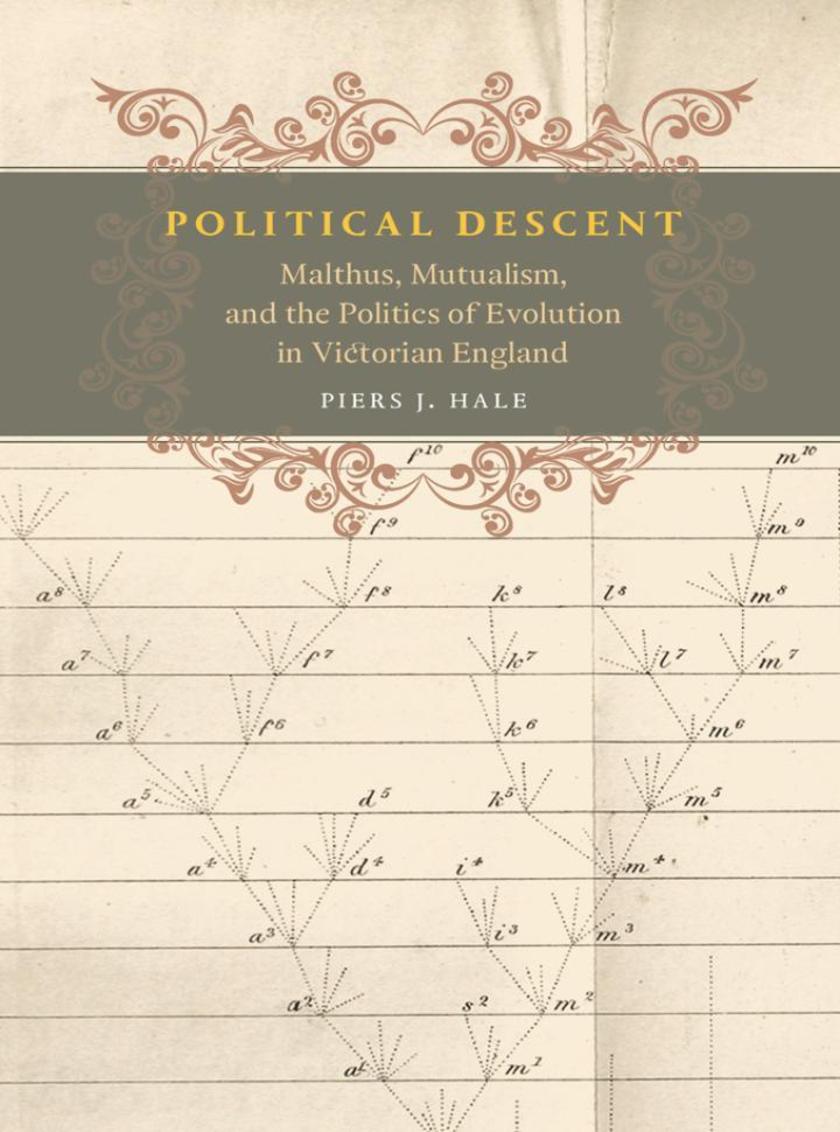
Political Descent
¥370.82
Historians of science have long noted the influence of the nineteenth-century political economist Thomas Robert Malthus on Charles Darwin. In a bold move, Piers J. Hale contends that this focus on Malthus and his effect on Darwin's evolutionary thought neglects a strong anti-Malthusian tradition in English intellectual life, one that not only predated the 1859 publication of the Origin of Species but also persisted throughout the Victorian period until World War I. Political Descent reveals that two evolutionary and political traditions developed in England in the wake of the 1832 Reform Act: one Malthusian, the other decidedly anti-Malthusian and owing much to the ideas of the French naturalist Jean Baptiste Lamarck. These two traditions, Hale shows, developed in a context of mutual hostility, debate, and refutation. Participants disagreed not only about evolutionary processes but also on broader questions regarding the kind of creature our evolution had made us and in what kind of society we ought therefore to live. Significantly, and in spite of Darwin's acknowledgement that natural selection was "e;the doctrine of Malthus, applied to the whole animal and vegetable kingdoms,"e; both sides of the debate claimed to be the more correctly "e;Darwinian."e; By exploring the full spectrum of scientific and political issues at stake, Political Descent offers a novel approach to the relationship between evolution and political thought in the Victorian and Edwardian eras.
On Tyranny
¥229.55
On Tyranny is Leo Strauss's classic reading of Xenophon's dialogue Hiero, or Tyrannicus, in which the tyrant Hiero and the poet Simonides discuss the advantages and disadvantages of exercising tyranny. Included are a translation of the dialogue from its original Greek, a critique of Strauss's commentary by the French philosopher Alexandre Kojeve, and the complete correspondence between the two.This revised and expanded edition introduces important corrections throughout and expands Strauss's restatement of his position in light of Kojve's commentary to bring it into conformity with the text as it was originally published in France.
Meaning
¥229.55
Published very shortly before his death in February 1976, Meaning is the culmination of Michael Polanyi's philosophic endeavors. With the assistance of Harry Prosch, Polanyi goes beyond his earlier critique of scientific "e;objectivity"e; to investigate meaning as founded upon the imaginative and creative faculties.Establishing that science is an inherently normative form of knowledge and that society gives meaning to science instead of being given the "e;truth"e; by science, Polanyi contends here that the foundation of meaning is the creative imagination. Largely through metaphorical expression in poetry, art, myth, and religion, the imagination is used to synthesize the otherwise chaotic and disparate elements of life. To Polanyi these integrations stand with those of science as equally valid modes of knowledge. He hopes this view of the foundation of meaning will restore validity to the traditional ideas that were undercut by modern science. Polanyi also outlines the general conditions of a free society that encourage varied approaches to truth, and includes an illuminating discussion of how to restore, to modern minds, the possibility for the acceptance of religion.
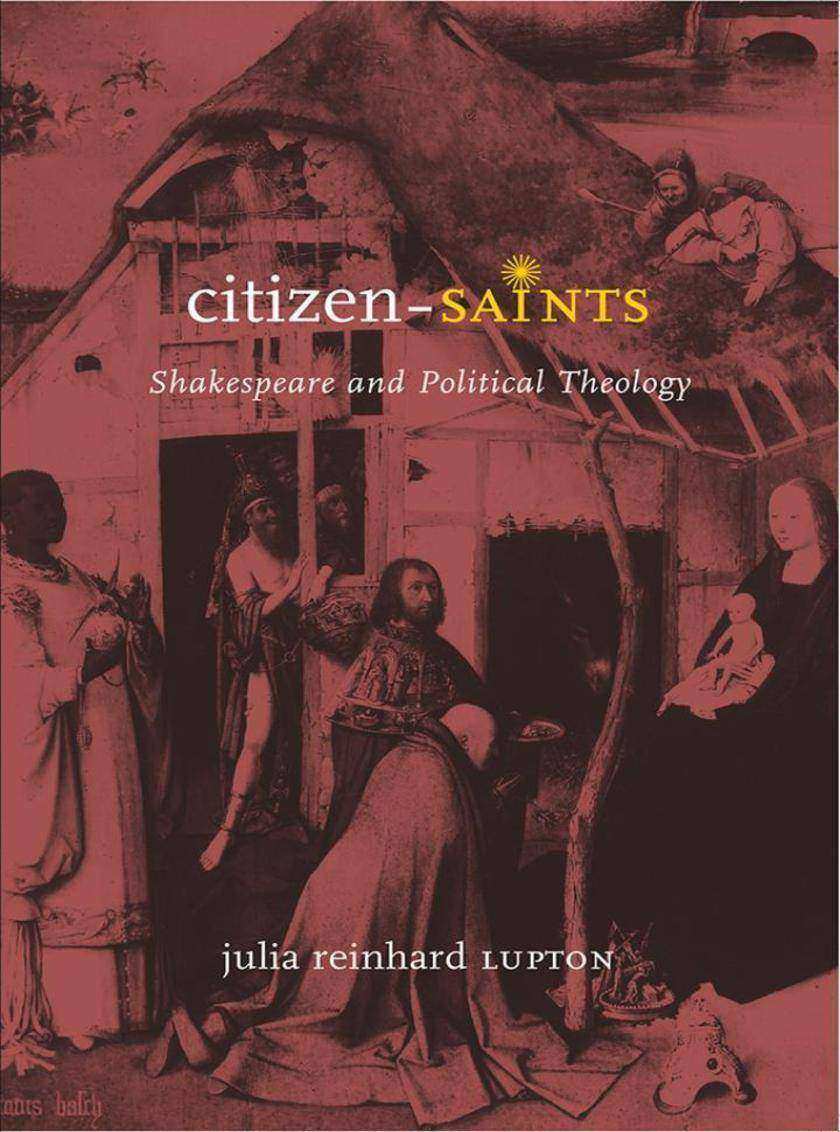
Citizen-Saints
¥206.01
Turning to the potent idea of political theology to recover the strange mix of political and religious thinking during the Renaissance, this bracing study reveals in the works of Shakespeare and his sources the figure of the citizen-saint, who represents at once divine messenger and civil servant, both norm and exception. Embodied by such diverse personages as Antigone, Paul, Barabbas, Shylock, Othello, Caliban, Isabella, and Samson, the citizen-saint is a sacrificial figure: a model of moral and aesthetic extremity who inspires new regimes of citizenship with his or her death and martyrdom.Among the many questions Julia Reinhard Lupton attempts to answer under the rubric of the citizen-saint are: how did states of emergency, acts of sovereign exception, and Messianic anticipations lead to new forms of religious and political lawWhat styles of universality were implied by the abject state of the pure creature, at sea in a creation abandoned by its creatorAnd how did circumcision operate as both a marker of ethnicity and a means of conversion and civic naturalization?Written with clarity and grace, Citizen-Saints will be of enormous interest to students of English literature, religion, and early modern culture.
More than Lore
¥206.01
The founding articles of the University of Chicago contained what was for the era a shocking declaration: "e;To provide, impart, and furnish opportunities for all departments of higher education to persons of both sexes on equal terms."e; In a time when many still scoffed at educating women, the university was firmly co-ed from the very start. One of its first hires was Marion Talbot. Ready for the adventure of a lifetime, she set her sights on Chicago at a time when the city was still considered all but the Wild West. Talbot eventually became the University of Chicago's first Dean of Women, influencing a generation of female students.Originally published in 1936, More than Lore is a unique firsthand account of the early days of the university, capturing the excitement and travails of life on an academic frontier. Talbot shares gossip from the faculty lounge, relays student antics in the dorms, and tells stories from the living rooms of Hyde Park. It's also a fascinating look at life as an early twentieth-century college woman, with scandals over improper party invitations and underground sororities, petitions calling for more female professors, and campaigns to have students be known as "e;university women"e; instead of "e;college girls."e; With Talbot as our guide, we reenter a lost world where simply to be a woman was to be a pioneer and where the foundations of the modern undergrad experience were being established.
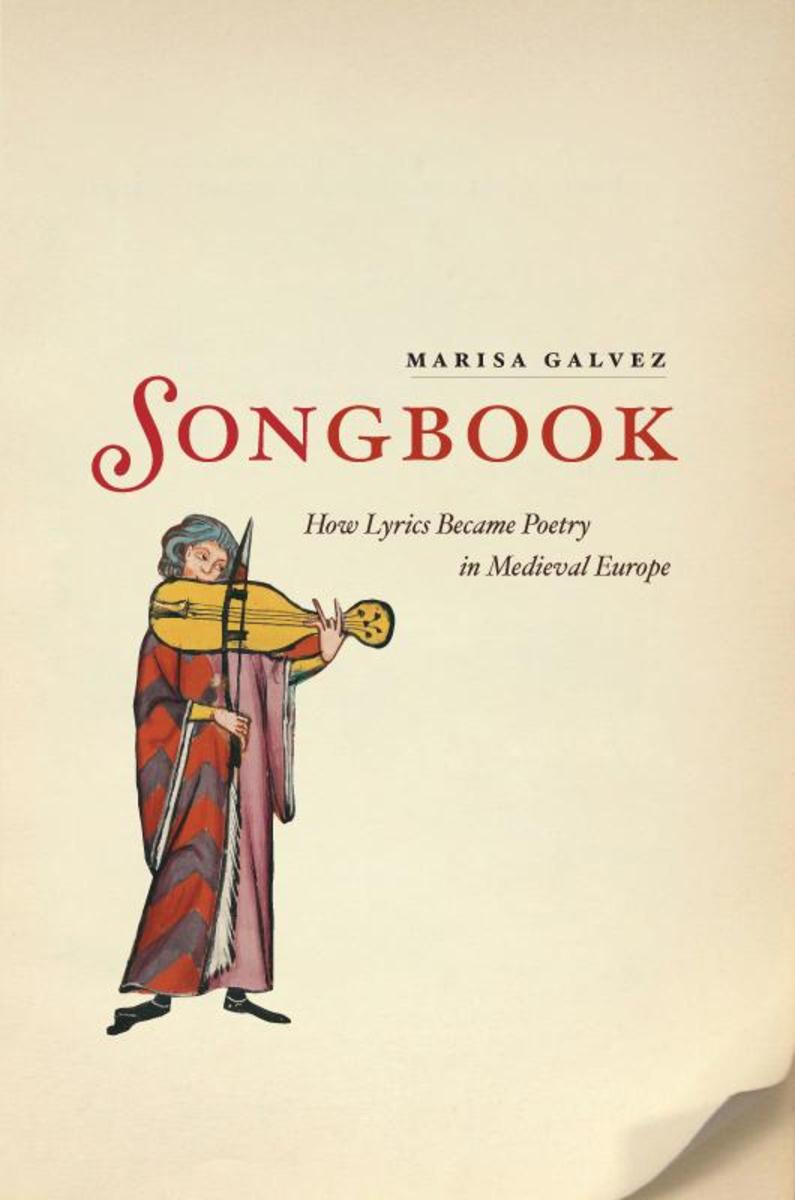
Songbook
¥200.12
Today we usually think of a book of poems as composed by a poet, rather than assembled or adapted by a network of poets and readers.?But the earliest European vernacular poetries challenge these assumptions. Medieval songbooks remind us how lyric poetry was once communally produced and received-a collaboration of artists, performers, live audiences, and readers stretching across languages and societies.The only comparative study of its kind, Songbook treats what poetry was before the emergence of the modern category "e;poetry"e;: that is, how vernacular songbooks of the thirteenth to fifteenth centuries shaped our modern understanding of poetry by establishing expectations of what is a poem, what is a poet, and what is lyric poetry itself. Marisa Galvez analyzes the?seminal songbooks representing the vernacular traditions of Occitan, Middle High German, and Castilian, and tracks the process by which the songbook emerged from the original performance contexts of oral publication, into a medium for preservation, and, finally, into an established literary object. Galvez reveals that songbooks-in ways that resonate with our modern practice of curated archives and playlists-contain lyric, music, images, and other nonlyric texts selected and ordered to reflect the local values and preferences of their readers. At a time when medievalists are reassessing the historical foundations of their field and especially the national literary canons established in the nineteenth century, a new examination of the songbook's role in several vernacular traditions is more relevant than ever.
Agrarian Revolt in a Mexican Village
¥188.35
Agrarian Revolt in a Mexican Village deals with a Tarascan Indian village in southwestern Mexico which, between 1920 and 1926, played a precedent-setting role in agrarian reform. As he describes forty years in the history of this small pueblo, Paul Friedrich raises general questions about local politics and agrarian reform that are basic to our understanding of radical change in peasant societies around the world. Of particular interest is his detailed study of the colorful, violent, and psychologically complex leader, Primo Tapia, whose biography bears on the theoretical issues of the "e;political middleman"e; and the relation between individual motivation and socioeconomic change. Friedrich's evidence includes massive interviewing, personal letters, observations as an anthropological participant (e.g., in fiesta ritual), analysis of the politics and other village culture during 1955-56, comparison with other Tarascan villages, historical and prehistoric background materials, and research in legal and government agrarian archives.
Response to Industrialism, 1885-1914
¥188.35
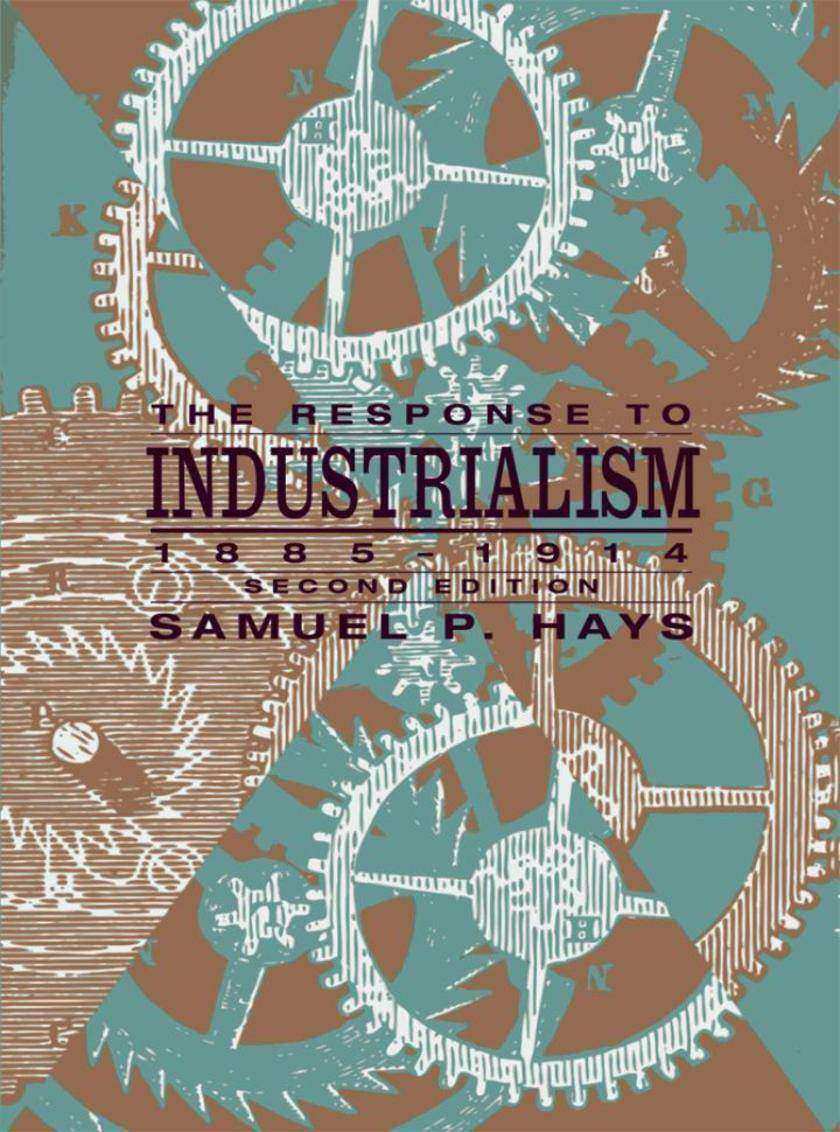
In this new edition, Samuel P. Hays expands the scope of his pioneering account of the ways in which Americans reacted to industrialism during its early years from 1885 to 1914. Hays now deepens his coverage of cultural transformations in a study well known for its concise treatment of political and economic movements.Hays draws on the vast knowledge of America's urban and social history that has been developed over the last thirty-eight years to make the second edition an unusually well-rounded study. He enhances the original coverage of politics, labor, and business with new accounts of the growth of cities, the rise of modern values, cultural conflicts with Native Americans and foreign nations, and changing roles for women, African-Americans, education, religion, medicine, law, and leisure. The result is a tightly woven portrait of America in transition that underscores the effects of impersonal market forces and greater personal freedom on individuals and chronicles such changes as the rise of social inequality, shifting power, in the legal system, the expansion of the federal government, and the formation of the Populist, Progressive, and Socialist parties.

Nice Guys Finish Last
¥147.15
"e;I believe in rules. Sure I do. If there weren't any rules, how could you break them?"e;The history of baseball is rife with colorful characters. But for sheer cantankerousness, fighting moxie, and will to win, very few have come close to Leo "e;the Lip"e; Durocher. Following a five-decade career as a player and manager for baseball's most storied franchises, Durocher teamed up with veteran sportswriter Ed Linn to tell the story of his life in the game. The resulting book, Nice Guys Finish Last, is baseball at its best, brimming with personality and full of all the fights and feuds, triumphs and tricks that made Durocher such a success-and an outsized celebrity.Durocher began his career inauspiciously, riding the bench for the powerhouse 1928 Yankees and hitting so poorly that Babe Ruth nicknamed him "e;the All-American Out."e; But soon Durocher hit his stride: traded to St. Louis, he found his headlong play and never-say-die attitude a perfect fit with the rambunctious "e;Gashouse Gang"e; Cardinals. In 1939, he was named player-manager of the Brooklyn Dodgers-and almost instantly transformed the underachieving Bums into perennial contenders. He went on to manage the New York Giants, sharing the glory of one of the most famous moments in baseball history, Bobby Thomson's "e;shot heard 'round the world,"e; which won the Giants the 1951 pennant. Durocher would later learn how it felt to be on the other side of such an unforgettable moment, as his 1969 Cubs, after holding first place for 105 days, blew a seemingly insurmountable 8-1/2-game lead to the Miracle Mets.All the while, Durocher made as much noise off the field as on it. His perpetual feuds with players, owners, and league officials-not to mention his public associations with gamblers, riffraff, and Hollywood stars like George Raft and Larraine Day-kept his name in the headlines and spread his fame far beyond the confines of the diamond.A no-holds-barred account of a singular figure, Nice Guys Finish Last brings the personalities and play-by-play of baseball's greatest era to vivid life, earning a place on every baseball fan's bookshelf.
Ozone Journal
¥147.15
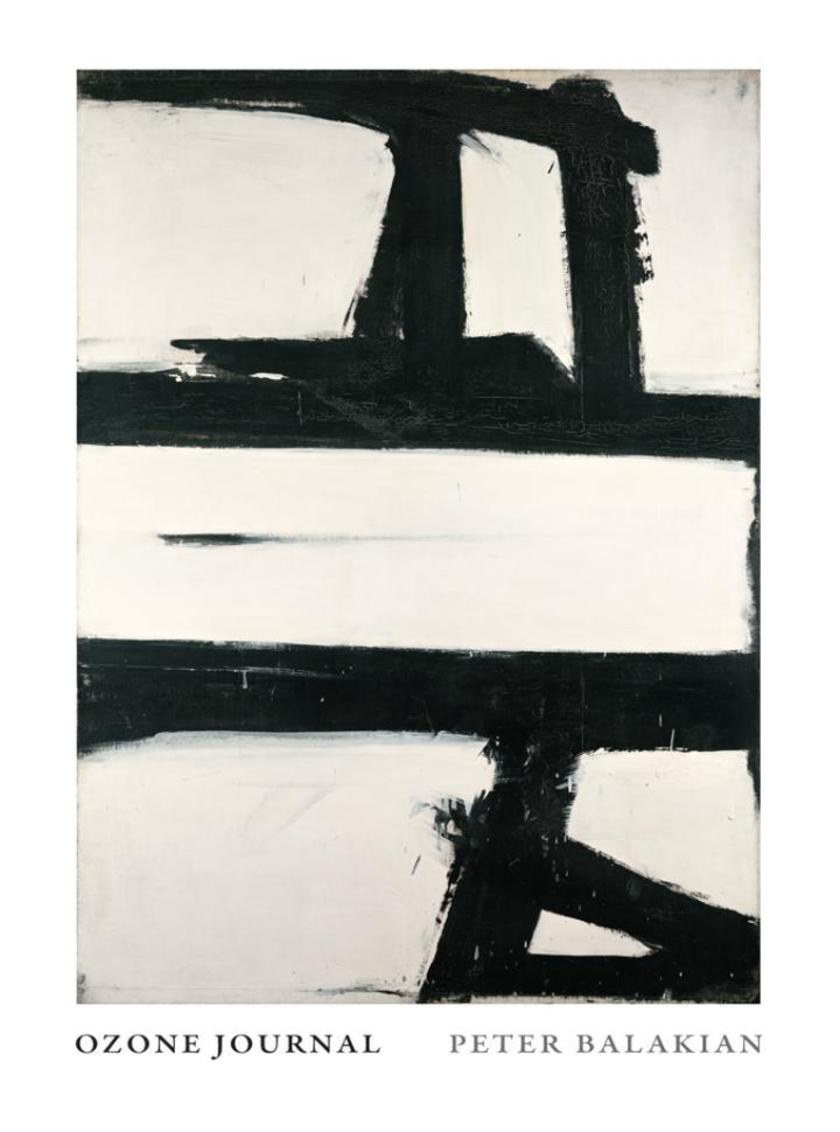
from "e;Ozone Journal"e;?Bach's cantata in B-flat minor in the cassette,we lounged under the greenhouse-sky, the UVBs hackingat the acids and oxides and then I could hear the difference?between an oboe and a bassoonat the river's edge under cover-trees breathed in our respiration;?there was something on the other side of the river,something both of us were itching toward-?radical bonds were broken, history became science.We were never the same.?The title poem of Peter Balakian's Ozone Journal is a sequence of fifty-four short sections, each a poem in itself, recounting the speaker's memory of excavating the bones of Armenian genocide victims in the Syrian desert with a crew of television journalists in 2009. These memories spark others-the dissolution of his marriage, his life as a young single parent in Manhattan in the nineties, visits and conversations with a cousin dying of AIDS-creating a montage that has the feel of history as lived experience. Bookending this sequence are shorter lyrics that span times and locations, from Nairobi to the Native American villages of New Mexico. In the dynamic, sensual language of these poems, we are reminded that the history of atrocity, trauma, and forgetting is both global and ancient; but we are reminded, too, of the beauty and richness of culture and the resilience of love.

Bewilderment
¥147.15
Winner of the 2012 National Book Award for Poetry.To read David Ferry's Bewilderment is to be reminded that poetry of the highest order can be made by the subtlest of means. The passionate nature and originality of Ferry's prosodic daring works astonishing transformations that take your breath away. In poem after poem, his diction modulates beautifully between plainspoken high eloquence and colloquial vigor, making his distinctive speech one of the most interesting and ravishing achievements of the past half century. Ferry has fully realized both the potential for vocal expressiveness in his phrasing and the way his phrasing plays against-and with-his genius for metrical variation. His vocal phrasing thus becomes an amazingly flexible instrument of psychological and spiritual inquiry. Most poets write inside a very narrow range of experience and feeling, whether in free or metered verse. But Ferry's use of meter tends to enhance the colloquial nature of his writing, while giving him access to an immense variety of feeling. Sometimes that feeling is so powerful it's like witnessing a volcanologist taking measurements in the midst of an eruption.?Ferry's translations, meanwhile, are amazingly acclimated English poems. Once his voice takes hold of them they are as bred in the bone as all his other work. And the translations in this book are vitally related to the original poems around them.?From Bewilderment:OctoberThe day was hot, and entirely breathless, soThe remarkably quiet remarkably steady leaf fallSeemed as if it had no cause at all.The ticking sound of falling leaves was likeThe ticking sound of gentle rainfall asThey gently fell on leaves already fallen,Or as, when as they passed them in their falling,Now and again it happened that one of them touchedOne or another leaf as yet not falling,Still clinging to the idea of being summer:As if the leaves that were falling, but not the day,Had read, and understood, the calendar.

Clayfeld Holds On
¥147.15
from "e;Clayfeld's Farewell Epistle to Bob Pack"e; Beneath this mellow harvest moon,I can still picture you-a boy contentjust fishing with his father from a ledgeabove a foaming stream. The flailing troutyou caught is packed in gleaming ice;the pink stripe all along its sideis smeared across black shiny dotsthat seem to shine with their own light.I'm sure that you can picture mewith equal vividness, and though we're notidentical, there is a sensein which I am inventing youas much as you're inventing me.?In Clayfeld Holds On, Robert Pack offers his readers a comprehensive portrait of his longtime protagonist Clayfeld, who is also Pack's doppelgnger, his alternate self, enacting both the life that the poet has lived and the life he might have lived, given his proclivities and appetites. Poet and protagonist, taken together, are self and consciousness of self, the historical self and the embellished story of that literal self.Written with a masterly ear for rhythm, and interweaving narrative and lyrical passages, the poems recount Clayfeld's formative memories while exploring concepts such as loyalty, generosity, commitment, as well as cosmic phenomena such as the big bang theory and black holes. Through all of this, Pack attempts to find purpose and meaning in an indifferent universe, and to explore the labyrinth of his own proliferating identity.
This New Yet Unapproachable America
¥141.26
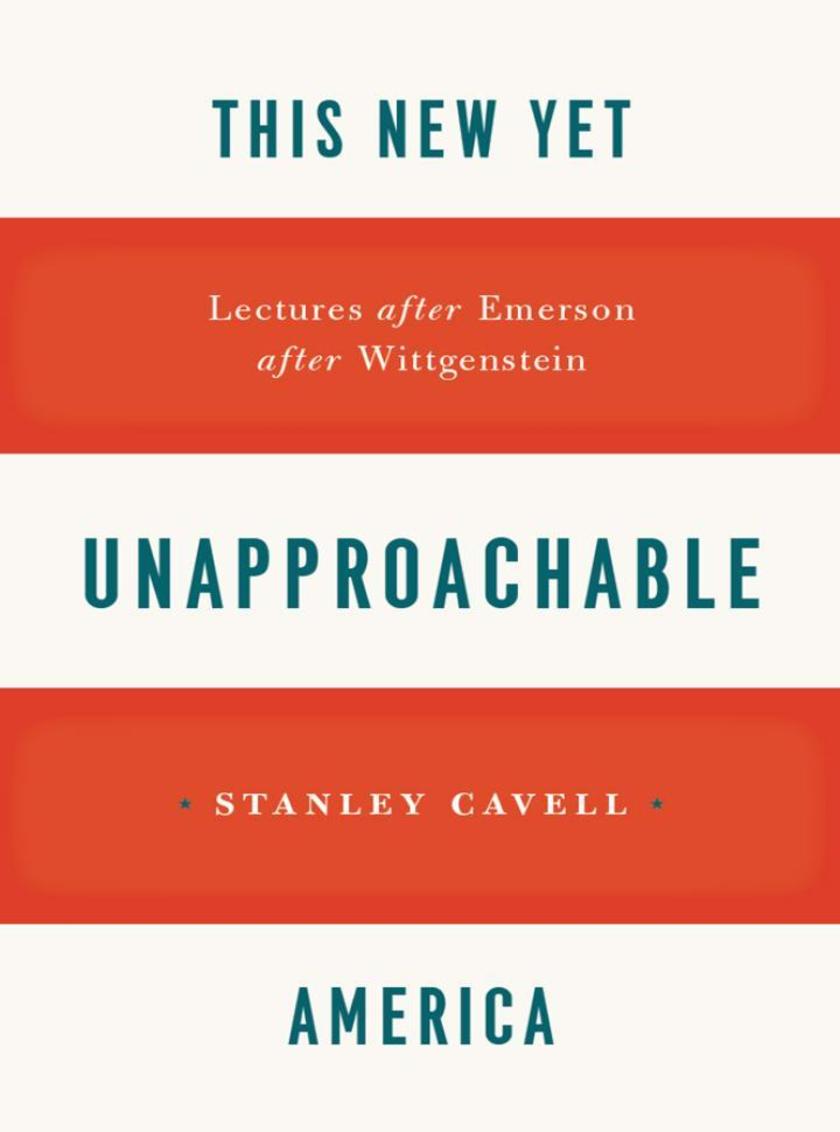
Stanley Cavell is a titan of the academic world; his work in aesthetics and philosophy has shaped both fields in the United States over the past forty years. In this brief yet enlightening collection of lectures, Cavell investigates the work of two of his most tried-and-true subjects: Emerson and Wittgenstein. Beginning with an introductory essay that places his own work in a philosophical and historical context, Cavell guides his reader through his thought process when composing and editing his lectures while making larger claims about the influence of institutions on philosophers, and the idea of progress within the discipline of philosophy. In "e;Declining Decline,"e; Cavell explains how language modifies human existence, looking specifically at the culture of Wittgenstein's writings. He draws on Emerson, Thoreau, and many others to make his case that Wittgenstein can indeed be viewed as a "e;philosopher of culture."e; In his final lecture, "e;Finding as Founding,"e; Cavell writes in response to Emerson's "e;Experience,"e; and explores the tension between the philosopher and language-that he or she must embrace language as his or her?"e;form of life,"e; while at the same time surpassing its restrictions. He compares finding new ideas to discovering a previously unknown land in an essay that unabashedly celebrates the power and joy of philosophical thought.?
Simone
¥141.26
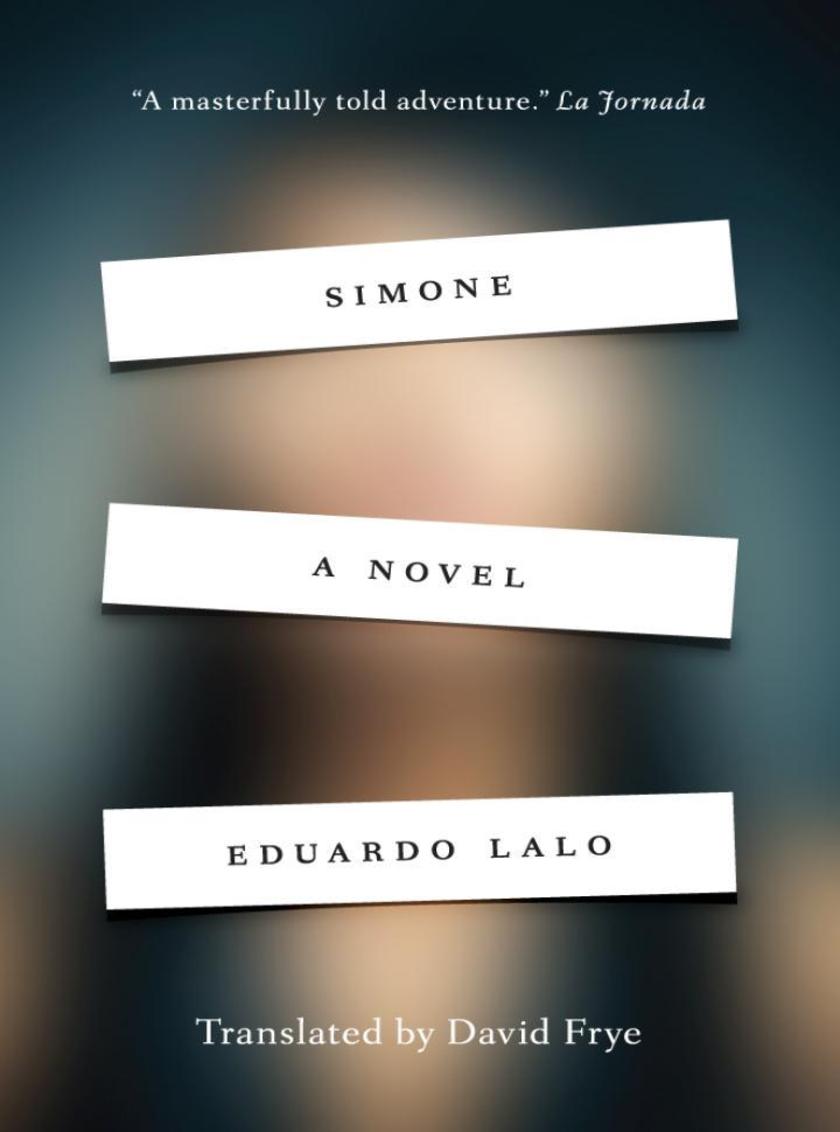
Eduardo Lalo is one of the most vital and unique voices of Latin American literature, but his work is relatively little known in the English-speaking world. That changes now: this masterful translation of his most celebrated novel, Simone-which won the 2013 Romulo Gallegos International Novel Prize-will introduce an English-language audience to this extraordinary literary talent.A tale of alienation, love, suspense, imagination, and literature set on the streets of San Juan, Puerto Rico, Simone tells the story of a self-educated Chinese immigrant student courting (and stalking) a disillusioned, unnamed writer who is struggling to make a name for himself in a place that is not exactly a hotbed of literary fame. By turns solipsistic and political, romantic and dark, Simone begins with the writer's frustrated, satiric observations on his native city and the banal life of the university where he teaches-forces utterly at odds with the sensuality of his writing. But, as mysterious messages and literary clues begin to appear-scrawled on sidewalks and walls, inside volumes set out in bookstores, left on his answering machine and under his windshield wiper-Simone progresses into a cat-and-mouse game between the writer and his mystery stalker. When the eponymous Simone's identity is at last revealed, the writer finds in the life of this Chinese immigrant a plight not unlike his own. Traumatized and lonely, the pair moves towards bittersweet collaborations in passion, grief, and art.
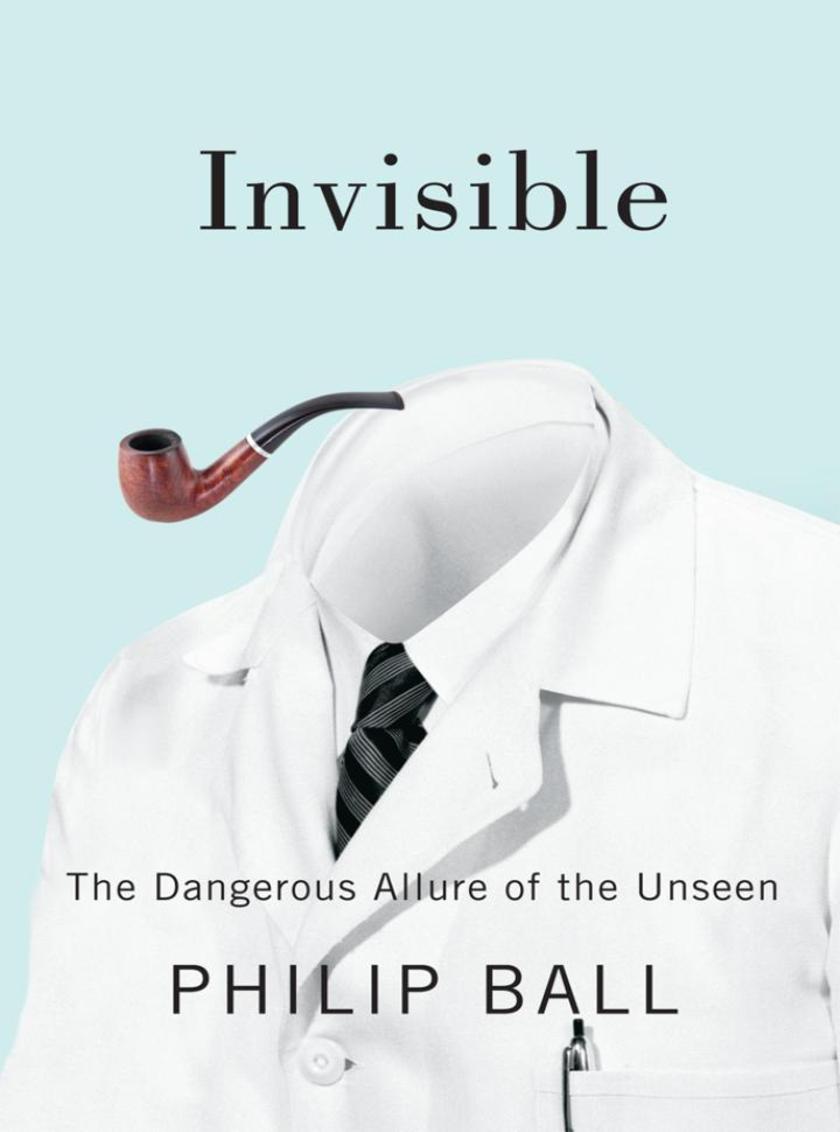
Invisible
¥211.90
If offered the chance-by cloak, spell, or superpower-to be invisible, who wouldn't want to give it a tryWe are drawn to the idea of stealthy voyeurism and the ability to conceal our own acts, but as desirable as it may seem, invisibility is also dangerous. It is not just an optical phenomenon, but a condition full of ethical questions. As esteemed science writer Philip Ball reveals in this book, the story of invisibility is not so much a matter of how it might be achieved but of why we want it and what we would do with it.In this lively look at a timeless idea, Ball provides the first comprehensive history of our fascination with the unseen. This sweeping narrative moves from medieval spell books to the latest nanotechnology, from fairy tales to telecommunications, from camouflage to ghosts to the dawn of nuclear physics and the discovery of dark energy. ?Along the way, Invisible tells little-known stories about medieval priests who blamed their misdeeds on spirits; the Cock Lane ghost, which intrigued both Samuel Johnson and Charles Dickens; the attempts by Victorian scientist William Crookes to detect forces using tiny windmills; novelist Edward Bulwer-Lytton's belief that he was unseen when in his dressing gown; and military efforts to enlist magicians to hide tanks and ships during WWII. ?Bringing in such voices as Plato and Shakespeare, Ball provides not only a scientific history but a cultural one-showing how our simultaneous desire for and suspicion of the invisible has fueled invention and the imagination for centuries.In this unusual and clever book, Ball shows that our fantasies about being unseen-and seeing the unseen-reveal surprising truths about who we are.


