


 购物车
购物车 个人中心
个人中心
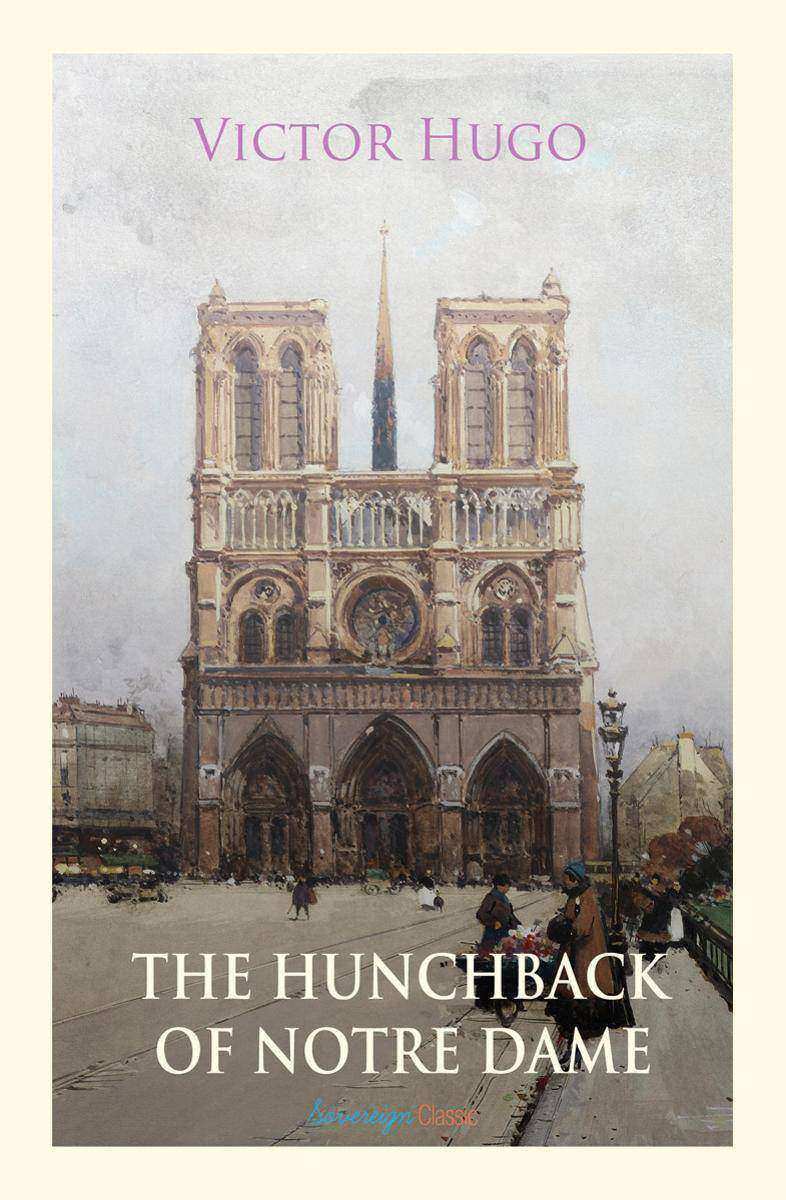
The Hunchback of Notre Dame
¥40.79
Esmeralda, a beautiful Gypsy street dancer with a kind and generous heart, captures the hearts of many men, including those of Captain Phoebus and Pierre Gringoire, a poor street poet, but especially Quasimodo and his adoptive father, Claude Frollo, the Archdeacon of Notre Dame. Frollo is torn between his obsessive lust and the rules of the church. He orders Quasimodo to kidnap her, but the hunchback is captured by Phoebus and his guards, who save Esmeralda.

The Adventures of Tom Sawyer
¥40.79
Tom Sawyer lives with his Aunt Polly and his half-brother, Sid. One day Tom, his friend Joe Harper, and Huck Finn decide to become pirates. The three find a raft and establish camp on Jackson's Island, where they enjoy a carefree life of fishing, swimming, and playing. When a steamboat passes by firing cannons over the water, the boys realize that they are presumed to be drowned. Tom sneaks home at night in order to leave Aunt Polly a reassuring note that they are all right, but he changes his mind when he overhears that church services are planned for the deceased boys if they are not found by Sunday. The funeral services are secretly attended by the boys, and all rejoice when the dead boys casually stroll down the aisle.

Life on the Mississippi
¥40.79
Join Mark Twain on his trip on board a steamboat from St. Louis to New Orleans. He describes the competition from railroads, and the new, large cities, and adds his observations on greed, gullibility, tragedy, and bad architecture. The book also introduces a brief history of the river as reported by Europeans and Americans, beginning with the Spanish explorer Hernando de Soto.

A Connecticut Yankee in King Arthur's Court
¥40.79
A Yankee engineer from Connecticut is accidentally transported back in time to the court of King Arthur, where he fools the inhabitants of that time into thinking he is a magician—and soon uses his knowledge of modern technology to become a magician in earnest, stunning the English of the Early Middle Ages with such feats as demolitions, fireworks and the shoring up of a holy well. He attempts to modernize the past, but in the end he is unable to prevent the death of Arthur and an interdict against him by the Catholic Church of the time, which grows fearful of his power.
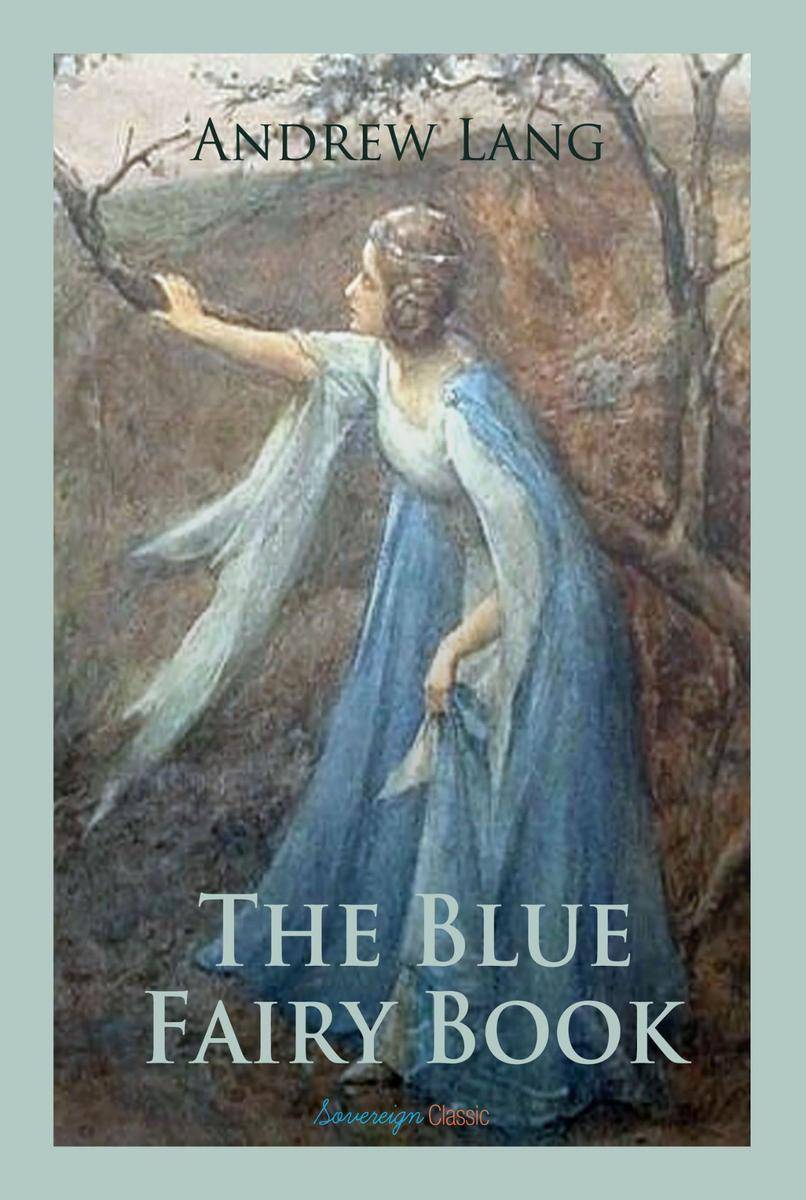
The Blue Fairy Book
¥40.79
Once upon a time in a certain country there lived a king whose palace was surrounded by a spacious garden. But, though the gardeners were many and the soil was good, this garden yielded neither flowers nor fruits, not even grass or shady trees. The King was in despair about it, when a wise old man said to him...
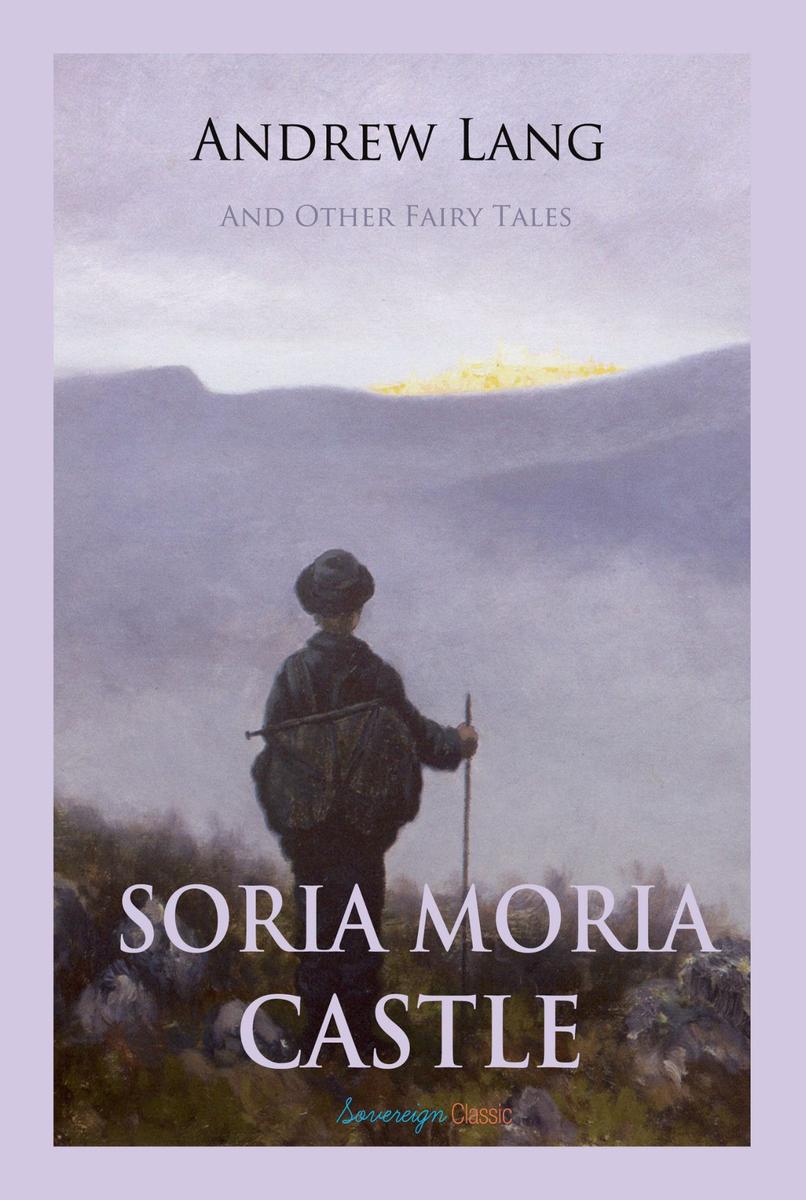
Soria Moria Castle and Other Fairy Tales
¥40.79
There was once upon a time a couple of folks who had a son called Halvor. Ever since he had been a little boy he had been unwilling to do any work, and had just sat raking about among the ashes. His parents sent him away to learn several things, but Halvor stayed nowhere, for when he had been gone two or three days he always ran away from his master, hurried off home, and sat down in the chimney corner to grub among the ashes again...

Youth
¥40.79
Youth is the third novel in Leo Tolstoy's autobiographical trilogy, following Childhood and Boyhood. Tolstoy wrote his first novel in the trilogy at the age of twenty three.
The Innocence of Father Brown
¥40.79
Father Brown is a short, stumpy Roman Catholic Church priest, formerly of Cobhole in Essex, and now working in London, with shapeless clothes and a large umbrella, and an uncanny insight into human evil.

Delphi Complete Poetical Works of Andrew Marvell (Illustrated)
¥16.27
Andrew Marvell was a leading metaphysical poet, whose technical genius and scathing wit firmly establish him as a leading literary figure of the seventeenth century. The Delphi Poets Series offers readers the works of literature's finest poets, with superior formatting. This volume presents Marvell’s complete poetical works, with beautiful illustrations and the usual Delphi bonus material. (Version 1) * Beautifully illustrated with images relating to Marvell's life and works * Concise introduction to the life and poetry of Andrew Marvell * Excellent formatting of the poems * Special chronological and alphabetical contents tables for the poetry * Easily locate the poems you want to read * Includes Marvell's rare Latin and apocryphal poems * Features a bonus biography - discover Marvell's political and literary life * Scholarly ordering of texts into chronological order and literary genres Please visit www.delphiclassics.com to browse through our range of exciting titles CONTENTS: The Poetry of Andrew Marvell BRIEF INTRODUCTION: ANDREW MARVELL The Poems LIST OF POEMS IN CHRONOLOGICAL ORDER LIST OF POEMS IN ALPHABETICAL ORDER The Biography ANDREW MARVELL by Augustine Birrell Please visit www.delphiclassics.com to browse through our range of exciting titles

Sherlock: Complete Novels
¥40.79
Sherlock, one of the greatest detectives of all time. This Fractal Press edition features complete collection of the four Sherlock Holmes novels, including: A Study in Scarlet, The Sign of the Four, The Hound of the Baskervilles, The Valley of Fear.

The Diary of a Nobody
¥40.79
Charles Pooter and his wife Caroline have just moved to a new home. Mr Pooter is a City of London clerk with Perkupps. The couple have a 20-year-old son, Lupin, who works as a bank clerk in Oldham. From the beginning a pattern is set whereby the small vexations of the Pooters' daily lives are recounted, many of them arising from Pooter's unconscious self-importance and pomposity. Trouble with servants, tradesmen and office juniors, together with minor social embarrassments and humiliations, occur regularly.

Kaleidoscope:An Asian Journey with Colors
¥32.62
About the Author Sweta Srivastava Vikram is a multi-genre writer and marketing professional living in New York City. She is the author of Because All Is Not Lost from Modern History Press and the co-author of Whispering Woes of Ganges & Zambezi (Cyberwit 2010). Her work has appeared in six countries across three continents. Sweta has held recent artist residencies and workshops in Portugal, Ireland, and several within USA. She is a graduate of Columbia University. "In this innovative series, Sweta Srivastava Vikram re-appropriates color. Cultures and mythologies collide along the way, and the result is a chapbook that feels like a quest. In the end, the colors are a map to identity. The child's pink tonsils or the bride's red sari are not symbols, but rather mile markers. Like Vikram's poems, they lead toward understanding" --Erica Wright, Senior Poetry Editor, GuernicaAbout the Chapbook The book delves into the implication and philosophy of colors from a Hindu woman's point of view, from birth until death. The color she adorns herself with almost depicts the story of her life. Expressed through different poetic and verbal forms, each color in the book has its own tone and is specific to different age groups. Learn more at www.SwetaVikram.com From the World Voices Series at Modern History Press www.ModernHistoryPress.com

The Monkey's Paw
¥40.79
Three wishes are granted to the owner of the monkey's paw, but the wishes come with an enormous price for interfering with fate.
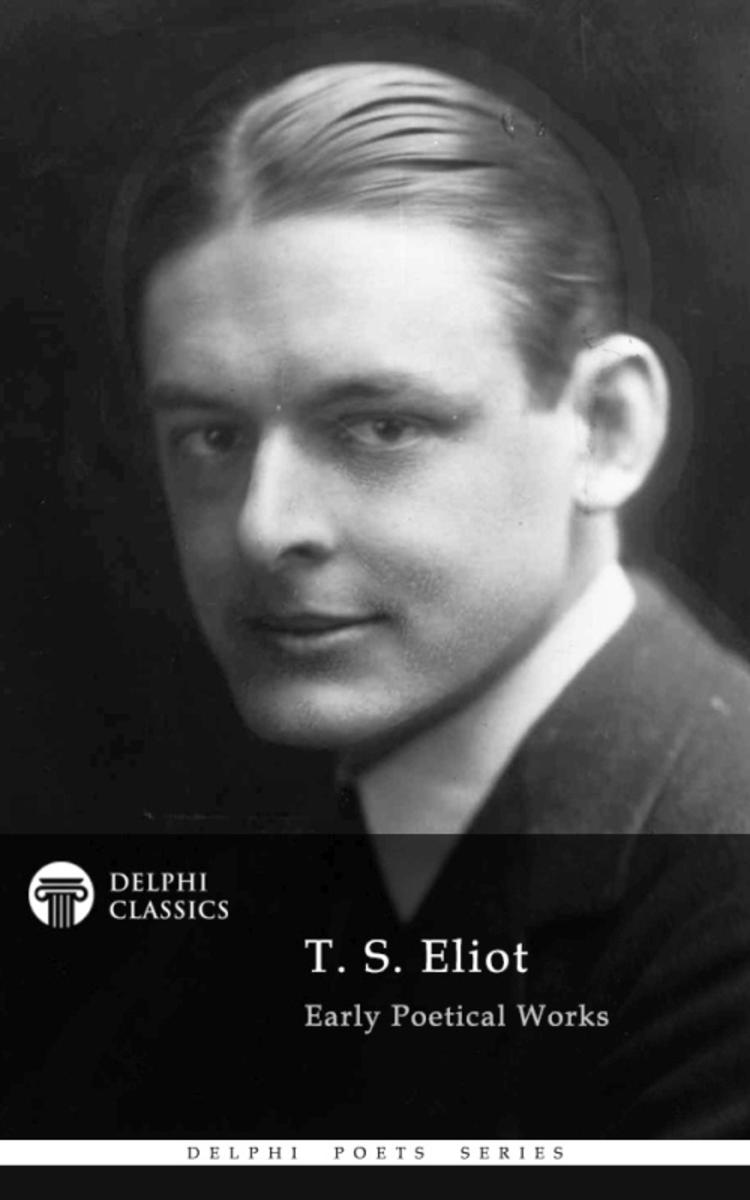
Delphi Collected Works of T. S. Eliot
¥16.27
Celebrated as one of the most influential writers of the Modernist movement, T. S. Eliot was awarded the Nobel Prize in Literature for his outstanding contribution to poetry. The Delphi Poets Series offers readers the works of literature's finest poets, with superior formatting. This volume presents the most complete collection possible of Eliot’s poetry in the US, with beautiful illustrations, bonus texts and the usual Delphi bonus material. (Version 1) * Beautifully illustrated with images relating to Eliot's life and works * Concise introductions to the poetry books * Images of how the poetry books were first printed, giving your eReader a taste of the original texts * Excellent formatting of the poems * Special chronological and alphabetical contents tables for the poetry * Easily locate the poems you want to read * Includes Eliot's early essay collection THE SACRED WOOD * Scholarly ordering of texts into chronological order and literary genres Please note: the collection presents the most complete collection of Eliot’s poetry possible, complying with US copyright laws. Once new texts enter the public domain, they will be added to the eBook as a free update. Please visit www.delphiclassics.com to browse through our range of exciting titles CONTENTS: The Poetry Collections PRUFROCK AND OTHER OBSERVATIONS POEMS, 1920 THE WASTE LAND The Poems LIST OF POEMS IN CHRONOLOGICAL ORDER LIST OF POEMS IN ALPHABETICAL ORDER The Essays THE SACRED WOOD Please visit www.delphiclassics.com to browse through our range of exciting titles
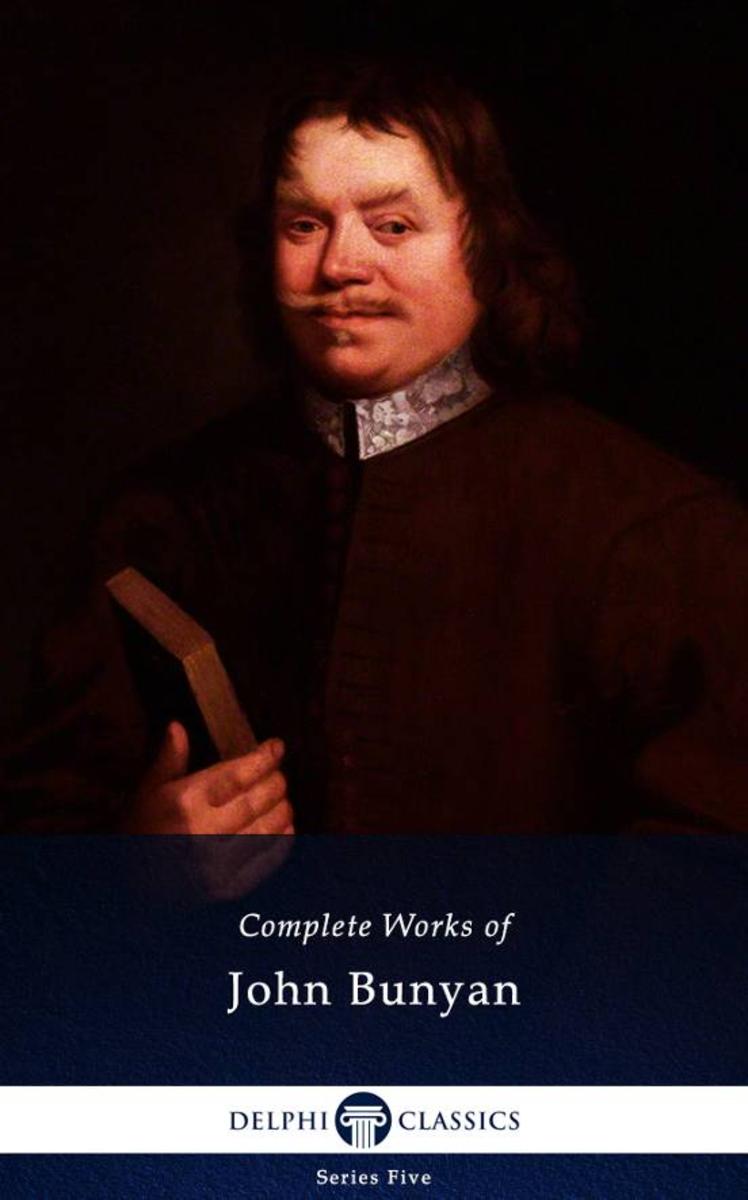
Delphi Complete Works of John Bunyan (Illustrated)
¥16.27
The seventeenth century allegory ‘The Pilgrim's Progress’ is widely regarded as one of the most significant religious works of English literature. The satire constructs a symbolic vision of the good man’s pilgrimage through life and was at one time second only to the Bible in popularity. This comprehensive eBook presents John Bunyan’s complete works, with numerous illustrations, rare texts appearing in digital print for the first time, informative introductions and the usual Delphi bonus material. (Version 1) * Beautifully illustrated with images relating to Bunyan’s life and works * Concise introductions to the satires and other texts * ALL the satires and religious works, with individual contents tables * Images of how the books were first published, giving your eReader a taste of the original texts * Excellent formatting of the texts * Contemporary illustrations for ‘The Pilgrim's Progress’ * Includes the poetical works, with alphabetical contents table * Easily locate the poems you want to read * Special criticism section, with five essays evaluating Bunyan’s contribution to literature * Features two biographies - discover Bunyan’s intriguing life * Scholarly ordering of texts into chronological order and literary genres Please visit www.delphiclassics.com to browse through our range of exciting titles CONTENTS: The Satires THE PILGRIM’S PROGRESS: PART I THE LIFE AND DEATH OF MR. BADMAN THE PILGRIM’S PROGRESS: PART II THE HOLY WAR The Tracts and Sermons LIST OF TRACTS, DOCTRINES AND OTHER PIECES The Autobiographical Works GRACE ABOUNDING TO THE CHIEF OF SINNERS A RELATON OF THE IMPRISONMENT OF MR. JOHN BUNYAN A CONTINUATION OF MR. BUNYAN’S LIFE The Poetry SCRIPTURAL POEMS; BEING SEVERAL PORTIONS OF SCRIPTURE DIGESTED INTO ENGLISH VERSE ONE THING IS NEEDFUL A BOOK FOR BOYS AND GIRLS OR, TEMPORAL THINGS SPRITUALIZED A CAUTION TO STIR UP TO WATCH AGAINST SIN A DISCOURSE OF THE BUILDING, NATURE, EXCELLENCY, AND GOVERNMENT OF THE HOUSE OF GOD LIST OF POEMS IN ALPHABETICAL ORDER The Criticism JOHN BUNYAN by John Kelman BUNYAN by George Edward Woodberry JOHN BUNYAN: FROM DARKNESS TO LIGHT by Osgood E. Fuller JOHN BUNYAN by Andrew Lang JOHN BUNYAN by Robert Lynd The Biography MEMOIR OF JOHN BUNYAN by George Offor THE LIFE OF JOHN BUNYAN by Edmund Venables Please visit www.delphiclassics.com to browse through our range of exciting titles
Jack and Jill
¥40.79
Jack Minot and Janey Pecq are best friends who live next door to each other. They are always seen together, so Janey gets the nickname of Jill, to mimic the old rhyme. The two do go up a hill one winter day— and then suffer a terrible accident. Seriously injured in a sledding accident, they recover from their physical injuries, while learning life lessons along with their many friends. They are helped along their journey to recovery by various activities created by their mothers.
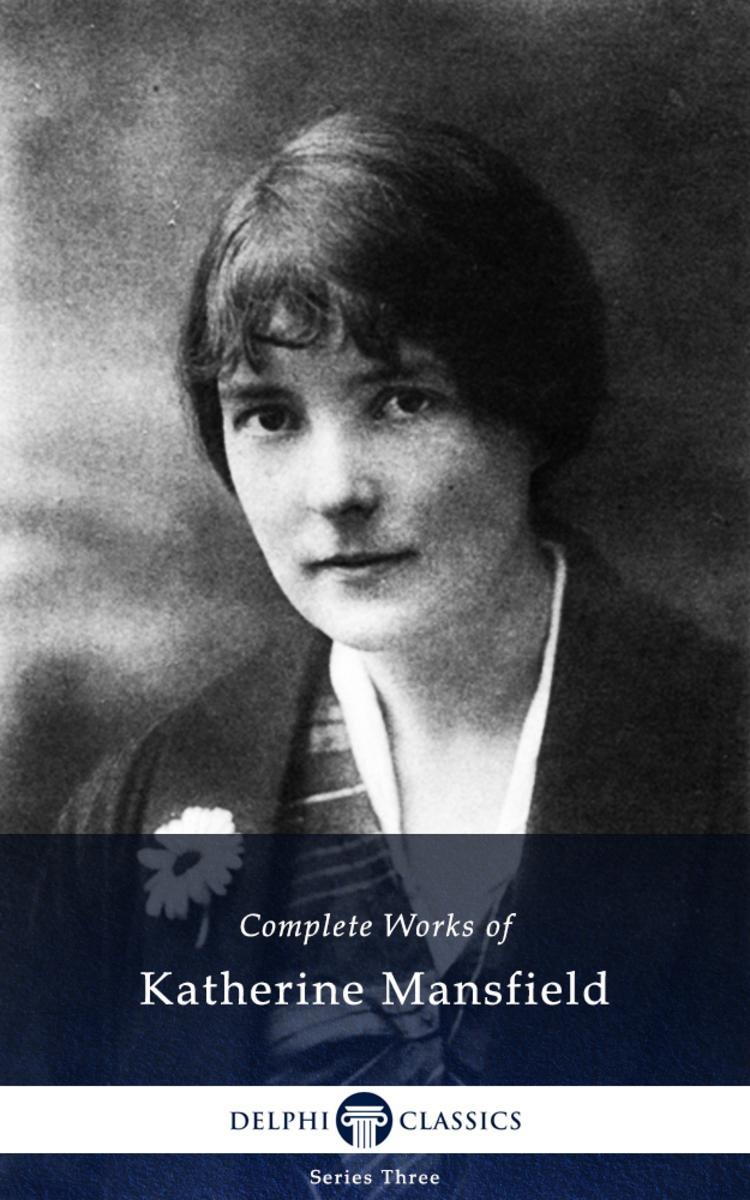
Delphi Complete Works of Katherine Mansfield (Illustrated)
¥16.27
For the first time in publishing history, this eBook presents the complete works of the Modernist master short story writer Katherine Mansfield, with beautiful illustrations, informative introductions and the usual Delphi bonus material. (6MB Version 1) * Beautifully illustrated with images relating to Mansfield's life and works * Concise introductions to the short story collections and other works * The complete short stories * Images of how the books were first printed, giving your eReader a taste of the original texts * Excellent formatting of the texts * Mansfields beautiful poetry * Includes Mansfield's non-fiction works, including her journal - spend hours exploring the authors personal thoughts * Features the first biography on Mansfield, written by her husband - discover the authors literary life * Scholarly ordering of texts into chronological order and literary genres Please visit www.delphiclassics.com to browse our range of exciting titles CONTENTS: The Short Story Collections IN A GERMAN PENSION BLISS AND OTHER STORIES THE GARDEN PARTY AND OTHER STORIES THE DOVES' NEST AND OTHER STORIES SOMETHING CHILDISH AND OTHER STORIES The Short Stories LIST OF SHORT STORIES IN ORDER OF PUBLICATION LIST OF SHORT STORIES IN ALPHABETICAL ORDER The Poetry LIST OF POEMS The Non-Fiction NOVELS AND NOVELISTS THE JOURNAL OF KATHERINE MANSFIELD The Biography THE LIFE OF KATHERINE MANSFIELD by J. Middleton Murry and Ruth Elvish Mantz Please click here to browse our other titles
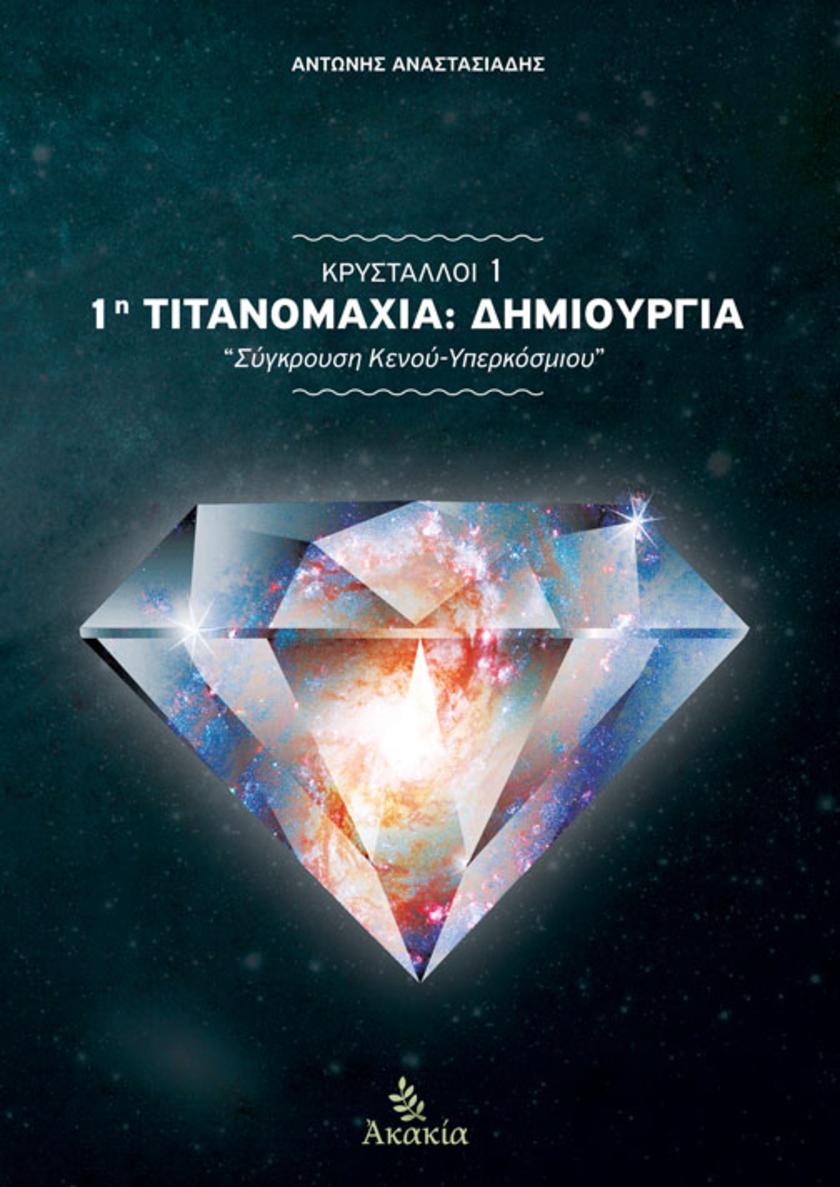
Κρ?σταλλοι Ι: 1η Τιτανομαχ?α: Σ?γκρουση Κενο?-Υπερκ?σμιου
¥84.20
Οι σειρ? ?Κρ?σταλλοι? θα συν?σταται απ? μια δεκαλογ?α η οπο?α θα ξεκιν?ει απ? την δημιουργ?α του σ?μπαντο?, θα διαπερν? ολ?κληρο τον πανανθρ?πινο πολιτισμ?, θα φθ?νει στο παρ?ν και θα συνεχ?ζει στο μ?λλον, παρακολουθ?ντα? περιληπτικ? την εξ?λιξη του ανθρ?πινου πολιτισμο?. Το πρ?το βιβλ?ο ε?ναι η ?1η Τιτανομαχ?α: Σ?γκρουση Κενο?-Υπερκ?σμιου (Δημιουργ?α)? απ? το οπο?ο αρχ?ζει ?να ταξ?δι. ?να ταξ?δι που ξεκιν?ει απ? την Μεγ?λη ?κρηξη, την εξελικτικ? πορε?α του σ?μπαντο? και φθ?νει στη δημιουργ?α των πλανητικ?ν συστημ?των. Το ?ργο στο πρ?το βιβλ?ο ξεκιν?ει απ? μια ελληνικ? επαρχιακ? π?λη, ?που ?να ερωτευμ?νο ζευγ?ρι ανακαλ?πτει ?να αντικε?μενο με περ?εργε? ιδι?τητε? και ικαν?τητε?. Μελετ?τε απ? την τοπικ? επιστημονικ? κοιν?τητα, αναφ?ρονται παλι?τεροι θρ?λοι και παραδ?σει? γ?ρω απ? αυτ?, που μ?χρι πρ?τινο? θεωρο?νταν μ?θοι και παραμ?θια. Το αντικε?μενο μεταφ?ρεται στην Αθ?να και μελετ?ται απ? την ελληνικ? επιστημονικ? κοιν?τητα. Κατ?πιν καλο?νται τα ηχηρ? ον?ματα τη? διεθνο?? επιστημονικ?? κοιν?τητα?. Β?σει των ιδιοτ?των που ?χουν αναδειχθε?, επιχειρε?ται ?να πε?ραμα στην Ακρ?πολη, με θαυμαστ? και μη αναμεν?μενα αποτελ?σματα. Απ? εκε? και π?ρα αρχ?ζει μια υπ?ροχη διαδρομ? σε μια σειρ? 10 βιβλ?ων. Μ?σα απ? μ?θο, αλληγορ?ε? αλλ? και πραγματικ?? επιστημονικ?? γν?σει?, επιχειρε?τε, π?ραν τη? διασκ?δαση?, ο αναγν?στη? να αποκομ?σει και αληθιν?? γν?σει?. ?τσι, ο αναγν?στη? μ?σα απ? μυθιστορηματικ? αφ?γηση μαθα?νει για την δημιουργ?α και για την εξ?λιξη του σ?μπαντο?, για του? γαλαξ?ε?, για τα ηλιακ? συστ?ματα, για την γη, για τη ζω? π?νω στην γη, για την εξ?λιξη του ανθρ?πινου ε?δου?, για την φιλοσοφ?α, για την επιστ?μη, για τι? θρησκε?ε? και για τον εν γ?νει αγ?να τη? ενανθρ?πιση? του ανθρ?πινου ε?δου?, για να φθ?σουμε στι? σημεριν?? συγκρο?σει?. Τηλεγραφικ? τα 10 βιβλ?α που θα ακολουθ?σουν με ενδεικτικ?? ονομασ?ε?: 1η Τιτανομαχ?α: Σ?γκρουση Κενο?-Υπερκ?σμιου (Δημιουργ?α) 2η Τιτανομαχ?α: Σ?γκρουση Υπερκ?σμιου-Υπερφυσικο? (Ουρανομαχ?α) 3η Τιτανομαχ?α: Σ?γκρουση Φυσικο?-Υπερφυσικο? (Ζευ?-Κρ?νο?) 4η Τιτανομαχ?α: Σ?γκρουση Φυσικο?-Παραφυσικο? (Γιγαντομαχ?α) 5η Τιτανομαχ?α: Σ?γκρουση Φυσικο?-Μεταφυσικο? (Προμηθει??) 6η Τιτανομαχ?α: Σ?γκρουση Καλο?-Κακο? (Λευκ??-Μα?ρο? Κρ?σταλλο?) 7η Τιτανομαχ?α: Σ?γκρουση Κοινωνικοπολιτικο?-Αντικοινωνικοπολιτικο? (Πρ?τοι πολιτισμο?) 8η Τιτανομαχ?α: Σ?γκρουση Ανθρωπισμο?-Τεχνοκρατισμο? (Νε?τεροι χρ?νοι) 9η Τιτανομαχ?α: Σ?γκρουση Πολιτισμο?-Βαρβαρ?τητα? (Σ?μερα) 10η Τιτανομαχ?α: Σ?γκρουση Γ?ινων-Εξωγ?ινων (Διαγαλαξιακ? ταξ?δια)
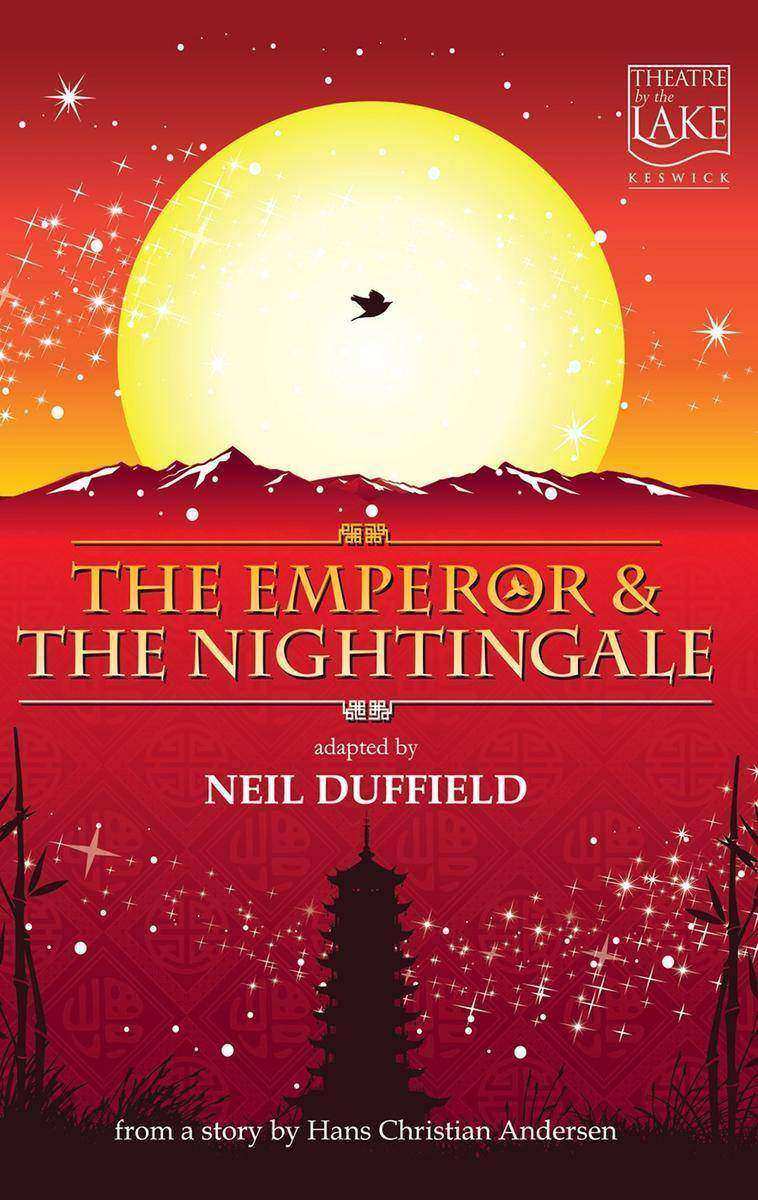
The Emperor and the Nightingale
¥38.62
From a story by Hans Christian Andersen In ancient China, young emperor Wu is kept a virtual prisoner in his palace by his devious guardian, Li Si. Wu believes the world outside the Forbidden City is an evil and dangerous place. But when Xiao, a young servant girl, tells him of the most beautiful sound on earth – the song of the nightingale – it’s too much to resist. The two embark on an adventure that will take them across mountain tops and waterfalls, past chattering monkeys and magical dragons to the far reaches of his kingdom. When Wu returns with the nightingale, and starts to overturn the old palace customs, Li Si plots to restore things to the way they were before. Featuring puppetry, music and all the colour, movement and spectacle of Chinese theatre, this joyful adaptation of Hans Christian Andersen’s fairy tale is a feast for the senses that will delight the whole family. Suitable for ages 6+

The Diary of a Hounslow Girl
¥38.62
The story of a modern Asian young woman trying to straddle Western attitudes and traditional beliefs. You've heard of an Essex Girl or even a Chelsea Girl but what is a Hounslow Girl? The term has become a byword for confident, young Muslim women who are grappling with traditional values, city life and fashion. From the joys of Pakistani weddings to fights on the night bus, Ambreen Razia's? The Diary of a Hounslow Girl ?is a funny, bold, provocative play highlighting the challenges of being a teenage girl in a traditional Muslim family, alongside the temptations and influences of growing up in and around London. “Ambreen’s writing is poetic in its structure and intensity, funny, moving, chilling, and delivered in a style that takes inspiration from spoken word and physical theatre. She has created a rhythm that draws the audience in, as compelling as a thriller, complete with gathering ominousness, shocks and comic relief.” Deborah Bestwick, Director, Ovalhouse “Ambreen Razia’s terrific play is exactly the kind of new work we wish to support in the new home of multi-cultural theatre in London. Hounslow Girl is a wonderfully funny take on a London phenomenon and one audiences will enjoy.” Jatinder Verma, Artistic Director, Tara Arts” "a powerful piece of theatre... Ambreen Razia's performance is astonishing."?BritishTheatre.com "This is a sophisticated, moving and often very funny piece of writing, particularly nuanced in its depiction of Shaheeda's relationship with her mother ... astute in tackling the breakdown of the loving bonds between parent and child that can occur when a child becomes a teenager – and also how this experience can be magnified for the children of first-generation immigrants, whose parents feel distant from their children’s British lives... Razia's script touches on everything from first love to cultural expectations to student-teacher relationships; it’s a bit like an inner-city version of An Education."?The Stage Ambreen Razia is an actress and writer from South London.? The Diary of a Hounslow Girl is Ambreen's debut show which premiered at Ovalhouse in 2015. Passionate about re-establishing British Asian comedy within the UK, she continues to write her comedy sketch show involving two British Asian girls exploring the?clash between traditional Indian/Pakistani culture and modern British life. She is also currently writing her next play POT primarily focusing on the recent comeback of gang culture within the UK.?Performance credits include: On the Middle Day (Old Vic Theatre);? Words and Women (Edinburgh Fringe); Random Acts (Channel 4);? Fair Exchange (Hen and Chickens Theatre);? Variations on a Theme (Camden People's Theatre);? Mind the Gap (National Theatre ); No Guts, No Heart, No Glory? (BBC4/Perth Festival Australia) and Murdered by my Father? (BBC3).

Cabbages and Kings
¥40.79
The original 'banana republic' stories which explore aspects of life in a paralytically sleepy Central American town, each advancing some aspect of the larger plot and relating back one to another in a complex structure. The larger, overriding plot slowly explicates its own background, even as it creates a town which is one of the most detailed literary creations of the period.


