


 购物车
购物车 个人中心
个人中心

Japanese Folktales The Great Festival of The New Year
¥8.09
Little Good Boy had just finished eating the last of five rice cakes called "dango," that had been strung on a skewer of bamboo and dipped in soy sauce, when he said to his little sister, called Chrysanthemum: "O-Kiku, it is soon the great festival of the New Year." "What shall we do then?" asked little O-Kiku, not clearly remembering the festival of the previous year. Thus questioned, Yoshi-san had his desired opening to hold forth on the coming delights, and he replied: "Men will come the evening before the great feast-day and help Plum-blossom, our maid, to clean all the house with brush and broom. Others will set up the decoration in front of our honored gateway. They will dig two small holes and plant a gnarled, black-barked father-pine branch on the left, and the slighter reddish mother-pine branch on the right. They will then put with these the tall knotted stem of a bamboo, with its smooth, hard green leaves that chatter when the wind blows. Next they will take a grass rope, about as long as a tall man, fringed with grass, and decorated with zigzag strips of white paper.
Princess Rosette and Other Fairy Tales
¥40.79
Once upon a time there lived a King and Queen who had two beautiful sons and one little daughter, who was so pretty that no one who saw her could help loving her. When it was time for the christening of the Princess, the Queen—as she always did—sent for all the fairies to be present at the ceremony, and afterwards invited them to a splendid banquet...
Memoirs of My Dead Life
¥40.79
Your outlook on life is so different from mine that I can hardly imagine you being built of the same stuff as myself. Yet I venture to put my difficulty before you. It is, of course, no question of mental grasp or capacity or artistic endowment. I am, so far as these are concerned, merely the man in the street, the averagely endowed and the ordinarily educated. I call myself a Puritan and a Christian. I run continually against walls of convention, of morals, of taste, which may be all wrong, but which I should feel it wrong to climb over. You range over fields where my make-up forbids me to wander.
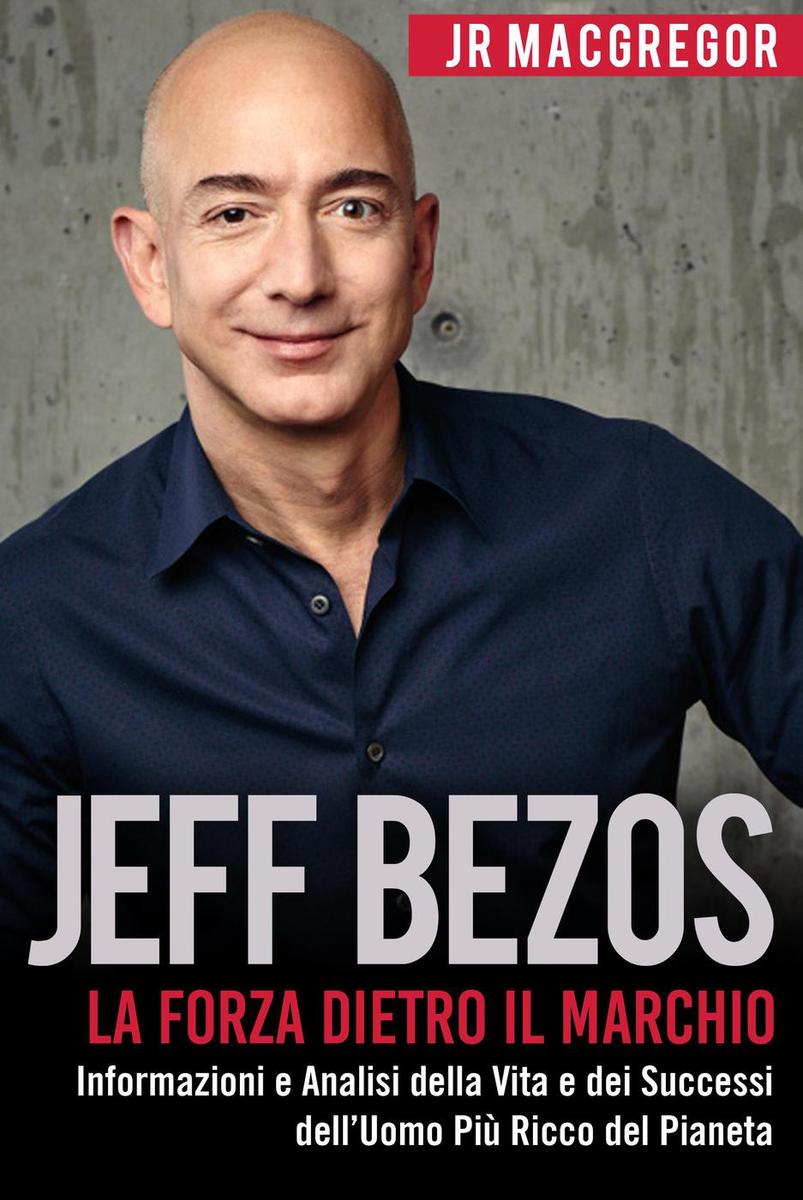
Jeff Bezos: La Forza Dietro il Marchio
¥32.62
Che cos'è che lo rende un uomo di super successo? Che cosa gli ha permesso di trasformare un'idea in una mega-compagnia che ha cambiato il mondo?? Che cosa, in lui, puoi rivedere in te, e cosa ti manca? Che cosa potresti imparare da lui?Leggi, e scoprilo. Il bisogno di capire coloro che ci circondano e ce l'hanno fatta in modi che superano la nostra immaginazione è insito in tutti noi. Questo desiderio innato è guidato dal nostro bisogno profondo e fondamentale di trovare modi migliori che ci permettano di raggiungere i nostri obiettivi, comprendere i nostri sogni e superare le sfide che ci si presentano. Questo libro parla degli eventi di fondo nella vita di Jeff Bezos e dei modi in cui hanno influenzato la sua vita, del modo in cui ha reagito ad essi e li ha usati a suo vantaggio. Il libro non pretende di conoscere le fibre di cui è composto il suo cuore - nessun uomo può conoscerle. Ma quello che fa è mettere insieme eventi e vedere le ombre che proiettano. Tutto ciò affinché tu possa trovare dentro di te gli elementi che potrebbero essere il seme del tuo successo, della tua realizzazione e grandezza. La storia di Bezos traccia un percorso attraverso la sua vita da giovane e osserva le sue azioni e conquiste, decifrando l'esistenza del suo più grande successo - Amazon - in un modo che riflette il suo carattere, il suo intelletto e la sua educazione. La sua storia è diversa da quella di altre persone di successo nella storia. Il suo marchio di etica del lavoro è familiare ma differente. Non aspettare un altro minuto! Scorri verso l'alto e clicca il pulsante
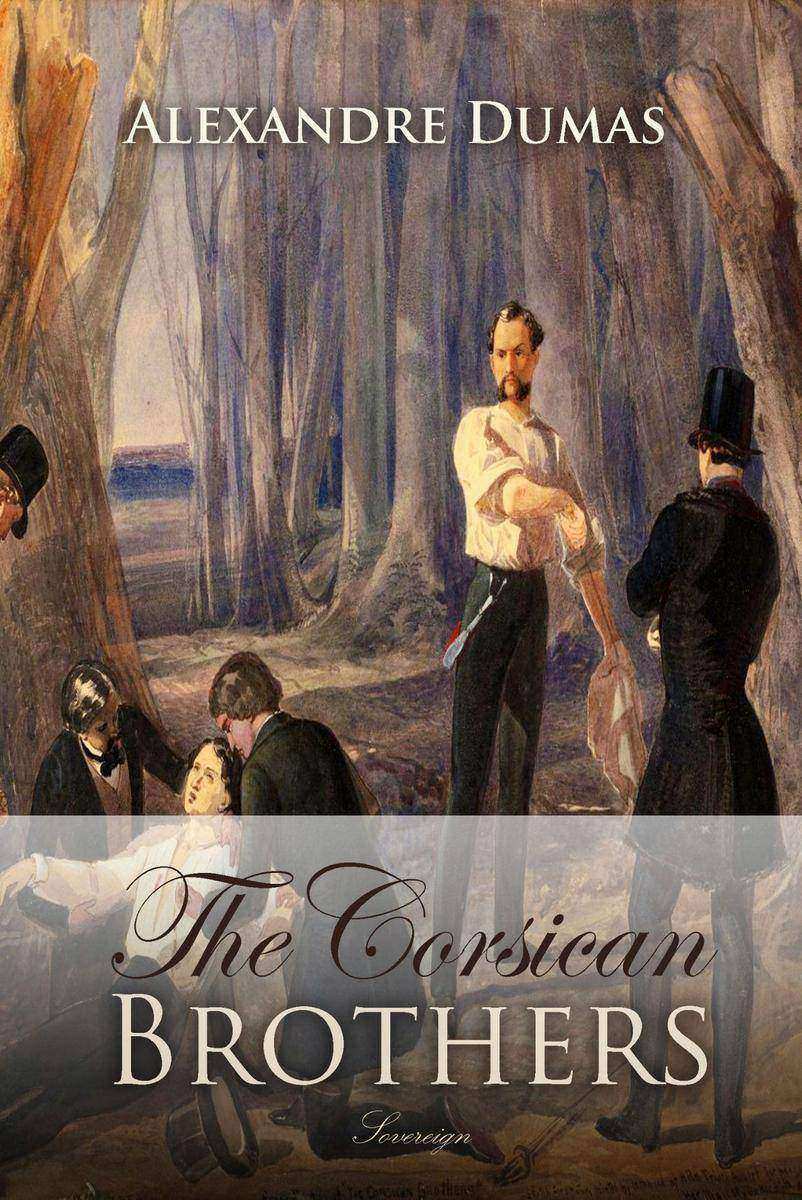
The Corsican Brothers
¥40.79
The story of two conjoined brothers who, though separated at birth, can still feel each other's pains.
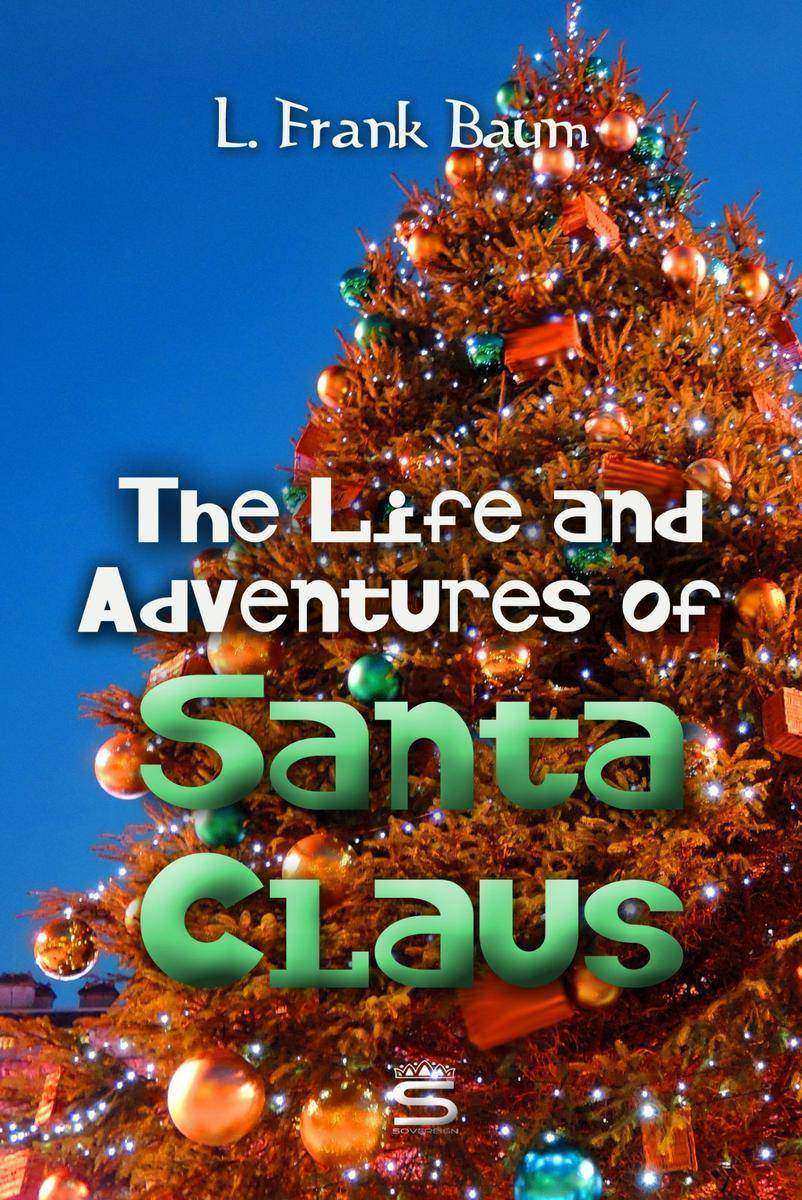
The Life and Adventures of Santa Claus
¥40.79
Santa Claus, as a baby is found in the Forest of Burzee and placed in the care of the lioness Shiegra. The Wood Nymph, Necile, breaks the law of the forest and takes the baby because she desires to raise a child of her own as mortals do. Necile calls him Claus, meaning little one in the old Burzee language.
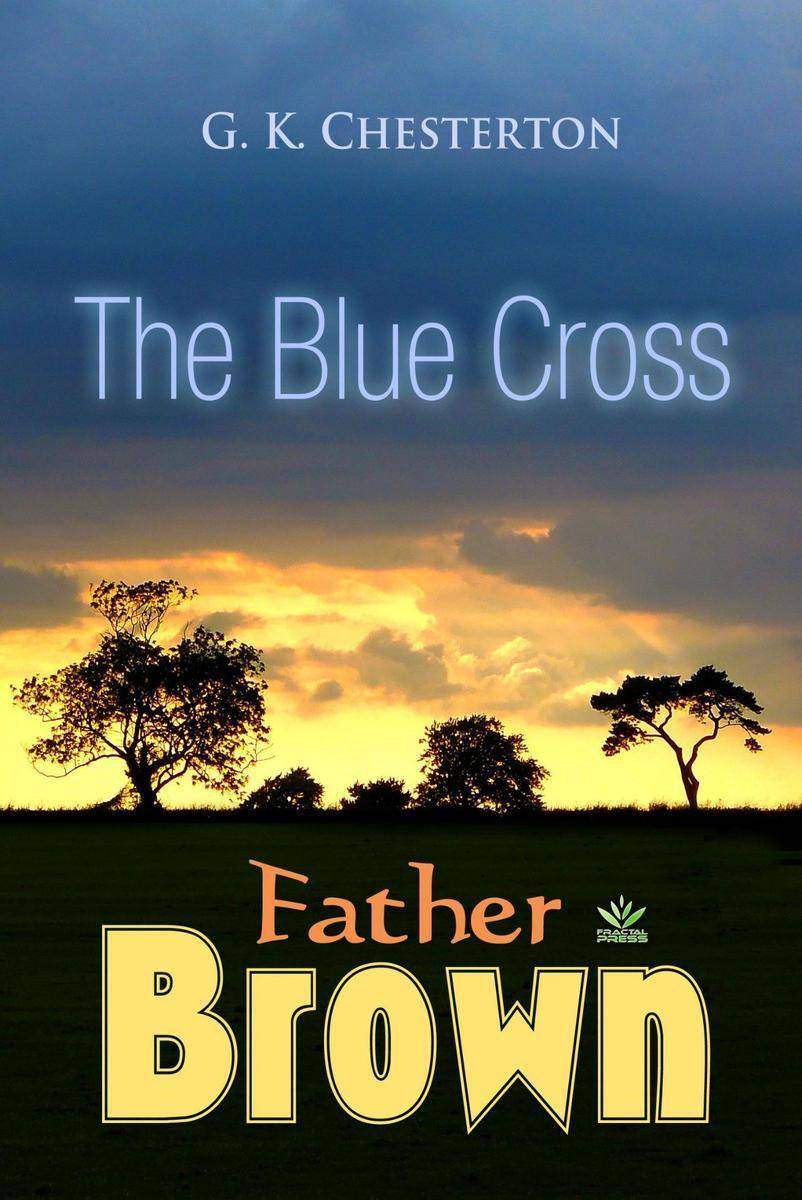
The Blue Cross
¥40.79
Farther Brown may be walking into a trap when he tries to save his soul as his precious Blue Cross is targeted by the notorious criminal Flambeau.
Asystole
¥90.03
From the first pages it becomes apparent that Asystole is a novel about love of life in its purest, instinctive and intimate form. It’s also a novel about human faith in its existence and a desire to experience this love. Author Oleg Pavlov places his character – a boy who grows to be a man and is clearly personified by the writer’s own outlook on life – in impossible and familiar circumstances, impossible not to relate to. An adult is shaped in childhood. Chaotic, anxious and at the same time withdrawn narration seems to have no direction and no resolution. Except that the life of the people, who are in fact children of a broken destiny, is real and not much needs to be said to make it our own. Laconic and ‘to the point’ observations of Pavlov’s protagonist as he goes, are chilling at times. They pierce through flesh right to the bone – the quality only the naked truth can have. Asystole is moreover about the by-stander effect, about a disconnected and malfunctioning society and a struggle of one not to merge into the faceless mass of many. Modern, deeply thought through and heartfelt, this novel is an examination of the physics of human soul. Pavlov’s Universe has a special arrangement – if it was up to him, humans wouldn’t be allowed in it, for the privilege of being human requires living up to the title.
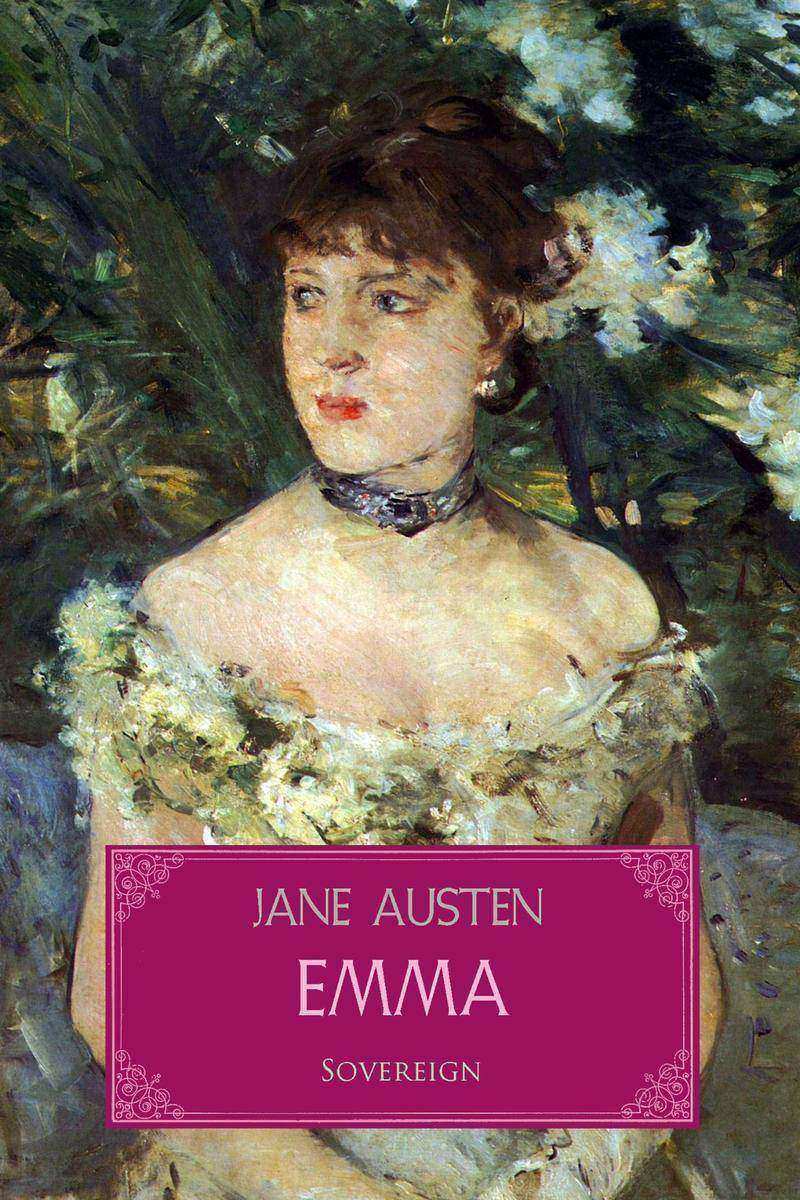
Emma
¥40.79
Emma Woodhouse, aged 20 at the start of the novel, is a young is a young, beautiful, witty, and privileged woman in Regency England. As the novel opens, Emma has just attended the wedding of Miss Taylor, her best friend and former governess. Having introduced Miss Taylor to her future husband, Mr. Weston, Emma takes credit for their marriage, and decides that she rather likes matchmaking. She greatly overestimates her own matchmaking abilities; she is blind to the dangers of meddling in other people's lives, and her imagination and perceptions often lead her astray.
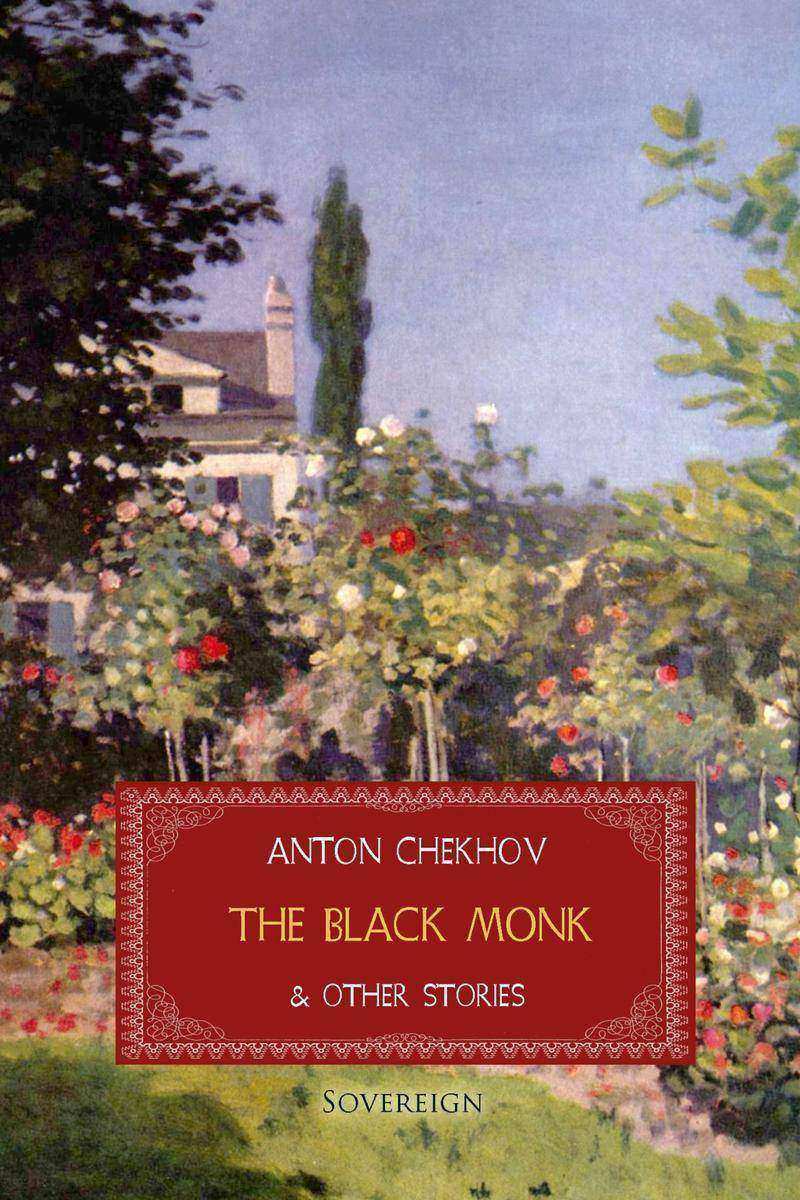
The Black Monk and Other Stories
¥40.79
A psychologically thrilling tale, The Black Monk delves into the murky region between fantasy and reality and asks what separates self-confidence from self-delusion. Our protagonist Andrei Kovrin, a brilliant scholar who takes a leave of absence from academia due to stress, and recuperates at the house of his former guardian Pesotsky. He grows close to Pesotsky’s daughter Tatiana as they tend the orchard together. Kovrin enjoys taking long walks in the garden, and one night he sees a dark, spectral figure and realizes that it is the black monk, whose legend he had just told Tatiana. Upon seeing the monk, Kovrin feels radiant and inspired, and asks for Tania’s hand in marriage. As his romance progresses, Kovrin continues to meet and talk with the monk in the garden. The monk tells him that he is one of God’s chosen, but soon after Kovrin's health begins to deteriorate.

The Way of the World: A Comedy
¥40.79
Mirabell and Fainall have just finished playing cards. A footman comes and tells Mirabell that Waitwell and Foible were married that morning. Mirabell tells Fainall about his love of Millamant and is encouraged to marry her. Witwoud and Petulant appear and Mirabell is informed that should Lady Wishfort marry, he will lose ?6000 of Millamant's inheritance. He will only get this money if he can make Lady Wishfort consent to his and Millamant's marriage.

The Art Of War
¥40.79
The Art of War is written by Sun Tzu, a high-ranking military general, strategist and tactician. The text is composed of 13 chapters, each of which is devoted to one aspect of warfare. It is the definitive work on classic military strategy and tactics. The book influenced Eastern and Western military thinking, business tactics, legal strategy and beyond.
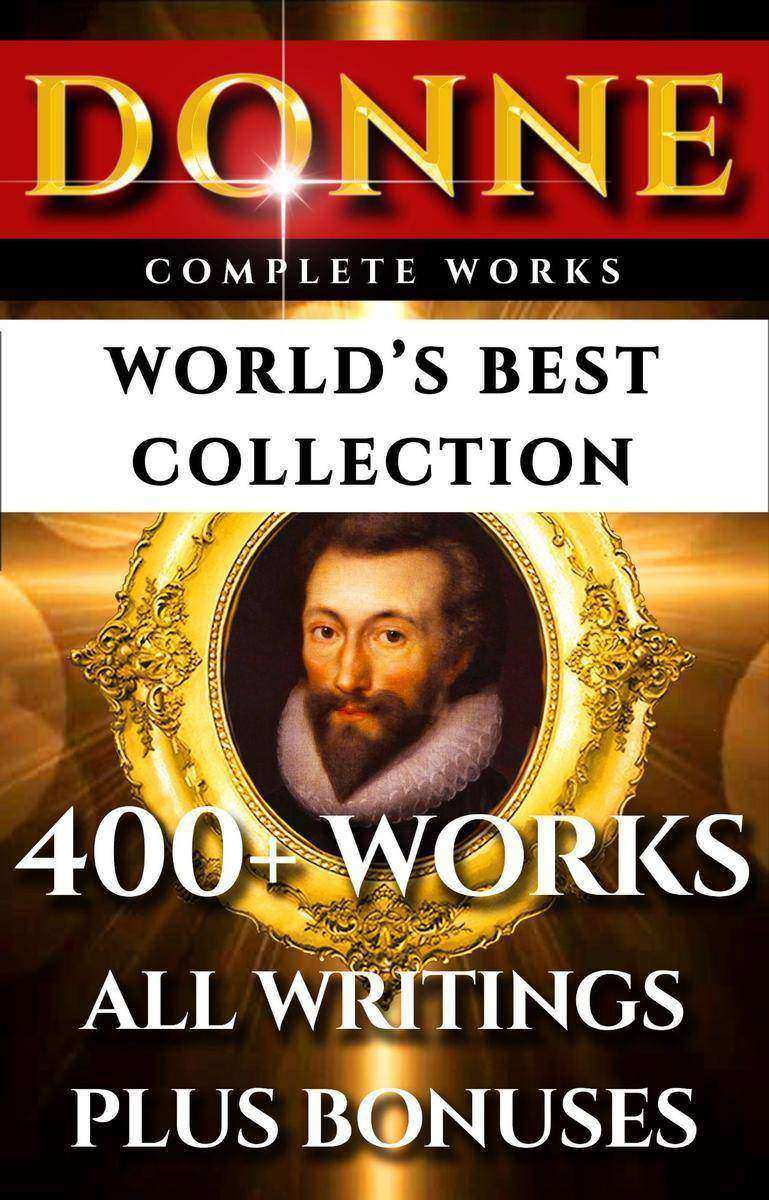
John Donne Complete Works – World’s Best Collection: 400+ Works
¥8.09
John Donne Complete Works World's Best Collection This is the world’s best John Donne collection, including the most complete set of Donne’s works available plus many free bonus materials. John Donne John Donne was an English poet, satirist, lawyer and a cleric in the Church of England. He is considered the pre-eminent representative of the metaphysical poets, his works noted for their strong, sensual style. Vibrancy of language and inventiveness of metaphor, and include sonnets, love poetry, religious poems, Latin translations, epigrams, elegies, songs, satires and sermons The ‘Must-Have’ Complete Collection In this irresistible collection you get Donne’s work, with more than 400 works - All his poems, All his poetry, All his Letters, All his Sermons, All his Devotions, All his Satires and Elegies, with notes and annotation, plus several full length biographies so you can experience the life of the man behind the words. With extra Bonus Material. Works Included: Holy Sonnets -?Full set of Donne’s sonnets, including among others: Holy Sonnet I: Thou Hast Made Me Holy Sonnet Iv: Oh my black soul! Holy Sonnet V: I Am A Little World Made Cunningly Elegies -?Full set of Donne’s elegies, including among others: Elegy Xii - Come Fates ; I fear you not ! All whom I owe Elegy Xvi. The Expostulation Elegy Xx (Alternate) Love’s War An Anatomy Of The World -?Including: The First Anniversary The Second Anniversary Satires -?Full Set of Donne’s satires Epicedes And Obsequies Upon The Death Of Sundry Personages Juvenilia: Or Certain Paradoxes And Problems Letters To Several Personages -?Known as other poems, these are letter Donne wrote to historical figures of the time.? Other Poetical Works -?Full set of Donne’s Poems in alphabetical order, including among many others: Death Be Not Proud The Canonization Devotions Upon Emergent Occasions -?Full set of Donne’s Devotions, Meditations and Expostulations Notes To Poems Sermons Of John Donne - Comlpete set of Donne’s 148 Sermons, including Donne’s famous final sermon: Death’s Duel Your Free Special BonusesBiographies Historical and Literary Context Notes on Metaphysical Poetry -?written specially for this collection Life Of John Donne By Izaak Walton Life Of John Donne By Augustus Jessopp Life Of Dr. Donne By Henry Alford Three biographies from different perspectives, the first being the famous Walton bio, Walton being closely connected with Donne and being one of those Donne wrote to often. Letters Of John Donne And Notes -?Rare additional letters Donne wrote. Doubtful Poems And Notes -?A set of poems attributed to Donne, but not always collected or known with certainty to have come from him, including: On a Flea on his Mistress’s Bosom Dr. Donne’s Farewell to the World Get This Collection Right Now This is the best John Donne collection you can get, so get it now and start enjoying and being inspired by his world like never before!
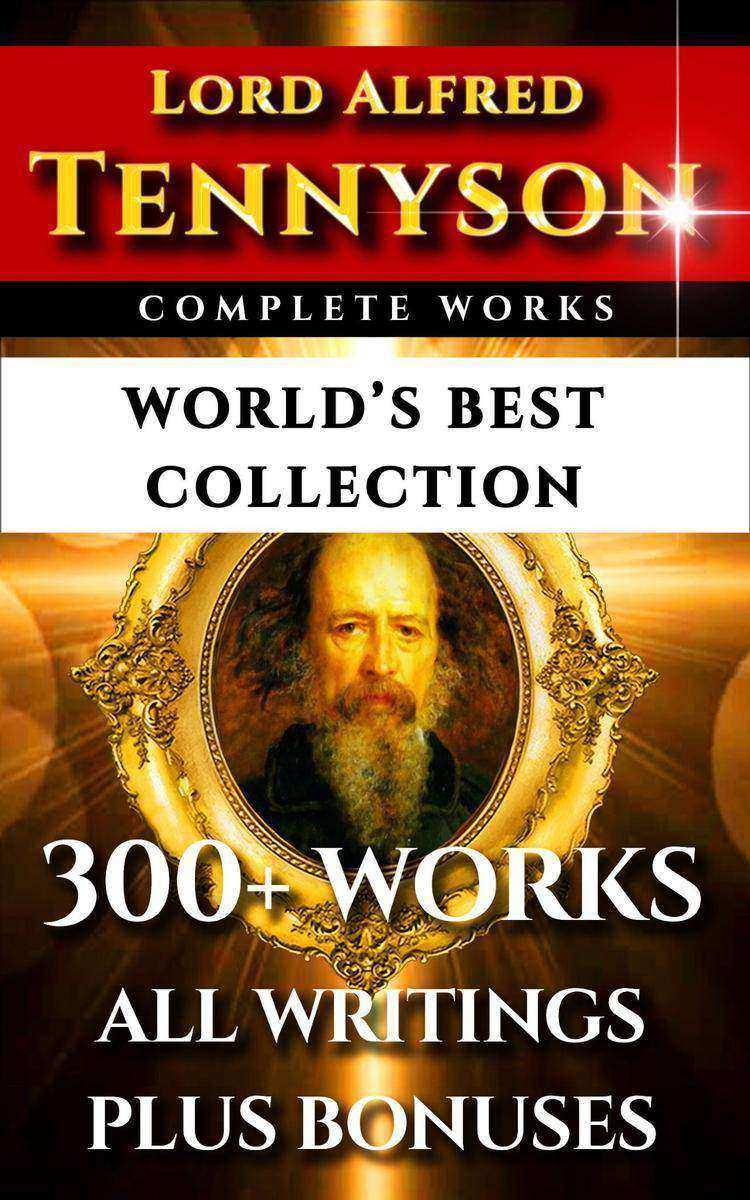
Tennyson Complete Works – World’s Best Collection
¥8.09
Tennyson Complete Works World's Best Collection This is the world’s best Alfred Lord Tennyson collection, including the most complete set of Tennyson’s works available plus many free bonus materials. Lord Tennyson Alfred Lord Tennyson was Poet Laureate of Great Britain and Ireland during much of Queen Victoria’s reign and remains one of the most popular British poets. He is the ninth most frequently quoted writer in The Oxford Dictionary of Quotations and responsible for many common phrases such as: ‘tis better to have loved and lost than never to have loved at all’ and ‘to strive, to seek, to find, and not to yield’ among many others The ‘Must-Have’ Complete Collection In this irresistible collection you get a full set of Tennyson’s works, both his well-known as well as his rare, with more than 400 different works - All Tennyson’s poetry, All his plays, All major and minor works, All his poetry collections, Plus his rare early poems. With a Biography and More Extra Bonus material. Works Included: The Plays Of Tennyson: Queen Mary: A Drama Harold: A Drama Becket The Cup - A Tragedy The Falcon The Promise Of May The Foresters The Poetry Collections: Maud, And Other Poems The Lady Of Shalott And Other Poems Demeter And Other Poems Idylls Of The King English Idyls, And Other Poems Ballads And Other Poems The Death Of ?none, And Other Poems Tiresias, And Other Poems Juvenilia - Tennyson’s Early Poems Enoch Arden, And Other Poems The Princess Your Free Special Bonuses Tennyson’s Life And Poetry - A biography of Tennyson’s intriguing life. Literary Essay On Tennyson – a comprehensive essay about Tennyson and his works Historical Context and Literary Context Notes?- Detailed explanations of the Victorian Era and Victorian Literature, written specially for this collection. Get This Collection Right Now This is the best Tennyson collection you can get, so get it now and start enjoying and being inspired by his world like never before!
Un trib glorios ?i muribund
¥100.53
Mai ales inteligena speculativ i iueala fixrii prioritilor n cmpul de idei au facut din Rzvan Voncu un critic de ntmpinare imposibil de ignorat n peisajul literar romnesc.“ (Eugen Negrici)O panoram literar a ultimului deceniu. Istorie literar, evenimente editoriale. Cri de excepie i autori de excepie. Istoria ultimului deceniu de literatur romn semnat de Rzvan Voncu ofer un peisaj exact, descris n cunotin de cauz.
Le Destin et l'apothicaire
¥1.74
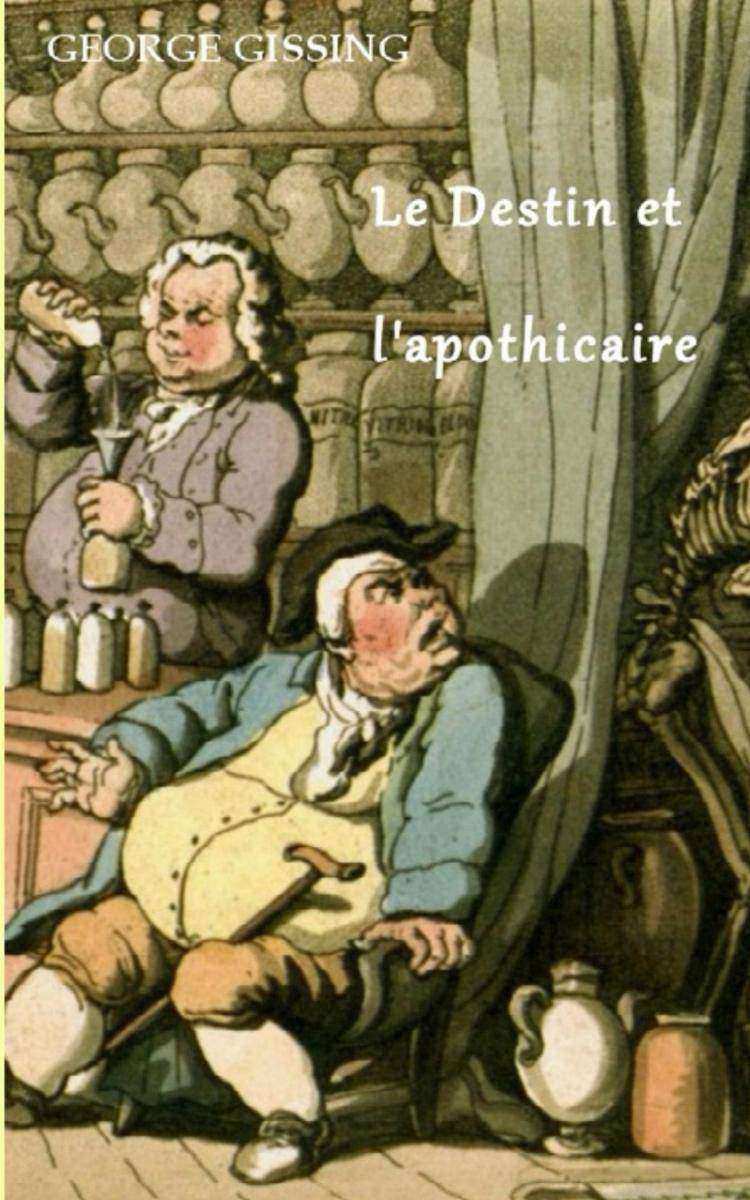
George Gissing est un auteur anglais estimé, dont les livres ont cependant été peu traduits et, souvent, relativement peu vendus, y compris dans sa contrée d'origine. Son ?uvre, comme sa biographie, est restée marginale, comme la plupart des écrivains, dont il a régulièrement décrit l'existence dans ses romans. Pourtant, il entretenait et dans une certaine mesure, en tant que sujet d'études, de recherche, entretient toujours des liens privilégiés avec la France, où il a passé les dernières années de sa vie. Revitrans fait revivre par la traduction en langue fran?aise des auteurs oubliés ou en marge, dont l'oeuvre ne trouve pas sa place dans l'édition classique. Cette brève nouvelle de Gissing, qu'on peut interpréter comme une forme de danse macabre, est sa première expérience, dont les suites dépendront des capacités du traducteur et des éventuelles réactions des lecteurs.
Poezii
¥23.14
ncercarea de a ptrunde n magmele clocotirilor artistice este o ispitire mai veche a mea. Adncimile au n ele murmur de siren. Sigur a fost semea ncercarea mea i, probabil, neinspirat. Germinarea crii de fa mi pare acum un experiment al bucuriei. Doi preoi i doi slujitori ai literei, totodat doi duhovnici fiecare cu ucenicul su, au vrut s cltoreasc pentru o clip n inefabilul chenozelor, al deertrilor de sine. Nu tiu dac are armonie, mi este greu acum s precizez. Atunci prea c rezonm. Depun doar mrturie i gnd mulumitor c a fost o sear unic. (Preot Niculae Constantin)
The Works of Edgar Allan Poe:Volume 1
¥8.09
This Housemartin Classics edition includes the full original text as well as an easy to use interactive table of contents.
Gnedich
¥90.03
Maria Rybakova’s Gnedich captures the reader’s attention in its first stanzas with a striking allusion to Homeric Greece: “The rage that killed so many/the wretched rage of Achilles/who knew that he would perish/ that he would perish young. This is a novel-in-verse about the first Russian translator of the Iliad, the romantic poet and librarian Nikolai Gnedich (1784-1833). Since Gnedich spent almost his entire life translating Homer’s epic poem, Maria Rybakova has chosen verse as the most appropriate stylistic means in recreating his life. To the English-speaking world, this genre of poetic biography is best exemplified by Ruth Padel’s Darwin – A Life in Poems. Like the Iliad itself, the novel consists of twelve Songs or Cantos, and covers the life of Gnedich from his childhood to his death. It depicts the lives of Gnedich and his best friend, the poet Batyushkov, who is slowly losing his sanity, and incorporates motifs from their poetry, from Homer’s epics, and from Greek mythology, as well as magnificent images of imperial Russia and the Homeric world. The space of the novel covers snowy Russian villages, aristocratic St. Petersburg salons, magnificent Italian landscapes, and the austere Greece of Homer’s heroes. Rybakova conjures a fittingly romantic vision of the dramatic lives of Gnedich and his best friend. A major part of the novel is the moving correspondence between the two poets. Philosophical reflections on the fate of the individual are intertwined with poignant stanzas devoted to the great but unhappy love to the tragic actress Ekaterina Semyonova that consumed Gnedich. The novel culminates in Batyushkov’s final breakdown in the lunatic asylum and Gnedich’s ruminations on Russia’s tragic future fate. The poetic language of Gnedich is refined: it combines the clarity of Rybakova’s syllabic verses and the sophistication of her metaphors with distinct, novelistic depictions of certain landscapes, people, and their interactions. The novel is spectacularly designed: Rybakova’s style resembles a movie projection with stop-cards at the key moments in Gnedich’s life, his long conversations with his friend, and particular striking sceneries. It creates a novelistic effect on the tale about Gnedich’s life, spanning over twenty years. The narrative is often interrupted by streams of consciousness and reminiscence by its main heroes. At the same time, it continues the traditions of Russian classic literature with its attention to detail and the psychology of the characters. A significant part of the novel is dedicated to the description of Gnedich’s friendship with Konstantin Batyushkov, a talented poet of the Pushkin epoch. Gnedich, disfigured by a childhood disease, was a librarian at the Imperial Library in St. Petersburg and became famous through his translation of the Illiad. Batyushkov, an officer of the Russian Imperial court who participated in military campaigns, as well as one of the best poets of the beginning of the 19th century, went through deep crisis and mental illness. The friendship between the two becomes one of the themes within the novel. Rybakova builds the novel-in-verse’s plot around Gnedich’s translation of the Illiad into Russian. The narrative progresses from the adult Gnedich’s recollection of his childhood in a small country estate in Ukraine in the first Song, his illness and discovery of the magnificent Greek epic about the siege of the Troy that changed his life forever, to the completion of his work on his translation as a final victory over his life’s circumstances. The titanic work on the translation continued for almost twenty-two years (1807-29).
Shards from the Polar Ice:Selected Poems
¥90.03
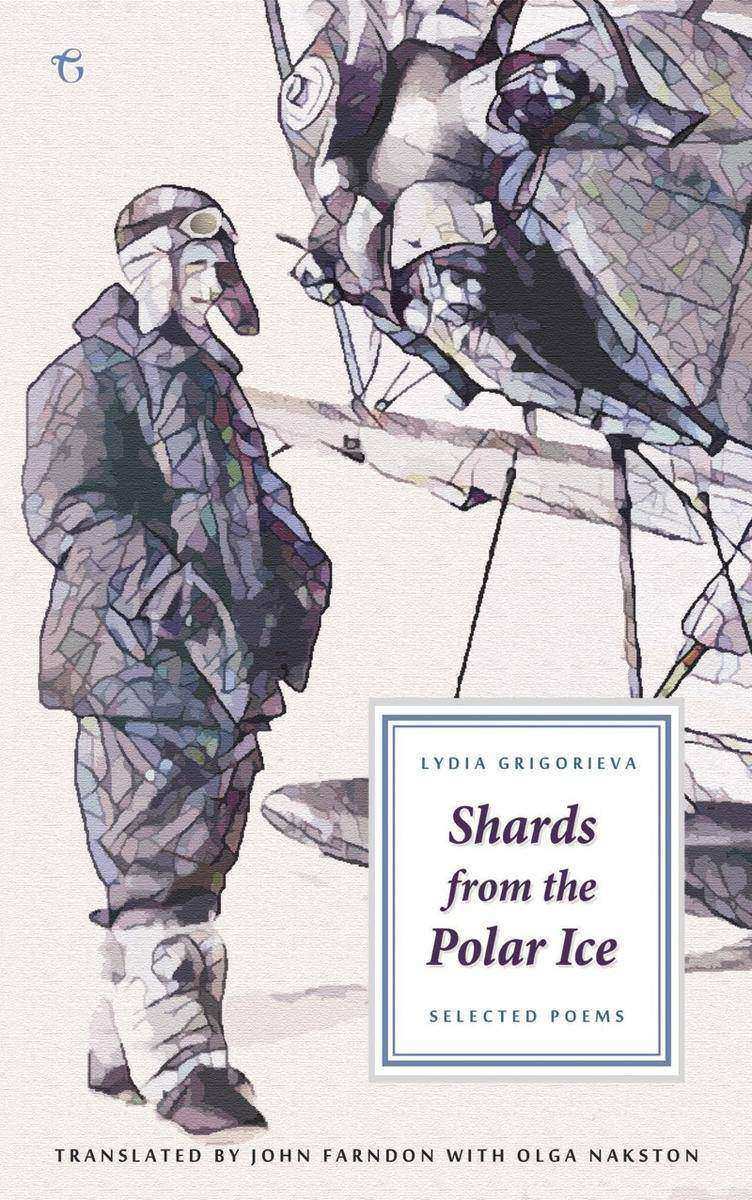
“It would be hard to imagine Russian poetry in the last half century without Lydia Grigorieva,” writes eminent Russian poet and critic Konstantin Kedrov. Grigorieva is a uniquely individual voice, bucking the trends of modernist poetry to create her own distinctive and beguiling body of poetry. Her work draws on her own remarkable life to create startlingly arresting images and metaphors, full of beauty and power, from her series that emerged from her Arctic childhood, to the troubles that beset Ukraine. Her range of influences is wide, and Beethoven, Freud, Sylvia Plath and Byron all appear in her poems as well as more familiar Russian images. At the heart of Grigorieva’s poetry is what she calls its ‘musicality’ – her firm belief in the power of rhyme and rhythm in creating a poetic experience. In this first major collection of her work in English, English poet John Farndon, working with Grigorieva and co-translator Olga Nakston, has recreated this musicality in English so that English readers might experience for the first time what makes her work so revered in her Russian homeland. Translated by John Farndon with Olga Nakston. Maxim Hodak - Максим Ходак (Publisher), Max Mendor - Макс Мендор (Director), Ksenia Papazova (Managing Editor).
The Iranian Feast
¥38.62
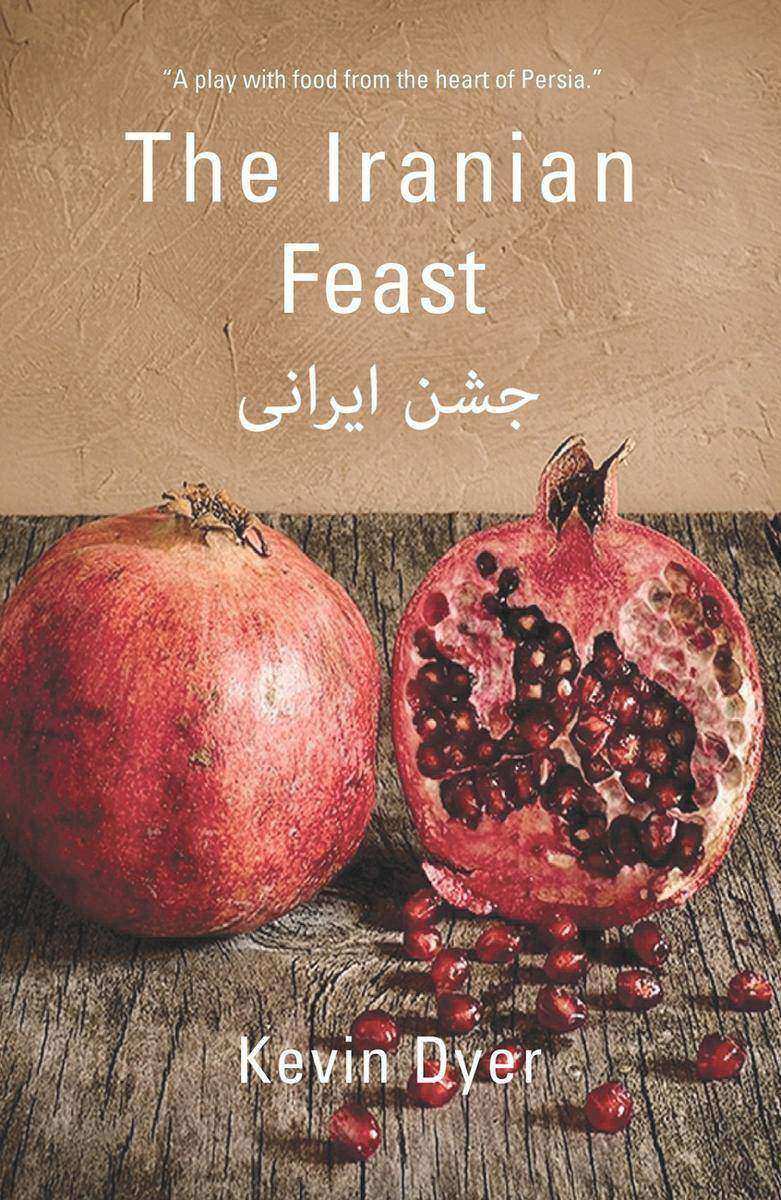
In modern-day Tehran, you can never predict how life will turn out. Part thriller, part cookery lesson, this is the story of a family struggling to deal with the challenges of a regime where secrecy and surveillance are an everyday part of life. Abbas calls together his wife and daughter and their friends and nighbours for an impromptu feast. Going in the pot are fresh herbs, spices, sweet vegetables and Eli’s mother’s secret ingredient…


