


 购物车
购物车 个人中心
个人中心

Dead Wrong (Mills & Boon M&B)
¥27.27
A chilling blast from the past… Six years ago prosecutor Will Patton's girlfriend stormed out on him. That night she was brutally raped and murdered. The violent act knocked Will's world out from under him, alienating him from his family, who Will believed were responsible. Wrapped up in his own guilt and anger, Will developed a powerful thirst for justice…and was determined that no criminal would ever walk free again. Now he's returned to his hometown, but he is greeted by a gruesome discovery–another body and an all-too-familiar calling card. And once again the victim is romantically linked with Will. In order to track down this serial killer, Will teams up with rookie detective Trina Giallombardo–only to realize that if he falls for her, she'll be next….
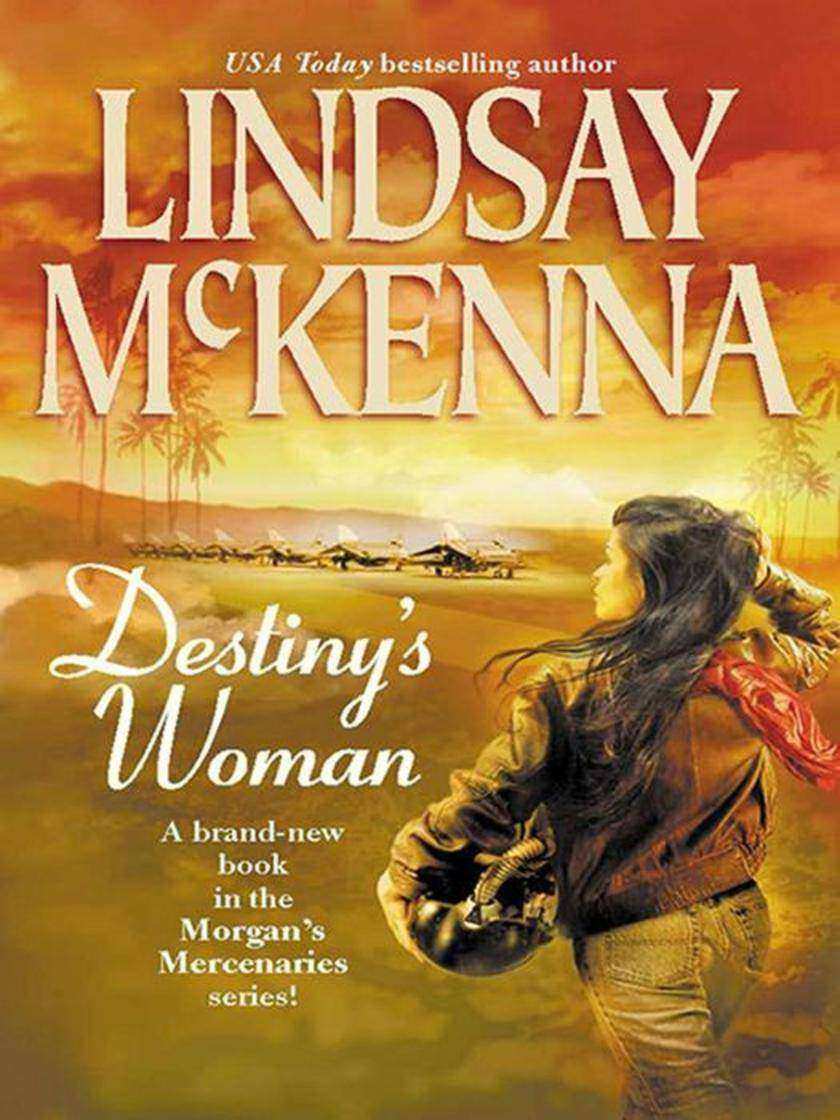
Destiny's Woman (Mills & Boon M&B)
¥54.74
She had never needed anyone before. Never ached for a man before. Until her latest mission put Apache pilot Akiva Redtail in the hot seat next to army officer Joe Calhoun. As they rode the thunderous skies, dodging danger at every turn, Akiva discovered a strength in Joe's arms, a fiery passion she was powerless to battle against. For only with this rugged soldier by her side could this Native American beauty fulfill the destiny she was born to. Only with Joe did she dare open her heart to love….

Enchanting Melody (Mills & Boon Kimani)
¥59.45
He loved a challenge You didn't go from being a poor kid in the hood to making millions on Wall Street unless you had a man-size desire to succeed. Will Coleman had all that–and good looks and a head-turning, hard-muscled body to match. So what if he taught ballroom dancing in his spare time? Will was all man. And all he needed was the perfect woman…. She danced to the beat of a different drum Then Melody Rush, a bodacious beauty with long, wavy hair down to her curvy behind–and an equally feisty attitude–walked into his dance studio. And suddenly Will was left wondering if she might be the one.

Every Kind of Heaven (Mills & Boon Love Inspired)
¥31.10
Though she wanted a family of her own, love seemed so unreliable to busy bakery owner Ava McKaslin. Baking and honoring her faith were all she had on her life's to-do list. Until she hired Brice Donovan as her contractor. And her best-laid plans flew out the window! He'd long adored Ava from afar. Now that she needed his help, Brice wanted to show her how joyful life could be when there was love. He–and he hoped, the Lord–had big plans to give this special woman all the happiness she deserved.

Surprise Inheritance (Mills & Boon M&B) (Millionaire, Montana, Book 3)
¥27.27
Looks as if not everyone in town is wild to welcome home "Main Street Millionaire" heiress Jennifer aulkner. Why, Sheriff Luke McNeil seems positively hot and bothered whenever he's within kissing range of the woman rumored to be the one who got away. Some even credit Jennifer's decade-ago disappearance with the curse that's kept the luscious lawman from steadily dating ever since. And now there's news that the former flames spent a long, dark night stranded on the Faulkner farm, creating a fire all their own amid a treacherous ice storm. One can only wonder where their purported night of passion will lead….

The Billionaire's Baby Chase (Mills & Boon M&B) (Fabulous Fathers, Book 50)
¥27.27
Billionaire James Langford had money, power, influence…but none of it mattered. Finding his missing child consumed his every waking thought. Because he needed to locate young Genevieve and claim her as his rightful heir…before time ran out. But when James finally found his precious daughter, she came with a strong-willed, beautiful guardian who proved to be a formidable rival. And with little time to spare, James knew that the alluring Zoe Holden would simply have to become his bride….
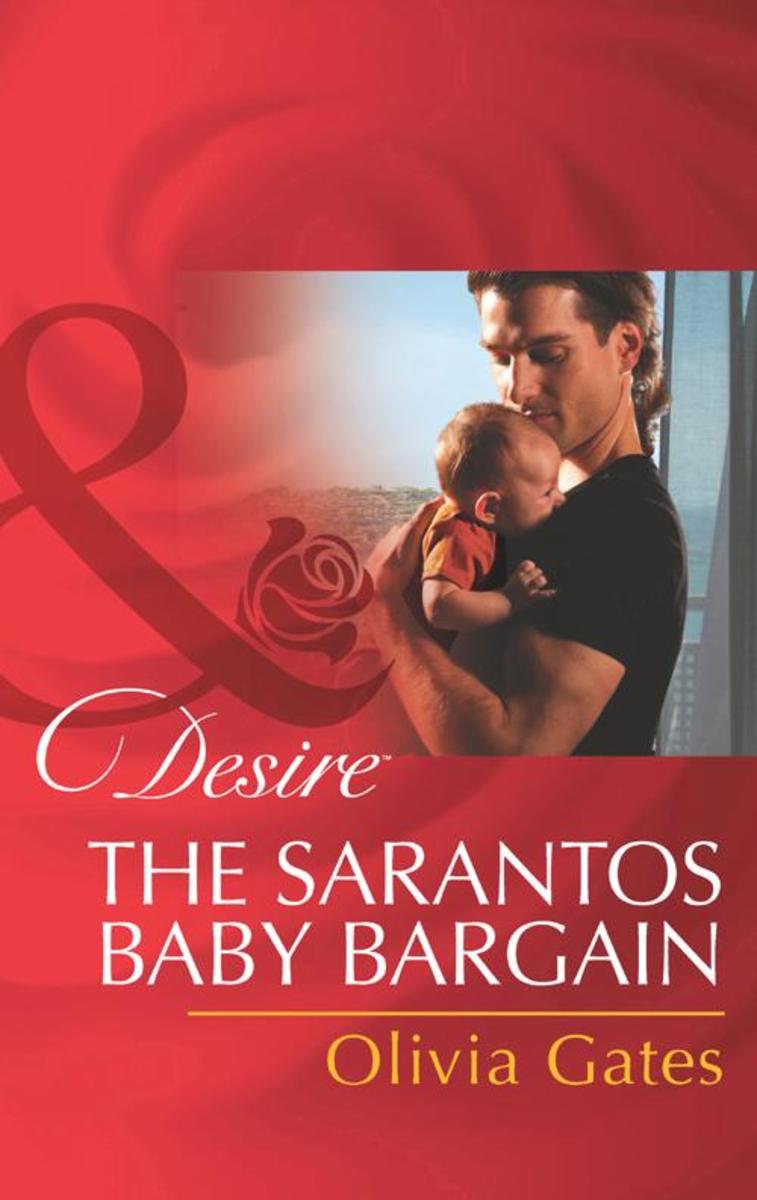
The Sarantos Baby Bargain (Mills & Boon Desire)
¥31.10
Greek venture capitalist Andreas Sarantos let Naomi Sinclair get away once. But adopting his best friend’s baby gives him the leverage he needs to bring his unwilling ex-wife back to his bed. Will having the only woman he’s ever wanted erase the scars of his dark past? Or will he risk driving Naomi away again?

The SEAL's Special Mission (Mills & Boon Superromance)
¥31.10
"You and the boy are coming with me." Navy SEAL Kenneth Nash has one objective–protect the son he's never known. If that means dragging along his former sister-in-law Mallory Ward, then so be it. But while hiding out in a rustic cabin in the Rockies, Nash faces an unexpected problem. Suddenly he's feeling things for Mallory that he has no right to feel. Regardless of how this turns out, he could never be the family man that his son and Mallory deserve. Yet as danger approaches, Nash and Mallory's attraction persists–and it could jeopardize the entire mission.

Total Siyapaa
¥15.50
"Sum of Two Wholes TOTAL SIYAPAA" Aasha Singh, fiery and confident, can't wait to get her hands dirty with hard news, and uncover scandals and controversies. A Punjabi desi in London, from India. Aman Ali, smart-aleck and suave, a promising musician, has left the security of a career in finance to follow his passion in music. A different kind of a Punjabi desi in London, from Pakistan. When Aasha meets Aman during her last assignment at the South Asian Hour before moving onto the news beat, they start off at loggerheads. Then fate and friends nudge them together. Their sassy banter blossoms into a delicious romance. But will reality manage to keep them together? From Edinburgh to London and onwards to Udaipur, friendship, love, family and geographical boundaries make their journey a mix of emotions and delight. Sum of Two Wholes – Total Siyapaa is an extension of the screenplay of the Hindi film, Total Siyapaa, Written by Neeraj Pandey, Directed by Eshvar Niwas.

Where Earth Meets Water
¥45.03
IN THIS POIGNANT AND BREATHTAKING DEBUT, ONE MAN SEARCHES FOR MEANING IN THE WAKE OF INCOMPARABLE TRAGEDY… Karom Seth should have been in the Twin Towers on the morning of 9/11, and on the Indian shores in 2004, when the tsunami swept his entire family into the ocean. Whether it's a curse or a blessing, Karom can't be sure, but his absence from these disasters has left him with crushing guilt–and a belief that fate has singled him out for invincibility. Karom's affliction consumes everyone around him, from his best friend, Lloyd, to his girlfriend, Gita, who hopes that a trip to India will help him find peace. It is in Delhi that he meets Gita's grandmother, Kamini–a quirky but wise woman with secrets of her own. At first Karom dismisses Kamini, but little does he realize that she will ultimately lead him to the clarity he's been looking for. Spanning the globe from New York to India, Where Earth Meets Water is a stunning portrait of a quest for human understanding, and a wise exploration of grief, survival and love in all its forms.

The Parent Plan Part 2
¥11.77
36 Hours Serial As a devastating summer storm hits Grand Springs, Colorado, the next thirty-six hours will change the town and its residents forever…. The Parent Plan Part 2 Cassidy has been angry and hostile ever since Vicki's accident, blaming Karen for working at the hospital while Vicki needed her. It's causing a rift in their marriage that gets bigger every day. Karen can't face the loneliness anymore of being with a man too frozen inside to love. Is a separation the only way out? And if Karen and Cassidy try to solve their problems apart, how can they ever get back together? The story concludes in The Parent Plan Part 3.

Red at Night
¥14.62
Stella and Jonah are total opposites. She's the girl with purple hair from the wrong part of town. He hangs with the cool crowd. Until a car accident leaves him haunted by guilt, and Jonah starts spending time at Stella's favourite refuge…the local cemetery. Stella knows she should keep her distance—after all, she spent her girlhood being bullied by Jonah's friends. Once he's sorted out his tangled emotions, Jonah won't have time for her anymore. Too bad she's already fallen for him….
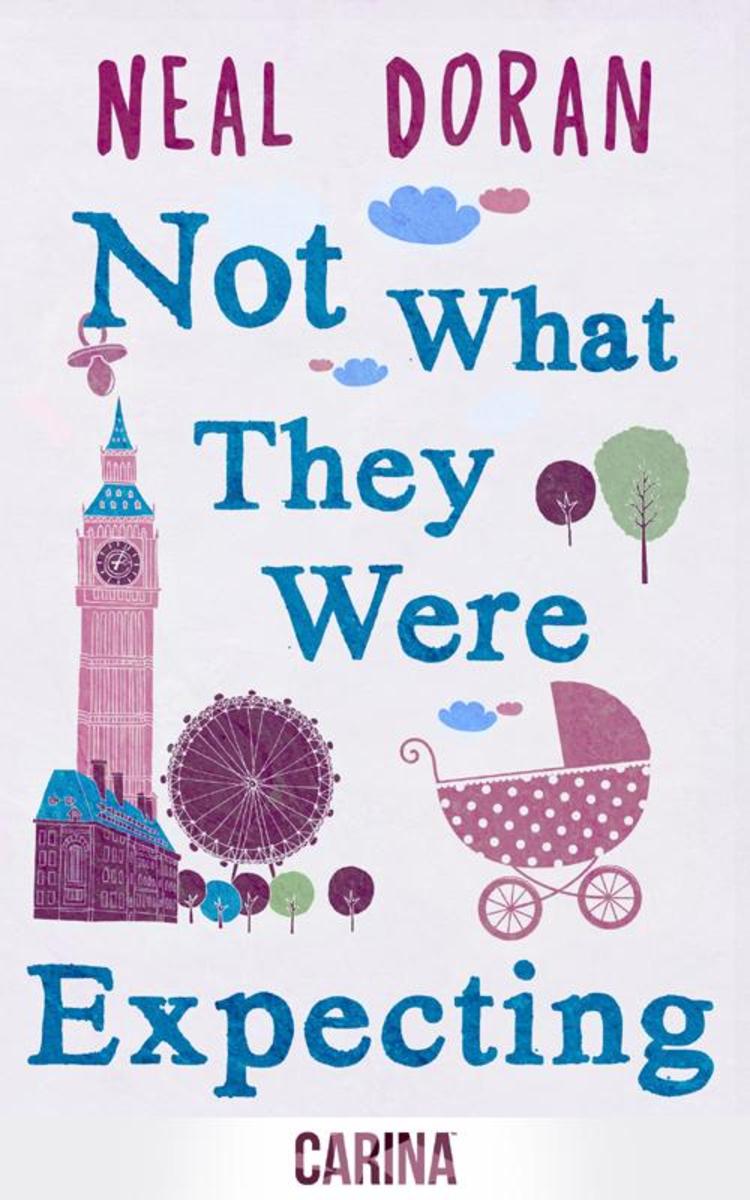
Not What They Were Expecting
¥42.48
A maybe-gay dad, a sacked husband, and an oversharing mother-in-law. Rebecca has more on her mind than having a baby. When Rebecca and James announced their baby news, they thought the next nine months would be the beginning of a great adventure. But then James loses his job, and he can't find another and can't tell his wife why. Meanwhile Rebecca's own family has picked the worst possible time to start to fall apart, with her strait-laced dad arrested for soliciting a cop, and relying on lawyer Rebecca to convince the courts it wasn't a major fall out of the closet. As secrets begin to permeate their lives, Rebecca and James end up wondering are they really ready to be parents after all. But it's too late now - and the expectant couple are about to learn that life doesn't always turn out quite as you expect it. Praise for Neal Doran 'Neal Doran takes us on a rollercoster of emotions: happiness, joy, drama, betrayal, disappointment and secrets, lots of secrets. He keeps the reader totally hooked from the first page with his witty sense of humour and all the unexpected twists (there were some that I didn't see coming at all).' - Lost in Chick Lit '...you would be mad not to pick up this book as it was a wonderful read.' - Reviewed the Book 'Neal Doran is funny, brilliant and heart-achingly real. Wickedly insightful with a real heart, he offers a fresh take on modern day relationships and real life. Neal is a rising star in contemporary comedic fiction!' - Miranda Dickinson, bestselling author of Take a Look at Me Now and When I Fall in Love 'Full of witty one-liners, Dan Taylor Is Giving Up On Women is a hilarious examination of the morals of modern-day dating." - Matt Dunn, bestselling author of The Ex-Boyfriends' Handbook and A Day at the Office. 'Neal Doran is a very funny writer' John O'Farrell, author of The Man Who Forgot His Wife 'A big-hearted breath of hilarious fresh-air, Dan Taylor Is Giving Up On Women is a tender, touching and terrifically funny debut. The crises, the crushes and the cringes of an honest and sharp look at a very modern romance, treat yourself.' - Richard Asplin, author of T-shirt and Genes

Partners In Crime Part 2
¥11.77
36 Hours Serial As a devastating summer storm hits Grand Springs, Colorado, the next thirty-six hours will change the town and its residents forever…. Partners in Crime Part 2 Jack Stryker's investigation into Olivia Stuart's death leads straight to Josie. He'll have to do his job–even if it means arresting the woman he hasn't been able to get out of his mind since their night together. Josie can't believe Jack thinks she could murder her friend. If he were suspected of murder she would believe in him, no matter how damning the evidence. She'll trust her heart over her head any day. How can a relationship survive when two lovers are on opposite sides of the law? The story concludes in Partners in Crime Part 3.

Her Best Laid Plans
¥19.13
Experience Ireland—the dramatic beauty, the warm hospitality…and the smoking hot local guys! Imagine nursing a pint in a cosy, authentic country pub, far from Cork’s busy city pulse. Getting here took you a plane, bus, taxi and…um, bicycle. But just as you’re resigning yourself to drinking beside grey-haired farmers, you see him—a man with the looks and charm to soothe any heartbroken girl. He’s your bartender. Your really, really gorgeous bartender. For American Jamie Webb—recently dumped and housesitting for two weeks—Connor Kelleher is like a six-course feast after a 23-year starvation diet. But it’s gotta be casual. She’s just begun rerouting her life after a three-year man-related detour. Still, a sexy romp (or twenty!) with Sexy McBartender? But what happens when Jamie's best-laid plans for no future plans with any man begin to change?

Marriage by Contract Part 3 (36 Hours, Book 24)
¥11.77
36 Hours Serial As a devastating summer storm hits Grand Springs, Colorado, the next thirty-six hours will change the town and its residents forever…. Marriage by Contract Part 3 For Bethany Kent, life has never been more perfect. She has a beautiful baby and a gorgeous, accomplished husband. Despite the marriage of convenience start to their life together, she and Tony are falling in love. But then Christopher's birth mother returns and wants her son back. If Bethany does what is right and gives up Christopher, will she lose Tony, as well? Don't miss the next book in the continuing story of Grand Springs in Partners in Crime by Alicia Scott.

The Secrets Of The Shadows (The Annie Graham series, Book 2)
¥42.48
One little girl, one missing child. One historical mystery colliding with the future. Sophie was afraid of the man in the shadows. He terrified her, but he would always disappear when someone else came. But one day in June 1984, she didn’t escape. He took her. When a young woman is found draped over a gravestone in a chilling murder, police officer Annie Graham experiences a familiar sense of dread. A new killer is out there, and her senses tell her there is something eerily different about this case. When she spots the little girl standing outside her window, she knows that the past is about to catch up with all of them. But can she help right the wrongs of thirty years ago, and stop the killer before it’s too late? Another chilling murder that Annie Graham must solve before the past destroys the future. Look out for more in the Annie Graham series: 1. The Ghost House 2. The Secrets of the Shadows 3. The Forgotten Cottage 4. The Lake House 5. The Girls in the Woods What readers are saying about the Annie Graham series 'an atmospheric, spooky read, ideal for the season.' – I Heart Reading 'The Ghost House is the most exciting book I have read in a very long time, and would make an absolutely perfect Halloween read! Amazing début from Helen Phifer and I eagerly await more from her!' – Judging Covers ‘It was an atmospheric, spooky read, ideal for the season.’ – I Heart Reading ‘I was really impressed by this book. … I was amazed how the author got inside of the mind of the serial killer and really showed you his psychotic thought processes.’ – Edler Park Book Reviews ‘the twists and turns are fascinating.’ – A J Book Review Club ‘The story constantly kept me on the edge of my seat. The Ghost House is a magnificent read and it's perfect for those who have a strong stomach and nerves of steel!’ – Librarian Lavender

Summer's Child
¥58.86
Early on the morning of her eleventh birthday, Daria Cato found an unexpected gift - an abandoned baby. Unable to leave the child unclaimed, the Cato family adopt Shelly, but the secrets of her birth continue to haunt Daria. Twenty years later, an old friend of Daria’s, Rory Taylor, returns to his hometown – and something precarious shifts in the community. For Rory will stop at nothing to uncover the mysteries of Shelly’s birth. As closely guarded secrets and sins begin to unravel, piece by piece the mystery of the summer’s child is about to be exposed. A mystery no one involved is prepared to face. A chance to uncover the secrets of her past. A truth that will change her future forever. Praise for Diane Chamberlain ‘Fans of Jodi Picoult will delight in this finely tuned family drama, with beautifully drawn characters and a string of twists that will keep you guessing right up to the end.' - Stylist ‘A marvellously gifted author. Every book she writes is a gem’ - Literary Times ’Essential reading for Jodi Picoult fans’ - Daily Mail ’So full of unexpected twists you'll find yourself wanting to finish it in one sitting. Fans of Jodi Picoult's style will love how Diane Chamberlain writes.’ - Candis

Me Without You (The Moorehouse Legacy, Book 2)
¥32.27
From that first look to this first kiss… All Alex could see was her long, thick, gorgeous hair. Pale smooth skin. Lips that were naturally tinted pink. Eyes that were green like sea grass. He stopped himself. His best friend Reese might be dead. But in Alex’s mind, Cassandra was still very much the man’s wife. She was out of bounds. Cassandra. The forbidden woman Alex had yearned for from the first moment he’d laid eyes on her. But she’d been married to his best friend. Now she was rebuilding his family’s bed-and-breakfast…and just might, in the process, be rebuilding his anguished heart.

The Perfect Distraction
¥39.24
“Have you met Madeline Maguire?” Sure have, Spike thought. I saw her last night in my dreams. As far as sexy bad boy Spike Moriarty was concerned, Madeline Maguire defined female perfection. When they’d met, she’d walked up and asked to see his tattoos as if she wasn’t the most gorgeous thing on the planet. He – a tough guy who’d make grown men run – had just about passed out. Their connection was definitely two-way…it had to be. But could he ever be the man in a million she was looking for? Surely not with the things he’d done and seen. Still, for as long as she’d let him, he’d give her whatever she wanted, whatever she needed…

Atomic Fracture
¥25.60
Stony Man Fighting battles few even know exist, the covert officers of Stony Man Farm are the most elite soldiers and cyber techs in the world. The team knows that if they don't succeed, innocent victims will die. Rebel Deception A civil war in the Middle East is the perfect breeding ground for Al-Qaeda's brand of terror. Taking advantage of the chaos to fuel violence between rebel fighters and government forces, Al-Qaeda's ultimate goal is to dominate the war-torn country–no matter how many civilians they kill in the process. On the President's orders, Phoenix Force drops in to stop the attacks before more blood is shed. Able Team remains stateside to ferret out a rebel mole who has stolen nuclear weapons from an American facility and plans to smuggle them into the Middle East. With the lines between right and wrong beginning to blur, Stony Man is sure of one thing: their only cause is the millions of lives at stake.


