


 购物车
购物车 个人中心
个人中心
The Goddess from the Shades by John Buchan - Delphi Classics (Illustrated)
¥8.09
This eBook features the unabridged text of ‘ the Goddess from the Shades by John Buchan - Delphi Classics (Illustrated)’ from the bestselling edition of ‘The Complete Works of John Buchan’. Having established their name as the leading publisher of classic literature and art, Delphi Classics produce publications that are individually crafted with superior formatting, while introducing many rare texts for the first time in digital print. The Delphi Classics edition of Buchan includes original annotations and illustrations relating to the life and works of the author, as well as individual tables of contents, allowing you to navigate eBooks quickly and easily. eBook features: * The complete unabridged text of ‘ the Goddess from the Shades by John Buchan - Delphi Classics (Illustrated)’ * Beautifully illustrated with images related to Buchan’s works * Individual contents table, allowing easy navigation around the eBook * Excellent formatting of the textPlease visit www.delphiclassics.com to learn more about our wide range of titles

Warlord of Antares: Dray Prescot 37
¥40.79
His empire endangered by the diabolical schemes of the evil witch Csitra, Dray Prescot is summoned by the powerful Star Lords who warn of a dread menace approaching from the South. Dray must take on all challengers to become the Warlord of Kregen, uniting his people against the dual threat of Csitra's deadly magic and a seemingly unstoppable invasion by the Shanks, piratical warriors from the Southlands. This edition contains a glossary to the Witch War cycle. Warlord of Antares is the thirty-seventh book in the epic fifty-two book saga of Dray Prescot of Earth and of Kregen by Kenneth Bulmer, writing as Alan Burt Akers. The series continues with Scorpio Reborn.

Scorpio Invasion: Dray Prescot 40
¥40.79
Dray Prescot must answer to the Star Lords for his disobedience. But the Star Lords argue over him and Dray is dropped accidentally in a walled garden. He is lost. Even the Star Lords don't know where he is. He knows he is on the splendid if horrific planet of Kregen, and in the continent of Loh, but nothing is familiar. He must find his way back to Makilorn, and from there to Tarankar to train an army to repel the Shanks... Scorpio Invasion is the fortieth book in the epic fifty-two book saga of Dray Prescot of Earth and of Kregen by Kenneth Bulmer, writing as Alan Burt Akers. The series continues with Scorpio Ablaze.
The Free Fishers by John Buchan - Delphi Classics (Illustrated)
¥8.09
This eBook features the unabridged text of ‘The Free Fishers by John Buchan - Delphi Classics (Illustrated)’ from the bestselling edition of ‘The Complete Works of John Buchan’. Having established their name as the leading publisher of classic literature and art, Delphi Classics produce publications that are individually crafted with superior formatting, while introducing many rare texts for the first time in digital print. The Delphi Classics edition of Buchan includes original annotations and illustrations relating to the life and works of the author, as well as individual tables of contents, allowing you to navigate eBooks quickly and easily. eBook features: * The complete unabridged text of ‘The Free Fishers by John Buchan - Delphi Classics (Illustrated)’ * Beautifully illustrated with images related to Buchan’s works * Individual contents table, allowing easy navigation around the eBook * Excellent formatting of the text Please visit www.delphiclassics.com to learn more about our wide range of titles

Scorpio Triumph: Dray Prescot 43
¥40.79
Down in the continent of Loh many expeditions have ventured below the City of Eternal Twilight into the Realm of the Drums in search of one of the rubies of the Skantiklar. A Wizard of Loh, Na-Si-Fantong, is collecting the rubies, and it is believed he wants them for no good purpose. He has succeeded in obtaining a ruby and vanishes into the maze of tunnels under the city. Not really convinced of the importance of the Skantiklar, Prescot has to go in pursuit. Alone, he threads his way through the labyrinth, already feeling he will never catch Na-Si-Fantong... This edition includes a glossary to the Lohvian cycle. Scorpio Triumph is the forty-third book in the epic fifty-two book saga of Dray Prescot of Earth and of Kregen by Kenneth Bulmer, writing as Alan Burt Akers. The series continues with Intrigue of Antares.
Intrigue of Antares: Dray Prescot 44
¥40.79
Reared in the harsh conditions of Nelson's Navy, Dray Prescot failed to find success on Earth but has succeeded in winning fortune on Kregen. He is called the Emperor of Emperors, the Emperor of Paz, but he himself regards these titles as meaningless. Paz is a vast grouping of continents and islands and is inhabited by innumerable races and nations, so why should they band together under Prescot? The Star Lords themselves have chosen him for this heavy task, for he has the yrium, that particular charisma that binds other mortals to his service. Now, in this the first volume of the Balintol cycle, the Star Lords have dispatched him to the town of Amintin in the continent of Balintol. Under the streaming mingled lights of the Suns of Scorpio, Dray Prescot must set forth on his new adventures... Intrigue of Antares is the forty-fourth book in the epic fifty-two book saga of Dray Prescot of Earth and of Kregen by Kenneth Bulmer, writing as Alan Burt Akers. The series continues with Gangs of Antares.
Challenge of Antares: Dray Prescot 48
¥40.79
Born in 1775, Dray Prescot joined the Royal Navy as a boy when his father died from the sting of a scorpion, and his mother followed soon after. Life in Nelson's Navy, harsh, intolerant, formed and molded him. He has been consistently passed over for promotion, even though he has fought his way from the lower deck through the hawsehole to the quarterdeck. Now, together with the rest of the world, he considers himself a failure. Just recently he has been experiencing unsettling dreams, of weird places and animals, strange beyond the comprehension of a plain sailorman. Through these eerie nightmares he occasionally glimpses the vague face and form of a woman who touches him profoundly and for whom, not really understanding why, he knows he would lay down his life... Challenge of Antares is the forty-eighth book in the epic fifty-two book saga of Dray Prescot of Earth and of Kregen by Kenneth Bulmer, writing as Alan Burt Akers. The series continues with Wrath of Antares.

With Fire and Sword by Henryk Sienkiewicz - Delphi Classics (Illustrated)
¥8.09
This eBook features the unabridged text of ‘With Fire and Sword by Henryk Sienkiewicz - Delphi Classics (Illustrated)’ from the bestselling edition of ‘The Complete Works of Henryk Sienkiewicz’. Having established their name as the leading publisher of classic literature and art, Delphi Classics produce publications that are individually crafted with superior formatting, while introducing many rare texts for the first time in digital print. The Delphi Classics edition of Sienkiewicz includes original annotations and illustrations relating to the life and works of the author, as well as individual tables of contents, allowing you to navigate eBooks quickly and easily. eBook features: * The complete unabridged text of ‘With Fire and Sword by Henryk Sienkiewicz - Delphi Classics (Illustrated)’ * Beautifully illustrated with images related to Sienkiewicz’s works * Individual contents table, allowing easy navigation around the eBook * Excellent formatting of the text Please visit www.delphiclassics.com to learn more about our wide range of titles

Wintermoon Ice
¥32.62
When Tessa unexpectedly acquires a mirror and a journal from her long-dead grandmother, Suvi Markku, she is thrust into danger from alien creatures called Polydactyls. She turns for help to her neighbor Jakob Faircrow, but she finds his smug arrogance infuriating. Jakob and Tessa must put aside their differences long enough to discover why Suvi hid the mirror and why the Polys want it. The journal provides vital clues to Suvi’s past life in Severnessa with Jakob’s twin brother Lut -- a life that will shortly intersect with Tessa’s, when a magic gateway blends past and present, and brings the two women face to face with the creator of the Polydactyls. Wintermoon Ice is a spellbinding tale of twos: two cites, two times, two brothers and two women, who must save their world from an unspeakable terror. It is the first book of the Sons of the Mariner" series. "

Mathilda by Mary Shelley - Delphi Classics (Illustrated)
¥8.09
This eBook features the unabridged text of ‘Mathilda by Mary Shelley - Delphi Classics (Illustrated)’ from the bestselling edition of ‘The Complete Works of Mary Shelley’. Having established their name as the leading publisher of classic literature and art, Delphi Classics produce publications that are individually crafted with superior formatting, while introducing many rare texts for the first time in digital print. The Delphi Classics edition of Shelley includes original annotations and illustrations relating to the life and works of the author, as well as individual tables of contents, allowing you to navigate eBooks quickly and easily. eBook features: * The complete unabridged text of ‘Mathilda by Mary Shelley - Delphi Classics (Illustrated)’ * Beautifully illustrated with images related to Shelley’s works * Individual contents table, allowing easy navigation around the eBook * Excellent formatting of the text Please visit www.delphiclassics.com to learn more about our wide range of titles

Ebola ’76
¥73.49
Louis Nawa left the hospital, still wearing his inpatient's gown, which covered only the top half of his body, leaving the bottom half naked but for a thick coat of body hair, a few mosquito bites and a wealth of lesions left by Ebola, which were now beginning to heal over. The streets were dusty, baking in the midday August sun... Ebola's tragic victims were evident all around. With no one left to carry them, they crawled alone to the main square in the hope of finding help. Louis, meanwhile, was completely oblivious to his bare feet, already blistering as they pounded the baking road. Any feeling including that of a guilty conscience had been entirely deadened by the bottle of wine he had guzzled. By acclaimed Sudanese author Amir Tag Elsir, Ebola '76 follows the story of Louis, a?simple blue-collar worker who unwittingly transports a deadly disease back to his home?country, with disastrous consequences for his family, friends and colleagues alike. In?a series of bizarre and comical human encounters, the disease takes a firm hold of?the city of Anzara. Blind guitar players, comely barbers, tyrannical factory owners and?spurned wives all soon find themselves desperately fighting for their lives in the "Time?of Ebola". Among the novel's most unusual characters is Ebola itself, a strikingly dark and sinister?presence that haunts the pages of this fast-paced, tragicomic satire. Cackling with?glee, hovering in drops of spittle, and gliding slyly from body to body, Ebola represents?one of the evilest and unpredictable of villains.

The Complete Poems by Mary Shelley - Delphi Classics (Illustrated)
¥8.09
This eBook features the unabridged text of ‘The Complete Poems by Mary Shelley - Delphi Classics (Illustrated)’ from the bestselling edition of ‘The Complete Works of Mary Shelley’. Having established their name as the leading publisher of classic literature and art, Delphi Classics produce publications that are individually crafted with superior formatting, while introducing many rare texts for the first time in digital print. The Delphi Classics edition of Shelley includes original annotations and illustrations relating to the life and works of the author, as well as individual tables of contents, allowing you to navigate eBooks quickly and easily. eBook features: * The complete unabridged text of ‘The Complete Poems by Mary Shelley - Delphi Classics (Illustrated)’ * Beautifully illustrated with images related to Shelley’s works * Individual contents table, allowing easy navigation around the eBook * Excellent formatting of the text Please visit www.delphiclassics.com to learn more about our wide range of titles
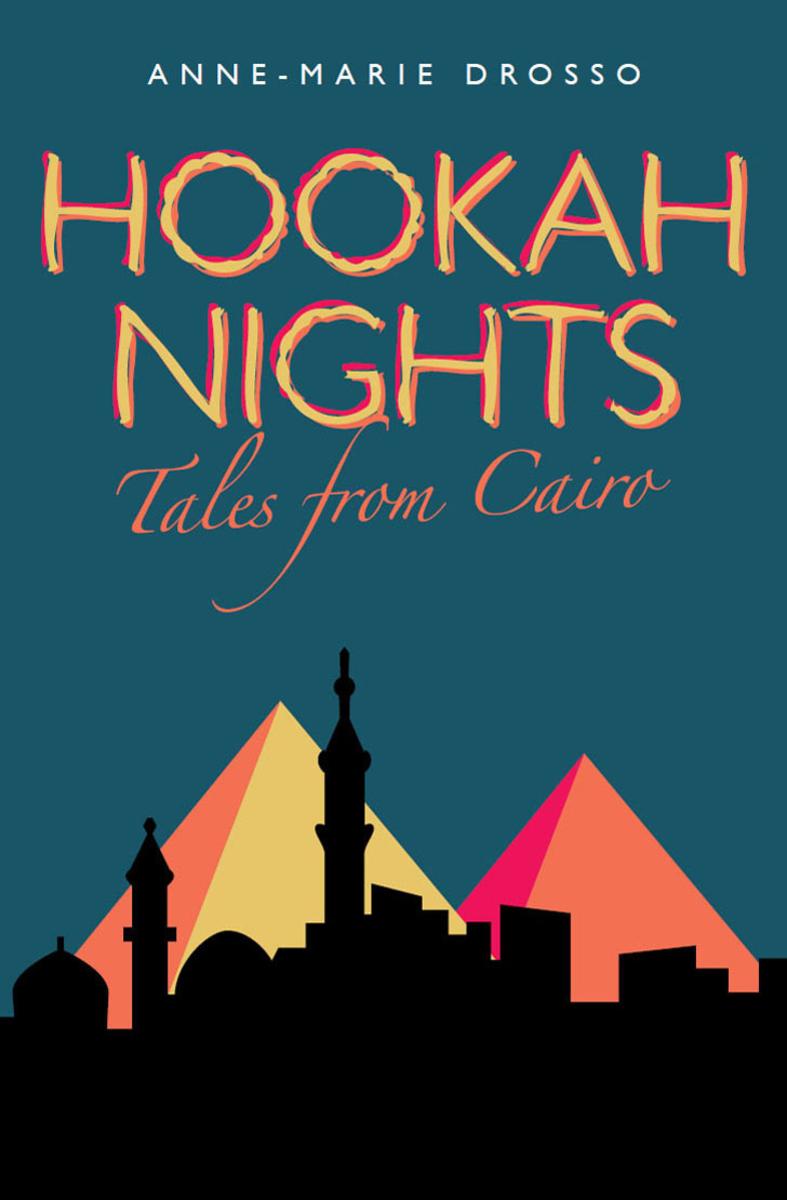
Hookah Nights: Tales from Cairo
¥65.32
Anne-Marie Drosso's collection of fourteen short stories guides us through the turbulence of Egyptian modern history - from Gamal Abdel Nasser's early days of glory, to Abdel Fatah el-Sisi's recent assumption of power. Each story weaves a tapestry of hope, crisis and despair, illustrated through an array of characters trying to make sense of their lives in the face of social change and political turmoil. Drosso fictionalises potent segments of time from the mid-20th century onwards, revisiting illuminative figures from and affiliated with the 'Cradle of Civilisation'. The collection kicks off with 'Good Man', a story based on the life and death of writer and diplomat Herbert Norman (1909-1957), who was the Canadian Ambassador to Egypt (1955-1957) during the Suez Crisis. 'Lee is Coming' is loosely based on Lee Miller (1907-1977), the model, muse and photographer, following her divorce from an Egyptian businessman. These personal, often touching tales provide a seamless narrative to Egypt's tumultuous transitional phase.

Peter the Great’s Negro by Alexander Pushkin - Delphi Classics (Illustrated)
¥8.09
This eBook features the unabridged text of ‘Peter the Great’s Negro by Alexander Pushkin - Delphi Classics (Illustrated)’ from the bestselling edition of ‘The Collected Works of Alexander Pushkin’. Having established their name as the leading publisher of classic literature and art, Delphi Classics produce publications that are individually crafted with superior formatting, while introducing many rare texts for the first time in digital print. The Delphi Classics edition of Pushkin includes original annotations and illustrations relating to the life and works of the author, as well as individual tables of contents, allowing you to navigate eBooks quickly and easily. eBook features: * The complete unabridged text of ‘Peter the Great’s Negro by Alexander Pushkin - Delphi Classics (Illustrated)’ * Beautifully illustrated with images related to Pushkin’s works * Individual contents table, allowing easy navigation around the eBook * Excellent formatting of the text Please visit www.delphiclassics.com to learn more about our wide range of titles
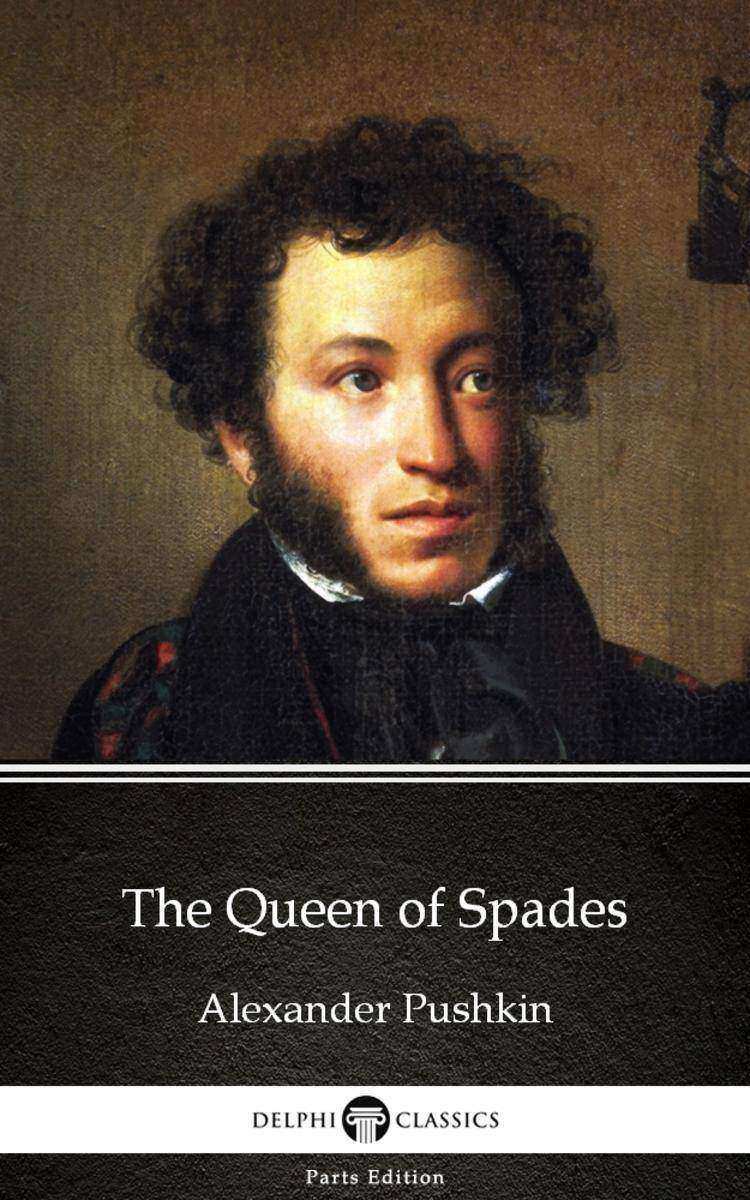
The Queen of Spades by Alexander Pushkin - Delphi Classics (Illustrated)
¥8.09
This eBook features the unabridged text of ‘The Queen of Spades by Alexander Pushkin - Delphi Classics (Illustrated)’ from the bestselling edition of ‘The Collected Works of Alexander Pushkin’. Having established their name as the leading publisher of classic literature and art, Delphi Classics produce publications that are individually crafted with superior formatting, while introducing many rare texts for the first time in digital print. The Delphi Classics edition of Pushkin includes original annotations and illustrations relating to the life and works of the author, as well as individual tables of contents, allowing you to navigate eBooks quickly and easily. eBook features: * The complete unabridged text of ‘The Queen of Spades by Alexander Pushkin - Delphi Classics (Illustrated)’ * Beautifully illustrated with images related to Pushkin’s works * Individual contents table, allowing easy navigation around the eBook * Excellent formatting of the text Please visit www.delphiclassics.com to learn more about our wide range of titles

Armed Combat: Defending yourself against hand-held weapons
¥61.83
Overhead block, upward stab, step-through lunge, bayonet slash; knife fighting, handgun shooting, sword play. If your enemy is armed, you need to know how to deal with him. SAS and Elite Forces Guide Armed Combat teaches a huge range of armed close combat techniques, including tips on fighting stances and postures, movement and evasions, quick draws, parries, fend-offs, blocks, cuts, thrusts, strikes, and stabs. Our expert author will teach you how to tackle single opponents and groups using blunt weapons, blades, firearms, and improvised weapons. Presented in an easy to follow format, SAS and Elite Forces Guide Armed Combat is divided into separate chapters covering fighting skills mindset, what to attack and where to defend, blunt weapons, sharp and pointed weapons, firearms, unarmed techniques, training drills, and improvised techniques. The author also offers plenty of short, handy tips on key topics such as bayonet training, quick draw techniques, copying with injury and dirty tricks. Written in easy-to-understand steps and accompanied with more than 150 black-and-white illustrations, SAS and Elite Forces Guide Armed Combat guides the reader through everything they need to know to overcome an armed aggressor in any hand-to-hand combat situation.

The Ingenious Gentleman Don Quixote of La Mancha by Miguel de Cervantes
¥8.09
This eBook features the unabridged text of ‘The Ingenious Gentleman Don Quixote of La Mancha by Miguel de Cervantes - Delphi Classics (Illustrated)’ from the bestselling edition of ‘The Complete Works of Miguel de Cervantes’. Having established their name as the leading publisher of classic literature and art, Delphi Classics produce publications that are individually crafted with superior formatting, while introducing many rare texts for the first time in digital print. The Delphi Classics edition of Cervantes includes original annotations and illustrations relating to the life and works of the author, as well as individual tables of contents, allowing you to navigate eBooks quickly and easily. eBook features: * The complete unabridged text of ‘The Ingenious Gentleman Don Quixote of La Mancha by Miguel de Cervantes - Delphi Classics (Illustrated)’ * Beautifully illustrated with images related to Cervantes’s works * Individual contents table, allowing easy navigation around the eBook * Excellent formatting of the text Please visit www.delphiclassics.com to learn more about our wide range of titles

The Exemplary Novels by Miguel de Cervantes - Delphi Classics (Illustrated)
¥8.09
This eBook features the unabridged text of ‘The Exemplary Novels by Miguel de Cervantes - Delphi Classics (Illustrated)’ from the bestselling edition of ‘The Complete Works of Miguel de Cervantes’. Having established their name as the leading publisher of classic literature and art, Delphi Classics produce publications that are individually crafted with superior formatting, while introducing many rare texts for the first time in digital print. The Delphi Classics edition of Cervantes includes original annotations and illustrations relating to the life and works of the author, as well as individual tables of contents, allowing you to navigate eBooks quickly and easily. eBook features: * The complete unabridged text of ‘The Exemplary Novels by Miguel de Cervantes - Delphi Classics (Illustrated)’ * Beautifully illustrated with images related to Cervantes’s works * Individual contents table, allowing easy navigation around the eBook * Excellent formatting of the text Please visit www.delphiclassics.com to learn more about our wide range of titles
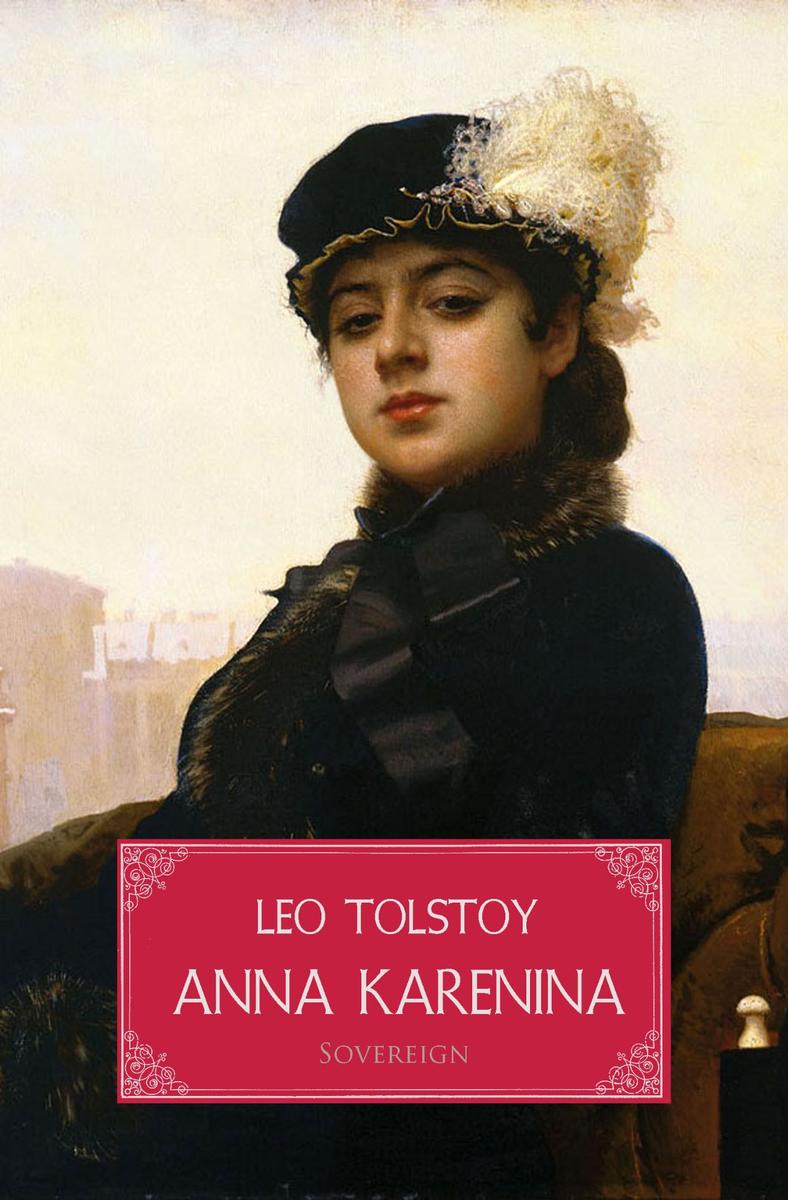
Anna Karenina
¥40.79
Anna Karenina is one of the greatest novels written by Leo Tolstoy, often credited as the pinnacle of realist fiction, and described by Tolstoy himself as his first true novel.
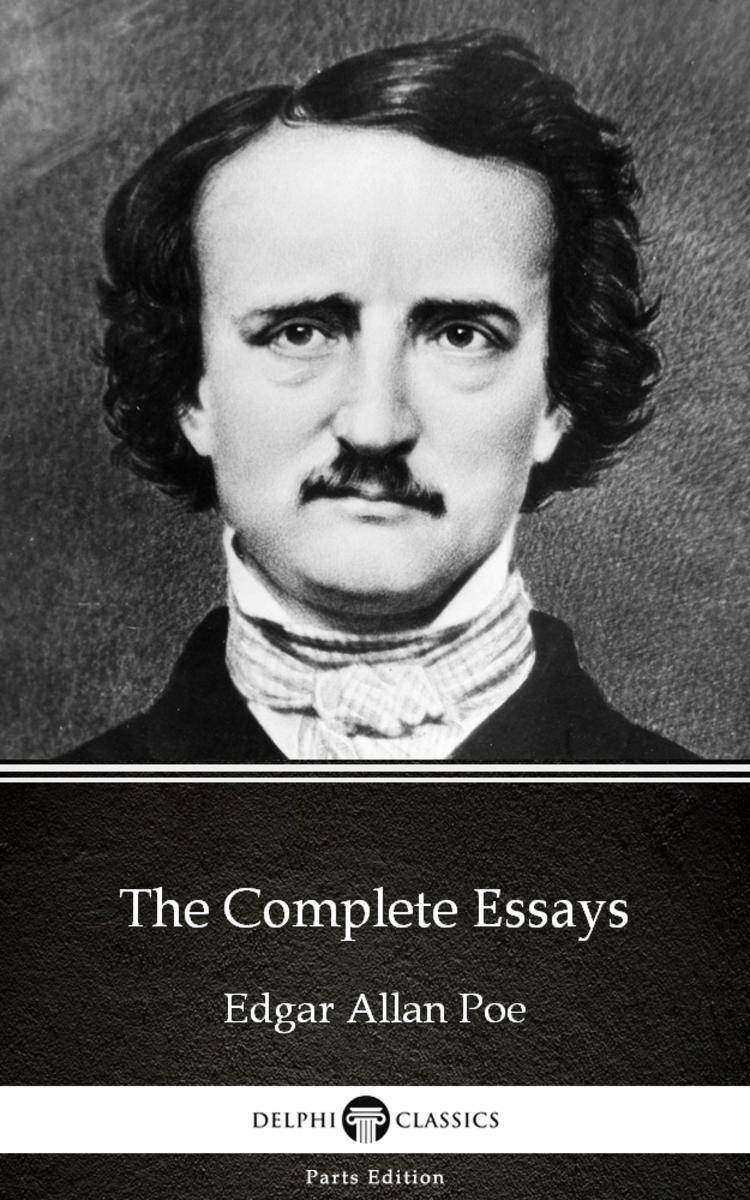
The Complete Essays by Edgar Allan Poe - Delphi Classics (Illustrated)
¥8.09
This eBook features the unabridged text of ‘The Complete Essays by Edgar Allan Poe - Delphi Classics (Illustrated)’ from the bestselling edition of ‘The Complete Works of Edgar Allan Poe’. Having established their name as the leading publisher of classic literature and art, Delphi Classics produce publications that are individually crafted with superior formatting, while introducing many rare texts for the first time in digital print. The Delphi Classics edition of Poe includes original annotations and illustrations relating to the life and works of the author, as well as individual tables of contents, allowing you to navigate eBooks quickly and easily. eBook features: * The complete unabridged text of ‘The Complete Essays by Edgar Allan Poe - Delphi Classics (Illustrated)’ * Beautifully illustrated with images related to Poe’s works * Individual contents table, allowing easy navigation around the eBook * Excellent formatting of the text Please visit www.delphiclassics.com to learn more about our wide range of titles
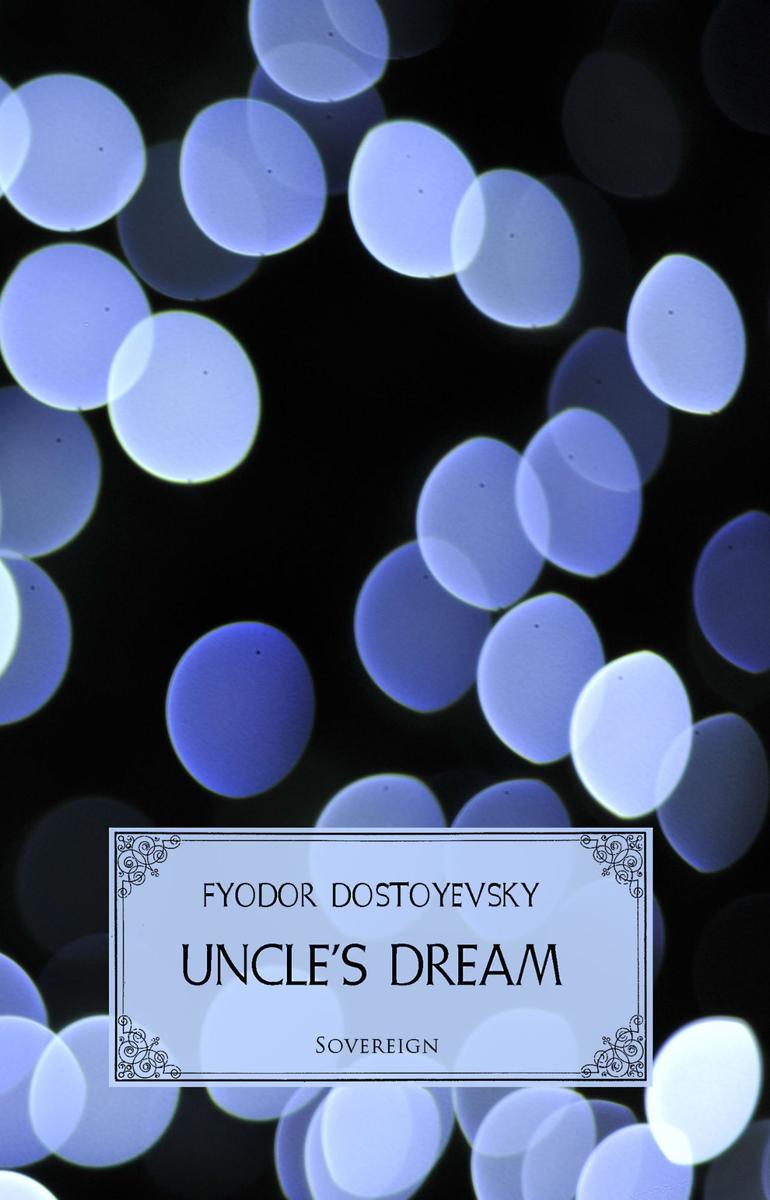
Uncle's Dream
¥40.79
A tale of a provincial family desperate to better itself through a marriage of their daughter. The old man is almost forced into a wedding that is expected to last for a short period before he dies and leaves his fortune to the young girl. But not everything is going as planned. The story provides an brilliant insight into the desperation, psychology, gossip, and rivalry of provincial merchants trying to better their position in life.


