


 购物车
购物车 个人中心
个人中心

Spanning the World
¥84.16
Go Spanning the World with Len Berman in this wildly entertaining, insightful, and often hilarious book that takes sports fans behind the scenes and inside locker rooms.One of the most popular television sports personalities known for his "Spanning the World" segments on NBC's Today show Len Berman delivers his unique view of the world of sports, from the bizarre to the historic, all with his characteristic wit.Over the years sports and sports reporting have changed, but Spanning the World puts it all in perspective in this irreverent take on the heroes and iconic moments. Barry Bonds massages the media: "If you put that camera in my face, I'll slit your throat." Mickey Mantle reveals his most pleasurable Yankee Stadium experience (it didn't happen on the field). Bobby Orr loses his cool and chairs start flying from the upper decks. Bill Parcells finally spills his Super Bowl–winning formula: "Power wins!" And much more ... Berman guides us through the world he knows like no one else, from intimate recollections of his heroes to postgame celebrations, exhibiting the most hilarious and shocking moments from the whole cast of characters from the last decades in sports: John McEnroe, Muhammad Ali, Larry Bird, Derek Jeter, and many more. He also addresses the more serious issues facing sports today, including steroids, overpaid stars, athletes and violence, and the place of sports in society.A must read for every sports fan, Spanning the World is an irresistible blend of humor, history, and contemporary commentary on the state of sports from the ultimate fan who has seen it all.
Winter World
¥94.10
From flying squirrels to grizzly bears, and from torpid turtles to insects with antifreeze, the animal kingdom relies on some staggering evolutionary innovations to survive winter. Unlike their human counterparts, who must alter the environment to accommodate physical limitations, animals are adaptable to an amazing range of conditions.Examining everything from food sources in the extremely barren winter land-scape to the chemical composition that allows certain creatures to survive, Heinrich's Winter World awakens the largely undiscovered mysteries by which nature sustains herself through winter's harsh, cruel exigencies.
Shockwave
¥83.03
A riveting, minute-by-minute account of the momentous event that changed our world forever On a quiet Monday morning in August 1945, a five-ton bomb dubbed Little Boy by its creators was dropped from an American plane onto the Japanese city of Hiroshima. On that day, a firestorm of previously unimagined power was unleashed on a vibrant metropolis of 300,000 people, leaving one third of its population dead, its buildings and landmarks incinerated. It was the terrifying dawn of the Atomic Age, spawning decades of paranoia, mistrust, and a widespread and very real fear of the potential annihilation of the human race.Author Stephen Walker brilliantly re-creates the three terrible weeks leading up to the wartime detonation of the atomic bomb from the first successful test in the New Mexico desert to the cataclysm and its aftermath presenting the story through the eyes of pilots, scientists, civilian victims, and world leaders who stood at the center of earth-shattering drama. It is a startling, moving, frightening, and remarkable portrait of an extraordinary event a shockwave whose repercussions can be felt to this very day.
The Human Side of Cancer
¥94.10
For more than twenty years, Dr. Holland has pioneered the study of psychological problems of cancer patients and their families -- whom she calls "the real experts." In The Human Side of Cancer, she shares what she has learned from all of them about facing this life-threatening illness and what truly helps along the cancer journey. This book is the next best thing to sitting in Dr. Holland's office and talking with her about the uncertainty and anxiety elicited by this disease. And it is a book that inspires hope -- through stories of the simple courage of ordinary people confronting cancer.
Baking Soda Bonanza
¥84.16
Learn how to soothe sunburns, dry-clean your dog, and perform other household miracles with baking soda Want to relieve your stuffy noseMake your musty old books smell betterKill roaches without pesticideYou can do it all with baking soda, and this updated edition of Baking Soda Bonanza shows you how! Cheap, ecologically sound, and more effective than most household cleaners, baking soda can be used to fix all sorts of household problems, from baking the perfect muffins to soothing bee stings to clearing out clogged drains. With a history of baking soda and many popular recipes for baking included, this is a book every household should have.
Living by Fiction
¥84.16
Living by Fiction is written for--and dedicated to--people who love literature. Dealing with writers such as Nabokov, Barth, Coover, Pynchon, Borges, García Márquez, Beckett, and Calvino, Annie Dillard shows why fiction matters and how it can reveal more of the modern world and modern thinking than all the academic sciences combined. Like Joyce Cary's Art and Reality, this is a book by a writer on the issues raised by the art of literature. Readers of Pilgrim at Tinker Creek and Holy the Firm will recognize Dillard's vivid writing, her humor, and the lively way in which she tackles the urgent questions of meaning in experience itself.
Under the Big Top
¥101.00
Both a great American adventure and a rare entry into asheltered world, Under the Big Top describes one man's pursuit of every child's fantasy: running away to join the circus. Bruce Feiler's unforgettable year as a clown will forever change your view of one of the world's oldest art forms and remind you of how dreams can go horribly wrong -- and then miraculously come true.
Letters to Jackie
¥84.16
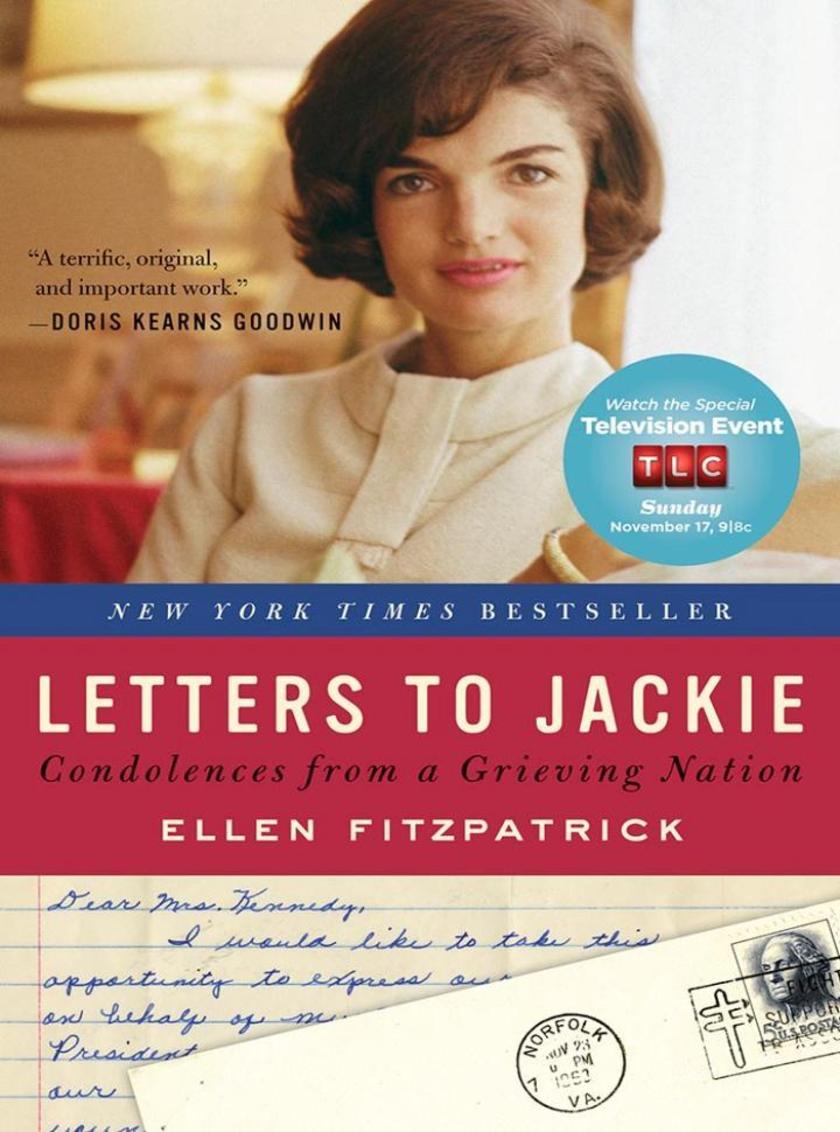
It is perhaps the most memorable event of the twentieth century, a moment that left a family and a nation mourning, one that many Americans recall as their first historical memory the assassination of President John F. Kennedy.Within seven weeks of the President's death, Jacqueline Kennedy received more than 800,000 condolence letters. Two years later, the volume of correspondence would exceed 1.5 million letters. For the next forty-six years, the letters would remain essentially untouched.Now historian Ellen Fitzpatrick has selected approximately 250 of these letters for inclusion in Letters to Jackie, a remarkable human record that perfectly preserves the heart-wrenching grief and soul searching of the nation in a time of crisis. Capturing the extraordinary eloquence of so-called ordinary Americans across generations, regions, race, political leanings, and religion in messages written on elegant stationery, scraps of paper, in pencil, type, ink smudged by tears, and in barely legible handwriting the letters capture what John F. Kennedy meant to the country, and how his death for some divided American history into Before and After.In Letters to Jackie, Fitzpatrick allows Americans to write their own history of these tumultuous times. "The coffin was very small," as one sixteen-year-old girl observed, "to contain so much of so many Americans." In reflecting on their sense of loss, their fears, and their striving, the authors of these letters wrote an American elegy as poignant and as compelling as their shattered and cherished dreams.
An Eagle Named Freedom
¥88.56
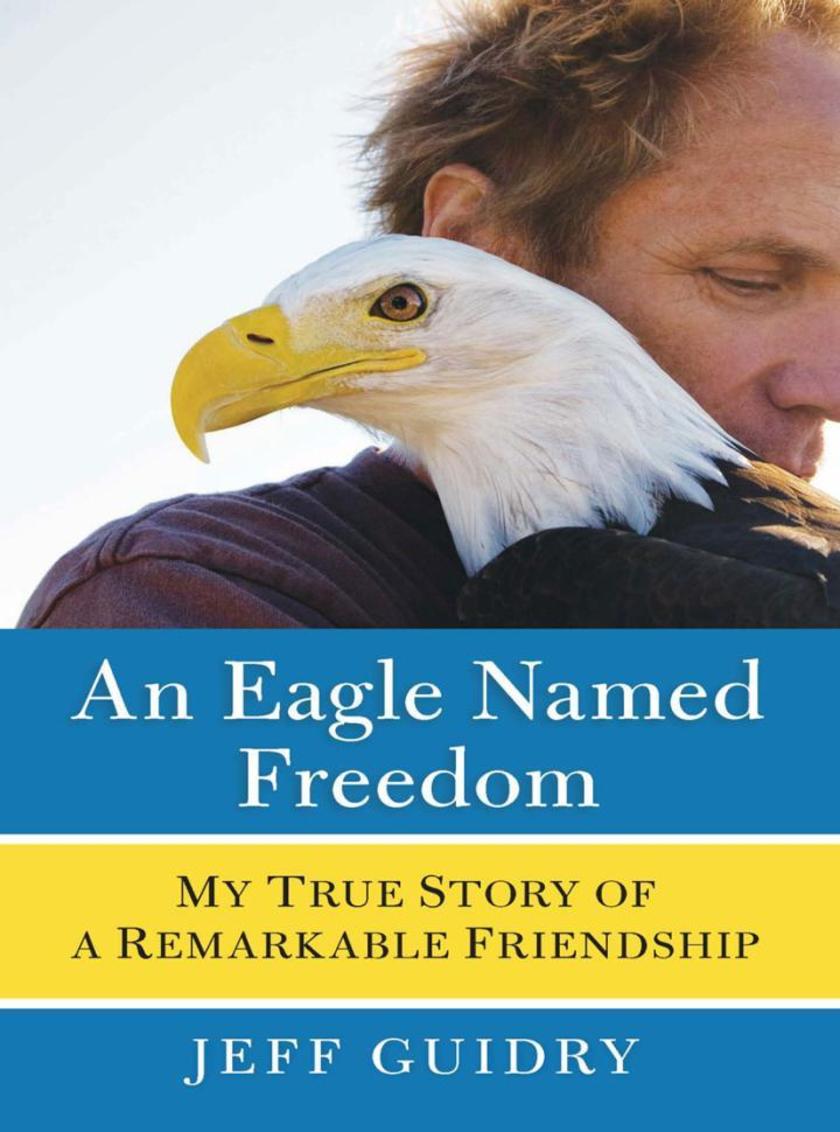
From the moment Jeff Guidry saw the emaciated baby eagle with broken wings, his life was changed. For weeks he and the staff at Sarvey Wildlife Care Center tended to the grievously injured bird. Miraculously, she recovered, and Jeff, a center volunteer, became her devoted caretaker. Though Freedom would never fly, she had Jeff as her wings. And after Jeff was diagnosed with stage 3 non-Hodgkin's lymphoma in 2000, Freedom returned his gift. Between sessions of debilitating chemotherapy, Jeff went back to Sarvey and began taking Freedom for walks that soothed his spirit and gave him the strength to fight. When he learned he was cancer free, Jeff's first stop was Sarvey to walk with Freedom. Somehow this special bird seemed to understand the significance of the day. For the very first time she wrapped both her wings around Jeff, enveloping him in an avian hug. In March 2008, Jeff shared his extraordinary experience with his friend Gayle in an e-mail of eight hundred words:When Freedom came in she could not stand. Both wings were broken, her left wing in 4 places. . . . We here at the Sarvey Wildlife Care Center made the decision to give her a chance at life. . . . That e-mail would unexpectedly circle the globe and inspire countless fans eager to know more. In An Eagle Named Freedom, Jeff tells the full story of his bond with Freedom and introduces the other wildlife and volunteers who have been saved by Sarvey. A tender tale of hope, love, trust, and life, this moving true story is an affirmation of the spiritual connection that humans and animals share.
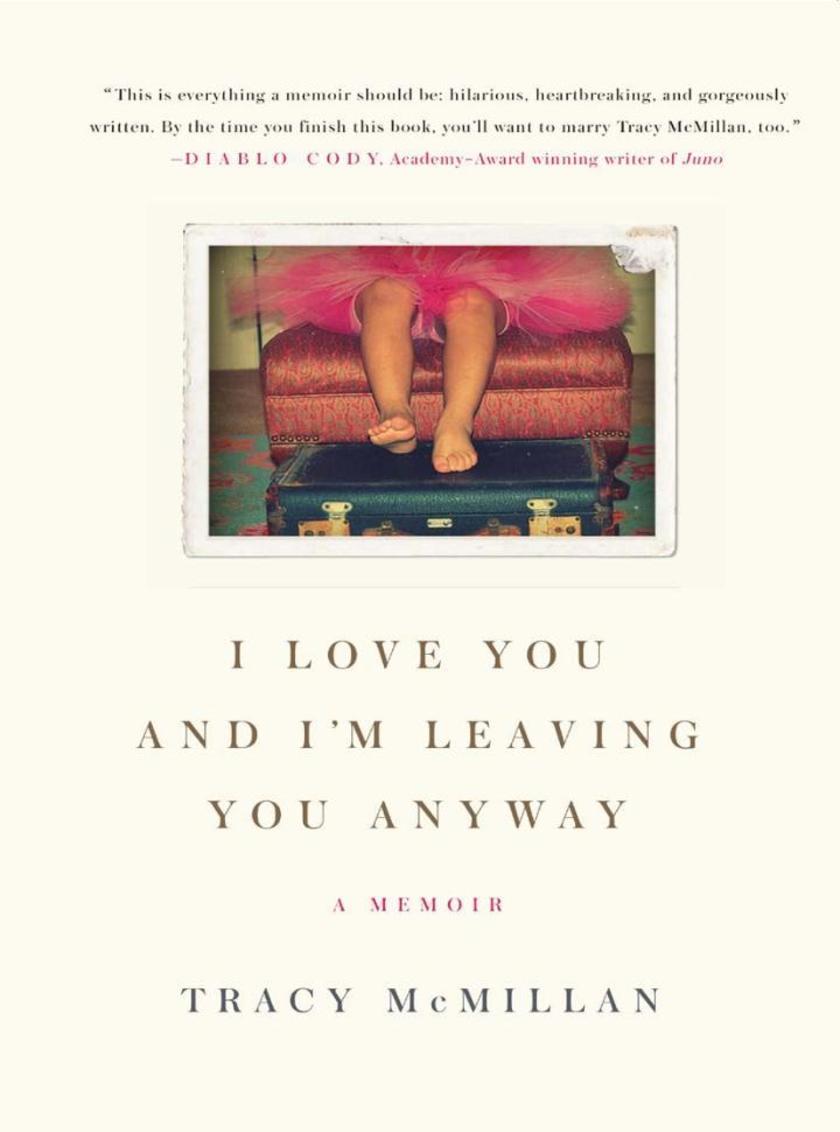
I Love You And I'm Leaving You Anyway
¥83.03
I love YouTelevision writer Tracy McMillan managed to work her way into a killer Hollywood career a privileged world of pool houses, premieres, and big-time producer deals despite being the daughter of a fur-coat-wearing, El Dorado driving, smooth-talking pimp named Freddie. But success couldn't save her from the pattern of self-destructive choices stemming from her history with her father that would shape all of her romantic relationships. I Love You and I'm Leaving You Anyway is her comic, tragic, and ultimately victorious story, the riveting true tale of how having a father obsessed with women made her a woman obsessed with men.And I'm Leaving YouBlessed with beauty and brains, Tracy had no problem attracting men. Marrying her first husband (a kind, stable MBA) before she was out of her teens, she quickly discovered the romantic contradiction that so many women face: the "right" kind of men feel wrong. And the wrong ones feel so, so right. Alternating between the nice guys she knew she should want, and the unavailable men who were compelling, Tracy found herself repeating the hurt that began when the man who loved her the most, her father, left her for prison when she was just three years old. Freddie's absence meant a childhood filled with foster homes, a temperamental stepmother, and near constant upheaval. It took three marriages, the birth of a son, and, most important, resolving her relationship with her dad for Tracy to discover the truth about herself a truth that finally set her free.AnywayThis provocative, insightful, and humorous memoir isn't a "woe is me" story of what went wrong. I Love You and I'm Leaving You Anyway is a story of what's gone right one woman's journey to creating a fulfilling life and raising a son who taught her everything she needed to know about men, love, and, of course, herself. Heartwarming, funny, and unflinchingly real, it is an inspiring testament to the power of change that proves we can all grow from even our most flawed relationships.

Smothered in Hugs
¥85.05
Selected from the range of Cooper's essays and reportage in Artforum, Bookforum, Detour, Interview, LA Weekly, Spin, and the Village Voice, among other publications, Smothered in Hugs presents the best nonfiction of one of America's greatest writers. Cooper has written on grave social issues, producing touchstone pieces for a generation of readers. His obituaries for Kurt Cobain, River Phoenix, and William S. Burroughs offer portraits that are both crystallizing and appropriately indefinite. His reckonings of contemporary writers are astute and unsparing. And, of course, he serves as witness to the work and play of an illustrious roster of cultural personalities and does so with an acuity and fairness missing from most pop culture criticism.
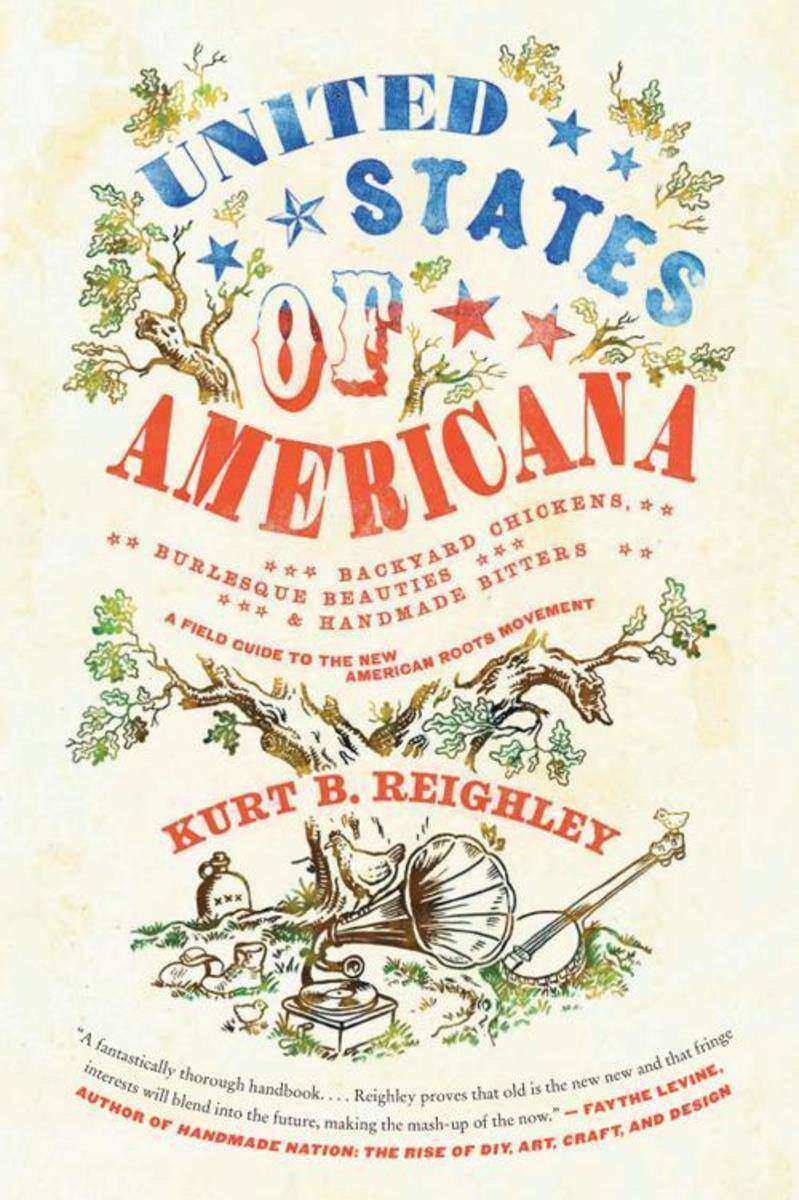
United States of Americana
¥84.16
Young Americans are returning to the roots of a simpler culture Americana. It's more than mere nostalgia; it's a conscious celebration of community and sustainability. It's a movement born in response to the ever-accelerating pace of modern life and Internet technology overload. All over the country, people are returning to an appreciation for the simpler things in life, which are brilliantly surveyed in United States of Americana the first comprehensive handbook to all things Americana.Music: Renewed interest in the legends of country, blues, gospel, and folk (Johnny Cash, Emmylou Harris, Hank Williams, and Leadbelly); the rise and evolution of alt-country music and the Americana genre (Fleet Foxes, Wilco, the Decemberists, and T Bone Burnett)Fashion: Wearing American heritage clothing and footwear (Red Wing boots, Filson jackets, Carhartt overalls, and Pendleton wool shirts)Grooming: Returning to straight-razor shaving and old-fashioned barber shops D.I.Y.: Taking up handmade crafts (knitting, needlepoint, and soap making), as well as home canning (pickling and preserving) The speakeasy renaissance: Drinking Prohibition- and pre-Prohibition-era cocktails (old-fashioned, gin fizz, and sidecar) Entertainment: Seeking out burlesque, circuses, and the vinyl LP

Should America Pay?
¥83.03
Growing interest in reparations for African Americans has prompted a range of responses, from lawsuits against major corporations and a march in Washington to an anti-reparations ad campaign. As a result, the link between slavery and contemporary race relations is more potent and obvious than ever. Grassroots organizers, lawmakers, and distinguished academics have embraced the idea that reparations should be pursued vigorously in the courts and legislature. But others ask, Who should payAnd could reparations help heal the wounds of the past?This comprehensive collection -- the only of its kind -- gathers together the seminal essays and key participants in the debate. Pro-reparations essays, including contributions by Congressman John Conyers Jr., Christopher Hitchens, and Professor Molefi Asante, are countered with arguments by Shelby Steele, Armstrong Williams, and John McWhorter, among others. Also featured are important documents, such as the First Congressional Reparations Bill of 1867 and the Dakar Declaration of 2001, as well as a new chapter on the current status and future direction of the movement.
Dream Magic
¥84.16
Magic Can Make Your Dreams Come True!What do you want to do tonight as you close your eyes and enter the magical world of dreamsWalk with the Faery FolkSummon your soul mateAsk the Goddess to grant you one special wishOr experience a prophetic dream that will reveal your futurenow you can access the magical power of your dreams with Dream Magic, a one-of-a-kind collection of night spells and rituals.Popular Wiccan author Sirona Knight guides you carefully and clearly through the exciting world of using magic to make your dreams come true. Understanding that the realm of dreams is where the day-to-day and the magical overlap, this book shows you how to tap into the potent power of the dream world. Dream Magic features: A detailed list of easy-to-find magical ingredients Fun and simple step-by-step instructions An index of helpful Goddesses and Gods With more than a hundred empowering spells, Dream Magic unlocks your dream world's boundless possibilities. With easy-to-reference chapters on magical dreaming for love, money, success, self-empowerment, health, beauty, and more, as well as an introduction to the basics of magic and how to get started, this book can be used by the beginner as well as the seasoned practitioner. Anything you can imagine is possible with Dream Magic.
There's Nothing in the Middle of the Road but Yellow Stripes and Dead Armadillos
¥85.05
Revised, and with a New Introduction by the Author "I am an agitator, and an agitator is the center post in a washing machine that gets the dirt out."--Jim Hightower Hightower is mad as hell and he's not going to take it anymore! He's also funny as hell, and in this book he focuses his sharp Texas wit, populist passion, and native smarts on America's political, economic, scientific, and media establishments. In There's Nothing in the Middle of the Road But Yellow Stripes and Dead Armadillos, Hightower shows not only what's wrong, but also how to fix it, offering specific solutions and calling for a new political movement of working families and the poor to "take America back from the bankers and bosses, the big shots and bastards." "If you don't read another book about what's wrong with this country for the rest of your life, read this one. I think it's the best and most important book about out public life I've read in years." --Molly Ivins, author of Molly Ivins Can't Say That, Can She"When do we get to vote for Jim Hightower for presidentWill somebody please tell meWhen do we get to vote for Jim Hightower for president?."--Michael Moore, author of Downsize This! "Listen to Jim Hightower. His is a two-fisted, rambunctious voice unafraid to speak truth to power, eloquently and clearly...He's one of the best." --Studs Terkel
Conundrums
¥84.16
Conundrum is a mind-stretch. Encrypting idioms into their typographic equivalents, Harry enlivens our everyday language and challenges readers to see that "time after time after time" or, at least, "more often than not" "the writing is on the wall." For fans of word puzzles, sudoku, crosswords, and all manner of mind games, Conundrum offers an artfully packaged, cleverly designed new challenge. Drawing upon, literally in this case, graphic puzzles that he began creating as a child, Harry's developed over 100 witty conundrums for this book that will stretch the mind as well as delight the senses. A member of the Alliance Graphique Internationale, a frequent lecturer and contributor to design discourse, an internationally recognized leader in design, and a founder of Lippa Pearce, one of the UK's most respected design agencies, Harry refines the way we see and communicate. Conundrum achieves nothing less than changing how we understand and interact with language.
Swing Low
¥88.56
One morning, Mel Toews put on his coat and hat, walked out of town, and took his own life. A loving husband and father, a faithful member of the Mennonite church, and an immensely popular schoolteacher, Mel was a pillar of his close-knit community. Yet after a lifetime of struggling with bipolar disorder, he could no longer face the darkness that clouded his world. In this moving meditation on illness, family, faith, and love, Mel's daughter, critically acclaimed novelist and reporter Miriam Toews, recounts her father's life as he would have told it, in his own voice, right up to the day of his final walk. Swing Low is a bold, gracefully written, and compassionate recounting of one man's heartbreaking battle with depression.

Periodic Tales
¥95.11
Like the alphabet, the calendar, or the zodiac, the periodic table of the chemical elements has a permanent place in our imagination. But aside from the handful of common ones (iron, carbon, copper, gold), the elements themselves remain wrapped in mystery. We do not know what most of them look like, how they exist in nature, how they got their names, or of what use they are to us. Welcome to a dazzling tour through history and literature, science and art. In Periodic Tales, you'll meet iron that rains from the heavens and neon as it lights its way to vice. You'll learn how lead can tell your future and why zinc may one day line your coffin. You'll discover what connects the bones in your body with the White House in Washington, the glow of a streetlight with the salt on your dinner table.From ancient civilizations to contemporary couture, from the oxygen of publicity to the phosphorous in your pee, the elements are near and far and all around us. Unlocking their astonishing secrets and colorful pasts, Periodic Tales is a passionate journey through mines and artists' studios, to factories and cathedrals, into the woods and to the sea to discover the true stories of these fascinating but mysterious building blocks of the universe.
The Rocket That Fell to Earth
¥83.03
He was supposed to be the next Nolan Ryan: Roger Clemens, the fearless, hard-nosed Texan with a 98-mph fastball and a propensity to throw at the heads of opposing hitters. Yet shortly after his arrival in the major leagues in 1984, it became apparent that the Ryan comparisons were simply unfair Roger Clemens was significantly better.Over 24 seasons, the Rocket would go on to win 354 games, an unprecedented seven Cy Young Awards and two World Series trophies. In 1986 he set the major league record with 20 strikeouts in a nine-inning game, then matched it a decade later. He would be routinely praised for representing the game in a just and righteous manner a living, breathing example of the power of determination and hard work. "Roger Clemens," a teammate once said, "is an American hero."But the statistics and hoopla obscure a far darker story. Along with myriad playoff chokes, womanizing (including a 10-year affair with then-teenage country singer Mindy McCready), a violent streak (most famously triggered by former Mets star Mike Piazza) and his use of steroids and human growth hormones, Clemens has spent years trying to hide his darkest secret a family tragedy involving drugs and, ultimately, death.The author of the New York Times bestsellers Boys Will Be Boys and The Bad Guys Won!, Jeff Pearlman conducted nearly 500 interviews with Clemens' family, friends and teammates to present a portrait that goes beyond the familiar newspaper stories and magazine profiles. Reconstructing the pitcher's life from his childhood in Ohio to college ball in Texas and on to the mounds of Fenway Park and Yankee Stadium Pearlman reveals the real Roger Clemens: a flawed and troubled man whose rage for baseball immortality took him to superhuman heights but ultimately brought him crashing to earth.
Don't Know Much About Literature
¥83.92
From Homer to Harry Potter, from Chaucer to Charlotte's Web, acompelling book of quizzes on history's most influential literary worksand writers Did a whale named "Mocha Dick" inspire Melville's masterpieceWho was the first poet to speak at a presidential inaugurationWhich French-speaking high school football star shook up the literary worldDo you freeze when someone mentions FaulknerWhen the conversation turns to the Odyssey, do you want to take a hikeHave no fear. For years, Kenneth C. Davis's New York Times bestselling Don't Know Much About books have enlightened and enthralled us with a winning blend of fascinating facts and wonderfully irreverent fun. Now he sets his sights on our literary IQ in Don't Know Much About Literature. With this rich treasure trove of knowledge and intriguing information about the world's great books and authors, Kenneth Davis and his daughter, Jenny, demystify Dracula, capture Kafka, and help you brush up on your Bront in the inimitable and endlessly entertaining Don't Know Much About style.
The Knight in History
¥83.03
"A carefully researched, concise, readable, and entertaining account of an institution that remains a part of the Western imagination."--Los Angeles Times


