


 购物车
购物车 个人中心
个人中心
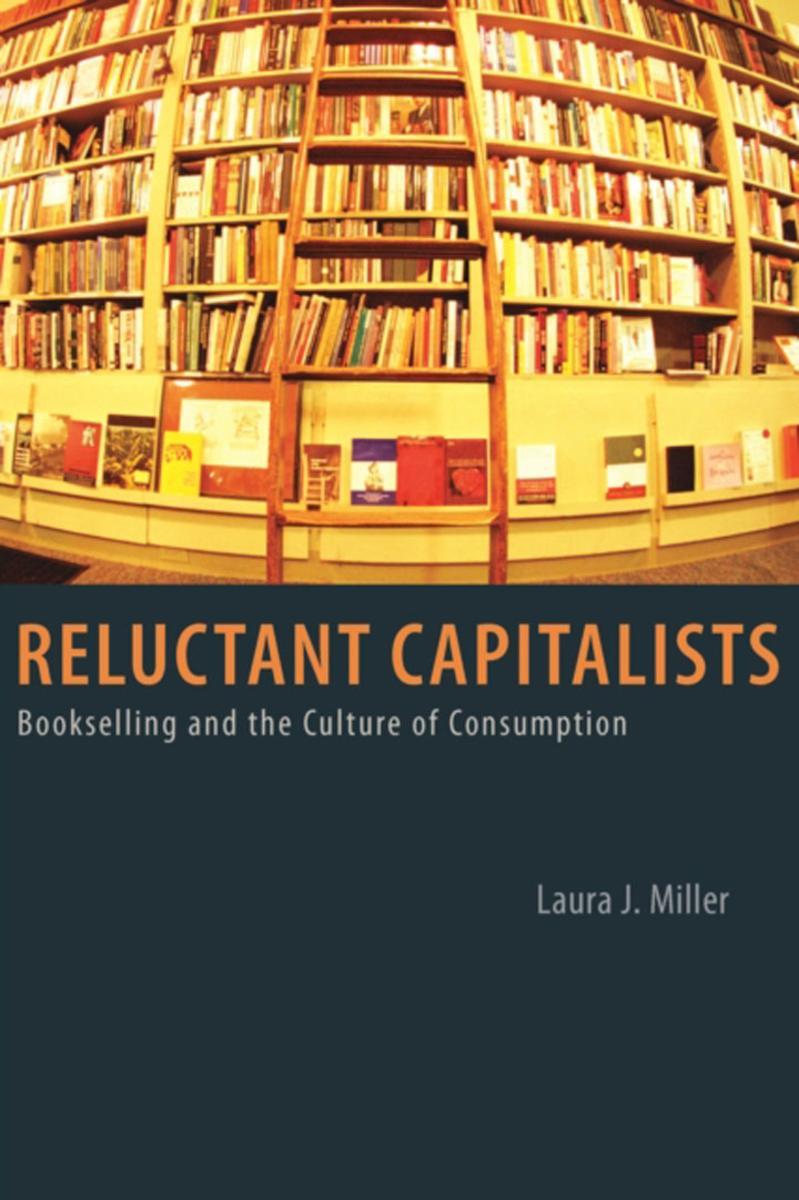
Reluctant Capitalists: Bookselling and the Culture of Consumption
¥229.55
Over the past half-century, bookselling, like many retail industries, has evolved from an arena dominated by independent bookstores to one in which chain stores have significant market share. And as in other areas of retail, this transformation has often been a less-than-smooth process. This has been especially pronounced in bookselling, argues Laura J. Miller, because more than most other consumer goods, books are the focus of passionate debate. What drives that debateAnd why do so many people believe that bookselling should be immune to questions of profit?In Reluctant Capitalists, Miller looks at a century of book retailing, demonstrating that the independent/chain dynamic is not entirely new. It began one hundred years ago when department stores began selling books, continued through the 1960s with the emergence of national chain stores, and exploded with the formation of "e;superstores"e; in the 1990s. The advent of the Internet has further spurred tremendous changes in how booksellers approach their business. All of these changes have met resistance from book professionals and readers who believe that the book business should somehow be "e;above"e; market forces and instead embrace more noble priorities.Miller uses interviews with bookstore customers and members of the book industry to explain why books evoke such distinct and heated reactions. She reveals why customers have such fierce loyalty to certain bookstores and why they identify so strongly with different types of books. In the process, she also teases out the meanings of retailing and consumption in American culture at large, underscoring her point that any type of consumer behavior is inevitably political, with consequences for communities as well as commercial institutions.
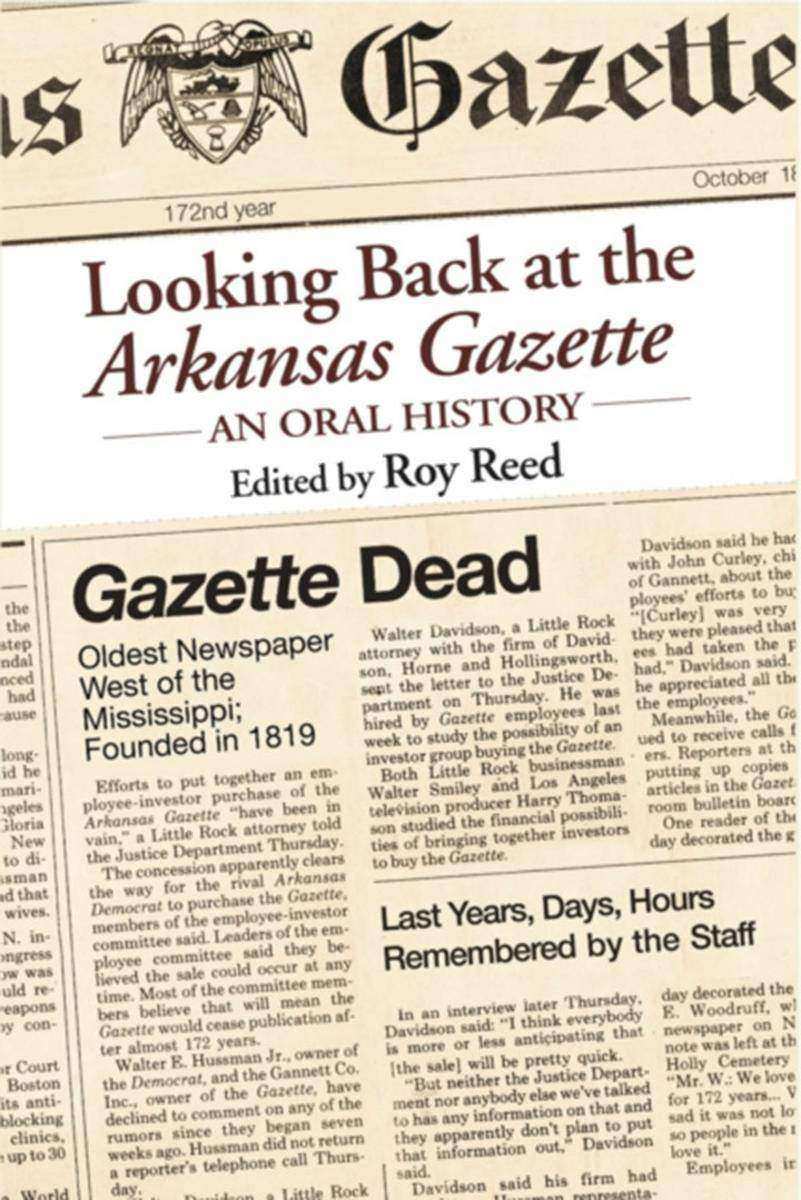
Looking Back at the Arkansas Gazette
¥260.75
The Arkansas Gazette was born in a log cabin November 20, 1819, on a bank of the Arkansas River. A local establishment donated a barrel of whiskey to celebrate the event. The first issue carried a complaint from a citizen that the town had too many lawyers. When the paper died 167 years later, the problem was not lawyers but corporate executives who had found themselves, to their confusion, in charge of the oldest newspaper west of the Mississippi and not knowing what to do with it.
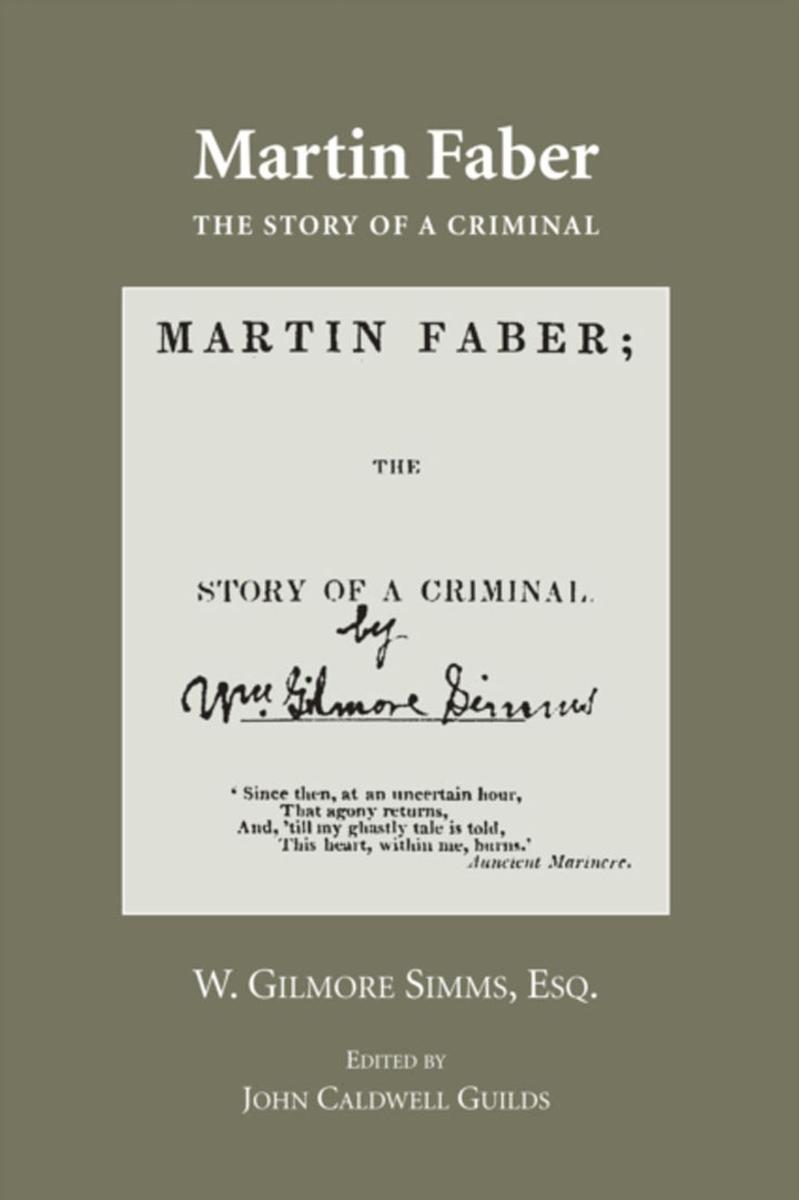
Martin Faber: The Story of a Criminal
¥260.85
William Gilmore Simms's (1806-1870) body of work, a sweeping fictional portrait of the colonial and antebellum South in all its regional diversity, with its literary and intellectual issues, is probably more comprehensive than any other nineteenth-century southern author. Simms's career began with a short novel, Martin Faber, published in 1833. This Gothic tale is reminiscent of James Hogg's Confessions of a Sinner and was written four years before Edgar Allan Poe's "e;William Wilson."e; Narrated in the first person, it is considered a pioneering examination of criminal psychology. Martin seduces then murders Emily so that he might marry another woman, Constance. Martin confesses to his friend and is killed after attempting to stab Constance when she visits him in jail. The book was immediately successful and was well received by the northern media, thus starting Simms's successful career as a writer, one that would rank him as the only major southern literary figure besides Poe before the Civil War. As with other volumes in the Arkansas Edition of Simms's work, this volume includes a critical introduction by the editor and a Simms chronology, as well as appendices dealing with textual matters. This edition also includes Simms's 1829 story, "e;Confessions of a Murderer,"e; which was the germ for his first book of fiction.

Worthy of the Cause for Which They Fight
¥263.30
Worthy of the Cause for Which They Fight chronicles the experiences of a well-educated and articulate Confederate officer from Arkansas who witnessed the full evolution of the Civil War in the Trans-Mississippi Department and western theater. Daniel Harris Reynolds, a community leader with a thriving law practice in Chicot County, entered service in 1861 as a captain in command of Company A of the First Arkansas Mounted Rifles. Reynolds saw action at Wilson's Creek and Pea Ridge before the regiment was dismounted and transferred to the Army of Tennessee, the primary Confederate force in the western theater. As Reynolds fought through the battles of Chickamauga, Atlanta, Nashville, and Bentonville, he consistently kept a diary in which he described the harsh realities of battle, the shifting fortunes of war, and the personal and political conflicts that characterized and sometimes divided the soldiers. The result is a significant testimonial offering valuable insights into the nature of command from the company to brigade levels, expressed by a committed Southerner coming to grips with the realities of defeat and the ultimate demoralization of surrender.
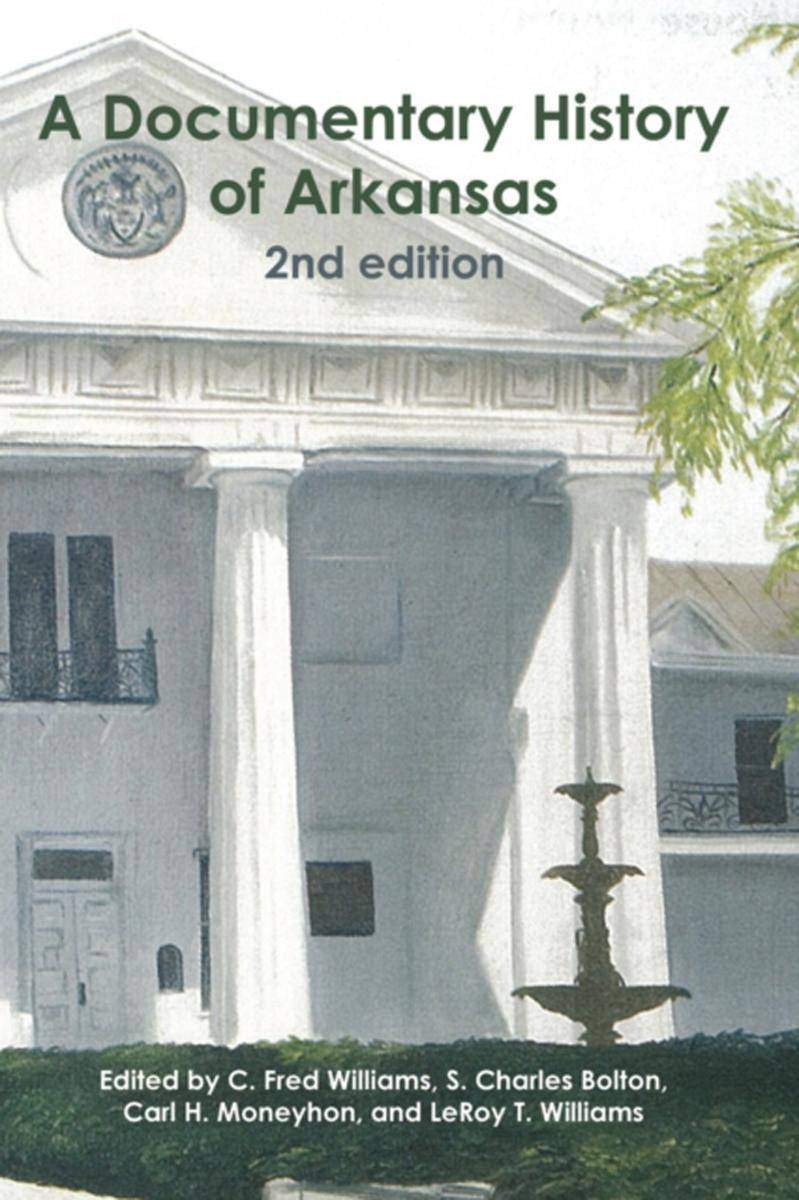
A Documentary History of Arkansas
¥142.34
A Documentary History of Arkansas provides a comprehensive look at Arkansas history from the state's earliest events to the present. Here are newspaper articles, government bulletins, legislative acts, broadsides, letters, and speeches that, taken collectively, give a firsthand glimpse at how the twenty-fifth state's history was made. Enhanced by additional documents and brought up to date since its original publication in 1984, this new edition is the standard source for essential primary documents illustrating the state's political, social, economic, educational, and environmental history.
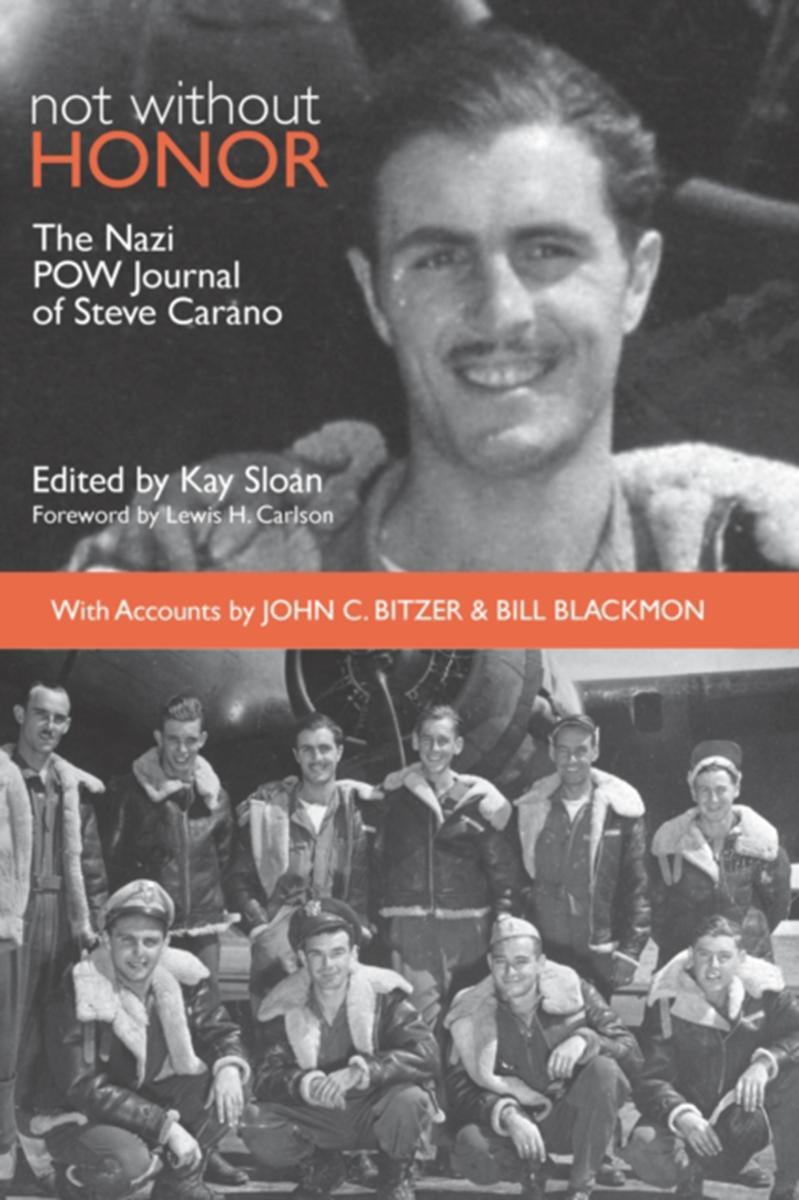
Not Without Honor
¥223.57
Not Without Honor threads together the stories of three American POWs-Carano; his buddy Bill Blackmon, who was also at Stalag 17 b; and John C. Bitzer, who survived the brutal "e;Death March"e; from northern Germany to liberation in April 1945. At times the journal reads like a thriller as he records air battles and escape attempts. Yet in their most gripping accounts, these POWs ruminate on psychological survival. The sense of community they formed was instrumental to their endurance. This compelling book allows the reader to journey with these young men as they bore firsthand witness to the best and worst of human nature.
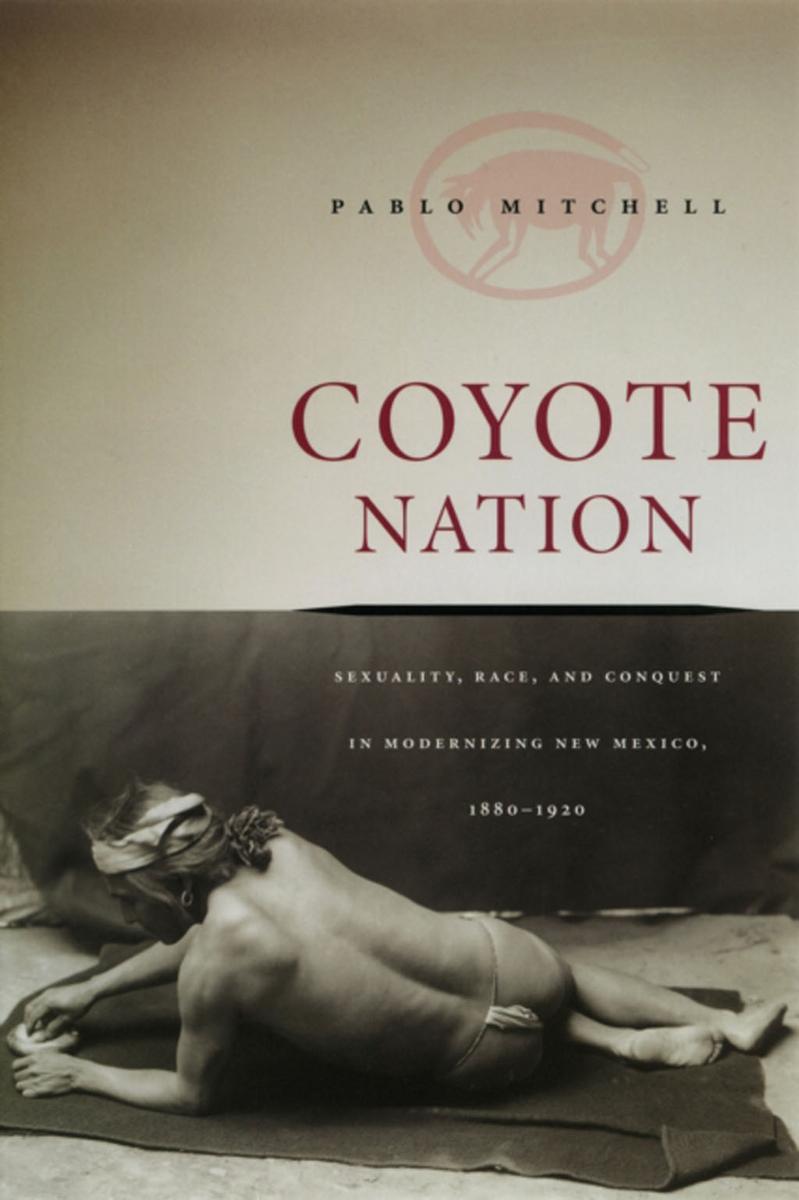
Coyote Nation
¥253.10
With the arrival of the transcontinental railroad in the 1880s came the emergence of a modern and profoundly multicultural New Mexico. Native Americans, working-class Mexicans, elite Hispanos, and black and white newcomers all commingled and interacted in the territory in ways that had not been previously possible. But what did it mean to be white in this multiethnic milieuAnd how did ideas of sexuality and racial supremacy shape ideas of citizenry and determine who would govern the region?Coyote Nation considers these questions as it explores how New Mexicans evaluated and categorized racial identities through bodily practices. Where ethnic groups were numerous and-in the wake of miscegenation-often difficult to discern, the ways one dressed, bathed, spoke, gestured, or even stood were largely instrumental in conveying one's race. Even such practices as cutting one's hair, shopping, drinking alcohol, or embalming a deceased loved one could inextricably link a person to a very specific racial identity.A fascinating history of an extraordinarily plural and polyglot region, Coyote Nation will be of value to historians of race and ethnicity in American culture.
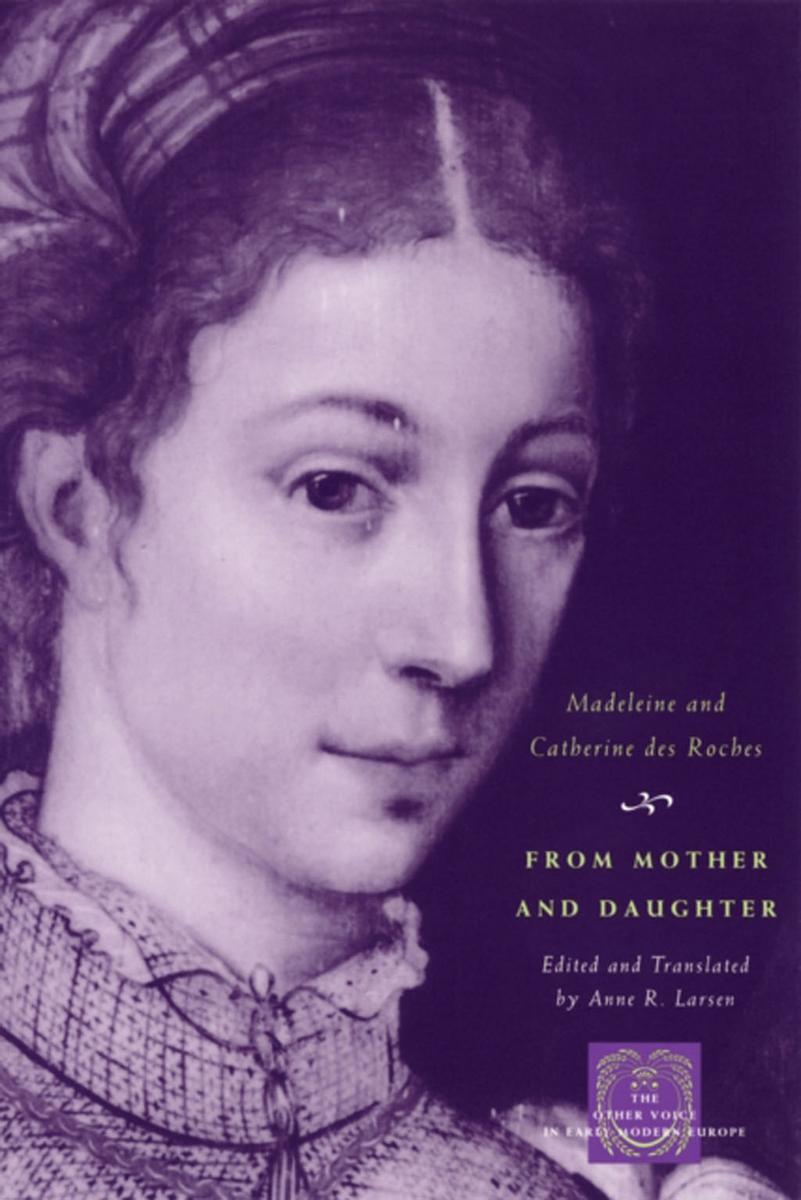
From Mother and Daughter
¥265.87
Among the best-known and most prolific French women writers of the sixteenth century, Madeleine (1520-87) and Catherine (1542-87) des Roches were celebrated not only for their uncommonly strong mother-daughter bond but also for their bold assertion of poetic authority for women in the realm of belles lettres. The Dames des Roches excelled in a variety of genres, including poetry, Latin and Italian translations, correspondence, prose dialogues, pastoral drama, and tragicomedy; collected in From Mother and Daughter are selections from their celebrated oeuvre, suffused with an engaging and enduring feminist consciousness. Madeleine and Catherine spent their entire lives in civil war-torn Poitiers, where a siege of the city, vandalism, and desecration of churches fueled their political and religious commentary. Members of an elite literary circle that would inspire salon culture during the next century, the Dames des Roches addressed the issues of the day, including the ravages of religious civil wars, the weak monarchy, education for women, marriage and the family, violence against women, and the status of women intellectuals. Through their collaborative engagement in shared public discourse, both mother and daughter were models of moral, political, and literary agency.
Timing of Affect
¥288.41
Affect, or the process by which emotions come to be embodied, is a burgeoning area of interest in both the humanities and the sciences. For Timing of Affect, Marie-Luise Angerer, Bernd Bosel, and Michaela Ott have assembled leading scholars to explore the temporal aspects of affect through the perspectives of philosophy, music, film, media, and art, as well as technology and neurology. The contributions address possibilities for affect as a capacity of the body; as an anthropological in*ion and a primary, ontological conjunctive and disjunctive processes; as an interruption of chains of stimulus and response; and as an arena within cultural history for political, media, and psychopharmacological interventions. Showing how these and other temporal aspects of affect are articulated both throughout history and in contemporary society, the editors then explore the implications for the current knowledge structures surrounding affect today.
Theological Basis of Liberal Modernity in Montesquieu's "Spirit of the Laws"
¥311.96
The Spirit of the Laws-Montesquieu's huge, complex, and enormously influential work-is considered one of the central texts of the Enlightenment, laying the foundation for the liberally democratic political regimes that were to embody its values. In his penetrating analysis, Thomas L. Pangle brilliantly argues that the inherently theological project of Enlightenment liberalism is made more clearly-and more consequentially- in Spirit than in any other work.In a probing and careful reading, Pangle shows how Montesquieu believed that rationalism, through the influence of liberal institutions and the spread of commercial culture, would secularize human affairs. At the same time, Pangle uncovers Montesquieu's views about the origins of humanity's religious impulse and his confidence that political and economic security would make people less likely to sacrifice worldly well-being for otherworldly hopes. With the interest in the theological aspects of political theory and practice showing no signs of diminishing, this book is a timely and insightful contribution to one of the key achievements of Enlightenment thought.
Theatricality of Greek Tragedy
¥394.36
Ancient Greek tragedy has been an inspiration to Western culture, but the way it was first performed has long remained in question. In The Theatricality of Greek Tragedy, Graham Ley provides an illuminating discussion of key issues relating to the use of the playing space and the nature of the chorus, offering a distinctive impression of the performance of Greek tragedy in the fifth century BCE. Drawing on evidence from the surviving texts of tragedies by Aeschylus, Sophocles, and Euripides, Ley explains how scenes with actors were played in the open ground of the orchestra, often considered as exclusively the dancing place of the chorus. In reviewing what is known of the music and dance of Greek antiquity, Ley goes on to show that in the original productions the experience of the chorus-expressed in song and dance and in interaction with the characters-remained a vital characteristic in the performance of tragedy.Combining detailed analysis with broader reflections about the nature of ancient Greek tragedy as an art form, this volume-supplemented with a series of illustrative drawings and diagrams-will be a necessary addition to the bookshelf of anyone interested in literature, theater, or classical studies.
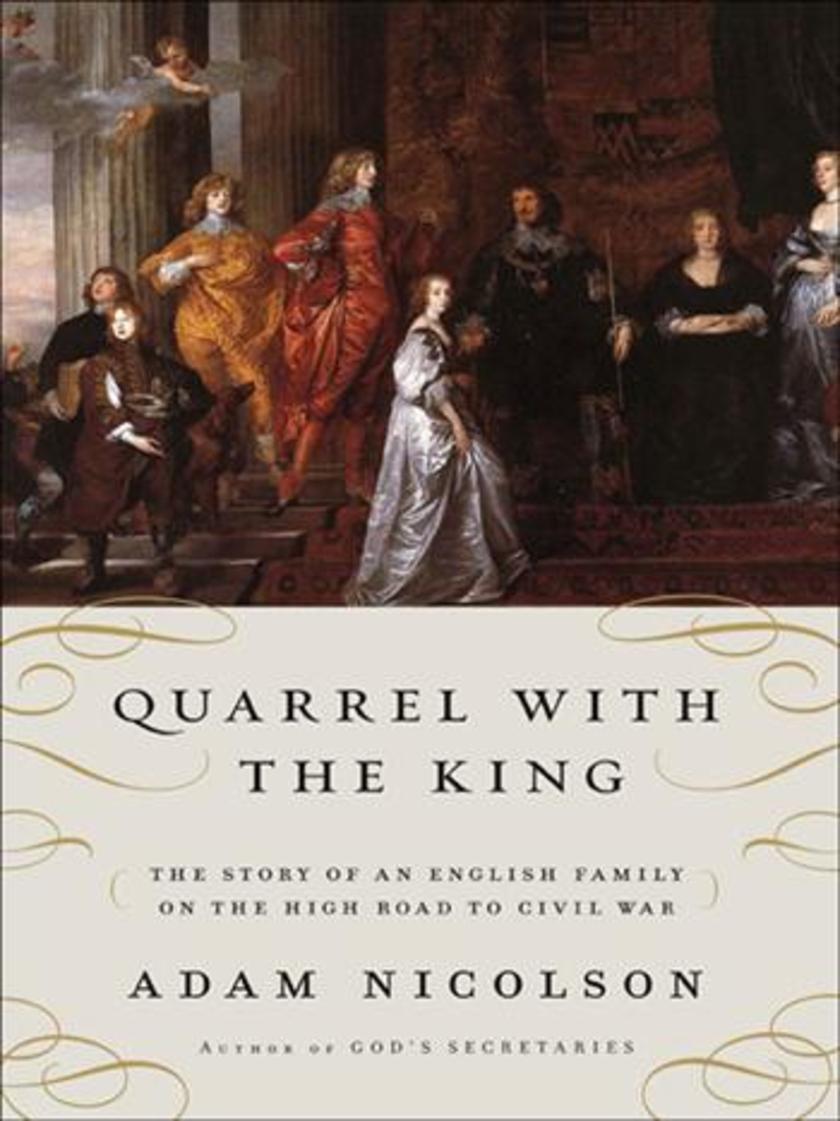
Quarrel with the King
¥96.50
Spanning the most turbulent and dramatic years of English history from the 1520s through 1650 Quarrel with the King tells the remarkable saga of one of the greatest families in English history, the Pembrokes, following their glamorous trajectory across three generations of change, ambition, resistance, and war. With vivid color and fascinating detail, acclaimed historian Adam Nicolson recounts the story of a century-long power struggle between England's richest family and the English Crown a fascinating study of divided loyalties, corruption, rights and privilege, and all the ambiguities involved in the exercise and maintenance of power and status.
The Reshaping of Everyday Life
¥95.11
"Compact and insightful. "--New York Times Book Review "Jack Larkin has retrieved the irretrievable; the intimate facts of everyday life that defined what people were really like."--American Heritage
The Burning House
¥95.39
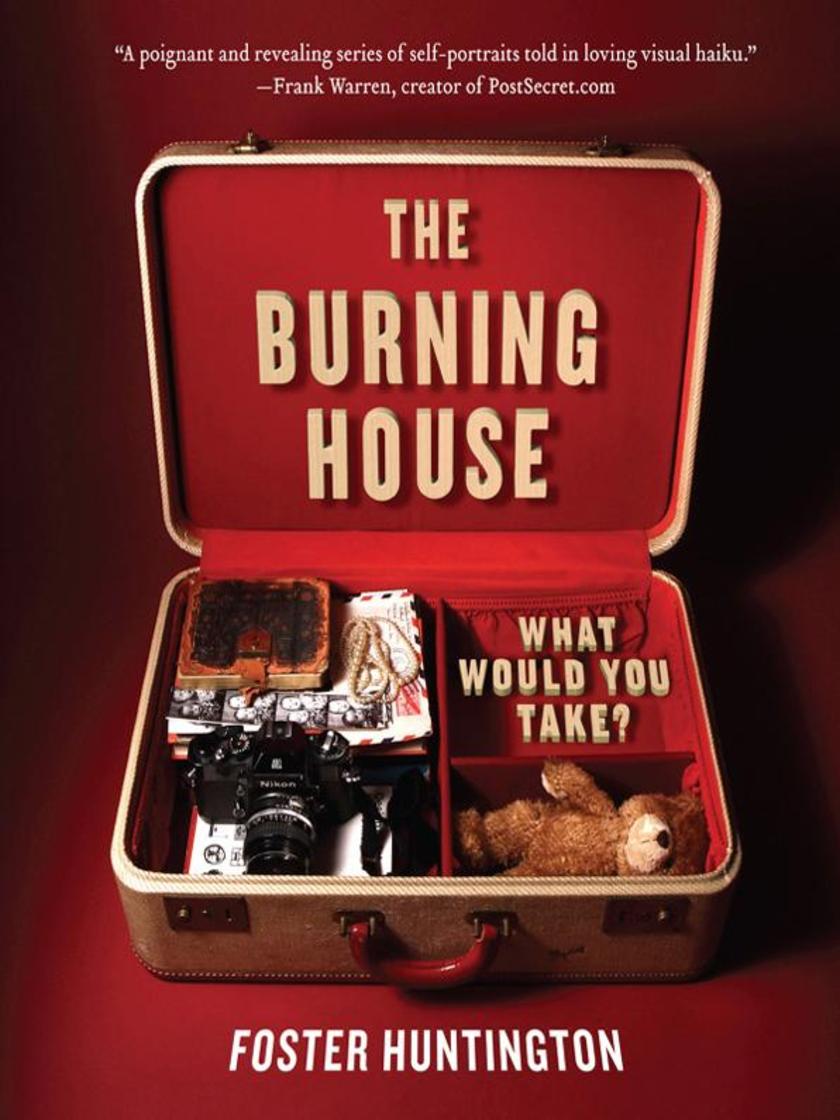
Your house is burning. You have to get out fast. Suddenly you are forced to prioritize, editing down a lifetime of possessions to a mere handful. Now you must decide: Of all the things you own, what is most important to you?The practicalYour laptop, your smartphone, what you need to keep working and stayin touchThe valuableYour money, your jewelry, the limited edition signed poster in the living room?The sentimentalThe watch your late grandfather gave you, the diary you kept as a teenagerWhat you choose to bring with you speaks volumes about who you are and what you believe in your interests, your background, your view of life. With contributions from all over the world, The Burning House is an eye-opening pictorial meditation on materialism; an in-depth, intensely personal interview contained in a single question; a revealing window into the human heart.
Clearing the Bases
¥85.05
Clearing the Bases is a much-needed call to arms by one of baseball's most respected players. Drawing on his experiences as a third baseman, a manager, and, most recently, a fan, Mike Schmidt takes on everything from skyrocketing payrolls, callous owners, and unapproachable players to inflated statistics, and, of course, ersatz home run kings. But Schmidt's book goes beyond the Balco investigation and never-ending free-agent bonanzas that dominate the back pages. It also examines all that's right with our national pastime, including interleague play, expansion, and, most surprisingly, better all-around hitters. Riveting, wise, and illuminating, Clearing the Bases is a hall of famer's look at how Major League Baseball has lost its way and how it can head back home.
The Cycle of Leadership
¥101.00
In The Leadership Engine Noel Tichy showed how great companies strive to create leaders at all levels of the organization and how those leaders actively develop future generations of leaders. In this new book he takes the theme further showing how great companies and their leaders develop their business knowledge into achable points of view pend a great portion of their time giving their learnings to others sharing best practices and how they in turn learn and receive business ideas/knowledge from the employees they are teaching. Calling this exchange a virtuous teaching cycle Professor Tichy shows how business builders from Jack Welch at GE to Joe Liemandt at Trilogy create organizations that foster this knowledge exchange and how their efforts result in smarter more agile companies and winning results. Some of these ideas were showcased in Tichy's recent Harvard Business Review article entitled Ordinary Boot Camp. Using examples from GE Ford Dell Southwest Airlines and many others Tichy presents and analyzes these principles in action and shows how managers can begin to transform their own businesses into teaching organizations and consequently better performing companies
Mother Earth Spirituality
¥99.65
A dear stream of practical knowledge with the mind change we need to save the life of our Mother Earth--and ourselves . . . This is a book for every person who loves this planet. Eagle Man shows us the joyful path home to our universal Mother.Cynthia Bend, Water Spirit Woman, co-author of Birth of a Modem Shaman A rich panorama of our native heritage which allows the seeker access to the heart of the Path of Beauty. Ed McGaa has walked this path so that all people may live in harmony. Samie Sams, Hancoka Olowanpi, author of Midnight Song: Quest for the Vanished Ones Ed McGaa is one of the first persons who can write about 0glala religion in the first person because he has lived it. For years anthropologists have hoped a Native American would portray that society from the inside out. Ed McGaa has. It's about time. William K. Powers, author of 0glala Religion Fascinating as well as inspiring reading. Ed McGaa makes an excellent spiritual guide and intellectual teacher . . . The information stimulates the mind, the drawings delight the eye, and the ideas soothe the spirit. Jack Weatherford, author of Indian Givers Profound and insightful . . . Mother Earth Spirituality will be of great importance to those of us, both 'rainbow' and non-Indian people, who walk over land in search of a deeper spiritual life . . . For us, this book is an invaluable guide showing us how to do it.Fred Alm Wolf, Ph.D., author of Taking the Quantum Leap
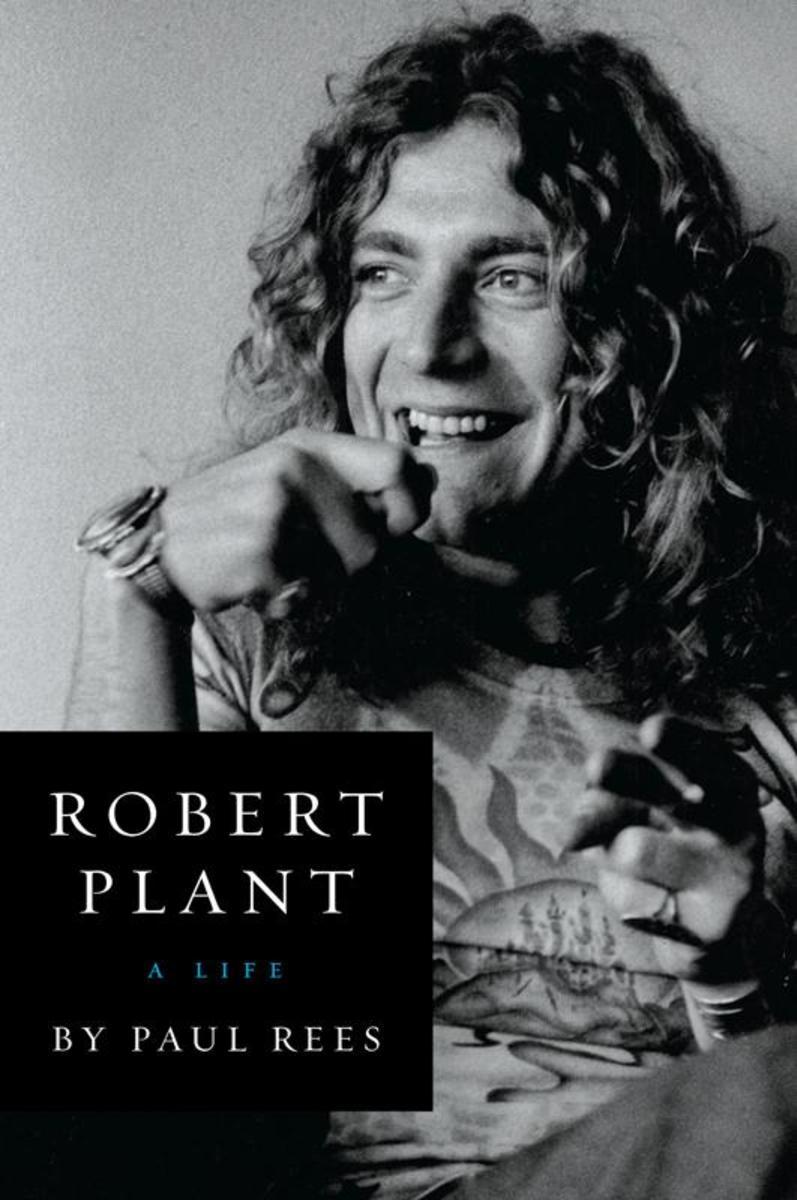
Robert Plant
¥100.71
Robert Plant is a living legend. The front man of Led Zeppelin, one of the biggest and most influential rock bands of all time, Plant defined the very notion of what it means to be a rock god.The sheer scale of Led Zeppelin's success is extraordinary. In the United States alone they have sold seventy million records a figure surpassed only by the Beatles while Stairway to Heaven,the band's most famous song, has been played more times on American radio than any other track and is frequently referred to as one of the greatest rock 'n' roll songs ever.But Robert Plant's legacy stretches far beyond Led Zeppelin. Robert Plant: A Life is the story of the forces that shaped Plant: from his boyhood in England's Black Country to the ravaging highs and lows of the Zeppelin years; from his relationship with Jimmy Page and John Bonham to the solo career that today, at the age of sixty-two, has him producing some of the most acclaimed work of his career. Author Paul Rees, former editor of Q and Kerrang!, who has in the past interviewed Plant at length, paints a rich, complicated portrait of a man who was only nineteen when he changed the face of rock 'n' roll.Told with tenacity, emotion, and the spark of brilliance that befits such an enigmatic front man, Robert Plant: A Life is the definitive story of a musical icon.

Why It's Great to Be a Girl
¥55.94
Why It's Great to Be a Girl is a must-have for every girl from six to sixteen! Chock-full of fascinating facts, enlightening girl-knowledge, and important historical milestones even a list of great books written by women here is a guaranteed self-esteem booster for young females everywhere . . . and it's lots of fun too! After all, what girl wouldn't feel great about herself knowing that: girls hear better than boys girls drive better than boys girls' bodies are stronger than boys' in every way, except for muscles girls are less susceptible to major diseases and, according to many anthropologists and archaeologists, girls actually "civilized" humankind! So get ready for an eye-opening journey through the awesomeness of girldom with the ultimate guide to why being a girl is the ultimate in cool!
Why Girls Can't Throw
¥72.70
Warning: the truth can be shocking, seductive, offensive, outrageous...even disgusting!Are you perplexed by the mysteries of the universe, confounded by the workings of the human body, prone to pondering the great imponderablesAt long last, the answers are here for every inquiring mind that's not afraid to face up to the cold, hard facts of life. The author who brought you That Book . . . of Perfectly Useless Information now addresses the quirky, the eclectic, and the essential conundrums of our age in Why Girls Can't Throw . . . and Other Questions You Always Wanted Answered, including: What's the kindest way to tell a friend he has halitosisIs it cheaper to send yourself as a package to Australia rather than fly on an airplaneAre there any benefits to smokingIs it true that Keith Richards used to regularly replace all the blood in his body?
Revolt in the Boardroom
¥83.93
Throughout the 20th century, American corporations were governed by autocratic, almost unaccountable chief executives. Their word was law and the only check on their power was a board of directors composed of their friends and allies.Then, in a stunning reversal, a momentous series of firings deposed the heads of some of the world's best-known companies: AIG, Morgan Stanley, Boeing, Hewlett-Packard and Pfizer, just to name a few. Formerly unchallenged CEOs found themselves under fire, often from their own handpicked boards. The number of deposed executives is astonishing. In 2004, the leaders of 600 companies were asked to leave. That number more than doubled in 2005 and reached 1,400 companies in 2006.Flexing new muscles, directors are assuming new and unfamiliar responsibilities. In Revolt in the Boardroom, Alan Murray reveals the inner workings of the new seat of power. Using the access afforded to him by his influential Wall Street Journal column, Murray tells the story of three seminal board revolts the now-famous Hewlett-Packard drama, the ousting of Boeing's Harry Stonecipher and the end of the reign one of the world's most autocratic executives, Hank Greenberg at AIG.Murray goes further to chart the history of the corporation, the rise of governance and the effects of the new power gained by outside institutions like hedge funds and interest groups. Through it all, Murray shows how the job of chief executive has rapidly and permanently changed. Leaders like A. G. Lafley and Jeff Immelt govern instead of rule, build alliances and support instead of dictating direction and pay careful attention to a broader range of stakeholders than ever before.Revolt in the Boardroom is the first look at the new world of corporate power and the last word on the transformational events of the last two years.


