


 购物车
购物车 个人中心
个人中心

Magento 2 Developer's Guide
¥80.65
Harness the power of Magento 2 – The most recent version of the world’s favourite e-Commerce platform for your online store About This Book Set up, configure, and power up your Magento environment from development to production Master the use of Web API to communicate with the Magento system and create custom services Create custom modules from scratch to extend the core functionality of the Magento system Who This Book Is For This book is intended primarily for intermediate to professional-level PHP developers who are interested in Magento development. For backend developers, several topics are covered that will enable you to modify and extend your Magento 2 store. Frontend developers will also find some coverage on how to customize the look of the site in the frontend. What You Will Learn Set up the development and production environment of Magento 2 Understand the new major concepts and conventions used in Magento 2 Build a miniature yet fully-functional module from scratch to manage your e-commerce platform efficiently Write models and collections to manage and search your entity data Dive into backend development such as creating events, observers, cron jobs, logging, profiling, and messaging features Get to the core of frontend development such as blocks, templates, layouts, and the themes of Magento 2 Use token, session, and Oauth token-based authentication via various flavors of API calls, as well as creating your own APIs Get to grips with testing Magento modules and custom themes, which forms an integral part of development In Detail Magento is one of the most exciting, flexible, and customizable e-commerce systems. It offers you an extensive suite of powerful tools for creating and managing an online store. After years of development, Magento 2 introduces itself with a strong emphasis on modularity, Web API's, automated testing and overall new technology stack platform. The long-awaited Magento 2 release introduces a whole new e-commerce platform to develop online stores. The all new Magento 2 architecture, Web APIs, and a host of other features are equally challenging to master as much as they are exciting to use. This book will ease the learning curve by offering step-by-step guidance on how to extend the core functionality of your Magento 2 store. This book is your one-stop guide to build and customize a quality e-commerce website from the latest version of one of the largest, fastest growing, and most popular e-commerce platforms—Magento 2. We start off with an introduction to the fundamental concepts of Magento to give you a foundation to work from. We then move on to configure the development and basic production environment for Magento. After this, you’ll get to grips with the major concepts and conventions that are new to the Magento 2 platform. We then delve deeper to get to the core of automated deployments, persisting data, writing data fixture *s and applying various backend and frontend modifications. As we near the end of the book, you will learn to make API calls and write automated tests. Finally, you will be guided through building a full-blown helpdesk module from scratch. By the end of this book, you will have learned a wide range of techniques to extend and customize your Magento 2 store to fit the requirements of your business. Style and approach This book is a mix of theoretical and step-by-step approaches, explained in a conversational and easy-to-follow style. Topics are explained sequentially, giving detailed explanations of the basic and advanced features to get you working on Magento 2.

Learning Qlik Sense?: The Official Guide - Second Edition
¥90.46
Get the most out of your Qlik Sense investment with the latest insight and guidance direct from the Qlik Sense team About This Book Updated with new coverage on Qlik Cloud, Qlik Sense Modeling, and Extending the Qlik Analytic Platform. Get insider insight on Qlik Sense and its new approach to business intelligence Explore practical demonstrations for utilizing Qlik Sense to discover data for sales, human resources, and more Who This Book Is For Learning Qlik Sense?: The Official Guide Second Edition is for anyone seeking to understand and utilize the revolutionary new approach to business intelligence offered by Qlik Sense. Familiarity with the basics of business intelligence will be helpful when picking up this book, but not essential. What You Will Learn Understand the vision behind the creation of Qlik Sense, and the promise that data discovery offers to you and your organization Get to grips with the life cycle of a Qlik Sense application Load and manage your data for app creation Visualize your data with Qlik Sense's engaging and informative graphing Administer your Qlik Sense system and monitor its security Build efficient and responsive Associative Models Extend the Qlik Analytic Platform with the Dev Hub Optimize Qlik Sense for sales, human resources, and demographic data discovery In Detail The intuitive and powerful Qlik Sense visual analytics software allows anyone to engage in data discovery, to explore your data, and find meaningful insights to empower your business. Qlik Sense lets you easily create personalized reports and visualizations and reveal essential connections to show new opportunities from every angle. Written by members of the Qlik Sense team, this book is the official guide from Qlik to understanding and using their powerful new product with fully updated coverage to the latest features of the most modern edition of Qlik Sense. Benefit from the vision behind the development of Qlik Sense and get to grips with how Qlik Sense can empower you as a data discovery consumer. Learn how to create your own applications for Qlik Sense to customize it to meet your personal needs for business intelligence, and how to oversee and administer the Qlik Sense data architecture. Finally, explore utilizing Qlik Sense to uncover essential data, with practical examples on finding and visualizing intelligence for sales figures, human resources information, travel expense tracking, and demographic data discovery. Style and approach This book is a practical guide to understand what Qlik Sense is and how to implement it. This is an example-rich, step-by-step book to implement and optimize Qlik Sense for sales, human resources, and demographic data discovery.
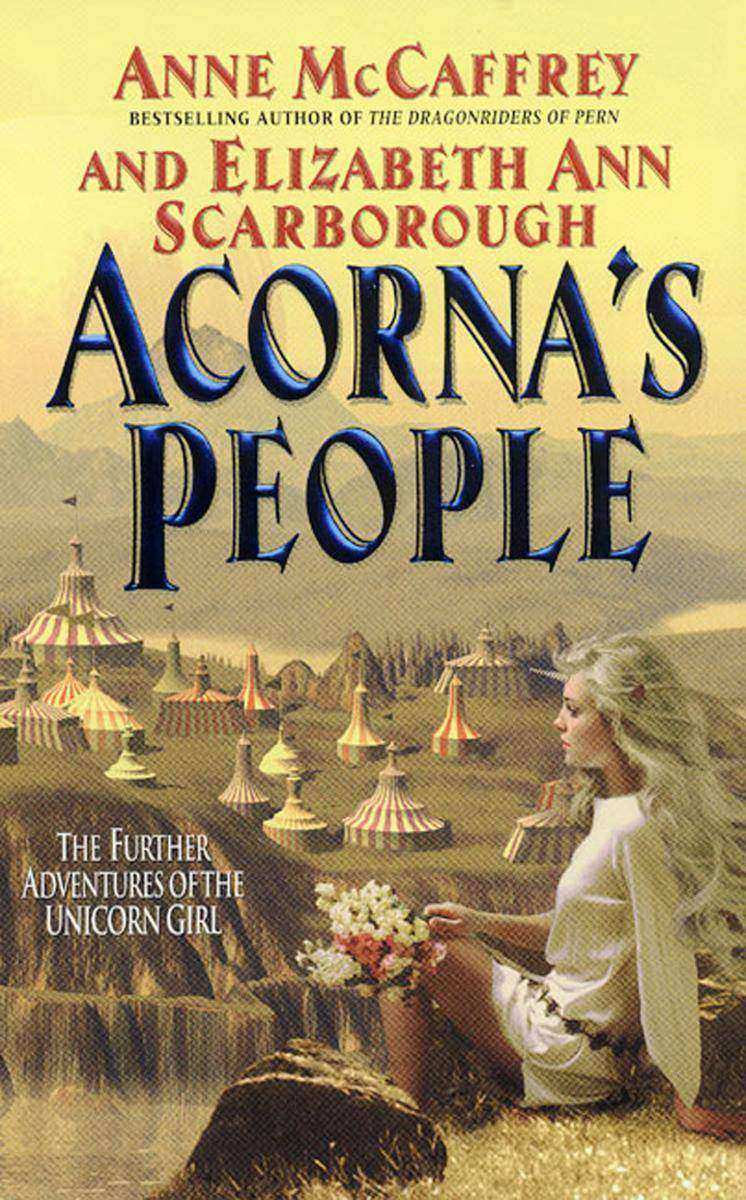
Acorna's People
¥56.07
Filled with adventure and wonder, Acorna's Peoplecontinues the enthralling saga of Acorna, the beautiful, brave, and kindhearted creature known as the Unicorn Girl."Welcome Home, Linyaari Child!"With the help of her "uncles" and the thousands of humans who love and admire her, Acorna has found her true people, the peaceful, telepathic Linyaari. But Acorna still has much to do before she can enjoy her new home. The legendary resting place of the lost Linyaari ancestors has yet to be found. And with the help of a rogue spacetrader and his feline sidekick, Acorna must strive to right an unspeakable wrong and defeat an enemy even crueler than the Khleevi. Along the way, she will at last uncover the Universe's most carefully guarded secret--the true nature of the ancient link between the Linyaari and the space-faring humans she has also come to think of as her "people."
Darkness, Take My Hand
¥69.16
The master of the new noir, Dennis Lehane magnificently evokes the dignity and savagery of working-class Boston in this terrifying tale of darkness and redemption.Patrick Kenzie and Angela Gennaro's latest client is a prominent Boston psychiatrist running scared from a vengeful Irish mob. The private investigators know something about cold-blooded retribution. Born and bred on the mean streets of blue-collar Dorchester, they've seen the darkness that lives in the hearts of the unfortunate. But an evil for which even they are unprepared is about to strike as secrets long-dormant erupt, setting off a chain of violent murders that will stain everything—including the truth.
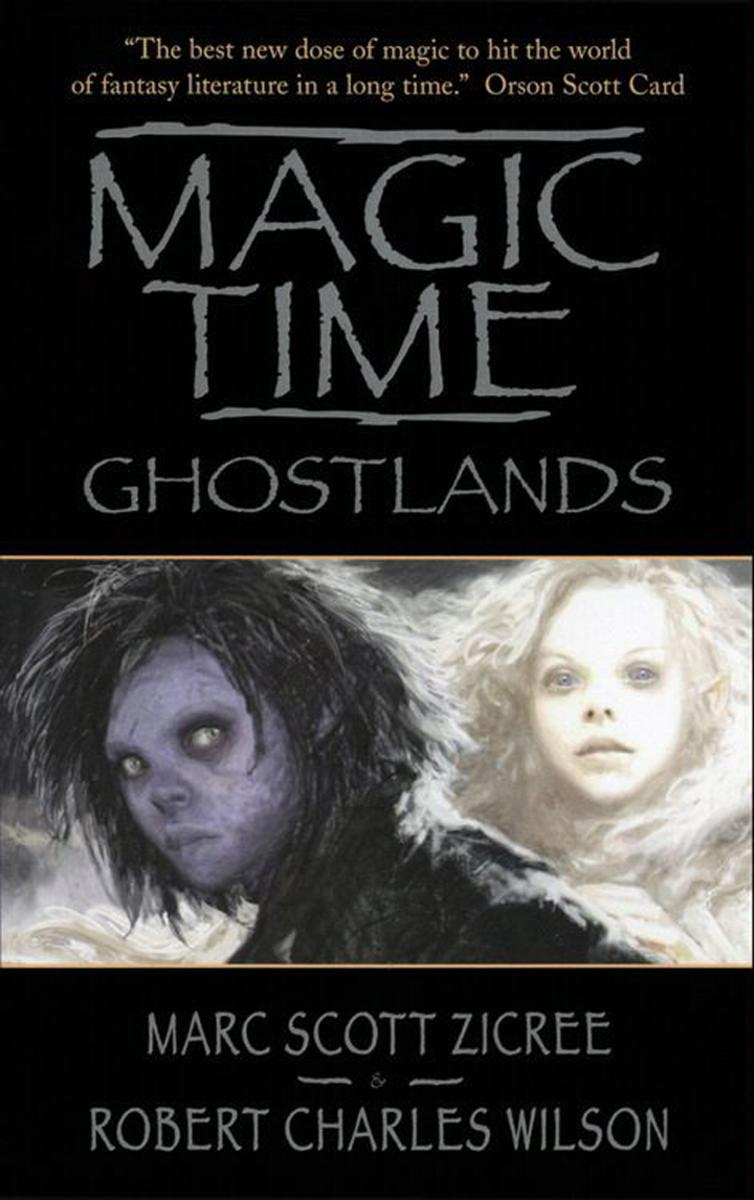
Magic Time: Ghostlands
¥70.85
In an altered America where machines no longer work and magic holds sway, former lawyer-turned-visionary leader Cal Griffin guides his small band on a quest toward the Source of the Change -- following a trail he hopes will reunite him with his abducted sister, Christina, transformed into one of the powerful, enigmatic beings called "flares." Armed with little more than compassion and a determination to heal the world, Cal, the warrior Colleen Brooks, Russian physician Doc Lysenko, and bipolar street wizard Herman "Goldie" Goldman encounter old foes and new friends in a landscape of unimaginable beauties and magnificent horrors -- forced to confront the frightful secrets of an emissary from a dread region and to trust in a brilliant triumvirate of grad students who could get things running again ... at a terrible cost—as the final moves in humankind's ultimate nightmare are played out in the depths of the Ghostlands.
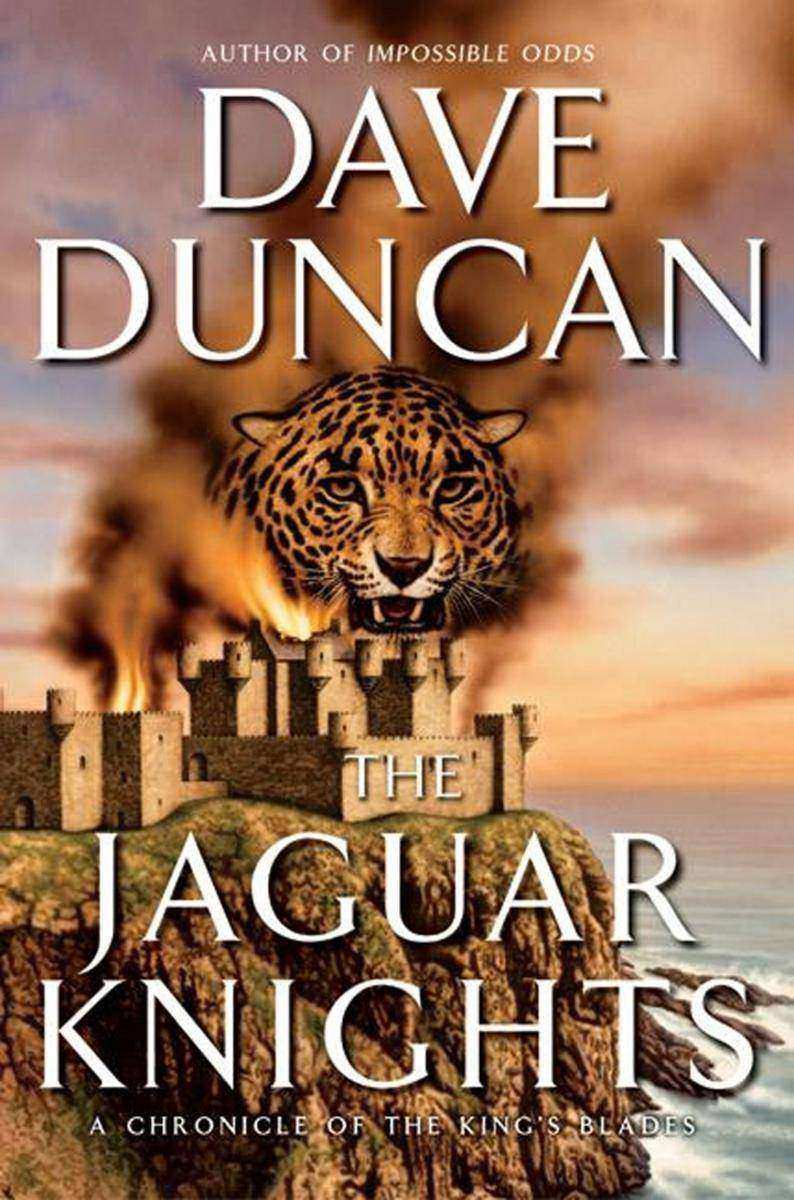
The Jaguar Knights
¥55.31
The realm's most feared swordsman, Sir Wolf has earned his name, the "King's Killer," well. Unlike many of his brother Blades, however, Wolf detests his sworn duty to do the bloody bidding of a liege he can never respect. But when an impregnable fortress is breached and a former royal mistress is abducted by brazen assailants, Wolf must leap into the fray.Burdened with the company of his disgraced brother, Sir Lynx—the only Blade ever to lose his ward and live—and shadowed by a mysterious Inquisitor with a secret agenda, Wolf must make his way across a landscape of nightmares vivid and terrible enough to chill any fearless heart. For somewhere in this dark, unfamiliar world, the fate of all Chivial hangs in the balance—and it is the destiny of one reluctant Blade to tip the scales to salvation . . . or doom.
The Cat's Pajamas
¥83.03
Ray Bradbury is, indisputably, one of America's greatest storytellers. The recipient of the 2000 National Book Foundation Medal for Distinguished Contribution to American Letters, he ranks among the most beloved -- and widely read -- of American authors. In The Cat's Pajamas, this "latter-day O. Henry" (Booklist) takes us on an amazing walk through his six-decade career, presenting twenty-two tales -- some old, some new, all but two never before published.Here you will find stories strange and scary, nostalgic and bittersweet, humorous and heart-touching, ranging from the not-so-long-gone past to an unknowable future: a group of senators drinks a bit too much -- and gambles away the United States; a newlywed couple buys an old house and finds their fledgling relationship tested; two mysterious strangers arrive at a rooming house and baffle their fellow occupants with strange crying in the night; a lonely woman takes a last chance on love. The final piece in the collection is a story-poem, a fond salute from Bradbury to his literary heroes Shaw, Chesterton, Dickens, Twain, Poe, Wilde, Melville, and Kipling.The Cat's Pajamas is just that -- the bee's knees -- a touching, timeless, and tender collection from the incomparable Ray Bradbury, and a anoramic view of an amazingly long, rich, and fertile creative career.
Guys Read: Max Swings for the Fences
¥10.83
Maximilian Funk is the new kid in school, and not much of a baseball fan, a deadly combination. He has to figure out a way to impress Molly Kinsman, the best pitcher in the city and the most beautiful girl he's ever seen. One little lie couldn't hurt, could it?This short story from the collection Guys Read: The Sports Pages is a winner.
Creature Keepers and the Swindled Soil-Soles
¥72.93
Abbie, Jordan, and Eldon are off on their next Creature Keepers mission in the second book in this epically hilarious, fully illustrated middle grade adventure series, from the dynamic creators of Herbert's Wormhole.Gearing up for a triumphant return to South Florida, and their new position as honorary Creature Keepers, Abbie and Jordan are surprised when it turns out they are actually heading north of the border to Canada for their summer vacation. With Creature Keepers the world over abandoning their posts, the two siblings have been tapped for a special assignment: to serve as the new keepers for Syd—otherwise known as Bigfoot!Caring for Syd has never been a particularly difficult job—he’s more than content to sit around in his treehouse and watch TV all day. But TV, in fact, is posing the newest threat to the Creature Keepers. Specifically, a reality-show host named Buck Wilde is dead set on tracking down Bigfoot and exposing him. And before long, the Keepers suspect that Buck isn’t the only one intent on finding Syd.…
This Is the Story of a Happy Marriage
¥95.11
The New York Times bestselling author of State of Wonder, Run, and Bel Canto creates a resonant portrait of a life in this collection of writings on love, friendship, work, and art."The tricky thing about being a writer, or about being any kind of artist, is that in addition to making art you also have to make a living."So begins This Is the Story of a Happy Marriage, an examination of the things Ann Patchett is fully committed to—the art and craft of writing, the depths of friendship, an elderly dog, and one spectacular nun. Writing nonfiction, which started off as a means of keeping her insufficiently lucrative fiction afloat, evolved over time to be its own kind of art, the art of telling the truth as opposed to the art of making things up. Bringing her narrative gifts to bear on her own life, Patchett uses insight and compassion to turn very personal experiences into stories that will resonate with every reader.These essays twine to create both a portrait of life and a philosophy of life. Obstacles that at first appear insurmountable—scaling a six-foot wall in order to join the Los Angeles Police Department, opening an independent bookstore, and sitting down to write a novel—are eventually mastered with quiet tenacity and a sheer force of will. The actual happy marriage, which was the one thing she felt she wasn't capable of, ultimately proves to be a metaphor as well as a fact: Patchett has devoted her life to the people and ideals she loves the most.An irresistible blend of literature and memoir, This Is the Story of a Happy Marriage is a unique examination of the heart, mind, and soul of one of our most revered and gifted writers.
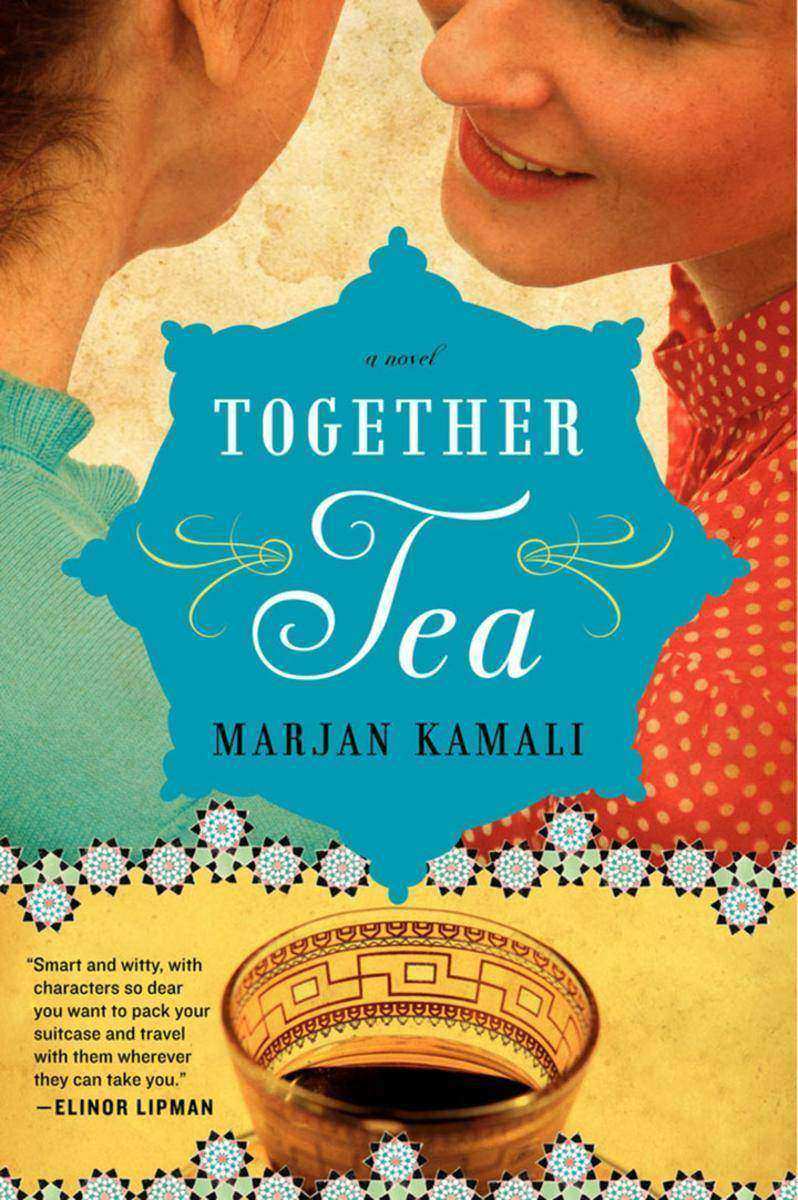
Together Tea
¥83.92
Darya has discovered the perfect gift for her daughter's twenty-fifth birthday: an ideal husband. Mina, however, is fed up with her mother's endless matchmaking and grading of available Iranian American bachelors.After Darya's last ill-fated attempt to find Mina a husband, mother and daughter embark on a journey to Iran, where the two women gradually begin to understand each other. But after Mina falls for a young man who never appeared on her mother's spreadsheets and Darya is tempted by an American musician, will this mother and daughter's tender appreciation for each other survive?
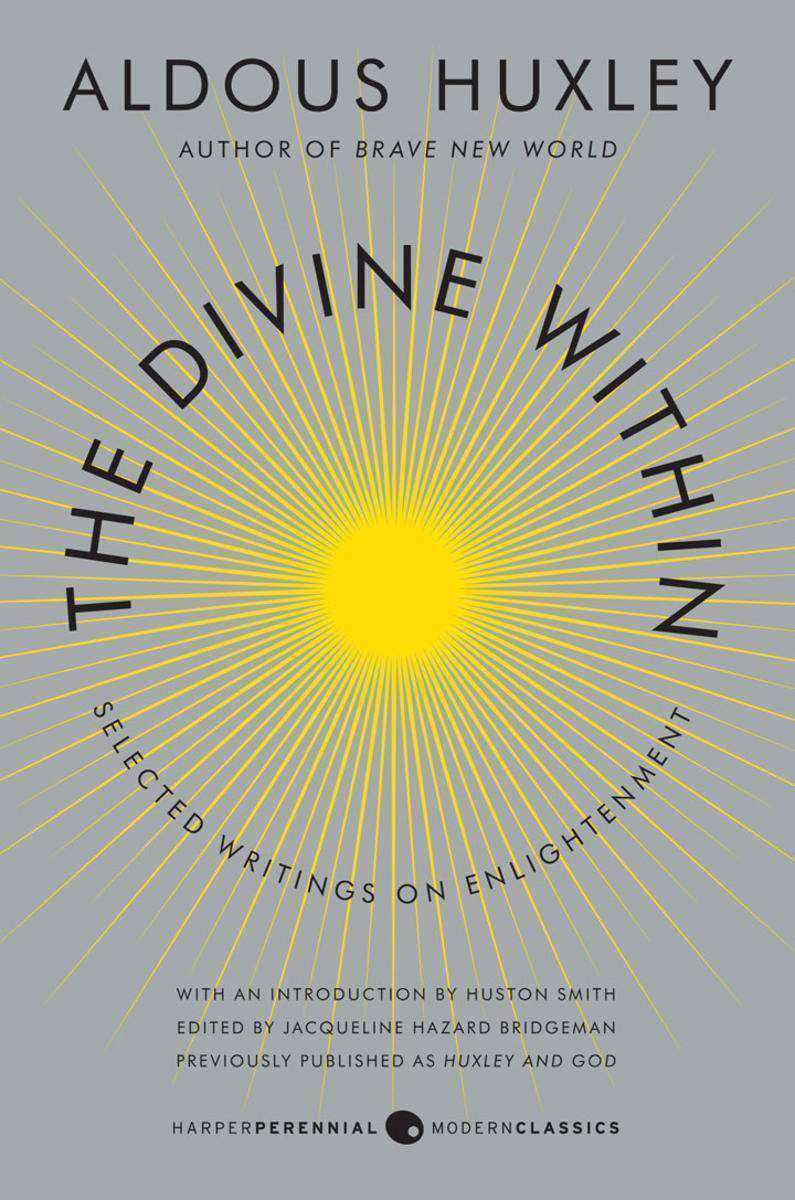
The Divine Within
¥94.10
Brave New World author Aldous Huxley on enlightenment and the "ultimate reality"In this anthology of twenty-six essays and other writings, Huxley discusses the nature of God, enlightenment, being,good and evil, religion, eternity, and the divine. Huxley consistently examined the spiritual basis of both the individual and human society, always seeking to reach an authentic and clearly defined experience of the divine. Featuring an introduction by renowned religious scholar Huston Smith, this celebration of "ultimate reality" proves relevant and prophetic in addressing the spiritual hunger so many feel today.
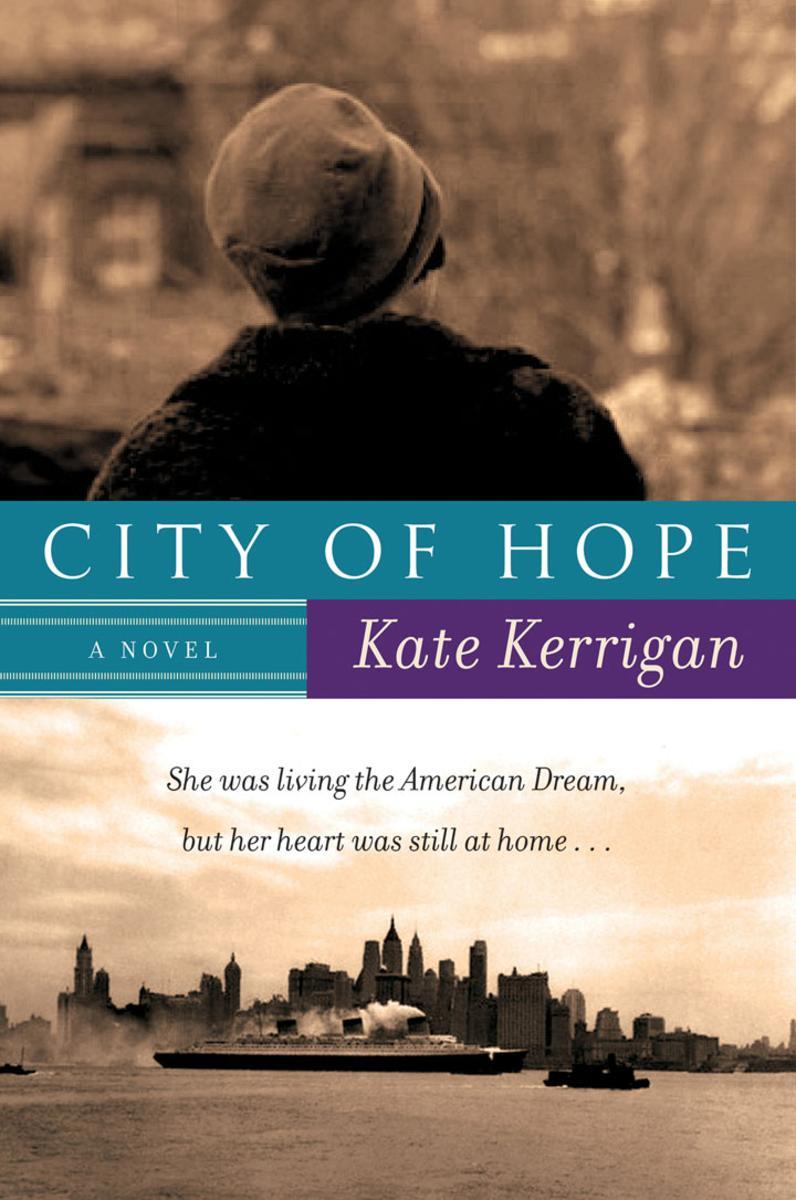
City of Hope
¥90.51
The heartrending and inspiring sequel to Ellis Island, Kate Kerrigan's City of Hope is an uplifting story of a woman truly ahead of her timeWhen her beloved husband suddenly dies, young Ellie Hogan decides to leave Ireland and return to New York, where she worked in the 1920s. She hopes that the city will distract her from her anguish. But the Great Depression has rendered the city unrecognizable. Gone are the magic and ambiance that once captured Ellie's imagination.Plunging headfirst into a new life, Ellie pours her passion and energy into running a refuge for the homeless. Her calling provides the love, support, and friendship she needs in order to overcome her grief—until, one day, someone Ellie never thought she'd see again steps through her door. It seems that even the vast Atlantic Ocean isn't enough to keep the tragedies of the past from catching up with her.
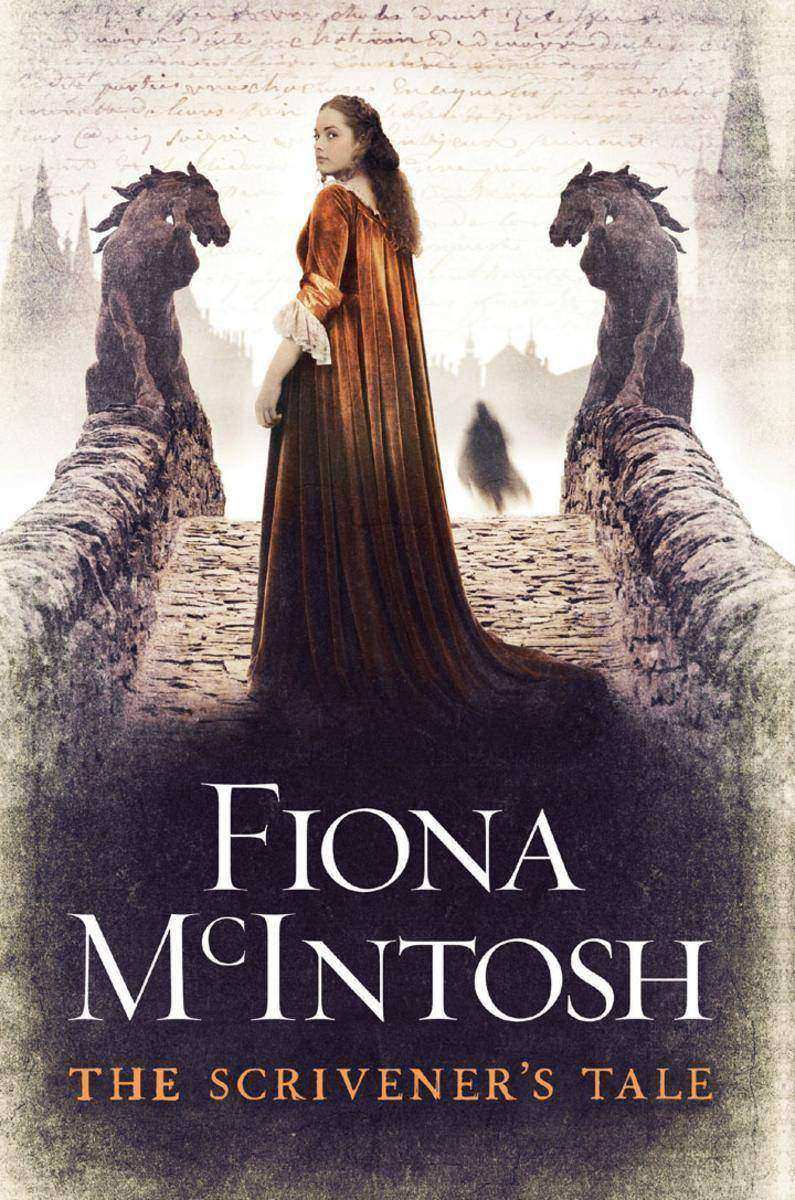
The Scrivener's Tale
¥83.03
Gabe Figaret, an ex-psychologist turned writer, now works in a bookshop in Paris. He lives a quiet life as he attempts to rehabilitate his psyche from the ravages of his past. While he'd prefer to probe his own mind rather than a stranger's, he cannot refuse when Reynard, a doctor and one of his regular customers, asks Gabe to mentor a patient, a mysterious young woman named Angelina.Angelina is shy. She is mute and delusional. At first, she appears to be terrified of Reynard. But Gabe quickly discovers that Angelina is not quite what she seems. As his relationship with the enigmatic Angelina deepens, Gabe's life in Paris becomes increasingly unstable. He senses a presence watching, lurking, following his every move.When Angelina tells Gabe that he must kill her, and then flee to a fantastical realm she calls Morgravia, he is aghast. But Angelina gives him proof that Morgravia is not a delusion; it is real. Soon, Gabe's world will be turned upside down, and he will learn shocking truths about his past, and the perilous trials in his future.
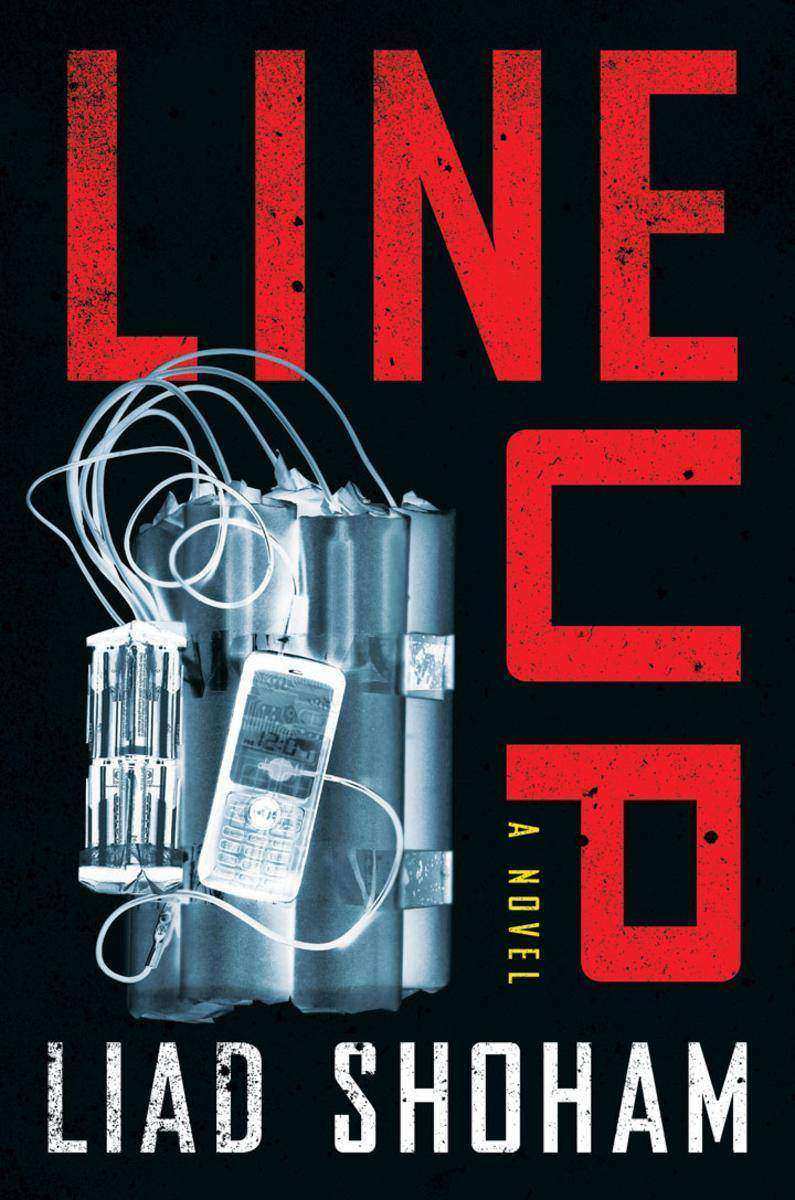
Lineup
¥84.16
International bestselling author Liad Shoham makes his American debut in this compelling, superbly plotted crime thriller.After a brutal rape disturbs a quiet Tel Aviv neighborhood, baffled detectives find no clues, no eyewitnesses, and no suspects. The father of the shattered victim refuses to rest until justice is done, so he begins his own investigation. Keeping watch over his daughter's apartment from the street, he notices Ziv Nevo lurking in the shadows.All circumstances—and the victim—point to Nevo's guilt, and it appears the case is closed. But appearances can be deceiving. Detective Eli Nachum is eager to wrap up this high-profile case, which threatens to thwart his career. He sees an easy conviction when the father, determined to succeed where the police have failed, hands over Nevo. But why does the suspect keep silent during the interrogationWhat secret is he hidingWhat should Nachum and the idealistic young district attorney understand from the suspect's silence?What unfolds is a brilliant, fast-paced story that will keep you guessing until the very last page. Lineup is a twisted tale of mistaken identity, organized crime, a disgraced detective looking for redemption, a tireless young reporter, and an innocent man with a not-so-innocent past. Which lines will they cross and what will they be willing to risk, as their worlds begin to collapseThis seamless, gripping novel introduces a powerful new voice in crime fiction.
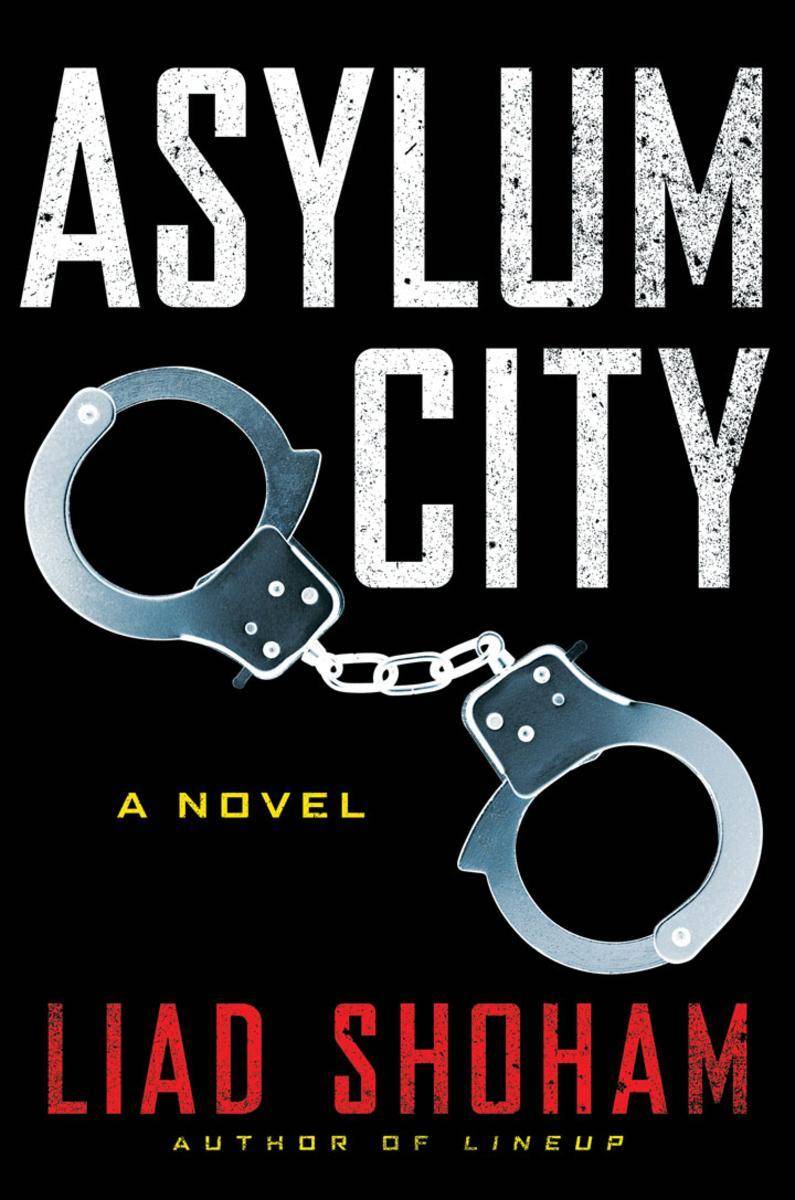
Asylum City
¥145.49
Another triumph.”—Publishers Weekly (starred review)Poised between the shores of Africa and the developed coastline of continental Europe, Tel Aviv is home to a large refugee population. Many immigrants walk its streets, desperately yearning for a new life. To assist them, Michal Poleg, an ardent young activist, volunteers with the city’s Office of Migrant Aid. But as badly as these immigrants would like to stay, there are more than a few locals who want them to leave. And when Michal is found dead in her apartment, her involvement with the controversial asylum seekers seems an obvious starting point in the search for answers.Officer Anat Nachmias has never been asked to lead an investigation until she is assigned to Michal’s case. But the deeper Anat delves into Michal’s activism, the more she is convinced that the working theory is wrong, especially when she doesn’t believe a word of the young African man who soon confesses to the crime. What she does believe is that Michal, a petite, opinionated woman, got herself involved in something much bigger, and far more dangerous, than she could handle.Joined by Michal’s clumsy but charming boss, Itai, Anat descends into a shadowy, amoral underworld—and what she discovers will shock the city, setting in motion events that will have dramatic, far-reaching consequences.“An amazing thriller. . . . Extremely well-written, this plot is one that will stay in the memory for a good, long time to come.”—Suspense Magazine
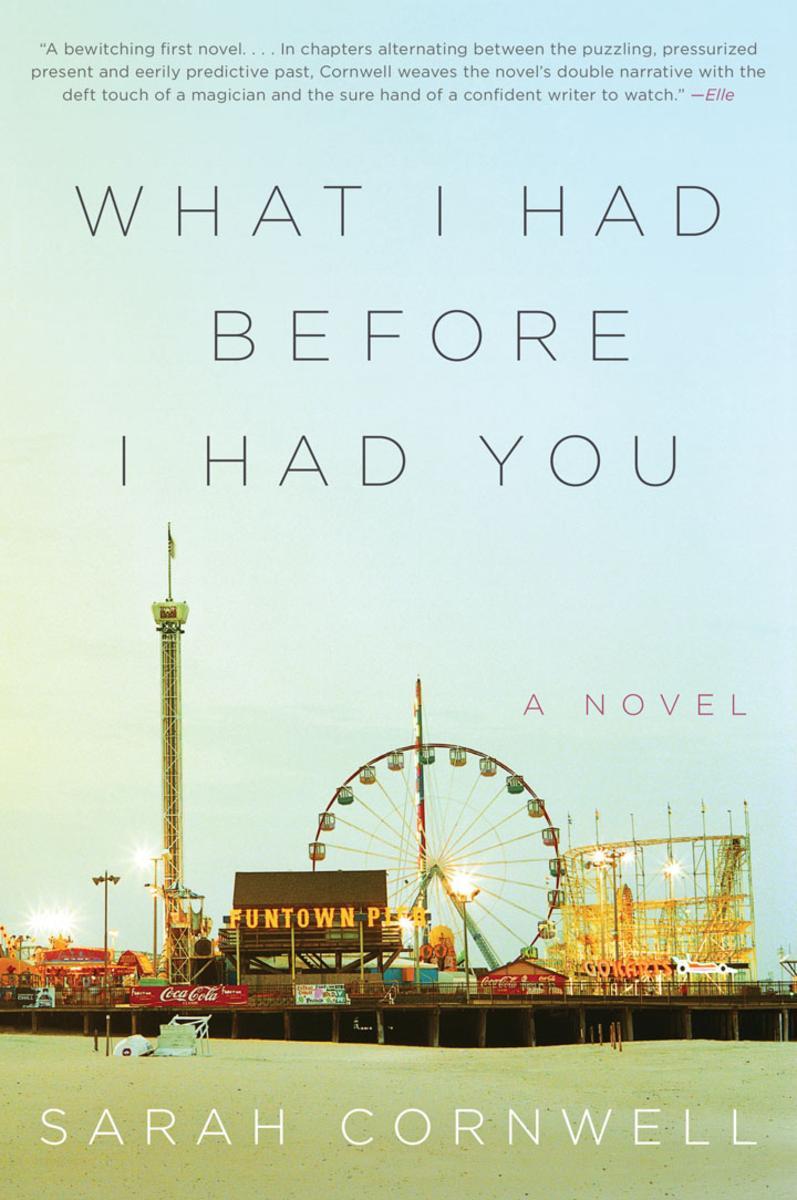
What I Had Before I Had You
¥83.03
Written in radiant prose and with stunning psychological acuity, award-winning author Sarah Cornwell's What I Had Before I Had You is a deeply poignant story that captures the joys and sorrows of growing up and learning to let go.Olivia Reed was fifteen when she left her hometown of Ocean Vista on the Jersey Shore. Two decades later, divorced and unstrung, she returns with her teenage daughter, Carrie, and nine-year-old son, Daniel, recently diagnosed with bipolar disorder. Distracted by thoughts of the past, Olivia fails to notice when Daniel disappears from her side. Her frantic search for him sparks memories of the summer of 1987, when she exploded out of the cocoon of her mother's fierce, smothering love and into a sudden, full-throttle adolescence, complete with dangerous new friends, first love, and a rebellion so intense that it utterly recharted the course of her life.Olivia's mother, Myla, was a practicing psychic whose powers waxed and waned along with her mercurial moods. Myla raised Olivia to be a guarded child, and also to believe in the ever-present infant ghosts of her twin sisters, whom Myla took care of as if they were alive—diapers, baby food, an empty nursery kept like a shrine. At fifteen, Olivia saw her sisters for the first time, not as ghostly infants but as teenagers on the beach. But when Myla denied her vision, Olivia set out to learn the truth—a journey that led to shattering discoveries about herself and her family.Sarah Cornwell seamlessly weaves together the past and the present in this riveting debut novel, as she examines the relationships between mothers and daughters, and the powerful forces of loss, family history, and magical thinking.

The Art of Lainey
¥56.08
Perfect for fans of Stephanie Perkins, Sarah Dessen, and Susane Colasanti, The Art of Lainey tells the story of how, with the help of The Art of War, Lainey plots the perfect plan to get her boyfriend back. But is getting him back really what she wants?Soccer star Lainey Mitchell is gearing up to spend an epic summer with her amazing boyfriend, Jason, when he suddenly breaks up with her—no reasons, no warnings, and in public no less! Lainey is more than crushed, but with help from her friend Bianca, she resolves to do whatever it takes to get Jason back.And that's when Lainey and Bianca stumble across a copy of The Art of War. With just one glance, the girls are sure they can use the book to lure Jason back into Lainey's arms. So Lainey channels her inner warlord, recruiting spies to gather intel and persuading her coworker Micah to pose as her new boyfriend to make Jason jealous.After a few "dates," it looks like her plan is going to work! But now her relationship with Micah is starting to feel like more than just a game. Can fighting for what she wants help Lainey figure out what she really needs?
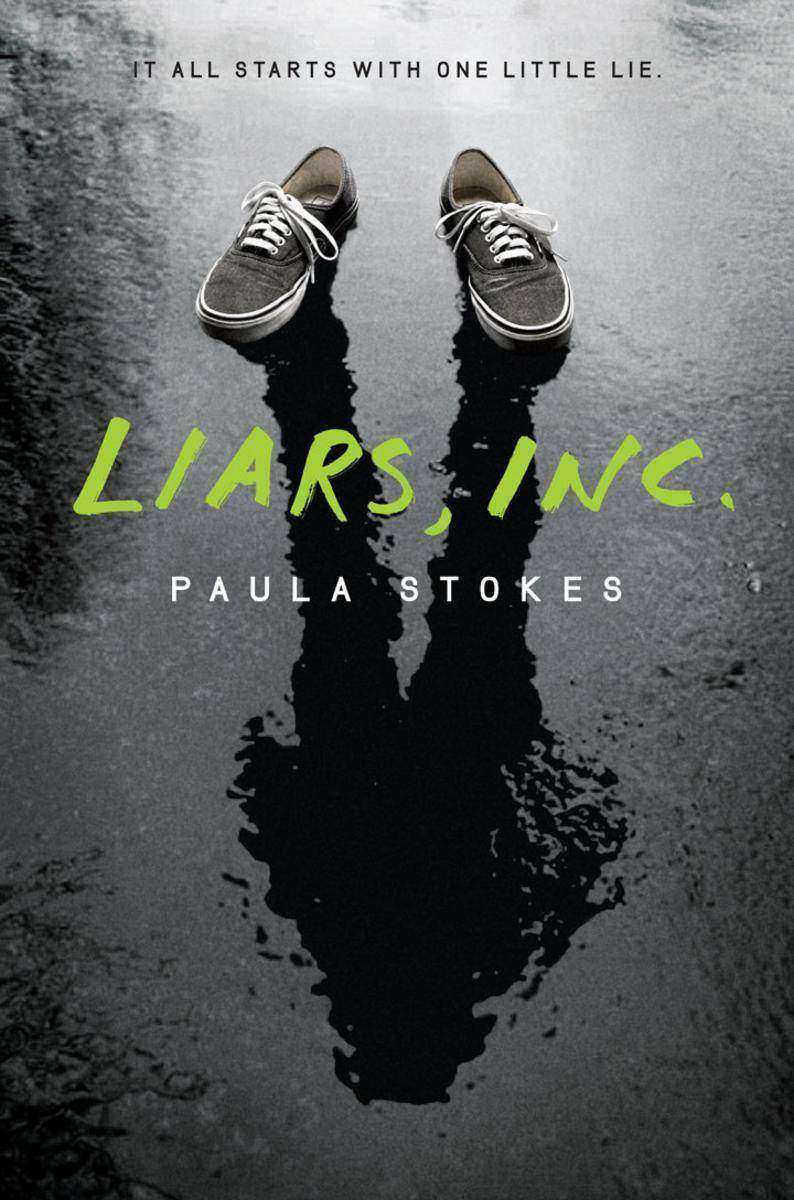
Liars, Inc.
¥56.08
A dark and twisted psychological tale, which Kirkus Reviews called "captivating to the very end" in a starred review—perfect for fans of I Hunt Killers and Gone Girl.Max Cantrell has never been a big fan of the truth, so when the opportunity arises to sell forged permission slips and cover stories to his classmates, it sounds like a good way to make a little money. So with the help of his friend Preston and his girlfriend, Parvati, Max starts Liars, Inc. Suddenly everybody needs something, and the cash starts pouring in. Who knew lying could be so lucrative?When Preston wants his own cover story to go visit a girl he met online, Max doesn't think twice about it. But then Preston never comes home. And the evidence starts to pile up—terrifying clues that lead to Preston's body.Terrifying clues that point to Max as the killer….

The Scavengers
¥38.72
Jeanne DuPrau's The City of Ember meets Louis Sachar's Holes in this imaginative and hilarious middle grade novel from New York Times bestselling author Michael Perry.When the world started to fall apart, the government gave everyone two choices: move into the Bubble Cities…or take their chances outside. Maggie's family chose to live in the world that was left behind. Deciding it's time to grow up and grow tough, Maggie rechristens herself "Ford Falcon"—a name inspired by the beat-up car she finds at a nearby junkyard. Ford's family goes to this junkyard to scavenge for things they can use or barter with the other people who live OutBubble. Her family has been able to survive this brave new world by working together. But when Ford comes home one day to discover her home ransacked and her family missing, she must find the strength to rescue her loved ones with the help of some unlikely friends.The Scavengers is a wholly original tween novel that combines an action-packed adventure, a heartfelt family story, and a triumphant journey of self-discovery in a world where one person's junk is another person's key to survival. Katherine Applegate, author of the Newbery Medal winner The One and Only Ivan, raves "Michael Perry pulls out all the stops in this colorful tale."
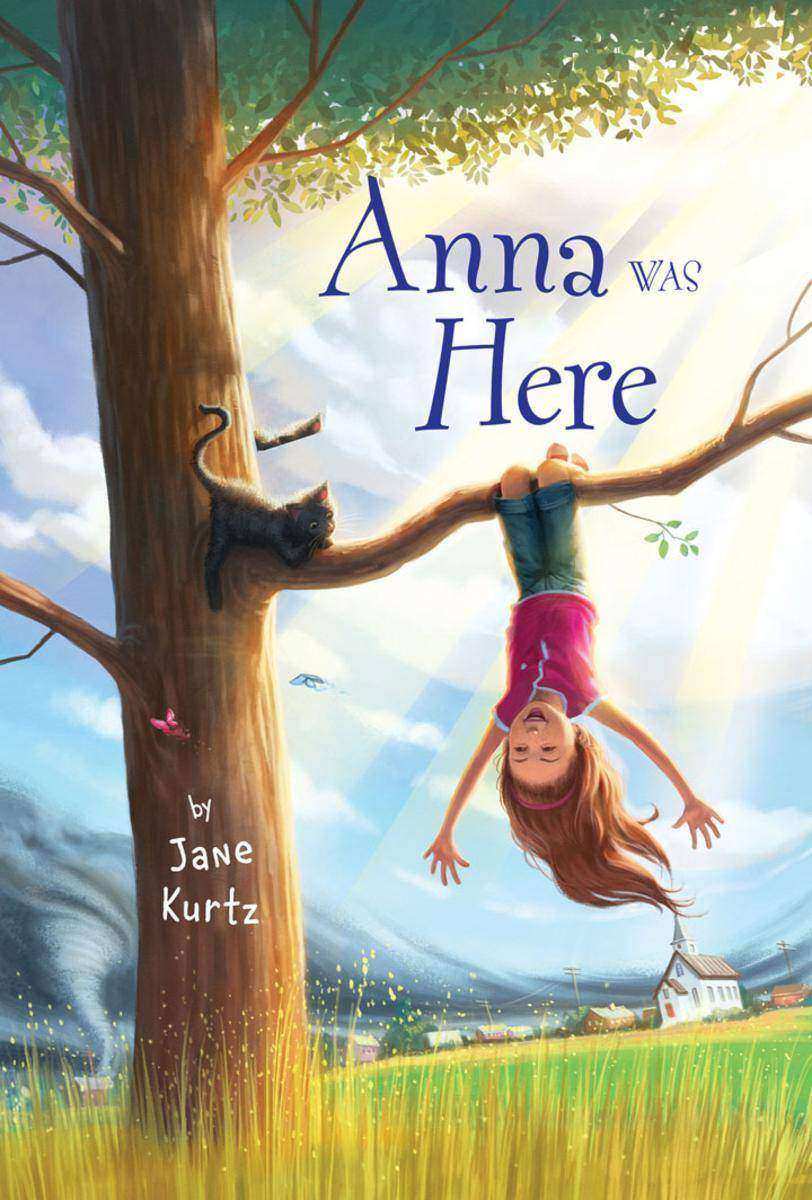
Anna Was Here
¥95.39
Ten-year-old Anna Nickel is moving from Colorado to Kansas, and she is not happy about leaving her friends behind! This is a moving, often humorous coming-of-age story about family, faith, God's love, and the meaning of home, perfect for fans of Katherine Paterson and The Penderwicks.Ten-year-old Anna Nickel's worst nightmare has come true. Her father has decided to move the family back to Oakwood, Kansas—where he grew up—in order to become the minister of the church there. New friends, new school, a new community, and a family of strangers await, and what's even worse, it's all smack-dab in the middle of Tornado Alley. Anna has always prided herself on being prepared (she keeps a notebook on how to cope with disasters, from hurricanes to shark bites), but she'll be tested in Oakwood! This beautifully written novel introduces a family who takes God's teachings to heart while finding many occasions to laugh along the way, and an irrepressible and wholesome ten-year-old who, with a little help from Midnight H. (her cat), takes control of her destiny.


