


 购物车
购物车 个人中心
个人中心
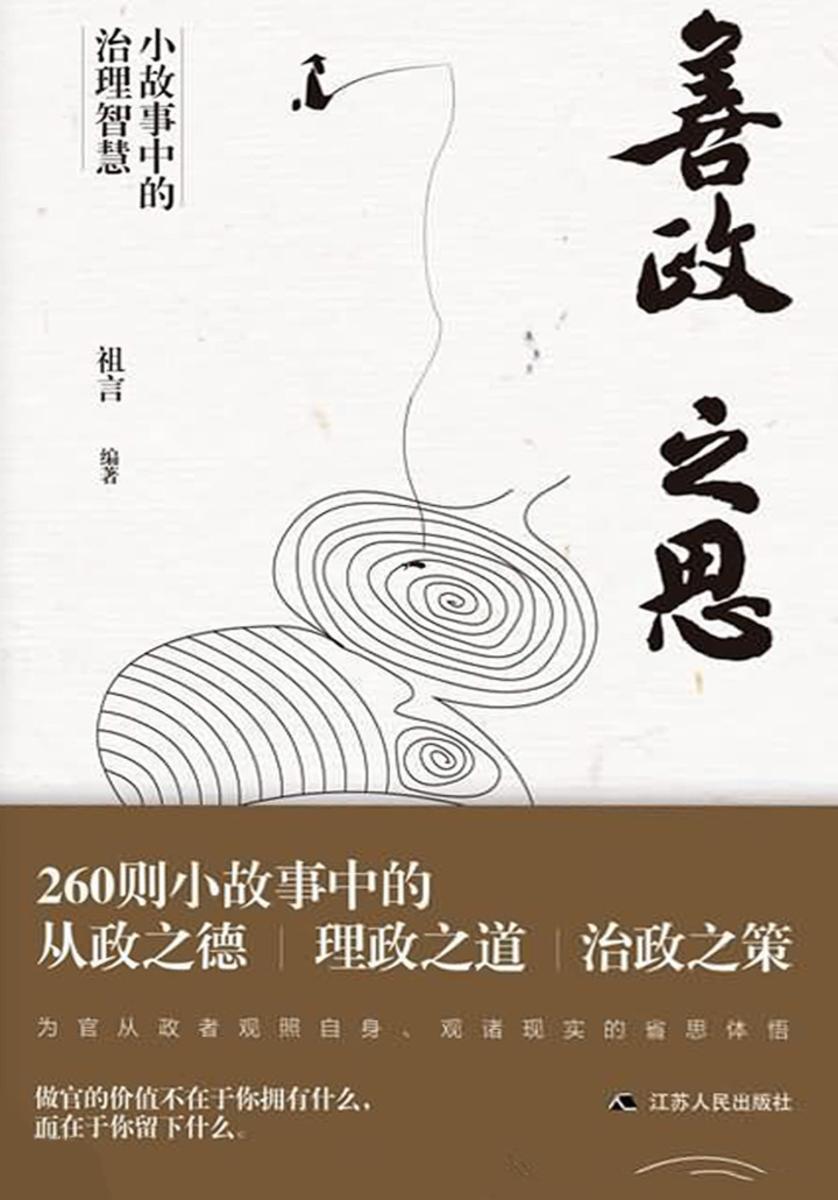
善政之思:小故事中的治理智慧
¥26.00
本书撷取了260则古今中外关于治理的小故事,这些故事或来自经典论著,或来自史料笔记,或来自哲理寓言,还有相当一部分源于朋友间的分享推荐。全书故事虽然主题不同,情节各异,语言风格有庄有谐,但都蕴含着启人深思的大道理。每则故事读罢,观照自身,观诸现实,对何为从政之德、理政之道、治政之策,多少总会有些省思体悟。 一个地方要在区域竞争中脱颖而出,必须有一批富有治理智慧的善政者在方向上领路、在拓前谋划、在实干中通变。作者结合大量古今治理案例,运用相当篇幅对“怎么能做好”的理性思考和“如何干成事”的行动本领行了阐发,其间所蕴含的谋事成事之法,值得反复咀嚼体会。

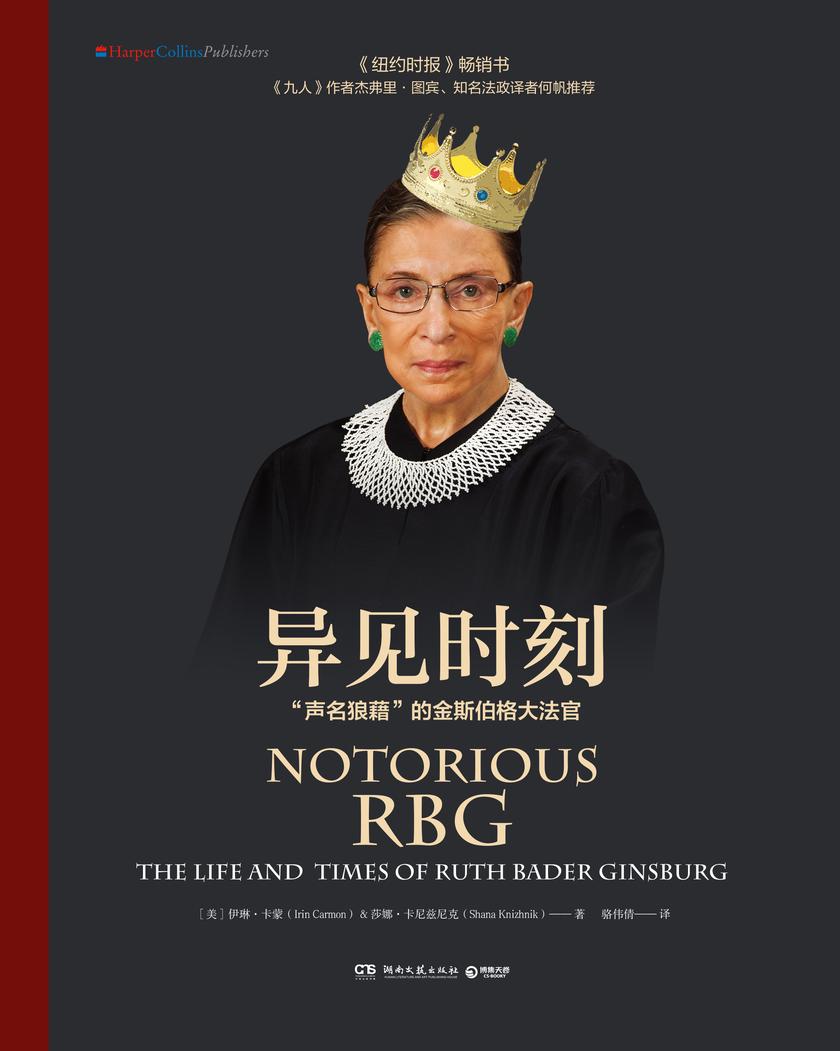
异见时刻:"声名狼藉"的金斯伯格大法官
¥31.99
《异见时刻》是美国联邦蕞高法院大法官鲁思·巴德·金斯伯格的图文传记。 鲁思·巴德·金斯伯格(Ruth Bader Ginsburg)于1993年由民主党总统比尔·克林顿提名为大法官。是继桑德拉·戴·欧康纳之后美国联邦*法院第二位女性大法官,亦是犹太女性大法官。金斯伯格的一生致力于女性权利的争取、维护与保障。 “声名狼藉的金斯伯格”(Notorious R.B.G.)是粉丝们对这位女大法官的爱称,模仿的是美国知名说唱歌手克里斯托弗·华莱士(Christopher Wallace)的别称。 书中内容一部分是传记,一部分是画集,还有一部分是金斯伯格的案件记录。通过穿插采访、插图、网络热词等素材,对金斯伯格的一生行了精彩回溯。 本书获得《纽约时报》、《波士顿环球报》、《时尚》、美国公民自由联盟(ACLU)书评推荐,获得《九人》作者杰弗里·图宾、知名法政译者何帆推荐。?
新时代江苏经济社会高质量发展研究
¥18.66
本书为江苏省社会科学院重课题,主要围绕新时代江苏经济社会高质量发展这一中心,从时代逻辑、探索实践、产业布局、企业转型、品牌质量建设、城市建设和农村建设等方面,行科学分析,指出江苏高质量发展过程中所面临的的突出问题和挑战,并提出全面深化改革的策略与路径。
国土综合整治研究(土地管理与房地产前沿丛书)
¥41.87
作为国家层面的战略部署,国土综合整治已成为当前中国生态文明建设与城乡融合发展的重要抓手。严金明教授领衔撰著的《国土综合整治研究》一书,立足于国家战略发展的宏观背景,从内涵模式和区域统筹两个方面对国土综合整治展系统研究,提出了新时期国土综合整治的核心内涵及全面推国土综合整治的十条政策建议。在国土综合整治的内涵模式方面,本书在明晰背景意义、界定基础概念的基础上,借鉴国外国土综合整治经验,分析了国内各个时期国土综合整治研究的阶段演与发展变化,提出了新时期国土综合整治的内涵理念、目标任务和类型模式。在国土综合整治的区域统筹方面,本书构建了“ 线 面”三个层次的国土综合整治统筹框架。此外,本书密切结合实际,对我国国土综合整治实施过程中的诸多重和热问题行了深探究,系统阐释了国土综合整治的制度基础、保障措施和实施机制。 本书认为,国土综合整治的本质是“对人与国土关系的再调适”。未来国土综合整治应当在土地综合整治的基础上,以落实空间规划“多规合一”、统筹城乡发展、推新型城镇化、建设生态文明等为导向,把所有国土资源纳治理范围。
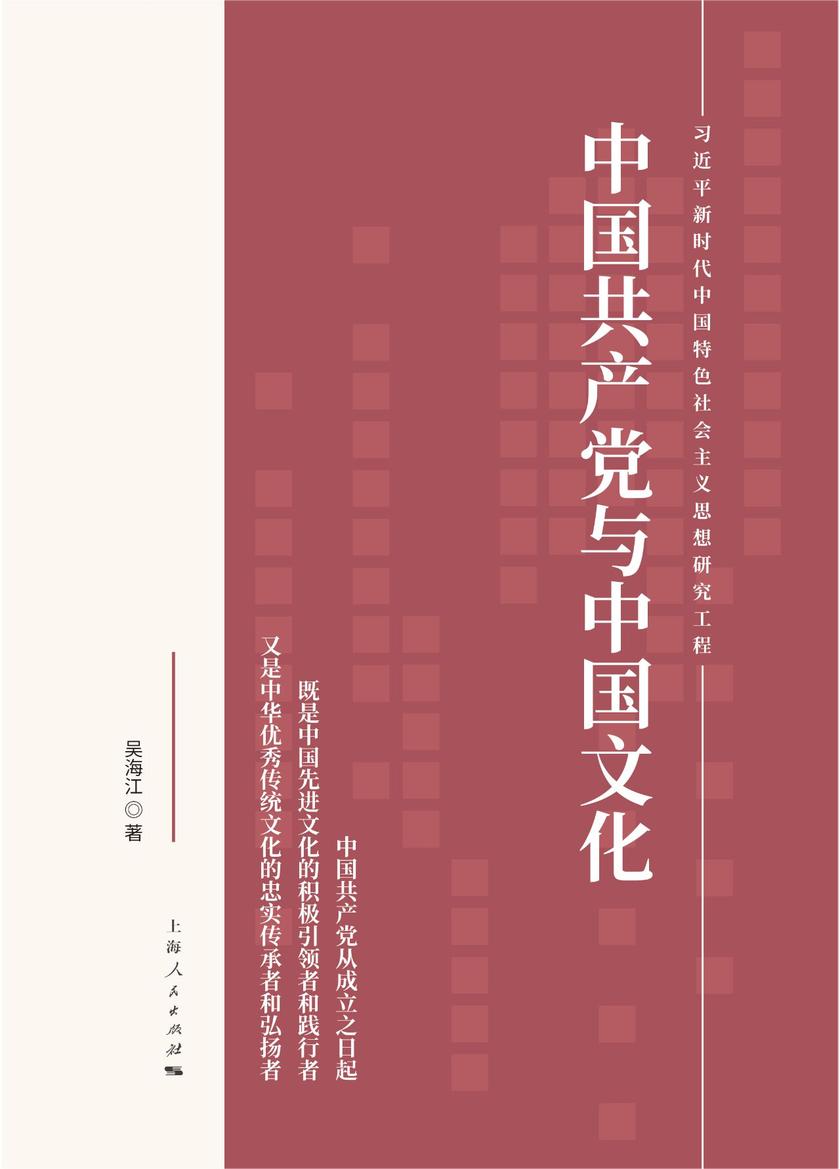
中国共产党与中国文化
¥32.00
本书从中国共产党与中国文化的关系出发,以整体性视角,通过对文化兴盛是国家强盛的重要标志、立足中华优秀传统文化、继承革命文化、发展社会主义先文化、加强思想道德建设、推当代中国中西马综合创新、构筑中国精神中国价值中国力量、坚定新时代文化自信等问题的专题研究,全景展现了五四运动百年,新中国70年以来中国文化的变革历程、理论特质和实践经验。
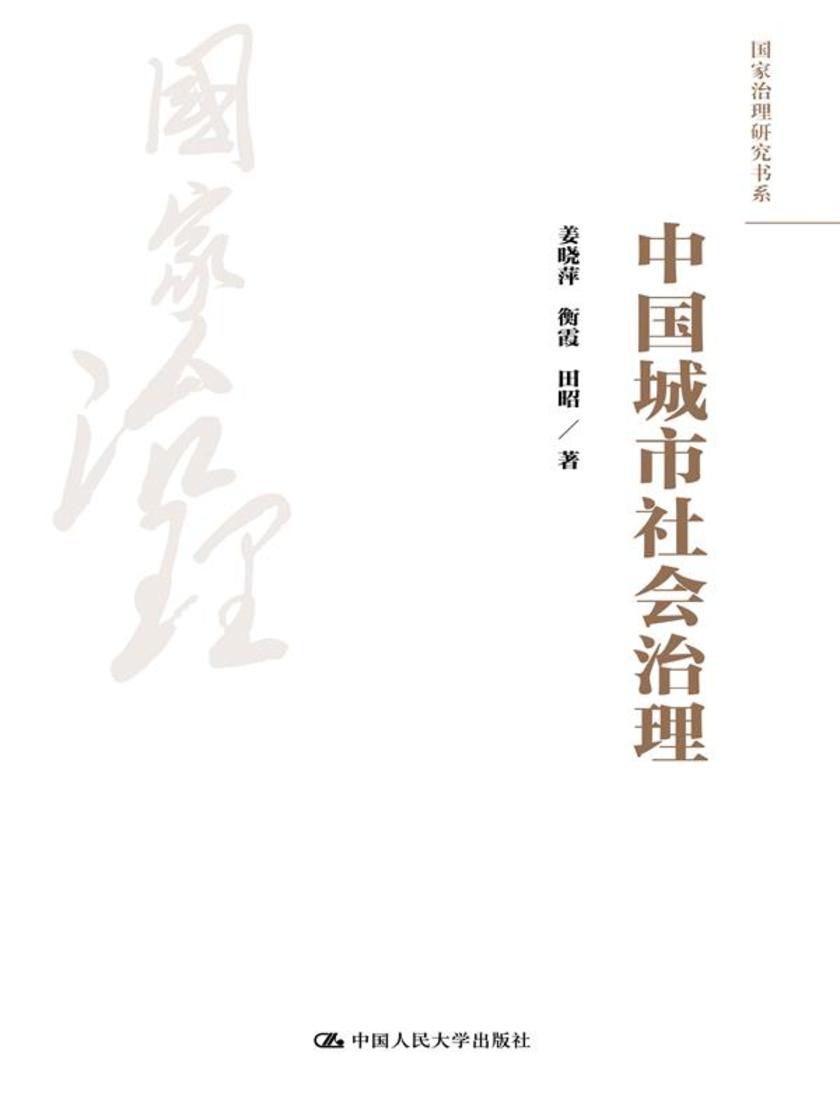
中国城市社会治理(国家治理研究书系)
¥40.80
由我国知名公共管理学者姜晓萍教授领衔撰著的《中国城市社会治理》一书,从国家治理现代化的高度出发,对中国城市社会治理问题行了深、系统的研究。全书首先对城市社会治理行理论溯源,论述了城市社会问题的历史性与现代性、世界性与中国性、农村性与城市性,以及社会治理的中国场域及其在新时代的新需求,梳理了城市社会治理的理论演逻辑,并从指导思想、基本原则、总体目标、职能定位等方面,构建了城市社会治理现代化的战略框架。在此基础上,对城市社会治理现代化中的党建引领、公共服务、社区治理三个核心问题行重论述。*后,对城市社会治理现代化的评估与监测问题展研究,并初步构建了城市社会治理现代化的评估与监测体系。 本书强调,城市社会治理要遵循党建引领、多元治理,改革创新、依法治理,尊重规律、统筹治理,以人为本、科学治理的基本原则。只有将党总揽全局、协调各方的政治优势同政府的资源整合优势、企业的市场竞争优势、社会组织的群众动员优势有机结合起来,坚持以人民为中心的治理理念,才能更好地推城市社会治理现代化。
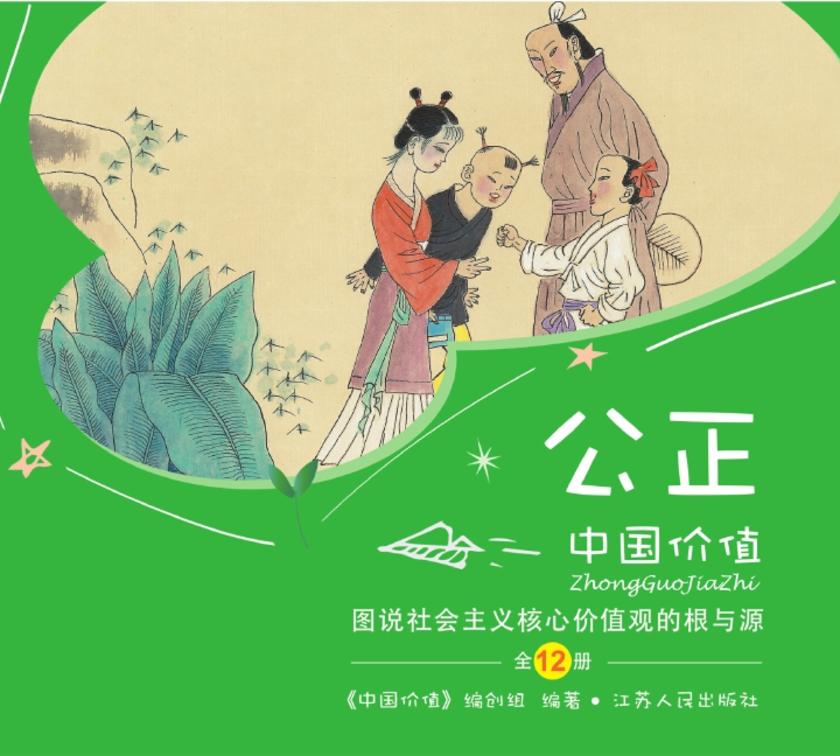
中国价值(少儿版) 图说社会主义核心价值观“公正”的根与源
¥450.00
如何让“富强、民主、文明、和谐,自由、平等、公正、法治,爱国、敬业、诚信、友善”这12个社会主义核心价值理念,被青少年更好地受?30位文史专家和书画艺术家之力,围绕社会主义核心价值观24个字,系统地挖掘和整理中华五千年文明史中的精华,*终精选出60个经典故事,以此创作300余幅连环画,对社会主义核心价值观国家、社会、公民三个层面,行图文并茂的阐释和注解。本书选取中国传统文化中的60多个经典故事,以连环画的形式,用12本小册子分别对这12个词行了对应的演绎,形象生动地寻找到中华文脉中的根和源,古为今用恰到好处。
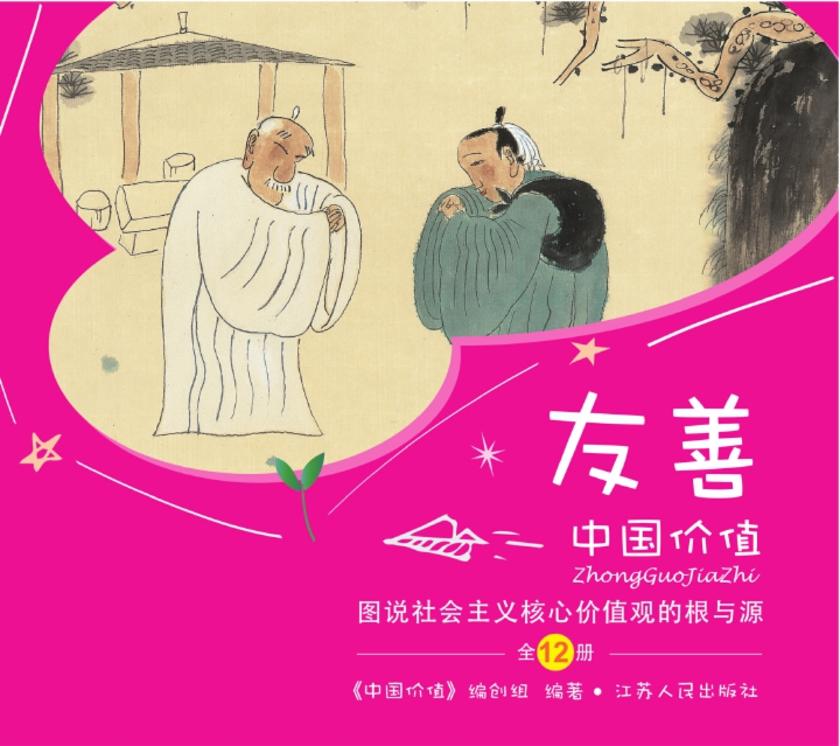
中国价值(少儿版) 图说社会主义核心价值观“友善”的根与源
¥26.00
如何让“富强、民主、文明、和谐,自由、平等、公正、法治,爱国、敬业、诚信、友善”这12个社会主义核心价值理念,被青少年更好地受?30位文史专家和书画艺术家之力,围绕社会主义核心价值观24个字,系统地挖掘和整理中华五千年文明史中的精华,*终精选出60个经典故事,以此创作300余幅连环画,对社会主义核心价值观国家、社会、公民三个层面,行图文并茂的阐释和注解。本书选取中国传统文化中的60多个经典故事,以连环画的形式,用12本小册子分别对这12个词行了对应的演绎,形象生动地寻找到中华文脉中的根和源,古为今用恰到好处。
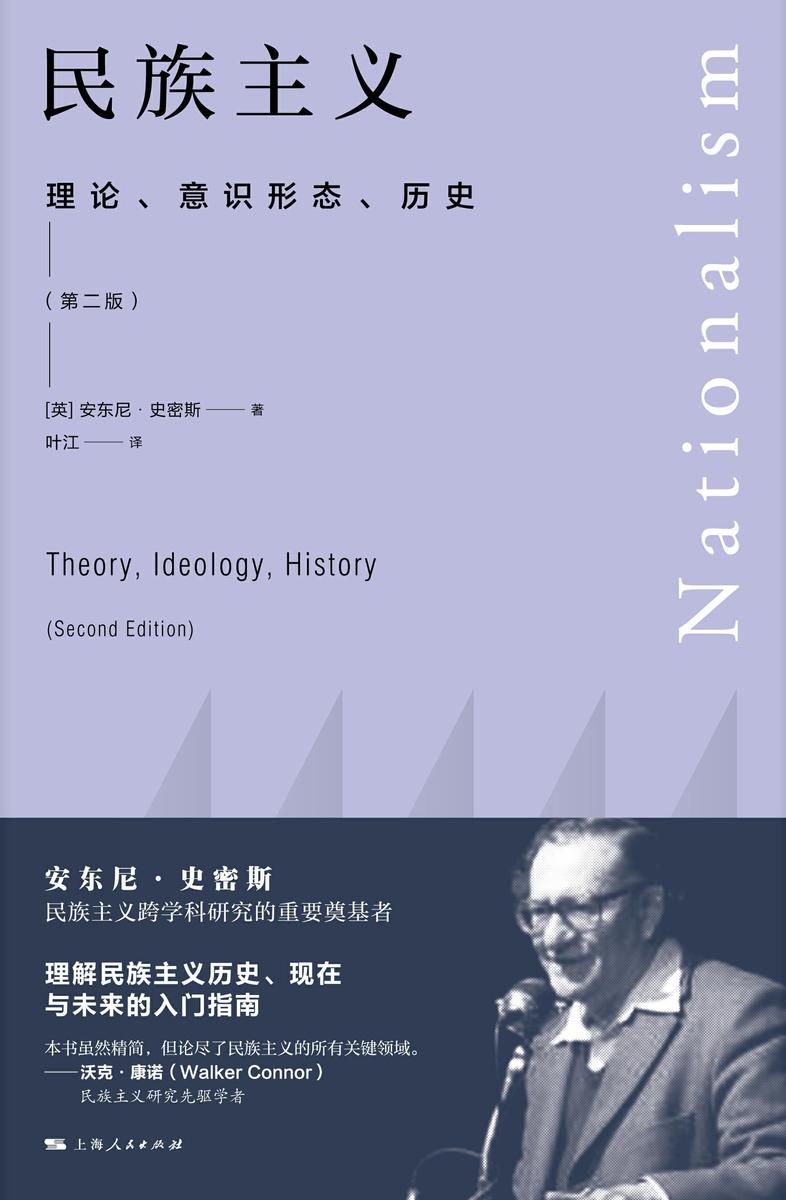
民族主义——理论、意识形态、历史(第二版)
¥47.99
本书是民族主义研究的经典理论著作。2010年出版的第二版列了蕞新的学术研究成果,从历史学、社会学、国际关系学乃至人类学的角度对民族主义这一概念行了深研究,具有广阔的历史和社会背景。作者首先简要论述了诸如“族群”“民族”等关键概念的不同定义,然后评述当代西方民族主义研究中的主要理论贡献和现存的学术成果,而全面地考察了有关民族主义概念的理论、意识形态和历史的学术分野和分歧,以及在这一研究领域的主要解释范式。 本书系统地剖析了民族主义这一概念及西方理论流派关于此的主要争论,融会各种流派对民族主义的解释的同时展现自己的观,承前启后,被认为是民族主义研究无法绕过的一本综述性理论著作,也是对民族主义这一跨学科研究领域感兴趣的读者和研究者不可错过的经典佳作。
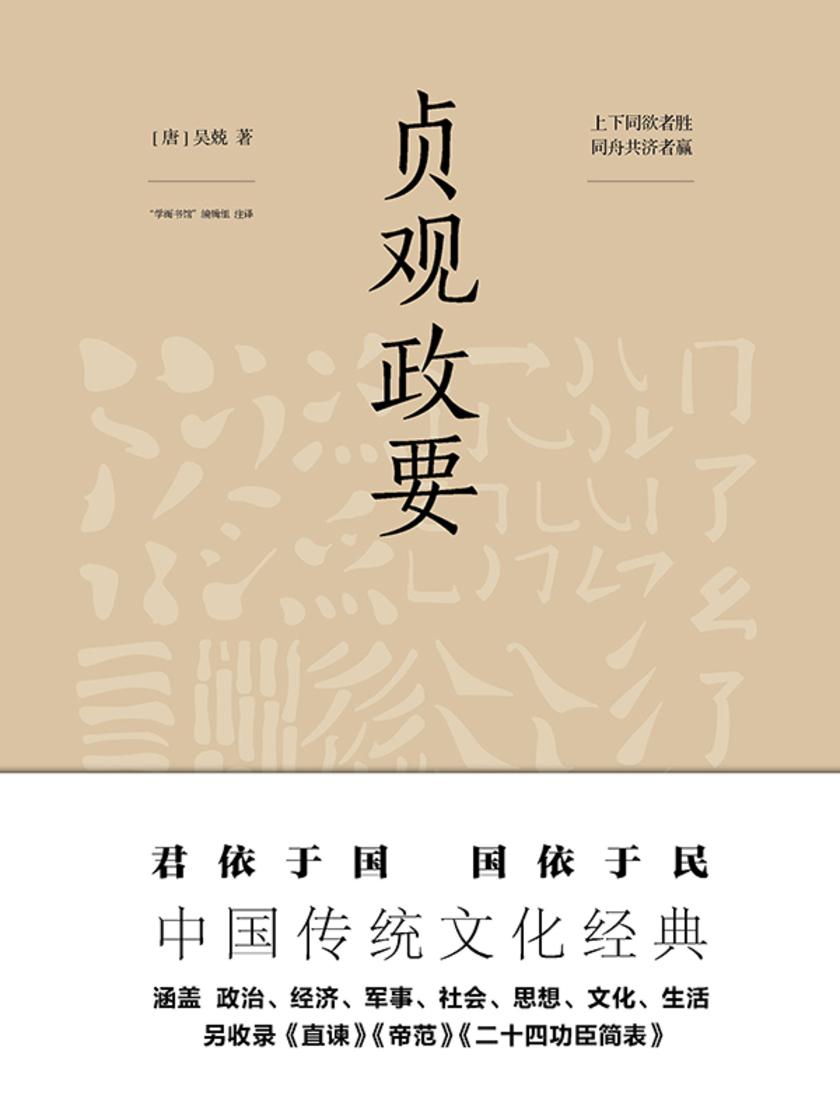
贞观政要(中国传统文化经典,未删节足本典藏版!政商界精英书)
¥10.50
《贞观政要》是一部政论性著作,全书共10卷40章,按时间和门类编辑了唐太宗在位23年中,与魏徵、房玄龄等大臣在治国理政上的理念问题,以及各大臣的争议、劝谏等,起到了规范君臣道德伦理和治军理国的作用。此外还记载了一些政治、经济上的重大举措。书末附录《直谏》《帝范》《凌烟阁二十四功臣简表》3篇。本书放在当下,亦是一部当之无愧的管理学和领导学方面的经典,其中许多治国理政思想都可以转化为管理企业和团队之用,帮助管理者建立威信和领导力。
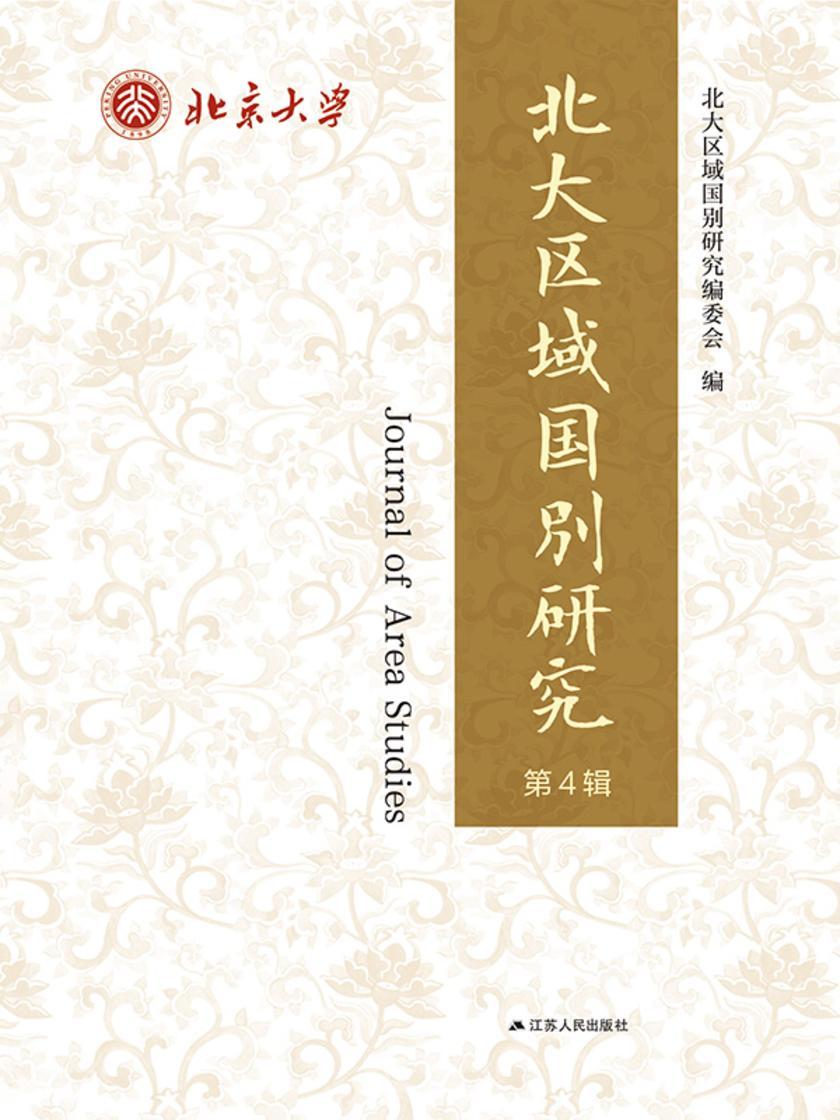
北大区域国别研究 第4辑
¥22.66
本书由北京大学区域与国别研究院组织编写,为国内区域与国别研究的学术步提供助力。本书意在提供一个跨学科的平台,让不同背景的学者在这个平台上演绎研究的成果;以基础研究为思想导向,面向世界重国家、重地区的人文、社会知识及经济、科学技术发展展基础性、前瞻性的跨学科研究。推动形成中国特色、北大优势的区域与国别研究范式,为我国的区域与国别研究及国际学术交流与发展贡献力量。 第4辑分设“疫情专题”“主题论文”“学术活动”“书评”四个板块的内容,“疫情专题”下设“全球疫情观察与分析”“公共卫生视野下的国家卫生体系”“海外疫情实地观察”三个子板块。其主题涉及当前诸多的国际重要问题,包括外交界资深人士、公共卫生领域知名专家等对全球疫情观察的专业观,从国际格局的宏观层面深探讨疫情对世界各国的影响,分析了全球典型国家的抗疫思路、公共卫生体系及应急制度等,以及《新冠肺炎疫情下的日本社会:影响、课题与前瞻》(胡澎)、《后安倍时代的日本外交变数及走向》(吕耀东)、《菲律宾在中美之间的“再平衡”》(郭延军、刘仁雪)、《试论阿纳多卢通讯社的报道取向》(龚颖元)、《新时代的中国与阿富汗经贸状态及促路径》(余明辉)等主题论文、书评,共21篇文章。本书所选文章资料扎实,观独到,逻辑清晰,体现了国内学者在该领域的研究成果。
江苏改革年鉴 (2021卷)
¥120.00
暂无
区域现代化基础理论研究
¥16.66
暂无
现代性的谱系
¥29.33
本书从错综复杂的现代性图谱中抽离出“世俗趣味”“工具理性”“个性表现”三种典型取向,并将“自由主义”“理性主义”“浪漫主义”看作为其提供合法性证明的三种主要社会思潮,通过一种复调叙事,为跨学科的现代性研究搭建了一个具有综合性意味的观察平台。
应急演练实施指南(公共安全应急管理指南丛书)
¥19.20
本书作为应急演练实施指南,是以导调过程为主线的,是对于演练组织方如何组织应急演练的方法与手段的介绍。本书分四个章节介绍其内容: *章“应急演练实施基础知识”介绍相关概念与原则。 第二章“应急演练实施基本方法”介绍典型的应急演练实施方法和流程。第三章“应急演练实施工作表单”介绍有关的工作检核表。第四章“应急演练实施实例展示”介绍有关实例。作为推荐性指南,这里介绍的方法并不是要给实践者“立法”或居 高临下式地予以“指导”,而是提供一种值得信赖的、可供参考的方法。
身份与暴力——命运的幻象(诺贝尔经济学奖获得者丛书)
¥21.00
世界也许充斥着越来越多的暴力,但是诺贝尔经济学奖得主阿马蒂亚·森在这部包罗万象的哲学著作中认为,驱使着这些暴行的,不仅仅是那些不可解脱的仇恨,还有人们的思想混乱。 在11岁那年,阿马蒂亚·森生平*次亲历了杀戮。20世纪40年代在印度突然爆发的印度教徒—穆斯林骚乱的双方都受到了别人的有意挑唆。这场骚乱中的绝大多数受害者——包括印度教徒与穆斯林——都是同属一个阶级的劳动人民。而应当对这场血腥屠杀负责的,只有宗教身份这种单一划分的观念。 在这本新作中,森指出,与过去一样,一直延续到今天的冲突与暴力都受这种单一身份的幻象影响。显然,越来越多的人们根据宗教立场(或者“文化”或“文明”)来划分世界,而忽略人们看待自身的其他方式——诸如阶级、性别、职业、语言、文学、科学、音乐、道德或政治立场,并且否定了合理选择的现实可能性。一旦根据这种观来界定不同人之间的良好关系,人类就被严重地压缩并置于“小盒”之中。 在《诺贝尔经济学奖获得者丛书·身份与暴力:命运的幻象》中,森颠覆了那种惯用的概念,诸如“整个中东”或“西方思想”。通过对文化多元主义、恐怖主义和全球化的精辟分析,他得出了结论,我们应当更为清晰地理解人类自由,并成为全球公民社会中富有建设性的公共表达者。森证明,尽管*近世界陷了战争循环,但只要我们坚持这一理念,这个世界也同样能够稳定地迈向和平。
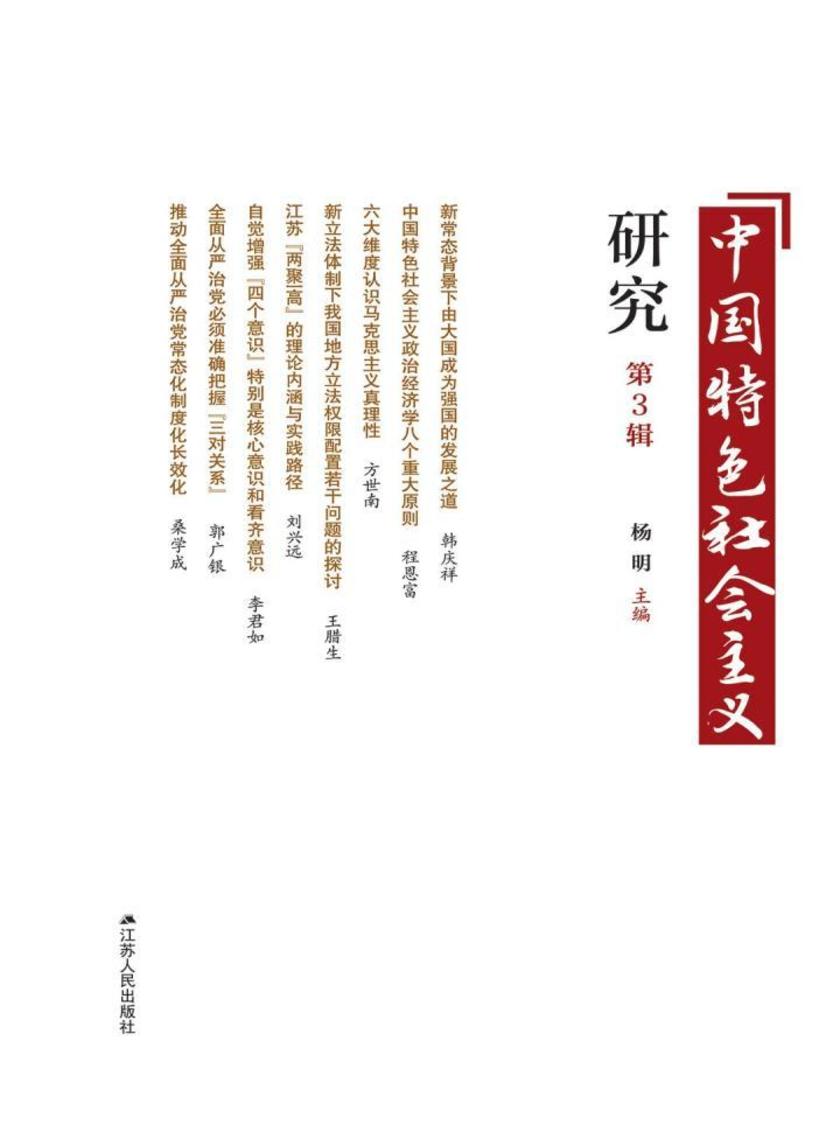
中国特色社会主义研究论丛.第3辑
¥11.00
【内容简介】 本书为社会科学类论文集,分为治国理政新理念新思想新战略研究、中国特色社会主义与当代中国、马克思主义研究、政治文明、经济建设与社会发展和党的建设六个版块。 本书由中共江苏省委党校中国特色社会主义理论体系研究中心,根据理论热点,组织刊发国内有影响的专家学者关于中国特色社会主义理论与实践研究的原创研究成果,是江苏省委党校在新形势下进一步深化中国特色社会主义理论体系研究,切实把中国特色社会主义理论体系学习宣传和研究引向深入的成果展示。
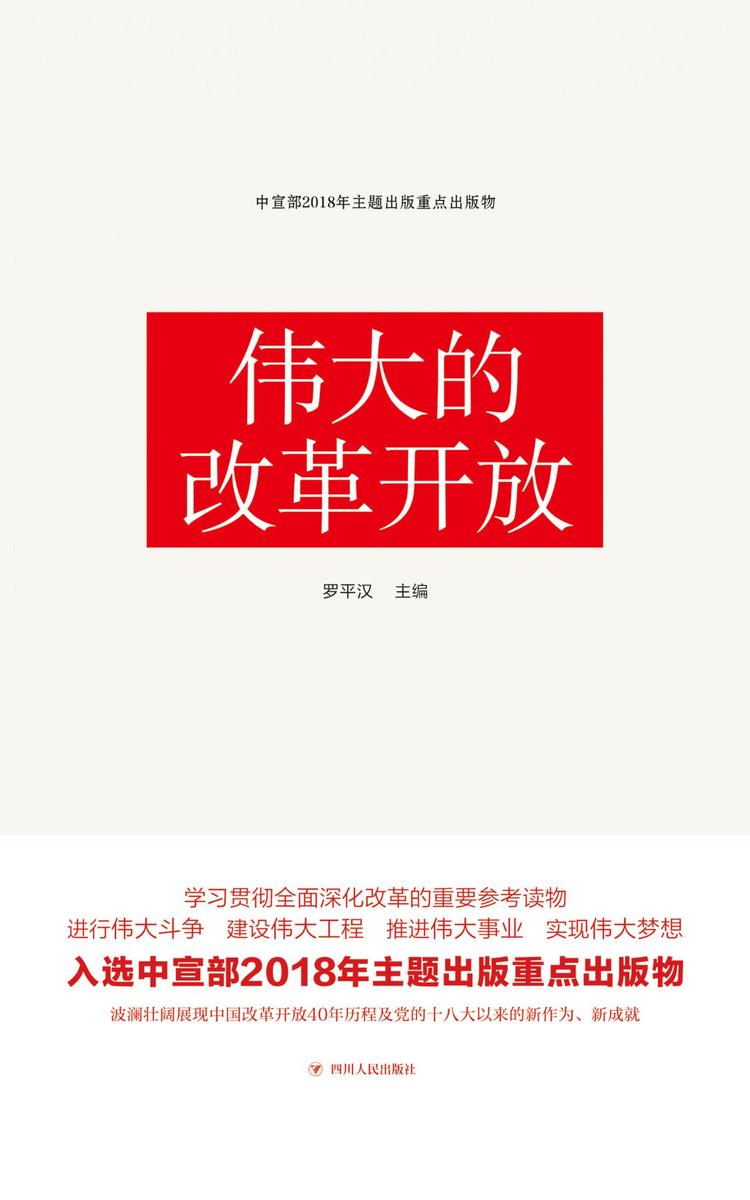
伟大的改革开放
¥24.99
2018年中国迎来改革放40周年,这是总结经验、继续深化改革放的重要时机。本书从历史、成就和经验等多个维度,对改革放的伟大局面行立体式呈现,全面展现改革放40年历程尤其是党的十八以来的新成就,全面回答“为什么说改革放伟大”这个重大问题。本书深贯彻总书记关于全面深化改革的讲话精神,充分展示了改革放40年的伟大成就,深刻认识了改革放是决定当代中国命运的关键一招,是新时期全面解读改革放的重要著作。
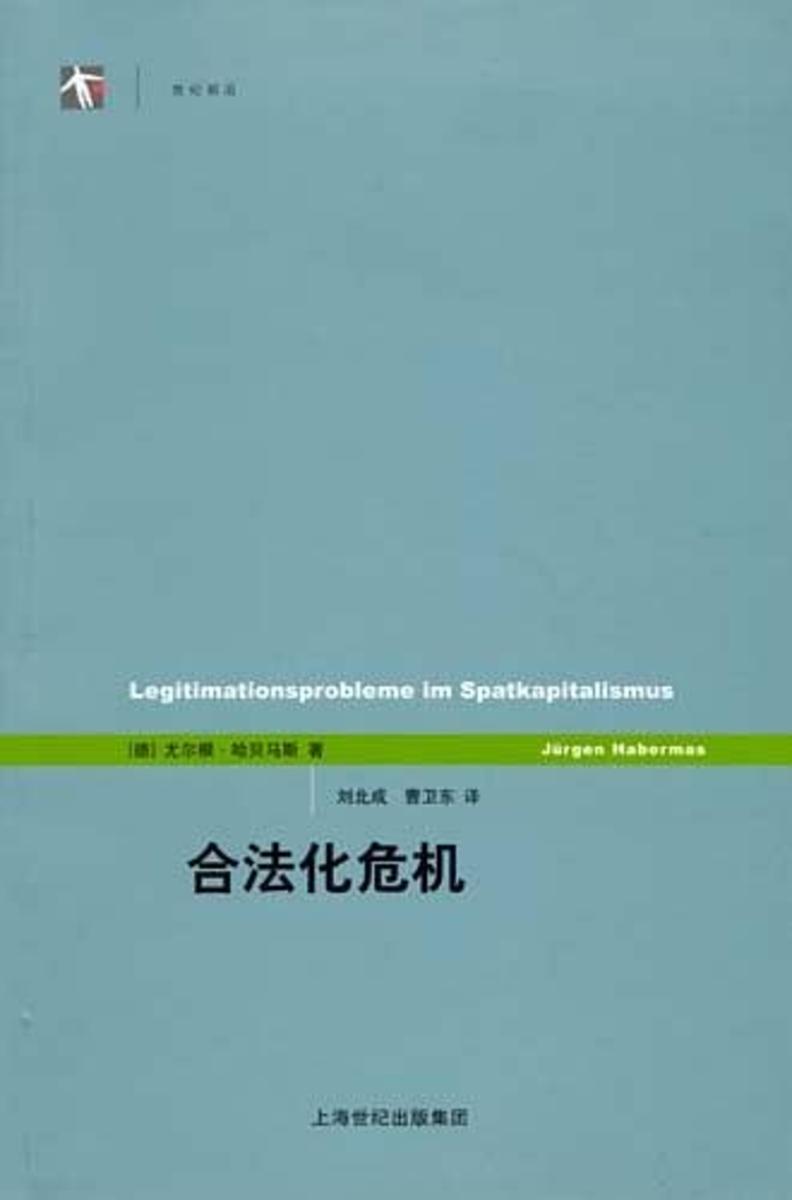
合法化危机
¥16.99
哈贝马斯在本书中指出了当代资本主义社会的经济、政治和社会文化 系统中存在着四种形式的危机倾向。由于现代技术的高速增长,管理和控 制的过度强调,产生了一系列新的危机,除各种形式的经济危机外,文化 危机(包括人性的自由发展、社会成员对社会的信任和参与动机等问题), 以及行政系统的合理决策和有效协调等问题,是更严重的危机。
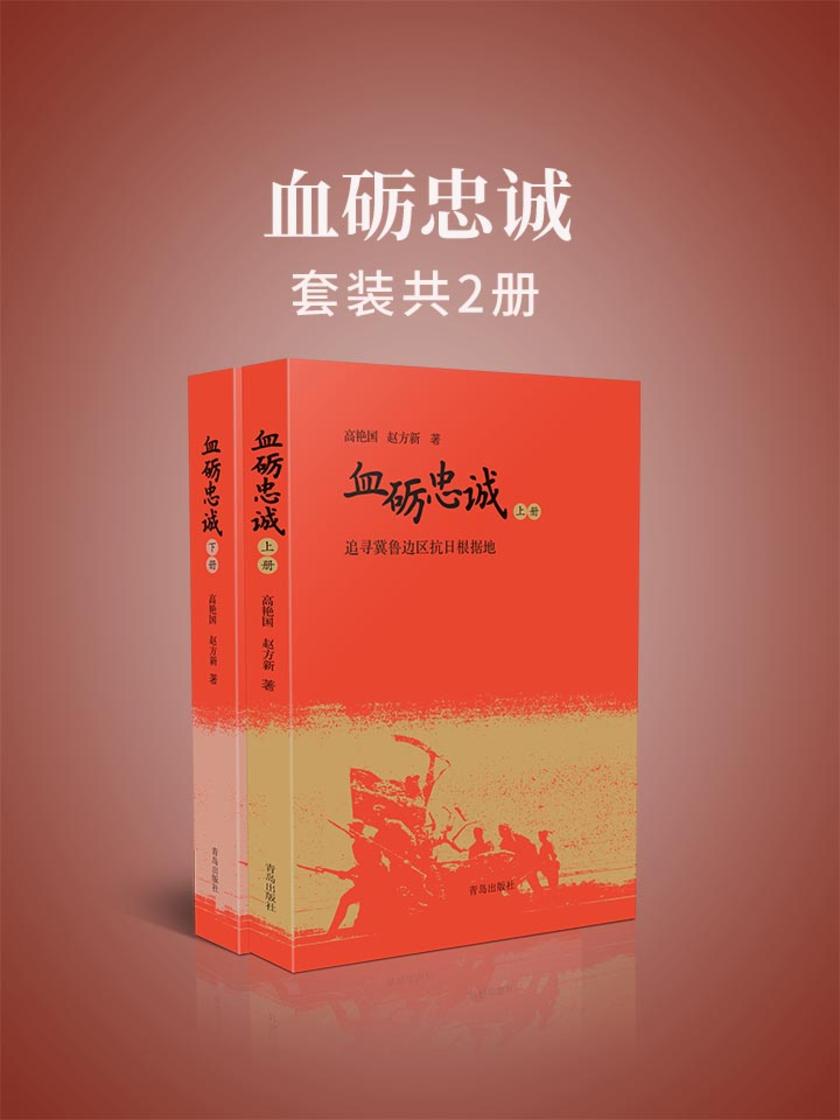
血砺忠诚
¥40.00
长篇报告文学《血砺忠诚》主要讲述了抗日战争全面爆发后,中央军委决定出兵山东,由萧华将军率东进纵队挺进乐陵,创建冀鲁边区抗日根据地,展示了冀鲁边区抗日根据地从无到有、从小到大的全过程,重现那段难忘的“国家记忆”和“民族记忆”,表现了那个时代的仁人志士和我党的优秀代表对祖国、对民族、对人民的无限忠诚,昭示中华民族走向未来的勇气和信心,向新中国成立70周年献礼
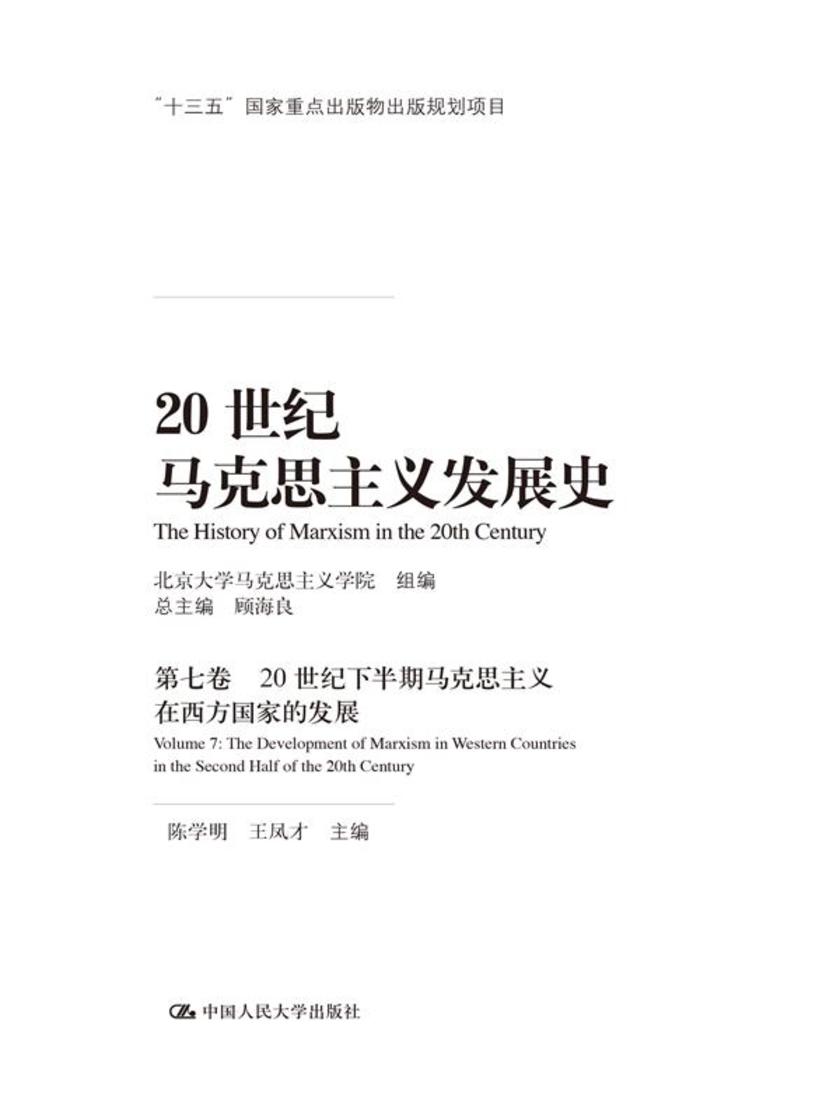
20世纪马克思主义发展史(第七卷):20世纪下半期马克思主义在西方国家的发展
¥112.80
第二次世界大战以后,伴随着第三次科技革命带来的生产力迅猛发展,世界范围内发生巨大变革。本卷结合20世纪下半期西方资本主义世界的发展及其历史背景,系统考察20世纪下半期马克思主义在西方国家的发展,内容涉及西方社会党理论家、西方共产党理论家、第四国际理论家、西方马克思学对马克思主义的新探索、新阐释,法兰克福学派批判理论新发展,欧陆国家和英美国家马克思主义流派对马克思主义的新阐释,生态学马克思主义、西方国家的马克思主义经济学新发展,以及苏东剧变后西方国家的马克思主义发展趋向等。


