


 购物车
购物车 个人中心
个人中心
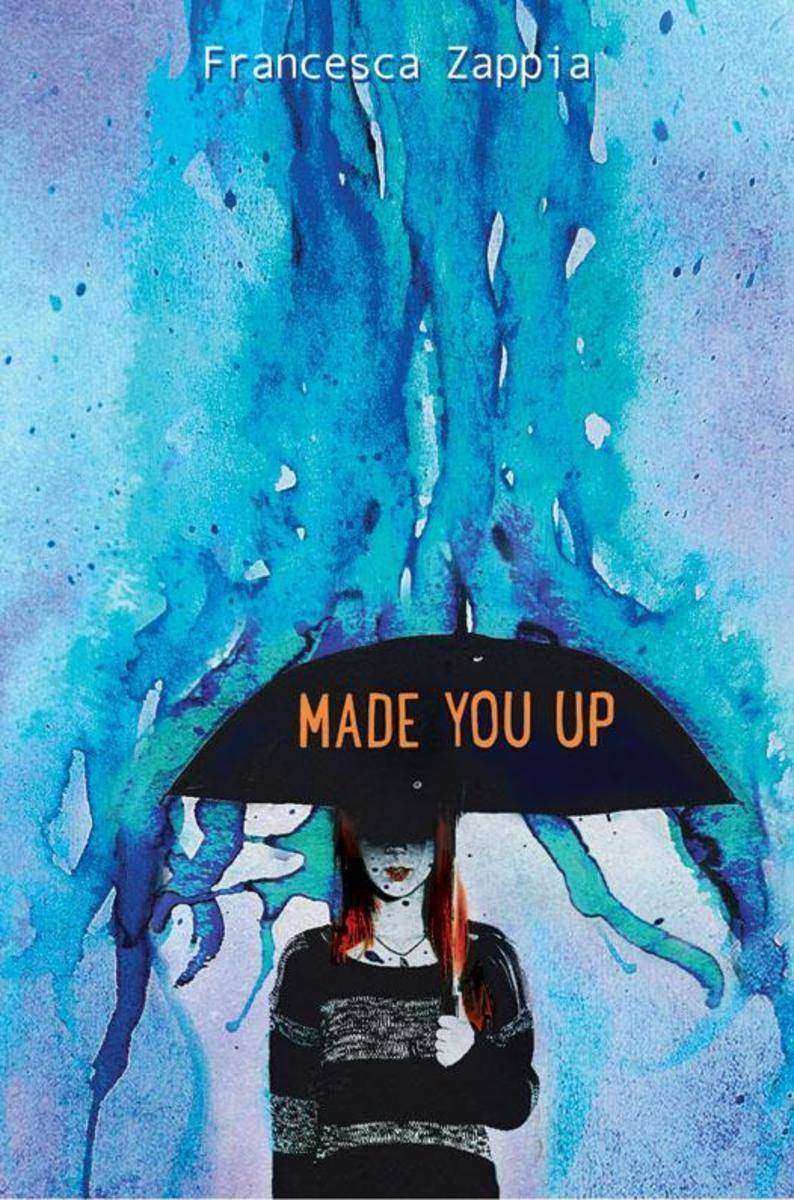
Made You Up
¥56.08
Reality, it turns out, is often not what you perceive it to be—sometimes, there really is someone out to get you. For fans of Silver Linings Playbook and Liar, this thought-provoking debut tells the story of Alex, a high school senior—and the ultimate unreliable narrator—unable to tell the difference between real life and delusion.Alex fights a daily battle to figure out what is real and what is not. Armed with a take-no-prisoners attitude, her camera, a Magic 8 Ball, and her only ally (her little sister), Alex wages a war against her schizophrenia, determined to stay sane long enough to get into college. She's pretty optimistic about her chances until she runs into Miles. Didn't she imagine himBefore she knows it, Alex is making friends, going to parties, falling in love, and experiencing all the usual rites of passage for teenagers. But Alex is used to being crazy. She's not prepared for normal. Can she trust herselfCan we trust her?
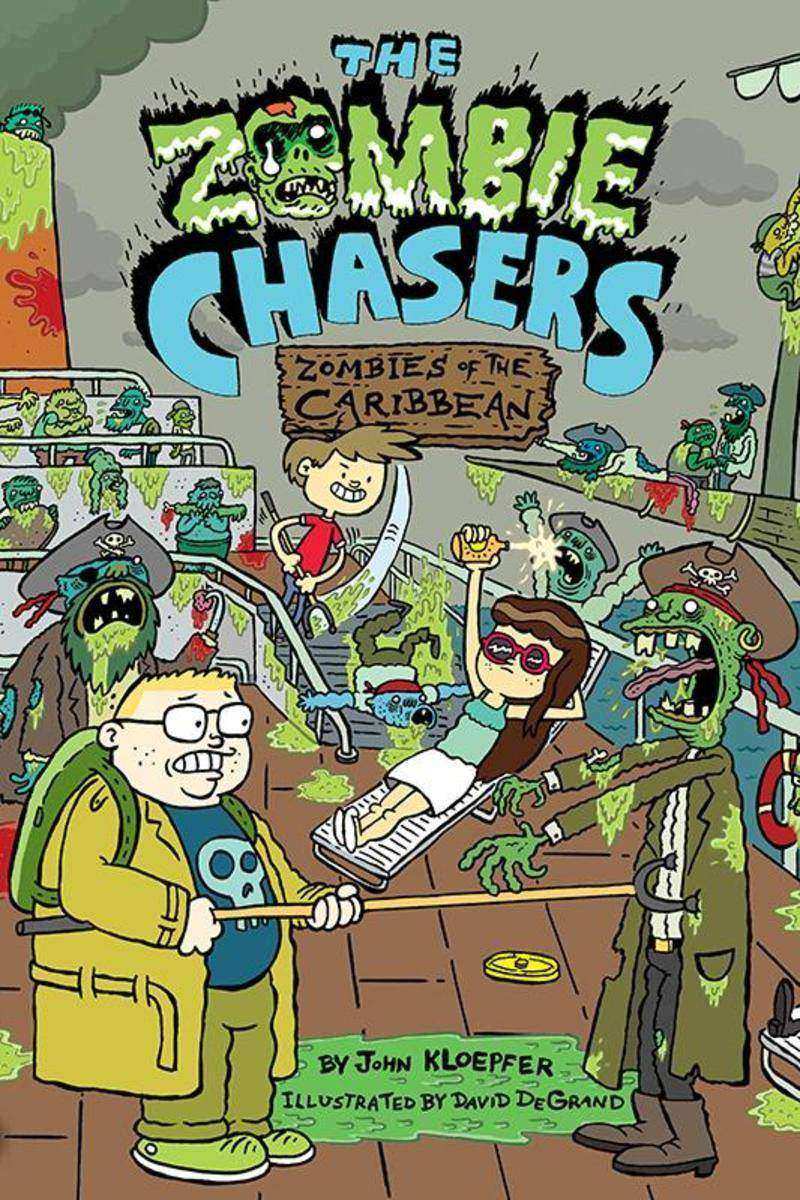
The Zombie Chasers #6: Zombies of the Caribbean
¥39.24
The Zombie Chasers take to the high seas in the sixth installment of John Kloepfer's hysterical Zombie Chasers tween series, illustrated by David DeGrand. With all the middle school shenanigans, fast-paced adventure, and hilarious black-and-white drawings that have made this series so beloved by reluctant readers everywhere, The Zombie Chasers #6: Zombies of the Caribbean is a gore-larious romp not to be missed!Zack Clarke and his team—Zoe, Rice, Ozzie, Madison, and Olivia—have fled the infested coasts of Florida, chased by a ravenous mob of super zombies. With no antidote in sight, there's only one person who can help them now: an eccentric explorer—and renowned zombie expert—who's lying low in a zombie-proof bunker somewhere in the Caribbean. As the pals fend off decomposing pirates, crusty crew mates, and putrid sea creatures, they race to uncover the cure for zombies everywhere. But will they be able to defeat the zombies of the Caribbean before the cure and their plan go overboard?
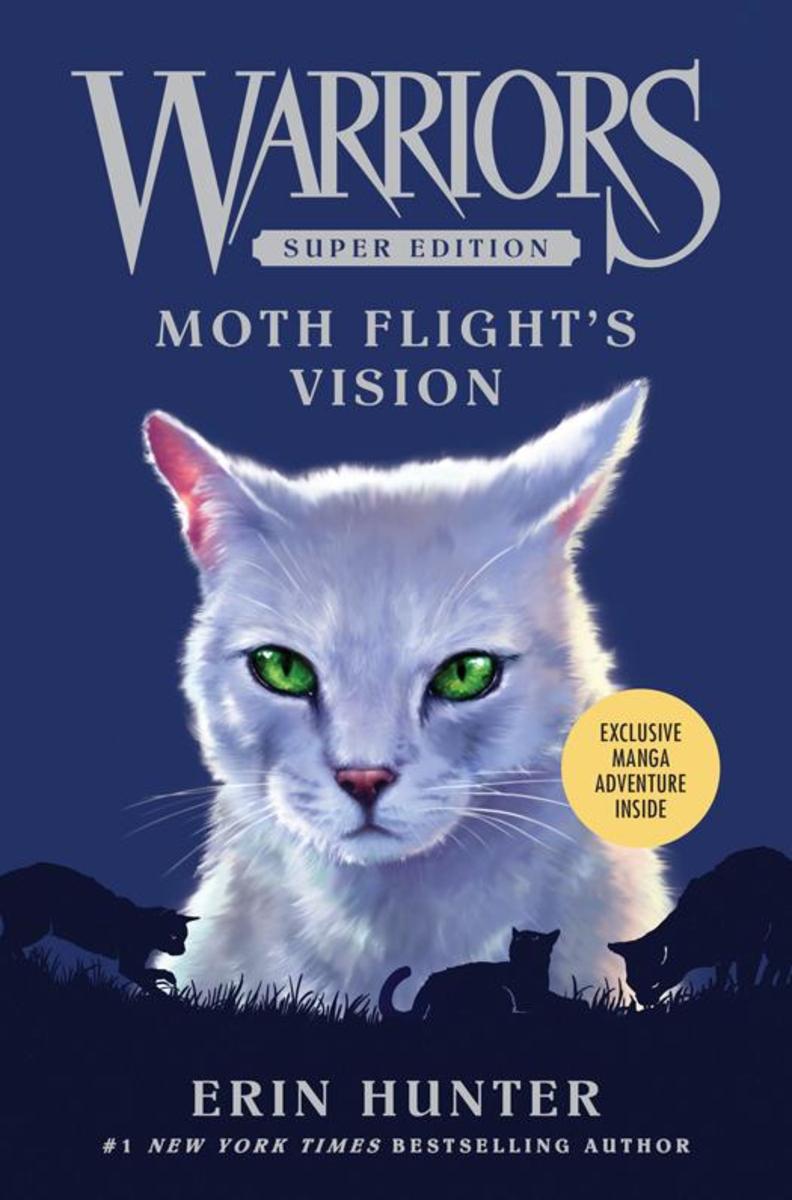
Warriors Super Edition: Moth Flight's Vision
¥44.73
Warriors Super Edition: Moth Flight's Vision is an epic stand-alone adventure in Erin Hunter's #1 nationally bestselling Warriors series! Set after the events of the Dawn of the Clans prequel arc, this Super Edition follows WindClan's first medicine cat, Moth Flight, on a quest that changes the shape of the warrior Clans forever.The five warrior Clans are newly formed, and the forest is at peace—but in WindClan, one young cat is troubled by strange visions that will lead her to a destiny no cat could have predicted.?Join the legion of fans who have discovered the epic adventures, fierce warrior cats, and thrilling fantasy world of the mega-bestselling Warriors series. This stand-alone entry is perfect for new readers and dedicated fans alike.Moth Flight's Vision also includes an exclusive ten-page Warriors manga adventure!

The Divergent Series Complete Collection 分歧者系列(套装共3册)
¥320.56
All three books in the #1?New York Times?bestselling Divergent trilogy are available together for the first time! Perfect for gift givers, collectors, and fans new to the series, the collection includes Divergent, Insurgent, and Allegiant, as well as bonus content: a 48-page guide to the series, including Faction Manifestos, a Faction Quiz and Results, a Q&A with Veronica Roth, playlists, discussion questions, series inspirations, and much more!Divergent: One choice can transform you. Veronica Roth's #1?New York Times?bestselling debut is a gripping dystopian tale of electrifying choices, powerful consequences, unexpected romance, and a deeply flawed "perfect society."Insurgent: One choice can destroy you. Veronica Roth's second #1?New York Times?bestseller continues the dystopian thrill ride. As war surges in the factions all around her, Tris attempts to save those she loves—and herself—while grappling with haunting questions of grief and forgiveness, identity and loyalty, politics and love.Allegiant: The explosive conclusion to Veronica Roth's #1?New York Times?bestselling Divergent trilogy reveals the secrets of the dystopian world that has captivated millions of readers.
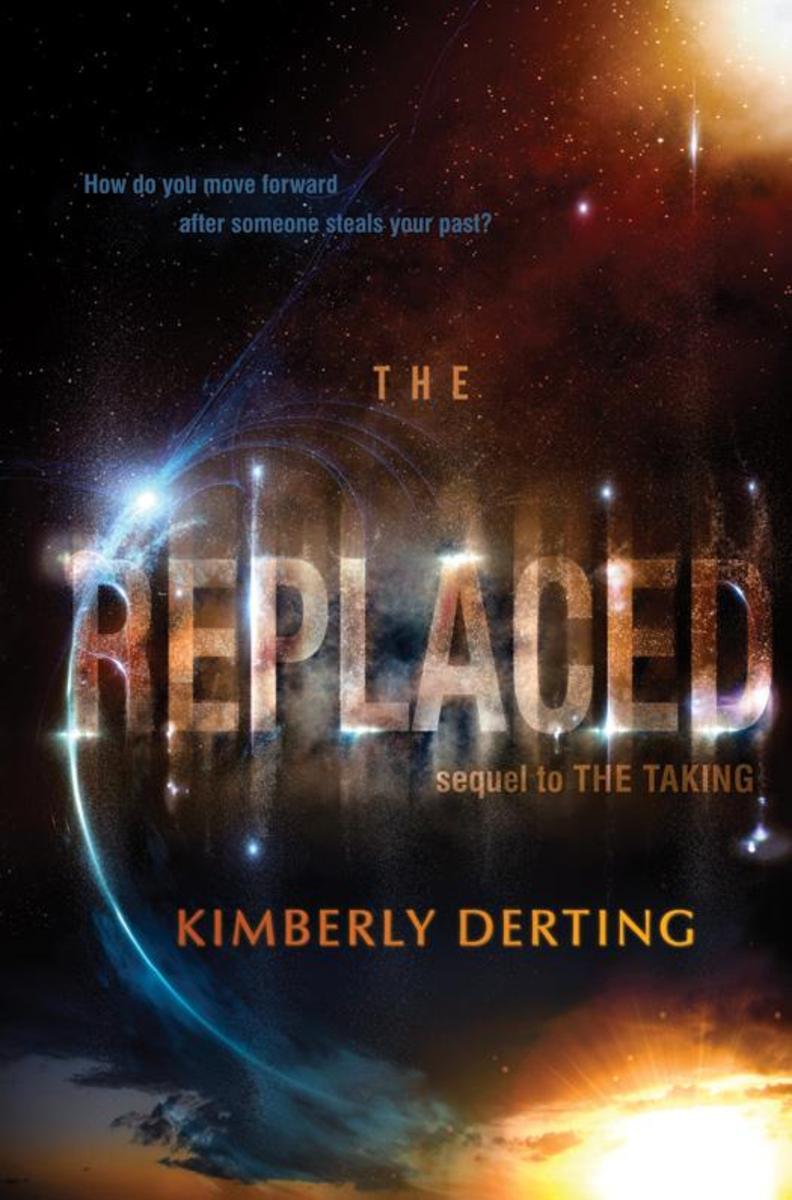
The Replaced
¥55.33
The gripping second installment in the Taking trilogy is perfect for fans of The Fifth Wave and the Body Finder series. Explosive and romantic, with creepy, otherworldly elements and twisty, psychological thrills, The Replaced will have you questioning what exactly it means to be human. Kyra hasn't been the same since she returned from her mysterious five-year disappearance. Now, on the run from the NSA, Kyra is forced to hide out with others who, like her, have been Returned. Yet she is determined to find Tyler, the boy she loves who was also abducted . . . all because of her. When her group intercepts a message that Tyler might still be alive, Kyra risks everything to get him back. But he is being held by a shadowy government organization that experiments on the Returned, and going after him puts the rest of the group in danger. Even if Kyra gets Tyler back, the fight to save him—and the rest of the Returned—is just beginning.
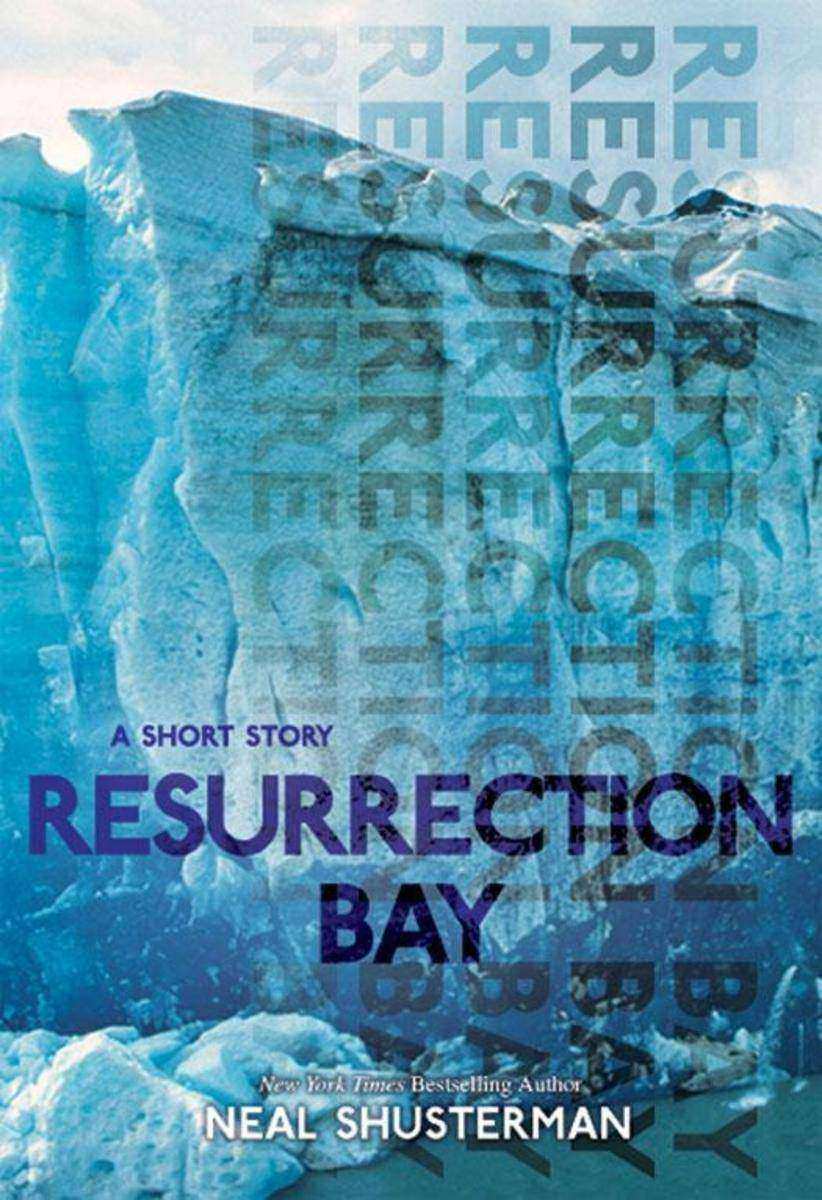
Resurrection Bay
¥32.65
From New York Times bestselling author Neal Shusterman comes a thrilling, spine-tingling 32-page original short story that's perfect for fans of Unwind and UnWholly.Bones. They know the call of the ice.Anika knows the call of the ice, too. Living in an isolated port town in Alaska with her father and younger brother, Anika is practically steps away from the Harding Icefield, and Exit Glacier has always been her favorite place.But after a couple tragically dies there, Exit Glacier seems to come alive and begins moving toward the town with unnatural speed. Anika feels deep in her bones that the ice wants something. . . .After the glacier finally stops in the town's cemetery, Anika and her on-again, off-again boyfriend, Rav, face a sinister truth: The soul of the glacier is looking for bodies to inhabit . . . and where better to find them than the graveyard?This fast-paced, eerie short story is a deft blend of suspense and horror that will leave readers breathless . . . and chilled to the bone.Epic Reads Impulse is a digital imprint with new releases each month.
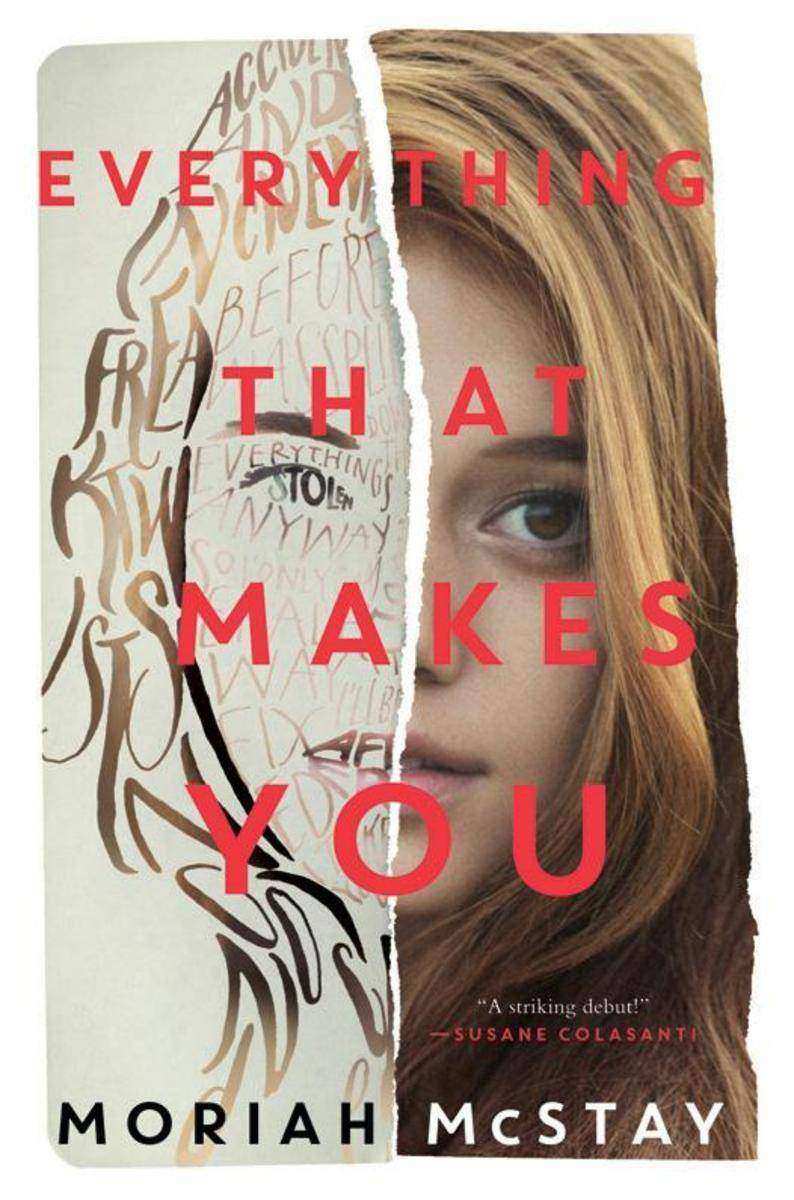
Everything That Makes You
¥56.08
Ever wonder "What if?" Everything That Makes You is a romantic, epic story about one girl—and her two possible lives after an accident changes her fate.Fiona Doyle's face was horribly scarred as a child. She writes about her frustrations and dreams in notebooks, penning song lyrics. But she'd never be brave enough to sing those songs in public. Fi Doyle never had an accident. She's the best lacrosse player in the state and can't be distracted by her friend who wants to be more than that. But then her luck on the field goes south.Alternating chapters between Fiona and Fi tell two stories about the same girl—hopes and dreams and crushes, fears and failures and loss. This beautifully written realistic contemporary novel with a twist is perfect for fans of If I Stay by Gayle Forman and Before I Fall by Lauren Oliver.
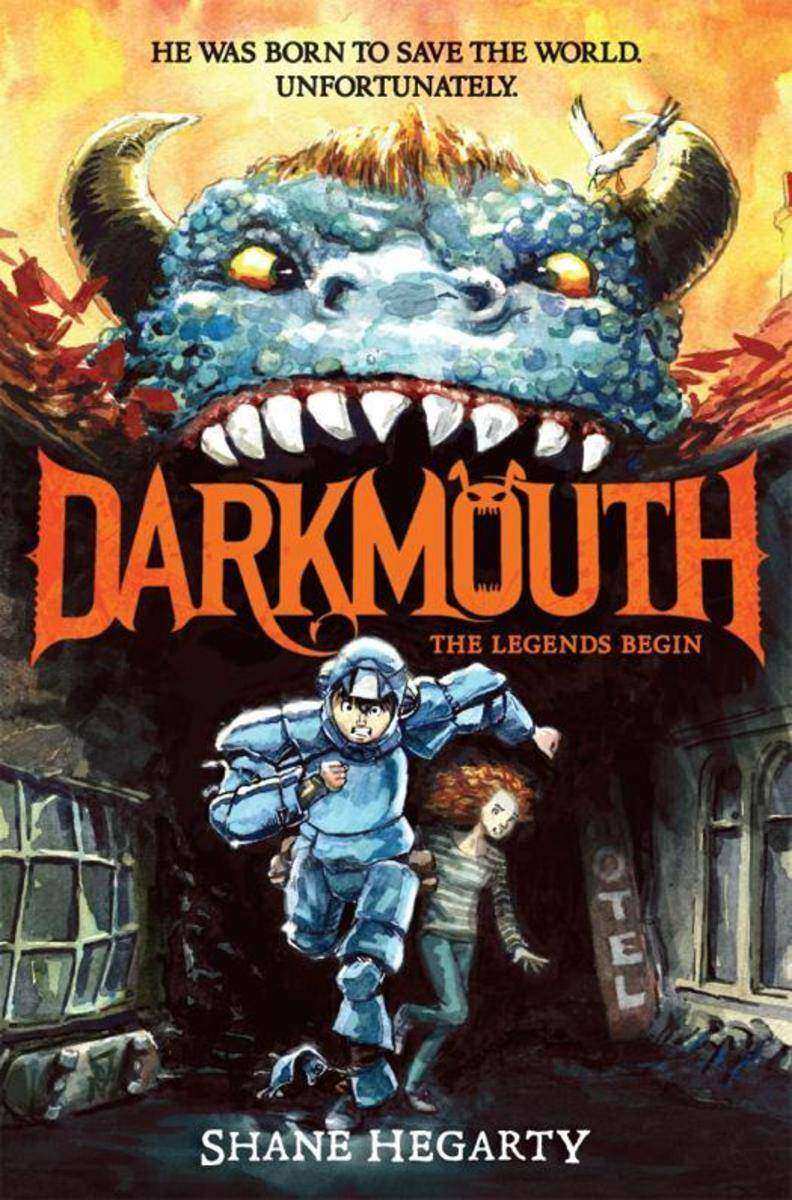
Darkmouth #1: The Legends Begin
¥44.85
Discover a new middle grade series full of madcap adventure, mythological creatures, humor, and heart. The world's unlikeliest hero is also its only hope in this spirited tween fantasy debut, perfect for fans of How to Train Your Dragon and The Hero's Guide to Saving Your Kingdom.For generations, Finn's family has protected Darkmouth from the fierce magical creatures known as Legends. Now the Legends are plotting a major attack, and it's Finn's turn to defend his hometown. So it's too bad he's the worst Legend Hunter in history.
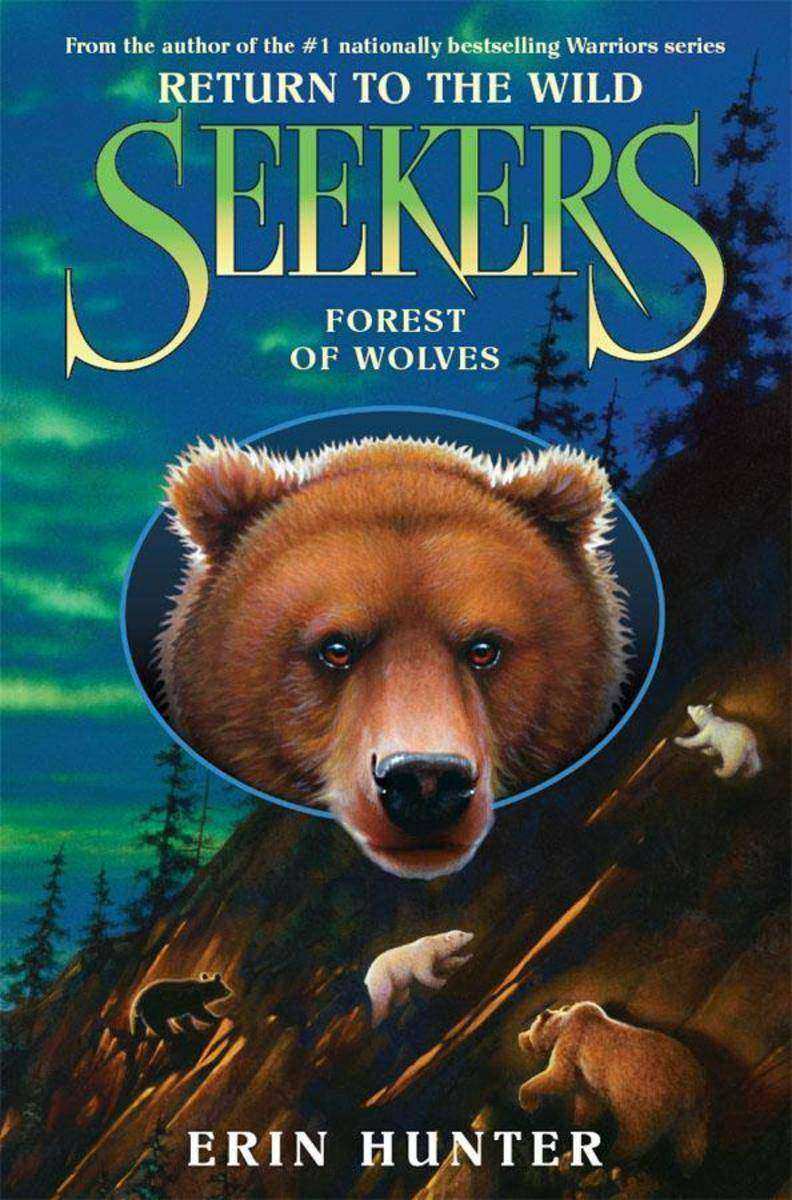
Seekers: Return to the Wild #4: Forest of Wolves
¥39.13
Erin Hunter's New York Times bestselling Seekers series continues in the fourth book in the Return to the Wild story arc. With its thrilling blend of action and suspense, this epic animal fantasy is perfect for fans of the #1 nationally bestselling Warriors series.After a harrowing journey, the four bears finally arrive at Toklo's former home. Toklo is thrilled to be in the mountains, surrounded by warm memories of his cubhood, but his homecoming has come at a price. Yakone is dangerously ill and may not survive. Meanwhile, Lusa is unsure of what her future holds. Is she ready to find her own way if it means leaving her friends—the only family she has left?Also includes a sneak peek at Seekers: Return to the Wild #5: The Burning Horizon!
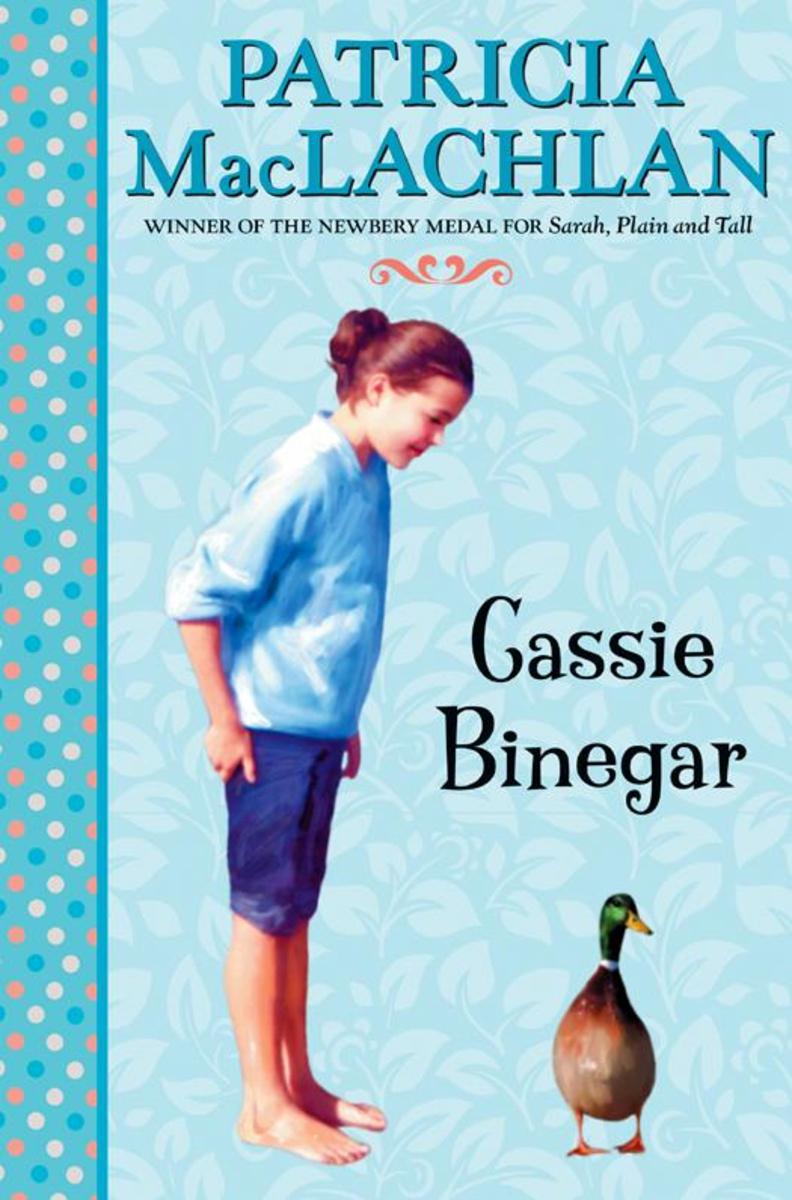
Cassie Binegar
¥33.63
After her grandfather's death, Cassie longs for an orderliness to life -' a pattern -' that doesn't exist among her raucous, loving family. But during an eventful summer by the sea, she begins to learn that some things do not stay the same forever. Colorful characters [and] Cassie's continuing and believable growth in understanding herself and others [make] this novel so distinctive." 'C.
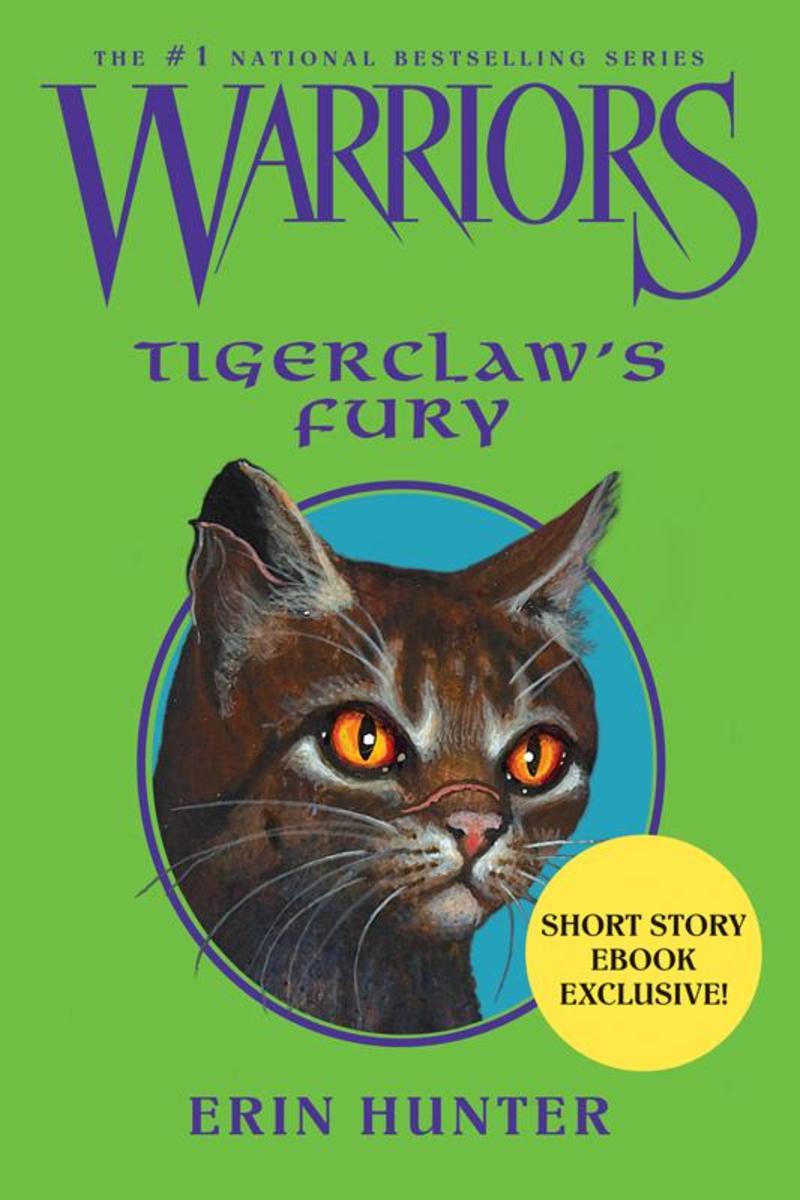
Warriors: Tigerclaw's Fury
¥87.15
In this seventy-five-page novella from the world of Erin Hunter's #1 nationally bestselling Warriors series, discover the story behind Tigerclaw's rise to power as leader of ShadowClan. Cast out of ThunderClan as a traitor, Tigerclaw will not rest until he has his revenge on Bluestar, Fireheart, and the rest of his former Clanmates. But first he must become Tigerstar of ShadowClan. . . .Readers will be thrilled at this look into the ruthless heart of one of the most infamous cats in the Warriors series. Warriors: Tigerclaw's Fury also includes teaser chapters of Warriors: Leafpool's Wish and Dawn of the Clans #1: The Sun Trail.
I Am Number Four: The Lost Files: The Fugitive
¥87.15
In this exhilarating one-hundred-page companion novella to the New York Times bestselling I Am Number Four series, Mark James is on the run—and on the wrong side of the law—but he'll do whatever it takes to save Sarah Hart and help the Garde.A sequel to I Am Number Four: The Lost Files: Return to Paradise, this novella picks up with Mark racing to Dulce, New Mexico, evading capture from both the Mogadorians and the FBI. On the road, his mysterious new ally—a fellow blogger from They Walk Among Us who Mark knows only by the screen name GUARD—sends him a care package to help in his quest to find Sarah. Inside is a stack of cash, high-tech equipment, and some seriously advanced weaponry, all begging Mark to once again ask the question: Just who exactly is this guyAs Mark gets closer to tracking down Sarah, he also gets closer to discovering the identity of this enigmatic figure who seems to know so much about the Loric. When the truth about GUARD is finally revealed, nothing will ever be the same.

Tiffany Aching 4-Book Collection
¥323.63
This collection includes all four Tiffany Aching novels in Terry Pratchett's beloved and bestselling Discworld series.The Wee Free Men: Armed with only a frying pan and her common sense, young witch-to-be Tiffany Aching must defend her home against the monsters of Fairyland. Luckily she has some very unusual help: the local Nac Mac Feegle—aka the Wee Free Men—a clan of fierce, sheep-stealing, sword-wielding, six-inch-high blue men. Together they must face headless horsemen, ferocious grimhounds, terrifying dreams come true, and ultimately the sinister Queen of the Elves herself. . . .A Hat Full of Sky: Tiffany Aching is ready to begin her apprenticeship in magic. She expects spells and magic—not chores and ill-tempered nanny goats! Surely there must be more to witchcraft than this!What Tiffany doesn't know is that an insidious, disembodied creature is pursuing her. In the end, it will take all of Tiffany's inner strength to save herself ... if it can be done at all.Wintersmith: When the Spirit of Winter takes a fancy to Tiffany Aching, he wants her to stay in his gleaming, frozen world. Forever. It will take the young witch's skill and cunning, as well as help from the legendary Granny Weatherwax and the irrepressible Wee Free Men, to survive until Spring. Because if Tiffany doesn't make it to Spring—Spring won't come.I Shall Wear Midnight: As the witch of the Chalk, Tiffany Aching performs the distinctly unglamorous work of caring for the needy. But someone—or something—is inciting fear, generating dark thoughts and angry murmurs against witches. Tiffany must find the source of unrest and defeat the evil at its root. Aided by the tiny-but-tough Wee Free Men, Tiffany faces a dire challenge, for if she falls, the whole Chalk falls with her. . . .

Tim Green's Football Collection
¥250.77
New York Times bestselling author and former NFL defensive end Tim Green's football stories are packed with sports action and emotional heart that will keep kids on the edge of their seats. This collection contains four bestselling novels in the series.The Big Time: Things couldn't be going better for Troy White. The Atlanta Falcons' football genius is at the top of his game, helping the team get to the playoffs. Agents and lawyers are knocking on his door with big-money offers for the upcoming season. And his own football team has just won the Georgia State Championship! Troy's celebrating with his friends at linebacker Seth Halloway's mansion when another lawyer comes knocking—and he says, "I think I'm your father." In that instant, Troy's life is changed.Deep Zone: From the moment two football champs cross paths, Troy White and Ty Lewis begin to size each other up. But when the two rivals find themselves somehow tangled in the same dangerous web of deceit, they discover that they have more in common than their skill at football. Uniting Troy, first seen in the New York Times bestselling Football Genius, and Ty, who was chased by the Mafia in Football Hero, this fourth book in the Football Genius series delivers high-stakes action on and off the field.Perfect Season: Troy's dreams of the big time have backfired. Sure, he's moved to New Jersey to start his new job as "genius" for the New York Jets, but his dad has taken his entire salary, leaving Troy and his mom broke. Now Troy has no hope of going to private school and playing for a football powerhouse with his cousin Ty. But when he gets Seth to coach his public school team, Troy feels ready for a perfect season. He doesn't guess that he'll be struggling against those who want him to lose. When Troy's talent for calling plays slips and his abilities as a quarterback are threatened, he's got to dig deep.Unstoppable: If anyone understands the phrase "tough luck," it's Harrison. As a foster kid in a cruel home, he knows his dream of one day playing in the NFL is a longshot. Then Harrison is brought into a new home with kind, loving parents—his new dad is even a football coach. But Harrison's good luck can't last forever. When a routine sports injury leads to a devastating diagnosis, it will take every ounce of Harrison's determination not to give up for good. Inspired by interviews with real-life cancer survivors and insider sports experience, this unforgettable New York Times bestseller shows a brave boy who learns what it truly means to be unstoppable. As National Ambassador for Young People's Literature emeritus Jon Scieszka said, Unstoppable is "absolutely heroic, and something every guy should read."

The Familiars 4-Book Collection
¥218.05
The Familiars series is a thrilling tale of magic and adventure perfect for fans of Erin Hunter's Warriors series. A wizard-in-training is nothing without a familiar, so it's lucky that Jack finds Aldwyn, a cat with a past but without a lot of magical experience. They'll have to learn fast and work together to save themselves, their friends, and the entire queendom of Vastia. An Indie New Voices Pick, The Familiars is soon to be a major motion picture directed by Sam Raimi of Spider-Man.Together for the first time, this collection includes:The Familiars The Familiars #2: Secrets of the Crown The Familiars #3: Circle of Heroes The Familiars #4: Palace of Dreams

Jake Ransom Complete Collection
¥119.86
Bestselling novelist James Rollins brings to life the adventures of Jake Ransom, who became an orphan when his archaeologist parents disappeared on a dig three years ago. They left behind tokens—half of an ancient coin for Jake, and the other half for his sister Kady—that fit perfectly into one of their famous discoveries. When everything falls into place, Jake and Kady find themselves in the mysterious, bizarre world of Pangea—home of vicious raptors, bloodthirsty plants, and dark Mayan and Egyptian rituals. And whatever caught their parents is still hungry.The books described as "Indiana Jones for tweens" are perfect for fans of Alex Rider, Percy Jackson, and National Treasure. Includes Jake Ransom and the Skull King's Shadow and Jake Ransom and the Howling Sphinx.

This Monstrous Thing
¥56.08
A wildly creative Gothic fantasy retelling of Frankenstein, This Monstrous Thing is a wholly new reimagining of the classic novel by Mary Shelley and is perfect for fans of retellings such as Cinder by Marissa Meyer, fantasy by Libba Bray and Cassandra Clare, and alternative history by Scott Westerfeld.In an alternative fantasy world where some men are made from clockwork parts and carriages are steam powered, Alasdair Finch, a young mechanic, does the unthinkable after his brother dies: he uses clockwork pieces to bring Oliver back from the dead.But the resurrection does not go as planned, and Oliver returns more monster than man. Even worse, the novel Frankenstein is published and the townsfolk are determined to find the real-life doctor and his monster. With few places to turn for help, the dangers may ultimately bring the brothers together—or ruin them forever.
I Am Number Four: The Lost Files: Legacies Reborn
¥87.15
In this game-changing 100-page companion novella to the New York Times bestselling I Am Number Four series, the Mogadorian invasion of Earth has begun and one teenager's life will be forever changed.At first, Daniela Morales thought the spaceship attacking New York City on the television was just part of some science fiction movie. Then the horrible truth became clear: it was happening in real life. Aliens do exist, and they were invading the planet. Unable to reach her mother, Daniela makes it her mission to get to her mom's job downtown to find her. But with the city under fire, trying to make it from her apartment in Harlem to the Financial District proves nearly impossible—until Daniela makes an incredible discovery. When a squad of Mogs get the jump on her, she is somehow able to throw them across the street, using telekinesis. Daniela doesn't know where this power came from or why she suddenly has it, but she is sure as hell going to use it. Aliens are tearing up her city and she'll destroy every last one of them that gets in her way. But when she comes face-to-face with the Garde, will she be a friend or a foe?

Matt's Story
¥10.71
We've seen Ella's story in The Night We Said Yes, but now we'll hear Matt's tale in this e-original novella from Lauren Gibaldi.Seventeen-year-old Matt had the perfect life in Orlando. He met the girl of his dreams, rocked out on bass in an awesome band, and partied with the best group of friends he could ask for. But then his family gets a call and he has to move back to Texas—immediately. Now stuck with no possibility of ever seeing his friends in Orlando again, Matt is ready to give up. But can he open up his heart to new friends and a second chance?Epic Reads Impulse is a digital imprint with new releases each month.

The Siren
¥61.52
From Kiera Cass, #1 New York Times bestselling author of the Selection series, comes a captivating stand-alone fantasy romance.Kahlen is a Siren, bound to serve the Ocean by luring humans to watery graves with her voice, which is deadly to any human who hears it. Akinli is human—a kind, handsome boy who's everything Kahlen ever dreamed of. Falling in love puts them both in danger . . . but Kahlen can't bear to stay away. Will she risk everything to follow her heart?The Siren was previously self-published; this brand-new edition has been completely rewritten and redesigned.
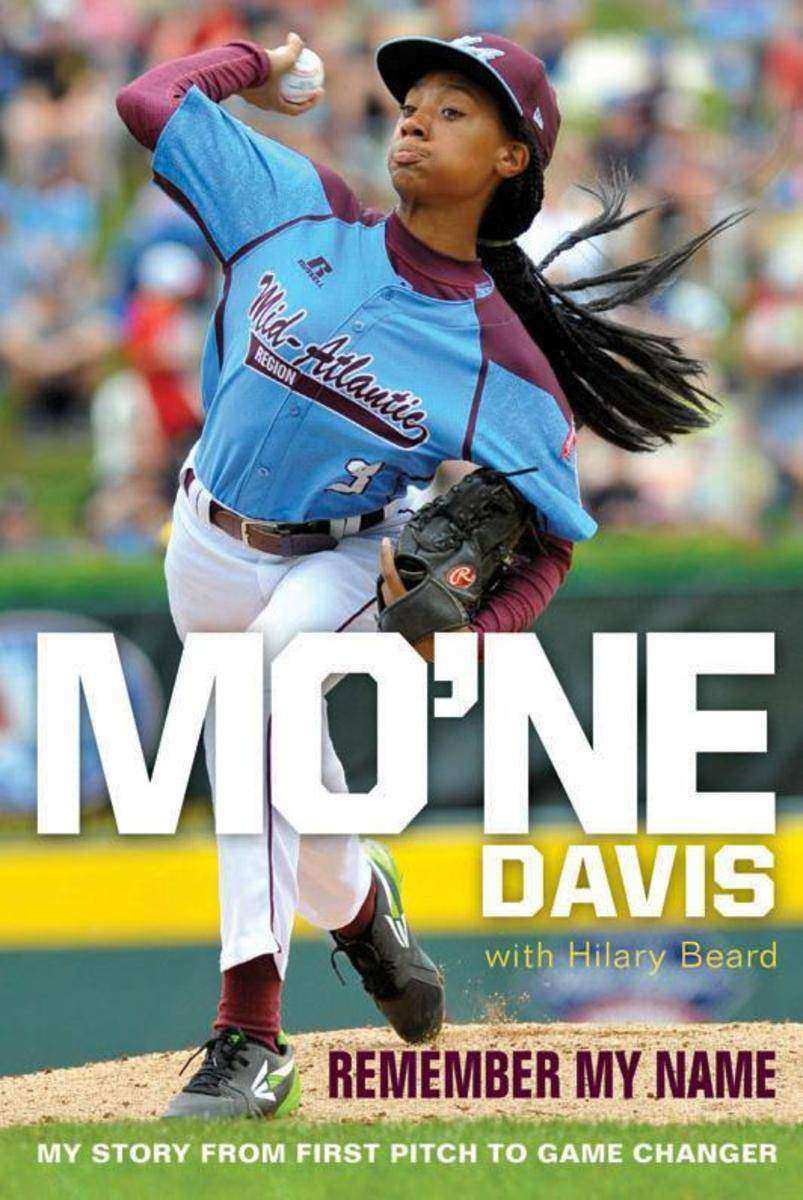
Mo'ne Davis: Remember My Name
¥39.24
Be inspired to reach for your dreams!At the age of thirteen, Mo'ne Davis became the first female pitcher to win a game in the Little League World Series and the first Little Leaguer to be featured on the cover of Sports Illustrated. A month later she earned a place in the National Baseball Hall of Fame.This inspiring memoir from a girl who learned to play baseball with the boys and rose to national stardom before beginning eighth grade will encourage young readers to reach for their dreams no matter the odds. Mo'ne's story is one of determination, hard work, and an incredible fastball.Mo'ne Davis is a multisport athlete who also plays basketball and soccer, and is an honor roll student at her school in Philadelphia.With an 8-page full-color photo insert, this memoir celebrates our fascination with baseball in a story of triumph to be shared with generations of young athletes to come.


