


 购物车
购物车 个人中心
个人中心
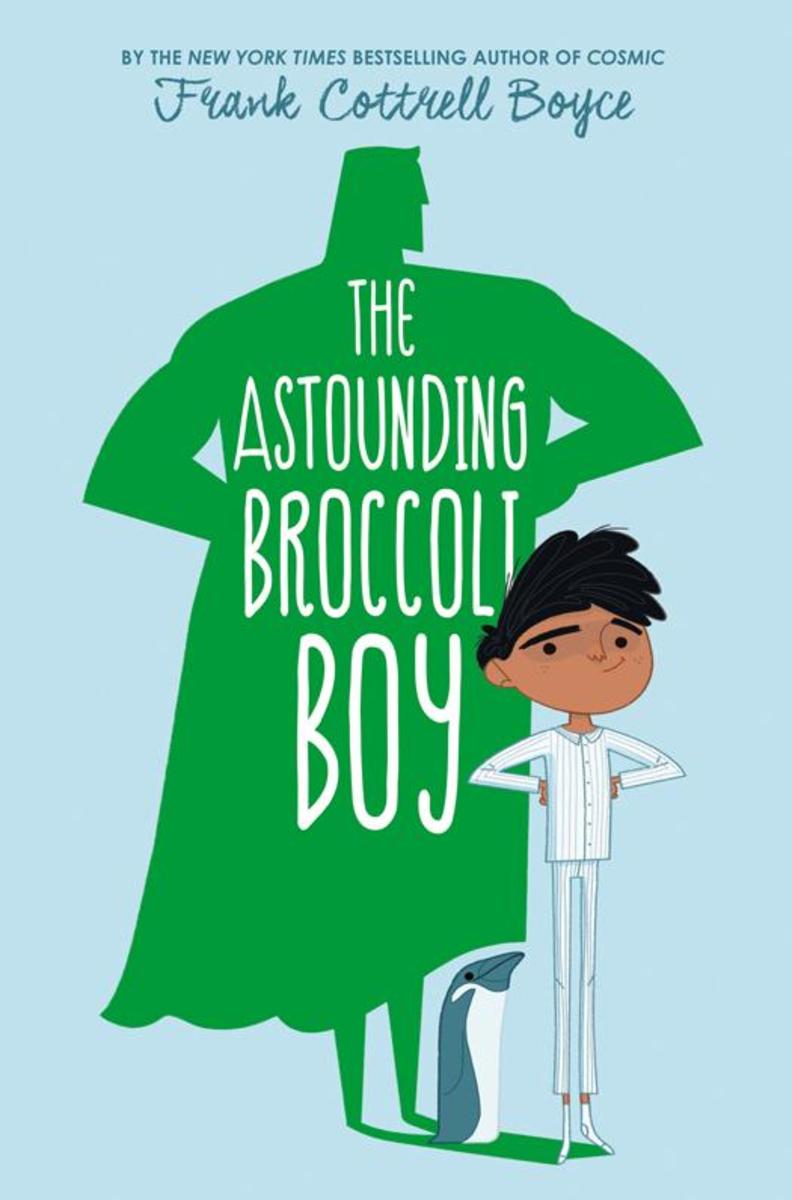
The Astounding Broccoli Boy
¥38.72
From Frank Cottrell Boyce—the beloved, award-winning, New York Times–bestselling author of Millions and Cosmic—comes another hilarious, heartbreaking, and completely original middle grade novel.Rory Rooney likes to be prepared for anything. That sort of planning pays off when you’re the smallest kid in your class. Rory is even prepared (mostly) for Tommy-Lee, his nemesis, who starts most days by throwing Rory out of the back of the school bus. Don’t be scared, his favorite book says, be prepared. And Rory aims to be. What’s more heroic than that?But Rory isn’t prepared when he suddenly and inexplicably turns green and finds himself stuck in an experimental hospital ward. The doctors are just as baffled as Rory is, and that’s when he begins to wonder: What if this isn’t caused by his genes, or a virus, or something he ateWhat if it’s something even more extraordinaryAfter all, more than a few superheroes’ careers began when they turned green. Could this be a sign that he’s meant for something greaterRory is going to find out—and that’s going to start with escaping from the hospital.?

Pretty Little Liars 3-Book Collection
¥174.42
This collection contains the first three novels in Sara Shepard's #1 New York Times bestselling Pretty Little Liars series, making it a perfect introduction to the books that inspired the hit ABC Family original TV showIn Rosewood, majestic estates sprawl for acres, and Tiffany toggle bracelets dangle from every girl's wrist. But not all that glitters is gold, and the town harbors secrets darker than anyone could imagine—like the truth about what really happened the night Alison DiLaurentis went missing. . . .. Pretty Little Liars: Welcome to Rosewood and the pretty little liars who call it home. High school juniors Spencer, Hanna, Aria, and Emily thought their darkest secrets vanished when their best friend, Alison, went missing three years ago. But now someone named "A" is sending them notes and threatening to reveal their ugliest secrets—things only Alison knew. Pretty Little Liars #2: Flawless: Four pretty little liars have been very bad girls. But their most horrible secret yet is so scandalous that the truth would ruin them forever.Pretty Little Liars #3: Perfect: Four perfect-looking girls aren't nearly as perfect as they seem: Aria can't resist her forbidden ex. Hanna is on the verge of losing her BFF. Emily is freaking out over a simple kiss. And Spencer can't keep her hands off anything that belongs to her sister.
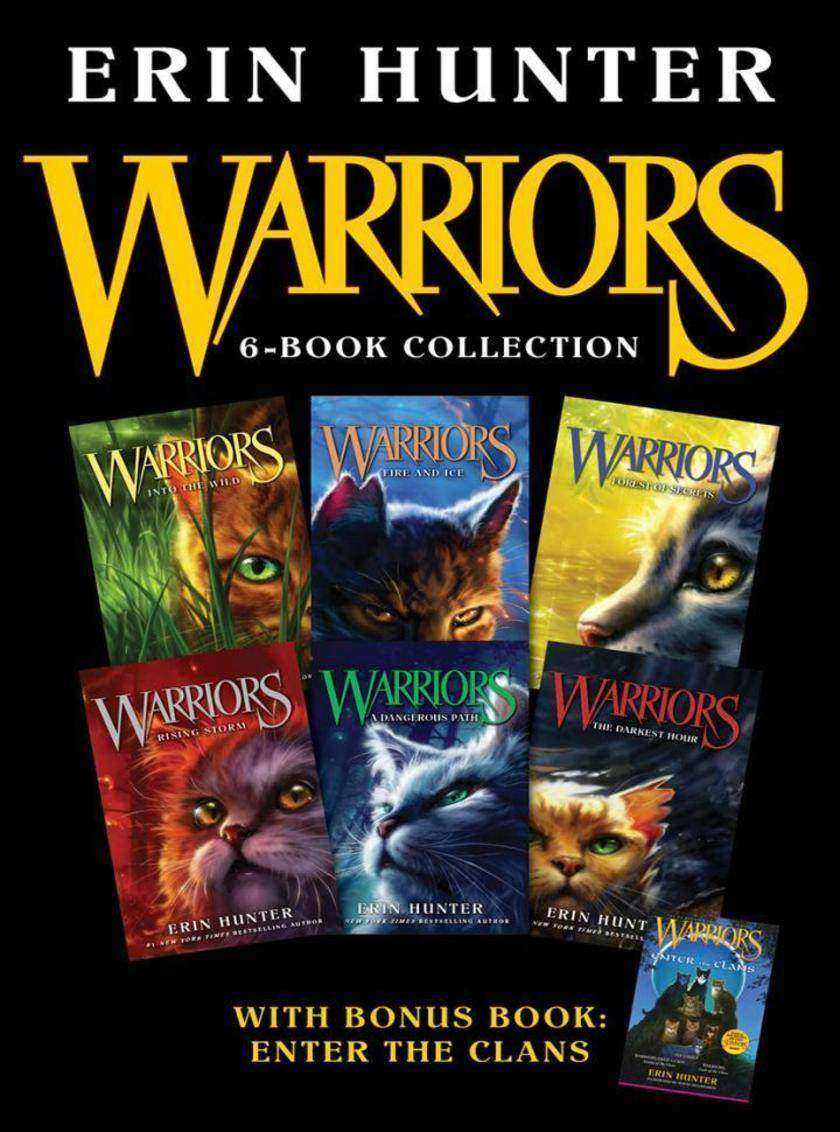
Warriors 6-Book Collection with Bonus Book: Enter the Clans
¥436.17
The first story arc in the #1 nationally bestselling epic series is now available as an ebook collection with striking new art!For generations, four Clans of wild cats have shared the forest, but now the balance of power is shifting and sinister perils threaten the peace. Into the midst of this turmoil comes an ordinary young house cat named Rusty…who may turn out to be the bravest warrior of them all.Includes:Warriors #1: Into the Wild Warriors #2: Fire and Ice Warriors #3: Forest of Secrets Warriors #4: Rising Storm Warriors #5: A Dangerous Path Warriors #6: The Darkest Hour Warriors: Enter the Clans
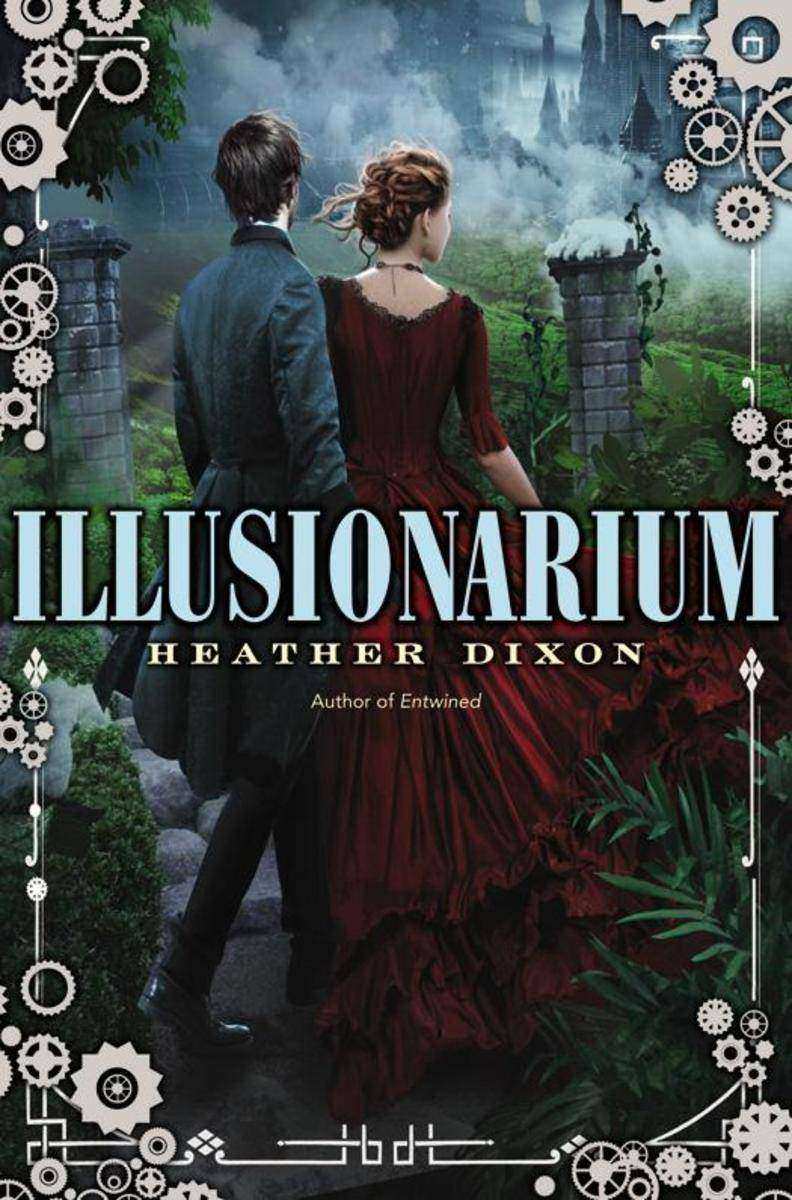
Illusionarium
¥99.65
What if the world holds more dangers—and more wonders—than we have ever knownAnd what if there is more than one worldFrom Heather Dixon, author of the acclaimed Entwined, comes a brilliantly conceived adventure that sweeps us from the inner workings of our souls to the far reaches of our imaginations. Jonathan is perfectly ordinary. But then—as every good adventure begins—the king swoops into port, and Jonathan and his father are enlisted to find the cure to a deadly plague. Jonathan discovers that he's a prodigy at working with a new chemical called fantillium, which creates shared hallucinations—or illusions. And just like that, Jonathan is knocked off his path. Through richly developed parallel worlds, vivid action, a healthy dose of humor, and gorgeous writing, Heather Dixon spins a story that calls to mind The Night Circus and Pixar movies, but is wholly its own.
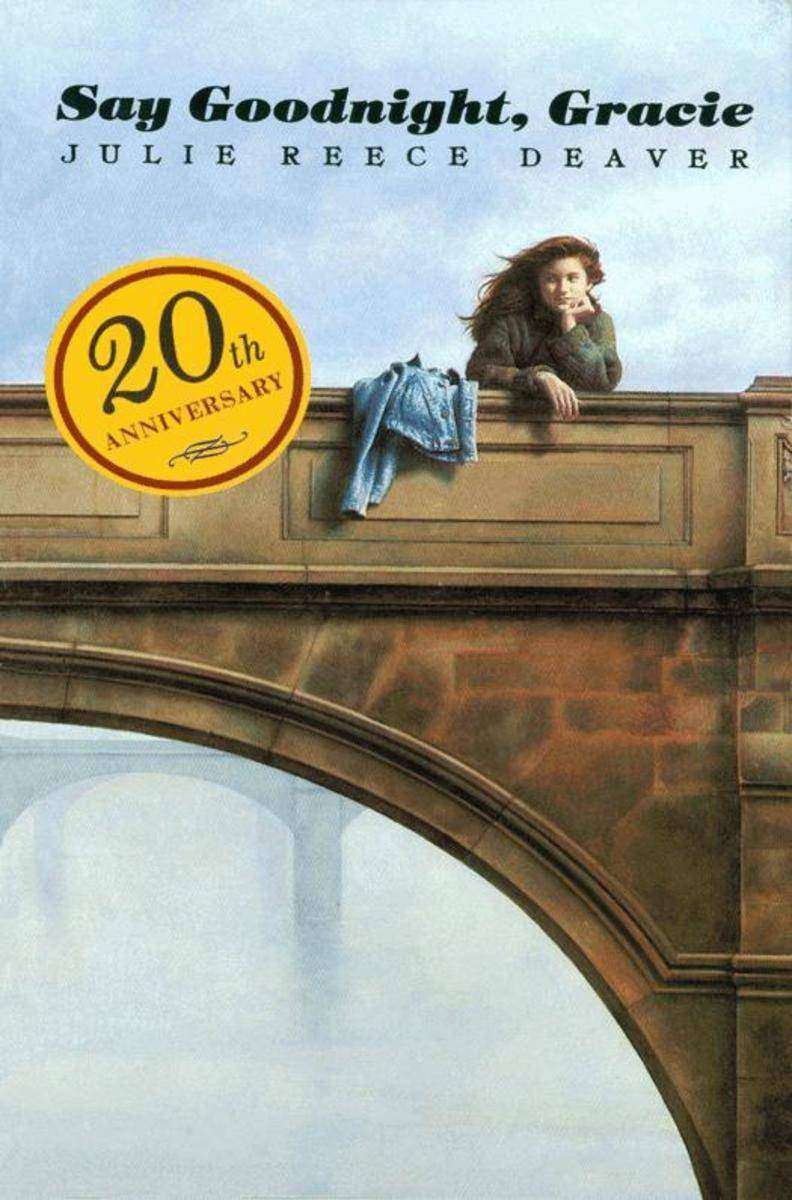
Say Goodnight, Gracie
¥49.79
There are friends we can't imagine living without.Morgan and Jimmy were kids together, whirling around the porch on hot summer days. They've been friends forever, and by now they know each other inside out. They do everything together--from cutting high school to go into the city to coaching each other at dance auditions and acting workshops. They even argue well. A perfect friendship. Best friends. For life.So how could life be so right and then be so wrongAfter a terrible accident, Morgan suddenly has to face life alone. Without Jimmy around, though, it's like the best part of her has died. How could he do this to herAnd why is love so hard?
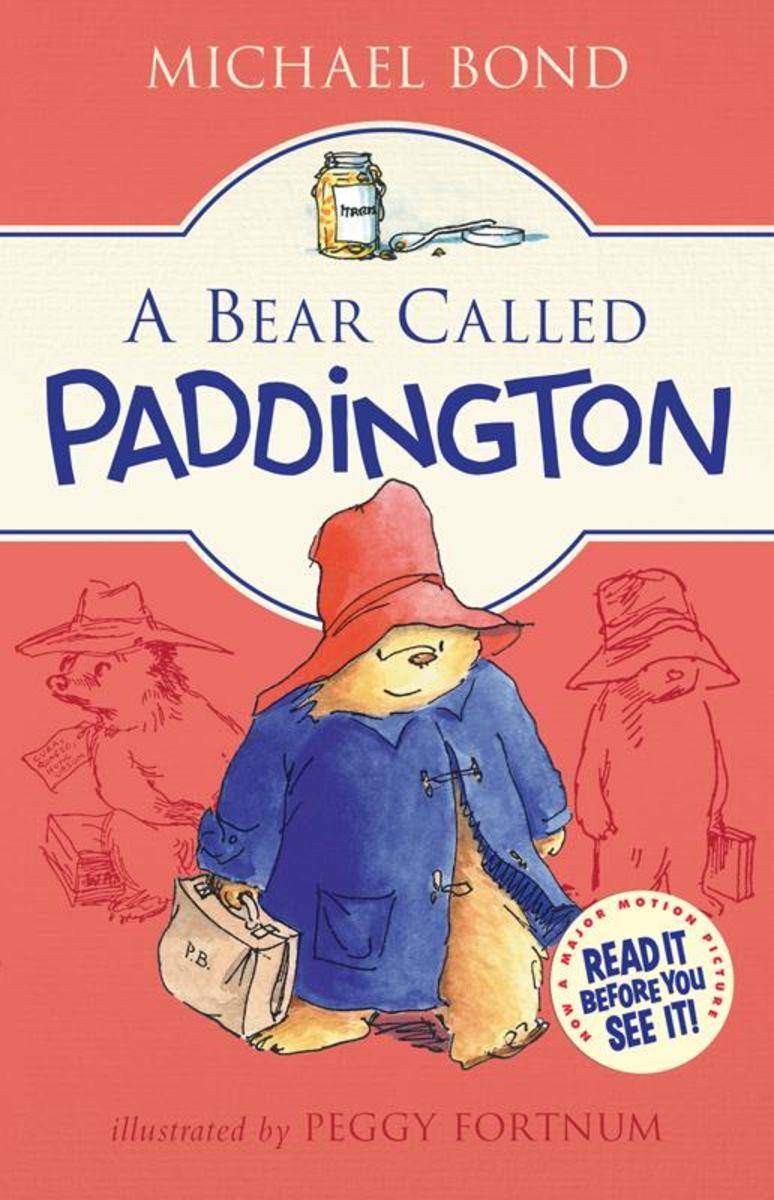
A Bear Called Paddington
¥33.63
The classic novel about Paddington—who's now a major movie star!Paddington Bear had traveled all the way from Peru when the Browns first met him in Paddington Station. Since then, their lives have never been quite the same . . . for ordinary things become extraordinary when a bear called Paddington is involved.First published in 1958, A Bear Called Paddington is the first novel by Michael Bond, chronicling the adventures of this lovable bear. Paddington has charmed readers for generations with his earnest good intentions and humorous misadventures. This brand-new edition of the classic novel contains the original text by Michael Bond and illustrations by Peggy Fortnum.
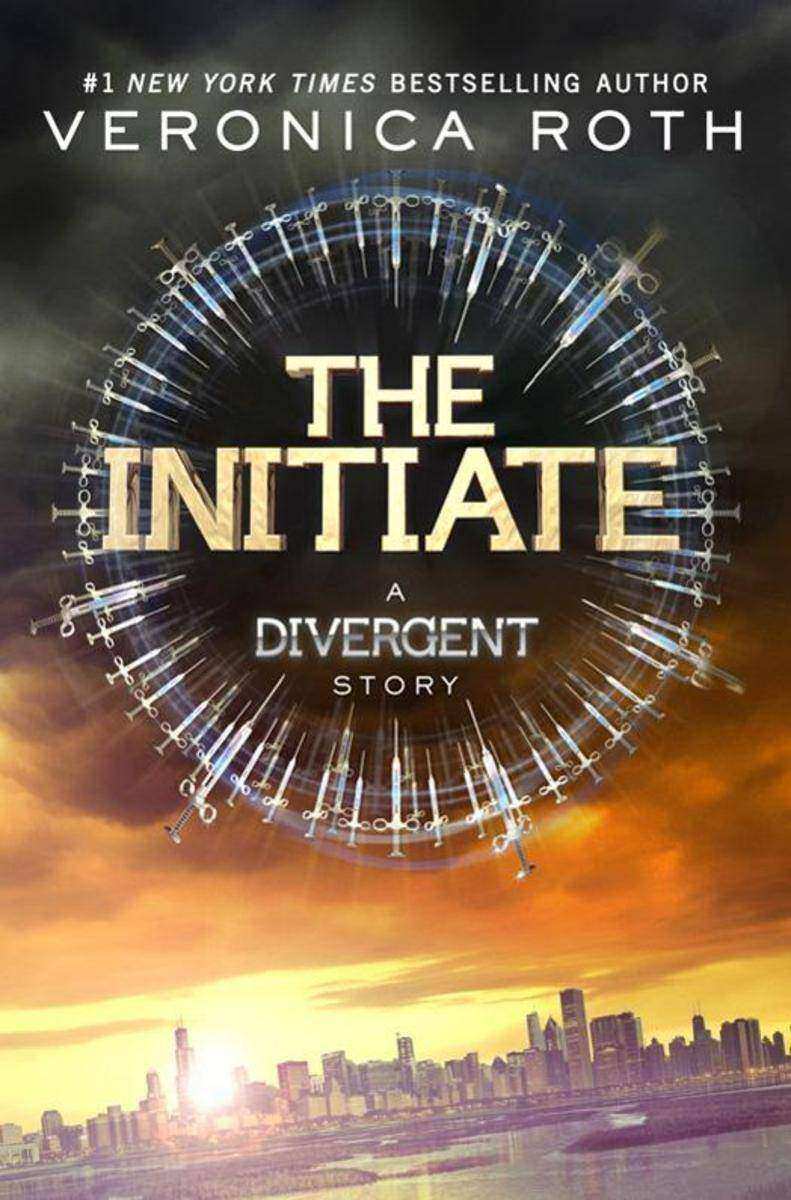
Four: The Initiate
¥65.33
Complete your Divergent library with the Four stories!Fans of the Divergent series by #1 New York Times bestselling author Veronica Roth will be delighted by "Four: The Initiate," the second of four stories, each between fifty and seventy-five pages long, set in the world of Divergent and told from Tobias's point of view."The Initiate" provides readers with a glimpse into Tobias's Dauntless initiation experience, including an epic game of late-night Dare; his first tattoo; the beginning of his passion for training new initiates; and his nascent understanding of the danger of being Divergent.
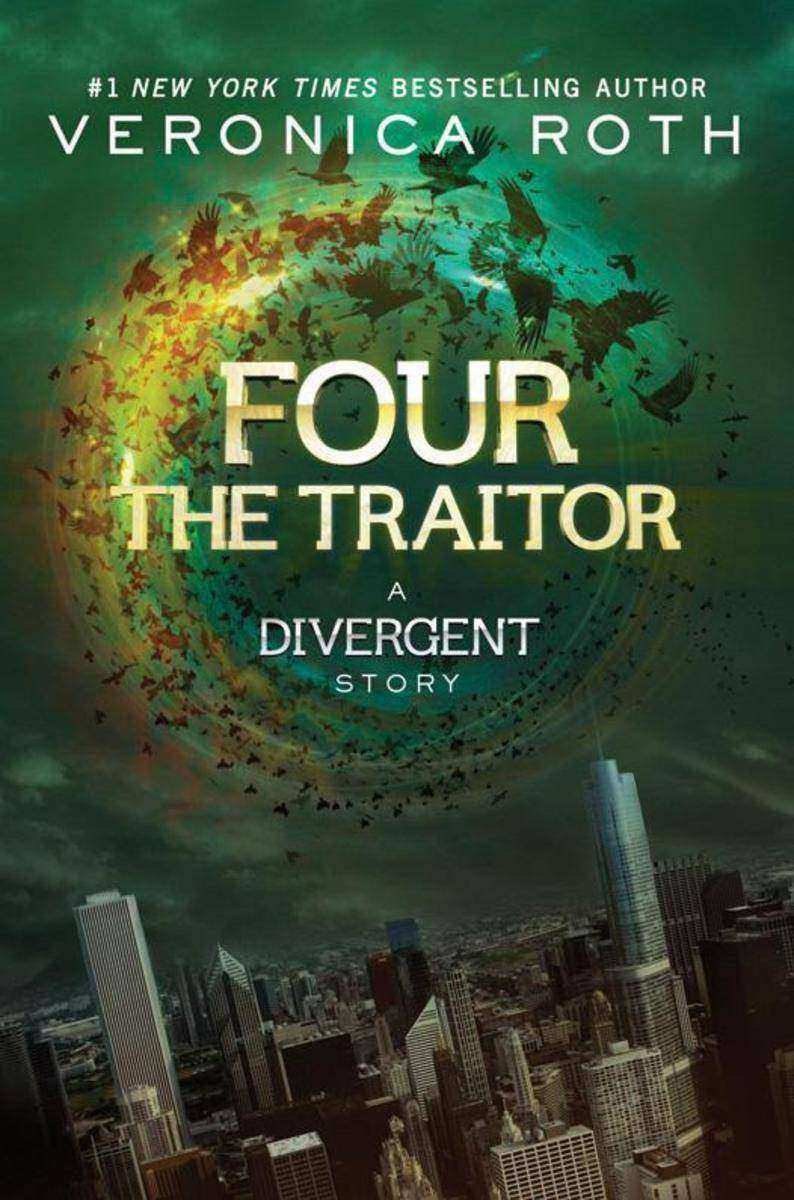
Four: The Traitor
¥53.85
Complete your Divergent library with the Four stories!Fans of the Divergent series by #1 New York Times bestselling author Veronica Roth will be excited by "Four: The Traitor," the fourth of four stories, each between fifty and seventy-five pages long, set in the world of Divergent and told from Tobias's point of view."The Traitor" takes place two years after "The Son" and runs parallel with the early events in Divergent. In this robust story, readers follow Tobias as he uncovers the details of an Erudite plan that could threaten the faction system, and makes plans of his own to keep Abnegation safe. At the same time, Tobias is getting to know a new transfer initiate: Tris Prior.
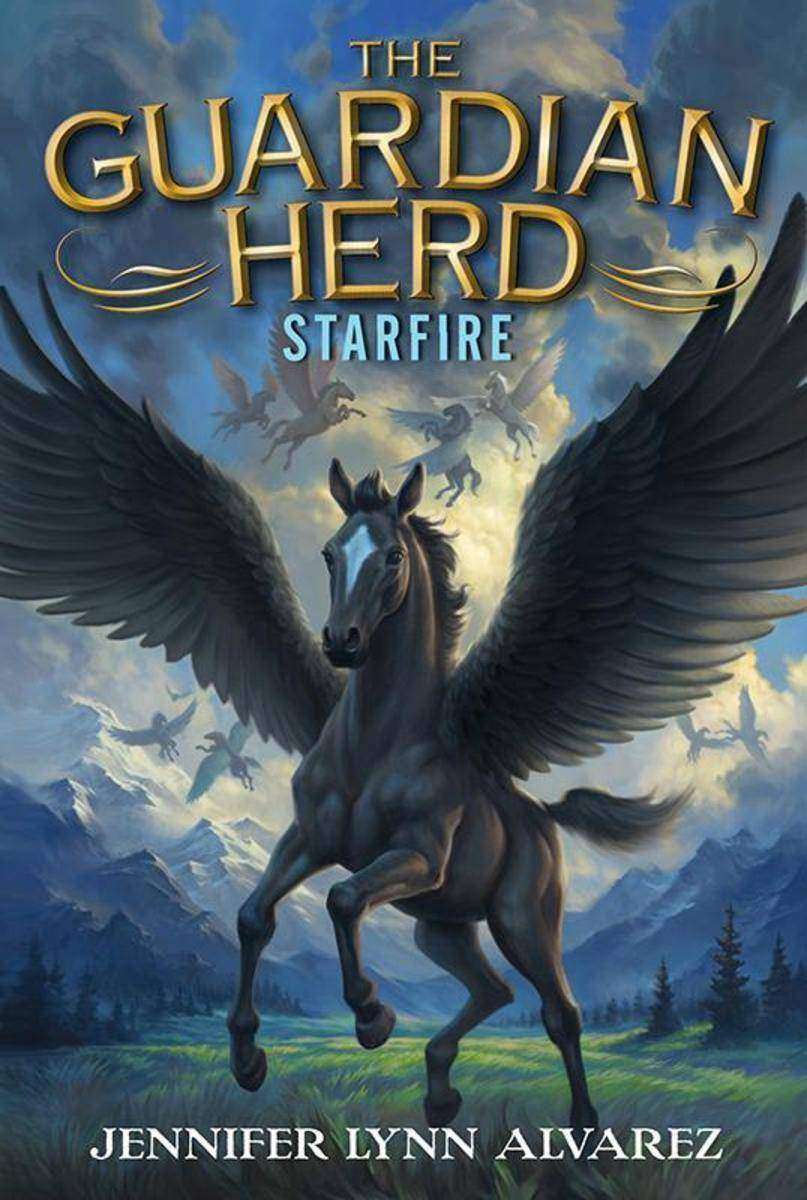
The Guardian Herd: Starfire
¥44.73
The first book in a gripping new tween fantasy series about winged horses—perfect for fans of the Warriors, Survivors, and Guardians of Ga'Hoole series. Once every hundred years, a black foal is born, prophesied to either unite or destroy the five herds of flying horses that live in Anok—fated to become the most powerful pegasus in all of the land. Star is this black foal. Even though Star has malformed wings that make him unable to fly, the leaders of each herd will take no risks and want to execute Star before his first birthday. With the help of his friends, Star must escape the clutches of the powerful leaders, and his epic journey of self-discovery turns into a battle between good and evil that will keep readers eagerly turning the pages.
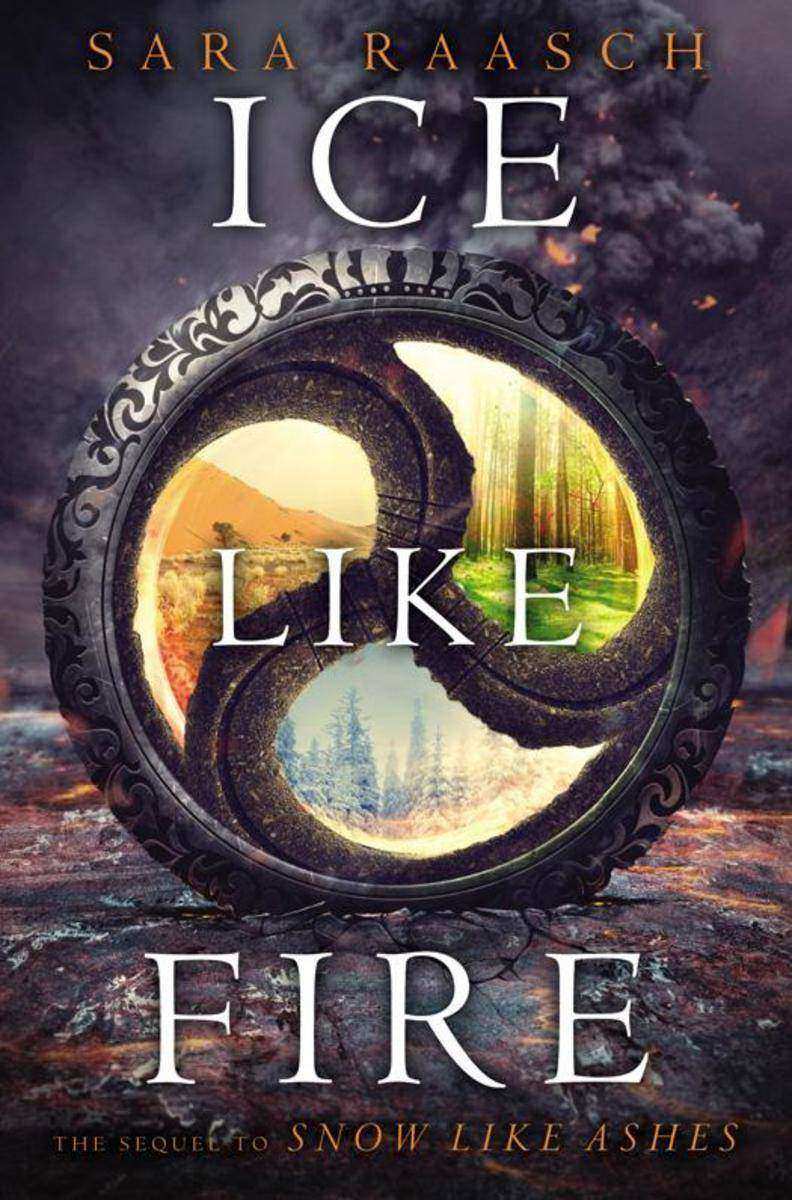
Ice Like Fire
¥55.93
It's been three months since the Winterians were freed and Spring's king, Angra, disappeared—thanks largely to the help of Cordell.Meira just wants her people to be safe. When Cordellan debt forces the Winterians to dig their mines for payment, they unearth something powerful and possibly dangerous: Primoria's lost chasm of magic. Theron is hopeful and excited—with this much magic, the world can finally stand against threats like Angra. But Meira knows that the last time the world had access to so much magic, it spawned the Decay. So when the king of Cordell orders the two on a mission across the kingdoms of Primoria to discover the chasm's secrets, Meira plans to use the trip to garner support to keep the chasm shut and Winter safe—even if it means clashing with Theron. But can she do so without endangering the people she loves?Mather just wants to be free. The horrors inflicted on the Winterians hang fresh and raw in Jannuari—leaving Winter vulnerable to Cordell's growing oppression. When Meira leaves to search for allies, he decides to take Winter's security into his own hands. Can he rebuild his broken kingdom and protect them from new threats?As the web of power and deception is woven tighter, Theron fights for magic, Mather fights for freedom—and Meira starts to wonder if she should be fighting not just for Winter but for the world.
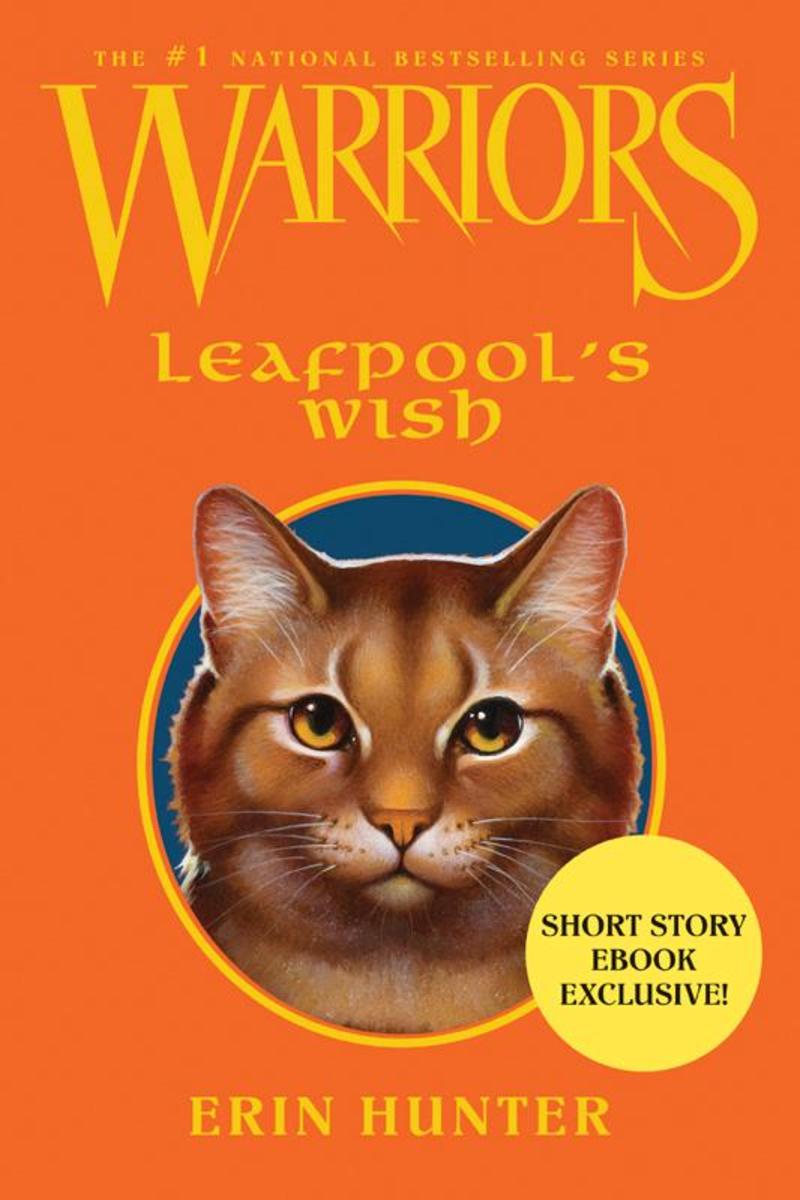
Warriors: Leafpool's Wish
¥87.15
In this seventy-page digital novella from the world of Erin Hunter's #1 nationally bestselling Warriors series, discover the thrilling story behind Leafpool's greatest secret.Leafpool always knew medicine cats weren't meant for love . . . until she fell for the WindClan warrior Crowfeather. Now she's determined to keep their kits a secret. But to fool all of ThunderClan, she'll need help—from her sister Squirrelflight, and perhaps even from StarClan. . . . Warriors: Leafpool's Wish also includes teaser chapters of Warriors: Dovewing's Silence and Dawn of the Clans #1: The Sun Trail.

I Am Number Four: The Lost Files: Five's Legacy
¥87.15
In this exciting seventy-five-page prequel companion novella to the New York Times bestselling I Am Number Four series, discover the true origins of the traitorous Number Five. Before allying himself with the Mogadorians, before infiltrating the Garde, before committing the ultimate betrayal, Five was in hiding just like the others. But when his Cêpan dies, Five is forced to survive on his own. Eager to finally experience the world he was always kept apart from, Five soon gets involved with the wrong kind of people—the Mogadorians. In Five's Legacy see how one of Lorien's last hopes for survival became one of its most dangerous adversaries.
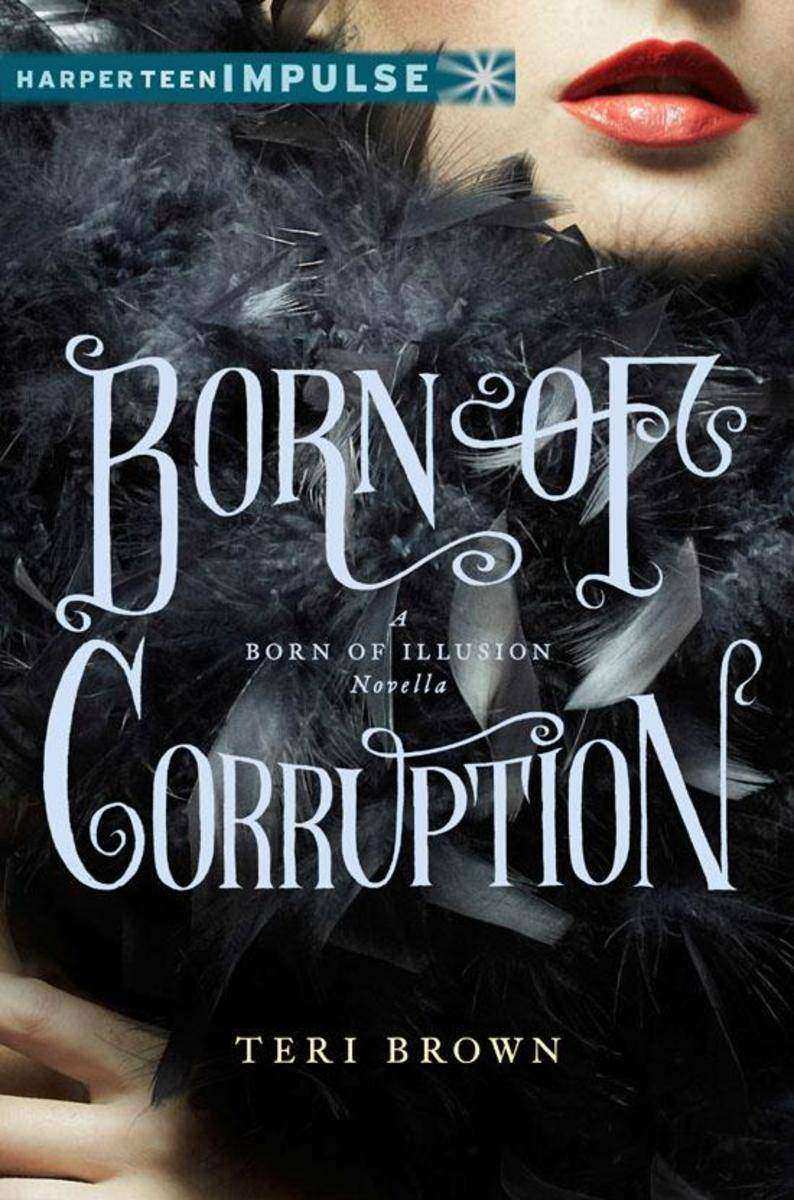
Born of Corruption
¥21.51
Returning to the atmospheric and mysterious Jazz Age world of Born of Illusion, Teri Brown's Born of Corruption is a 64-page companion digital novella about what happens when New York City's most notorious socialites, mobsters, and bootleggers get together for a larger-than-life scavenger hunt . . . and someone gets killed.Cynthia Gaylord, a vivacious blonde flapper and the niece of one of the most infamous mob bosses in New York City, loves scavenger hunts, and the one she's putting together for her best friend Anna's going-away party is going to be the swankiest one ever. But then, Anna Van Housen is no ordinary friend. She is reputed to be Harry Houdini's illegitimate daughter and a magician of the first order—and she possesses psychic powers.Before Anna leaves for a European tour with her vaudeville company, Cynthia throws open the doors of her Gramercy Park mansion for a giant bash, but when one of the guests turns up dead, Cynthia and Anna must join forces to discover the truth. Who is the mysterious dead manAnd which of Cynthia's guests could have killed himCynthia's relatives in the mobOr someone related to the Society for Psychical Research, a shadowy group with a dangerous historyCynthia and Anna have to find out who done it before the coppers are called in . . . something both Cynthia and Anna are eager to avoid.Epic Reads Impulse is a digital imprint with new releases each month.
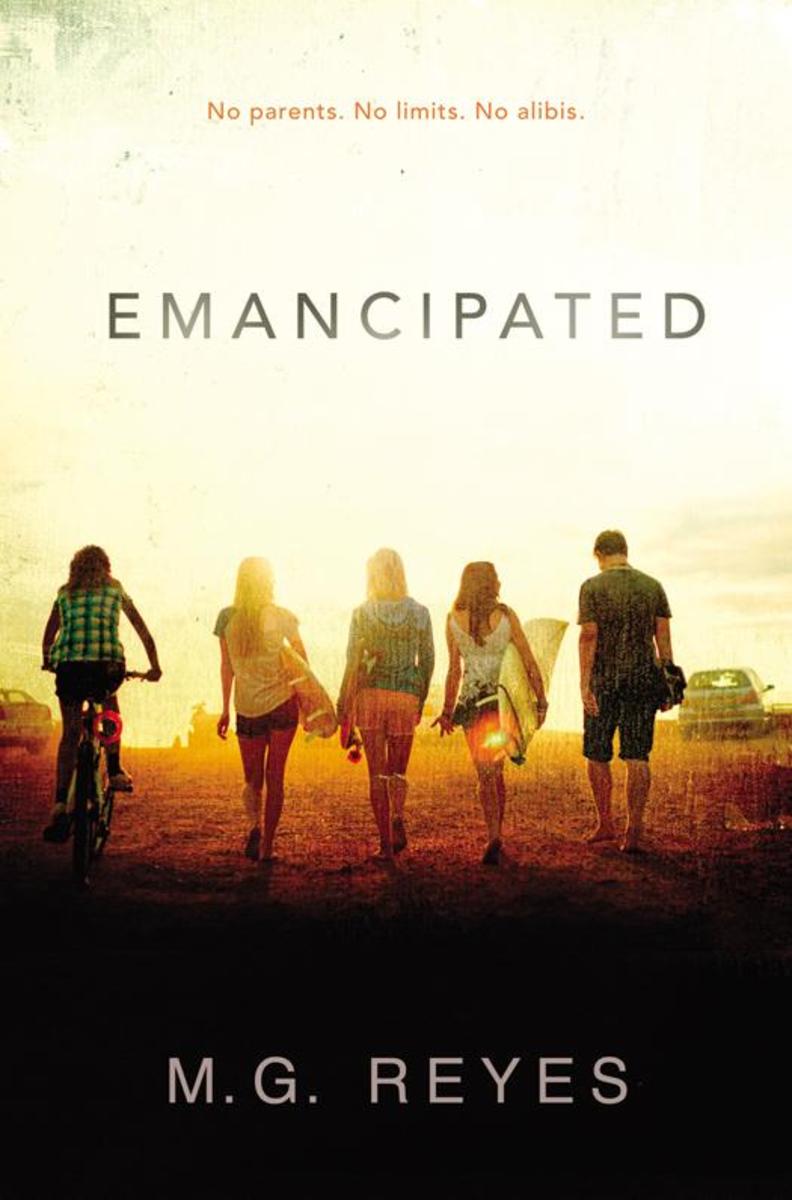
Emancipated
¥56.08
Fans of Pretty Little Liars and L.A. Candy will devour this fast-paced series from a writer New York Times bestselling author Michael Grant raves is "an amazing new talent!"Six gorgeous teens, all legally emancipated from parental control, move into their dream house on L.A.'s infamous Venice Beach only to discover their perfect setup may be too good to be true. The roommates—a diva, a jock, a former child star, a hustler, a musician, and a hacker—all harbor dark secrets but manage to form a kind of dysfunctional family. Until one of them is caught in a lie and everyone's freedom is put on the line. How far are they each willing to go to hide the pastAnd who will they betray to protect their future?Told from alternating points of view, Emancipated is the first book in a blistering guessing game of a series packed with intrigue, romance, and scandal.
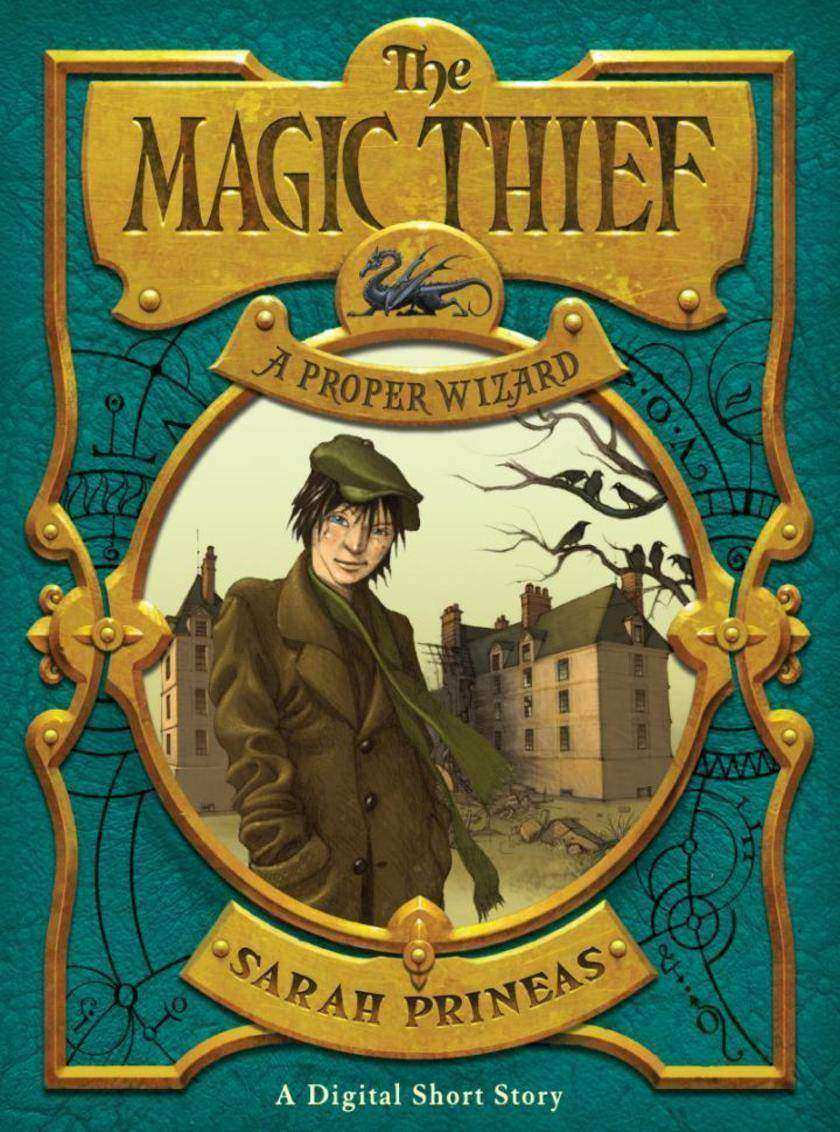
The Magic Thief: A Proper Wizard
¥10.83
From award-winning author Sarah Prineas comes a brand-new digital short story! This original 50-page short story will enchant fans of the Magic Thief series. Thief-turned-wizard Connwaer has earned the reputation as one of the greatest magisters of the age, but not everyone believes in his abilities. When Verent, a young apprentice from neighboring Danivelle, comes to Wellmet to ask for Conn's help with his city's magical problems, he is less than impressed with Conn. Will Verent be able to overcome his misgivings about Conn in order to help his townAnd with Conn's help, will Verent become a proper wizard?Includes a special sneak peek at the first chapter of The Magic Thief: Home, the fourth installment in the Magic Thief series!
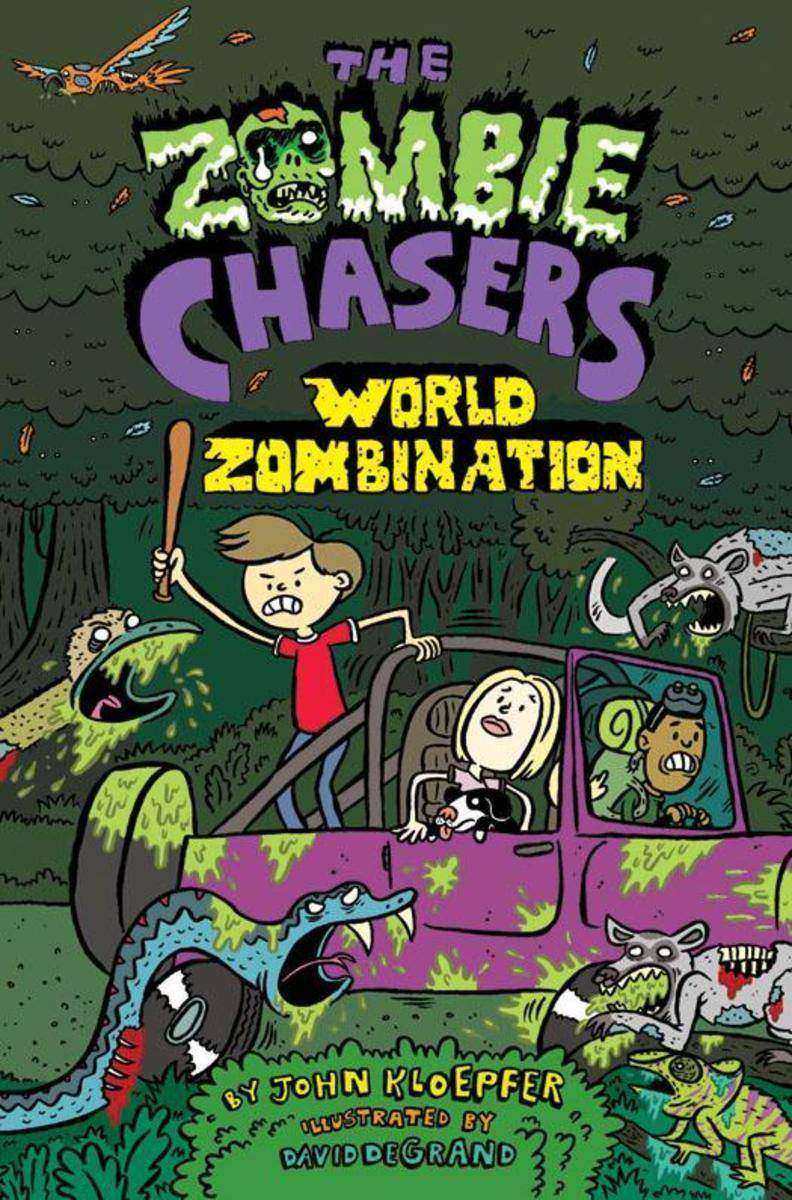
The Zombie Chasers #7: World Zombination
¥38.72
In the final book in the beloved Zombie Chasers series, Zack Clarke and his zombie-fighting team travel across the world in search of an antidote that will stop the brain-gobbling outbreak once and for all. With all the middle school shenanigans, fast-paced adventure, and hilarious black-and-white drawings that have made this series a favorite of reluctant readers everywhere, The Zombie Chasers #7: World Zombination is an uproarious, gore-streaked finale that readers will love!From taming zombie jungle animals in Madagascar to unearthing zombie mummies—zummies—in Egypt to battling black-belt super zombies in China, it's the zombie chasers' slimiest adventure yet. Will the kids be able to get the antidote and unzombify the undead masses once and for allOr will the putrid planet fall to the zombie scourge?
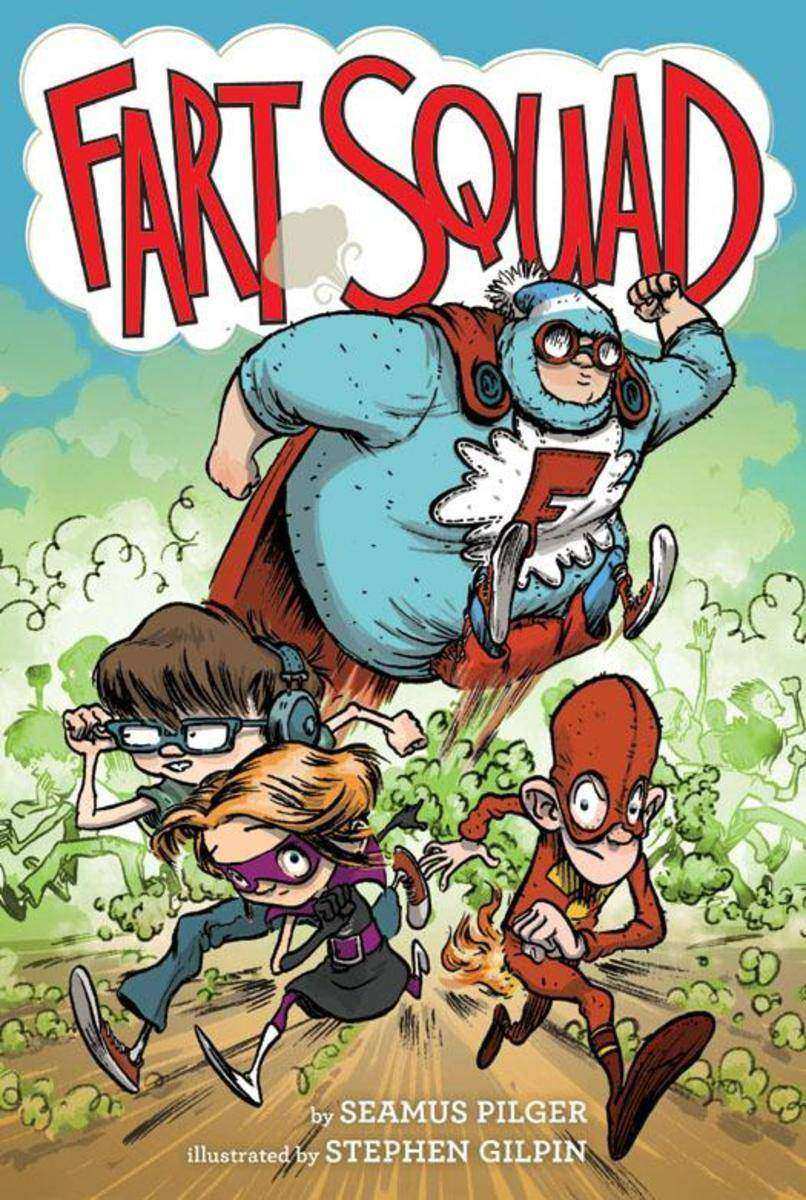
Fart Squad
¥27.65
It was an average day at Harry Buttz Elementary until . . . KABLAM! The five-bean burritos churning in Darren Stonkadopolis's stomach exploded in a fart so volcanic it melted his desk seat, knocked out his whole class, and got him sent to the nurse—and he's not alone.Something fishy is going on in Buttzville. And it's up to Darren and his three farting friends to combine their potty powers to get to the bottom of this evil plot—before it's too late. With their scent-sei, Janitor Stan, at their side, the Fart Squad has to learn to harness the powers between their butt cheeks. And then let it RIIIP."A flagrant romp. Not to be passed!"—The New York Toots"A cut above the rest."—StinkyCheese.com"If you haven't caught wind of Fart Squad yet, don't let this one go!" —Rude News"We've been dealt a winner!"—SmeltIt.blog.com
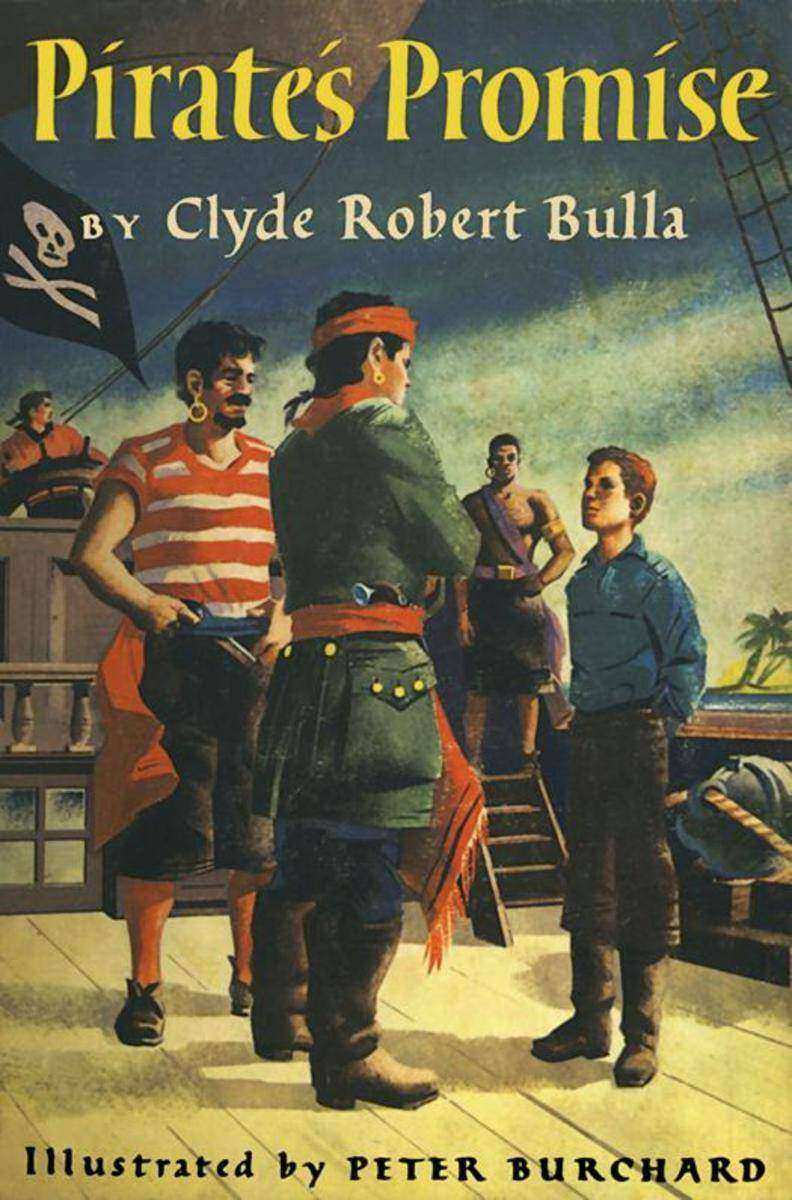
Pirate's Promise
¥27.41
Young and orphaned, Tom Pippin has just been sold by his greedy uncle to the captain of a great sailing ship bound for America. Although Tom has been sold into slavery, no one can buy or sell his unwavering spirit. Tom longs to be free on the shores of America, but when a pirate's ship captures his boat, the young boy's life changes forever. Pirate Captain Land and his motley crew of men reveal to Tom all of the secrets—and dangers—of the pirate's life. Peter Burchard's black and white drawings throughout illustrate Tom's journey.
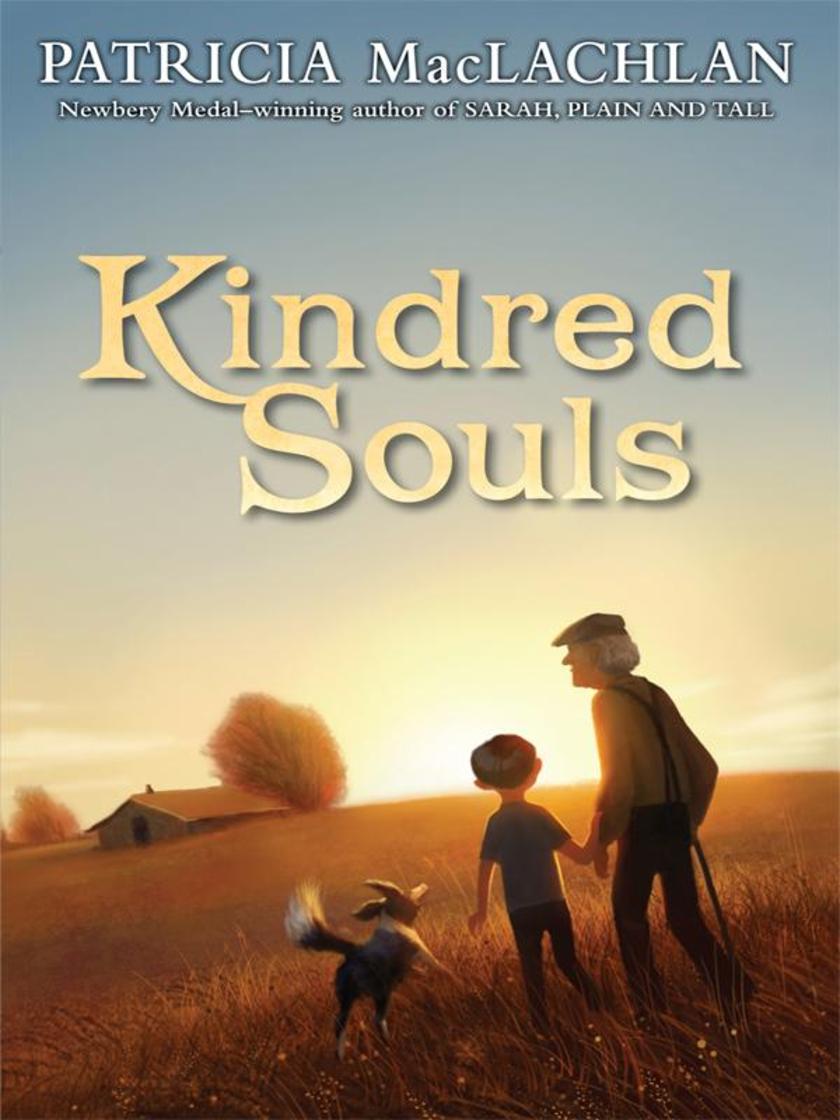
Kindred Souls
¥33.63
Jake’s grandfather, Billy, hears the talk of birds, is eighty-eight years old, and is going to live forever. Even when Billy gets sick, Jake knows that everything will go on as always. But there’s one thing Billy wants: to rebuild the sod house where he grew up. Can Jake give him this one special thing?From beloved author Patricia MacLachlan comes a poignant story about what we do for the ones we love, and how the bonds that hold us together also allow us to let each other go.
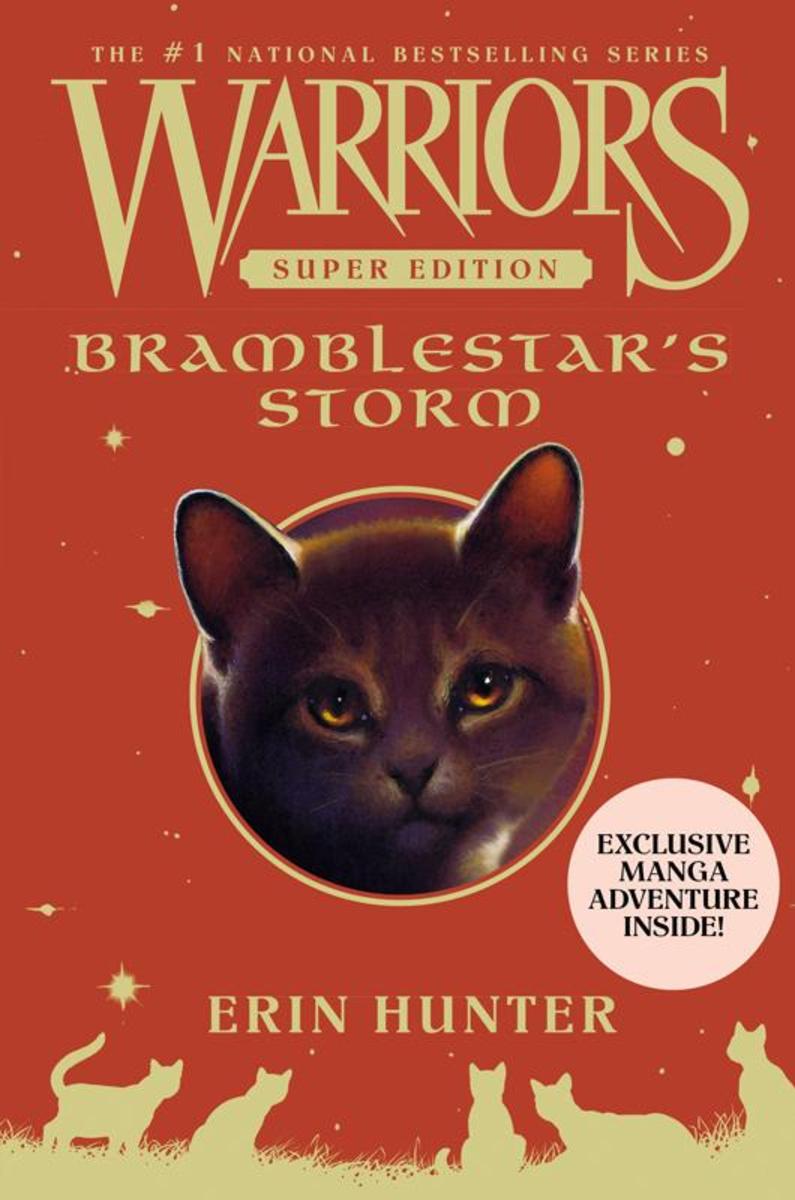
Warriors Super Edition: Bramblestar's Storm
¥44.73
An epic stand-alone adventure in Erin Hunter's #1 nationally bestselling Warriors series! In this never-before-told story, return to ThunderClan after the events of the fourth Warriors series, Omen of the Stars.The Dark Forest has been defeated, and Bramblestar is now leader of ThunderClan. But the warrior cats must learn to weather a new kind of storm—or all four Clans will be swept away.Join the legion of fans who have discovered the epic adventures, fierce warrior cats, and thrilling fantasy world of the mega-bestselling Warriors series. This stand-alone entry is perfect for new readers and dedicated fans alike.Bramblestar's Storm also includes an exclusive ten-page Warriors manga adventure and a sneak peek at Warriors: A Vision of Shadows #1: The Apprentice’s Quest!

To Hold the Bridge
¥100.71
An entertaining short-story collection from bestselling fantasy author Garth Nix, including an Old Kingdom novella, a short story set in the same world as Shade's Children, and another story set in the world of A Confusion of Princes.Garth Nix is renowned for his legendary fantasy works, but To Hold the Bridge showcases his versatility as the collection offers nineteen short stories from every genre of literature including science fiction, paranormal, realistic fiction, mystery, and adventure. Whether writing about vampires, detectives, ancient spirits, or odd jobs, Garth Nix's ability to pull his readers into new worlds is extraordinary.


