


 购物车
购物车 个人中心
个人中心
Blue Nights
¥66.22
From one of America’s greatest and most iconic writers: an honest and courageous portrait of age and motherhood. Several days before Christmas 2003, Joan Didion’s only daughter, Quintana, fell seriously ill. In 2010, Didion marked the sixth anniversary of her daughter’s death. ‘Blue Nights’ is a shatteringly honest examination of Joan Didion’s life as a mother, a woman and a writer. Recently widowed, and becoming increasingly frail, ‘Blue Nights’ is Didion’s attempt to understand our deepest fears, our inadequate adjustments to ageing and to put a name to what we refuse to see and as a consequence fail to face up to, ‘this refusal even to engage in such contemplation, this failure to confront the certainties of ageing, illness and death. This fear.’ This fear is tied to what we cherish most and fight to conserve, protect, and refuse to let go, for, ‘when we are talking about mortality we are talking about our children.’ To face death is to let go of memory, to be bereft once more, ‘I know what it is I am now experiencing. I know what the frailty is, I know what the fear is.’ The fear is not for what is lost. The fear is for what is still to be lost. You may see nothing still to be lost. Yet there is no day in her life on which I do not see her. A profound, poetic and powerful book about motherhood and the fierce way in which we continue to exalt and nurture our children, even if they only live on in memory. ‘Blue Nights’ is an intensely personal, and yet, strangely universal account of how we love. It is both groundbreaking and a culmination of a stunning career.
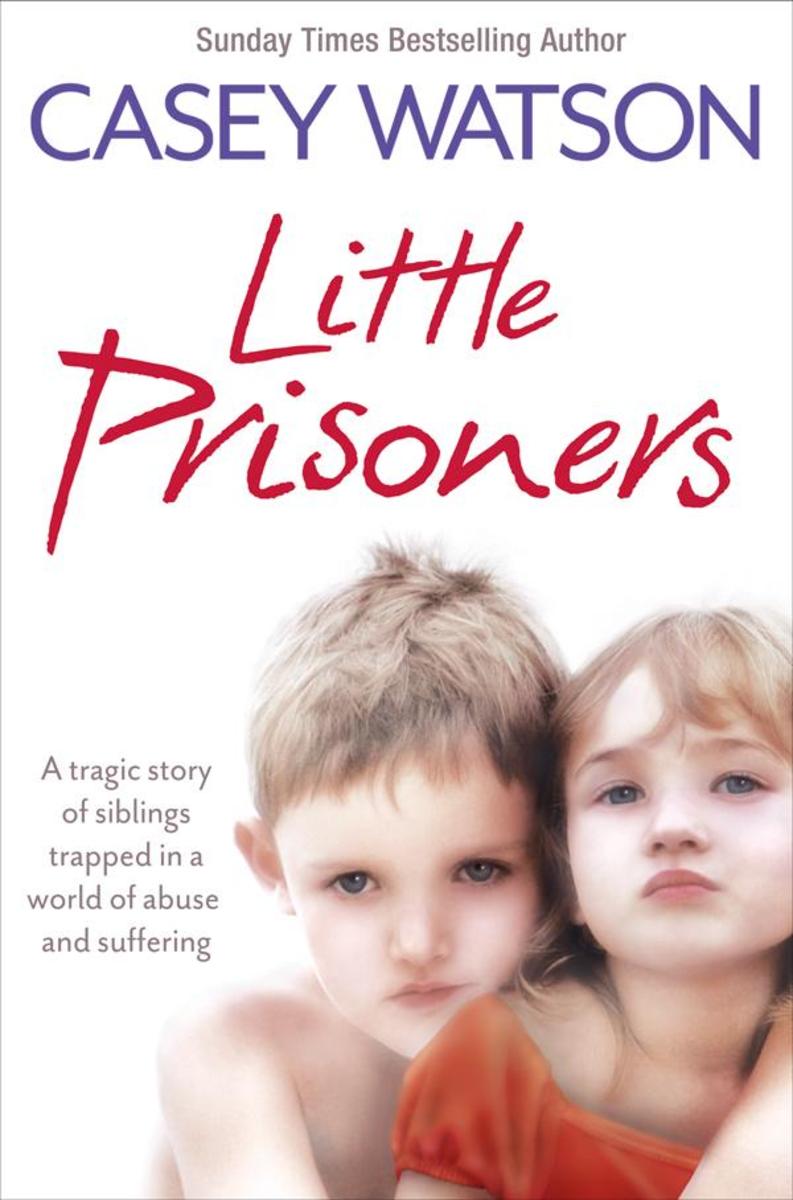
Little Prisoners: A tragic story of siblings trapped in a world of abuse and suf
¥51.50
From the Sunday Times bestselling author comes a harrowing and moving memoir about two innocent and frightened ‘unfosterable’ children who do not know what it means to be loved. This is the third book in the series. The shock that strikes Casey and her family when Ashton and Olivia arrive is immeasurable. Two dirty, frightened little waifs stand before them, huge eyes staring around their new surroundings. Ashton – 9, Olivia – 6, have the same urchin look; hair running wild with head lice, filthy nails and skin covered in scabs. And the smell is horrific. The eldest two children of a group of five siblings, Casey had only been told they were coming two days earlier. But it was an emergency, temporary placement, and they were only due to stay a couple of weeks… Casey is desperate to help these poor, lost children, who have been taken away from their family because they were considered at risk, but before she can even start to understand the horrific things that have happened in the past, she has to teach them the most basic of behaviours. Ashton and Olivia have no barriers and no sense of what’s right and wrong – her challenges begin with the toilet and eating habits. The weeks roll into months and the months roll on, but bit by bit the children are starting to feel like they truly belong to a family, for the first time. With this new found security and love, gradually they start to reveal what really happened to them and their siblings at home, and slowly Casey can help them start to rebuild their young lives. Includes a sample chapter of Too Hurt To Stay.
Making the Cat Laugh
¥66.22
SPECIAL PRICE FOR A LIMITED TIME One woman's journal of single life on the margins. A brilliant collection of Lynne Truss’ journalism – recording the life of a metropolitan refugee from coupledom. The alternative ‘Bridget Jones’. For seven long years, starting in ‘The Listener’ in 1988 and continuing in ‘The Times’ and ‘Woman's Journal’, Lynne Truss has been trying to make her cat laugh. It has been an uphill task, which is why she deserves this book, a recognition of outstanding courage in the face of futility. Along the way, 'Margins', 'Single of Life' and 'One Woman's Journal' have collected a band of devoted fans, yet still the cat remains unimpressed. Never have so many jokes about Kitbits been found in such concentration as in ‘Making the Cat Laugh’. But under the headings such as 'The Single Woman Considers Going Out but Doesn't Fancy the Hassle' and 'The Single Woman Stays at Home and Goes Quietly Mad', we discover a writer not only obsessed with cats, but prone to over-reacting generally - to news stories, shopping, passive smoking, Christmas, coupledom, boyfriends, snails, sheds, Andre Agassi, cooking instructions, requests of 'How's the novel going?' and personal remarks of any kind.
Hizzy: The Autobiography of Steve Hislop
¥80.25
Steve Hislop was one of the most famous motorcycle racers in the world. He had always been a controversial and outspoken character having had many famous clashes and splits with teams and riders over the years, not always to his advantage. Season 2003 was no different. Steve’s life was incredible, funny and ultimately tragic. Hislop made his debut in 1979 on a bike paid for by his father, but when the latter died of a heart-attack, he embarked on a self-destructive quest that resulted in more crashed bikes and cars than he can remember. Three years later his brother Garry was killed racing at Silloth. It looked as if he would never race again but while on holiday at the Isle of Man TT races in 1983, he was mesmerised by the sight of Joey Dunlop and he knew he had to try it. He took to the roads immediately, amassing an amazing career record of 11 wins and was the first rider in history to lap the course at an average speed of over 120mph. Hizzy's TT victories over big name rivals like Joey Dunlop and Carl Fogarty made him a living legend beyond the confines of just the UK. He turned his back on the Isle of Man in 1994, claiming it was too fast and dangerous for modern superbikes. However, he had already proved he was just as fast on purpose-built short circuits having won the British 250cc championship in 1990 and then went on to win the British Superbike (BSB) title in 1995 and 2002. Defending a title is always difficult and made even harder when your current team doesn't give you a new contract. However, season 2003 started positively for Steve, inasmuch as he found a new team, but he was sacked half way through the season after a string of poor results on an uncompetitive bike. These events, however, paled into insignificance when Steve was killed in July 2003 when the helicopter he was flying crashed in a remote Scottish border region. His book is a fitting tribute to a motor racing legend.
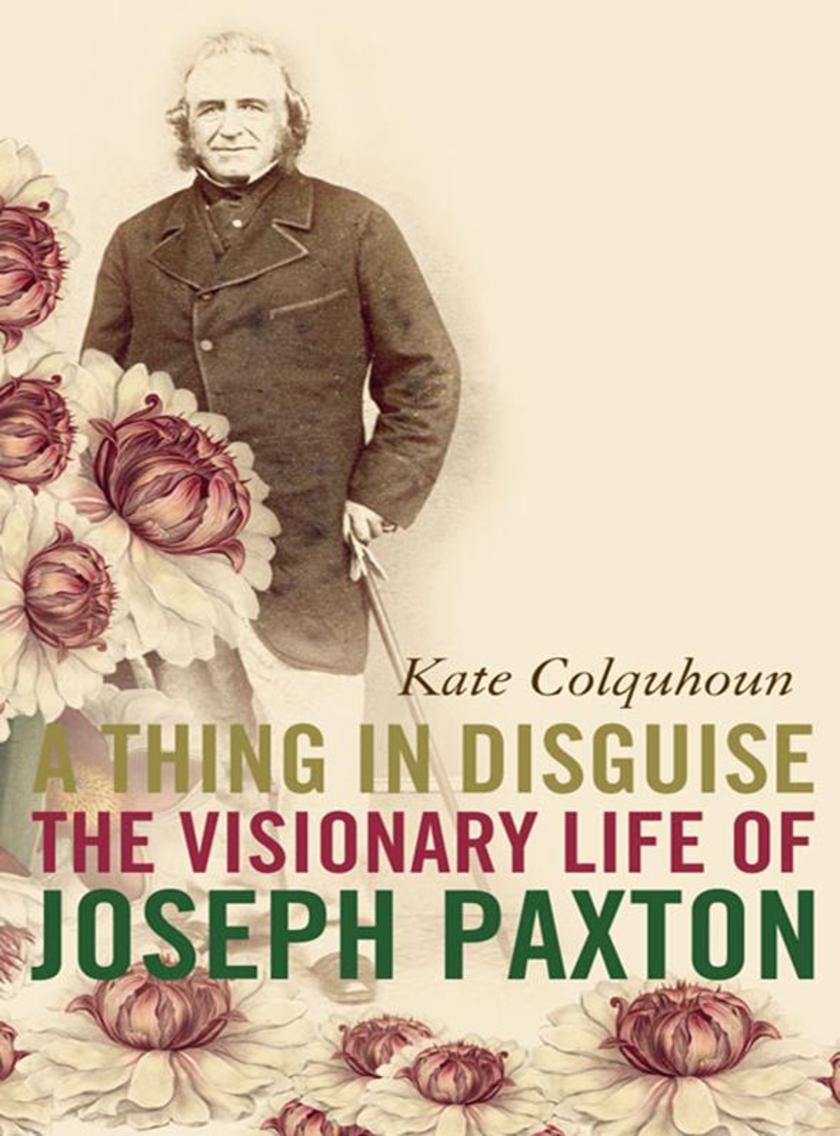
A Thing in Disguise: The Visionary Life of Joseph Paxton (Text Only)
¥72.40
A biography of an unsung Victorian hero, Joseph Paxton was the man behind the garden design at Chatsworth and the Crystal Palace at the Great Exhibition of 1851. The Victorians heralded a new era of creativity, a revolutionary fervour seizing all forms of design. Joseph Paxton was a leading light of this movement. Head Gardener at Chatsworth House by the age of twenty-three, encouraged by the sixth Duke of Devonshire he transformed the Derbyshire estate into the greatest garden in England. Queen Victoria came to marvel and with the development of the railway, so too did daytrippers from all over the country. His design for the Crystal Palace sealed his reputation. By the time of his death, Paxton ‘the busiest man in England’ according to Charles Dickens, could count Brunel and Stevenson amongst his friends. Horticulturalist, designer, architect – Paxton was one of the most remarkable figures of his time. The greatest age of art and industry is embodied in this compelling portrait of a Victorian hero.
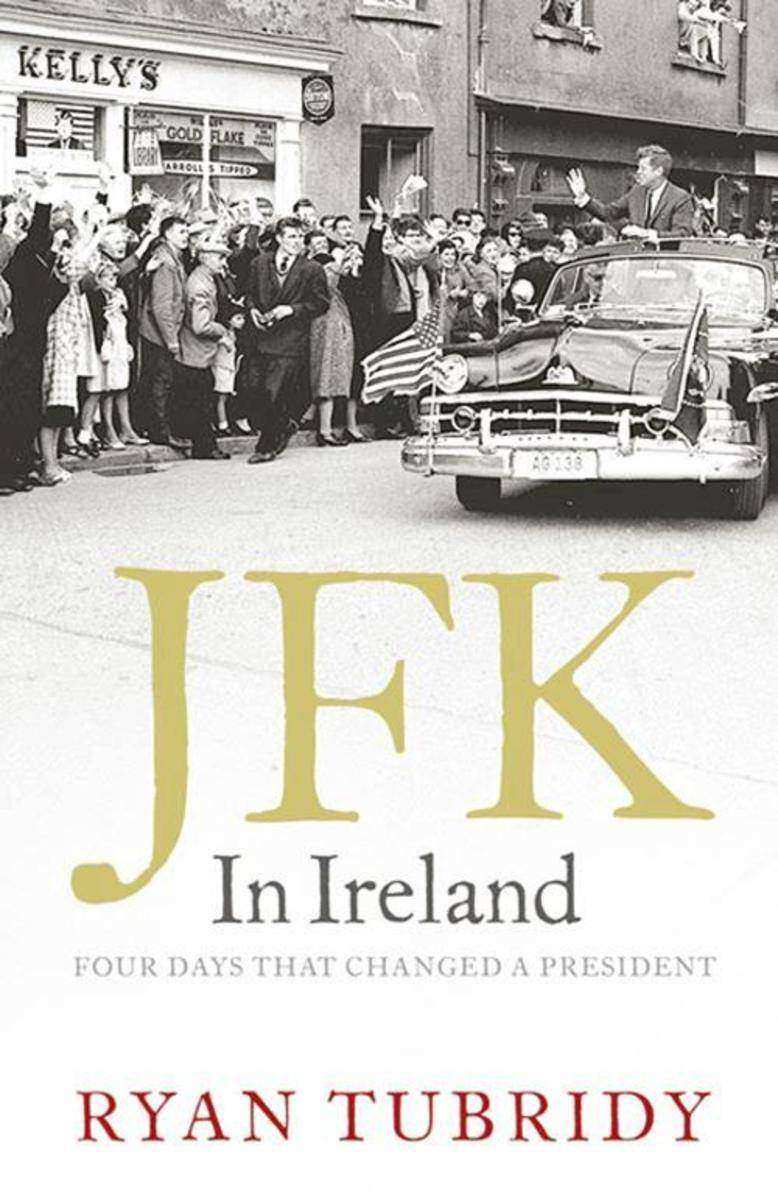
JFK in Ireland: Four Days that Changed a President
¥80.25
In his first book, award-winning radio and TV presenter Ryan Tubridy tells the fascinating story of the iconic president John F Kennedy's visit to Ireland. The idolized, handsome and glamorous John Fitzgerald Kennedy was the great-grandson of Irish immigrants and the first and only Irish-Catholic American elected as President of the United States. He relished his Irish heritage and in June 1963 made a memorable four-day trip to his homeland, which he called the best 'four days of his life'. Tragically, five months later he was assassinated. In this fully illustrated book, Tubridy reveals the huge effect JFK's visit had on Ireland - a country that at the time was largely agrarian and extremely poor. He includes never-seen-before photos of the president and private documents that reveal how the Irish rejoiced in having a president visit their shore. Tubridy evaluates whether the well-loved president, whose 'Camelot' years some believe would have heralded a golden age, actually inspired Ireland to reinvent itself and instilled pride in the Irish people, or whether the myth of JFK just left behind an idyllic dream of what could have been. This book is a fascinating, unique and insightful read from one of Ireland's most popular personalities.
Behind the Laughter
¥57.09
Join Loose Women's Sherrie Hewson on her rollercoaster ride through the laughter, tears and tantrums of an extraordinary life lived on and off the screen. Sherrie Hewson is one of Britain's best loved telly stars. From her dazzling performances in the Carry On films to Russ Abbott's Madhouse, to her favourite character Maureen Holdsworth in Coronation Street to the green hills of Emmerdale, Sherrie's warmth and good humour won her a place in the heart of the nation. And now an adored presenter on Loose Women, which she joined eight years ago, Sherrie has become a friend and confidante to the millions who tune in for her naughty sense of fun, openness and quick wit. But behind the laughter Sherrie has been hiding a secret heartache. After 30 years of marriage, she is finally divorcing the man who cheated on her and squandered all her money, leaving her bankrupt, on the brink of an alcohol problem and suicidal. It has taken her nine years to reach this point; but Sherrie is now ready to share her story – and it's one that at times seems more fitting to a soap opera than real life. From living in a brothel to being ditched at the altar, to living in fear of her stalker to nearly murdering her Corrie co-star (by accident, of course!), to the on- and off-screen lovers, friends and foe, to struggling to conceive her much-loved daughter, Sherrie – a natural storyteller – always manages to see the funny side and tells it like it is with warmth and a cheeky smile. Brimming with brilliantly funny anecdotes and larger-than-life characters, Sherrie’s story will delight, entertain and, above all, make you laugh.
Mia’s World: An Extraordinary Gift. An Unforgettable Journey
¥54.25
In the follow up to the Sunday Times bestseller, The Gift, we are taken on a journey further into the psychic world of Mia Dolan, one of Britain's most gifted psychics. Mia’s World is an amazing psychic adventure which reveals the truth about the spirit world. In Mia’s World, Mia Dolan takes on a student – Roz Chissick, a writer with absolutely no previous psychic training, and teaches her how to tap into her innate psychic gift. The result is an exciting psychic adventure not only for Roz but also for you the reader. Mia reveals more of her fascinating experiences of ghosts, spirits and explains the truth about the darker forces from the other side. We are taken on ghost-busts, to the mystical site of Avalon and astral travels to the home of her spirit guide. Mia reveals how we find happiness in this world and answers profound questions about life, death and psychic phenomena: - What is it like to die? - How can we still communicate with loved ones after death? - Do angels and demons exist? - Is there such a thing as a soul mate? - Is there such a thing as destiny or do we control our own fate? - What happens to our souls after we die? 'I wish there was some way I could share my ability to see things other people can't. We all have a guide, but not everyone can see or hear theirs. I've no idea what opened up the link between Eric and me, but I consider it a gift.' Mia Dolan in Real magazine
Read My Heart
¥81.03
From the bestselling author of ‘Elizabeth and Mary’, the remarkable love story of Dorothy Osborne and Sir William Temple, set against the turbulence and romance of 17th-century England. [Note that the family trees contained in this ebook are best viewed on a tablet.] Sir William Temple (1628-99), handsome and intelligent, son of a staunch Parliamentarian, become a celebrated essayist and diplomat in Charles II’s time. Captivating him from their first meeting, when he was just 20, Dorothy Osborne (1627-1696) was an intellectual romantic from a family of committed Royalists. After a long and at times desperate courtship, in which Dorothy rejected numerous other suitors (including Henry Cromwell, son of the Lord Protector), they married in 1654. Their union had been fiercely opposed by both their families, but they went on to build a passionate marriage that brought personal tragedies and public triumphs and betrayals during the huge political upheavals of the age. Their relationship was intellectually collaborative; both were gifted writers, and possessed of strikingly modern sensibilities. Seventy-seven letters written by Dorothy to William during their long clandestine courtship survive, masterpieces of wit and style, with a conversational intimacy that transports the reader to her side. Both were at the social and political centre of life: confidants of William of Orange and Mary, who were instrumental in promoting their marriage, contemporaries of Pepys, and employers of Jonathan Swift. Drawing upon extensive research and the Temples’ own extraordinary writings, Jane Dunn brings to life their remarkable story, offering a rare perspective on one of the most turbulent periods of British history. In illuminating the personal lives, politics and passions of two endearing and independent-minded people, she brilliantly captures not only the story of a marriage, but the spirit of a dawning modern age.
Just Another Kid: Each was a child no one could reach – until one amazing teache
¥68.67
A dramatic and remarkable narrative of an extraordinary teacher's determination, from the author of the Sunday Times bestsellers ‘The Tiger's Child’ and ‘One Child’. Torey Hayden faced six emotionally troubled kids no other teacher could handle – three recent arrivals from battle-torn Northern Ireland, badly traumatised by the horrors of war; an eleven-year-old boy, who only knew life inside an institution; an excitable girl, aggressive and sexually precocious at the age of eight; and seven-year-old Leslie, perhaps the most hopeless of all, unresponsive and unable to speak. But Torey's most daunting challenge turns out to be Leslie's mother, a stunning young doctor who soon discovers that she needs Torey's love and help just as much as the children. ‘Just Another Kid’ is a beautiful illustration of nurturing concern, not only for a few emotionally disturbed children, but for one woman facing a personal battle.
Stuart: A Life Backwards
¥66.22
Stuart does not like the manu*. He's after a bestseller, "like what Tom Clancy writes". "But you are not an assassin trying to frazzle the president with anthrax bombs," I point out. You are an ex-homeless, ex-junkie psychopath, I do not add.' This is the story of a remarkable friendship between a reclusive writer ('a middle-class scum ponce, if you want to be honest about it, Alexander'), and Stuart Shorter, a homeless, knife-wielding thief. Told backwards -- Stuart's idea -- it starts with a deeply troubled thirty-two-year-old and ends with a 'happy-go-lucky little boy' of twelve. This brilliant biography, winner of the Guardian First Book Award, presents a humbling portrait of homeless life, and is as extraordinary and unexpected as the man it describes.

Walter Sickert: A Life (Text Only)
¥82.01
This edition does not include illustrations. The first major life of the outstanding British painter – and Jack the Ripper suspect – Walter Sickert (1860-1942), by the highly acclaimed biographer of Aubrey Beardsley. Walter Richard Sickert is perhaps the outstanding figure of British art during the last hundred years. Many contemporary painters, from Hodgkin and Bacon to Auerbach and Kossof, acknowledge a debt to his influence. His career spanned six decades of unceasing experiment and achievement. As a young artist, he was welcomed and encouraged by Degas. He was the disciple of Whistler and mentor of Beardsley. He founded the London Impressionists and the Camden Town Group. He was taken up by both the Woolfs and the Sitwells. He gave painting lessons to Winston Churchill. His energy was prodigious and his personality fascinating: he was also an illustrator, cartoonist, writer, polemicist, teacher and wit. He relished controversy: his early paintings of London music halls and his late works, based on 18th-century etchings and contemporary news photographs, provoked outraged criticism from conventional commentators. Sturgis also devotes an appendix to charting in detail Sickert's posthumous life as a player in the 'Jack the Ripper' circus, assessing (and demolishing) the arguments of Patricia Cornwell and others in the light of his own discoveries.
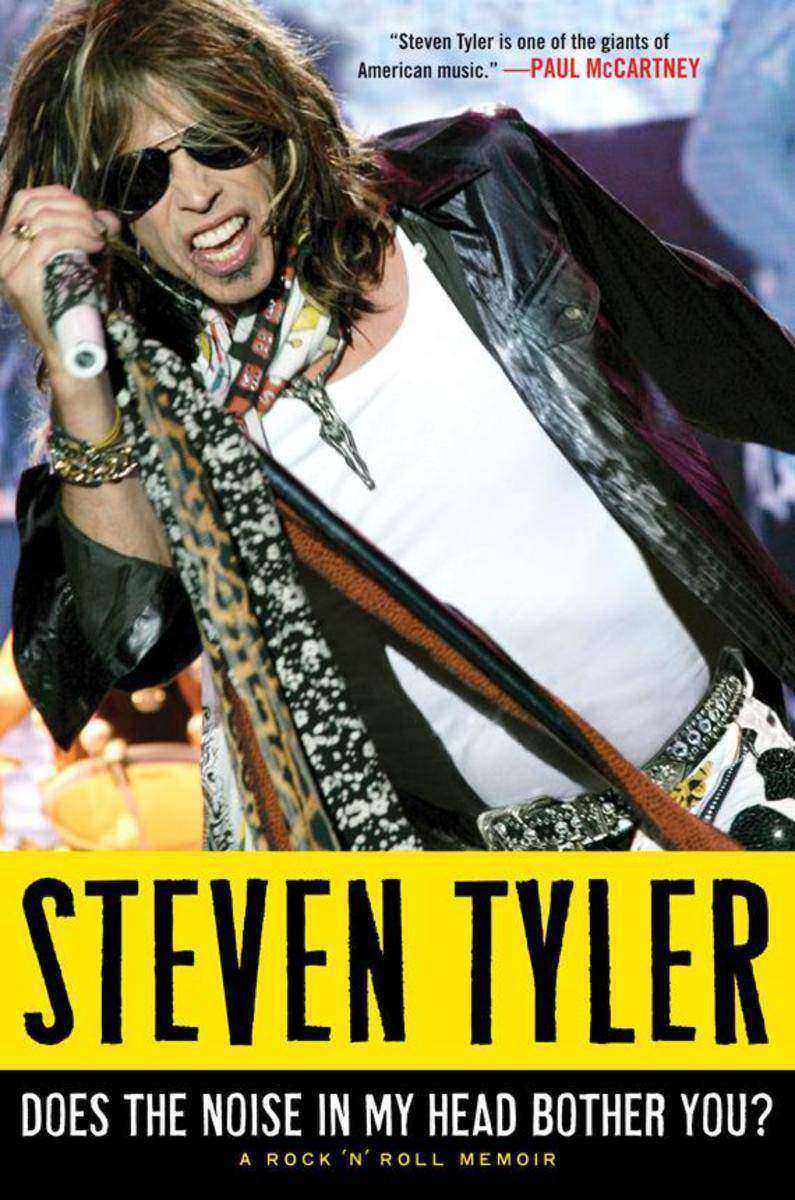
Does the Noise in My Head Bother You?: The Autobiography
¥37.77
The long-awaited, never-before-told, no-holds-barred memoir from the legendary Aerosmith frontman. Finally, all the lurid tales of debauchery, sex, drugs and rock n' roll are told straight from the horse's lips as The Demon of Screamin' describes his unimaginable highs and unbelievable lows as lead singer of the biggest rock band in the world. Prolific frontman, rock icon and sex symbol, Steven Tyler is a living legend. With his raw, sharp-edged vocals, musical versatility and unprecedented song writing skills, Tyler has, as lead singer of Aerosmith, sold millions of records and played sell-out concerts to as many as 450,000 people. Now, at last, he tells his own story, taking us on a wild rollercoaster ride through the bust-ups, binges, orgies and good old American excess in the jaw-droppingly honest, in-your-face way that only Tyler can. Following a fateful meeting with his 'mutant twin' Joe Perry in the summer of 1970, Aerosmith was formed…and the rest, as they say, is rock history. They released their first album in 1973, and by 1976 Aerosmith had gone from being nobodies to massive to off the radar, making history as a multi-platinum, chart-topping band. But with great success comes great excess. Nicknamed the Toxic Twins for their insatiable appetite for drugs, booze and women, Tyler and Perry got caught up in the glamour of self-destruction - smashing each other up with guitars, having seizures and passing out on stage. By 1980 it seemed that the band and its members were set to implode, but after successful stints in drug rehab, Aerosmith were back on track and better than ever. But although he may have given up his wicked, wicked ways, Tyler still enjoys talking about the bad old days. He has so many outrageous stories to tell, and he's gonna tell them all. All the uncensored, head-spinning tales of debauchery, sex, booze, transcendence and chemical dependence you will ever want to hear. As raucous, intoxicating and edgy as his music, this is the most outrageous rock n' roll autobiography of all time.

Bill Hicks: Agent of Evolution
¥80.25
Written by Bill Hick's lifelong friend, producer, and co-creator, Kevin Booth offers the inside story into the man who was only along for the ride for a tragically short time, yet left an indelible mark on comedy enthusiasts and freethinkers everywhere. Bill Hicks: Agent of Evolution offers a rare fly-on-the-wall insight into the life of one of Britain's most loved US comedians. Adored in the UK for his unique style of savage, hilarious comedy, the one person who knew him inside and out tells of a man whose life was just as impassioned and off-the-wall as his comedy. Even back at High School, in Houston, Texas, Kevin was Bill's co-conspirator, as they sneaked out of Bill's strict Baptist home at night, and headed for the Comedy Workshop, where at the age of fourteen, Bill was going down a storm. They virtually shared every experience – from magic mushrooms to girls, but it was their music and their vision of comedy, which bound them so closely together. Kevin produced, engineered and performed on many of Bill's recordings, and it is largely due to him, that so much of Bill's comedy is readily available on CD and video. Michael Bertin, a hugely talented author from Austin, Texas, is co-writing Kevin's fly-on-the-wall biography of Bill Hicks.
Out of the Frying Pan: Scenes from My Life
¥68.67
Keith Floyd’s exuberant personality, as much as his cooking skills, has made him a favourite both as bestselling author and as television presenter. But here, for the first time, he tells his own story – and it is full of surprises. The stories from his childhood in Somerset are vivid and moving: his grandfather with his tin leg, his mother at the mills, and his uncle, the ferret keeper, and the black sheep of the family for ‘carrying on’ with married women. Keith Floyd spent a short spell on a local newspaper, and then, in a hilarious episode, joined the army. After he and the Ministry of Defence decided that they did not suit each other, he took his first cooking job as an assistant vegetable cook in a Bristol hotel. The great period of bistros and cafes had dawned and Keith Floyd was in the forefront, cooking in an open kitchen, with Pink Floyd blaring from the speakers. What is wonderful about this book is the vividness of the scenes he paints and the deftness with which he draws the characters – including his several wives. Those who have admired Keith Floyd’s way with a whisk will now be impressed to discover and enjoy his remarkable skill with words.
Southey on Nelson: The Life of Nelson by Robert Southey
¥72.99
LIVES THAT NEVER GROW OLD A radical new series – edited by Richard Holmes – that recovers the great classical tradition of English biography. Every book is a biographical masterpiece, still thrilling to read and vividly alive. This short, brilliant, action-packed biography appeared only eight years after Nelson’s death at the Battle of Trafalgar (a scene unforgettably described). It helped transform Nelson into the most popular wartime hero that Britain has ever placed on top of a column. It first gave currency to the proverbial stories of his courage and exhibitionism, from the ‘blind eye’ at Copenhagen, to ‘Kiss me, Hardy’ and the scandal of ‘Beloved Emma’ at Naples. It was written by the romantic poet and historian Robert Southey, a one-time radical who was converted to patriotism by Nelson’s shining (though not ‘untarnished’) example.
Geoff Boycott: A Cricketing Hero
¥63.18
Few modern British sportsmen have fascinated the public more than Geoff Boycott. In this first comprehensive and balanced account of Boycott’s life – fully updated to include his battle against cancer – award-winning author Leo McKinstry lifts the lid on one of cricket’s great enigmatic characters. A record-breaking Test cricketer and acerbic commentator, Geoff Boycott has never been far away from controversy during his long career in the game. Based on meticulous research and interviews with a host of players, Test captains, officials, broadcasters, friends and enemies, this definitive biography cuts through the Boycott myth to expose the truth about this charismatic, single-minded and often exasperating personality. What was Boycott like as a schoolboy? How did his England cricket colleagues such as Graham Gooch, Dennis Amiss and Brian Close feel about him as a person? Why was he so unpopular in his early career for Yorkshire? And what is the real truth about the relationships that soured his private world? From his upbringing as a miner’s son in a Yorkshire village, through highlights like his hundredth century at Headingley against Australia, to the low points such as the damaging court case in France, this warts-and-all account of his life makes for captivating reading.
Sunshine on Putty: The Golden Age of British Comedy from Vic Reeves to The Offic
¥72.40
The definitive history of a golden age in British show-business, Sunshine On Putty is based on hundreds of interviews with the leading comedians of the era, as well as managers, agents, producers, directors, executives and TV personalities. In the 1990s, British comedy underwent a renaissance – shows like The Fast Show, The Day Today, Shooting Stars, The League of Gentlemen, The Royle Family and The Office were hugely popular with critics and audiences alike. Just as politics, sport, art, literature and religion seemed to move towards light entertainment, the comedy on the nation's televisions not only offered a home to ideas and ideals of community which could no longer find one elsewhere, but also gave us a clearer picture of what was happening to our nation than any other form of artistic endeavour. From Ricky Gervais' self-destructive love affair with dairy products to Steve Coogan's suicidal overtaking technique; from the secrets of Vic Reeves' woodshed, to the stains on Caroline Aherne's sofa; from Victor Meldrew's prophetic dream to Spike Milligan's final resting place, Ben Thompson reveals the twisted beauty of British comedy’s psyche.
Ready, Steady, Go!: Swinging London and the Invention of Cool (Text Only)
¥76.91
Shawn Levy, author of ‘Rat Pack Confidential’ brings alive London in the swinging Sixties with a gripping, groovy story of those who created the scene that changed the world. For a few years in the 1960s, London was the coolest city on earth: a spontaneous, dizzying stew of pop music, fashion, film, scandal, drugs & sex, crime, the avant garde underground and the tabloid obsession with fame. The rest of the world watched in awe. Snaking through it are such eminent swinging Londoners as The Dreamer (actor Terence Stamp), The Chameleon (Rolling Stone Mick Jagger), The Loner (Beatles manager Brian Epstein), The Snapper (photographer David Bailey) and The Blue Blood (art dealer Robert Fraser), as well as such figures as comedian Peter Cook; hairdresser Vidal Sassoon; singer Marianne Faithfull; fashion designer Mary Quant; supermodels Jean Shrimpton and Twiggy; gangsters Ron and Reggie Kray; actor Michael Caine; actresses Catherine Deneuve, Lynn Redgrave and Julie Christie; pop groups The Beatles, The Who and The Kinks; filmmakers Roman Polanski, Richard Lester and Michelangelo Antonioni; as well as the various participants in the Profumo scandal, the Great Train Robbery, the rise of LSD, the radical underground, the heyday of the gambling club and the fashion boutique and various and sundry scandals, scenes and sensations. Due to a combination of massive talent and sheer luck, they dominated the world scene. But the party was to end – after seven short years it seemed that everyone was now a Swinging Londoner and the same vibe was found in Paris, New York and San Francisco. ‘Ready, Steady, Go’ recreates the whole show and contrasts a series of emblematic lives with the great events that shaped the time. Through these stories, Shawn Levy, author of ‘Rat Pack Confidential’, shows how the city reinvented cool and then seemed to lose its swing altogether.
A Scandalous Life: The Biography of Jane Digby (Text only)
¥81.03
The biography of Jane Digby, an ‘enthralling tale of a nineteenth-century beauty whose heart – and hormones – ruled her head.’ Harpers and Queen A celebrated aristocratic beauty, Jane Digby married Lord Ellenborough at seventeen. Their divorce a few years later was one of England s most scandalous at that time. In her quest for passionate fulfilment she had lovers which included an Austrian prince, King Ludvig I of Bavaria, and a Greek count whose infidelities drove her to the Orient. In Syria, she found the love of her life, a Bedouin nobleman, Sheikh Medjuel el Mezrab who was twenty years her junior. Bestselling biographer Mary Lovell has produced from Jane Digby’s diaries not only a sympathetic and dramatic portrait of a rare woman, but a fascinating glimpse into the centuries-old Bedouin tradition that is now almost lost. Note that it has not been possible to include the same picture content that appeared in the original print version.
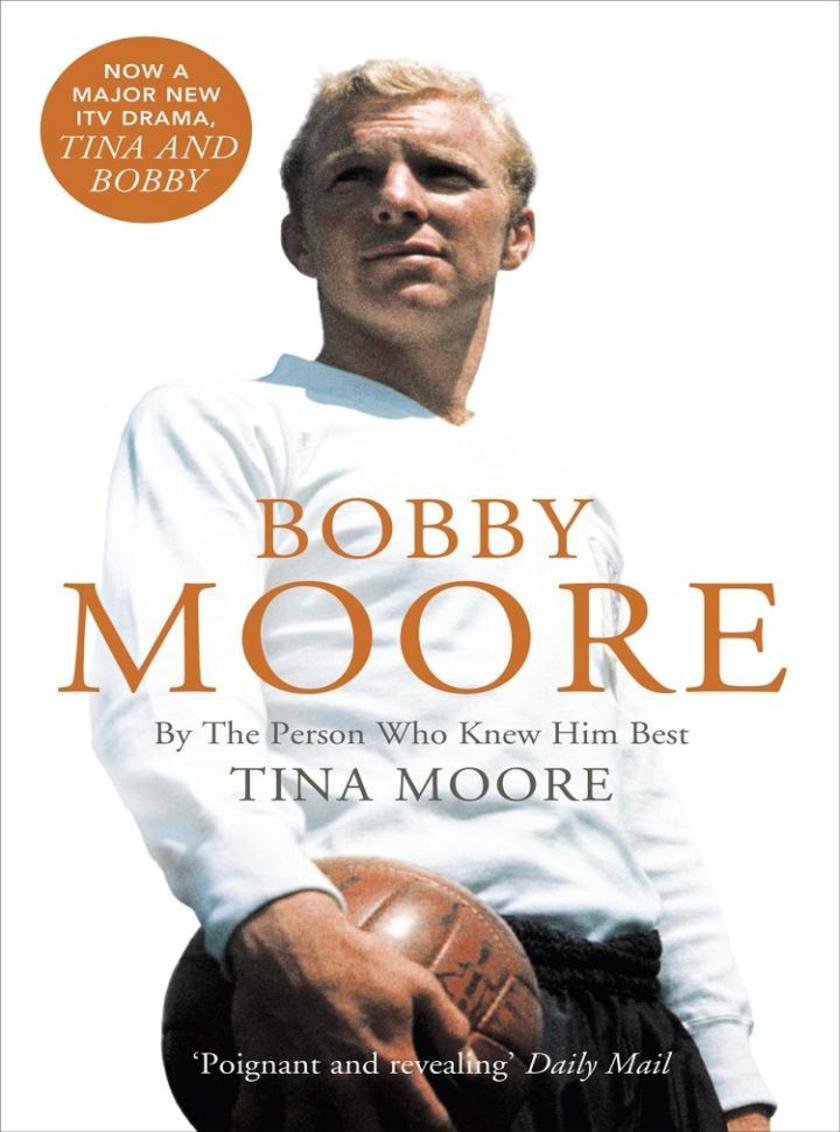
Bobby Moore: By the Person Who Knew Him Best (Text Only)
¥72.99
THE STORY WHICH INSPIRED THE MAJOR ITV DRAMA TINA AND BOBBY. Bobby Moore’s untimely death in 1993, at the age of 51, had a profound impact on the people of this country. As the only English football captain ever to raise the World Cup, he was not just a football icon but a national one. Yet Bobby was an intensely reserved, almost mysterious personality. Only one person was his true friend and confidante – his boyhood sweetheart, Tina, whom he met at 17 and married soon after. Tina Moore’s story of her life with Bobby, the triumphs and crises of his football career, the break-up of their marriage and what happened afterwards, is a moving tribute to a national icon by the person who knew him better than anyone.


