


 购物车
购物车 个人中心
个人中心
The Emancipated
¥40.79
Miriam Baske, a young widow, freed from the constraints of making a living, leaves behind the grey stone chapels and flinty hearts of Lancashire for the sun and artistic splendour of Italy. She meets a host of her countrymen vacationing and occupying themselves with travel, art, philosophy, romance, and improving their health.
Will Warburton
¥40.79
A young wealthy gentleman looses everything in speculation and is forced into a humble life of a grocer. He finds his circumstances tragic at first and keeps his fate secret from all his friends and family. He re-considers his attitudes only when the woman with whom he is falling in love discovers he is a grocer, and throws him over.
A Prisoner
¥40.79
An officer by the name of Jilin served in the army in the Caucasus. One day he received a letter from home. It was from his mother, who wrote, 'I am getting old now, and I want to see my beloved son before I die. Come and say good-bye to me, and when you have buried me, with God’s grace, you can return to the Army. I have found a nice girl for you to marry; she is clever and pretty, and has some property of her own. If you like her perhaps you will marry and settle down for good.'
Three Questions and Other Tales
¥40.79
It once occurred to a King that if he knew the right moment when to begin on any work and the right kind of people to have or not to have dealings with and the thing to do that was more important than any other thing, he would always be successful. And he proclaimed throughout his kingdom that he would give a great reward to any one who could tell him what was the right moment for any action, and who were the most essential of all people, and what was the most essential thing of all to do.
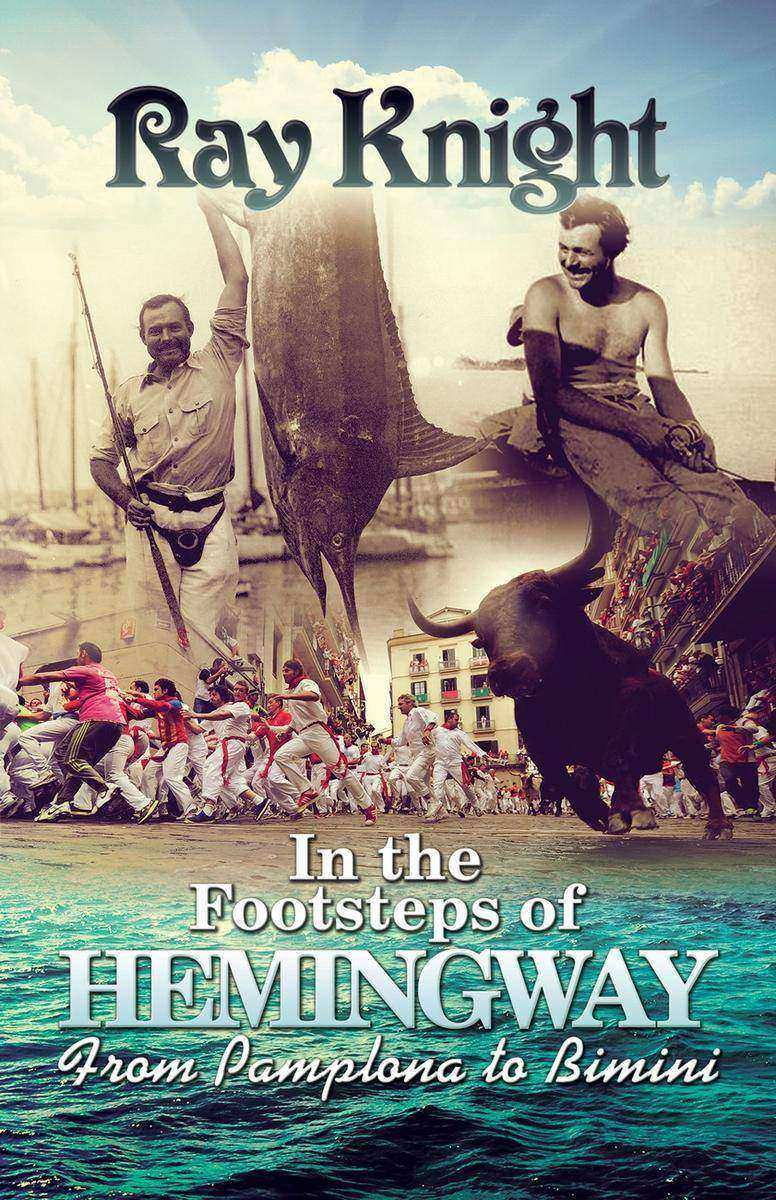
In the Footsteps of Hemingway From Pamplona to Bimini
¥10.30
Ernest Hemingway casts a very long shadow – especially the one thrown over Ray Knight by the Bahamian sunset on Hemingway’s beloved islands of Bimini. Using the late literary giant’s terse aphorisms and mordant quips as springboards for his own lean and drum-tight prose, Ray Knight invites us to join him on a journey from Pamplona to Bimini, in the footsteps of his literary hero. This collection of short stories, anecdotes and excerpts from the author’s novels runs the gamut of emotions, from pathos and tragedy to humor and unabashed sentimentality – from a moving and thought-provoking look at the ethical ramifications of euthanasia to a boxing tale that pulls no punches, and without which no homage to Hemingway would be complete. Whether you add an extra kick to your coffee break one tale at a time or settle down with a glass of rum and spend an evening ‘In The Footsteps of Hemingway’, you’re in for an enjoyable and edifying read – and a great introduction to the author’s full-length works. The Vet’s Dilemma:- A personal look at one man’s anguished choice between humanity and morality. What will he do? What would you do? The Tears of a Clown:- A clown’s antics bring joy to thousands of children but behind the make-up is a face racked with pain. Monty:- A man’s relationship with his car confounds his daughter and leads to a traumatic and deadly conclusion.. Shadows :- A man struggles for survival in a harsh and dangerous environment. Voices from his past come to haunt him. Will they save or condemn him? A Father’s Love:- A father risks the wrath of his community and his life in a desperate attempt rescue his son from the horror of addiction. It Tolls for Thee:- A washed-up boxer is offered one last, desperate shot at the big time – will he risk his life for one final chance of glory? Right of Passage:- A young hunter faces the ultimate test – will he become a legend or just a memory? A sample chapter from ‘The Mountain’… Felicia’s Cabin:- A kidnapped woman faces up to her captors in this sample chapter from’ The Hatcher File’… Walking With the Bulls:- The author recalls his experience in Pamplona in 1977 – a year of tragic events at the Festival of San Fermin Every Job in Town:- An amusing recollection of the author’s time in Sydney during 1980, when Australia was a land full of opportunities for a young man… either to get rich or get into a lot trouble!
The Hatcher File
¥30.08
Tom Hatcher is a wanted man, dead or alive. Hunted by a crazed Colombian drug lord and hounded by rogue elements within MI6 and the DEA he has nowhere to turn and no one to trust. As a soldier of fortune he finds himself in a desperate struggle for his life and a race against time to save the one person in the world he loves. With no way to escape the circle tightening around him, Tom must fight back against ruthless enemies who follow no rules of engagement and who he can’t face alone. But, who can he trust? Enemies become allies and friends become foes as he tries to unravel the web of deceit and intrigue that shields his adversaries. Inspired by real life events, and in the best Ludlum traditions, this edge-of-the-seat thriller is full of twists and turns that will keep you turning the pages until the final thrilling conclusion.
A Portrait of the Artist as a Young Man
¥8.09
This unique edition of A Portrait of the Artist as a Young Man from Dead Dodo Vintage includes the full original text as well as exclusive features not available in other editions.

Sherlock: Complete Novels
¥40.79
Sherlock, one of the greatest detectives of all time. This Fractal Press edition features complete collection of the four Sherlock Holmes novels, including: A Study in Scarlet, The Sign of the Four, The Hound of the Baskervilles, The Valley of Fear.
The Diary of a Nobody
¥40.79
Charles Pooter and his wife Caroline have just moved to a new home. Mr Pooter is a City of London clerk with Perkupps. The couple have a 20-year-old son, Lupin, who works as a bank clerk in Oldham. From the beginning a pattern is set whereby the small vexations of the Pooters' daily lives are recounted, many of them arising from Pooter's unconscious self-importance and pomposity. Trouble with servants, tradesmen and office juniors, together with minor social embarrassments and humiliations, occur regularly.
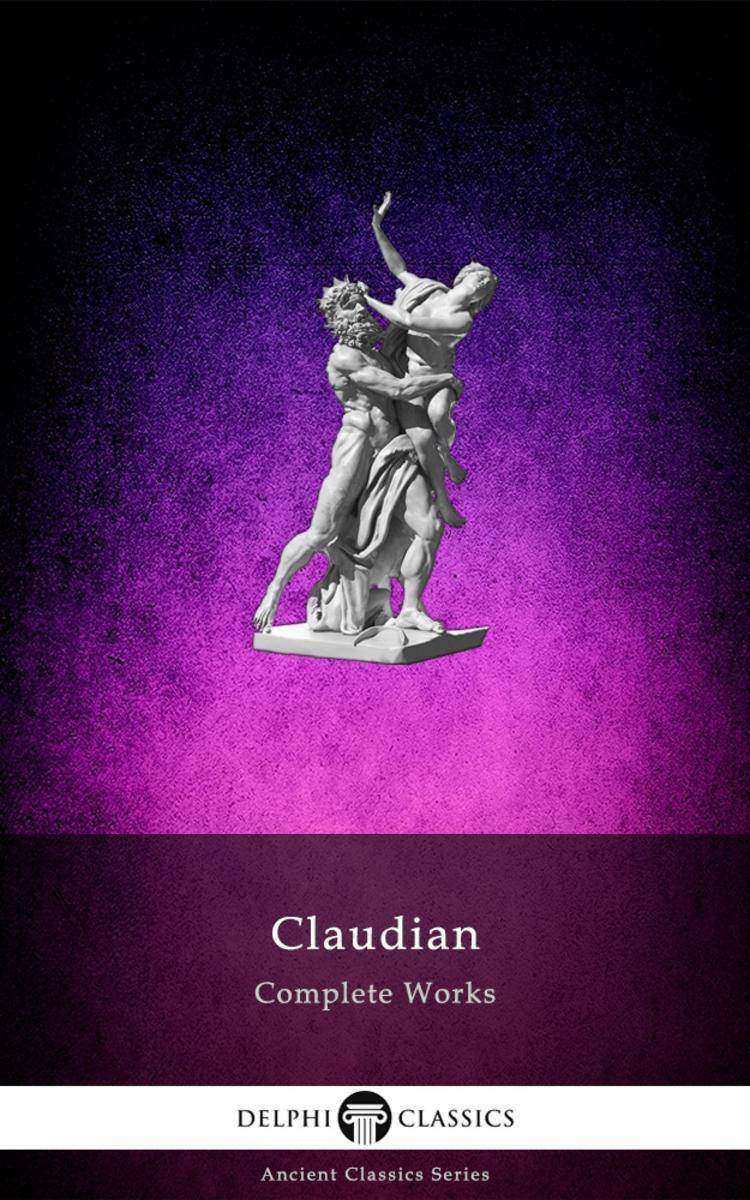
Delphi Complete Works of Claudian (Illustrated)
¥16.27
Claudian, the Latin poet of great affairs, flourished during the joint reigns of the brothers Honorius, the Emperor in the West, and Arcadius, ruler in the East. Though a pagan, he became a professional court-poet, composing for Christian rulers panegyrics that have given us important knowledge of Honorius’ times. Claudian also composed a celebrated mythological epic on the ‘Rape of Proserpina’, which was left unfinished, but has been noted for its command of language and polished style. Delphi’s Ancient Classics series provides eReaders with the wisdom of the Classical world, with both English translations and the original Latin texts. This comprehensive eBook presents Claudius’ complete extant works, with relevant illustrations, informative introductions and the usual Delphi bonus material. (Version 1) * Beautifully illustrated with images relating to Claudius’ life and works* Features the complete extant works of Claudius, in both English translation and the original Latin* Concise introduction to the life and times of the poet* Includes M. Platnauer’s translation, previously appearing in the Loeb Classical Library edition of Claudius* Excellent formatting of the texts* Easily locate the poems you want to read with individual contents tables* Includes Claudius’ rare poems, first time in digital print* Provides a special dual English and Latin text, allowing readers to compare the sections paragraph by paragraph – ideal for students* Features a bonus biography – discover Claudius’ ancient world* Scholarly ordering of texts into chronological order and literary genres Please visit www.delphiclassics.com to explore our range of Ancient Classics titles or buy the entire series as a Super Set CONTENTS: The TranslationBRIEF BIOGRAPHY: CLAUDIANTHE POEMS OF CLAUDIAN The Latin TextCONTENTS OF THE LATIN TEXT The Dual TextDUAL LATIN AND ENGLISH TEXT The BiographyINTRODUCTION TO CLAUDIAN by Maurice Platnauer Please visit www.delphiclassics.com to browse through our range of exciting titles

John Milton Complete Works – World’s Best Collection: 150+ Works
¥8.09
John Milton Complete Works World's Best Collection This is the world’s best John Milton collection, including the most complete set of Milton’s works available plus many free bonus materials. John Milton John Milton was an English poet, polemicist, man of letters, and civil servant for the Commonwealth of England under Oliver Cromwell, best known for his epic poem Paradise Lost. Milton wrote at a time of religious and political upheaval, and his works reflect a passion for freedom, self-determination, and deep personal conviction. He has been called one of the greatest English authors of all time The ‘Must-Have’ Complete Collection In this irresistible collection you get a full set of Milton’s work, with more than 150 works - All his poems, All poetry, All Letters, All Prose and All Non-Fiction Works. Plus a full length biography and extra Free Bonus material. Works Included: Poetry -?All Poems, Early Works And Collections, Including: Paradise Lost Paradise Regained Samson Agonistes All Psalms That Milton Set To Verse All Religious Poetry All Sonnets, Including: On His Blindness On the Late Massacre in Piedmont Methought I Saw my Late Espoused Saint All Tracts, Non Fiction And Writing, Including: Of Prelatical Episcopacy Animadversions The Reason of Church-Government Doctrine and Discipline of Divorce Judgement of Martin Bucer Concerning Divorce Tetrachordon Colasterion Areopagitica The Tenure of Kings and Magistrates Eikonoklastes Defensio pro Populo Anglicano – in English Defensio Secunda – in English A Treatise of Civil Power All Letters, Including: Letters Written In The Name Of The Parliament. Letters Written In The Name Of Oliver The Protector. Letters Written In The Name Of Richard, Protector. Your Free Special Bonuses Life Of Milton - A biography of Milton’s intriguing life. Milton – a second biography, written by Sir Walter Alexander Raleigh Get This Collection Right Now This is the best John Milton collection you can get, so get it now and start enjoying and being inspired by his words like never before!
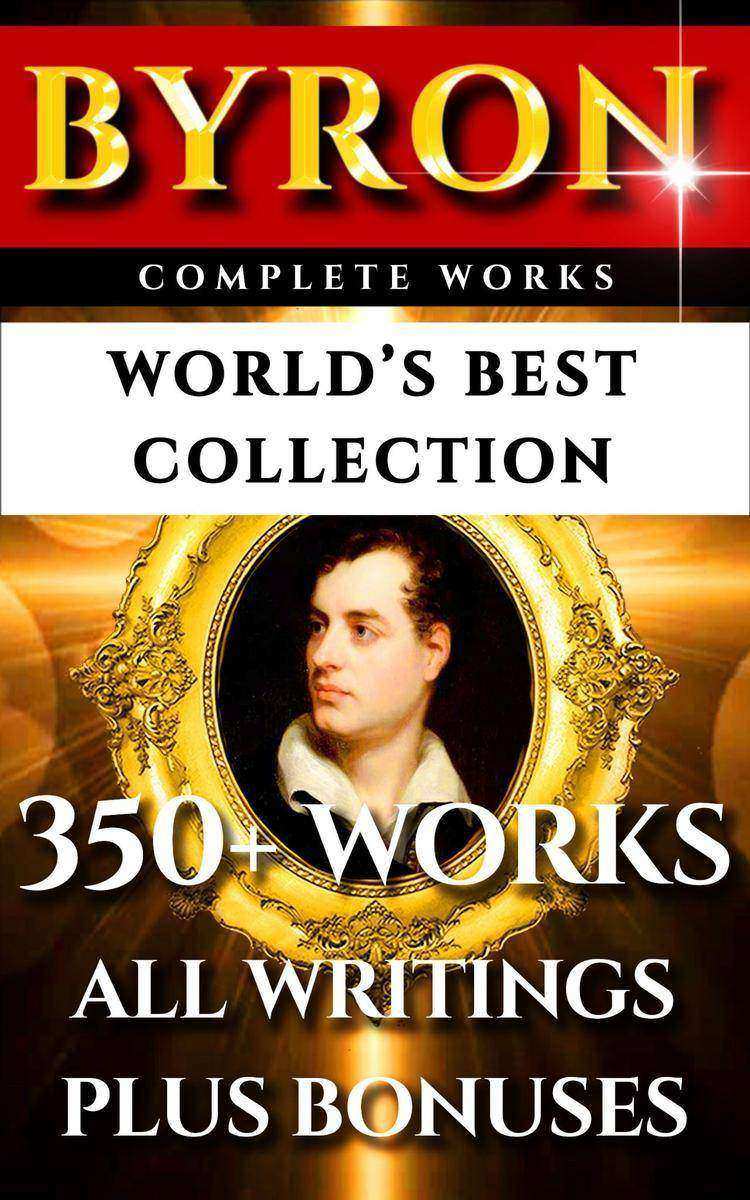
Lord Byron Complete Works – World’s Best Collection: 350+ Works
¥8.09
Lord Byron Complete Works Ultimate Collection This is the world's best Byron collection, including the most complete set of Byron's works available plus many free bonus materials. Lord Byron Byron was an English poet and a leading figure in the Romantic Movement. He is still regarded as one of the all-time greatest British poets; and he remains widely read and extremely influential The Most Complete Collection Available In this irresistible collection you get a full set of Byron's work, All his poetry, All his longer pieces, All his rarities and All his legendary works. Plus a bonus Biography. Works Included: Poetry Including: Poems On Various Occasions Hours Of Idleness Poems Of The Separation Fugitive Pieces Hebrew Melodies Including poems such as: A Woman's Hair On The Death Of Mr. Fox She Walks In Beauty The Wild Gazelle Sun Of The Sleepless! The Destruction Of Sennacherib Love And Gold Stanzas For Music The Siege Of Corinth “By The Waters Of Babylon.” The Prisoner Of Chillon The Dream Darkness Prometheus Don Juan English Bards And Scotch Reviewers Longer Works Including: The Curse Of Minerva The Waltz Childe Harold's Pilgrimage The Giaour The Bride Of Abydos The Corsair Manfred Ravenna Sardanapalus The Deformed Transformed Your Free Special BonusesAlso included in this collection is the following: The Life Of Lord Byron – a biography detailing Byron's intriguing and fascinating life Historical Context and Literary Context Notes - Detailed explanations of the Regency Era and Romanticism, written specially for this collection Get This Collection Right Now This is the best Lord Byron collection you can get, so get it now and start enjoying and being inspired by his world like never before.
Twice Told Tales
¥8.09
This Housemartin Classics edition includes the full original text as well as an easy to use interactive table of contents.
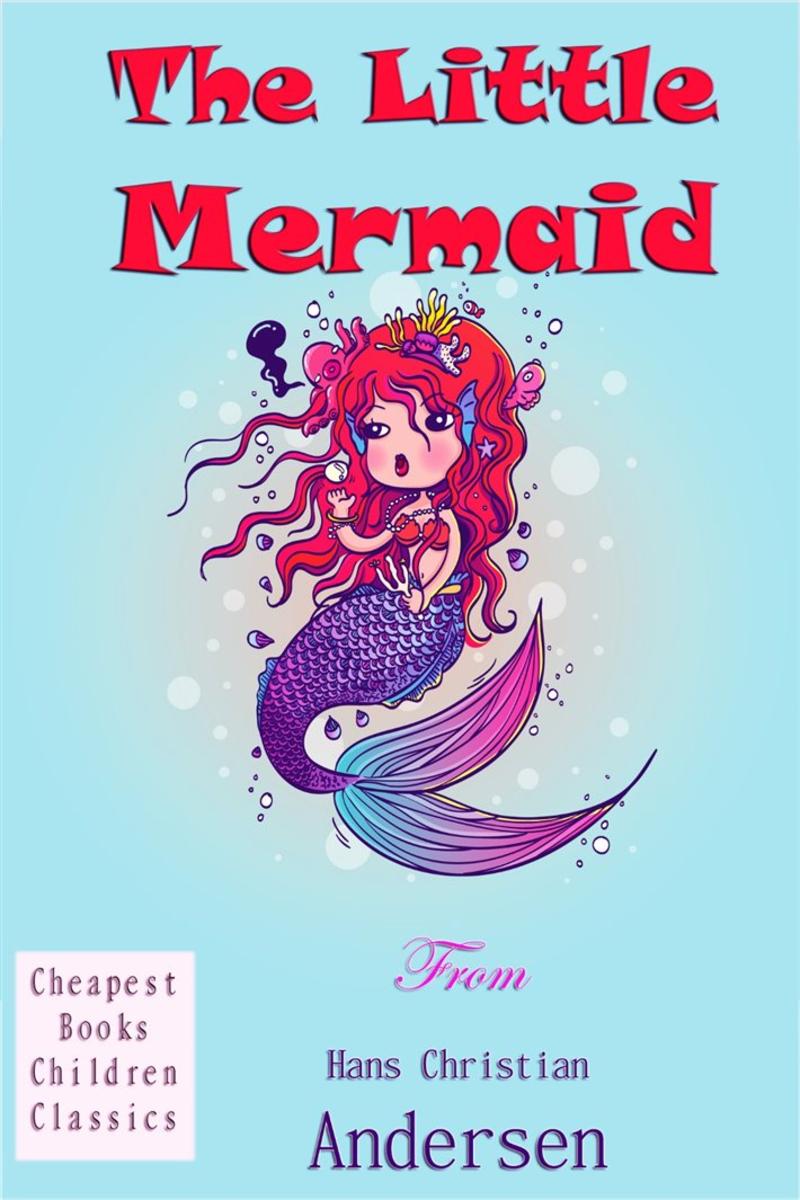
The Little Mermaid
¥9.24
Far out in the ocean the water is as blue as the petals of the loveliest cornflower, and as clear as the purest glass. But it is very deep too. It goes down deeper than any anchor rope will go, and many, many steeples would have to be stacked one on top of another to reach from the bottom to the surface of the sea. It is down there that the sea folk live. Now don't suppose that there are only bare white sands at the bottom of the sea. No indeed! The most marvelous trees and flowers grow down there, with such pliant stalks and leaves that the least stir in the water makes them move about as though they were alive. All sorts of fish, large and small, dart among the branches, just as birds flit through the trees up here. From the deepest spot in the ocean rises the palace of the sea king. Its walls are made of coral and its high pointed windows of the clearest amber, but the roof is made of mussel shells that open and shut with the tide. This is a wonderful sight to see, for every shell holds glistening pearls, any one of which would be the pride of a queen's crown.

Asertivitatea. Cum s? r?m?i ferm indiferent de situa?ie
¥57.14
Emmanuel Macron, c??tig?torul alegerilor preziden?iale din Fran?a ?i omul nou al politicii europene, ??i spune pentru prima dat? povestea, vorbind despre ideile care ?l inspir?, despre viziunea sa legat? de stat, cet??eni, Uniunea European?, ?ntr-o lume care se confrunt? cu probleme comune – imigra?ia, locurile de munc?, terorismul –, dar pe care trebuie s? le rezolv?m ?mpreun?.?Revolu?ia lui Macron, alternativa electoral? a Fran?ei la na?ionalismul lui Marine Le Pen, a cucerit imediat opinia public? de pe tot continentul european: o provocare deschis? la adresa populi?tilor ?i a acelora care nu mai cred ?n institu?ii, o revolu?ie f?r? promisiuni de?arte, care ar putea schimba pentru totdeauna modul de a face politic? ?n Europa. O carte puternic?, singular?, care pune bazele unei societ??i cu totul noi.?Sunt absolut convins c? secolul XXI, ?n care ?n sf?r?it am intrat, este ?n egal? m?sur? plin de promisiuni ?i de schimb?ri care ne pot face mai ferici?i. ?i asta v? ?i propun.Aceasta va fi lupta noastr? pentru Fran?a ?i nu ?tiu nimic mai frumos de at?t." –?Emmanuel Macron
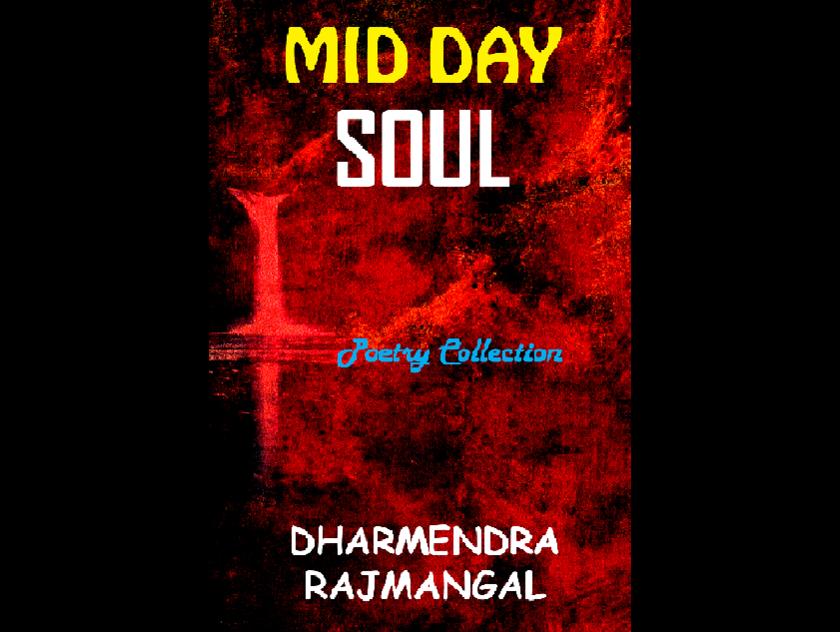
Mid Day Soul: Poetry Collection
¥6.38
“Mid Day Soul” a poetry collection. This is my first English poetry collection , After 17 hindi books. So please Don’t take seriously. You can say this is a effort to work with English language. I always wanted to write something for English readers. So this is for you. Thank you.
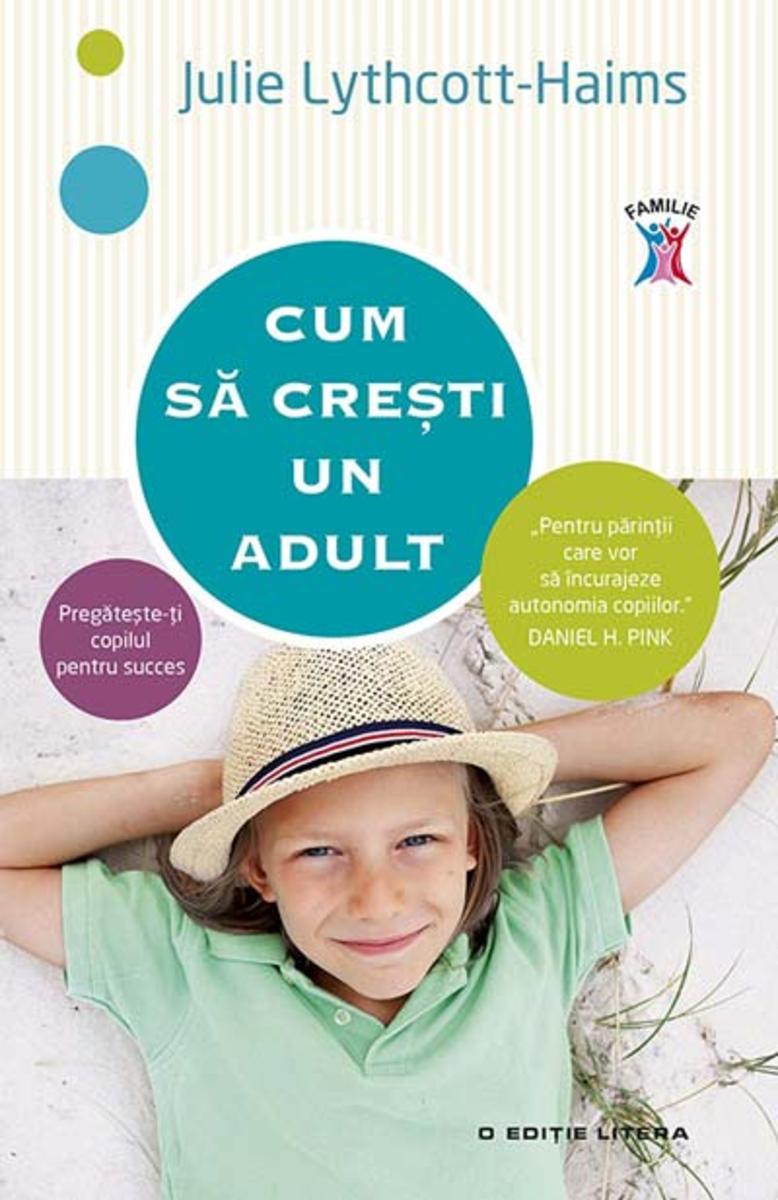
Cum s? cre?ti un adult. Preg?te?te-?i copilul pentru succes
¥67.53
n noaptea dinaintea zilei n care mplinea 40 de ani, Rich Roll a avut revelaia nspimnttoare a viitorului su. Cntrind cu aproape 25 de kilograme mai mult dect normalul i incapabil s urce cteva scri fr s gfie, a putut s vad care era rezultatul stilului su de via complet sedentar – i ce fel de schimbare trebuie s adopte pentru a obine rezultate reale. Adoptnd o nou rutin care punea pe primul loc nutriia din plante si antrenamentele zilnice, Rich s-a transformat – n doar cteva luni – dintr-un brbat total ieit din form, ntr-o adevrat mainrie“ destinat sportului de anduran. Omul ultra relateaz cltoria remarcabil a lui Rich spre linia de start a competiiei de elit Ultraman, care i supune pe cei mai n form oameni din lume la un calvar de peste 500 de kilometri strbtui not, pe biciclet i n alergare. i, dup acest test, Rich a trecut cu succes de unul chiar mai dificil: EPIC5 – cinci triatloane pe distana folosit la competiia Ironman, fiecare dintre ele pe o insul diferit din arhipelagul Hawaii, toate finalizate n mai puin de o sptmn. Omul ultra este un portret minunat despre ceea ce poate realiza puterea voinei. Ne provoac pe toi s ne gndim din nou la ce suntem capabili s realizm i ne ndeamn, implicit i explicit, s trecem la treab“.
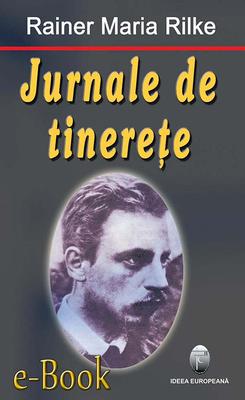
Jurnale de tinere?e
¥54.10
Planeta Rilke. Planeta uria?ului Rilke. Totul irumpe ?nl?untru cu for?e neb?nuite, ?mplinindu-se sub semnul ?noii fiin?e“, al unui ?nceput formidabil de puternic, sugestiv, inspirat, ?n raza presim?irii unei ?noi mari str?luciri, care d? for?? ?i o abunden?? de imagini limbii mele“, a?a ?nc?t ?ma surprind c?teodat? c?t de mult ?mi sunt mie ?nsumi receptiv ?i c?t de mult ?nv??, ?ntr-o uimitoare venera?ie, din propriile mele dialoguri. R?sun? ceva ?n ad?ncul meu, ce vrea s? ajung? la oameni, trec?nd peste aceste pagini, peste dragele mele c?ntece ?i peste toate planurile de viitoare fapte“.?nsemn?rile jubilatorii se transform?, sub ochii no?tri, ?n prelungirea ?ncinselor lecturi de sine, ?n exces de for??, deci, ?ntr-o iubire at?t de plin? ?i de puternic?, ?nc?t elibereaz? numaidec?t din grelele lan?uri ale fricii, devenind o laud? fiin?ei, o laud? f?cut? ?mplinirii ?i viului con?inut ?n exces: ?M? simt de parc? ar trebui s? vorbesc acum, ?n clipe de for?? ?i claritate, c?nd din mine vorbe?te mai mult dec?t eu ?nsumi: sufletul meu. M? simt de parc? ar trebui s?-i convertesc pe to?i cei care ezit? ?i care se ?ndoiesc; c?ci am mai mult? putere ?n mine dec?t pot re?ine ?n cuvinte ?i vreau s? o folosesc pentru a elibera oamenii de str?ina fric?, din care eu ?nsumi am venit“.

Micul print
¥34.25
Demersul exegetic al lui Constantin Cuble?an vine ?ntr-o perioad? ?n care scriitorii nu sunt trata?i a?a cum se cuvine ?n societatea actuala. Cartea include eseuri docte, ample, axate pe crea?ia unor importan?i scriitori ca, bun?oara, Valeriu Anania, Ioan Alexandru, Ion Barbu, Ana Blandiana, Nicolae Breban, Emil Brumaru, Augustin Buzura s.a. Un fragment important, sugestiv, din peisajul literaturii de dup? 1989. ?i nu numai.
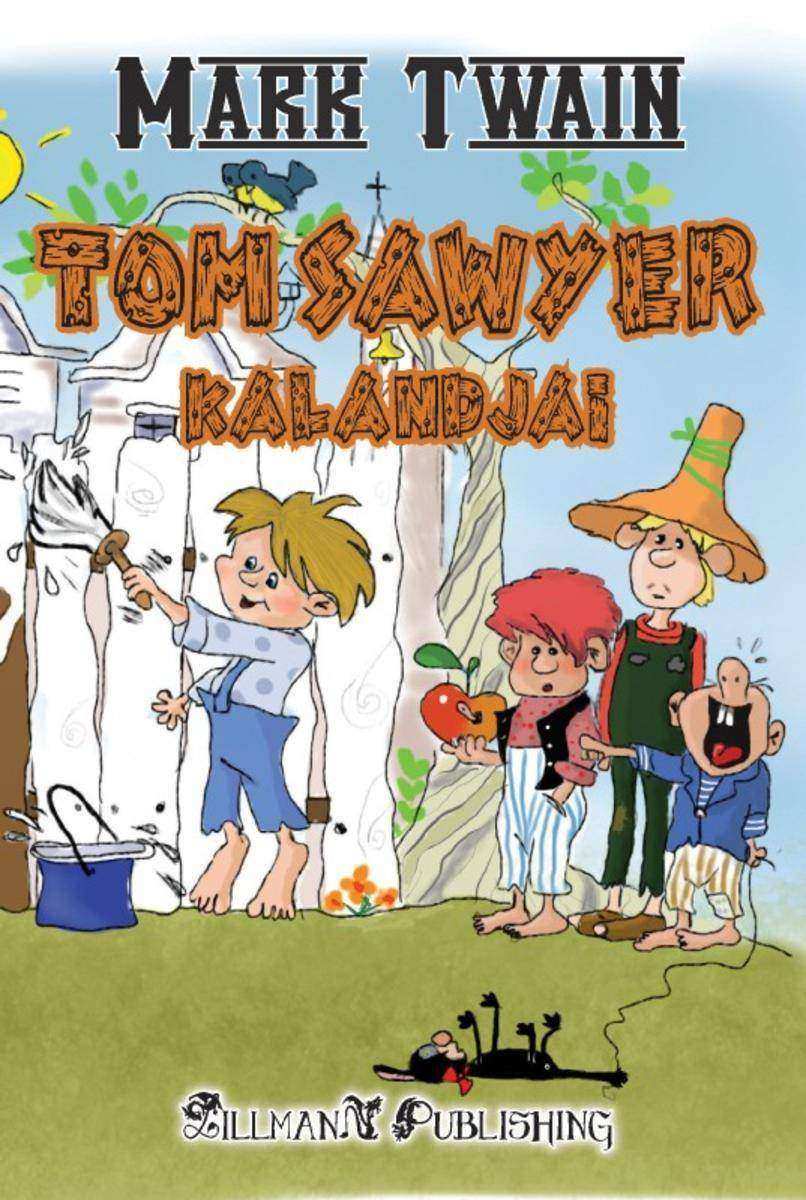
Tom Sawyer Kalandjai
¥16.27
O ilustrare elocvent a poziiei pe care poetul Vasko Popa o ocup, la ora actual, pe plan mondial, este faptul c Barack Obama, n campania sa electoral pentru preedenia SUA (pe care a i ctigat-o), a afirmat, n 27 octombrie 2008, pe blogul Fundaiei internaionale Harriet, c poetul su preferat este Vasko Popa cu volumul Cutia mic, fiindc Vasko Popa: Este contient i responsabil de lumea n care triete i de propriul sine“. Nici John McCain nu s-a dus prea departe, preferndu-l pe confratele lui Vasko i, pn la un punct, modelul su – Henri Michaux. Aceasta este partea bun i frumoas a lucrurilor, care se datoreaz celor doi stlpi de susinere internaional a lui Vasko Popa, de aducere permanent a poeziei lui Popa n spaiul vast, universal, al limbii engleze: Anne Pennington, traductoarea i prietena familiei Popa (ale crei traduceri, i dup moartea ei, sunt, n continuare publicate), dar mai ales Charles Simic, unul din poeii americani de frunte, de origine srb (a emigrat n SUA la aisprezece ani), ctigtorul Premiului Pulitzer n anul 1991, i care n-a ncetat nici o clip s susin destinul de poet universal al lui Vasko Popa. De cealalt parte ns, politicul a jucat i n cazul lui Popa, ca i n cazul altor lideri, fie ei i formatori de opinie poetica, un rol nefast...“Liubia Raichici
Il libro della giungla
¥32.54
Cosmoza, demonstrat? aproape matematic ?ntr-o construc?ie original?, este drumul sacru al ?mplinirii. Iubirea cosmic? e ideea de raport ?ntre Dumnezeu ?i lume, un raport ?ntemeiat pe compatibilitate ?i justificat prin deosebire. F?r? ea, crea?ia s-ar destr?ma. Cu ea, cele dep?rtate se apropie, se unesc, se ?nal?? ?i devin asemenea. Un parcurs temerar al g?ndului ?ntre generarea, degenerarea ?i regenerarea noastr?.Un demers care une?te prin metafizic? ?i metafor? trecutul cu viitorul, Orientul cu Occidentul, credin?a cu ?tiin?a, matematica cu teologia. Un eseu holistic profund ?i liric pres?rat cu sentin?e ingenue ?i disec?ii nemiloase. O carte despre cunoa?tere, care se cite?te cu creionul ?n m?n?...


