


 购物车
购物车 个人中心
个人中心

Seminary Boy
¥80.25
One of the most extraordinary memoirs of recent years, the acclaimed writer John Cornwell has finally written his own story, and the story of a choice he had to make between the Church and a life lived outside its confines. John Cornwell decided to become a priest at the age of thirteen, a strange choice perhaps for a boy who'd been sent to a 'convalescent home' for having whacked a nun about the head. Growing up in a chaotic household, sharing two rooms with his brothers and sisters, his hot-headed mother and – when he was around – absconding father, John spent his time roaming the war-torn streets of London looking for trouble. One day, at his mother's suggestion, he responded to a call from his local parish priest for altar servers. The 'dance of the rituals', the murmur of Latin and the candlelit dawn took hold of his imagination and provided him with a new and unexpected comfort. He left post-war London for Cotton, a seminary in the West Midlands. In this hidden, all-male world, with its rhythms of devotion and prayer, John grew up caught between his religious feelings and the rough and tumble of his life back in London; between seeking the face of God in the wild countryside around him and experiencing his first kiss; between monitoring his soul and watching a girl from a moving train whose face he will never forget. Cornwell tells us of a world now vanished: of the colourful community of priests in charge; of the boys and their intense and sometimes passionate friendships; of the hovering threat of abuse in this cloistered environment. And he tells us of his struggle to come to terms with a shameful secret from his London childhood – a vicious sexual attack which haunts his time at Cotton. A book of tremendous warmth and humour, ‘Seminary Boy’ is about an adolescent's search for a father and for a home.
Tony Hancock: The Definitive Biography
¥91.43
Regarded as the best radio and TV comic of his era, Tony Hancock was a man whose star burned brightly in the eyes and ears of millions before his untimely death in 1968. Now, forty years on, critically acclaimed biographer John Fisher brings the first fully authorised account of his life. Tony Hancock was one of post-war Britain’s most popular comedians – his radio show ‘Hancock’s Half Hour’ would clear the streets as whole families tuned in to listen. His peerless timing and subtle changes in intonation marked Hancock out as a comic genius. His character ‘Anthony Aloysius St John Hancock’ was an amplification of his own persona, a pompous prat whose dreams of success are constantly thwarted. The original British loser that we recognise in Victor Meldrew and Alan Partridge. Wonderfully supported by a cast including Sid James, Hattie Jacques and Kenneth Williams, and working with *s from Ray Galton and Alan Simpson, Hancock became a huge star. The show was commisioned for TV, showcasing his talent for hilarious facial expression, and he became the first British comedian to earn a thousand pounds a week. Behind Tony Hancock’s success however hid the self-destructive behaviour that plagued him all his life. Prone to self-doubt, and wanting to be the star of his own show, he got rid of James, and finally dismissed Galton and Simpson who had created the platform for his success. His private life was wracked by his ever increasing alcoholism and bouts of depression, and his relationships shattered by his capacity for violence. His ratings fell and, feeling washed up and alone after divorcing his second wife, he committed suicide in an Australian hotel room in 1968. Now, forty years after his death John Fisher explores the turbulent life of a man regarded by his peers as one of the greatest British comics to have ever lived.
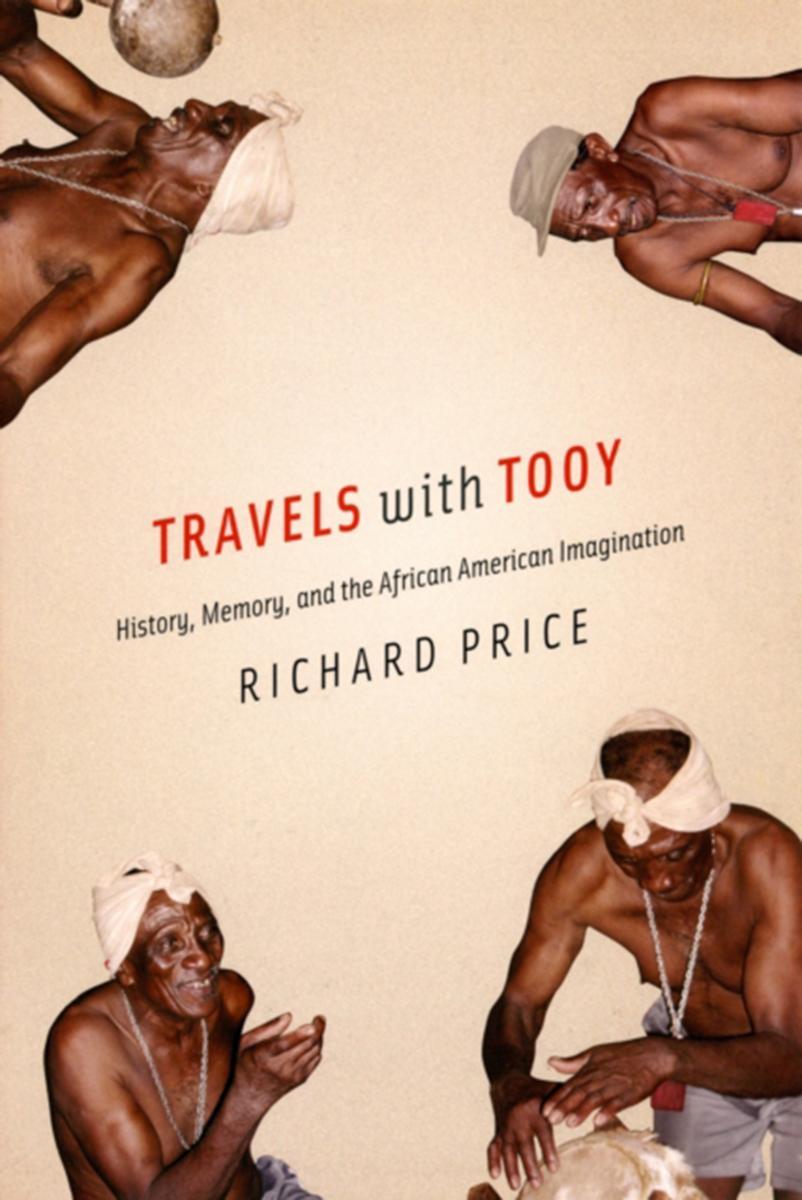
Travels with Tooy
¥265.87
At first glance, the rough shantytowns that ring Cayenne, where Haitian, Brazilian, Guyanese, and Suriname migrants live cheek by jowl, might seem the least likely of places to meet a fellow intellectual. And yet . . . The poverty that threatens to crush the spirit of both the hardworking and the unemployed can leave largely untouched the richness of the imagination. Amidst the mud and stench and random violence, Tooy—captain of the Saramakas of Cayenne—runs a household in which spiritual and rhetorical gifts abound. I’ve felt privileged to play a part in it during the past seven years.
The Cybernetic Brain
¥282.53
Cybernetics is often thought of as a grim military or industrial science of control. But as Andrew Pickering reveals in this beguiling book, a much more lively and experimental strain of cybernetics can be traced from the 1940s to the present.The Cybernetic Brain explores a largely forgotten group of British thinkers, including Grey Walter, Ross Ashby, Gregory Bateson, R. D. Laing, Stafford Beer, and Gordon Pask, and their singular work in a dazzling array of fields. Psychiatry, engineering, management, politics, music, architecture, education, tantric yoga, the Beats, and the sixties counterculture all come into play as Pickering follows the history of cybernetics' impact on the world, from contemporary robotics and complexity theory to the Chilean economy under Salvador Allende. What underpins this fascinating history, Pickering contends, is a shared but unconventional vision of the world as ultimately unknowable, a place where genuine novelty is always emerging. And thus, Pickering avers, the history of cybernetics provides us with an imaginative model of open-ended experimentation in stark opposition to the modern urge to achieve domination over nature and each other.

The Paradoxes of Integration
¥200.12
Tali Mendelberg and Janelle . In 1999, while at Princeton University, Tali and I started talking about race and social environments. At the time I was writing about how suburban social contexts influence civic participation, and she suggested it might be interesting to examine their impact on racial attitudes. This piqued my interest, and, working together, we published a paper examining how economic and racial contexts shaped whites' racial attitudes. A year later, while at Yale University, Janelle and I began to wonder if these same effects might be evident among minority populations as well. As an undergraduate at UCLA, Janelle had worked as a researcher on the Multi-City Study of Urban Inequality (MCSUI) and told me the data might be a great source for testing some hypotheses about interminority attitudes. Working together, we later published a paper using the Los Angeles portion of the MCSUI study. I am greatly indebted to both Tali and Janelle for helping me first engage this difficult topic and work through many core issues in this analysis.
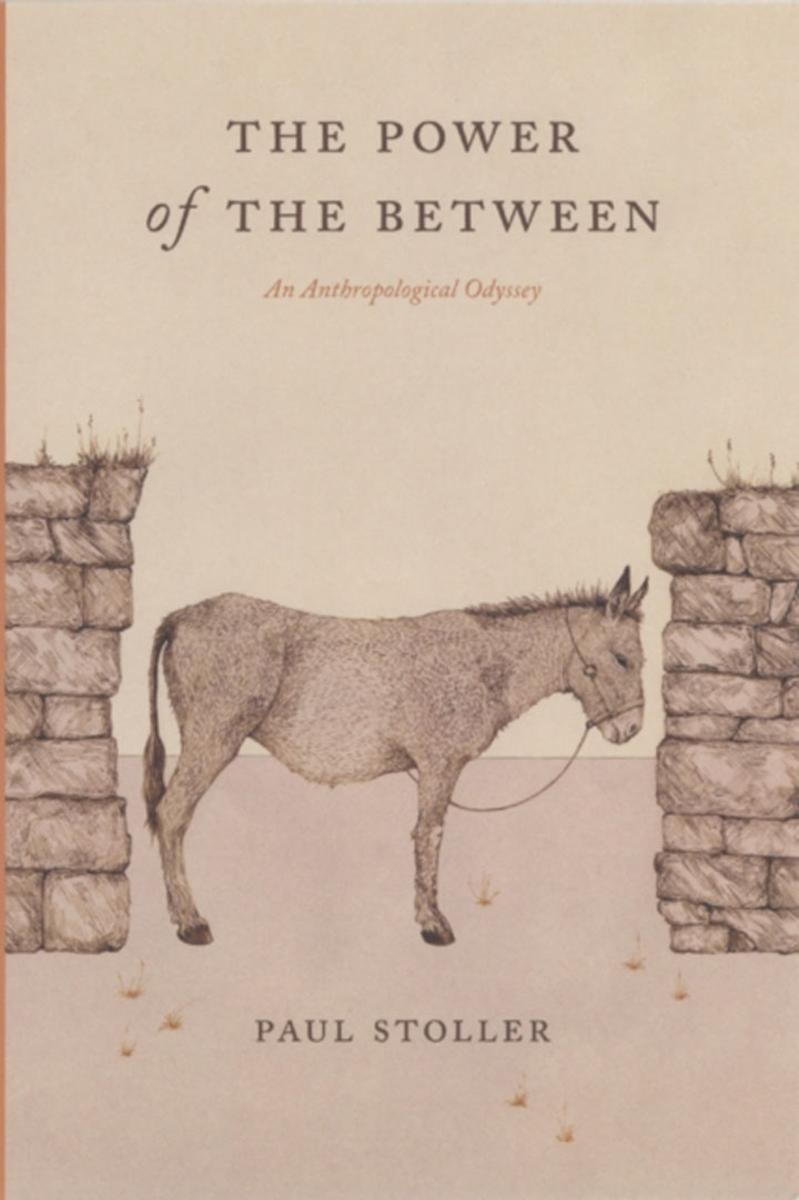
Power of the Between
¥188.35
It is the anthropologist's fate to always be between things: countries, languages, cultures, even realities. But rather than lament this, anthropologist Paul Stoller here celebrates the creative power of the between, showing how it can transform us, changing our conceptions of who we are, what we know, and how we live in the world.Beginning with his early days with the Peace Corps in Africa and culminating with a recent bout with cancer, The Power of the Between is an evocative account of the circuitous path Stoller's life has taken, offering a fascinating depiction of how a career is shaped over decades of reading and research. Stoller imparts his accumulated wisdom not through grandiose pronouncements but by drawing on his gift for storytelling. Tales of his apprenticeship to a sorcerer in Niger, his studies with Claude Lvi-Strauss in Paris, and his friendships with West African street vendors in New York City accompany philosophical reflections on love, memory, power, courage, health, and illness.Graced with Stoller's trademark humor and narrative elegance, The Power of the Between is both the story of a distinguished career and a profound meditation on coming to terms with the impermanence of all things.
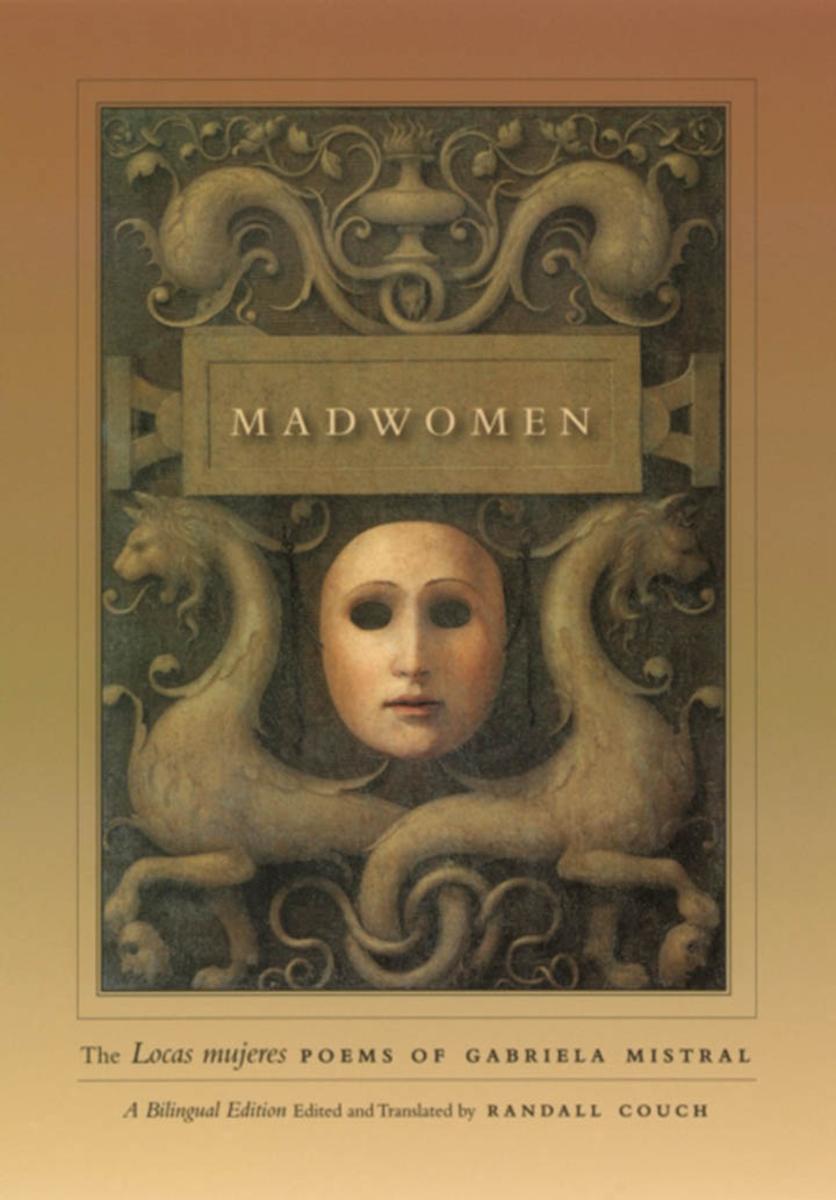
Madwomen
¥200.12
A schoolteacher whose poetry catapulted her to early fame in her native Chile and an international diplomat whose boundary-defying sexuality still challenges scholars, Gabriela Mistral (1889-1957) is one of the most important and enigmatic figures in Latin American literature of the last century. The Locas mujeres poems collected here are among Mistral's most complex and compelling, exploring facets of the self in extremis-poems marked by the wound of blazing catastrophe and its aftermath of mourning. From disquieting humor to balladlike lyricism to folkloric wisdom, these pieces enact a tragic sense of life, depicting "e;madwomen"e; who are anything but mad. Strong and intensely human, Mistral's poetic women confront impossible situations to which no sane response exists. This groundbreaking collection presents poems from Mistral's final published volume as well as new editions of posthumous work, featuring the first English-language appearance of many essential poems. Madwomen promises to reveal a profound poet to a new generation of Anglophone readers while reacquainting Spanish readers with a stranger, more complicated "e;madwoman"e; than most have ever known.
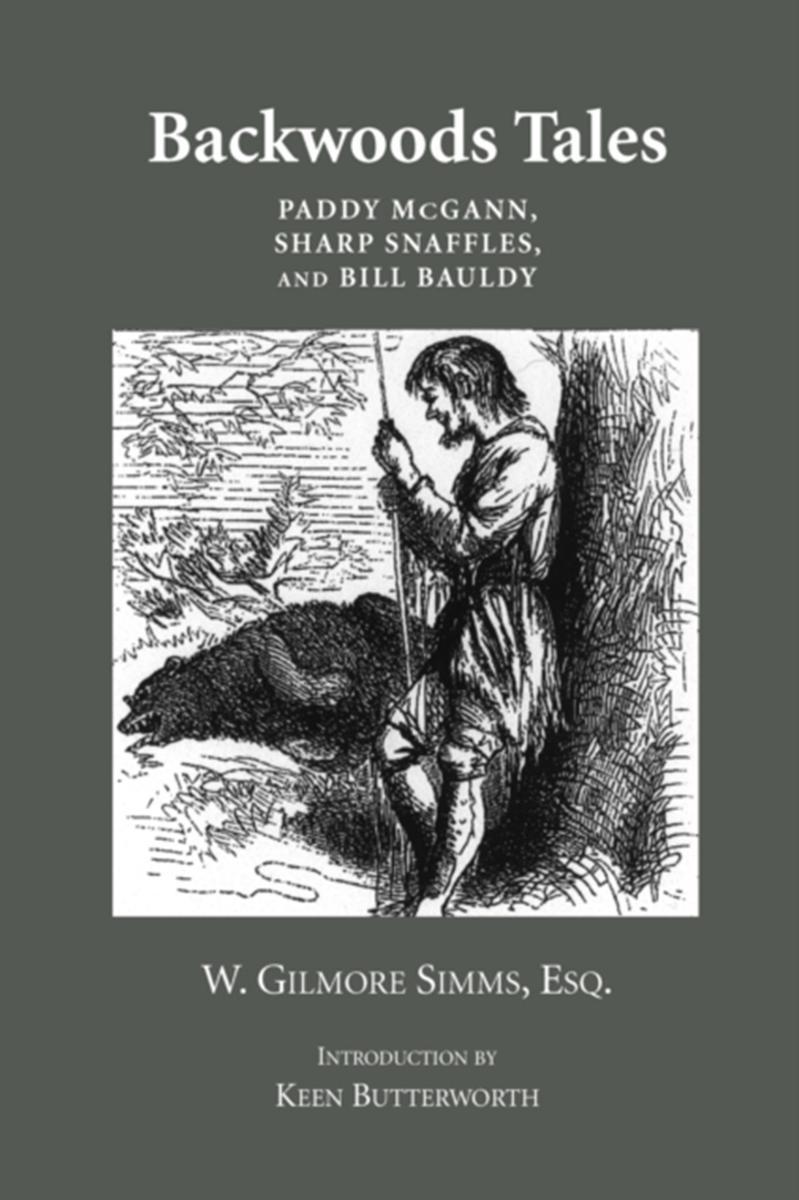
Backwoods Tales: Paddy McGann, Sharp Snaffles, and Bill Bauldy
¥299.50
The University of Arkansas Press edition of the Selected Fiction of William Gilmore Simms has as its aim to publish the major novels and short fiction in reliable texts, together with scholarly introductions, annotations, and other matter useful to scholars, critics, and teachers of Simms's work. The edition includes novels in the Border Romances series and the Revolutionary War series, together with writings that treat warfare with Native Americans and selections from Simms's short fiction. The scope of these writings is wide, capturing the American frontier in its westward advance across the Appalachian Mountains to the Mississippi River during the early and mid-nineteenth century.
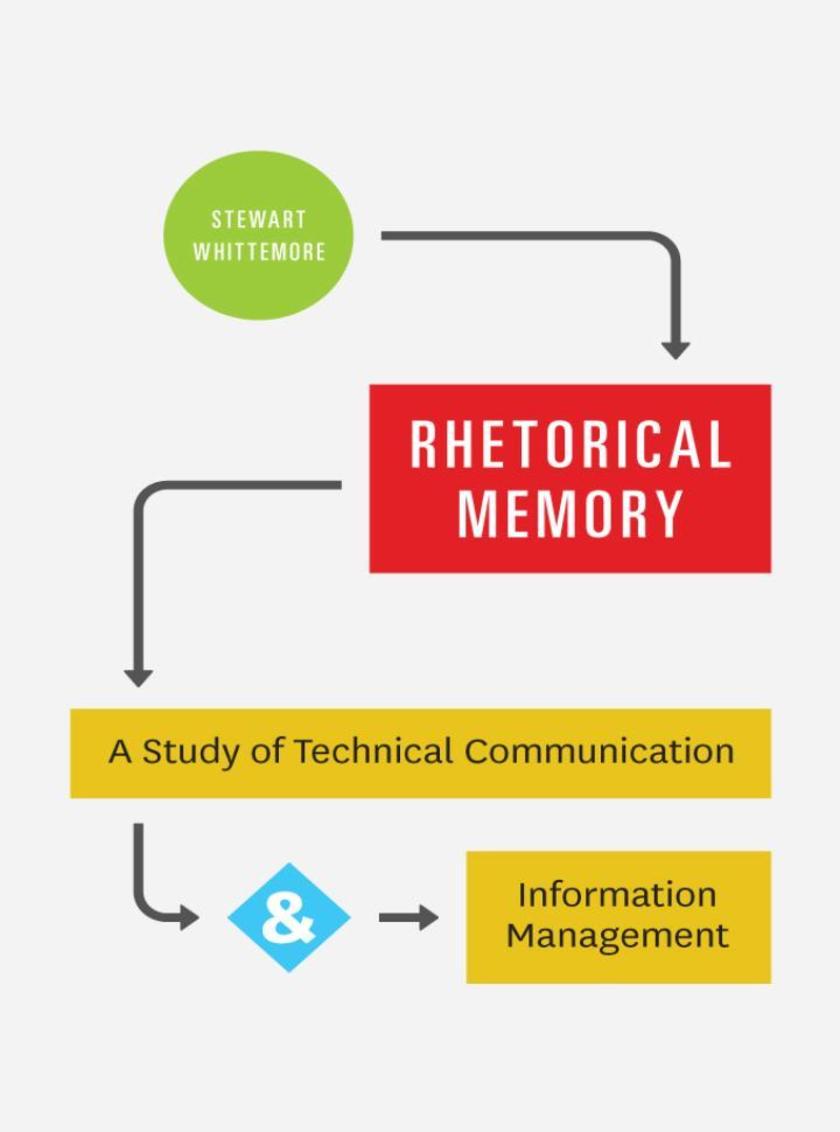
Rhetorical Memory
¥329.62
Institutions have regimes-policies that typically come from the top down and are meant to align the efforts of workers with the goals and mission of an institution. Institutions also have practices-day-to-day behaviors performed by individual workers attempting to interpret the institution's missives. Taken as a whole, these form a company's memory regime, and they have a significant effect on how employees analyze, mix, translate, sort, filter, and repurpose everyday information in order to meet the demands of their jobs, their customers, their colleagues, and themselves.In Rhetorical Memory, Stewart Whittemore demonstrates that strategies we use to manage information-techniques often acquired through trial and error, rarely studied, and generally invisible to us-are as important to our success as the end products of our work. First, he situates information management within the larger field of rhetoric, showing that both are tied to purpose, audience, and situation. He then dives into an engaging and tightly focused workplace study, presenting three cases from a team of technical communicators making use of organizational memory during their everyday work. By examining which techniques succeed and which fail, Whittemore illuminates the challenges faced by technical communicators. He concludes with a number of practical strategies to better organize information, that will help employees, managers, and anyone else suffering from information overload.
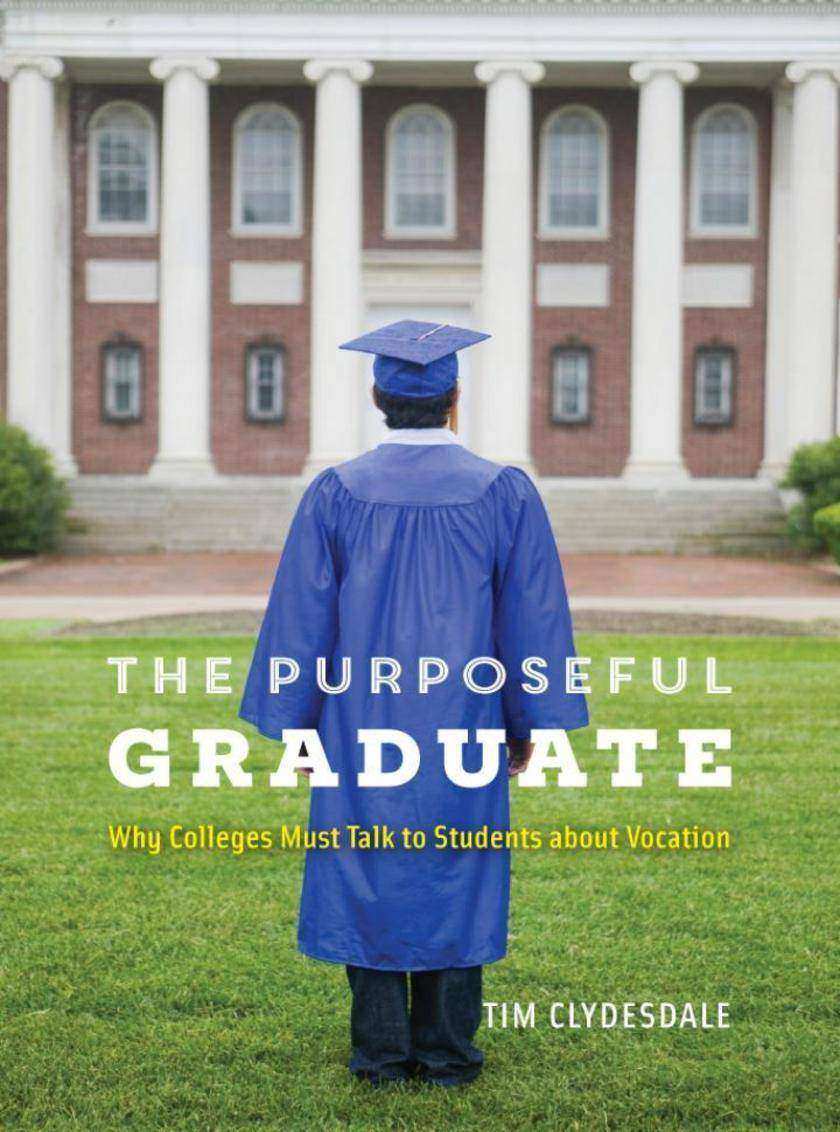
Purposeful Graduate
¥147.15
We all know that higher education has changed dramatically over the past two decades. Historically a time of exploration and self-discovery, the college years have been narrowed toward an increasingly singular goal-career training-and college students these days forgo the big questions about who they are and how they can change the world and instead focus single-mindedly on their economic survival. In The Purposeful Graduate, Tim Clydesdale elucidates just what a tremendous loss this is, for our youth, our universities, and our future as a society. At the same time, he shows that it doesn't have to be this way: higher education can retain its higher cultural role, and students with a true sense of purpose-of personal, cultural, and intellectual value that cannot be measured by a wage-can be streaming out of every one of its institutions.The key, he argues, is simple: direct, systematic, and creative programs that engage undergraduates on the question of purpose. Backing up his argument with rich data from a Lilly Endowment grant that funded such programs on eighty-eight different campuses, he shows that thoughtful engagement of the notion of vocational calling by students, faculty, and staff can bring rich rewards for all those involved: greater intellectual development, more robust community involvement, and a more proactive approach to lifelong goals. Nearly every institution he examines-from internationally acclaimed research universities to small liberal arts colleges-is a success story, each designing and implementing its own program, that provides students with deep resources that help them to launch flourishing lives.Flying in the face of the pessimistic forecast of higher education's emaciated future, Clydesdale offers a profoundly rich alternative, one that can be achieved if we simply muster the courage to talk with students about who they are and what they are meant to do.
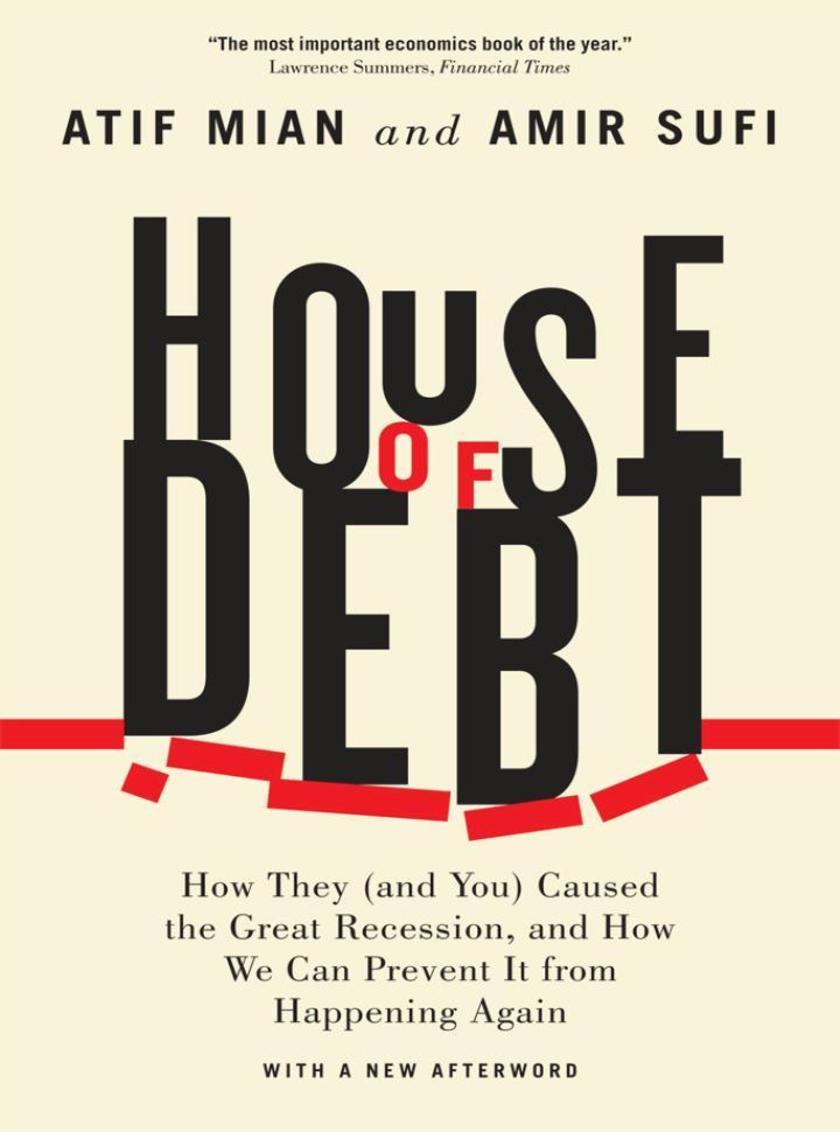
House of Debt
¥123.61
The Great American Recession resulted in the loss of eight million jobs between 2007 and 2009. More than four million homes were lost to foreclosures. Is it a coincidence that the United States witnessed a dramatic rise in household debt in the years before the recession-that the total amount of debt for American households doubled between 2000 and 2007 to $14 trillionDefinitely not. Armed with clear and powerful evidence, Atif Mian and Amir Sufi reveal in House of Debt how the Great Recession and Great Depression, as well as the current economic malaise in Europe, were caused by a large run-up in household debt followed by a significantly large drop in household spending.Though the banking crisis captured the public's attention, Mian and Sufi argue strongly with actual data that current policy is too heavily biased toward protecting banks and creditors. Increasing the flow of credit, they show, is disastrously counterproductive when the fundamental problem is too much debt. As their research shows, excessive household debt leads to foreclosures, causing individuals to spend less and save more. Less spending means less demand for goods, followed by declines in production and huge job losses. How do we end such a cycleWith a direct attack on debt, say Mian and Sufi. ?More aggressive debt forgiveness after the crash helps, but as they illustrate, we can be rid of painful bubble-and-bust episodes only if the financial system moves away from its reliance on inflexible debt contracts. As an example, they propose new mortgage contracts that are built on the principle of risk-sharing, a concept that would have prevented the housing bubble from emerging in the first place.Thoroughly grounded in compelling economic evidence, House of Debt offers convincing answers to some of the most important questions facing the modern economy today: Why do severe recessions happenCould we have prevented the Great Recession and its consequencesAnd what actions are needed to prevent such crises going forward?
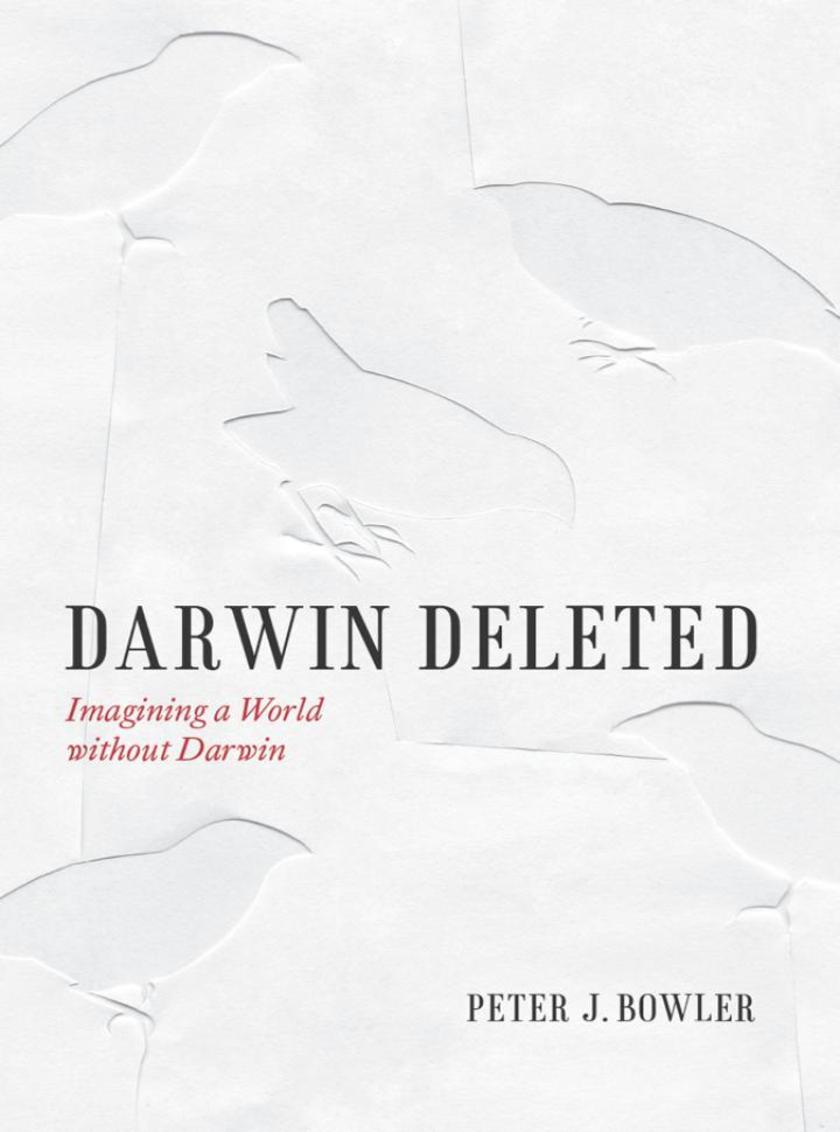
Darwin Deleted
¥147.15
The ideas and terminology of Darwinism are so pervasive these days that it seems impossible to avoid them, let alone imagine a world without them. But in this remarkable rethinking of scientific history, Peter J. Bowler does just that. He asks:?What if Charles Darwin had not returned from the voyage of the Beagle and thus did not write On the Origin of SpeciesWould someone else, such as Alfred Russel Wallace, have published the selection theory and initiated a similar transformationOr would the absence of Darwin's book have led to a different sequence of events, in which biology developed along a track that did not precipitate a great debate about the impact of evolutionismWould there have been anything equivalent to social Darwinism, and if so would the alternatives have been less pernicious and misappropriated?In Darwin Deleted, Bowler argues that no one else, not even Wallace, was in a position to duplicate Darwin's complete theory of evolution by natural selection.?Evolutionary biology would almost certainly have emerged, but through alternative theories, which were frequently promoted by scientists, religious thinkers, and moralists who feared the implications of natural selection. Because non-Darwinian elements of evolutionism flourished for a time in the real world, it is possible to plausibly imagine how they might have developed, particularly if the theory of natural selection had not emerged until decades after the acceptance of the basic idea of evolution. Bowler's unique approach enables him to clearly explain the non-Darwinian tradition-and in doing so, he reveals how the reception of Darwinism was historically contingent. By taking Darwin out of the equation, Bowler is able to fully elucidate the ideas of other scientists, such as Richard Owen and Thomas Huxley, whose work has often been misunderstood because of their distinctive responses to Darwin.Darwin Deleted boldly offers a new vision of scientific history. It is one where the sequence of discovery and development would have been very different and would have led to an alternative understanding of the relationship between evolution, heredity, and the environment-and, most significantly, a less contentious relationship between science and religion. Far from mere speculation, this fascinating and compelling book forces us to reexamine the preconceptions that underlie many of the current controversies about the impact of evolutionism. It shows how contingent circumstances surrounding the publication of On the Origin of Species polarized attitudes in ways that still shape the conversation today.?

Jane Austen's Names
¥170.69
In Jane Austen's works, a name is never just a name. In fact, the names Austen gives her characters and places are as rich in subtle meaning as her prose itself. Wiltshire, for example, the home county of Catherine Morland in Northanger Abbey, is a clue that this heroine is not as stupid as she seems: according to legend, cunning Wiltshire residents caught hiding contraband in a pond capitalized on a reputation for ignorance by claiming they were digging up a "e;big cheese"e;-the moon's reflection on the water's surface. It worked.In Jane Austen's Names, Margaret Doody offers a fascinating and comprehensive study of all the names of people and places-real and imaginary-in Austen's fiction. Austen's creative choice of names reveals not only her virtuosic talent for riddles and puns. Her names also pick up deep stories from English history, especially the various civil wars, and the blood-tinged differences that played out in the reign of Henry VIII, a period to which she often returns. Considering the major novels alongside unfinished works and juvenilia, Doody shows how Austen's names signal class tensions as well as regional, ethnic, and religious differences. We gain a new understanding of Austen's technique of creative anachronism, which plays with and against her skillfully deployed realism-in her books, the conflicts of the past swirl into the tensions of the present, transporting readers beyond the Regency.Full of insight and surprises for even the most devoted Janeite, Jane Austen's Names will revolutionize how we read Austen's fiction.
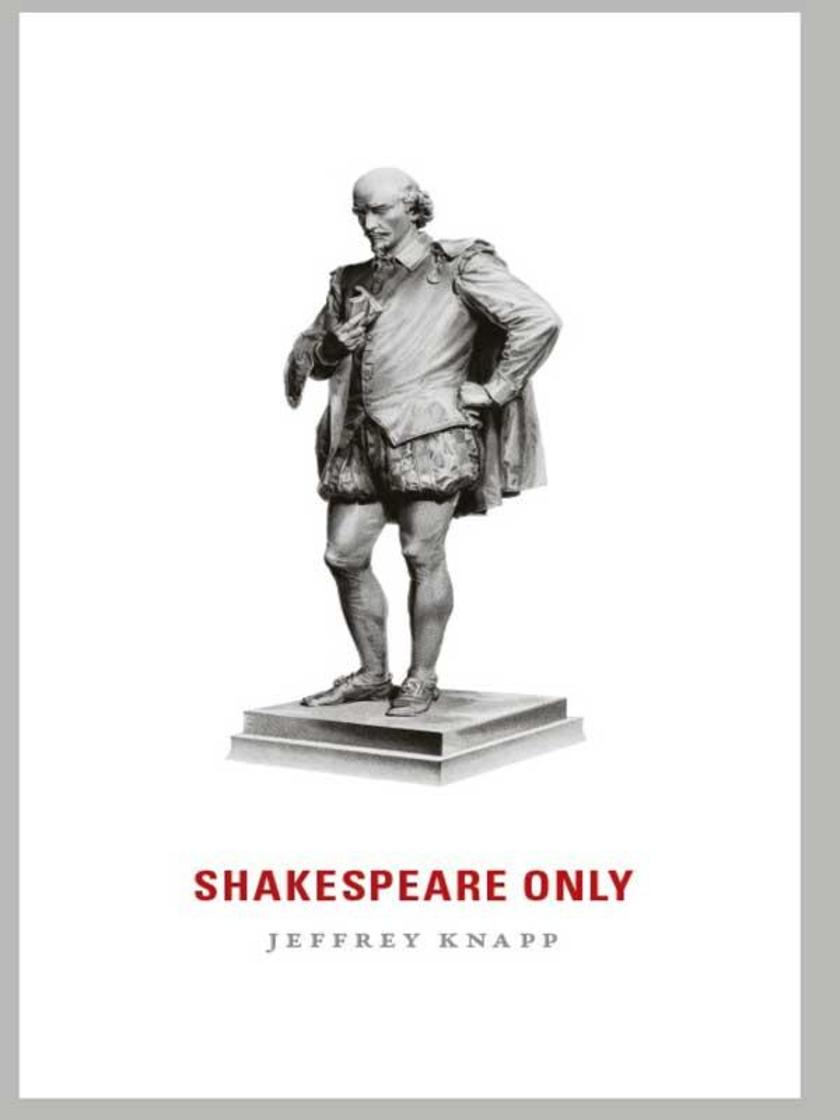
Shakespeare Only
¥206.01
Three decades of controversy in Shakespeare studies can be summed up in a single question: Was Shakespeare one of a kindOn one side of the debate are the Shakespeare lovers, the bardolatrists, who insist on Shakespeare's timeless preeminence as an author. On the other side are the theater historians who view modern claims of Shakespeare's uniqueness as a distortion of his real professional life.In Shakespeare Only, Knapp draws on an extraordinary array of historical evidence to reconstruct Shakespeare's authorial identity as Shakespeare and his contemporaries actually understood it.He argues that Shakespeare tried to adapt his own singular talent and ambition to the collaborative enterprise of drama by imagining himself as uniquely embodying the diverse, fractious energies of the popular theater. Rewriting our current histories of authorship as well as Renaissance drama, Shakespeare Only recaptures a sense of the creative force that mass entertainment exerted on Shakespeare and that Shakespeare exerted on mass entertainment.
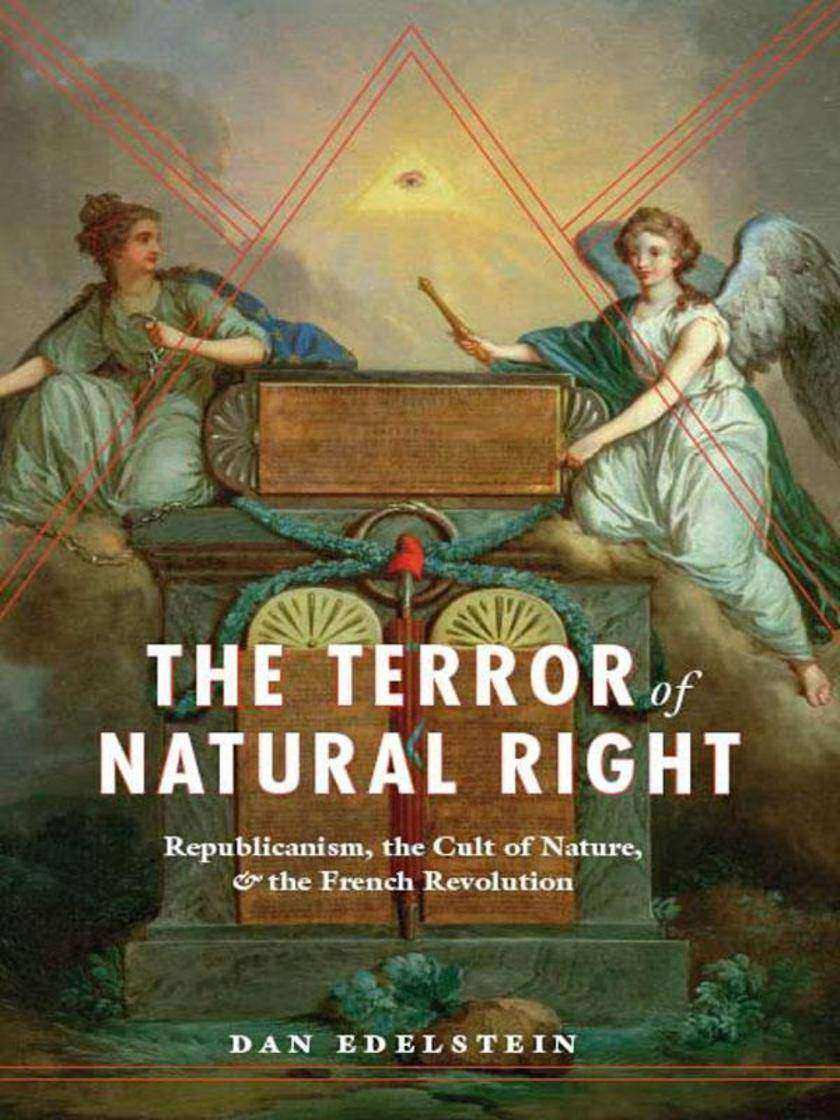
Terror of Natural Right
¥253.10
Natural right-the idea that there is a collection of laws and rights based not on custom or belief but that are "e;natural"e; in origin-is typically associated with liberal politics and freedom. In The Terror of Natural Right, Dan Edelstein argues that the revolutionaries used the natural right concept of the "e;enemy of the human race"e;-an individual who has transgressed the laws of nature and must be executed without judicial formalities-to authorize three-quarters of the deaths during the Terror. Edelstein further contends that the Jacobins shared a political philosophy that he calls "e;natural republicanism,"e; which assumed that the natural state of society was a republic and that natural right provided its only acceptable laws. Ultimately, he proves that what we call the Terror was in fact only one facet of the republican theory that prevailed from Louis's trial until the fall of Robespierre.A highly original work of historical analysis, political theory, literary criticism, and intellectual history, The Terror of Natural Right challenges prevailing assumptions of the Terror to offer a new perspective on the Revolutionary period.
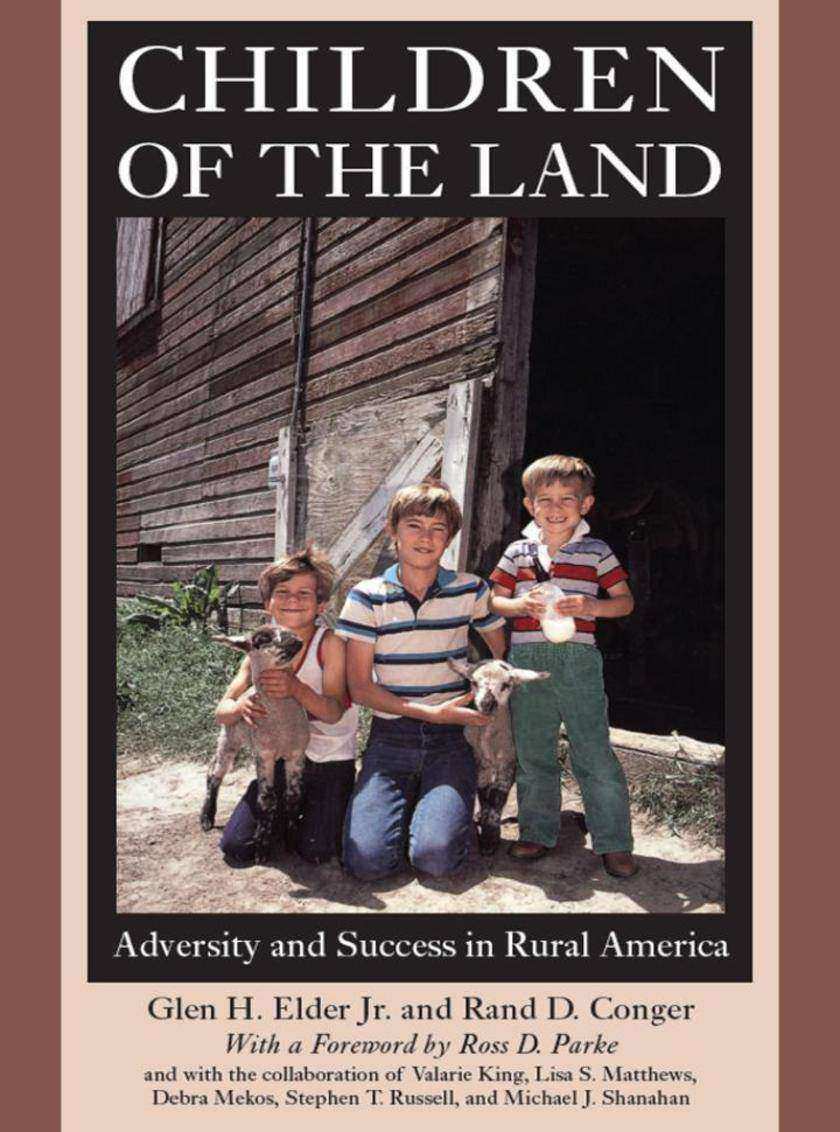
Children of the Land
¥288.41
A century ago, most Americans had ties to the land. Now only one in fifty is engaged in farming and little more than a fourth live in rural communities. Though not new, this exodus from the land represents one of the great social movements of our age and is also symptomatic of an unparalleled transformation of our society.In Children of the Land, the authors ask whether traditional observations about farm families-strong intergenerational ties, productive roles for youth in work and social leadership, dedicated parents and a network of positive engagement in church, school, and community life-apply to three hundred Iowa children who have grown up with some tie to the land. The answer, as this study shows, is a resounding yes. In spite of the hardships they faced during the agricultural crisis of the 1980s, these children, whose lives we follow from the seventh grade to after high school graduation, proved to be remarkably successful, both academically and socially.A moving testament to the distinctly positive lifestyle of Iowa families with connections to the land, this uplifting book also suggests important routes to success for youths in other high risk settings.

Designs on the Contemporary
¥182.47
Designs on the Contemporary?pursues the challenge of how to design and put into practice strategies for inquiring into the intersections of philosophy and anthropology. Drawing on the conceptual repertoires of Max Weber, Michel Foucault, and John Dewey, among others, Paul Rabinow and Anthony Stavrianakis reflect on and experiment with how to give form to anthropological inquiry and its aftermath, with special attention to the ethical formation and ramifications of this mode of engagement. ?The authors continue their prior explorations of the contemporary in past works: How to conceptualize, test, and give form to breakdowns of truth and conduct, as well as how to open up possibilities for the remediation of such breakdowns. They offer a surprising and contrasting pair of case studies of two figures who engaged with contemporary breakdowns: Salman Rushdie and Gerhard Richter. Approaching Richter's artistic struggles with form and technique in the long wake of modernism and Rushdie's struggles to find a narrative form-as well as a form for living-to respond to the Iranian fatwa issued against him, they show how both men formulated different new approaches to anthropology for the twenty-first century.
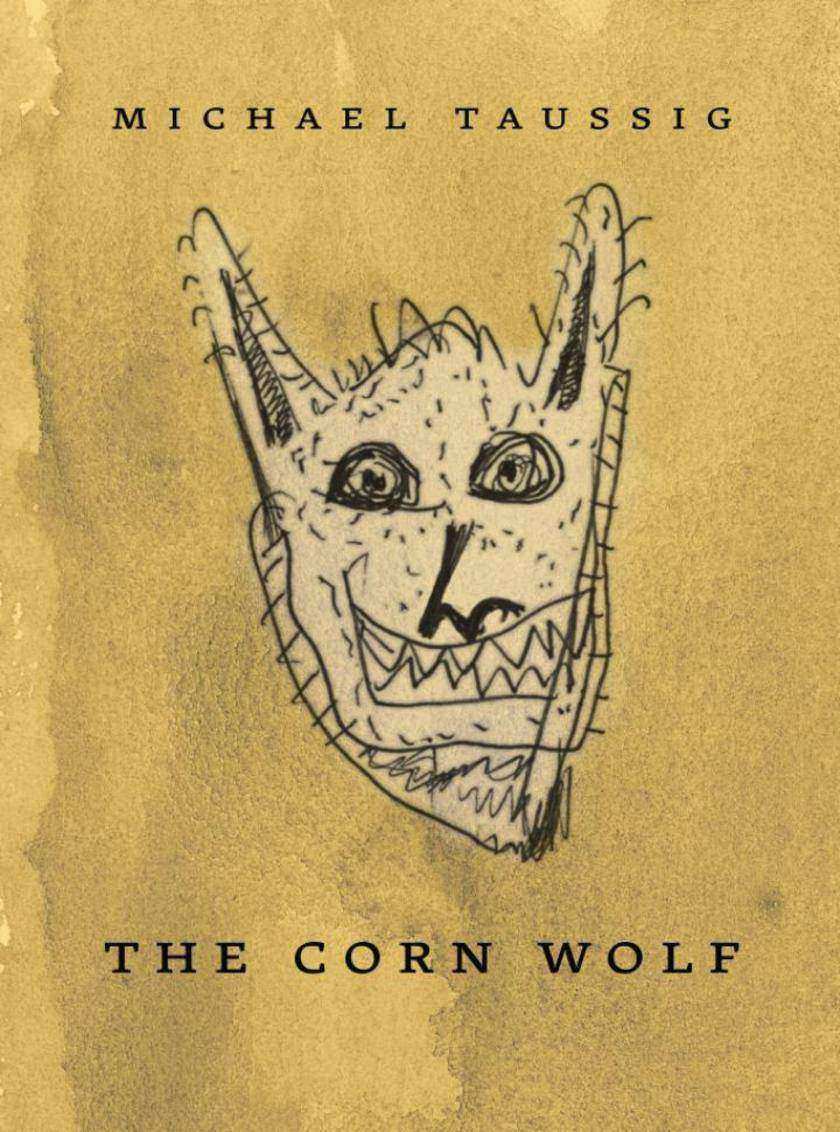
Corn Wolf
¥182.47
Collecting a decade of work from iconic anthropologist and writer Michael Taussig, The Corn Wolf pinpoints a moment of intellectual development for the master stylist, exemplifying the "e;nervous system"e; approach to writing and truth that has characterized his trajectory. Pressured by the permanent state of emergency that imbues our times, this approach marries storytelling with theory, thickening spiraling analysis with ethnography and putting the study of so-called primitive societies back on the anthropological agenda as a way of better understanding the sacred in everyday life.The leading figure of these projects is the corn wolf, whom Wittgenstein used in his fierce polemic on Frazer's Golden Bough. For just as the corn wolf slips through the magic of language in fields of danger and disaster, so we are emboldened to take on the widespread culture of academic-or what he deems "e;agribusiness"e;-writing, which strips ethnography from its capacity to surprise and connect with other worlds, whether peasant farmers in Colombia, Palestinians in Israel, protestors in Zuccotti Park, or eccentric yet fundamental aspects of our condition such as animism, humming, or the acceleration of time. ?A glance at the chapter titles-such as "e;The Stories Things Tell"e; or "e;Iconoclasm Dictionary"e;-along with his zany drawings, testifies to the resonant sensibility of these works, which lope like the corn wolf through the boundaries of writing and understanding.?
These Kids
¥206.01
Few would deny that getting ahead is a legitimate goal of learning, but the phrase implies a cruel hierarchy: a student does not simply get ahead, but gets ahead of others. In These Kids, Kysa Nygreen turns a critical eye on this paradox. Offering the voices and viewpoints of students at a "e;last chance"e; high school in California, she tells the story of students who have, in fact, been left behind.?Detailing a youth-led participatory action research project that she coordinated, Nygreen uncovers deep barriers to educational success that are embedded within educational discourse itself. Struggling students internalize de*ions of themselves as "e;at risk,"e; "e;low achieving,"e; or "e;troubled"e;-and by adopting the very language of educators, they also adopt its constraints and presumption of failure. Showing how current educational discourse does not, ultimately, provide an adequate vision of change for students at the bottom of the educational hierarchy, she levies a powerful argument that social justice in education is impossible today precisely because of how we talk about it.
Who Governs?
¥206.01
America's model of representational government rests on the premise that elected officials respond to the opinions of citizens. This is a myth, however, not a reality, according to James N. Druckman and Lawrence R. Jacobs. In Who Governs?, Druckman and Jacobs combine existing research with novel data from US presidential archives to show that presidents make policy by largely ignoring the views of most citizens in favor of affluent and well-connected political insiders. Presidents treat the public as pliable, priming it to focus on personality traits and often ignoring it on policies that fail to become salient.Melding big debates about democratic theory with existing research on American politics and innovative use of the archives of three modern presidents-Johnson, Nixon, and Reagan-Druckman and Jacobs deploy lively and insightful analysis to show that the conventional model of representative democracy bears little resemblance to the actual practice of American politics. The authors conclude by arguing that polyarchy and the promotion of accelerated citizen mobilization and elite competition can improve democratic responsiveness. An incisive study of American politics and the flaws of representative government, this book will be warmly welcomed by readers interested in US politics, public opinion, democratic theory, and the fecklessness of American leadership and decision-making.
Craft of Scientific Communication
¥211.90
The ability to communicate in print and person is essential to the life of a successful scientist. But since writing is often secondary in scientific education and teaching, there remains a significant need for guides that teach scientists how best to convey their research to general and professional audiences. The Craft of Scientific Communication will teach science students and scientists alike how to improve the clarity, cogency, and communicative power of their words and images.In this remarkable guide, Joseph E. Harmon and Alan G. Gross have combined their many years of experience in the art of science writing to analyze published examples of how the best scientists communicate. Organized topically with information on the structural elements and the style of scientific communications, each chapter draws on models of past successes and failures to show students and practitioners how best to negotiate the world of print, online publication, and oral presentation.


