


 购物车
购物车 个人中心
个人中心
Capitalism and Cartography in the Dutch Golden Age
¥412.02
In?Capitalism and Cartography in the Dutch Golden Age, Elizabeth A. Sutton explores the fascinating but previously neglected history of corporate cartography during the Dutch Golden Age, from ca. 1600 to 1650. She examines how maps were used as propaganda tools for the Dutch West India Company in order to encourage the commodification of land and an overall capitalist agenda.Building her exploration around the central figure of Claes Jansz Vischer, an Amsterdam-based publisher closely tied to the Dutch West India Company, Sutton shows how printed maps of Dutch Atlantic territories helped rationalize the Dutch Republic's global expansion. Maps of land reclamation projects in the Netherlands, as well as the Dutch territories of New Netherland (now New York) and New Holland (Dutch Brazil), reveal how print media were used both to increase investment and to project a common narrative of national unity. Maps of this era showed those boundaries, commodities, and topographical details that publishers and the Dutch West India Company merchants and governing Dutch elite deemed significant to their agenda. In the process, Sutton argues, they perpetuated and promoted modern state capitalism.
Marking Modern Times
¥394.36
The public spaces and buildings of the United States are home to many thousands of timepieces-bells, time balls, and clock faces-that tower over urban streets, peek out from lobbies, and gleam in store windows. And in the streets and squares beneath them, men, women, and children wear wristwatches of all kinds. Americans have decorated their homes with clocks and included them in their poetry, sermons, stories, and songs. And as political instruments, social tools, and cultural symbols, these personal and public timekeepers have enjoyed a broad currency in art, life, and culture.In Marking Modern Times, Alexis McCrossen relates how the American preoccupation with time led people from across social classes to acquire watches and clocks. While noting the difficulties in regulating and synchronizing so many timepieces, McCrossen expands our understanding of the development of modern time discipline, delving into the ways we have standardized time and describing how timekeepers have served as political, social, and cultural tools in a society that doesn't merely value time but regards access to time as a natural-born right, a privilege of being an American.

Boll Weevil Blues
¥394.36
Between the 1890s and the early 1920s, the boll weevil slowly ate its way across the Cotton South from Texas to the Atlantic Ocean. At the turn of the century, some Texas counties were reporting crop losses of over 70 percent, as were areas of Louisiana, Arkansas, and Mississippi. By the time the boll weevil reached the limits of the cotton belt, it had destroyed much of the region's chief cash crop-tens of billions of pounds of cotton, worth nearly a trillion dollars.?As staggering as these numbers may seem, James C. Giesen demonstrates that it was the very idea of the boll weevil and the struggle over its meanings that most profoundly changed the South-as different groups, from policymakers to blues singers, projected onto this natural disaster the consequences they feared and the outcomes they sought. Giesen asks how the myth of the boll weevil's lasting impact helped obscure the real problems of the region-those caused not by insects, but by landowning patterns, antiquated credit systems, white supremacist ideology, and declining soil fertility. Boll Weevil Blues brings together these cultural, environmental, and agricultural narratives in a novel and important way that allows us to reconsider the making of the modern American South.
Building a Market
¥394.36
Each year, North Americans spend as much money fixing up their homes as they do buying new ones. This obsession with improving our dwellings has given rise to a multibillion-dollar industry that includes countless books, consumer magazines, a cable television network, and thousands of home improvement stores.Building a Market charts the rise of the home improvement industry in the United States and Canada from the end of World War I into the late 1950s. Drawing on the insights of business, social, and urban historians, and making use of a wide range of documentary sources, Richard Harris shows how the middle-class preference for home ownership first emerged in the 1920s-and how manufacturers, retailers, and the federal government combined to establish the massive home improvement market and a pervasive culture of Do-It-Yourself.?Deeply insightful, Building a Market is the carefully crafted history of the emergence and evolution of a home improvement revolution that changed not just American culture but the American landscape as well.
River Jordan
¥394.36
As the site of several miracles in the Jewish and Christian traditions, the Jordan is one of the world's holiest rivers. It is also the major political and symbolic border contested by Israelis and Palestinians. Combining biblical and folkloric studies with historical geography, Rachel Havrelock explores how the complex religious and mythological representations of the river have shaped the current conflict in the Middle East.Havrelock contends that the intractability of the Israeli-Palestinian conflict stems from the nationalist myths of the Hebrew Bible, where the Jordan is defined as a border of the Promised Land. Both Israelis and Palestinians claim the Jordan as a necessary boundary of an indivisible homeland. Examining the Hebrew Bible alongside ancient and modern maps of the Jordan, Havrelock chronicles the evolution of Israel's borders based on nationalist myths while uncovering additional myths that envision Israel as a bi-national state. These other myths, she proposes, provide roadmaps for future political configurations of the nation. Ambitious and masterful in its scope, River Jordan brings a fresh, provocative perspective to the ongoing struggle in this violence-riddled region.
Mastering Iron
¥394.36
Veins of iron run deep in the history of America. Iron making began almost as soon as European settlement, with the establishment of the first ironworks in colonial Massachusetts. Yet it was Great Britain that became the Atlantic world's dominant low-cost, high-volume producer of iron, a position it retained throughout the nineteenth century. It was not until after the Civil War that American iron producers began to match the scale and efficiency of the British iron industry.?In Mastering Iron, Anne Kelly Knowles argues that the prolonged development of the US iron industry was largely due to geographical problems the British did not face. Pairing exhaustive manu* research with analysis of a detailed geospatial database that she built of the industry, Knowles reconstructs the American iron industry in unprecedented depth, from locating hundreds of iron companies in their social and environmental contexts to explaining workplace culture and social relations between workers and managers. She demonstrates how ironworks in Alabama, Maryland, Pennsylvania, and Virginia struggled to replicate British technologies but, in the attempt, brought about changes in the American industry that set the stage for the subsequent age of steel.?Richly illustrated with dozens of original maps and period art work, all in full color, Mastering Iron sheds new light on American ambitions and highlights the challenges a young nation faced as it grappled with its geographic conditions.
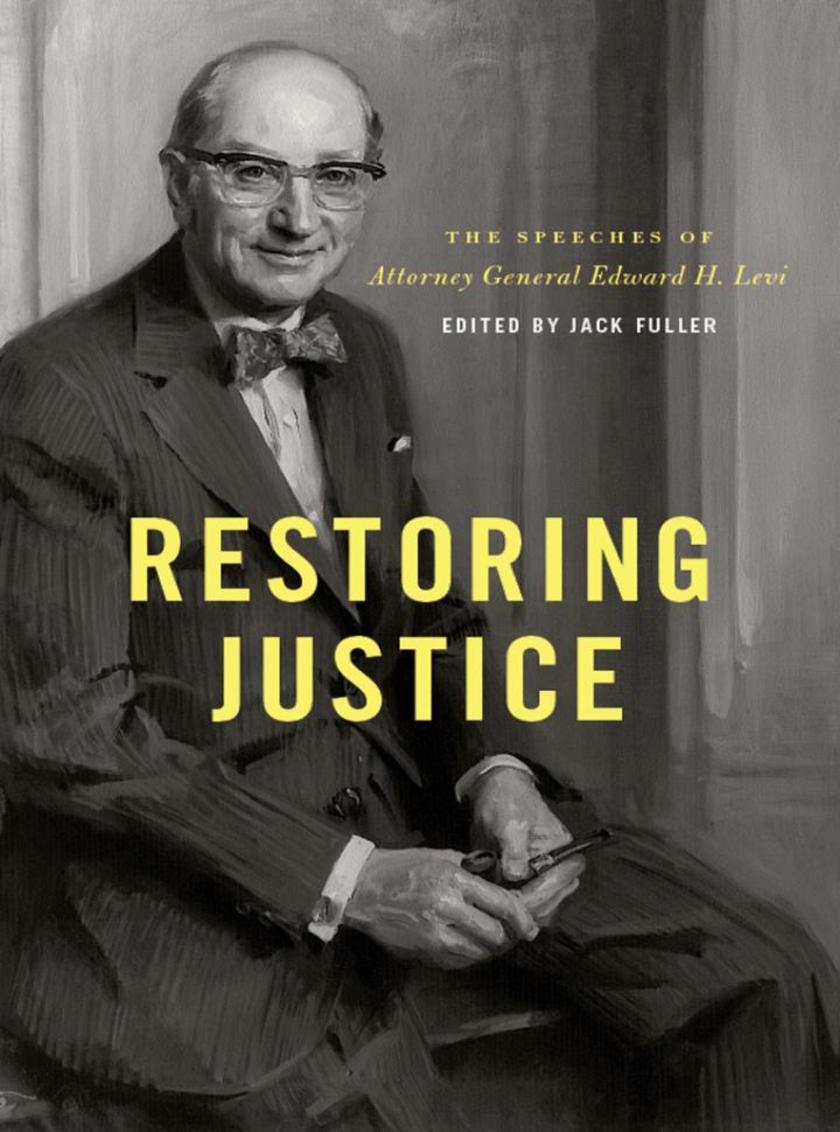
Restoring Justice
¥370.82
In the wake of Watergate, Gerald Ford appointed eminent lawyer and scholar Edward H. Levi to the post of attorney general-and thus gave him the onerous task of restoring legitimacy to a discredited Department of Justice. Levi was famously fair-minded and free of political baggage, and his inspired addresses during this tumultuous time were critical to rebuilding national trust. They reassured a tense and troubled nation that the Department of Justice would act in accordance with the principles underlying its name, operating as a nonpartisan organization under the strict rule of law.For Restoring Justice, Jack Fuller has carefully chosen from among Levi's speeches a selection that sets out the attorney general's view of the considerable challenges he faced: restoring public confidence through discussion and acts of justice, combating the corrosive skepticism of the time, and ensuring that the executive branch would behave judicially. Also included are addresses and Congressional testimonies that speak to issues that were hotly debated at the time, including electronic surveillance, executive privilege, separation of powers, antitrust enforcement, and the guidelines governing the FBI-many of which remain relevant today. Serving at an almost unprecedentedly difficult time, Levi was among the most admired attorney generals of the modern era. Published here for the first time, the speeches in Restoring Justice offer a superb sense of the man and his work.
Rise of the Public Authority
¥229.55
In the late nineteenth century, public officials throughout the United States began to experiment with new methods of managing their local economies and meeting the infrastructure needs of a newly urban, industrial nation.?Stymied by legal and financial barriers, they created a new class of quasi-public agencies called public authorities. Today these entities operate at all levels of government, and range from tiny operations like the Springfield Parking Authority in Massachusetts, which runs thirteen parking lots and garages, to mammoth enterprises like the Tennessee Valley Authority, with nearly twelve billion dollars in revenues each year.?In?The Rise of the Public Authority, Gail Radford recounts the history of these inscrutable agencies, examining how and why they were established, the varied forms they have taken, and how these pervasive but elusive mechanisms have molded our economy and politics over the past hundred years.?
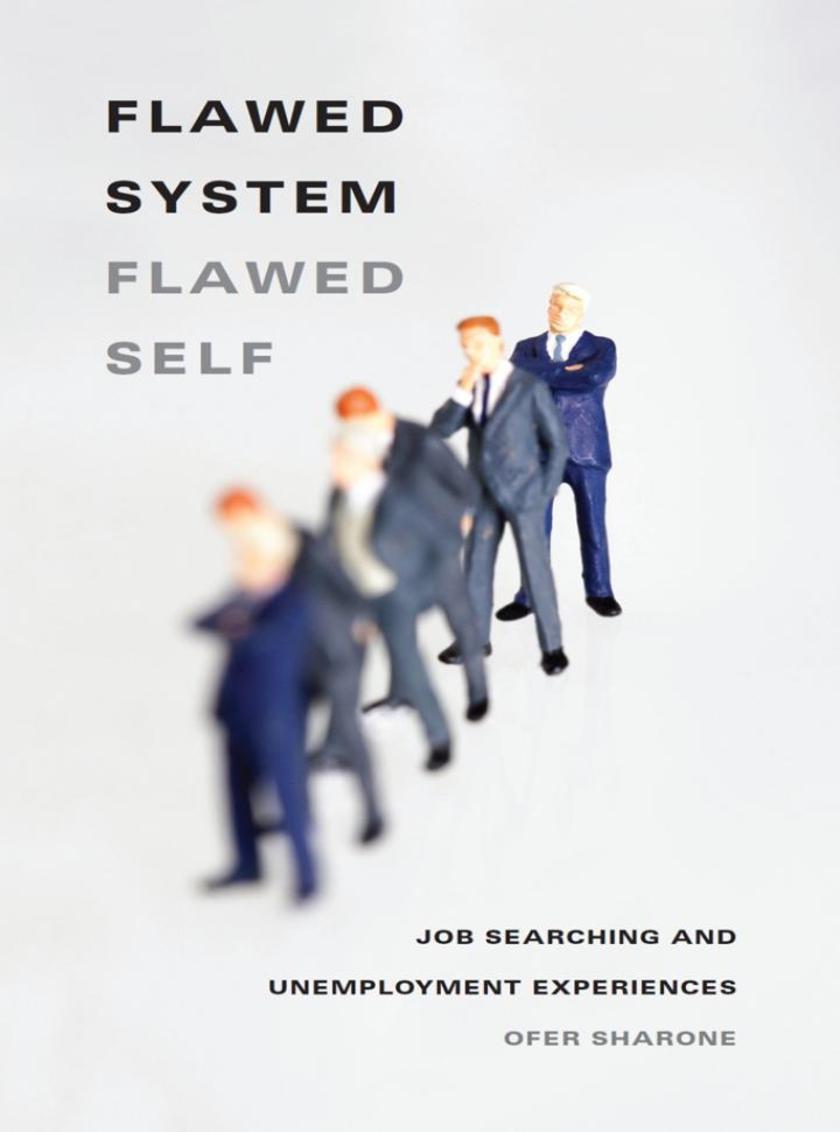
Flawed System/Flawed Self
¥229.55
Today 4.7 million Americans have been unemployed for more than six months. In France more than ten percent of the working population is without work. In Israel it's above seven percent. And in Greece and Spain, that number approaches thirty percent. Across the developed world, the experience of unemployment has become frighteningly common-and so are the seemingly endless tactics that job seekers employ in their quest for new work.Flawed System/Flawed Self?delves beneath these staggering numbers to explore the world of job searching and unemployment across class and nation. Through in-depth interviews and observations at job-search support organizations, Ofer Sharone reveals how different labor-market institutions give rise to job-search games like Israel's rsum-based "e;spec games"e;-which are focused on presenting one's skills to fit the job-and the "e;chemistry games"e; more common in the United States in which job seekers concentrate on presenting the person behind the rsum. By closely examining the specific day-to-day activities and strategies of searching for a job, Sharone develops a theory of the mechanisms that connect objective social structures and subjective experiences in this challenging environment and shows how these different structures can lead to very different experiences of unemployment.

Mixed Emotions
¥229.55
In recent years, it's become increasingly clear that emotion plays a central role in global politics. For example, people readily care about acts of terrorism and humanitarian crises because they appeal to our compassion for human suffering. These struggles also command attention where social interactions have the power to produce or intensify the emotional responses of those who participate in them.?From passionate protests to poignant speeches, Andrew A. G. Ross analyzes high-emotion events with an eye to how they shape public sentiment and finds that there is no single answer. The politically powerful play to the public's emotions to advance their political aims, and such appeals to emotion also often serve to sustain existing values and ?institutions. But the affective dimension can produce profound change, particularly when a struggle in the present can be shown to line up with emotionally resonant events from the past. Extending his findings to well-studied conflicts, including the War on Terror and the violence in Rwanda and the Balkans, Ross identifies important sites of emotional impact missed by earlier research focused on identities and interests.

Saharan Jews and the Fate of French Algeria
¥229.55
The history of Algerian Jews has thus far been viewed from the perspective of communities on the northern coast, who became, to some extent, beneficiaries of colonialism. ?But to the south, in the Sahara, Jews faced a harsher colonial treatment. In Saharan Jews and the Fate of French Algeria, Sarah Abrevaya Stein asks why the Jews of Algeria's south were marginalized by French authorities, how they negotiated the sometimes brutal results, and what the reverberations have been in the postcolonial era.?Drawing on materials from thirty archives across six countries, Stein tells the story of colonial imposition on a desert community that had lived and traveled in the Sahara for centuries. She paints an intriguing historical picture-of an ancient community, trans-Saharan commerce, desert labor camps during World War II, anthropologist spies, battles over oil, and the struggle for Algerian sovereignty. Writing colonialism and decolonization into Jewish history and Jews into the French Saharan one, Saharan Jews and the Fate of French Algeria is a fascinating exploration not of Jewish exceptionalism but of colonial power and its religious and cultural differentiations, which have indelibly shaped the modern world.?

Sister's Memories
¥147.15
Among the great figures of Progressive Era reform, Edith and Grace Abbott are perhaps the least sung. Peers, companions, and coworkers of legendary figures such as Jane Addams and Sophonisba Breckinridge, the Abbott sisters were nearly omnipresent in turn-of-the-century struggles to improve the lives of the poor and the working-class people who fed the industrial engines and crowded into diverse city neighborhoods. Grace's innovative role as a leading champion for the rights of children, immigrants, and women earned her a key place in the history of the social justice movement. As her friend and colleague Eleanor Roosevelt wrote, Grace was "e;one of the great women of our day . . . a definite strength which we could count on for use in battle."e;A Sister's Memories is the inspiring story of Grace Abbott (1878-1939), as told by her sister and social justice comrade, Edith Abbott (1876-1957). Edith recalls in vivid detail the Nebraska childhood, impressive achievements, and struggles of her sister who, as head of the Immigrants' Protective League and the U.S. Children's Bureau, championed children's rights from the slums of Chicago to the villages of Appalachia. Grace's crusade can perhaps be best summed up in her well-known credo: "e;Justice for all children is the high ideal in a democracy."e; Her efforts saved the lives of thousands of children and immigrants and improved those of millions more. These trailblazing social service works led the way to the creation of the Social Security Act and UNICEF and caused the press to nickname her "e;The Mother of America's 43 Million Children."e; She was the first woman in American history to be nominated to the presidential cabinet and the first person to represent the United States at a committee of the League of Nations.Edited by Abbott scholar John Sorensen, A Sister's Memories is destined to become a classic. It shapes the diverse writings of Edith Abbott into a cohesive narrative for the first time and fills in the gaps of our understanding of Progressive Era reforms. Readers of all backgrounds will find themselves engrossed by this history of the unstoppable, pioneer feminist Abbott sisters.
Accidental Diarist
¥247.21
In this era of tweets and blogs, it is easy to assume that the self-obsessive recording of daily minutiae is a recent phenomenon. But Americans have been navel-gazing since nearly the beginning of the republic. The daily planner-variously called the daily diary, commercial diary, and portable account book-first emerged in colonial times as a means of telling time, tracking finances, locating the nearest inn, and even planning for the coming winter. They were carried by everyone from George Washington to the soldiers who fought the Civil War. And by the twentieth century, this document had become ubiquitous in the American home as a way of recording a great deal more than simple accounts.In this appealing history of the daily act of self-reckoning, Molly McCarthy explores just how vital these unassuming and easily overlooked stationery staples are to those who use them. From their origins in almanacs and blank books through the nineteenth century and on to the enduring legacy of written introspection, McCarthy has penned an exquisite biography of an almost ubiquitous document that has borne witness to American lives in all of their complexity and mundanity.
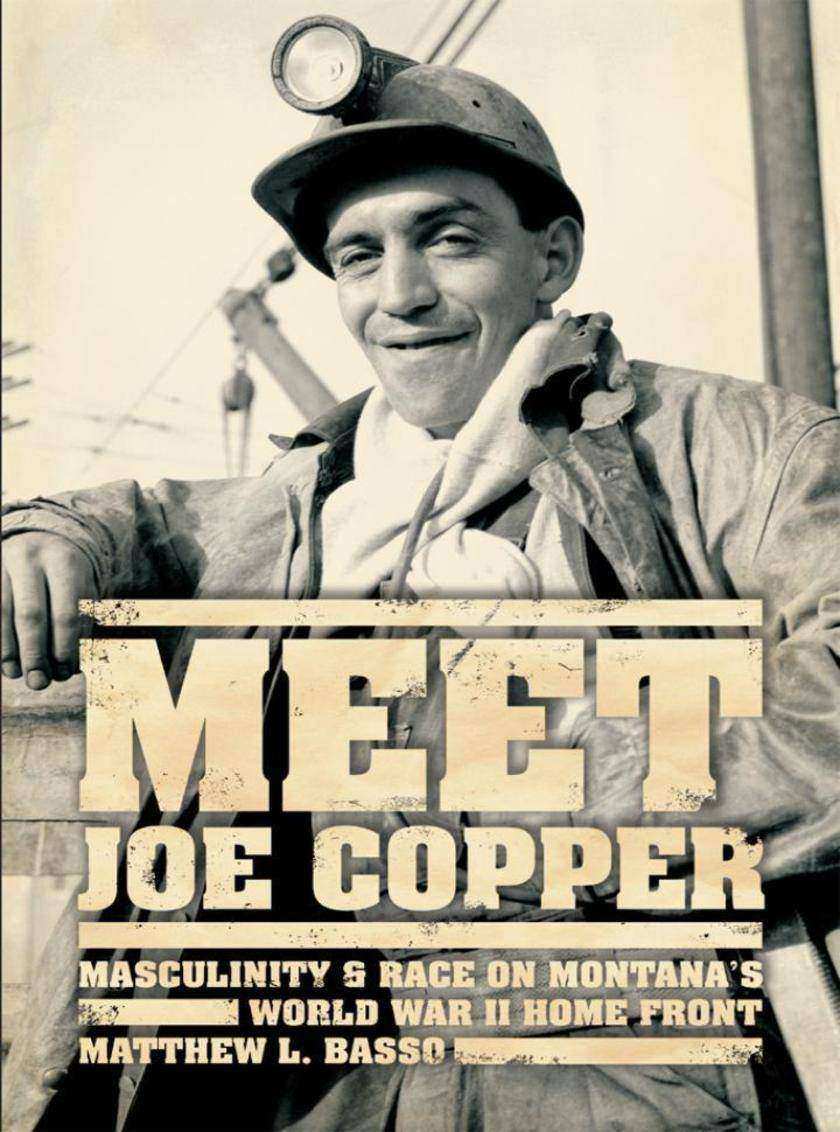
Meet Joe Copper
¥247.21
"e;I realize that I am a soldier of production whose duties are as important in this war as those of the man behind the gun."e; So began the pledge that many home front men took at the outset of World War II when they went to work in the factories, fields, and mines while their compatriots fought in the battlefields of Europe and on the bloody beaches of the Pacific. The male experience of working and living in wartime America is rarely examined, but the story of men like these provides a crucial counter-narrative to the national story of Rosie the Riveter and GI Joe that dominates scholarly and popular discussions of World War II.In Meet Joe Copper, Matthew L. Basso describes the formation of a powerful, white, working-class masculine ideology in the decades prior to the war, and shows how it thrived-on the job, in the community, and through union politics. Basso recalls for us the practices and beliefs of the first- and second-generation immigrant copper workers of Montana while advancing the historical conversation on gender, class, and the formation of a white ethnic racial identity. Meet Joe Copper provides a context for our ideas of postwar masculinity and whiteness and finally returns the men of the home front to our reckoning of the Greatest Generation and the New Deal era.

Paris Blues
¥247.21
The Jazz Age. The phrase conjures images of Louis Armstrong holding court at the Sunset Cafe in Chicago, Duke Ellington dazzling crowds at the Cotton Club in Harlem, and star singers like Bessie Smith and Ma Rainey. But the Jazz Age was every bit as much of a Paris phenomenon as it was a Chicago and New York scene.In?Paris Blues, Andy Fry provides an alternative history of African American music and musicians in France, one that looks beyond familiar personalities and well-rehearsed stories. He pinpoints key issues of race and nation in France's complicated jazz history from the 1920s through the 1950s. While he deals with many of the traditional icons-such as Josephine Baker, Django Reinhardt, and Sidney Bechet, among others-what he asks is how they came to be so iconic, and what their stories hide as well as what they preserve. Fry focuses throughout on early jazz and swing but includes its re-creation-reinvention-in the 1950s. Along the way, he pays tribute to forgotten traditions such as black musical theater, white show bands, and French wartime swing.?Paris Blues?provides a nuanced account of the French reception of African Americans and their music and contributes greatly to a growing literature on jazz, race, and nation in France.
Planning Matter
¥247.21
City and regional planners talk constantly about the things of the world-from highway interchanges and retention ponds to zoning documents and conference rooms-yet most seem to have a poor understanding of the materiality of the world in which they're immersed. Too often planners treat built forms, weather patterns, plants, animals, or regulatory technologies as passively awaiting commands rather than actively involved in the workings of cities and regions.In the ambitious and provocative Planning Matter, Robert A. Beauregard sets out to offer a new materialist perspective on planning practice that reveals the many ways in which the nonhuman things of the world mediate what planners say and do. Drawing on actor-network theory and science and technology studies, Beauregard lays out a framework that acknowledges the inevitable insufficiency of our representations of reality while also engaging more holistically with the world in all of its diversity-including human and nonhuman actors alike.

Confederate Cities
¥247.21
When we talk about the Civil War, we often describe it in terms of battles that took place in small towns or in the countryside: Antietam, Gettysburg, Bull Run, and, most tellingly, the Battle of the Wilderness. One reason this picture has persisted is that few urban historians have studied the war, even though cities hosted, enabled, and shaped Southern society as much as they did in the North.Confederate Cities, edited by Andrew L. Slap and Frank Towers, shifts the focus from the agrarian economy that undergirded the South to the cities that served as its political and administrative hubs. The contributors use the lens of the city to examine now-familiar Civil War-era themes, including the scope of the war, secession, gender, emancipation, and war's destruction. This more integrative approach dramatically revises our understanding of slavery's relationship to capitalist economics and cultural modernity. By enabling a more holistic reading of the South, the book speaks to contemporary Civil War scholars and students alike-not least in providing fresh perspectives on a well-studied war.
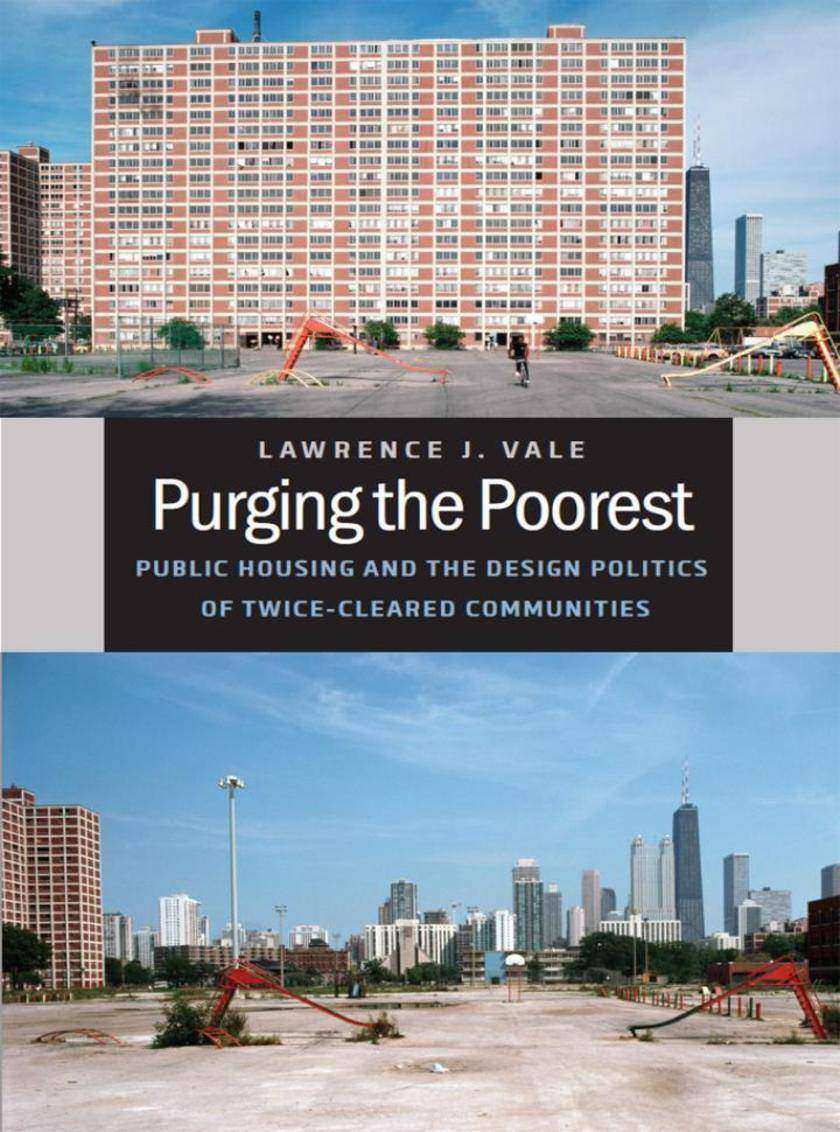
Purging the Poorest
¥247.21
The building and management of public housing is often seen as a signal failure of American public policy, but this is a vastly oversimplified view. In?Purging the Poorest, Lawrence J. Vale offers a new narrative of the seventy-five-year struggle to house the "e;deserving poor."e;In the 1930s, two iconic American cities, Atlanta and Chicago, demolished their slums and established some of this country's first public housing. Six decades later, these same cities also led the way in clearing public housing itself. Vale's groundbreaking history of these "e;twice-cleared"e; communities provides unprecedented detail about the development, decline, and redevelopment of two of America's most famous housing projects: Chicago's Cabrini-Green and Atlanta's Techwood /Clark Howell Homes. Vale offers the novel concept of?design politics?to show how issues of architecture and urbanism are intimately bound up in thinking about policy. Drawing from extensive archival research and in-depth interviews, Vale recalibrates the larger cultural role of public housing, revalues the contributions of public housing residents, and reconsiders the role of design and designers.
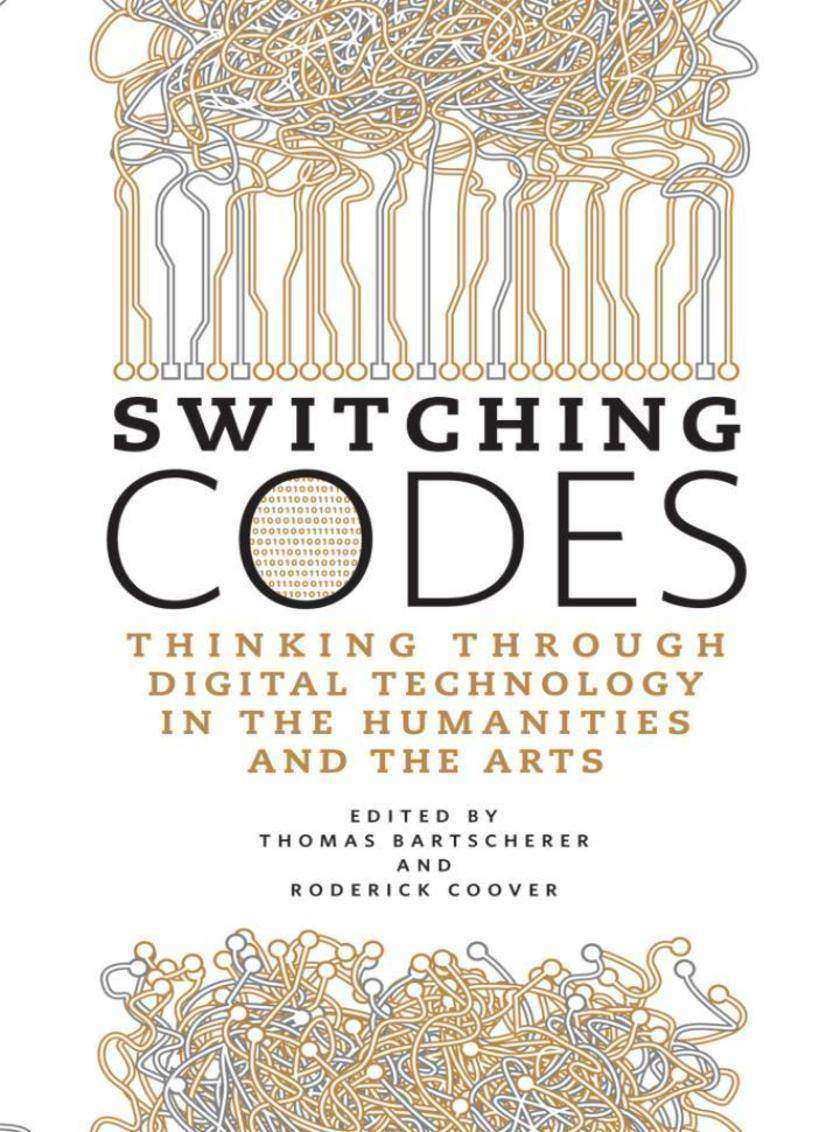
Switching Codes
¥282.53
Half a century into the digital era, the profound impact of information technology on intellectual and cultural life is universally acknowledged but still poorly understood. The sheer complexity of the technology coupled with the rapid pace of change makes it increasingly difficult to establish common ground and to promote thoughtful discussion.?Responding to this challenge, Switching Codes?brings together leading American and European scholars, scientists, and artists-including Charles Bernstein, Ian Foster, Bruno Latour, Alan Liu, and Richard Powers-to consider how the precipitous growth of digital information and its associated technologies are transforming the ways we think and act. Employing a wide range of forms, including essay, dialogue, short fiction, and game design, this book aims to model and foster discussion between IT specialists, who typically have scant training in the humanities or traditional arts, and scholars and artists, who often understand little about the technologies that are so radically transforming their fields. Switching Codes?will be an indispensable volume for anyone seeking to understand the impact of digital technology on contemporary culture, including scientists, educators, policymakers, and artists, alike.
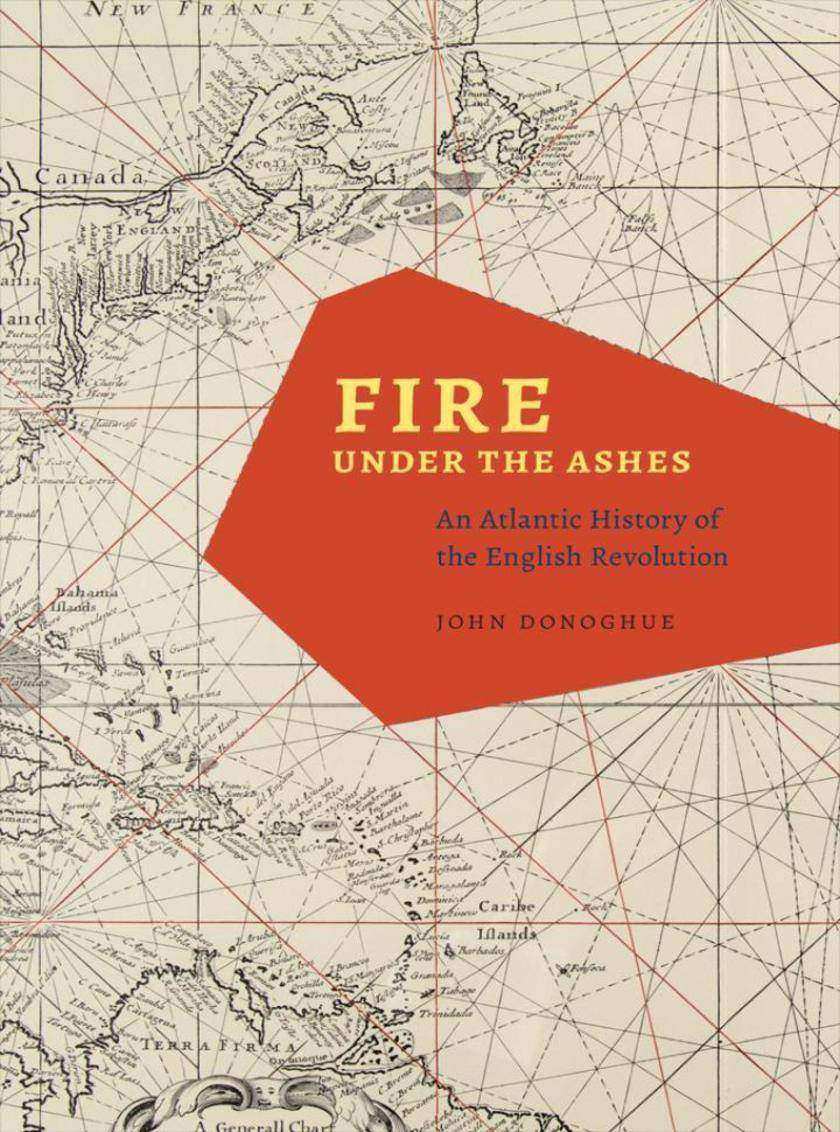
Fire under the Ashes
¥370.82
In Fire under the Ashes, John Donoghue recovers the lasting significance of the radical ideas of the English Revolution, exploring their wider Atlantic history through a case study of Coleman Street Ward, London. Located in the crowded center of seventeenth-century London, Coleman Street Ward was a hotbed of political, social, and religious unrest. There among diverse and contentious groups of puritans a tumultuous republican underground evolved as the political means to a more perfect Protestant Reformation. But while Coleman Street has long been recognized as a crucial location of the English Revolution, its importance to events across the Atlantic has yet to be explored.Prominent merchant revolutionaries from Coleman Street led England's imperial expansion by investing deeply in the slave trade and projects of colonial conquest. Opposing them were other Coleman Street puritans, who having crossed and re-crossed the ocean as colonists and revolutionaries, circulated new ideas about the liberty of body and soul that they defined against England's emergent, political economy of empire. These transatlantic radicals promoted social justice as the cornerstone of a republican liberty opposed to both political tyranny and economic slavery-and their efforts, Donoghue argues, provided the ideological foundations for the abolitionist movement that swept the Atlantic more than a century later.
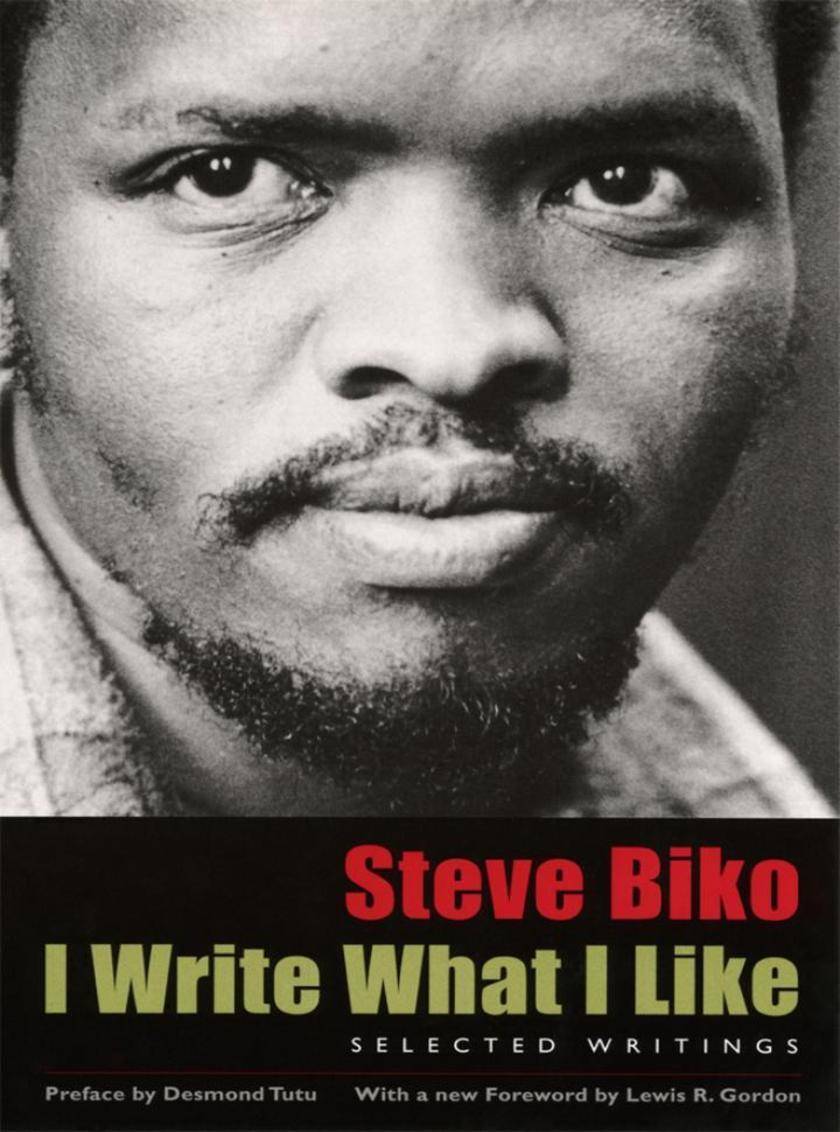
I Write What I Like
¥170.69
"e;The most potent weapon in the hands of the oppressor is the mind of the oppressed."e; Like all of Steve Biko's writings, those words testify to the passion, courage, and keen insight that made him one of the most powerful figures in South Africa's struggle against apartheid. They also reflect his conviction that black people in South Africa could not be liberated until they united to break their chains of servitude, a key tenet of the Black Consciousness movement that he helped found.I Write What I Like contains a selection of Biko's writings from 1969, when he became the president of the South African Students' Organization, to 1972, when he was prohibited from publishing. The collection also includes a preface by Archbishop Desmond Tutu; an introduction by Malusi and Thoko Mpumlwana, who were both involved with Biko in the Black Consciousness movement; a memoir of Biko by Father Aelred Stubbs, his longtime pastor and friend; and a new foreword by Professor Lewis Gordon.Biko's writings will inspire and educate anyone concerned with issues of racism, postcolonialism, and black nationalism.


