


 购物车
购物车 个人中心
个人中心

Epic Reads Impulse
¥107.82
The enticing world of Valkyrie Rising, Ingrid Paulson's debut teen novel, is introduced in Valkyrie Symptoms, a prequel short story.This twenty-page original story introduces the characters from the perspective of the ever-flippant, if undeniably alluring, Tucker Halloway. It also includes a teaser to Valkyrie Rising, a novel in which deadly legends, hidden identities, and tentative romance swirl together into an unexpectedly epic adventure when seventeen-year-old Ellie travels to Norway with her big brother and Tuck, his best friend, and encounters Valkyries: the legendary women warriors of Norse mythology.Epic Reads Impulse is a digital imprint with new releases each month.

The End Is Here: Teen Romance Sampler
¥38.06
The end is here! At least, the end of these popular series is almost here. Before they reach their conclusion, read selections from the first books. You'll fall in love with the paranormal worlds of Angelfire by Courtney Allison Moulton, Once in a Full Moon by Ellen Schreiber, A Touch Mortal by Leah Clifford, and Unearthly by Cynthia Hand.
Say What You Will
¥55.33
John Green's The Fault in Our Stars meets Rainbow Rowell's Eleanor & Park in this beautifully written, incredibly honest, and emotionally poignant novel. Cammie McGovern's insightful young adult debut is a heartfelt and heartbreaking story about how we can all feel lost until we find someone who loves us because of our faults, not in spite of them.Born with cerebral palsy, Amy can't walk without a walker, talk without a voice box, or even fully control her facial expressions. Plagued by obsessive-compulsive disorder, Matthew is consumed with repeated thoughts, neurotic rituals, and crippling fear. Both in desperate need of someone to help them reach out to the world, Amy and Matthew are more alike than either ever realized.When Amy decides to hire student aides to help her in her senior year at Coral Hills High School, these two teens are thrust into each other's lives. As they begin to spend time with each other, what started as a blossoming friendship eventually grows into something neither expected.
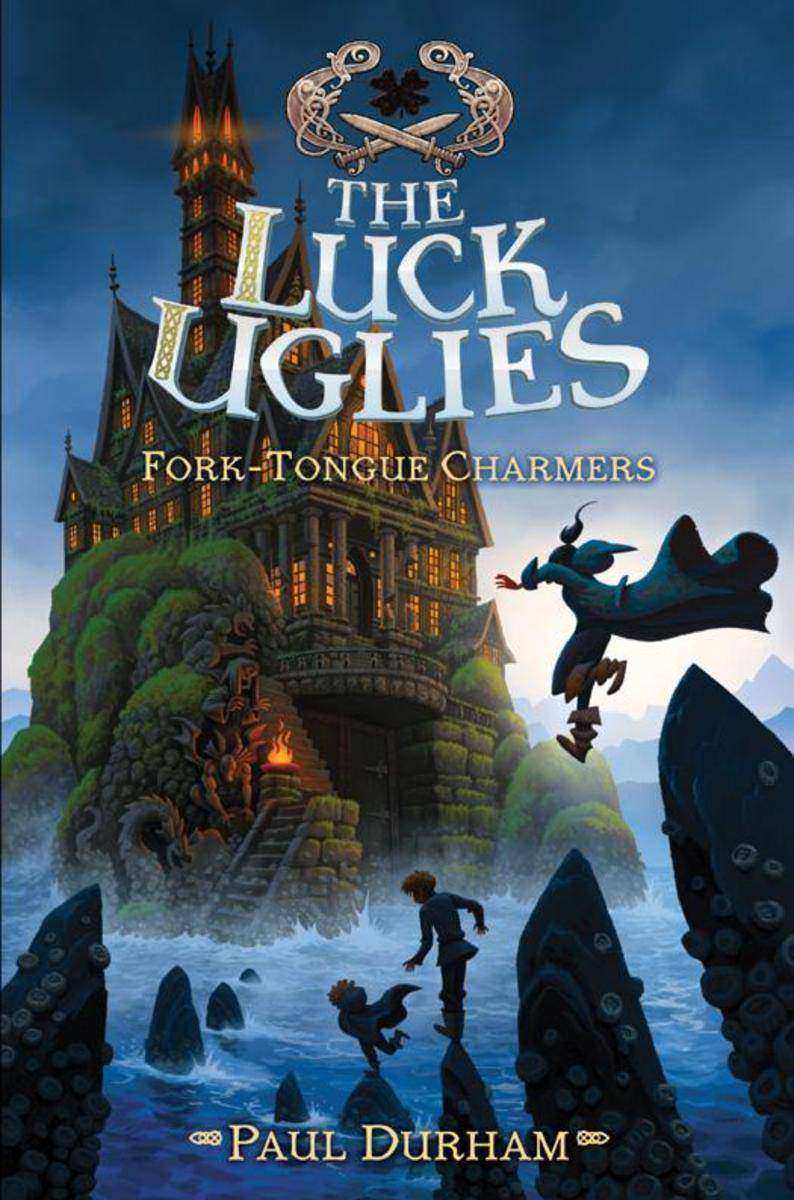
Luck Uglies #2: Fork-Tongue Charmers
¥44.25
The Luck Uglies face their greatest enemies in this thrilling sequel to the critically acclaimed first book in the series, hailed by Kirkus in a starred review as “a sparkling must-read”! The Luck Uglies is a perfect match for fans of Chris Colfer's Land of Stories books and Joseph Delaney's Last Apprentice series. This second installment ratchets up the humor, charm, and adventure, taking the series to brand-new heights!Rye O’Chanter was shocked to discover that her father was the leader of the notorious band of outlaws known as the Luck Uglies. Now she too has been declared a criminal in her own village, and she must flee to the strange and remote Isle of Pest while her father faces off against the Luck Uglies’ bitter rivals, the Fork-Tongue-Charmers, on the mainland.But all bets are off when the battle moves to the shores of Pest. To defeat the Fork-Tongue Charmers, Rye must defy a deranged earl, survive a test meant to judge the grit of the fiercest men, and lead the charge in defending the island against a strangely familiar enemy, which means uncovering some long-buried family secrets….The first Luck Uglies book was named an ALA Notable Children’s Book as well as a New York Public Library Title for Reading and Sharing, and it won the Cybil Award for Middle Grade Speculative Fiction.

A Desire So Deadly
¥21.73
In this 50-page digital original novella, Suzanne Young extends the dazzling world of A Need So Beautiful and A Want So Wicked.Eighteen-year-old Claire Becks leads a charmed life surrounded by her loving family, great friends, and sexy boyfriend, Ezra. Claire is known for her great advice—and for how easily she puts others at ease. And although she feels occasional bouts of sadness she can't quite place, she is otherwise happy.Then one day a mysterious stranger walks into her family's bakery. Claire immediately senses something about Harlin—something tortured and dark. Even after he leaves, she can't stop thinking about him, inexplicably feeling like there is unfinished business between them.When Lucy, the new girl in town, starts to draw Claire into her world of darkness, Harlin realizes who Claire really is. But Claire will have to realize it too if she hopes to escape the fate of the Shadows.Epic Reads Impulse is a digital imprint with new releases each month.
Think on These Things
¥94.10
The material contained in this volume was originally presented in the form of talks to students, teachers and parents in India, but its keen penetration and lucid simplicity will be deeply meaningful to thoughtful people everywhere, of all ages, and in every walk of life. Krishnamurti examines with characteristic objectivity and insight the expressions of what we are pleased to call our culture, our education, religion, politics and tradition; and he throws much light on such basic emotions as ambition, greed and envy, the desire for security and the lust for power all of which he shows to be deteriorating factors in human society.From the Editor NoteKrishnamurti observations and explorations of modern man estate are penetrating and profound, yet given with a disarming simplicity and directness. To listen to him or to read his thoughts is to face oneself and the world with an astonishing morning freshness.Anne Marrow Lindbergh

House, M.D. 豪斯医生官方指南
¥105.17
The authorized guide to the television phenomenon House, M.D. For the last six years House, M.D. has been one of the most popular and captivating shows on television. Following the stories of a misanthropic genius doctor named Gregory House and his team of specialists, each week the show confronts medical mysteries that have baffled the best minds in medicine. Centered around one of the most compelling characters on television brilliantly portrayed by actor Hugh Laurie the Emmy Award winning TV drama has been keeping millions of viewers intrigued and enthralled since it began, always offering an entertaining mixture of drama and humor. Based on unprecedented access to the show's cast members and creative staff, House, M.D. is the first fully authorized guide to the hit medical drama, offering a close-up view inside the world of House . From the show's genesis to today, this companion provides unique insight into the TV drama, as the actors, writers, and producers who've created these characters describe in their own words what the show means to them. This book also delves into fascinating discussions of the show's medical science and controversial ethical issues, as well as includes exclusive photographs from the set and an intimately detailed look at the making of an episode. Essential reading for any House fan, House, M.D. is the ultimate behind-the-scenes guide to TV's most captivating show.
Outlaw Platoon
¥95.11
In combat, men measure up. Or don't. There are no second chances. In this vivid account of the U.S. Army's legendary 10th Mountain Division's heroic stand in the mountains of Afghanistan, Captain Sean Parnell shares an action-packed and highly emotional true story of triumph, tragedy, and the extraordinary bonds forged in battle. At twenty-four years of age, U.S. Army Ranger Sean Parnell was named commander of a forty-man elite infantry platoon a unit that came to be known as the Outlaws and was tasked with rooting out Pakistan-based insurgents from a mountain valley along Afghanistan's eastern frontier. Parnell and his men assumed they would be facing a ragtag bunch of civilians, but in May 2006 what started out as a routine patrol through the lower mountains of the Hindu Kush became a brutal ambush. Barely surviving the attack, Parnell's men now realized that they faced the most professional and seasoned force of light infantry the U.S. Army had encountered since the end of World War II. What followed was sixteen months of close combat, over the course of which the platoon became Parnell's family: from Staff Sergeant Greg Greeson, the wise, chain-smoking veteran who never lost his cool; to Specialist Robert Pinholt, a buttoned-down conservative with the heart of a warrior and the mind of an economist; to Staff Sergeant Phil Baldwin, the platoon's voice of calm and reason, a man who sacrificed everything following the events of 9/11 career, home, financial stability to serve his country. But the cost of battle was high for these men: Over 80 percent were wounded in action, putting their casualty rate among the highest since Gettysburg, and not all of them made it home. A searing and unforgettable story of friendship in battle, Outlaw Platoon brings to life the intensity and raw emotion of those sixteen months, showing how the fight reshaped the lives of Parnell and his men and how the love and faith they found in one another ultimately kept them alive.
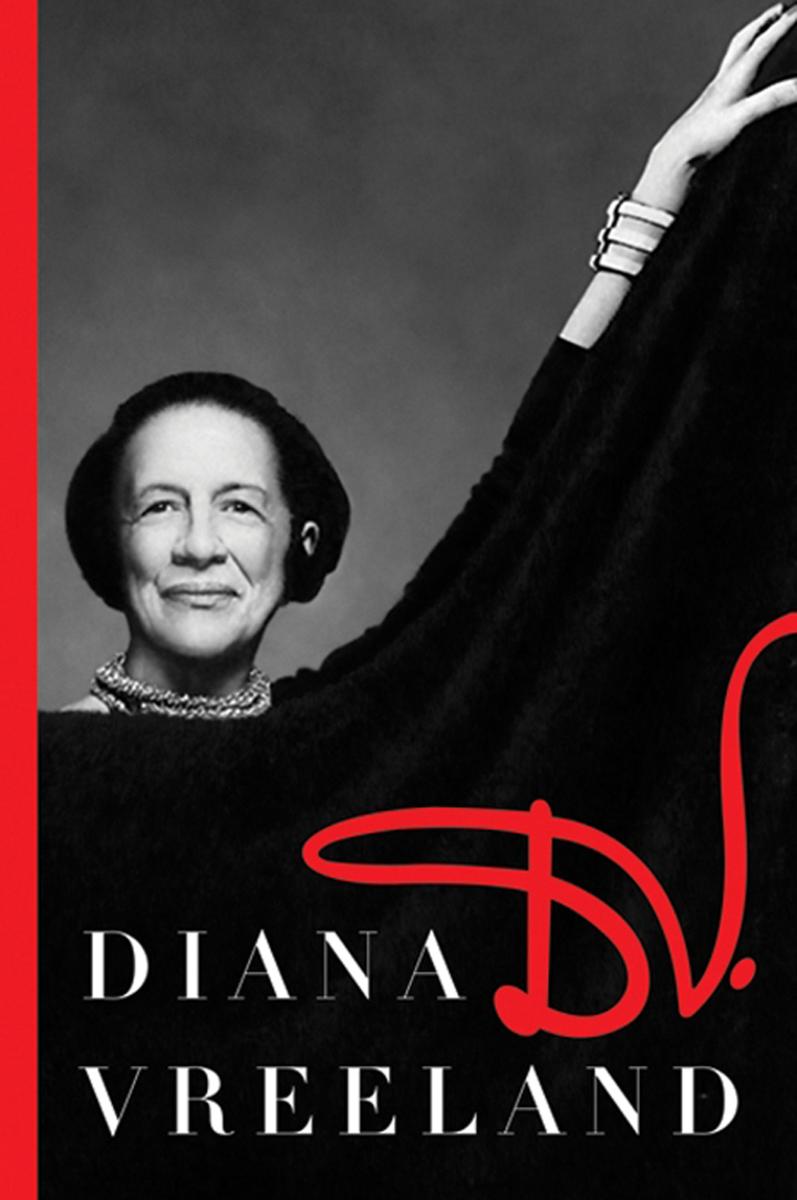
D.V.
¥94.10
Brilliant, funny, charming, imperious, Diana Vreeland the fashion editor of Harper's Bazaar and editor-in-chief of Vogue was a woman whose passion and genius for style helped define the world of high fashion for fifty years. Among her eclectic circle of friends were some of the most renowned and famous figures of the twentieth century artists and princes, movie stars and international legends, including Chanel, the Duke and Duchess of Windsor, Isak Dinesen, Clark Gable, and Swifty Lazar. Moving from English palaces to the nightclubs of 1930s Paris, the wilds of Wyoming to the exclusive venues of New York high society, D.V. takes readers into this iconic woman's dazzling life, evoking the luxury and brio of an era that encompassed Josephine Baker, England's Queen Mary, Buffalo Bill, and Diaghilev. Vibrant with the vivid, irresistible voice that elevated every tête-à-tête and dinner party, D.V. brings this renowned and uninhibited raconteur alive, whether recalling herself as a young girl, her search for the perfect red, her piquant observations about her world, or her abhorrence for nostalgia. Like her legacy, Vreeland's story, told in her own words, is a classic to be celebrated by both loyal admirers and a new generation of culture mavens and style savants.
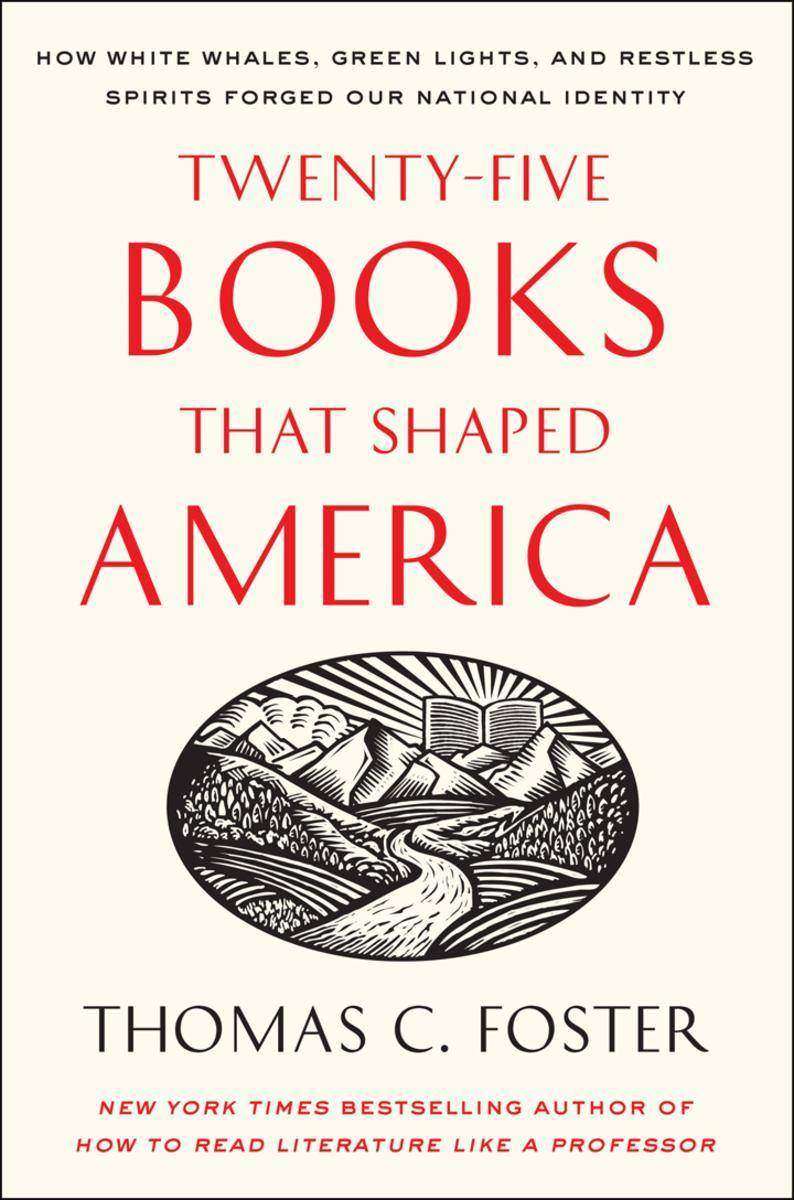
Twenty-five Books That Shaped America
¥83.92
From the author of the New York Times bestselling How to Read Literature Like a Professor comes a highly entertaining and informative new book on the twenty-five works of literature that have most shaped the American character. Foster applies his much-loved combination of wit, know-how, and analysis to explain how each work has shaped our very existence as readers, students, teachers, and Americans. Foster illuminates how books such as The Last of the Mohicans , Moby-Dick , My ?ntonia , The Great Gatsby , The Maltese Falcon , Their Eyes Were Watching God , On the Road , The Crying of Lot 49 , and others captured an American moment, how they influenced our perception of nationhood and citizenship, and what about them endures in the American character. Twenty-five Books That Shaped America is a fun and enriching guide to America through its literature.

Avon
¥55.31
Three young heirs, imprisoned by anunscrupulous uncle, escaped to the sea,to the streets, to faraway battle awaiting the day when they wouldreturn to reclaim their birthright . . . Lord Rafe Easton may be of noble blood, but survival taughthim to rely only on himself and to love no one. Yet when he setseyes on Miss Evelyn Chambers, an earl's illegitimate daughter,he is determined to have her, if only as his mistress . . . After her father's death, Evelyn Chambers never imaginedshe would be sold to the highest bidder, yet circumstancesgive her little choice but to accept the lord's indecent proposal. Rafe is wealthy, as well as ruthless. Yet his coldnessbelies deep passion and deeper secrets. If she must be his,Evelyn intends to lay bare everything the Lord of Pembrookis hiding. But dark discoveries threaten to destroythem both until unexpected love leadsthe last lost lord home . . .
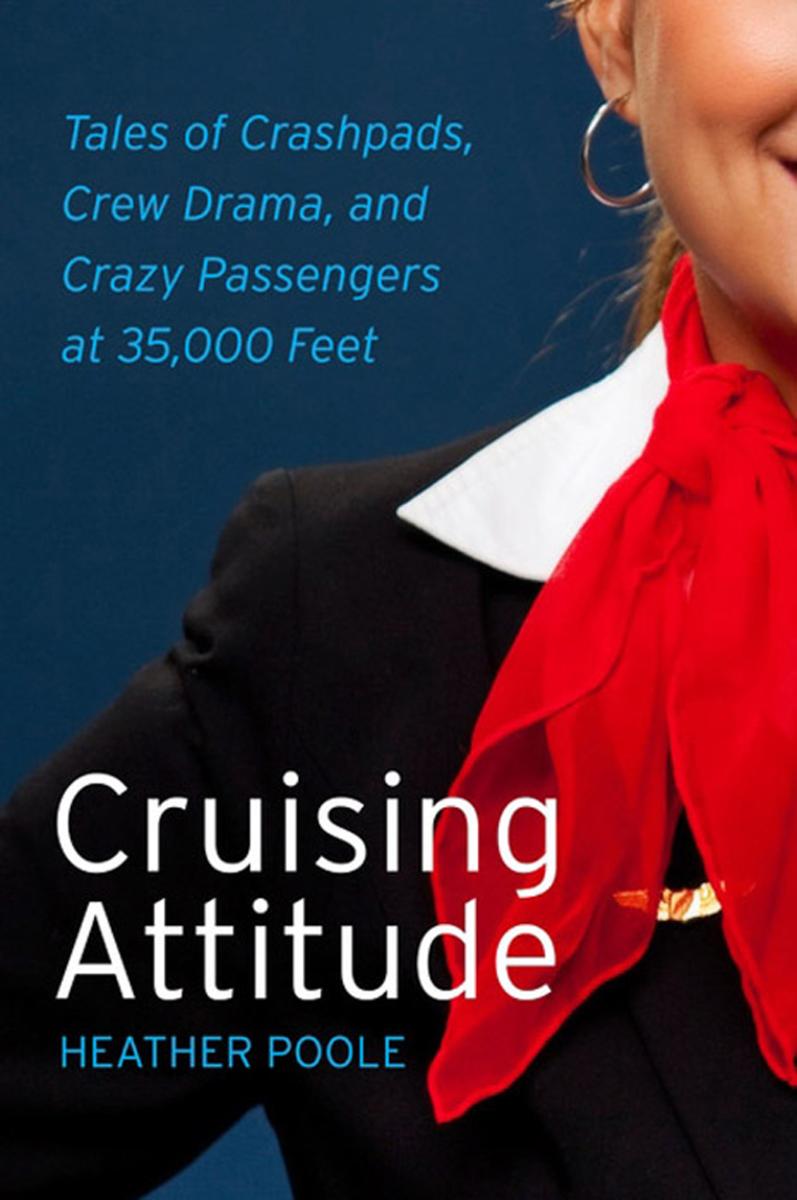
Cruising Attitude
¥83.03
Flying the not-so-friendly skies... In her more than fifteen years as an airline flight attendant, Heather Poole has seen it all. She's witnessed all manner of bad behavior at 35,000 feet and knows what it takes for a traveler to become the most hated passenger onboard. She's slept in flight attendant crashpads in "Crew Gardens," Queens sharing small bedrooms crammed with bunk beds with a parade of attractive women who come and go at all hours, prompting suspicious neighbors to jump to the very worst conclusions. She's watched passengers and coworkers alike escorted off the planes by police. She can tell you why it's a bad idea to fall for a pilot but can be a very good one (in her case) to date a business-class passenger. Heather knows everything about flying in a post-9/11 world and she knows what goes on behind the scenes, things the passengers would never dream. Heather's true stories in Cruising Attitude are surprising, hilarious, sometimes outrageously incredible the very juiciest of "galley gossip" delightfully intermingled with the eye-opening, unforgettable chronicle of her fascinating life in the sky.
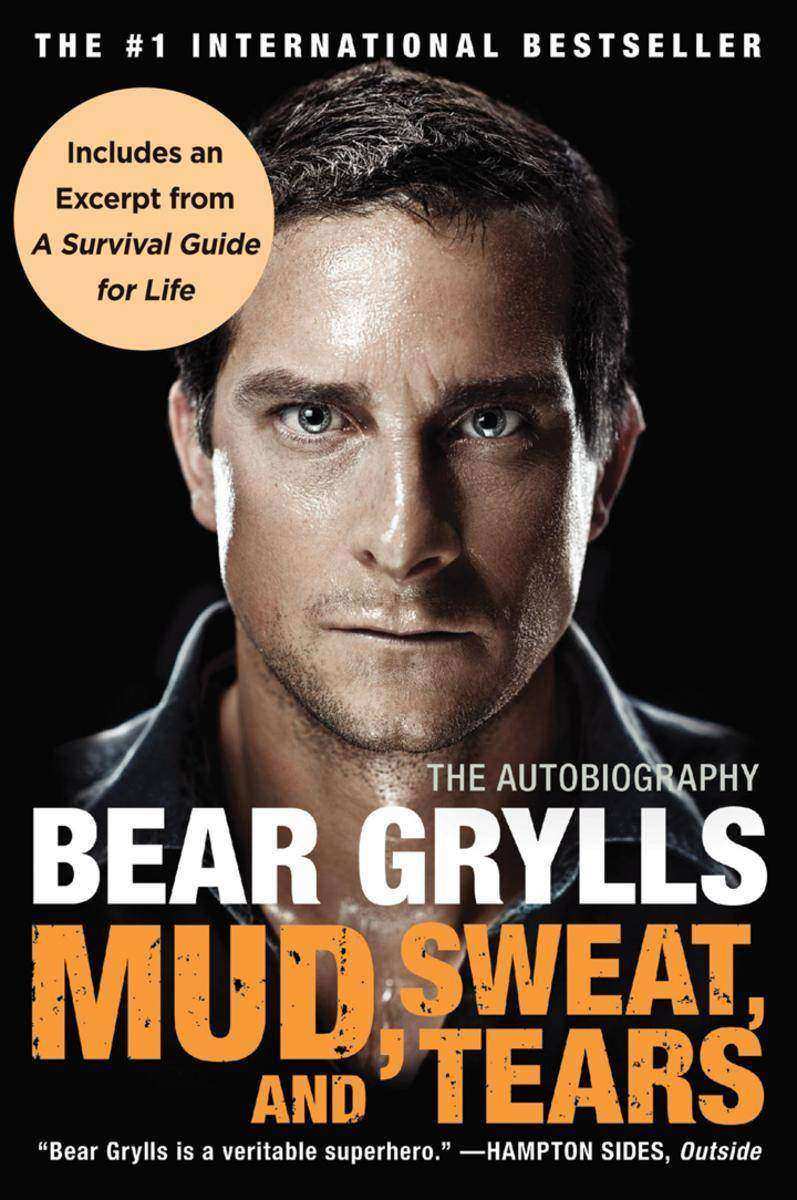
Mud, Sweat, and Tears 荒野求生:贝尔自传
¥94.10
Bear Grylls has always sought the ultimate in adventure. Growing up on a remote island off of Britain's windswept coast, he was taught by his father to sail and climb at an early age. Inevitably, it wasn't long before the young explorer was sneaking out to lead all-night climbing expeditions. As a teenager at Eton College, Bear found his identity and purpose through both mountaineering and martial arts. These passions led him into the foothills of the mighty Himalayas and to a karate grandmaster's remote training camp in Japan, an experience that soon helped him earn a second-degree black belt. Returning home, he embarked upon the notoriously grueling selection course for the British Special Forces to join the elite Special Air Service unit 21 SAS a journey that would push him to the very limits of physical and mental endurance. Then, disaster. Bear broke his back in three places in a horrific free-fall parachuting accident in Africa. It was touch and go whether he would walk again, according to doctors. However, only eighteen months later, a twenty three-year-old Bear became one of the youngest climbers to scale Mount Everest, the world's highest summit. But these were just the beginning of his many extraordinary adventures. . . . Known and admired by millions as the star of Man vs. Wild , Bear Grylls has survived where few would dare to go. Now, for the first time, Bear tells the story of his action-packed life. Gripping, moving, and wildly exhilarating, Mud, Sweat, and Tears is a must-read for adrenaline junkies and armchair explorers alike.

Chimney The Poetic Story Of A Family Cat
¥24.44
Chimney is a much loved family cat who has chosen to tell her own story in poetic form as only a cat can. She charts her life from mischievous kittenhood to thoughtful maturity in the company of two glorious IRISH SETTERS. Cat lovers and owners everywhere will recognise many of her ways and cat philosophy and those, who do not know cats well, will be surprised at their observational skills!
The Duke Diaries
¥55.31
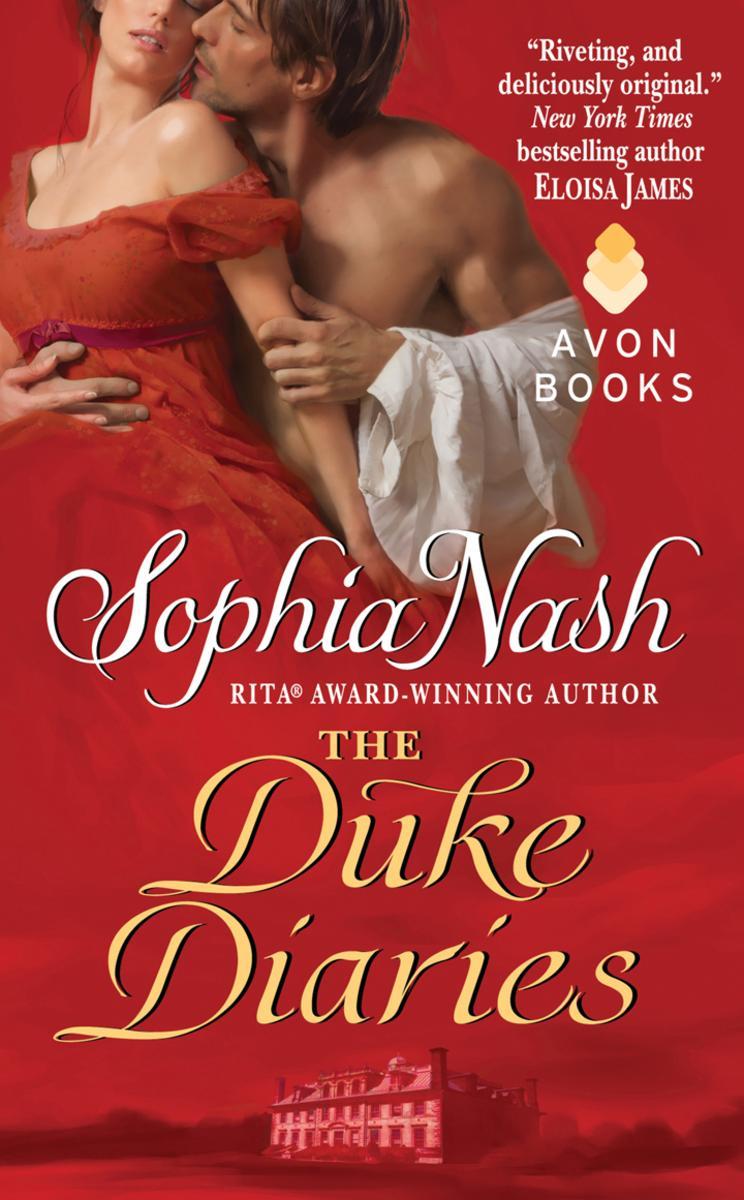
Six Regency heroes One royal hangover After a royal bachelor party of the century,Lady Verity Fitzroy wakes up to find her brother's archenemy,Rory Lennox, the Duke of Abshire, in her bed. WhileRory has always fascinated her, nothing can convince her tomarry this rake even though her reputation is in peril.Indeed, there are far graver worries that plague her. If sheis unmasked as the author of the infamous Duke Diaries,no one can save her . . . not even the man of her dreams. Though he has known Verity since she was still in theschoolroom, Rory never imagined her to be sucha spitfire! Which only makes the challenge of winning herhand more intriguing. Never mind that he has nointerest in a wife. But when this secret war hero discoversthe root of Verity's horrendous troubles, he realizes he must face down his greatest fears not only to save her . . .but to win her hand and her heart.
Why Unicorn Drinks
¥83.03
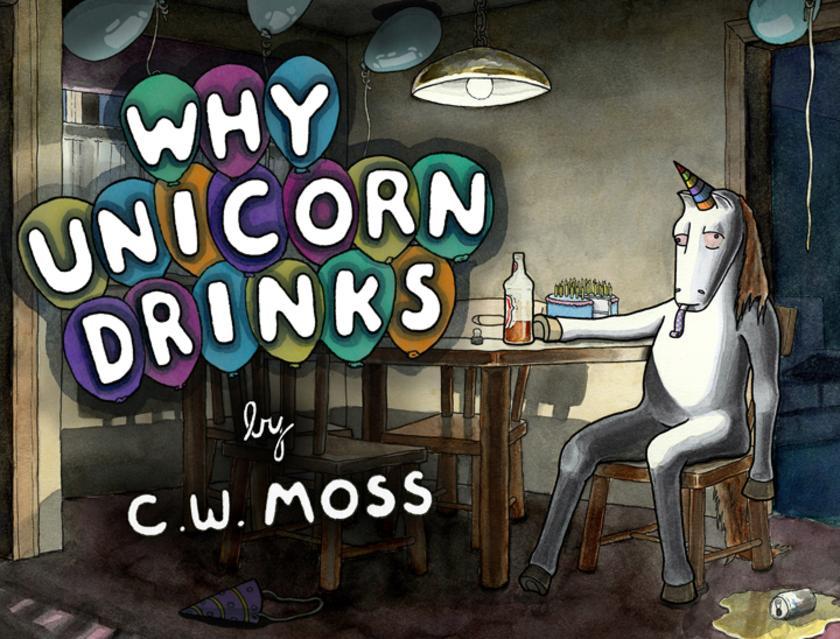
Unicorns are just like us. They have problems, stresses, and like to blow off some steam. Author and illustrator C. W. Moss explores the inner psyche of the single-horned in Why Unicorn Drinks . A follow-up to Unicorn Being a Jerk , this volume of 67 four-color illustrations and captions gives readers a glimpse into the sad reality of life as a mythical creature, and reveals what drives Unicorn to the bottle. As fans of Moss' online comic undoubtedly know, Why Unicorn Drinks pours a double-shot of laughter and irreverence. You'll never look at a unicorn the same way again.

What Happens in Scotland
¥41.46
She Woke Up Married When Lady Georgette Thorold awoke she saw . . . her corset hanging from the armoire . . . a very handsome, very naked Scotsman lying beside her . . . and a wedding ring on her finger! Before the attractive stranger can tell her his name, Georgette does the only sensible thing she runs for it. Little does she know, James MacKenzie isn't clear on what happened the night before either. All he knows is that his money is missing and the stunning woman who just ran from the room is either his wife or a thief . . . or possibly both. What happens in Scotland when two complete strangers fall madly, deeply in love?

150 Best Terrace and Balcony Ideas
¥167.88
150 Best Terrace and Balcony Ideas is the ultimate resource for innovative terrace, roof garden, patio, and balcony design ideas for outdoor spaces of all shapes and sizes. Featured inside this lavish guidebook are 150 never-before-shared tips and techniques provided by internationally renowned architects and designers, along with full-color photographs and diagrams of sixty-five uniquely beautiful projects from around the world. The design ideas reveal how to create exterior spaces that are clean, modern, and comfortable, as well as how to use cutting-edge materials that are practical, cost-effective, and environmentally friendly. Best of all, the design ideas featured inside are easy to follow and can be tailored to the unique tastes and needs of individual homeowners.
The King's Guard
¥10.71
Hector of Ventierra is the youngest commander of the Royal Guard in his kingdom's history. But before he was lord commander, he was a lowly squire. In this short fantasy novella, set in the world of The Girl of Fire and Thorns, Rae Carson introduces readers to Hector before he became the man Queen Elisa fell in love with. The King's Guard also includes a teaser chapter for The Bitter Kingdom, the conclusion to the Fire and Thorns trilogy.At fifteen years old, Hector is the youngest squire in the most elite military force in the country. And his first day is disastrous. Everyone assumes the only reason he was recruited is his close personal association with King Alejandro, not because he's really earned it.But Alejandro needs Hector for a secret mission, one that gives him the chance to prove to everyone—including himself—that he is worthy to be a Royal Guard. Hector must break into the ancient Fortress of Wind to retrieve something so important that the kingdom's future depends on it. What Hector finds in the fortress will stretch his bond of friendship with his king near to breaking. And it will prepare him to become the fearsome warrior and lord commander Elisa will never let go.A riveting prequel to Rae Carson's epic and acclaimed Fire and Thorns series.

Epic Reads Impulse
¥107.82
A short stand-alone digital novella set in the world of Leah Cypess's Nightspell, where ghosts exist alongside humans and nearly every lavish ball is part murder mystery.In the kingdom of Ghostland, every murdered soul comes back as a ghost, and every ghost has only one desire—vengeance. Emilie had everything she'd ever wanted—beautiful dresses, a perfectly decorated room, a party every night, and the eye of a nobleman. But then she's killed. And now she'll stop at nothing to find out who did it. No one in the palace of Ghostland is above suspicion—not even the people closest to her. This haunting fantasy novella is filled with supernatural thrills and surprising plot twists.Epic Reads Impulse is a digital imprint with new releases each month.
John Clare
¥24.44
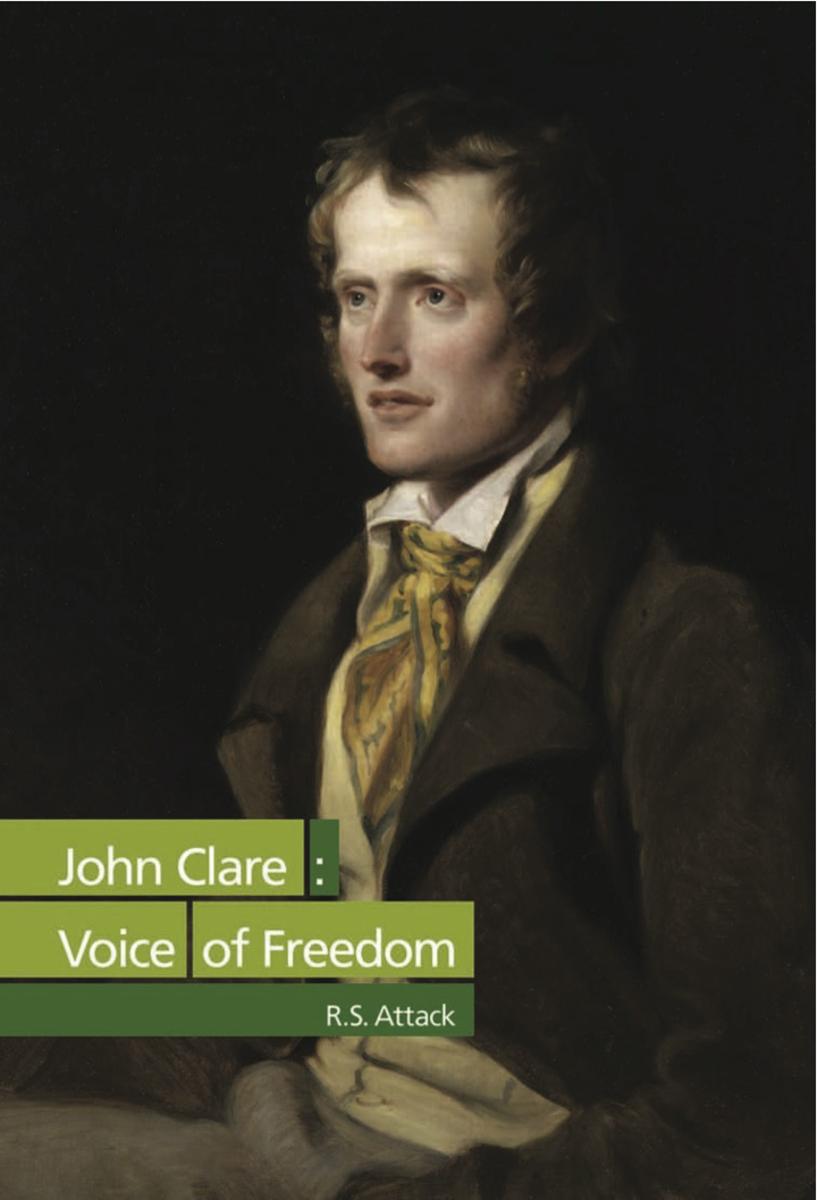
John Clare (1793-1864) was born at a time of great social upheaval, just months after the beheading of Louis XVI and the outbreak of war with France which was to last till the defeat of Napoleon at Waterloo in 1815. He also lived through the upheavals of the land enclosure movement and agricultural revolution which changed the face of the countryside and the way of life in rural England. His father was a farm worker who managed to pay for his son’s schooling, though this was cut short as conditions worsened, but at least Clare had by then learnt to read and write so he could continue his own education, reading whatever books he could lay his hands on. At the age of sixteen he witnessed the social dislocation caused by the local enclosure Act and observed how the landscape was gradually transformed. Drawing on Clare’s writing, this extensively researched study gives the modern reader an appreciation of the divisive effects of these policies. Structured chronologically, this exploration of John Clare’s life highlights the socio-economic and environmental aspects of his observations and includes his reports on an insidious revolution taking place in the English countryside. Parliament, dominated by landowners, authorised the enclosure of large tracts of common land by private acts without considering the effect on those who had enjoyed rights of use and pasturage for centuries. Land enclosures, and the improved agricultural techniques which this permitted, was important in increasing food production at a time when the population of England was growing rapidly. While additional work was initially provided for agricultural labourers in the fencing and walling needed, this was temporary. The introduction of new, labour-saving machinery further reduced the opportunities for work. Insufficient attention, the author argues, has been given to the consequences. Those driven out of their homes in the country were left with no option but to migrate to the towns and sell their labour to whoever would pay for it. In effect, land enclosure created a market in land; landlessness created a market in labour. These are the foundations of our modern market economy. The author asserts that the harshness of the early years of the industrial revolution were the product of land enclosure which the welfare state has to some extent mitigated, although at the cost of creating a dependency culture in contrast to the sturdy independence of Clare’s parents’ generation of farm workers.


