


 购物车
购物车 个人中心
个人中心
Atopic Dermatitis: New Perspectives on Managing a Chronic Inflammatory Disease
¥0.01
Atopic Dermatitis: New Perspectives on Managing a Chronic Inflammatory Disease
Bütünsel Bak??la Canl?l?k-II: "Madde ve Enerji, Beden ve Ruh ?li?kisi"
¥0.01
alardan beridir insanln duygularn, rüyalarn, davranlarn, düüncelerini, hemen her eyini etkileyen ve algland kadaryla sorduu baz sorularn günümüz dünyasnda anlalmaya, kaplarnn aralanp bilincimizi yeniden ekillendirmeye baladn grürken, yeni sorular oluturmaya baladmz grüyoruz. Bugünlere kadar hepimizin merak ettii sorularn bazlar unlardr: - Canllk nedir - Duygularmz nedir - Ben neyim Bunlar alglayp yorumlayabildiimiz bilin nedir - Beden ile düünce zamanda nasl balanmtr - Düüncelerimi, grdüklerimi, gzleyen nedir - Uzay nedir Nasl var olmutur - Evrende neyin ifadesiyiz - Zaman nedir - lümden sonras var mdr Ruh olarak tanmladk, zihin-beden arasnda balanty kurmaya, duygular anlamaya alrken. Bilincin, algnn ve tüm bunlarla nasl bir ilikisi olabileceini sorguladk. Genelde yle oluyor ya bütünün nce paralarn anlamaya, paralara ayrp anlamaya almann, sorunlarn izlerini sürüp bütünle olan etkileimini grmeye yneliyoruz. Zamann iinde zaman geirmemize ramen, bilincimizle, canllmzla nasl balantl olduunu grmezden geldik. Günümüz dünyasnn ulat bilgi, yaamsal deneyimlerin kaydedilip aktarlmas, izlediimiz filmlerden tutun da, deneyimlerimizin hzl etkileimiyle zaman aralklarn orduk. Snr sistemimize benzeyen internet alar oluturduk. nsanlk olarak yapay zekalar gelitirdik. Hücre ile beden benzeri; canlyla tüm canlln, ekosistemin, varln etkileim rüntüsü olduunu anlamaya baladk. Belki de oluturduumuz yeni anlamlar, gelecekte oluacaklarn paralardr. Deiim devam ediyor. Grünen o ki, canllar bu evrenin en ileri evrensel alanlardr. Soralm kendimize; Evrende canllktan daha anlaml bir ey var mdr
Clinical Updates in Rheumatoid Arthritis
¥0.01
Clinical Updates in Rheumatoid Arthritis
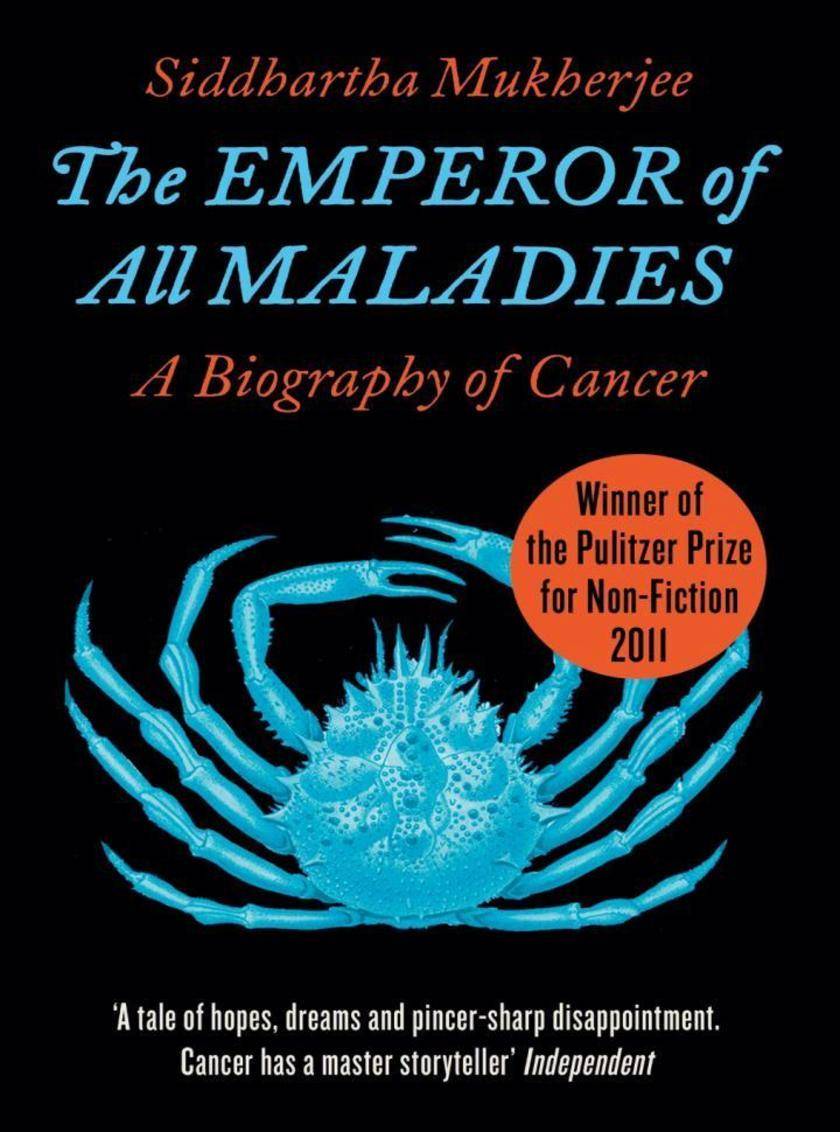
The Emperor of All Maladies
¥65.94
A magnificent, beautifully written biography of cancer - from its first documented appearances thousands of years ago through the epic battles to cure, control and conquer it to a radical new understanding of its essence. In The Emperor of All Maladies, Siddhartha Mukherjee, doctor, researcher and award-winning science writer, examines cancer with a cellular biologist’s precision, a historian’s perspective, and a biographer’s passion. The result is an astonishingly lucid and eloquent chronicle of a disease humans have lived with - and perished from - for more than five thousand years. The story of cancer is a story of human ingenuity, resilience and perseverance, but also of hubris, arrogance and misperception, all leveraged against a disease that, just three decades ago, was thought to be easily vanquished in an all-out ‘war against cancer’. Mukherjee recounts centuries of discoveries, setbacks, victories and deaths, told through the eyes of predecessors and peers, training their wits against an infinitely resourceful adversary. From the Persian Queen Atossa, whose Greek slave cut off her malignant breast, to the nineteeth-century recipient of primitive radiation and chemotherapy and Mukherjee’s own leukemia patient, Carla, The Emperor of All Maladies is about the people who have soldiered through toxic, bruising, and draining regimes to survive and to increase the store of human knowledge. Riveting and magesterial, The Emperor of All Maladies provides a fascinating glimpse into the future of cancer treatments and a brilliant new perspective on the way doctors, scientists, philosophers and lay people have observed and understood the human body for millennia.
Big Bang
¥80.25
The bestselling author of Fermat’s Last Theorem and The Code Book tells the story of the brilliant minds that deciphered the mysteries of the Big Bang. A fascinating exploration of the ultimate question: how was our universe created? Albert Einstein once said: ‘The most incomprehensible thing about the universe is that it is comprehensible.’ Simon Singh believes geniuses like Einstein are not the only people able to grasp the physics that govern the universe. We all can. As well as explaining what the Big Bang theory actually is and why cosmologists believe it is an accurate de*ion of the origins of the universe, this book is also the fascinating story of the scientists who fought against the established idea of an eternal and unchanging universe. Simon Singh, renowned for making difficult ideas much less daunting than they first seem, is the perfect guide for this journey. Everybody has heard of the Big Bang Theory. But how many of us can actually claim to understand it? With characteristic clarity and a narrative peppered with anecdotes and personal histories of those who have struggled to understand creation, Simon Singh has written the story of the most important theory ever.
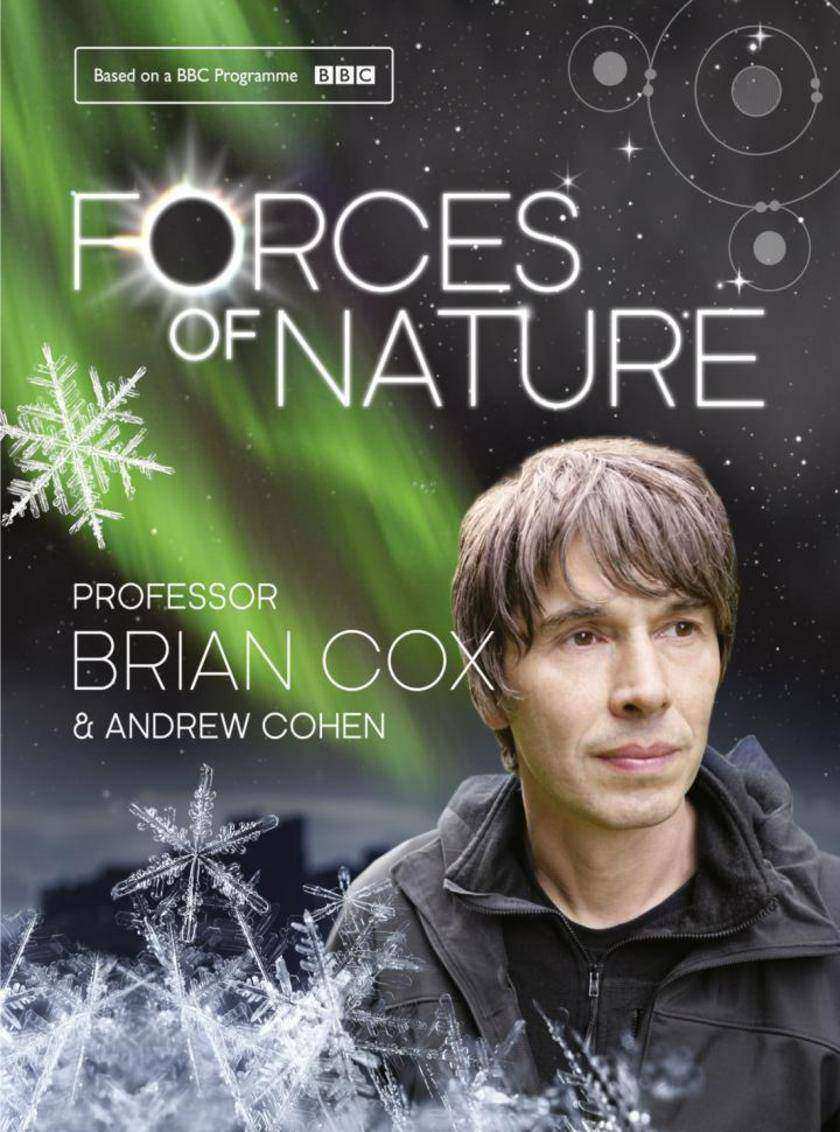
Forces of Nature
¥66.22
Sunday Times Bestseller A breathtaking and beautiful exploration of our planet, this groundbreaking book accompanies the BBC One TV series, providing the deepest answers to the simplest questions. ‘What is motion’ ‘Why is every snowflake different’ ‘Why is life symmetrical’ To answer these and many other questions, Professor Brian Cox uncovers some of the most extraordinary natural events on Earth and in the Universe and beyond. From the immensity of the Universe and the roundness of Earth to the form of every single snowflake, the forces of nature shape everything we see. Pushed to extremes, the results are astonishing. In seeking to understand the everyday world, the colours, structure, behaviour and history of our home, we develop the knowledge and techniques necessary to step beyond the everyday and approach the Universe beyond. Forces of Nature takes you to the great plains of the Serengeti, the volcanoes of Indonesia and the precipitous cliffs in Nepal, to the humpback whales of the Caribbean and the northern lights of the Arctic. Brian will answer questions on Earth that will illuminate our understanding of the Universe. Think you know our planet Think again.
The Mysterious World of the Human Genome
¥81.03
How could a relatively simple chemical code give rise to the complexity of a human being? How could our human genome have evolved? And how does it actually work? Over the past 50 years we have deciphered the inner workings of the human genome. From the basic structure of DNA through to the complete sequence of the code, what first appeared to be simple is actually a complex and beautiful three-dimensional world that makes each of us who we are. In The Mysterious World of the Human Genome acclaimed science writer Frank Ryan leads us through the most exciting scientific discoveries of the last 50 years, revealing how this science has unlocked the cure of some genetic diseases, developed the use of DNA in forensic science and paternity testing, helped us trace our ancestors and provided a definitive map for the movement of humans out of Africa. This scientific journey has had a profound impact on our understanding of the evolution of life itself, through the role of the most ancient of organisms in our basic biology all the way to the revelation that our most recent ancestor, Homo neanderthalensis, lives on in many of us. In the ever more complicated world of the human genome, this is the first book to explain how the human genome actually works as a whole and how that knowledge will have a profound effect on our understanding of where we have come from and where we are likely to be going in the future.
I Will Find You: A Reporter Investigates the Life of the Man Who Raped Her
¥69.26
A hard-hitting memoir about a woman’s search to understand the man who raped her Joanna Connors was thirty years old when she was raped at knifepoint by a stranger. Many years later she realised she had to confront the fear that had ruled her life ever since that day. She needed, finally, to understand. So she went in search of her rapist’s story, determined to find out who he was, where he came from, what his life was like – and what leads a person to do something as destructive as what he did to her. ‘More chilling than a horror film and more thought-provoking than an HBO doc’ Cosmopolitan ‘Brutally affecting’ Guardian ‘Riveting’Mail on Sunday
World's Toughest Cops: On the Front Line of the War against Crime
¥63.18
Vinnie Jones' Toughest Cops brings together stories from the two ITV4 series of the same name in a fascinating, thrilling and often shocking read – in which we meet and get under the skin of the men and women who have dedicated their lives to serve and protect in ten of the most dangerous beats in the world. Vinnie takes the reader into the jungles of Colombia – where Sub-Lieutenant John Orejuela of the Special Ops Commando Unit leads a secret mission to take out a terrorist camp – and goes on patrol in the Californian suburb of Compton, following the cops caught up in a deadly cat-and-mouse game with the gangs of South Central LA. He recounts the struggles of officer Andre Steyn of the Flying Squad against car-jackings and armed robberies in the desperate streets of Durban, South Africa and joins the few good men trying to police the back-alleys and no-go zones of New Orleans, where the aftermath of Hurricane Katrina has seen a tidal wave of violent crime flood the city. Vinnie forged a reputation as a tough guy on the football pitch, and in America he now has a successful career in the cut-throat film business. But even he is in awe of the men and women who are trying to police the most dangerous areas on the planet. If on the pitch he followed Orwell's assertion that 'football is war minus the shooting', here he's discovering what life is like for those dealing with a real war – with real shooting.
A Fair Cop
¥63.18
The true story of a young police officer’s imprisonment for a crime he did not commit It was Michael Bunting's life ambition to follow in his father's footsteps and become a police officer. But six years after his family watch him pass out and begin his life's dream, he is serving a sentence for a crime he didn't commit. This is his story. Beaten almost senseless as he tried to arrest a violent criminal, the 23-year-old PC was left with head injuries and blurred vision that took him months to recover from. Back at work he was astounded to learn that his attacker had filed a complaint against him and that the Police Discipline and Complaints Department were following up the allegation. Two years later he was found guilty of common assault against his assailant and received a prison sentence that left him living his devastated life amongst the criminals he had previously sought to keep off the streets. Hard-hitting and at times heart-breaking the book is a graphic account of life behind bars for a policeman in one of England's hardest prisons. An extract from A Fair Cop: "The prisoner arrived once more with the trolley and placed the plate of food on to my hatch. 'Bunting,' he shouted pleasantly. I wasn't fooled. 'Thanks,' I said, as I walked across the cell to collect it. As I put my hand out to reach for the plate he snatched it away. He held it up to the hatch and peered through at me. 'PC Bunting, isn't it?' he asked, and then took a deep breath to muster as much saliva from the back of his throat as he could. With one swift movement he spat a big glob in to the middle of the food. The white phlegm floated around in brown gravy. 'Hey lads, I'm feeding the pig,' he said. With this, two other prisoners came to my cell hatch. They looked at me, sniggering. They then spat in my food too. The first prisoner put the plate on the hatch and gestured for me to come closer. 'You're in our territory now, you f***ing filth, and we're gonna f***ing carve you up.'
The Dolce Vita Diaries
¥47.48
A deliciously different travelogue In 2005, Cathy and Jason threw in successful careers as TV presenters and producers to become olive farmers in Italy. With their one year old daughter and Italian dictionary in tow, they found themselves in the middle of a European nowhere untouched by modernity. They were on a steep learning curve in more-or-less everything – finding out how to prune an olive tree so that a sparrow can pass through its branches, learning what beauty products are de rigeur in the changing rooms of a local Italian football team, being trained, by a local Italian choir, how to sing in English but with an Italian accent – and learning the rigorous rules of when one is allowed to consume a cappuccino. Armed with their indefatigable love of food, they headed off many a potentially tricky situation by cooking their way out of it, a sure route to the heart of any Italian. They discover that olive farming is dominated by the big boys and desperate to turn their new home into a way of making a living they cast around for ideas of how they can do so. A flash of inspiration led them to launch an 'Adopt-an-Olive-Tree' scheme. For a fee buyers could adopt a tree, receive produce from it and even go and visit it to give it a hug. The scheme became hugely popular with trees selling out way ahead of expectations. A contract with Selfridges followed and suddenly Cathy and Jason's dream is realised. Or nearly anyway. It's a hard slog and they meet every challenge with fortitude and humour but what they hadn't expected was that the biggest challenge would be the quiet of the countryside. Soon they find themselves hankering for the sounds and stench of the city and facing a difficult decision on what they should do next.
Smart Swarm: Using Animal Behaviour to Organise Our World
¥72.30
How Understanding Flocks, Schools and Colonies Can Make Us Better at Communicating, Decision Making and Getting Things Done. The modern world may be obsessed with speed and productivity, but twenty-first century humans actually have much to learn from the ancient instincts of swarms. A fascinating new take on the concept of collective intelligence and its colourful manifestations in some of our most complex problems, Smart Swarm introduces a compelling new understanding of the real experts on solving our own complex problems relating to such topics as business, politics, and technology. Based on extensive globe-trotting research, this lively tour from National Geographic reporter Peter Miller introduces thriving throngs of ant colonies, which have inspired computer programs for streamlining factory processes, telephone networks, and truck routes; termites, used in recent studies for climate-control solutions; schools of fish, on which the U.S. military modelled a team of robots; and many other examples of the wisdom to be gleaned about the behaviour of crowds-among critters and corporations alike. In the tradition of James Surowiecki's The Wisdom of Crowds and the innovative works of Malcolm Gladwell, Smart Swarm is an entertaining yet enlightening look at small-scale phenomena with big implications for us all.
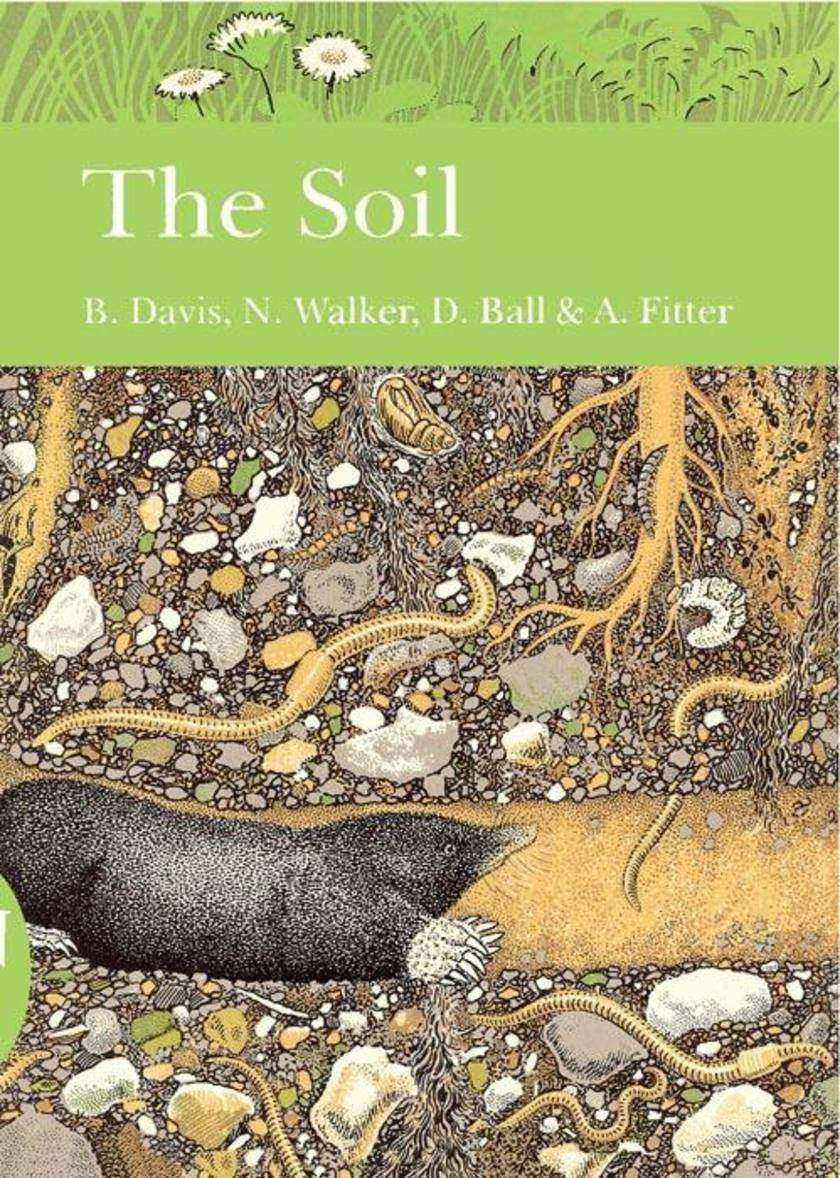
The Soil (Collins New Naturalist Library, Book 77)
¥456.66
The soil is one of the great unsung disappearing resources, with over 100m tonnes being destroyed every year. This edition is exclusive to newnaturalists.com The soil is the work place of farmers and gardeners, but it is also a fascinating environment inhabited by insects that can leap into the air to a record height, multilegged scavengers that are vital to the decomposition of plant matter and the long, thin, entwining strands of thousands of species of fungi. Although soil plays a vital role in the functioning of the world, it has often been overlooked, mainly because it contains a huge range of different fields, all of which have become specialities in their own right. This book brings together specialists in these fields to give a broad overview of the staggering advances that have been made since Sir John Russel's The World Of Soil was published in this series in 1947. The first two chapters introduce the physical structure of the soil. The next four chapters deal with the specific animals and plants and how they exploit this environment. The final four chapters describe how these animals interact and how man has used and abused the soil in his striving to gain more and more from this resource.
Trouble in Paradise: Uncovering the Dark Secrets of Britain’s Most Remote Island
¥72.40
A shocking exposé of the terrible secrets at the heart of the Pitcairn Island community – a tale of systematic child abuse and rape which stretches back over 40 years. Pitcairn Island – home to the descendants of the mutineers of the Bounty – has long been thought of as a tropical paradise. Wild and remote, it is Britain’s most isolated outpost and a fantasy destination for many. But in 1999, British police, alerted by unsettling reports of a rape, descended on the island. Their investigation developed into a major enquiry which revealed that Pitcairn was the site of widespread and horrific sexual abuse instigated by the island men on girls as young as twelve. Scarcely a man on the island was untainted by the allegations, and almost none of the women had escaped, though most residents feigned ignorance, even when their own daughters were abused. Abusers included the magistrates and police officers as well as brothers and uncles. Few of the victims were able to leave the island; those who did never went back. Kathy Marks was one of only six journalists permitted to live on the island while she reported on the ensuing trial and witnessed Pitcairn's domestic workings first-hand. In this riveting account she documents a society gone badly astray, leaving lives shattered, codes broken and a paradise truly lost.
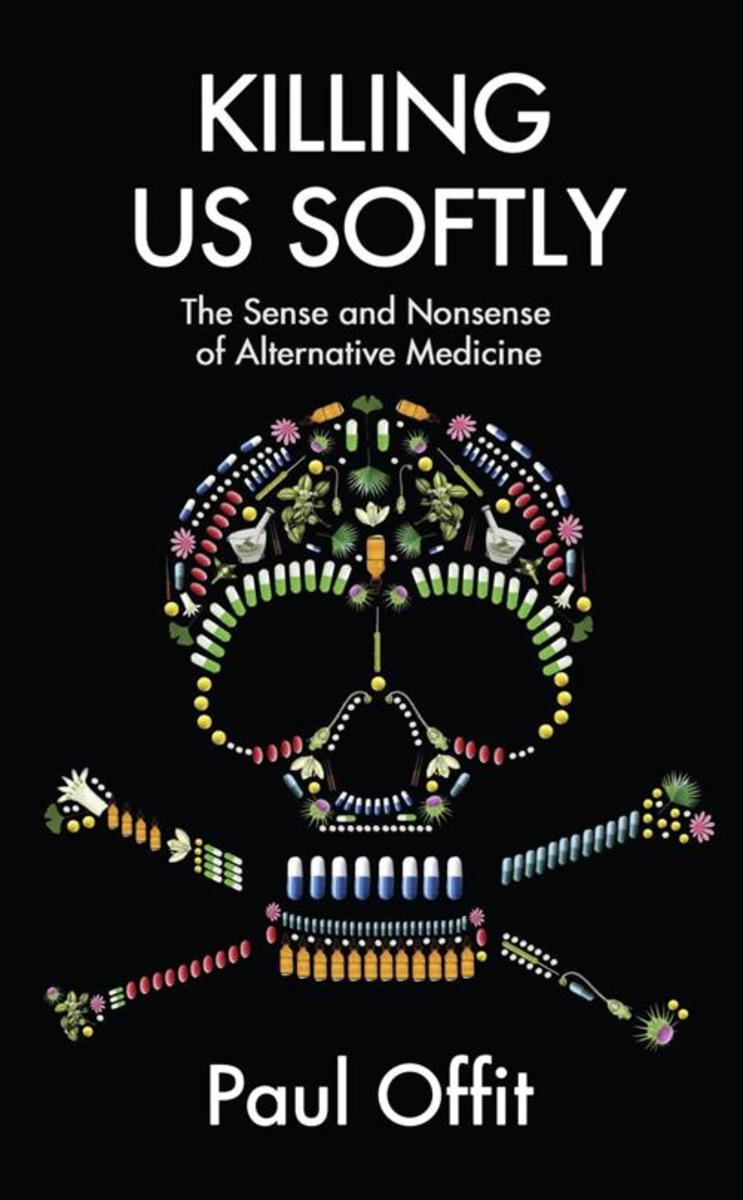
Killing Us Softly:The Sense and Nonsense of Alternative Medicine
¥80.25
More people than ever are using alternative medicine. But, as expert Dr Paul Offit explains, these untested therapies are ineffective, expensive and even deadly. Now that homeopathic remedies are offered on the Nhs, it's clear that various therapies once considered alternative or complementary, have become mainstream - prescribed to burn fat, shrink prostates, alleviate colds, reduce stress, eliminate pain and prevent cancer. At the same time, uptake of effective vaccines such as Mmr has fallen - a disturbing trend which, in the case of the Mmr, has lead to a sharp rise in the number of measles cases. In 'Killing Us Softly' Paul Offit reveals, alternative medicine - an unregulated industry under no obligation to prove its claims or admit its risks - can actually be very harmful. In 'Killing Us Softly' he exposes how: * Homeopathic asthma preparations and bogus cancer cures have replaced life-saving medicines. * Acupuncture needles have pierced hearts, lungs, and livers and transmitted viruses, including hepatitis B, hepatitis C and Hiv. * Chiropractic manipulations have torn arteries. * Megavitamins increase the risk of cancer and heart disease-a fact well known to scientists but virtually unknown to the public. Using real-life case histories to back his argument, Dr Offit shows us why any medical treatment - alternative or conventional - must be properly evaluated. 'There's no such thing as alternative medicine. There's only medicine that works and medicine that doesn't.'
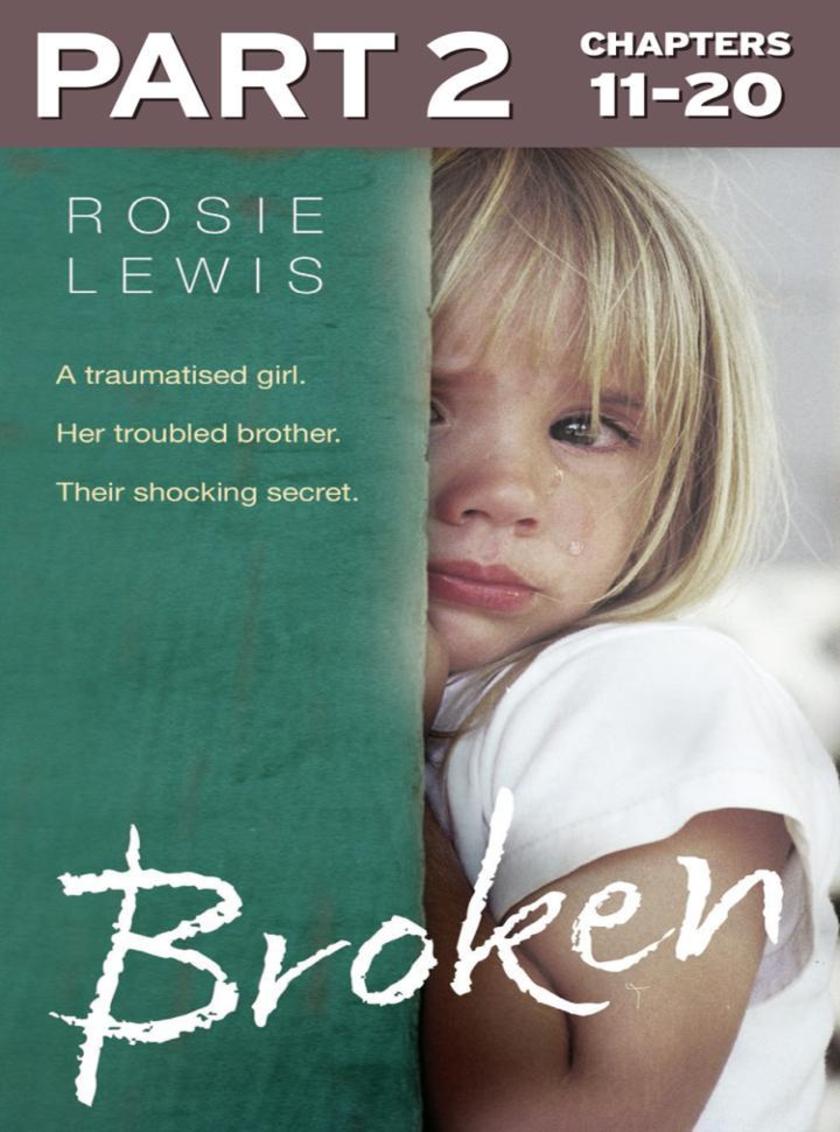
Broken: Part 2 of 3: A traumatised girl. Her troubled brother. Their shocking se
¥23.45
Rosie Lewis is a full-time foster carer. She has been working in this field for over a decade. Before that, she worked in the special units team in the police force.Based in northern England, Rosie writes under a pseudonym to protect the identities of the children she looks after.
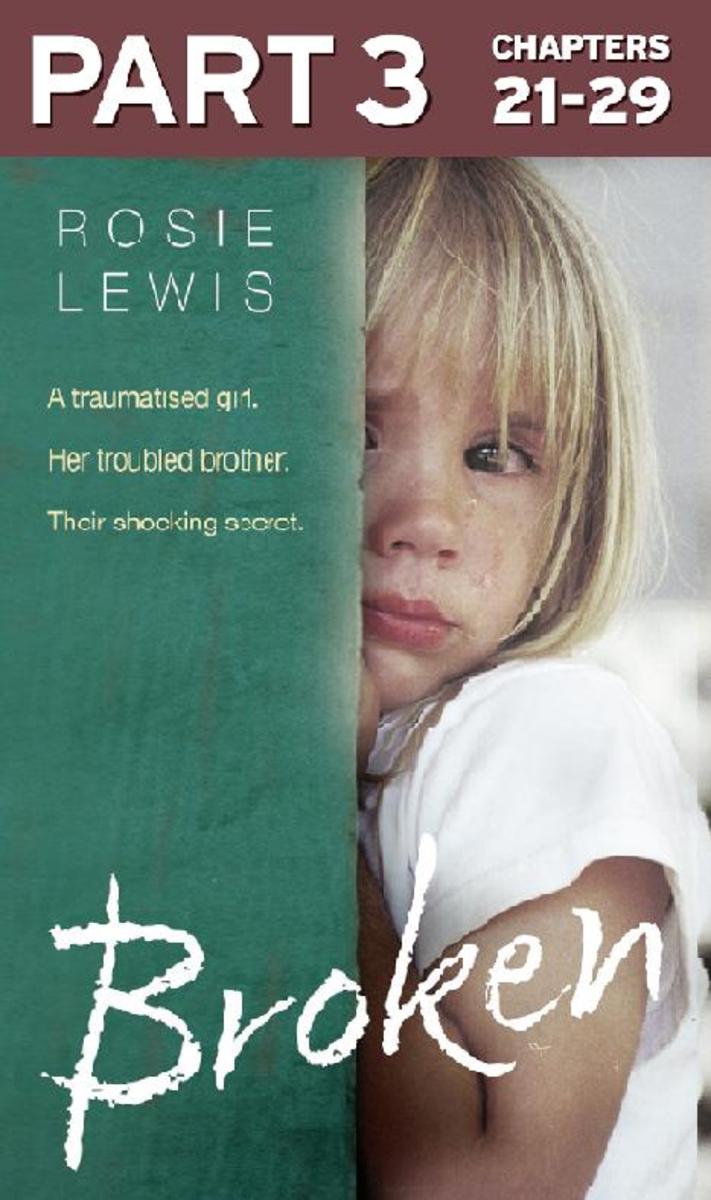
Broken: Part 3 of 3: A traumatised girl. Her troubled brother. Their shocking se
¥23.45
Rosie Lewis is a full-time foster carer. She has been working in this field for over a decade. Before that, she worked in the special units team in the police force.Based in northern England, Rosie writes under a pseudonym to protect the identities of the children she looks after.
Mind Time: How ten mindful minutes can enhance your work, health and happiness
¥95.75
Michael Chaskalson Michael is one of the pioneers of mindfulness teaching and research in Europe. He is the author of the agenda-setting The Mindful Workplace and Mindfulness in Eight Weeks. Based on his 40 years of personal practice of mindfulness and related disciplines, Michael now shares his insights and research with audiences worldwide as a keynote speaker, coach, consultant, and teacher. Michael is founder and CEO of Mindfulness Works and a Professor of Practice at Ashridge Business School. Dr Megan Reitz Megan is Associate Professor of Leadership and Dialogue at Ashridge Business School where she speaks, researches, and consults on the intersection of leadership, change, dialogue and mindfulness. She has presented her research to audiences throughout the world and is the author of Dialogue in Organizations.
Tell Me How it Ends: An Essay in Forty Questions
¥44.24
Valeria Luiselli was born in Mexico City in 1983. She is the author of the novels Faces in the Crowd and The Story of My Teeth, and of a collection of essays called Sidewalks. Her work has been published in magazines and newspapers such as Letras Libres, the New York Times, the New Yorker, Freeman’s, El Pais and Harper’s and she is published in fifteen languages. She is currently professor of Romance Language and Literature at Hofstra University and lives in New York City.
The Greatest Benefit to Mankind: A Medical History of Humanity
¥184.23
Roy Porter is Professor of the Social History of Medicine at the Wellcome Institute for the History of Medicine. He is the editor of the Fontana History of Science series, and the author of over sixty-five books, including the acclaimed bestseller ‘London: A Social History’. His book on the history of madness in England, ‘Mind Forg’d Manacles’, won the Leo Gershoy Prize.
Healing Your Emotions: Discover your five element type and change your life
¥117.82
Angela & John Hicks are the joint principals of the College of Integrated Chinese medicine in Reading. Angela is author of The Five Laws for Healthy Living, Principles of Acupuncture and Principles of Chinese Medicine. John is author of Principles of Chinese Herbal Medicine. They have been practising for over 17 years.


