


 购物车
购物车 个人中心
个人中心

Fundamental Aspects of Long Term Conditions
¥186.29
Underpinned by relevant epidemiology, demography and policy, this book explores the management of long-term conditions. It discusses communication and multidisciplinary working, including discussion of the student nurse's role. Each chapter includes learning points and uses a questioning/reflective approach, which draws on the reader's own experiences.
Mechanisms in World and Mind
¥73.48
The topic of the reduction of mental processes to biophysical mechanisms touches at the core of the mind-body problem, a puzzle in the philosophy of mind since the days of Descartes. This book is about philosophical aspects of neuroscience, centred on perspective dualism. The topic unfolds in the discussion of mechanisms in world and mind. Neuronal mechanisms of differing complexity are described in a general way. It is shown how models of such mechanisms may be classified and assigned to levels of systems theory. Reduction strategies are applied to processes of life, mind, and consciousness. The aim is physicalistic, to explore if and how the mental may be understood in terms of biophysics and its mechanisms.
Depression, Emotion and the Self
¥147.05
This volume addresses the question of what it is like to be depressed. Despite the vast amount of research that has been conducted into the causes and treatment of depression, the experience of depression remains poorly understood. Indeed, many depression memoirs state that the experience is impossible for others to understand. However, it is at least clear that changes in emotion, mood, and bodily feeling are central to all forms of depression, and these are the book's principal focus. In recent years, there has been a great deal of valuable philosophical and interdisciplinary research on the emotions, complemented by new developments in philosophy of psychiatry and scientifically-informed phenomenology. The book draws on all these areas, in order to offer a range of novel insights into the nature of depression experiences. To do so, it brings together a distinguished group of philosophers, psychiatrists, anthropologists, clinical psychologists and neuroscientists, all of whom have made important contributions to current research on emotion and/or psychiatric illness.

Life, Liberty and the Pursuit of Utility
¥132.34
A volume on the nature, ingredients, causes and consequences of human happiness by the father and son team of Anthony and Charles Kenny.
Moon and Madness
¥132.34
Lunacy, the legendary notion of minds unhinged by the moon, continues to captivate the popular imagination. Although it violates the assumptions of modern science and psychiatry, such belief remains common among mental health workers. Furthermore, several studies have found a small, unexplained correlation between behaviour and the lunar cycle. The book is divided into two parts. It begins with a historical account of the lunacy concept, followed by an investigation of hypothetical mechanisms for a lunar effect.
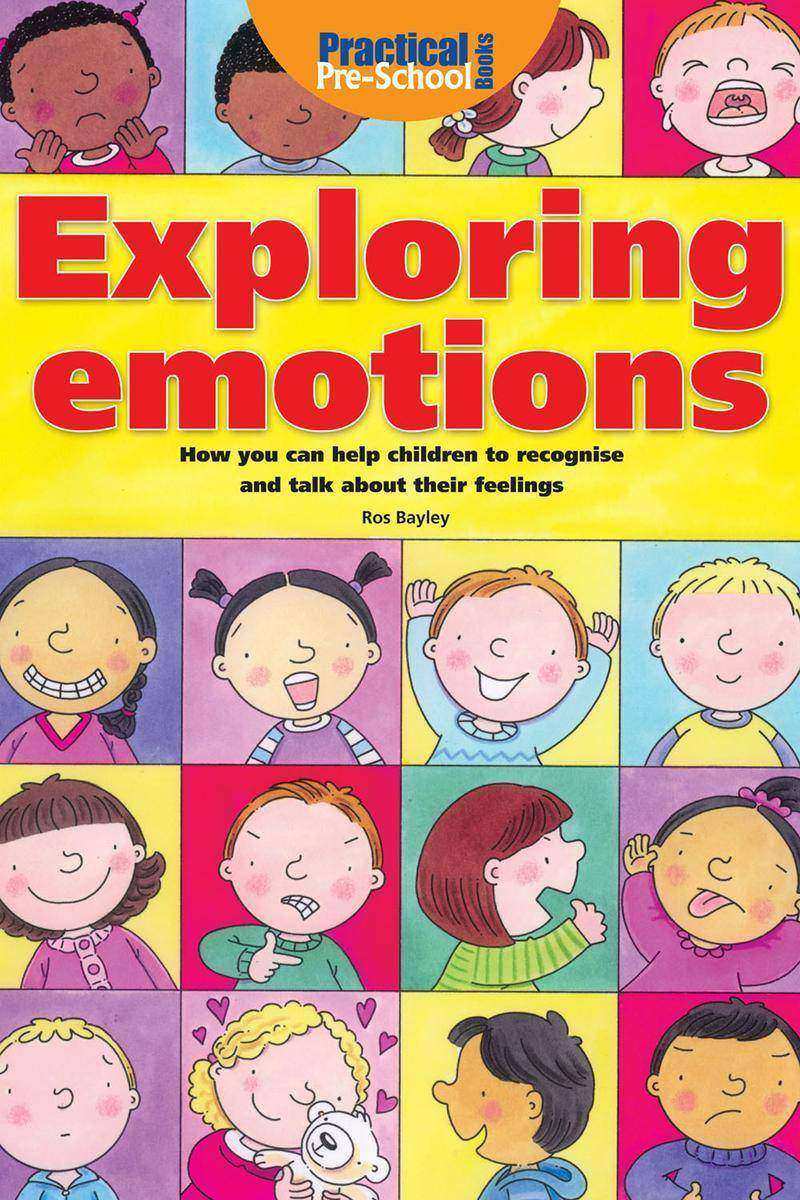
Exploring Emotions
¥73.48
This practical book from Ros Bayley is designed to enable every practitioner to help children manage their emotions. This title looks at the whole range of emotions that children feel and enable any practitioner to help children recognise these emotions and talk about them. Brimming with ideas for using puppets, toys, pictures, games and stories this is a must-have book for any practitioner looking to manage the emotions of children in their care.
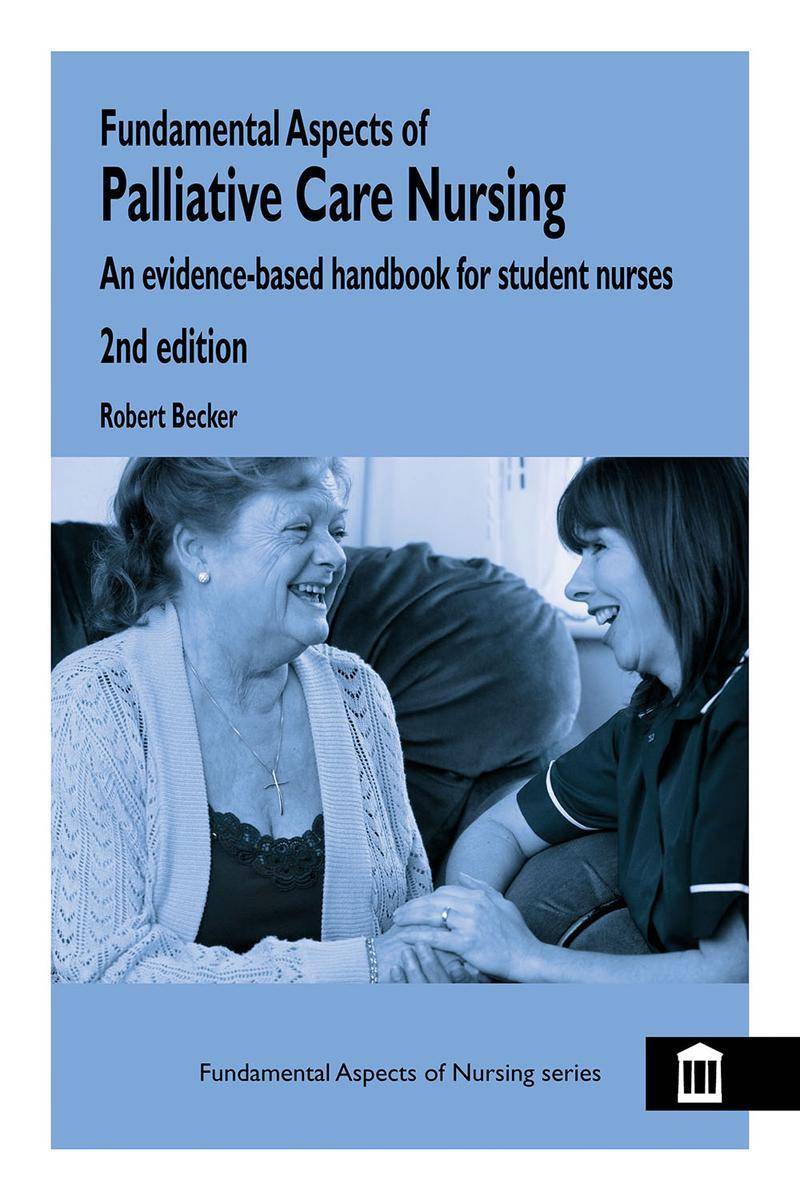
Fundamental Aspects of Palliative Care Nursing 2nd Edition
¥201.01
This new and expanded edition is aimed directly at the learning needs of student nurses and is unique in that context. Whilst there are many high quality books available for academic study in palliative care this is currently the only one that balances a strong educational focus for developing nursing practice with an understanding of the particular needs of student nurses. The text maintains a sensitive and supportive approach to the key themes of palliative care nursing, but contains important new material of a wide range of initiatives that are impacting on end of life care across the UK. It will provide the reader with a concise, easy to read and learning oriented text that will give advice and direction to the many challenges faced in this most important area of patient care. Each chapter examines a key component of care and new features include: Learning outcomes at the start of each chapter to guide the reader Clinical anecdotes to illustrate the reality and complexity of practice Extensive use of recognisable symbols to guide the reader and improve the usability of the text Competency assessment to help gauge knowledge and progress Reflective points to aid professional development Reflective activities to enable the student to reinforce learning from practice Links to appropriate clauses of the current 2008 NMC Code of Professional Conduct Quality internet resources relevant to chapter content Self assessment multiple choice tests at the end of each chapter to consolidate learning An extensive palliative care quiz covering the main topic areas of the book to test knowledge. This can be used as evidence with professional portfolios.

Ben Goes to the Dentist
¥48.95
Will Bartholomew the panda have to take Ben's place when the Campbell family visit the dentist?

Indigo Awakes
¥58.76
This debut novel is truly inspiring. Beautifully written in simple language, the author shows us a way to live free of fear. Indigo is tired of conflict with her partner and her. But then a quiet voice within begins to demand change; intense dreams and synchronicities show her an alternative path. Indigo begins a journey into the unknown exploring her own spirituality. This book vibrates with positive energy.

I Am Indigo
¥19.52
Indigo children are those that have been prophesied, those that will bring with them a new understanding of life. This book aims to show you who you really are. Indigo children are intuitive, bright and strong-willed. Being a teenager is challenging anyway but being an Indigo is both wonderful and extra challenging. They are often misunderstood as they don't fit into the 'one size fits all' established rules and patterns. This causes problems at school and in the home. The book explains what an Indigo is and a questionnaire to discover if a person is an Indigo and which type. You'll be fascinated to discover why Indigos are here, what qualities they have and how to help Indigos using alternative solutions to improve self image, achieve their goals, and get along with parents/teachers.

Hearts On Fire
¥19.52
An inspiring self-help book which could be your bedside companion giving you lots insights about day to day life and motivating you to live a happy and wondeful life at every moment of life by the author Joji Valli

Great Astronomers
¥19.52
A fascinating guide to some of the greatest stargazers in history, including Copernicus, Galileo, Halley, Newton, Brahe and many more.

Creating a Kick Ass Attitude
¥39.14
Would you like to know how to develop a more positive attitude? Do you want to learn how to lead a happier life and fulfil your potential? Would you like to know what is stopping you from achieving your personal and professional goals? If you answered yes to any of these questions, Creating a Kick-Ass Attitude will show you how to change your way of thinking to become more successful. In this groundbreaking new book, life coach and entrepreneur E. Carolina Quevedo explains how you can improve your life for the better simply by changing your outlook. Based on her own experiences as an international speaker and motivator, E. Carolina teaches you how to get what you want by liberating your thoughts and changing the way you look at life. Improve your chances of success in everything you do with this must-have self-help guide. Written for a modern generation, this fun book will show you that anyone can be successful and achieve their ambitions, all it takes is the right attitude.
Universal Guide to Happiness
¥58.76
From affirmation to meditation, chakra to karma, this is the complete guide to belief and practice for those on the spiritual path, by an internationally acclaimed clairaudient medium with a celebrity contact list.
Euthyphro
¥9.24
On the Origin of Species, published on 24 November 1859, is a work of scientific literature by Charles Darwin which is considered to be the foundation of evolutionary biology. Its full title was On the Origin of Species by Means of Natural Selection, or the Preservation of Favoured Races in the Struggle for Life. For the sixth edition of 1872, the short title was changed to The Origin of Species. Darwin's book introduced the scientific theory that populations evolve over the course of generations through a process of natural selection. It presented a body of evidence that the diversity of life arose by common descent through a branching pattern of evolution. Darwin included evidence that he had gathered on the Beagle expedition in the 1830s and his subsequent findings from research, correspondence, and experimentation. Various evolutionary ideas had already been proposed to explain new findings in biology. There was growing support for such ideas among dissident anatomists and the general public, but during the first half of the 19th century the English scientific establishment was closely tied to the Church of England, while science was part of natural theology. Ideas about the transmutation of species were controversial as they conflicted with the beliefs that species were unchanging parts of a designed hierarchy and that humans were unique, unrelated to other animals. The political and theological implications were intensely debated, but transmutation was not accepted by the scientific mainstream. The book was written for non-specialist readers and attracted widespread interest upon its publication. As Darwin was an eminent scientist, his findings were taken seriously and the evidence he presented generated scientific, philosophical, and religious discussion. The debate over the book contributed to the campaign by T. H. Huxley and his fellow members of the X Club to secularise science by promoting scientific naturalism. Within two decades there was widespread scientific agreement that evolution, with a branching pattern of common descent, had occurred, but scientists were slow to give natural selection the significance that Darwin thought appropriate. During the "eclipse of Darwinism" from the 1880s to the 1930s, various other mechanisms of evolution were given more credit. With the development of the modern evolutionary synthesis in the 1930s and 1940s, Darwin's concept of evolutionary adaptation through natural selection became central to modern evolutionary theory, and it has now become the unifying concept of the life sciences. Summary of Darwin's theory: Darwin's theory of evolution is based on key facts and the inferences drawn from them, which biologist Ernst Mayr summarised as follows: ? Every species is fertile enough that if all offspring survived to reproduce the population would grow (fact).? Despite periodic fluctuations, populations remain roughly the same size (fact).? Resources such as food are limited and are relatively stable over time (fact).? A struggle for survival ensues (inference).? Individuals in a population vary significantly from one another (fact).? Much of this variation is inheritable (fact).? Individuals less suited to the environment are less likely to survive and less likely to reproduce; individuals more suited to the environment are more likely to survive and more likely to reproduce and leave their inheritable traits to future generations, which produces the process of natural selection (inference).? This slowly effected process results in populations changing to adapt to their environments, and ultimately, these variations accumulate over time to form new species (inference).

Fecske-torony
¥63.03
I shall be grateful to any Reader of this book who will point out any mistakes or misprints he may happen to notice in it, or any passage which he thinks is not clearly expressed. I have a quantity of MS. in hand for Parts II and III, and hope to be able——should life, and health, and opportunity, be granted to me, to publish them in the course of the next few years. Their contents will be as follows:— PART II. ADVANCED.Further investigations in the subjects of Part I. Propositions of other forms (such as “Not-all x are y”). Triliteral and Multiliteral Propositions (such as “All abc are de”). Hypotheticals. Dilemmas. &c. &c. Part III. TRANSCENDENTAL.Analysis of a Proposition into its Elements. Numerical and Geometrical Problems. The Theory of Inference. The Construction of Problems. And many other Curiosa Logica. Introduction TO LEARNERS.[N.B. Some remarks, addressed to Teachers, will be found in the Appendix]The Learner, who wishes to try the question fairly, whether this little book does, or does not, supply the materials for a most interesting mental recreation, is earnestly advised to adopt the following Rules:— (1) Begin at the beginning, and do not allow yourself to gratify a mere idle curiosity by dipping into the book, here and there. This would very likely lead to your throwing it aside, with the remark “This is much too hard for me!”, and thus losing the chance of adding a very large item to your stock of mental delights. This Rule (of not dipping) is very desirable with other kinds of books——such as novels, for instance, where you may easily spoil much of the enjoyment you would otherwise get from the story, by dipping into it further on, so that what the author meant to be a pleasant surprise comes to you as a matter of course. Some people, I know, make a practice of looking into Vol. III first, just to see how the story ends: and perhaps it is as well just to know that all ends happily——that the much-persecuted lovers do marry after all, that he is proved to be quite innocent of the murder, that the wicked cousin is completely foiled in his plot and gets the punishment he deserves, and that the rich uncle in India (Qu. Why in India? Ans. Because, somehow, uncles never can get rich anywhere else) dies at exactly the right moment——before taking the trouble to read Vol. I. This, I say, is just permissible with a novel, where Vol. III has a meaning, even for those who have not read the earlier part of the story; but, with a scientific book, it is sheer insanity: you will find the latter part hopelessly unintelligible, if you read it before reaching it in regular course. (2) Don’t begin any fresh Chapter, or Section, until you are certain that you thoroughly understand the whole book up to that point, and that you have worked, correctly, most if not all of the examples which have been set. So long as you are conscious that all the land you have passed through is absolutely conquered, and that you are leaving no unsolved difficulties behind you, which will be sure to turn up again later on, your triumphal progress will be easy and delightful. Otherwise, you will find your state of puzzlement get worse and worse as you proceed, till you give up the whole thing in utter disgust. (3) When you come to any passage you don’t understand, read it again: if you still don’t understand it, read it again: if you fail, even after three readings, very likely your brain is getting a little tired. In that case, put the book away, and take to other occupations, and next day, when you come to it fresh, you will very likely find that it is quite easy.(4) If possible, find some genial friend, who will read the book along with you, and will talk over the difficulties with you. Talking is a wonderful smoother-over of difficulties. When I come upon anything——in Logic or in any other hard subject——that entirely puzzles me, I find it a capital plan to talk it over, aloud. ? ? ? ? ? L. C.29, Bedford Street, Strand. February 21, 1896.
What a Piece of Work
¥63.67
This is a small book on a large subject: What is special about human beings? Hamlet mused, 'What a piece of work is man! How noble in reason! how like a god!' but went on to speak of 'this quintessence of dust'. Helen Oppenheimer prefers to start with the dust and move to the glory: we really are animals - and from these animals has come Shakespeare. People are indeed 'miserable sinners' - and also magnificent creatures.The author does not disguise that she is a Christian theologian whose subject is ethics, but she writes equally for non-Christians. Her invitation to the reader is: Here is a way of looking at things that I find exciting and convincing - I hope you do too.

Dealing with Negative People
¥19.52
A busy person's guide to help you to deal with a negative person. This guide covers dealing with negative people at home and at work regardless of their position in relation to the reader. It provides practical and proven tips and strategies to getting people to cheer up and get on with life. It also helps to identify the more serious issue of stress.
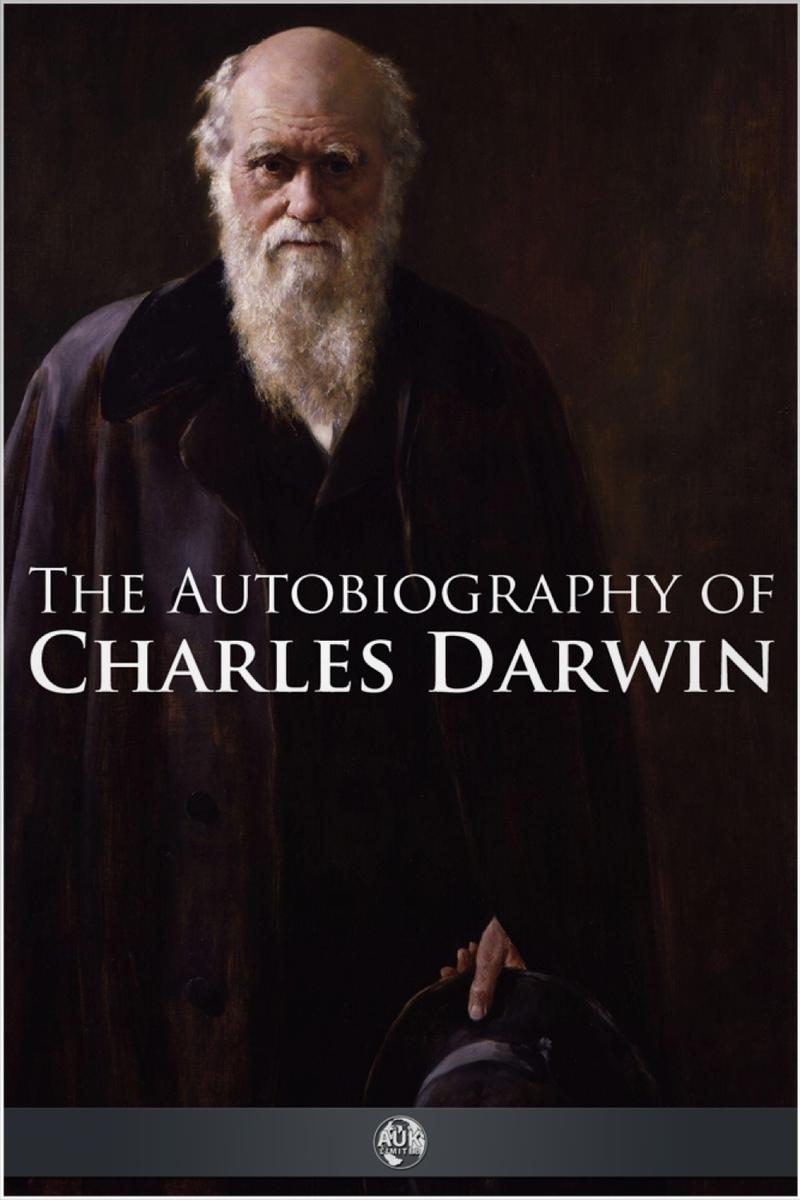
Autobiography of Charles Darwin
¥19.52
The autobiography of one of the most influential people of the modern age. This was taken from writings and letters that Darwin wrote for his family, edited by his son Francis Darwin, and published posthumously.

Inside Out
¥53.86
Inside-Out Weight Loss focuses on changing relationships with food by 're-programming' behaviour. Understanding that control and choice around food is managed at an unconscious level Louise Dorrian gently guides you to develop an awareness of food habits and compulsions that stem from 'thought processes' and result in overeating. Easy to understand and use techniques change the unhelpful thought processes and combine with the hypnotic recordings to transform your relationship with food and eating behaviours. Already proven to be successful and result in weight loss with Louise's private clients this program is available for the first time in book format and mp3 downloads. No diets, eating plans or strict regimes, just a natural, easy and rewarding route to weight loss and wellbeing.

Azi cant jazz
¥24.44
sszefoglaló knyvem olyan témát mutat be, amivel már tbb ismeretterjeszt írásban találkozhatott az olvasó, ám ezúttal olyan részletekkel és érdekességekkel találkozunk, amit eme knyvek alig, vagy egyáltalán nem taglalnak. E szerzeményben végigkvetjük a Fld mélyérl induló izzó anyagot, a kérgen át a felszínig, ahol tüzet és pusztítást zúdít mindenre és mindenkire a kzelben. Bemutatom, hogy mi lesz a kihlt lávából, és milyen formákat hoz létre. Ezen külnleges természeti képzdmények kialakulását és fejdését vesszük górcs alá. Megismerkedünk pár külnleges tzhányóval, amik pusztításuk révén rendkívüli hatással voltak nemcsak krnyezetükre, hanem az emberiségre is. Olyan ismereteket mutatunk be, amelyek meglepetést okozhatnak az olvasóknak.


