


 购物车
 个人中心

Ion
¥40.79
The Ion is the shortest, or nearly the shortest, of all the writings which bear the name of Plato, and is not authenticated by any early external testimony. The grace and beauty of this little work supply the only, and perhaps a sufficient, proof of its genuineness. The plan is simple; the dramatic interest consists entirely in the contrast between the irony of Socrates and the transparent vanity and childlike enthusiasm of the rhapsode Ion.
Sceptrul ?i s?ngele. Regi ?i regine ?n tumultul celor dou? R?zboaie Mondiale
¥90.84
Cum a fost ?nceputul, de unde ?i de ce a venit Universul la fiin??? Cine a creat, de fapt, via?a pe P?m?nt ?i cum va fi Sf?r?itul? Ce se ?nt?mpl? atunci c?nd murim ?i unde ajungem dup? aceea? ?i, la urma urmei, ce contur trebuie s?-i d?m vie?ii noastre dac? Dumnezeu nu exist?? Miturile ?i speran?ele noastre ofer? r?spunsuri convenabile, dar periculoase, la aceste ?ntreb?ri ?ntruc?t ?ntre?in iluzii care ne sporesc, ?n realitate, angoasa ?i la?itatea. Avem, totu?i, o alternativ?: apelul la metodele ?i descoperirile ?tiin?ei pentru a repune lucrurile ?i problemele ?n contextul din care au fost decupate din ignoran?? sau din r?utate. Despre via?? ?i moarte reabiliteaz? acest tip de demers ?ntr-un periplu scris cu umor, dar ?i cu seriozitate, cu elegan??, dar ?i cu duio?ie.
The Nether World
¥40.79
Michael Snowdon inherits a substantial sum of money from his deceased son and decides to return from Australia to London. He spends only on necessities and lives like a poor man despite being able to live comfortably. His fortune is kept a secret even from his close friends and relatives.
Istoria se repet?. Momente, Schi?e, Amintiri
¥33.03
Antropologie ?i antroposofie ? Max Dessoir despre antroposofie ? Franz BrentanoAlc?tuind cuprinsul acestei lucr?ri, Rudolf Steiner reveleaz? ?c?teva din firele ?tiin?ifice care trebuie trasate pornind de la antropozofie la filozofie, la psihologie ?i la fiziologie“. Cunoa?terea omului va trebui atunci s? fie extins? ?in?nd cont de enigmaticele aspecte ale vie?ii sale interioare, privite din perspective multiple. ?n aceast? carte, Rudolf Steiner prezint? ?n scris aspectele semnificative ale configur?rii ?ntreite a fiin?ei omene?ti: corpul fizic, organismul sufletesc ?i configura?ia spiritual?.

?rzelmi vírusveszély
¥49.79
Elveink nem tudnak olyan szilárdak lenni, mint naiv pillanatainkban gondolnánk, mert világunkat az érzelmek, az értelem és a hit folyton változó egyensúlya tartja ?ssze. Az ember hajlamos nagy titkokat sejteni ott, ahol egyszer?en csak nagyobb er?k m?k?dnek, mint amiket uralni tud. Azonnal a nagy titkot keresi, amikor kiemelked? tehetségekkel találkozik, amikor a hit alapvet? kérdéseit firtatja, amikor a saját érzelmeit vizsgálja, és akkor is, amikor a tudomány eszk?zeivel igyekszik mélyebben megérteni a világot. Pedig: ?A nagy titok az, hogy nincs titok”. ?j k?nyvében Mér? László az elvek, az érzelmek, a hit és a tudomány erejét valamint korlátait járja k?rül. A csattanós, “?tperces” esszék felvillantják a témák kül?nféle arcait a mindennapi életben, a hosszabbak pedig bemutatják, mit tett mindehhez a modern pszichológia.
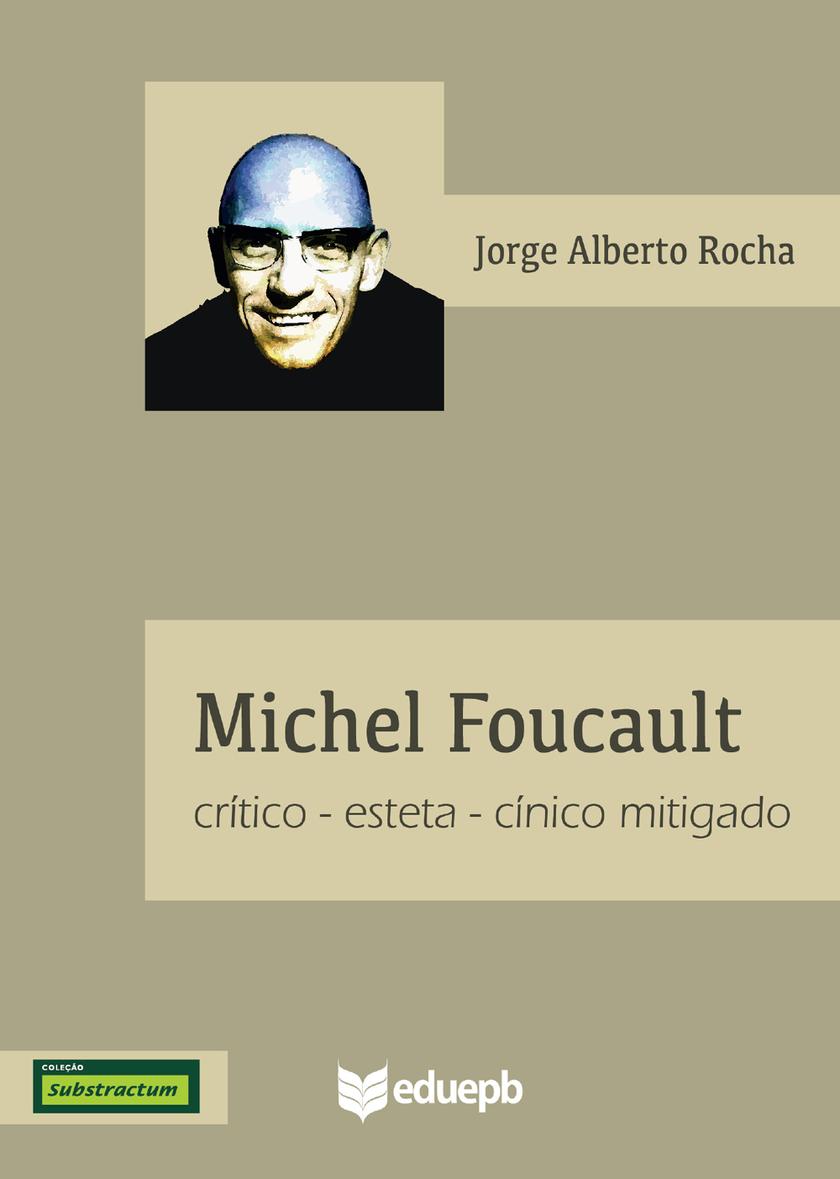
Michel Foucault: crítico-esteta-cínico mitigado
¥57.14
S?rmanul Nietzsche, ?bestia blond?“, a avut ?i el parte de crucificare. Multor profe?i ?i m?ntuitori li se ?nt?mpl? asta: eventual ?i ?n timpul vie?ii, ?i dup? moarte. Nietzsche, r?zvr?titul ?mpotriva legilor celor vechi, ?ntemeietorul orgolios al noii sale ?religii“, a trebuit s? suporte ?i el toate e?ecurile ?i r?st?lm?cirile posibile, ba chiar ?i punerea terifiant? ?n practic? a unora dintre ideile lui, care nici nu mai erau ale lui ?i, ?ndeob?te, nu mai erau idei…?Viclenia ra?iunii“, implicit a istoriei, o descrisese Hegel, unul dintre cei mul?i pe care Nietzsche nu-i agrea. Dincoace de istorie ?i chiar dincolo de ea, r?m?n c?r?ile. Omul n-a fost s? fie m?ntuit de Nietzsche. C?r?ile lui vor d?inui printre oameni: pentru oameni.
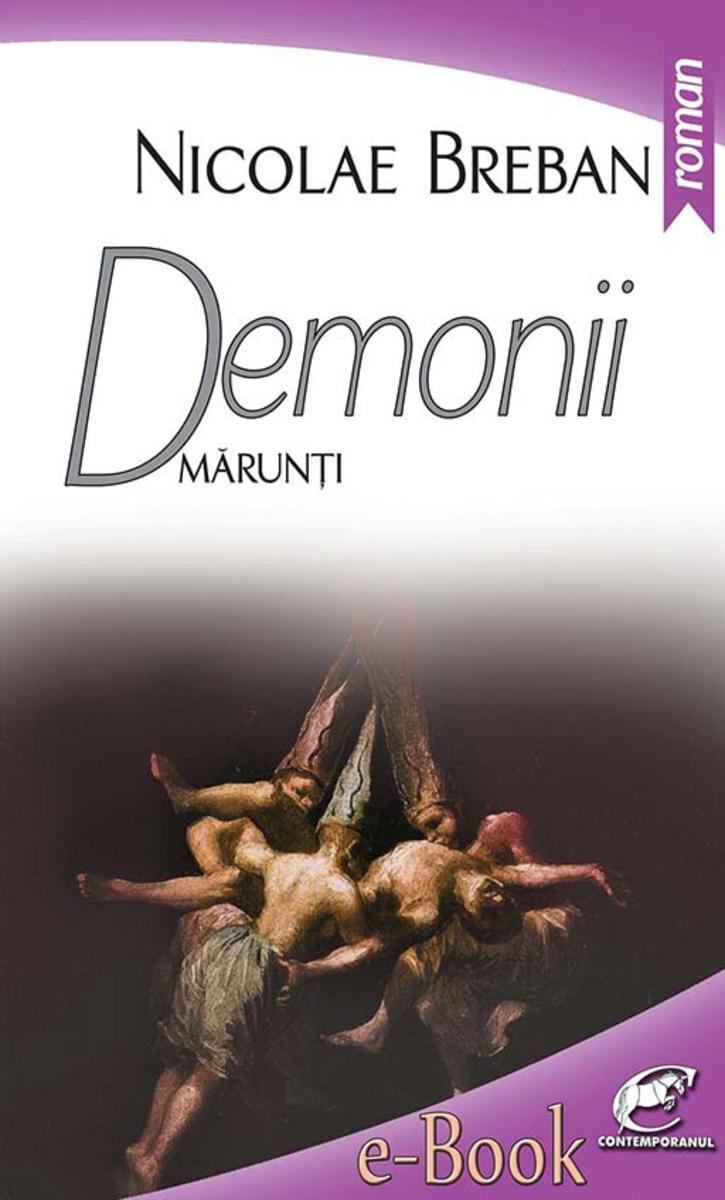
Demonii m?run?i
¥65.32
Avem o carte preponderent de sondare a mentalit??ii ruse, care este rezultatul unei radiografieri a societ??ii pe mai multe pali?ere, dintre care se deta?eaz? cel istoric ?i cel religios. (…) Rusia bolnav? este scris? ?n primii ani dup? evenimentele revolu?ionare din 1905?l907, ?n cursul c?rora autorul a avut o participare activ?, mai ales ?n ce prive?te punerea acestei revolu?ii sub semnul lui Hris?tos. Este o carte important? tocmai pentru c? oglinde?te deziluziile unei naturi pasiona?le, care, ?n centrul istoriei ?i al religiei, pune mereu fapta. Fire?te acum, dup? Arhipelagul lui Soljeni??n, pamfletele lui Merejkovski par simple exerci?ii de stil, ?nelibertatea” deza?vuat? ?n ele, Rusia ?arist? ca ??nchisoare a popoarelor” ap?r?nd chiar foarte apropiat? de ceea ce s?ar putea numi ?stat de drept”. ?n privin?a ?demasc?rii” ororilor contemporane?it??ii, putem spune c? – a?a cum au dovedit?o deceniile bol?evice – ?ntotdeauna este loc de mai r?u. (Emil Iordache)
Revistele literare ale exilului rom?nesc. Luceaf?rul
¥69.57
Adam Smith (1723-1790) este p?rintele g?ndirii economice moderne. ?n volumul de fa?? au fost culese c?teva dintre cele mai importante capitole din lucrarea care a marcat ?nceputurile disciplinare ale unui domeniu pentru care ast?zi se acord? Premiul Nobel, dar ?i paragraful care ofer? cititorului o explica?ie sintetic? a conceptului pentru care autorul va r?m?ne ?n istorie: m?na invizibil?. Chiar daca unele concepte-cheie ale teoriei g?nditorului sco?ian par dep??ite, ?n esen?a observa?iile ?i explica?iile sale privitoare la natura economic? a socialului r?m?n c?t se poate de subtile ?i conving?toare.
Disconfort ?n cultur?
¥24.44
Jonathan Swift (1667-1745) este cunoscut publicului larg ca autor al C?l?toriilor lui Gulliver. A fost considerat de mul?i un mizantrop des?v?r?it, de?i a f?cut parte din clerul Bisericii Anglicane. Va r?m?ne ?ns? ?n istorie ca primul pamfletar de limba englez?. Povestea unui poloboc este cea mai consistent? lucrare de acest gen, de care ?nsu?i autorul s-a declarat ?ntotdeauna foarte satisf?cut. ?n aceast? ?poveste“ satiristul irlandez ne propune o ingenioas? alegorie, ?n egal? m?sur? un atac la adresa bisericilor occidentale care au pervertit p?n? la desfigurare credin?a mo?tenit? de la biserica primar? ?i la adresa modelor care au infestat at?t operele spiritului, c?t ?i discursul teologic.Pus? la index la vremea apari?iei ei de regina Ana a Angliei din cauza nest?p?nitelor ?arje la adresa papismului ?i a puritanismului britanic, considerat? un text ?reac?ionar“ ?n Rom?nia epocii lui Ceau?escu, aceast? carte nu este, cu siguran??, o lectur? confortabil?, dar r?m?ne una dintre cele mai spumoase ?i mai fine satire scrise vreodat?.

Pagini de istorie american?
¥46.36
Aceasta este prima lucrare scris? ?n limba rom?n? care se concentreaz? asupra operei lui Thomas Kuhn, probabil cel mai influent filosof al ?tiin?ei din ultima jum?tate a secolului trecut. ?n particular, lucrarea analizeaz? ?n detaliu, ?ntr-o manier? original?, o idee foarte provocatoare a filosofului american, teza incomensurabilit??ii conceptuale, conform c?reia, ?n dezvoltarea cunoa?terii ?tiin?ifice, teoriile noi utilizeaz? un limbaj ireductibil la cel al teoriilor anterioare. Totodat?, lucrarea se apleac? ?ntr-o manier? sistematic? asupra conceptului de paradigm?, introdus de Kuhn, care avea s? fie utilizat ulterior pe scar? larg? ?n filosofie ?i ?tiin?ele sociale.
61 de ore
¥81.67
Cartea este o culegere de eseuri pe teme de istorie literar?, istoria ideilor ?i probleme generale de estetica artelor, toate acestea fiind abordate dintr-un accentuat unghi filozofic ?i ?tiin?ific deopotriv?.

A trubadúr
¥22.73
Egy kétségtelenül szellemes megjegyzés szerint a cím csak akkor fedheti le pontosan a k?nyv tartalmát, ha bet?r?l bet?re megegyezik vele. Valami hasonló mondható a fülsz?vegekr?l is (biztos Boegesnek is tetszene ez a gondolat), és ennek megfelel?en meg sem kísérlem néhány mondatban ?sszefoglalni, hogy mir?l lesz szó. Ehelyett inkább el?sz?r is azt emelem ki, hogy a címnek megfelel?en mir?l nem: például nem magáról Borgesr?l, a 20. század egyik legjelent?sebb argentin írójáról. Hanem inkább arról, hogy a novelláival kapcsolatban milyen, az irodalomtól olyakor látszólag meglehet?sen távol álló kérdések merülhetnek fel kezdve azon, hogy az általa leírt bábeli k?nyvtár valóban olyan teljes és mindenre kiterjed?-e, miként azt Borges sugallja; folytatva azon, hogy van-e egyáltalán értelme felvetni, hogy milyen lenne, ha valaki t?kéletes emlékezettel rendelkezne (nincs). Meg, hogy elképzelhet?-e, nem pedig, hogy létezik vagy legalább lehetséges-e egy olyan pont vagy térrész: egy olyan Alef, amelyen keresztül egyszerre láthatunk mindent. ?s így tovább egészen addig, hogy mit mondhatunk az irodalomkritikáról, az irodalmi zsánerek létrej?ttér?l meg elt?nésér?l vagy éppen az irodalmi halhatatlanságról – ismét csak mint elméleti problémáról. Azaz végs? soron persze mégiscsak egyfajta bolyongás ez a borgesi k?nyvtában, illetve bizonyos, legalább hipotetikusan lehetséges és az irodalomhoz így vagy úgy kapcsolódó kérdések fázisterében még akkor is, ha a fentebbiekben, miként a figyelmes olvasó már észre vehette, éppen azt tettem, amir?l korábban azt sejttettem, hogy nem fogom: néhány példa említésével próbáltam utalni rá, hogy mir?l szól az egész. De talán ez sincs igazi ellentmondásban azzal a megk?zelítéssel, amit ez a k?nyv sugall. Galántai Zoltán tudományt?rténész és író. Korábbi k?nyvei az eClassicnál: K?nyvkett?. A k?nyv, az írás és az irodalom j?v?jér?l (2013) http://eclassic.xyz/shop/bemutato/konyvketto-a-konyv-az-iras-es-az-irodalom-jovojerol/ Monoverzumok. Kozmosz, t?rvény, tudomány (2016) http://eclassic.xyz/shop/szabadpolc/monoverzumok/
Discovery of the Future: Illustrated
¥13.98
Such is the system which underlies the Meditations of Marcus Aurelius. Some knowledge of it is necessary to the right understanding of the book, but for us the chief interest lies elsewhere. We do not come to Marcus Aurelius for a treatise on Stoicism. He is no head of a school to lay down a body of doctrine for students; he does not even contemplate that others should read what he writes. His philosophy is not an eager intellectual inquiry, but more what we should call religious feeling. The uncompromising stiffness of Zeno or Chrysippus is softened and transformed by passing through a nature reverent and tolerant, gentle and free from guile; the grim resignation which made life possible to the Stoic sage becomes in him almost a mood of aspiration. His book records the innermost thoughts of his heart, set down to ease it, with such moral maxims and reflections as may help him to bear the burden of duty and the countless annoyances of a busy life. It is instructive to compare the Meditations with another famous book, the Imitation of Christ. There is the same ideal of self-control in both. It should be a man's task, says the Imitation, 'to overcome himself, and every day to be stronger than himself.' 'In withstanding of the passions standeth very peace of heart.' 'Let us set the axe to the root, that we being purged of our passions may have a peaceable mind.' To this end there must be continual self-examination. 'If thou may not continually gather thyself together, namely sometimes do it, at least once a day, the morning or the evening. In the morning purpose, in the evening discuss the manner, what thou hast been this day, in word, work, and thought.' But while the Roman's temper is a modest self-reliance, the Christian aims at a more passive mood, humbleness and meekness, and reliance on the presence and personal friendship of God. The Roman scrutinises his faults with severity, but without the self-contempt which makes the Christian 'vile in his own sight.' The Christian, like the Roman, bids 'study to withdraw thine heart from the love of things visible'; but it is not the busy life of duty he has in mind so much as the contempt of all worldly things, and the 'cutting away of all lower delectations.' Both rate men's praise or blame at their real worthlessness; 'Let not thy peace,' says the Christian, 'be in the mouths of men.' But it is to God's censure the Christian appeals, the Roman to his own soul. The petty annoyances of injustice or unkindness are looked on by each with the same magnanimity. 'Why doth a little thing said or done against thee make thee sorry? It is no new thing; it is not the first, nor shall it be the last, if thou live long. At best suffer patiently, if thou canst not suffer joyously.' The Christian should sorrow more for other men's malice than for our own wrongs; but the Roman is inclined to wash his hands of the offender. 'Study to be patient in suffering and bearing other men's defaults and all manner infirmities,' says the Christian; but the Roman would never have thought to add, 'If all men were perfect, what had we then to suffer of other men for God?' The virtue of suffering in itself is an idea which does not meet us in the Meditations. Both alike realise that man is one of a great community. 'No man is sufficient to himself,' says the Christian; 'we must bear together, help together, comfort together.' But while he sees a chief importance in zeal, in exalted emotion that is, and avoidance of lukewarmness, the Roman thought mainly of the duty to be done as well as might be, and less of the feeling which should go with the doing of it. To the saint as to the emperor, the world is a poor thing at best. 'Verily it is a misery to live upon the earth,' says the Christian; few and evil are the days of man's life, which passeth away suddenly as a shadow. ? ? ? ? ? ? ? ? ? ? ? ? ? ? ? ? ? ? ? ? ? ? ? ? ? ? ? ? ? ? ? ? ? ? ? ? ? ? ? ? ? ?*** ? "MARCUS AURELIUS ANTONINUS" was born on April 26, A.D. 121. His real name was M. Annius Verus, and he was sprung of a noble family which claimed descent from Numa, second King of Rome. Thus the most religious of emperors came of the blood of the most pious of early kings. His father, Annius Verus, had held high office in Rome, and his grandfather, of the same name, had been thrice Consul. Both his parents died young, but Marcus held them in loving remembrance. On his father's death Marcus was adopted by his grandfather, the consular Annius Verus, and there was deep love between these two. On the very first page of his book Marcus gratefully declares how of his grandfather he had learned to be gentle and meek, and to refrain from all anger and passion. The Emperor Hadrian divined the fine character of the lad, whom he used to call not Verus but Verissimus, more Truthful than his own name. He advanced Marcus to equestrian rank when six years of age, and at the age of eight made him a member of the ancient Salian priesthood. The boy's aunt, A
MALARIA: История военного переводчика
¥11.77
A partir de uma sugest?o de Gilles Deleuze e Félix Guattari – a de que todos os filósofos ocidentais terminaram construindo, no interregno do seu pensamento, personagens conceituais, uma espécie de assinatura do filósofo – este livro objetiva identificar esse tra?o a partir da obra de Michel Foucault. A tese em quest?o é que este autor n?o se enquadra em uma imagem única, como a do Juiz em Kant, ou a do sedutor em Kierkegaard, mas em uma imagem híbrida e triádica, fazendo coro com muitos filósofos chamados de transversais e que se instalaram no horizonte de filosofias chamadas de pós-estruturalistas, como Deleuze.

死亡哲学:耶鲁大学第一公开课(精装典藏版)
¥14.99
有件事是确定无疑的:终我们都会死亡。 但我们真的相信自己会死吗? 死亡是生命的终吗? 人是否有不朽的灵魂? 为什么说永生是件坏的事情? 在某些情况下自杀是否可能合理和符合道德? 我们终将死掉这个事实,会怎么影响我们的生活方式? …… 《死亡哲学:耶鲁大学公课》一书源于受欢迎的国际名校公课之一《哲学:死亡》。在这本通俗易懂的哲学著作中,谢利卡根教授挑战了许多我们习以为常或未经深思的观,邀请读者系统反思死亡的哲学之谜,以更清晰的概念探讨死亡的意义为何,从形而上学到价值观,认真、理性地思考生命和死亡的真相。而带领我们探索生命的价值,该以什么样的态度来面对人生这趟旅程。 叔本华对死亡哲学的阐述,对本书来说至为贴切:“由于对死亡的认识所带来的反省,致使人类获得形而上学的见解,并由此得到一种慰藉。所有宗教和哲学体系,主要即为针对这种目的而发,以帮助人们培养反省的理性,作为对死亡观念的解毒剂。”死亡虽是我们每个人的宿命,但看待死亡的视角,却可以让人们获得拯救。

廿一世纪初的前言后语(上册)
¥21.00
《参同契》又名《周易参同契》,为东汉魏伯阳著。其学说汇融周易、黄老、丹火之功于一体,用《易》的阴阳变化之理,阐述炼丹、内养之道,证明人与天地、宇宙有同体、同功而异用的法则。 《我说<参同契>》是南怀瑾先生继《论语别裁》后用力*深、*有分量的作品之一,共八十余万言,分上、中、下三册。内容涉及广泛,旁征博引,举证极多,更有南师本人所经历的诸多奇特的人和事,是国人了解、解读《参同契》这部“天书”的选择。

列子臆说(下册)
¥21.00
《悦心语(南怀瑾先生*述佳句选摘)(精)》是南怀瑾先生语录集,以笔记形式呈现。取材自南先生《论语别裁》、《孟子旁通》、《老子他说》、《禅宗与道家》等*作。编者“断章取义”,稍加整理。本书内容博大精深,文字简短,通俗易懂,便于现代读者阅读。 《悦心语》是南怀瑾先生的语录集,从《论语别裁》《孟子旁通》等南怀瑾先生代表作中精选经典章句而成,浓缩南师智慧精华。 南怀瑾先生是海内外享有盛誉的儒释道大师,将中华文化各种思想融会贯通,带领国人重读中国古代儒、释、道典籍,引导人们关注人的内心,关注人伦世界,关注人文教化。 南师*作不是象牙塔里不食人间烟火的精密考校疏证,处处体现着对现实世界的深切关怀,和芸芸众生的生活与命运紧密相连。南怀瑾先生认为,人生的*高境界是:佛为心,道为骨,儒为表,大度看世界;技在手,能在身,思在脑,从容过生活。这正是夫子自道。 谨以《悦心语》一书,深切缅怀敬爱的南怀瑾先生。
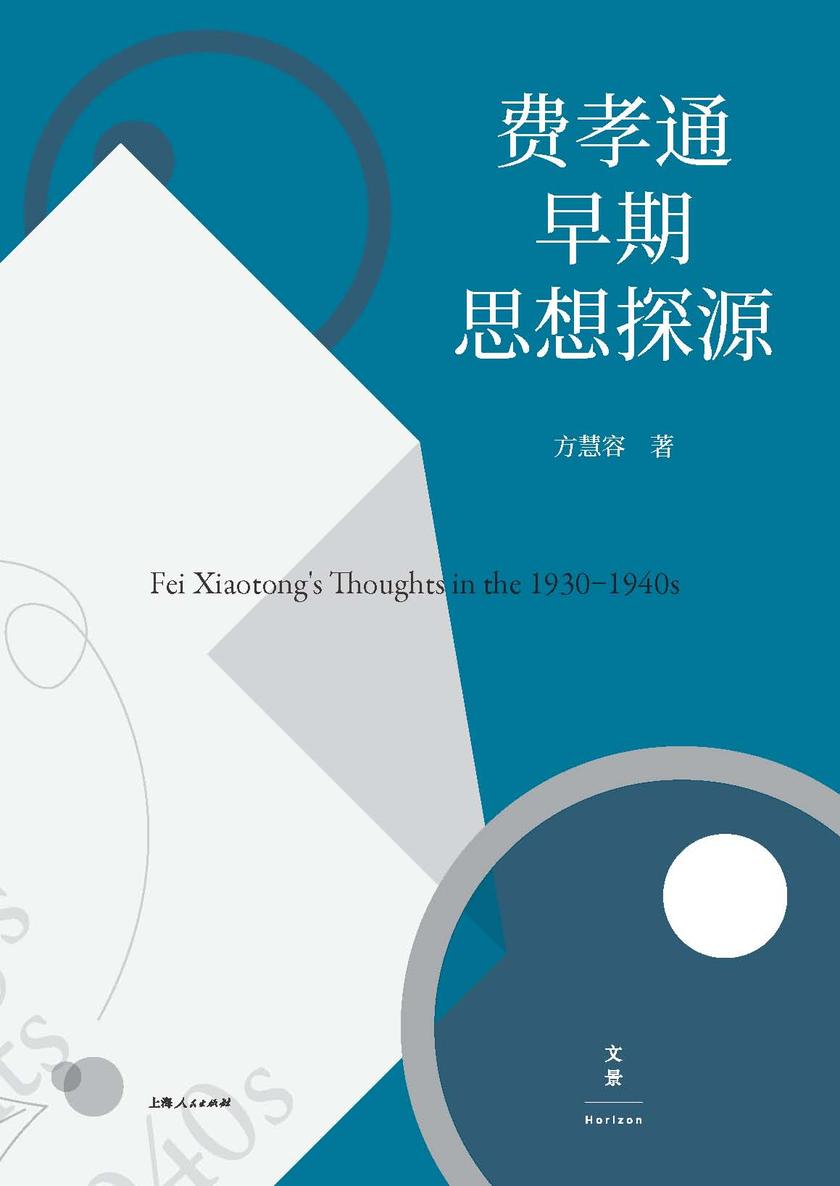
费孝通早期思想探源
¥36.00
《费孝通早期思想探源》的论证有助于理解费孝通的社会改革思想所代表的江南社会精英群体,进一步明晰费孝通“合作主义”和“社会主义”取向的社会来源和思想来源。此外,作者还考证和分析了四十年代中期费孝通对中国文化看法的变化、原因及思想来源,指出费晚年倡导的“文化自觉”思想在1947年初已具雏形。本研究可增进对费孝通整体思想沿革的认识。

Безжальна правда про нещадний б?знес
¥24.53
Em Vida sem Princípio , Henry David Thoreau nos apresenta um verdadeiro manual de como viver em sociedade e em contato com a Natureza respeitando a natureza e ao próximo.? puro Transcendentalismo , um apelo para que cada um siga a sua própria luz interior.Este ensaio foi obtido a partir da palestra''What Shall It Profit? ''apresentada ao publico em 06 de dezembro de 1854, no Sal?o Railroad em Providence Rhode Island.Foi publicado pela primeira vez na edi??o de outubro de 1863 The Atlantic Monthly, onde foi dado o título moderno.Vida sem Princípio é um ensaio em que Thoreau coloca o seu programa para viver bem. Incluem-se aqui as suas ideias sobre a forma de abordagem da comunica??o interpessoal, modos de trabalho, sustento financeiro e outros códigos de conduta baseados na filosofia de de vida de Thoreau.'

你在忙什么
¥17.99
《你在忙什么》是由影响力遍及全球的佛教大德索达吉堪布近年来赴哈佛、耶鲁、斯坦福、哥廷根、清华、北大、港大……等全球近百所学府的演讲精粹。 堪布认为,时代在变迁,但佛教的宗旨没有变,人们可以从中找到解决现代问题的真正答案,这是应该去提醒大家的。 本书以幸福、压力、财富、情感、快乐为关键词,关注当下社会现状,针对现代人的思想误区,以浅显易懂的语言,为世人打开一条光明之路。身体的忙碌,根本在心。但愿由此你能得到佛教中的宁静心灵,减少无意义的忙碌,活得更加淡定。

A, mint alibi
¥66.79
Magyarázatok a Srimad-Bhagavatam tizedik éneke harminckettedik fejezetének 16-22. versáhez, az el?z? acaryák írásai alapján. A Na pāraye ’ham három része ?rī K???a, ?rī Caitanya Mahāprabhu és ?rīmatī Rādhārā?ī szeretetét mutatja be. Szeretetük egy-egy hatalmas folyóként h?mp?ly?g a prema óceánja felé. ?cāryáink kegyéb?l a bhakták megérinthetik ennek az óceánnak a partját, s néhány cseppnyi nektárt megízlelhetnek bel?le.


