


 购物车
购物车 个人中心
个人中心

Michael Jackson Quiz Book
¥24.43
Brief Description: Are you a Michael Jackson fan? Have you followed every twist and turn in the amazing Michael Jackson story? Did you mourn his untimely death? Then what better way to pay tribute to the undisputed king of pop than with this quiz book? The 100 questions in the The Michael Jackson Quiz Book are designed to test your memory of the people and places that shaped the life of one of the most popular and controversial entertainers in the history of popular music. Michael Jackson leaves behind a legacy of ground breaking hits, who can forget Thriller or Billie Jean? This book covers the phenomenal success of the early years singing with his brothers, to Michael's transformation into a multi award winning solo artist and innovative performer. With questions about all aspects of Michael's life, you are certain to discover something new about the iconic superstar. This book is a must have for all Michael Jackson fans and for anyone interested in learning more about the man responsible for some of the most famous songs and memorable dance videos of all time.
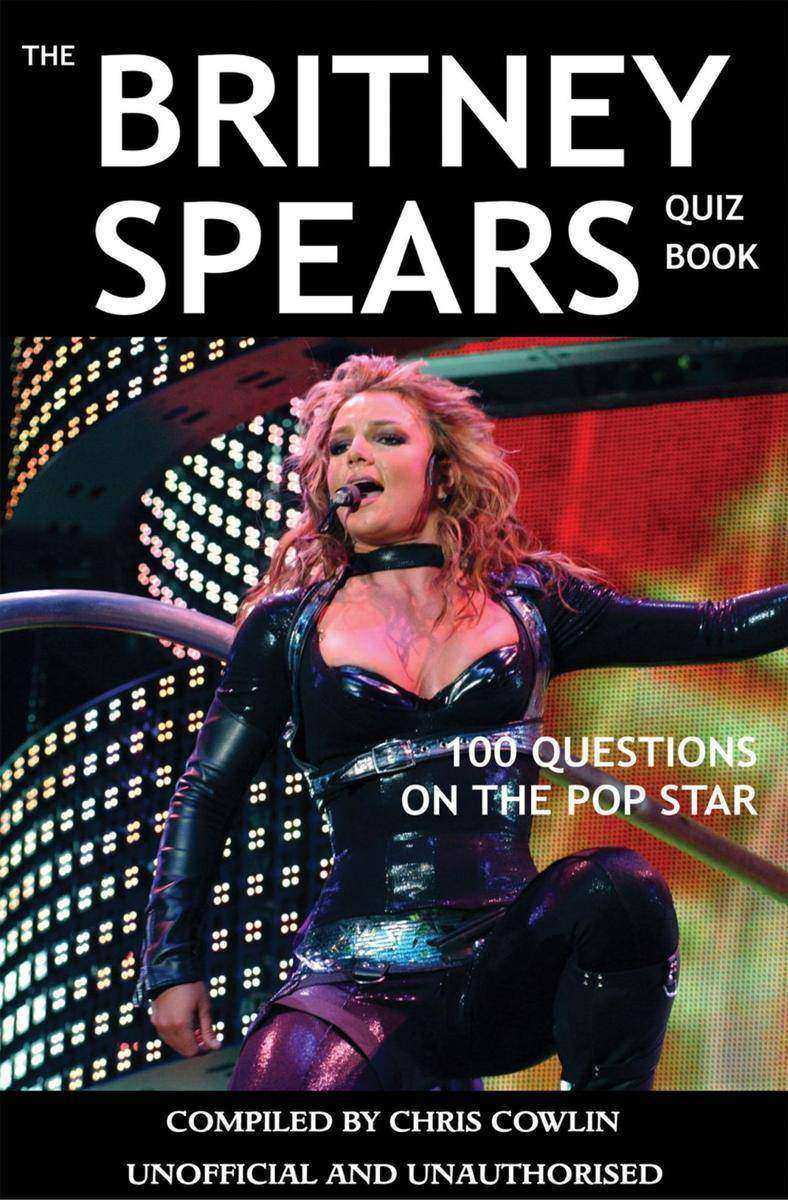
Britney Spears Quiz Book
¥24.43
Are you an expert on Britney Spears? Have you followed every dramatic twist and turn in the amazing Britney Spears story from child wannabe to controversial princess of pop? Are you familiar with Britney's early work before finding international acclaim and stardom? And would you like to find out more about the blond schoolgirl who went on to become a global icon? If so The Britney Spears Quiz Book is just what you need. Packed with fascinating facts this quiz book covers the phenomenal success of the young Britney through to more troubled times. With 100 questions about the chart topping hits, awards and nominations, career highlights and low points, as well as many personal details, you are certain to learn something new about your favourite celebrity. This book is a fitting tribute to the woman listed by Forbes as the third most mentioned musician on the Internet and who is purported to be the best-selling female artist of the first decade of the 21st century. If you are a fan of Britney, you will love this quiz book.

Wrong Sex, Wrong Instrument
¥73.48
Now retired and no longer silenced by a contract, Maggie Cotton presents an honest and long-overdue player's perspective of life inside a professional symphony orchestra, describing how she became the first female percussionist in what was initially a staunchly male-dominated world. Now retired after forty years with the City of Birmingham Symphony Orchestra, Maggie gives a fascinating and humorous insight into every aspect of her working life, including tours, conductors, composers, soloists, colleagues, recording contracts and educational work, as well as her own family life and the social conditions of wartime England and post-war Eastern Europe. Bolstered by her gritty Yorkshire roots, and naively undeterred by overwhelming odds, Maggie overcame many hurdles in pursuit of her ambition to play percussion in a professional symphony orchestra, in so doing transforming the face of women in that field from one of novelty circus performer to respected professional and colleague.
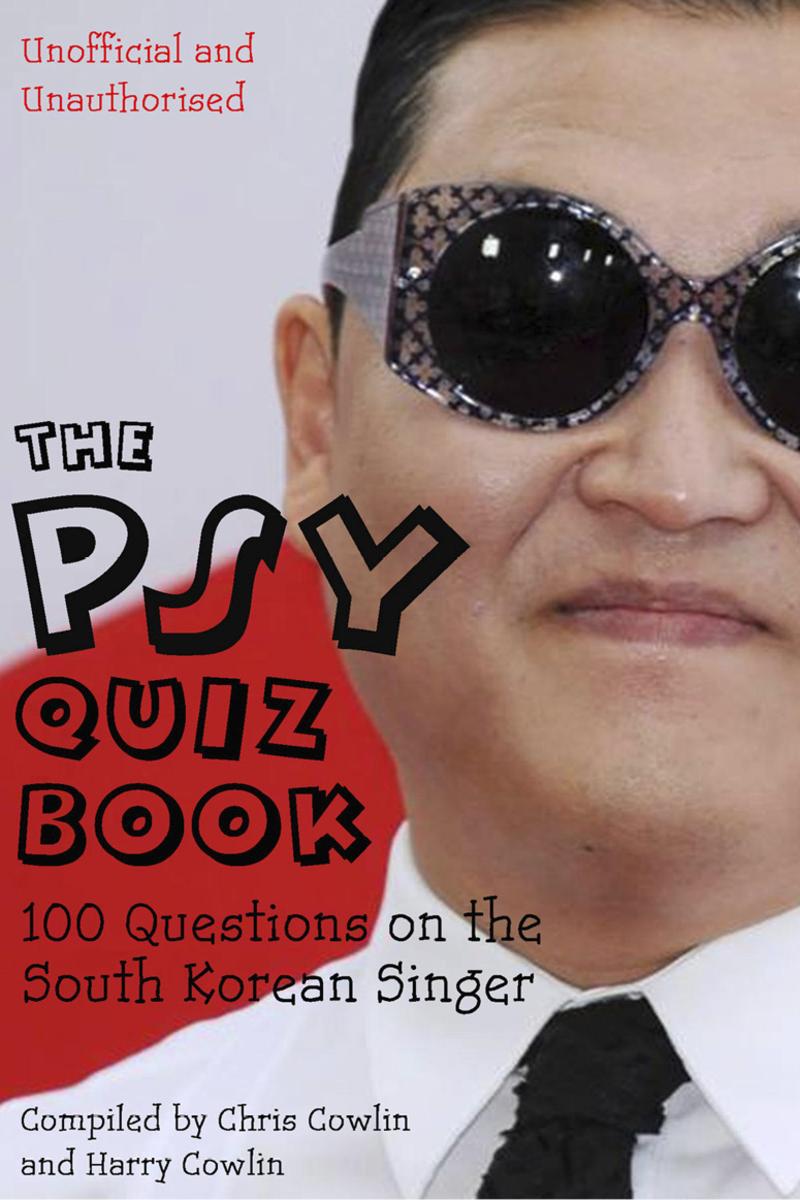
Psy Quiz Book
¥24.43
Are you a fan of South Korean singing sensation Psy? Did you discover his unique style of music on YouTube and liked what you heard? Would you like to find out more about the talented performer? If you answered yes to any of these questions, you are certain to enjoy The Psy Quiz Book. Which MTV Europe Music Award did Psy win in Frankfurt, Germany, in 2012, for his song 'Gangnam Style'? In what year did Psy marry his girlfriend Yoo Hye-yeon? Who featured on Psy's track 'In a Sauna Bath' which appears on his album 'Ssa2'? The answers to these and many similar questions can be found in this new quiz book all about Psy. Bringing you up to date with all the singles and albums as well as fascinating trivia about this popular and versatile performer, this is an entertaining and fun book for the whole family. With 100 brain-teasing questions for you to have a go at, this is a must-have book for Psy fans across the globe.
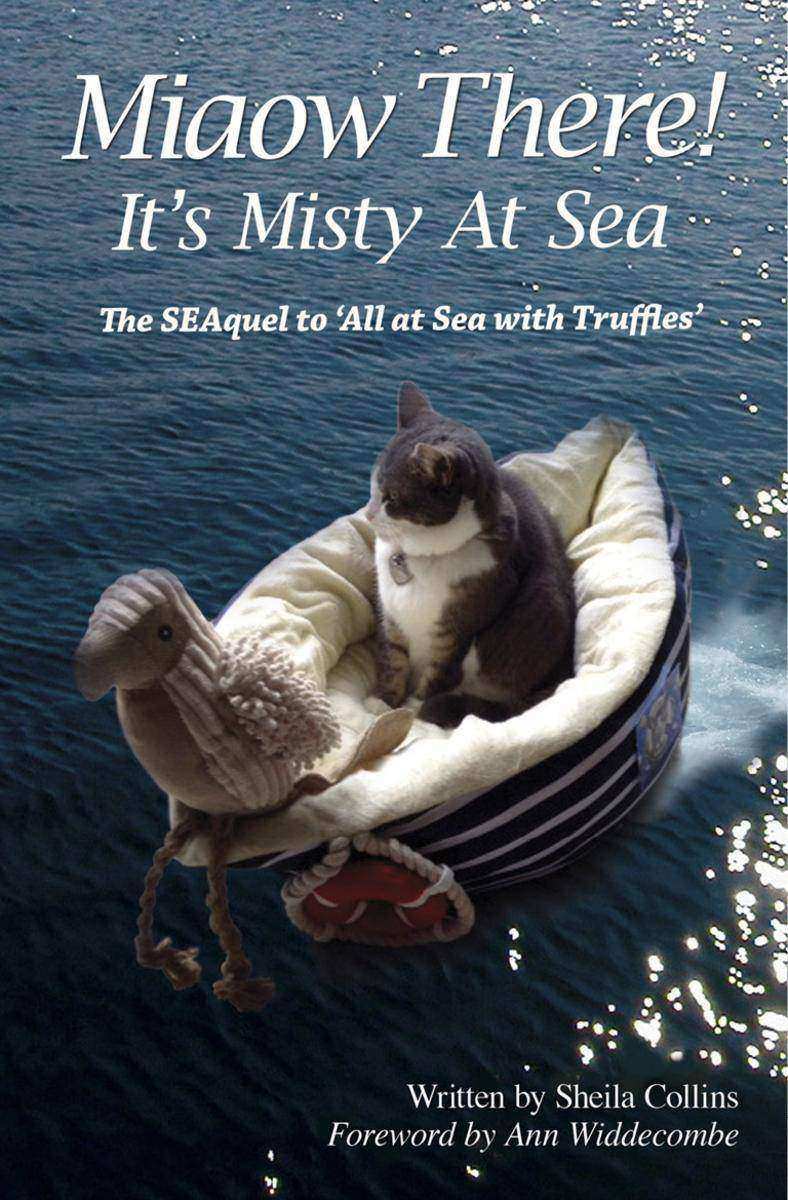
Miaow There!
¥39.14
Following on from the success of her previous book, All at Sea with Truffles, Sheila Collins continues on the theme of cruising, with the story being picked up by her mischievous grey and white cat, Misty. In this fictional account, Misty takes us on a journey on board ship, as we experience life at sea through the eyes of a cat. Being an independent kind of animal, Misty naturally seeks out different adventures to her predecessor, Truffles, with hilarious consequences. With a foreword by former MP and cat lover Ann Widdecombe, Miaow There! It's Misty at Sea provides the reader with a humorous insight into the mind of a cat. From the many different sights, sounds and smells to the strange and wonderful people she encounters, Misty will give you a tantalising taste of life on board a cruise ship as she travels with her best friend and owner, Sheila. This charming tale will appeal to anyone who has ever been on a cruise, or has thought about going on one, and to all cat lovers everywhere.
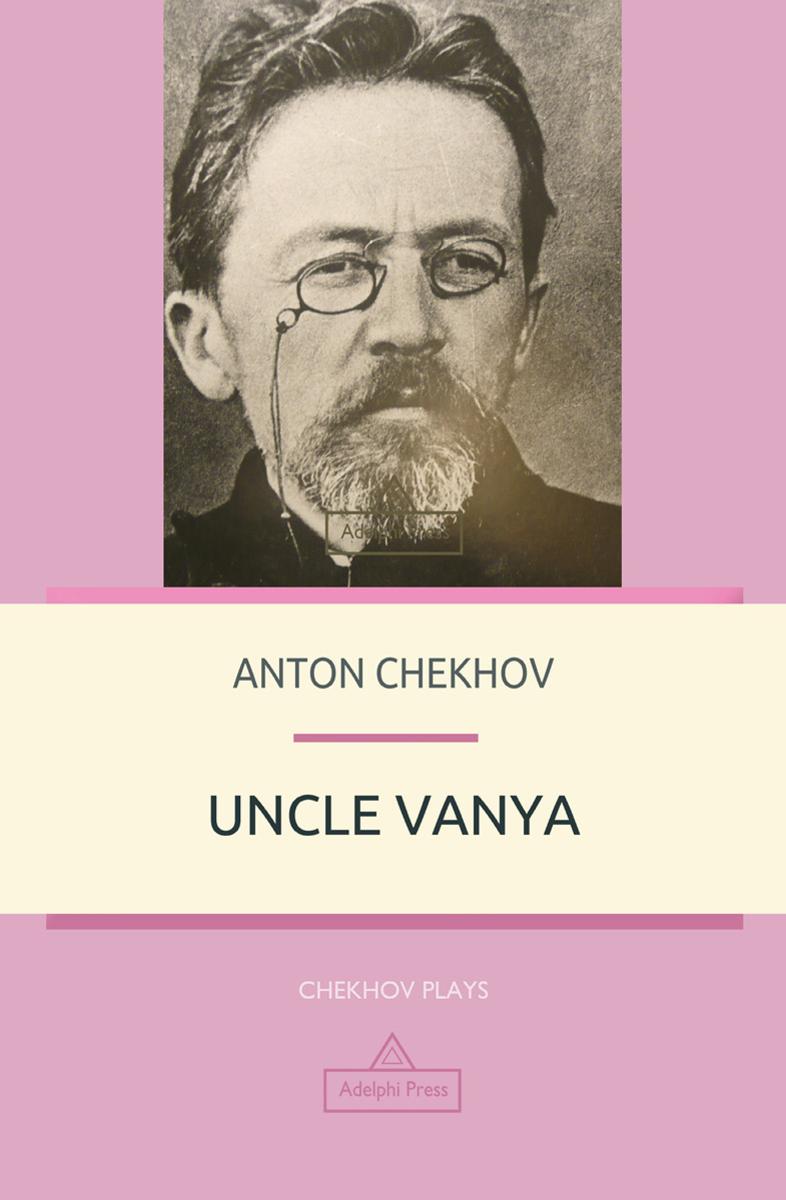
Uncle Vanya
¥24.44
Uncle Vanya is different from Chekhov's other major plays as it is essentially an extensive reworking of his own other play published a decade earlier, The Wood Demon. By elucidating the specific changes Chekhov made during the revision process—these include reducing the cast-list from almost two dozen down to nine, changing the climactic suicide of The Wood Demon into the famous failed homicide of Uncle Vanya, and altering the original happy ending into a more problematic.
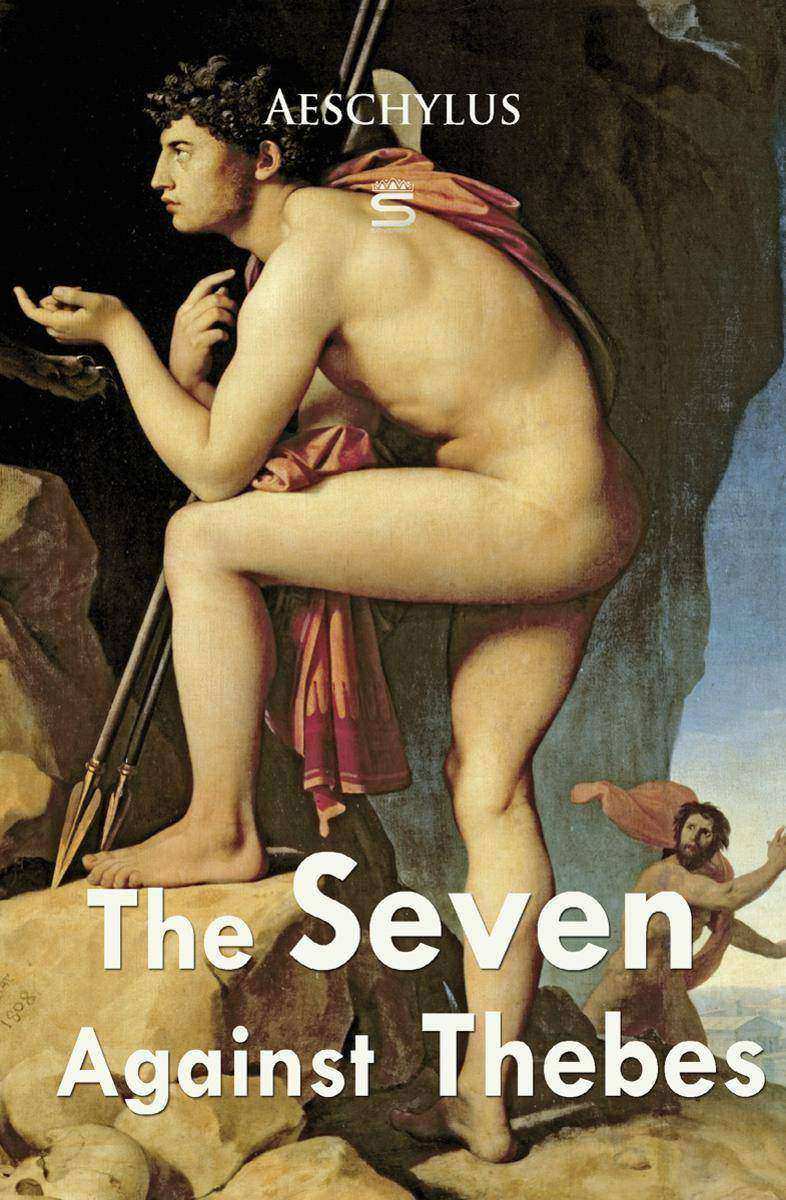
The Seven Against Thebes
¥40.79
When Oedipus, King of Thebes, realized he had married his own mother and had two sons and two daughters with her, he blinded himself and cursed his sons to divide their kingdom by the sword. The two sons, Eteocles and Polynices, in order to avoid bloodshed, agreed to rule Thebes in alternate years. After the first year, Eteocles refused to step down, leading Polynices to raise an army of Argives captained by the eponymous Seven to take Thebes by force. This is where Aeschylus' tragedy starts.
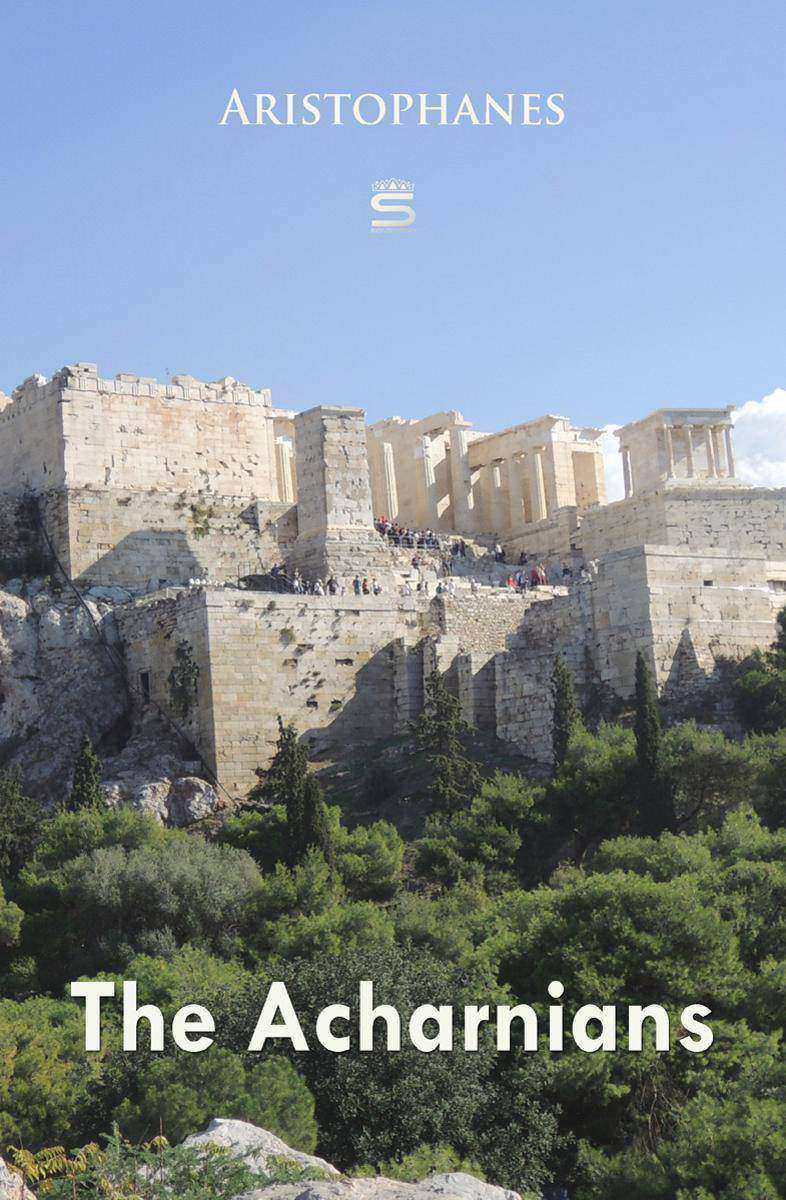
The Acharnians
¥40.79
The protagonist, Dikaiopolis, miraculously obtains a private peace treaty with The Spartans and he enjoys the benefits of peace in spite of opposition from some of his fellow Athenians.
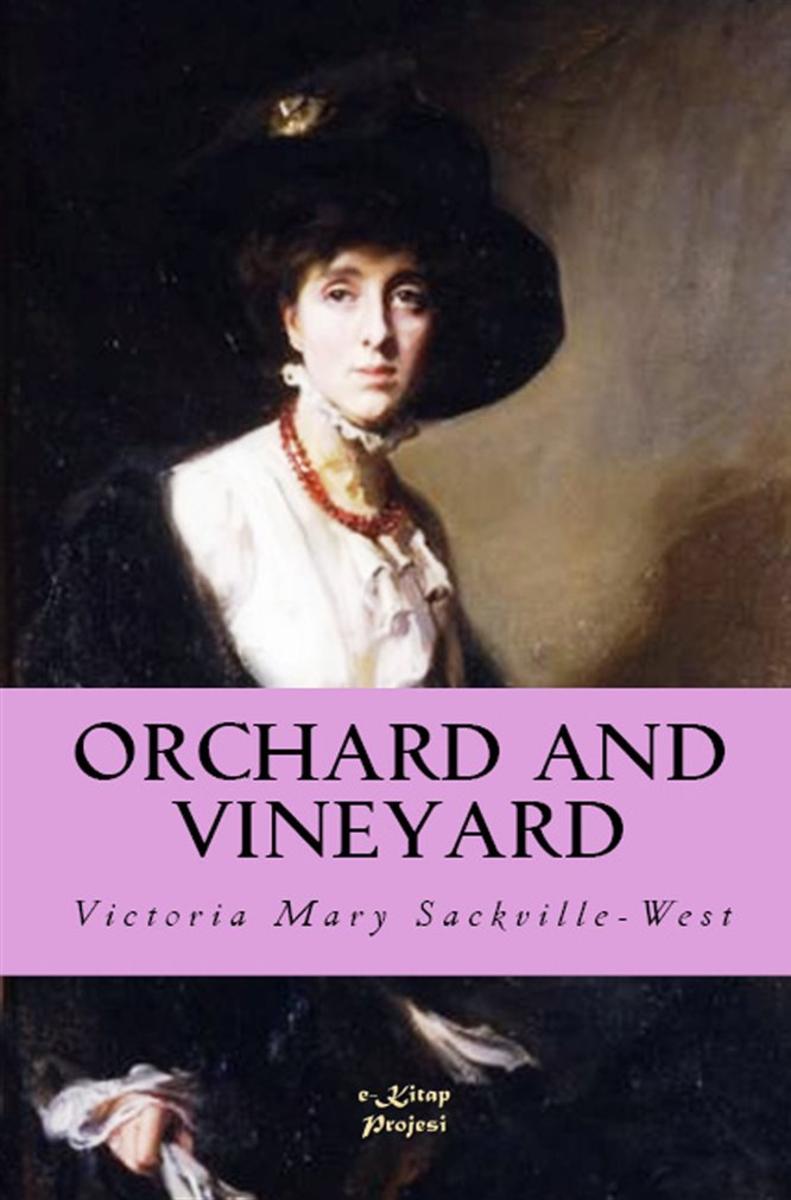
Orchard and Vineyard
¥18.56
ESCAPECOME, shall we go, my comrade, from this denWhere falsehood reigns and we have dallied long?Exchange the curious vanities of menFor roads of freedom and for ships of song? We came as strangers, came to learn and look,To hear their music, drink the wine they gave.Now let us hence again; the happy brookShall quench our thirst, our music be the wave. Come! they are feasting, let us steal away.Beyond the doors the night awaits us, sweet.To-morrow we shall see the break of day,And goat-herds’ pipes shall lead our roaming feet. TO EVE IN TEARSYOU laughed, and all the fountains of the EastLeapt up to Heaven with their diamond rainTo hang in light, and when your laughter ceasedDropped shivered arrows to the ground again. You laughed, and from the belfries of the earthThe music rippled like a shaken pool;And listless banners at the breeze of mirthWere stirred in harbours suddenly made cool. You wept, and all the music of the air—As when a hand is laid upon a bell—Was stilled, and Dryads of the tossing hairCrept back abashed within the secret dell. MARIANA IN THE NORTHALL her youth is gone, her beautiful youth outworn,Daughter of tarn and tor, the moors that were once her homeNo longer know her step on the upland tracks forlornWhere she was wont to roam. All her hounds are dead, her beautiful hounds are dead,That paced beside the hoofs of her high and nimble horse,Or streaked in lean pursuit of the tawny hare that fledOut of the yellow gorse. All her lovers have passed, her beautiful lovers have passed,The young and eager men that fought for her arrogant hand,And the only voice which endures to mourn for her at the lastIs the voice of the lonely land. SORROW OF DEPARTURE. For D.HE sat among the shadows lost,And heard the careless voice speak onOf life when he was gone from home,Of days that he had made his own,Familiar schemes that he had known,And dates that he had cherished mostAs star-points in the year to come,And he was suddenly alone,Thinking (not bitterly,But with a grave regret) that heWas in that room a ghost. He sat among the shades apart,The careless voice he scarcely heard.In that arrested hour there stirredShy birds of beauty in his heart. The clouds of March he would not seeAcross the sky race royally,Nor yet the drift of daffodilHe planted with so glad a hand,Nor yet the loveliness he plannedFor summer’s sequence to fulfil,Nor trace upon the hillThe annual waking of the land,Nor meditative standTo watch the turning of the mill. He would not pause above the WealdWith twilight falling dim,And mark the chequer-board of field,The water gleaming like a shield,The oast-house in the elms concealed,Nor see, from heaven’s chalice-rim,The vintaged sunset brim,Nor yet the high, suspended starHanging eternally afar. These things would be, but not for him. At summer noon he would not lieOne with his cutter’s rise and dip,Free with the wind and sea and sky,And watch the dappled waves go by,The sea-gulls scream and slip;White sails, white birds, white clouds, white foam,White cliffs that curled the love of homeAround him like a whip....He would not see that summer noonFade into dusk from light,While he on shifting waters brightSailed idly on, beneath the moonClimbing the dome of night. This was his dream of happy thingsThat he had loved through many springs, And never more might know.But man must pass the shrouded gateCompanioned by his secret fate,And he must lonely go,And none can help or understand,For other men may touch his hand,But none the soul below.
![Oxford [Illustrated]](https://platform-permanent.ddimg.cn/pt-media-info-soa-resource/digital/product/45/54/1901164554_ii_cover.jpg?version=81ee585e-882a-449f-85a7-ac4b5d693560)
Oxford [Illustrated]
¥18.56
AT the east end of the choir aisle of the Cathedral there is a portion of the wall which is possibly the oldest piece of masonry in Oxford, for it is thought to be a part of the original Church of St. Frideswyde, on whose site the Cathedral Church of Christ (to give its full title) now stands. Even so it is not possible to speak with historical certainty of the saint or of the date of her Church, which was built for her by her father, so the legend says, when she took the veil; though the year 740 may be provisionally accepted as the last year of her life. St. Frideswyde's was a conventual Church, with a Priory attached, and both were burnt down in 1002, but rebuilt by Ethelred. How much of his handiwork survives in the present structure it is not easy to de-termine; but the Norman builders of the twelfth century effected, at any rate, such a transformation that no suggestion of Saxon architecture is obtruded. Their work went on for some twenty years, under the supervision of the then Prior, Robert of Cricklade, and the Church was consecrated anew in 1180. The main features of the interior—the massive pillars and arches—are substantially the same to-day as the builders left them then. THIS BOOK, is not intended to compete with any existing guides to Oxford: it is not a guide-book in any formal or exhaustive sense. Its purpose is to shew forth the chief beauties of the University and City, as they have ap-peared to several artists; with such a running commentary as may explain the pictures, and may indicate whatever is most interesting in connection with the scenes which they represent. Slight as the notes are, there has been no sacrifice, it is believed, of accuracy. The principal facts have been derived from Alexander Chalmers' History of the Colleges, Halls, and Public Buildings of the University of Oxford, from Mr. Lang's Oxford, and from the Oxford and its Colleges of Mr. J. Wells. The illustrations, with the exception of six only, which are derived from Ackermann's Oxford, are reproduced from the paintings of living artists, mostly by Mr. W. Matthison, the others by Mrs. C. R. Walton, Walter S. S. Tyrwhitt, Mr. Bayzant, and Miss E. S. Cheesewright.

The Wealth of Nations
¥8.82
Adam Smith's masterpiece, first published in 1776, is the foundation of modern economic thought and remains the single most important account of the rise of, and the principles behind, modern capitalism. Written in clear and incisive prose, The Wealth of Nations articulates the concepts indispensable to an understanding of contemporary society.
The Federalist Papers by Publius Unabridged 1787 Original Version
¥8.82
The Federalist Papers are a series of 85 articles advocating the ratification of the United States Constitution. Seventy-seven of the essays were published serially in The Independent Journal and The New York Packet between October 1787 and August 1788. A compilation of these and eight others, called The Federalist, was published in 1788 by J. and A. McLean. The Federalist Papers serve as a primary source for interpretation of the Constitution, as they outline the philosophy and motivation of the proposed system of government. The authors of the Federalist Papers wanted to both influence the vote in favor of ratification and shape future interpretations of the Constitution. According to historian Richard B. Morris, they are an "incomparable exposition of the Constitution, a classic in political science unsurpassed in both breadth and depth by the product of any later American writer."
Sublimul tr?d?rii
¥61.83
Apariia n 1948 a primei reviste romneti n exil, la Paris, intitulat de creatorii ei, Virgil Ierunca i Mircea Eliade, Luceafrul“, a venit dup ce tvlugul sovietic reuise s anihileze n ar Romnia politic, iar pe cea spiritual parial, ducnd, dup cum spunea Julien Benda, la trdarea crturarilor. Reacia la aceast stare a venit, aa dup cum era i firesc, din partea unor intelectuali exilai i cu precdere a lui Virgil Ierunca, unul dintre cei doi componeni a ceea ce putem denumi instituia Lovinescu – Ierunca“. Acest cuplu a tiut s prezerve valorile romneti i nu numai pe cele spirituale, s anime, s conving, s scoat din inerie pe acei intelectuali romni exilai care i cutau menirea n acea lume care, pe atunci, nu oferea, ca mai trziu, linitea interioar att de necesar creaiei. Ierunca a fost deseori cel care l-a mpins pe Mircea Eliade s nu rmn ancorat ntr-o literatur de mrturii, ci ntr-o via activ de creaie, de cutri. Volumul de fa, care ne restituie“ Luceafrul“, se datoreaz meritului deosebit al autorilor Mihaela Albu i Dan Anghelescu.Studiul efectuat cu ntreaga dragoste i acribie a cercetatorului ne dezvluie, cu rafinament, ndeosebi o cunoatere aprofundat a simirilor celor care, cu 60 de ani n urm, nu abdicaser de la datorie. Impresioneaz nu numai relatarea faptic, dar i bogia cu care cei doi autori pun n relaie imensul lor bagaj cultural cu ceea ce au produs cu o jumtate de secol n urm autorii Luceafrului“.“ (Dinu Zamfirescu)
Mary Queen of Scots
¥27.88
TRAVELERS who go into Scotland take a great interest in visiting, among other places, a certain room in the ruins of an old palace, where Queen Mary was born. Queen Mary was very beautiful, but she was very unfortunate and unhappy. Every body takes a strong interest in her story, and this interest attaches, in some degree, to the room where her sad and sorrowful life was begun.??The palace is near a little village called Linlithgow. The village has but one long street, which consists of ancient stone houses. North of it is a little lake, or rather pond: they call it, in Scotland, a loch. The palace is between the village and the loch; it is upon a beautiful swell of land which projects out into the water. There is a very small island in the middle of the loch and the shores are bordered with fertile fields. The palace, when entire, was square, with an open space or court in the center. There was a beautiful stone fountain in the center of this court, and an arched gateway through which horsemen and carriages could ride in. The doors of entrance into the palace were on the inside of the court.??The palace is now in ruins. A troop of soldiers came to it one day in time of war, after Mary and her mother had left it, and spent the night there: they spread straw over the floors to sleep upon. In the morning, when they went away, they wantonly set the straw on fire, and left it burning, and thus the palace was destroyed. Some of the lower floors were of stone; but all the upper floors and the roof were burned, and all the wood-work of the rooms, and the doors and window-frames. Since then the palace has never been repaired, but remains a melancholy pile of ruins.??The room where Mary was born had a stone floor. The rubbish which has fallen from above has covered it with a sort of soil, and grass and weeds grow up all over it. It is a very melancholy sight to see.
Uciga?ul dragonului
¥81.67
Necesitatea acestei carti s-a impus in campul istoriografiei contemporane ca un raspuns ce se cerea stringent intr-un moment in care istoriografia in ansamblul ei a intrat intr-un serios impas girat si incurajat de predominanta agresiva si interferenta unor scoli si curente inconsistente, care de care mai zgomotoase, mai belicoase, mai ?originale“, concomitent cu intensificarea presiunii factorului politic (guverne, parlamente, tribunale, ong-uri etc).Tematica lucrarii o constituie evenimentele care au tulburat intreaga lume in perioada celui de-al Doilea Razboi Mondial.Studiile din aceasta carte au aparut sub semnatura celor mai prestigiosi istorici ai neamului nostru din aceasta perioada: acad. Dan Berindei, acad. Florin Constantiniu, prof. univ. dr. Gh. Buzatu (coordonatorul editiei), Stela Cheptea si multi altii.
Last Descendants - A New York-i felkelés
¥65.97
Europa acas“ este un album creat n urma unui turneu de conferine i lecturi publice inute de ctre autoare, Aura Christi, n ara lui Homer i Aristotel. Protagonitii albumului sunt Aura Christi, Nicolae Breban, Ion Ianoi, Janina Ianoi, Andrei Potlog, Victor Ivanovici, Monica Svulescu-Voudouri. Protagonistul cel mai important, ns, este fr ndoial Marea Elad i cultura ei, civilizaia acestei ri mitice - temelia civilizaiei europene moderne. Albumul conine poeme i comentarii, dar i imagini memorabile realizate de poeta Aura Christi la Delphi, Atena i alte epicentre legendare ale civilizaiei europene.
Ceasul r?u pe strada Hickory
¥33.03
Cartea de fa?? vrea s? relateze succint, dar temeinic, evenimentele petrecute în cei dou?zeci de ani de insecuritate ?i criz? ce au urmat Marelui R?zboi. Indiferent cât de puternice sau de durat? au fost for?ele ce au dus la izbucnirea celui de-al Doilea R?zboi Mondial, a existat un moment când principalii actori pe scena istoriei s-au v?zut nevoi?i s? se confrunte cu aceste for?e ?i s? ia anumite decizii. Marile evenimente ale istoriei î?i genereaz? o dinamic? ?i o desf??urare proprii. Din perspectiva noastr?, a celor de acum, al Doilea R?zboi Mondial pare s? fi izbucnit din cauza crizei interna?ionale provocate de Germania lui Hitler. Îns? nimic din ce se întâmpl? în istorie nu este inevitabil, dup? cum va încerca s? demonstreze acest volum. Dialogul straniu între sistem ?i actorii lui se afl? la baza relat?rii istorice. Evenimentele înse?i pot fi, în acela?i timp, cauz? ?i efect – la fel cum s-a întâmplat ?
Un buzunar plin cu secar?
¥33.03
Istoria serviciilor de informa?ii sovietice continu? s? fie un mister“, m?rturise?te Boris Volodarski, fost c?pitan în Serviciul de Informa?ii Militare din URSS (GRU), unul dintre cei mai mari exper?i în studierea serviciilor secrete sovietice. ?i tot Volodarski este de p?rere c? majoritatea materialelor publicate pe aceast? tem? este plin? de falsuri ?i de informa?ii distorsionate, incluzând aici ?i memoriile publicate de fo?tii agen?i. Noile documente disponibile ast?zi ne permit s? cunoa?tem mult mai bine adev?rul despre interven?ia sovietic? în Spania ?i rolul jucat de agen?ii URSS: Gerö, Grigulevici, Philby (ini?ial trimis cu misiunea de a-l asasina pe Franco), Kol?ov ?i, mai ales, Lev Nikolski, cunoscut drept Aleksandr Orlov – omul care i-a în?elat pe Stalin ?i pe cei de la CIA, ?i chiar lumea întreag? cu memoriile sale. Acesta a condus, din februarie 1937, sta?ia NKVD din Spania ?i a fost responsabil de o etap? important? a regimului de teroare sângeroas?, care a inclus asasinarea lui Kurt Landau ?i a lui Andreu Nin. Cartea de fa??, care demonteaz? o cantitate impresionant? de fabula?ii, falsuri ?i minciuni, ce continu? s? fie propagate ?i ast?zi, va fi, f?r? îndoial?, o referin?? indispensabil? pentru to?i cei care î?i propun s? studieze R?zboiul Civil din Spania.
Pisicile r?zboinice. Cartea a VI-a - Vremuri ?ntunecate
¥73.49
Junimea ?i revista Convorbiri literare, pentru o ?ar? ca a noastr?, a tuturor nea?ez?rilor, au fost un suflu de temeinicie care s-a mai repetat ?n perioada interbelic?, f?r? a reu?i s? se coaguleze ca urmare a r?zboiului ?i dictaturilor ce l-au ?nso?it ?i urmat; suflu care pare ?nc? departe, ca s? nu spunem imposibil s? revin? ?n cultura rom?n? sub presiunea globalismului ?i multiculturalismului, a deconstruc?iei cu program ?n toate manifest?rile social-culturale, materiale ?i spirituale. E un model care, dup? o sut? cincizeci de ani, ?nc? ??i trimite razele f?r? a primi o reflectare pe m?sur?.Ceea ce deosebe?te criticismul junimist de criticile epocii ?i, ?n parte, ?i de al ?nainta?ilor este atitudinea comun?, afirmat? de Maiorescu, respectul adev?rului.Importan?a ?i influen?a junimismului ?n sfera politic? sunt de acela?i nivel cu cele afirmate ?n plan cultural ?i literar, e drept, nu cu aceea?i durabilitate, politicul este mult mai efemer, dar nu mai pu?in implicat ?i cu efecte imediate ?i adesea pe termen mediu ?i lung ?n via?a social? a ??rii. (Cassian Maria Spiridon)
Negru profund, noian de negru
¥75.21
Aceast? carte este un demers pe care l-am g?ndit ca pe o lucrare de sintez? care s? surprind?, ?n m?sura posibilit??ilor, puncte de referin?? ?ntre texte ?i autori din perioade diferite, din Evul Mediu european ?i Rena?tere, con?tient? fiind c? epoca medieval? nu trebuie considerat? cu nimic mai prejos dec?t grandorile Greciei vechi sau ale Rena?terii. Problematica acestui concept al Alegoriei ?n receptarea sa de c?tre literatura Evului Mediu, dar ?i de c?tre epocile ulterioare, este complex? ?i bogata bibliografie ce i s-a consacrat ?n ultimele decenii nu face dec?t s? provoace la noi discu?ii ?i interpret?ri a?a cum este ?i aceast? lucrare.
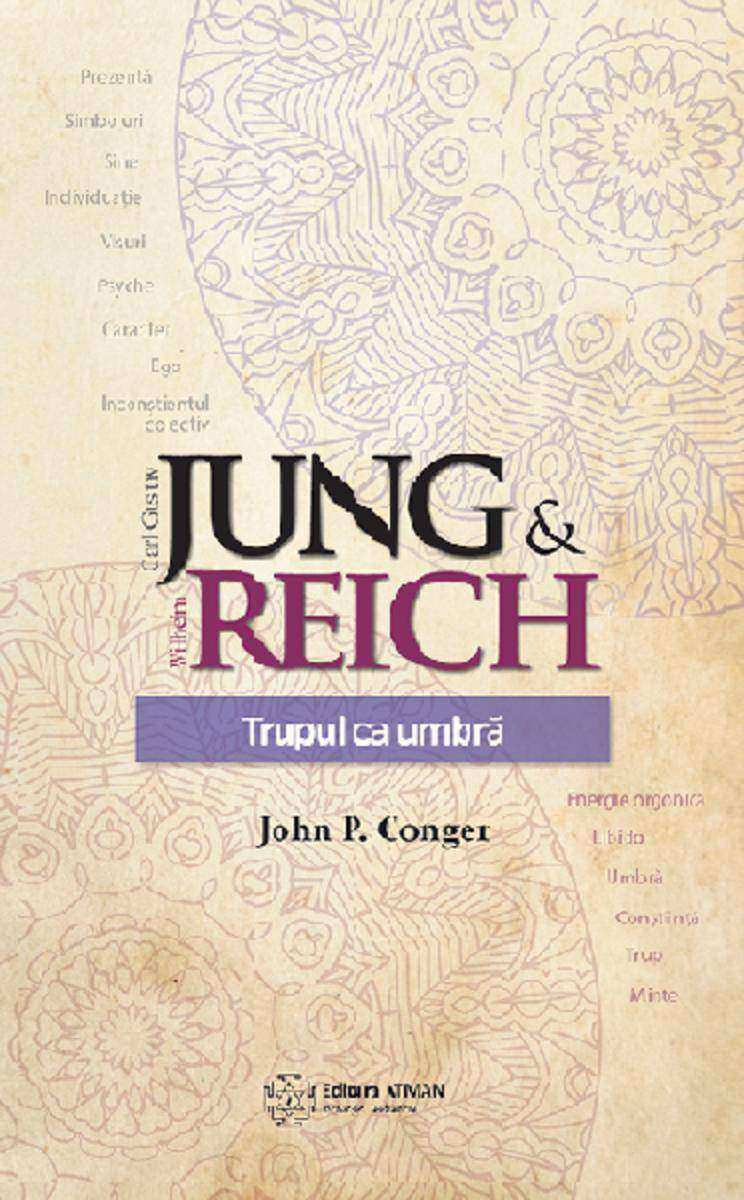
Jung & Reich. Trupul ca o umbr?
¥57.14
L?sa?i atunci trufia la o parte, C?ci de b?rba?i trufia ne desparte. ?i m?inile, duioase ?i supuse, ?n slujba lor pe veci s? fie puse. ?i so?ul meu, de ?ndat? ce ar vrea, ?n m?na lui mi a? pune m?na mea. Then vail your stomachs, for it is no boot,And place your hands below your husband’s foot: In token of which duty, if he please, My hand is ready; may it do him ease.


