


 购物车
购物车 个人中心
个人中心
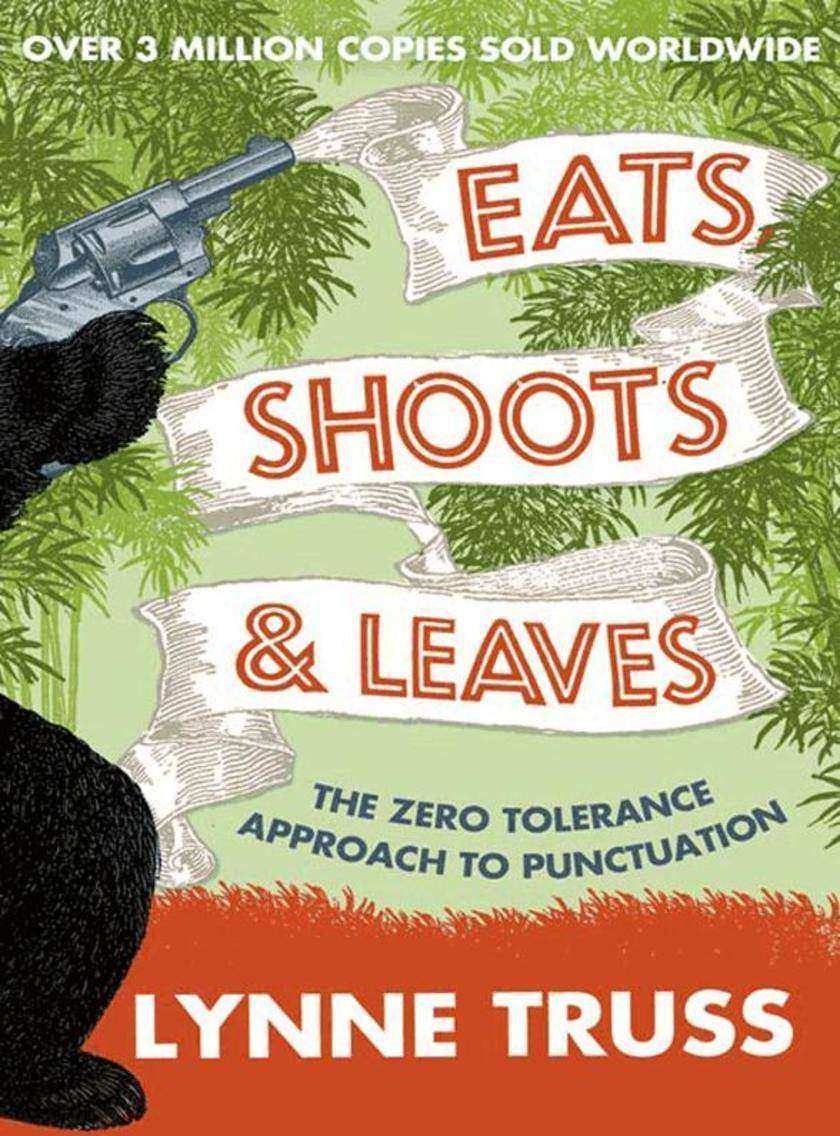
Eats, Shoots and Leaves
¥66.22
Anxious about the apostrophe? Confused by the comma? Stumped by the semicolon? Join Lynne Truss on a hilarious tour through the rules of punctuation that is sure to sort the dashes from the hyphens. We all had the basic rules of punctuation drilled into us at school, but punctuation pedants have good reason to suspect they never sank in. ‘Its Summer!’ screams a sign that sets our teeth on edge. ‘Pansy’s ready’, we learn to our considerable interest (‘Is she?’) as we browse among the bedding plants. It is not only the rules of punctuation that have come under attack but also a sense of why they matter. In this runaway bestseller, Lynne Truss takes the fight to emoticons and greengrocers’ apostrophes with a war cry of ‘Sticklers unite!’
The Official Guide to Christmas in the South
¥94.10
No place celebrates Christmas like Dixie, and with this charming, humorous guide, anyone can learn how to deck the halls, Southern styleIt's the one time of the year when both the divine and debutantes take center stage in a perfect storm of hot glue and cheese grits: Christmas. But successfully navigating through the holiday season can be more complex than Santa's midnight journey. There are pitfalls hotter than any chimney -- and social situations more slippery than any roof! But now The Official Guide to Christmas in the South has arrived to reveal the finer and sometimes unspoken details of Dixie etiquette.Perfect for a true Southerner's coffee table or an imposter's survival guide, The Official Guide to Christmas in the South is the gift that will keep on regifting season after season.
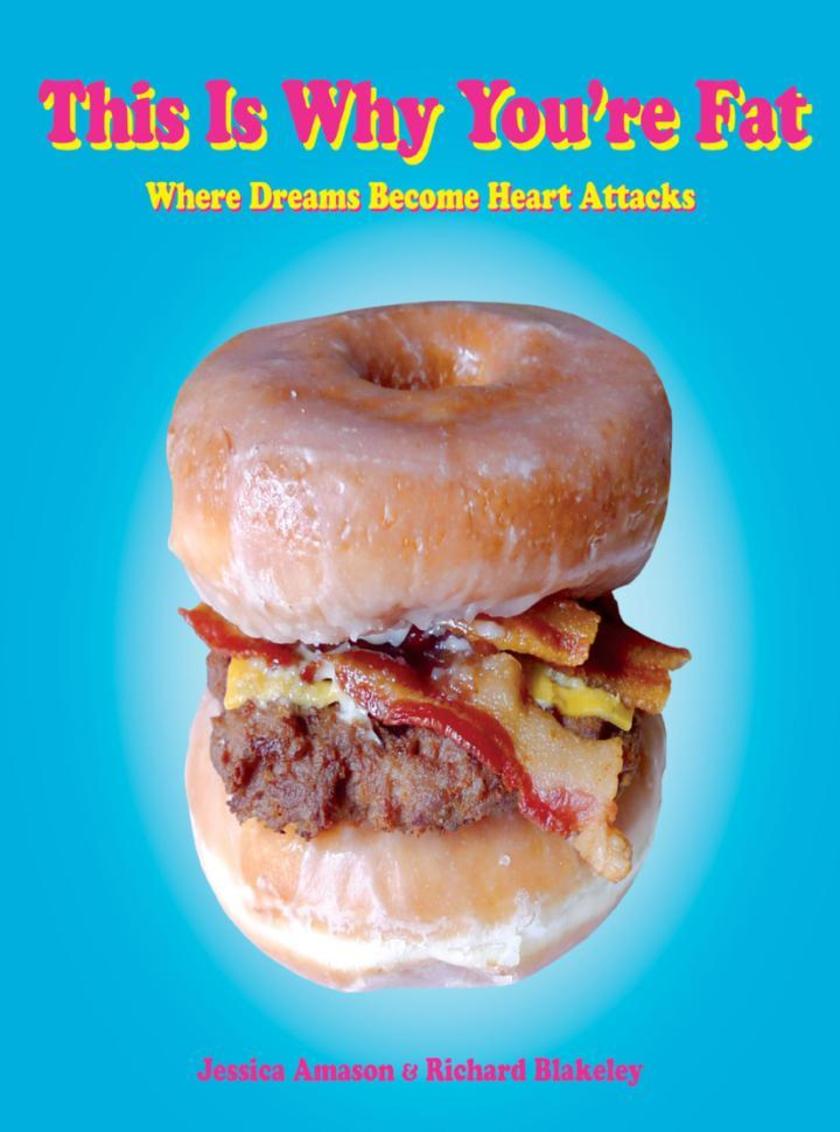
This Is Why You're Fat
¥56.08
Food was once the providence of celebrated chefs and critical connoisseurs. Cooking shows featured all gourmet creations and web sites displayed artfully photographed delights. Then something changed. Perhaps it was the desensitizing of web culture or perhaps it was a cry for help from the food loving public. But by God there came a day when fancy vegetable towers came crashing down and $50 mushrooms were no longer acceptable. Amason and Blakley wanted see the old stand bys the carnival foods of their childhoods the sticky mess of a deep fried candy bar the indulgence of a greasy burger with all the fixins. It was the birth of the nasty food web trend. And it was delicious. The website This is Why You're Fat is an ode to this trend whether seen as a commentary on North American dietary habits or a celebration of the deliciously bad Amason and Blakey are devoted to the world's newfound obsession with over the top food. Within its first month the site pulled in over ten million eye balls and attracted major nation media including CNN. The world cooked they listened. www.thisiswhyyourefat.com

101 Uses for a Bridesmaid Dress
¥112.44
Bridesmaid dresses -- what are they good forWe've got to pay for them, wear them, and then find a spot for them in the back of the closet. Our best women friends, suddenly transformed into tasteful-white-dress-wearing brides, tell us, "You'll be able to wear this bridesmaid dress again." But we know better.101 Uses for a Bridesmaid Dress, tongue firmly in cheek, pokes fun at the hopelessly horrible dress that a bride asks her "court" to don. These whimsical illustrations and silly suggestions, from cocktail napkins and shower curtains, to pony blankets and frilly jock straps, are a hilarious antidote to the bridesmaid dresses we'll never wear again.
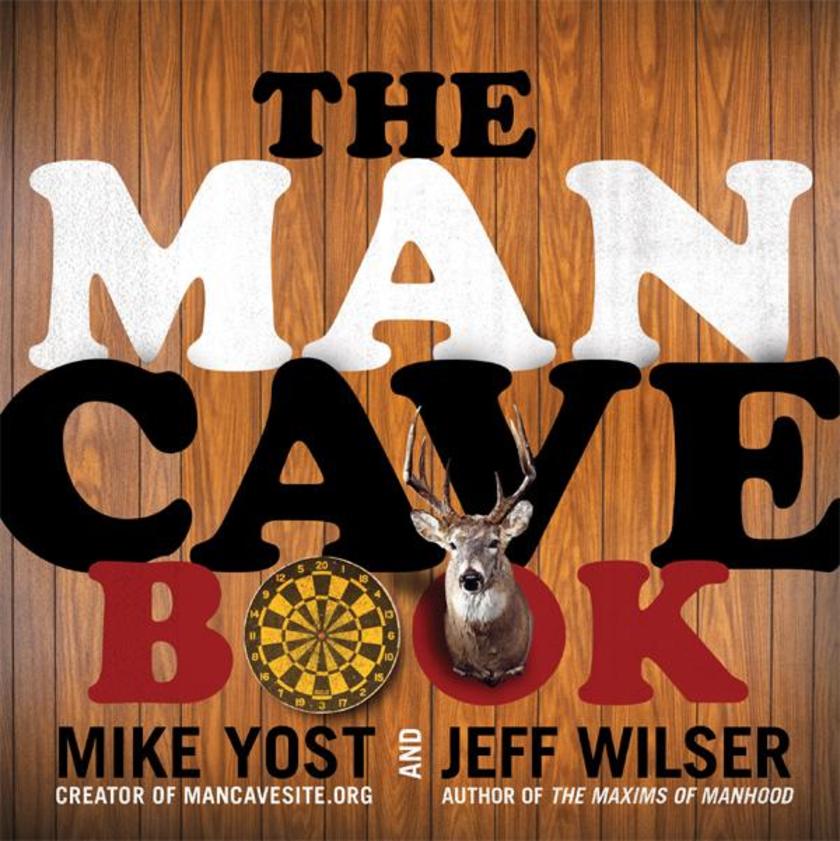
The Man Cave Book
¥84.16
What separates the men from the boysThe Man Cave. Boyhood Fort Man Cave Who's allowed Not girls—they have cooties Not women—they have authority Primary materials used in construction Wood, stuff your mom doesn't want Particleboard, stuff your wife doesn't want Key activities inside Goofing around, avoiding responsibility Goofing around, avoiding responsibility Peak periods of use After school, weekends After work, weekends Slumber parties with buddiesYes No Food and beverages consumed Soda and unhealthy snacks Beer and unhealthy snacks Spend the night insideNot as a habit, but it's been known to happen Not as a habit, but it's been known to happen Money spent on space As little as possible As much as possible Is this a phase you will outgrowYes No The Man Cave Book is a tribute to great and glorious man spaces and the craftsmen behind them. Complete with instructions and insights into creating your own unique refuge and shrine to beer, sports, and everything else that's right with the world, this is an essential manual for any man cave enthusiast.

Unicorn Being a Jerk
¥84.16
A Hilarious Expose of the Secret Lives of Unicorns, Based on the Popular Online Comic!In Unicorn Being a Jerk, author/illustrator C.W. Moss reveals - through approximately 55 colorful illustrations and accompanying captions - that unicorns are not the majestic creatures we think they are but are in fact jerks whose petty, selfish antics include stomping on children's sandcastles, feeding pigs to bacon, and parking in handicap spots at the mall. In the vein of The Book of Bunny Suicides, this humor book will be required reading for all those unsuspecting unicorn fans out there who will come face to face with the ugly reality of this mythical creature.
If the Gods Had Meant Us to Vote They Would Have Given Us Candidates
¥78.60
If anything, in this presidential election special, he's madder than ever!In his earlier bestseller, There's Nothing in the Middle of the Road but Yellow Stripes and Dead Armadillos, Hightower only began to tap into the deep yearning that Americans have for a new politics that speaks to them from a real-world, kitchen-table perspective. Now, with the year 2000 being an especially significant marker for contemplating our country's direction, not only for the new year but for the new century and the new millennium, it's time for citizens to reclaim their political, economic, and cultural heritage.Leading the way with his hilariously irreverent yet profoundly serious book is our name-naming, podium-pounding, point-them-in-the-right-direction populist, Hightower himself. He whacks conventional wisdom right upside the head,showing,with startling facts and compelling personal stories, that despite a so-called period of prosperity, America's middle class is getting mugged, and that far from being ordained by the gods,globalization is globaloney! Hightower rips the mass off of the candidates, the parties, the consultants, and especially the moneyed powers whoa re supporting all of the leading presidential hopefuls. he's mad about them all--but what he's maddest about, what really gets his goat,is that they are all the same! To paraphrase Jim, American politicians are alike because they don't come cheap. In fact, they're all very expansive. which is why only the rich can own them and why their allegiance is definitely not to regular,worka-day citizens.No one is spared in this insightful and engaging blend of horror and success stories, hard-hitting commentary, laugh-out-loud humor, useful facts, and sparkling language. An equal opportunity muckraker and conscientious agitator for "We the people," Hightower inspires us to take charge again, to build a new politics, and, together, to build a better tomorrow. Jim Hightower's If the Gods Had Meant Us to Vote They Would Have Given Us Candidates proves yet again that his is a uniquely wise and peerlessly singular voice in the maelstrom of political prattle.
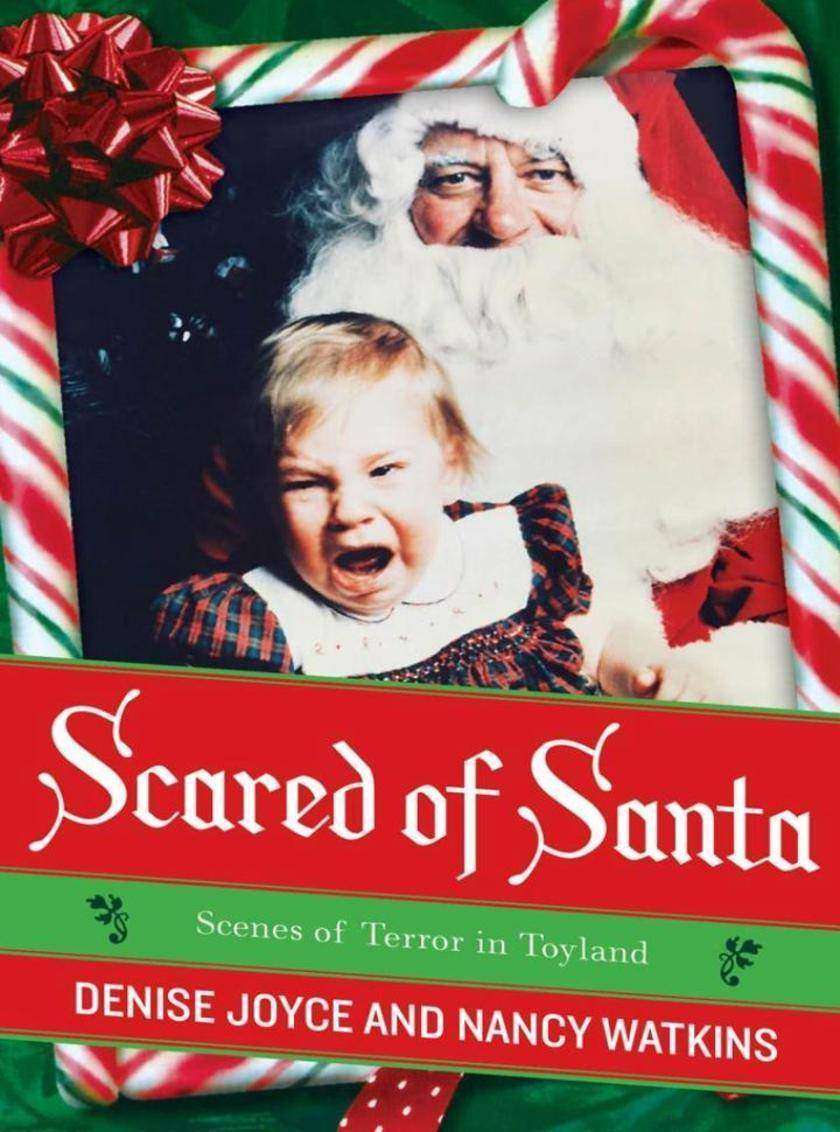
Scared of Santa
¥72.93
He's huge and hairy and hulking. He dresses in strange furry clothing. He sneaks into people's homes at night.Who wouldn't be afraid of . . . Santa Claus?!Nothing says Christmas quite like innocent children shrieking with terror as a stranger dressed in red drags them kicking and screaming onto his lap. Now this time-honored rite of passage is celebrated with a hilarious collection of more than two hundred and fifty priceless photos of kids' traumatic trips to Santa's workshop. Scared of Santa offers a cornucopia of photographic funnies from sixty-year-old family heirlooms to last year's howlers along with delightful commentary on those unforgettable childhood visits to scary ol' Saint Nick.
Mental Floss Presents Be Amazing
¥95.39
Be amazing Who says you can'tIt's time to get off the couch and take your life to the next level. Step one: stand on the shoulders of geniusesWhat good are the world's greatest geniuses if you can't muddy their shoulder pads and use their accomplishments as a step stoolmental_floss has combed through every success story in history to deliver this ultimate how-to guide for climbing your way to greatness.Step two: bask in the glow of admiring fansWhether you want to glow in the dark, swallow a sword, quit smoking, find Atlantis, live forever, get out of jury duty, buy the Moon, sink a battleship, stop global warming, become a ninja, or simply be the center of the universe, Be Amazing covers all the essential life skills. Just absorb a few pages, then let the hero worship begin!You will need: A hunger for greatness Some duct tape This book You may want: Sidekicks and/or minions An impressive nickname An amazing outfit

Awesome Sh*t My Drill Sergeant Said
¥110.71
Welcome to basic training, soldier.Now meet your worst nightmare . . . your drill sergeant.Even if you've never served in the military, you know the drill sergeant. The mere sight of his fatigues and the iconic "Round Brown" campaign hat strikes fear into the bravest of hearts. Drill sergeants inflict pain, demand discipline, and aren't afraid of power, aggression, and using fear as a motivational tool. But unless you've witnessed one firsthand with your face in the mud doing pushups, you might not know one other fact . . . drill sergeants are some of the FUNNIEST people on the planet!After his deployment in Afghanistan, Dan Caddy began swapping great drill sergeant stories by e-mail and social media with other veterans. Now, in Awesome Sh*t My Drill Sergeant Said, Caddy shares the best-of-the-best quotes, one-liners, stories, and top-ten lists proving once and for all that drill sergeants are the world's most underrated comedians and philosophers. If you have ever suffered a hard-ass manager (in uniform or not), these often profane, sometimes profound, yet always entertaining rants from real life soldiers will add a much-needed dose of humor to your day. Now stop laughing and drop and give me fifty.
50 Things to Do with a Book
¥95.52
Reading may be dead, but books are alive and well What good are books, you may be wondering, if we're not going to read themWhat are we even doing in this bookstoreNot to worry! It turns out that there are literally thousands of things to do with these chunky stacks of bound tree pulp. Fun, exciting, adventurous, creative things. In fact, this familiar rectangular object suddenly offers enough dazzling new interactive possibilities to, yes, fill a book. This book. From re-creating world wonders to settling marital disputes, entertaining dinner guests to channeling your inner secret agent, here are fifty wonderfully zany things to do with all your favorite books.
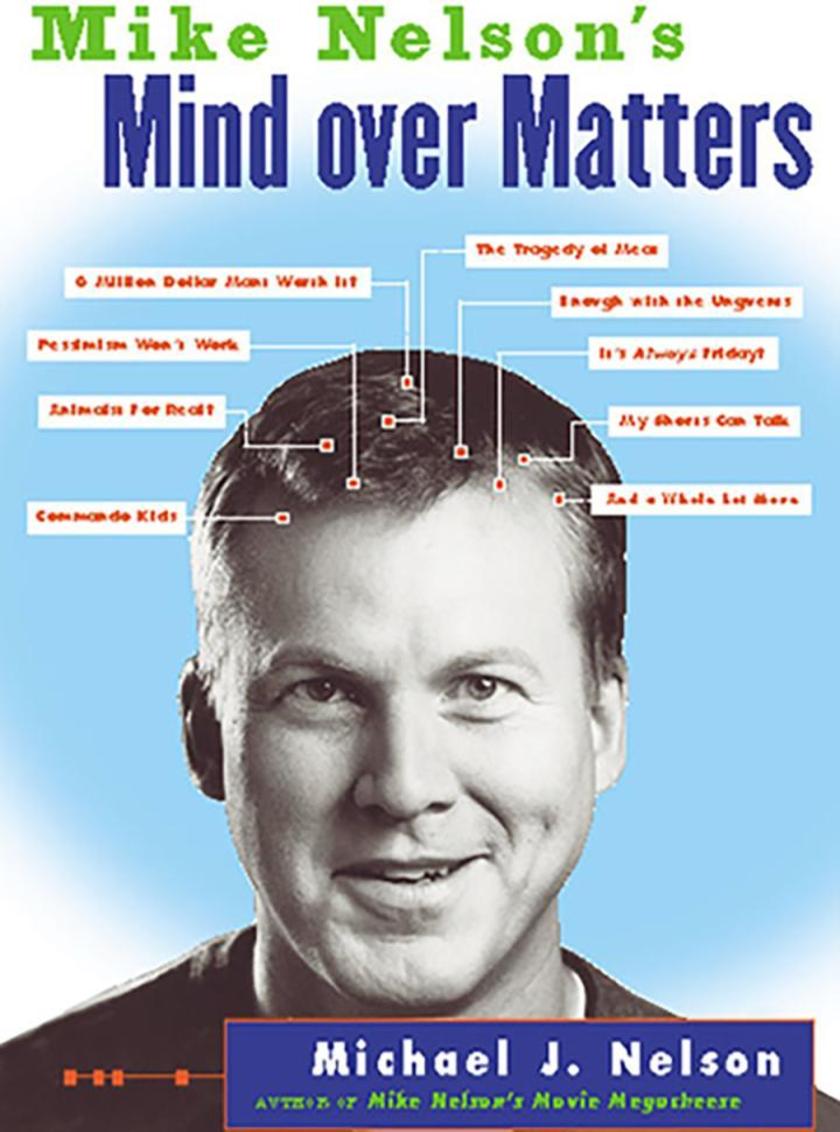
Mike Nelson's Mind over Matters
¥88.56
Why do some people retain cute baby-talk names for their relatives (like "Num-Num" and "Pee-Paw") well into middle ageHow should a reasonable person respond when Olivia Newton-John sings, "Have you never been mellow?" Who's responsible for the sorry state of men's fashion, and is it the same guy who invented the jerkinIs there any future in being a MidwesternerCan you really enjoy your lunch when the restaurant is decorated to look like an African plainHow come women keep dozens of bottles and jars of moisturizers, unguents, and lotions around -- all of them half emptyIn more than 50 hilarious all-new essays, one of America's brightest young humorists -- the head writer and on-air host of the legendary TV series Mystery Science Theater 3000 -- finds the fun in all aspects of the human condition, no matter how absurd. Join Mike Nelson on an angst-filled visit to a health spa; shopping sessions at Home Depot and Radio Shack; adventures in the very amateur musical theater; a gut-busting discourse on the history of television; ruminations on his roles as husband, father, and citizen; and much, much more.

Scuse Me While I Whip This Out
¥90.77
Kinky Friedman is back, and with 'Scuse Me While I Whip This Out he gets it on with all manner of egos. In this collection of twisted takes on life, the Kinkster gives us funny, irreverent, and insightful looks at outsized personalities from people he's known, like Bill Clinton, George W., Willie Nelson, and Bob Dylan -- not to mention Joseph Heller and Don Imus -- to people he's known in spirit, such as Moses, Jesus, Jack Ruby, and Hank Williams. With his meditations on subjects ranging from sleeping at the White House, marriage, his pets, fishing in Borneo, country music, and cigars to the tribulations of possessing talent, Kinky doesn't deny us the "flashes of brilliance and laugh-out-loud observations" (Rocky Mountain News) that are present in all his other work. Hilarious, irreverent, and passionately twisted, 'Scuse Me While I Whip This Out reads as if it were written by a slightly ill modern-day Mark Twain.
Passive Aggressive Notes
¥88.56
Part voyeuristic entertainment, part group therapy, Passive Aggressive Notes offers a fascinating look at the all-too-familiar frustrations of embattled office drones, apartment dwellers, parents, and pet owners everywhere. This curated collection combines dozens of outrageous, never-before-seen notes as well as favorites from Passive aggressivenotes.coma 2008 Webby Award Winner and the official "Best Blog" of the South by Southwest Interactive festival.
How to Booze
¥84.16
There is a perfect drink for every situation. So what should you drink tonightIt depends . . .Are you stalking your exTry a pisco sour.Drowning out the ticking of your biological clockA bee's knees will do.Spoiling for a vicious brawl with your dearest loved onesA tipperary helps you get there.Sinking into debauchery underneath the mistletoe at your boss's holiday partyA presbyterian, what else?How to Booze has all the answers on what to drink when. Armed with nearly one hundred iconic recipes, useful facts on technique and ingredients, and more than enough advice to get you into trouble, you will now know just the right drink for the occasion and how to prepare it likea professional.

Maybe Your Leg Will Grow Back!
¥56.17
Interventions are like little surprise parties!Plus a bonus Do-it-yourself crafts section brighten up anything with baby animals!
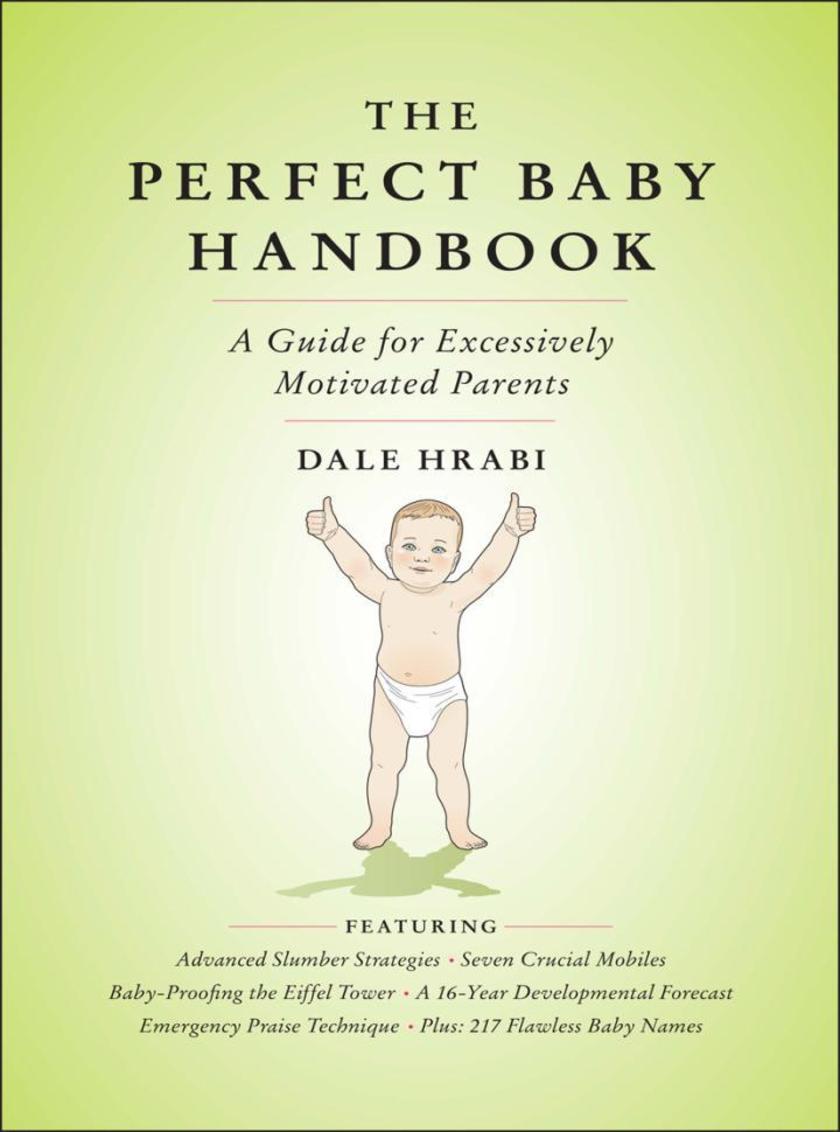
The Perfect Baby Handbook
¥95.39
New parents are hipper, more educated, and more sophisticated than ever, but they're also highly competitive--a lethal combination when turbocharged by the anxieties of raising a baby. And for many couples, it's not just any baby, but the perfect baby. These excessively motivated parents will not sabotage Junior's future by denying him Mandarin lessons, a nursery chandelier (just like the one Gwyneth's kids enjoy), or advanced infant yoga. A hilarious, highly visual satire of childrearing manuals, The Perfect Baby Handbook provides much-needed comic relief from the pressures of modern parenting, and gives comfort to moms and dads who can say with a sigh of relief, At least, we're not this bad.
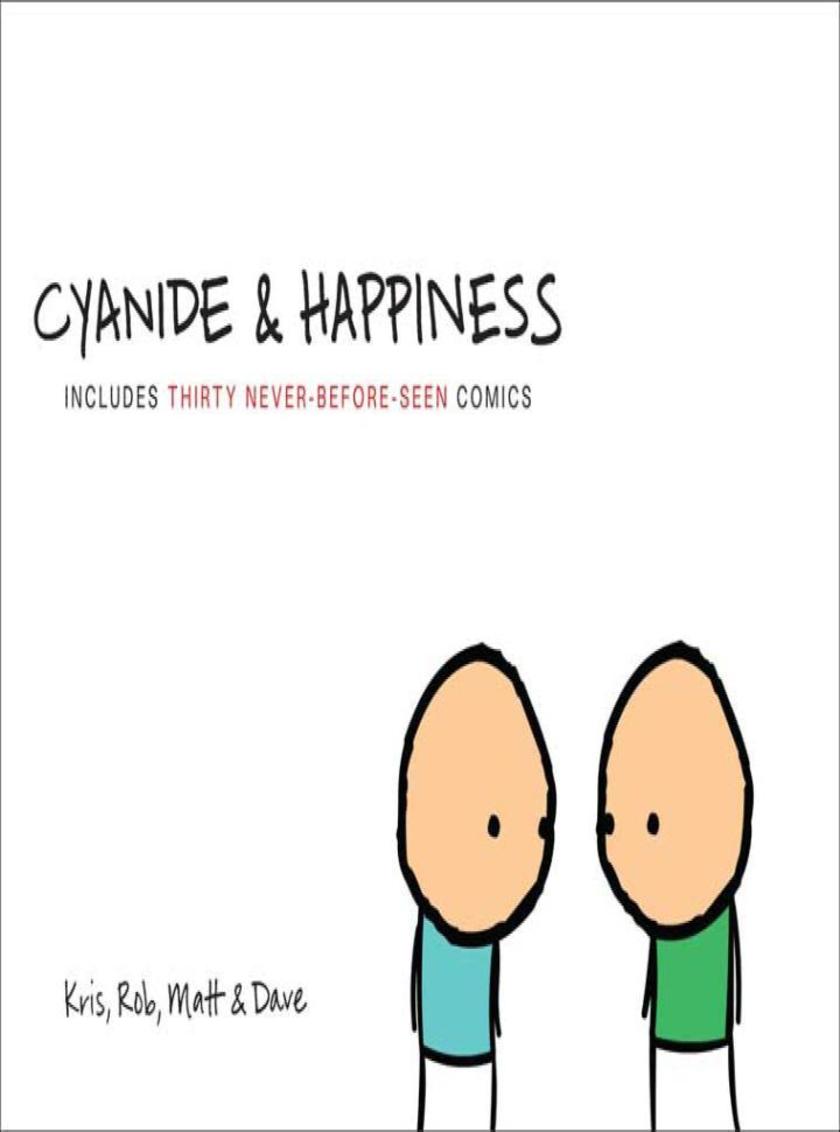
Cyanide and Happiness
¥88.56
Introducing the first real, tangible, ignitable collection of the hit online comic Cyanide Happiness, featuring a selection of your favorite comics and thirty brand-new strips.From the minds of Kris, Rob, Matt, and Dave comes a barrage of irreverent entertainment sure to keep you amused until the day you die. Just see what their mothers have to say!"Dave is a nice, young man with a bright future ahead of him. I always knew he was a gifted boy who would go on to do great things. I hope he settles down with a nice, young woman and ****s the **** out of her." Dave's mom"I don't know how to get computer pictures, so I'm glad Kris finally has a book out. I haven't read it yet, but I hope he gives me a quote on the back." Kris's mom"I hope Robert's book does well so he can finally afford to move out. He plays his hip-hop music too loud." Rob's mom Matt's mom was unavailable for a quote due to being dead.
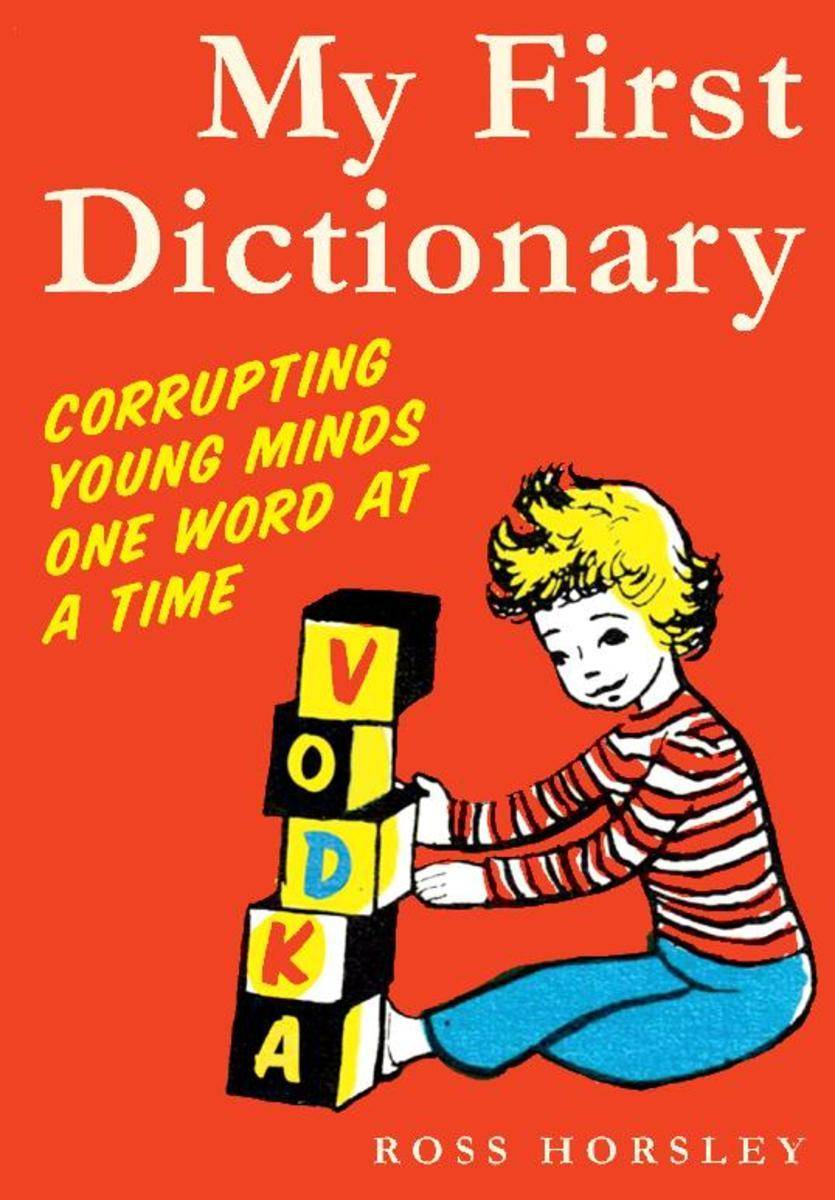
My First Dictionary
¥84.16
Hello, boys and girls, and welcome to the wonderful world of words! You've learned the basics from apple to zebra but what about all those mysterious new terms you've heard the grown-ups whispering when you were supposed to be tucked up snugly in bedWhat makes Mommy so bitterWhere does Daddy conceal the door to his secret S&M dungeon dungeonAnd why is everyone laughing about Grandma's latest delusionMy First Dictionary answers these questions, and includes many other useful definitions, such as:A burden is a source of worry or stress. Old people are usually burdens.Father is nostalgic. He is remembering the happier times before you were born.A puppy is a young dog. Connie gets a puppy every time she agrees not to tell. Daddy calls them hush puppies.A zigzag is a jagged line. We can tell that Mother has been drinking when she drives in a zigzag pattern. Carry a copy of My First Dictionary in your schoolbag and you'll never be at a loss for words again!
Waiting
¥83.03
A veteran waitress dishes up a spicy and robust account of life as it really exists behind kitchen doors.Part memoir, part social commentary, part guide to how to behave when dining out, Debra Ginsberg's book takes readers on her twentyyear journey as a waitress at a soap-operatic Italian restaurant, an exclusive five-star dining club, the dingiest of diners, and more. While chronicling her evolution as a writer, Ginsberg takes a behind-the-scenes look at restaurant life-revealing that yes, when pushed, a server will spit in food, and, no, that's not really decaf you're getting-and how most people in this business are in a constant state of waiting to do something else.
Babyhood
¥83.03
I'm going to be totally honest with you. This is not a "how-to," a "when-to," or a "what-to-expect" book. It's not even endorsed by anyone remotely connected to the medical profession. "But if I have only one book to buy," you ask, "shouldn't I go for the helpful one?"Let's compare:Those know-it-all books tell you how to care for a newborn child.My book describes how tired I am.Those books give you essential information you can use in a life-threatening emergency.My book has some very amusing anecdotes about poop.So really, it's up to you.


