


 购物车
购物车 个人中心
个人中心

Szoros emberfogás
¥57.31
"Ugyanabban az id?ben, és ugyanazon a napon, amelyen a nemzetek megszentégtelenítették, ugyanakkor szentelték fel a templomot énekszóvel, lantok, hárfák és cintányérok kíséretével. Az egész nép arcra borult, imádta és áldotta at Eget, hogy szerencséssé tette útjukat. Az oltár újraszentelését nyolc napig végezték, és ?r?mmel áldoztak ég?álozatokat és dícs?it? áldozatokat a szabadulásért. A templom homlokzatát aranykoszorúkkal és -pajzsocskákkal díszítették fel, megújították a kapukat és a papi kamrákat, és ajtókkal láttál el ?ket. Igen nagy ?r?m t?lt?tte le a népet, mivel sikerült elhárítaniuk magukról a nemzetek gyalázatát. Júdás és testvérei Izrael egész gyülekezetével együtt elhatározták, hogy évr?l évre megünnepilik az oltár újraszentelésének napjait a maga idején a Kiszlév hónap huszon?t?dik napjától kezdve nyolc napon át vidámsággal és ?r?mmel."? A Makkabeusok els? k?nyve Izrael népe t?rténelmének olyan fejezetét mutatja be, amikor az ?s?k hitéért való harc egyben a nemzeti ?nrendelkezésért való küzdelmet is jelentett a hellenizmus globális trendjével szemben.?
Maidanul cu dragoste
¥0.01
Organizarea, activitatea ?i orientarea ?n coresponden?? diplomatic? rom?n? ?i note ale SSIVolumul are ca subiect principal organizarea, activitatea ?i orientarea emigra?iei politice din fostul Imperiu Rus ?n Europa, considerat? ca un pericol permanent la adresa regimului comunist, emigra?ie ai c?rei lideri au f?cut obiectul ?ncerc?rilor permanente de terorizare, lichidare sau discreditare.Documentele selectate, ?n cea mai mare parte, din Arhiva Diplomatic?, reprezint? rapoarte ale lega?iilor ?i oficiilor consulare rom?ne din Atena, Belgrad, Berlin, Berna, Bratislava, Budapesta, Istanbul, Lisabona, Madrid, Paris, Praga, Roma, Rusciuk, Skopje, Sofia, Stockholm, Vichy sau Zagreb, precum ?i note ale Serviciului Special de Informa?ii, c?tre Ministerul Afacerilor Str?ine, ?n timpul campaniei germano-rom?ne ?mpotriva Uniunii Sovietice. Sursele reflect? nu doar starea de fapt ?i de spirit a emigran?ilor, for?a?i s? aleag? ?ntre regimul totalitar comunist ?i cel nazist, dar ?i pozi?ia Bucure?tiului fa?? de problemele rus? ?i ucrainean?, cu profunde implica?ii geopolitice.
Abaddon kapuja
¥73.49
ARCHITECTURE seems to me to be the most wonderful of all the arts. We may not love it as much as others, when we are young perhaps we cannot do so, because it is so great and so grand; but at any time of life one can see that in Architecture some of the most marvellous achievements of men are displayed. The principal reason for saying this is that Architecture is not an imitative art, like Painting and Sculpture. The first picture that was ever painted was a portrait or an imitation of something that the painter had seen. So in Sculpture, the first statue or bas-relief was an attempt to reproduce some being or object that the sculptor had seen, or to make a work which combined portions of several things that he had observed; but in Architecture this was not true. No temples or tombs or palaces existed until they had first taken form in the mind and imagination of the builders, and were created out of space and nothingness, so to speak. Thus Painting and Sculpture are imitative arts, but Architecture is a constructive art; and while one may love pictures or statues more than the work of the architect, it seems to me that one must wonder most at the last. We do not know how long the earth has existed, and in studying the most ancient times of which we have any accurate knowledge, we come upon facts which prove that men must have lived and died long before the dates of which we can speak exactly. The earliest nations of whose Architecture we can give an account are called heathen nations, and their art is called Ancient or Heathen Art, and this comes down to the time when the Roman Emperor Constantine was converted to Christianity, and changed the Roman Capitol from Rome to Constantinople in the year of our Lord 328. The buildings and the ruins which still remain from these ancient times are in Egypt, Assyria, Persia, Judea, Asia Minor, Greece, Etruria, and Rome. Many of these have been excavated or uncovered, as, during the ages that have passed since their erection, they had been buried away from sight by the accumulation of earth about them. These excavations are always going on in various countries, and men are ever striving to learn more about the wonders of ancient days; and we may hope that in the future as marvellous things may be revealed to us as have been shown in the past. EGYPT: As we consider the Architecture of Egypt, the Great Pyramid first attracts attention on account of its antiquity and its importance. This was built by Cheops, who is also called Suphis, about 3000 years before Christ. At that distant day the Egyptians seem to have been a nation of pyramid-builders, for even now, after all the years that have rolled between them and us, we know of more than sixty of these mysterious monuments which have been opened and explored. Of all these the three pyramids at Ghizeh are best known, and that of Cheops is the most remarkable among them. Those of you who have studied the history of the wars of Napoleon I. will remember that it was near this spot that he fought the so-called Battle of the Pyramids, and that in addressing his soldiers he reminded them that here the ages looked down upon them, thus referring to the many years during which this great pyramid had stood on the border of the desert, as if watching the flight of Time and calmly waiting to see what would happen on the final day of all earthly things. There have been much speculation and many opinions as to the use for which these pyramids were made, but the most general belief is that they were intended for the tombs of the powerful kings who reigned in Egypt and caused them to be built.The pyramid of Cheops was four hundred and eighty feet and nine inches high, and its base was seven hundred and sixty-four feet square. It is so difficult to understand. CLARA ERSKINE CLEMENTAUTHOR OF "HANDBOOK OF LEGENDARY AND MYTHOLOGICAL ART," "PAINTERS, SCULPTORS, ENGRAVERS, ARCHITECTS AND THEIR WORKS," "ARTISTS OF THE NINETEENTH CENTURY"
Adonijah: "A Tale of the Jewish Dispersion"
¥23.22
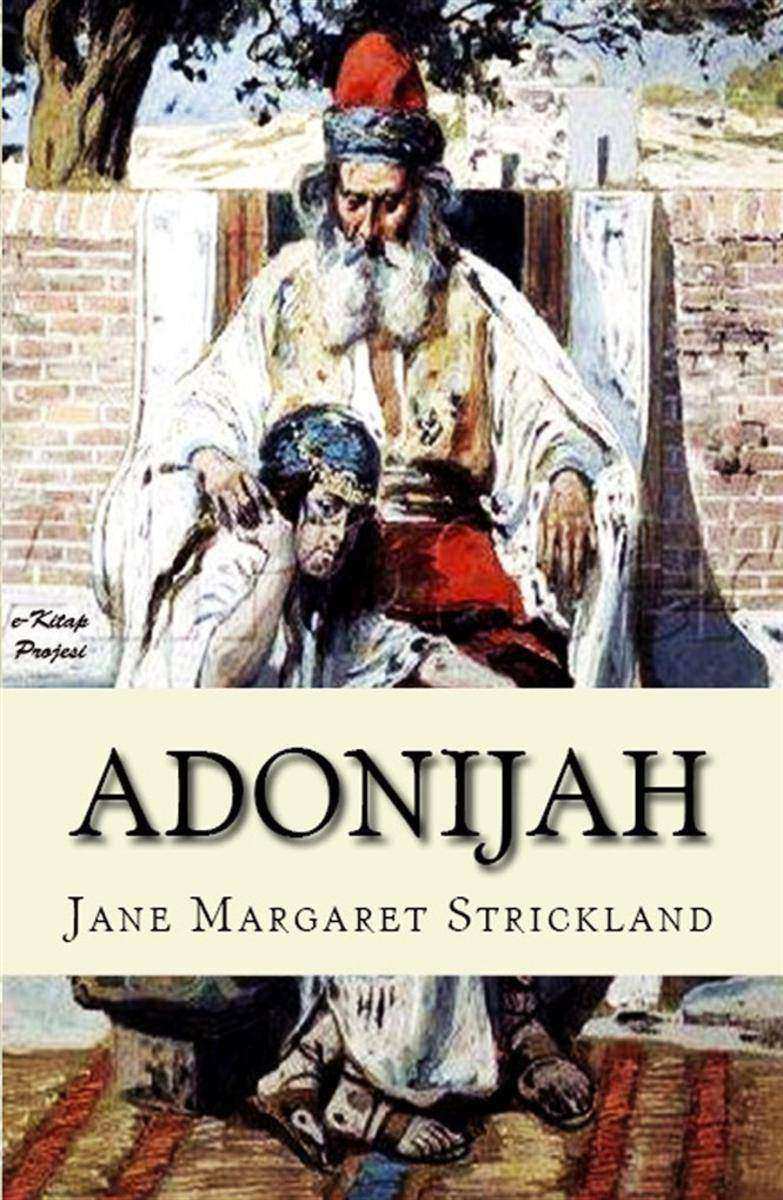
The period included in the reigns of Nero, Galba, Otho, Vitellius, and Vespasian, was remarkable for two memorable events in the annals of ecclesiastical history; the first persecution of the Christian Church by the sixth Roman sovereign, and the dissolution of the Jewish polity by Titus. The destruction of Jerusalem was stupendous, not only as an act of divine wrath, but as being the proximate cause of the dispersion of a whole nation, upon which a long series of sorrow, spoliation, and oppression lighted, in consequence of the curse the Jews had invoked, when in reply to the remonstrances of Pilate they had cried out, “His blood be upon us and our children.” The church below, represented in Scripture as a type of the heavenly Jerusalem above, and having its seat then in the doomed city, was not to continue there, lest the native Jews composing it should gather round them a people of their own nation, in a place destined to remain desolate till the time when the dispersed of Israel should be converted, and rebuild their city and temple. The city bearing the ancient name of Jerusalem does not indeed occupy the same site, being built round the sacred spot where the garden once stood, in which a mortal sepulchre received the lifeless form of the Saviour of the world. But happier times seem dawning on the dispersed of Judea. Our own days have seen the foundations of a Jewish Christian church laid in Jerusalem; our Queen Victoria and the King of Prussia united to commence a work of love, thereby fulfilling in part the promise made to the Jews of old, “And kings shall be thy nursing fathers, and queens thy nursing mothers.” To those readers who feel interested in the dispersed of Israel and Judea, these pages may afford, perhaps, information on an important subject as well as amusement.
Mesopotamian Archaeology
¥37.20
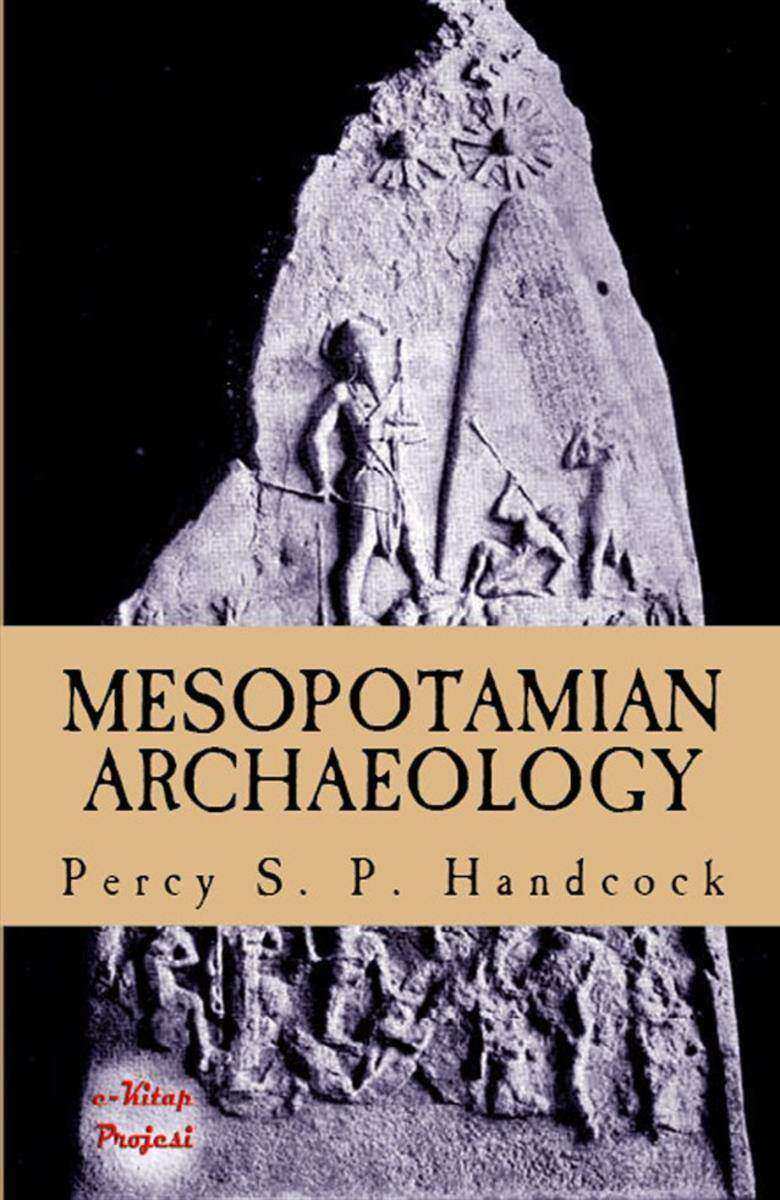
THE Mesopotamian civilization shares with the Egyptian civilization the honour of being one of the two earliest civilizations in the world, and although M. J. de Morgan’s excavations at Susa the ruined capital of ancient Elam, have brought to light the elements of an advanced civilization which perhaps even antedates that of Mesopotamia, it must be remembered that the Sumerians who, so far as our present knowledge goes, were the first to introduce the arts of life and all that they bring with them, into the low-lying valley of the Tigris and Euphrates, probably themselves emigrated from the Elamite plateau on the east of the Tigris; at all events the Sumerians expressed both “mountain” and “country” by the same writing-sign, the two apparently being synonymous from their point of view; in support of this theory of a mountain-home for the Sumerians, we may perhaps further explain the temple-towers, the characteristic feature of most of the religious edifices in Mesopotamia, as a conscious or unconscious imitation in bricks and mortar of the hills and ridges of their native-land, due to an innate aversion to the dead-level monotony of the Babylonian plain, while it is also a significant fact that in the earliest period Shamash the Sun-god is represented with one foot resting on a mountain, or else standing between two mountains. However this may be, the history of the Elamites was intimately wrapped up with that of the dwellers on the other side of the Tigris, from the earliest times down to the sack of Susa by Ashur-bani-pal, king of Assyria, in the seventh century. Both peoples adopted the cuneiform system of writing, so-called owing to the wedge-shaped formation of the characters, the wedges being due to the material used in later times for all writing purposes—the clay of their native soil—: both spoke an agglutinative, as opposed to an inflexional language like our own, and both inherited a similar culture. A further, and in its way a more convincing argument in support of the mountain-origin theory is afforded by the early art of the Sumerians. On the most primitive seal cylinders1 we find trees and animals whose home is in the mountains, and which certainly were not native to the low-lying plain of Babylonia. The cypress and the cedar-tree are only found in mountainous districts, but a tree which must be identified with one or the other of them is represented on the early seal cylinders; it is of course true that ancient Sumerian rulers fetched cedar wood from the mountains for their building operations, and therefore the presence of such a tree on cylinder seals merely argues a certain acquaintance with the tree, but Ceteris paribus it is more reasonable to suppose that the material earthly objects depicted, were those with which the people were entirely familiar and not those with which they were merely casually acquainted. Again, on the early cylinders the mountain bull, known as the Bison bonasus, assumes the r?le played in later times by the lowland water-buffalo. This occurs with such persistent regularity that the inference that the home of the Sumerians in those days was in the mountains is almost inevitable. Again, as Ward points out, the composite man-bull Ea-bani, the companion of Gilgamesh, has always the body of a bison, never that of a buffalo. So too the frequent occurrence of the ibex, the oryx, and the deer with branching horns, all argues in the same direction, for the natural home of all these animals lay in the mountains.
Charles I
¥18.56
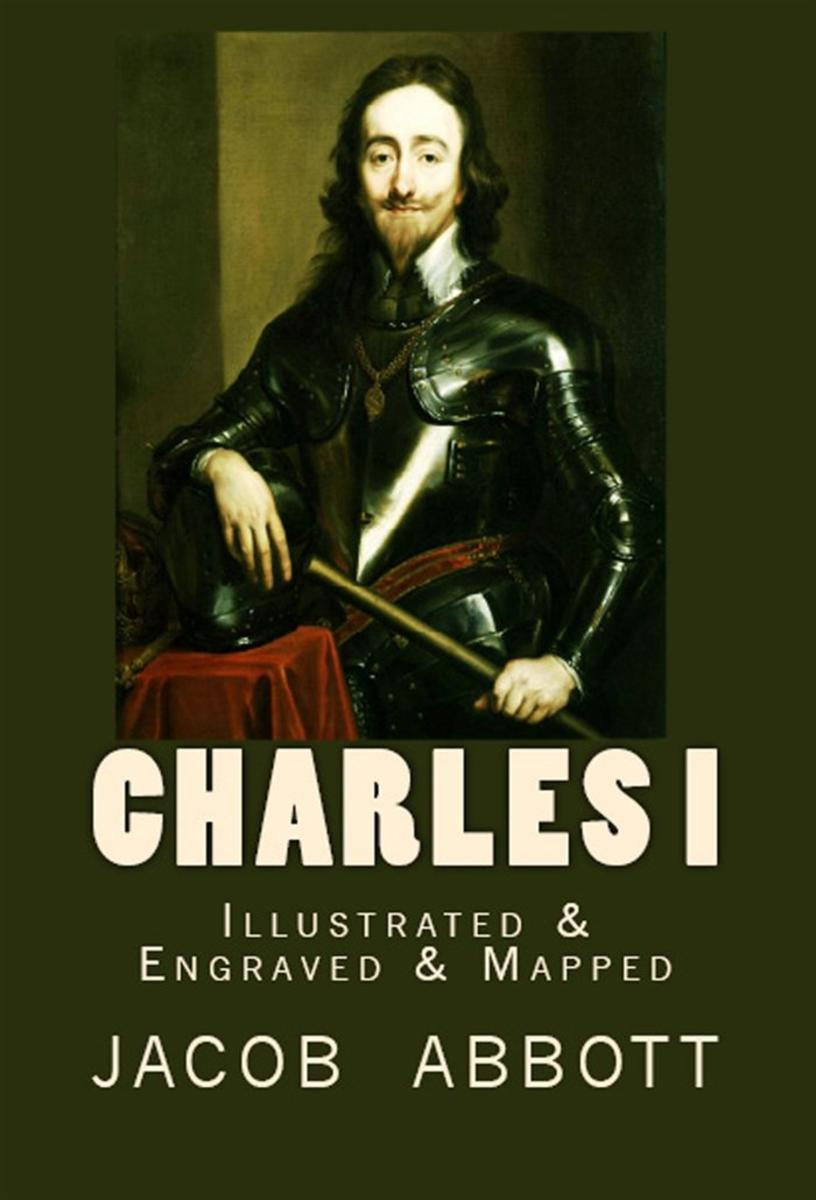
KING CHARLES THE FIRST was born in Scotland. It may perhaps surprise the reader that an English king should be born in Scotland. The explanation is this:??They who have read the history of Mary Queen of Scots, will remember that it was the great end and aim of her life to unite the crowns of England and Scotland in her own family. Queen Elizabeth was then Queen of England. She lived and died unmarried. Queen Mary and a young man named Lord Darnley were the next heirs. It was uncertain which of the two had the strongest claim. To prevent a dispute, by uniting these claims, Mary made Darnley her husband. ??They had it son, who, after the death of his father and mother, was acknowledged to be the heir to the English throne, whenever Elizabeth's life should end. In the meantime he remained King of Scotland. His name was James. He married a princess of Denmark; and his child, who afterward was King Charles the First of England, was born before he left his native realm.

Exploratorii. Cartea a III-a - Muntele de fum
¥73.49
Cartea t?n?rului universitar Mihai-Bogdan Marian consacrat? analizei conflictelor interna?ionale este o invita?ie la luciditate, la reflec?ie autonom?, dezinhibat?, la cercetare aplicat?, f?r? prejudec??i ?i partizanate apriorice. Autorul este un analist pentru care exerci?iul ?n sine al disec?rii cauzelor ?i ?mprejur?rilor ce favorizeaz? apari?ia ?i acutizarea conflictelor interna?ionale nu este unul fortuit sau gratuit. Ideea sa tutelar? este c? orice astfel de conflict poate fi pre?nt?mpinat. Iar dac?, fatalmente, el s-a declan?at ?i s-a dezvoltat, sc?p?nd poate de sub control, poate fi dezamorsat, factorii angrena?i ?n acest proces av?nd la ?ndem?n? algoritmi ?i proceduri standard care nu trebuie s? fac? obiectul unei ac?iuni in extremis, care s? justifice de fapt prin e?ec escaladarea ?n continuare a conflictului ca atare. (Mihai Milca)

Peisaje interioare
¥57.14
Volumul de fa?? reune?te portretele sclipitoare ale celor mai ilustre favorite. Apropiate puterii, exercit?ndu??i influen?a adesea ?ntr?o manier? clandestin?, ele alc?tuiesc un galant cortegiu de femei c?rora importan?i b?rba?i de stat le datoreaz? mult. Ce este o favorit?? Cuv?ntul, ne?ndoielnic originar din italian?, se refer? la o femeie care ?se bucur? de favorurile" unei persoane de rang foarte ?nalt. Spre deosebire de o amant?, favorita nu se mul?ume?te s? fie obiectul unei pasiuni amoroase, fie aceasta efemer? ori durabil?. Ea are putere, exercit? influen?? politic?, economic? sau artistic?; ob?ine rezultate, fericite sau dezastruoase. Fie c? e iubit? de popula?ie, tolerat? sau detestat?, nimic nu se face ?i nu se desface f?r? ea. Muzele prezentate de autor ?n acest periplu prin istoria Europei au jucat toate un rol propor?ional cu influen?a exercitat? asupra monarhului, prin?ului mo?tenitor, regelui sau ?mp?ratului l?ng? care s-au aflat, fie el c?s?torit, v?duv sau celibatar: Agnes Sorel, Diana de Poitiers, Gabrielle d’Estrées, Louise de La Valliere, marchiza de Montespan, doamna de Maintenon, surorile de Nesle, marchiza de Pompadour, doamna du Barry, Zoé du Cayla, Lol Montez, Miss Howard, Katia Dolgorukova, Blanche Delacroix, Magda Lupescu ?i Wallis Simpson. Optsprezece portrete de femei care au influen?at cursul istoriei. ?n bine ?i ?n r?u.?

Aforisme ?i pamflete
¥85.05
Cititorul va redescoperi, citind aceast? carte, istoriile, uneori-adeseori, scandaloase ale celebrelor cupluri bucure?tene, inclusiv c?teva din pove?tile de dragoste care s-au legat ?ntre domni?ele noastre ?i str?inii ajun?i la Bucure?ti, fie ?n calitate de diploma?i, fie de militari. Nu lipsesc din aceste pagini nici arti?tii din galeria ?aman?ilor magnifici“ ai Bucure?tilor de odinioar?. Un exemplu este povestea rivalit??ii Eminescu – Caragiale ?n ceea ce-o prive?te pe Veronica Micle sau povestea dublei pasiuni a arhitectului Alexandru Orascu – pentru so?ia sa Elena Marcovici ?i pentru ora?ul natal pe care visa s?-l ridice din cenu?? ?i ruine. Un Bucure?ti al Afroditei ?i al lui Eros (cum ?i mergea vestea ?nca din veacul fanariot, potrivit calug?rului grec Daponte), nu era de ?nchipuit f?r? evocarea vestitelor baluri din palatul ?u?u ?i nici f?r? evocarea cuplului Grigore ?i Irina ?u?u, arbitri ai elegan?ei, ospitalit??ii ?i curtoaziei specifice secolului al XIX-lea.

Woody Allen. Bufon ?i filosof
¥48.97
Cartea constituie un foarte dens ?i interesant manual indirect de istorie a Americii, adres?ndu-se elevilor, studen?ilor, precum ?i publicului larg de cititori. O carte despre fragmentele cele mai controversate ale istoriei Americii.
Karl Marx ?n 1234 de fragmente alese de Ion Iano?i
¥65.32
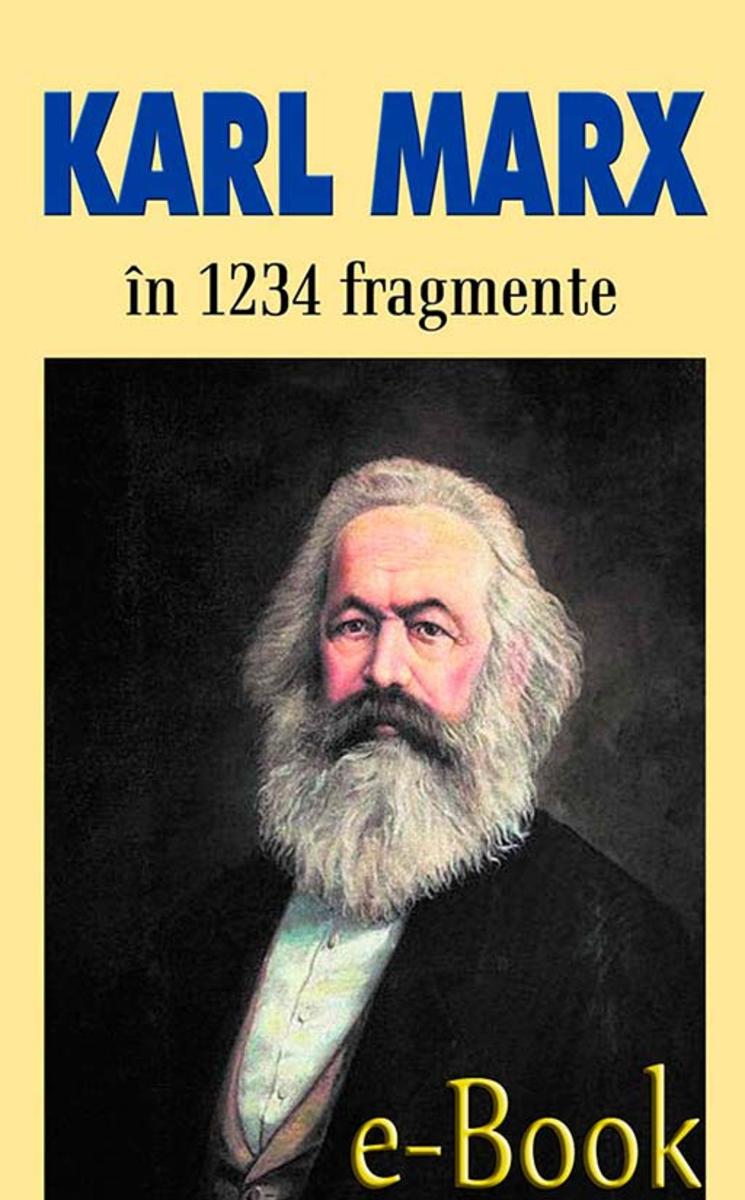
Volumul cuprinde un amplu studiu introductiv (aprox. 50 pag.) si o selectie – pe tema stabilita in titlu – de 200 documente inedite descoperite in arhivele britanice, americane, franceze, germane si foste sovietice.

Marea amiaz?. Studii ?i eseuri despre Nietzsche
¥40.79
The work represents a synthesis published and printed in two volumes (the 1st volume in 2002, the second one, in 2004) under the aegis of Mica Valahie Publishing House in Bucharest. Being elaborated on the basis of some documents discovered in the Romanian and foreign archives, the two volumes cover the period up to 1929 in the first volume and the period from 1929 to 2005 in the second one. The paper reveals the role and place of Romanian oil in the evolution of the national and worldwide history, especially during the World War between 1939 and 1945 and in the development of the so-called “cold war”. The book insists upon the prospects of the specific “black gold” evolution.In the addendum there are to be found some interesting documents and the complete bibliography of oil.
Disconfortul de a fi rom?n
¥40.79
Un volum cuprinzand studii si documente descoperite in arhivele romane si straine (aproximativ 900 pagini) privind istoria conflictului mondial din 1939-1945 si a razboiului rece. Lucrarea reflecta, in esenta, batalia pentru informatii angajata intre serviciile de spionaj dupa 1939, pregatirea si infaptuirea loviturii de stat de la 23 August 1944, lupta pentru putere la nivelul conducerii P.C.R. (1944-1989), premisele loviturii de stat din 22 decembrie 1989, prabusirea statului comunist in Europa Est-Centrala e.t.c.

Mame ?i fiice. Pove?ti adev?rate. Vol. 5
¥11.04
Fiecare zi a anului are o poveste de spus. Cine a fost asasinat, cine a urcat pe tron, cine a fugit din ?ar?? Cine s-a n?scut? Ce armat? a fost ?nvins? ?n mod nea?teptat?Autorii prezint?, structurate pe zilele anului, evenimente cu impact asupra epocii ?n care s-au petrecut (?i poate chiar asupra epocii noastre) – na?teri, decese, c?s?torii, ?ncoron?ri, asasin?ri, scandaluri, execu?ii, b?t?lii, dueluri ?i tratate. Adeseori, evenimentele au ?n centrul lor c?te o personalitate marcant?, precum Horatio Nelson sau Lorenzo Magnificul, Robespierre sau Dante. Ve?i citi despre ziua ?n care Rommel, Vulpea De?ertului, s-a sinucis, cea ?n care Napoleon a evadat din exilul de pe insula Elba, cea ?n care Galileo Galilei a fost condamnat pentru erezie ?i despre multe altele.Un compendiu fascinant, pentru to?i cei interesa?i de marile evenimente care au marcat istoria sau de sl?biciunile oamenilor mari din toate epocile.

Viitoare mame. Pove?ti adev?rate. Vol. 6
¥11.04
n 1960, Adolf Eichmann, artizanul soluiei finale“, era capturat n Argentina de un comando al Mossadului i adus n Israel pentru a fi judecat. Avea s fie doar una dintre rsuntoarele operaiuni ale temutului serviciu secret israelian. Au ieit la iveal multe altele – eradicarea gruprii Septembrie Negru (responsabil de atentatul sngeros de la München, din 1972), distrugerea facilitilor nucleare siriene, eliminarea savanilor iranieni implicai n proiectul nuclear, lichidarea unor lideri teroriti extrem de periculoi etc.Despre misiunile Mossadului s-a scris puin, n comparaie cu alte servicii secrete de elit (KGB, CIA sau MI5). Cu att mai fascinant este cartea autorilor Michael Bar-Zohar i Nissim Mishal, care ne introduce n culisele spionajului israelian, de la nfiinarea acestuia pn n prezent. Metodele pe care le folosete, de la otrav la virui informatici i drone, par desprinse din filmele cu spioni, de o complexitate i o eficien incredibile. Nu este de mirare c Mossadul a cptat, n timp, o aur de legend, fiind considerat n prezent cel mai eficient serviciu de spionaj din lume.Aceast carte ne spune ceea ce ar fi trebuit s fie tiut i nu este – c fora ascuns a Israelului este la fel de formidabil ca puterea lui fizic recunoscut.“ – Shimon Peres, preedinte al statului Israel
S? mori din dragoste
¥65.32
Un volum cuprinzand studii si documente descoperite in arhivele romane si straine (aproximativ 900 pagini) privind istoria conflictului mondial din 1939-1945 si a razboiului rece. Lucrarea reflecta, in esenta, batalia pentru informatii angajata intre serviciile de spionaj dupa 1939, pregatirea si infaptuirea loviturii de stat de la 23 August 1944, lupta pentru putere la nivelul conducerii P.C.R. (1944-1989), premisele loviturii de stat din 22 decembrie 1989, prabusirea statului comunist in Europa Est-Centrala e.t.c.

Cel mai bun tat?
¥73.49
Insumeaza o serie de cursuri universitare (de docenta si nu numai) tinute de unul dintre cei mai ilustrii elevi ai lui Vasile Parvan, prof. dr. docent Vladimir Dumitrescu, la Universitatea din Bucuresti in anii 30 ai secolului trecut, in vederea obtinerii titlului de docent si pe cel de conferentiar al respectivei Universitati. Volumul incepe cu o cuprinzatoare prelegere din care aflam cere au fost formele de civilizatie preistorica in Dacia rasariteana pana in mileniul I, i. C., precum si rolul marilor fluvii in dezvoltarea civilizatiilor omenesti.

Eliberarea de jocurile min?ii
¥32.62
Indezirabilii, publicat sub egida Institutului de Istorie ?George Bari?iu“ al Academiei Rom?ne, scoate la lumin? informa?ii pu?in cunoscute despre exodul etnicilor evrei, rom?ni, ru?i ?i ucraineni din URSS ?n Rom?nia.Cauzele, mijloacele emigr?rii, reac?ia autorit??ilor, a popula?iei autohtone ?i a organiza?iilor interna?ionale, fenomenele conexe sunt relevate ?n contextul profundelor transform?ri sociale ?i politice din perioada 1919-1939. Prezentarea unor texte scrise de ?i despre emigran?i ofer? detalii asupra atrocit??ilor comise de regimul sovietic, a modului ?n care au fost percepu?i ?i a celui ?n care au perceput indezirabilii statul na?ional unitar rom?n.Fragment din subsec?iunea ?Trecerea Nistrului ?n ambele sensuri: motive ?i consecin?e“Unul din efectele masacrelor de la Nistru din lunile februarie-martie 1932 ?i ale noului val de refugia?i din RASS Moldoveneasc? asupra opiniei publice din Rom?nia a constat ?n exprimarea pozi?iei fa?? de evenimentele tragice ?n publica?ii. Jurnali?tii ?i cercet?torii nu s-au limitat la analiza evenimentelor, ci au publicat o serie ?ntreag? de materiale despre istoria regiunii transnistrene ?i a rom?nilor de acolo. De exemplu, potrivit lui Pamfil ?eicaru, amplificarea represiunilor din URSS reprezenta unul din aspectele luptei ?mpotriva tradi?iei (familia, p?m?ntul, religia), iar rom?nii transnistreni – un bastion de ?nd?r?tnic? rezisten?? a tradi?iei. ?n fapt, purificarea regiunii transnistrene, echivala cu desfiin?area pseudo-autonomiei moldovene?ti, iar dispari?ia entit??ii intra ?n linia necesit??ilor de via?? ale centraliz?rii Moscovei, trec?nd peste particularit??ile provinciale. Motivele extermin?rii sunt rezumate ?n finalul analizei: ?Moldovenii n-au fost buni, n-au slujit scopurilor pentru care li se d?duse chiar ?i titlul de Republic? Moldoveneasc?, dispari?ia lor a ap?rut ca o porunc? nivelatoare a standardului na?ional conceput de Stalin. ?i de pe p?m?nturile unde tr?iesc de veacuri, de pe malurile Nistrului, sunt porni?i ?n dep?rt?rile pustii ?i ?nghe?ate ale Siberiei. Drumul lung ?i greu, foamea, bolile, le va tot ?mpu?ina num?rul, p?n? ce nu va mai r?m?ne niciunul din neamul blestemat al moldovenilor, ace?ti ?nd?r?tnici adversari ai uniformiz?rii staliniste. De-a lungul Rusiei ro?ii (tot at?t de milostiv? ca ?i Rusia ?arist?) mormintele lor vor ?nsemna drumul crucific?rii moldave. ?i ieri ?i azi Pohod na Sibir! Numai imbecilii ??i ?nchipuie c? esen?a na?iilor se schimb? prin revolu?ii“. La 23 martie 1932, sub impresia cazurilor, individuale sau de grup, aproape zilnice, de ?mpu?care a ??ranilor rom?ni care ?ncercau s? p?trund? din Transnistria ?n Rom?nia, Pamfil ?eicaru dezvolta ideea de standardizare spiritual? prin represiune masiv?, exterminatorie, ?ntr-un articol cu accente directe antiminoritare ?i indirecte antiguvernamentale. Raportat la incapacitatea sau imposibilitatea opririi crimelor de la frontiera sovieto-rom?n?, directorul Curentului propunea efectuarea unui schimb de popula?ie cu URSS, mediat de Societatea Na?iunilor: ?[…] exact ?n propor?ia numeric? a moldovenilor de peste Nistru ce ni s-ar trimite, am expedia comuni?ti ruteni, oameni converti?i ce nu ar mai necesita at?ta trud? uciga?? c?te sunt constr?nse autorit??ile sovietice s? fac?“. O critic? explicit? viza rolul activ pe care ar fi trebuit s?-l joace Societatea Na?iunilor: ?Un mijloc foarte simplu de a curma un asasinat, un semn de prezen?? uman? a institu?iei de asisten?? a popoarelor, de activ? prezen?? a Societ??ii Na?iunilor“. Trebuie men?ionat ?ns? faptul c?, ?ntr-un articol ulterior, se consemna sprijinul acordat de A. ?ulghin, reprezentantul ucrainean la Geneva, delega?iei Rom?niei, care a cerut condamnarea masacrelor de la Nistru ?n format multilateral. Mai mult dec?t at?t, putem observa c? ucrainenii sunt men?iona?i pe l?ng? etnicii rom?ni ca victime ale atrocit??ilor: ?Masacrele s-au repetat, ??ranii au fost ?mpu?ca?i f?r? mil?, rom?ni ?i ucraineni laolalt?“.

A sz?ke ciklon
¥14.39
Mindannyian tudjuk még, mit jelentett az ?tvenes években, ha valakir?l azt mondták: ?elvitte egy fekete autó”, ahogy a ma emberének nem csengenek ismeretlenül az ?VO vagy az ?VH bet?szavak sem. Ezt hallva mindenki tudja: a kommunista diktatúráról, és annak legfontosabb eszk?zér?l, a politikai rend?rségr?l van szó. M?LLER ROLF k?nyve e szervezet t?rténetét dolgozza fel. A második világháború végét?l az 1956-os forradalomig kalauzolja el az olvasót, mik?zben számos k?zszájon forgó fogalmat tisztáz. Sorra veszi a kül?nb?z? elnevezések alatt m?k?d? titkos nyomozó szerveket, az átalakítások m?g?tt meghúzódó okokat. Elbeszéli az államvédelem évekig els? számú vezet?jének, Péter Gábornak az élett?rténetét, bemutatja kevésbé ismert riválisát, segít?it, és pozíciójának ?r?k?seit. Szemléletes példákat hoz a Rákosi Mátyás és sz?kebb k?re által gyakorolt ?kézi irányításra”, amelynek során még a felejthetetlen helsinki olimpia és a magyar-angol labdarúgó mérk?zés is el?kerül. A k?tetb?l természetesen nem maradhatnak ki az ügyn?k?k és a besúgók sem: a hálózat m?k?désén és a titkos technikákon túl az érdekl?d? megismerheti azt is, hogy kikb?l szervezték a hivatásos állományt, bepillanthat mindennapjaikba, és végigjárhatja azokat a helyszíneket, amelyek valamilyen módon a magyar politikai rend?rség legs?tétebb évtizedéhez k?t?dtek. Müller Rolf 1974-ben született Kaposváron. A Kossuth Lajos Tudományegyetem b?lcsészkarán végzett t?rténelem-politológia szakon. 1998-tól a T?rténeti Hivatalnak, 2033 óta jogutódjának, az ?llambiztonsági Szolgálatok T?rténeti Levéltárának munkatársa. Alapító szerkeszt?je a Betekint? cím? internetes folyóiratnak, t?bb éven át a lap f?szerkeszt?je. 2007-ben védte meg doktori disszertációját. 2011 szeptemberét?l a Magyar Tudományos Akadémia Bolyai-?szt?ndíjasa. Kutatási területe az 1945 és 1990 k?z?tt m?k?d? magyar politikai rend?rség t?rténete, illetve a fényképek és az emlékezet kapcsolata.

Pride and Prejudice
¥8.67
Meddig él velünk a kommunista diktatúra emléke? ?s mit kezdjünk vele, ha már nem tudjuk elfelejteni? – így fogalmazhatók meg r?viden Kukorelly Endre Rom cím? k?nyvének alapkérdései. Pontosabb volna egyes szám els? személyben kérdezni, hiszen a k?nyv mindvégig így és innen beszél k?z?s t?rténetünkr?l: már ezzel elhárítva a hamis k?z?sségiség mítoszait és nyomasztó beszédmódjait. Ironikusan, ?nironikusan rákérdez arra, amit ma a térség legszívesebben elfelejtene, illetve amir?l kínzóan ostoba ?nigazoló t?rténeteket gyárt. Kukorelly Endre kikezdi ezt a fárasztó, ?nigazoló retorikát, ám a k?nyv beszél?je nem áltatja az olvasót, hogy ? kívülálló lenne, aki már akkor is átlátott a szitán. Nem, csak éppen meg?rizte ízlését és humorát, ami talán elég ahhoz, hogy hitelesen beszélhessen az ízléstelenség és kedélytelenség világáról. Ami nem csak a múlt.?

Numele meu este Hanako. Aventurile c??elu?ei din Bucure?ti ajunse ?n Japonia
¥40.79
In The Beginner's American History, D. H. Montgomery provides a wide-ranging and authoritative history of America, capturing in a compact space the full story of our nation. The Beginner's American History offers an illuminating account of politics, diplomacy, and war as well as the full spectrum of social, cultural, and scientific developments that shaped our country.?Illustrated, Maps, Full-Page Illustrations. Contents start with Columbus, last chapter is Since the Civil War. Some of the other contents: Captian Sutter, General Sam Houston, General Andrew Jackson, General George Rogers Clark and lots more.


