


 购物车
购物车 个人中心
个人中心
Meditations
¥18.23
Mr. Hungerton, her father, really was the most tactless person upon earth,—a fluffy, feathery, untidy cockatoo of a man, perfectly good-natured, but absolutely centered upon his own silly self. If anything could have driven me from Gladys, it would have been the thought of such a father-in-law. I am convinced that he really believed in his heart that I came round to the Chestnuts three days a week for the pleasure of his company, and very especially to hear his views upon bimetallism, a subject upon which he was by way of being an authority. For an hour or more that evening I listened to his monotonous chirrup about bad money driving out good, the token value of silver, the depreciation of the rupee, and the true standards of exchange. "Suppose," he cried with feeble violence, "that all the debts in the world were called up simultaneously, and immediate payment insisted upon,—what under our present conditions would happen then?" I gave the self-evident answer that I should be a ruined man, upon which he jumped from his chair, reproved me for my habitual levity, which made it impossible for him to discuss any reasonable subject in my presence, and bounced off out of the room to dress for a Masonic meeting. At last I was alone with Gladys, and the moment of Fate had come! All that evening I had felt like the soldier who awaits the signal which will send him on a forlorn hope; hope of victory and fear of repulse alternating in his mind. She sat with that proud, delicate profile of hers outlined against the red curtain. How beautiful she was! And yet how aloof! We had been friends, quite good friends; but never could I get beyond the same comradeship which I might have established with one of my fellow-reporters upon the Gazette,—perfectly frank, perfectly kindly, and perfectly unsexual. My instincts are all against a woman being too frank and at her ease with me. It is no compliment to a man. Where the real sex feeling begins, timidity and distrust are its companions, heritage from old wicked days when love and violence went often hand in hand. The bent head, the averted eye, the faltering voice, the wincing figure—these, and not the unshrinking gaze and frank reply, are the true signals of passion. Even in my short life I had learned as much as that—or had inherited it in that race memory which we call instinct. Gladys was full of every womanly quality. Some judged her to be cold and hard; but such a thought was treason. That delicately bronzed skin, almost oriental in its coloring, that raven hair, the large liquid eyes, the full but exquisite lips,—all the stigmata of passion were there. But I was sadly conscious that up to now I had never found the secret of drawing it forth. However, come what might, I should have done with suspense and bring matters to a head to-night. She could but refuse me, and better be a repulsed lover than an accepted brother. So far my thoughts had carried me, and I was about to break the long and uneasy silence, when two critical, dark eyes looked round at me, and the proud head was shaken in smiling reproof. "I have a presentiment that you are going to propose, Ned. I do wish you wouldn't; for things are so much nicer as they are." I drew my chair a little nearer. "Now, how did you know that I was going to propose?" I asked in genuine wonder."Don't women always know? Do you suppose any woman in the world was ever taken unawares? But—oh, Ned, our friendship has been so good and so pleasant! What a pity to spoil it! Don't you feel how splendid it is that a young man and a young woman should be able to talk face to face as we have talked?" "I don't know, Gladys. You see, I can talk face to face with—with the station-master." I can't imagine how that official came into the matter; but in he trotted, and set us both laughing. "That does not satisfy me in the least. I want my arms round you, and your head on my breast, and—oh, Gladys, I want——"
Metamorphosis: {Illustrated}
¥9.24
The third novel, The Vicomte de Bragelonne (serialized October, 1847—January, 1850), has enjoyed a strange history in its English translation. It has been split into three, four, or five volumes at various points in its history. The five-volume edition generally does not give titles to the smaller portions, but the others do. In the three-volume edition, the novels are entitled The Vicomte de Bragelonne, Louise de la Valliere, and The Man in the Iron Mask. For the purposes of this etext, I have chosen to split the novel as the four-volume edition does, with these titles: The Vicomte de Bragelonne, Ten Years Later, Louise de la Valliere, and The Man in the Iron Mask. In the first three etexts: The Vicomte de Bragelonne (Etext 2609): It is the year 1660, and D'Artagnan, after thirty-five years of loyal service, has become disgusted with serving King Louis XIV while the real power resides with the Cardinal Mazarin, and has tendered his resignation. He embarks on his own project, that of restoring Charles II to the throne of England, and, with the help of Athos, succeeds, earning himself quite a fortune in the process. D'Artagnan returns to Paris to live the life of a rich citizen, and Athos, after negotiating the marriage of Philip, the king's brother, to Princess Henrietta of England, likewise retires to his own estate, La Fere. Meanwhile, Mazarin has finally died, and left Louis to assume the reigns of power, with the assistance of M. Colbert, formerly Mazarin's trusted clerk. Colbert has an intense hatred for M. Fouquet, the king's superintendent of finances, and has resolved to use any means necessary to bring about his fall. With the new rank of intendant bestowed on him by Louis, Colbert succeeds in having two of Fouquet's loyal friends tried and executed. He then brings to the king's attention that Fouquet is fortifying the island of Belle-Ile-en-Mer, and could possibly be planning to use it as a base for some military operation against the king. Louis calls D'Artagnan out of retirement and sends him to investigate the island, promising him a tremendous salary and his long-promised promotion to captain of the musketeers upon his return. At Belle-Isle, D'Artagnan discovers that the engineer of the fortifications is, in fact, Porthos, now the Baron du Vallon, and that's not all. The blueprints for the island, although in Porthos's handwriting, show evidence of another script that has been erased, that of Aramis. D'Artagnan later discovers that Aramis has become the bishop of Vannes, which is, coincidentally, a parish belonging to M. Fouquet. Suspecting that D'Artagnan has arrived on the king's behalf to investigate, Aramis tricks D'Artagnan into wandering around Vannes in search of Porthos, and sends Porthos on an heroic ride back to Paris to warn Fouquet of the danger. Fouquet rushes to the king, and gives him Belle-Isle as a present, thus allaying any suspicion, and at the same time humiliating Colbert, just minutes before the usher announces someone else seeking an audience with the king. Ten Years Later (Etext 2681): As 1661 approaches, Princess Henrietta of England arrives for her marriage, and throws the court of France into complete disorder. The jealousy of the Duke of Buckingham, who is in love with her, nearly occasions a war on the streets of Le Havre, thankfully prevented by Raoul's timely and tactful intervention. After the marriage, though, Monsieur Philip becomes horribly jealous of Buckingham, and has him exiled. Before leaving, however, the duke fights a duel with M. de Wardes at Calais. De Wardes is a malicious and spiteful man, the sworn enemy of D'Artagnan, and, by the same token, that of Athos, Aramis, Porthos, and Raoul as well. Both men are seriously wounded, and the duke is taken back to England to recover. Raoul's friend, the Comte de Guiche, is the next to succumb to Henrietta's charms, and Monsieur obtains his exile as well, though De Guiche soon effects a reconciliation.

Умный виноградник без хлопот (Umnyj vinogradnik bez hlopot)
¥17.74
Кра?на стр?мко летить у пр?рву: моторошна криза охоплю? вс? царини людського життя. Псевдовчен? наполегливо пропагують: мислення – це ?люз?я, пошук будь-якого сенсу – абсурд, ? зрештою уряд оголошу? моратор?й на розум. Талано- вит? п?дпри?мц? безсл?дно зникають, кидаючи сво? виробництво напризволяще або знищуючи його. Головн? геро? роману – Да?н? Та??арт ? Генк Р?арден – в?дчайдушно намагаються в?двернути катастрофу. Да?н? переконана, що в кра?н? з’явився та?м- ничий Руйн?вник, ц?ль якого – крах економ?ки ? тотальна деградац?я людей. Ж?нка не покида? над?? в?дтворити досконалий двигун, але перспективний молодий нау- ковець, який погодився допомогти ?й, в?дмовля?ться працювати на благо нев?глас?в. Да?н? не хоче в?дмовлятися в?д свого задуму, тож ?де на зустр?ч з? знев?реним до- сл?дником, а в дороз? знайомиться з волоцюгою. Свого часу в?н працював там, де й зародилося ?чисте зло?, яке зараз пожира? кра?ну… Друга частина роману м?стить блискуч? св?тоглядн? монологи, вкладен? в уста Франциско Д’Анкон?? та Генка Р?ардена.
Notes from the Underground: "Illustrated"
¥18.74
In 1888 a client, Mary Morstan, comes with two puzzles for Holmes. The first is the disappearance of her father Captain Arthur Morstan in December 1878 and the second is that she has received 6 pearls in the mail from an anonymous benefactor once a year since 1882, since she answered an anonymous newspaper query inquiring for her. With the last pearl she has received a letter remarking that she has been a wronged woman and asks for meeting. Holmes takes the case and soon discovers that Major Sholto — Morstan's only friend who had denied seeing Morstan — had died in 1882 and that within a short span of time Mary began to receive the pearls, implying a connection. The only clue Mary can give Holmes is a map of a fortress with the names of Jonathan Small and three Sikhs, who are named Dost Akbar, Abdullah Khan, and Mahomet Singh. Holmes, Watson, and Mary meet Thaddeus Sholto, the son of the late Major Sholto and Capt Morstan's Army friend who has sent her the pearls. Thaddeus remarks that his father had a paranoid fear of one-legged men and confirms that Mary's father had seen the Major the night he died. That night, in a quarrel about an Agra Treasure, Morstan — who was in weak health — suffered a heart attack. Not wanting to bring attention to the object of the quarrel to public notice, Sholto disposed of the body and hid the treasure. However his own health became worse when he received a letter from India. Dying, he called his two sons and confessed to Morstan's death and was about to divulge the location of the treasure when he suddenly cried "Keep him out!". The puzzled sons glimpsed a face in the window but the only trace was a single footstep in the dirt. On their father's body is a note reading "The Sign of Four". Both brothers quarreled over whether a legacy should be left to Mary Morstan and Thaddeus left his brother Bartholomew, taking a chaplet and sending its pearls to Mary. The reason he sent the letter is that Bartholomew has found the treasure and possibly Thaddeus and Mary might confront him for a division of it. Bartholomew is found dead in his home from a poison dart and the treasure is missing. While the police wrongly take Thaddeus in as a suspect Holmes deduces that there are two persons involved in the murder: a one-legged man, Jonathan Small, as well as another "small" accomplice. He traces them to a boat landing where Small has hired a launch named the Aurora. With the help of his Baker Street Irregulars and his own disguise Holmes traces the launch. In a Police launch Holmes and Watson chase the Aurora and capture it but in the process end up killing the "small" companion after he attempts to kill Holmes with a poisoned dart shot from a blow-pipe. Small tries to escape but is captured. However the iron treasure box is empty; Small claims to have dumped the treasure over the side during the chase.
Pen Drawing: "An Illustrated Treatise"
¥18.74
The book's protagonist is an English scientist and gentleman inventor living in Richmond, Surrey in Victorian England, and identified by a narrator simply as the Time Traveller. The narrator recounts the Traveller's lecture to his weekly dinner guests that time is simply a fourth dimension, and his demonstration of a tabletop model machine for travelling through it. He reveals that he has built a machine capable of carrying a person, and returns at dinner the following week to recount a remarkable tale, becoming the new narrator.In the new narrative, the Time Traveller tests his device with a journey that takes him to A.D. 802,701, where he meets the Eloi, a society of small, elegant, childlike adults. They live in small communities within large and futuristic yet slowly deteriorating buildings, doing no work and having a frugivorous diet. His efforts to communicate with them are hampered by their lack of curiosity or discipline, and he speculates that they are a peaceful communist society, the result of humanity conquering nature with technology, and subsequently evolving to adapt to an environment in which strength and intellect are no longer advantageous to survival. Returning to the site where he arrived, the Time Traveller is shocked to find his time machine missing, and eventually works out that it has been dragged by some unknown party into a nearby structure with heavy doors, locked from the inside, which resembles a Sphinx. Later in the dark, he is approached menacingly by the Morlocks, ape-like troglodytes who live in darkness underground and surface only at night. Within their dwellings he discovers the machinery and industry that makes the above-ground paradise possible. He alters his theory, speculating that the human race has evolved into two species: the leisured classes have become the ineffectual Eloi, and the downtrodden working classes have become the brutish light-fearing Morlocks. Deducing that the Morlocks have taken his time machine, he explores the Morlock tunnels, learning that they feed on the Eloi. His revised analysis is that their relationship is not one of lords and servants but of livestock and ranchers. The Time Traveller theorizes that intelligence is the result of and response to danger; with no real challenges facing the Eloi, they have lost the spirit, intelligence, and physical fitness of humanity at its peak. Meanwhile, he saves an Eloi named Weena from drowning as none of the other Eloi take any notice of her plight, and they develop an innocently affectionate relationship over the course of several days. He takes Weena with him on an expedition to a distant structure that turns out to be the remains of a museum, where he finds a fresh supply of matches and fashions a crude weapon against Morlocks, whom he fears he must fight to get back his machine. He plans to take Weena back to his own time. Because the long and tiring journey back to Weena's home is too much for them, they stop in the forest, and they are then overcome by Morlocks in the night, and Weena faints. The Traveller escapes only when a small fire he had left behind them to distract the Morlocks catches up to them as a forest fire; Weena is presumably lost in the fire, as are the Morlocks. The Morlocks use the time machine as bait to ensnare the Traveller, not understanding that he will use it to escape. He travels further ahead to roughly 30 million years from his own time. There he sees some of the last living things on a dying Earth, menacing reddish crab-like creatures slowly wandering the blood-red beaches chasing butterflies in a world covered in simple lichenous vegetation. He continues to make short jumps through time, seeing Earth's rotation gradually cease and the sun grow larger, redder, and dimmer, and the world falling silent and freezing as the last degenerate living things die out.
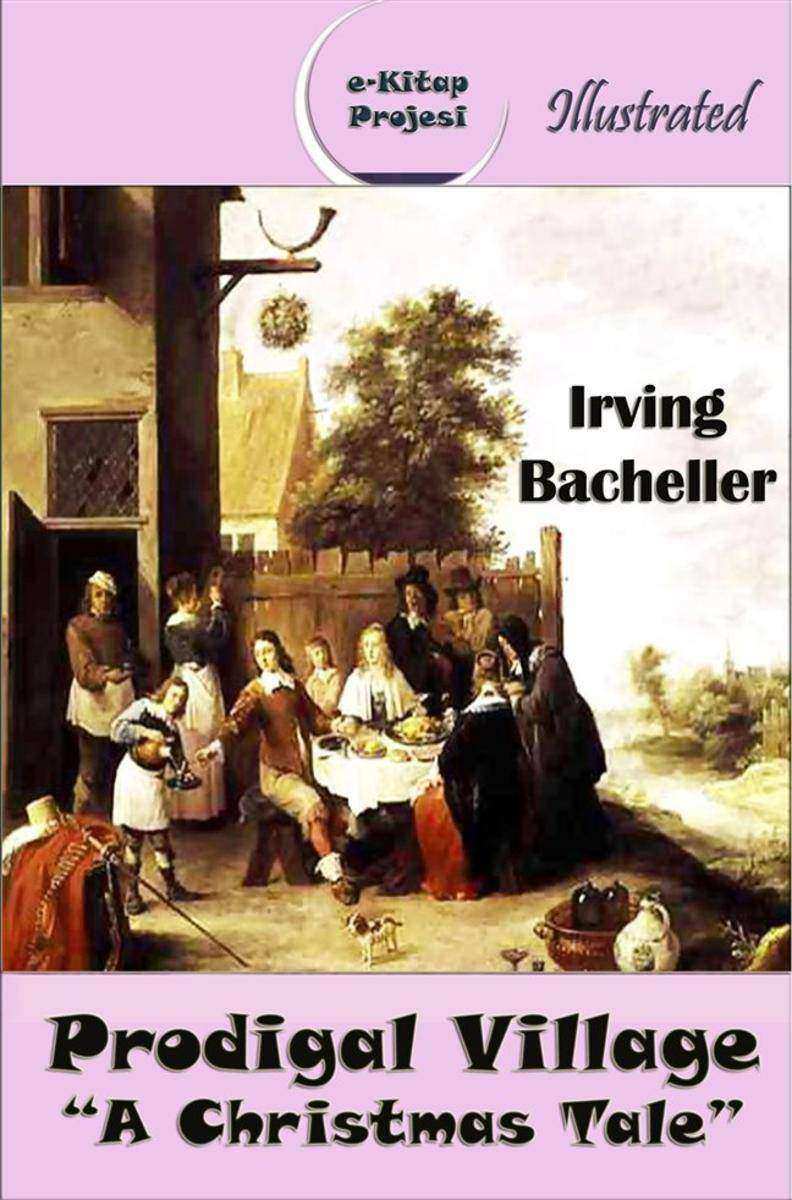
Prodigal Village: "A Christmas Tale"
¥18.74
Through the Looking-Glass, and What Alice Found There (1871) is a novel by Lewis Carroll (Charles Lutwidge Dodgson), the sequel to Alice's Adventures in Wonderland (1865). The themes and settings of Through the Looking-Glass make it a kind of mirror image of Wonderland: the first book begins outdoors, in the warm month of May (4 May), uses frequent changes in size as a plot device, and draws on the imagery of playing cards; the second opens indoors on a snowy, wintry night exactly six months later, on 4 November (the day before Guy Fawkes Night), uses frequent changes in time and spatial directions as a plot device, and draws on the imagery of chess. In it, there are many mirror themes, including opposites, time running backwards, and so on. Short Summary: Alice is playing with a white kitten (whom she calls "Snowdrop") and a black kitten (whom she calls "Kitty")—the offspring of Dinah, Alice's cat in Alice's Adventures in Wonderland—when she ponders what the world is like on the other side of a mirror's reflection. Climbing up on the fireplace mantel, she pokes at the wall-hung mirror behind the fireplace and discovers, to her surprise, that she is able to step through it to an alternative world. In this reflected version of her own house, she finds a book with looking-glass poetry, "Jabberwocky", whose reversed printing she can read only by holding it up to the mirror. She also observes that the chess pieces have come to life, though they remain small enough for her to pick up. Upon leaving the house (where it had been a cold, snowy night), she enters a sunny spring garden where the flowers have the power of human speech; they perceive Alice as being a "flower that can move about." Elsewhere in the garden, Alice meets the Red Queen, who is now human-sized, and who impresses Alice with her ability to run at breathtaking speeds. This is a reference to the chess rule that queens are able to move any number of vacant squares at once, in any direction, which makes them the most "agile" of pieces. The Red Queen reveals to Alice that the entire countryside is laid out in squares, like a gigantic chessboard, and offers to make Alice a queen if she can move all the way to the eighth rank/row in a chess match. This is a reference to the chess rule of Promotion. Alice is placed in the second rank as one of the White Queen's pawns, and begins her journey across the chessboard by boarding a train that literally jumps over the third row and directly into the fourth rank, thus acting on the rule that pawns can advance two spaces on their first move.

She
¥18.74
The War of the Worlds is a military science fiction novel by H. G. Wells. It first appeared in serialized form in 1897, published simultaneously in Pearson's Magazine in the UK and Cosmopolitan magazine in the US. The first appearance in book form was published by William Heinemann of London in 1898. It is the first-person narrative of the adventures of an unnamed protagonist and his brother in Surrey and London as Earth is invaded by Martians. Written between 1895 and 1897, it is one of the earliest stories that detail a conflict between mankind and an extraterrestrial race. The novel is one of the most commented-on works in the science fiction canon. The War of the Worlds has two parts, Book One: The Coming of the Martians and Book Two: The Earth under the Martians. The narrator, a philosophically-inclined author, struggles to return to his wife while seeing the Martians lay waste to southern England. Book One also imparts the experience of his brother, also unnamed, who describes events in the capital and escapes the Martians by boarding a ship near Tillingham, on the Essex coast. The plot has been related to invasion literature of the time. The novel has been variously interpreted as a commentary on evolutionary theory, British Imperialism, and generally Victorian superstitions, fears and prejudices. At the time of publication it was classified as a scientific romance, like his earlier novel The Time Machine. The War of the Worlds has been both popular (having never gone out of print) and influential, spawning half a dozen feature films, radio dramas, a record album, various comic book adaptations, a television series, and sequels or parallel stories by other authors. It has even influenced the work of scientists, notably Robert Hutchings Goddard. Plot SummaryYet across the gulf of space, minds that are to our minds as ours are to those of the beasts that perish, intellects vast and cool and unsympathetic, regarded this earth with envious eyes, and slowly and surely drew their plans against us.— H. G. Wells (1898), The War of the Worlds The Coming of the MartiansThe narrative opens in an astronomical observatory at Ottershaw where explosions are seen on the surface of the planet Mars, creating much interest in the scientific community. Later a "meteor" lands on Horsell Common, near the narrator's home in Woking, Surrey. He is among the first to discover that the object is an artificial cylinder that opens, disgorging Martians who are "big" and "greyish" with "oily brown skin," "the size, perhaps, of a bear," with "two large dark-coloured eyes," and a lipless "V-shaped mouth" surrounded by "Gorgon groups of tentacles." The narrator finds them "at once vital, intense, inhuman, crippled and monstrous." They briefly emerge, have difficulty in coping with the Earth's atmosphere, and rapidly retreat into the cylinder. A human deputation (which includes the astronomer Ogilvy) approaches the cylinder with a white flag, but the Martians incinerate them and others nearby with a heat-ray before beginning to assemble their machinery. Military forces arrive that night to surround the common, including Maxim guns. The population of Woking and the surrounding villages are reassured by the presence of the military. A tense day begins, with much anticipation of military action by the narrator.

Воздушные блинчики, оладьи, вафли.
¥17.99
Кра?на, яку залишили ?? творц?, винах?дники та мислител?, приречена на в?йну, голод ? смерть. Владу захоплюють нев?гласи, корупц?онери й мародери. ?стор?я трива? бодай тому, що одна вольова ж?нка на ?м’я Да?н? Та??арт переконана, що досконалий св?т справжн?х ц?нностей ?сну?. Вона намага?ться зламати сценар?й неминучо? катастрофи. ?? Атлантида не м?ф. У св?т? ще ? см?ливц?, спроможн? створити сусп?льний лад, де нема? конфл?кт?в, не виника? потреби в самопожертв?, жодна людина не становить загрози для мети ?нших. Бунт?вн? атланти знають, що розум таки переможе. Риторичне питання, хто такий Джон ?олт, насправд? ма? в?дпов?дь, а неймов?рн? ?де? — сво? вт?лення, яке проголомшу? людську уяву. В останн?й частин? свого фундаментального роману ?дей Айн Ренд змальову? ц?л?сну ф?лософську систему, яка дос? виклика? палк? дискус??, де в?д захвату до обурення — один крок.
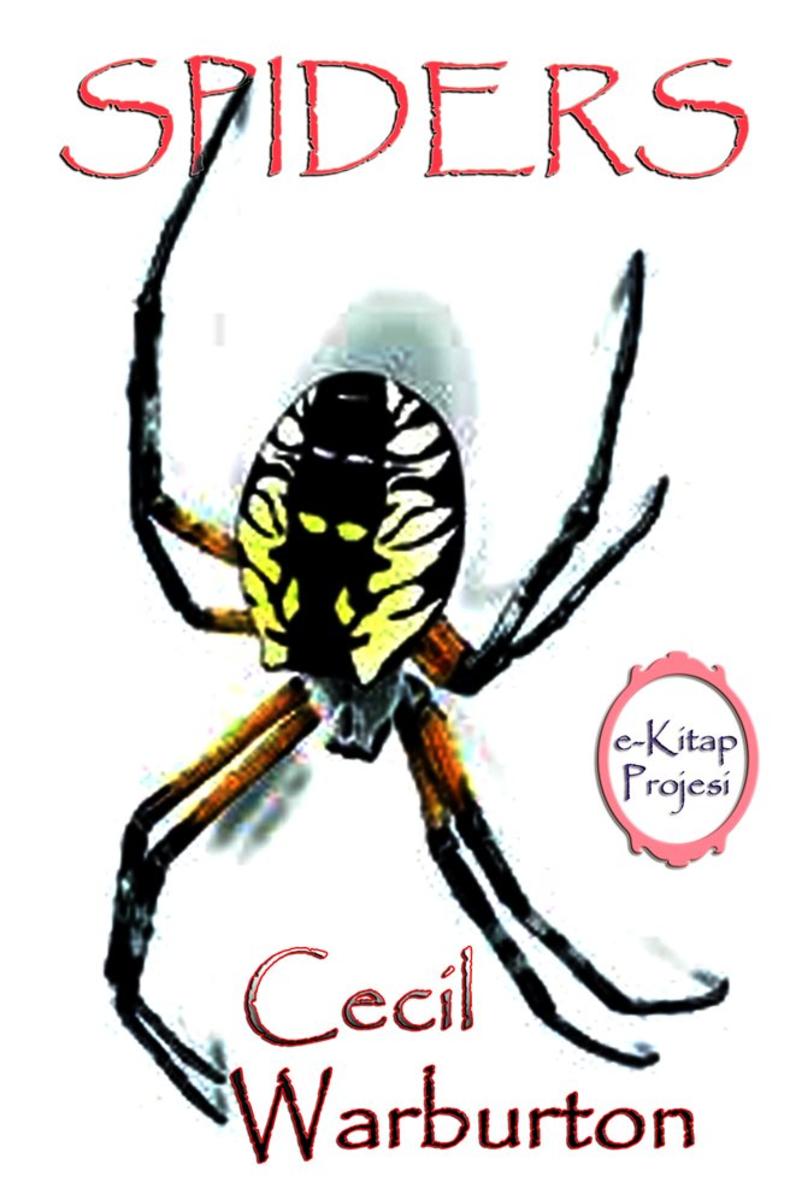
Spiders
¥18.74
This book is called The White Spark as the white spark or vacuum cell in Nature IS THE RIGHT HAND OF GOD—it is a ubiquitous principle of the universe and is the cause and parent of electricity, combustion, radium, snow-flakes, flowers, trees, leaves, crystallization, wireless telegraphy, animal forms and EVEN LIFE ITSELF. This book is the key to every department of human endeavor, as it enunciates the basic principle and THE PRIME MOVER of the universe.?It tells the road to health, the cause and cure of disease, the truth about the germ humbug and drug treatments, serums and antitoxins. It shows why luminosity is produced on the flesh of various organisms, why a slice of pollock when first iced, then heated to 100 degrees and then thrust into a temperature of 50 degrees becomes luminous. It shows the farmer that he can become a magician of agriculture—tells that the nitrogen of the air is only a dust of quartz rocks, like the invisible moisture of the air is "a dust of water"—that the nodules on the roots of the clover and legumes do not abstract nitrogen from the air, for if they did nature would have placed these bacteriological growths on the vine and not the root, the scientists have the cart before the horse in this case and the nodular cells form the proteids from sand or silica, this book tells how it is done. It tells what a trance is and how the soul can leave the body temporarily. How JESUS CHRIST is carrying out the biblical prophesy by TELEPATHY. Gives the truths about the ideal society, alcohol, drunkenness, causes of crime, longevity and law.

Ghidul complet al plantelor medicinale ?i al bolilor pe care le vindec?
¥114.37
Editura Corint Junior aduce in aceasta toamna un alt titlu de succes al scriitoarei Gwyneth Rees – Surori in luna de miere. Dusmanie la catarama. Prietenie la cutite, o fictiune pentru copii si adolescenti, peste 8 ani. Din familia lui Poppy au facut parte intotdeauna si un fratior vitreg sau o surioara vitrega. Dar cand mama ei anunta ca un nou copil adoptat urma sa li se alature, Poppy nu se astepta sa fie chiar Sadie Show. Sadie e tare ca piatra, rece ca gheata, mai dura ca o tigroaica – si este fata nou venita in clasa lui Poppy. Niciodata nu fusesera vazute impreuna in public. Acum trebuie sa imparta aceeasi baie. Cum de mama se lasa pacalita de linguselile lui Sadie, cand Poppy stie prea bine cum este ea in realitate? O carte care va tine cu sufletul la gura si in care aventurile celor doua surori iau tot felul de intorsaturi.?

?armul discret al intestinului. Povestea celui mai subestimat organ al corpului
¥65.32
De data aceasta, Domnul Lemoncello a invitat mai multe echipe din toata America sa concureze la prima Olimpiada din Biblioteca. Oare va fi la fel de antrenanta ca Jocurile Olimpice? Dar cum se spune in reclama: Hei, doar e un joc Lemoncello! Dar cand din biblioteca incep sa dipara cartile si concurentii nu mai pot duce probele la bun sfarsit, copiii trebuie sa dezlege un mister mai adanc decat si-au inchipuit vreodata. De aici inainte, Olimpiada nu va mai fi un joc, iar alegerea campionilor va depinde in primul rand de rezolvarea misterului. Aceasta continuare trepidanta a bestsellerului Evadare din Biblioteca Domnului Lemoncello invita cititorii sa se inscrie la Olimpiada - enigmele, indiciile si surprizele fiind acum nu doar un test de cultura generala, ci si un test al prieteniei si al spiritului de echipa.
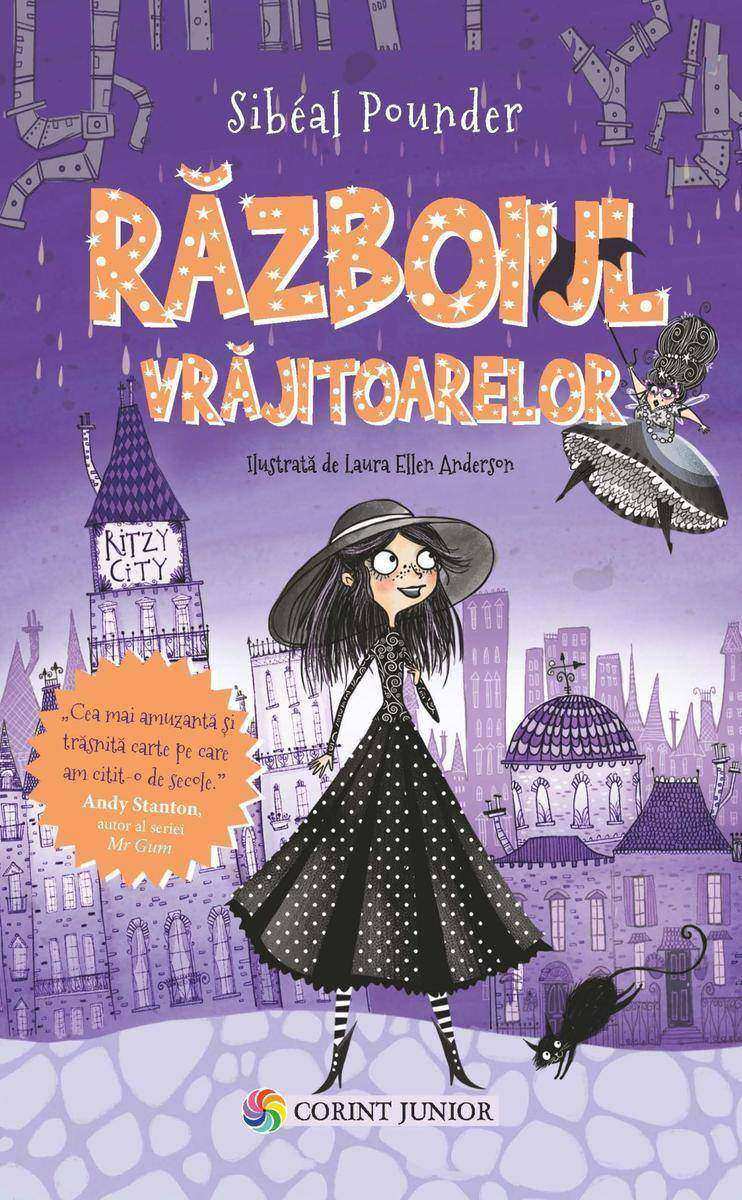
Razboiul vrajitoarelor Vol. 1
¥40.79
Sunt bucuros s? ?tiu c? aceast? carte a fost remarcat? ?i luat? ?n considerare pentru publicarea ?n Rom?nia. ?mi amintesc vorbele lui Serghei Dovlatov, scriitor rus care ?i-a desf??urat activitatea literar? ?n America: ?Orice ziarist viseaz? s? scrie un roman.“ Un s?mbure de adev?r ?n aceast? fraz? exist?... E greu s? g?se?ti un jurnalist care, ?n timpul liber, s? nu fi ?ncercat s? scrie un roman, povestiri sau versuri... Principiul redac?ional era urm?torul: ?Scrie ?n a?a fel ?nc?t cel care va citi s? aib? co?maruri noaptea!...“ Totul p?rea extraordinar... Ie?it? din comun este ?i povestea dintre coper?ile acestei c?r?i.

Luther kora
¥34.99
Kellen felpaprikázott hangulatban lépett be az irodába, majd táskáját az asztalra csapva, nekiállt, hogy levetkzzn. Kabátját a fogasra akasztva, gyors pillantást vetett a tükrbe, és akkor látta meg, hogy a haja ott hátul, égnek áll. s így jtt végig az utcán! Az ágaskodó tincset lesimította, stét szemüvegét pedig kicsit feljebb tolta az orrán. Nem volt rá igazán szüksége, csupán kis dioptria volt az egyik lencsén, de úgy gondolta, a negyvenes évei elején érdekesebbé, modernebbé, talán fiatalosabbá is teszi, a stétített foncsorozású, divatos szemüveg. Ez tette-e, vagy csak a sors játszott vele aznap reggel, de minden balul üttt ki. A szemüvegtl függetlenül, stéten látta az egész világot, és benne nmagát. Ekkor kopogtak az ajtón, és a kolléganje lépett be. A harmincas, vrs kis nt lopva gyakran elnézegette, amint eltte haladt a folyosón. Jó alakú, frissen elvált asszony volt, gyerek nélkül. Azt ugyan nem tudta, van-e valakije, mégsem mert kezdeményezni. A n most mosolyogva üdvzlte, majd rákérdezett: hallottam, a kisfnk megjegyzést tett a késésedre. Mi volt veled ma reggel , minden balul üttt ki – és elkezdte mesélni a kálváriáját. A n láthatóan érdekldéssel hallgatta. Azért ezt te eltúlzod egy kicsit – mondta. Nem olyan stét a világ, amilyennek te látod! Végül is, gondolj csak bele. Sikerült bezárnod a lakásajtót Igen. Elcsúsztál a vizes kvn Nem. Na, de a járdán! – vetette kzbe. De nem trt el egyetlen csontod se! Még a kabátod se lett piszkos! Igaz. Beértél a munkahelyedre Hát persze, de el is késtem! Fejedet vették Nem. Na, látod! Vedd csak le ezt a stét szemüveget, azon keresztül látod te olyan stéten az eseményeket! Azzal, hogy szavának érvényt szerezzen, a kis vrs odanyúlt, és olyan gyengéd mozdulattal vette le az orráról a szemüveget, hogy az flért egy cirógatással! Egész melege lett tle. Lehet, hogy mégis kezdeményezhetne valamit ennél a kis nnél!”
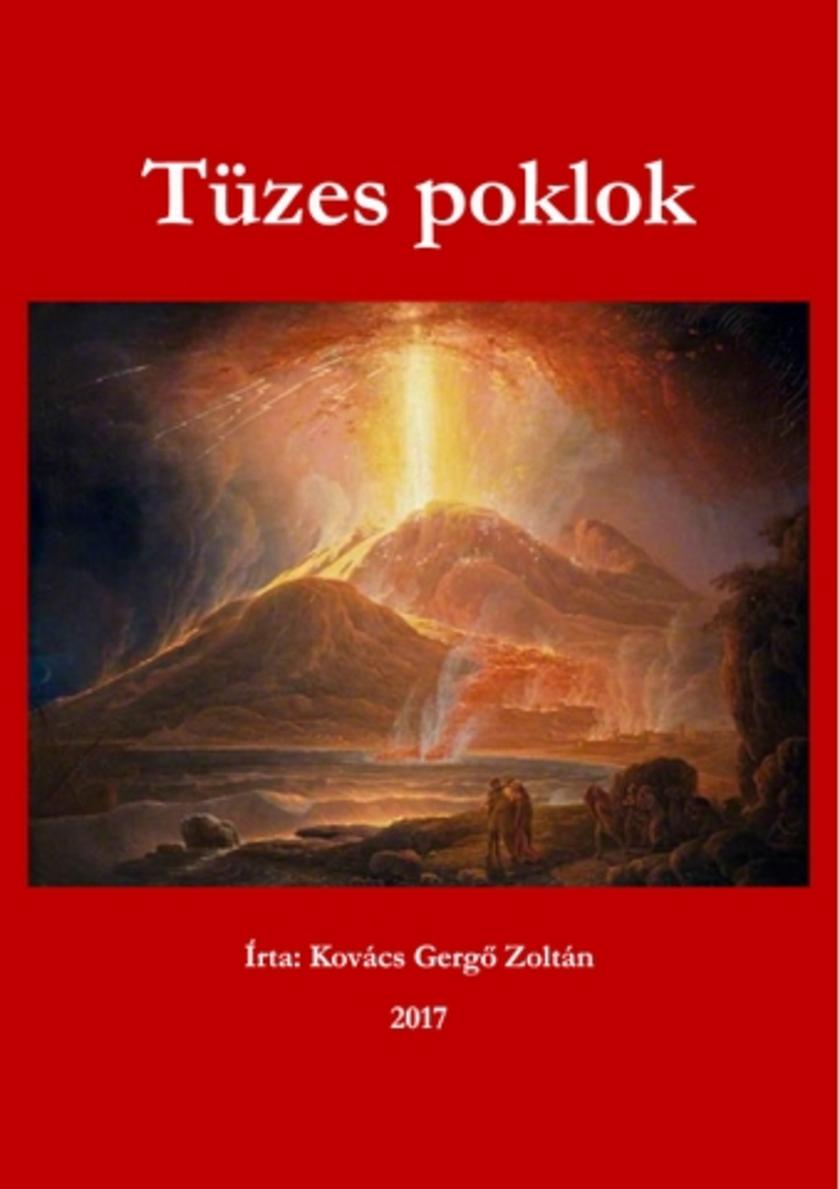
Tüzes poklok
¥20.44
Sikerül-e a vándordiáknak kiszabadítani Arabella hercegkisasszonyt, aki az Ezerarcú Szellem fogságában raboskodik? Évszakmesék. Tavasz után nyár, nyár után az ?sz, majd a tél. Így változnak az évszakok örökös körforgásban, mióta világ a világ. Falevelek hullnak, hópelyhek szállingóznak, tavaszi virágok nyílnak, sárgán izzik a nyári nap. Minden évszaknak megvannak a maga sajátosságai, s a maga sajátos történetei.Sikerül-e a némi varázser?vel is rendelkez? vándorló diáknak kiszabadítani Arabella hercegkisasszonyt, aki az Ezerarcú Szellem fogságában raboskodik? Odaér-e Frida id?ben a Havas Hegyek Birodalmába, egy titokzatos jégcsillagot követve? Megtalálja-e Kristóf a zöld ruhás hölgyet, akiért a szíve dobog, vagy vajon megleli-e Roland király h?n áhított boldogságát? Kik azok az évszaktündérek, és miért segítenek h?seinknek?Mindezekre a kérdésekre választ kapunk, ha végigkövetjük, miként alakul a könyv szerepl?inek sorsa, s közben betekintést nyerhetünk a tündérek varázslatos, csodákkal teli világába is.

Lupii din Brandenburg
¥48.97
Un roman scandalos, genialoid.Poetul poate fi considerat un Paganini al poeziei, ?in?nd sub b?rbie, ?n locul unei viori Stradivarius, un dic?ionar. Din fericire, crea?ia lui nu s-a risipit ?n aer, asemenea unui recital, ci s-a p?strat, fie ?i ?n dezordine, ?n caiete, ?n c?r?i ?i reviste, ?n memoria computerului, pe dischete.
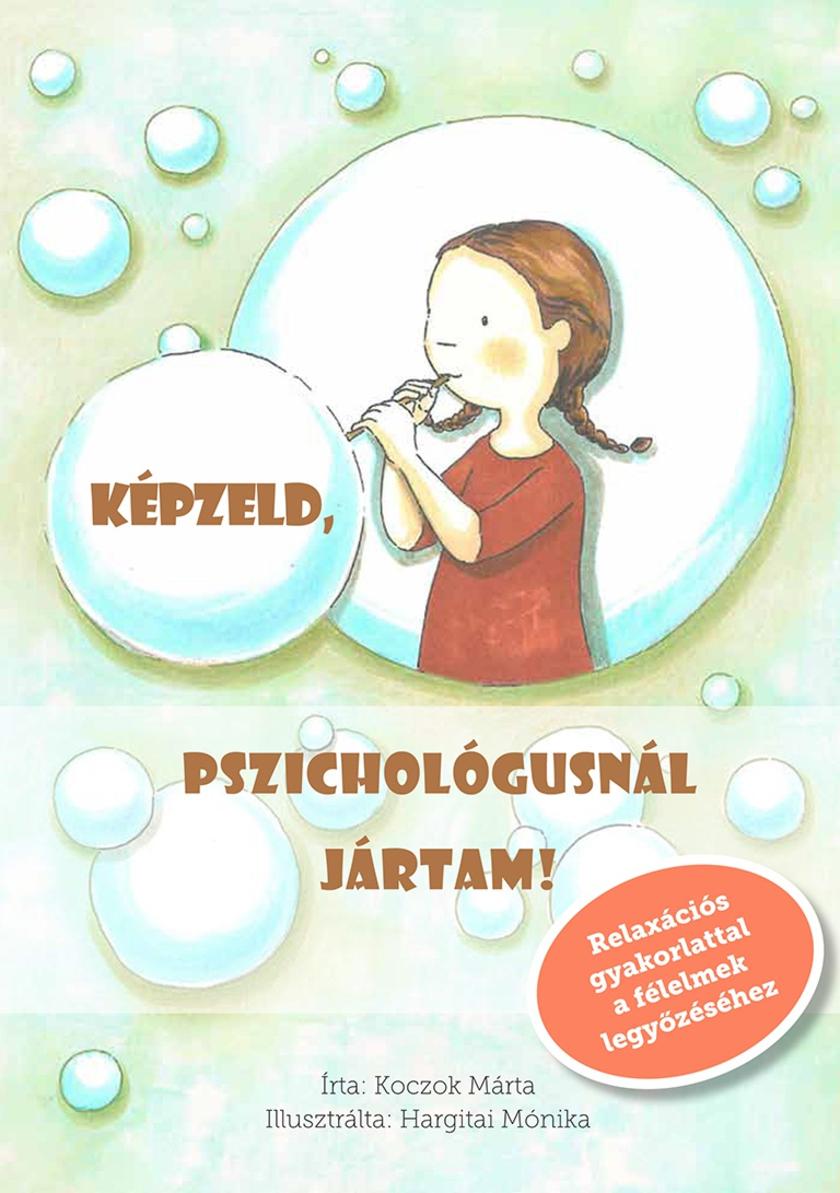
Képzeld, pszichológusnál jártam!
¥49.54
Atanar a civilizációtól távol, egy gyors folyású, hegyi patak partján tér magához. Megd?bbenve tapasztalja, hogy emlékeit elvesztette, eddigi életéb?l semmire nem emlékszik. Ki ?? Honnan j?tt? Hová tart? A múlt felderítésére egyetlen esélye egy r?vid levél, mely átázva kerül el? mellénye zsebéb?l. Ennek nyomán elindul, hogy felderítse múltját, ám hamarosan megtapasztalja, hogy ez nem olyan egyszer? dolog. ?tja során számtalan ellenséget, akadályt kell leküzdenie, mert ez a világ veszélyes, és a gyengék nem sokáig élnek. Azonban értékes barátokra is szert tesz kalandozásai során. ?s k?zben egy percre sem felejti el célját: felkutatni elveszett múltját. A nyomok végül egy távoli grófságba vezetnek, ahol furcsa dolgok t?rténnek…

Hegek
¥29.18
Az els? két történet a Világállamban játszódó disztópia. A Haszontalan mágia f?szerepl?je a szürke kishivatalnokként él? Jim Scone: kezébe kerül egy ?srégi recept. A vegyület felszabadítja az ember mentális képességeit. Scone képes lett a múltba pillantani. Így kiderítette, hogy ki er?szakolta meg brutálisan a komputerosztály csinos, fiatal alkalmazottját, aki emiatt öngyilkos lett. Ám hiába a különleges képesség, a nyomozók ?t tartják tettesnek és elmegyógyintézetbe csukják.A K?folyam egyrészt a Spear ?rhajó parancsnokának, Estellnek és a különös planéta lakójának, Ellteának története, másrészt a Világállam nev? diktatúra utolsó éveir?l, a változásról szóló novella.A szürke ország cím? hosszabb elbeszélés átmenet a valós történelmi korrajz és egy fantázia szülötte jöv? között. A közelmúlt eseményei: a kilencvenes évek közepe, a f?h?s egy pályakezd? újságíró hölgy; a jöv?beni események legyenek meglepetés...
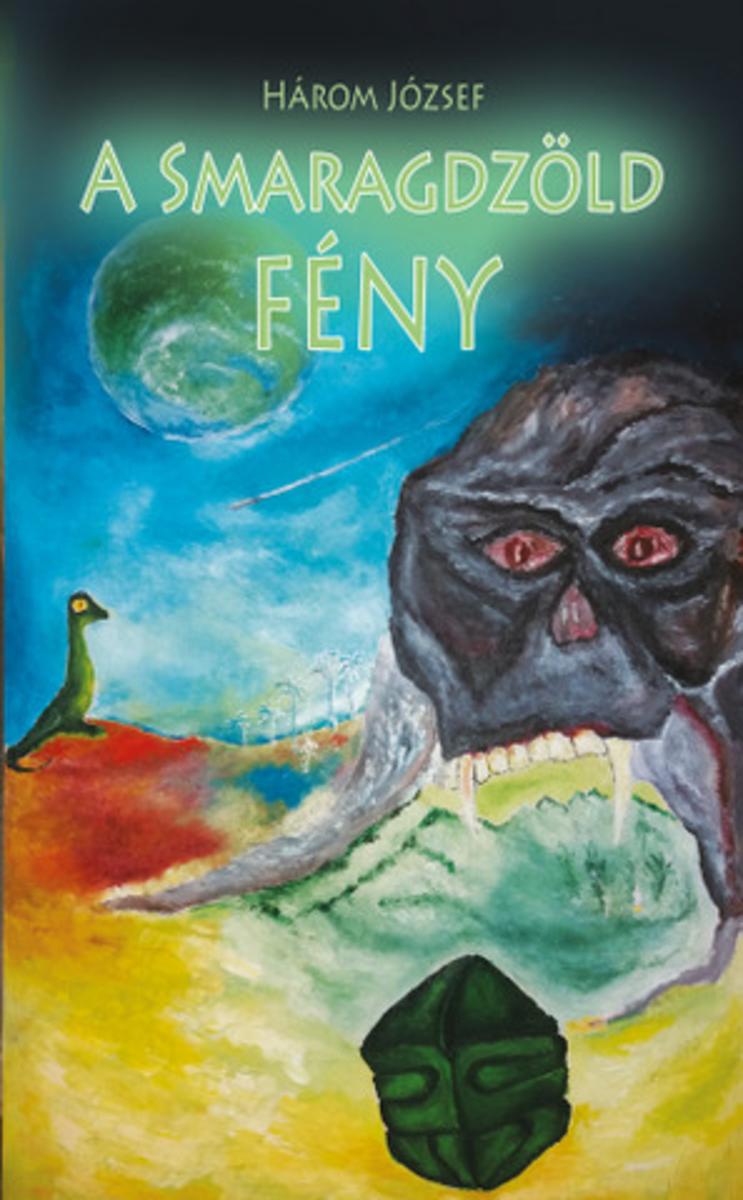
A Smaragdz?ld Fény
¥58.29
A Viszkis rabló visszatért. A legenda tovább él - igaz, már csak a képzeletben. Ambrus Attila els? regénye alighanem zavarba ejti az olvasót. Valóság és fantázia keveredik benne megannyi izgalommal, akcióval, váratlan fordulattal. A nyers, szókimondó stílusban megírt cselekményben megelevenednek bankrablások, a császári élethez tartozó hódítások, a szegény, kilátástalan gyerekkor emlékei, no meg a b?rt?nben átélt, kit?r?lhetetlen napok. A f?h?s valóságos haramiává válik, mert újra rabol, s?t gyilkol is, mik?zben szerelemre és talán normális életre vágyik. A Viszkis rabló visszatér, de most nem elégszik meg a kisebb zsákmánnyal. A Magyar Nemzeti Bank páncélautóját veszi célba: megtervezi, el?készíti és csatlósaival bele is vág az évtized balhéjába. Ambrus Attiláért egykor a fél ország rajongott, s mindenki azért szurkolt, hogy ne kerülj?n rend?rkézre. Az általa kreált f?szerepl? talán kevésbé lesz szimpatikus, mint a Viszkis a valóságban, de hatással lesz ránk, az egészen bizonyos. Szeretjük és utáljuk egyszerre. Ha elkezdjük olvasni a t?rténetét, már nem szabadulunk t?le. A K?nyvjelz? magazin 2015. decemberi számában megjelent cikk: Ha nem kerül?k b?rt?nbe, már nem élnék

Holló, a hollónak
¥81.34
Rejt? Jen? 1941 táján írhatta életm?vének eme kevéssé ismert darabját. Az Afrikában játszódó kisregény f?h?se egy orvos-kalandor: az abszurdba hajló alaphelyzet, illetve Morbicer és a bennszül?ttek kulturális kül?nbségei számos komikus helyzetet eredményeznek. Az elbeszélés azonban jóval mélyebb üzenetet is hordoz: a humoron túl a hagyományos életrend és a modern civilizáció ütk?zésének tragédiájáról is szól. Mindez nem meglep?, hisz a II. világháború idején Rejt? maga is megtapasztalhatta a 20. század technikai fejl?désének zsákutcáit, a szilárdnak hitt értékek amortizálódását, a morális értékek morzsálódását (fegyverkezés, az államhatalom túlburjánzása, jogfosztottság stb.). A nyersanyag-lel?helyeket hajszoló, szerelmi csalódásában verg?d?, a bennszül?ttek szemében mitikus lénnyé váló Morbicer azonban gyógyít is - teszi ezt annak dacára, hogy nem jár érte k?sz?net. Figuráját Rejt? részben Albert Schweitzerr?l mintázta: a világhír? orvos és humanista afrikai kórházépítésér?l és gyógyító tevékenységér?l szóló k?nyve magyarul is olvasható volt, Rejt? innét vette az alap?tletet. A kisregény 75 évig lappangott az író szétzilált hagyatékában: annak idején vélhet?en az elbeszélésb?l kiolvasható háborúellenesség miatt nem jelenhetett meg. Kül?nleges annyiban is, hogy számos, egymástól markánsan eltér? változatban maradt f?nn, miáltal szinte egyedülálló módon nyílik rálátás a rejt?i sz?vegalakítás dzsungelkonyhájára, az általa teremtett figurák alakulására. A kisregény most el?sz?r jelenik meg ?nálló k?tetben - ráadásul r?gt?n 3 változatban! - Konzílium j?n. Nekünk kell megállapítani, hogy mi baja van a f?n?knek. - De uram, akkor csak róla állapítsuk meg a betegség okát. Rólam az egész világ tudja, hogy még sohasem loptam. - Bejártam az egész világot, és mindenütt tisztában vannak azzal, hogy te vagy a legnagyobb tolvaj. - Uram, te nemcsak rossz szív? vagy, hanem okos is, de most megtévesztett az egész világ. Kül?nben sem értem, hogy egy konzíliumon miért kell az én betegségeimr?l beszélni, hála Balongának, nem fáj semmim, tehát nem fontos, hogy loptam-e. Ha reméljük, r?videsen meghalsz, ezt a konzílium nev? gyógyítást én nem fogom csinálni. - Te is orvos vagy, tehát tudnod kell szintén, hogy vannak ragályos betegségek, ami azt jelenti, hogyha az egyik ember lop, akkor a másiknak sokszor olyan lesz a gyomra, mint a nadrág. - Vagy a b?r lábszárvéd?. Ezzel tisztában vagyok. De itt senki se beteg, csak a f?n?k. - Mi, orvosok tudjuk jól, hiszen magunk k?z?tt vagyunk, T?kász: hogy vannak úgynevezett bacilusgazdák, ez annyit jelent, hogy valaki lop, nem lesz semmi baja, és egy másiknak a k?zelében olyan lesz a gyomra, mint a b?r lábszárvéd?. Ezért te mint a t?rzs varázslója elmondod, hogy kit?l és mit loptatok, addig nem tudom meggyógyítani a f?n?k?t, mert gondolhatod, hogy más betegség lesz, ha valaki egy négert?l ellopja a halászózsákját, vagy egy misszionáriustól a hosszú cs?vet, amin keresztül befolynak a távoli fák és hegyek, egészen az ember szemébe. Vagy más betegsége lesz valakinek, akit megrúgok, mert elvitte házam el?l a f?lf?z?tt szárított húst...
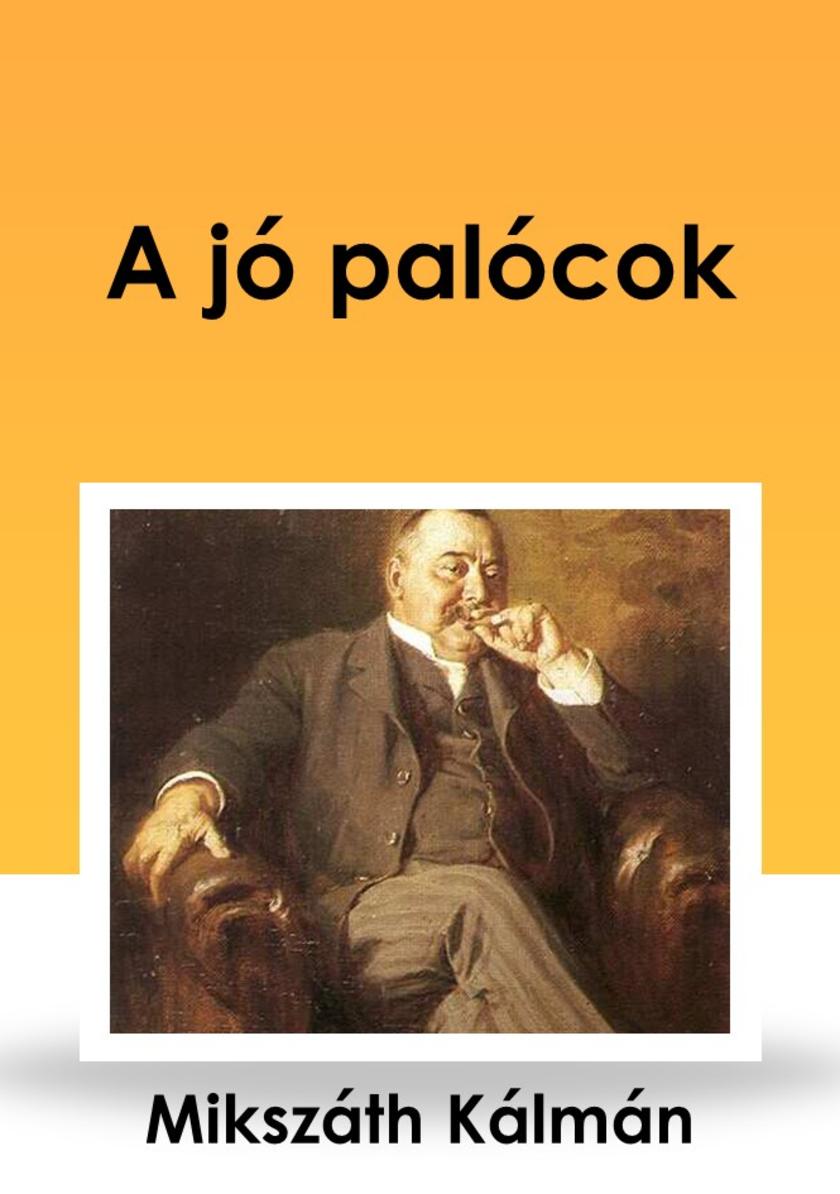
A jó palócok
¥8.67
Vészesen apad a Tó. Vajon miért? Rév Fül?p, a lovaglegény a Litéri sárkány hátára pattan, hogy kiderítse. A nyomok Nagylapály birodalmába vezetnek, ahol találkozunk Nyár L?rinccel, Zivatarzug lovagjaival, H?t?dik H?b?r?d?tt királlyal, és a világ legpimaszabb leányzójával, akire nem lehet haragudni. Kiderül, mi van a Mély Kút mélyén, és hogy miért nincs tó, ha van.
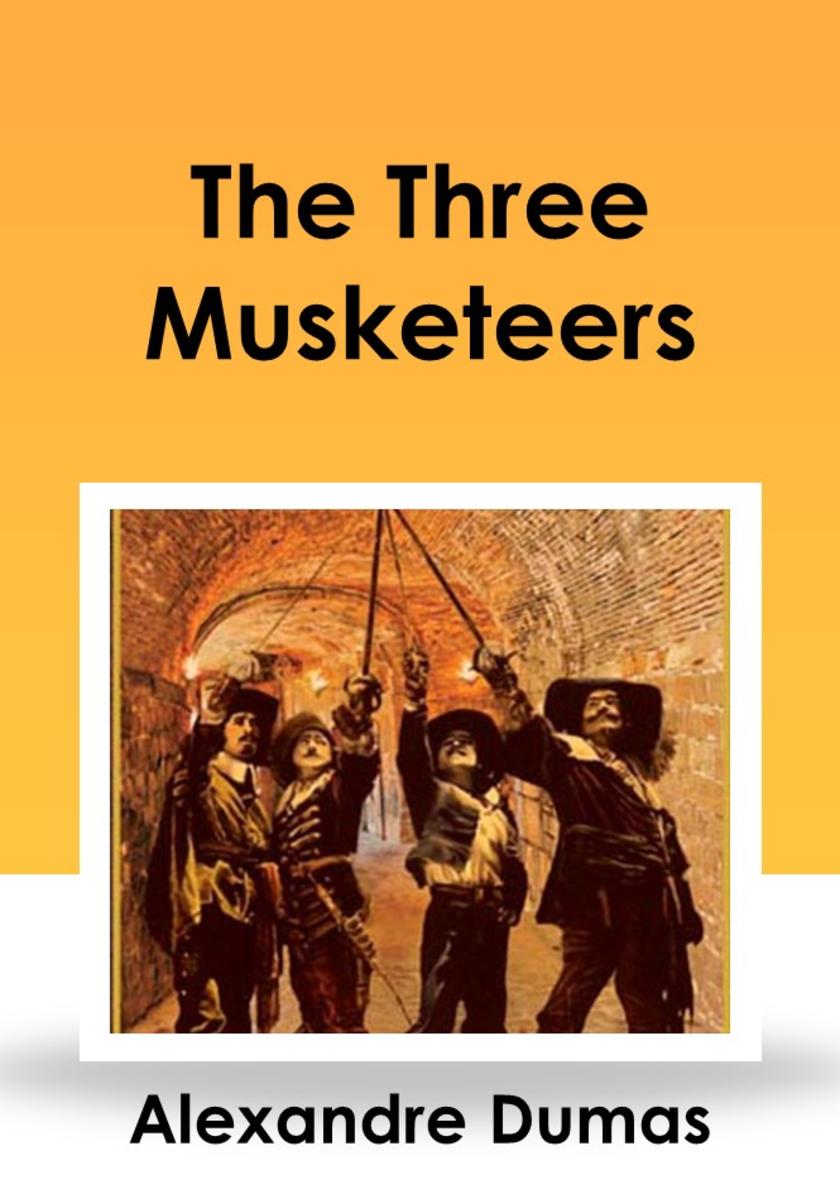
The Three Musketeers
¥8.67
gy tnik, Analfa nem hajlandó beletrdni a vereségbe. A szigligeti Alkotóházban egyre külnsebb dolgok trténnek, és a konyhás nénik is olyan furcsák… Szerencsére az írón segítségére siet a kzelben táborozó 5. d. De ebbl vajon mi lesz! Ha szeretitek a kalandot, a humort, a Balcsit, ha izgalmas olvasmányra vágytok, ez a ti knyvetek! Ajánlom lányoknak és fiúknak. Gyereknek és felnttnek. Ez a knyv boszorkányosan tündéres. Vagy tündéresen boszorkányos De tudjátok, mit Dntsétek el magatok!” – Nagy Judit, aszódi okleveles Tündérknyvtáros Nem szeretsz olvasni Hiszen most is olvasol! Ráadásul pont az én ajánlómat. Ha már elkezdted, kérlek, olvasd végig… lehetleg a teljes Tündérboszorkány-trilógiát. Meglátod, nem fogod megbánni! Tündérknyvtárosi becsületszavam adom rá!” – Paraginé Tóth Edina, zákányszéki okleveles Tündérknyvtáros Analfa, add fel! A Jóhegyi Lacik és a Tündérknyvtárosok nyerésre állnak. Szerintünk mindenképp!” – Kolibri Kiadó


