


 购物车
购物车 个人中心
个人中心
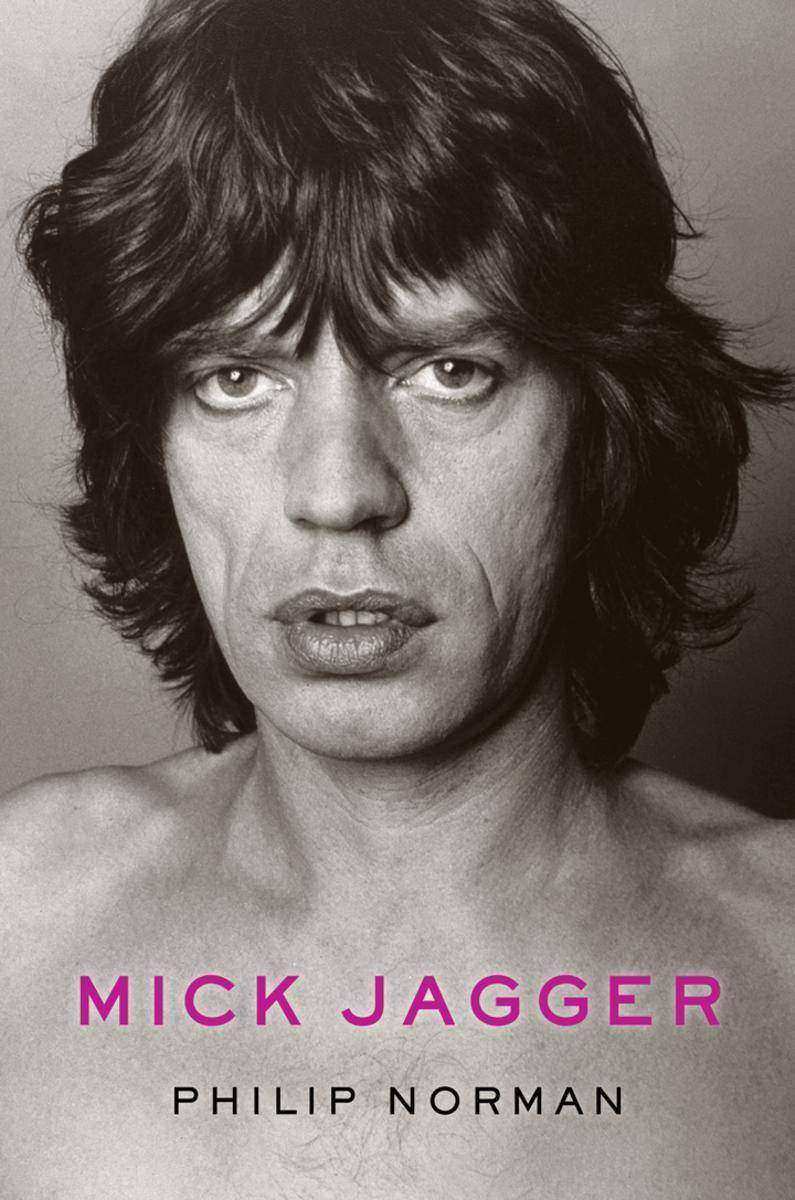
Mick Jagger
¥100.71
A supreme achiever to whom his colossal achievements seem to mean nothing . . . A supreme extrovert who prefers discretion . . . A supreme egotist who dislikes talking about himself . . . Philip Norman has long towered above other rock biographers with his definitive studies of the Beatles, the Rolling Stones, Elton John, Buddy Holly, and John Lennon legends whom the world thought it knew, but who came to life as never before through the meticulousness of Norman's research, the sweep of his cultural knowledge, and the brilliance of his writing. Now Norman turns to a rock icon who is the most notorious yet enigmatic of them all. Throughout five decades of fronting the Rolling Stones, Mick Jagger has been seen as the ultimate arrogant, narcissistic superstar, whose sexual appetite and cavalier treatment of women rival Casanova's and whose supposed reckless drug use touched off the most famous scandal in rock history. Now a grandfather nearing seventy and a British knight of the realm, he still creates excitement at the mere mention of his name; still remains the model for every young rock singer who ever takes the stage. Norman shows Jagger to be a character far more complex than the cold archseducer of myth: human, vulnerable, often impressive, sometimes endearing. Here at last is the real story of how the Stones' brilliant first manager, Andrew Oldham, transformed a shy economics student named Mike Jagger into a modern Antichrist...of Jagger's vicious show trial and imprisonment on minuscule drug charges in 1967...his remarkable feat at the Stones' Hyde Park concert in making a quarter of a million people keep quiet and listen to poetry...his unpublicized heroic role at the Altamont festival that brought the sunny sixties to a horrific end...the cavalcade of beautiful women from Chrissie Shrimpton to Jerry Hall, whom he has bedded but not always dominated...the enduring but ever-fraught partnership with his "Glimmer Twin," Keith Richards. While playful about some aspects of Sir Mick, Norman gives him long overdue credit as a songwriter, whose "Sympathy for the Devil" is one of the few truly epic pop singles, and as a harmonica player fit to rank among the great blues masters who inspired the Stones before money became their raison d'etre. Mick Jagger , above all, explores the keen and calculating intelligence that has kept the Stones on their plinth as "the world's greatest rock 'n' roll band" for half a century.
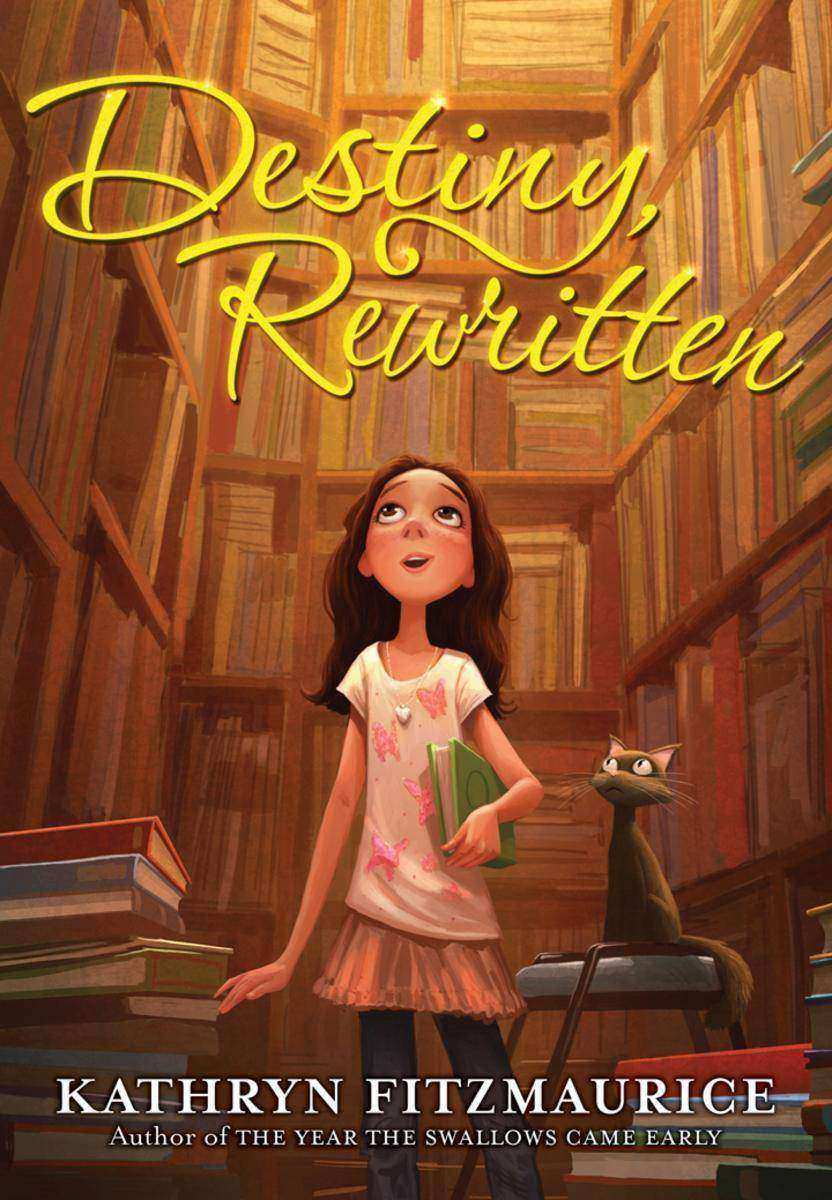
Destiny, Rewritten
¥39.24
This sweet contemporary story about poetry, family, and determining your own destiny is perfect for fans of books by Wendy Mass, Joan Bauer, Sharon Creech, and Rebecca Stead. Eleven-year-old Emily Elizabeth Davis has never met her father, so when a book of poetry with his name in it goes missing, Emily and her friends search all over their hometown of Berkeley, California, hoping to track it down. Meanwhile, even though her English-professor mother insists that Emily is destined to become a poet (she named her after Emily Dickinson!), Emily secretly corresponds with her idol, romance writer Danielle Steel. As Publishers Weekly says, "Fitzmaurice's story deftly mingles Dickinson, Danielle Steel, a budding crush, and protesting tree sitters while maintaining suspense that leads to a satisfying ending."
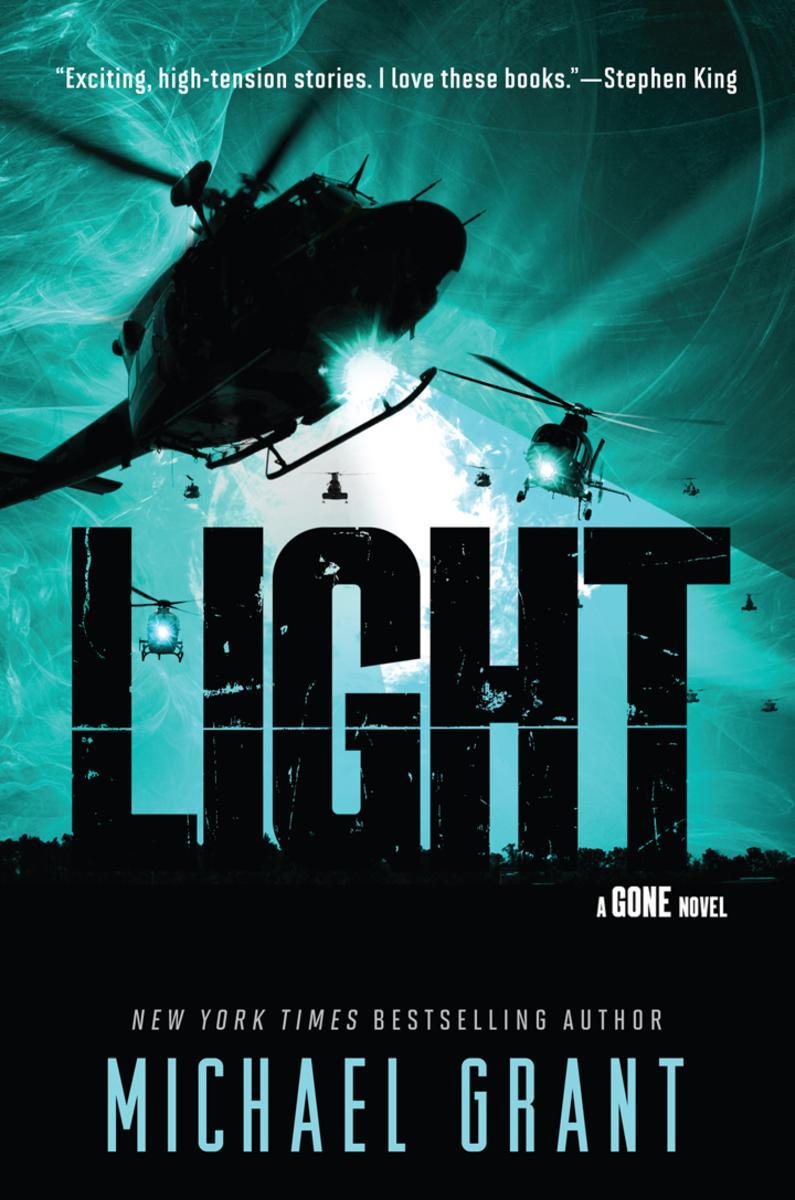
Light
¥61.52
It been over a year since all the adults disappeared. Gone. In the time since every person over the age of fourteen disappeared from the town of Perdido Beach, California, countless battles have been fought: battles against hunger and lies and plague, and epic battles of good against evil. Light , Michael Grant sixth and final book in the New York Times bestselling Gone series creates a masterful, arresting conclusion to life in the FAYZ. And now, the gaiaphage has been reborn as Diana malicious mutant daughter, Gaia. Gaia is endlessly hungry for destruction. She yearns to conquer her nemesis, Little Pete, and then bend the entire world to her warped will. As long-standing enemies become allies, secrets are revealed and unexpected sacrifices are made. Will their attempts to save themselves and one another matter in the end, or will the kids of Perdido Beach perish in this final power struggle?
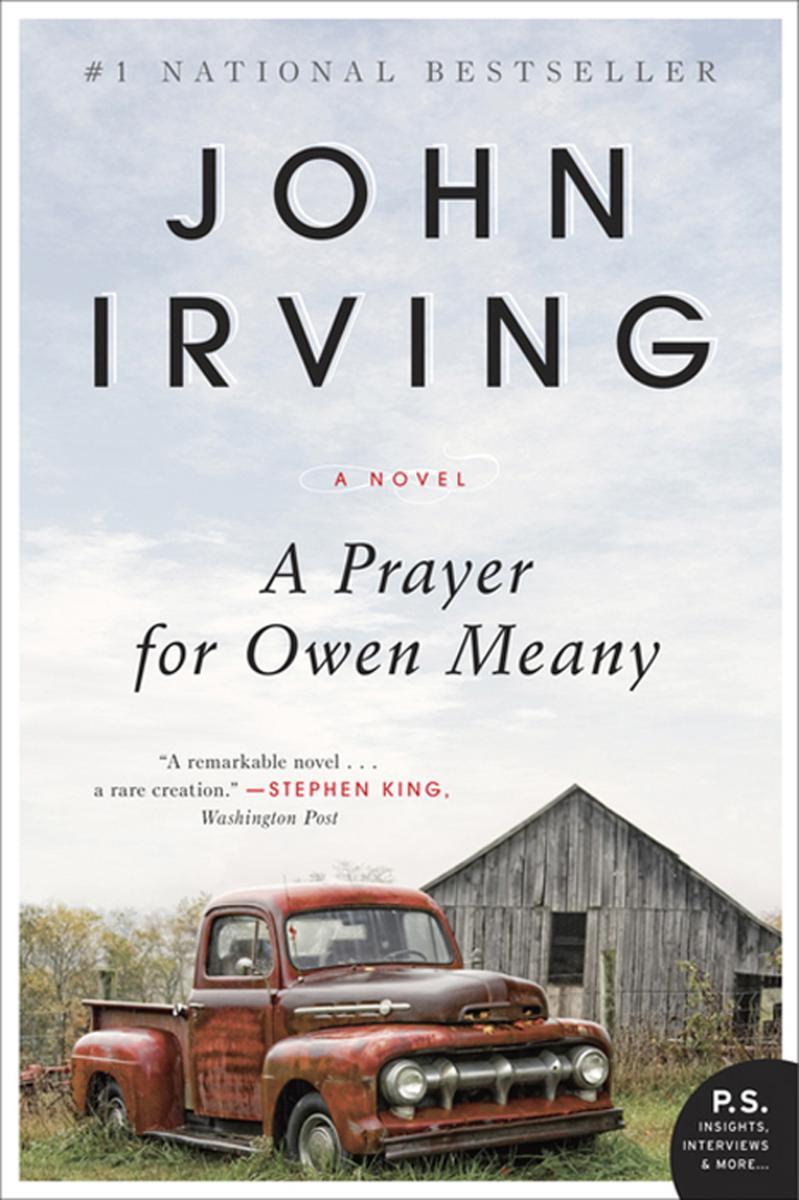
A Prayer for Owen Meany
¥56.07
I am doomed to remember a boy with a wrecked voice not because of his voice, or because he was the smallest person I ever knew, or even because he was the instrument of my mother's death, but because he is the reason I believe in God; I am a Christian because of Owen Meany. In the summer of 1953, two eleven-year-old boys best friends are playing in a Little League baseball game in Gravesend, New Hampshire. One of the boys hits a foul ball that kills the other boy's mother. The boy who hits the ball doesn't believe in accidents; Owen Meany believes he is God's instrument. What happens to Owen after that 1953 foul ball is extraordinary.
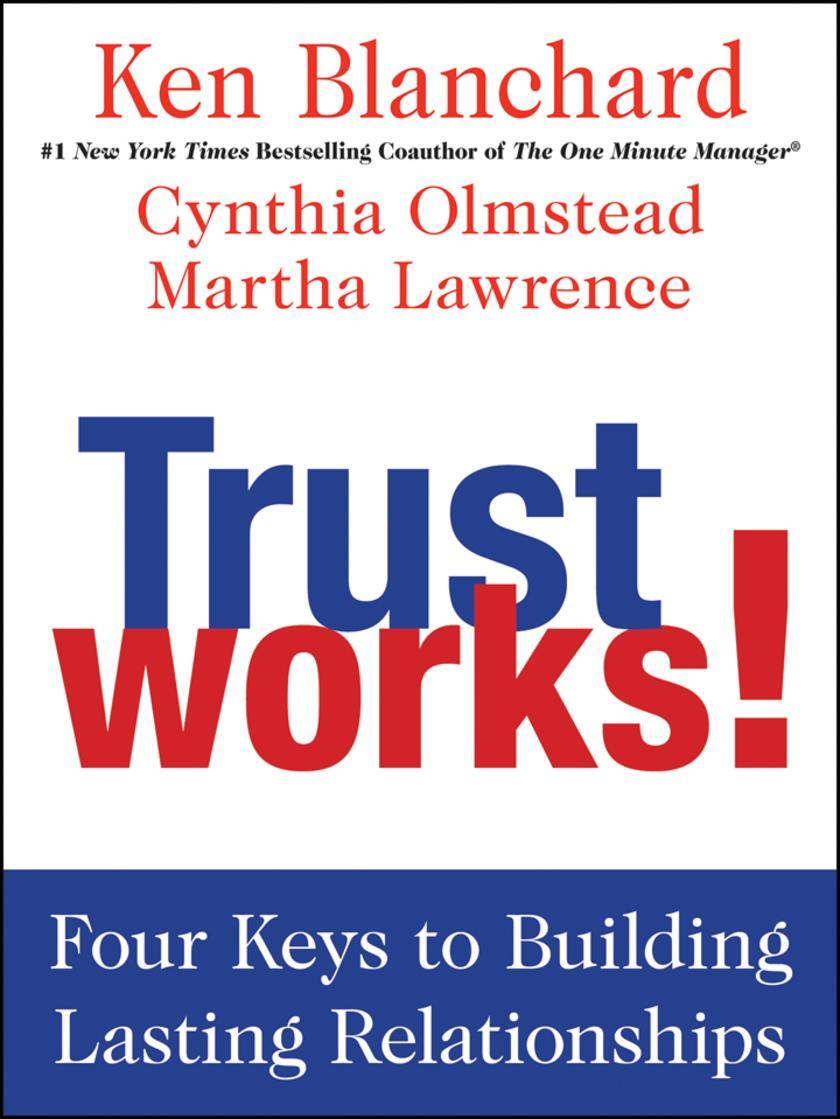
Trust Works!
¥127.33
Trust Works! How to build it How to keep it In this enlightening guide developed from his popular Trust Works! training program, #1 bestselling author and management guru Ken Blanchard turns his vast knowledge and insight to one of the most timely and complex issues that affects all areas of our lives. Once upon a time, a dog and a cat lived together with other animals and the humans who cared for them. But canine and feline did not trust each other a situation that led to fighting, backbiting, and sabotaging that soon affected the whole household. Unless their conflict was resolved, all of the pets would lose their home. Fortunately, a wise old parrot stepped in, teaching dog and cat the ABCDs of trust. As each became aware of the unconscious behaviors at the root of their hostility, dog and cat discovered how to change their behavior a mutual transformation that created a happy, productive environment for all. In Trust Works! Ken Blanchard applies that fable to real-life situations to show anyone how to get along better with those around them. He outlines his ABCD trust model and uses it to address the factors that lead to discord, including low morale, miscommunication, poor response to problems and issues, and dysfunctional leadership. In today polarized society, building trust and sustaining it has never been more important or seemingly elusive. Trust Works! provides a common language and essential skills that can replace dissension with peace and cooperation and help us all work together productively and in harmony.
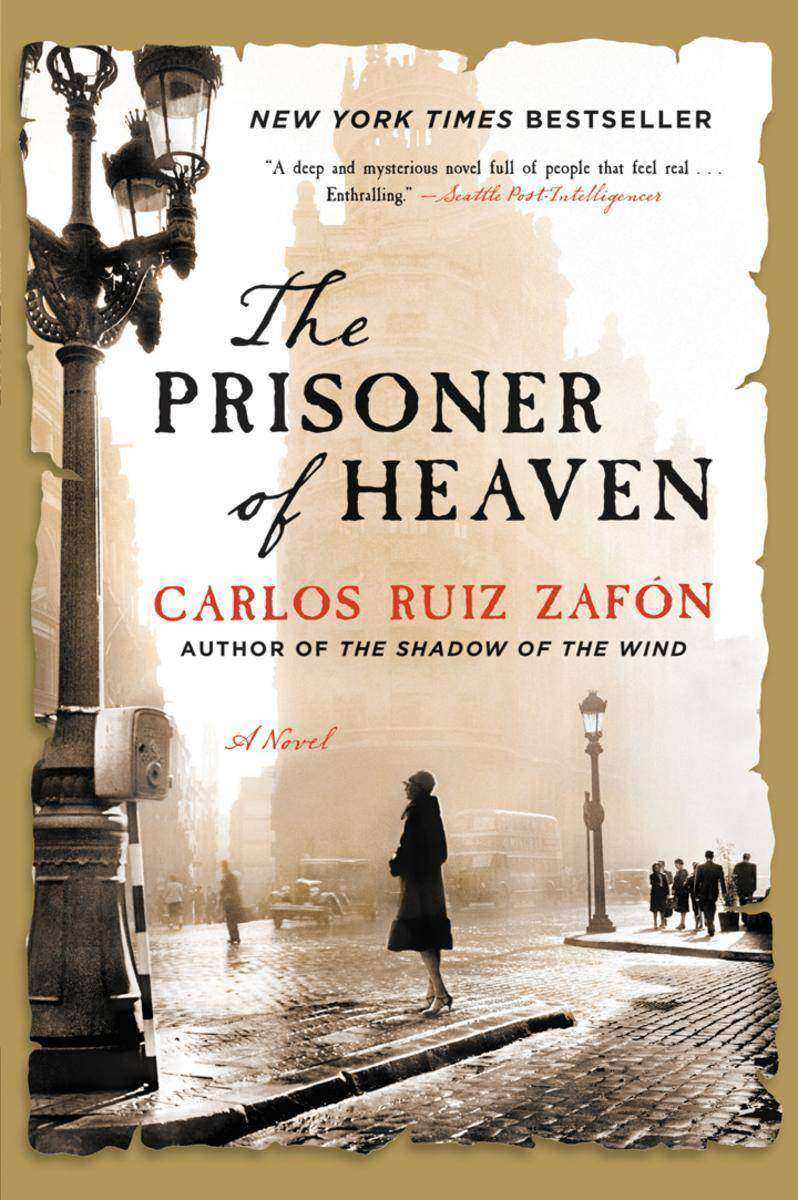
The Prisoner of Heaven
¥90.77
The internationally acclaimed New York Times bestselling author Carlos Ruiz Zafon takes us into a dark, gothic Barcelona and creates a rich, labyrinthine tale of love, literature, passion, and revenge in which the heroes of The Shadow of the Wind and The Angel's Game must contend with a nemesis that threatens to destroy them. Barcelona, 1957. It is Christmas, and Daniel Sempere and his wife, Bea, have much to celebrate. They have a beautiful new baby son named Julian, and their close friend Fermin Romero de Torres is about to be wed. But their joy is eclipsed when a mysterious stranger visits the Sempere bookshop and threatens to divulge a terrible secret that has been buried for two decades in the city's dark past. His appearance plunges Fermin and Daniel into a dangerous adventure that will take them back to the 1940s and the early days of Franco's dictatorship. The terrifying events of that time launch them on a search for the truth that will put into peril everything they love and ultimately transform their lives. Full of intrigue and emotion, The Prisoner of Heaven is a majestic novel in which the threads of The Shadow of the Wind and The Angel's Game converge under the spell of literature and bring us toward the enigma hidden at the heart of the Cemetery of Forgotten Books, a collection of lost treasures known only to its few initiates, and the very core of Carlos Ruiz Zafon's enchanting fictional world.

Epic: The Junior Novel
¥34.42
From the creators of Ice Age Rio Epic tells the story of a hidden civilization. The battle between good and evil rages until a teenage girl is magically transported into this forest kingdom to help save their world, and ours. The Jinn are tiny forest creatures who love all growing things. Their enemies, the Boggans, want to destroy the forest by spreading decay. When a human girl named M.K. magically shrinks and joins forces with the Leafmen the brave warrior Jinn the Jinn may have a chance of survival. Join M.K., the Leafmen, and other curious creatures on a dangerous journey to save this miraculous forest world! Epic: The Junior Novel ?retells the whole exciting story and features eight pages of full-color images from the movie!

Justin Bieber: Just Getting Started
¥123.10
"My story is something I like to share with others, to show people that with enough belief in yourself and what you can accomplish, anything is possible." Justin Bieber From Tel Aviv to Tokyo, over the past few years I've traveled around the world and back again. It's been amazing, but it's also hard to believe that not so long ago I was singing on the streets of Stratford, Ontario. I can honestly say that anything is possible, anyone can live the dream, and every day is a blessing. Now everywhere I go, I'm met with so much love. It's all about you, my fans, and that's why I'm dedicating my book to everyone who's come to sing along. I want to share the stories of my life on the road with you. From the crazy highs of performing on stage to spending those precious quiet moments with my friends and family, I want to give you a personal backstage pass to my world. It's been exhausting but always eye-opening and amazing. It's astonishing to think that so much has happened, and yet this is just the beginning. I'm just getting started.
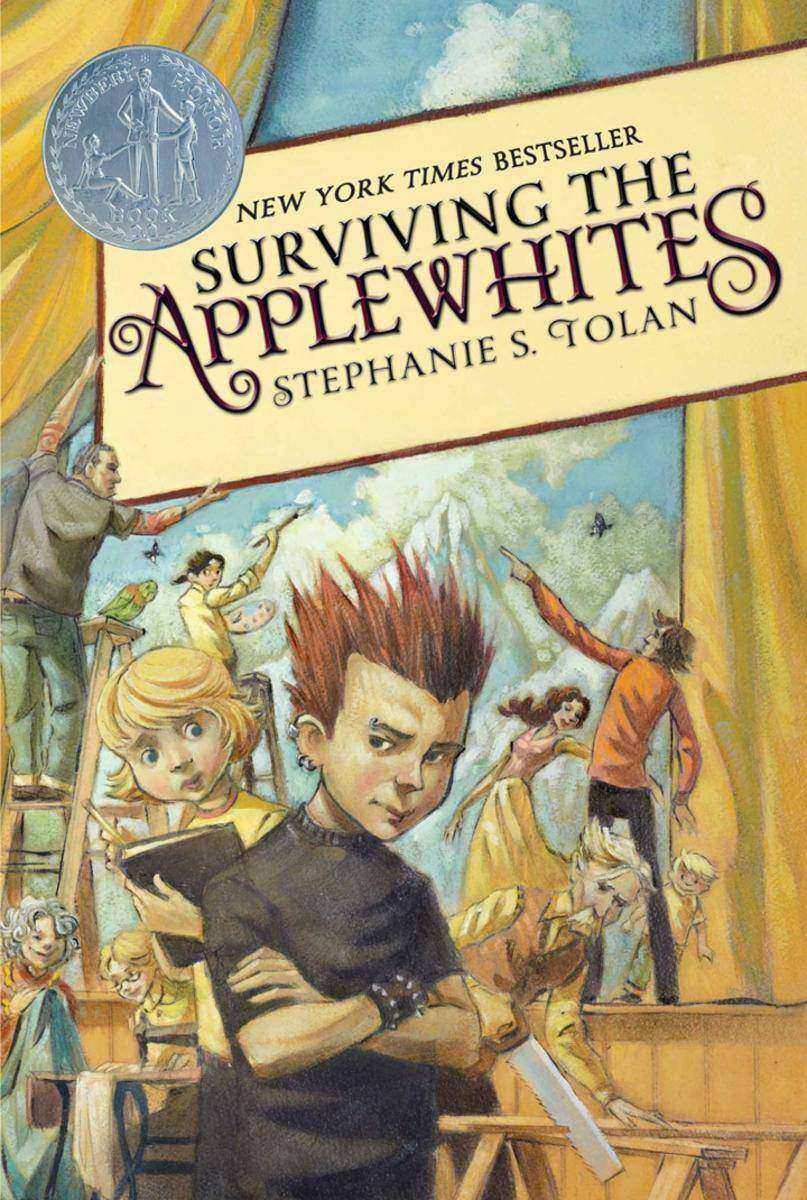
Surviving the Applewhites
¥38.72
Will anyone take on Jake SempleJake Semple is notorious. Rumor has it he burned down his old school and got kicked out of every school in his home state. Only one place will take him now, and that's a home school run by the Applewhites, a chaotic and hilarious family of artists. The only one who doesn't fit the Applewhite mold is E.D. a smart, sensible girl who immediately clashes with the unruly Jake. Jake thinks surviving this one will be a breeze . . . but is he really as tough or as bad as he seems?
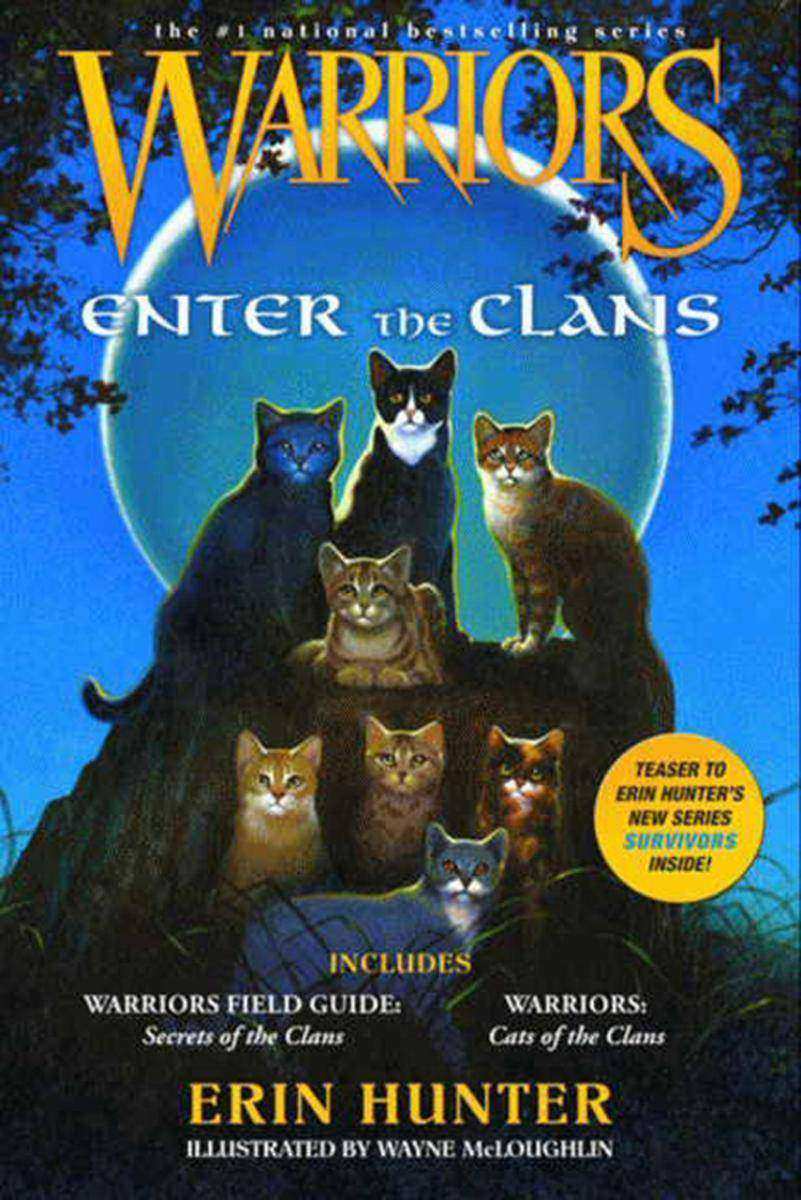
Warriors: Enter the Clans
¥44.73
Contains the complete text of both Secret of the Clans and Code of the Clans . Welcome to the world of ThunderClan, RiverClan, ShadowClan, WindClan, and SkyClan. . . . Here, the secrets behind the Clans are revealed. Find out how apprentices learn to fight, hunt, and help their Clans. Explore the territories with an insiders-only tour. Discover the origins of the warrior code, which governs how Clan cats live side by side in times of war and peace.
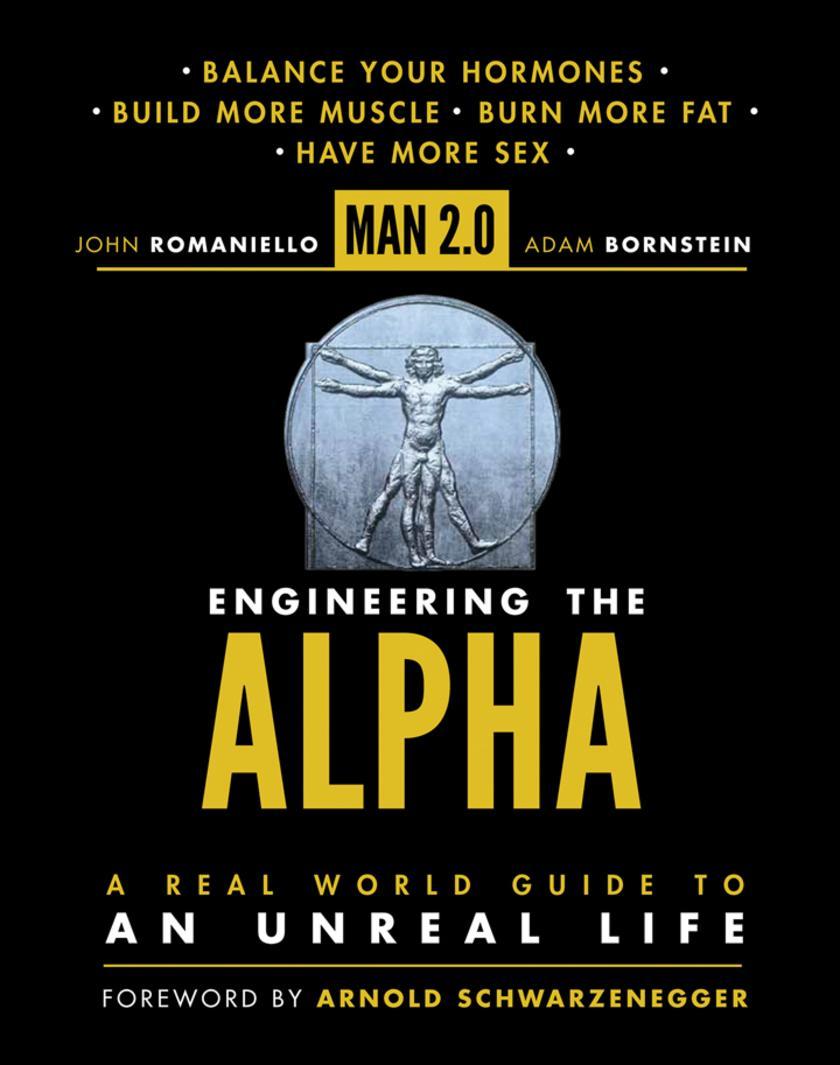
Man 2.0 Engineering the Alpha
¥157.15
Are you a guy who interested in building rock hard muscle, erasing your belly fat, boosting your testosterone, and having more mind-blowing sex than you thought possibleIf so, then Man 2.0: Engineering the Alpha was written specifically for you... In his new book, celebrity trainer and Men Health expert John 'Roman' Romaniello teams up with expert Adam Bornstein, former editor for both Men Health and LIVESTRONG. Together, they reveal the secrets they've discovered that will give any man no matter how old you are a chiseled body that will turn heads everywhere you go. You know the kind of body I'm talking about. The kind of body that women seem to drool and stare at when they're at the beach with their girlfriends... As a former 'fat guy,' Roman struggled for years to find a workout and diet that would give him the body he always wanted. By using the very secrets you'll find in this book techniques he spent 10 years perfecting he overcame his 'fat genes' and boasts a lean and ripped body the kind that could be (and has been) seen on the cover of magazines. And the best part is you don't have to kill yourself to get this body. Man 2.0: Engineering the Alpha will show you exactly how to get the body you've always wanted without starving yourself and without spending 2 hours in the gym every day. And for all of the guys out there wondering... YES! Man 2.0: Engineering the Alpha will even work for guys in their 30s, 40s, and 50s... Getting lean, ripped, and strong is not just for young guys! In Man 2.0: Engineering the Alpha , Romaniello and Adam Bornstein present proven, powerful ways for men to improve physical, emotional, sexual, and psychological health. From research in Olympic labs to real-life results with their clients, they are reinventing masculinity and showing every man how to become exactly who he wants to be... If you're ready to build strong, defined muscles, burn away your belly fat, boost your testosterone, and start experiencing more mind blowing sex than you ever thought was possible then grab your copy of Man 2.0: Engineering the Alpha now...

Love Wins: For Teens
¥99.65
If God were throwing a party, would everyone be invitedOr does God invite some and not othersAnd if so, how does God decideIs it what you sayIs it what you doIs it what you're going to doIs it who your friends areOr what your friends doOr what religion you happened to be born intoOr where you live, or what you look like, or what you believeWhat if the idea of heaven and hell that we have been taught is not, in fact, what the Bible teachesWhat if Jesus meant something very different by the concepts of heaven, hell, and salvation from how we've come to understand themAnd what if the answer to life meaning is much better than we ever imaginedIn his teen edition of the bestselling book love wins, Rob Bell tackles all these questions in a way that addresses the real challenges of growing up in today world. This is not just a book of questions and this is not just a book of answers. This is a book of exploration. This is a book of discovery. This is a book about why love wins.
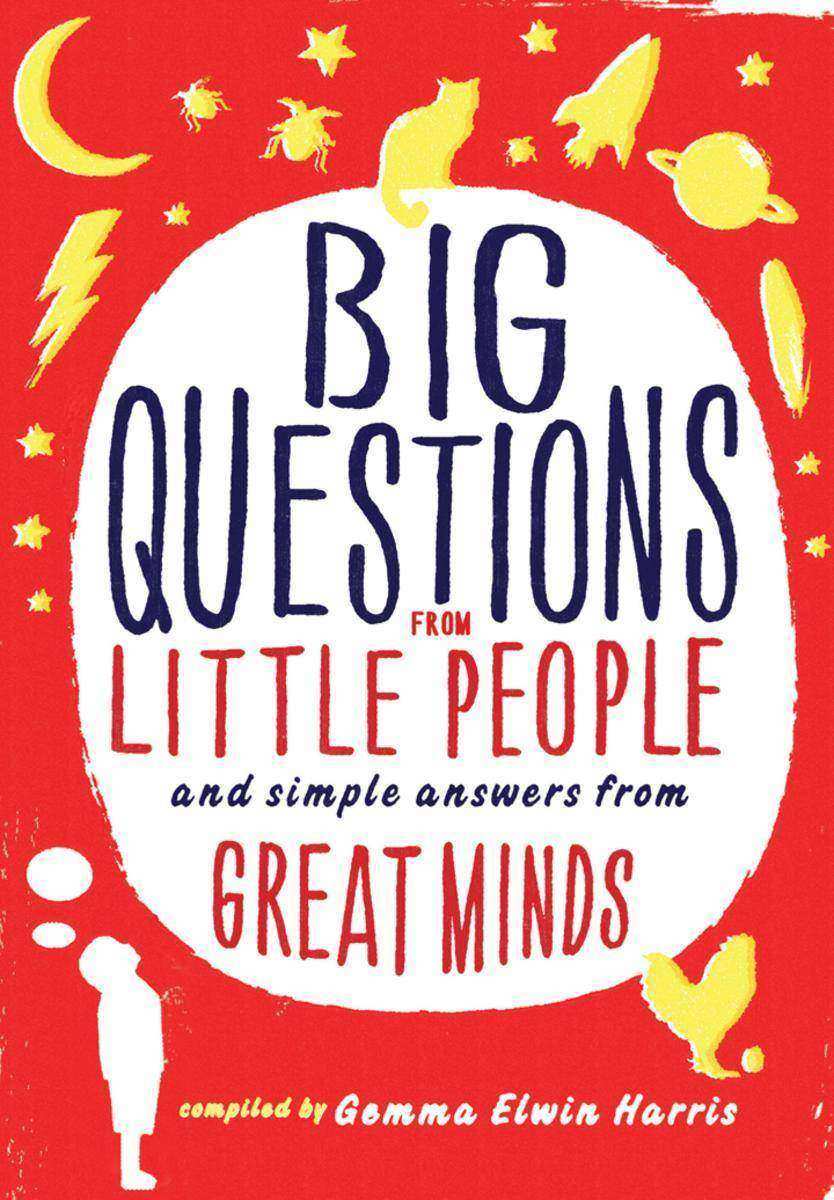
Big Questions from Little People
¥138.41
Illuminating and essential, Big Questions from Little People is a timeless gift, a handbook for curious children and their perplexed parents. Many of the questions children ask in the course of growing up can stump even the best educated adult: Why can't I tickle myselfAre we all relatedWho named all the citiesDo aliens existWhat makes me meIs it okay to eat a wormWho invented chocolateIf the universe started from nothing, how did it become somethingHow do you fall in loveWho is GodHow do chefs get ideas for recipesWhy are some people meanThis charming and informative collection has been compiled from schoolchildren's actual questions, which are answered by the world's greatest experts, including Mary Roach, Richard Dawkins, Philip Pullman, Bear Grylls, David Eagleman, Philippa Gregory, Noam Chomsky, and Mario Batali.
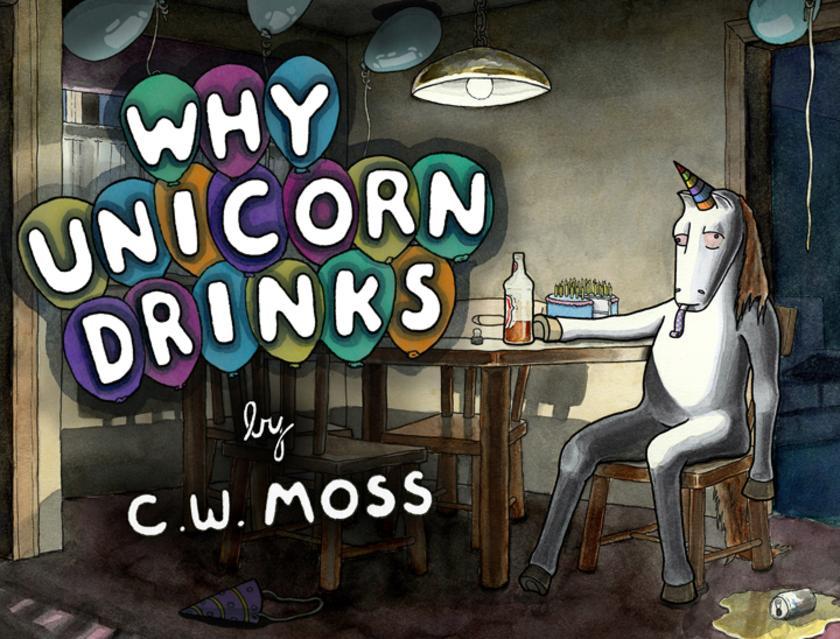
Why Unicorn Drinks
¥83.03
Unicorns are just like us. They have problems, stresses, and like to blow off some steam. Author and illustrator C. W. Moss explores the inner psyche of the single-horned in Why Unicorn Drinks . A follow-up to Unicorn Being a Jerk , this volume of 67 four-color illustrations and captions gives readers a glimpse into the sad reality of life as a mythical creature, and reveals what drives Unicorn to the bottle. As fans of Moss' online comic undoubtedly know, Why Unicorn Drinks pours a double-shot of laughter and irreverence. You'll never look at a unicorn the same way again.
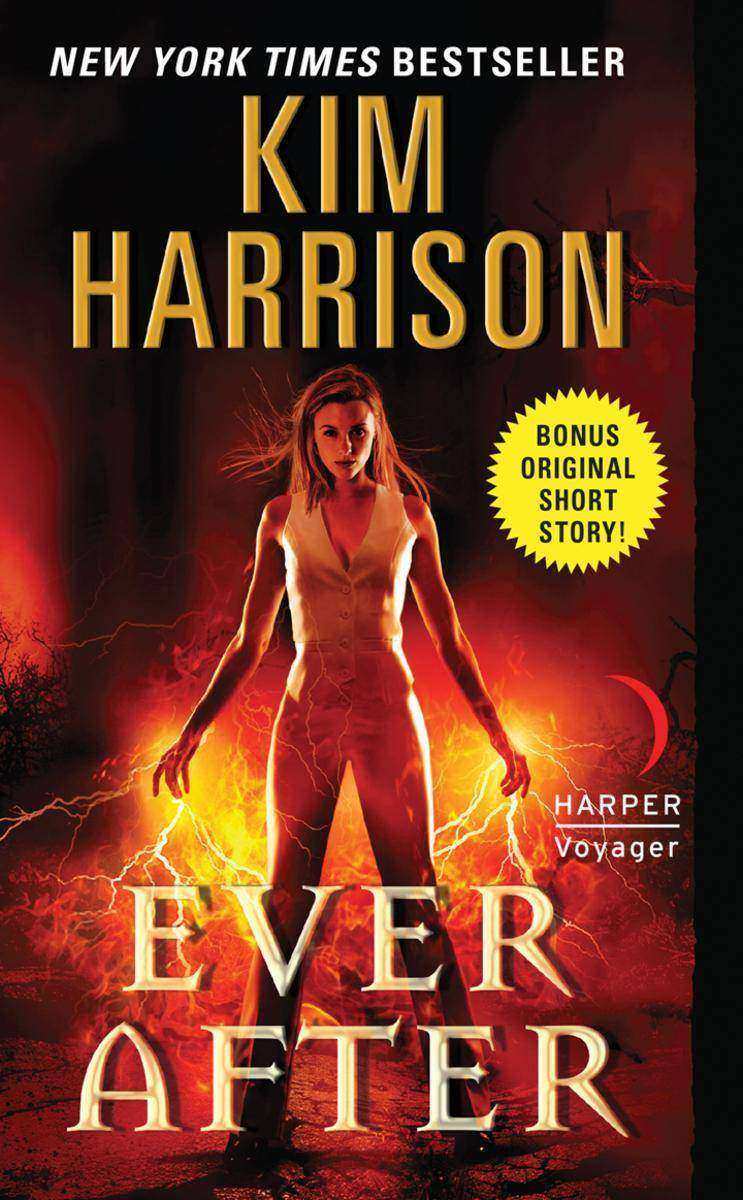
Ever After
¥55.91
New York Times bestselling author Kim Harrison returns to the sexy, supernatural adventures of Rachel Morgan with the eleventh book in the Hollows series Ever After The ever-after, the demonic realm that parallels our own, is shrinking, and if it disappears, so does all magic. It's up to witch-turned-daywalking-demon Rachel Morgan to fix the ever-after before the fragile balance between magic users and humans falls apart. Of course, there's also the small fact that Rachel is the one who caused the ley line to rip in the first place, and her life is forfeit unless she can fix it. Not to mention the most powerful demon in the ever-after the soul-eater Ku'Sox Sha-Ku'ru has vowed to destroy her, and has kidnapped her friend and her goddaughter as leverage. If Rachel doesn't give herself up, they will die. Forced by circumstance, Rachel teams up with elven tycoon Trent Kalamack a partnership fraught with dangers of the heart as well as betrayal of the soul to return to the ever-after and rescue those she loves. One world teeters on the brink of interspecies war, the other on the brink of its very demise and it's up to Rachel to keep them both from being destroyed.
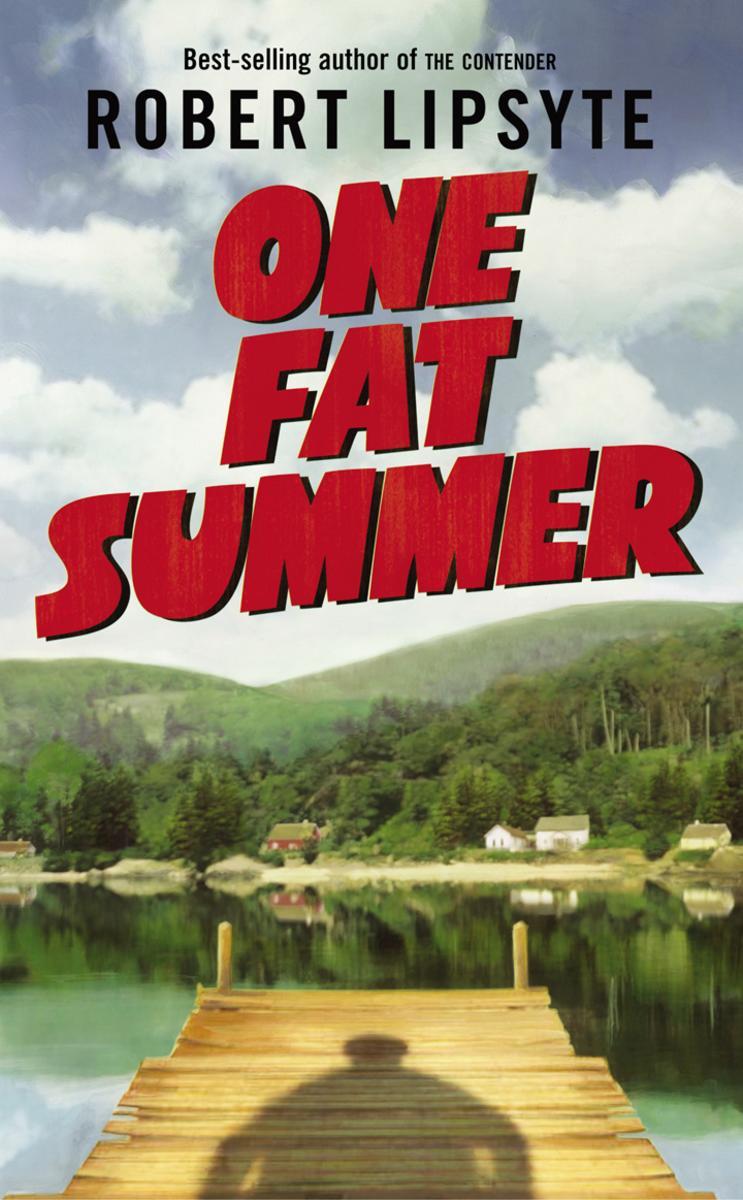
One Fat Summer
¥49.79
For Bobby Marks, summer does not equal fun.While most people are happy to take off their heavy jackets and long pants, Bobby can't even button his jeans or reach over his belly to touch his toes. Spending the summer at Rumson Lake is sheer torture.This particular summer promises to be worse than usual. His parents can't stop fighting. His best friend, Joanie, goes home to New York City and won't tell him why. Dr. Kahn, a rich, stingy estate owner who hires him to manage an enormous lawn, is working him to death. And to top it off, a local bully won't stop torturing him.Bobby is about to find out just how terrifying and exhilarating one fat summer can be.
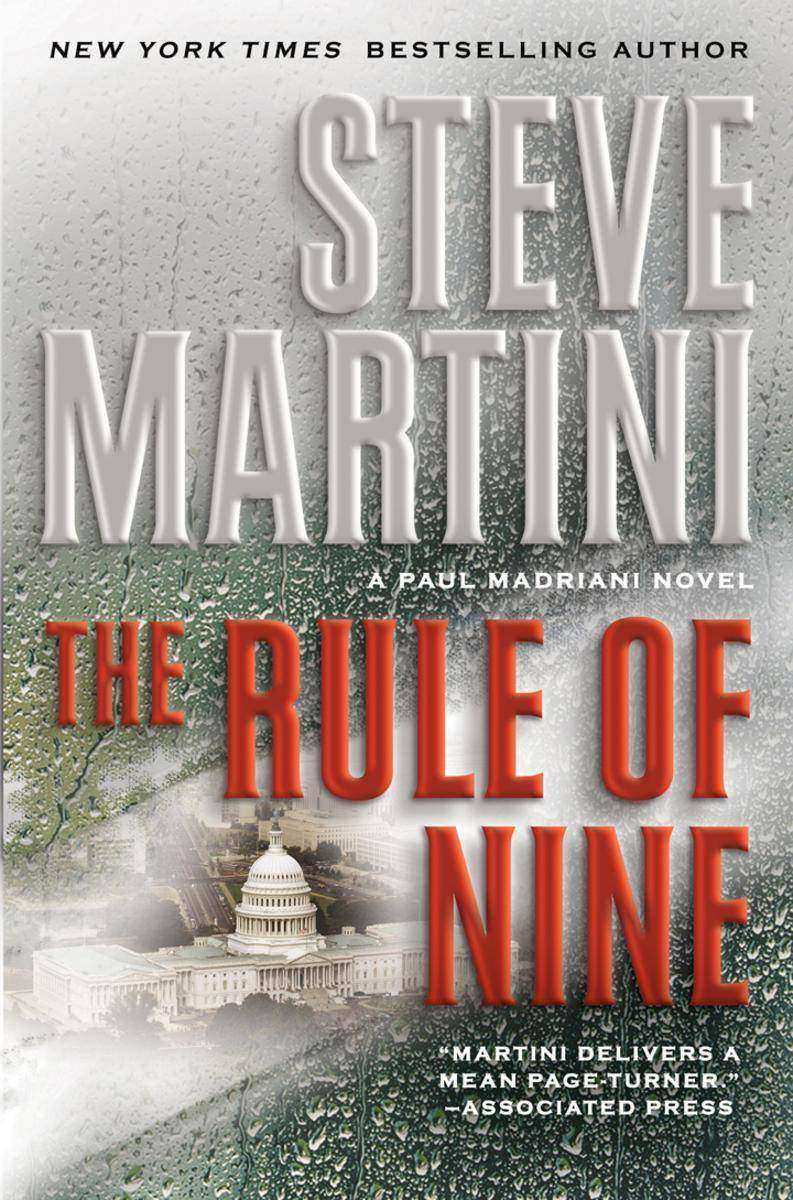
The Rule of Nine
¥69.16
The Old Weatherman dreams of a plan that could be his swan song, an attack to drive a stake through the heart of the right-wing establishment and bury it for good. Now he's found the money, the ideal weapon, and the professional who knows how to use it. And he has set his sights on the perfect target at the very seat of the United States government, in the heart of downtown Washington. It will be a strike heard round the world.San Diego defense attorney Paul Madriani is still reeling from the trauma of a near nuclear explosion he helped avert at the naval base in Coronado. Threatened by federal authorities to keep quiet about the close call in California, Madriani is now faced with a new problem in the steely-eyed and alluring Joselyn Cole, a weapons control expert, who believes he has to go public with what he knows if they have any hope of stopping a similar event in the future. But Madriani has been linked to the murder of a Washington, D.C., political staffer, and authorities believe a shadowy figure called Liquida—a hired assassin known as "the Mexicutioner"—may be responsible. And this man, as the last survivor of the attack in San Diego, might be driven by a bizarre and horrifying star-crossed vendetta, and might now be looking for Madriani himself. What Madriani and Cole begin to fear is that the Old Weatherman and this madman have joined forces and intend to pull the city—and the country—into a vortex of terror before Madriani and Cole can find answers to the enigma that is "the rule of nine."

Your Inner Skinny
¥101.00
It's time to start listening to Your Inner Skinny Losing weight isn't just about shedding pounds. The reality is you're battling obstacles way fatter than fat, stronger than muscle, and heavier than any other part of your body. You're up against roadblocks including low energy, little time, and the roaring, disorienting noise of countless diets telling you a thousand different things.Your inner skinny is the voice that cuts through the noise and ignores the nonsense. It's the voice that says it's not about low-carb, no-carb, low-fat gimmicks. It's the voice that tells you that dieting, while no doubt challenging, is simpler than you think. And with Your Inner Skinny, nutrition and health expert Joy Bauer helps you channel that voice into four productive, detailed steps: releasing your negative eating habits, relearning how to reprogram your appetite, reshaping your body into the one that you want, and revealing your success to the world.It's a diet plan that really works, with dozens of delicious recipes, lots of easy exercises, and a whole new you, waiting to be revealed!Your inner skinny will not be ignored! You are going to look and feel beautiful in a whole new way.This book was published in hardcover as Joy's Life Diet

Yellow Flag
¥61.70
In any race, there are drivers and, at the front of the pack, there are racers. In the final laps, it's the racer who moves his car through the sweet spot, picks off the competition, and drives through a hole to win. In Kyle's family, his older brother, Kris, has always been the racer, born and bred to it, like his father and grandfather and great-grandfather before him. And that's just fine with Kyle; he's got other things to do. Now Kris is out of commission, injured, and Kyle has no choice but to drive. Does he want to drive just long enough to keep Kris's seat warm, or does he want to race—and winOn the heels of Raiders Night, Yellow Flag is a pulse-pounding look inside the elite world of NASCAR racing, from award-winning novelist and sportswriter Robert Lipsyte.
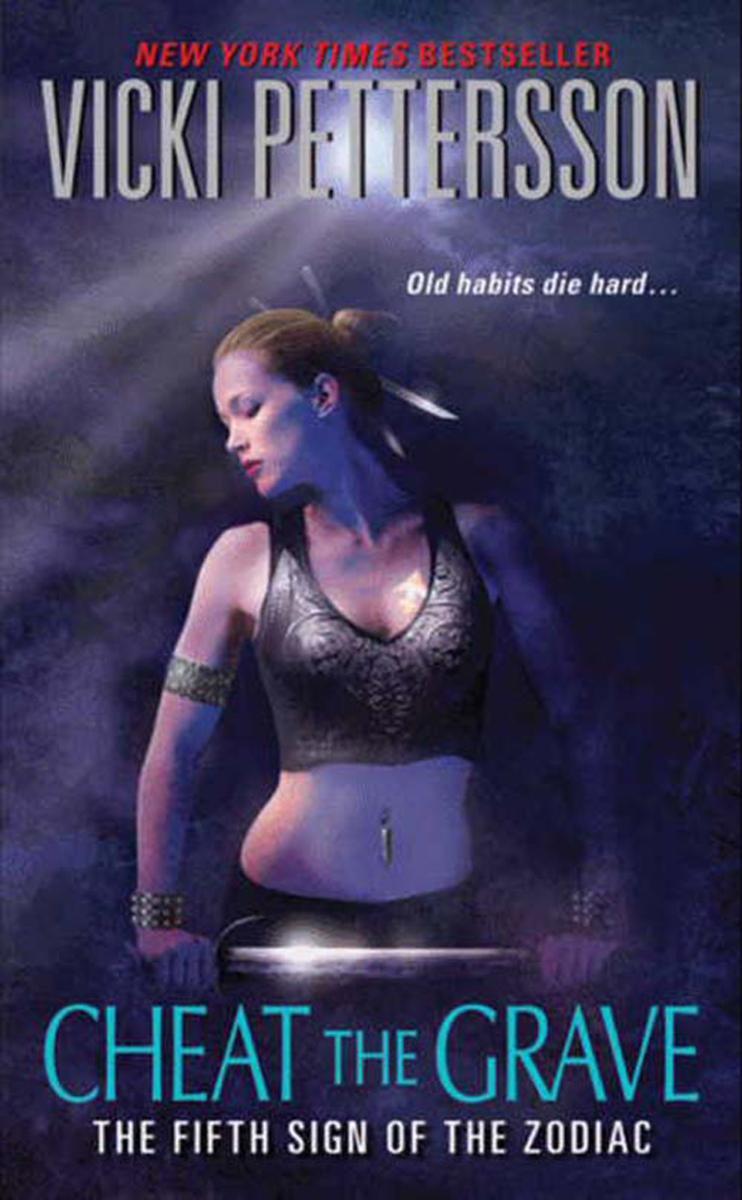
Cheat the Grave
¥56.07
Las Vegas socialite and otherwordly avenger Joanna Archer gave up everything when she embraced mortality—abandoning her powers and altering her destiny to save a child . . . and a city. Now her former allies are her enemies—and her enemies have nothing to fear.Yet still she is bound to a prophecy that condemns her to roam a nightmare landscape that ordinary humans cannot see and dare not enter. And a beast is on her trail—an insane killer blinded by bloodlust, who's determined to rip much more from Joanna than merely her now-fragile life. Survival is no longer an option in this dark realm where good and evil have blurred into confusing shades of gray—unless she can gather together an army of onetime foes and destroy everything she once believed in.

Every House Needs a Balcony
¥90.77
Hailed as the "Israeli Kite Runner" (The Bookseller), this international bestseller and publishing phenomenon is the bittersweet story of one family, one home, and the surprising arc of one woman's life, from the poverty of her youth to the glowing love and painful losses of her adult years.Braiding together past and present, Every House Needs a Balcony tells the story of a young Jewish girl—a child of Romanian immigrants—who lives with her family in the poverty-stricken heart of 1950s Haifa, Israel. Eight-year-old Rina, her older sister, and their parents inhabit a cramped apartment with a narrow balcony that becomes an intimate shared stage on which the joys and dramas of the building's daily life are played out. It is also a vantage point from which Rina witnesses the emergence of a strange new country, born from the ashes of World War II. Later, after years of living abroad with her wealthy Spanish husband in Barcelona, Rina, longing for the simple life she has missed, returns to the Haifa of her boisterous youth, a move that soothes her soul but ultimately endangers her marriage.Beautifully told, rich with questions of identity, love, and survival, Every House Needs a Balcony is an unforgettable social and historical portrait of a neighborhood and a nation. Steeped in the colors and smells, laughter and tears, of Rina Frank's own childhood memories, it is a heartbreaking tale about the deepest meanings of home.


