


 购物车
购物车 个人中心
个人中心
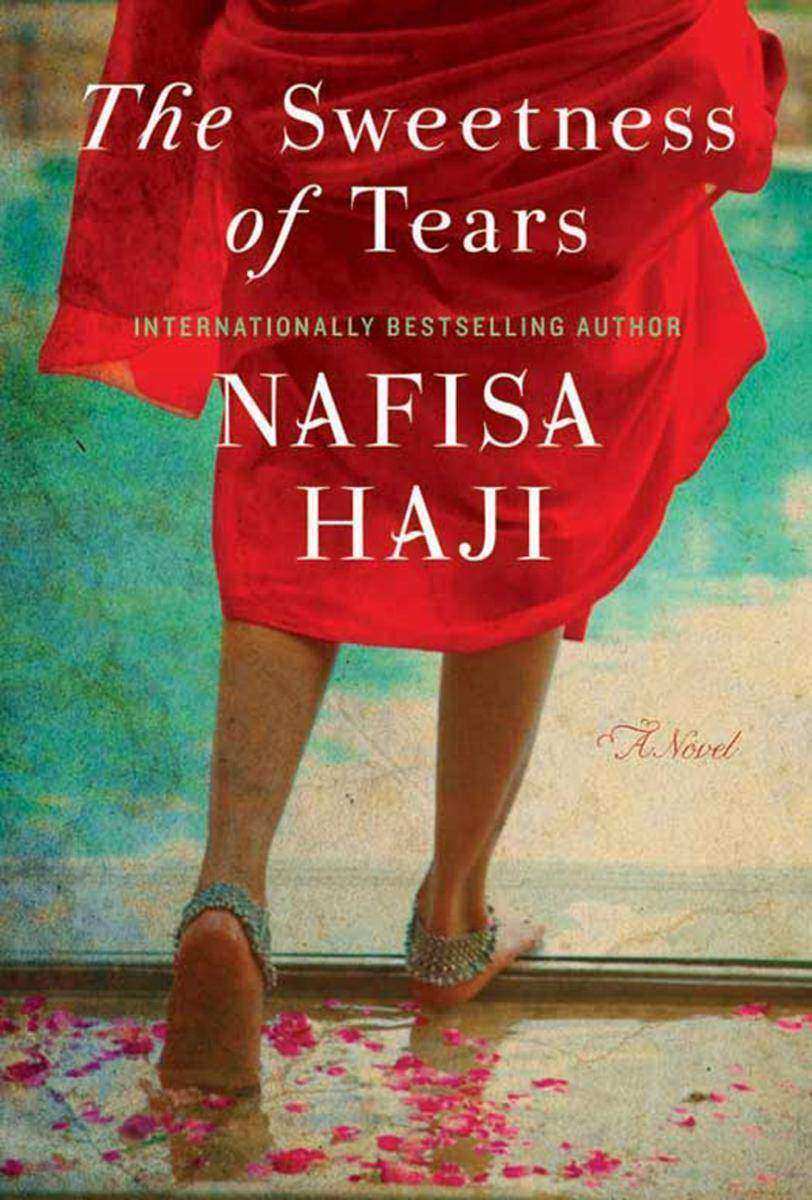
The Sweetness of Tears
¥83.92
When faith and facts collide, Jo March—a young woman born into an Evangelical Christian dynasty—wrestles with questions about who she is and how she fits into the weave of her faithful family. Chasing loose threads that she hopes will lead to the truth, Jo sets off on an unlikely quest across boundaries of language and religion, through chasms of sectarian divides in the Muslim world. Against the backdrop of the War on Terror—travelling from California to Chicago, Pakistan to Iraq—she delves deeply into the past, encountering relatives, often for the first time, whose histories are intricately intertwined with her own . . . only to learn that true spiritual devotion is a broken field riddled with doubt and that nothing is ever as it seems. A story of forbidden love and familial dysfunction that interweaves multiple generational and cultural viewpoints, The Sweetness of Tears is a powerful reminder of the ties that bind us, the choices that divide us, and the universal joys and tragedies that shape us all.
Blood Brothers
¥84.16
Though they were raised by the same decent and well-respected parents, two brothers could not be more different than Frank and Joe Arnold. The pair have nothing in common but blood . . . and Alice Jacobs. Joe has fallen hard for the shy, kindhearted young woman. But it is Frank, a devious schemer, who is determined to have her. He sees Alice as the key to his fortune, and will do everything, including hide his brutal nature, to succeed.When Frank and Alice announce their engagement, Joe leaves home, determined to put distance between himself and temptation. Despite his best efforts, the inevitable happens when Joe returns for the wedding. And though Alice is drawn to Joe too, she ultimately chooses duty and Frank—a decision that will have dark and violent repercussions for them all.From number one Times of London bestselling author Josephine Cox comes a powerful and dramatic story of a love triangle gone terribly wrong.
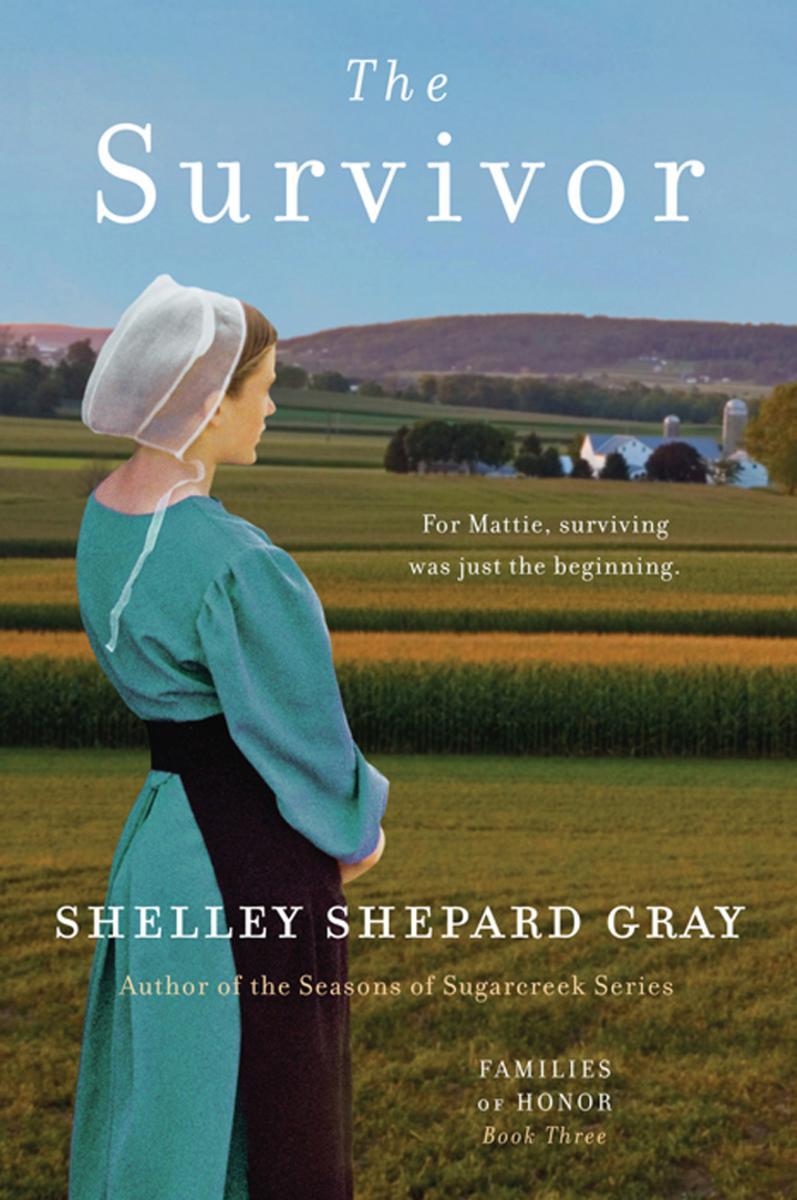
The Survivor
¥71.94
Mattie’s body has healed from the cancer that nearly took her life . . . but can she find the man who can mend her lonely heart?Mattie has faced more in her twenty-three years than she ever imagined possible. Having successfully battled cancer, she’s ready to reenter the world with hopes for her future. But while she was in and out of hospitals, other Amish girls her age were courting and finding the men they would marry. The only man who’s ever made her heart beat faster is Graham Weaver, her best friend, who has always been there to comfort her, in good times and bad. Is it finally time for their friendship to become something moreBut cruel gossip is spreading, claiming that Graham’s the father of the baby Jenna Yoder’s carrying. Will Mattie’s dreams of a happily-ever-after be crushed before they’ve left the ground?
Insignia
¥56.08
"Insignia expertly combines humor with a disarming and highly realistic view of the future. The characters are real, funny, and memorable. You won't be able to put this book down."—Veronica Roth, #1 New York Times bestselling author of Divergent and InsurgentThe earth is in the middle of WWIII in Insignia, the first entry in S. J. Kincaid's fast-paced sci-fi adventure trilogy perfect for fans of Ender's Game.The planet's natural resources are almost gone, and war is being fought to control the assets of the solar system. The enemy is winning. The salvation may be Tom Raines. Tom doesn't seem like a hero. He's a short fourteen-year-old with bad skin. But he has the virtual-reality gaming skills that make him a phenom behind the controls of the battle drones.As a new member of the Intrasolar Forces, Tom's life completely changes. Suddenly, he's someone important. He has new opportunities, friends, and a shot at having a girlfriend. But there's a price to pay. . . .
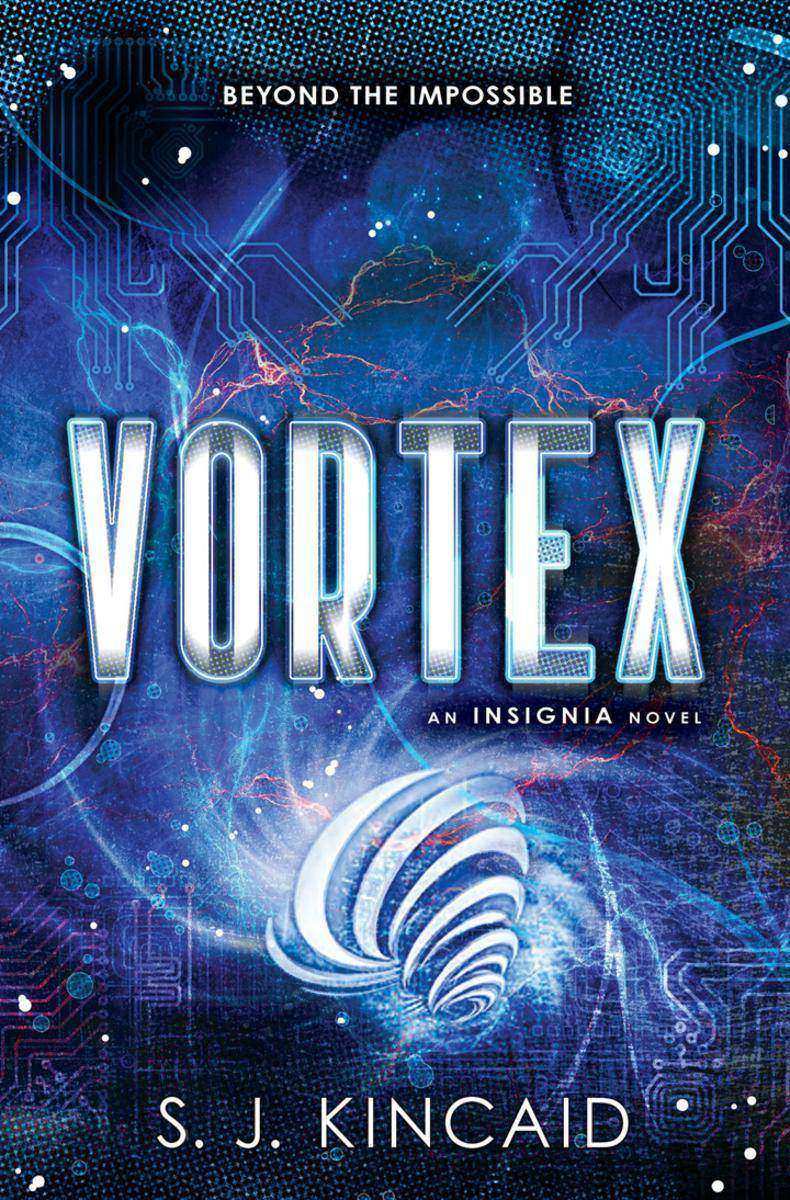
Vortex
¥55.33
S. J. Kincaid has created a fascinating dystopian world for Insignia, her futuristic science-fiction adventure series perfect for fans of Ender's Game. Earth is in the middle of WWIII, a war to determine which governments and corporations will control the resources of the solar system.Teen Tom Raines grew up with nothing—some days without even a roof over his head. Then his exceptional gaming skills earned him a spot in the Intrasolar Forces, the country's elite military training program, and his life completely changed.Now in Vortex, the second book in the series, Tom discovers that the Pentagonal Spire, where he and his friends are being trained as superhuman weapons, is filled with corruption. He is asked to betray his friends—the first real friends he's ever had—for the sake of his country.Will he sacrifice his new life to do what he believes is right?

Always Neverland
¥39.24
School has only been out for one whole day, and Ashley can already tell her vacation is going to bore her to tears. With her friends out of town and her parents working nonstop, she finds herself alone and with nothing to do—until one night she wakes up and discovers Peter Pan in her bedroom, wrestling with his shadow. Since his original adventure with the Darlings, Peter Pan has been bringing new “Wendy girls” to Neverland to take care of the Lost Boys. But Ashley’s made of much tougher stuff than the Wendy girls before her—she’d rather befriend the mermaids or fight Captain Hook and his pirate crew. Creating new adventures for her friends, Ashley is bringing change to Neverland . . . and not everyone is happy about it.
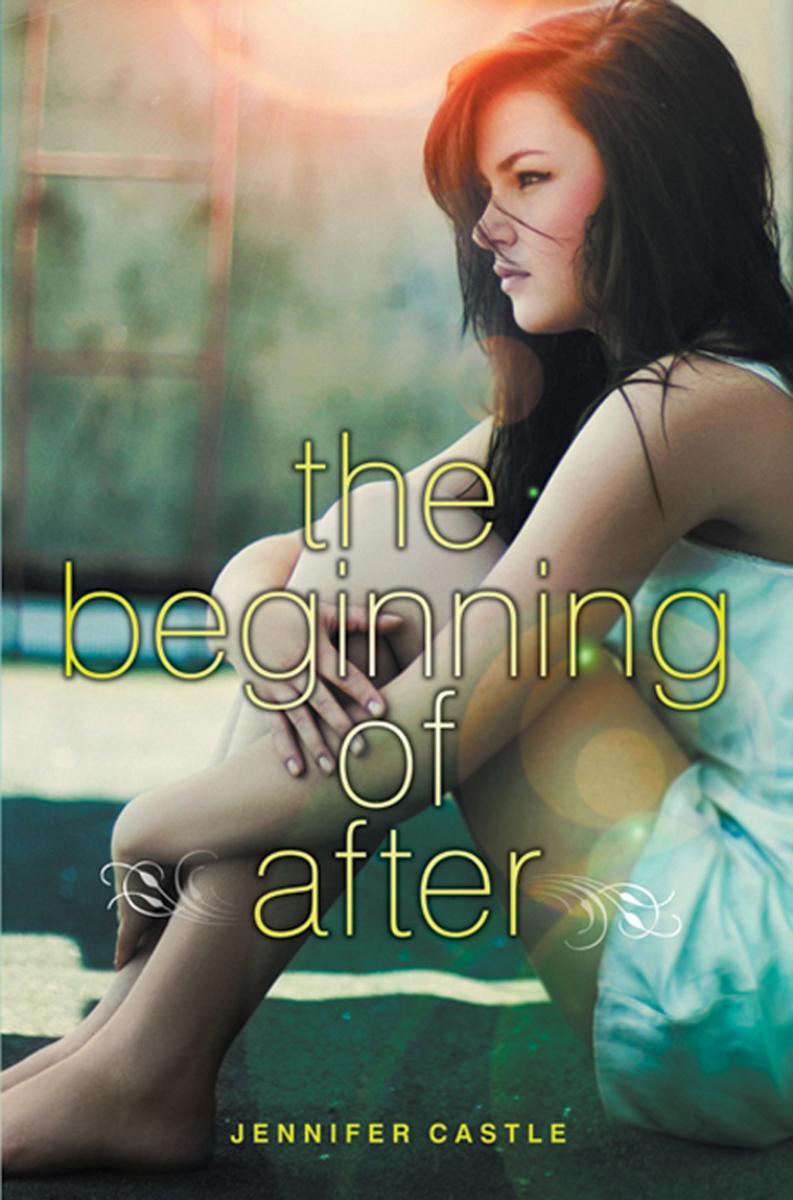
The Beginning of After
¥55.93
The Beginning of After is a story of hope and healing from Jennifer Castle, a powerful new voice in teen fiction.When Laurel’s family dies in a horrific car accident, she struggles to put her life back together. She is now connected to David Kaufman, who lives down the block, and who lost his mother in the same crash. Both of their lives change—but not in the ways that they thought…Castle blends tragedy with romance, teen angst, and wit in The Beginning of After, a bittersweet, powerful debut novel that stands as a testament to how people can survive the unthinkable.
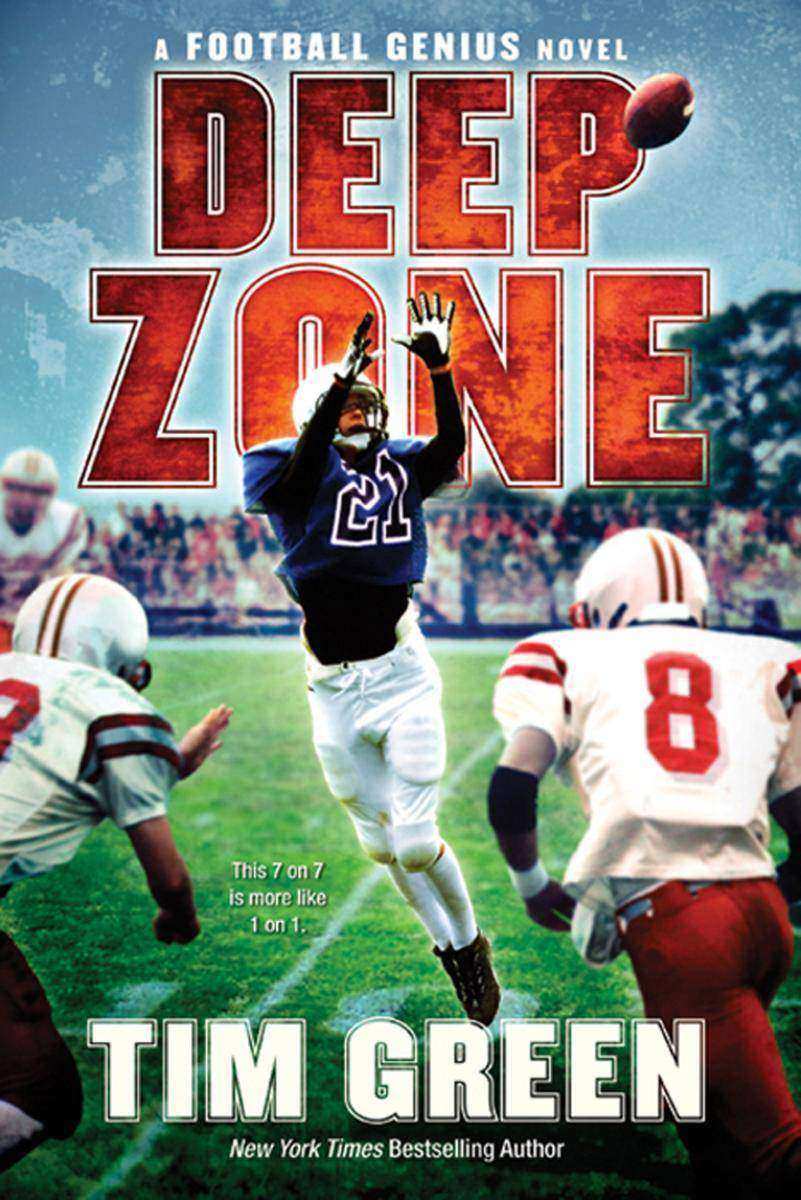
Deep Zone
¥44.73
In the deep zone, even the very best player can find it impossible to beat a foe who’s hungry and waiting. . . . Troy White can predict a play before it happens. Star quarterback on his state football team, Troy’s a natural for the 7-on-7 tournament that’s being held at the Super Bowl in Miami. With any luck, his “football genius” will also be working for the Atlanta Falcons on that big day.Ty Lewis is a wide receiver with exceptional speed. His brother, an NFL star, says getting on a 7-on-7 team will prove Ty’s a winner.From the moment the two football champs cross paths, Troy and Ty begin to size each other up. Troy is suspicious of Ty’s interest in his friend Tate, while Ty worries his speed will never be a match for Troy’s game smarts. But when the two rivals find themselves somehow tangled in the same dangerous web of deceit, they discover that they have more in common than their skill at football.Uniting Troy, first seen in the New York Times bestselling Football Genius, and Ty, who was chased by the Mafia in Football Hero, Tim Green’s Deep Zone delivers it all—vivid settings, dynamic characters, and high-stakes action on and off the field.

The Bride Comes to Yellow Sky
¥22.03
Though best known for The Red Badge of Courage, his classic novel of men at war, in his tragically brief life and career Stephen Crane produced a wealth of stories—among them "The Monster," "The Upturned Face," "The Open Boat," and the title story—that stand among the most acclaimed and enduring in the history of American fiction. This superb volume collects stories of unique power and variety in which impressionistic, hallucinatory, and realistic situations alike are brilliantly conveyed through the cold, sometimes brutal irony of Crane's narrative voice.

Hancock Park
¥50.47
Becky Miller lives in the best neighborhood, goes to school with the children of movie stars, and has her psychiatrist on speed dial. She may live in the City of Angels, but this sixteen-year-old's life is far from perfect. By day, Becky navigates the halls of one of L.A.'s most elite schools, where the mean girls are a special breed of mean, and at night, she deals with sparring parents, a grandmother who is man-crazy, and a younger brother, Jack, who answers only to J-zizzy. As Becky's life comes crashing down around her, she struggles to put it back together and learn to grow up while trying to stay sane.Isabel Kaplan dishes the dirt on the children of Hollywood's elite—from Spago delivered to campus at lunch and shrinks who dole out psychotropic drugs as though they're candy to parent-free parties at the Four Seasons—the lives of Becky and her creator, Isabel Kaplan, are like no other, and yet strangely, just like everyone's.

L.A. Candy
¥55.93
Los Angeles is all about the sweet life: hot clubs, cute guys, designer . . . everything. Nineteen-year-old Jane Roberts can't wait to start living it up. She may be in L.A. for an internship, but Jane plans to play as hard as she works, and has enlisted her BFF Scarlett to join in the fun.When Jane and Scarlett are approached by a producer who wants them to be on his new series, a "reality version of Sex and the City," they can hardly believe their luck. Their own showYes, please!Soon Jane is TV's hottest star. Fame brings more than she ever imagined possible for a girl from Santa Barbara—free designer clothes, the choicest tables at the most exclusive clubs, invites to Hollywood premieres—and she's lapping up the VIP treatment with her eclectic entourage of new pals. But those same friends who are always up for a wild night are also out for a piece of Jane's spotlight.In a city filled with people chasing after their dreams, it's not long before Jane wakes up to the reality that everyone wants something from her, and nothing is what it seems to be.L.A. Candy is a deliciously entertaining novel about what it's like to come of age in Hollywood while starring in a reality TV show, written by a girl who has experienced it all firsthand: Lauren Conrad.

Night Wings
¥90.77
My dream from last night haunts me. I am still running, still trying to hide from something I cannot see. I know that it sees me with eyes that can pierce the darkness. I know that it hungers to take my life. Paul has always believed in the power of dreams. He knows that they are often warnings. Warnings that should be taken very seriously.Now his nightmare visions of a predatory winged creature are becoming all too real. And though Paul has always depended on the wisdom of his Abenaki ancestors' stories to guide his footsteps, no monster tale could have prepared him for what he is about to encounter, alone, at the top of one of the most dangerous mountains in the world.
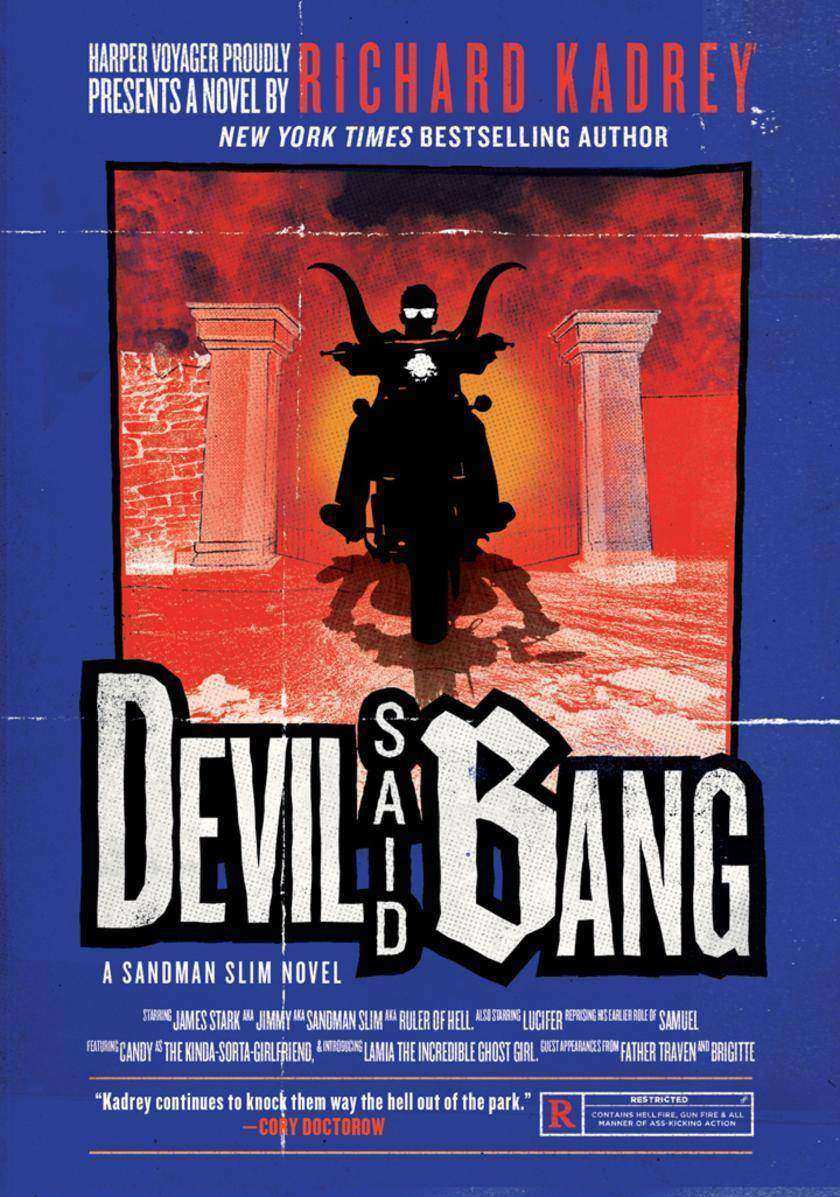
Devil Said Bang
¥88.56
Getting out of hell is just the beginningWhat do you do after you've escaped Hell, gone back, uncovered the true nature of God, and then managed to become the new Lucifer?Well, if you're James Stark, you have to figure out how to run Hell while also trying to get back out of it . . . again. Plus there's the small matter of surviving. Because everyone in Heaven, Hell, and in between wants to be the fastest gun in the universe, and the best way to do so is to take down Lucifer, a.k.a. James Stark.And it's not like being in L.A. is any better—a serial-killer ghost is running wild and Stark's angelic alter ego is hiding among the lost days of time with a secret cabal who can rewrite reality. Starting to care for people and life again is a real bitch for a stone-cold killer.
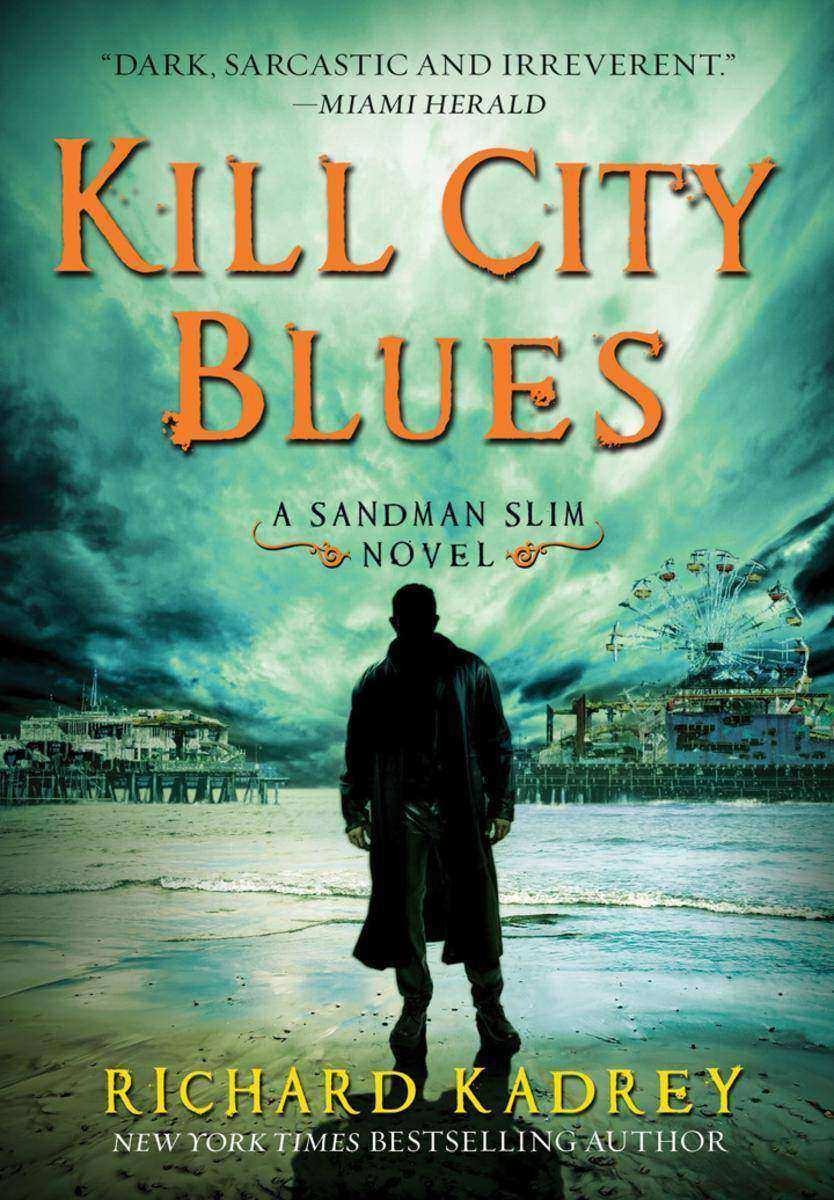
Kill City Blues
¥83.03
Another day, another apocalypseJames Stark, aka Sandman Slim, has managed to get out of Hell, renounce his title as the new Lucifer, and settle back into life in L.A. But he also lost the Qomrama Om Ya, an all-powerful weapon from the banished older gods. Older gods who are returning and searching for their lost power.The hunt leads Stark to an abandoned shopping mall—a global shopping paradise infested with Lurkers and wretched bottom-feeding Sub Rosa families, squatters who have formed tight tribes to guard their tiny patches of retail wasteland. Somewhere in this kill zone is a dead man with the answers Stark needs. All Stark has to do is find the dead man, recover the artifact, and outwit and outrun the angry old gods—and natural-born killers—on his tail.But not even Sandman Slim is infallible, and any mistakes will cost him dearly.
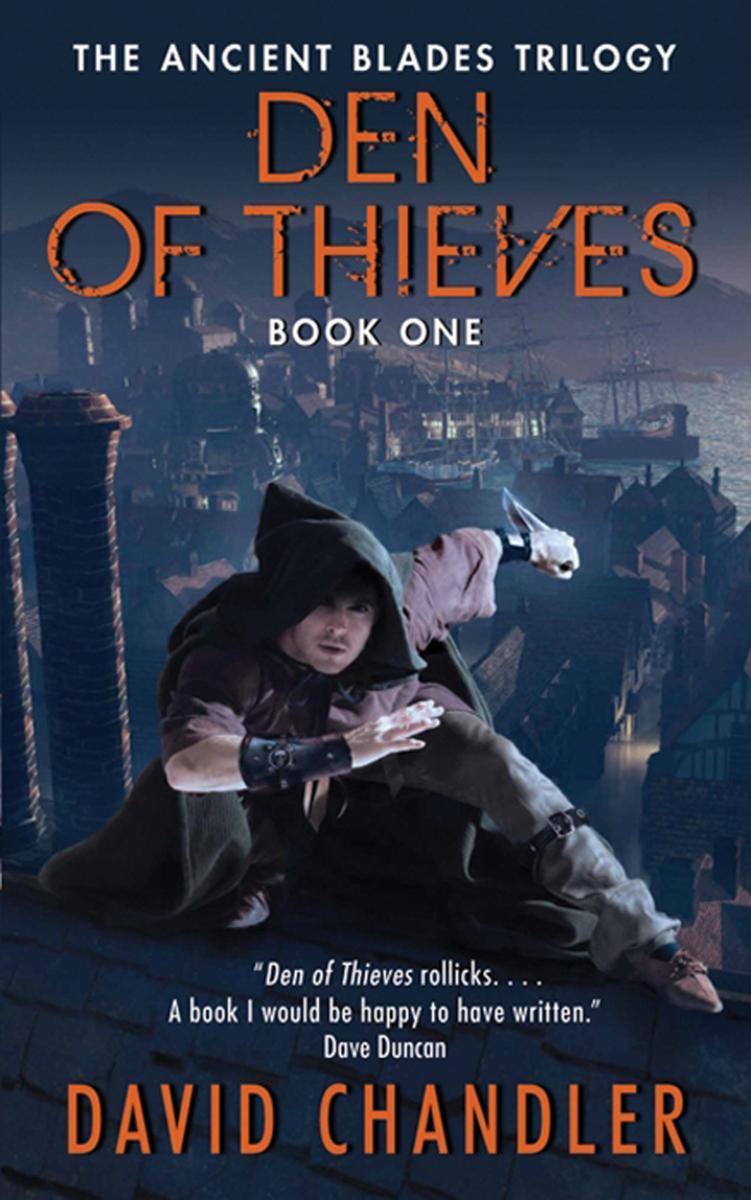
Den of Thieves
¥56.07
Born and raised in the squalid depths of the Free City of Ness, Malden became a thief by necessity. Now he must pay a fortune to join the criminal operation of Cutbill, lord of the underworld—and one does not refuse the master . . . and live. The coronet of the Burgrave would fulfill Malden’s obligations, though it is guarded by hungry demons that would tear the soul from any interloper. But the desperate endeavor leads to a more terrible destiny, as Malden, an outlaw knight, and an ensorcelled lady must face the most terrifying evil in the land.
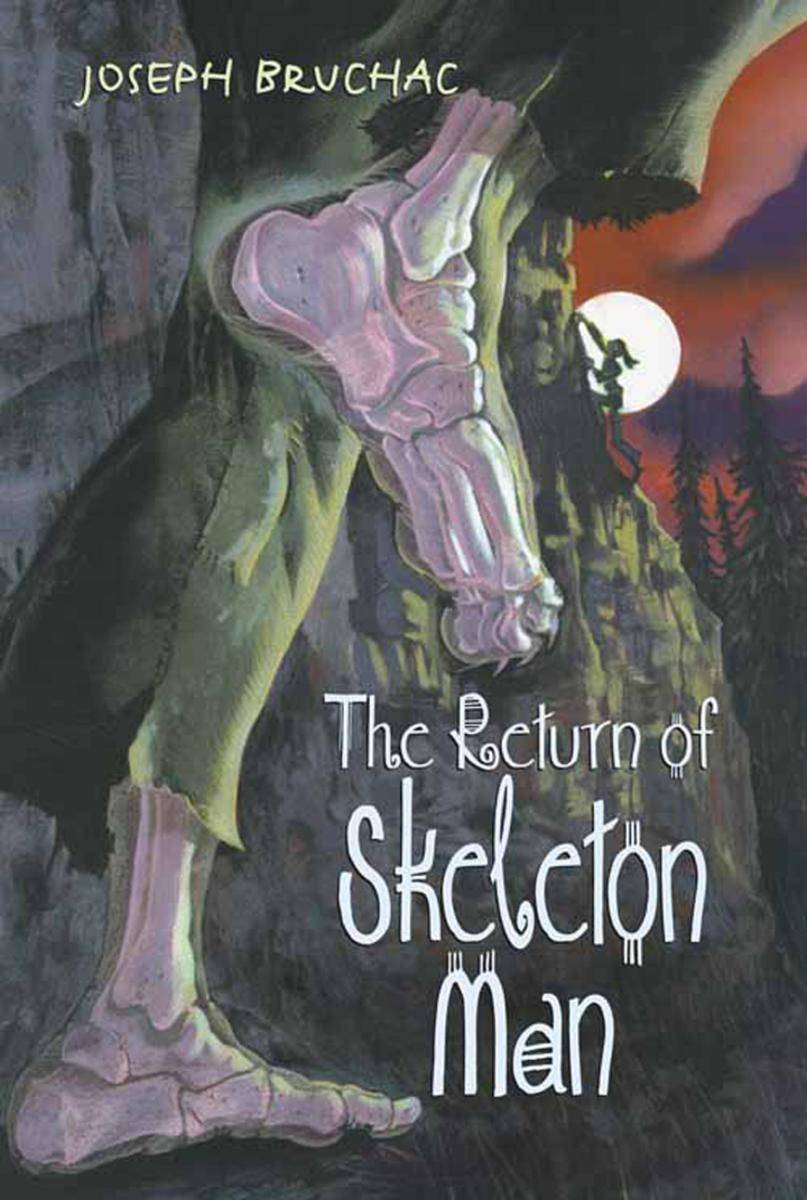
The Return of Skeleton Man
¥44.85
It's not over, that voice says. Some dreams, rabbit, are like this one I just sent you. They are messages and warnings.And even though it sends a shiver down my spine, I understand what this message, this warning, means. Skeleton Man will return.Molly thought she'd put her traumatic past behind her when she escaped from Skeleton Man last year. She rescued her parents and tried to get her life back to the way it used to be. She thought her family would live happily ever after and just be normal again. She thought wrong.Skeleton Man is back for revenge—but this time Molly is ready.In this long-awaited sequel to the award-winning Skeleton Man, Joseph Bruchac revisits his most terrifying villain yet.
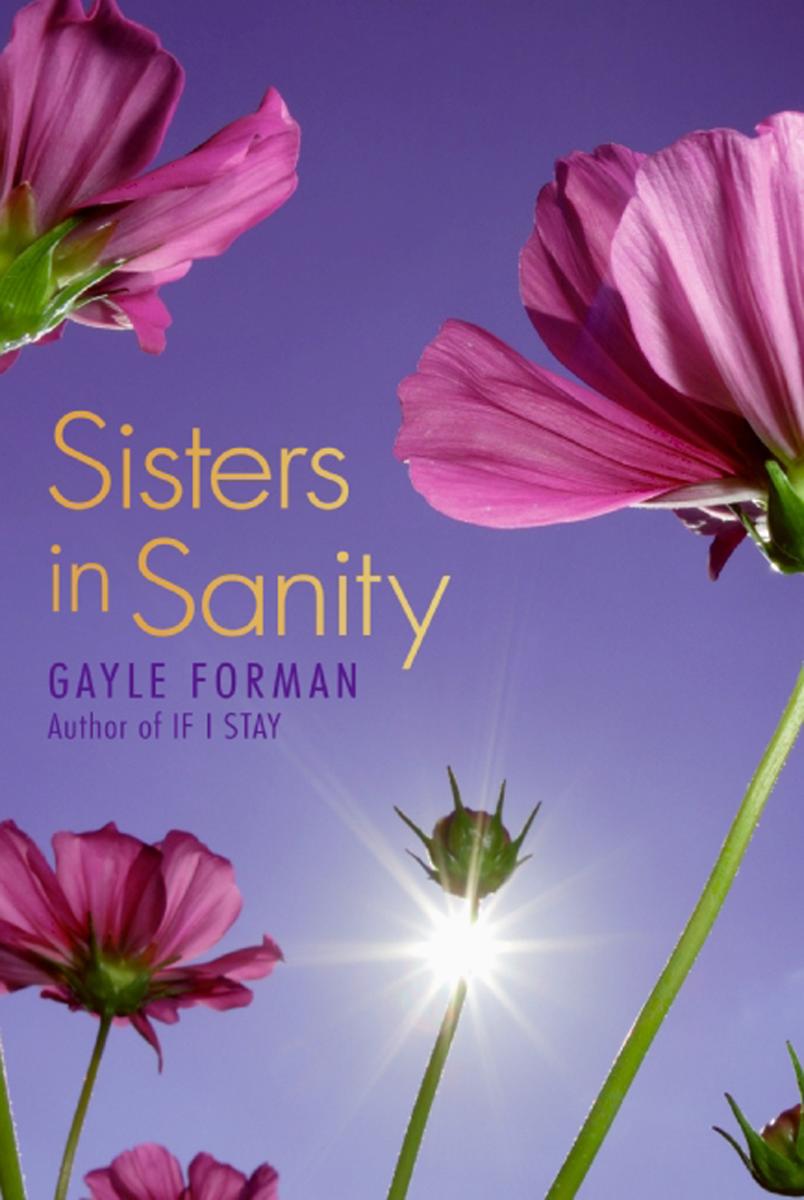
Sisters in Sanity
¥55.93
"Where are they taking me?""It's for your own good, Brit," Dad said.I was shoved into a small, stuffy room, and the door was locked behind me. I waited for my dad to realize he'd made a terrible mistake and come get me.But he didn't.For sixteen-year-old Brit Hemphill, it's hard to know who she can trust. Convinced she's out of control, her father has sentenced her to Red Rock: a center for supposedly rebellious teens, where the therapy consists of name-calling and the girls who get privileges are the ones who rat out their peers.But then Brit meets V, Bebe, Martha, and Cassie—four girls who keep her from going over the edge. Together, they'll hold on to their sanity and their sisterhood despite the bleak Red Rock reality.
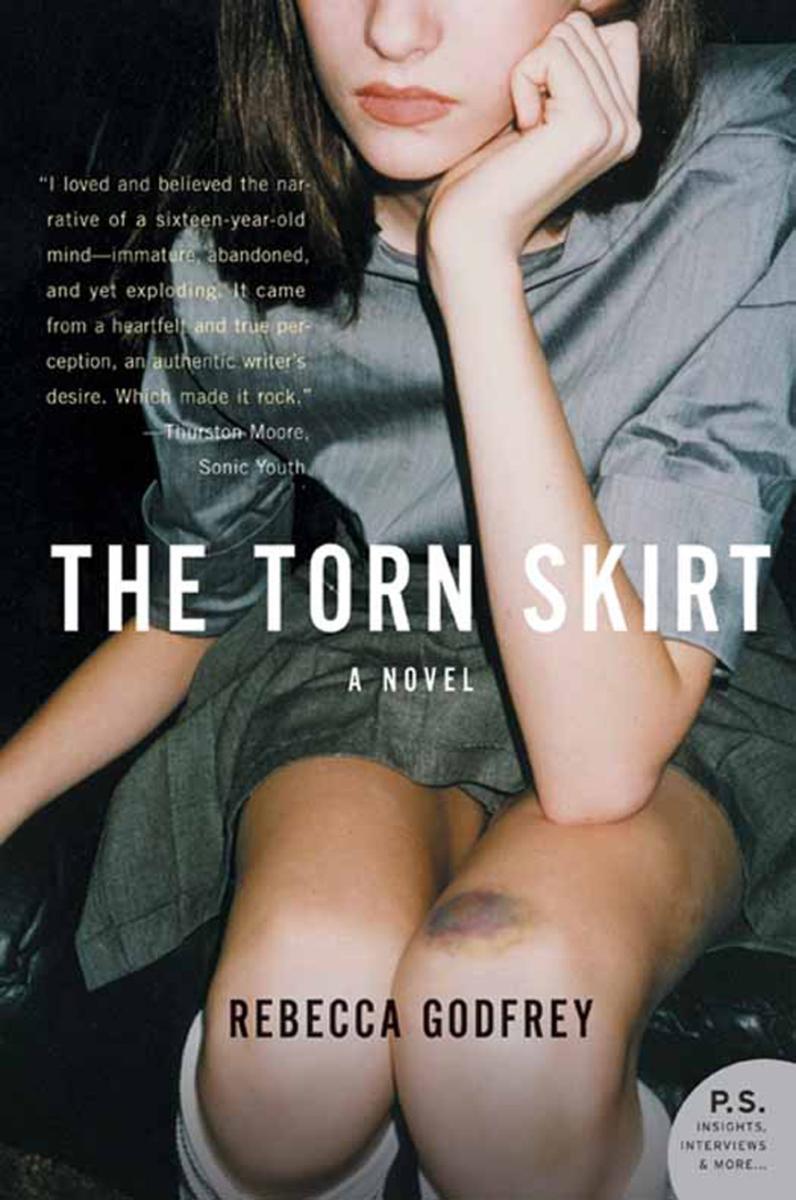
The Torn Skirt
¥72.93
At Mt. Douglas (a.k.a. Mt. Drug) High, all the girls have feathered hair, and the sweet scent of Love's Baby Soft can't hide the musk of raw teenage anger, apathy, and desire. Sara Shaw is a girl full of fever and longing, a girl looking for something risky, something real. Her only possible salvation comes in the willowy form of the mysterious Justine, the outlaw girl in the torn skirt. The search for Justine will lead Sara on a daring odyssey into an underworld of hookers and johns, junkies and thieves, runaway girls and skater boys, and, ultimately, into a violent tragedy.
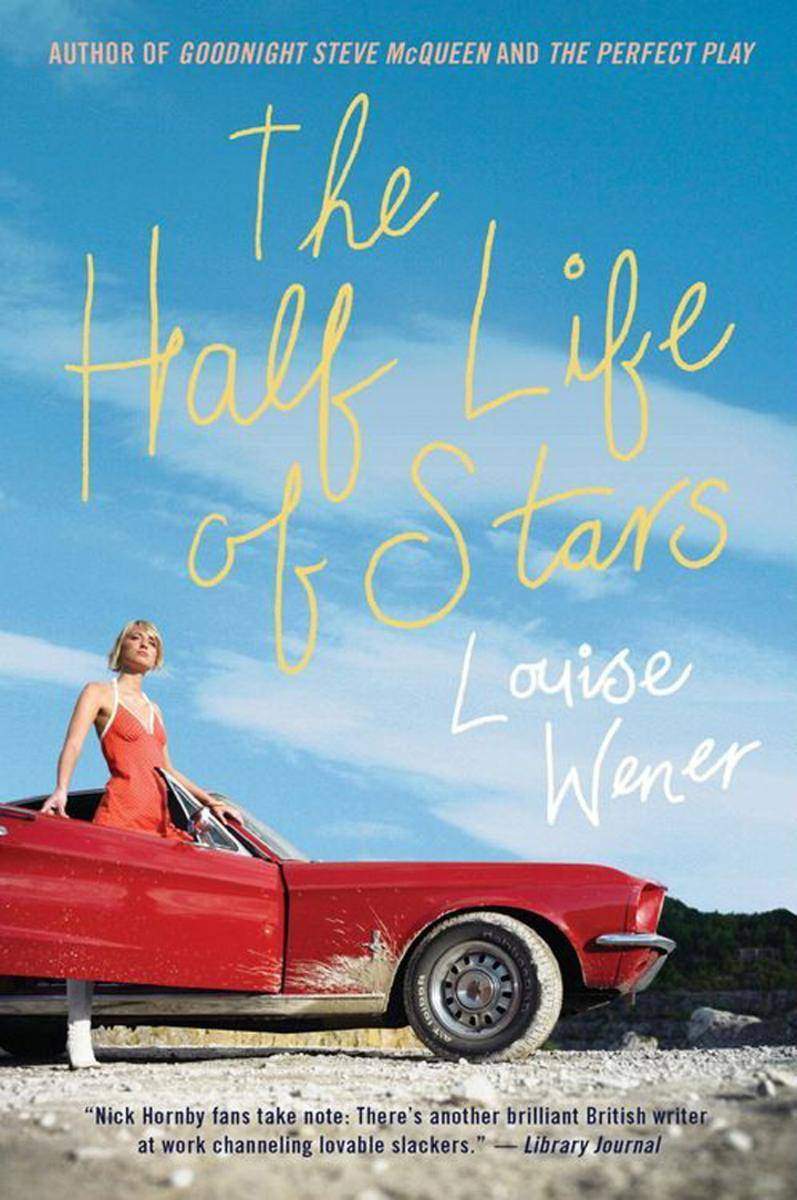
The Half Life of Stars
¥84.82
Claire's older brother, Daniel, has disappeared. He leaves work one Friday afternoon, shortly before Christmas, and vanishes into thin air. Married, successful, rich, there seems no reason why he would abandon his life. Has he been killedHas he been kidnappedOr has he just had enough?Set between London and Miami, this is the story of a family with ghosts to bury. It opens on the day of the Challenger shuttle explosion at Cape Canaveral: a tragic moment that rips this family apart and sets Daniel's disappearance in motion some 18 years later. In the midst of it all sits Claire—divorced, irresponsible, fluent in six foreign languages yet hopeless at interpreting life. It is Claire who knows Daniel best. It is Claire who becomes convinced that she knows where her older brother is and sets off on a journey to find him.
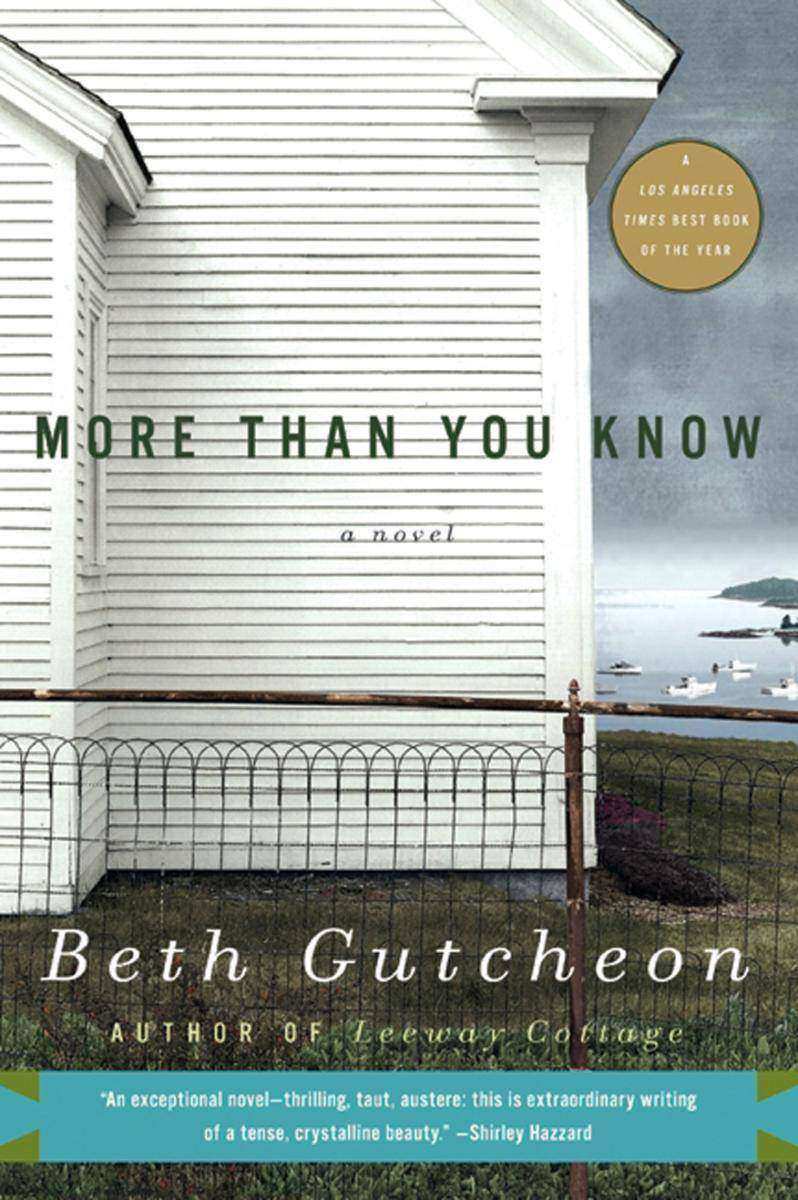
More Than You Know
¥77.49
In a small town called Dundee on the coast of Maine, an old woman named Hannah Gray begins her story: "Somebody said 'true love is like ghosts, which everyone talks about and few have seen.' I've seen both and I don't know how to tell you which is worse." Hannah has decided, finally, to leave a record of the passionate and anguished long-ago summer in Dundee when she met Conary Crocker, the town bad boy and love of her life. This spare, piercing, and unforgettable novel bridges two centuries and two intense love stories as Hannah and Conary's fate is interwoven with the tale of a marriage that took place in Dundee a hundred years earlier.
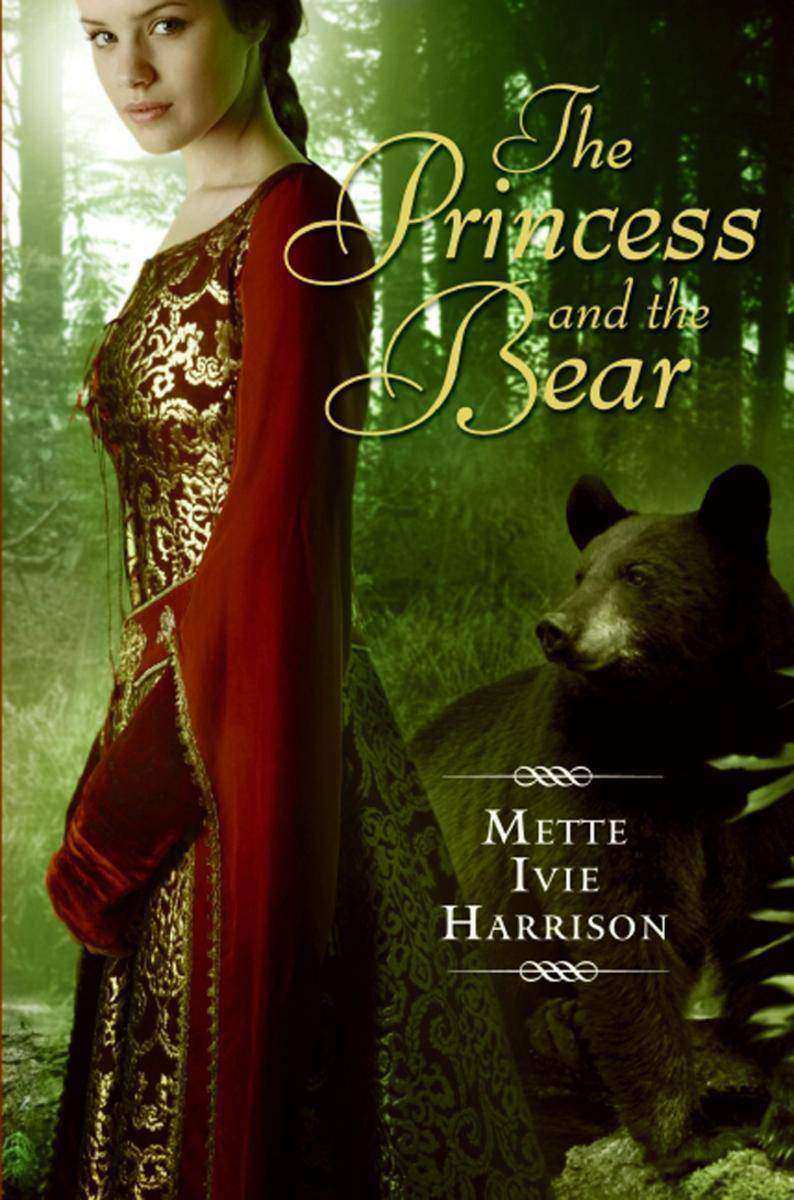
The Princess and the Bear
¥50.47
He was once a king, turned into a bear as punishment for his cruel and selfish deeds.She was a once a princess, now living in the form of a hound.Wary companions, they are sent—in human form—back to a time when magic went terribly astray. Together they must right the wrongs caused by this devastating power—if only they can find a way to trust each other.But even as each becomes aware of an ever-growing attraction, the stakes are rising and they must find a way to eliminate this evil force—or risk losing each other forever.


